Journals on medical research

Population Growth and Environmental Resources: A Short Note on their Relationships and Consequences and Impacts

Introduction

Global human population expansion is seen as the main culprit by politicians, investigative journalists, and environmentalists (Figure 1) [1], which is a unidirectional and negative attitude [2]. Although it is assumed that only a little has been created in this field over the past 200 years, the demography is expected to explore both the good and negative consequences of the link between the environment and human population expansion. Despite a few empirical investigations, a review of the research literature reveals no viewpoint that goes beyond the Malthusian perspective [2,3]. The effects of mankind’s population growth on the environment have been extensively studied and/or discussed [4-43]; that includes resource depletion (agricultural land taken up by urban growth, soil loss, desertification, loss of biodiversity, decreased availability of minerals, and declining petroleum reserves) and resource degradation (soil, air and water pollution) [2-3]. Human migration, settlement and re-settlement patterns, how they relate to and interact with the physical environment, resource depletion and degradation features, and socially beneficial changes should be the focus of population specialists’ research [2-3].

Figure 1

Jolly [4] asserted that the world now faces a critical population growth explosion issue. However, it is a misconception to claim—as some do—that efforts to reduce child mortality via, for example, immunisation should be abandoned as a strategy for lowering population increase.

(i) The population growth rate is only marginally impacted by decreasing child mortality.

(ii) Reducing the number of conceptions results in improving child survival.

(iii) The ratio of people to land is not the primary cause of environmental strain.

(iv) The developed world’s wealth is primarily responsible for the strain on the supply of resources [4].

Overpopulation is assumed to be the primary driver of the rise in energy consumption and its environmental effects [4]. The popular catchphrases “sustainable” and “sustainability,” which are related, have gained popularity and are used to characterise several behaviours that are often ecologically commendable, according to Bartlett [5]. In addition, because human demands and environmental requirements regularly clash, the word “compromise” is used more frequently. A quick analysis of the compromise issue reveals that even a sequence of ten concessions, each saving 70% of the remaining environment, only saves 3% on the ground overall. The meanings of “sustainable” and “sustainability” are not particularly clear, especially when compromises are involved, based on how the terms are employed.” Mao [30] claimed their research has significant theoretical and practical implications for social and economic study, coordinating development, maximising local integrated benefits, and controlling industrial structure. Focusing on the best human-land system as a starting point and applying systematic science and systematic analytical techniques might provide a scientific foundation for policymaking at the county level [30].

Legrand [23] studied and considered the potential policy ramifications of the environmental consequences of population expansion worldwide. The ethical implications of population growth, the complexity of environmental processes, the concentration of negative effects of population growth on renewable resources rather than non-renewable resources, the need for non-coercive efforts to slow population growth, and the impact of challenging political and administrative issues were the main topics of discussion. Dimitrov et al. [11] considered populations with random ageing and exponential growth or decay. They pretended that the calendar time was divided into equal-length segments. The objective of this study was

a) To review the available publications on population growth and environment, and

b) To make a qualitative synthesis of the information in connection to the known common consequences of environmental stresses due to population growth.

Methodology

In this review paper, the keywords ‘population growth environment’ were used to find the available papers based on the Scopus database between 1992 and 2018, searched on January 5, 2019. Out of the search, only titles with the three keywords were selected. After screening and reading the abstracts for the relevancy and suitability for this review objective, only 35 papers were picked up.

Results and Discussion

One potential strategy for slowing the world’s accelerating population growth is to enhance the use of produced energy worldwide for labour-saving purposes [4]. Barbat [4] contends that rising wealth has traditionally been linked to lower birth rates, smaller families, and slower rates of population expansion. According to population ecology research, the driving force behind decreasing birth rates is a reduced reliance on children for security or income due to growing automation, mechanisation, and a corresponding reduction in the necessity for physical labour. Other elements, including higher levels of education or abortion, statistically have less of an impact on birth rates. They discovered that the global rate of electric energy consumption would need to increase by 30 to 40 times to maintain global population stability at a total population four times higher than it is now. The economic viability, the speed at which the resources could be applied to the population problem, and the size of the world’s overall future energy needs are all considered when evaluating the world’s developable energy resources. Interestingly, they [4] indicated that, according to their analysis, only nuclear energy based on uranium appears to be able to meet these high energy demands without posing a major risk to human health. Additionally, nuclear energy reduces the “greenhouse effect” of atmospheric carbon dioxide, which reduces the possibility of an increase in sea level of 30 to 60 metres due to the melting of the polar ice caps. However, other possible risks are within safe control, making uranium-based nuclear energy the most likely choice to meet the global projected energy needs for population stability [4].

Hawthorn [15] made a modest attempt to show that population in and of itself does not pose a significant threat to the environment as a source of resources or an amenity. It is emphasised that not only does it appear that Europe’s population is no longer increasing at even the rate predicted less than ten years ago, but that careful consideration of the simplistic relationship between population growth and environmental degradation also reveals that some current economic and social trends may even be advantageous. They predicted competing rights to use the environment as an amenity would be an issue. From the perspective of mathematical modelling, Smith and Mead [38] noted that a counter-intuitive property of these models is that, given a specific degree of environmental variability, a bigger mean population might result in instability. Migration is either stabilising or destabilising depending on how the effects of various changeable environments are balanced. According to Fuggle [13] (1978), the most urgent environmental issues in South Africa are being experienced in the country’s regions where explosive population increase is occurring most rapidly: our metropolitan towns and our African homelands. There is minimal planning to lessen the stress of urban life, high levels of soil, air and water pollution, issues with landfills and waste management, and noise abatement. Because there are few alternative resource bases in the homeland, population pressure is considerable and immediately affects the ecosystems. The ecosystems in South Africa can sustain a growing population for a long time, but we must acknowledge that some regions of our nation are already stressed. Our priority should be to address these issues while preventing the emergence of new ones due to uncontrolled population growth.

When the connection between population increase, anthropogenic activities and the physical environment is considered, Hogan [3] recognized how little demography had progressed beyond Malthusian arithmetic. Localized empirical research must be emphasised and include all population growth mechanisms. Integrating ecological boundaries with the typical research units in these fields remains a problem for demographers and other social scientists [3]. Hogan [3] addressed these issues and proposed that migration and settlement patterns and their connections to the physical environment are a top contender for the attention of population specialists. According to Scherr [35], theories of induced innovation proposed that microeconomic changes related to population expansion may also drive technical and institutional advances in natural resource management. Empirical data from tropical hillside ecosystems support these possibilities. However, compared to population and market expansion, the rate of innovation could be more moderate. To speed up the process and stop ecosystem degradation and impoverishment as populations rise, public policies that encourage land-improving technologies, foster the social institutions necessary for good resource management, and enhance resource values through public investments and price policies are crucial [35]. The effective distribution of conservation efforts depends on our future leaders, in particular, being thoroughly aware of human population increase, consumption trends, and environmental consequences [16].

An evaluation of the knowledge and attitudes of undergraduate university students majoring in various fields in the United States of America (USA) and Costa Rica (CR) on population- and environment-related issues was conducted using a written questionnaire, according to Holl et al. Their findings showed a need for more understanding of the relationship between human population growth and the environment. USA (American) students and male students answered factual questions about demography and global environmental change more frequently than CR (Costa Rican) students, who were nonetheless generally more pessimistic about environmental quality and the planet’s carrying capacity [16]. The individual utility is determined by the following three criteria, according to Liu et al. [27], relating environmental pollution with the output: consumer items, population growth rate, and environmental pollution. A model for endogenous population growth has been developed to determine the production and pollution growth levels and the best method for environmental management [27]. Organisms in variable settings must continuously alter their behaviour to survive, claim Kussell and Leibler [21]. They demonstrated that when the environment changes seldom, stochastic switching might be preferred over sensing. They established a link between the organism’s long-term development rate and its knowledge about its shifting surroundings.

Mallick and Ghani [29] discussed how affluent nations have effectively completed their demographic transition whilst developing nations are still in various phases of this process. They argued that poverty levels significantly impacted population growth rates in emerging nations. They discussed a study of several schools of thought’s analyses of the connections between population, poverty, and the environment. They offered many policy alternatives to achieve the shared objective of sustainable population increase. The dual issue of population pressure, excessive consumption, and the ensuing environmental deterioration was explored by Searle [36]. It became clear in the 1980s that population growth, poverty, environmental deterioration, and resource scarcity were escalating at a rate that could not be sustained for very long [7]. According to Laakso et al. [22], typical population models presume that the relationship between environmental variability and population renewal mechanisms is constant. They investigated adaptive, density-dependent population dynamics in a population of individuals that differed in where they performed best concerning a stochastic and auto-correlated environmental variable, such as temperature, humidity, or salt. Models assuming constant amounts of genetic variability (equilibrium variance) may not help foresee the effects of environmental changes since the spectrum of environmental noise impacts genetic variance and diversity and fluctuates temporally.

A single-species model with a stage structure in a contaminated ecological environment was taken into consideration by Yu et al. [42]. They used the Lyapunov approach to create the necessary circumstances for the species to become extinct, provided the outside toxin input quantity is steady. In a developing country where income promotes well-being through status and fertility is endogenous, Lehmijoki and Palokangas [24] looked at pollution. A nation is competitive in capital-intensive “dirty” commodities when its environmental enforcement is weak. Trade benefits from trade liberalisation raise income and accelerate population expansion. Strong savings incentives encourage investment, which slows down population growth. Production of capital-intensive filthy products first rises and then falls due to population growth squeezing the labour force. This results in a classic environmental Kuznets path, where pollution rises in the early stages of growth but falls in the later stages [24]. The debate over sustainable growth has focused heavily on the connection between economic expansion and environmental degradation and/or deterioration [28]. Utility growth, which has a positive correlation with economic growth and a negative correlation with environmental deterioration, was utilized by Liu et al. [28] as a gauge of sustainable growth. In this economy, skilled and unskilled labour is utilised, and population expansion over time produces growth without scale effects. While the sustainable growth rate is higher in an economy with a state-backed social planner, the population growth rate is higher in a decentralised economy. In both economies, a greater population growth rate is related to a faster sustainable growth rate.

The degree to which population increase contributes to environmental deterioration is controversial [41]. According to Weber and Sciubba [41], regional-level studies can offer more reliable evidence by separating the population effect from country particularities like policies or culture. They created a dataset of 1062 areas in 22 European nations (EU Member states). Between 1990 and 2006, they examined the impact of population increase on CO₂ emissions and changes in urban land use. They discovered a strong correlation between regional population growth and increases in CO₂ emissions and urban land use in Western Europe. However, other elements seem more significant among the new EU member nations in Eastern Europe. The biggest environmental stressor is the ever-increasing human population expansion worldwide and its associated consumption habits [34]. Every biological environment suffers from the effects of population growth [34]. Environmental issues related to overpopulation are severely under-reported, under-recognized and under-publicized [34]. Peacock [34] investigated how scientific knowledge of ecosystem functioning could improve a person’s understanding of how unchecked population expansion affects ecosystems’ natural order and the potential problems that may follow.

Impacts of Population Growth based on Countries

Figure 1 presents population estimates from 1950 to 2021 based on historical demographic trends. It also includes projections for the year 2100 based on various demographic scenarios. This outcome is in the same trend of increment when annual total emissions of carbon dioxide (CO₂), excluding land-use change, measured in tonnes per person from 1950 to 2021 (Figure 2).

Figure 2

China: Changes in China’s CO₂ and gross domestic product (GDP) from 1990 to 2021 are presented in Figure 3. China increased its CO₂ emissions whilst increasing GDP much faster (Figure 3). This could be a model of a developing country taking China as a fast-growing developing country in terms of GDP increment. In other words, China could not reduce emissions whilst increasing GDP, which is always far higher than the percentages of CO₂ In China’s Henan Province, Zhao [43] investigated how population expansion affects environmental deterioration. The province Statistical Yearbook served as the source of the data. Henan Province saw a rise in population from 41.74 million to 91 million people between 1949 and 1995. Even with successful birth control, the population will exceed 97 million after 1996 [43]. Domestic sewage production grew from 10 million to 710 million tonnes between 1965 and 1995. The amount of woodland in the Xin Yang District has considerably decreased due to anthropogenic activities. Soil erosion, which accounts for around 78% of mountain area, results from declining forests. Silt contaminates rivers. The results of the Henan province’s 1995 Annual Environment Report on wastewater, emission gases, solid wastes, pollution of the four main riverine systems, air, noise, and garbage pollution in cities, as well as pollution from industry, enterprises, and agriculture in rural areas, corroborated their findings. They suggested that the province develop a strong leadership structure, implement an effective birth control strategy, safeguard the environment, and lessen pollution. The Chinese population is the world’s biggest single-iteration experiment, according to a study by Li et al. [26]. A stringent birth control programme adopted by the Chinese government has resulted in a 300 million reduction from the current population. Population was examined as a dependent variable, while time and environmental resources were examined as independent factors. A peak in Chinese population was predicted by resource analysis and existing rates of population increase.

Figure 3

United States: Changes in CO₂ and GDP of the USA from 1990 to 2021 are presented in Figure 4. The USA reduced CO₂ emissions whilst increasing GDP (Figure 2). There is a strong link between CO₂ emissions, prosperity, and living standards. This indicates that the US is making GDP progress together in reducing emissions. This could be due to low emissions levels or at least large reductions in emissions to maintain that standard of living. In other words, the US has reduced emissions (even when we correct for trade) whilst increasing GDP. The effects of irrigating land without first comprehending and then considering implications from the interdependent relationships of hydrology, geology, geochemistry, biology, climatology, land use, and socio-economic issues have been documented by Hren and Feltz [17] in their study of irrigation drainage in the Western United States. Selenium is the trace element most frequently detected in high amounts in water, bottom material, and biota, according to investigations finished in 26 different locations. Additionally, higher amounts of boron, arsenic, mercury, and pesticide residues have been discovered in certain areas. Components linked to irrigation drainage frequently bioaccumulate. Demands for food production from marginal, sub-marginal, and newly irrigated soils are likely to have severe negative environmental impacts from the allocation of limited water resources and contamination from irrigation drain water as the world experiences explosive population growth, particularly in poorer countries. Without considering the discharge of pollutants from irrigation water application, marginally farmed land is especially prone to degradation from soil erosion, salinization, and waterlogging. The failings of the urban and industrial plans of the late Pres. Ferdinand Marcos and early Pres. Corazon Aquino’s years were related to political instability, rapid deforestation, environmental degradation, and on-going explosive population expansion in the Philippines during the 1970s and 1980s [40]. However, the Marcos and Aquino administrations saw a rise in rural poverty and environmental degradation as a result of a lack of industrialization and economic progress [40].

Figure 4

India: The changes in CO₂ and GDP of the USA from 1990 to 2021 are presented in Figure 5. Clearly, India could not properly manage the reduction of CO₂ emissions whilst increasing GDP, which is always higher than the percentages of CO₂ The increasing trend of CO₂ emissions is almost in line with the increasing GDP. The Indian city of Delhi was examined by Dayal et al. [10] utilizing the opposing theories of resilience and agglomeration economies. Delhi is a growing system that is evolving because of economic, social, and environmental pressures. They conducted their investigation using the driver-pressure-state-impact-response (DPSIR) framework. Using the statistical stochastic frontier function framework, they calculated the population pressure index (PPI) to gauge the amount of population pressure at the ward level. They then looked at the relationship between the PPI and the indicators of wellbeing and the ecosystem. PPI and indices of poor well-being have some overlap. Even though certain locations’ population pressure is not at the limit, they nonetheless have terrible environmental conditions. This may have happened because of population development in locations that are unsuitable for human habitation. The levels of well-being might decline as more individuals move out in response to growth and employment opportunities. However, with the right reforms and funding for essential facilities, such substantial welfare losses may be avoided, and the city can continue to play the role of a growth engine.

Figure 5

Africa: The changes in CO₂ and GDP of the Africa from 1990 to 2021 are presented in Figure 6. Clearly, Africa region could not properly manage the reduction of CO₂ emissions since the thread of the CO₂ emissions is increasing higher. However, it is unknown the GDP is not indicated in the graph based on the cited information from Our World of Data. Whether Malthusian or Boserian in character, population and environment arguments about Africa tend to revolve around and/or centred on population numbers as the determining factor underlying the interaction between environment and society, according to Mazzucato and Niemeyer [31]. Instead, they claimed that population levels are less significant than how individuals respond to population growth. They emphasised the function of local informal institutions, such as land tenure systems, as well as the evolution of local networks, norms, and practises in resolving conflicts between people and the environment. Their research was based on observations made during fieldwork in the Sahelian and Sudano-Sahelian regions of Africa between 1995 and 1998, as well as an analysis of colonial records from the region from the first half of the 20th century. They came to the conclusion that changes made to local, informal institutions over the past century have made it possible to manage land sustainably while taking into account the expanding population and diminishing availability of natural resources.

Figure 6

Kenya: The changes in CO₂ and GDP of the Kenya from 1990 to 2021 are presented in Figure 7. Clearly, Kenya could not properly manage the reduction of CO₂ emissions whilst increasing GDP, which is always lower than the percentages of CO₂ emissions starting 2005. The increasing trend of the CO₂ emissions is almost going in line with the increasing GDP. Nyamwange [33] concentrated on how population increase affected the environment in Kenya. Significant imbalances exist between the size of the people and the ecology due to population growth momentum and widespread poverty. The Wakamba tribesmen of the Eastern Province and the Maasai of the Rift Valley Province provide as examples of how population increase affects the environment. For many generations, the Wakamba and the Maasai had created economic structures that allowed them to support their populations without overusing the region’s natural resources. Due to population pressure in the highland zones, families are compelled to go down the ecological gradient into marginal lands in search of a spot to farm. Migrants crowd on pastoralists as they settle in greater numbers, making existence more insecure. Historically, areas used for grazing during the dry season have seen substantial cultivation. This forced pastoralists to use drier plains longer than customary, resulting in overgrazing and subsequent soil degradation and water misuse.

Figure 7

Burkina Faso: The changes in CO₂ and GDP of the Burkina Faso from 1990 to 2021 are presented in Figure 8. Clearly, Burkina Faso could not properly manage the reduction of CO₂ emissions whilst increasing GDP, which is always lower than the percentages of CO₂ emissions since 2006. The increasing trend of the CO₂ emissions is almost going in line with the increasing GDP. Burkina Faso has one of the highest population growth rates in the world, increasing by more than 3% a year, according to an analysis by Knauer et al. [20]. Given that Burkina Faso’s agricultural output is still very low, this development has implications for food security. The agricultural regions are rapidly growing to make up for the low production. Even using remote sensing photography, it is difficult to chart and monitor this development due to the area’s widespread agricultural practices and frequent cloud cover, which make it impossible to distinguish cultivated land from other forms of land cover and land usage. They revealed a 91% increase in agricultural land between 2001 and 2014, up to a total of 116,900 km2. While the majority of this trend’s agricultural regions are rain-fed, irrigated fields and plantations have also grown significantly, particularly because of particular development initiatives.

Figure 8

Concluding Remarks

In sum, the following five results can be interpreted as an increase in the human population based on the complete body of literature retrieved from the Scopus database. First and foremost, resource consumption is rising; second, habitat loss and biodiversity loss; third, the environmental stresses due to human activities on ecosystems; fourth, increased waste output; and fifth, climate change is getting worse as a result of rising greenhouse gas emissions. The increase in energy consumption, food demands, transportation needs, and industrial activity are the main contributors to the aforementioned factors. The following two approaches should be considered in management strategies. Examining agricultural requirements should be matched with protected areas for long-term environmental conservation. Second, there are always needs, gaps, and new directions for studying the factors that affect the environment, society, and government that need to be investigated and determined, at the very least, in the near future.

For More Articles: Biomedical Journal Impact Factor: https://biomedres.us

Journals on Medical Casereports

Revisiting First-Line Therapeutics and the Exploration of Theoretical Novel Neurohormonal Modulation Strategies of Hypothalamic Hamartoma-Induced Introduction & Background

Gowers (1881) and Trousseau (1877) were the first to describe gelastic seizures (GS), which are epileptic episodes marked by fits of laughter. Daly and Mulder first used the term “gelastic epilepsy” in 1957. Hypothalamic hamartomas (HH) are an extremely uncommon condition; in Israel, it affects 1 in 625,000 children and adolescents, and 1 in 200,000 in Sweden [1]. Research indicates GS, a type of seizure characterized by facial twitching and laughing vocalizations, are more common in men and often accompanied by autonomic symptoms like rapid heart rate and abnormal breathing [2]. Patients with epilepsy may experience a sudden, uncontrollable urge to laugh. These seizures may originate in the premotor and frontal opercula regions and travel through the cerebral cortex, pyramidal tract, and ventral brainstem. Generalized epileptic encephalopathy, characterized by cognitive decline and seizures, may also occur [3]. There has been a correlation linking generalized seizures with hepatic hepatitis and HH. More than one-third of HH patients experience GS during infancy, with some mild seizures and others intractable. GS and HH patients often have co-occurring mental health issues [4]. GS are challenging to manage, and surgery is the most likely treatment. Various surgical procedures have been attempted to control GS in HH patients [5].

Surgical resection of HH have been performed using both top-down and bottom-up accession technical surgical approaches. These approaches dissect delicate vascular and neuroendocrine structures with risk of post-surgical complications such as stroke or secondary tissue hyperplasia. Technical approaches for resecting sessile HH patients exist such as the transcallosal-interforniceal method used to reach the HH from above. This technique has shown better seizure control and improved cognitive function. However, it may cause short-term memory impairment [6]. Hypothalamotomy may or may not be indicated as a safer alternative to surgical resection of the HH. This procedure is typically reserved for specific, refractive, and severe cases. Often involving a multidisciplinary team of neurosurgeons, neurologists, and other specialists to assess the patient’s condition and determine the most appropriate treatment approach. This method effectively blocks the intrinsic epileptogenic activity. Endoscopic disconnection, performed using depth electrodes, has shown the immediate disappearance of epileptic discharges [6]. Stereotactic radiofrequency thermocoagulation is a minimally invasive surgical approach for HH requiring a small burr-hole or twist-drill opening. A case report has shown this therapeutic intervention to provide total seizure control, with better control found in small lesions [7].

Anti-seizure drugs aim to eliminate seizures while minimizing side effects. Therapeutic intervention is considered after two documented cases, or one seizure seen in higher-risk populations. Factors like age, sex, comorbidities, seizure type, and tolerability influence treatment. Monotherapy is best, while polytherapy may increase risk [1]. Common pharmacologic therapeutics include: Carbatrol (carbamazepine), Keppra (levetiracetam), Lamictal (lamotrigine), Oxtellar XR (oxcarbazepine), Tegretol (carbamazepine), Topamax (topiramate), and Vimpat (lacosamide). There arenewer therapeutics being trialed or utilized such as: Brivaracetam, a newer version of levetiracetam that may have fewer side effects and better efficacy, Cannabidiol, a compound derived from cannabis that has anti-inflammatory and anti-seizure properties, Epidiolex, a purified form of cannabidiol that is approved by the FDA for the treatment of two rare and severe forms of epilepsy, Dravet syndrome and Lennox-Gastaut syndrome, and Fenfluramine, a drug that was previously used as an appetite suppressant, but was withdrawn from the market due to cardiovascular risks. It has been repurposed as an adjunctive therapy for Dravet syndrome. There is also Ganaxolone, a synthetic analog of allopregnanolone, a neurosteroid that modulates GABA receptors and has anticonvulsant effects, and Perampanel, a selective AMPA receptor antagonist that blocks glutamate-mediated excitatory neurotransmission [8].

Novel approaches, such as redefining abnormal neuronal circuitry utilizing stem cell therapy have also been shown to provide therapeutic and neuroprotective benefits to epileptic patients. Offering restorative and regenerative inhibitory GABA-ergic neurons, this therapy counteracts hyperexcitability, attenuates glutamate excitotoxicity, protects neurons, and promotes differentiation into astrocytes, thus regulating neuronal homeostasis and neuroinflammation [9]. Epilepsy is a long-term medical condition influenced by hormones that control seizures by altering neuron excitability, leading to issues with the neuroendocrine system. This can cause reproductive dysfunction, affecting both men and women [10]. This study examines such HHlesions and continues to focus on the neuroanatomy and potential role in epileptic seizure presentation.

Review Methods

For this systematic review, the methods for searching and analyzing the articles strictly adhered to the PRISMA guidelines presented by Liberati, et al. [11]. For the purpose of conducting this inquiry, the three databases that were used were PubMed, Science Direct, and ProQuest. For the purpose of narrowing down the search, the following keywords were utilized: “First-Line Therapeutics for Gelastic Epilepsy” and “Novel Management Strategy for Gelastic Epilepsy”. For the purpose of this investigation, the electronic search was deemed to be potentially relevant. During the screening process, a point was made to rid any articles that were written in a language other than English or that were an exact duplication. The titles, abstracts, research styles, and accessibility of full texts of such papers studied were taken into consideration while evaluating them for the inquiry. A total of sixteen papers were finally selected from the thirty-one publications that were examined during the first search that was conducted across all three databases. One article chosen was removed due to inability of text access. A further reduction of evaluated articles is achieved via the use of specific keywords and the review of the abstracts. After applying the criteria for inclusion and exclusion, it was decided that fifteen articles were pertinent to the discussion.

Inclusion Criteria

The review included articles on human, English, first-line gelastic epilepsy treatment, peer-reviewed, full-text, meta-analyses, cohort studies, case-control, and observational studies. It specifically examined the neurohormonal modulation strategies of hypothalamic hamartoma-induced gelastic epilepsy, utilizing gray literature for new information.

Exclusion Criteria

We did not include systematic reviews in the study. Duplicate articles and those without complete text were also not included.

Quality Assessment

The PRISMA checklist and flowchart (Figure 1) was included in the systematic review to ensure thorough, honest, and equitable reporting. To evaluate the quality of the study, researchers utilized either the Quantitative Studies Critical Evaluation Form (Law, et al. 1998), the Critical Review Form for Qualitative Studies (Letts, et al. 2007), developed by McMaster University, or the Critical Appraisal Skills Programme (Singh, 2013) for systematic reviews. The rigor, research design, and bias risk of the included studies were assessed using these quality criteria.

Figure 1

Results

The search yielded a cumulative total of 31 articles, including 10 sourced from the Cochrane Library, 6 from PubMed, 7 from Medline, and 8 from Scopus. Out of the exclusions, 6 articles were duplicates, 5 were in a language other than English, and 4 did not primarily concentrate on the main factors. As a consequence, 15 articles were eliminated during the automated screening process, leaving 16 items for human screening. Papers were meticulously evaluated by considering the abstract, title, research type, and availability of the full text. As a result, 18 papers were examined to determine their suitability. In the end, a total of 15 papers were selected for the final analysis.

Neurohormonal Modulation Strategies

Neurohormonal modulation refer to approaches aimed at altering the activity of certain neurotransmitters and hormones in the brain to reduce seizure frequency and severity. A new understanding of the connection between hormonotherapy, and epilepsyis currently taking place [12]. Neurohormonal modulation strategies may involve the following: Pharmacotherapy, to target specific neurotransmitter systems or hormone receptors involved in seizure generation or propagation. These medications may include the antiepileptic drugs (AEDs) previously discussed, or hormone-modulating drugs that affect hormonal levels. Hormone therapy, the manipulation of hormone levels through therapeutics reduce seizure activity. Hormones such as cortisol and adrenocorticotropic hormone (ACTH) may be involved in modulating seizure activity, and hormone therapy may aim to stabilize their levels. Neurostimulation, Using devices such as vagus nerve stimulation (VNS) or deep brain stimulation (DBS) to modulate neural activity and hormonal release, reduce seizure frequency and severity. Surgical intervention as previously discussed to help alleviate seizure activity by removing the source of abnormal neural firing and hormonal dysregulation. Lastly, lifestyle modifications: Certain lifestyle factors such as stress, sleep deprivation, and hormonal fluctuations can influence seizure activity.

Therefore, implementing strategies to manage stress, improve sleep quality, and stabilize hormonal levels may complement other treatment approaches in reducing seizure frequency. Overall, neurohormonal modulation strategies aim to target the underlying mechanisms contributing to gelastic seizures and epilepsy, with the goal of reducing seizure frequency and improving overall quality of life for individuals affected by these conditions. It is also important to note the hypothalamic-pituitary axis regulates the production and metabolism of endogenous steroids. Medications used to treat seizures may also affect hormonal physiology, which in turn inhibits fertility. As a result, both men and women may have decreased fertility and dysfunctional sexual functions as a result of this. Women may encounter irregular periods, excess weight, hyperandrogenism, infertility, polycystic ovaries, sperm abnormalities, as well as, slowed sexual maturation that can be seen in males [13].

The Effect of Hormones on Epilepsy

Estrogens

Among the three physiologically active estrogens, estriol is the most important during pregnancy, whereas estradiol is the primary estrogen in fertile women. Both ERα and ERβ are intracellular receptors that estrogens use to influence the brain; the latter is particularly crucial for the non-reproductive actions of estrogens. While estradiol does not influence GABA-ergic processes, it does improve glutamate responsiveness in cerebellar neurons. Estradiol inhibits glutamate decarboxylase activity in the amygdala and substantia nigra, which in turn reduces GABA production and suppresses GABA-ergic inhibition of hippocampus neurons with prolonged exposure. Furthermore, estradiol alters the brain structure by influencing the connections between synapses in the hippocampus and increasing the density of dendritic spines. Extensive research has shown that the effects of estradiol on brain excitability vary by territory [14].

Progesterone

Metabolites of progesterone affect brain excitability in both conventional and non-classical ways; the latter is by far the more significant. The brain is filled with progesterone receptors, and by converting them to 3α-5α-THP, an anticonvulsant neurosteroid, and the effects on postsynaptic GABA-ergic neurons are amplified. By acting at the NMDA receptor and reducing glutamate responsiveness, progesterone, and its metabolites may influence excitatory pathways that influence brain excitability and sexual behavior. Neurosteroidscan influence all GABA-A receptor isoforms, which warrants further investigative research as a novel therapeutic strategy for the treatment of catamenial epilepsy in women [15].

Androgens

Sex hormones known as androgens have dual actions as anticonvulsants and antiepileptics. The estrogens may be converted into 17β-estradiol, an excitatory hormone, whereas androstanedioland dihydrotestosterone have strong antiepileptic properties. The proconvulsant action of flutamide demonstrates the standard method by which androgens function, but there are other, non-classical ways as well. Androgens have antiseizure effects in wild-type animals, but feminized mice lack these effects because of abnormalities in the intracellular androgen receptor. Androgens also influence receptors that are not part of the conventional membrane. As an example, a study in mice has shown that androstanediolmay reduce seizures and increase GABA-activated currents in the hippocampus. Application of testosterone to gonadectomized male rats increases spine synapses in the hippocampus and contributes to plastic changes throughout the menstrual cycle, demonstrating that androgens also impact neuronal structure and function [16].

Testosterone

A hormone may increase the frequency of seizures because of its by-products. As a proconvulsive, estradiol (E2) is a by-product of physiologically active testosterone. Both partial and generalized epilepsy are associated with low testosterone levels in males. An androgen shortage and an increase in seizure recurrence may occur in patients using liver enzyme inducer antiepileptic medications (EI-AEDs). Enhancing ionotropic glutamate receptors in region CA1 and expanding dendritic spines, E2 has a detrimental impact on the hippocampus. Additionally, it dampens the slow post-hyperpolarization caused by Ca-dependent potassium (K) currents and inhibits GABAergic transmission. Changes in seizure activity may be caused in part by the binding of intracellular estrogen receptors by other testosterone metabolites such as 5′-androstane-3′ and 17-diol (3′-diol). Mice protected against GABAA receptor antagonist-induced seizures were given 3′-androstanediol to reduce brain excitability via allosteric regulation of GABAA receptors [17].

Glucocorticoids

Epileptogenesis has been associated with pituitary-adrenal hormones, particularly neurosteroids and corticosteroids. In response to acute stress, animals’ seizure thresholds are raised, and epilepsy patients with persistent stress are at increased risk for seizures. The levels of neurosteroids and corticosteroids, such as cortisol and DOC, are elevated in the brain and plasma when stress is present. Because corticosterone and other stress hormones increase hippocampus activity and may induce neuronal damage, chronic stress may increase susceptibility to epileptogenesis. In addition to mineralocorticoid and antiseizure characteristics, the adrenal zona fasciculate also produces deoxycorticosterone. Evidence suggests that 11-deoxycortisol, a precursor of cortisol, may cause persistent seizures. Some research suggests that regular exercise may help prevent or postpone the onset of epilepsy. Endogenous neurosteroids may be part of the exercise therapy that lowers brain vulnerability. Additionally, stress may influence seizure regulation of seizures; whereas short-term stress may have anticonvulsant-like effects, long-term stress can induce epileptic seizures. Under stressful conditions, the ratio of proconvulsant to anticonvulsant components may change, leading to seizures that are triggered by the stress itself [3].

Neurosteroids

One possible mechanism by which neurosteroids influence epilepsy is by controlling the excitability that occurs during epileptogenicity by modulating the activation of extrasynaptic GABA-A receptors. Research has shown that reducing synaptic inhibition in the brains of epileptics preserves tonic conductance. To modulate epileptogenesis and improve phasic and tonic inhibition, endogenous neurosteroids could be useful. Dysregulation of neurosteroid production may aid in the development of epilepsy (Table 1). The capacity of therapeutic programs to prevent epilepsy is hindered by a lack of knowledge about epileptogenesis, even if scientific understanding has improved [18].

Table 1: A summary of the studies is presented in the following table.

Discussion

The occurrence of seizures in people with gelastic epilepsyis attributed to abnormalities in the hypothalamic and hippocampal regions of the cerebral cortex induced by the mass effect of the hypothalamic hamartoma. The origin of these seizures has been substantiated using stereo-EEG recordings of GS, which capture the electrical activity from the hypothalamic lesion. Additionally, the HH have been stimulated using depth electrodes, providing further evidence of this phenomena. Ictal spectral hyperperfusion has been seen during these convulsions. Radiofrequency coagulation, surgical and gamma-knife ablation, and localized resections have all been beneficial in managing seizures caused by HH. However, GS have not been successfully treated using these approaches [19]. Previously, it was believed that diencephalic-hypothalamic regions were responsible for the release of affective and emotional responses. The tight anatomical connections between HH’s and these tissues explain the hormonal alterations and autonomic symptoms seen in GS. Surface electroencephalograms (EEG) taken during episodes of laughing fits typically show a lack of coordination in the background brain activity, with few or no signs of sudden abnormal activity. Dacrystic seizures, characterized by involuntary bouts of crying, have a similar EEG pattern, sometimes presenting in the first phases of gelastic epilepsy [20].

As the manifestation of this condition advances, more types of seizures often occur consecutively. Empirical data from clinical observations and electroencephalographic studies indicate that partial seizures are mostly associated with temporal or frontal lobe impairment. These seizures may manifest as either simple or, more often, complex. However, gelastic seizures are not influenced by localized cortical resections, and MRI spectroscopy did not identify any harm to the patient’s temporal lobe neurons [21]. Secondary generalized epilepsy evolves into generalized spike-wave discharge seizures, which often mimic Lennox-Gastaut syndrome and have features of catastrophic epileptic encephalopathy. The hypothalamus’s structural and functional connections to the thalamus and cortex have been used to elucidate this kind of evolutionary process. In cases of secondary generalized epilepsy, the hypothalamic discharges do not coincide with the interictal generalized spike-wave discharges. Secondary epileptogenesis is the probable cause of both localized and broad seizures, which seem to be events occurring beyond the affected area [22]. Individuals afflicted with this condition exhibit a broad range of symptoms, ranging from the least severe form known as “pressure to laugh” (Gelastic Seizures) to more extreme variations manifesting the global mass effect induced by the HH which is linked to early onset generalized epilepsy and premature puberty.

The severity and staging of the disease process may be determined by factors such as the size of the HH, their location (tuber cinereum vs. mammillary bodies), the kind of attachment (pedunculate vs. sessile), and the degree of hypothalamic displacement [23]. Pedunculate hypothalamic hamartomas are rare in patients with gelastic epilepsy and may be linked to endocrinologic disorders or visual impairment; nonetheless, sessile hamartomas are more prevalent. No correlation exists between less severe occurrences and cognitive deficits or behavioral disorders. Within the intermediate range, some individuals suffer from severe epilepsy and have different cognitive deficits; however, they do not display indications of secondary generalized epilepsy. Precocious puberty is not always a consistent or prevalent symptom seen in GS [24-39]. In summary, HH are uncommon tumors that are linked to a combination of developmental delay, early onset of puberty, and gelastic epilepsy. The overwhelming majority of individuals diagnosed with HH’s have intractable epilepsy, a condition that is often detected in neonates. While GS are the predominant seizure type in these people, they often have a range of other seizures, including complex partial seizures, generalized tonic-clonic seizures, drop attacks, and infantile spasms.

There is enough evidence to support significant mental comorbidities often accompany the progression of cognitive decline. Adults may have fewer seizures and show improved neurophysiological results, indicating a more favorable prognosis for the condition. A significant number of these patients will have cerebral testing before surgery due to the challenging nature of their treatment. GSare often refractive to pharmacological intervention, as such, the transcallosal operation has shown superior efficacy among surgical treatments for seizures. However, non-surgical methods like radiosurgery and ablative techniques are becoming more popular due to their promising outcomes.

Conclusion

Empirical research indicates that individuals diagnosed with epilepsy have a higher susceptibility to seizure episodes as a result of hormonal fluctuations, which affect their endocrine system. The impact of reproductive hormones on neuronal excitability, seizures, and the resulting damage is intricate owing to their diverse mechanisms of action. There is a widely held assumption that estrogen has the ability to promote seizures, whereas progesterone has the ability to prevent seizures. This perspective has led to using specific analyses to study these effects. Further research using stringent treatment protocols is necessary to comprehend the biphasic dose-dependent effect of sex hormones. Estradiol and progesterone/allopregnanolone have potential therapeutic benefits for individuals with epilepsy. Progesterone may attenuate seizure activity, but it does not have substantiated neuroprotective effects against seizure-induced damage. Estradiol has reduced efficacy as an anticonvulsant drug, but it demonstrates the ability to safeguard hippocampus neurons from damage caused by seizures. Customized therapeutic approaches, which include modifying medication dosages, are essential for enhancing seizure management and the well-being of individuals with epilepsy. If the seizures are unresponsive to medications, surgery at an early stage of the treatment plan for hypothalamic hamartoma with epilepsy is advisable.

These findings indicate that the severity and lasting consequences of brain injury may increase in correlation with the length of unregulated seizures. The systematic review conducted in this study sheds light on the complexities surrounding the treatment of gelastic seizures (GS) associated with hypothalamic hamartomas (HH). Despite advancements in understanding the pathophysiology and therapeutic options, challenges persist in effectively managing this condition. The review highlights the significance of early recognition and intervention, as GS often serve as the initial manifestation of HH-related epilepsy. Current therapeutic strategies primarily focus on surgical interventions, with the anterior transcallosal interforniceal approach demonstrating promising efficacy. However, it’s noteworthy that this approach may entail risks such as short-term memory impairment. Non-surgical methods like endoscopic and radio surgical ablative techniques are emerging as viable alternatives, offering potential benefits in terms of seizure control and cognitive outcomes. The exploration of novel pharmacological treatments presents a promising avenue for future therapeutic developments. Emerging drugs such as brivaracetam, cannabidiol derivatives, and neurosteroids show potential in modulating neurotransmitter systems and hormonal pathways implicated in seizure generation and propagation.

Additionally, stem cell therapy emerges as a novel approach offering neuroprotective and regenerative effects, presenting new avenues for therapeutic exploration. Despite these advancements, further research is warranted to elucidate the underlying mechanisms driving GS associated with HH and to optimize therapeutic interventions. Specifically, there is a need for comprehensive studies evaluating the long-term efficacy and safety of both surgical and non-surgical approaches. Moreover, investigations into the neuroendocrine modulation strategies and their impact on seizure control and reproductive function are essential for addressing the multifaceted nature of HH-related epilepsy. In conclusion, this review underscores the imperative for continued research efforts aimed at advancing our understanding of GS associated with HH and refining therapeutic strategies to improve outcomes and quality of life for affected individuals. Epilepsy

For More Articles: Biomedical Journal Impact Factor: https://biomedres.us

Journals on Biomedical Intervention

Rotator Cuff Tear. Partial Repair with Long Head Biceps Augmentation

Introduction

Surgical treatment of retracted rotator cuff tears is a big deal. The healing outcomes are usually bad.

Objective

show our technique to repair a rotator cuff tear and how we perform an augmentation with the long head biceps (LHB).

Material and Methods

Clinical case: 58 years old woman with a long history of right shoulder pain. Physical exam: active flexion 120º, normal internal and external rotations Jobe sign positive, bear hug negative. MRI: total supraspinatus (SE) tear with grade 3 retraction and grade 3 fat atrophy (Figure 1) [1,2].

Figure 1

Surgical Treatment

Under general anesthesia and additional interscalene nerve block, the patient is placed in the lateral position. Right shoulder arthroscopy through as usual portals is performed. The subscapularis tendon was conserved and the LHB did not have any tendinopathy signs. The SE tendon had a total tear retracted until the glenoid and it was only amenable to be reduced to the half posterior area of the footprint. A 4,5mm Cross Ft (Linvatec) was used to move the LHB from the bicipital groove to the center of the humeral head. Two sutures were passed through the LHB, performing a “lasso-loop” configuration. The suture stumps rested in another portal to use them later. After that, the infraspinatus and SE tendon were repaired with a 4,5mm Cross Ft (Linvatec) posterior in the footprint, using a combination of mattress and Mason Allen suture techniques. Finally, we passed the sutures used in the LHB through the supraspinatus tendon to enhance the repair, to avoid tendon retraction and to cover the maximum area possible. providing an additional side-to-side, “tension-free” marginal repair of the SE tendon with the LHBT (Figures 2-5).

Figure 2

Figure 3

Figure 4

Figure 5

Results

Patient wore a sling for 6 weeks. She attended physiotherapy treatment. 9 months after surgery she didn’t feel any pain, had returned to her previous work and her mobility was complete.

Figure 6

Conclusion

We need more reports to know the real effectiveness of this technique. At the moment, it is an economic alternative with less resources needed.

For More Articles: Biomedical Journal Impact Factor: https://biomedres.us

Journals on Cancer medicine

Groundwater and Anthropic Activities: A Qualitative Study on Treatment Techniques

Introduction

The role played by water is crucial to the maintenance of various organisms, and relevant because it is a continuous cycle in the maintenance of life on the planet. It is through its hydrogeological cycle that each unicellular or pluricellular individual receives and absorbs nutrients crucial to existence. Starting from the scientific data that only 2.5% of the planet’s water is available in the form of fresh water (SILVA, et al. [1]). Of these, 29.9% are concentrated in groundwater, with Brazil holding 13% of this volume (CARDOSO [2]), and that although groundwater in the country totals 112,000 km3 (BORGES, et al. [3]), the lack of proper management of this resource, can cause not future but immediate disruption to the ecosystem as a whole (CARNEIRO, et al. [4]). At each moment the geological water cycle has been compromised (CARNEIRO, et al. [4]), when forests are cut down, springs and rivers are extinguished, infiltration waters are reduced due to less and less space in the planning of cities for this purpose, and finally the lack of basic sanitation and treated water to a large part of the world population, i.e., anthropic activities altering the ecosystem, causing changes of great relevance to the world population.

Groundwater, which a priori became a palliative measure to supply cities, agricultural production lines or in series, but which became a form of confrontation to a water crisis that has increased year after year, and which, due to this use, has suffered the relevant impacts by the loss of biodiversity of ecosystems, such as contamination, overuse, lack of current regulatory legislation for use, improvement of decontamination techniques. In view of the above, the objective of this study is to verify, by means of exploratory and bibliographical research, the search for key words: underground water, more impacts, more techniques and treatment tools, in the Scopus, Periódicos Capes, PubMed, Scielo, BMC and Elsevier databases, with a view to listing measures to protect this resource, water, which is so essential for the maintenance of life. Technological measures and sustainable management tools for this purpose will be reviewed, as well as the evolution of groundwater treatment techniques.

Research Methodology

A global search on groundwater plus impacts and contamination, added to tools for managing water resources and updated remediation techniques for this resource was conducted in a qualitative and exploratory manner in Scielo, Scopus, Elsevier, PubMed, Periódicos Capes, and BMC journals, delimited by the period 2015 to 2022, where 500 studies were found that were filtered again by type of publication, scientific articles, and duplicate papers using the Rayyan support tool, where 150 papers were discarded. Applying a new filter of publications within the area of environmental sciences another 150 papers were discarded, which again using the Rayyan support tool were read and discarded seventy (70) studies for only containing the words but not being specific, thirty (30) for not showing positive results. Flowchart 1 below will demonstrate these steps, and Table 1 in the Remediation Techniques section will show the techniques found and most applied lately for this purpose (Figure 1).

Table 1: Most commonly used techniques in decontamination.

Note: Source: Adapted by authors

Figure 1

Theoretical Reference

WORLD ECONOMIC FORUM, et al. [5], climate change to which no one is immune, nor can the world vaccinate itself against it is ongoing and catastrophic: the “failure of climate action” is the most impactful (GUNJAL, et al. [6]), and second most likely long-term risk identified in the Global Risks Perception Survey (GRPS). Billions of people around the world are at greater risk of missing future economic opportunities, and the benefits of a resilient global community. According to GRPS, “livelihood crises” will be a critical threat over the next two years, and their impact is likely to continue through the decade. (WORLD ECONOMIC FORUM, et al. [5]). The paradigm of the need for the maintenance of biodiversity and the search for socio-economic and cultural sustainability is then created (SENAL, et al. [7]), for the “simple act” of continuing life, and the role of research and development is crucial at this time. Although biodiversity and sustainability are notable terms, their axiomatic concepts (LEÃO, [8]), converge to a common and integrative goal (MAIA [9]). In a recent study PRETI, et al. [10], relate and demonstrate the efficiency of Nature Based Solutions (NBS) and soil bioenergy (BES) as management tools or “naturalistic engineering” as the authors themselves cite, in the remediation, maintenance and prevention of biodiversity loss that has so much influenced climate change.

According to researchers, the (NBSs) are a form of discontinuity of anthropic influences on the environment, and can ensure a sustainable growth (TERTIS, et al. [11]). It is necessary to present the relationship that in a harmonious way should exist between surface waters extremely relevant to the maintenance of biodiversity in all its aspects, mainly in the hydrological cycle of water, and groundwater that also play this important role in the said cycle. This source of surface water replenishment has suffered interference from anthropic activities.

Anthropic Impacts on Subterranean Waters

It is impossible to analyse the unbalance of the ecosystem without adding to it the anthropic impacts caused by man in the search for his constant needs, whether these are salutary to his sustenance or not. And here arises a significant term, the Anthropocene. As HAMILTON [12] describes, the Anthropocene is a rupture between man and nature due to actions in two strands, those able to interfere with the ecological balance of the planet, and those that disturb the system. These disturbances can be punctual or gradual and staggered. When thinking about point anthropic impacts (ALKAN, et al. [13]) to the ecosystem and in the case of groundwater, a supply well used for agricultural production or for a manufacturing unit at 150 mts, 180 mts or greater depths, has a capacity not only local but also regional to affect the ecosystem as a whole, because all the capillarity of small sheets that supply this well, also impact on supply of rivers near the place where the point of collection of this water is installed. According to ELIAS [14], the study Anthropocene is a current proposal although not so young, the author through paleoclimatological studies has observed the physical and biological global response to this phenomenon, drawing attention to the concentrations of CO2 and its direct implications to life. It is a fact that, mainly due to the unrestrained growth of industrial activities, the interference of waste generated and disposed of in environmental spaces is huge.

A relevant issue raised by MANÇANO, et al. [15], when they address in their study the excessive use of antibiotics used constantly in the production of animal protein, as by humans through self-medication and the implications of this waste in the micro cellular biochemical structure present in wastewater. The authors draw attention to the residue drained via sanitary sewage in locations that have treatment, but which is not very efficient in retaining this liability, as in places such as developing countries that have not reached 100% treatment of sanitary sewage. Extreme environments according to DUSSAUZE, et al. [16], in their study directed to points of oil exploration, suffer the action of chemical dispersants that interfere greatly in the marine ecosystem. Gradual or staggered impacts can be observed through the change in the rainfall index of a region, or the development without proper planning of an urban area, where the lack of a master plan for constructions, geomorphological risk, erosions (PONTE, et al. [17]). Study, map and define these factors is crucial for decision making. They cite MANCINI, et al. [18], in their study in Italy, direct implications as the above on groundwater quality, through four different statistical methodologies where change points, trends, percentile and non-standard anomalies were evaluated to detect inter-annual variations in rainfall amplitude in the region.

With four defined objectives to compare statistical methods in rainfall assessment, identify the relationship between evapotranspiration and infiltration, the temporal variation of the rainfall index and describe critical situations of depletion. According to the authors report, anthropic impacts and climate change are amplified due to the extrapolation of groundwater use, and the loss of natural vegetation cover directly influences the infiltration volume and replenishment of groundwater springs. Study in Nigeria conducted by ETUK, et al. [19], corroborates the discussion raised so far, the researchers analysed Depth to water, net Recharge, Aquifer media, Soil media, Topography, Impact of vadose zone, and hydraulic conductivity (Depth to water, net Recharge, Aquifer media, Soil media, Topography, Impact of vadose zone, and hydraulic Conductivity-DRASTIC). Identifying nitrate values (HUNOOR, et al. [20,21]) higher than allowed even in the saturated zone, and the reasons that are already well known among them, the region had a population increase in the order of 400% in the period between 200 and 2020.

The researchers warn about the constant pressure exerted by food production, which consumes 73% of the fresh groundwater in rural areas and 43% in urban areas of the planet, and the direct effects of this extreme use could very soon compromise the recharge zones of aquifers. They propose HUTSON, et al. [22], in their study, the adoption of a healthy urban planning that can absorb the needs of citizens and regional socioeconomic growth in such a way that both sides of coexistence can be met in their longings. Increasing the spectrum of discussion, the study by ASADZADEH, et al. [23], shows us an issue of paramount importance analysed in their work through remote sensing of the levels of hydrocarbons found in the state of Bahia and in other locations. The objective was the verification of macro and micro infiltration into the soil of aromatic and aliphatic hydrocarbons, frequent contaminants in groundwater of difficult removal. The relevance of this study is in the origin and form of contamination of aquifers (SOUSA, et al. [24]), not in a traditional way by the hydrological cycle of water, but by the formation of units “macroseps” that allow the infiltration of gas forming a plume of contamination, of clay, carbonate precipitation, sulfides and other contaminants.

The researchers report in the study that after collecting samples and analysing the spectrum, there was an elongation of the side carbon chains and an overlap of the π and δ bonds of the compounds found, as well as a resonance in these compounds, which means the even greater need for energy to be offered for decontamination of this affected sector. It is observed then, that anthropic impacts are felt by the ecosystem (SILVA GOMES, et al. [25]), from the terrestrial atmosphere to the deepest oceanic point, with direct implications on the ecosystem, biodiversity, causing substantial chemical, physical, biological and microbiological changes (LEÃO [8]), groundwater (BASTOS, et al. [26]), in the remediation of impacts by necrochorume (OLIVEIRA [9]), in mining activity (CRISTINA, et al. [27]), as well as in soil permeability increasing the infiltration area and groundwater recharge (AURÉLIO, et al. [28]).

Evolution of Groundwater Remediation Techniques

In their study PROPAGADORA ESDEVA, et al. [29], show us the crucial importance of the water renewal cycle, reporting the relevance of evapotranspiration in this process and the liabilities generated by anthropic activities for the maintenance of the water renewal cycle. Although, from a simple observation point of view, surface waters, rivers, lakes, oceans and polar continents – Arctic and Antarctic – are observed, it is also necessary to know the substantial index of subterranean and freshwater suitable for consumption that exist throughout the planet, which are natural repositories of surface waters that we observe (VENTAPANE, et al. [30]). These underground complexes are the result of hydro geological formations dating back to the periods: Jurassic, Cretaceous, Cenozoic – Quaternary, Tertiary Quaternary (SANTOS, et al. [31]); and are hydro geological formations capturing surface water of varying depth, and can reach up to 180 meters deep (HARMON, et al. [32]). The authors also show us that these percolating surface waters are influenced by the lithography of the region and drag along the lower levels the contamination or chemical composition existing on the way to their destination.

Preliminarily characterized by (CONAMA [33]), where the waters were also classified into 5 different types according to their quality and degree of potability, with support in Law 9.433 of 1997 that establishes the criteria for use and consumption, criteria that were improved later by Resolution 153 of the Ministry of Environment (BRASIL [34]), which at this time already notes beyond the standards of potability, the need for controlled use, monitoring and decontamination of this resource and establishes deadlines for investigation, bodies responsible for this supervision and monitoring, only leaving open the methodologies to be used for such. It is worth noting that the type of soil, its coverage, the type of native vegetation (YU, et al. [35]), its grain size and porosity, the form of use has fundamental importance in the characteristic and quality of groundwater, because the soil, a natural structure, complex and composed in its formation by phases: solid, liquid and gaseous (VILA, et al. [36]). With a specific and varied granulometry, a chemical composition formed in the biogeochemical process where there are parts of the “Mother” rock of origin, but also has characteristics and materials coming from processes of decomposition of a diversity of sources such as fruit, dead animals (SANTHIYASRI, et al. [37,38]), microorganisms, small animals that are responsible for assisting in the chemical and biological synthesis so necessary for its exploitation and use as a source of energy and food.

Classified as: Latosol, Lithosol, regosol, hydromorphic, podzolic and podzozalid, where these classifications are directly linked to pH (NAYEEM, et al. [39]), and the quantities of macro and micro minerals in its composition. Added to anthropic activities create an environment of risk to the quality and potability of groundwater. (EMBRAPA SOLOS 2013). Regions with vegetation cover provide the interception process of this recharge from rainfall (FU, et al. [40]), retaining part of the water volume for maintenance of seedling structures and soil microbiota. Without the protection of remains of leaves, fruits, stems and small animals in decomposition, the infiltration process is faster and is conditioned to the characteristics of the type of soil, its granulometry and absorption capacity. The researchers BRITTO, et al. [41], draw attention in their study on the influence of demographic expansion of cities and the lack of planning for this, as well as its inherent impacts on the hydrological cycle of water, the decrease in recycling capacity of water held through infiltration points for supply of groundwater and groundwater. This natural decomposition cited by (VILA, et al. [36]) in itself already produces a substantial contaminant load to groundwater, although the growth of cities, the increase in cultivated areas and the lack of an effective land use policy are increasingly affecting the quality and potability of these geological water catchment formations.

Groundwater Remediation and Treatment Techniques

Table 1 below demonstrates the most relevant and reproducible techniques used and found in the literature. In their review LIU, et al. [42-44], show the efficiency of some techniques most used in the remediation of groundwater contamination by nitrates and halogen compounds linked (CASTRO SANTOS, et al. [45]), to carbonic chains, reporting their difficulty of removal by the formation of secondary compounds (TIWARI, et al. [46]), or even by the residual effect generated to the water repositories, these researches show that the rate of use of this resource has increased a lot and that complementary studies and improvement of the techniques and the set of them for decontamination of this reserve are necessary. As shown by. HYPOLITO, et al. [47], when they demonstrate the use of the technique of electrochemical remediation (ZHOU, et al. [48]), for treatment of ions dispersed in contaminated soils and with the possibility of contamination of aquifers. As reported by the authors themselves, the technique is satisfactory although its coverage in depth is low due to the electrodes that are inserted into the soil and receive electrical charges at opposite poles aiming at the decontamination of this area. The researchers affirm TEDESCO, et al. [49], that the vulnerability of these aquifer areas is closely linked to environmental contaminants (YAN, et al. [50]), the use of the soil, whether agricultural or in urban centres by industries and by the discharge of wastewater without proper treatment, increasing the vulnerability of aquifers and showing the latent need for refined techniques of decontamination of this source of surface water replenishment.

What is also corroborated by SILVA, et al. [31], in their study of monitoring the vulnerability of the Araripe sedimentary basin in northeastern Brazil, the authors also report the volume of groundwater collected annually of 17.5 km3 of water in tubular wells and that the quality of this water needs monitoring and adequate treatment for consumption. Even though the country still needs more dissemination in research and development for monitoring and treatment of this resource (CHEN, et al. [51]). The use of this resource as TUNDISI, et al. [52], which is noted in the Brazilian reality are monitoring studies (COOPERMAN, et al. [53]), where the quality and potability are evaluated along with the vulnerability of the groundwater resource (LI, et al. [54]) and few experiments related to the treatment of this resource or improvement of techniques for this purpose as has been noted in studies already published. In Brazil as reported by RIBAS, et al. [55], in their recent study that, although with the national water resources policy and the national basic sanitation plan already in full operation, both the number of municipalities covered by basic sanitation is low and the lack of technology meet the needs of treatment of wastewater that percolates to the subsoil is still slow and with little research and development in the sector, with the major impulses coming from public research entities and still low in number as shown in Figure 2.

Figure 2

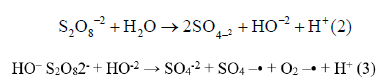
In their review BAO, et al. [56], report the use of a set of techniques added to ionizing radiation for the treatment of recalcitrant organic compounds, which are difficult to degrade, hydrophobic and bioaccumulative (KUMAR, et al. [57,58]), with high chemical and photochemical stability and low biodegradability rate. They are polychlorinated biphenyls, DDT, dieldrin, dioxins and phthalate esters. Advanced oxidation processes, electrochemical oxidation, ozonation, combined with ionizing radiation at low frequencies have produced satisfactory results for aquifer decontamination. (BAO, et al. [59]). Although promising, this process brings direct and indirect effects, the direct effects are the ionization of the target compound, and indirectly the radiolysis of the solvent merges with the target compounds (KANG, et al. [60,61]), to form a chemical transformation. A pertinent discussion about atoms and molecules is regarding the construction of their electric charges of electrons and their nuclei. It is important to know the amounts of energy resulting from the electrostatic interactions of these charges in the dosages of this type of treatment. (PACCHECO, et al. [62]). As shown by BERTAGI, et al. [63], in their study on the application of persulfate as a technique for remediation of contaminated groundwater the chemical interactions resulting from the process are important and depending on the type of soil, the geological formation of the subsoil interfere directly in the remediation process, as the authors show in the equation forming the superoxide ion.

A discussion is pertinent with the application of persulfate in ions of the first transition row elements, as the energy offered by the process that provides the emission of the photon from the molecular orbitals dx2 dz2 and dy2, Fe, Co, Ni, Cu and Zn allow this homogeneous activation. Another technique is shown by WANG, et al. [64], when they use ordered mesoporous manganese oxide (O-MnOx) and sodium persulfate (Na 2 S 2 O 8) in the removal of tetracycline from groundwater in static and dynamic environments. Chlorinated aliphatic hydrocarbons (CAHs) such as trichloroethylene (TCE) and perchloroethylene (PCE), which are widely used as organic solvents in industry, have become a source of groundwater pollution. In their study, YUAN, et al. [65], report on the use of zero valence iron coupled to autotrophic hydrogen batteries as precursors in the removal and degradation of these compounds. The authors demonstrate in their study a good efficiency in a period of 20 days with chlorine removal percentage reaching 75% and 100% in 60 days, although the dechlorination has been incomplete, which can generate a secondary contamination and therefore further studies are needed for deepening. Working with hexavalent chromium removal in groundwater HAN, et al. [66], report how micron zero valent iron stabilized (SCHERER, et al. [67]) with xanthan gum has been promising in the removal by electron transfer of chromium in groundwater contaminated by this highly toxic metal (Figure 3).

Figure 3

The authors describe that in a direct comparison of zero-valent micron iron with nanovalent iron, which is widely used in groundwater metal removal, the cost of micron iron is about one hundred times lower, with a higher efficiency rate although the particle size is larger which results in low suspension stability and underground transportability. Nano particles have been increasingly used in in situ bioremediation or oxidation processes in groundwater (PANDEY, et al. [68]), the costs are lower although several doubts still remain about the side effects (TIAN, et al. [69]), the addition of microorganisms (IKHLAYEL [70]), (KATARIA, et al. [71,72]) can increase the number of pathogens in aquifers, the backscatter that can occur by the adsorption of sand grains (MOFRADNIA, et al. [73]), another difficulty encountered in in situ treatments are the tailings that can form the plum effect thus increasing the contamination plume.

Results Found

 Electrocoagulation, capacitative deionization, electro dialysis, Nano filtration, are electrochemical methods to separate ions (MOUSSA, et al. [74]) by placing them on an oppositely charged electrode by a process of chemical separation and reduction. The technology works on the principle of electro adsorption of ions on the surface of electrically charged electrodes, usually made of porous carbon materials. It has a low cost, although it requires post treatment, has a high energy consumption and the possibility of forming secondary compounds. In this same line of treatment the chemical reduction of the contaminant, a chemical and biological process, which depending on the strength of the electron donor of the probe molecule and the acidity of the hydroxyl group, there is interaction by hydrogen bonding or proton transfer to the probe molecule. In the chemical reduction process, zero valent iron (ZVI) is used as the main electron donor studied reduce nitrate to N 2 through redox chemical transformation (XIN, et al. [75]). (LIU, et al. [38,76]). Another procedure is Biological Denitrification, which is based on the removal of nitrates by bacteria, (LIU [76]) and (ZHANG, et al. [77]), studied this biological process, because, denitrification and nitrifying denitrification are biological pathways that are closely linked by the production of nitrosamines in soils and sediments.

Still in this segment of biological studies,, show us the techniques of Permeable reactive barriers, biofilm-electrode reactor; membrane bioreactor (BENEKOS, et al. [78-80]), in the reduction of nitrates and nitrosamines, a chemical and biological process, through the use of biofilms and biomass coupled to electrodes for nitrate removal, a very sustainable process , and that according to the authors, until its publication had not been found results that disabuse its use. Advanced Oxidation Processes; synolysis; thermolysis; oxidation and reduction; photocatalysis, are thermochemical processes, used in the removal of perfluoroalkyl from underground waters. POAs are used similarly to other drinking water treatment processes such as membranes, granular activated carbon, air removal and biological degradation. Thus (LIU, et al. [42,81-83]), show us these processes in the removal of perfluoroalkyl (PFAS), and (KOZLOVA, et al. [42,84,85]), complex substances of high rate of contamination to groundwater, and although they have a high degree of efficiency, in the proportion of 95%, have in their disadvantage a high energy consumption for effectuation.

Discussion

Processes of separation and reduction of ions, biological, chemical – biological, and thermochemical demonstrate according to the authors researched specific efficiency in the remediation of contaminants, although its passive formation of ammonia (chemical reduction of contaminant), low reduction of metals (denitrification), the need for post treatment (Electrochemical), the advanced oxidative processes (thermochemical), show a high efficiency of perfluoroalkyl removal, although in all the processes mentioned there is a high energy consumption for execution and formation of secondary compounds, which, depending on the treatment technique implemented by the drinking water utility, will not be removed from the composition of the water offered. The Fluorimetry technique, on the other hand, has a high detection and elimination rate of Selenium, arsenic, organochlorine, organophosphorus, 1,1-dimethylhydrazine and nitrile acetate, highly toxic, carcinogenic compounds with a high impact on the environment. However, the cost of the execution of this technique is high, thus imposing barriers to its implementation in underdeveloped or developing countries, where these compounds are found in wastewater due to the widespread use of pesticides.

The combination of techniques may be an effective alternative for groundwater resource protection, combined with stricter legislation on groundwater use, and complemented by implementation of “naturalistic techniques” for soil protection (AJALA, et al. [71,86,87]). Regions with vegetation cover propitiate the interception process of this recharge from rainfall, retaining part of the water volume for maintenance of seedling structures and soil microbiota (MARGRET, et al. [39,72]). Without the protection of remains of leaves, fruits, stems and small animals in decomposition, the infiltration process is faster and is conditioned to the characteristics of the soil type, its granulometry and absorption capacity. The researchers BRITTO, et al. [41], draw attention in their study on the influence of demographic expansion of cities and the lack of planning for this, as well as its inherent impacts on the hydrological cycle of water, the decrease in recycling capacity of water held through infiltration points for the supply of groundwater and groundwater. These points are set out in Resolution 153 of 17 December 2013, established by the Ministry of the Environment through the National Water Resources Council, which establishes guidelines for artificial recharge of aquifers in the Brazilian territory.

Final Considerations

The knowledge of rock architecture as cited (RAN, et al. [88]), as well as the study of the relationship between biomarkers for leachate percolation (KODA, et al. [89]), the interactions occurring between sediment-vegetation-infiltration (BEBINA, et al. [90]), are supports for the need for in-depth knowledge of the characteristic and contaminant of the groundwater resource. Another relevant correlation shows us VOLCHEK, et al. [91-97], in his study on the environmental flow of rivers, the protection of ichthyofauna, in the water regulation of biocineses. because as the authors show, the relationship between the environmental flow of a river focuses on rainwater and replacement groundwater to maintain the water flow. In this study carried out globally, aiming at the knowledge of techniques and tools for water management, it was realized that:

a) There are inflection points among much of the techniques found, such as high energy use, implementation cost, selectivity, specificity;

b) There are implementation costs that, for developing countries, become difficult to implement, although necessary because of the high index of contaminants coming from mining, vegetable and animal protein production;

c) It is necessary to adopt norms of Exploration of the resource that is subterranean water, as well as an adequacy to the analytical methods of treatment to minimize contaminants;

d) More complementary studies are necessary so that the techniques can be used more satisfactorily.

Because it is a broad review where the remediation and treatment techniques were listed, it is necessary to complementary study for the techniques found, its immediate and lateral implication in the ecosystem and its impact on biodiversity.

For More Articles: Biomedical Journal Impact Factor: https://biomedres.us

Open Access journals on surgery

An Almost Completely Vanished Forgotten Ureteral Stent that Led to Huge Renal and Bladder Calculi Eleven Years Later: A Case Report

Introduction

The utilization of indwelling ureteral stents in urological practice has seen a significant rise, serving diverse purposes such as urine diversion, alleviation of ureteral blockage, and postoperative drainage. The role of the double J (DJ) stent especially in the urgent management of ureteral stones has evolved as a critical component of the urologist’s armamentarium. However, instances of these devices being inadvertently left in patients, leading to what is colloquially termed a “forgotten double J stent”, presents a challenging and potentially serious complication. We report a challenging case of forgotten double J stent that presented with large simultaneous bladder and kidney stones surrounding an “unnoticed” vanishing stent.

Case Presentation

A 51-year-old otherwise healthy man who suffered from lower urinary tract symptoms was referred to our institute after he had completed a urinary tract ultrasound that showed a vague structure in the urinary bladder in addition to a staghorn stone in the left kidney. The patient had no pain, physical examination and vital signs were normal, and he was afebrile. Laboratory tests were normal, and the serum creatinine level was 0.7 mg/dl. The urine culture was sterile. A CT scan revealed a 5 cm-calculus in the urinary bladder and a complete 7-cm staghorn stone in the left kidney (Figure 1), an unusual combination of size and location for urinary calculi. Moreover, the attenuation values of both stones were approximately 1500 Hounsfield Units. On further review of the CT scan in “bone window”, we noticed a tubular structure in the center of each calculus (Figure 2). Further investigation of medical records revealed an earlier procedure of double J stent insertion for a 5 mm stone in the distal ureter eleven years prior to patient admission. The patient did not follow up for an additional procedure and was not aware that a foreign body was indwelling. The patient was subjected to a two-staged procedure in which the left Staghorn stone was cleared by supine Percutaneous Nephrolithotomy and the bladder calculus by Cystolithotripsy. Under fluoroscopy in the operating room, the large stones as well as the stent remains could be clearly noticed (Figure 3).

Figure 1

Figure 2

Figure 3

Both stones were treated by the Shock pulse SE lithotripter (Olympus ®) using the 3.76-mm probe in combination with a 60w Holmium laser with a 550-micron fiber (Figures 4 & 5). The old Double J stent remains were completely removed by grasper (Figure 6). By the end of both procedures, a nephrostomy tube was left for 24 hours and a new double J stent for 2 weeks. KUB done by discharge confirmed the correct position of the new stent while showing no gross stone residuals (Figure 7). It is to be noticed that 5 days after discharge the patient presented with febrile urinary tract infection and had to be readmitted. Urinary cultures showed a significant growth of pan sensitive Klebsiella Pneumoniae, which was successfully treated by intravenous antibiotic and the patient discharged 3 days later, having the Double J stent removed after an extra week of oral antimicrobial therapy. By 3 weeks, stone analysis was completed, showing a combination of 40% Struvite, 30% Carbonate Apatite and 30% Calcium Oxalate Monohydrate. After a 2-month follow up, a CT scan confirmed the stone-free status. Unfortunately, a new obstructing contralateral ureteral stone was identified, however, this time successfully treated by medical expulsive treatment.

Figure 4

Figure 5

Figure 6

Figure 7

Discussion

The case presented here underscores the importance of prudence in postoperative care, particularly in the context of urological procedures involving double J stent insertion. The inadvertent retention of double J stents, colloquially known as “forgotten double J stents”, represents a rare yet clinically significant complication that may pose challenges in diagnosis and management [1-2]. The extended time frame of eleven years between the initial double J stent insertion and its eventual discovery is a notable aspect of this case. The patient’s lack of follow-up after the initial procedure highlights the need for robust systems to ensure adequate patient education and compliance with postoperative care instructions. This case emphasizes the importance of establishing effective communication channels between healthcare providers and patients to prevent such occurrences [3]. The concurrent presence of a staghorn stone in the left kidney and a large calculus in the urinary bladder, as revealed by the CT scan, adds a layer of complexity to the case. The unusual combination of size and location of these calculi raises questions about the potential contributions that led to the formation and progression of these stones. While the literature recognizes the role of stents in stone formation, the specific influence of a forgotten double J stent over such an extended period warrants further investigation [4]. This case prompts a reevaluation of postoperative care protocols, especially in scenarios where patients may not adhere to follow-up recommendations.

It also highlights the need for imaging studies with a thorough review, such as using a “bone window” in CT scans, to detect subtle structures like forgotten double J stents that may otherwise go unnoticed [5]. Interestingly, the middle part of the double J stent has vanished as shown in multiple figures. In a study by Patil et al. [6], the complications of forgotten double J stent were stent encrustation (24.5%), stent migration (9.5%), and stent breakage (1.3%). Making the complication of a vanishing or dissolving double J stent as we have reported in our case, fairly rare.

Conclusion

The discovery of a forgotten double J stent eleven years post-insertion serves as a poignant reminder of the importance of meticulous follow-up care and the potential consequences of non- compliance. This unique case contributes to the existing body of literature on forgotten double J stents, emphasizing the need for ongoing research to refine postoperative protocols and enhance patient outcomes as well as the importance of meticulous review of patient history and available diagnostic imaging.

For More Articles: Biomedical Journal Impact Factor: https://biomedres.us

Journals on Biomedical Engineering

Using Artificial Intelligence to Conduct Research on the Health Benefits of Tai Chi: A Pilot Study

Introduction

Tai chi is both a martial art and a series of health exercises [1-23]. Its origins are steeped in mystery, but what is known is that the practice of tai chi can provide health benefits and can strengthen the body’s natural immune system to ward off a number of ailments. It has been a tool of traditional Chinese medicine (TCM) for a long time. Tai chi has been shown to be beneficial in the treatment of various kinds of cancer [7,11,18,19,23], hypertension [14], dementia [22] and cognitive impairment [15], depression and anxiety [12], arthritis [13], and a wide range of other ailments [1-6,8-10,16-17,20-21]. Much research on the health benefits of tai chi has been conducted in recent years. A great deal of the research has been conducted in China, but that is starting to change, as the practice of tai chi as a supplementary treatment for a wide range of diseases and ailments has filtered into the West. One good source of research on the health benefits of tai chi is the PubMed database [24], which is affiliated with the National Library of Medicine, National Center for Biotechnology Information. However, that is not the only source of information. Google searches can also be conducted, for example. The purpose of the present study is to test a few of the currently popular artificial intelligence (AI) chatbots in order to determine whether they can be used to produce good medical tai chi research, and also to determine which chatbot might be the best one to use for such research.

The Study

The study begins by giving the chatbots an instruction, then comparing the results to determine which one provided the best answers.

Instruction

Make a list of websites where I can obtain information about the health benefits of tai chi. Gab.ai [25] provided a list of eight websites, given below. Some of the sources were good, in terms of providing general medical information, but none of them provided much information on the health benefits of tai chi.

1) Mayo Clinic: https://www.mayoclinic.org/healthy-lifestyle/stress-management/in-depth/tai-chi/art-20045184

2)Harvard Health Publishing: https://www.health.harvard.edu/staying-healthy/the-health-benefits-of-tai-chi

3)National Center for Complementary and Integrative Health: https://www.nccih.nih.gov/health/ TaiChi-Facts

4)Arthritis Foundation: https://www.arthritis.org/health-wellness/healthy-living/managing-pain/chinese-therapies/the-benefits-of-tai-chi-for-arthritis

5)Centers for Disease Control and Prevention: https://www.cdc.gov/arthritis/basics/complementary-medicines.html#taich

6)American Cancer Society: https://www.cancer.org/treatment/treatments-and-side-effects/physical-activity-and-diet/physical-activity/exercise-help-lower-cancer-risk/exercise-benefits/tai-chi.html

7)Johns Hopkins Medicine: https://www.hopkinsmedicine.org/health/wellness-and-prevention/the-health-benefits-of-tai-chi-chuan

8)WebMD: https://www.webmd.com/balance/guide/what-is-tai-chi#1

Copilot [26] is another chat bot. It is a Microsoft bot that uses GPT4. This bot provided five references as well, and they were of better quality because they focused more on the health benefits of tai chi. Certainly! Here are some reputable sources where you can learn more about the health benefits of tai chi:

1) Harvard Health Publishing: Their article on The Health Benefits of Tai Chi provides insights into how this gentle exercise can enhance strength, flexibility, balance, and overall well-being. It’s often described as “meditation in motion” and has value in treating or preventing various health conditions [27].

2) Medical News Today: Their piece on Tai chi: Benefits, types, and history discusses how tai chi combines physical exercise, stretching, and mindfulness. Research suggests that it can improve balance control, fitness, and flexibility [28].

3) Healthline: Their article highlights the emotional and physical benefits of tai chi, including decreased anxiety, improved cognition, and management of symptoms related to chronic diseases like fibromyalgia and COPD [29].

4) Tai Chi Basics: This resource delves into clinically proven health benefits of tai chi, such as mobility improvement, enhanced physical fitness, immunity, and reduced impact of chronic conditions like cancer, diabetes, and heart failure [30].

5) Cleveland Clinic Health Essentials: They emphasize that tai chi helps reduce stress, improves balance (which is crucial for preventing falls), and benefits brain health [31].

Feel free to explore these sources to gain a deeper understanding of how tai chi can positively impact your health!

Google Gemini [32] (formerly Bard) is another chatbot.

Sure, here is a list of websites where you can learn more about the health benefits of tai chi:

 National Center for Complementary and Integrative Health (NCCIH): The NCCIH is a reliable source of information on complementary and integrative health practices, including tai chi. The NCCIH website provides a fact sheet on tai chi that summarizes the current research on its health benefits. https://www.nccih.nih.gov/

 Mayo Clinic: The Mayo Clinic is a non-profit organization that provides medical information and resources. The Mayo Clinic website has a page on tai chi that discusses its potential benefits for a variety of health conditions, including arthritis, fibromyalgia, and balance problems. https://blog.optimalworkshop.com/website-review-mayo-clinic/

 Harvard Health Publishing: Harvard Health Publishing is a division of Harvard University that produces health information for the public. The Harvard Health website has an article on tai chi that explains its history, philosophy, and potential health benefits. https://www.health.harvard.edu/

 Tai Chi for Health Institute: The Tai Chi for Health Institute is a non-profit organization that promotes the health benefits of tai chi. The institute’s website provides information on the different styles of tai chi, as well as research on its health benefits. https://taichiforhealthinstitute.org/instructors/

 American Tai Chi & Qigong Association: The American Tai Chi & Qigong Association is a professional organization for tai chi and qigong instructors. The association’s website provides a directory of instructors, as well as information on tai chi classes and workshops. http://americantaichi.org/

These are just a few of the many websites that offer information on the health benefits of tai chi. When researching any health topic, it is important to consult with a healthcare professional to get personalized advice.

Concluding Comments

All of the chatbots provided useful information and links, but Copilot seemed to do the best job because it provided citations to good, general interest articles. However, the information they provided is more useful for patients and nonprofessionals than for medical practitioners, unless the medical practitioner does not have much knowledge of tai chi. In that case, these sources could serve as a useful introduction to tai chi. Medical practitioners who want to read something about the medical studies that have been conducted on the use of tai chi as a supplemental therapy would be best served by going to the PubMed [24] website. A key word title/abstract search for “tai chi” in the PubMed database found 2391 hits. Thus, medical professionals who want to learn more about medical studies involving tai chi would be best served by going to the PubMed website rather than the websites discovered by the three chatbots.

For More Articles: Biomedical Journal Impact Factor: https://biomedres.us

Open access clinical and medical journal

A Mini-Review: Investigating the Interplay of Maternal Diet, Fasting in Ramadan, and Their Collective Impact on Pregnancy and Fetal Outcomes

Introduction

Pregnancy is a 39 to 40-week process in which the newborn is given birth to at full-term [1]. It starts from fertilization of the ovum by the sperm until the fetus is born. Such a lengthy process can be affected by a multitude of factors such as the restriction of diet in the context of fasting as well as the different types of macromolecules that are consumed during the time of pregnancy. Predominant food types and dietary restrictions could play a major part in the outcomes of the newborn and the mother during her 9 months of pregnancy. One of the outcomes mainly affected by these changes is the predisposition of the mother to Gestational Diabetes Mellitus (GDM). Fasting has always been a cultural and religious practice done by many societies, it was first dated as old as 1500 B.C. and was used as a cure as well back in the times of Ancient Greece as seen through the teachings of Aristotle and Pythagoras [2]. Fasting in Ramadan has always played a big part in the Islamic community. Refraining from food from the time of dawn until the time of sunset was always a religious obligation that comes from following the teachings of the Prophet Muhammed Peaces and Blessings may be upon him [3]. Although pregnant Muslim women aren’t obligated to fast during the month of Ramadan, some still find it more convenient to fast in this allocated month as it is seen as more socially acceptable and convenient [4].

Surveys indicate that more than 50% of pregnant women still choose to fast during the month of Ramadan, despite being exempted because of their maternal duties [5]. This builds an emphasis on the importance of knowing the effects of fasting on the woman’s and her newborn’s health as well as the outcomes of the impact of refraining from food and water. Gestational Diabetes Mellitus (GDM) poses a significant risk during pregnancy, impacting both the mother and newborn. While the Quality of Life for pregnant women with GDM doesn’t differ significantly from those with a healthy record, the condition is associated with adverse neonatal outcomes like macrosomia and stillbirth [6,7]. Maternal complications, such as pregnancy-induced hypertension and postpartum hemorrhage, are linked to GDM, along with an increased likelihood of needing a C-section according to a study in Ethiopia [8]. In the United Arab Emirates, where GDM prevalence ranges from 8.4% to 27.1%, the condition has a notable impact on maternal and newborn outcomes [9]. Dietary food changes as well as fasting have been seen to significantly affect the predisposition of the pregnant mother to GDM. These findings have been thoroughly studied and multiple results have been published about the relationships between dietary habits, fasting, and macromolecule intake on the predisposition of a mother to getting GDM.

Methodology

A comprehensive search was conducted on the PubMed and PubMed Central databases, employing keywords such as “diet during pregnancy” and “fasting during pregnancy.” The initial search aimed to identify articles related to the impact of diet and fasting on pregnancy and fetal outcomes without imposing restrictions on publication dates. Inclusion criteria were established to focus exclusively on studies addressing Ramadan fasting, vegan, vegetarian, and Mediterranean diets during pregnancy. Following the initial search, 48 articles were identified, and after subsequent screening, the selection of 21 articles was finalized by excluding those not aligned with the study’s agenda. Full-text reviews were performed to confirm the relevance of the articles, and the final selection underwent detailed data extraction, including study design, sample, methodology, results, and conclusion. A total of 4 PubMed Central and 17 PubMed articles were used in the final section of the review.

Impact on Pregnancy

Diet

The bettering of diet and its quality has always been known to improve the quality of life in both the pregnant mother and the fetus as it helps in impacting both the physiology and growth of the newborn [10]. It has been observed that bettering the quality of a diet helped in decreasing the incidence of heart defects in newborns and bettering their quality of life [11]. Most of the studies focused on the changes different diets had on the birth weight of the fetus and if it could decrease the incidence of small-for-gestational-age (Figures 1 & 2). This was found that a well-planned balanced diet and taking proper supplements on the side helped in achieving that [12]. This review helps focus on the two main dietary plans that have been used on pregnant women: The well-established vegan and vegetarian diet as well as the Mediterranean Diet (MD) which has been associated a lot with pregnancy and fetal outcomes.

Figure 1

Figure 2

a) Mediterranean Diet: Within the expanding field of research on maternal nutrition, it becomes increasingly clear that dietary choices play a crucial role in prenatal health. Multiple studies highlight that adhering to an MD during pregnancy significantly influences the health and development of infants. A study conducted by Chatzi, L. et al. compared 997 mother-child pairs from Project Viva in the USA with 569 pairs from the Rhea study in Greece, revealing higher adherence to the MD among pregnant women in the Rhea cohort [13]. This increased adherence correlated with better cardiometabolic traits, showing lower systolic and diastolic blood pressure and decreased serum leptin levels in offspring. In a study done in the Netherlands, it was observed that adherence to the MD reduced the risk of spina bifida, likely attributable to the elevated levels of folate and vitamin B12 in this dietary pattern [14]. However, low adherence to the MD has been associated with adverse pregnancy outcomes. A study in Greece found that low adherence to the MD leads to higher intrauterine growth restriction and lower birth weights [15]. Regarding prematurity-related complications, the low MDA group was more likely to develop necrotizing enterocolitis, bronchopulmonary dysplasia, and retinopathy of prematurity. Beyond its positive impact on maternal physical health, adherence to the MD during pregnancy is not only associated with favorable outcomes in terms of offspring’s physical well-being but also demonstrates a beneficial influence on their psychological behaviors. Notably, low adherence to the MD has been positively linked to increased child externalizing problems, such as aggression and inattention, as indicated by a study conducted by Jolien Steenweg-de Graaf, et al [16].

b) Vegetarian and Vegan Diets: With the rise in popularity of vegetarian and vegan diets, it is important to understand their effects on pregnant women and whether or not they should be avoided. In a study that enrolled 273 women, of whom 60 were vegans, researchers compared many diets in an observational study, and it was found that vegan pregnant women had a higher chance of having low-for-gestational-age babies and a lower birth weight in comparison to omnivores [17]. Another large longitudinal study that was published in 2000 with a population of 7928 boys born to mothers participating in this study found that vegetarian mothers have an increased incidence of giving birth to a baby with hypospadias (2.2%) compared to omnivores (0.6%) [18]. It was found in a prospective cohort study that took place in the United Kingdom to link the vegetarian diet with the thinking ability of children that the gestational age at birth of vegetarian mothers was mildly elevated as opposed to that of omnivores, and no association was found with the IQ of children aged 6-7 years [19].

Fasting

The importance of fasting and its religious background give ground to question the impact of fasting during the month of Ramadan on both neonatal and maternal outcomes. In a study done in Iraq, 301 participants were put into the study and 155 of them fasted during Ramadan [20]. Safari was able to associate a 0.4 kg weight difference in the pregnant women who fasted compared to those who did not. Another major association was a sharp decrease in gestational diabetes mellitus (GDM) in the fasting group. This finding was challenged by Hisham who found the presence of a higher incidence of GDM in fasting groups in comparison to the control [21]. The method of intermittent fasting was used here rather than through the proper Ramadan fasting done by the mothers in the 2019 study in Iraq which found a protective factor against GDM. In another experimental study done in Karachi where they tested the effects of fasting on pregnant women with GDM on maternal and neonatal outcomes, no associations were witnessed [22]. The association between birth weight and fasting helps us understand the great impact of whether a mother would be advised to go for fasting or refrain from it. A study done in Mainz, Germany on 326 Muslim mothers found that reduced birth weight was associated with fasting [23]. This result was further supported by multiple results of two other studies that have discovered a similar decrease in the birth weight of the newborn [24,25]. Still, with that finding, an association with a high-fat diet during meal times in Ramadan helped recover the weight reduction that was associated with fasting in the beginning.

Another study done in Tehran, Iran found no association between the neonatal birth weight and mothers who fasted across the month of Ramadan [26]. Finally, the results discovered by Savitri et al. in their other study on 1,620,757 residents compared the neonatal outcomes of those who fasted and those who did not and found it to not prove any specific associations at all [27]. In a study done in Sydney, longer exposure during Ramadan was associated with increased levels of bilirubin and decreased incidence of hypoglycemia in newborns [28]. Overall, multiple outcomes were discovered in association with fasting in the month of Ramadan in pregnant women but a proper conclusion on the matter is still to be studied. In a study consisting of 240 pregnant women an amniotic fluid index has shown a significant increase in women who fasted in their second trimester during Ramadan [29]. Also, the same study associated an increase in a pregnant mother’s weight with fasting during Ramadan. Another finding seen in Saudi Arabia was a decrease in placental weight in the women who fasted during Ramadan [30]. It has been seen that no proper and finalized association was concluded although multiple different articles have discussed the same associations in different parts of the world. This raises a big gap in the literature that should be answered by conducting more systemic and meta-analytic research on the matter to provide conclusive insights, particularly regarding the perspectives on fasting during Ramadan and its impact on both maternal and neonatal outcomes.

Conclusion

In this ever-changing field of obstetrics that has been there since the dawn of time, humans have always tried to better their ways and find exclusive evidence on testing and trying out methods to help have their pregnant women and their newborns the best health outcomes as a healthy newborn means a successful continuation of the lineage. The impact of Ramadan fasting on neonatal and maternal outcomes presents conflicting findings, with studies reporting both positive associations, such as reduced gestational diabetes and birth weight, and contradictory results. Methodological variations and regional differences contribute to the complexity of understanding this relationship and more evidence is needed to form a more logical claim on the matter. Meanwhile, diet has been always a been another hot topic in the realm of expected outcomes for the mother and her child. A big pool of evidence is present in the literature that helps reach the conclusion of the benefits of using a MD for both the outcomes of the mother and her newborn.

For More Articles: Biomedical Journal Impact Factor: https://biomedres.us

medical and medicinal journal

Fuzzy Deep Learning in Text Processing: An Application to Medical Expert System

Introduction

Various theories are proposed to deal with incomplete information. Most of the theories are based on probability and randomized. Fuzzy logic is dealing with commonsense and mind. Zadeh [1] proposes a single membership function to deal with incomplete information. Fuzzy Set with two membership functions will give more evidence to deal with the incomplete information. The Many-Valued Logic is considered to discuss the Fuzzy Logic with two membership functions. The fuzzy Word may be defined by two Fuzzy membership functions based on “Belief and Disbelief’ to deal with incomplete, inconsistent, inexact, and Incomplete information. The AI problems may contain incomplete information. The KR is a key factor to solve the AI problems. The KR is necessary to deal with incomplete problems. FKR is studied to design incomplete problems. This FKR was later used for logic programming to solve complete AI problems.

Fuzzy Logic

The possibility set may be defined for the proposition of the type “x is P” as

Let P and Q be the fuzzy sets, and the operations on fuzzy sets are given below [2]

Disjunction

Conjunction

Negation

Relation

Composition

The fuzzy propositions may contain quantifiers like “very”, “more or less”. These fuzzy quantifiers may be eliminated as

Concentration

Diffusion

Fuzzy Newral Network

The neural network concept is taken from the biological activity of nervous system. The neuron passes information to other neurons. There are many models described for neural networks. The McCulloch-Pitts model contributed in understanding neural network and Zadeh explain that activity of neuron is fuzzy process [3]. The McCulloch and Pitt’s model consist of set of inputs, processing unit and output and it is shown in Figure 1. The fuzzy neuron model for fuzzy conditional inference for if x1 is A1 and/or x2 is A2 and/or … and/or xn is An then B may be defined as fuzziness and computational function and shown in Figure 2.

Figure 1

Figure 2

Where

are fuzzy sets.

Methods for Fuzzy Conditional Inference

There are many fuzzy conditional inference methods, among those Zadeh, TSK and Mamdani methods are popular for many applications like fuzzy control systems. These fuzzy conditional inferences shall be used for fuzzy medical expert systems. Consider the Zadeh fuzzy conditional inference.

if x is A then y is

Let A1, A2,…… An and B be the fuzzy sets. The fuzzy nested condition is given by

if x1 is A1 and x2 is A2 ….. and xn is An then y is B

The fuzzy neuron for Zadeh fuzzy conditional inference is represented as in Figure 3.

Figure 3

Mamdani [4] proposed the inference for fuzzy conditional proposition in which prior information is also known for Consequent part. i.e., the relationship between president part and consequent part is known.

If x is A then y is

if x1 is A1 and x2 is A2 ….. and xn is Athen y is B

The fuzzy neuron for fuzzy conditional inference is represented as in Figures 4 & 5.

Figure 4

Figure 5

The fuzzy inference needs prior information for the precedence part and consequent part. i.e., the relationship between president part and consequent part is known the modified method is proposed when relationship between president part and consequent part is not known. The fuzzy conditional inference for TSK method [5] is given as

B=f(X1, X2,….,Xn)and is shown in Figures 6a & 6b.

Figure 6

The TSK method is difficult to compute, and modified method is proposed instead of TSK method. The TSK model is difficult to compute.

Consider fuzzy sets Instead of variable for fuzzy rule and the fuzzy rule may be given as

if x1 is A1 and x2 is A2 and … and xn is An then B =f (A1, A2, …, An)

The fuzzy inference may be derived in the following way. The additive mapping f : R→ R is called derivation if f(x+y) =f(x)+f(y)

t-norm is used in several fuzzy classification system

t(x+y) <=max(t(x), t(y))

t(x*y) <=min(t(x), t(y))

Substitute fuzzy sets A1 and A2 with x and y respectively

f(A1 + A2)<=max(f(A1),f( A2))

f(A1*A2)<=min(f(A1),f( A2))

The fuzzy conditional inference is given by

if x1 is A1 and x2 is A2 and … and xn is An then B =in (A1, A2, …, An)

where A1 + A2 is A1 or A2 , A1 * A2 is A1 + A2

The fuzzy neuron for fuzzy conditional inference is represented as

B= f(A1,A2,….,An) =min(A1,A2,….,An) (4.3)

and is shown in Figures 7 & 8.

Figure 7

Figure 8

Fuzzy Natural Language Processing

Fuzzy logic not only computes with words but also computes with the sentence. Consider the sentences some context of medical diagnosis. The doctor finds the following theory. of natural language Theory: the patient has fever. The patient has a rash. The patient has a body-ache. The patient has chills. The patient has a headache. The patient has a runny nose. The patient has swollen-glands. The patient has sneezing. The patient has vomiting. The diagnosis will be made from the theory. The rules of the diagnosis are given by If the patient has fever and rash and body-ache and chills Then the patient has chicken-pox. If the patient has fever and headache and runny-nose and rash Then the patient has German-measles. If the patient has fever and swollen-glands Then the patient has mumps. If the patient has cough and sneezing and runny-nose Then the patient has whooping-cough. If the patient has fever and vomiting and headache and rash and light Then the patient has meningitis. The symptoms have to be extracted from the theory and interpreted in rules. The backward reasoning is used for medical diagnosis. Backward Reasoning: The backward reasoning try to match initial states for goal state. Consider fuzzy rule if x1 is A1 and x2 is A2 and … and xn is An then y is B B will be fired after matches A1, A2 and … and An. For example, in the fuzzy rule. If the patient has fever and swollen glands, Then the patient has mumps. The diagnosis mumps will be given after matching fever and swollen glands.

Computing Words with Two-Fold Fuzzy Sets

Zadeh considered a single Fuzzy membership function to define the Fuzzy word to deal the incomplete information.

The proposition “x is A” is defined by

A=μA (X), Where A is Fuzzy word and ,

is Fuzzy membership function.

The propositions “x is A” may represent the evidence with “Belief” and Disbelief” to deal the Incomplete information [8]. Given some Universe of discourse X, the proposition “ x is A” is defined by its two Fuzzy membership functions

Or

For example,

Consider the Fuzzy proposition “x has Cold” and The Fuzzy word ‘Cold” may be defined

For instance , “Rama has Cold” with fuzziness {0.8, 0.4}. The fuzzy certainty Factor FCF) may be defined with the “belief ” and “disbelief ”. Fuzzy certainty factor(FCF) is defined as the deference between belief [MB] and disbelief [MD] of probabilities.

where “belief” and “disbelief” are fuzzy sets.

is single fuzzy membership function.

Consider the rule in medical diagnosis

If the patient has Red Eye

and Purulent Discharge

Then the patient has Conjunctivitis Eye

For instance, Fuzziness may be given for symptoms and diagnosis as

IF the patient has Red Eye (0.9, 0.2)

AND Purulent Discharge0(.7, 0.2)

THEN the patient has Conjunctivitis Eye (0.8, 0.2)

The FCF may be given as

IF the patient has Red Eye (0.7)

AND Purulent Discharge (0.5)

THEN the patient has Conjunctivitis Eye Eye (0.6)

The fuzzy rule may be interpreted in EMYCIN (empty MYCIN) as using Mamdani [6] fuzzy conditional inference

(defrule 10

If: Red-Eye

and Purulent-Discharge

then : identity organism is Conjunctivitis-Eye (0.7) [7-12].

Fuzzy Deep Learning in Natural Language Processing

Fuzzy logic not only computes with words also compute with the sentence.

Consider the sentences some context of medical diagnosis.

The doctor finds the following theory. of natural language

Text

The patient has fever. The patient has a rash. The patient has a body-ache. The patient has chills. The patient has a headache. The patient has a runny nose. The patient has swollen glands. The patient has sneezing. The patient vomited.

 The following fuzzy rules of the diagnosis are deep learning from the above text.

 If the patient has fever and rash and body-ache and chills Then the patient has chicken-pox.

 If the patient has fever and headache and runny-nose and rash Then the patient has German-measles .

 If the patient has fever and swollen-glands Then the patient has mumps.

 If the patient has cough and sneezing and runny-nose Then the patient has whooping-cough.

 If the patient has fever and vomiting and headache and rash and light Then the patient has meningitis.

The symptoms have to be extracted from the theory and interpreted in rules.

Consider Fuzzy Rule if the Cough and Sneezing and Runny-Nose then Whooping-Cough

By searching keywords and after matching, the diagnosis will be given whooping-cough with 0.7 will be given after matching cough, sneezing and runny-nose and fuzziness is given. Cough (0.8), sneezing (0.7) and runny-nose (0.9)

Consider the Test for Eye Diagnosis

The patient has difficulty in appreciating-colors, glaring and recognizing-faces. The patient has loss in vision field. The patient has poor vision and unable to see things properly The patient has increased blood flow due to congestion and eye is red color.

Consider Deep Learning of Fuzzy Rules from the Text

• Rule-1: If the patient has difficulty in appreciating colors, glaring and recognizing faces then the patient has cataract.

• Rule-2: If the patient has loss in vision field then the patient has glaucoma.

• Rule-3: If the patient has poor vision and unable to deep things properly then the patient has diminished vision.

• Rule-4: If the patient has increased blood flow due to congestion and eye is red color then the patient has redness of eye.

The symptoms of fuzzy rules are extracted from the text.

Consider Rule-1, Rule-1:If the patient has difficulty in appreciating colors (0.9,0.2) , glaring (0.85, 0.2) and recognizing faces (0.8.0.15) then the patient has cataract

After symptoms are searching and matched from the text/case sheet, The diagnosis will give diagnosis cataract with fuzziness with 0.55..

Python programming may be given as

import string

import min

text = input(‘text: ‘)

symptoms = text.split()

symptom1=’appreciating-colors’

symptom2=’glaring’

symptom3=’recognizing-faces’

if symptom1 in symptoms and symptom2 in symptoms and symptom3 in symptoms:

print(‘patient diagnosed cataract’)

# check if the number is negative, positive or zero

f1 = float(input(“appreciating-colors: “))

f2 = float(input(“glaring: “))

f3 = float(input(“recognizing-faces: “))

f=min(f1,f2,f3)

print(f)

def min(a,b,c):

if a<=b and a<=c: return a

if b<=a and b<=c: return b

if c<=a and c<=b: return b.

For More Articles: Biomedical Journal Impact Factor: https://biomedres.us

Journals on medical research

Differences in Flow Rate Accuracy in Natural Instillation Using Different Infusion Temperature Management Methods: A Pilot Study

Introduction

Appropriate management of flow rate during infusion is essential. Taxol® infusion (paclitaxel; PTX) is a drug that requires careful attention during intravenous administration with a drop controller. The flow rate must be controlled when a PTX solution is administered using a natural dripping method or a dropping-control-type infusion pump, as the flow rate may decrease [1]. Flow rate errors are reportedly not attributed to variations in the concentration of infusion, placement of an infusion set and pump, or the insertion site of a central venous catheter [2]. Although a dropping-control-type infusion pump is sometimes used to administer an infusion, natural instillation and dropping controllers are more widely employed to adjust the drop count. The drop count within the drip chamber of an infusion set is observed either visually or mechanically, and the infusion flow per unit time is calculated by multiplying the droplet size. Previous studies have shown that the drop size influences the infusion flow rate and can be influenced by the characteristics of the solution, such as density, concentration, surface tension, and dropping speed [1]. Proper administration, with special attention to the drop flow and speed, is required to mitigate the risk of heart failure, arrhythmia, pulmonary edema, and metabolic disorders caused by exceeding the permissible flow.

An infusion may be warmed and administered to prevent perioperative hypothermia in severely injured patients [3]. A heating device is used when available; otherwise, the infusion is heated in a microwave [4,5]. In disaster medicine, hot water bottles are currently used for heating an infusion and maintaining its warmth, with occasional reports on its usage [3]. Although heating an infusion is presumed to decrease its viscosity and eventually increase the flow rate, some researchers have quantitatively examined flow rate errors [6,7]. The aim of this study was to investigate the variation in flow rate accuracy resulting from different types of infusion temperature control using a gravimetric method to measure the actual flow rates. The findings of this study are expected to contribute to the clarification and proper management of infusions.

Materials and Methods

A slim plastic-type 20-drop (Terufusion TI-U250P, Terumo, Japan) containing an intermediate tube with a highly visible drip chamber was used for the infusion set, and Terumo saline (1000 mL, Terumo, Japan) was used for infusion. The flow rate was set to 400 mL/h at a 60 min measurement period. The infusion set was installed in an infusion bag and primed, and a height difference of 1 m was set between the solution level in the infusion bag and the tip of the infusion set (Figure 1). The weight of the saline dropped from the infusion was measured using an electronic balance (EJ-610, AND, Japan), and the actual flow rate was calculated based on the measurement time. The accumulated droplets, which were calculated using drip infusion management tools (Dr-Mark, Mark Electronics Co., Ltd., Japan) based on the drop count within the drip chamber, were designated as the measured flow rates and recorded on a laptop (Inspiron, Dell Technologies Inc., TX, USA). The error rate was determined by comparing the actual flow rate obtained using the electronic balance and the measured flow rate obtained using drip infusion management tools. The infusion temperature control was divided into three groups based on different conditions, and an infusion bag was randomly applied to each group. The first was room-temperature management (RTM) using an infusion stored at normal temperature. In the Second group, thermal management (TM) was applied, in which the infusion was heated to 42 ℃ in a microwave, and the flow rate was then measured [8]. The third group was postheating thermal management (PTM), in which the infusion bag was heated to 42 ℃ in the microwave, and the infusion temperature was maintained at 42 ℃. A hot water bottle (Yutaron Ice, Japan) was used for sustained heat retention. A thermistor (Sato, Japan) was installed in the infusion bag to measure the infusion temperature from the start of the experiment to the end. The measurements were performed at room temperature (24±0.5 ℃) and relative humidity of 50%±10%, as established in a guideline for pharmaceutical departments [9].

Figure 1

Results

After 60 min following the initiation of the measurements, the average infusion temperature increased by 0.5±0.2 ℃ from 24±0.7 ℃ for RTM, decreased by 7.1±0.5 ℃ from 42±0.1 ℃ for TM, and decreased by 3.1±0.4 ℃ from 42±0.1 ℃ for PTM (Figure 2). The infusion temperature decreased the most in the case of the TM method. During the 60 min PTM measurements, the infusion temperature was not retained at 42 °C. The actual flow rate of TM was significantly lower than that of RTM (Figure 3), and the actual flow rates of TM and PTM were more widely dispersed than that of RTM. The measured flow rate of TM decreased over time compared with that of RTM (Figure 4). PTM showed a more significant variation than RTM. Significant differences were observed between the measured and actual flow rates obtained using the RTM and TM methods (Figure 5). The TM and PT results indicated wide dispersion in the actual and measured flow rates. TM and PTM showed lower error rates than RTM (Figure 6). All error rates were within 10% for all conditions.

Figure 2

Figure 3

Figure 4

Figure 5

Figure 6

Discussion

Infusion is an essential medical therapy employed for various purposes, including hydration, adjustment to correct electrolyte abnormalities, and nutritional support. The flow rate accuracy of the infusion is defined for each drug, and ensuring appropriate management of this accuracy during administration is a critical in intravenous therapy. Precise management of infusion requires correct understanding and proper handling of the entire infusion system. Small-scale facilities frequently apply the natural dripping method to administer infusion. In this approach, the flow rate is adjusted using a clamp. The drops are counted either visually or mechanically, and the flow rate is calculated by multiplying the volume of the droplets. The drop volume influences the flow rate, while being influenced by the density and surface tension [4]. A possible reason for the infusion temperature not lasting for 60 min is the small contact area between the hot water bottle and the infusion bag. Expanding the contact area by covering the entire infusion bag is presumed to facilitate temperature management [10,11].

The large dispersion of the measured flow rate in PTM is attributed to the inability to control the temperature of the hot water bottle, generating variations in flow rates within the drop chamber. TM showed a significantly lower actual flow rate than RTM, consistent with the findings of Yamashita et al. [12]. A possible reason is that the infusion temperature declined after the measurements were commenced, resulting in an enhancement of the surface tension owing to increased viscosity, eventually decreasing the flow rate. In contrast to RTM, the actual flow rates for TM and PTM showed greater dispersions, presumably because of the variation in droplet volumes. This consideration is supported by the results that a larger variation in infusion temperature was observed for the TM and PTM methods, whereas RTM indicated a small dispersion in infusion temperature. A comparison between the actual and measured flow rates showed that the actual flow rate exceeded the measured flow rate under all conditions, which was assumed to be associated with the drop volume. The measured flow rate, obtained using drip infusion management tools, was determined based on the drop count. The flow rate was calculated, assuming that 20 drops was equivalent to 1 mL; therefore, the volume of each droplet was 0.05 mL.

The actual flow rate exceeded the measured flow rate because the individual droplet volume in the actual flow rate exceeded 0.05 mL. The drop volume was determined by opening the drip chamber of the infusion set. Accuracy of the infusion set was 20 drops = 1±0.1 mL, suggesting that the discrepancy between the measured and actual flow rates was attributed to differences in the infusion sets. The error rates between the actual and measured flow rates were probably caused by the elevated temperatures of the infusion in the TM and PTM, which resulted in decreased drop volume and surface tension. The error rates decreased because the drop volume of the actual flow rate approached that of the measured flow rate calculated at one drop = 0.05 mL. The increase or decrease in error rate was determined by the opening of the drop chamber in the infusion set. The infusion set used in this study was designed with a drop opening that released a large volume of droplets at room temperature. Consequently, when the infusion was heated, the drop volume decreased, resulting in small error rates. Based on ISO 8536-4, these errors are acceptable because of the application of the natural dripping method and the fact that all error rates were within a 10% margin.

Conclusion

Regarding infusion using the natural dripping method, this study demonstrated that heating the infusion decreased the actual flow rate. When a heated infusion is administered, it is essential to consider the effect of temperature variations and recognize that elevated infusion temperatures can compromise the accuracy of the flow rate.

For More Articles: Biomedical Journal Impact Factor: https://biomedres.us

List of open access medical journal

Educational Anamnesis and Emotional Well-being in Lifelong Learning for Older Adults: Strategies and Assessments for Comprehensive Care

Introduction

The education of older adults faces the challenge of adapting to the needs, experiences, and expectations of a heterogeneous group that seeks not only to acquire knowledge but also to improve their emotional well-being and quality of life [1]. The incorporation of innovative methodologies that meet these requirements is crucial for the development of effective and meaningful educational programs. Moreover, this includes bridging the digital divide within this group [2]. In this context, the proposal to adapt anamnesis, traditionally used in the medical field, to the field of education emerges, creating a novel pedagogical approach called educational anamnesis.

Medical Anamnesis

Medical anamnesis, understood as the process of detailed collection of a patient’s medical history and background, is a fundamental practice in medicine for the appropriate diagnosis and treatment of diseases [3-10]. Medical anamnesis is indeed a technique used by healthcare professionals to gather relevant information about a patient’s clinical history and medical background. The main goal of anamnesis is to gain a comprehensive understanding of the patient’s current medical situation and context, which assists the physician in making an accurate diagnosis and providing appropriate treatment [11-15]. The usual steps followed in medical anamnesis are:
• Patient Identification: The physician collects basic information about the patient, such as name, age, gender, and occupation, among other relevant demographic data.
• Reason for Consultation: The physician asks the patient what the main reason for their visit is and what health symptoms or problems they are experiencing.
• History of the Present Illness: The physician asks specific questions to obtain detailed information about the patient’s current illness or symptoms. This includes questions about duration, severity, triggering factors, associated symptoms, and any previous treatment undertaken.
• Medical History: The physician inquires about any previous diseases or medical conditions the patient has experienced, as well as any surgical procedures, hospitalizations, or known allergies.
• Family History: The physician asks about the medical history of the patient’s close relatives, as some diseases may have a hereditary component.
• Social History: The physician collects information about the patient’s lifestyle, including dietary habits, physical activity, tobacco, alcohol, or drug use, and any other factor relevant to health.
• Psychosocial History: The physician explores psychological and social aspects that may influence the patient’s health, such as stress, sleep quality, personal relationships, and work environment.
• Review of Systems: The physician conducts a detailed review of the body’s different systems, asking specific questions to identify any symptoms or problems (Figure 1).

Figure 1

The aim of following these steps in medical anamnesis is to obtain a complete picture of the patient’s medical situation, identify potential risk factors, establish a differential diagnosis, and plan an appropriate treatment. Anamnesis is, therefore, a fundamental part of the clinical evaluation and helps establish a solid doctor-patient relationship, based on trust and mutual understanding [16-18].

Medical Narratives

It is a reality that patient care assistance through digital platforms is increasingly being automated or technified [19,20]. This service provides an easy way for patients to make written contact with health professionals, considered beneficial for some patients and issues, but less suitable for more complex cases [21]. However, since the origins of medicine and patient treatment, medical narratives have been key both in the doctor-patient relationship and in the effective development of anamnesis [17,22-33]. Beyond the technical and scientific aspects of medicine, understanding the patient’s experience and perspective is crucial for providing compassionate and effective care. It is important to analyze how patients introduce information they consider important during medical consultations [34-38]. Therefore, the discursive strategies used by patients to present relevant information to their doctors have also been studied, often in the context of time constraints and the power dynamics inherent in the doctor-patient relationship [39]. The ethics of medical narrative is equally a relevant topic to consider [40]. Launer introduces the concept of Narrative- Based Medicine as an approach to improving mental health care in general practice. He argues that in the context of mental health, patients’ personal stories and the interpretation of their experiences are as important as clinical data and symptoms for understanding and effectively treating their conditions. Narrative-based medicine proposes that doctors adopt a more holistic and patient-centered approach, actively listening to and valuing patients’ narratives about their health and well-being. As Launer suggests, and this is what we want to highlight, this approach can offer a deeper understanding of mental health issues, revealing not only symptoms but also the social, emotional, and psychological context in which these symptoms occur [41].

Existing Methodologies in Older Adult Education

Various pedagogical methodologies have been applied in the education of older adults, including competency-based learning, service learning, and experiential education, among others [42-48]. These methodologies focus on the active participation of the student, the contextualization of learning in real situations, and the valuation of previous experiences [49-52]. However, they often lack a comprehensive approach that specifically considers the emotional and social characteristics of older adults, crucial aspects for their development and well-being as we have been demonstrating in our research on the subject [53-55].

Established Postulates

The postulates of older adult education emphasize the importance of a personalized approach, recognizing and valuing life trajectories, diversity of interests, and individual capacities. Gerontological pedagogy suggests the need to adapt educational strategies to promote meaningful and relevant learning that contributes to the personal and social enrichment of this age group [44,56-59]. The inclusion of emotional well-being as an essential component in the educational process is an emerging postulate, recognizing that emotional state significantly influences learning ability and motivation towards lifelong learning for older adults [60], as well as self-esteem [61-63]. Efforts are even being made to improve the emotional concept of aging among younger people through gerontological education [64]. The proposal for educational anamnesis is based on the integration of these concepts and methodologies, proposing a holistic approach that encompasses not only the cognitive and academic aspects but also the emotional and social aspects of older adult students. The implementation of this methodology seeks to establish an ongoing dialogue between students and educators, allowing for constant adaptation of pedagogical strategies to effectively respond to the needs and expectations of this group, promoting their overall well-being and empowerment in the educational process [65-73].

General and Specific Objectives

General Objective: To develop and implement the methodology of educational anamnesis in lifelong learning for older adults, aiming to personalize teaching, optimize emotional well-being, and enhance effective learning for this group, while providing vital information to professionals in comprehensive care for older adults. Specific Objectives:

  • Design a Comprehensive Educational Anamnesis Methodology: Create a set of tools and processes based on anamnesis to collect detailed information about the educational history, experiences, emotions, and well-being of older adult students. This will include the development of structured interviews, questionnaires, and other assessment instruments tailored to the specific needs of this group.
  • Establish an Interdisciplinary Theoretical Framework: Ground educational anamnesis on a solid theoretical foundation integrating knowledge from pedagogy, psychology of aging, and educational gerontology, promoting collaboration among different disciplines for more comprehensive care of older adults.
  • Implement Case Studies and Collect Empirical Evidence: Conduct practical research and case studies to assess the effectiveness of educational anamnesis in improving the well-being and learning of older adults. Collect and analyze quantitative and qualitative data to adjust and refine the methodology.
  • Compare Educational Anamnesis with Other Pedagogical Models: Perform a comparative analysis between educational anamnesis and other approaches to older adult education, identifying advantages, challenges, and opportunities for integration to enrich the educational offerings for this population segment.
  • Develop Guidelines for Implementation and Evaluation: Formulate clear guidelines for the implementation of educational anamnesis, including the training of involved professionals and the adaptation of spaces and educational resources. Define success indicators and evaluation methods to measure the impact of the approach on the well-being and learning of students.
  • Promote Continuous Training and Professional Development: Establish ongoing training programs for educators, psychologists, social workers, and other professionals involved in the education and care of older adults, ensuring they are equipped with the necessary skills and knowledge to effectively implement educational anamnesis.
  • Encourage Active Participation and Student Empowerment: Design strategies that promote the active participation of older adults in their educational process, recognizing and valuing their previous experiences, and encouraging their empowerment and autonomy in learning.
  • Create a corpus of scientific and empirical information that can be exported to professionals in comprehensive care for older adults, as many of them are involved in training processes like the ones we propose.
  • These specific objectives will guide the development and implementation of educational anamnesis as an innovative and effective tool in lifelong learning for older adults, significantly contributing to their emotional well-being and academic success.

Development of the Educational Anamnesis Methodology

A specific methodology for educational anamnesis will be developed, starting with detailed interviews and questionnaires that allow for the collection of information on educational history, previous experiences, motivations, emotions, and overall well-being of the older adult student. This process will include identifying learning needs and preferences, as well as assessing their socio-emotional context. Indeed, an exploratory study will be carried out using surveys as a data collection instrument. Various questionnaires covering aspects related to educational history, past experiences, learning styles, current perceptions of cognition, satisfaction, emotions, and well-being of older adult students will be implemented. The sample will consist of older adult students from the Permanent University for Adults in Alicante (Spain) as a pilot test, to extend the research to the rest of the UPUA students, as well as to other similar training centers. Demographic data will be collected, and validated scales will be used to measure each of the interest variables. Data will be analyzed using descriptive and inferential statistical analysis, as well as qualitative analysis techniques to identify patterns and possible parallels between the methodology of medical anamnesis and educational assessment.

Therefore, an educational anamnesis methodology can be designed that includes the following steps:

a) Student Identification: Collect basic information about the older adult student, such as name, age, gender, and study program, among other relevant demographic data.
b) Reason for Consultation: Ask the older adult student what the main reason for their participation in educational anamnesis is and which aspects of their academic and personal experience they would like to explore.
c) Cognition: Inquire about the older adult student’s learning process, asking about their study strategies, critical thinking skills, understanding of academic content, and any specific difficulties they may be facing.
d) Satisfaction: Explore the level of satisfaction of the older adult student with their educational experience, asking about the quality of teaching, the support received, infrastructure and available resources, and any other aspect that may influence their overall satisfaction.
e) Motivations: Investigate the motivations of the older adult student for studying and being in those training cycles, asking about their learning goals, personal interests, expectations, and any factor that influences their motivation to learn.
f) Emotions: Explore the emotions of the older adult student about their educational experience, asking about the level of stress, anxiety, emotional satisfaction, and any other emotional aspect that may be affecting their well-being.
g) Well-being: Inquire about the overall well-being of the older adult student, asking about their balance between study and other areas of their life, their level of social support, their quality of life, and any factor that may influence their overall well-being (Figure 2).

Figure 2

Implementation of Case Studies and Collection of Empirical Evidence

Case studies will be implemented, and empirical evidence will be collected to demonstrate the effectiveness of educational anamnesis in enhancing the well-being and learning of older adults. These studies will focus on the practical application of the methodology and the evaluation of its outcomes, allowing for continuous adjustments and improvements to the approach. Data collection will be conducted using validated tools to ensure the reliability and validity of the obtained information. Among these are the Ryff Scales of Well-being and Mood [74-87], as well as the Positive and Negative Affect Scale [88]. To these surveys, already used by us with both university students [89] and older adult students [54], we now add a proposed survey for older adult students that covers aspects related to educational history and past experiences, as well as aspects related to emotions, motivation, and well-being. It includes open-ended questions and Likert scale questions: – Open-ended questions:

a) What was your main motivation for starting the educational process?
b) What difficulties or challenges have you faced in your educational journey so far?
c) What have been your most significant academic achievements during your adult older educational experience?
d) Have you had any relevant educational or formative experience outside the current educational setting (for example, themed seminars, Erasmus, research projects, etc.)? If so, briefly describe it.
e) Which aspects of your older adult educational history do you consider have influenced your personal and academic development?
f) How do you feel emotionally about your older adult educational experience? Please describe your emotions and any factors that may influence them.
g) What strategies do you use to manage stress and maintain your emotional well-being during your time in older adult education? – Likert scale questions (from 1 to 5, where 1 is “Strongly Disagree” and 5 is “Strongly Agree”):
a) The education I received in earlier stages adequately prepared me for older adult education.
b) I have had access to sufficient resources and support during my time in older adult education.
c) Previous educational experiences have positively influenced my academic performance as an older adult.
d) I am satisfied with my educational journey as an older adult so far.
e) I consider the skills and knowledge acquired in earlier stages to have been useful in my older adult educational life.
f) My emotional well-being has improved since I entered older adult education.
g) I feel supported by my peers and teachers in my older adult educational experience.
h) I am confident in my academic abilities and capacities.
i) I feel motivated and committed to my older adult education.

Therefore, we have developed a list of items for this new survey, which will undergo content validity analysis, leading to a second stage which will be an exploratory factor analysis of those items. To assess construct validity, we will rely on a proven methodology [90-92]. For this last survey, as was done with the previous ones, approval will be requested from the ethics committee of the International University of La Rioja (Spain). Regarding the study of well-being, the conceptualization of attitude has been emphasized [93-101], primarily through the ABC model of attitude [96,97,102]. This model posits that attitude consists of three distinct elements [103]. The affective element involves the emotions or feelings a person experiences towards a specific attitude object (for example, it could be said, “I feel anxious about the thought of speaking in public”). The behavioral aspect refers to the manifest actions or responses of a person towards an attitude object (such as, “I will opt to send emails instead of making phone calls whenever possible”). Lastly, the cognitive component encompasses the beliefs or knowledge a person has about an attitude object (for example, “I am convinced that written communication minimizes misunderstandings”). This model highlights the interrelationship between an individual’s feelings, actions, and beliefs toward various stimuli or situations, providing a comprehensive framework for understanding the complexity of human attitudes [104,105]. Therefore, based on the above, the items of the new survey will be linked to the three components of attitude, as discussed earlier by [97]: 1 = ‘Cognitive’; 2 = ‘Affective’; 3 = ‘Behavioral’, to perform the appropriate statistical analyses afterward (Table 1 & Figure 3). 2024. “Proposed Relationship of Attitudes with the ABC Model,” created by Pablo Rosser using diagrams. helpful.

Table 1: Questions on educational history, well-being, and their relationship with the ABC Model of attitude.

Figure 3

Dev, accessed February 12, 2024. Indeed, recent developments in the use of confirmatory methodologies within the social sciences spectrum have identified two inherent vulnerabilities in the model in research where attitudes have been defined as three-dimensional entities. Primarily, scrutiny of its internal composition has identified high interrelations among the three suggested components, complicating the assertion of their validity as distinct entities [106,107]. Additionally, research dedicated to elucidating attitude modification and the anticipation of behavior patterns has evidenced a tenuous connection between attitudinal dispositions and subsequent actions [93,107,108]. Bagozzi and Burnkrant [109] thus advocate for the adoption of a bi-dimensional approach in attitude modeling, integrating affective and cognitive components. This theoretical proposal suggests that the interactive dynamic between these two dimensions motivates the individual to develop a series of behavioral intentions, which ultimately guide their actions regarding the attitude object. This model suggests a structure in which three first-order latent factors converge to constitute a two-level system: one of the first order, linked to the affective component, and another of the second order, related to the cognitive component. The latter encompasses first-order factors, such as perceived utility, importance, and conservative beliefs [92]. Similarly, for the conduct of new quantitative analyses, items from this survey will be related to the aspect of well-being promotion (the ‘Attitudes towards Well-being Promotion’ scale or ATWP), in four hypothetical subscales:

(1) Attitudes towards the task of well-being promotion;
(2) Attitudes towards school well-being policies;
(3) Attitudes towards well-being curricula, and
(4) Attitudes towards well-being guidelines [90,110] (Table 2).

Table 2: Questions on educational history, well-being, and their relationship with the hypothetical well-being subscales.

Results

Comparison with Other Educational Models

A systematic comparison between educational anamnesis and other models of education for older adults will be conducted. This comparison will be based on criteria such as efficacy, inclusion, emotional well-being, and adaptability. The goal will be to highlight the unique advantages of educational anamnesis, as well as to identify areas for improvement and opportunities for integration with other pedagogical approaches.

Guidelines for Implementation and Evaluation

For the implementation of educational anamnesis, clear guidelines must be established, which will include the training of professionals, the implementation of the data collection tools mentioned above, and the creation of learning spaces adapted to the needs of older adults. Specific success indicators will be defined, such as improvements in emotional well-being, satisfaction with the educational process, academic performance, and active participation in the educational community. The proposed evaluation methods will cover both quantitative and qualitative assessments, including satisfaction surveys, academic performance analysis, in-depth interviews, and focus groups. These methods will allow a comprehensive understanding of the impact of educational anamnesis and facilitate the identification of best practices and areas for improvement.

Expected Results

It is expected to find similarities and parallels between the methodology of medical anamnesis and the evaluation of educational history, learning styles, cognition, satisfaction, emotions, and well-being in older adult students. This could imply that, just like in medical anamnesis, understanding the educational history and past experiences of older adult students is crucial for understanding their academic development and social and psychological well-being. The results could highlight the importance of considering the educational context in the evaluation and design of student support strategies, as well as guidance for treatment in the comprehensive care of those by the various professionals who deal with them.

Discussion

The adoption of anamnesis in medical contexts and its adaptability to educational settings for working with older adults has generated a body of experiences and learnings that deserve detailed discussion.

New Methodologies and the Digital Divide among Older Adults

Considering that several of the training courses for older adults we offer are online, precisely to promote that state of well-being and make it compatible with comprehensive care, we are particularly interested in addressing the disparity known as the Digital Divide. In this regard, we have advanced some conclusions in another study [55], and qualitative studies have been conducted exploring the challenges that information and communication technologies (ICT) have brought to adult education [2].

Well-Being and Comprehensive Care

Considering that, in its broadest sense, well-being can be conceptualized as a feeling of satisfaction with one’s mental, emotional, and physical state [90], the relevance of the eudaimonic perspective, characterized by a non-prescriptive approach to well-being that highlights the subjective dimension inherent to related experiences [111]. has been emphasized. Eudaimonia posits the axiom that “well-being constitutes a dynamic social construction, whose definition is subject to continuous contextual reconfiguration” [88]. Adopting this perspective implies recognizing a significant level of autonomy and diversity in experiences. Moreover, the pertinence of the eudaimonic tradition for conceptualizing subjective well-being within an educational framework has been underscored [112]. Regarding well-being and quality of life in more vulnerable sectors, and from a perspective of comprehensive or community care, community psychosocial interventions among people living with HIV/AIDS worldwide have been analyzed [113]. The 28 studies covered a wide range of intervention strategies, including coping skills, treatment, and cure, cultural activities, community participation, education on knowledge, counseling and voluntary testing, peer group support, three-tier service provision, group intervention targeted at children, adult mentoring, and support group interventions. Regardless of the study designs, all studies reported positive intervention effects, ranging from a reduction in HIV/AIDS stigma, loneliness, marginalization, distress, depression, anger, and anxiety to an increase in self-esteem, self-efficacy, coping skills, and quality of life.

Another interesting study focuses on women with breast cancer, highlighting the importance of assessing patient-based outcomes, such as quality of life, which is relevant for older adult education when considering their emotional well-being and quality of life [114]. In this case, adult women (over 18 years old) diagnosed with breast cancer who are receiving or have received treatment for breast cancer in the last ten years (i.e., surgery, chemotherapy, radiotherapy, and/ or hormonal therapy) were studied. Studies that focused on qualitative data, including, among others, designs such as phenomenology, grounded theory, ethnography, action research, and feminist research. It is equally important to underline that, as has been studied, there is good receptivity on the part of trainers to acquire the necessary protagonist in providing care in aspects related to well-being [94,95,99].

Experiences in the Medical Field

In the medical field, anamnesis, as we have discussed in the introduction, has proven to be an indispensable tool for the personalized diagnosis and treatment of older adults. The practice of collecting detailed medical histories allows health professionals to identify patterns, prevent complications, and tailor treatments to the specific conditions of each patient. For older adults, this practice is even more relevant due to the need for a comprehensive geriatric approach that considers physical, cognitive, and emotional aspects. Shafer & Fish advocate for the incorporation of personal narratives and patient history into training, for example, in anesthesiology. The authors argue that, beyond the technical and scientific aspects of medicine, understanding the patient’s experience and perspective is crucial for providing compassionate and effective care. Shafer & Fish discuss how modern medicine, with its emphasis on technology and diagnosis, often overlooks the importance of listening to and valuing patients’ personal stories. They argue that these narratives can offer significant insights into patients’ concerns, fears, and expectations regarding anesthetic and surgical procedures [34]. In this sense, integrating the patient’s narrative into professional education not only improves the doctor-patient relationship but also can contribute to better clinical outcomes. By better understanding the person behind the patient, care plans can be personalized, effectively addressing patient concerns and improving patient satisfaction with the medical care process. Practical methods for incorporating the patient’s narrative into anesthesiology training are proposed, including case discussion, written reflection, and fostering empathetic communication skills [34]. Similarly, how narrative-based practice can enhance the doctor-patient relationship, foster empathy and understanding, and facilitate more accurate diagnoses and personalized treatment plans has been highlighted. Launer advocates for integrating narrative skills training into medical education, arguing that such skills are essential for effective medical practice, especially in the field of mental health [41]. Moreover, Launer discusses the challenges of implementing Narrative- Based Medicine in general practice, including the need for more time for consultations and the development of active listening and reflection skills by doctors. Despite these challenges, it is concluded that the narrative approach has the potential to transform mental health care, offering more compassionate, comprehensive, and effective care [41]. Another study uses a discourse analysis approach to investigate interactions in medical consultations, identifying how patients signal the importance of what they are about to say and how they manage the presentation of delicate or potentially embarrassing information [39].

It is argued that, despite structural and social barriers, patients find creative ways to ensure their concerns are heard and considered by their doctors. This work highlights the importance of effective communication in the medical field and suggests that a greater understanding of patient communication techniques can help medical professionals improve the quality of patient care. By paying attention to patients’ verbal and non-verbal cues, doctors can foster a more collaborative and empathetic environment that benefits both patients and healthcare providers. The medical experience has underscored the importance of including questions related to quality of life, social support networks, personal autonomy, and psychosocial aspects in the anamnesis, which are crucial for the overall well-being of older adults. This holistic approach has significantly improved the doctor-patient relationship, fostering more empathetic dialogue and greater satisfaction with the received care [39]. Anamnesis is considered so important that a significant improvement in student’s ability to take medical histories in practice compared to the exclusive use of a virtual patient simulation program has been demonstrated [115].

Experiences in the Educational Field

In the educational field, adapting anamnesis to deeply understand older adult students is a less widespread but equally promising practice. Preliminary experiences indicate that by applying an educational anamnesis methodology, teaching programs can be better adapted to the needs, interests, and capabilities of older adults, promoting more meaningful and relevant learning. It has been argued that positive perceptions of health and well-being education are among the most important factors in terms of achieving successful comprehensive education [90]. On the other hand, conducting Student Experience Surveys, which assess satisfaction and the overall experience of older adult students about their education and include questions about the quality of teaching, the support received infrastructure, and available resources, among other relevant aspects, are of vital importance. Thus, the implications of using student experience surveys to improve the quality of teaching and learning within undergraduate nursing programs in Australia have been investigated. In this sense, the limitations of relying exclusively on student satisfaction surveys for course development and teacher evaluations are emphasized [116]. In the same vein, student experience surveys have become increasingly popular for investigating various aspects of processes and outcomes in higher education, such as measuring students’ perceptions of the learning environment and identifying aspects that could be improved [117].

An overview and summary of a Mature Student Experience Survey conducted between 2010 and 2013 have been published by [118]. It highlights how student experience surveys are used to assess and improve the quality of education in different contexts and disciplines. The Educational History Survey collects detailed information about students’ educational history, including their academic trajectory, previous experiences in the education system, academic achievements, and challenges encountered, among other relevant aspects. Given the importance of educational history, the active development of digital educational infrastructure has been proposed, allowing educational institutions to collect and store large amounts of data related to the learning process. Thus, the digitalization of the student’s educational history is proposed as a key component of the student’s digital profile, highlighting the importance of describing, structuring, and combining various data about the student into a single digital profile to apply an integrated approach to data-based educational process management [119]. There are also Motivation and Educational Goals Surveys, which assess students’ motivations and educational goals. They include questions about the reasons for studying, academic goals, personal interests, and any other factor that may influence the motivation to learn. From this, a study examines the relationship between educational values and goals, student motivation, and study processes, and how values attached to educational goals predict students’ motivation and study processes [120].

A study investigated university students’ achievement goals for using Open Educational Resources (OER) from the perspective of expectancy- value theory [121]. Lastly, we have the Student Well-being Scale. This scale assesses students’ overall well-being, including their balance between study and other areas of life, their emotional satisfaction, their stress level, and any other aspect related to well-being. As we have mentioned in another section, the study analyzed a test instrument to quantify educators’ attitudes toward the promotion of student well-being in post-primary Irish schools. It was conducted in three stages: content validity with experts and educators, exploratory factor analysis, and confirmatory factor analysis, resulting in a viable 10-item, two-factor model called ‘Attitudes Towards Well-being Promotion’ (ATWP [90]. On the other hand, the initial development and validation of a teacher-reported scale to assess student well-being have been studied. The scale seeks to provide a reliable tool for educators to report on their students’ well-being [122]. Along the same line, a study investigated the effect of an elective visual arts course on medical students’ well-being, finding significant improvements in mindfulness, self-awareness, and stress levels [123].

Linked to the pandemic but with profound implications for our project, a study examines whether a well-being module for final-year undergraduate students improved well-being during the COVID-19 pandemic. Participants showed a significant increase in well-being, compared to population norms, suggesting that fostering a connection with oneself, others, and nature has beneficial impacts on well-being [124]. On a different but equally interesting note, a study analyzes the emotions and opinions expressed by students in different types of speeches and universities, correlating them with survey-based data on student satisfaction, happiness, and stress. The findings suggest that social media can be a useful tool for measuring student well-being [125]. Therefore, the discussion about experiences in both fields suggests that anamnesis, whether medical or educational, represents a valuable approach to working with older adults. Integrating this practice into older adult education not only enriches the learning process but also aligns educational offerings with the principles of gerontology, which advocates for a comprehensive and respectful approach to aging.

Conclusion

The implementation of educational anamnesis in older adult education is anticipated as a significant advance toward more personalized and comprehensive pedagogy. Through a detailed methodology, solid theoretical foundation, interdisciplinary collaboration, and a systematic focus on evaluation and continuous improvement, it is expected not only to enrich the educational experience of older adults but also to contribute to the academic and scientific field with new knowledge and innovative practices. This approach represents a commitment to improving the well-being and quality of life of older adults, ensuring that their educational journey is both enriching and empowering. All this will undoubtedly impact comprehensive care based on the valuable information generated by educational anamnesis.

The Application of Anamnesis in Education and Pedagogy

Although anamnesis is a tool effectively used in medicine to collect information about a patient’s medical history, we propose that its methodology of analysis can be similarly applied in Education and Pedagogy, and more specifically to older adults. In this context, educational anamnesis refers to the collection of information about the educational history of an older adult student, including their previous experiences, skills, interests, strengths, and challenges. The goal is to gain a more complete understanding of the student to better tailor teaching methods and design effective educational strategies that improve their social and psychological well-being. The methodology of educational anamnesis involves conducting a series of questions and interviews with the students, tutors, and other professionals involved in their education. These questions may cover topics such as academic performance, learning preferences, extracurricular interests, learning difficulties, motivation, and educational goals. Once this information is collected, it can be used to develop personalized teaching plans, adapt the curriculum, identify potential areas for improvement, and set realistic educational goals. It can also help educators better understand the needs and strengths of each student, thus fostering a more inclusive and effective learning environment (Figure 4).

Figure 4

The Application of Anamnesis in Education and Pedagogy

Although anamnesis is a tool effectively used in medicine to collect information about a patient’s medical history, we propose that its methodology of analysis can be similarly applied in Education and Pedagogy, more specifically to older adults. In this context, educational anamnesis refers to the collection of information about the educational history of an older adult student, including their previous experiences, skills, interests, strengths, and challenges. The goal is to gain a more complete understanding of the student to better tailor teaching methods and design effective educational strategies that enhance their social and psychological well-being. The methodology of educational anamnesis involves conducting a series of questions and interviews with the students, tutors, and other professionals involved in their education. These questions may cover topics such as academic performance, learning preferences, extracurricular interests, learning difficulties, motivation, and educational goals. Once this information is collected, it can be used to develop personalized teaching plans, adapt the curriculum, identify potential areas for improvement, and establish realistic educational goals. It can also help educators better understand the needs and strengths of each student, thereby fostering a more inclusive and effective learning environment. 2024. “Educational Anamnesis Methodology,” created by Pablo Rosser using diagrams.helpful.dev, accessed February 12, 2024.

Enhancing Knowledge of Students’ Emotions and Well-being

Understanding students’ emotions and well-being should also be a fundamental aspect of educational anamnesis. When collecting information about the educational history of an older adult student, it is equally important to consider their emotional state and overall well-being. Emotions play a crucial role in the learning process. Older adult students who feel secure, motivated, and emotionally balanced tend to achieve optimal academic performance. Conversely, those experiencing high levels of stress, anxiety, or emotional issues may struggle to concentrate and learn effectively, which could also affect their physical health and emotional state.

Therefore, in the context of educational anamnesis, specific questions about students’ emotions and well-being can be included. These questions may address issues such as stress levels, self-esteem, emotional management, relationships with peers and teachers, and any other factors that may affect their emotional well-being. By gaining information about the emotions and well-being of older adult students, educators can identify potential emotional challenges and design appropriate support strategies. This may include the implementation of stress management techniques, promoting a safe and welcoming learning environment, and collaborating with mental health professionals when necessary. Furthermore, understanding students’ emotions and well-being can help educators establish stronger and more empathetic relationships with older adult students. By better understanding their emotional needs, educators can provide appropriate support and foster an environment of trust and mutual respect.

The Influence of Educational Anamnesis Outcomes on Care for Older Adult Patients

On the other hand, it’s evident that understanding the emotions and well-being of older adult students attending face-to-face or online training, their stress levels, concerns, etc., are essential components of educational anamnesis and can have a very positive impact on the comprehensive care of this population segment. By collecting information on these aspects, not only educators but also doctors, nurses, psychologists, and other comprehensive care professionals can adapt their therapeutic approaches and treatments and provide the necessary support to promote a healthier state of well-being in its broadest sense.

A Proposed Methodology for Educational Anamnesis

The methodology of educational anamnesis and the focus on understanding students’ emotions and well-being can be used in various educational contexts, fundamentally, or with more interest in older adult students due to their special characteristics and greater vulnerability to mood states, with the clear positive or negative repercussions this may have on their well-being. Just as in medicine, it’s necessary to recognize the importance of understanding the educational and emotional history of older adult students to improve their learning experience and, above all, positively impact their level of well-being. Looking to the future, a scenario is envisioned where educational anamnesis becomes a standard practice within education programs for older adults. This will require specific training for educators, as well as a shift in the organizational culture of educational institutions, which must value and promote the comprehensive well-being of their students. The accumulated experience in the medical field can serve as a guide and motivation for this process, highlighting the effectiveness of a personalized and holistic approach in working with older adults.

For More Articles: Biomedical Journal Impact Factor: https://biomedres.us