Journals on Pharmacy

Investigation of Agarwood Compounds in Aquilaria malaccensis & Aquilaria Rostrata Chipwood by Using Solid Phase Microextraction

Abstract

The aim of this study was to characterize and profile the chemical constituents of Aquilaria malaccensis & Aquilaria Rostrata chip wood by using solid phase micro extraction. In this study high grade of agar wood chip wood was investigated. Two types of extraction performed by SPME; were direct extraction of smoke which coating fiber adsorbs analyte directly from sample matrix and headspace volatile of incense; that adsorbs analyte indirectly from the matrix. By using 50/30 μm divinylbenzene-carboxen-polydimethysiloxane (DVB-CAR-PDMS) fiber. As a result at least 100 compounds were identified in incense smoke, whereas in headspace volatile more than 70 compounds. The gas chromatography (GC) was tagged on, to extract and analyze volatile compounds. The average area percentages of these compounds were calculated by using factor analysis of PCA. The major compounds extracted from Aquilaria malaccensis chip wood by using headspace volatile of incense were kessane (29.229), α-guaiene (24.683) and β-dihydroagarofuran (11.391), while β-selinene (0.976), caryophllene oxide (0.968), α-muurolene (0.887) and epoxy bulnesene (0.859) were major compound obtained by using direct extraction of smoke.

The main compounds extracted from Aquilaria rostrata chip wood by using headspace volatile of incense were β-dihydroagarofuran (53), khusiol (0.929) and ϒ-gurjunene (0.820) whereas by using direct extraction of smoke were α-gurjunene (5.54), β -caryophllene (3.89), and α-guaiene (2.7). Hence, this research proves that characterization of agarwood by using headspace volatile of incense and direct extraction of smoke can acts as indicator before further extraction and correlate agarwood compound from incense smoke and volatile compound with agarwood oil.

Keywords: Aquilaria malaccensis; Aquilaria Rostrata; Headspace volatile of incense; Direct extraction of smoke; Solid phase micro extraction SPME

Introduction

Agarwood

Name and Distribution: Aquilaria genus which belongs to Thymelaeaceae family is known as the producer of resin impregnated heartwood. The other names for the resinous wood are agarwood, agar, aloes wood, gaharu, eaglewood and kalambak [1]. There are more than 15 species of Aquilaria genus distributed in the Asian region between Sumatra, India, Vietnam, Burma, Laos, and Cambodia to Malaysia, Borneo, Philippines and New Guinea [1,2]. Aquilaria malaccensis, Aquilaria rostrata, Aquilaria hirta and Aquilaria beccariana are among species of agarwood that can be found in Malaysia.

Agarwood Formation Theory: There are many hypotheses behind agarwood formation. It is believed that agarwood formation is due to the immunological response of the host tree due to wound or infection. It may be the result of pathological, wounding; however, studies have not resolved this mystery yet [3,4].

Uses: Agarwood incense is being used by Buddhist, Hindus and Muslims in religious ceremony, whereas in Japan it is used in Koh Doh incense ceremony [5]. Despite the rareness, agarwood may also be carved into sculptures, beads and boxes. Agarwood chips and flakes are the most common forms of agarwood in trade [6,7]. In Malaysia, grated agarwood also been utilized for cosmetic uses, especially during illness and after childbirth. A. malaccensis is the common species of the Aquilaria genus that can be found in Malaysia. A. malaccensis grows as a large evergreen tree growing over 15-30 m tall and 1.5- 2.5 m in diameter, and has white flowers. A. Rostrata can be found in mountainous area which is usually at upper hill of Dipterocarp forest. The surface of A. rostrata’s barkis smoother compared to others, thus it is more preferable for manufacturing furniture or crafts.

Grading system: Traditionally, the process of agarwood grading based on its physical properties including resin content, color, odor, shape and weight [8]. Water-sinking method also adapted by sinking the agarwood in water. High quality agarwood will sink in water due to the high resin content which called as ‘sinking fragrance’ or chen xiang by the Chinese [5]. Nonetheless, grading of agarwood depend on the expert observation and not based on scientific knowledge. This research will able to correlate agarwood compound from incense smoke and volatile compound with agarwood oil, thus it can be used as indicator before further agarwood oil extraction process.

Method of agarwood extraction and analysis

Previous study focuses on chemical profile from oil. A few references were found related to agarwood chip wood volatile and incense smoke study. Chemical studies of gaharu oils from Aquilaria species including A. malaccensis have reported the presence of several sesquiterpenes such as sesquiterpenes alcohols, oxygenated compounds, hydrocarbons and acids [9]. Agarwood oil has been extracted and analyzed using various techniques and equipment. Some of common techniques including gas chromatography (GC), gas chromatography-mass spectrometric (GC-MS), solid phase micro extraction (SPME), gas chromatography -flame ionization detector (GC-FID), gas chromatography-olfactometry (GC-O) and comprehensive two dimensional gas chromatography (GC x GC). GC-Olfactory is used to identify odor-compounds which combine function of both gas chromatography and human panel. The GCFID works to detect hydrocarbon molecule. This analysis was performed to extract the chemical compositions in essential oils. The GC/MS is a well-known, easy, and proven method to study the chemical profiles in agarwood oil [9,10].

Agarwood Chemical Compound: Previously, Wong Y reported the presence of α-gurjunene, β-elemene, β-gurjunene, ϒ-guaiene, α-selinene, β- dihydroagarofuran, ɤ-cadinene, ϒ-eudesmol, Agarospirol , α-Eudesmol, β-Eudesmol in infected Aquilaria malaccensis [3]. HQ Wei proved chromone existence in agarwood known as 2-(2-phyenylethyl) and support that both sesquiterpene and chromone are the main active compound contribute to the fragrance [11]. The findings is strengthen by the earlier study by Ishihara and Uneyama who declared agarwood compounds consists of series of sesquiterpenes named as nor-ketoagarofuran, agarospirol, jinkoh-eremol and selina-3,11-dien-9-one [23], selina-3,11-dien-14-al , methyl selina-3,11-dien-14-oate,methyl 9-hydroxyselina-4,11-dien-14-oate, and a nor-sesquiterpens, 1,5-epoxy-nor-ketoguaiene [7,12,13]. Benzaldehyde, α-guaiene, β-dihydroagarofuran, α-bulnesene, epoxy bulnesene among other compound also reported by Tajuddin [14] A few years ago, De-Lan (2011) stated four fragrant sesquiterpenes, including agarofuran, 4-hydroxylbaimuxinol and three eremophilanes namely; 7b-H- 9(10)-ene-11, 12-epoxy-8 oxoeremophilane,7a-H-9(10)-ene- 11,12-epoxy-8-oxoeremophilane and neopetasane [6]. Then, Hsiao- Chi et al (2011) seem to produce different result from agarwood incense study. He found 3-hydroxyprop-2-enoic acid, Benzoic acid, 4-hydroxybutanoic acid, cinnamic acid, 3-hydroxybenzoic acid, Vanillic acid, 1,4-cyclohexanediol, 4-hydroxybenzaldehyde, Resorcinol, formaldehyde, Acetaldehyde and 3-methyl-2-butanone in agarwood incense [15,16]. The latest research from Nor Azah (2014) determined the six remarkable compound out of 43 detected in agarwood essential oil which are 4-phenyl-2-butanone, valencene, curcumene, β-dihydroagarofuran, 10-epi-ϒ-eudesmol and α-guaiene; the rest of the compound were , α-gurjunene, β-copeane, ϒ-elemene, aromadendrene, valencene, ϒ-Gurjunene, Elemol, β-Vetivenene, among other compounds [9] . The agarwood oil has been investigated for the chemical compounds by N. Ismail, the investigation revealed Aromadendrene, β-Agarofuran, 10-epi- ϒ-eudesmol and ϒ-Eudesmol; which have been reported as the significant compounds in the oil [17].

Solid Phase Micro extraction (SPME): The aroma compounds of essential oils have drawn attention of many researchers to identify their volatile profiles. One of the popular methods of volatile compound study is solid phase micro extraction (SPME) which has been proven its effectiveness in various application; plants, food, and environmental analysis. SPME is well known as a rapid and simple technique without the need for sample preparation [18]; SPME developed to be solvent free, fast and applicable in various method extractions [19,20]. The technique requires small volume of sample compared to others [21,22]. In addition, under relative mild condition of isolation, terpenoids usually tend to isomerizes and rearrangement of structure of compound molecule as well as artifact compounds can be formed during extraction [23-28], even over the classical methods of isolation the SPME technique got the lowest extraction temperature advantage; for all these factor it has been chosen to be used in the present study.

Experimental

Plant Materials and Chemicals

High grade agarwood chips were procured, namely Aquilaria malaccensis and Aquilaria rostrata from Kedaik Agarwood Sdn. Bhd., a well-known Malaysian agarwood supplier. Those chipwoods were obtained from Endau-Rompin Forest Reserve, Pahang. C7- C20 n-alkanes were supplied by Tokyo Chemical Industry Co., Ltd. (Toshima, Kita-ku, Tokyo).

Smoke and Volatile Sampling

A 50/30 μm divinylbenzene-carboxenpolydivinylmethylsiloxane (DVB-CAR-PDMS) fiber was selected for extraction of volatile compound of agarwood volatile and incense smoke in this study. The SPME coupled to gas chromatography (GC) with FID and MS detectors are used to determine and characterize of agarwood incense, respectively. In this publication, detailed observations were made and SPME technique headspace volatile incense and smoke compounds from agarwood chipwood have been reported for the first time.

The fibre was pre-conditioned at 250ºC for 30 min prior to the sample absorption. Incense smokes sampling were performed with fibre direct exposure to the smoke stream throughinverted glass funnel (Figure 1) for 15 minutes to allow incense compounds to adsorb into the fibre before manual injection into gas chromatography (GC) system. Meanwhile, 0.2 g from each samples were grounded and transferred into a 4 mL clear glass vial with a PTFE and silicone septum. Those samples were exposed to SPME fibre at 40 ºC for 15 min (Figure 1) for volatile headspace adsorption. The fibre then left for 3 min in the GC glass linear for thermal desorption at 240˚C, blank fibre was preformed prior to any injection of sample to resolve carry over cross contamination during the analysis.

Figure 1: SPME apparatus setup for sampling by (A) incense smoke and (B) volatile headspace.

Instrumentation

GC-FID analyses: Chemical analyses were performed by gas chromatography-flame ionization detector (GC-FID). Agilent 7890 equipped with DB-1 (100% dimethylpolysiloxane) capillary column, 30 m × 0.25 mm ID × 0.25 μm film thickness. Split less mode was used with narrow SPME inlet liner at 220ºC injector temperature, carrier gas Helium at 1.2 mL/min and 250ºC detectors temperature. The oven program commenced at 60ºC, increased by 3ºC/min to a final temperature of 240ºC which maintained for 5 min.

GC.QMS: GC.QMS analyses were performed by Agilent 7890B (Agilent Technologies, USA) equipped with a 5977A GC.MS Triple Quadruple mass spectrometer; split/ spilitless inlet; electron ionization system was fixed at constant ionization energy of 70eV. Separations was conducted using DB-1 (100% dimethylpolysiloxane) capillary column, 30 m × 0.25 mm ID × 0.25 μm film thickness. Spilitless mode was used with narrow SPME inlet liner at 220ºC injector temperature, carrier gas Helium at 1.2 mL/min and 250ºC detectors temperature.

Initially, the oven program commenced at 60 ºC, increased by 3 ºC/min to a final temperature of 240ºC which maintained for 5 min. mass scan range of 40500Da;transfer line temperature was 250 ºC; ion sourcetemprature200ºC. Chemical components were identified based on the comparison of retention indices and mass spectra. A homologous series of n-alkanes (C7-C20) were used in the calculation of retention indices (RI) for comparison with published data [13]. Meanwhile, GC-QMS data were matched with updated National Institute of Standards Technology (NIST14) libraries.

Statistical analysis

Principle component analysis (PCA) was used in order to reduce the number of the chemical compounds identified in all samples to a significant number of compounds. SPSS version 22 software was used to calculate the PCA parameters. The method is more economical rather than using all the compounds for analysis [8].Pearson correlation (also known as Spearman correlation) was used to study the correlation between chemical compounds. In this research, principle component analysis PCA was used to calculate the mean and standard deviation of the area percentage for the identified chemical compounds in GC.FID and GC.MS; and their pattern recognition profiles. Correlation analysis revealed correlation between the significant compounds. This is due to compounds represented in the first and seconds principle component showing similarity to major compounds found in all sample under investigation. All the area percentage STD Deviation for the compounds measured were ranged below 2% for the volatile compounds while less than 5% for smoke sample which reflected the repeatability of the SPME methods (Figure 2-5).

Figure 2: Sample of smoke A.M.

Figure 3: Sample of volatile head space A.M.

Figure 4: Sample of smoke A.R.

Figure 5: Sample of volatile head space A.R.

Results and Discussion

Identification of agarwood chemical compounds

The aim of this work is to investigate the chemical profile of the high grade agarwood chip wood and correlate them to the chemical profile from the oils and used the resulted profile in grading the chip wood of Aquilaria malaccensis. GC-FID and GC-MS analyses revealed those chemical compounds which have been found in headspace volatile of incense and direct extraction of smoke of A. malaccensis and A. rostrata are similar to chemical compounds in the agarwood oil (Table 1-2). Major constituents identified in direct extraction of smoke for both species are kessane, β-dihydroagarofuran, α-guaiene, selina-3, 11-dine 9 -one, caryophllene oxide ,α-eudesmol,α-gurjunene, ϒ-ugrjunene, nor-ketoagarofuran, epoxy bulnesene, 10-epi-γ- eudesmo, agarospirol. Meanwhile, headspace volatile of incense in both samples were dominated by 2-butanone -4-phenyl, kessane, α-gurjunene, β -caryophllene, longifolen, α-Guaiene, β-elemene, selina-4(14)-7(11) diene, α-gurjunene ϒ-maaline. Aromadendrene, 4-epi-cis-dihydroAgarofuran, γ-Gurjunene, β-Selinene, Valencene. This finding was fortified by the previous report of Tajuddin and Yusuf in 2010; they found sesquiterpenes as the major component in agarwood essential oil.

Table 1: GCFID headspace volatile of incense and direct extraction of smoke for agarwoods (A. malaccensis and A. Rostrata).

Table 2: GCMS headspace volatile of incense and direct extraction of smoke composition for agarwoods (A. malaccensis and A. Rostrata).

RI retention indices using DB 1 Ms column; A.m: Aquilaria malaccensis>; A.r: Aquilaria Rostrata ; NA: not available

The volatile combustion products present in the smoke sample are formed through various processes like hydrolysis, oxidation, dehydration and pyrolysis. Many of compounds detected in the main chromatograms of these sample were pyrolysis products especially in the smoke sample, while their present in the incense volatile are less and that can be resulted from the increased temperature which applied to burned sample, these products as toluene, furfural, o-xylem, benzaldehyde, phenol, p-methylanisol, salicylaldehyde, acetophenone, P-cresol, nonanal, naphthalene and vanillin; some of the sesquiterpenes are also can be pyrolyzed products from the resin. These finding also confirmed by Isihara (1993) and many of these pyrolyzed form are also reported by Pripdeevech (2011) in his study for the oil of agarwood [16,18,29-32] The present of 2-butanone -4-phenyl are significant in the smoke sample only, while aromadendrene, elemol, dihydro β-agarofuran and ɤ-selinene are presented in the volatile sample more than smokes in both species of Aquilaria malaccensis & Aquilaria rostrata kessane has not reported before since the early studies on agarwood were carried out in the lower capacity of the used GCMS instrument today some of the investigation used 20 eV, and not, as usual, at 70 eV beside the uses of the more advance NIST library as search tool to identify the compounds [32-34].

Conclusion

Commonly, quality of agarwood only can be determined after oil extraction, there is no available data for agarwood chip wood quality determination before the extraction process. Since researches nowadays are more focus on agarwood essential oil thus this work will assist in the selection of desired grade chip wood to produce the targeted oil grade. For example, hydro-distillation method needs 7 to 10 days and high energy for agarwood oil extraction and the quality only will be measured after extraction by mean of chemical constituent [34-36]. Briefly, this research will improve agarwood industry in term of time, energy and source. This work will correlate agarwood compound from incense smoke and volatile compound with agarwood oil, so it can be used as indicator before further agarwood oil extraction process. The obtained data proved the eligibility and feasibility of the developed method for quality identification of agarwood chip wood.

For More Articles: Biomedical Journal Impact Factor : https://biomedres.us

Journals on Ophthomalogy

The Relationship of Blood Glucose and Blood Pressure In Age-Related Cataracts

Introduction

Surgical correction of cataracts now has a high success rate and results in restored sight for affected patients. Researchers, however, continue to try and find ways to prevent or delay development of the condition. The ability to delay the onset of cataract by 10 years would eliminate the need for one-half of all cataract surgeries. This paper discusses the relationship of blood glucose and blood pressure to the development of age-related cataracts. Cataract is defined as opacity of the crystalline lens, and development is influenced by a number of exogenous and endogenous factors. The greatest risk factor is age. Diabetes mellitus is also associated with the development of cortical and posterior sub capsular cataract [1]. The Beaver Dam Eye Study and the Cataract Patient Outcomes Research Team have reported an association between age-related cataracts and systemic cardiovascular or atherosclerotic disease [2]. Debate continues, however, with regard to the exact causes of cataractogenesis and ways in which it may be prevented [1].

Diabetes

Several studies have reported an association between glucose and the increased risk of cataract formation in animals and humans [3]. In diabetics, alternative mechanisms may be superimposed on the normal aging process [4] oxidative stress and glucose metabolism is principal mechanisms of cataract formation [5]. The Beaver Dam Eye Study reported that in diabetes mellitus, over a period of 5 years, there was an increased incidence of cortical and posterior sub capsular cataract and progression of more minor cortical and posterior sub capsular lens opacities. These changes may be related to levels of glycaemia [6]. Retinopathy affects 24 to 70% of type 2 diabetics while 18 to 22% will develop cataracts: neuro-ophthalmological complications are rare [7]. Diabetics have up to a 12-fold increased risk of cataract formation compared with non-diabetics [5]. In a Vietnamese long-term follow-up study, 50% of type 2 diabetics developed cataracts [8]. Mature dense cataracts are rare but, when they occur, do not appear to resolve with control of hyperglycemia [9]. Surgical removal is thus required. The report of a 9-year old girl who presented with rapidly developing bilateral mature cataracts adds support to the theory that metabolic factors are associated with cataractogenesis [10].

It has been suggested that glycosylation of the lens proteins leads to the development of permanent lens opacities. According to one researcher, oxidative stress and glucid stress are responsible for cataract formation. It is hoped that a new drug for fighting aldose reductase activity will be available in human [5,11]. Datta et al. [12] offered a new hypothesis that was conducted by linking a clinical observation with evidence from experimental animal models. Biochemically, the highly conserved and inducible enzyme aldose reductase was implicated in the development of these cataracts with possible contributions from glycation and oxidative stress [13]. In the management of such cataracts, a larger than normal anterior capsulotomy is recommended at the time of cataract surgery to permit better visualization of the fundus for future management of diabetic retinopathy. Both of the aforementioned studies suggest that cataract extraction and intraocular lens implantation with small incision phacoemulsification surgery is no longer a contraindication and may be of great benefit to patients with advanced diabetic ocular disease [14].

Cardiovascular Disease

The Framingham Eye Study suggested an association between cataract and a number of cardiovascular risk factors. The latter included systemic hypertension, diabetes mellitus and elevated serum phospholipid levels. The Beaver Dam Eye Study suggested that serum lipids, glycated haemoglobin and oxidative stress may play a role in cataractogenesis [15]. Cardiovascular disease and associated risk factors were not thought to affect the development of age-related cataract [2]. A weak association between atherosclerosis-related morbidity and visually significant cataract has been reported and is strongest for people aged 65 to 69 years [11]. As the prevalence of atherosclerosis and cataract increases with age, it was rationalized that a biological association between the two may be observed in younger individuals.

The presence of such an association has raised the question of whether a deficiency in the natural defenses against free radicals contributes to the development of both cataracts and atherosclerosis [11].

Various dietary antioxidants such as ascorbic acid, vitamin E, and beta-carotene, have been examined for their possible roles in preventing damage at cellular DNA, lipid, and proteins. Oxidative stress, resulting of the information of lipid peroxides, has been suggested to contribute to pathologic processes involved in acing and systemic diseases such as atherosclerosis, diabetes, and chronic renal failure [16].

Hypertension and Hyperglycaemia

High blood pressure is a late complication of diabetes. The control of hyperglycemia is also much poorer in hypertensive diabetics. Datta et al. [12] offered a new hypothesis regarding the poorly understood pathogenesis of these metabolic cataracts in type I diabetic patients [12]. A high level of glycosylated haemoglobin HbA1c, prolonged duration of hyperglycemia prior to diagnosis, an adolescent age group and preponderance of females were all noted to be significant [12]. The Beaver Dam Eye Study has found significant relationships between glycaemia and the incidence of nuclear and cortical cataracts in people with olderonset diabetes, and has found little evidence of an association between cardiovascular disease and its risk factors to the incidence of cataracts. These changes may be related to the level of glycaemia [6].

Hypertension and Blood Glucose in Cataract Patients

The relationship between a limited level of blood glucose (BG) and high blood pressure (BP) in age-related cataracts in a crosssectional case-control study in Vietnam [13] showed an increasing blood glucose and blood pressure with the age groups 50s, 60s and 70s between cataracts and non-cataracts. A Japanese study evaluated blood pressure, intraocular pressure and body mass index in office workers aged 20 to 79 years of age. Intraocular pressure decreased with age in a cross-sectional analysis but increased with age with a longitudinal analysis, in both men and women. Blood pressure was positively correlated to intraocular pressure.14 showed an increasing of blood pressure with age. (In this large Japanese population study of age-related changed in intraocular pressure, did not study on cataract)

The relationship of BG  6.1 mmol/L with BP  140/90 mmHg between the cataract and non-cataract groups was significantly different (OR=2.1 [1-4.4]; p=0.04). BG at a single point in time did not accurately reflect the cataract patients’ exposure [13]. Up to now we do not have any information on this relationship. This finding may have direct use in prevention. General practitioners can detect early onset retinopathy as well as cataracts and act by manipulating risk factors [13].

Conclusion

Hypertension and a high level of glycosylated haemoglobin have particularly been associated with cataract formation. Future studies may reveal the exact nature of this relationship. It has been proposed that cataract surgery is not a risk factor for the progression of diabetic retinopathy and that diabetic patients may benefit from safe cataract extraction by phacoemulsification with minimal complications.

For More Articles: Biomedical Journal Impact Factor : https://biomedres.us

Journals on Surgery

Jejunum-Biliary Intestinal Obstruction – Case Report

Abstract

Introduction: Intestinal obstruction by a gallstone (biliary jejunum) is an uncommon and potentially serious omplication of chronin cholecystitis. Ileum gallstone represents 25% of non-strangulation obstructions in the small bowel causing 1% to 3% of all obstruction surgeries. Biliary ileum located in the proximal jejunum is a rare condition and the treatment post minimum invasive technic tends to be the best therapeutic option when available.

Material and Method: case report of 87 years old female diagnosed with duodenum biliary post acute cholecystitis.

Results: After frustrated attempt of gallstone removal by upper digestive endoscopy, the gallstone migrated to proximal jejunum. After observation expecting for the gallstone to evolve through the small bowel, surgery was opted due to the obstrucion maintenance. The patient was submitted for a videolaparoscopy to remove the 4 cm gallstone by enterotomy and enterorrhaphy. No complications were presented after surgery.

Conclusion: The option for a videolaparcopy approach showed effective, even more in a elderly patient in a matter of fact of decrease morbidity and mortality related to the abdominal wall.

Keywords: Biliary Jejunum; Chronic Cholecystitis; Videolaparoscopy

Abbreviations: JB: Jejuno Biliar; CT: Computed Tomography

Introduction

Gallstone intestine obstruction, named by jejunobiliar (JB) ia an uncommon complication and a potentialchronic cholecystitis [1]. The autors presente a case of obstructive bowel by a gallstone located in the proximal intestine in a 87 years old patient with cholecystitisntreated by minimally invasive approach.

Case Report

Female, 87 years old with symptomatic cholecystitis interned in the hospital emergency with abdominal pain and vomit. Blood count presented an importante leucocytosis. Total abdominal ultrassonography was performed indicating gastric cavity distension containing residue in it’s interior; gallbladder non dilataded bile ducts (common bile duct measuring 0.5cm of diameter). A abdominal computed tomography (CT) identified a large gallstone in duodenal bulb interior in the first duodenal portion confluence, measuring between 2,5 to 3,5cm in it’s axial axis (Figure 1). The patient was submitted by an upper digestive endoscopy to remove the gallstone, wich was not successful (Figure 2). The gallstone migrated for the third duodenal portion (Figure 3). It was decided for a non opertative treatment, expecting the gallstone to decrease it’s volume through endoscopy manipulation and evoluing without surgery approach. On the sixth day of hospitalization, as the patient persisted with drainage of gastrointestinal secretion by naso-gastric probe, was performed another abdominal CT (Figure 4) demonstrateing a gallstone in the proximal jejunum It was opted foa a surgeric approach. The patient was submitted to a videolaparoscopy wich identified a gallstone in the proximaljejunum 10cm after the Treitz angle. The gallstone was removed by enterotomy (Figure 5). Cholecystectomy was not performed in this procedure. The patient presented a good postoperative evolution, being discharged in the second postoperative day.

Discussion

JB, for the first time described by Bartholin in 1654 [1,2] refers to an obstruction of any segment of gastrointestinal tract by gallstone [3]. It’s incidence is between 0,3% to 0,5% of gallstone carriers [4]. For a obstruction in intestinal lumen, the gallstone must have more than 2, 5cm [5]. Elderly are mostly affected, usually the the female gender, besides the obese probably due to a higher incidence of biliar lithiase [3,6,7]. JB occurs by a fistula formation between tha gallbladder and another small intestine segment making possible the passagem ofone or more gallstones wich can obstruct the intestinal transit specially in narrowing anatomical áreas like the Treitz angle and the ileocecal valve [4,8].

The gallstone migrates to the small intestine normally by a cholecystitis fistula. The obstruction can occur in any part of the ileus intestine (60,5% of cases), jejunum (16%), stomach (14,2%), colon (4,1%) and duodenum (3,5%) [6]. The patient can presente itself with inespecific symptoms or signs of intestine obstruction such as nausea, vomit, distension and abdominal pain [3,9]. Despite being unusual in the population JB responds for 25% of no strangulation obstruction [6,8] being related to the age progression.

It’s responsible for 1% to 3% of all surgeries of bowel obstructions [1,8]. Mortality associated to intestinal lumen obstruction caused by gallstone veries between 12% to 27% [6]. The image exame goal in the evaluation of a suspect clinical condition of JB is to specifiy the diagnosis in an effort to dermine the ideal surgery treatment. CT is the most efificient exame due to it’s agility and it’s image resolution [10]. The dissemination of it’s use enhence the diagnosis to 99% [9]. Flexible endoscopy can help both diagnosis and small gallstone extraction. Despite being less invasive the gallstone extraction can fail if the gallstone is too big [11]. JB surgeric treatment is usually done in matter of urgency. The surgery options are enterolithotomy and cholecystectomy and fistula repair in the inicial approach when used one stage surgery or enterolithotomy with cholecystectomy only after the patiente recovery when two stage surgery [12,13]. Is wise designate the one stage surgery for patients clinically stable and the two stage surgery for patients with severe cholecystitis and high risk perioperative degree [13].

Mortality rate in one stage procedure is 16,9% and two stage is 11,7% for enterolithotomy [14]. The main complications of JB surgeric treatment are: infection, pneumonia and evisceration. Mortality rates varies from 5% to 25% in larger studies [3]. Recently studies demonstrate that morbimortality in patients with JB decrease when antibiotics and intensive care are applied [3]. Videolaparoscopy surgery enable a better recovery postoperative [3,15,16]. In the reported case the gallstone removal by flexible endoscopy was not possible due to gallstone’s size and because of absence of technological device to crack the gallstone. Non surgical treatment posteriorly proposed aimed avoid a duodenal surgery exploration, mainly in it’s third and forth portions with a complex access. In the moment in wich the gallstone positioned itself in the jejunum and was clear that it’s evolution in the digestive tract would be slowly because of it’s size, was indicated it’s removal by videolaparoscopy, wich is technically simple and well succed. Nonperformance of cholecystectomy was due to a lack of symptoms related to a biliar lithiasis beyond wich in a matter of fact was already treated by a wide cholecystitis fistula.

Conclusion

JB treatment by minimally invasive surgery approach is interesting once the disease express by an acute condition of intestinal obstruction commonly in patients with other comorbities. However the use of flexible endoscopy techniques and videolaparoscopy depend on training and proper technologial equipament.

For More Articles: Biomedical Journal Impact Factor : https://biomedres.us

Journals on Surgery

Phantom Limb Pain: What do we know so far?

Mini Review

The term ‘phantom limb pain’ was first used by Silas Weir Mitchell, an active surgeon during the 19th century Civil War [1]. However, the concept of pain being perceived by the region of a body that is no longer present was in fact first described way before Silas’s time by Ambrose Pare [2] who served as a surgeon in the French military armada in the 16th century. To describe it simply, it refers to either the sensation of a limb still present at the site of an amputation or the presence of intense pain at site of the missing extremity. Often times, both sensations have been reported by amputees in literature. Despite recent literature reporting the incidence of this phenomenon in up to 70-80% of amputees [3], it still remains a poorly understood and difficult to manage condition. With statistics showing an ever increasing incidence of limb loss occurring in US [4], it becomes of utmost importance that surgeons, anesthesiologists and patients are well aware of this phenomenon prior to conducting amputations for affected extremities. Phantom Limb Pain can consist of a complex of three different entities that can either co-exist or be present separately [5].

i. Phantom Limb: The presence of ‘ghost-like’ sensations present at the site of amputation. Often time’s patients have described these sensations as being akin to their pre-amputated limb so much so that they feel that the limb is still present. These sensations progressively wane over time and are not clinically debilitating as such.

ii. Phantom Pain refers to intense, squeezing, intermittent stabbing pain present at the site of the absent limb. The pain may arise within the first few days after amputation however literature has shown that there is marked variability with some patients even presenting with onset of phantom pain well after several months.

iii. Stump pain is defined as pain localized at the site of amputation. In majority of the patients, it subsides with healing of the wound however persisting pain has been described in up to 5-10% of the cases.

Several theories have been proposed in an attempt to explain the mechanism of phantom pain. To summarize, it is believed that following amputation neuromas form at the cut end of the nerves. These neuromas show abnormal and increased activity following mechanical stimulation, resulting in increased pain transmission [6]. Neural plasticity may also play a role in pain transmission as it is a generally accepted belief that modification of NMDA receptors post-amputation contribute to a heightened sensation of pain. It is also believed that the sympathetic nervous system also plays a role in mediation of pain in phantom limb. Studies have shown that post-amputation injections of norepinephrine result in increased pain at the site. This finding paved way to the use of sympatholytics as a mode of treatment for phantom limb pain. In most recent years however it is thought that cortical reorganization plays an important role in pain transmission. It is believed that cortical areas representing the amputated extremity are taken over by surrounding association areas in both the primary somatosensory and motor cortex [7,8].

The treatment of phantom pain is still very vague. A wide variety of treatment modalities consisting of medical and surgical procedures have been used with inconsistent results. Common and important medical treatment methods include the use of TCAs, anticonvulsants, lidocaine (as a sympatholytic), opiods, NMDA receptor anatagonists (to counter-act neural plasticity) and benzodiazepines to name a few. Surgical treatment more or less has now been forgotten and abandoned due to unfavorable results in the general population [8]. Non pharmacological methods have found some interesting results, however these are limited by the low quality of evidence of the studies [9]. One treatment of interest that may be of some benefit is the mirror therapy. The principle of this treatment consists of superimposing a mirrored image of the intact limb onto the missing one. Using reflection of voluntary movements in a mirror performed by the intact limb, it creates a visual illusion of painless movement in the absent limb. It basically tricks the brain to perceive that the limb is actually present and breaks off the sensory-pain pathway. However, a recent systematic review done in 2016 showed that though studies show effectiveness of MT, majority of them are low evidence studies with a small sample size. Keeping this constraint in mind, only a more definitive conclusion can be reached with an appropriately designed randomized control trial with an adequate sample size [10].

Conclusion

In conclusion, the management of this phenomenon will primarily consist of an amalgamation of medical treatments and mirror therapy. In addition, we believe that it is essential to inform that patient and fully explain the phenomenon of phantom limb pain prior to undergoing amputation. This will allow the patients to gain a better understanding of what to expect post-amputation and in the scenario that these phenomena do arise; they are better coped to handle it psychologically and mentally. With future researches catering to investigating a more effective way of managing this common condition, we hope that a more substantial answer can be reached soon.

For More Articles: Biomedical Journal Impact Factor : https://biomedres.us

Journals on Orthopedics

Hydatid Cystic Disease of Lumbar Paraspinal Muscles

Introduction

The larva of the tap worm Echinococcus Granulosus causes Hydatid Cystic disease in humans which is a common public health problem in many countries of the Middle east, Mediterranean, Australia and New Zealand [1,2]. The cyst of the tapworm can be found anywhere in the body but liver (55 to 70%) and lungs (20 to 30%) are more commonly affected by the tape worm.1 The viscera of the body like heart, kidneys, spleen and brain and are very rarely affected by the disease and even rarer are the skeletal muscles which are affected in only 1 to 4% of the cases [3]. We present a case report of hydatid disease which involved the paraspinal muscles of the lumbar back without any involvement of liver or lungs.

Case Report

A 35 years old lady was referred by a general surgeon with chief complaints of pain and diffuses swelling on right side of par vertebral muscles in the lumbar area. She was a febrile and the swelling was not associated with any trauma. Her general health status was satisfactory. Examination reveals a diffuse and non-tender swelling in the right side of paraspinal muscles in the lumbar area. It was adherent to muscles. It was cystic in consistency. Neurological examination was normal. On blood complete examination was normal. Chest radiographs and abdominal ultrasound was normal. The diagnosis of hydatid cyst was strongly suspected on ultrasound examination, which showed multiloculated cystic mass in the para vertebral muscles in lumbar area. MRI of lumbar spine showed a multilocularis cystic lesion in the para spinal muscles on right side of lumbar area (Figures 1 & 2).The intact intramuscular cyst was completely excised. The cavity was thoroughly irrigated with hypertonic saline. A histopathological examination confirmed hydatid cyst. Postoperatively, the patient began receiving albendazol 400 mg twice daily, for 6 months and no recurrence reported (Figures 3 & 4).

Figure 1: Sagittal MRI Lumbar area showing Multiloculated Hydatoid Cyst.

Figure 2: Coronol MRI showing Hydatoid Cyst.

Discussion

Hydatid cystic disease commonly known as Hydatidosis or Echinococcosis is frequently found in sheep-raising countries like Australia, Greece, South America, China and India but cases are reported in developed countries as well [4,5]. Humans are most commonly affected by the larva of tapeworm Echinococcus Granulosus followed by Echinococcus Multilocularis, and Echinococcus Vogeli [6,7]. The pathogenesis of Hydatid cyst in muscles is not clearly known. Various theories have been proposed. Some researchers believe that direct contact of the larva with the wound as in dog bite can be the possible explanation, while others proposed that larva is transferred to the muscles via blood stream from primary source in liver and lungs.(10 to 15% cases) [8]. Still others are of the opinion that larva is transported across the muscular layer of gut into the venous system bypassing liver [9,10]. Clinical features of Hydatoid cyst varies from the presence of a swelling or mass to pressure symptoms, cyst infection and rarely anaphylactic shock [1]. In our patient there was no pressure symptom except a growing mass in lower back muscles which suggests a higher suspicion of Hydatid cyst in any growing mass in muscles. The investigation of choice for diagnosing Hydatid cyst is MRI which shows a thin walled cyst with no septation and containing numerous daughter cysts inside [11] Some radiological features distinguish Hydatid cyst from other cysts and these include the “Rim sign” [12] which is a low intensity signal around the cyst,” the Bunch of Grapes” sign [13] which is the hypo intense wall of the cyst on T1 and T2 images without septation and enhancement and the “Water lily sign” which denotes the detached germinal layer of the cyst wall [9].

Biochemical blood tests uses complement fixation and ELISA helps in diagnosis [14-15]. In our case the Casoni serological test was positive. Muscular Hydatid cysts are surgically removed with a wide clear margin [16]. Failure to achieve radical excision of the muscular cyst results in non-healing of wound and may require re surgery [12]. Administration of benzimidazole pre and post operatively is recommended. We were able to excise the cyst radically in our patient without any complication. Because of the difficulty of radical resection of muscular cysts and increase morbidity associated with this procedure, Biljic [17] percutaneous drain a cyst in Para spinal muscles followed by 95% ethanol injection and reported no recurrence or any complication in his 26 months follow up with this PAIR(puncture, aspiration, injection, re-aspiration) technique. However his technique is not being used in large number of patients and needs expertise as well. It is suggested that in order to prevent recurrence and complications the cyst should be removed intact but which is not always possible therefore local irrigation with formalin, aqueous iodine, silver nitrate and hypertonic solution is advocated in accidental rupture of cyst or spillage of cyst contents [13]. We recommend that hydatid cyst disease should be considered in the differential diagnosis of any lumbar muscular swelling and to confirm the diagnosis complete history, examination, serological tests and radiological investigations are necessary followed by surgical excision with wide margins to prevent recurrence.

For More Articles: Biomedical Journal Impact Factor : https://biomedres.us

Journals on Dentistry

Phase-Down of Amalgam Use in Dentistry: A Perspective For its Effective Control and Management

Abstract

Mercury pollution of the environment and its negative impacts on the health of humans had been recognized many years ago by the world community; and the contribution of dental amalgam, which contains about 50% of mercury by weight, to mercury pollution is well established. Ten percent (10%) of 300 – 400 metric tons of world’s consumption of mercury is by dental profession in the form of dental amalgam fillings. The Minamata Treaty or Convention, on control and reduction of mercury pollution, provides for amalgam phase-down over a given time-line as part of the process of total elimination of mercury use in restorative dentistry. The amalgam phase-down approach is based on the fact that outright ban on the use of dental amalgam by nations of the world may be impossible because of individual nation’s peculiarities. Therefore, the purpose of this article is to review mercury pollution of the environment and discuss the challenges as well as developing a National Strategic Plan (NSP) in managing amalgam phase-down process.

Keywords: Amalgam; Mercury; Pollution; Strategy; Phase-Down; Treaty

Introduction

I will stand upon my watch and station myself on the towers; I will look to see what he will say to me, and what answer I am to give to this complaint. Then, the Lord replied: write down the vision and make it plain on tablets so that he that reads it may run with it. For the vision is for an appointed time, but at the end it shall speak, and not lie. Though it may tarry, wait for it, because it will surely come to pass; and it will not tarry [1].This scriptural quotation is given in order to capture and lay the foundation for the introductory aspect of this discourse. The first statement of this quotation can be regarded as the collective voice of the dental profession, while pondering, on how to respond to the complaint of the international community against mercury and its compounds such as dental amalgam. The complaint which the international community has against dental amalgam, which contains about 50% of mercury by weight, is that mercury, as one of the major constituents of dental amalgam, has been recognized as a notorious and dangerous chemical with negative effects on the environment and on the health of the people all over the world.

This recognition of the negative impacts of mercury on people’s health and the environment led to the adoption and signing [2] by over 87 nations of the world on the 10th October, 2013 at Minamata, Japan. This treaty is the vision of the international community; and it is to control and reduce mercury pollution and its attendant negative impacts on the environment and on the health of the people around the world. This vision is for an appointed time (within a time frame). Though it may be delayed because of the recognition, by the international community, that dental amalgam cannot be banned outright by all nations of the world owing to individual nation’s peculiarities. However, the vision will speak at the end. Nonetheless, a moratorium of about ten years has been given to all nations to phase-down amalgam use; and this moratorium may delay the final exit of dental amalgam as a restorative material but its final exist will surely come to pass. The purpose of this article is to discuss the challenges and possible national strategies concerning phase-down of amalgam use in dentistry. This discourse will be treated under three broad headings namely:

Background Information

What Is Mercury?: Mercury is a naturally occurring metal. It is a potent neurotoxicant that negatively impacts human health and the environment around the world. It occurs as cinnabar (Hgs) in rocks and soils. It is very mobile and persistent; and it can easily make its way into the atmosphere, soil, ground water and surface waters of local, regional and more distant areas. It is a silvery-white liquid, which is highly soluble in water, freezes at -38.830C and boils at 3570C. It is the only metal which is liquid at standard room temperature [3].

Risks to Humans: Exposure to mercury can result into acute or chronic poising. Acute exposure to elemental mercury levels of 1.1 – 44micogram/m3 for 4 – 8 hours can lead to: chest pain, dyspnea, cough, haemoptysis, impaired pulmonary functions, and interstitial pneumonitis while acute exposure to mercury vapor can lead to: psychotic reactions such as delirium, hallucination and suicidal tendency. Other symptoms of occupational exposure include: erethism, irritability, fatigue, insomnia, loss of memory, depression and vivid dreams. Chronic exposure to mercury can lead to sleep disturbance, tremors and impaired cognitive skills. Fetuses and children are particularly vulnerable to mercury exposure [4-9].

Key Sources of Mercury Emissions: Mercury can be released into the environment naturally through weathering and erosion of rocks and soils, volcanic eruptions, forest fires and presence of trace amount in coal. Human activities which cause releases of mercury into the environment include coal mining, coal burning (coal fired power plants), oil powered plants, artisanal and small scale gold mining, cement production, dental amalgam (production, use, removal and waste management), mercury production mainly for batteries, pig iron and steel production, waste disposal (including municipal and hazardous waste, crematoria, sewage sludge, incinerators) and non-ferrous metal production – typically smelter [4-9].These emissions cause pollution of the environment (air, water, soil, fish, plants, animals and humans) [4-10].

Dental Amalgams as a Major Contributor to Mercury Pollution: The total world consumption of mercury is between 300- 400 metric tons. Ten per cent (10%) of the total world consumption is by the dental profession in the form of amalgam fillings [11-15].

Uses of Amalgam in Dentistry: Amalgam is mainly used in operative dentistry for filling of posterior primary and permanent teeth. It is indicated for large cavities in posterior teeth without pulpal involvement. It is cheap, easy to manipulate, long clinical life span, less prone to secondary caries and less sensitive to technique during placement. However, it does not bond to tooth substance, it cannot be used in anterior region of the dental arch because of its unpleasant color, it discolors the tooth substance and its cavity preparation is more destructive of sound tooth tissue as compared with tooth colored materials such as composite resins and glass ionomer cements [12, 13].

Alternatives to Amalgam: Alternative direct restorative materials such as composite resins, GIC, and Compomers can be used for restoration of carious and non-carious cavities involving anterior and posterior teeth based on specific selection criteria and indications. These are tooth-colored materials with less destruction of sound tooth tissue during cavity preparation [12,13]. GIC and Compomers bond chemically and micro-mechanically to tooth tissue while composite resins can bond to tooth tissue by means of micro-mechanical interlocking mechanism using acid etch technique. These materials can be used for restoration of small and medium-sized carious cavities in both anterior and posterior regions of the dental arches. However, their manipulation, during operative procedure, is technique sensitive. They are expensive, time-consuming; discolor with use, prone to marginal leakage and secondary caries as well as post-operative pain or sensitivity in respect of composite resins. Restorations of composite resins have been found to leach various substances and ions, but the amounts released do not reach levels associated with adverse health outcomes. However, it must be noted that no material is completely innocuous; and all materials exhibit varying degrees of sideeffects on humans based on the degree of toxicity and individuals idiosyncrasy [12,13].

Challenges That May Militate Against Amalgam Phase- Down

National Challenges: Challenges that may militate against smooth process of amalgam phase-down cannot be separated from the myriad of challenges being experienced by different nations of the world. Dental amalgam phase-down should be seen as a national issue which must be treated or handled in context of economic, social, political and moral challenges. There are variations in the challenges affecting the different nations of the world. However, these challenges can be summarized under the following major headings:

I. Weak Economy: This is characterized by:

a. dependence on monoculture e.g. petroleum as the main source of revenue generation;

b. import driven or import dependent;

c. weak national currency;

d. unstable market;

e. predatory-parasitic and non-symbiotic economic investments by multinational companies which are being aided by local neo-colonial masters- (a new phenomenon of neocolonialism);

f. poor budgetary allocations to key sectors such as education, health and agriculture;

g. infrastructural collapse/decay as evidenced by: poor transportation systems (poor roads and water ways as well as poor air services);

h. collapse of health sector (inadequate equipment and instruments, consumables);

i. frequent strikes by health workers, inadequate number of health workers etc.;

j. epileptic power (electricity) supply to homes, offices and industries; and

k. weakened security, social, educational, economic and commercial institutions

II. Corrupt Practices: This is the greatest cankerworm that eats into the social, economic, political, moral and security fabrics of any nation; and its colossal negative impacts on growth and development can be felt in every aspect of life in any afflicted nations. It can be seen and perceived as:

a. high levels of inflation of contracts’ values in government and private cycles;

b. outright stealing, embezzlement, misapplication and misappropriation of funds;

c. diversion and conversion of public funds into private or individual hands.

d. non implementation of awarded contracts;

e. poor standards of execution of projects; and

f. employment or placement or appointment of unqualified and incompetent persons in positions of authority, for selfish reasons, to the detriment of the general populace.

III. Pervasive poverty and hunger: This is characterized by:

a. poor feeding (unbalanced diet);

b. poor salaries and wages;

c. non-payment of salaries and wages for months by some federal ministries and parastatals as well as by some states;

d. little or no income to be spent on medical and dental treatments;

e. poor accommodation and homelessness;

f. joblessness on the part of able-bodied people;

g. lack of opportunity for employment;

h. thuggery by jobless people; and

i. environmental filthiness.

IV. Weak political structures and political instability as demonstrated by:

a. frequent policy changes in government;

b. lack of continuity;

c. self-centered programmes and projects;

d. duplication of efforts and functions;

e. uncoordinated response to national issues;

f. lack of national interest; and

g. dangerous compromises based on personal interest.

Professional Challenges

The dental profession and dental professionals also have some challenges that can seriously impede the smooth process of amalgam phase-down; and these challenges must be recognized and dealt with at the initial stages of the development of National Strategic plan for amalgam phase-down.

These challenges include:

a. resistance to change by dental professionals owing to old beliefs,

b. convention and practices which have turned some dentists into bigots;

c. limited number of dental clinics and centers to provide dental services for the teeming population;

d. inadequate number of dentists and other auxiliary personnel to provide dental services to patients; and

e. expensive nature of dental profession in terms of training personnel, acquisition of instruments and equipment and provision of dental services to patients.

Developing A National Strategic Plan For Managing The Phase-Down Of Amalgam

The development of a National Strategic Plan (NSP) should put into perspective all the aforementioned myriad of challenges. Therefore, the recognition of these challenges by the stakeholders and the strong will of the stake holders will enable them fashion out an appropriate National Strategic Plan (NSP) based on the nation’s peculiar characteristics. Amalgam has served the dental profession for over 150 years and it will still serve the profession for more years to come. However, with the signing of Minamata Treaty and ratification of the Treaty by concerned nations of the world, it is imperative for the concerned nations to put in place strategic plans to phase-down amalgam use over a given period of time in compliance with one of the major provisions of the Minamata Treaty [6-9,11]. The Scandinavian countries had already banned the use of amalgam as a restorative material in dentistry [12,13]. Nonetheless, the treaty provides for a phase-down approach on the use of amalgam as opposed to outright ban so that countries can put up strategic plans to reduce and control amalgam use and its eventual elimination as a restorative material in dentistry.

The proposed National strategic Plan to phase-down amalgam in concerned nations of the world can be discussed under the following six steps:

Establishment of a working or coordinating group;

Gathering baseline data and developing the national overview;

Setting a goal and objectives;

Formulating the implementation strategy;

Assessment or evaluation mechanism; and

Approving or endorsing National Strategic Plan (NSP).

Establishment of A Working Or Coordinating Group: A working group, which will be charged with the responsibility of championing the course and process of the phase-down of amalgam, should be set up. This group will be responsible for drawing up the National Strategic Plan (NSP) based on given terms of reference such as organizing all stakeholders meetings, conferences, workshops, lectures and seminars in order to obtain invaluable information and advice in the formulation, execution and analysis of the Strategic Plan. The stakeholders should include:

a. environmental organization (having a vested interest in mercury reduction);

b. academic and research institutions;

c. legal (can provide legal advice, information on the use of mercury);

d. representatives from industry and commerce (trade associations and professional bodies may provide additional information or data);

e. public health and safety groups;

f. agricultural groups – Give information production of food crops;

g. trade representatives – to give information on import/ export and issues related to potential restrictions on trade;

h. large scale mining and other industry;

i. Non-governmental organizations (NGOs) with vested interest in mercury free dentistry;

j. representatives of Federal and State Ministries;

k. local government officials and staff;

l. community leaders;

m. miners e.g. artisanal small gold miners (ASGM);

n. international organizations; and

o. possible funding sources and institutions.

Gathering Baseline Data And Developing The National Overview: Information should be gathered on:

a. level of consumption of amalgam;

b. importation of amalgam;

c. disposal methods of amalgam waste;

d. level of mercury vapor in various dental clinics and centers all over

e. the country;

f. level of consumption of alternatives to amalgam in different dental clinics and centers around the country;

g. amalgam spills/mercury spills management lines in dental clinics;

h. current legal issues concerning amalgam use;

i. economics, such as earnings per capita;

j. storage of unused amalgam;

k. types of amalgam formulations being used by dental clinics;

l. techniques of mixing and insertion of amalgam; and

m. in-house hygienic practices in dental clinics and centers.

Furthermore, data gathering will be based on: consulting previous data bases to review and analyze current and past project to gain insight into the nature of the issue at national level; conducting surveys and interviews to gather relevant information on amalgam; and determination of quantity of amalgam consumption from dental clinics and centers over a given period of time. These pieces of information are required as baseline data for monitoring purpose during the period of the phase-down of amalgam.

Setting Goals and Objectives: After gathering all the relevant information, the problems or challenges relating the amalgam phase-down can be succinctly defined. Therefore, goals and objectives can be clearly stated taking into consideration the expected outcomes. The goal of amalgam phase-down is a gradual reduction of amalgam use over a time-line at which it will eventually cease to be used as a restorative material in dentistry. The main objective is to reduce or eliminate mercury emission, arising from amalgam use, into the environment. The specific activities to be performed in order to bring about a reduction or a total elimination of mercury emissions into the environment (arising from amalgam use) can be turned into specific objectives in the National Strategic Plan. The objectives must be specific, measurable, assignable, realistic and time-dependent (“SMART” objectives).

Formulating the Implementation Strategy: This aspect of developing a national strategic plan for amalgam phase-down will be discussed under two sub-headings:

A. Constituents Of Strategic Plan Implementation: The implementation strategy is a major part of the National Strategic Plan and it should contain some fundamental elements namely:

a. work plan;

b. outreach plan;

c. time-line; and

d. budget

a. Work plan: This is the listing of all the activities to be carried out under the strategic plan; and it is done by the working group in collaboration with all relevant stakeholders. These activities are marked for specific government ministries, agencies and NGOs that are best positioned to implement these activities. Specific activities are tied to specific outcomes for easy evaluation of the implementation process.

b. Outreach plan: This is concerned with dissemination of information nationally, regionally, state-wide and locally by specific government’s agencies and institutions on the need to eliminate amalgam use in dentistry because of its negative impacts on human health, owing to mercury emissions. Information should also be disseminated on:

i. alternatives to amalgam;

ii. how to improve oral health;

iii. need and importance of eating balanced diet;

iv. visiting dentists regularly for check-ups;

v. oral hygiene education and promotion;

vi. management of amalgam waste;

vii. storage of amalgam waste; and

viii. benefit of drinking fluoridated water.

The dissemination of these pieces of information can be done through talks and discussions in mass media (electronic and print), workshops, seminars, lectures, symposia, conferences and text messages.

c. Time-Line: The strategic plan must have a beginning and an end. The time-line must also have some reference points or milestones which are attached to evaluation of some specific objectives. The phase-down of amalgam must be activated at a particular time and it must be concluded within a time frame.

d. Budget: The working group must prepare clear and definite budget for the phase-down of amalgam based on definite activities to be carried out during the phase-down period. The budget must be written in the language that can be understood by the finance ministry and other institutions that may provide funds for the project. Budget implementation must be transparent and tied to specific programmes or activities of the National Strategic Plan. Accountability is of utmost importance in order to encourage the funding institutions to do more.

B. Proposed Activities or Programmes during Amalgam Phase-Down: Specific activities or programmes will be carried out by relevant agencies, institutions or ministries during the phase-down period. These activities can be grouped under two major subheadings namely:

a. Preventive Activities.

b. Effective amalgam management activities.

I. Preventive Activities: The objective of the preventive approach is to reduce the quantity of amalgam consumption based on the principle of source reduction.10Source reduction activities include:

1. Legal Activities: Enactment of pollution prevention law by the National Assembly is imperative. This law should cover amalgam phase-down with specific time-line at which amalgam should cease to be used as a restorative material in dentistry in Nigeria. The purpose of this national law is to domesticate Minamata Treaty and enhance compliance with the provisions of the Minamata Treaty. The federal and state ministries of justice as well as other relevant agencies and institutions should create public awareness concerning the existence and provisions of such law. The use, importation, and trade in amalgam should also be banned at the expiration of the timeline of the phase-down; and the ban on amalgam should be given a legal backing.

2. Research and Data Collection Activities: There is urgent need to determine the levels of mercury vapor, quantity of amalgam consumption as well as other related amalgam management activities in all the various dental clinics and centers all over the country by researchers so as to form a baseline data for comparison during the phase-down period. It is also important to have information concerning level of mercury pollution in Nigerian environment because amalgam is a way or contributor to mercury pollution.

This is a holistic and multi-sectorial strategy. It is not an issue to be handled by the dental profession alone. It involves all sectors of a nation’s economy. Every sector has roles to play; and all stakeholders must be involved. Time-line must be given for the activities of every stakeholder. A summary of individual stakeholder’s activities are highlighted below:

A. Federal and State Ministries of Health:

i. generation of enhanced oral health education and promotion policies;

ii. increase the funding of the dental hospitals and clinics;

iii. training of more dental personnel;

iv. provision of adequate facilities in the dental clinics and centers;

v. banning of the use of dental amalgam in pediatric dentistry;

vi. formulation of guidelines on amalgam use during the phase-down period; and

vii. formulation of guidelines on all aspects amalgam waste management.

B. National and State Assemblies:

i. enactment or amendment of pollution prevention law,

ii. including amalgam phase-down, to lay down the legal framework for the implementation of the phase-down of dental amalgam.

C. Federal and State Ministries of Justice:

i. activation of the process of implementing any national law concerning amalgam phase-down as well as Minamata Treaty; and

ii. creation of public awareness of the existence of such law and treaty.

D. Federal and State Ministries of Communications:

i. generate enhanced communication policies that will encourage companies in the dissemination of information on the need for mercury free dentistry.

E. Mass Media Companies:

i. dissemination of information, as part of public social responsibility,

ii. on the need for mercury free dentistry, use of alternative restorative materials as opposed to amalgam, benefits of good oral health and oral health education and promotion.

F. Federal and State Ministries of Finance:

i. create a special budgetary heading for amalgam phasedown;

ii. increase budgetary allocations to health, education and agriculture ministries; and

iii. sponsorship of conferences, lectures, symposia, workshops, seminars on amalgam phase-down and mercury pollution

G. Federal and State Ministries of Transportation:

i. improve road, water and air transportation systems to enable patients to have easy access to dental clinics, centers and hospitals. Improved transport systems provide prompt access to dental clinics and reduce delay in treatment as well as missed appointments.

H. Federal and State Ministries of Education:

i. modification and strengthening of undergraduate and postgraduate curricula;

ii. adequate funding of the dental schools; and

iii. training of more dental personnel.

I. Dental Schools:

i. modification and strengthening of undergraduate and postgraduate Curricula;

ii. placing more emphasis on the use of alternative restorative materials.

iii. teaching of alternative restorative materials should precede the

iv. teaching of amalgam to de-emphasize the use of amalgam;

v. adequate supply of alternative restorative materials in the treatment and teaching clinics; and

vi. researching more into the use of alternative restorative materials.

J. Federal and State Ministries of Agriculture and Water Resources:

i. generation of enhanced agricultural policies to encourage farmers to produce more food stuffs;

ii. encourage people to eat balanced diet which is a prerequisite to the development of strong teeth;

iii. determination of levels of mercury concentrations in different types of fish found in the concerned nations’ waters so as to give pieces of advice concerning their consumption;

iv. supply of fluoridated water into all homes; and

v. determination of levels of mercury in different water supplies so as to give pieces advice concerning their safety for consumption.

K. Federal and State Ministries of Information and Culture:

i. encourage people to eat traditional foods as opposed to complete

ii. dependence on fast foods, refined sugars and soft drinks; and

iii. create public awareness on the negative impacts of mercury on human health.

L. Federal and State Ministries of Labor and Productivity:

i. improve on the present minimum wage for Nigerian workers to enable them pay their medical and dental bills as well as feeding on balanced diets.

M. Federal Ministry of Mines and Power:

i. generation of enhanced policies that will encourage generation distribution and supply of constant electricity to hospitals and clinics.

ii. Many dental treatment procedures cannot be done without electricity.

N. National Agency for Food and Drug Administration and Control (NAFDAC):

i. provide regulatory role on fluoridation of specific foods such as water, milk, salt etc.;

ii. enforcement of regulations concerning provision of fluoride in certain foods; and

iii. determine the optimum concentrations of certain chemicals in foods and drugs.

O. Local Government Officials and Staff:

i. creation of awareness during the phase-down of amalgam because they are closer to the people.

P. Law Enforcement Agencies: Police, Custom, Immigration etc.:

i. enforcement of laws relating to amalgam phase-down and related environmental pollution issues.

Q. Federal and State Environmental Protection Agencies:

i. regulate and control disposal of amalgam waste during the phase-down period.

R. Non-Governmental Organizations (NGOs):

i. creating awareness on the need to have mercury free dentistry in public health by organizing workshops, seminars, conferences, lectures, symposia and health campaigns; and

ii. rooting for the use of alternative restorative materials, as opposed to amalgam in dentistry.

S. Federal and State Ministries of Environment:

i. provide regulatory standards/guidelines on use, control, reduction, and amalgam waste management by dental clinics and dental centers.

II. Effective Management of Amalgam during the Phase- Down Period: In this write-up, it is impossible to exhaustively outline, in specific terms, the guidelines to be adopted. However, directions or areas of focus can be listed. Effective management of amalgam will cover placement, removal, storage and disposal of amalgam waste as well as amalgam spills/mercury spills’ management during the phase-down period [12-15]:

1. Placement of Amalgam

a. Equipment or technology modification;

b. Process modification during placement;

c. Operational changes e.g. improvement of house-keeping and inventory control;

d. Reformation or re-design of amalgam product; and

e. Standard guidelines for mercury spills management should be established.

2. Removal of Amalgam Restorations: Standard guidelines must be established for use by dentists.

These guidelines will include:

a. use of rubber dam;

b. use of special suction tube;

c. fast cutting bur to reduce mercury vapor;

d. use of copious amount of water during cutting;

e. cutting the amalgam into chunks;

f. use of safety goggles;

g. maintenance of clean filtered air in the dental surgery; and

h. covering the skin in order to avoid contact with mercury and amalgam particles or scraps.

3. Storage of Amalgam Waste: Amalgam waste must be appropriately stored in a sealed container, containing water, prior to disposal as part of medical waste to avoid spills and vaporization.

4. Disposal of Amalgam Waste: Amalgam waste should be disposed of using modern methods as opposed to traditional methods of solid waste disposal.

Assessment Or Evaluation Mechanism

Specific criteria should be established to review, monitor and evaluate process of National Strategic Plan (NSP). Information and data should be collected based on objectives of National Strategic Plan (NSP). Evaluation of quantity of amalgam consumed as well as management of amalgam waste by dental clinics should be carried out at specified reference points within the time-line of the amalgam phase-down. It must be clearly understood that the level of achievement of objectives should be tied to specific reductions in the levels of mercury vapor and amalgam consumption as well as compliance with effective amalgam management guidelines to reduce mercury emissions. Industrial project evaluation and questionnaires can be used to review, monitor and evaluate National Strategic Plan (NSP) within the time-line.

Approving The National Strategic Plan (Nsp)

This is the act of getting endorsement for the National Strategic Plan (NSP) by all stakeholders. It can be achieved by getting all stakeholders involved at the initial preparation of the National Strategic Plan (NSP) as well as during implementation and evaluation stages of National Strategic Plan (NSP) process. Approval or endorsement can be in the forms of agreement and definite ministerial directives, budgetary allocations from ministries and financial supports from other stakeholders. It must be recognized that obstacles to endorsement can arise as a result of duplication of functions by different institutions, conflicting functions among implementation groups, conflicting interest with respect to priority ordering owing to financial consideration, degree of importance of the National Strategic Plan (NSP) to national growth and development. A clear identification of these obstacles at the beginning of the National Strategic Plan (NSP) process would provide opportunity of resolving those (issues) at the earliest stages of National Strategic Plan (NSP) process.

Conclusion

The phase-down of the use of dental amalgam in restorative dentistry requires a coordinated holistic and multi-sectorial approach by stakeholders. It is an acceptable option as opposed to outright ban on dental amalgam. It is feasible and desirable. Therefore, it should be given a national attention; and a National Strategic Plan (NSP) should be developed and implemented in order to meet the deadline or time-line at which amalgam should cease to be used as a restorative material in dentistry in compliance with the provisions of the Minamata Treaty or Convention.

For More Articles: Biomedical Journal Impact Factor : https://biomedres.us

Journals on Surgery

Analysis of the Evaporation to Sublimation Phase Transition during Minimal Invasive Surgery Procedures via Pulsed CO2 lasers

Abstract

Objective

This Paper describes a mathematical approach to quantify the phase transition from ablation to evaporation of PMMA irradiated by pulsed CO2 laser devices to be used as reference data for Ultra-Conservative Minimally Invasive Surgery (UCMIS) with commercially available medical lasers. This step is important because it allows forecasting the micro boundary drilling conditions of a laser device implemented in Operating Room (OR) in conjunction to minimally invasive tools. The primary goals of reducing the invasive characters of an operation, and the associated risks of unwanted lateral tissue damage during surgery, are the key objectives of UCMIS protocols.

Background Data

Currently, the data available on literature do not report any guideline for a generic set-up configuration which produces the smallest ablations using non-Gaussian laser beams. This would help to further improve the overall quality of the UCMIS protocols via endoscopic scalpels to deliver minimal ablative energy. The Author has recently published a study on absolute UCMIS conditions.

Methods

The equation of the evaporation time has been used to identify the most effective and safest correlation amongst the following five magnitudes: output power W, focal length f, pulse width t1b, beam TEM mode (M2 parameter) and the safest “not-to-exceed” radius of the allowed crater on the irradiated sample. The mathematical validation of this methodology is described and discussed.

Results

The optimized combination of these 5 magnitudes for a TEM22 laser beam profile has been identified and it can be used for reference of UCMIS procedures using commercially available pulsed CO2 lasers at the wavelength of 10.6 μm. The PMMA ablation temperature and the start of the evaporation phase can happen only starting from 354.5 degC or above. More investigations are needed to validate the whole procedure before any preliminary surgical utilization can be considered.

Keywords: PMMA; CO2 Laser-Beams; CW; Output Power; Exposure Time; TEM; UCMIS Definition; Focal Length; Sublimated Volume, Evaporation Crater and Depth; LCA Algorithm

Abbreviations: UCMIS: Ultra Conservative Minimally Invasive Surgery; MIS: Minimally Invasive Surgery; OR: Operating Room

Introduction

The Definition of UCMIS and Its Importance

Minimally Invasive Surgery (MIS) is a type of surgery aiming to minimize the size of surgical incisions. This type of surgery is performed using thin-needles combined to endoscopes to visually control the surgical operation via several smaller incisions rather than more radical and larger ones. The goal of minimally invasive surgery is to reduce postoperative pain, speed recovery, minimize blood loss, and lessen tissue scarring. The Ultra-Conservative MIS (UCMIS) is a type of MIS which aims to use the physically smallest incisions possible on a human tissue, still allowing the surgical treatment. The quantification of the overall conditions to geometrically reach these smallest possible injuries is mathematically determined by using several laws ofthermodynamic in conjunction to the physics of the laser beam interaction with the biological media being irradiated. Additionally, these minimal sizes are dependent on the type of surgical operation required case by case and on the type of exposed tissue. Reference values for generic UCMIS conditions are: W<0,7 Watt; crater diameter < 0,4 cm; t1b < 0,01s.; evaporated mass per pulse < 0,01 gr. and crater depth < 0,2 cm (all data refer to PMMA) [1].

These concepts are important for both the industry and the surgeons communities: the first one can plan the design of future medical equipment based on the calculated physical limits intrinsically present in each operative procedure, while the latter can better foreseen the boundaries of a given surgical operation during the planning phase of the same and consequently better estimate the associated risks. UCMIS brings lots of new insights into both early thermodynamic and mechanical ablation phenomena associated to the smallest possible thermal injury and avoidable collateral complications [2]. Examples are the treatments, in orthopedic applications, of fine human bone structures, in neurology the micro dissection of nerves and in general surgery the generic treatment of other small anatomical structures as required case by case. In order to define a unified theory which addresses all the complex correlated thermodynamic phenomena taking place during the production of laser beam craters in low-water-content tissues, one key parameter to use as reference all the relevant optical coefficients of the PMMA at 10.6 μm.

Currently, the data available on literature do not report any numerical correlation amongst configurations of values which guarantee a safe CO2 laser beam spot size with still surgical relevance. This must be in conjunction to minimal heath ablation with reduced side thermodynamic damage at 10.6 μm for generic combinations of output power in CW, non-Gaussian TEM mode, pulse width and focal length. The transition phase from ablation to evaporation must be discussed in detail [3]. The procedure to obtain these parameters would help to further improve the overall quality of UCMIS protocols via endoscopic scalpels. These use both mechanical focusing heads and fiber optic instrumentation to deliver ablative energy on tissue.

Materials and Methods

The focused lasers’ spot size on any irradiated media is linearly depending on the focal length of the focusing head: this means that the volume of the ablated tissue is minimal if the focal length in use is he shortest possible one keeping the same output power [4]. The mathematical calculations to obtain the best combination of all the user-configurable parameters of a generic non-Gaussian medical laser device used for Ultra Conservative Minimally Invasive Surgery (UCMIS) procedures are here described. The same experimental set-up to validate the correctness of the LCA Algorithm has been published by the same Author several years ago (Appendix) is used in the present study also. The LCA algorithm is still an essential tool to determine the entire time-dependent coefficients linked to CO2 laser beam ablation processes in PMMA. However, for the purposes of this Paper, it becomes also evident that in case of a generic combination of non-minimal laser parameters in output irradiating for a longer period of time, the pure evaporation processes of the irradiated media have here a much more important meaning.

In all the other limiting processes related to the minimal onset of the crater creation, the full process of combustion and evaporation cannot be observed; rather one can see the beginning phase of the ablative process only. This is caused by the very short-in-time temperature increase beyond the melting point but still below the evaporation threshold followed by full-blown combustion. This crucial difference has been described by other Authors also [1,2] most of polymers tend to ablate before evaporation. Normally, the heating of a substrate would lead to thermal expansion of a material and an explosivephase transition [1]. However, the high viscosity and cohesive energy of polymers greatly delays thethermal expansion and evaporation during the laser irradiation in both photochemical and photo thermalprocesses. It has been shown that the ablation of polymers starts when the density of broken bonds in the surface layer reaches a certain critical value [1]. The direct scission events, as in photochemicalprocesses, lead to modification of material and consequent reduction of molecular weight and cohesiveenergy of the polymer chain. However, the photochemical processes alone would require very highfluencies to increase the energy density and number of broken bonds [5].

For this reasons, ablation can be initiated at energies densities much lower than those required for vaporization due to the occurrence of Photo mechanical effects caused by laser- induced pressure build-up [1]. In order to solve the mathematical challenge associated to all these aspects, one has to start from the physics principles involved in non- limiting craters generation of polymers exposed to CO2 laser beams. These media, as known, well represent [4,6,7] the thermodynamic behaviors of low-water content biological media exposed to the same laser wavelength. The numerical value of the optical absorption coefficient has been kept constant throughout the entire mathematical calculation: α = 536.9 cm-1. This parameter has been published already by the same Author [1] and it has been proven to be the correct value for PMMA [6].

Discussion of All Phenomena Taking Place during the Evaporation Phase Conditions

From the Literature (2), we know that the evaporation time is given by:

where ΔT is the PMMA evaporation temperature minus room temperature, Tcon is its thermal conductivity, ρ is its density, Hs is its specific heat, Repot is the spot radius of the focal in use and W0 is the power in Watt irradiating the PMMA sample on the focal spot. The ablation and the evaporation times are closely linked : after a very short initial ablative-only phase (happening from 0 J/cm2 up to max. 7.17 J/cm2 (4) and if the irradiation persists in time or in fluency beyond this upper limit of 7.17 J/cm2 , than the evaporation starts followed by combustion [7]. The existence of separate ablative and evaporative levels for polymers has been demonstrated by several Authors (1) already. In the past, it has been demonstrated that the time t1b is linked to the on-set of ablation of the initial minimal volume (Appendix), therefore we can say that, using Equation 3, the Subsequent evaporation time ten is linked to t1b via a small time margin δ as follows:

And therefore:

And finally, absorbing the minima δ into the function f, we can use the following derivation of Equation 3:

Where ΔT1b is the temperature after the on-set of evaporation, α is the absorption coefficient of PMMA at the wavelength of the CO2 laser and v1b is the minimal volume following LCA (Appendix). This formula regulates the conditions for the on-set of the minimal evaporation under UCMIS regime for any arbitrary focal length which is now, per definition, larger of the minimal one presented in (5). The ablation and the evaporation times are closely linked: after a very short initial ablative-only phase (happening from 0 J/cm2 up to max. 7.17 J/cm2 (4) and if the irradiation persists in time or in fluency beyond this upper limit of 7.17 J/cm2 , than the evaporation starts followed by combustion. From Equation 3, 4 and 5 we can write:

The published value (5) of the PMMA minimal ablated volume for fc = 0,013” is:

From Equation 6 and Equation 7 we then have for the same reference room temperature T0 = 23 degC:

Numerically, from literature 14 we have ΔTab = 300 degC, therefore using Equation 21 we find ΔTev > 331.5 degC which is perfect agreement with other published results (1, 2, 13, 14). This entire Means: Tab1= 323 degC and Tev > 354.5 degC for PMMA exposed to CO2 laser beam (Equation 21). In other words, the photo ablation happens at 323 degC, while the evaporation and subsequent combustion starts later, when the temperature reaches at least 354.5 degC. The interval between these two temperatures can be associated to the extra time delay needed for energy pile-up required to break the high viscosity and cohesive energy of break the high viscosity and cohesive energy of polymers break the high viscosity and cohesive energy of polymers and evaporation during the laser irradiation in both photo-chemical and photo-thermal processes [1].

The positive results from Equation 21 fully validate the proposed method based on the used Equations 4, 6, 7, 11, 12, 13, 15, 16 and 17, which are also physically and mathematically correct. This confirms also the methodology used for the smallest possible focal performances 5. As further mathematical proof of the correctness of the 354.5 degC as PMMA evaporation threshold, one can think to consider instead a higher or a lower value than this one. Then, these new values would be numerically positioned outside the tolerance limits of the presented calculations and outside also the thermodynamic uncertainties of the PMMA data reported in the Literature. This assumption would also imply the existence of a higher or a lower absolute minimal volume beyond the same tolerance limits of the model used to calculate the results of Equation 20: this is impossible per definition [5].

Conclusion

The Authors has demonstrated that ΔTev> 331.5 degC which is perfect agreement with other published results (1, 2, 13, 14). This entire means: Tev = 323 deg C and Tabl > 354.5 degC degC for PMMA exposed to CO2 laser beam (Equation 21). In other words, the photo ablation happens at 323 degC, while the evaporation and subsequent combustion starts later, when the temperature reaches at least 354.5 degC. The interval between these two temperatures can be associated to the extra time delay needed for energy pile- up required to break the high viscosity and cohesive energy of polymers. These ones greatly delay the crater expansion and evaporation during the laser irradiation in both photo-chemical and photo-thermal processes [1].

Also, the Author has presented and discussed the relationships between the main optical, thermodynamic and time-dependent parameters linked in the creation of the smallest possible crater dimensions in PMMA for a generic non-limiting laser beam device set-up irradiating TEM-dependent CO2 laser beam profiles in pulsed mode. The mathematical demonstration of the correctness of the method used is also presented and discussed using the considerations about Equation 21. The focal 2” with TEM00 (underlined in bold) is the limit for UCMIS, therefore any focal lengths between [0, 05”-TEM33] and [2”-TEM00] can be used with any laser device set-up in surgical operations which need to satisfy UCMIS safe conditions for evaporation. The ablation rate as a function of laser fluency has been also investigated. It has been again demonstrated that the PMMA possesses two separate ablation and evaporation thresholds [1]. The first one [4] is below 7.17 J/cm2 associated to low material removal rate due to ablation only.

The other threshold (even for Wmin , [5] is between 16-19 J/cm2 with a rapid Increase in the material removal rate due to evaporation followed by combustion. It is interesting to observe that the range 16-19 J/cm2 is respected even by the not- acceptable focal: The reasons which makes them unacceptable must be found in parameters, such the evaporated volume and the total exposure time, which go beyond any mathematical and physical acceptance, such as evaporated volumes of several cubic centimeters and exposure time pulse width longer than 10s. The suggestion to obtain the best UCMIS results for generic CO2 laser device using the combination of t0, τ R and t1b in sequence is recommended for any focal lengths between [0,05”-TEM33] and [2”- EM00] which generate evaporation between 16 and 19 J/ cm2 on the spot size. The presence and the combination of acceleration-, deceleration- and speed-related components in the early phase of the crater sublimation, and during single pulse duration, have been demonstrated. Further investigations are needed to completely validate the global procedure before adopting it in real-case surgical operations on living organisms.

Appendix A: The LCA Algorithm

In 1992, the Author has demonstrated [8] the existence of a very simple empirical law which allows to forecast the volume ablated by a CO2- TEM22 laser beam (M 2 = 2 +1 = 5 )in PMMA and compact bone samples. The main equation combines several values of the focal length of the focusing head in use to the R (t) and Z (t) development curves of the crater diameter and depth versus the exposure time of the sample to the radiating beam. After comparing the geometrical details of several hundreds of craters in PMMA against focal lengths, TEM modes and beam widths of the laser beam, this fundamental equation can be written as follows:

Where V(te,fk, FSb) is the resulting crater volume, fk is the focal length in use, fb is the basic focal length, FSb is the Focal Sequence of both fk and fb, while te is the exposure time and vb(fb) is the basic ablated volume of FSb just after melting and prior to evaporation [9]. The following definitions have been introduced:

The FSb and fb are defined as follows (arrows indicate one or two examples out of all possibilities; unit length is ‘inch’):

It has been demonstrated [10-12] that vb = 97 .10-4 mm3 is the correct constant value to be used to forecast all the PMMA crater volumes obtained for 10 Watt laser beam power and for all fk , fb and te used in that Study.

If we put V(te,fk, FSb) = vb (fb) in equation (A1), we obtain the basic equation

Which is the first step for any investigation about the starting phase of the ablation processes associated to a measurable and known geometrical shape and which [12-14] take place just before evaporation? Additionally, the following definitions have been used:

Recent investigations have pointed out to the following relation :

with a t1b much higher than the one previously calculated. This critical value, associated to a transition of the dynamics of the crater production (acceleration of the horizon towards constant speed), leads to :

for the LCA Algorithm. More details about these new facts will be published by the Author soon.

For More Articles: Biomedical Journal Impact Factor : https://biomedres.us
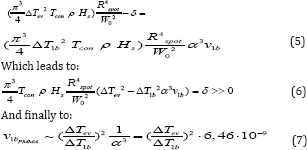
Journals on Otology

Contralateral Suppression of Teoae In Patients with Tinnitus and Normal Hearing

Abstract

Aim and Objectives : To evaluate functional integrity of Outer Hair Cells and Medial Olivocochlear system in the subjects having normal hearing with tinnitus and compare it with normal population and also to study the importance of Otoacoustic Emissions testing as an important objective tool in tinnitus evaluation.

Methods and Materials: A total of 20 subjects in the age range of 18 years to 57 years were considered for the study. They were categorised into two groups such as experimental group and control group. Experimental group consisted of 14 subjects with normal hearing having unilateral or bilateral tinnitus. The control group consisted of 6 age matched subjects having normal hearing without any tinnitus. All the subjects of both the groups underwent Pure Tone Audiometry testing and tinnitus evaluation. TEOAE testing and Contralateral Suppression of TEOAE were carried out.

Results: Among the 19 ears in the experimental group, TEOAE was absent in 10 ears (52.6%) and present in 9 ears (47.3%). Presence of contralateral suppression of TEOAE was observed in 6 ears (31.5%) and absence of contralateral suppression was noted in 13 ears (68.4%). It can be observed that most of patients in the experimental group had absent TEOAE and there is a subtle difference in the contralateral suppression of TEOAE between the experimental and control group.

Conclusion: In conclusion abnormal OAE in patients with tinnitus having normal hearing sensitivity indicate the cochlear dysfunction. Absence of suppression indicates Medial Olivocochlear system dysfunction. We also suggest that other auditory structures and mechanisms apart from OHC and MOC system may also be the reason for tinnitus generation as the results included patients with normal OAE and Contralateral suppression of OAE.The study helps to understand the role of OAE measures in evaluating the functional integrity of Outer Hair Cells and MOC system in subjects having tinnitus with normal hearing. It also highlight about the role of MOC system and cochlea in the generation of tinnitus.

Keywords: Tinnitus; CSOAE; TEOAE; MOC system; Outer Hair Cells

Abbreviations: OAEs: Otoacoustic Emissions; MOC: Medial Olivocochlear System; MNTB: Medial Nucleus of the Trapezoid Body; OHCs: Outer Hair Cells; TEOAE: Transient Evoked Otoacoustic Emissions

Introduction

Tinnitus represents one of the most common and distressing otologic problems which cause various somatic and psychological disorders that interfere with the quality of life [1]. Perception of sound in the ears or head that lacks an external acoustic source is commonly defined as tinnitus or ringing in the ears [2]. The majority of tinnitus patients have hearing loss but it can also occur in patients with normal hearing [3]. Several theories have been proposed for origin of tinnitus inspite of that the exact mechanism behind the generation of tinnitus is poorly understood. Tinnitus may be associated with abnormalities in any level of the auditory pathways. Jastreboff considers that the tinnitus is due to the maladaptive plasticity changes includes the enhanced central gain due to the compensatory increase in the central auditory activity in response to the loss of sensory input and the abnormal emotional reactions associated with the tinnitus. Several studies have investigated the relationship between tinnitus and dysfunction of the efferent auditory system mainly the Medial Olivocochlear System (MOC) by the suppression of otoacoustic emissions (OAEs) .

The Medial Olivocochlear System (MOC) is one of the efferent auditory system. The Medial Olivocochlear bundle arises from the neurons of the Medial Superior Olivary (MSO) nucleus complex and the Medial Nucleus of the Trapezoid Body (MNTB) and comprises of thick myelinated nerve fibres. About 75% of the fibers cross at the floor of fourth ventricle and terminate to the outer Hair Cells (OHCs) of the contralateral cochlea, while the rest of them remain uncrossed and terminate to the Outer Hair Cells (OHCs)of the ipsilateral cochlea. The fibers of the Olivocochlear bundle synapse directly at the basal surface of the Outer Hair Cells. The role of the efferent auditory system remains largely unknown. In view of preferential innervation of the OHCs by MOC system, it has been hypothesized that stimulation of Medial efferent alters IHC sensitivity indirectly by altering the micromechanical properties of the the OHCs. It is well established that length, tension and stiffness of the OHCs along their longitudinal axis are under the control of MOC bundle, thus enhancing the auditory sensitivity for low level stimuli at 30 to 40 dB SL.

The Medial Olivocochlear bundle is mainly inhibitory. Hence there has been already suggestions that dysfunction of the efferent auditory system at any level auditory cortex to cochlea may be a basis for tinnitus generation [4]. The contralateral suppression of Otoacoustic Emissions (OAEs) could serve as an objective and non invasive clinical tool for exploration of the non-linear micromechanical of OHCs and clinical neurologic evaluation of the auditory brainstem especially the MOC system. The contralateral suppression of OAEs is performed by measuring OAE from the test ear while the contralateral ear is stimulated with noise. The difference in the OAE amplitude with and without contralateral noise stimulation is calculated . Negative value or zero indicate no suppression while positive values indicate suppression of OAEs . A cut off of 0.5 dB SPL is considered as suppression. The present study is aimed to evaluate functional integrity of OHC and MOC system in the subjects having normal hearing with tinnitus and compare it with normal population and also to study the importance of OAE testing as an important objective tool in tinnitus evaluation.

Methods and Materials

A total of 28 subjects in the age range of 18 years to 57 years were considered for the study. They were categorised into two groups such as experimental group and control group. Experimental group consisted of 14 subjects (5 female and 9 male) with normal hearing having unilateral or bilateral tinnitus.9 subjects had unilateral tinnitus and 5 subjects had bilateral tinnitus. A total of 19 ears were considered for the study. The control group consisted of 14 (28 ears) age matched subjects having normal hearing without any tinnitus. All the subjects of both the groups underwent Pure Tone Audiometry testing. Pure Tone thresholds within 25 dBHL in all octave frequencies from 250 Hz to 8000Hz was considered as normal hearing sensitivity. Inventis Piano audiometer with TDH 39 supra aural headphone and BC71 bone vibrator was used for testing. After the Pure Tone Testing , tinnitus evaluations were performed over all the subjects. Tinnitus evaluations included pitch and loudness matching test. Pure tones and Narrow Band Noises were used according to the range of loudness and frequency.

11 kinds of frequencies were used for pitch matching (125 Hz, 250 Hz, 500 Hz, 750 Hz, 1000 Hz, 1500 Hz, 2000 Hz, 3000 Hz, 4000 Hz, 6000 Hz, 8000 Hz). The patients were instructed to match the pitch of the external tone to the pitch of the tinnitus. The tone was presented in the ear contralateral to the tinnitus ear to avoid residual inhibition. Three trials of pitch matching with an interval of 1 minute were given. Once the pitch of tinnitus was established, the patients were instructed to match the loudness of the tinnitus to external tone presented in the contralateral ear to the tinnitus. IHS system was used for Transient Evoked Otoacoustic Emissions (TEOAE) testing and contralateral suppression of TEOAE. TEOAE measurements were recorded by presenting clicks of duration of 40 microseconds. 1024 sweeps of 80 dB peak SPL were presented and TEOAE amplitude at each frequency band of 1 kHz, 1.5 kHz, 2kHz, 3kHz and 4kHz were considered as baseline for contralateral suppression of TEOAE. Contralateral suppression of TEOAE testing included recording of amplitude, SNR and reproducibility in the presence of continuous white noise presented at 50 dB SPL through insert earphones. Difference in baseline TEOAE amplitude and TEOAE amplitude measured in the presence of contralateral noise is calculated at each octave frequencies of 1 kHz, 1.5 kHz, 2 kHz, 3kHz and 4kHz. Positive values indicate presence of suppression and negative value or zero indicate absence of suppression. 0.5 dB SPL was considered as the presence of suppression.

Results

Among the 19 ears in the experimental group, TEOAE was absent in 10 ears (52.6%) and present in 9 ears (47.3%). Presence of contralateral suppression of TEOAE was observed in 6 ears (31.5%) and absence of contralateral suppression was noted in 13 ears (68.4%) From (Table 1), it can be observed that most of patients in the experimental group had absent TEOAE. From(Tables 2 & 3), it can be observed that there is a subtle difference in the contralateral suppression of TEOAE between the experimental and control group.

Table 1: Number and Percentage of ears that had absent TEOAE across different frequencies in the experimental group.

Table 2: Number and Percentage of ears that had absence of contralateral suppression of TEOAE across different frequencies in the experimental group.

Table 3: Number and Percentage of ears that had absence of contralateral suppression of TEOAE across different frequencies in the control group.

Discussion

The results obtained from the present study are comparable to other studies. A study done by Ceranic et al in 1995 shown that OAE are not normal at tinnitus frequency region even in subjects with normal hearing [5]. Another study done by Almeida et al in 2006 indicated that TEOAEs were abnormal in 70.2% of individuals with tinnitus having normal hearing [6]. Study done by Paglialonga et al in 2010 revealed that 13% of patients with tinnitus exhibited abnormal TEOAE [7]. One of the study done by Dhanya et al in 2009 reported absent TEOAE in 47.3% of individuals with tinnitus having normal hearing sensitivity [8]. Study done by Serra reported absent TEOAE in 67 % of individuals with normal hearing and tinnitus [9] in a study pointed out slightly reduced TEOAE suppression in tinnitus subjects compared to non- tinnitus ears. Ryan and Kemp found a large range of suppression variability in the contralateral suppression of OAE [10]. Study by Dhanya et al. [9] also revealed a high variability in contralateral suppression of OAE. A study by Geven found that there was no significant difference in the amount of suppression between tinnitus patients and control group. Similar findings were obtained in our study [11,12].

Conclusion

We conclude from the present study that abnormal OAE in patients with tinnitus having normal hearing sensitivity indicate the cochlear dysfunction. Absence of suppression indicates Medial Olivocochlear system dysfunction. We also suggest that other auditory structures and mechanisms apart from OHC and MOC system may also be the reason for tinnitus generation as the results included patients with normal OAE and Contralateral suppression of OAE. The study helps to understand the role of OAE measures in evaluating the functional integrity of Outer Hair Cells and MOC system in subjects having tinnitus with normal hearing. It also highlight about the role of MOC system and cochlea in the generation of tinnitus.

For More Articles: Biomedical Journal Impact Factor : https://biomedres.us

Journals on Oncology

Atypical Granular Cell Tumour of the Vulva

Background

Granular cell tumours are benign tumours that are thought to originate from the Schwann cells. They tend to occur in middle aged adults and can be found anywhere in the body in subcutaneous as well as dermis tissue [1]. Most of them are benign with less than 2% being malignant or atypical. Atypical features are associated with increased morbidity and have a poor prognosis if they become metastatic [2]. They also have a high recurrence rate.

Case Presentation

A 54-year-old lady was referred by her general practitioner due to a lesion in the left labia majora. Clinical examination revealed a hard, cystic lesion measuring 2x3cm on the upper third of the left labia majora which was excised under local anaesthesia and sent for histopathological examination. The diagnosis was atypical granular cell tumour with focal involvement of the peripheral margins. Under general anaesthesia wide excision was performed and the histopathological examination confirmed clear margins. At 5 years follow up there has been no evidence of recurrence.

Discussion

Granular cell tumours are rare tumours of the skin and subcutaneous tissues. The oral cavity, especially the tongue is the most common site, but the vulva is the most common site in women [2]. Interestingly, the patient we present here had a similar lesion on the tongue in the past which was excised. Unfortunately, the pathology report of that was not available to confirm that this was a granular cell tumour as well. Granular cell tumours usually present as solitary, pale lesions that are slow growing and are relatively painless. The differential diagnosis would be Bartholin’s gland tumour, sebaceous cyst, lipoma and papilloma [3]. Histologically, granular cell tumours are found in the dermis and the main morphological feature is the granularity of the cytoplasm, which is caused by massive accumulation of phagolysosomes. Atypical features include prominent nucleoli, high nuclear-to-cytoplasmic ratio, spindling of the tumour cells, necrosis and mitotic activity greater than 2 per 10 high power fields at 200 x. If three or more of the features are present, there is the possibility of a malignant granular cell tumour even in the absence of metastasis [4]. Features that make it malignant include: size more than 5cm, vascular invasion, necrosis, rapid growth, brisk mitotic activity, spindling of cells, angiogenesis and pleomorphism. If less than three of these features are present, the tumour is considered atypical and if none of these features are present, it is classed as benign [5,6].

To the best of our knowledge, ours is the second case to be reported in the English literature. There has only been one case of vulval granular cell tumour with atypical features reported in a preadolescent girl in 2013. A case report presents a 12-year-old girl with a rapidly growing granular cell tumour of the vulva that had atypical features on histology [7].

In our case, histologically, the lesion consisted of nests of round and polyglonal tumour cells with eosinophilic granular cytoplasm, mildly pleomorphic predominantly vesicular nuclei and focally prominent nucleoli. Small lymphoid aggregates and focal lymphoid follicle formation were present. These appearances were in keeping with granular cell tumour. The lesion focally reached peripheral margins and the pathologist felt that there were possibly some suspicious features. A second opinion was sought from a second pathologist and the additional report confirmed that there were atypical features with many of the cells showing vesicular nuclei with prominent nucleoli and nuclear pleomorphism.

Conclusion

Granular cell tumours are rare, but awareness of their clinical presentation is important since wide local excision is the treatment of choice and is curative if completely excised [8]. After surgical treatment, if there is any evidence of tumour in the surgical margin, wider local excision should be performed. Since 5-25% of patientshave multiple lesions, before planning treatment, clinicians should exclude multicentric lesions [9]. The histological findings will determine whether the tumour is benign, atypical or malignant. Patients should be followed up due to the risk of recurrence and since they can be found in any site of subcutaneous tissue or dermis and patients must be aware to report any similar lesions. Recurrence rates are reported as 2-8% with clear margins and 20% with positive margins [10].

For More Articles: Biomedical Journal Impact Factor : https://biomedres.us

Journals on Surgery

Segmental Resection of Duodenal Adenocarcinoma: Case Report

Abstract

Primary malignant tumors of the duodenum represent 0.3% of all Castro-intestinal tract tumors but up to 50% of small bowel malignancies. Primary malignant tumors of the duodenum must be differentiated from malignant tumors of the ampulla, pancreas and common bile duct. The most frequent tumor of the duodenum is Adenocarcinoma [1,2]. Other primary tumors are lymphomas, leiomyosarcomas, carcinoid tumors, gastrinomas, and stromal tumors. Adenocarcinoma of the duodenum may arise from duodenal polyps observed in familial polyposis or Gardener’s syndrome, or be associated with celiac disease [3,4]. The tumor can be located in any part of the duodenum but the most frequent location is the second part. Malignant tumors of the duodenum are observed with the same frequency in men and women. The peak of frequency is the sixth decade, although the disease may develop in younger patients. Signs and symptoms are non specific. The main symptoms are: abdominal pain (15 to 60% of patients), weight loss (30 to 59%), nausea and vomiting (25 to 30%), jaundice (20 to 30%), hemorrhage (10 to 38%). A palpable abdominal mass is found in less than 5% of the patients [5].

Case presentation

50-year-old women presented with an acute attack of vomiting endoscopy done and the cause was found to be a sub mucosal tumor located in the third part III of the duodenum, 5 cm distal of the papilla of Vater An emergency laparotomy after admission and correction of fluid and electrolyte was done. Ligation of tumor-feeding vessels with primary, definitive surgical therapy was performed by partial resection of the duodenum with a duodenojejunostomy. Feeding jujeunostomy was done also to supply enteral feeding postoperative. Histology revealed an Adenocarcinoma with a diameter of 2.5 cm after that the patient recover smothly and went home after 10 days to be followed on outpatient basis [6-8].

Conclusion

Tumors of the duodenum are a rare cause of upper gastrointestinal obstruction. Partial resection of the duodenum is a warranted alternative to a duodenopancreatectomy, as this procedure has a lower operative morbidity, while providing comparable oncological results [9-12].

Background

Primary malignant tumor of the duodenum is a very rare cancer and is observed with the same frequency in men and womenthe peak of frequency is the sixth decade, although the disease may develop in younger patients. Signs and symptoms are non specific [13,14]. The main symptoms are: abdominal pain (15 to 60% of patients), weight loss (30 to 59%), nausea and vomiting (25 to 30%), jaundice (20 to 30%), hemorrhage (10 to 38%) (Figures 1-5).

A palpable abdominal mass is found in less than 5% of the patients .the diagnosis is with many diagnostic methods such as Barium studies of the upper intestinal tract which had been have been replaced by fiber optic endoscopy. Barium examination show in most cases an irregular stricture of the duodenum, but can be normal or misleading. Fiber optic endoscopy allows a precise location of the tumor and endoscopic biopsies which confirm the diagnosis [15-18]. The Preoperative staging is not easy and No study has evaluated the best method of preoperative staging of malignant lesions of the duodenum. Some authors use ultrasonography for the diagnosis of liver metastases; the accuracy of CT scan, MRI and angiography have not been studied. These investigations are not performed routinely, most of the patients being operated on as only for a palliative procedure.

Endoscopic ultrasonography has been reported to be useful for the preoperative staging of ampullary and pancreatic carcinomas. No study reports its accuracy in the preoperative evaluation of malignant duodenal tumors. Five to 40% of the patients have distant metastases or peritoneal seeding at the time of diagnosis [6]. The treatment of such cases is not yet very clear with guidelines and due to the low incidence of the disease there is no randomized study comparing different types of treatment. Complete surgical resection is the only hope for cure. Two types of surgical resection are available: pancreatoduodenectomy associated with various types of lymphadenectomies or segmental resections [7,8]. Pancreatoduodenectomy has been advocated as the surgical procedure of choice because it offers the possibility of regional lymph node resection. Nonetheless good long-term results have been observed with segmental resection, particularly for tumors of the distal part of the duodenum [9]. When local extension or metastatic disease precludes curative resection, palliative procedures such as gastrojejunal anastomosis can be performed [19,20]. Laser photo coagulation has been proposed for patients unfit for surgery with good palliation on hemorrhage and obstructive symptoms.

For More Articles: Biomedical Journal Impact Factor : https://biomedres.us