Biomedical Journal of Scientific & Technical Research (BJSTR) is a multidisciplinary, scholarly Open Access publisher focused on Genetic, Biomedical and Remedial missions in relation with Technical Knowledge as well.
Infertility is the inability of a couple to conceive within a normal period of one year (for a woman under 35) or half a year (for a woman over 35) regardless of satisfactory, standards (3-4 times each). week), unprotected sex. Infertility can also be referred to as the inability to carry a pregnancy to term. Infertility can be caused by the lady, the man, or both; necessary or optional. In essential infertility, couples have not always considered; while in involuntary infertility, after consideration (either carrying the pregnancy to term or an unnatural birth cycle), there is difficulty in imagining [1]. Optional infertility is absent if there has been a difference in accomplices within one year, which is associated with specific opportunities to be infertile. Cervical infertility (CI) involves the failure of sperm to enter the uterus due to damage to the cervix or cervical factors, such as cervical stenosis; anti-sperm antibodies; insufficient, hostile, or unresponsive cervical body fluid and cervical contamination from physically transmitted diseases (chlamydia, gonorrhea, trichinellosis, cytoplasmic hominins, and ureaplasma urealyticum).
Risk Factors and Causes
Infertility might be brought about by an elementary ailment that may harm the fallopian tubes, meddle with ovulation, or cause hormonal intricacies [2]. These ailments incorporate pelvic fiery illness, endometriosis, polycystic ovarian condition, untimely ovarian distress, uterine fibroid tumor, and natural components. Different reasons for infertility in females incorporate ovulation issues, tubal blockage, age-related elements, uterine issues, past tubal ligation, and chemical awkwardness while the fundamental teamster of male infertility is helpless spermatozoa quality.
EnvironmentalFactor and Infertility
It was focused on the etiological significance of environmental variables in infertility. Toxins such as pastes, unstable natural solvents or silicones, real specialists, synthetic cleaning products, and pesticides are involved in infertility [3]. In addition, other harmful ecological manifestations associated with words such as chlorinated hydrocarbons and femicides are related to the widespread association of an unrestricted unnatural birth cycle in women. As of now, people who are in direct contact with or open to such synthetic compounds have a high probability of having essential or elective infertility. Estrogen-like chemical-disrupting synthetic compounds such as phthalates are of particular concern for effects on women’s children.
Age and Infertility
Ripeness decays with age. Female fruitfulness is at its top between the ages of 18 and 24 years, while, it starts to decay after age 27 and drops at a fairly more noteworthy rate after age 35. As far as ovarian hold, a normal lady has 12% of her savings at age 30 and just 3% at age 40. 81% of the variety in the ovarian hold is because old enough alone, making age the main factor in female infertility. Ovulatory brokenness is more normal in more youthful than in old couples [4].
Weight Changes and Infertility
Ovarian brokenness could be brought about by weight reduction and unnecessary weight acquired with weight file (BMI) more noteworthy than 27 kg/m2. Abundance weight has additionally been found to have an impact on treatment viability and results of helped regenerative strategy. Estrogen is created by the fat cells and essential sex organs and along these lines, the condition of high muscle versus fat or stoutness causes expansion in estrogen creation which the body deciphers as contraception, restricting the odds of getting pregnant. Likewise, too little muscle-to-fat ratio causes a lack of estrogen creation and hence feminine anomalies with an anovulatory cycle. Legitimate nourishment in early life had been connected to being a central point for later ripeness [5].
Hormonal Imbalance and Infertility
The nerve center, through the arrival of gonadotropic hormone-delivering chemicals, controls the pituitary organ which straightforwardly or by consequence controls most other hormonal organs in the human body [6]. Subsequently, changes in the element signals from the nerve center can influence the pituitary organ, ovaries, thyroid, and mammary organ and consequently, hormonal irregularities. Hormonal abnormalities that influence ovulation incorporate hyperthyroidism, hypothyroidism, polycystic ovary condition (otherwise called Stein-Leventhal disorder), and hyperprolactinemia. Hormonal irregularity is a significant reason for anovulation. Ladies with hormonal lopsidedness won’t create enough follicles to guarantee the improvement of an ovule. Changes in the hormonal equilibrium of the Hypothalamic-Pituitary-Adrenal Hub (HPA-hub) could be brought about by stress.
Thyroid Disease and Infertility
A thyroid infection is associated with an increased risk of a rash or stillbirth. The prevalence of hypothyroidism in women of childbearing age (20-40 years) is between 2% and 4%. In essential hypothyroidism, the serum thyroxine (T4) level is low and the negative input to the hypothalamic-pituitary pivot is reduced. Subsequently, the expanded emission of thyrotropin-releasing chemical (TRH) stimulates thyrotropin and lactotrophs, consequently expanding the degrees of both thyroid-stimulating chemical (TSH) and prolactin and, in this sense, ovulatory disorders due to hyperprolactinemia. Prolactin production can also be stimulated by vasoactive intestinal peptide (VIP), epidermal growth factor, and dopamine receptor agonists. Hyperthyroidism is then again shown by suppressed serum TSH and expanded thyroxine (T4), triiodothyronine (T3), or both [7]. Hyperthyroidism in women of childbearing age is caused by Graves’ disease, toxic goiter, and thyroiditis. In Krassas et al, a higher rate of hyperthyroidism was associated with a sporadic monthly cycle ranging from hypomenorrhea, polymenorrhea, and oligomenorrhea to hypermenorrhea.
Diagnosis and Infertility
In any infertility struggle, both co-conspirators and co-conspirators are considered significant benefactors and are thus investigated especially if the woman is over 35 or if any of the co-conspirators have realized risk factors for infertility [8]. The male components must be removed before subjecting the female accomplice to any costly but disruptive testing.
Diagnosticand Imaging Test
1. Imaging tests to look at the uterus and fallopian tubes include ultrasound (especially sonohysterography with saline implantation), hysterosalpingography, hysteroscopy, fertiloscopy, and laparoscopy [9]. An endometrial biopsy is done to confirm ovulation and a Pap smear is done to see the pelvic organs and check for signs of disease. Magnetic resonance imaging (MRI) is the imaging test of choice because it can identify adenomas that are only about 3-5 mm. Mixtures of these imaging methods can be used to confirm the analysis [10,11].
2. The estimation of blood urea nitrogen and creatinine is significant in recognizing persistent renal failure as the reason.
3. Pregnancy tests are required except when the patient is postmenopausal or has had a hysterectomy.
4. Estimation of insulin-Like Growth Factor-1 (IGF-1) level is performed in acromegaly. 5. Hormonal measures include the determination of plasma levels of chemicals such as Luteinizing Chemical (LH) to determine ovulation in women and detect pituitary problems, Follicle-Stimulating Chemical (FSH) to determine ovarian retention, prolactin level to confirm an anovulatory cycle, and Thyroid -Stimulating Chemicals (TSH) to control thyroid organ problems. A Thyroid-Stimulating Chemical (TSH) level somewhere between 1 and 2 is considered ideal for conception. Progesterone estimates in the second 50% of the cycle help confirm ovulation.
5. Immunological tests are performed to determine anti-sperm antibodies in blood and vaginal fluids. Infertility immunizer blood tests are conducted to detect antibodies that destroy sperm.
6. A post-coital test can be performed shortly after intercourse to check for problems with sperm penetration into the cervical mucosa.
Prevention of Infertility
Some cases of infertility could be prevented by strong intercessions:
• Maintaining a healthy lifestyle: Excessive exercise, use of caffeine and alcohol, and smoking (tobacco and weed) are associated with reduced maturity, which should subsequently be avoided. A fair and nutritious diet, products of the soil (lots of folate), and maintaining a normal body weight are associated with better chances of wealth.
• Prevention or treatment of existing diseases: Identifying and controlling persistent diseases such as diabetes, hyperthyroidism, and hypothyroidism creates opportunities for maturity. Routine current evaluations (counting Pap spreads) help recognize early signs of contamination or abnormalities.
• STDs can be prevented by limiting sex or practicing “safer sex” techniques among individuals with multiple sexual partners, including regular monogamy, non-penetrative sex, and the proper and predictable use of boundary prophylactic strategies, especially latex. male condoms and polyurethane vaginal sheath (female condom).
• Rapid treatment of sexually transmitted
• Not delaying parenthood: Fertility begins to decline after age 27 and declines much more significantly after 35. don’t delay parenthood.
Treatment
Treatment of female infertility can be done in different ways which are as follows:
1. Weight loss drugs: In corpulent anovulatory infertile women, a 5-10% loss of body weight was enough to restore regenerative abilities in 55-100% of women within half a year.
2. Reception of ovulation using gonadotropins, Human Menopausal Gonadotropin (HMG).
3. Bromocriptine in hyperprolactinaemic
4. A mixture of clomiphene citrate and human menopausal gonadotropin (CC-HMG).
5. Chemical treatment (e.g. Perganol).
6. Careful intercession.
7. Directed Impregnation (AI): AI can be performed by intracervical or intrauterine insemination. It works in an ovulating lady with patent cylinders.
8. In Vitro Fertilization (IVF): IVF can be used to treat women with damaged fallopian tubes and endometriosis or in cases of unexplained infertility. Standard IVF requires the presence of a functional fallopian tube and the methodology includes gamete intrafallopian movement (GIFT), zygote intrafallopian movement (ZIFT), or GIFT-ET, which is a combination of GIFT and IVF.
Comparison of a Novel Incubator with Standard Incubator Care: A Randomised Multi-Centre, Cross-Over Study
Introduction
The use of incubators to maintain normothermia is a cornerstone of neonatal care [1]. Hypothermia in the premature infant can result in poor weight gain and metabolic stress [2,3]. Babies maintain normothermia via hypothalamic control mechanisms, creating warmth through shivering and non-shivering mechanisms [4]. In the preterm or growth restricted infant, these mechanisms are immature, placing them at additional risk. In lower-resource settings, hypothermia is associated with significant mortality especially in these higher risk patients [5]. The World Health Organisation (WHO) recommends that stable babies ≤2kg should receive external warming (radiant or incubator) if they cannot be given skin-to-skin care [6]. The mOm Essential Incubator, [Mom Incubators Ltd, Nottingham, UK] (Figure 1) meets international safety and performance standards for conventional incubators, is CE marked under the medical device regulations (MDR2017/745), and is suitable, by design, for use in both high- and lower-resource settings. This study evaluated the thermal performance of this novel incubator against standard incubators used on neonatal units, and to investigate usability aspects from staff perspectives.
Figure 1
Methods
Patient Population
Eligible infants were at least 30 weeks corrected gestational age (GA) at birth, and ≤6kg at inclusion to the study. They were clinically stable, not needing endotracheal ventilation, had already spent at least 24 hours receiving standard incubator care, and were expected to require at least 48 hours of non-humidified incubator care at ≥30°C at the time of study inclusion. Written consent was obtained from the parent(s) or legal guardian(s) aged 16 years or above and not considered to be in a vulnerable group. Infants with major congenital abnormalities or suspected infection were excluded. The clinical team-maintained responsibility for each infant’s care, with the ability, along with the initial consent giver, to withdraw the infant from the study at any time for any reason.
Study Design and Setting
This was a prospective, multi-centre, randomised controlled, cross-over design pilot study, conducted in three hospital Neonatal Intensive Care Units within the United Kingdom: St Peter’s Hospital (Ashford and St Peters NHS Foundation Trust, Chertsey), Royal Hospital for Children (Queen Elizabeth University hospital, Glasgow) and the Norfolk & Norwich University Hospital, Norwich. The primary objective of this study was to compare the maintenance of normothermia within each incubator group (mOm or standard) by measurement of each infant’s truncal skin temperature, or core temperature. This is expected to fluctuate but remain within normal temperature limits (36.5 to 37.5°C). Variations from this endpoint were analysed and compared statistically between the two incubator groups. Thirty-six completed datasets were required for the analysis to be valid. A complete subject dataset was deemed acceptable if 19 of the 24, once-hourly temperature observations were recorded for each incubator type (i.e. 79% compliance). This degree of compliance was considered acceptable for analysis because it is still greater than the routine standard for this type of incubator care for clinically stable infants of ≥30 weeks GA, which is often every three hours. The overall mean temperature variance per incubator group (mOm or standard) was compared. Where temperature data from skin probes attached to the incubators, was not available for any technical reason, axillary temperature readings were used instead to maintain dataset integrity. If infants were removed from incubators, (e.g. for skin-to-skin care), the nature and duration of the event was recorded.
A 95% confidence interval was calculated around the mean of these fluctuations within each baby for each incubator group. Data from 36 babies would allow such a confidence interval to be calculated to within ±0.33°C if the actual mean fluctuations are around one degree (i.e. as normally expected) and assuming a two-sided confidence interval. A paired t-test was used to compare values, and p-values were calculated. Each patient served as their own control. The order of incubator type used for each of the two consecutive 24-hour periods of incubator care, was assigned randomly. A Microsoft Excel random number generation system was used to generate random numbers used to assign the arm of the study the infant was assigned (i.e. which incubator type the infant went into for the first 24h before cross-over). Each assignment was placed in an envelope attached to case report form folders already numbered with a continuous series subject number. As secondary endpoints, baseline demographics, then vital signs (i.e. pulse rate, breathing rate and O2% saturation) of the infant, plus set and actual temperature of the incubator were recorded every hour; blood pressure was recorded daily. The type and duration of care activities, duration the portholes or door was open and any adverse events were recorded throughout the 48h each infant spent in the study. Further to these, the time taken to clean each incubator between use was recorded and users were given a questionnaire to complete, regards the usability of the mOm compared to standard incubators. No formal survey was provided to parents, although any comments given were recorded in their infants’ case report form.All data were collected, 100% verified by the Sponsor’s monitors, and stored in compliance with Good Clinical Practice (GCP) and Data Protection legislation. The CONSORT reporting guidelines were used to provide reporting guidance [7].
Ethics and Regulatory Approvals
This study was initially approved by the London – Harrow Research Ethics Committee (REC), 19 November 2018 (ref: 18/LO/1757). After a delayed start due to the Covid pandemic, MHRA no objection was gained on 22nd October 2021 (ref: CI/2021/0050/GB), Health Research Authority approval on 27th October 2021 and adoption onto the National Institute for Health Research Clinical Research Network portfolio (CPMS ID 38607). The study was conducted in accordance with ISO 14155, Good Clinical Practice and the Declaration of Helsinki for Human Rights.
Results
One hundred patients were screened and identified as eligible for participation in this study over a period from November 2021 until August 2022 at the three study sites. Forty-three infants were enrolled of which three infants were withdrawn, one prior to commencement (moved to a different hospital) and two during the study by neonatal staff (one due nurse wanting to cool infant rapidly after overheating due to too much clothing, one due to staff concern with incubator temperature dropping when alarm not cleared); in both cases the incubator performed correctly. Three infants had no primary endpoint data collected whilst the infants were in the standard incubator so no comparative analysis could be performed; these were excluded from the results reported in this paper. However, the data collection target was reached (i.e. 36 evaluable data sets) with 37 evaluable datasets being available for inclusion in the analyses (Figure 2); see Table 1 for their demographic data. Of the 37 evaluable datasets, 18 (49%) infants were randomised to a mOm incubator -first 24h, then a standard incubator – second 24h, and 19 (51%) infants were randomised to standard – first 24h, then mOm incubator – second 24h (Table 1).
Table 1: Summary of demographics at study inclusion.
Figure 2
Efficacy Outcome
No significant differences were found in the primary endpoint for maintenance of normothermia in infants cared for in either the mOm incubator or the standard incubators. Fluctuations in temperature beyond the normal range were noted and the mean variance compared (Table 2). Figure 3 shows the mean temperatures of the infants recorded in each incubator over the 24-hour period.
Table 2: Analysis of paired data for mean fluctuations from normothermia (°C).
Figure 3
Secondary Endpoints
Clinical Stability: There were no statistical differences in heart rate, respiratory rate, oxygen saturations, or blood pressure between mOm and standard incubator groups (Table 3).
Table 3: Vital signs
Incubator Performance: Standard incubators used in the study included a variety of Draeger (Lubeck, Germany) models (90.2%) and GE (Chicago, IL) Giraffes (7.3%). Both incubator groups demonstrated temperature differences between set and actual temperature (as displayed on the incubators interfaces) which were within the permitted limits of the BS EN 60601-2-19 Standard [7]. Both had the same median difference of 0.03°C. The overall mean (standard deviation; SD) difference was 0.04°C (±06°C) for the mOm, compared to 0.03°C (±0.03°C) for the standard incubator group. The mean length of time the infants underwent care activities with the portholes and/or door open was similar in both incubator groups with no significant difference (Table 4). Both incubator groups had a median of 10 minutes for care activities with similar interquartile ranges (IQR) of 5.5-20 minutes for the mOm group and 7.0-20 minutes for the standard incubator group.
Cleaning of Incubators (Table 4): Cleaning times were recorded on 44 (69%) occasions for the mOm incubator compared to 20 (31%) occasions for the standard incubators. Median (IQR) cleaning time was significantly shorter for the mOm incubator compared to the standard incubator; 25 (15-30) vs. 45 (30-45), p <0.001) (Table 4).
Table 4: Activities and Incubator Cleaning Times.
Adverse Events (AEs): Seven AEs were reported (3 hyperthermia, 1 hypothermia, 1 skin irritation, and 2 oxygen desaturations) of which none were considered causally related to either type of incubator. No serious AEs or device-related AEs were reported.
Usability: Thirty-two clinical staff, of whom the majority 27(84%) were nursing staff and the rest consultants, and 10 non-clinical staff (healthcare support workers), completed responses. 85% found the device intuitive to use and all respondents said they would be happy to allow their own baby to be managed in the mOm incubator. The majority of clinical staff felt the incubator may be useful for interdepartmental transfers (78%), home use (66%), ward use (e.g. transitional care, postnatal wards (63%)), delivery suite (56%) or for low infrastructure countries. There were positive comments about the size and cleanability of the mOm (“less invasive looking for parents”, “easy to transfer” [referring to interdepartmental transfer]). Eight (80%) of the non-clinical respondents who commented, thought that the cleaning, disassembling, and setting up the mOm incubator was ‘Easier’ or of ‘Similar Difficulty’, when compared to a standard incubator. Negative comments included the self-closing porthole doors (feature now removed), and about accessibility for complex babies with multiple intravenous (IV) lines (four IV ports currently provided), or during an emergency. Suggestions included additional portholes for access. Clinical staff also did not like the lack of a height adjustable trolley (now available).
Parents: Parents commented that they liked the compact size of the mOm incubator, as it seemed “right sized” for their baby. Parents said it was easier to see the baby and that the “baby looked perfect size in [mOm] incubator”. Parents also said they liked the display of their baby’s temperature. No comments were recorded for the standard incubators.
Discussion
There were no significant differences in the maintenance of normothermia between infants cared for in the mOm and the standard incubators. Similarly, there were no differences in recorded physiological measurements. The performance of the incubator was within expected values; the differences noted between set and actual values are within the permissible safety and performance criteria of the BS EN 60601-2-19 Standard [8]. There were no device-related adverse incidents. The mOm incubator was designed by James Roberts, at the time a Design Engineering student at Loughborough University, winning the Sir James Dyson Global Prize for Innovation in 2014. Originally known as an “inflatable incubator”, it has been refined and re-designed, whilst maintaining the original aims of being portable and space-saving, able to operate from a variety of power sources and to be more cost-effective than standard incubators. This study is the first report of its clinical use, paving the way for further evaluations in different settings. The aim for medical equipment to be cost-effective, or designed for lower resource settings, does not mean that functionality, safety or usability should not be evaluated and meet the standards required in higher-resource environments.
A recent review examined currently available warming devices suitable for low-resource settings [9]. These included radiant warmers, incubators, warming mattresses and phase-change materials. Devices were generally effective although it was noted that radiant warmers increased insensible water losses. Some require consumables which may add additional costs, and phase-change materials have a relatively short duration of action before replacement is needed. Considerations such as servicing, parts and power availability, and means of disposal, should also be considered. A randomised controlled study of a prototype cardboard incubator [10] demonstrated non-inferiority in a low-resource setting with high ambient temperatures (25°C) and humidity (50%); 1:1 nursing was provided for the study duration (48h).
During our study trial period, 60% of babies with parental consent did not participate in the study, and trial recruitment was slower than anticipated. The overwhelming reason for this was due to a requirement for a lower incubator temperature than the mOm incubator could provide. Stable neonatal patients often require a set incubator temperature of 28-29°C. The standard incubators could provide this, however, the operating range of the mOm incubator used in the study was 30-37°C. The mOm incubator has since been adjusted to provide a wider range of 28-37°C, demonstrating the value of clinical evaluation. The mOm incubator was designed for use in a broad range of settings, including emergency ones where environments would be expected to be less favourable and staff less experienced. Assessment of usability was important in order to understand the attitudes of staff to a medical device which does not have the features associated with more expensive, conventional devices. The positive feedback from users was reassuring that use in a busy high resource setting was acceptable, with all respondent clinical staff (consultants and nurses) and non-clinical staff (healthcare support workers) saying they would allow their own baby to be cared for in a mOm Essential incubator.
Study Limitations
This was a small-scale pilot study, which although demonstrating compliance to the safety and performance incubator standards [8], was not powered to show non-inferiority against one particular standard incubator, instead hospitals used standard practice which included the use of a range of different ‘standard’ incubators.
Conclusion
In this pilot study, performance of the mOm Essential Incubator showed no significant differences in maintaining thermal stability compared with the standard incubators in infants ≤6Kg, who did not require humidification, and no incubator-related adverse events were observed. In a busy high resource setting, the mOm incubator matches the performance of standard incubators in the maintenance of temperature and may provide the additional benefit of shorter cleaning time.
The Impact of Gut Microbiota on Long COVID: Insights and Challenges
Introduction
The ongoing global COVID-19 pandemic caused by the severe acute respiratory syndrome coronavirus 2 (SARS-CoV-2) has resulted in a spectrum of clinical manifestations, ranging from asymptomatic or mild respiratory symptoms to severe pneumonia and multi-organ dysfunction1. While the acute phase of the disease has been extensively studied, the emergence of a condition known as “Long COVID” or “Post-Acute Sequelae of COVID-19 (PASC)” has raised significant concern due to its persistent and debilitating nature. Long COVID is characterized by symptoms that persist for weeks or even months after the acute infection has resolved, affecting various organ systems and significantly impairing patients’ quality of life [1-3]. Recent research has shed light on the potential role of gut microbiota in the pathogenesis of Long COVID, as alterations in the composition and dynamics of the gut microbiome have been observed in patients with both acute COVID-19 and Long COVID [2,3]. The gut microbiota regulates the host’s immune response, metabolic processes, and overall health. Dysbiosis, or an imbalance in the gut microbiome, can lead to immune dysfunction and chronic inflammation, hallmarks of Long COVID [4].
This emerging connection between gut microbiota and Long-term COVID has prompted investigations into its potential as a therapeutic target for alleviating symptoms and improving outcomes in affected individuals [5-7]. Several studies have explored the dynamics of gut microbiota in patients with long-term COVID-19, shedding light on how changes in microbial composition may correlate with symptom severity and persistence2,3,5. Additionally, research has examined the impact of factors such as antibiotics, probiotics, and dietary interventions on gut microbiota in Long-term COVID patients. Understanding the relationship between the gut microbiome and Long-term COVID is crucial, as it may open new avenues for therapeutic interventions and improve the management of this complex and poorly understood condition [8,9]. In this comprehensive review, we aim to synthesize the existing literature on the role of gut microbiota in Long COVID. We will analyze findings from recent studies investigating alterations in gut microbiota composition, diversity, and function in patients with Long-term COVID and their potential implications for disease pathogenesis and symptomatology [9-11]. Additionally, we will explore the impact of various interventions, including dietary modifications and probiotics, on modulating the gut microbiome in Long COVID patients. Our objective is to provide a thorough overview of the current knowledge regarding the gut microbiota’s involvement in Long-term COVID and its potential as a target for therapeutic interventions.
Methods
The research methodology involved a comprehensive search of multiple reputable databases to ensure the inclusion of relevant studies while minimizing the risk of bias. PubMed, Scopus, Scielo, Embase, and Web of Science were chosen due to their comprehensive coverage of peer-reviewed literature in the medical field. Additionally, Google Scholar was utilized to access gray literature, which often includes valuable insights not found in traditional peer-reviewed articles. The study’s selection criteria were centered on the study’s focus, which was artificial intelligence’s impact on general surgeons’ training. To refine the search and capture relevant studies, a combination of keywords was used, including “post-acute COVID-19 syndrome”, “post-acute COVID-19 syndromes”, “long COVID, PASC post-acute sequelae of COVID-19”, “gastrointestinal microbiome,” and “gut microbiota.” This approach ensured that the selected studies were directly related to the topic of interest. The inclusion criteria encompassed various studies, such as systematic reviews, case-control studies, cross-sectional studies, case series, and review articles.
This broad inclusion criteria aimed to gather a comprehensive range of evidence and perspectives on the subject matter. The process of analysis, review, and selection of materials was conducted rigorously to maintain the quality and relevance of the chosen studies. It involved a systematic and blind approach, with pairs of reviewers independently assessing the title and abstract of each study. In cases of disagreement between the two reviewers, a third reviewer was involved to reach a consensus and ensure the final selection of studies was based on well-founded criteria. This meticulous research methodology guarantees that the findings and conclusions drawn in the article are rooted in a robust and diverse body of evidence, enhancing the credibility and reliability of the study’s outcomes.
Results and Discussion
Long COVID has emerged as a perplexing and debilitating condition characterized by persistent symptoms following acute COVID-19 infection. Recent research has shed light on the potential role of the gut microbiota in influencing the course of long-term COVID, offering intriguing insights into the consequences and effects of microbial alterations [12]. A recurring theme in these studies is the presence of dysbiosis within the gut microbiota of Long COVID patients. This dysbiosis typically involves a decrease in beneficial commensal bacteria like Bifidobacterium and Lactobacillus, coupled with an increase in pro-inflammatory taxa5-8. Such microbial imbalances are thought to trigger immune dysregulation and chronic inflammation, potentially contributing to the prolonged and diverse symptomatology observed in Long COVID4. One significant finding is the association between gut microbiota profiles and the severity and duration of Long COVID symptoms5. Liu et al. revealed that individuals experiencing more severe Long COVID symptoms exhibited distinct microbiota profiles, implying a potential link between gut microbiome composition and symptom severity [5,6].
This observation was further corroborated by Ancona et al., who reported dysbiosis in both gut and airway microbiota, suggesting its potential role in influencing respiratory symptoms associated with long-term COVID3. Recognizing gut microbiota involvement in Long COVID has opened doors to therapeutic exploration. Su et al. (2022) delved into the impact of antibiotics and probiotics on gut antimicrobial resistance gene reservoirs, highlighting the potential of these interventions to modulate gut microbiome composition and, consequently, Long-term COVID outcomes [7,11,12]. Furthermore, Wang et al. demonstrated the alleviation of severe gastrointestinal symptoms in a Long COVID patient through nutritional modulation of the gut microbiota, suggesting the promise of dietary interventions [13]. Intriguingly, parallels have been drawn between long-term COVID and myalgic encephalomyelitis/chronic fatigue syndrome (ME/CFS), prompting investigations into potential shared mechanisms4-6. Komaroff and Lipkin proposed that insights from ME/CFS research might contribute to unraveling the pathogenesis of long-term COVID-19, hinting at possible commonalities that potentially involve the gut microbiota [2-4]. Vestad et al. provided valuable insights into the persistence of gut microbiota alterations beyond the acute phase of COVID-19 [14-17]. Their study suggested that the impact of gut dysbiosis might extend for months, emphasizing the necessity for long-term monitoring and interventions to address the consequences of these microbial changes18. Mundula et al. explored the implications of chronic low-grade inflammation in various diseases, including the potential modulation through gut microbiota interventions.
This perspective highlights the crucial role of gut microbiota in regulating host inflammatory responses and its potential influence on disease outcomes19. Moreover, Nguyen et al. conducted a metagenomic assessment of gut microbial communities, offering a deeper understanding of their potential influence on COVID-19 severity15. Their study unraveled the intricate interplay between gut microbiota and host responses, providing critical insights into how microbiota composition may shape the course of the disease [18-20]. While these studies collectively suggest a role for gut microbiota in long-term COVID, it is essential to acknowledge the variability in findings and methodologies. Robust and standardized research is necessary to establish causality and unravel the intricate mechanisms by which the gut microbiota influences long COVID.
Conclusion
In conclusion, the emerging evidence underscores the potential significance of gut microbiota alterations in the pathogenesis and clinical progression of long-term COVID-19. Dysbiosis in the gut microbiome appears to be associated with symptom severity and duration, offering promising avenues for therapeutic interventions.
Longitudinal studies indicate that the impact of gut dysbiosis may extend well beyond the acute phase of the disease. However, comprehensive, and standardized research is crucial to establish causality definitively and unlock the intricate mechanisms underlying the influence of the gut microbiota on COVID. Understanding this relationship holds the promise of novel approaches to managing and improving the outcomes of Long COVID patients, addressing a pressing public health concern.
Psychology as Support for Medicine on Lung Cancer: A Literature Review
Introduction
Psychology is currently in a growth phase, although it has yet to fully achieve recognition comparable to other sciences, such as medicine. However, it plays a significant role in the human experience. Scientific advances in this area have revoked Cartesian dualism, demonstrating that the mind and body act interconnectedly, exerting direct and indirect influence on each other (Levy, L 2010). Diagnoses previously addressed exclusively from a medical point of view began to be considered by psychology, not through drug interventions, but by offering emotional support to face the condition (Deitas [1]). This approach is particularly relevant when chronic diseases require continuous adaptation throughout life. It is especially evident in more severe cases, such as lung cancer, which not only raises uncertainty about the future, but also poses significant challenges to existence itself, both for the affected individual and those around them (Sofia & Grilo, 2023). Currently, through the media and other sources, it is possible to access statistical data on cancer, observing its rapid evolution until the often fatal outcome. However, we recognize that medicine does not act in isolation in this scenario. Hospitals and health centers increasingly rely on multidisciplinary teams, integrating doctors, nurses, healthcare professionals, and mental health specialists, such as psychologists and psychiatrists, who adopt a biopsychosocial approach (Deitas [1]). This perspective recognizes that all problems have biological, psychological and social foundations.
Lung cancer emerges as one of the leading causes of death globally (Global Cancer Observatory [2,3]), requiring an in-depth understanding of its evolution and associated triggering factors. In addition to analyzing demographic data to understand its impact, it is crucial to explore the psychological and emotional side that the diagnosis can have on the life of the affected individual, as well as on family dynamics and the system as a whole (Grilo [1,4,3]).
Method
The methodology adopted for this study began with an extensive literature review conducted through online searches on PubMed, Google Scholar, and B-On platforms, covering 22 articles. The inclusion criteria were based on the presence of the intended topic in the title or keywords, followed by an analysis of the abstract to assess its relevance for the development of the work. The selection prioritized articles from the last 20 years (2003-2023), conducting research in both English and Portuguese. Statistical data from reliable sources were incorporated, including the World Health Organization (WHO), the Institute for Health Metrics and Evaluation, the Global Cancer Observatory, and the Portuguese League Against Cancer. The exclusion criteria were strict, eliminating articles outside the established period, those lacking relevant information about the intersection between lung cancer and psychology, and those that did not make the full text available. The literature search was conducted using keywords in English, such as “psychological impact of lung cancer,” “emotions and feelings arising from a lung cancer diagnosis,” “quality of life in cancer patients,” “psychological changes in lung cancer,” and “family and social support in coping with lung cancer,” with a parallel approach in Portuguese. This meticulous process ensured a robust and comprehensive basis for analyzing and discussing the proposed topic.
Lung Cancer
According to the Portuguese League Against Cancer, lung cancer is among the most prevalent neoplasms, being categorized into two distinct groups: non-small cell lung cancer (NSCLC) and small cell lung cancer (SCLC). The prevalence of SCLC is observed in approximately 20% of lung cancer cases. At the same time, the more common NSCLC is characterized by slower growth and dissemination, showing less aggressiveness in approximately 70-80% of cases (European Lung Foundation [5]). This categorization encompasses three distinct subtypes: squamous cell carcinoma, adenocarcinoma and large cell lung cancer. In contrast, small-cell lung cancer, which is less common, exhibits rapid growth and a greater propensity to metastasize to other organs (Liga et al. o Cancro). The leading causes of this type of cancer are associated with tobacco consumption, accounting for more than 80% of cases (European Lung Foundation [5]). However, the probability of developing a tumor is influenced by the age at which smoking began, the duration of the habit, the daily number of cigarettes, and the depth of inhalation (Liga [6]). Furthermore, cases of passive smokers, that is, individuals constantly exposed to tobacco smoke, can also develop lung cancer. Environmental pollution is another relevant factor, triggering the diagnosis, primarily through inhalation of combustion fumes, exposure to radon, asbestos, arsenic and industrial metals such as chromium (Liga [5,6]).
Early identification plays a crucial role, requiring careful observation of clinical signs, such as persistent cough, chest pain, hemoptysis, dyspnea, asthmatic conditions, hoarseness, pneumonic manifestations, bronchitis, facial and neck edema, weight loss, and asthenia (Portuguese League Against Cancer). Diagnosis usually requires the intervention of procedures such as chest radiography (or X-ray) or sputum cytology, with biopsy playing a crucial role in analyzing lung tissue and confirming the presence of cancer (Liga [6]). On the other hand, the prognosis is generally not optimistic, given the tendency for late diagnoses, resulting in a reduced probability of cure. The standard survival rate is five years, although it is essential to consider the individual variability of each case, as some patients may have a more limited survival time (European Lung Foundation [5]). In the early stages of the disease, the primary treatment involves removal through surgery; however, when this is not possible, treatment is usually done through chemotherapy and radiotherapy. Chemotherapy aims to cure cancer through drug interventions, while radiotherapy uses high-energy X-rays to eliminate cancer cells. Although they are different approaches, both have common side effects, such as nausea, vomiting, fatigue and hair loss (Cancro [5,6]). On the other hand, when the disease is already at a very advanced stage, and cancer has already metastasized, the “objective is to prolong survival, alleviate symptoms and improve quality of life through the use of chemotherapy and immunotherapy” (World Health Organization [7]).
Epidemiology of Lung Cancer in the World and Portugal
As indicated by the World Health Organization (WHO), lung cancer represents the leading cause of mortality on a global scale (Dumitrascu [3]), leading to high death rates in both men and women (World Health Organization [7]). According to data from GLOBOCAN 2020, this type of cancer occupies the highest prevalence among men, with an incidence of 31.5% and a mortality rate of 25.9% per 100,000 inhabitants. In the female population, it ranks third in the table as the most prevalent cancer, only surpassed by breast and colorectal cancer, with an incidence rate of 14.6% and a mortality rate of 11.2% per 100,000. Inhabitants (Global Cancer Observatory [2]). It is essential to highlight that there is a predominant incidence of lung cancer cases north of the equator, with notable emphasis on the United States of America (USA), Europe and the Asian continent, although some regions to the south also have a considerable incidence among inhabitants (Global Cancer Observatory [2]). In this context, the mortality rate follows incidence patterns, highlighting regions such as Russia, Oceania and the whole of Europe, which did not show such a high incidence of (Global Cancer Observatory [2]). Considering these data, the literature has shown a higher prevalence of cases in highly industrialized countries, which justifies the incidence in the above mentioned nations.
Furthermore, it is highlighted that, increasingly, due to these countries being more developed, there is greater availability of socioeconomic resources and easier exposure and access to risk factors, such as tobacco (European Lung Foundation [5]). Smoking, being the main predisposing factor to lung cancer, has been increasingly consumed by females, resulting in an increase in cases among women compared to previous years, in which men were the primary tobacco consumers (FGM [8]). In Portugal, based on the most recent data from 2020, it is observed that lung cancer occupies the third position in prevalence among men, recording an incidence of 35.4% and a mortality rate of 31.4% for every 100,000 inhabitants. This classification places lung cancer in a lower position only than prostate and colorectal cancer. Regarding females, this type of cancer ranks fourth in prevalence, with an incidence of 10.8% and a mortality rate of 8% per 100,000 inhabitants. In this context, lung cancer is surpassed in prevalence by breast, colorectal and thyroid cancers. (Global Cancer Observatory [2]). It is essential to highlight that, compared to other European countries, Portugal has the lowest incidence of lung cancer cases, occupying the thirty-fifth position (35th) in a group of 40 countries (Global Cancer Observatory [2]). It is important to note that Portugal – compared to other countries highlighted by the Cancer Observatory, with high lung cancer incidence rates – has a numerically smaller population.
It is worrying to note that, instead of decreasing, the current trend is for an increase in the daily number of cases, even in the face of significant technological advances in medical and scientific areas. It is expected that, with the progress of these sciences, there will be a reduction in cases, as recommended by the objectives of the National Health Plan until 2030, which aim to improve the population’s quality of life and reduce the daily and annual incidence of cancer deaths in general (National Health Plan). Due to the recognition of the significant global repercussions – and considering the data above – the World Health Organization (WHO) also adopted multiple initiatives to deal with this disease. The central purpose is to expand smoking control, promote cancer prevention and early detection, and improve access to high-quality treatments and care (World Health Organization [7]).
Psychology as Support for Medicine and the Patient
In addition to the conventional medical approach, it is currently recognized that psychological support plays an essential role in various multidisciplinary teams present in hospital environments and health centers (Deitas [1]). Historically dominated by medical and nursing professionals, these teams have evolved to include psychological professionals. In response to this change, the World Health Organization (WHO) adopted the concept of health, starting to consider health problems from a biopsychosocial perspective. In this approach, health is defined as a “state of complete physical, mental and social well-being and not merely the absence of disease” (World Health Organization [1,7]). After this recognition of psychology as a science capable of contributing to improving the quality of life of patients diagnosed with lung cancer, we now understand that the impact of this diagnosis, given the magnitude of the disease, is extraordinarily challenging, both for the patient and for the family. Even if the family is not directly affected by the disease, it is impacted by the need to adapt to the situation and the uncertainty associated with the diagnosis (Murillo [1,9]). In this context, the family plays a crucial and of significant importance in the life of the patient diagnosed with lung cancer (Deitas [1,10]). Emotional support from friends, colleagues and individuals considered as part of the family, even if there are no blood ties, reveals that It is incredibly vital for the patient to realize that they are not facing this new stage alone and that they will always have someone to lean on (Dumitrascu [3,4]).
Furthermore, we understand that the diagnosis of a disease, such as cancer, regardless of the type, causes deep sorrow and guilt in the patient, in addition to feelings of uncertainty about the future and cure, about death and survival, leading to feeling different from others. Questions often arise, such as “Why me?”, “what did I do to deserve this?” and “Will I be condemned to death?” (Grilo [4,10]). The literature points out that support from peers and family has a very positive impact, not directly on healing, as this does not depend on desire or support, but on an emotional level, consequently enabling greater adherence to treatments and a greater sense of hope that the disease will be overcome (Querido [11]). Psycho-oncology is an “interdisciplinary science that crosses the areas of psychology, medicine, psychiatry and sociology” (Ordem [12]), aiming to provide psychological support to individuals faced with a cancer diagnosis, to restructure them emotionally and reintegrate them into society (Silva [10,13]). Given the alarming statistics of annual diagnoses of lung cancer and the shocking number of deaths associated with this disease on a global scale (Global Cancer Observatory [2]), psychology must make decisive progress in this field in order to serve a significant contingent of people who need psychological support to preserve their mental health and quality of life in the face of the overwhelming impact of a diagnosis of this nature (Murillo [9]).
Such a diagnosis raises uncertainty about the individual’s survival and profoundly challenges their meaning in life (Silva [1,10]). Lung carcinoma generates diagnoses of anxiety and, sometimes, depressive states (Silva [10]) due to the direct impact it has on the individual’s body, resulting in damage that, consequently, leads to the loss of essential functions for activities. A characteristic intrinsically associated with lung cancer, a vital organ of the respiratory system, is the manifestation of shortness of breath or decreased respiratory capacity (Liga [6]). Although this ramification may not become immediately evident, it is imperative to highlight that, according to Psychology, any reduction or loss of respiratory capacity, regardless of its magnitude, requires adaptation. Additionally, the diagnosis requires readjustment and adaptation to the new situation and the presence of something new (Basso [13,14]).
Generation X and the Impact of their Ideals on Tackling Lung Cancer
According to the 2019 National Oncological Registry (RON-2019), the age group most commonly affected by the diagnosis of lung cancer in Portugal is between 50 and 75 years old, with the majority of cases occurring between 50 and 66 years old, characterizing this population as part of generation X (Veloso [15]). Various sources state that generations are influenced by historical events that shape their values and worldviews. In the context of Generation X, two particular characteristics that significantly impact several domains stand out. First, many members of this generation were raised by parents with extensive professional commitments, resulting in a family dynamic in which older siblings assumed caregiving roles from a young age (Veloso [15]). Secondly, in the professional sphere, generation ensures job retention (Veloso [15]). The influence of these characteristics becomes evident when we consider the diagnosis of lung cancer in this specific age group. The literature suggests that generation, the family is impacted by intense feelings of sadness (Murillo [1,9,10]), especially for the patient who sees his family life as an achievement and who now faces the possibility of destruction by a potentially fatal disease. This psychological impact can trigger feelings of anguish, depression and anxiety, as well as internal and external conflicts (Murillo [9,10,16]).
The change of roles, from caregiver to dependent on children, can generate feelings of weakness and shame as the patient perceives a change in the family dynamics they were building. This scenario can result in emotional and mental conflicts, increasing the challenge faced by these patients during treatment and living with the disease (Grilo [4]). It implies considering the dynamics between parents and children and recognizing the existence of several family subsystems, each with specific roles and dynamics. In the marital context, the relationship between husband and wife is distinguished by different interactions, being particularly susceptible to both physical and psychological repercussions caused by the disease (Silva [10]). Therefore, it is crucial to consider the preservation of physical health and mental health, recognizing that both aspects play a significant role in the effective functioning of the family and marital relationship (Grilo [4]). Maintaining emotional stability helps the patient to cope with the disease without being overwhelmed by anxiety and other feelings arising from uncertainty about the future, allowing them to live with the best quality possible given the circumstances (Grilo [4]). In the professional sphere, the need for a feeling of usefulness in the work environment is characteristic of the generation, resulting in competition to stand out from others, aiming to ensure the maintenance of their positions and longevity in employment (Veloso [15]).
Considering the age group in which lung cancer predominates, it is possible to infer that a large part of this population is active and employed, often with financially and emotionally dependent children. Not only is the diagnosis of lung cancer impactful in itself but the difficulties and consequences associated with it also have a strong influence. A striking characteristic of lung cancer is the loss of respiratory functions, combined with the side effects of treatments, which include symptoms such as fatigue, malaise and nausea (European Lung Foundation [5]). These factors, almost inevitably, compromise the patient’s ability to maintain their work activities, leading to a temporary interruption or cessation of their functions. In a generation that profoundly values work and a sense of usefulness, this loss of capabilities affects the professional sphere and the family’s role (Grilo [4]). The change in routine and perceived contribution to the work community results in feelings of uselessness, exacerbated by the possibility of financial difficulties faced by the family due to the loss of income resulting from the disease (Grilo [4]). Changing roles and breaking expectations generate not only physical pain but also more intense psychological pain. In this context, the role of psychology and Psycho-oncology is crucial to help the patient adapt, encourage resilience and overcome these feelings, promoting the understanding that the diagnosis is not a punishment, could not be predicted and that the patient cannot feel guilty about something that is beyond control (Silva [10]).
The psychological and emotional impact of Lung Cancer on the patient and family and family support as a guarantee of emotional stability. Psychology is vital in shedding light on aspects often less highlighted by medicine. One of these critical aspects is the emphasis on maintaining a positive perspective, demonstrating to the patient that emotional stability contributes significantly to a better quality of life (Silva [10]). This approach not only improves living with the disease but also comprehensively impacts various aspects of the individual’s life, influencing their self-perception and social interactions. Thus, it is clear that mental health promotion is intrinsically linked to physical well-being, following the premise that a healthy mind contributes to a healthy body (Deitas [1,10]). In this context, it is essential to direct attention to the family sphere since the patient is significantly affected by the presence of the disease, although not physically, but psychologically (Deitas [1,10]). It is essential to highlight that, when referring to “family,” we are not restricting ourselves just to the nuclear family, although this is undeniably the most impacted. We encompass all contemporary concepts of family, extending to the extended family and friends considered as family members. Studies have shown that the family plays a facilitating role throughout the process, from diagnosis to treatments, as well as in the final phase of the disease, whether death or cure (Deitas [1]).
It is undeniable that support, an essential element to feel safe, is crucial in this scenario. When receiving a diagnosis of lung cancer, the patient needs support from family, together with a support network that includes close friends or colleagues. The straightforward certainty of having someone to count on when they feel sad and helpless becomes extremely important for the patient.
Quality of Life and Stigma
When an individual is diagnosed with lung cancer, they are often subject to stigma (Sanguedo [17]), both from themselves and their surroundings. The stigma associated with this condition is often influenced by the widespread belief that lung cancer is directly linked to bad habits, mainly tobacco consumption, even though this is just one of the risk factors, not excluding other possible causes. This misconception, often perpetuated by a lack of information, creates a harmful stigma for the patient and society. The automatic association between lung cancer and smoking leads to an immediate perceived death sentence, contributing to the stigmatization of the patient from the moment of diagnosis (Sanguedo [17]). The stigma associated with lung cancer, primarily when related to smoking, often results in feelings of guilt on the part of the patient, especially if they are or have been a smoker. The search for quality of life is a universal aspiration; however, human nature often focuses on dissatisfactions to the detriment of achievements already made (Sanguedo [17]). In contexts such as lung cancer, characterized by high mortality rates and low probabilities of cure, the objective of psychological intervention is to promote the patient’s mental well-being throughout the entire process, regardless of the outcome [18]. The literature highlights the overwhelming emotional burden of the diagnosis and the fear of the outcome for patients (Deitas [1]). While medicine plays its role in the fight against illness, the patient’s mental health dimension often lacks adequate support.
In this sense, psychology emerges as a fundamental tool to ensure the patient’s emotional stability, providing them with an optimized quality of life (Basso [14,19]) within limits imposed by the condition and encouraging the understanding of that part of the coping process is also under the patient’s control (Deitas [1,10,17]). Furthermore, the objective, taking into account the feelings of guilt that arise, is to try to provide the patient with the vision that he is not to blame for what is happening to him and that he is much more than that illness (Basso [14,20,21]).
Final Reflection
An in-depth study of lung cancer and the application of positive psychology prove crucial to understanding the emotional complexity surrounding this condition. Throughout this analysis, we highlight the importance of family support as a fundamental element in coping with a lung cancer diagnosis. The presence and support of the family emerge as an essential pillar for the patient, not only in the physical sphere but, above all, in the psychological one. The positive influence of the family support network is reflected in the patient’s ability to deal with the emotional challenges inherent to the diagnosis, providing crucial support for effectively coping with the disease. The psychological impact of a lung cancer diagnosis is vast and profound, affecting the patient and their families. Psychology highlights the need to cultivate an optimistic outlook even amid adversity. It does not imply ignoring difficulties, but instead recognizing the resilience, strength and possibilities for personal growth that can emerge from the coping process. Integration of psychology in lung cancer treatment plays a crucial role in promoting emotional well-being. Family support, as a central element, offers emotional comfort and contributes to building a more positive approach to a challenging diagnosis. This work reinforces the continuous need to integrate the principles of psychology in the clinical monitoring of these patients, aiming not only at physical survival but also at quality of life and psychological flourishing in the face of adversity.
Renal Cell Carcinoma: A Review on Patients’ Quality of Life
Introduction
Kidney cancer occurs due to the abnormal growth and division of cells. This phenomenon occurs when an injured cell grows and multiplies, giving rise to several abnormal cells forming a tumor (Alberts, et al. [1]). Renal carcinoma originates in the kidneys, essential organs for normal and healthy functioning. The kidneys belong to the urinary system and have several functions, including the excretory function, responsible for filtering the blood and producing urine, which expels substances that in large quantities would be harmful to the body; the regulatory function of internal volume and acid-base balance, responsible for internal homeostasis through the excretion of water and electrolytes; the hormonal function, which plays a role in the internal secretion of hormones that regulate various processes related to the organ and the catabolic function, which ensures that no essential substances are lost. Kidney cancer represents 2-3% of all malignant tumors in adults, with an increase in incidence in recent decades (Karki, et al. [2]), and is one of the most common cancers of the urinary system (Liu, et al. [3]). This diagnosis has a higher incidence in males, and it has been shown that they have worse initial tumor characteristics and worse mortality specific to this cancer (Ajaj, et al. [4]). It is estimated that 90% of kidney cancers are represented by Renal Cell Carcinoma (RCC), and this is divided into three types: clear cell RCC, which represents 70% to 85% of cases; papillary RCC, which represents 10 to 15% of cases and chromophobe RCC, which represents less than 5% of cases (Motzer, et al. [5]).
A set of risk factors is associated with kidney cancer, meaning that a risk factor implies any aspect that interferes with the probability of having a specific disease but does not incorporate a direct causal relationship in cancer development (Hancock & Georgiades [6]). Firstly, we have smoking as one of the main risk factors associated with renal carcinoma. The risk increases proportionally to the number of cigarettes smoked; however, if the individual stops smoking, the risk decreases. The incidence in males can be explained by the fact that, in the past, men were the biggest tobacco consumers (Lopaz-Beltran, et al. [7]). Additionally, obesity also incorporates a considerable risk factor, with the risk increasing exponentially with excess weight. It may be due to the hormonal changes characteristic of excess weight, which can lead to hormonal imbalance (Lopaz-Beltran, et al. [7]). Professional exposure to certain chemicals has also been shown to be a risk factor, specifically trichloroethylene, as well as prolonged exposure to cadmium, benzene, herbicides, and vinyl chloride, among others (Lopaz-Beltran, et al. [7]). CRC does not have a constellation of defined symptoms and is usually asymptomatic in its earliest stages, often discovered at a late stage of the disease, affecting the individual’s prognosis and chance of survival (Hancock & Georgiades [6]). Patients with metastatic CRC have a more unfavorable prognosis, with a survival rate that varies between 2 and 3 years. However, there is a constant attempt and effort to develop ways to regularly track and effectively manage distress, as an essential component of patient care, to help improve patients’ quality of life (Bergerot, et al. [8]).
Method
A systematic review of the literature published between 2003 and 2023 was carried out in the B-on database to find out what the literature says about the quality of life in patients with CRC. The research protocol used was: (“kidney cancer” OR “renal cell carcinoma”) AND (“intervention plan” OR “therapy” OR “psychology” OR “psychoeducation”) AND (“adults” OR “elderly people”) AND (“anxiety” AND “trauma” OR “distress” AND “depression” OR “coping” OR “death anxiety” AND “future planning” AND “quality of life”). The Boolean Operators “AND” were used to ensure that the topics were all included in the search, and the “OR” was used to increase the possibility of obtaining more results within the same topics. The inclusion criteria are studies
(a) Academic articles,
(b) Published between 2003 and 2023,
(c) In English,
(d) That mentioned the quality of life,
(e) That focused on the psychological perspective of cancer, and
(f) That focused on kidney cancer.
The exclusion criteria are articles that
(a) Did not mention psychology,
(b) Were unavailable for consultation,
(c) Did not address kidney cancer,
(d) Were more focused on the medical perspective, and
(e) Focused on testing for cancer symptoms.
First, 50 articles were collected, and, considering the exclusion criteria, 36 articles were removed, leaving 14 articles to be used in this review (Figure 1).
Figure 1
Results
Firstly, after applying the research protocol, 50 articles were collected, but only 14 articles were considered eligible for the systematic review after applying the exclusion and inclusion criteria mentioned above. Although the number is small, this fact only highlights the importance of more research in psycho-oncology and kidney cancer, specifically on the topic of quality of life, which is the central theme of this systematic review. All articles used in this systematic review are included in Annex 1. Additionally, all literature used in this systematic review included a psychological perspective on the quality of life in the context of kidney cancer, including topics such as resilience, self-efficacy, self-management, hope, the consequences of treatments and experiencing cancer, physical activity, psychopathologies, psychological suffering, and positive affect.
Discussion
Quality of Life of Patients with CRC
For cancer patients, quality of life (QoL) is an essential factor, and the literature shows that there is a correlation between a high symptom burden and poor QoL. There is a constellation of symptoms associated with cancer; however, among individuals with cancer, fatigue, pain, and depression are the three most frequently reported symptoms related to the disease and subsequent treatment. This phenomenon, together with the fact that 50% of patients who suffer psychosocial impacts do not disclose them to their healthcare team, can immensely affect their QoL. Therefore, the emotional and psychological impact of cancer on patients is likely not well understood (Carlos, et al. [9]). QoL is a subjective perception at various levels that changes over time as it reflects an individual’s current situation. Deterioration in QoL is associated with an increased risk of suicide and depression. In particular, the QoL of patients with metastatic kidney cancer deteriorates significantly as a result of treatment due to the stress imposed on their body and mind (Liu, et al. [3]). More specifically, kidney cancer patients are faced with multiple stressors, including pain, fatigue, significant bodily changes, and changes in sexual/urinary function (Yang et al., 2016). Furthermore, due to the adverse effects of altered self-image/body image and altered sexual/urinary function, individuals may withdraw from friends and other people because they are afraid of losing people due to their condition and do not know how to ask for help due to their embarrassment, which may lead to them receiving insufficient support from their loved ones and friends (Yang et al., 2016).
Furthermore, intense physiological, psychological, and interpersonal challenges may arise in the first year after diagnosis, which may decrease QoL and increase the likelihood of developing psychopathologies such as anxiety, depression, or posttraumatic stress disorder (PTSD) (Moretto et al.) (Thekdi, et al. [10]). In kidney cancer patients, the prevalence of depression, anxiety, and PTSD is 77.5%, 69.3%, and 25.2%, respectively (Yang et al., 2016). Psychopathologies can affect the patient’s judgment and decision-making capacity, which is crucial in their treatment (Karki, et al. [2]). Indeed, concerns about the recurrence of cancer or the possibility of never being able to overcome it can worsen these psychopathologies if they are not correctly regulated (Liu, et al. [11]). Furthermore, these psychological disorders can lead to a decrease in the immune response, prolonged recovery times, difficulties in controlling symptoms, poor adherence to treatment and, possibly, a reduction in survival time. Therefore, regular screening and adequate management of these psychological disorders are an essential aspect of psycho-oncology, as they not only affect the patient’s psychological aspect but can also reduce their survival rate and the success of their treatment (Yang et al., 2016). Although currently available drug treatments (sunitinib, interleukin-2, interferon-α, among others) can improve overall survival and alleviate some of the symptoms to a certain extent, at the same time, they also produce toxic side effects, which can also affect their QoL (Liu, et al. [11]).
Additionally, in patients with advanced cancer, fatigue is often a priority symptom. It can hurt QoL because it affects physical and social functioning, activity level and emotional well-being. Fatigue is also a joint adverse event (AE) associated with advanced cancer treatments, including targeted therapies (such as those approved for advanced RCC). It is reported as an AE in approximately 40% to 70% of patients with advanced RCC. (Cella, et al. [12]). In fact, due to physical exhaustion and restrictions imposed on activities, these patients have difficulty performing activities they previously enjoyed, which can worsen their psychological suffering (Liu, et al. [3]). Psychological distress refers to non-specific symptoms that include stress, anxiety and depression. Increased levels of psychological suffering may indicate the beginning of diagnostic severe conditions, such as the psychological disorders already mentioned above. In practice, it is often found that many patients deny any symptoms of psychological distress and often self-medicate with ethanol and recreational drugs. It is assumed that the impact of psychological distress on therapeutic adherence and long-term well-being is significant. However, this field is poorly explored (Bartolomei et al., 2022). Additionally, it has been shown that female cancer patients suffer more from psychological distress. In contrast, men suffer more from symptoms of physical distress, and it has also been shown that younger people are more susceptible to experiencing psychological distress (Ajaj, et al. [4]).
While QoL deteriorates through treatments and the various difficulties a patient faces, optimism and resilience work as protective factors for their QoL. Resilience is the ability to restore one’s original state when faced with an essential stressful event and can be a process or a result of coping. Characteristics of resilience include resilience, flexibility, self-determination, self-esteem/self-efficacy, a sense of humor, and the ability to maintain positive relationships (Liu, et al. [3]); Yang et al., 2016). In the conceptual framework for recovering the health and well-being of cancer survivors, cancer-related self-efficacy refers to the degree of self-confidence of survivors about self-management of problems caused by cancer or treatment after completion. of primary treatment; that is, these patients are confident in their ability to avoid symptoms or health problems that interfere with what they want to do, believe that performing their self-care activities would reduce their need to see a doctor and can improve psychological distress caused by treatment (Liu, et al. [3]). This self-efficacy mediates the relationship between negative emotional states and resilience; the fewer negative states, the greater self-efficacy and, consequently, the better resilience (Liu, et al. [3]). Additionally, a high level of self-confidence is beneficial so that individuals can adopt self-management behaviors to improve their symptoms or health problems and reestablish their health and well-being. Thus, the emotional state of cancer patients affects their self-efficacy about cancer, which, in turn, affects their resilience and QoL.
A negative emotional state may lead to low self-efficacy, while a positive one will have the opposite effect. Resilience plays a crucial role in this process, as it can help resist the influence of a hostile state on QoL, thus implying that patients with better resilience have better QoL (Liu, et al. [3]). As a product of resilience, coping appears, defined as continuous cognitive and behavioral efforts to manage specific external and internal demands that overload or exceed the individual’s resources (Lazarus [13]). Coping helps patients live with the demands placed on them by the disease and experience a general sense of well-being. The main coping styles identified are problem-focused, emotion-focused and avoidance-focused. These mechanisms can be great protectors of QoL, as they increase the individual’s resilience if used correctly. However, avoidance-focused coping may have a negative association with QoL, so not all coping styles will benefit all patients (Beisland, et al. [14]). Another concept associated with QoL is hope; a high level of hope in a cancer patient can increase their ability to find solutions to the problems caused by cancer and feel confident that they can use ways to solve or deal with these problems. Problems. Additionally, hope showed a negative association with PTSD, which may provide valuable information for the development of targeted psychotherapy for PTSD in cancer patients (Yang et al. 2016).
Furthermore, the psychological impact of cancer not only increases levels of negative emotions but also reduces the positive affective experience; that is, patients may not necessarily have an abundance of negative emotions, but rather a lack of positive emotions. Positive and negative affect mechanisms contribute differently to biological and psychological processes, such as blood pressure, heart rate, creativity and stress perception (Prinsloo, et al. [15]). Positive affect was also associated with a 10% reduction in mortality; survival outcomes were substantially better for patients who simultaneously reported high positive affect and low depressive symptoms, thus affecting QoL (Prinsloo, et al. [15]). Finally, physical activity (PA) and sleep have been associated with better health and QoL outcomes in many cancer groups (Tabaczynski, et al. [16]). Light-intensity PA has also been associated with positive health outcomes for cancer survivors, as it can be performed in many domains as part of daily living activities. Additionally, kidney cancer survivors spend a lot of time sedentary, which is defined as any behavior, including sitting, reclining, or lying down, performed during waking hours. Sedentary behavior is linked to adverse health outcomes for kidney cancer survivors, including decreased physical functioning, increased pain and fatigue, decreased well-being, and reduced QoL (Tabaczynski, et al. [16]) Furthermore, sleep disturbances are also one of the symptoms most cited by cancer patients during and after treatment [17,18].
Therefore, better sleep quality and longer sleep duration are associated with positive health and well-being and are fundamental to maintaining QoL during the process. Reorienting sedentary time to PA of any intensity or sleep can lead to successful symptom management in kidney cancer patients, increasing QoL (Tabaczynski, et al. [16]).
Conclusion
After the systematic review of the literature, we can note that this subject has not yet been explored much, as most articles mentioned the quality of life of cancer patients in general, and few delved into the experience of patients with CRC. However, it cannot be said that the experience of an individual with cancer is not the same as that of an individual with CRC, as the processes are similar. One of the limitations of this study is the number of keywords used in the research protocol; in a future review, it would be relevant to try to reduce some keywords. Finally, resilience and self-efficacy play an essential role in maintaining and protecting the quality of life of patients with CRC.
Semicircular Lipoatrophy of Occupational Origin (SLOO): Proposal of a Clinical History Sheet for Data Collection and Implementation of Corrective Factors
Introduction
Definition
Semicircular lipoatrophy (SL) is defined as a benign disorder of the subcutaneous tissue that manifests as atrophy of the adipose tissue and is characterised by semicircular banded depressions affecting mainly the thighs on the anterolateral aspect and, to a lesser extent, the forearms and abdomen uni or bilaterally [1,2], with asymptomatic lesions, and with intact skin and muscle (Figure 1). Where an occupational cause is demonstrated, it most commonly affects females in a 6:1 ratio and in an age range of 30 40 years and in office workers [3]. The course is reversible, be nign and without sequelae, remitting within months or years after
cessation of exposure to risk factors. This rare disorder has been linked to the workplace since 1974, when cases of LS were reported in workers in certain buildings in Germany, and since 1 995, when new cases have been published in France, Italy, the United Kingdom and the Netherlands, including the appearance of 900 cases in a bank in Brussels [2]. In Spain, the first cases appeared in 2007, causing a health scare with great media coverage among the working population in Catalonia, and cases were subsequently reported in other autonomous communities [4]. Although there is insufficient scientific evidence on the causes, in the studies reviewed, it is associated with repeated microtrauma due to repeated pressure from office furniture, tight clothing, electromagnetic fields and static electricity (work environment factors such as low relative humidity and the influence of computer equipment and wiring) [5].
Figure 1
Common characteristics and a Etiology
Most of the cases described have the following common features:
• The incidence is not universal. Not all workers in the same building are affected, but it is common to find several cases in the same group. • It is usually associated with office work with computer equipment, although not always administrative (also cleaning and maintenance). • Most cases have occurred in modern buildings Most cases have occurred in modern buildings — smart, airtight, lacking natural ventilation, or smart, airtight, lacking natural ventilation, or following changes or moves to new buildings equipped with new furniture and/or renewal of IT following changes or moves to new buildings equipped with new furniture and/or renewal of IT equipment. • In most cases, a significant reduction in the relative humidity of the environment has been observed, and it is common for affected workers to report frequent episodes of electrostatic discharges in their work area. • Once the environmental conditions or factors have been corrected, the clinical signs of lipoatrophy progressively disappear between 9 months and 4 years. • It is predominantly observed in women, who are more susceptible to accumulate electrostatic charges, possibly due to a laxer structure of the superficial adipose tissue. • Affected workers do not present other general alterations. • There is no current scientific evidence of specific effects on the embryo or foetus in case of pregnancy.
Causal Hypothesis
There is insufficient scientific evidence on the causes of LSOL. However, the main risk factors identified, and which should be prevented from the design of workstations are: microtrauma due to repeated pressure on the affected area, low relative humidity and electromagnetic fields [6-8]:
1. Low relative humidity below 45% (objectively measurable). 2. Presence of electrostatic charge higher than 2 KV (objectifiable) 3. Electromagnetic fields of weighted values with respect to the limit curve of the ICNIRP98 (International Commission on Non-Ionizing Radiation Protection) limit curve for the public > 100% (objectifiable) 4. Pressure, compression in injury areas (subjective objective) The current hypothesis on the causes of LSOL is based on the induction of lipolysis by electric and magnetic fields generated by computer equipment and its cabling. The greater or lesser presence of lipoatrophy in other areas would be due to the different bioelectrical properties of the skin, depending on the region. Is possible that electrical stimulation of macrophages causes a release of tumour necrosis factor (TNF α) that would damage adipocytes and facilitate lipid phagocytosis.
Diagnosis
SLOO is currently considered to be primarily diagnosed clinically (visual inspection and palpation of the skin lesion) and has no evaluated complementary diagnostic test that would substantially improve the diagnosis. In cases of suspected SLOO, when visual inspection and palpation are doubtful, a new examination should be performed a few weeks after the first visit to confirm or rule out the diagnosis.
Treatment
There is no specific treatment. The lesions reverse after elimination of the triggering factors [5,8-12]:
Ensure a relative humidity level of not less than 50% throughout the working day.
• Avoid contact with the edges of worktable tops by re viewing the design and work procedures. Adjust the height of the chair to avoid contact of the thighs with the tables, by resting the feet on the floor or footrest. Do not rest your feet on the legs of the chair. • Avoid materials that generate or accumulate static electricity. Antistatic products can also be applied to surfaces susceptible to retaining electrostatic electricity (chairs, tables, etc.) in the form of a spray or varnish. • Improve the electrical insulation of the wiring with respect to the metal structures of the furniture. Collect all electrical cables that may be under the tables and remove any cables that may be in contact with the tables. • Replace thin edges with rounded edges. This would increase the contact surface. This would increase the contact surface and reduce the intensity of the shock. • Get up from the chair and walk around at least every hour. • Maintain good, seated ergonomics.
Do not wear fabrics with artificial fibres (acrylic) when the accumulation of static electricity is important and avoid tight fitting clothing as far as possible. • Maintain good hydration with water. Most cases show progressive resolution over a period ranging from 3 months to 4 years.
Material and Method
Proposed Assessment and Anamnesis
Take a medical history with assessment of pathological antecedents in order to determine other pathologies that may be related to semicircular lipoatrophy, such as systemic panniculitis, scleroderma, lipoatrophy caused by antiretrovirals, or by injection of insulin or corticoids; the latter are compatible with linear skin atrophy and hypopigmentation due to this intra articular injection given the antiproliferative effect that alters the metabolism of the proteins of the extracellular matrix (3,4). There is no evidence of personal history that could be relevant. However, some studies link a congenital defect of the lateral femoral circumflex artery as a predisposing factor. It is important to detail the characteristics of the onset of the lesions, time of onset, coexistence with other symptoms and whether similar lesions were previously present and their evolution, as well as the involvement of other coworkers. If a case of lipoatrophy is detected, information should be sought on the areas frequented by the affected person affected person [4,8,11,13]
• Air conditioning, ventilation, and humidification system. • Electrical installation around the table where the case occurred. In this case • The installation is understood to include the wiring of any consumer appliances that may be present. • Type of flooring and treatments carried out. • The presence of telecommunications signal amplifiers or possible emitters of electromagnetic fields. • Electromagnetic fields. • Shape of the furniture with which it is in contact. Observing the edges and checking for the presence of wiring inside. • Check that chairs have antistatic treatment. • Checking that work equipment is in good condition (operation, earthing, appearance, etc.). • Check that work equipment is in good condition (operation, earthing, appearance, etc.). • Check that the relative humidity of the air is at least 50%. • When it is considered that the values of electromagnetic fields may be higher than those of the European regulations, it will be necessary to measure in the spaces closest to the person affected. • Electrostatic charges should be measured when occupants report electrostatic discharges. The aim is to ensure that the person concerned does not become electrostatically charged or frequently discharged. • The conductivity of materials in space should be checked to ensure that they assist in dissipating electrostatic charges [14,15].
Results
After the collection of data based on health risk factors such as physical, chemical, biological factors or due to situations in the building or construction and the environment and workplace and their influence on the clinical variables and the occurrence of injuries, the following proposal for a clinica l data collection form has been detailed (Table 1).
Table 1:
Conclusion
When dealing with semicircular lipoatrophy of occupational origin, it is important to consider the health risk factors that may have led to its development and its consequences, which can be found in documentation produced by official bodies (WHO, State Public Health Agencies, etc.). These factors are sometimes intangible to the naked eye, but they affect our health, their effects are rarely immediate, and it is difficult to associate them with any symptomatology. Based on the exposure risk factors and the results of the checks and data collected, technical proposals for correction can be established to be taken into account in the development of the work activity in the work environment and workplace.
Evaluation of Similarity Between Variables by their Native Values and by Proportional Deviations from their Own Exponential Trendlines (pd) -with pd Calculators, Regressions and Visual Analyses – Examples of CHD Subgroups in Different Periods Between 1951-87
Introduction
Rural male CHD (mortality) (M.CHD.rur) associated highly differently with environmental and behavioral factors to other cardiac mortality subgroups [1,2]. It seemed to need explanation, which is partially given in [3]. The difference was highest in period 1952-77, when M.CHD.rur associated with behavioral (alcohol, tobacco, milk fat and sugar consumption) and environmental (Mg/K and Mg/Ca fertilization) factors oppositely to F.CHD.rur and F.CHD.urb. The opposite statistical behavior of M.CHD.rur was nearly the same with M.CHD. urb and Pig MAP (microangiopathy, autopsy data) [2]. Possible causes are inside each factor: amount of exposure and delay from predisposition to measured signs (mortality in CHD or Pig MAP) and difference in protecting factors or even limitations in linear assessments (e.g. Pearson) for measuring similarity or coherence. The aim of this article is to present a method and a calculator of proportional deviations from their own exponential trendlines (pd), between start point (α) and end point (ω), graphics and numeric data by Pearson correlations, comparing them with Pearson correlations by ‘native’ data and regressions of variables (by native and pd data).
Materials and Methods
Age adjusted CHD data of middle-aged males and females in rural and urban regions during 1951-87 are attained by ruler from [1], in its fifth figure (“Kuvio”), on a logarithmic scale, by 3-year moving means (3ym). Calculations produce three-year average CHD data for period 1952-86, partially presented in [2,3]. Figure 1. M.CHD.rur and M.CHD.urb, 3ym, from 1951-87. This survey concentrates in three (calculated) periods: 1952-86, 1952-77 and 1963-86. For each period are represented 3ym data, formation of exponential trendline (e) and pd-parameters (labeled “pd” or “3ym.pd”) in numbers and figures. Additionally are presented Pearson correlations and regressions of M.CHD.rur by F.CHD.rur (with ‘native’ (3ym) and (3ym.)pd data). Regressions are calculated by IBM SPSS program. Microsoft Exel is benefited for chart forming.
Exclusion of CHD.urb
Because F.CHD.urb and F.CHD.rur behave nearly similarly (as shown in Figure 2) this survey concentrates in assessment of CHD’s in rural regions.
Results
Period 1952-86 with Calculations and Charts
Figure 3 presents age adjusted male and female CHD mortality of middle-aged people in rural regions from 1951-87 (3-year means, 3ym, are available only for years from 1952 to 1986, which are used for calculations and titles on the following pages). The Figure 3 is replaced here to help to understand the following figures, although it is a part of given materials. Figure 4 shows M.CHD.rur and its proportional exponential trendline [e], between 1952 and 1986. Figure 5 shows F.CHD.rur and its proportional exponential trendline [e] between 1952 and 1986. In Figure 6. M.CHD.rur.3ym.pd shows negative values (i.e. below the trendline) in 1952-58, less than F.CHD.rur.3ym. pd, which shows negatine values in 1952-61 and 1983-86. Figure 7 shows M.CHD.rur.3ym and its regression by F.CHD.rur.3ym in 1952- 86, R square 4.6 %, p = 0.215 (SIC!), i.e. non-significant). Positive association (R = +0.215 (SIC!)). Figure 8 shows M.CHD.rur.3ym.pd and its regression by F.CHD.rur.3ym.pd in 1952-86. R square 83 %, (p = 0.000).
Period 1952-77 with Calculations and Charts (Table 2)
Figure 9 and Figure 10 show rural CHD mortality (3ym) of both genders between 1952 and 1986 and exponential trendlines [e] with end points (ω) at 1977. Figure 12 Male and female CHD.rur.pd show concurrent negative values between 1952 and 1961, after that mainly positive until 1977. Figure 12 Regression of M.CHD.rur explained F.CHD.rur negatively by 10.3 %, i.e. “worse than by 0 %” (R = -0.32). Figure 13 M.CHD.rur.pd was explained 90.6 % by F.CHD.rur.pd. R = +0.95 (p = 0.000).
Period 1963-86 with Calculations and Charts (Table 6)
Figure 14 and Figure 15 show rural CHD (3ym) of both genders between 1952-86 with exponential trendlines [e], α = 1963, ω = 1986. Figure 16 shows development of male and female CHD.rur.3ym. Figure 17 shows development of male and female CHD.rur.3ym.pd. Figure 18 shows M.CHD.rur.3ym and its regression by F.CHD.rur.3ym in 1963-86. (R square 82.2 %, p = 0.000). Figure 19 shows M.CHD. rur.3ym.pd and its regression by F.CHD.rur.3ym.pd. (R = +0.82, R square 67.7 %, p= 0.000).
Discussion
If we have only Pearson correlation coefficient (-0.32) on the association between M.CHD.rur and F.CHD.rur in 1952-77, or M.CHD.rur regression by F.CHD.rur (Figure 12) (without Fig 3), it is uncommon to guess, that they can have a plenty of similarities as is seen: CHD decrease 1952-56, continuous increase 1958-62, resistance against decrease in 1964-68 and 1964-77, but not enough to make the Pearson correlation positive. Anyhow in deviations from trendlines they showed similarities. Pearson correlation of pd data was +0.95, (F.CHD. rur.3ym.pd explained M.CHD.3ym.pd by 90.6 %) (Figure 13).
Valkonen & Martikainen have presented even annual (‘orig’) age-adjusted CHD mortality data of middle-aged Finnish males and females on logarithmic scale concerning period 1951-87, the first figure (“Kuvio”) in [1]. The data has been measured by ruler and calculated to linear scale and adjusted by CHD data from Statistics Finland [4]. The data are ready for use in [5], here benefited only ad 1986, in order to be better comparable with Figure 8. The data have then been manufactured by pd calculator as in the Table 1.
After that is made regression analysis of M.CHD.pd by F.CHD.pd. Figure 20 shows M.CHD.pd and its regression by F.CHD.pd (R = +0.94, R square 89 %, p = 0.000). In 1952-86 regression of M.CHD.rur.3ym. pd by F.CHD.rur.3ym.pd R square was 82.6 %, which is not a surprise because of smaller population (not the whole Finland). The male-female annual compliance is surprisingly high in details. In 1975-77 is seen increase in M.CHD, not in F.CHD, invisible in M.CHD.3ym’s. It has time related association with rapid reduction in smoking since 1974 [2]. Generally is known that most smokers were men. but the mortality increase was minor and this figure can exaggerate. The obvious vascular benefits of non-smoking could have been coming with delay, but then in hurry. Figures 1, 2 and 20 can arouse ideas on causal mechanisms, too, outside of the title of this article.
PubMed search by “proportional deviation from exponential trendline” gave no results.
Summary
Pd data [based on proportional deviations from exponential trendlines between start (α) and end points (ω)], via their Pearson correlations, regressions and visual charts can give a new (?) method to evaluate similarity, especially simultaneousness in variation and possibly “pick up” some details, undetectable by linear regression analysis with native data. PS. The pd method/experiment is resembling an earlier “7ymw-experiment”, skizze, in [6]: Figure 5 presents derivative changes of (K/ Mg).fm and nCHD are got via their “7 year mean weighted means” (7ymw):
nCHD = non-CHD = Total mortality minus CHD. It worked in this Figure, but not in several materials. Possibly sometimes.
Acknowledgements
I am grateful to Tapani Valkonen for the permission to use his data and one postage stamp.
Synthesis and In Silico Analysis of Chalcone Derivatives as Potential Prostaglandin Synthetase Inhibitors
Summary
Prostaglandins (PGs) are biochemical endogenous lipids with autacoid functions, synthesized in- vivo from arachidonic acid [1]. PGs and other similar physiologically active compounds are collectively known as metabolites of eicosanoids [2]. PGs have long been reported to have sustained homeostatic roles and facilitate many pathogenic mechanisms in inflammation, gastrointestinal tract [1], muscle contraction, blood clotting [3], ocular protection [4,5], and regulation of the circulatory system [6,7]. These lipids are produced via the action of the cyclo-oxygenase (COX-1 and COX-2) isoenzymes, and their biosynthesis is antagonized by the nonsteroidal anti-inflammatory drugs (NSAIDs) [1]. Some vitamins, including D3 (cholecalciferol), and K2 (menaquinone) are also known to inhibit the actions and biosynthesis of PGs [8-10]. PGs mainly take part in vasodilation, conception, luteolysis, menstruation, parturition, blood pressure reduction, control of sodium reabsorption by the kidney, etc [11]. Studies have shown that excessive concentrations of PGs induce diarrhea that accompanies medullary carcinoma of the thyroid or neural crest tumors and mediates several inflammatory responses [11], incoordinate hyperactivity of the uterine muscle leading to uterine ischemia, and menstrual cramps in women [12]. PG structural analogs like latanoprost, travoprost, and bimatoprost with antagonistic properties, are being used and well-tolerated for the reduction of intraocular pressure (IOP) in patients with primary open-angle glaucoma and ocular hypertension [7].
Previous reports have indicated that there are some correlations between high levels of PGs analog (PGFS) in tumors of the GI tract and the effectiveness of NSAIDs [13]. Thus, they can be used in the study, design, and discovery of antitumor agents. Cyclooxygenase 1 and 2 (COX-1 and COX-2) biologically transform arachidonic acid (AA) to prostaglandins H2 (PGH2), which is further biotransformed to various PGs, and other endogenous lipids like thromboxanes, leukotrienes, and hydroxyeicosateraenoic acids [14,15]. The names of these enzymes are derived from their catalytic cyclo-oxygenation that converts AA to prostaglandin G2 (PGG2), and peroxidation of PGG2 to PGH2, hence are also known as peroxidase enzymes as well [16]. The three COX isoforms, COX-1 COX-2, and COX-3, have been identified to share almost 60% amino acid sequence similarity but with much higher sequence homology in the catalytic sites (Figure 1) [17]. COX-1 is firmly expressed in many tissues, while COX-2 is strongly induced by various mitogens and plays imperative roles in many pathological conditions like inflammation [18,19]. There is also a COX-3 enzyme but reported to be not functional in humans. COX-3 isozyme is encoded by the same gene as COX-1, but COX-3 retains a particular nucleotide sequence (intron 94) that is not retained in COX-1 [20].
PGE2 increases gastric mucus secretion, uterus contraction (particularly during pregnancy), GI tract smooth muscle contraction, inhibition of lipolysis, autonomic neurotransmitters regulation, platelet response to agonists, and in-vivo atherothrombosis [21,22]. COX-1 enzyme regulates the baseline levels of PGs, while COX-2 synthesizes PGs via stimulation and significantly increases PGs levels during growth and inflammation, although both enzymes are located in the stomach, kidneys, and blood vessels [23]. Hence, inhibition of these agents is necessary for the optimal regulation of many biological functions, when in excessive amounts. NSAIDs inhibit the activities of COX-1 and COX-2 enzymes. There are non-selective (inhibits both COX-1 and COX-2), and COX-2 selective NSAIDs. These NSAIDs, while reducing inflammation caused by PGs, also inhibit platelet aggregation and increase the risk of GIT ulcers and intestinal bleeding [24]. COX-2 selective inhibitors promote thrombosis and increase the risk of heart attacks [25]. Due to these adverse reactions, coupled with the high etiology of vascular, and kidney disease complications, some COX-2 inhibitors are no longer in clinical use [26]. There are also reports that NSAIDs impair the production of erythropoietin, resulting in anaemia [27].
The long-term harmful effects of most NSAIDs outweigh the medical benefits. A study conducted a few years ago, observed a statistically significant increase in myocardial infarction incidence among patients on rofecoxib [28], and data from approved clinical trials, showed a significant relative risk of cardiovascular events that led to the global withdrawal of rofecoxib in 2004 [29]. Another study reported a significant increase in erectile dysfunction in men who frequently used NSAIDs [30]. NSAIDs are also associated with a doubled risk of heart failure in people who have not experienced cardiac disease in their lifetime [31]. Finally, the use of NSAIDs during late pregnancy can cause miscarriage [32], premature birth [33], constriction, and closure of fetal ductus arteriosus, leading to different blood-related congenital heart diseases in the fetus [34]. Acetaminophen, regarded as the safest, and well tolerated NSAID during pregnancy, was reported to cause male infertility in the fetus [35,36]. These advents call for the search for more effective, with minimal toxic molecules that can be used clinically to alleviate inflammatory conditions.
Chalcones chemically known as 1,3-diaryl-2-propen-1-ones, are flavonoids and isoflavonoids precursors, are chemical moieties present in many naturally compounds and are also prepared synthetically because of their convenient synthetic procedures [37]. Chalcone derivatives have been reported to possess antiproliferative [38], anti- inflammatory [39], antitumor [40], antimalarial [41], antibacterial [42], antiviral [43], antileishmanial [44], antifungal [45] properties, among others [46]. Molecular docking is a veritable tool used in the computational prediction of ligands and protein inhibitory affinity in the search for lead molecules [47], including characterized natural products [48]. Therefore, we conducted the synthesis and molecular docking of some chalones derivatives which biological properties were evaluated previously, that can serve as lead compounds in the design of anti- inflammatory and analgesic agents, especially as potential prostaglandin synthetase enzymes (COX-1 and COX-2) secretagogues inhibitors.
Method
Synthesis
Scheme 1: Synthesis of Methoxy, Halogenated and Aminated Chalcone Derivatives: All reagents used in the synthesis and other analysis were of analytical grades. The IR data was obtained from the FTIR-8400S instrument, Shimadzu global links, North America, while Nuclear Magnetic Resonance (NMR) experiment was performed on a 400 MHz instrument, obtained from Varian Inc. Palo Alto, California, USA. An equivalent weight of 10.6 g benzaldehyde and 12.0 g acetophenone were weighed, into a 100 ml flask having 25 mL EtOH, and stirred on ice (4-0℃). 20 ml of KOH (20%) was added with continuous stirring for 20 minutes and allowed to stand for 24 hours. Ice chips were added, and the mixture was titrated with 25 mL of 20% acetic acid (4-0℃). Precipitates were formed, filtered under suction and recrystallized with ethanol, dried, the percentage yield and melting point were determined. This procedure was repeated with different benzaldehyde derivatives, including para-methoxybenzaldehyde, para-chlorobenzaldehyde and para-dimethylaminobenzaldehyde, giving rise to various derivatives of chalone (Scheme 1).
Scheme 2: Synthesis of 6-Diphenyl-2-Thiopyrimidine Chalcone Derivatives: From the initial 4-methoxy-chalone derivative obtained, an equivalent weight of 2.38 g 4- methoxy-chalone, 2.12 g sodium bicarbonate, and 1.52 g thiourea, were weighed into a flask having 30 mL DMSO. The mixture was refluxed under Nitrogen gas for about 2 hrs, using a Thin Layer Chromatographic plate to monitor the progress of the reaction. Water was added to the reaction medium at the end and was allowed to stand for 24 hours. Precipitates were formed, filtered under suction, the residues were recrystallized with diethyl-ether and petroleum spirit. The percentage yield and melting points of the crystals obtained were quantified, after drying (Scheme 2).
Scheme 3: Synthesis of Epoxide Chalcone Derivatives: For the synthesis of epoxide derivatives, an equivalent weight of 5.16 g chalcone obtained previously was weighed into a beaker; 10 ml of 10% NaOH and 60 ml of MeOH were added respectively. The content of the beaker was dissolved with stirring via gentle heat, then 20 ml hydrogen peroxide H2O2) was added and stirred for 30 minutes. 5 ml of 10% acetic acid was used to acidify the medium. The resultant product was collected, and recrystallized with MeOH, filtered and dried. The percentage yield and melting points were respectively determined. This procedure was repeated with para-methoxychalcone, para-chlorochalcone, para- dimethylaminochalone, respectively, leading to the production of chalcone epoxide derivatives (Scheme 3).
Molecular Docking
Molecular modeling and docking simulations of the binding protein and synthesized ligands were done using the Maestro software of OPLS3, 2018 Force field [49], and Pymol software [50]. The docking parameters and affinity were compared with the previously reported pharmacological profile of the chalcone derivatives. The human COX-1 crystal structure protein (6Y3C) [51], and 1PXX (COX- 2 crystal structure with diclofenac bound to the cyclooxygenase active site) [52], were obtained from the PDB website, and modeled with the Pymol and D3Pocket webserver [53,54], to obtain all possible binding pockets and utilize one(s) with the highest affinity using diclofenac and Celecoxib (a selective COX-2 inhibitor) as the standard molecules.
A. (E)-Chalcone. B. Para-chlorochalcone [(E)-3-(4-chlorophenyl)-1-phenylprop- 2-en-1-one] C. Para-methoxychalcone [(E)-3-(4-methoxyphenyl)-1-phenylprop- 2-en-1-one] D. Para-dimethylaminochalcone [(E)-3-(4-(dimethylamino) phenyl)-1-phenylprop-2-en-1-one] E. Para-methoxy-4,6-diphenyl-2-thiopyrimidine[4-(4-methoxyphenyl)- 6-phenyl-5,6 dihydropyrimidine 2(1H)-thione] F. Chalcone-epoxide [phenyl(3-phenyloxiran-2-yl) methadone] G. Para-chlorochalcone-epoxide [(3-(4-chlorophenyl) oxiran- 2-yl) (phenyl)methanone] H. Para-methoxychalcone-epoxide [(3-(4-methoxyphenyl) oxiran- 2-yl) (phenyl)methanone] I. Para-dimethylaminochalcone-epoxide[(3-(4-(dimethylamino) phenyl)oxiran-2-yl)(phenyl)methanone]
Discussion
The compounds were obtained in high yield after the synthetic processes (Schemes 1 & 2). The percentage yields of the compound ranged from 27.68 – 90.38%, with sample B having the highest yield while sample I gave lowest synthetic yield. Also, the spectroscopic (FTIR and NMR) analysis shows distinct spectrum across all molecules, indicating the presence of unique functional groups and chemical environments (Table 1). All the synthesized chalcones derivatives showed appreciable protein binding affinity against the COX-1 and COX-2 enzymes. Compared to the standard drugs, better protein-ligand affinity was observed with COX-2 enzyme. Diclofenac is known to inhibit both COX-1 and COX-2 enzymes [55]. The computational experiment showed that, some of the synthesized compounds had higher binding affinity against the COX-1 protein than both diclofenac and celecoxib. Compound A showed the highest affinity (-7.24 kcal/mol), while other compounds had affinity level of -7.21(C), -7.16 (B), -7.14 (I), -7.10 (D), -7.00 (H), -6.92 (G), -6.88 (F), and -6.11 kcal/mol(E), respectively. Whereas, the standard compounds (diclofenac and celecoxib) had -5.46 and -6.19 kcal/mol, respectively.
The protein-ligand interactions showed the actual protein residues in the COX-1 protein that compounds bound with (Figure 2). Also, the binding pocket and pose of the compound with highest affinity showed how it is well fitted into the protein pocket (Figure 3). Celecoxib, a selective COX-2 inhibitor showed highest binding affinity of -10.55 kcal/mol, while the test compounds had -8.55 (A), -8.84 (B) -8.50 (C), -8.79 (D), -8.24 (E) -8.13 (F), -8.50 (G), -8.22 (H), -8.69 (I), and diclofenac had -8.49 kcal/mol respectively (Table 2). The binding interactions of all molecules are shown in Figure 4, while binding poses of the molecules with the highest affinity is illustrated in Figure 5. Compounds E (4-methoxy-4,6-diphenyl-2-thiopyrimidine) and B (para-chlorochalcone) from previous studies, displayed remarkable anti-inflammatory in an in-vivo analysis using animal model [39]. E also showed the appreciable affinity against COX-1 protein more than the standard compounds, while lower affinity was observed against COX-2 protein. For compound B, it showed the highest affinity against COX-2 and very high affinity towards COX-1 protein compared to the standard molecules used in the analysis. This shows that with adequate physiochemical and structural modifications, these compounds could serve as potential lead compounds in analgesic and anti-inflammatory pharmacology, as pain and inflammation are associated with these enzymes in the biological system [16].
Conclusion
Analgesic and anti-inflammatory agents are used in the prevention of all kinds of pains, ranging from minor headaches to severe post-operative pains. The search for newer agents due to poor tolerability, adverse reactions and affordability of the existing ones is the focus of contemporary drug design and development. The compounds showed highly promising results in both in-vivo and computational molecular docking studies. Hence, the compounds reported in this study could be utilized and further modified structurally and physiochemically to achieve better analgesic and anti-inflammatory properties.
Impact of Die Configuration on Physio-Chemical Properties, Anti-Nutritional Compounds, and Sensory Evaluation of Multi-Based Extruded Puffs
Introduction
Millets are highly valued by vegetarians, vegans, and individuals with coeliac disease for their exceptional nutritional benefits [1]. These plant-based foods are abundant in proteins and complex carbohydrates while being low in fat [2]. Additionally, they are a rich source of dietary fiber, essential minerals, and B-group vitamins [3,4]. However, Millet preparation can be a time-consuming process as they require prolonged soaking and cooking, which reduces their consumption by consumers [5]. To overcome this challenge, novel food products like – ready-to-eat Millet-based snacks could be developed. Such products could encourage more individuals to incorporate Millet into their diet [6]. The food processing technique of extrusion- cooking is highly versatile, multifunctional, and cost-effective. Raw materials are exposed to heat, pressure and shear forces during this process, leading to various biochemical reactions such as protein denaturation, starch gelatinization, fiber degradation, amylose-lipid complex formation through Maillard reaction [7]. Extrusion-cooking is commonly employed to create expanded snacks that are ready-toeat, come in different shapes and textures, and boast enhanced flavour and colour [8]. High concentrations of raffinose-family oligosaccharides (RFOs) in lentils cause stomach discomfort and reduce lentil quality for human consumption.
To develop strategies for lentil quality improvement, variability, heritability and effects of environmental conditions on the content and composition of soluble carbohydrates in lentil seeds have been investigated in detail [9]. Over the past few years, there has been significant research on creating extruded products using Millets [10]. In most cases, these Millets are blended with wheat [11]. Numerous studies have examined the impact of various extrusion-cooking factors, including feed moisture, screw speed, extrusion temperature, nutritional characteristics [12] physico-chemical, sensory and textural properties of prepared product. These studies have also included trials conducted directly at the industrial level [13,14]. However, there has been a lack of research on how the die configuration, which determines the final product’s shape and size, affects the extrusion of Millets. Food shape and size play a critical role in capturing the consumer’s attention [15]. These features strongly influence the implicit associations with consumers concerning nutritional value [16]. Moreover, the shape and size of food can significantly impact the sensory qualities and physico-chemical properties of the extruded product [17]. Therefore, the present study was designed to examine the impact of star shaped and circular die configurations, which have two different diameters of 35.9 and19.6 mm², respectively, on the anti-nutritional component, physico-chemical properties, and sensory features of extruded snacks made from Millet flour.
Materials and Method
For the development of extruded puff products, germinated pearl Millet (Pennisetum glaucum), finger Millet (Eleusine coracana), sorghum (Sorghum bicolour), foxtail Millet (Setaria italic) and rice (Oryza sativa) as base were used as raw materials for the present study work. These Millets were procured from a nearby local market in Meerut, Uttar Pradesh [18].
Optimization of Single Screw Extruder Operating Parameters for Different Millet Based Extruded Puffs Products
The operating parameters of the twin screw extruder mainly, the temperature, feed moisture content and the screw speed, were optimized for the various “best selected” four Millet fortified with rice based extruded puff products formulation. Three feed moisture content (20%, 25%, and 30% wt.b.), screw speeds (180, 270, and 360 rpm) and 160, 180°C and 270°C temperature were selected to produce extrudes. The extruded samples were then analyzed for physical analysis like expansion ratio, water holding capacity, moisture content, puffing properties and texture analysis. Further experiment was carried out at three different level of temperature (100, 110 and 120°C) with keeping constant screw speed and feed moisture content.
Sample Preparation from Extrusion
Laboratory scale single-screw extruder (Model no: GTL-100), (Zigmo Agro Pvt. Ltd. New Delhi, India) was used for sample preparation. During each extruder run, the extruder machine was allowed to equilibrate for 5-10 min until a stable torque was achieved. Extruded samples were collected on metal screens to allow excess steam to flash off. The extruded samples were collected in a low-density polyethylene bag after cooling and stored in a cool and dried area.
Development of Extruded Puff Products Based on the Millet’s Combinations
Extruded puffs preparation was done, and it mainly consists of puffs mixture of Millets in combination as shown in Tables 1 & 2 and rice is used as base. The blended puffs mixes at appropriate moisture content were extruded to produce extruded puff through the extrusion machine (manufacture: Jas Enterprises, Ahmadabad, India) into desired shaped products and developing extruded puff products based on Millet combinations involves a series of steps to create a desirable texture, flavor, and nutritional profile the process flow chart shown in Figure 1.
Multi Millet Conditioning
To achieve the optimal moisture concentration for extrusion (16 g/100 g), the Puffs were conditioned. The amount of water required to reach this moisture level was determined based on the initial moisture content of each flour type, which was 12.95 ± 0.01, 10.87 ± 0.01, and 12.54 ± 0.06 for pearl Millet, finger Millet and foxtail Millet, respectively. Water was added gradually to the flour in dough mixer at average speed to avoid the lumps formation. The process took approximately 20 minutes to obtain uniformly hydrated flour.
Extrusion-Cooking Process
Extrusion cooking is a food processing technology that integrates multiple operations such as mixing, cooking, kneading, shearing, shaping, and forming [19]. The DSE30 Lab Twin-screw extruder was used to carry out the extrusion-cooking process with a 12 kg/h capacity. The extruder machine design had two 38CrMoAl screws, a 5-kW motor and operating at maximum screw speed of 500 rpm, with three heating zones at 55, 95, and 125°C, respectively. The extrusion process was carried out using circular and star-shaped dies holes with cross-sections of 19.6 mm2 and 35.9 mm2, respectively. The circular die nozzle and star cross-section had a length of 6.35 mm. The feed rate was set to 2.5 g/s, the die temperature to 160°C, and the screw speed to 230 rpm. To examine the extruded products, the water absorption index, water solubility index, starch gelatinization degree, colour, phytate and oligosaccharides content were measured. For this purpose, extrudates were ground using an electrical grinder (HM- 5735) from Home Electrical Appliance and passed through a 0.25 mm sieve sized blades for some analysis, while other analyses were performed on the entire extrudates.
Physical Assessment of Extruded Puff
Finger Millet (Eleusine coracana L.), pearl Millet (Pennisetum glaucum), foxtail Millet (Setaria italic) and sorghum (Sorghum bicolour) are three selected cereals that have been evaluated in terms of physical parameters, specifically bulk density, in the context of cereals and cereal-based products. The evaluation of bulk density for the three combinations of puff products made from the selected cereals would involve measuring the mass and volume of the cereal products. The mass can be measured using a scale, while the volume can be determined by various methods such as displacement or geometric calculations. By studying and analysing the obtained results of bulk density, these conclusions can help in understanding the texture, density, and overall quality of the products, which are important factors for consumer acceptance. It’s worth noting that in addition to physical parameters like bulk density, other nutritional and sensory attributes of these cereals and their products are also crucial for evaluating their overall nutritional value and consumer appeal [20]. These may include factors such as nutrient composition, digestibility, taste, aroma, and shelf life, among others. By conducting such evaluations, can gain insights into the potential of these cereals and their products as staple foods and nutrient sources, both in developed and developing countries. Kjeldahl digestion methods (Advanced and ordinary) compared total nitrogen in non-germinated and germinated extruded puff products. Advanced Kjeldahl showed protein variations of (07.11% to 10.66%) and (09.45% to 11.98%), while ordinary Kjeldahl showed (05.11% to 10.96%) and (07.45% to 11.56%). Millet combinations revealed T3 with germinated Millets had higher protein, indicating nutritional value. Total ash, dietary fiber, and carbohydrates varied in extruded puff products. Statistical analysis indicated significant differences (p<0.0001) for each combination. Incorporating Millet and sorghum in rice flour (T3) resulted in higher protein and overall acceptable sensory properties. AOAC methods revealed significant differences (p=0.05) in proximate compositions of multi-Millet puffs with overall acceptable sensory properties [20]. This knowledge can be valuable for food scientists, policymakers, and nutritionists in promoting sustainable and nutritious food options worldwide.
Bulk Density and Expansion Ratio
Extruded products bulk density (BD) was studied by using the rapeseed displacement method and calibrated as per given equation (1) by [21]. For this purpose, the (10 ± 0.1 g) of randomly selected extruded product were weighted:
Whereas Wt. and Vep-1 are the weight in (gm) and the equivalent volume (cm3) of the extruded products, respectively. Actually, Vep is multiplication ratio between the rapeseed density (ρs) and the rapeseed weight (Ws), with same volume as the extrudates. Five replicates for each sample were prepared to study the parameters. sectional expansion index (SEI), bulk density (BD), instrumental color, and dry and bowl-life texture were evaluated. SEI and BD responses were fixed by moisture variable is incorporated; darker products were produced. Nevertheless, high together with higher temperature and lower moisture levels produces better color appearance. At high ratio desirable low hardness and crispy expanded extrudates can be generated as long as moisture is lower than about 22% [22]. The calibration of expansion ratio (ER) was according to the ratio of extruded product diameter to determine the die hole diameter of extruder with the help of caliper device, as reported by Kokseland Masatcioglu. For this purpose, ten replicates were taken for (ER) assessment.
Water Absorption Activity
The extruded products water absorption index (WAI) and the water solubility index (WSI) were determined as per equations (2) and (3) [23].
The (WSI) is the dry solid weight in the extracted supernatant, whereas (WAI) is the sediment weight without the supernatant per unit weight of the sample analyzed. Each sample was tested in a triplicate manner.
Starch Gelatinization
The starch gelatinization (SG) of the extruded products determination follows the modified method based on the procedure outlined by [24]. This method involves the formation of a blue iodine complex when amylase is released during gelatinization. Specifically, 40 mg quantity of sample was dissolved in a 50 mL of 0.15 M KOH solution and mixed thoroughly for 15 minutes. The reaction mixture was then centrifuged at 4032 x g for 10 minutes to remove out insoluble sediment. Next, 1 mL quantity of the supernatant was neutralized by the addition of 9 mL of 0.017 M HCl, and 0.1 mL of iodine reagent (1 g iodine and 4 g potassium iodine dissolved in 100 mL water). The resultant solution was mixed, and read the absorbance at 600 nm (A1) using a Cary 60 UV-VIS spectrophotometer. In addition, 1 M KOH and 0.1 M HCl solution was used to prepare control samples. The overall value of DG was calibrated by using equation (4) based on the average of three replicates.
Whereas (A1/A2) is the ratio of absorbance at 600nm of the sample to that of the control.
Phyto-Chemical Constituents of Selected Millets Puffs
The effect of extrusion processing on anti-nutrients factors namely tannin, phytate and saponin of extruded Millet-sorghum blend rice puffs puff product combinations were studied. Extrusion processing is necessary to absorb essential micro and macronutrients from added blends of puffs during extruded snacks preparations and eliminates a negative effect of anti-nutritional factors such as tannin, phytate and saponins. Thus, nutritional quality was maintained by extrusion through destruction of anti-nutritional components.
Color Determination
The CM-600d colorimeter (Konica Minolta Sensing Inc., Osaka, Japan) was used to determine the lightness (L*), redness (a*), and yellowness (b*) of both Puffs and extruded products with help of using the Spectra-Magic NX software (Konica Minolta, Tokyo, Japan). The series of experiments was replicated five times in a row.
Oligosaccharides Analysis
The presence of oligosaccharides namely verbascose, stachyose, and raffinose in Puffs and extruded products were investigated by using the HPLC with slight modifications in a method prescribed by [25]. Samples were mixed with deionized water, filtered, and separated isostatically on a cation exchange column. Identification was based on standard comparison, and quantification was based on calibration curves. Results are expressed in (mg/g dry matter) of each oligosaccharide after triplicate analysis.
Phytate Analysis
The phytate content of both Puffs and extruded products was determined by following the [26] method as its values were expressed in (mg/g) of dry matter of phytic acid. To calculate the phytate content, obtained values were multiplied by 0.282 and it is the molar ratio of phytate-phosphorus in a molecule of phytate. The analysis was done in a triplicate manner.
Sensory Evaluation
A panel of 28 semi-trained judges from University of Life Sciences and Technologies demonstrate Millet-based extruded snacks using a ranking test. Each sample is arranged in groups of three on glass plates to evaluate appearance, texture, taste, and aftertaste using an evaluation form as this form is generated through Fizz Acquisition 2.51 software. Warm black tea was used for taste neutralization between samples. The panelists ranked the samples as per most liked=1 to least liked=8 and the recorded results were calibrated as the summation of ranks for each sample (Figure 2).
Statistical Analysis
The recorded data of Millet Puffs and extruded products undergo one-way ANOVA and two-way ANOVA stats analysis, followed by Tukey’s HSD test. The two-way ANOVA stats analysis considers two major factors namely Millet puffs type and die type for further analysis. Minitab-17 ver. statistical software (Minitab, Inc., State College, PA, USA, 2010) was used to determine the significant differences among all studied parameter values at p < 0.05. The sensory evaluation data were statistically analysed by using the Friedman test with Fizz calculation (Biosystems, Cousteron, France) and a p<0.05 level of significance.
Results and Discussion
The various multi-Millet utilized to produce extruded snacks were shown in Table 1. Table 1 showed the notable differences among (L*, a*, and b*) colour patterns. Pearl Millet flour exhibited the highest a* and b* values while it had lowest L* value. In contrast, foxtail Millet flour had lightest colour, followed by finger Millet flour. Foxtail Millet flour exhibited the lowest a* and b* values, with the latter being statistically insignificant in comparison to pearl Millet flour. Additionally, Table 2 calibrated values were significantly differed (p<0.05) as the amount of anti-nutritional compounds were studied among the Puffs. Millets are known to contain several anti-nutritional compounds, including non-digestible oligosaccharides and phytic acid, which has inherent chelating characteristics to capture important divalent cations such as Fe, Zn, Ca, and Mg, which leads to lowering of availability for absorption and use in the small intestine [27,28]. However, presence of raffinose, verbascose, and stachyose oligosaccharides in human diets in an ample amount causes flatulence and discomfort in humans after consumption [29,30].
Note: *Each (n = 3) replica values were expressed as (mean ±standard deviation).
Note: *Each parameters value was expressed as (mean ± standard deviation) for (n=3).
Pearl Millet flour exhibited the highest concentration of phytates, followed by finger and foxtail Millets Puffs, respectively. Foxtail Millet flour contained the highest levels of verbascose, although it had stachyose in a lesser amount. Similarly, finger Millet flour had the highest amount of stachyose, while it has lowest amount of raffinose. However, the quantity of oligosaccharides in Millets varied as per the selected species and varieties, as well as the existing environmental conditions [31,32]. [33] reported significant variability in the amount of raffinose (4.10–10.30 mg/g), stachyose (10.70–26.7 mg/g) and verbascose (0.00–26.70 mg/g) among 18 different pea varieties. While Tahir et al. (2011) observed higher stachyose levels than raffinose and verbascose in 11 lentil varieties, as these findings were found in line with current findings. This difference in oligosaccharides level might be due to significant constraint on the extensive use of legumes at both domestic and industrial scale [34] (Figure 3).
Physico-Chemical Properties of Extruded Products
All physico-chemical parameters had significant differences (p < 0.05) among the extruded products, except water absorption index (WAI). These noticeable differences were attributed due to the type of Millet used, the type of die, and the (Millet x die) interaction, as shown in Table 3. However, it should be noted that the type of die had no significant effect on the WAI. Pearl Millet-based extruded products had the highest bulk density (BD) and water absorption index (WAI), whereas it has lowest expansion ratio (ER) and water solubility index (WSI) values. Similarly in foxtail Millet-based products had the highest (ER) and well-expanded spherical extrudates, while highest degree of starch gelatinization (SG) was recorded in finger Millet-based products. Higher ER, DG and WSI with lower BD was recorded in circular die configuration based extruded products as compared to star-shaped die. The effect of die shape on extruded product characteristics can be explained by change in friction and pressure strength. The circular die had a smaller cross-section, resulting in higher levels of friction and pressure and thus higher temperatures, which led to more expansion and lesser dense products, will obtain as it has greater ER and lower BD. On the other hand, the star-shaped cross-section had angles that could have mechanically broken bubbles in the gelatinized starchy matrix, which led to disturbance in expansion. However, with increment in the die nozzle diameter decreased radial expansion in yellow corn extrudates. Along with this, inducing higher extrusion pressure on starch gelatinization causes expansion of the extrudates products made from foxtail and finger except in pearl Millet-based products since it has higher fibre content that restricted starch gelatinization [1], [35]. Although ER and BD are important physical parameters that can influence consumer behavior in the sense of acceptability of extruded products [36].
Note: *Each parameters value was expressed as (mean±standard deviation) for (n=3).
Earlier studies by [37] who reported an inverse relation between BD and ER, as observed in this work, where a negative correlation was found (r = -0.631; p = 0.093). The presence of huge number of fibres in the feed Puffs can also affect the ER and BD values by reducing overall expansion on account of cell-wall rupture, resulting in a compact and hard product with an undesirable texture. In this context, Red lentil flour, with the highest fibre content, led to extrudates with the lowest ER and highest BD indicating the importance of considering fibre content while developing extruded product as described by [38]. The extrusion-cooking conditions, including the die used, may also impact the WAI and WSI values, which represent the amount of water that can be absorbed by the extruded product and the quantity of soluble substances formed during the extrusion process from starch, proteins, and fibres. The presence of fibres in higher amount could also influence functional properties [39]. Instead of this, WSI was also influenced by other factors such as legume type, die shape, and legume-die interaction, while effect of die shape had no significant effect on WAI. Higher fibre levels in the legume led to an increase in WAI, as they absorbed and retained water within a well-developed starch-protein-polysaccharide network, as discussed previously by [40].
Extruded Products Color
Colour is a crucial aspect of food products that can significantly affect consumer acceptability. Extrusion-cooking affects the colour features of the products, making them darker than the Puffs. The colour components of the extrudates were influenced by Millet type, die configuration and their interaction. The observed colour features were attributed to existing pigments and the Maillard reaction occurring during extrusion-cooking (Table 4). Star-shaped extrudates had greater L* and lower a* values (except for pearl Millet) compared to spherical shape extrudates, while b* index had found non-uniform trend. This fluctuating trend is due to pigment degradation as temperature rises and shear stress during extrusion is responsible to alter color, especially for carotenoids. The decrement in L* and increment in a* values may be linked to the melanoidins formation during the Maillard reaction, while increment in b* may be results from the formation of yellowish compounds during the initial stages of the Maillard reaction or from lipid oxidation. An advantage of larger die cross-section reduces extrusion pressure and heat, leading to a less intense Maillard reaction and reduces browning and flavor development [41]. Thus, star-shaped extrudates were obtained with the help of larger cross-sectional die and a less drastic extrusion process involved to obtain lighter colour than spherical shaped extrudates [42].
Note: *Each parameters values were expressed as (mean± standard deviation; n = 3); indicating the significant differences (p < 0.05) among the sphere and star shaped products considering the interaction between the Millet and die.
Anti-Nutritional Component of Puffs and Extruded Products
The extrusion-cooking process and the type of raw material used can influence the levels of anti-nutritional compounds in legume extrudates [43,31]. A comparison of the native Puffs shown in Table 2 and the extrudates in Table 4 revealed different kind of behaviour for various anti-nutritional compounds. In present study the phytates content decreased as the extrusion-cooking of finger Millet (12% on average) and foxtail Millet (7.9% on average) Puffs initiated for both star-shaped and spherical products, possibly on account of thermal processing that is associated with the extrusion-cooking process. [12] found that total phytates were more greatly reduced in lentil flour extruded at 160°C compared to 140°C. However, oligosaccharides, particularly stachyose and raffinose increased during extrusion cooking. This could be attributed to the high temperature and pressure involved in extrusion-cooking, which break the bonding between oligosaccharides and other macromolecules, or alter the food matrix structure, leading to better extractability of anti-nutritional compounds [6]. Similar kind of results were observed in pea-rice gluten-free expanded products and extruded lentil snacks by other researchers [6,25]. It was observed that there were differences in verbascose, stachyose and raffinose content in Millets extrudates just because of Millet type, die configuration and their interaction, but their phytic acid was not affected by die shape. In case of pearl Millet based spherical extrudates have higher verbascose content than starshaped, while raffinose content increased to 7% in the latter. Common bean-based star extrudates had higher stachyose and raffinose content compared to spheres made from the same flour, which decreased by 1.7% and 7.5%, respectively [23]. Extrusion conditions and legume type affected oligosaccharide behaviour, with a higher temperature and pressure increasing stachyose and raffinose contents. An obtained results showed that oligosaccharides content was found higher in spherical shaped products than the star-shaped after die inducing higher pressure and heat generation, particularly for raffinose [39].
Sensory Evaluation of the Extruded Products
The sensory attributes like appearance, texture, taste, and aftertaste of the extruded products were significantly (p <0.05) affected by the type of flour and die used. The products ranking is decided as per test results (Table 5). As per sensory attributes the star-shaped extrudates prepared from pearl Millet were found to be least preferred acquiring lowest rank sum for “texture” due to their hard structure and difficult to chew, bland taste, and aftertaste. However, pearl Millet based spherical extrudates were liked for “appearance” and “aftertaste”, similarly notified in spherical and star-shaped extrudates from finger and foxtail Millets. Previously [10] studies showed that high values of BD and hardness can produce undesirable products for consumers. In contrast, common Millet extrudates, particularly a spherical one, were preferred in terms of all considered attributes owing to their properly puffed and crunchy nature, pleasant taste and aftertaste as discussed by [28]. In another study, extrudates made from blends of red lentil and corn were found to be more accepted than including (100%) lentil extrudates [17]. In general, the spherical shaped extruded products were favored as compared to star-shaped ones, indicating that preferred shape plays a crucial role in consumer perception and acceptability of food products. This is supported by studies that suggest that shape can even affect taste perception. However, there was no significant difference observed between spherical and star-shaped extrudates in terms of taste and aftertaste, possibly because textural features, such as appearance and structure, had a greater impact.
Note: *Each parameters values were expressed as (mean± standard deviation; n = 3).
Conclusion
The study aimed to understand how the die configuration affects the extrusion of Millets. Most industry dies have a circular cross section, but the effect of a star-shaped die on Millet was still unknown. Obtain results of the study showed that the die-hole diameter significantly affects the physicochemical properties and sensory qualities of the extruded snacks. The use of a star-shaped die to produce products with a lower ER and higher BD than spherical extrudates and it is preferred one on account of lowering the friction resistance during extrusion. The increased knowledge on die configuration could aid in the expansion of Millet-based raw materials at maximal level to meet consumer satisfaction for healthy and palatable food products.
Nigella Sativa use for the Treatment of Cancer Tasawar
Introduction
Cancer is a big problem in society today and is the second most common cause of death after heart attacks. Every year, many people die from different types of cancer, even though we try really hard to find ways to stop and treat it. In the last 100 years, modern medicine has made big progress in treating diseases. But a lot of illnesses, like different types of cancer, are still not completely treated. Researchers are looking at both old and new ways of healing to find new and effective treatments [1]. Nigella sativa has been used as medicine for a long time. This tradition started in Southeast Asia and then was used in ancient Egypt, Greece, the Middle East, and Africa. The Islamic tradition and the healing power of medicine are important for healing and are an unusual type of medical treatment [2]. This plant is a flower plant and its seeds are used as a spice in cooking. In English, the seed is often called black cumin, and in ancient Latin it was named “Panacea”, showing that it was used for healing. In Arabic, the seed is called “Habbah Sawda” or “Habbat el Baraka”, which means “Seed of blessing”. In Arabic, people call the seed “Habbah Sawda” or “Habbat el Baraka”, which means “Seed of blessing”. This tree is called “Kalo jeera” in Bangladesh, “Kalonji” in India, and “Hak Jung Chou” in China [3]. The plant’s seeds and oils are important for medicine. The main parts of N. Sativa could help keep you healthy and might treat different illnesses like cancer. One way it works well is by lowering the chance of atherosclerosis. It does this by lowering bad cholesterol in the blood and raising good cholesterol. It helps diabetes by making the body healthier and protecting the cells that make insulin in the pancreas. This can help as a treatment for diabetes. Take care of and keep safe. It helps control high blood pressure [4]. It effectively reduces airway inflammation in people with asthma, and its components show potential as a complementary treatment for schistosomiasis. In addition, its oil also protects kidney tissues from damage caused by harmful oxygen molecules, thereby preventing kidney dysfunction and structural abnormalities. For countless centuries, seeds, oils and extracts derived from N. sativa have been used for their anti-cancer properties in traditional systems of medicine such as Unani, Ayurveda and ancient Chinese medicine. These systems were developed in Arabic, Indo-Bangla and Chinese respectively [5].
Role of sativa as Anti-Cancer Mediators
A lot of useful substances have been found in the seeds of N. Sativa is a type of cannabis plant. Instead, it should be written in a simpler and easier to understand language. Nsativa seeds contain oils, proteins, alkaloids and saponins. These components were analyzed to quantify four important pharmacological elements in the oil: thymoquinone, dithymoquinone, thymohydroquinone and thymol. Nsativa seeds are seeds of the sativa plant. The main component in the essential and fixed oils of the seeds, called thymoquinone, is believed to be responsible for a significant portion of their biological effects. Thymoquinone is often recognized for its powerful abilities as an antioxidant, anticancer, and antimutagenic agent. In addition, thymoquinone has acceptable safety levels, especially when administered orally to animals in experiments. Alpha-hederin is a compound found in black seed that comes from the seeds of the N. sativa plant [6].
Blood Cancer
Thymoquinone stops the growth of a type of cancer cells called HL-60 cells, which are found in human myeloid leukemia. Researchers studied different forms of thymoquinone with 6-alkyl residues and terpenes in HL-60 cells and 518A2 melanoma. The scientists discovered that these substances can cause a process called apoptosis, which is when the DNA breaks into pieces, the energy in the cell decreases, and there is a small increase in harmful chemicals. They found that α-hederin made P388 murine leukemia cells die by causing more apoptosis to happen, and this happened more as the dose of α-hederin and the time went up [7].
Breast Cancer
The mix of alfalfa, melatonin and retinoic acid helped lessen the bad effects of DMBA on breast cancer in mice. Thymoquinone was tried on breast cancer cells called MCF-7/Topo. Thymoquinone has a special part called terpene and 6-alkyl. They discovered that these substances made cells die through a process called apoptosis [7].
Colon Cancer
Thymoquinone can help fight colon cancer cells and promote cell death. This was shown in a study where the N.sativa volatile oil was used on colon cancer cell line HCT116. N.sativa can stop the growth of colon cancer in rats, after it has started, without causing any noticeable negative effects. Thymoquinone is a substance that can be used as a treatment for colon cancer cells. It works similarly to a drug called 5-flurouracil. However, thymoquinone did not have any effect on HT-29 (colon adenocarcinoma) cells [1].
Pancreatic Cancer
Thymoquinone is the most important chemical in Nigella sativa, which is known for its important healing properties. The study looked at sativa oil extract affects the way pancreatic cancer cells grow and die. Scientists have suggested using thymoquinone to stop inflammation and encourage cells to die in a certain way [8]. This could be a new way to treat inflammation. Thymoquinone can help make pancreatic tumors more sensitive to standard treatments by reducing the effects of gemcitabine or oxaliplatin on NF-kappa B activation. Mucin 4, a big molecule with sugar attached to it, is not working properly in pancreatic cancer. This strange expression is important for many things like cells change, grow, spread, and resist chemotherapy in pancreatic cancer. The study looked at thymoquinone affects MUC4 expression in pancreatic cancer cells [7].
Hepatic Cancer
A lot of research has been done to study well different treatments can kill cancer cells. This study wanted to see if sativa seeds can affect liver cancer cells grow. The test showed that N can stop HepG2 cells by 88% after being left with them for 24 hours at different amounts. So, using sativa extract is very important in academic discussions. Thymoquinone has been found to help the body’s quinone reductase and glutathione transferase work better when taken by mouth. The properties of thymoquinone make it possible to prevent cancer caused by chemicals and protect the liver from damage [9].
Lung Cancer
The cancer-fighting ability of α-hederin found in N.staiva is being studied. The research looks at sativa affects lung cancer in mice. A study also showed that putting honey and N. Adding sativa to the diet makes a big difference. Sativa helps protect against oxidative stress and inflammation caused by certain chemicals and can help prevent lung, skin, and colon cancer. Alfalfa has been looked at a lot because it might have healing powers [2]. These chemicals have different effects on living things, such as reducing inflammation, fighting cancer, and preventing damage caused by harmful substances. Additionally, they look like they could help treat heart problems and might assist in cancer treatment. Understanding α-hederin and thymoquinone work can help us use them in medicine. More research is needed to understand they can help people and make sure they are safe and work well in medical treatment. N sativa does not have a big impact on cell death or programmed cell death in lung and laryngeal cancer cells [10].
Skin Cancer
Topical use of N. sativa is a common form of management used in a variety of settings. sativa extract showed an inhibitory effect on the initiation and promotion stages of skin carcinogenesis in mice when administered intraperitoneally. Skin application of 20-methylcholanthrene resulted in a significant reduction in soft tissue sarcomas, which was limited to 33. 3%, compared to 100% incidence observed in the MCA control group [11].
Fibrosarcoma
Thymoquinone, taken from the seeds of Nigella sativa, has been studied a lot for its possible healing powers because of its different biological effects. The administration of sativa one week prior to and following MCA treatment exhibited a notable hindrance in the development of fibrosarcoma tumor occurrences, as well as a reduction in tumor mass, by 43% and 34% respectively, in comparison to the outcomes observed in the MCA solitary treatment group. Furthermore, it was observed that thymoquinone exhibited a delayed onset of fibrosarcoma tumors induced by the administration of MCA. Moreover, in vitro investigations demonstrated that thymoquinone exhibited inhibitory effects on the viability of fibrosarcoma cells. Alfalfa oil is a special kind of oil from the Medicago plant that can decrease the ability of human fibrosarcoma cells to break down fibrin in lab tests [1].
Renal Cancer
There is an existing body of research that highlights the potential chemo-preventive efficacy of N.sativa, a substance that has garnered significant scientific interest. N sativa has inhibitory effects on renal oxidative stress, hyperproliferative response, and iron nitrilotriacetate-induced renal carcinogenesis. In this experimental study, alfalfa was administered orally to rats for therapeutic purposes.The administration of sativa elicited a pronounced reduction in the generation of H2O2, synthesis of DNA, and occurrence of tumors [12].
Prostate Cancer
Thymoquinone comes from Nigella seeds and has many important medical qualities. The extract from the sativa plant can slow down the making of DNA, stop cells from growing, and reduce the ability of cancer cells in the prostate to survive. These changes were seen only in cells that have cancer, not in cells that do not have cancer. It was found that this result happened because the androgen receptor and transcription factor were decreased [13]. Thymoquinone was found to work well in treating both hormone sensitive and hormone-refractory prostate cancer in different experiments. Research done in the lab and in animals shows that thymoquinone can stop the growth of new blood vessels. In addition, thymoquinone was found to stop the growth of blood vessels in a human prostate cancer model in mice. Also, when used in small amounts, thymoquinone stops the growth of human prostate tumors, with very few chemical side effects. Furthermore, thymoquinone affects endothelial cells more than cancer cells by causing cell death, stopping cell growth, and blocking cell movement. Thymoquinone stopped the activation of a protein called extracellular signal-regulated kinase, which is usually turned on by a substance called vascular endothelial growth factor. However, it did not stop the activation of the vascular endothelial growth factor receptor 2 [14].
Cervical Cancer
The extracts of N. sativa were obtained using methanol, n-hexane, and chloroform. The sativa plant caused human cervical cancer cells to die. “We looked at terpene-terminated 6-alkylthymoquinone residues affect cervical cancer cells that are resistant to multiple drugs. ” Thymoquinone derivatives have been discovered to make cells die in a certain way called apoptosis [4].
Molecular Mechanism of sativa Action Against Cancer
Cancer happens when cells grow in an unusual way because of changes in the genes. So, any medicine that fights cancer can either protect DNA from changing or kill cancer cells that have changed. N.sativa seeds have been extensively studied for their pharmacological properties. Thymoquinone, a major active compound found in N. Sativa seeds, has demonstrated promising therapeutic effects in numerous medical conditions. These studies have shed light on the potential of thymoquinone as a valuable agent in disease prevention and treatment. Sativa exhibits its efficacy in combatting cancer cells through various molecular pathways. Possible mechanisms underlying the action of thymoquinone. Thymoquinone helps kill cancer cells by turning on genes that cause cell death and turning off genes that keep the cells alive. Thymoquinone effectively hinders the activation of Akt by means of dephosphorylation, ultimately impeding the viability of cancerous cells [15]. There is currently ongoing research regarding topic N.sativa in the academic community. Nsativa or thymoquinone oil exhibits antioxidant properties, leading to enhanced enzymatic activity of antioxidant enzymes including superoxide dismutase, catalase and glutathione peroxidase. Notably, increased activity of these antioxidant enzymes has been shown to be beneficial in fighting various forms of cancer. The use of alfalfa oil or thymoquinone has been observed to reduce the toxicity of various anticancer drugs due to enhanced activation of antioxidant mechanisms. This result suggests that these drugs have great promise for clinical use in mitigating the harmful effects associated with anticancer drugs [4].
Concluding rrmarkers
Nigella sativa (N.sativa), commonly known as dim seeds, have been broadly inspected for their promising anti-cancer properties. Many in vitro and in vivo tests have outlined the practicality of N.sativa in preventing the improvement and development of diverse sorts of cancer cells. In extension to its facilitate cytotoxic impacts, N.sativa has been found to have solid antioxidant, anti-inflammatory, and immunomodulatory properties, all of which contribute to its anti-cancer development. Besides, N.sativa has appeared potential in sensitizing cancer cells to customary chemotherapy and diminishing chemotherapy-induced side impacts [16].
Nigella Sativa Good for Cancer
Nigella sativa has attracted a lot of interest from researchers and scientists. Extracts and seeds of the N. sativa plant and its active ingredient thymoquinone have been thoroughly studied, with excellent results showing that N. sativa has medicinal potential. The sativa strain tends to have medicinal properties that can be effective in treating a variety of ailments, including cancer [7].
Sativa Extracts be used to Treat Cancer
N.sativa extracts have the prospective application in the advancement of efficacious therapeutic agents for combating cancer. These fractions can act alone or in combination with chemotherapeutic drugs that have proven to be effective agents for modulating tumor initiation, proliferation and metastasis, making them possible treatments for many types of cancer [17].
Pro-Apoptotic and Anti-Proliferative Effects of Sativa
N.sativa has the ability to fight against cancer. Researchers have gathered a lot of evidence about sativa by studying it outside of living organisms and inside them. They have used different types of cells and animals to do this. The scientists in the study said that they didn’t look at the extracts from each individual plant in the mixture could fight cancer because only the mixture is used in cancer treatment. Sativa extracts are extracts from the sativa plant. In an initial test on living organisms, we applied N.sativa using a cream or ointment on the surface. The N.sativa extract slowed down the development of skin cancer and reduced the appearance in mice when they were exposed to certain chemicals [18].
Signaling Pathways Fundamental the Anti-Cancer Effects of Sativa
Many tests were done in the lab and on living organisms to understand N.sativa fights against cancer at a molecular and cellular level. Sativa is a type of plant. The main ways that N.sativa (a specific substance) helps fight against cancer are not yet fully understood, but they have been well-documented. The effects of sativa are mostly due to their capability to control the action of important enzymes. Reduce swelling and encourage the natural death of cancer cells [15].
Sativa Phytoconstituents and Anti-Cancer Effects
The anti-cancer impacts of N.sativa are exceptionally critical. The most fixing in N.sativa, called thymoquinone, has been connected to its impacts. Thymoquinone has been found to have a few useful impacts on cancer cells. It can offer assistance halt their development, empower cell passing, secure against harm caused by substances called oxidants, decrease the probability of changes, anticipate the arrangement of modern blood vessels that tumors got to develop, and moderate down the spread of cancer cells to other parts of the body. This N.sativa herb has been appeared to have properties that can battle cancer and murder cells. Be that as it may, we do not completely get it it works however, so more investigate is needed to figure out the points of interest. Sativa phytoconstituents are the common compounds found within the sativa plant (Figure 1) [4].
Figure 1
Conclusion
Nsativa is a very popular herb that has been used by people for a long time. Many people think Nsativa is a special plant that can help heal and reduce the effects of infections, such as cancer. The ability of N.staiva to fight cancer. Sativa is good because it can help stop cells from growing, help cells die, and protect cells from damage and cancer. N. sativa ability to defend effectively. Sativa can help stop tumors from forming and spreading, partly because it can prevent them from getting worse and has a mild stimulating effect that is safe. The tests done in the lab and on living organisms show that N. Sativa extract can be used to create helpful and powerful starting materials that can be used at different times during the process. Cancer can form tumors in different parts of the body. There are different treatments for different types of cancer. More testing is needed to understand N helps fight cancer at the atomic and cellular level. Sativa researchers want to understand the exact ways that N. stops certain signals in the body. The sativa extract is involved in the development of tumors and cancer. In the future, we need to study N.staiva can work together with other things to fight cancer. Sativa extract being used to prevent and treat cancer in research and medical settings.





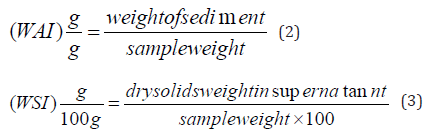


 Biomedical Journal of Scientific & Technical Research (BJSTR)