Journals on Cancer Medicine

Nigella Sativa use for the Treatment of Cancer Tasawar

Introduction

Cancer is a big problem in society today and is the second most common cause of death after heart attacks. Every year, many people die from different types of cancer, even though we try really hard to find ways to stop and treat it. In the last 100 years, modern medicine has made big progress in treating diseases. But a lot of illnesses, like different types of cancer, are still not completely treated. Researchers are looking at both old and new ways of healing to find new and effective treatments [1]. Nigella sativa has been used as medicine for a long time. This tradition started in Southeast Asia and then was used in ancient Egypt, Greece, the Middle East, and Africa. The Islamic tradition and the healing power of medicine are important for healing and are an unusual type of medical treatment [2]. This plant is a flower plant and its seeds are used as a spice in cooking. In English, the seed is often called black cumin, and in ancient Latin it was named “Panacea”, showing that it was used for healing. In Arabic, the seed is called “Habbah Sawda” or “Habbat el Baraka”, which means “Seed of blessing”. In Arabic, people call the seed “Habbah Sawda” or “Habbat el Baraka”, which means “Seed of blessing”. This tree is called “Kalo jeera” in Bangladesh, “Kalonji” in India, and “Hak Jung Chou” in China [3]. The plant’s seeds and oils are important for medicine. The main parts of N. Sativa could help keep you healthy and might treat different illnesses like cancer. One way it works well is by lowering the chance of atherosclerosis. It does this by lowering bad cholesterol in the blood and raising good cholesterol. It helps diabetes by making the body healthier and protecting the cells that make insulin in the pancreas. This can help as a treatment for diabetes. Take care of and keep safe. It helps control high blood pressure [4]. It effectively reduces airway inflammation in people with asthma, and its components show potential as a complementary treatment for schistosomiasis. In addition, its oil also protects kidney tissues from damage caused by harmful oxygen molecules, thereby preventing kidney dysfunction and structural abnormalities. For countless centuries, seeds, oils and extracts derived from N. sativa have been used for their anti-cancer properties in traditional systems of medicine such as Unani, Ayurveda and ancient Chinese medicine. These systems were developed in Arabic, Indo-Bangla and Chinese respectively [5].

Role of sativa as Anti-Cancer Mediators

A lot of useful substances have been found in the seeds of N. Sativa is a type of cannabis plant. Instead, it should be written in a simpler and easier to understand language. Nsativa seeds contain oils, proteins, alkaloids and saponins. These components were analyzed to quantify four important pharmacological elements in the oil: thymoquinone, dithymoquinone, thymohydroquinone and thymol. Nsativa seeds are seeds of the sativa plant. The main component in the essential and fixed oils of the seeds, called thymoquinone, is believed to be responsible for a significant portion of their biological effects. Thymoquinone is often recognized for its powerful abilities as an antioxidant, anticancer, and antimutagenic agent. In addition, thymoquinone has acceptable safety levels, especially when administered orally to animals in experiments. Alpha-hederin is a compound found in black seed that comes from the seeds of the N. sativa plant [6].

Blood Cancer

Thymoquinone stops the growth of a type of cancer cells called HL-60 cells, which are found in human myeloid leukemia. Researchers studied different forms of thymoquinone with 6-alkyl residues and terpenes in HL-60 cells and 518A2 melanoma. The scientists discovered that these substances can cause a process called apoptosis, which is when the DNA breaks into pieces, the energy in the cell decreases, and there is a small increase in harmful chemicals. They found that α-hederin made P388 murine leukemia cells die by causing more apoptosis to happen, and this happened more as the dose of α-hederin and the time went up [7].

Breast Cancer

The mix of alfalfa, melatonin and retinoic acid helped lessen the bad effects of DMBA on breast cancer in mice. Thymoquinone was tried on breast cancer cells called MCF-7/Topo. Thymoquinone has a special part called terpene and 6-alkyl. They discovered that these substances made cells die through a process called apoptosis [7].

Colon Cancer

Thymoquinone can help fight colon cancer cells and promote cell death. This was shown in a study where the N.sativa volatile oil was used on colon cancer cell line HCT116. N.sativa can stop the growth of colon cancer in rats, after it has started, without causing any noticeable negative effects. Thymoquinone is a substance that can be used as a treatment for colon cancer cells. It works similarly to a drug called 5-flurouracil. However, thymoquinone did not have any effect on HT-29 (colon adenocarcinoma) cells [1].

Pancreatic Cancer

Thymoquinone is the most important chemical in Nigella sativa, which is known for its important healing properties. The study looked at sativa oil extract affects the way pancreatic cancer cells grow and die. Scientists have suggested using thymoquinone to stop inflammation and encourage cells to die in a certain way [8]. This could be a new way to treat inflammation. Thymoquinone can help make pancreatic tumors more sensitive to standard treatments by reducing the effects of gemcitabine or oxaliplatin on NF-kappa B activation. Mucin 4, a big molecule with sugar attached to it, is not working properly in pancreatic cancer. This strange expression is important for many things like cells change, grow, spread, and resist chemotherapy in pancreatic cancer. The study looked at thymoquinone affects MUC4 expression in pancreatic cancer cells [7].

Hepatic Cancer

A lot of research has been done to study well different treatments can kill cancer cells. This study wanted to see if sativa seeds can affect liver cancer cells grow. The test showed that N can stop HepG2 cells by 88% after being left with them for 24 hours at different amounts. So, using sativa extract is very important in academic discussions. Thymoquinone has been found to help the body’s quinone reductase and glutathione transferase work better when taken by mouth. The properties of thymoquinone make it possible to prevent cancer caused by chemicals and protect the liver from damage [9].

Lung Cancer

The cancer-fighting ability of α-hederin found in N.staiva is being studied. The research looks at sativa affects lung cancer in mice. A study also showed that putting honey and N. Adding sativa to the diet makes a big difference. Sativa helps protect against oxidative stress and inflammation caused by certain chemicals and can help prevent lung, skin, and colon cancer. Alfalfa has been looked at a lot because it might have healing powers [2]. These chemicals have different effects on living things, such as reducing inflammation, fighting cancer, and preventing damage caused by harmful substances. Additionally, they look like they could help treat heart problems and might assist in cancer treatment. Understanding α-hederin and thymoquinone work can help us use them in medicine. More research is needed to understand they can help people and make sure they are safe and work well in medical treatment. N sativa does not have a big impact on cell death or programmed cell death in lung and laryngeal cancer cells [10].

Skin Cancer

Topical use of N. sativa is a common form of management used in a variety of settings. sativa extract showed an inhibitory effect on the initiation and promotion stages of skin carcinogenesis in mice when administered intraperitoneally. Skin application of 20-methylcholanthrene resulted in a significant reduction in soft tissue sarcomas, which was limited to 33. 3%, compared to 100% incidence observed in the MCA control group [11].

Fibrosarcoma

Thymoquinone, taken from the seeds of Nigella sativa, has been studied a lot for its possible healing powers because of its different biological effects. The administration of sativa one week prior to and following MCA treatment exhibited a notable hindrance in the development of fibrosarcoma tumor occurrences, as well as a reduction in tumor mass, by 43% and 34% respectively, in comparison to the outcomes observed in the MCA solitary treatment group. Furthermore, it was observed that thymoquinone exhibited a delayed onset of fibrosarcoma tumors induced by the administration of MCA. Moreover, in vitro investigations demonstrated that thymoquinone exhibited inhibitory effects on the viability of fibrosarcoma cells. Alfalfa oil is a special kind of oil from the Medicago plant that can decrease the ability of human fibrosarcoma cells to break down fibrin in lab tests [1].

Renal Cancer

There is an existing body of research that highlights the potential chemo-preventive efficacy of N.sativa, a substance that has garnered significant scientific interest. N sativa has inhibitory effects on renal oxidative stress, hyperproliferative response, and iron nitrilotriacetate-induced renal carcinogenesis. In this experimental study, alfalfa was administered orally to rats for therapeutic purposes.The administration of sativa elicited a pronounced reduction in the generation of H2O2, synthesis of DNA, and occurrence of tumors [12].

Prostate Cancer

Thymoquinone comes from Nigella seeds and has many important medical qualities. The extract from the sativa plant can slow down the making of DNA, stop cells from growing, and reduce the ability of cancer cells in the prostate to survive. These changes were seen only in cells that have cancer, not in cells that do not have cancer. It was found that this result happened because the androgen receptor and transcription factor were decreased [13]. Thymoquinone was found to work well in treating both hormone sensitive and hormone-refractory prostate cancer in different experiments. Research done in the lab and in animals shows that thymoquinone can stop the growth of new blood vessels. In addition, thymoquinone was found to stop the growth of blood vessels in a human prostate cancer model in mice. Also, when used in small amounts, thymoquinone stops the growth of human prostate tumors, with very few chemical side effects. Furthermore, thymoquinone affects endothelial cells more than cancer cells by causing cell death, stopping cell growth, and blocking cell movement. Thymoquinone stopped the activation of a protein called extracellular signal-regulated kinase, which is usually turned on by a substance called vascular endothelial growth factor. However, it did not stop the activation of the vascular endothelial growth factor receptor 2 [14].

Cervical Cancer

The extracts of N. sativa were obtained using methanol, n-hexane, and chloroform. The sativa plant caused human cervical cancer cells to die. “We looked at terpene-terminated 6-alkylthymoquinone residues affect cervical cancer cells that are resistant to multiple drugs. ” Thymoquinone derivatives have been discovered to make cells die in a certain way called apoptosis [4].

Molecular Mechanism of sativa Action Against Cancer

Cancer happens when cells grow in an unusual way because of changes in the genes. So, any medicine that fights cancer can either protect DNA from changing or kill cancer cells that have changed. N.sativa seeds have been extensively studied for their pharmacological properties. Thymoquinone, a major active compound found in N. Sativa seeds, has demonstrated promising therapeutic effects in numerous medical conditions. These studies have shed light on the potential of thymoquinone as a valuable agent in disease prevention and treatment. Sativa exhibits its efficacy in combatting cancer cells through various molecular pathways. Possible mechanisms underlying the action of thymoquinone. Thymoquinone helps kill cancer cells by turning on genes that cause cell death and turning off genes that keep the cells alive. Thymoquinone effectively hinders the activation of Akt by means of dephosphorylation, ultimately impeding the viability of cancerous cells [15]. There is currently ongoing research regarding topic N.sativa in the academic community. Nsativa or thymoquinone oil exhibits antioxidant properties, leading to enhanced enzymatic activity of antioxidant enzymes including superoxide dismutase, catalase and glutathione peroxidase. Notably, increased activity of these antioxidant enzymes has been shown to be beneficial in fighting various forms of cancer. The use of alfalfa oil or thymoquinone has been observed to reduce the toxicity of various anticancer drugs due to enhanced activation of antioxidant mechanisms. This result suggests that these drugs have great promise for clinical use in mitigating the harmful effects associated with anticancer drugs [4].

Concluding rrmarkers

Nigella sativa (N.sativa), commonly known as dim seeds, have been broadly inspected for their promising anti-cancer properties. Many in vitro and in vivo tests have outlined the practicality of N.sativa in preventing the improvement and development of diverse sorts of cancer cells. In extension to its facilitate cytotoxic impacts, N.sativa has been found to have solid antioxidant, anti-inflammatory, and immunomodulatory properties, all of which contribute to its anti-cancer development. Besides, N.sativa has appeared potential in sensitizing cancer cells to customary chemotherapy and diminishing chemotherapy-induced side impacts [16].

Nigella Sativa Good for Cancer

Nigella sativa has attracted a lot of interest from researchers and scientists. Extracts and seeds of the N. sativa plant and its active ingredient thymoquinone have been thoroughly studied, with excellent results showing that N. sativa has medicinal potential. The sativa strain tends to have medicinal properties that can be effective in treating a variety of ailments, including cancer [7].

Sativa Extracts be used to Treat Cancer

N.sativa extracts have the prospective application in the advancement of efficacious therapeutic agents for combating cancer. These fractions can act alone or in combination with chemotherapeutic drugs that have proven to be effective agents for modulating tumor initiation, proliferation and metastasis, making them possible treatments for many types of cancer [17].

Pro-Apoptotic and Anti-Proliferative Effects of Sativa

N.sativa has the ability to fight against cancer. Researchers have gathered a lot of evidence about sativa by studying it outside of living organisms and inside them. They have used different types of cells and animals to do this. The scientists in the study said that they didn’t look at the extracts from each individual plant in the mixture could fight cancer because only the mixture is used in cancer treatment. Sativa extracts are extracts from the sativa plant. In an initial test on living organisms, we applied N.sativa using a cream or ointment on the surface. The N.sativa extract slowed down the development of skin cancer and reduced the appearance in mice when they were exposed to certain chemicals [18].

Signaling Pathways Fundamental the Anti-Cancer Effects of Sativa

Many tests were done in the lab and on living organisms to understand N.sativa fights against cancer at a molecular and cellular level. Sativa is a type of plant. The main ways that N.sativa (a specific substance) helps fight against cancer are not yet fully understood, but they have been well-documented. The effects of sativa are mostly due to their capability to control the action of important enzymes. Reduce swelling and encourage the natural death of cancer cells [15].

Sativa Phytoconstituents and Anti-Cancer Effects

The anti-cancer impacts of N.sativa are exceptionally critical. The most fixing in N.sativa, called thymoquinone, has been connected to its impacts. Thymoquinone has been found to have a few useful impacts on cancer cells. It can offer assistance halt their development, empower cell passing, secure against harm caused by substances called oxidants, decrease the probability of changes, anticipate the arrangement of modern blood vessels that tumors got to develop, and moderate down the spread of cancer cells to other parts of the body. This N.sativa herb has been appeared to have properties that can battle cancer and murder cells. Be that as it may, we do not completely get it it works however, so more investigate is needed to figure out the points of interest. Sativa phytoconstituents are the common compounds found within the sativa plant (Figure 1) [4].

Figure 1

Conclusion

Nsativa is a very popular herb that has been used by people for a long time. Many people think Nsativa is a special plant that can help heal and reduce the effects of infections, such as cancer. The ability of N.staiva to fight cancer. Sativa is good because it can help stop cells from growing, help cells die, and protect cells from damage and cancer. N. sativa ability to defend effectively. Sativa can help stop tumors from forming and spreading, partly because it can prevent them from getting worse and has a mild stimulating effect that is safe. The tests done in the lab and on living organisms show that N. Sativa extract can be used to create helpful and powerful starting materials that can be used at different times during the process. Cancer can form tumors in different parts of the body. There are different treatments for different types of cancer. More testing is needed to understand N helps fight cancer at the atomic and cellular level. Sativa researchers want to understand the exact ways that N. stops certain signals in the body. The sativa extract is involved in the development of tumors and cancer. In the future, we need to study N.staiva can work together with other things to fight cancer. Sativa extract being used to prevent and treat cancer in research and medical settings.

For More Articles: Biomedical Journal Impact Factor: https://biomedres.us

Journal on Medical Genetics

Reappraisal of Target Definition for Sacrococcygeal Chordoma: Comparative Assessment with Computed Tomography (CT) and Magnetic Resonance Imaging (MRI)

Introduction

Chordomas account for a relatively small proportion of intracranial and primary bone tumors. However, they may cause local bone destruction with a typically aggressive disease course. Chordomas arise from embryonic remnants of the primitive notochord. Common localizations for chordoma include the sphenooccipital region, sacrococcygeal region, and vertebral bodies. While distant metastasis is typically rare, chordomas may cause mass effect on the brainstem, cranial nerves, and the spinal cord. Also, palpable mass may be a presentation for sacrococcygeal chordomas. Microscopically, physaliphorous cells can be observed [1,2]. Sacrococcygeal chordomas may extend to the sacrum and may manifest as painful swelling within the sacrococcygeal region. Typical findings on Computed Tomography (CT) include an expansile lesion accompanied by peripheral calcification. Magnetic Resonance Imaging (MRI) may serve as an excellent imaging tool for assessment of osseous extent and soft tissue involvement. Both surgery and irradiation may be utilized for management of chordomas [3-11]. Irradiation may be used as an adjuvant or alternative therapeutic approach. External Beam Radiation Therapy (EBRT), particule therapy, and Stereotactic RT techniques may be utilized for effective management. While using higher doses for irradiation may contribute to improved local control outcomes, toxicity profile of radiation delivery should also be taken into account to maintain patient’s quality of life.

Several advances have taken place in technology in the millennium era. Molecular imaging methods, Image Guided RT (IGRT), automatic segmentation techniques, Intensity Modulated RT (IMRT), stereotactic RT, and Adaptive RT (ART) have been introduced for optimal radiotherapeutic management of patients [12-49]. Admittedly, improved treatment outcomes may solely be achieved through close collaboration among related disciplines for cancer management. Tumor boards may significantly contribute to bringing together surgical oncologists, radiation oncologists, medical oncologists, imaging and other relevant specialists to discuss about patient, tumor, and treatment characteristics. While surgery remains to play a major role for successful management of sacrococcygeal chordomas, irradiation may serve as a complementary or alternative therapeutic strategy in certain circumstances. In the current study, we aimed at assessing target definition for sacrococcygeal chordomas with comparative evaluation of CT and MRI.

Materials and Methods

At our Department of Radiation Oncology at Gulhane Medical Faculty, University of Health Sciences, we have long been treating a high patient population from several places from Turkey and abroad. Within this context, several benign and malignant tumors have been irradiated at our tertiary cancer center for decades. The primary objective of the current study was focused on target definition for sacrococcygeal chordomas with comparative evaluation of CT and MRI. All included patients were referred for RT at Department of Radiation Oncology at Gulhane Medical Faculty, University of Health Sciences for sacrococcygeal chordoma. We have performed a comparative analysis of target definition by CT simulation images for radiation treatment planning and with MRI. CT simulations of the patients were performed at CT-simulator (GE Lightspeed RT, GE Healthcare, Chalfont St. Giles, UK) available at our institution. Also, MRI of patients have been acquired and used for comparative assessment. A Linear Accelerator (LINAC) with the capability of contemporary IGRT techniques has been utilized for irradiation. After rigid patient immobilization, planning CT images have been acquired at CT simulator for radiation treatment planning. Thereafter, acquired RT planning images have been transferred to the contouring workstation via the network. Treatment volumes and critical organs have been defined on these images and structure sets have been generated. Also, target definition has also been performed on MRI for comparison. All patients have been treated by using state of the art RT techniques at the Department of Radiation Oncology at Gulhane Medical Faculty, University of Health Sciences.

Results

This original research article has been designated for reappraisal of target definition for sacrococcygeal chordomas with comparative evaluation of CT and MRI. Irradiation procedures have been carried out at our Radiation Oncology Department of Gulhane Medical Faculty at University of Health Sciences, Ankara. Prior to treatment, all included patients have been individually evaluated by a multidisciplinary team of experts from surgical oncology and radiation oncology. We considered the reports by American Association of Physicists in Medicine (AAPM) and International Commission on Radiation Units and Measurements (ICRU) for accurate radiation treatment planning. Radiation physicists have generated radiation treatment plans by taking into account the relevant normal tissue dose limitations through meticulous consideration of contemporary guidelines and clinical experience. Tissue heterogeneity, electron density, CT number and HU values in CT images have also been considered by radiation physicists for precise radiation treatment planning. Main endpoint of radiation treatment planning has been to achieve optimal target coverage without violation of normal tissue dose constraints. Image Guided Radiotherapy (IGRT) techniques including kilovoltage cone beam CT and electronic digital portal imaging have been used, and radiation treatment was performed by Synergy (Elekta, UK) LINAC. As the main result of this study, we have found that CT and MRI defined target definition resulted in differences. Thus, fusion of CT and MRI has been utilized for ground truth target volume determination.

Discussion

Chordomas comprise a relatively smaller proportion of intracranial and primary bone tumors. Nevertheless, they may cause local bone destruction with a typically aggressive disease course. Chordomas originate from embryonic remnants of the primitive notochord. Common localizations for chordoma include the sphenooccipital region, sacrococcygeal region, and vertebral bodies. While distant metastasis is typically rare, chordomas may cause mass effects on the brainstem, cranial nerves, and the spinal cord. Also, palpable mass may be a presentation for sacrococcygeal chordomas. Microscopically, physaliphorous cells can be observed [1,2]. Sacrococcygeal chordomas may extend to the sacrum and may manifest as painful swelling within the sacrococcygeal region. Typical findings on Computed Tomography (CT) include an expansile lesion accompanied by peripheral calcification. Magnetic Resonance Imaging (MRI) may serve as an excellent imaging tool for assessment of osseous extent and soft tissue involvement. Both surgery and irradiation may be utilized for management of chordomas [3-11]. Irradiation may be used as an adjuvant or alternative therapeutic approach. External Beam Radiation Therapy (EBRT), particule therapy, and stereotactic RT techniques may be utilized for effective management. While using higher doses for irradiation may contribute to improved local control outcomes, toxicity profile of radiation delivery should also be taken into account to maintain patient’s quality of life. Several advances have taken place in technology in the millennium era.

Molecular imaging methods, Image Guided RT (IGRT), automatic segmentation techniques, Intensity Modulated RT (IMRT), stereotactic RT, and Adaptive RT (ART) have been introduced for optimal radiotherapeutic management of patients [12-49]. Admittedly, improved treatment outcomes may solely be achieved through close collaboration among related disciplines for cancer management. Tumor boards may significantly contribute to bringing together surgical oncologists, radiation oncologists, medical oncologists, imaging and other relevant specialists to discuss about patient, tumor, and treatment characteristics. While surgery remains to play a major role for successful management of sacrococcygeal chordomas, irradiation may serve as a complementary or alternative therapeutic strategy in certain circumstances. In the current study, we aimed at assessing target definition for sacrococcygeal chordomas with comparative evaluation of CT and MRI. At our Department of Radiation Oncology at Gulhane Medical Faculty, University of Health Sciences, we have long been treating a high patient population from several places from Turkey and abroad. Within this context, several benign and malignant tumors have been irradiated at our tertiary cancer center for decades. The primary objective of the current study was focused on target definition for sacrococcygeal chordomas with comparative evaluation of CT and MRI. All included patients were referred for RT at Department of Radiation Oncology at Gulhane Medical Faculty, University of Health Sciences for sacrococcygeal chordoma.

We have performed a comparative analysis of target definition by CT simulation images for radiation treatment planning and with MRI. CT simulations of the patients were performed at CT-simulator (GE Lightspeed RT, GE Healthcare, Chalfont St. Giles, UK) available at our institution. Also, MRI of patients have been acquired and used for comparative assessment. A Linear Accelerator (LINAC) with the capability of contemporary IGRT techniques has been utilized for irradiation. After rigid patient immobilization, planning CT images have been acquired at CT simulator for radiation treatment planning. Thereafter, acquired RT planning images have been transferred to the contouring workstation via the network. Treatment volumes and critical organs have been defined on these images and structure sets have been generated. Also, target definition has also been performed on MRI for comparison. All patients have been treated by using state of the art RT techniques at Department of Radiation Oncology at Gulhane Medical Faculty, University of Health Sciences. This original research article has been designated for reappraisal of target definition for sacrococcygeal chordomas with comparative evaluation of CT and MRI. Irradiation procedures have been carried out at our Radiation Oncology Department of Gulhane Medical Faculty at University of Health Sciences, Ankara. Prior to treatment, all included patients have been individually evaluated by a multidisciplinary team of experts from surgical oncology and radiation oncology.

We considered the reports by American Association of Physicists in Medicine (AAPM) and International Commission on Radiation Units and Measurements (ICRU) for accurate radiation treatment planning. Radiation physicists have generated radiation treatment plans by taking into account the relevant normal tissue dose limitations through meticulous consideration of contemporary guidelines and clinical experience. Tissue heterogeneity, electron density, CT number and HU values in CT images have also been considered by radiation physicists for precise radiation treatment planning. Main endpoint of radiation treatment planning has been to achieve optimal target coverage without violation of normal tissue dose constraints. Image Guided Radiotherapy (IGRT) techniques including kilovoltage cone beam CT and electronic digital portal imaging have been used, and radiation treatment was performed by Synergy (Elekta, UK) LINAC. As the main result of this study, we have found that CT and MRI defined target definition resulted in differences. Thus, fusion of CT and MRI has been utilized for ground truth target volume determination. In the context of radiation oncology, optimal target definition and critical organ sparing may be considered among the critical components of optimal radiotherapeutic management. While definition of larger treatment volumes could lead to excessive radiation induced toxicity, definition of smaller treatment volumes may result in treatment failures. Adaptive RT strategies and multimodality imaging-based target definition have been suggested for achieving improved outcomes [50-102]. In this study, we have found that CT and MRI defined target definition resulted in differences. Thus, fusion of CT and MRI has been utilized for ground truth target volume determination.

Our results may have implications for implementation of multimodality imaging for target definition of sacrococcygeal chordomas despite the need for further supporting evidence.

Conflicts of Interest

There are no conflicts of interest and no acknowledgements.

For More Articles: Biomedical Journal Impact Factor: https://biomedres.us

Journals on Biomedical Science

Study of Neuron Processes and Terminals by Electron Microscopic Method Review

Introduction

The first electron micrographs of limp nerve fibers were presented by Gasser [1], who showed that although the Schwann cell surrounds the axon, these are two completely independent formations separated by their own plasma membranes. The axons are embedded in deep grooves in the surface of the Schwann cell. The edges of the Schwann cytoplasm and its plasma membrane, covering the axon e on both sides, close over it, and a paired membrane structure is formed, which Gasser called a “mesaxon”. Such relationships are a general rule, and very few exceptions have been found in the study of a wide variety of peripheral nerves. With the exception of the endings and end sections, the limp fibers are enclosed throughout their entire length in the shells of Schwann cells and therefore do not come into direct contact with the extracellular environment. Although it has not yet been clarified how the situation is at the border of Schwann cells located one after another along the fiber, it is likely that the same close connection takes place here [2]. The degree of complexity of the relationship between the axon and the Schwann cell enveloping it (photo 197-199) can be very different. In some nerves, especially skin nerves (photo 197), only a few axons may be connected to each Schwann cell. In these cases, the mesaxons (M) can be short and straight or strongly twisted and sinuous.” In other places, for example, in the posterior roots and olfactory nerves, sometimes there are large bundles of axons and a separate branch of the mesaxon goes to each such bundle.

Each of the main mesaxons branches many times, covering a large number of such bundles. In the intramural plexuses of the intestine (photos 198, 199), Schwann cells envelop many such axons, and each mesaxon (photo 199, shown by an arrow), repeatedly branching, surrounds small groups of axons [3]. The axolemma of an unmyelinated axon, as well as the plasma membrane of a Schwann cell, is an elementary membrane 75 A thick. These membranes are separated by a slit with a width of 100-150 A (photos 197, 199). The accuracy of determining these sizes is essential for the problem of myelin formation and for understanding the nature of the myelin sheath [4].

Formation of Myelin

After clarifying the fundamental nature of the relationship between the Schwann cell and the unmyelinated axon, the problem of myelin sheath formation remained unresolved. Her decision was led by Guerin’s observations regarding nerve myelination in a chicken embryo, confirmed by Robertson in other animal species. During the formation of myelin, the following process occurs in general terms . At an early stage of its differentiation, the future myelinated axon is located in the recess of the surface of the Schwann cell. The process of its “wrapping” by a Schwann cell begins, and eventually the axon turns out to be enveloped by this cell and connected to its surface by a mesaxone. Thus, at this stage we see the same picture as was described for a limp fiber, but with the significant difference that each Schwann cell usually covers only one axon here. The extracellular space between the two sheets of the plasma membrane forming the mesaxone still retains a width of about 100-150 A in the early stages. Soon this gap closes, and the outer surfaces of the Schwann cell plasmalemma come into contact with each other, forming a five—layer structure like a double elementary membrane with a thickness of about 150 A – the so-called outer complex membrane. Next stages of this process include the growth and elongation of the mesacon, which spirals around the axon, forming many layers like a roll. Initially, the mesaxone coils are separated from each other by the cytoplasm of the Schwann cell, which creates another gap, this time cytoplasmic. Soon this gap closes and successive turns come into close contact with each other.

The layer formed in this case consists of tightly adjacent cytoplasmic surfaces of Schwann cell membranes and forms the “main dense line” of the mature myelin sheath. The layer formed as a result of the contact of the outer surfaces of these membranes forms an “intermediate” line. Thus, compact myelin consists of spirally stacked plates forming a repeating structure in the radial direction with a period of about 120 A (the distance between the axes of the main dense lines). This period is divided into two equal parts by an intermediate line. The details of the structure of myelin will be discussed in the next section. The external mesaxone is preserved, so that the myelin plates continue to pass into the plasma membrane of the Schwann cell without interruption. One of the most important conclusions from these observations is that the myelin sheath is formed directly from the plasma membrane of the Schwann cell. As we will see now, this is of great importance in connection with the problem of the structure of the plasma membrane [3,5,6]. There are still a number of questions concerning the specific nature of the mechanisms of myelin formation. First of all, the question arises about how the mesaxone coils of the Schwann cell are formed around the axon. The true rotation of this cell around the axon is highly unlikely, especially since there may be several myelinated axons in one Schwann cell. The most plausible explanation is that the mesaxone itself grows and this leads to its introduction into the cytoplasm of the Schwann cell along a spiral path and, thus, to winding it onto the axon. The location and mechanism of this membrane growth remain the subject of numerous assumptions, and the lack of a complete solution to this issue has led to a difference of opinion regarding the structure of the plasma membrane.

The Myelin Sheath of the Peripheral Nerve

With this information about the formation of the myelin sheath, we can now better understand the structure of the fully formed myelin sheath, as well as draw some conclusions about the structure of the elementary membrane. Below we give a brief overview of the current state of this rapidly developing field of knowledge. The reader will find more specific details in a number of recently published reviews and in the original works to which we give references [5]. The optical properties of the myelin sheath in polarized light have been known for more than 100 years. In a series of detailed studies, Schmidt put forward the idea that the myelin sheath consists of thin layers of lipid molecules, the long axes of which are oriented radially with respect to the axon. Between these lipid molecules, according to Schmidt, there are protein molecules with long axes directed tangentially with respect to the axon. Quantitative studies conducted later in polarized light mostly confirmed these assumptions [6,7]. Based on the analysis of X-ray diffraction at small angles, it was possible to develop this concept and determine the exact dimensions of the radial repeating unit. For a fresh peripheral nerve of a mammal, a period value of about 180 A. In the dried nerve, this period is about 20-30 A less. As a result of optical studies, a repeating period model was proposed — a structure of two bimolecular lipid layers separated by protein monolayers. Finean put forward another similar idea of the repetitive structural unit of myelin; according to this view, there are two bimolecular*. lipid layers, the polar surfaces of which are covered with protein monolayers.

To explain the measured value — 171 A (peripheral nerve of a frog) – Finean included an unknown “difference factor” in a structure that would otherwise be symmetrical and thus create a period equal to half of the actually measured value. As we will see in the next section, the inclusion of this factor is important to explain the asymmetry of the plasma membrane of a Schwann cell. The reader will find details about X-ray diffraction studies in other works [8,9]. The first electron microscopic studies of the myelin sheath were carried out by Fernandez-Moran [10] and Shestrand. As a result of a number of subsequent works by these and other authors, the now generally accepted idea of the structure of the fully formed myelin sheath of the peripheral nerve has developed. This representation is based on the study of drugs fixed with both 0z04 and permanganate; in both cases, very similar images are obtained. The strikingly regular structure of the myelin sheath (photos 200, 201) consists of a series of dense lines about 30 A thick; the distance between their axes, so the value of the repeating period, is about 120 A (up to 150 A in some preparations) [11]. These are the main dense lines. In favorable cases, especially after fixation with permanganate (photo 202), it can be seen that this main period is subdivided by a less dense intermediate line with a thickness of about 30 A. As noted in the previous section, the main dense line is formed as a result of the closure of the inner surfaces of the plasma membrane of the Schwann cell, and the intermediate line is formed as a result of the closure of its outer surfaces.

This is where the discrepancy is observed; the addition of two membranes with a thickness of 75 A should create a repeating period of not 120 A, as determined by measurements, but 150 A. Although there is no definite solution to this problem yet, it has been suggested that the plasmalemmas partially merge and this leads to a decrease in the total thickness. Other explanations have been put forward [12]. Another discrepancy is found when comparing the period found according to X-ray diffraction analysis (180 A) with an electron microscopic image (120 A). This difference was explained by compression occurring during fixation, dehydration, pouring and preparation of slices. Since myelin is formed from the plasma membrane of a Schwann cell, the assumed molecular structure of the myelin sheath has been extrapolated back to the corresponding layers of the plasma membrane. The models proposed for the structure of the elementary membrane basically consist of a bimolecular layer of lipids [13], the polar groups of which are adjacent to protein layers or one layer of protein and one layer of polysaccharide. This latter is probably due to Finean’s “difference factor”.; but instead, the model can be made more asymmetric by adding a third layer of protein at the cytoplasmic surface. When evaluating hypothetical representations of the elementary membrane based on the data on the structure of the myelin sheath, some caution is necessary, as indicated by Fawcett. It is possible that during the formation of a new membrane material during myelination, some components of the ordinary plasma membrane are lost or, conversely, something is added.

The structure of the Ranvier interception quite logically follows from the method of myelin sheath formation [14]. To understand the structure of the interception, you need to understand that the length of the myelin spiral (along the fiber axis) varies from one turn to another. The coil adjacent to the axon is the shortest, and as it approaches the surface of the myelin sheath, the length of the coils gradually increases. Thus, near the intercept, the myelin plates sequentially peel off from the compact mass of myelin, starting from the innermost of them (photo 202). After the interception, the outermost layer ends, and here only the cytoplasm of the Schwann cell remains above the axon. In each of those areas where the plates bend away towards the axon, the main dense line splits (photo 202, shown by the arrow) and the cytoplasm of the Schwann cell (SC) appears in the gap. Here, the relationships that took place in the development process after the formation of mesaxone before the closure of the cytoplasmic gap are essentially preserved. There is not much I in this gap of the Schwann cytoplasm. It often contains small dense granules of about 100-150 A in size. There is a small gap less than 100 A wide between the Schwann llasmalemma and the axolemma, and in places one or two light lines can be seen here, as in a “dense junction” [15]. In the peripheral nerve in the interception area, the surface of the axon is usually not bare, since adjacent Schwann cells, linked by their processes, form a continuous shell around it. In smaller—caliber fibers, this shell is very thin – the axolemma is almost directly in contact with the extracellular space.

In addition, in thicker fibers, the area not covered with myelin in the intercept region may have a thickness of about 0.5 mk, whereas in thinner axons its length may reach 2-3 mk. Thus, in Ranvier interceptions, the axolemma is either separated from the extracellular space only by a plexus of Schwann cell processes, or — in the case of thinner axons — is in almost direct contact with it. The significance of these morphological facts for ideas about the mechanism of action potential is obvious (Bertson discusses this issue in detail). Near the place where the myelin ends, the thickness of the axon usually decreases slightly, whereas in the area of the interception itself, the axon may be thickened. In the axoplasm, clusters of small mitochondria, neurofilaments, small vesicles, and elements of the agranular reticulum of small granules are visible here. The Schmidt—Lanterman notches, which have long been controversial, are now recognized as real structures; in fact, they are funnel-shaped ruptures in the myelin sheath [Photo 203 shows an oblique section of the myelin fiber of the cutaneous nerve passing through the notch [16]. The axon is enclosed in a shell of Schwann cells (SC). The section was “stained” with phosphovolframic acid; therefore, the collagen fibrils of the endoneurium look very dense. The endoneurium is enveloped by the bodies and flattened processes of fibroblasts [17]. Such a fibroblast shell (FC) is also visible in photo 200. In these structures, the myelin plates are stratified along the main dense line, and the cytoplasm of the Schwann cell appears in the gaps.

Thus, although ruptures are possible in the myelin, the plasmalemma and cytoplasm of the Schwann cell retain their continuity. It is impossible to establish an obvious functional significance for this structure, and it is inclined to be considered a defect that occurs during development due to mechanical stresses experienced by a nerve fiber. Another type of myelin sheath should be mentioned here — the myelin sheaths of the neuronal bodies in the nucleus of the VIII cranial nerve [18]. This shell, formed by satellite cells, differs in some respects from the myelin of nerve fibers. First of all, it has a very irregular structure — typical myelin plates are interspersed here with thin layers of cytoplasm. The myelin plates split in places, suddenly end in blind loops or turn in the opposite direction. They can be compact or loose. In addition, the myelin layers are formed by more than one satellite cell. These facts seem to indicate that myelin of this type is not formed from a single satellite cell in an orderly manner, as it occurs in internodes. Although the method of its formation is not exactly known, there is no doubt that this process is associated with a complex irregular intertwining of several satellite cells and with incomplete fusion of their membranes into myelin plates.

Peripheral Nerve Endings

Synapses

The detailed structure, varieties and functional significance of synapses and synaptic structures will be discussed more fully in the next chapter. In the peripheral nervous system, the structural elements of synapses have been studied in sympathetic ganglia [19], ciliary ganglia [20], intramural plexuses of the intestine and other places. In all these cases, whether it is the axon ending on the soma or dendrite, or the postganglionic ending, there is a striking uniformity of structure. The two plasma membranes in the synapse or in the nerve terminal are separated by a gap of width from 60 to 200 A or more, depending on the localization. Occasionally, indistinct seals can be seen in this interval. One or both adjacent membranes may have an increased density. Usually, the terminal section of the axon expands and contains a group of small bubbles 300-500 A in diameter (photo 204, shown by an arrow) — the so-called synaptic bubbles. In addition, in many places, but in a smaller number, there are larger bubbles (about. 1000 A in diameter), containing a dense central mass. These bubbles with a dense “core” especially attract attention in the postganglionic endings [21] it is believed that they have something to do with catecholamines. Small mitochondria, although usually present, are not as widespread as vesicular elements of the cytoplasm. The axons are covered with Schwann sheaths up to the ends [22].

General Sensitivity Receptors

Receptors of general sensitivity have endings of a peculiar type. Although it cannot be said that true synapses exist here, the structure of the nerve endings shows great similarity to what we see in synapses. Typically, these receptors are characterized by the presence of one or more support or receptor cells. Nerve fibers, losing their myelin sheath (if there was one), enter the receptor and form terminal extensions on the receptor cells present here. These extensions contain many small bubbles and small dense mitochondria. As we saw in the previous section, these are two distinctive features of a synapse. An example of such a structure is the taste bud [23]. It is formed by two types of cells. Cells of one type are support cells, so named because they envelop nerve fibers from where they enter the kidney to their termination. In this respect, the support cell is completely analogous to the Schwann cell in its function. It is possible that it even represents a derivative of the Schwann cell. The second type of cells are taste receptor cells equipped with apical microvilli and cytoplasm with dense granularity [24]. The trigeminal nerve fiber ends at this cell in the form of an extension containing many small (300-600 A) vesicles and mitochondria. Based on its ultramicroscopic morphology, this area is considered a synapse, although this does not agree with the strict physiological definition of the concept of “synapse”, since there is no pulse transmission here. It is interesting, however, to note that the characteristic synaptic structures are located in that of the contacting formations, which would be a postsynaptic element.

The structure of the olfactory epithelium [25] is in many ways much simpler than the structure of the taste bud, since the primary neuron — the olfactory receptor cell — lies within the mucous membrane. The dendritic section of the receptor cell, heading towards the surface of the epithelium, ends in the form of a rod covered with cilia. The proximal processes of these cells are axons that form olfactory filaments (Sha on Dopa). Inside the epithelium, these axons are enclosed in a shell of two other types of cells — supporting and basal. In the basal layer of the epithelium, axon bundles are surrounded by Schwann cells forming a typical structure with a mesaxone. We find great similarity with the taste bud in Pacini corpuscles [26]. These bodies consist of numerous cytoplasmic plates arranged concentrically in the outer zone and bilaterally in the inner zone. It is assumed that these lamellar structures originate from fibroblasts, and not from Schwann cells. The myelin nerve fiber, approaching the Pacini body, first loses its myelin sheath, and then the sheath of Schwann cells, so that its expanded end is in direct contact with the most centrally located plate of the inner bulb of the taurus. The axoplasmic components of these endings also resemble the structures contained in a true presynaptic element. Along the entire perimeter of the nerve fiber there are numerous small mitochondria and many vesicles 500 A across. Thus, we find here morphological signs of a synapse, with both characteristic components (mitochondria and vesicles) contained in the supposed postsynaptic element. Of course, due to the lack of decisive physiological data, the relationship between the unmyelinated nerve ending and the lamellar cell in the Pacini body cannot be called a synapse.

Meissner corpuscles consist of a “bundle” of flattened tactile (lamellar) cells (photo 205) forming a series of transverse layers [27]. Nerve fibers, losing their myelin sheaths upon entering the body, pass through winding paths between flat cells (photo 205, PH). The nerve endings are surrounded by a complex interweaving of processes of tactile cells. The terminal nerve fiber can form several successive extensions (photo 206, E, H). The expanded end sections of nerve fibers contain many small dense mitochondria and small vesicles (400-500 A). Photo 207 shows one such extension (E) surrounded by several appendages of tactile cells. It contains a large number of small mitochondria, some of which exhibit a concentric lamellar structure. Groups of small bubbles are scattered inside the nerve end, and in the tactile cell, some bubbles are located along the plasma membrane. The axolemmas of these nerve endings seem to be closely adjacent to the plasma membranes of the tactile cells. In some cases, both adjacent membranes are thickened and near these thickenings there is a concentration of small bubbles — both in the tactile cell and in the nerve terminal. This pattern, as in the previously described receptors, has morphological features of a synapse. However, we do not have data on the transfer of membrane potential through this compound. An interesting fact is that the distribution of small “synaptic” bubbles on both sides of the putative synapse does not reveal a mutual correspondence. The sensitive endings of the muscular spindle [28,29] are also characterized by a terminal expansion filled with small mitochondria and many small vesicles. The axolemma comes into close contact with the sarcolemma [30]. As in the previous cases, if we can talk about a “synapse” here, then the characteristic structures are in the postsynaptic element. Thus, the morphological polarity is reversed. The current level of our knowledge about general sensitivity receptors does not allow us to more closely link the available morphological, physiological and pharmacological data. However, due to their size and accessibility, these nerve formations can apparently serve as a convenient object for appropriate research.

For More Articles: Biomedical Journal Impact Factor: https://biomedres.us

Journals on Biomedical Engineering

Clustering Algorithm for the Connected Model of Repeated Measurements and Survival Data: Application to HIV Study

Introduction

Many clinical trials applications generate repeated measurements and time to event (survival data). In longitudinal studies the patients are followed over many occasions (repeated measurements) and their data indicates biomarkers. Sometimes these longitudinal data include time to event, for example time to death, Alzahrani [1]. There are many statistical methodologies designed to joint or connect the analysis of the repeated measurements and survival data for some reasons. Here in our study, we conducted the cluster analysis for a group of patients from their longitudinal and survival models. Moreover, cluster analysis is a statistical methodology that seeks to separate subjects into new groups based on increase homogeneity inside each group and heterogeneity between groups. The clustering analysis could be performed for variables or whole models, which include dependent and independent variables, Ilmarinen, et al. [2,3]. Clustering or classi cation the patients based on joint analysis of longitudinal and survival models could be bene cial to gather more facts and information from the new groups. The joint statistical analysis for longitudinal and survival data together has a wide range of resent applications Ghisletta [4,5]. The joint latent class model can be viewed as clustering the longitudinal and survival data, dividing the population into nite of latent homogeneous subgroups. The latent term model is based on assuming the population are homogeneous latent groups of subjects, Henry [6-8] applied the latent term method for subjects sharing same responses and same risk of event using MLE method via EM algorithm.

MLE through EM algorithm starts to be complicated for models with random e ects of higher dimensions. Also, the clustering of the repeated measurements and survival data can be connected by de ning the marginal density of the responses also as mixture distribution. Kom rek [9] applied the Bayesian estimation of the nite mixture models to cluster longitudinal and survival outcomes. Clustering is a common method and there are many R packages applicable for these problems. Bruckers, et al. [10] propose clustering using pseudo-likelihood algorithm for multivariate re- peated measurements outcomes and performed the clustering using k-means criteria using the pair- wise approach. Their algorithm allocates N observations in clusters or groups based on maximizing their joint models. The cluster criteria are the individual’s likelihood contribution. We borrow this idea but for the individual’s joint likelihood model as a cluster criterion. We accommodate his algo- rithm, but for connected model from repeated measurements(longitudinal) and survival datasets. The goal is an attempt determines clusters or groups of patients based their characteristics from repeated measurements and survival data. The clustering algorithm will be based on connected models of the change in the longitudinal responses of a subject and the risk of the survival event. The repeated measure’s part and time to event part are conditionally independent given the subject- speci c intercept and slope (latent variables).

The main interesting point in this study is connecting the repeated measurements and survival datasets, since they were obtained from the same patients. This natural correlation may lead to new conclusions from the new unknown groups. Modeling the longitudinal and survival data is familiar in real life, Sweeting, and Thompson [11,12]. We applied clustering algorithm in a suitable application, which the is HIV study. AIDS clinical trial is an appropriate example in which the information of the patients is obtained over many occasions. Here in the HIV study, we compared two treatments, didanosine(ddl) and zalcitabin(ddc). The response is the longitudinal outcome, which is the number of CD4 cells per cubic millimeter of blood, obtained over many occasions to measure the progression of the AIDS disease. However, the time to death (survival data) has a logical relationship to the CD4 biomarker in the longitudinal model. Classi cation the AIDS patients based on their longitudinal and survival data is an interesting research idea to evaluate the two treatments, ddl and ddc. This paper has the following structure, the clustering algorithm in section two is reviewed. Then, section three contains the application of the HIV study where the clustering algorithm is applied. Section 3 contains the study description, the proposed model, and the results. Finally, the conclusion is in section 4.

The Clustering Method

Let i =1, 2,….N is the number of observations and j =1, 2,….ji is the number of occasions. For easier notations, we will refer to ji to j, assuming all patients have the same number of occasions. timeij is a time of subject i at j occasion. Then, the outcomes can be seen as multivariate Gaussian distribution for the longitudinal responses:

The Cox proportional hazard ration is:

where

and

δ1 and δ2 are scalars. For survival part, hi(t) is hazard of death of occasion t conditional on

Di,  is time of death, Ci is censoring time,

is observed time, is the covariates vector for individual in the hazard model, and

. The basic idea of the clustering algorithm is using the maximum likelihood based on joint models for simultaneously analyzing longitudinal and survival data. The latent variables  are used to link longitudinal and survival submodels, Morrell [13]. bi is re ecting the rate of change of subject speci c mean over time. The cluster criteria is the individual’s joint likelihood from the longitudinal and survival models:

Assuming ϑ vector is containing all the parameters from the repeated measurements model, the survival model, and the variance covariance of the random effects. Then, we will use maximum likelihood estimation to estimate ϑ , Song, et al. [14,15]. The clustering approach is based on the likelihood framework. It performed on the following steps:

1. Assume the number clusters S=2 and randomly divide the observations into S clusters.

2. 2- Run the joint modeling of the longitudinal and survival for each cluster separately.

3. Iterate the following steps (a to c) until no observation’s switches cluster anymore.

a. Change the cluster assigning for each observation to the other clusters and compute their likelihood depending on the parameters for each cluster.

b. For each observation, compare the likelihood for each cluster and reclassify it for the cluster that has maximum likelihood.

c. Apply the joint modeling of longitudinal and survival for each cluster.

Application to HIV study

Study Description and Models

Starting by introducing the HIV disease, it is a virus attacks the immune system. It results in destroying the CD4 cells, which are the white blood cells in our immune system. It gradually declines the count of CD4 and breaks down a patient’s immune system. When a patient lives with HIV without any treatment, he will be vulnerable to infections and diseases. Thus, HIV disease progression is delayed when there is a high amount of CD4 cells. The count of CD4 cells is a primary indicator of HIV disease. This study belongs to the Community Programs for Clinical Research on AIDS (CPCRA). There were 467 patients who were diagnosed with HIV infection. It was performed in accordance with relevant guidelines and regulations and consents were obtained from all patients. Also, Informed consent has been obtained for all participants in the study. The National Institute of Allergy and Infectious Diseases (NIH) sponsored the CPCRA. The HIV study was performed in accordance with relevant guidelines and regulations to NIH institution (Abrams, et al. [16]). These HIV patients are assigned randomly to get the study treatments are didanosine(ddI) or zalcitabine(ddC), starting by 230 patients in ddI group and 236 in ddC group. The non-missing patients over the ve time points in ddI is (230,182,153,102,22) while it is (236,186,157,123,14) in ddC group. It happens in the longitudinal studies to have an increase in the missingness rate over time (dropout) due to many causes such as lack of communications or cure of disease De Gruttola [17-19].

The main outcome is the CD4 count, which is recorded at the study entry is measured at 6, 12 & 18 months. However, the time to death or censoring is measured for each patient. The dataset is a combination of repeated measurements(longitudinal) and survival data. In this study, Yij denotes the square root of CD4 count and the independent variables are included in Table 1:

The linear random effects model for square root CD4 count is specified as

The Cox proportional hazard ration is:

Our main goal is to cluster to HIV patients into two groups (S=2) based on the association among CD4 count, survival time, drug group, gender, AIDS diagnosis at baseline (an indicator of disease progression status), and stratum, accounting for all relevant correlations and subject- specific random effects. Since the survival time for each patient in the study is assumed to follow its own hazard function hi(t), we assume the survival time for the ith subject follows exponential distribution exponential distribution,

, where

The Results

To get a better comparison view, we start by conducting the connected modeling analysis for re- peated measurements and survival datasets without clustering. Then, we performed the clustering methodology in that is described in section2 for the same joint model using SAS software. Assuming the number of clusters is two (S=2), then our methodology divided the HIV patients into two groups from their connected model of the longitudinal and survival data. This clustering is carried out by using a 3-steps process to ensure the best classification from their connected model. Now, we will compare the results of parameter estimations with and without clustering. All these results are from the joint model from the repeated measurements(longitudinal) and survival data of HIV patients. Starting from Table 2, we have the description statistics for the covariates and outcomes. The main outcome for the longitudinal model is the mean of the square root of CD4 counts and time to death (the survival data). From these two outcomes, we see group 2 has better results, longer time to death (13.06) and higher count of CD4 over occasions=0, 2 and 6 months are (mean=13.06; SD=5.17), (mean=7.73; SD=4.81), (mean=8.33; SD=5.11), unless at occasion 12 and 18 months where the missingness rate is increased. For the results of covariates, the clustering did not make big difference over the two groups. The key point here is the readings of the longitudinal and survival outcomes for all patients are located between the estimations of the two groups.

In Table 3 the parameter estimations of the longitudinal model for all patients together and after conducting clustering into two groups. The estimated average of regression coefficient of time covariate for all patients is -0.1668 while its estimation for group 1 is -0.1868 and -0.1618 for group 2. The regression coefficient of Prev covariate, diagnosis of AIDs before stratum, is also significant at -2.3152 before clustering procedure, -2.1774 for group 1, and -2.2064 for group 2. After clustering the patients, we figured out some points. It seems the regression coefficients after clustering are around (less and more) the estimations before clustering. Also, the regression coefficients of Gender covariate are statistically significant in group 1 and group 2 while it was not significant before clustering the patients into two groups. In this study there are 90.36% are male which makes sense to have significant parameter estimation. Table 4 has the survival model regression coefficients for groups 1 and 2. The Gender coefficient estimation has significant estimation on group 2 (95%CI:, 0.4873; p-value=0.0009) where it was not significant before clustering the patients. However, Figure 1 presents Kaplan-Meier survival plots of group1 versus group 2. Looking for the rst 7 months, approximately one month after the baseline, group2 survival outcome has significantly better results than group 1 survival outcome. In Figure 2, the survival curves show the differences between the two types of treatments didanosine(ddI) and zalcitabine (ddC)for each group separately. The Kaplan-Meier survival curves of group2 generally still has higher results for both treatments than group1. However, the survival outcomes of the two types of drugs in group1 has similar curves, but in group2 the treatment didanosine(ddC) has higher survival outcome than zalcitabine (ddI). We conclude the clustering procedure divides the patients into two really distinct groups.

Conclusion

In this paper, we build a clustering methodology from the connected models of repeated measurements and survival datasets. The methodology is using the MLE in the clustering algorithm to divide the patients into new groups. The cluster criteria are the joint likelihood from longitudinal and survival models. After some iterative steps, the results are a new classification for S clusters, here we apply it for S=2. The contribution here is identifying new groups of patients based on their repeated measures and survival outcomes. In future, this methodology can be generated in S groups. We found estimation parameters of the new clusters or groups located around the estimation parameters that resulted without doing the clustering procedure, just one group. The application we used is HIV study, consists of patients’ reading of CD4 count, time to death and some covariates. The results distinguish two different groups of patients having different patterns of health associated with longitudinal and survival outcomes. The estimation parameters of the new clusters have deeper facts and information. This classification could help to know the group of that has better outcomes of interest.

For More Articles: Biomedical Journal Impact Factor: https://biomedres.us

Open Access Clinical and Medical Journal

Effect of Caffeine, Gender, and Time of Day on Working Memory in Medical Students

Numerous studies have looked at psychopharmacological and electrophysiological effects of caffeine on the human brain and heart [1-4]. Effects of caffeine in humans have been found to enhance mental performance, alertness, and mood especially when subjects are fatigued [5-7]. However, many variations exist in literature among the subjects assessed and results achieved. Firstly, some studies show that, in free recall tasks, caffeine either has no effect [8-11], a beneficial effect on cognition and memory [12-14] or can impair performance in tasks involving working memory8. Studies have attributed these differences in cognition to variations of mental performance in response to caffeine between the methods used in testing short term memory, the amount of caffeine given, sex and age of participants as well as the time of day for testing [15,16]. First, when testing the effect of caffeine on short-term memory, a discrepancy exists among research studies. In 1958, Kirchner conducted an experiment to measure very short-term retention in younger and older Ss utilizing a visual display involving a rapidly moving light; the results indicated that older Ss slumped in performance, make more errors of omission and more random responses much sooner than younger Ss, in both relative and absolute terms; thus indicating the inability to organize incoming and outgoing information as rapidly as the younger Ss [17]. Since then, other studies in the past have used multiple variations of memory tasks, causing a large percentage of previous data on short-term memory to be incomparable [18-20]. Repovs and Baddeley have established a working theory for a multi-component model of working memory [21].

They define working memory as being composed of three aspects: a phonological loop, visuospatial sketchpad, and a multimodal store, the episodic buffer which allows integration of short term and long-term memory. This article proposes the testing of all aspects of short-term memory defined by Repovs and Baddeley [21], through the integration of a visual, auditory, and combined audio and visual digit span test, which has been established as one of the most accurate tests in predicting working memory progress [22]. Second, a wide range of research has been performed to determine a concentration of caffeine for studies that best mimic natural caffeine levels consumed by most of the regular population. Cheng and colleagues have determined that caffeine levels between 70mg to 300mg show a significant decrease in the clearance of caffeine as the dose increases; thus, indicating saturable caffeine metabolism in the dose range tested [23]. Also, around 150mg-200mg of caffeine has been found to imitate moderate caffeine intake by subjects, the majority of whom consume around three cups of coffee per day [24]. This study, therefore, proposes to use 200mg of caffeine, in a one-tablet dose, which best reenacts natural conditions for subjects. To achieve the full influence of the caffeine dose, it is also proposed that subjects wait 30 minutes, since between 15 minutes to 120 minutes caffeine shows an effect in humans [25].

Additionally, studies in the past have proven that sex and age of participants have varying results, with females and males performing at different scales from each other depending on the amount of caffeine given, time of the study, and type of test used [26]. Furthermore, differences in the age of participants have also shown variable results, with subjects over the age of fifty found to be more sensitive to the objective effects of caffeine when compared with individuals below 50 years of age [9]. Due to such variation in participant qualities, this study proposed to maintain a separate comparison between the effects of caffeine in males and females and to use subjects below 50 years of age, to eliminate discrepancies and allow for more accurate comparisons between groups. Lastly, as discussed by Ryan and colleagues, caffeine can have a different effect on individuals if the memory task is performed in the morning versus the afternoon [14]. The performance depends on numerous obstacles, such as whether the participant is a morning person or whether their natural decline in function that accompanies the afternoon overlies the time frame for the mental assessment. It is thus proposed for this research that we conduct two trials, one in the morning and one in the afternoon to account for individual differences in performance on the memory tests.

Methods

Study Design

We conducted two randomized double-blind trials lasting one week in duration (one in the morning and one in the afternoon) involving healthy participants at the St. James School of Medicine. Each participant consented to participate and was compensated for participation. The study protocol was approved by the institutional review board. The authors vouch for the fidelity of this report and the accuracy and completeness of the data and the analyses.

Study Procedure

Before the first round of testing, each participant completed a survey recording their age, sex, race, the average duration of sleep per night, and average caffeine use in a normal week. Eighty-one participants (40 in the morning trial and 41 in the afternoon trial) were randomly assigned into groups receiving caffeine (one 4 everfit 200mg tablets) and groups receiving placebo (one 400IU tablet of Nature’s Bounty vitamin D). Each day during the study, the participants were given a pill with water then asked to wait for a half-hour to allow the contents to be absorbed. After the half-hour waiting period, each subject was administered three-digit span tests (auditory stimulus, visual stimulus, and both auditory and visual stimuli) via a computer program design for this study. This process was repeated every day for the duration of the study. Their results were recorded by the program and analyzed at the end of the study using Microsoft Excel.

Program Specifics

A program was created to present the digit span test to the participants; results were collected and maintained consistently with the use of Microsoft Visual Studio 2010 Visual Basic Net and Microsoft Excel software. The software runs using Windows 7 32-bit operating system. The volume of the PC is set by the user before the trial began and is not controlled by the program other than to either use or not to use an auditory presentation. The visual presentation of the integers is displayed in a black background and a white foreground with a 14-point Times New Roman font. The window completely covered the screen of the monitor to reduce distractions. The generated number is displayed in the center of the screen for one second and removed before the next number is generated and presented. When an auditory presentation is selected, a soft feminine voice announces the generated number in English with the annunciation of each number lasting one second. If both an auditory and visual presentation is selected the number is displayed and announced at the same time. Each number in the series is presented in the same manner for the duration of the trial. Each integer is presented separately in one-second intervals beginning with a minimum series of three integers for three seconds. After the last integer is presented, the program clears the screen and displays a new screen with instructions for the subject to enter the numbers just revealed into the response box in the order in which the integers were presented. There is no time limit to enter the values into the response box.

The test subject must press the enter key when the last number is entered into the response box. The program will store in a database the series of integers presented, the test subject’s responses, and the results of the comparison of the generated series to the test subject’s entered values. If the response is the same as the generated series the program will increase the series of integers to present to the subject in the next round by one integer. If the response differs, the program will in the next series give the test subject another attempt at the current number of generated integers in a series (up to a maximum of two attempts). After the second attempt at the designated number of integers in a series, the program decreases the series length by one integer until the minimum number of integers to display to the test subject in the series is reached (currently the minimum series length is three integers). The program will present a total of fourteen series of numbers and after each series, it determines and store the results for that test subject. After each completed trail the total number of correct responses and the maximum length of integers presented for a correct response is recorded for each test subject.

Statistical Analysis

We estimated that our sample of eighty-one participants would provide 95% power to detect a significant difference for the primary endpoint at a two-sided significance level of 0.05, assuming a normal distribution.

Analyses were performed on each data set and differences between the treatment groups were evaluated with the use of a two-tailed unpaired uneven variant student t-test. All reported P values are two-sided; a P-value of 0.05 or less was considered to indicate statistical significance. All analysis was done using Microsoft Excel.

Results

(Table 1 & Figure 1) shows the mean raw scores for digit span tests and the mean longest recorded test score with p-value, respectively. (Figures 2 & 3) show the graphic presentation of caffeine trial in the morning and afternoon, respectively. (Figure 4) shows a graphical presentation of the time frame and gender against p-value. (Figures 5-8) show the Histograms demonstrating the frequency of the longest recorded scores for caffeinated and placebo males and females in the morning and afternoon sessions, respectively.

Morning Trial

No significant difference was observed in male test scores for both the caffeine (Audio vs. Visual p=0.645, Audio vs. Audio/Visual p= 0.279, Visual vs. Audio/Visual p=0.537) and placebo (Audio vs. Visual p=1, Audio vs. Audio/Visual p=0.709, Visual vs. Audio/Visual p=0.709) groups. No significant difference was observed in female test scores for both the caffeine (Audio vs. Visual p=0.510, Audio vs. Audio/Visual p=0.402, Visual vs. Audio/Visual p=0.144) and placebo (Audio vs. Visual p=0.922, Audio vs. Audio/Visual p=0.638, Visual vs. Audio/Visual p=0.562) groups. 200mg dose of caffeine had no effect on male test scores when compared to the test scores of males taking the placebo (Audio p=0.478, Visual p=0.690, Audio/Visual p=0.613). Female subjects taking placebo recorded significantly longer scores across each of the three tests as compared to the test scores of caffeine exposed females (Audio p=5.63×10⁻⁴, Visual p= 3.02×10⁻³, Audio/Visual p=0.019). Caffeinated males performed significantly better during the individual audio and visual tests than caffeinated females (Audio p=0.006, Visual p=8.37×10⁻³). The combined audio/visual test showed no significant difference between males and females (Audio/Visual p=0.052). No significant difference was noted during any of the tests between males and females exposed to the placebo (Audio p=0.954, Visual p=0.988, Audio/Visual p=1.00).

Afternoon Trial

Both caffeinated and placebo males performed significantly better on audio tests as compared with visual tests (p= 1.49×10⁻³, p=1.31×10⁻³ respectively), while placebo males also performed significantly better on audio/visual combination tests as compared with visual tests (p=4.55×10⁻³). No significant difference was observed in any other test for caffeinated (Audio vs. Audio/Visual p=0.119, Visual vs. Audio/Visual p=0.088) or placebo (Audio vs. Audio/Visual p=0.769) males. No significant difference was observed in the placebo or caffeinated females when comparing audio and audio/visual combination tests (p=0.509 and p=0.211 respectively). However, significant differences were noted between all other tests for both placeboes (Audio vs. Visual p=6.31×10⁻³ and Visual vs. Combined p=2.78×10⁻²) and caffeinated (Audio vs. Visual p=3.39×10⁻⁴ and Visual vs. Combined p=1.43×10⁻²) females. In each case, females recorded a lower mean score for visual tests than either the auditory or auditory/visual tests. 200mg dose of caffeine had no effect on male test scores when compared to the test scores of males taking the placebo during individual audio and visual tests (Audio p=0.352, Visual p=0.170). Placebo males performed significantly better than males on caffeine during the combined audio-visual test (Audio/Visual p=2.58×10⁻²). Females taking 200mg dose of caffeine had no significant difference in test scores when compared to females on placebo in all tests (Audio p=0.934, Visual p=0.546, Audio/Visual p=0.498). Males taking placebo performed significantly better than females taking placebo (Audio p=3.42×10⁻², Visual p=4.73×10⁻², Audio/Visual p=1.21×10⁻²). No significant difference was seen between males taking caffeine and females taking caffeine (Audio p=0.224, Visual p=0.216, Audio/Visual p=0.409).

Morning vs. Afternoon

When comparing males from the morning session to males in the afternoon session no significant difference was noted in test scores for males exposed to caffeine during audio tests (Audio p=0.379), or males taking the placebo during audio and combined audio/visual tests, (Audio p=0.471, Audio/Visual p=0.126). Males in the caffeine group performed significantly better in the morning than the afternoon during visual and combined audio/visual tests (Visual p=9.92×10⁻⁶, Audio/Visual p=3.87×10⁻⁴). Males taking placebo in the morning also performed better during visual tests than males taking placebo in the afternoon (p=7.31×10⁻³). When comparing females from the morning to the afternoon no significant difference was seen in females taking caffeine during the audio tests (p=0.355). Females taking placebo performed significantly better in the morning in all tests (Audio p=4.07×10⁻³, Visual p=3.09×10⁻⁷, Audio/Visual p=3.97×10⁻⁵). Females also performed significantly better in the morning as compared to the afternoon when taking caffeine in visual and combined audio-visual tests (Visual p=2.33×10⁻³, Audio/Visual p=1.04×10⁻²).

Discussion

The effect that caffeine has on memory functions in humans has been noted in numerous separate studies that, perplexingly, arrive at differing and sometimes opposed conclusions. The truth is that the end effect of this compound’s ability to add or detract from mental functioning is dependent on the various parameters of these experiments that most, if not all, of these conclusions, are correct. More importantly, not only can the results be supported by the various data, but the differing of the conclusions can be explained. An anecdotal conclusion is that caffeine has been shown to both improve and impair working memory. There is a plethora of variables, many interdependent, that make quantifying working memory often an almost insurmountable task. Parameters include weight, gender, hormone levels, time of day, fatigue, and age. To begin, according to the U.S. Department of Health and Human Services, the average U.S. woman is 5′ 3.7″ (162 centimeters) tall and weighs 152 pounds (69 kilograms). This is with respect to a Body Mass Index of 26.3 kilograms/meters², which is slightly less than the average men. The average U.S. male stands 5′ 9.1″ (175 centimeters) tall and weighs 180 pounds (82 kilograms), with a Body Mass Index of 26.5 kg/m². Therefore, on the average, the same standard dose provides at onset 18.42% more caffeine per unit of body mass in females than it does to males. As our study looked at the difference in male and female immediate responses to caffeine, it did not account for weight variances between subjects.

In other words, equal concentrations had been given in this study to determine the instant response to caffeine, without noting that weight variance between participants could have had a fast-immediate effect on the study results. It is therefore possible that, given on average the lower weights of female participants as compared to male participants, there could have been a difference in mg of caffeine / kg, which potentially contributed to the statistically significant memory impairment seen in the caffeinated females but the precariously absent effect in the caffeinated males. Differences between males and females regarding caffeine intake can also be attributed to the metabolism of caffeine, normally executed by cytochrome P450 1A2 (CYP1A2) enzyme. In females, numerous studies have hypothesized that estrogen might play a role in the metabolism of caffeine. Pollock and colleagues assessed the effects of exogenous estrogen on caffeine metabolism [27]. They placed women on eight weeks of estrogen replacement and measured their caffeine metabolic ratios (CMR) before and after the therapy. For all participants, CMR levels were decreased after the estrogen therapy as opposed to before beginning the therapy, which suggests that estrogen might hinder the metabolism of caffeine by CYP1A2. Similar results were demonstrated by Hong and colleagues, where CMR in premenopausal and postmenopausal women was decreased by 22% and 15% with high levels of free circulating estradiol as opposed to women with low levels of free circulating estradiol [28].

CYP1A2 was also negatively associated with the percentage of circulating free estradiol. Thus, estrogen could influence CYP1A2, and further decrease the metabolism of caffeine by the enzyme. This connection between the different metabolism of caffeine in males and females can likewise be supported by Scandlyn and colleague, who shows that there exists a sex-specific difference between CYP1A2 activity in males and females, with males having a higher enzyme activity than females [29]. Since CYP1A2 metabolizes caffeine, higher levels of the enzyme in males and a more suppressed enzyme under the influence of estrogen in females can explain the difference in sex in performance on mental tasks. This is especially important when recalling that high doses of caffeine can negatively impact working memory [15]. These factors could provide an alternative or compounding reason for the difference between performance in males and females on our digit span test. Estrogen is not the only hormone that could contribute to altered working memory. It is known that human physiology is influenced by natural circadian rhythms in which an increase in alertness occurs in the early morning and declines throughout the day demonstrating low levels of alertness in the early afternoon independent of food intake [30]. In our study, placebo males performed equally well in the morning and afternoon in auditory and combination tests. However, during the visual test, men recalled longer strings of numbers in the morning relative to the afternoon.

Interestingly, females in the placebo group performed significantly better in the morning than in the afternoon in each test. These results indicate some time-of-day effects where male’s visuospatial memory and female’s visuospatial and phonological loop may be more prone to inhibitory effects that occur during a day. This observed decline may be associated with the maximal concentrations of glucocorticoids found in the blood in the morning, which follow alertness by declining levels as the day continues. According to Lupien and colleagues working memory tasks decreased significantly under the highest dose of hydrocortisone [31]. Additionally, curve fit estimations exhibit a “U-shaped” relationship between working memory task performance and changes in glucocorticoid levels after hydrocortisone infusion. Furthermore, there is an upper limit to the point at which caffeine can provide enhanced mental capabilities. This upper limit of how well you can perform is in the typical case: if you are well-rested and awake then you are already at the upper limit of your functioning capabilities; thus the caffeine probably does not result in enhanced performance; but paradoxically, it probably lowers your performance because it makes you ‘jittery’ and being ‘too aware’ because of heightened senses which reduce your ability to focus. So, the benefits of caffeine are greatest neither for those test subjects that are well rested nor for those in total exhaustion, but for the mildly exhausted or fatigued subject [32].

As such, both cortisol levels and fatigue could have contributed to the differences observed between the morning and afternoon groups. Finally, it has been seen in past research that varying amounts of caffeine have a positive or negative effect on tasks testing working memory. For example, Kaplan and colleagues have concluded that caffeine in low doses enriches working memory, while at high doses caffeine impairs it [15]. Furthermore, Rogers in his study has found that the effects of varying concentrations of caffeine show different results depending on the fatigue or sleep deprivation, with low doses of caffeine increasing alertness while high doses increase both alertness and performance on tasks testing working memory [33]. Our study demonstrates caffeine’s potential ability for having an enhancing effect on an aspect of auditory processing and/or rehearsal in working memory. Both caffeinated males and females recalled significantly fewer digits in visual and combination tests from morning to afternoon while being conserved for the auditory tests. A similar result was seen in a study in which a group of older adults who were exposed to caffeine 30 minutes before testing were able to perform on a California Verbal Learning test (CLVT) equally as well in the late afternoon as they did in the morning, whereas participants not exposed to caffeine showed a significant decline [14]. An alternative explanation is discussed by Kemtes and Allen who demonstrated an auditory superiority effect in younger and older populations during exposure to WAIS digit span tests [34]. 

This phenomenon was observed in our afternoon study where placebo males and females recorded significantly higher scores during auditory tests than visual tests. Several limitations should be noted when considering the study results. Due to time constraints, only two trials were run. Like all drugs administered orally, stomach content can affect absorption levels, which was not considered. Due to time constraints, subjects were only given thirty minutes between administration of their pill and the beginning of their tests, although this timetable falls between the average maximum time and minimum time needed to achieve peak serum caffeine levels, actual levels are unknown due to inability to test blood directly. Due to resource constraints, the school library was used as a testing center, only ten participants could take the test simultaneously and the testing environment was not always quiet. All participants in the study were medical students, although they were all healthy there might be a selection bias skewing the results.

Conclusion

In conclusion, past studies have demonstrated discrepancies among the effects of caffeine. Previous authors attributed these differences to a plethora of variables including, but not limited to, gender, age, fatigue, hormone levels, and time of day, weight, test type, and dosage of caffeine. Our study reveals statistically significant results in the digit span test between males and females as well as the morning and afternoon trials. Much of our data and research suggests that innate differences between test subjects can provide a potential explanation for these findings.

For More Articles: Biomedical Journal Impact Factor: https://biomedres.us

Medical and Medicinal Journal

The Review about the Kinetics of Monoterpenes Formation in Plants of Sort Artemisia

Essential oils from plants of sort Artemisia are applicable in various branches of perfumery, pharmaceutical and the food-processing industry. Predominant components and their content define practical value of essential oil. Many explorers [1-3] studied the oils composition obtained from plants of sort Artemisia. The basic valuable components of essential oils are various representatives of monoterpenes. The huge actual data about the monoterpenic reproduction during the vegetative period of various ethereous-carrier plants is saved up. But numerous researches, as a rule, confine some selves by the only exposition of exact predominant components within the limits of any taxon-carrier for practical purposes [4-6]. In the present review the author’s kinetic model affixed to the reproduction of monoterpenic hydrocarbons in life cycle of five Crimean plants of sort Artemisia [7-9] and to that from Eastern Siberia (A.glauca) [10] is used. Monoterpenes possess various biological effect: one with an open chain are used in perfumery (citral, geraniol, linalyl ester) and other are used in the food-processing industry as gustatory components. Between cyclical monoterpenes there are widely known medical products: menthol, terpin hydrate (monocyclic), camphor (bicyclic) [11-13]. Composition of monoterpenic components and their content in plants define as the quality and the industrial utility of received essential oil. By the method of hydro distilling from plants of type Artemisia abrotanum, A.annua, A.dracunculus, A.glauca, A.taurica, A.scoparia essential oils had been received, and then they are parted by the chromate-mass spectroscopy on components and are identified.

Then monoterpenic components of essential oils have been distributed according to their ring formation degree. For each degree of ring formation, as shown in the article [14], one calculated the normalized concentrations according to vegetation phases, namely: I – the vegetation beginning, II – budding, III – mass blooming, IV – maturing of seeds. Thus, one obtained the accumulation mass fractions of not exact compounds in studied plants, but the generalized carbocyclic structures, such as: acyclic (X2), monocyclic (Y2) and bicyclic (Z) (Figure 1), which can be extrapolated on all plants and to evolve the general regularities of their accumulation. The finding of singularities in a connatural monoterpenes biosynthesis was made by own kinetic model reduced in the article [15,16]. Data about the qualitative composition and the quantitative maintenance of monoterpene’s components in the essential oils obtained from plants of sort Artemisia balchanorum Krasch was given in the article [15]. Such experimental data about the essential oil’s composition have been compared with the steps of calculated curves so that these curves must be maximum corresponded to the data (Figure 1) according to the known algorithm of the regressive analysis (Fisher’s criterion), reduced in the articles [15,16]. The received graphic solutions of a differential equations system represent those selves a data bank of monoterpenes accumulative dynamics in the plants growing as in the Crimean region and in Eastern Siberia also. Thus, the quality and quantitative content of monoterpene’s hydrocarbons in two sort plants samples of Artemisia balchanorum is detected during all phases of vegetation with the distribution of the components according to the degree of cyclization and with the definition of their group quantity properties and it is placed on the (Figure 1).

Also, we constructed the similar calculated curves for the extract compositions from some other plants samples of vegetable species Artemisia balchanorum according to their ring formation degree during all phase’s vegetation (the phases I-IV), as it is demonstrated on the (Figure 2). The steps of graphic curves (1) (Figures 1 & 2) indicate on the possibility to describe vegetative types by the kinetic methods according to the graphic maps, which demonstrate the efficiency of the investigated monoterpenes groups. There are accurate enough graphic differences between six types of the plants, despite the uniform mechanism of biosynthetic process (Figure 2). The constants of biosynthesis and the factor planes for each vegetative type are presented in the article [15]. For the medical industry it is more perspective to cultivate just the plant A. glauca Pall. ex Willd, which is rich monocyclic terpenes (β -fellandren, γ-terpinen, terpinolene) for use that as medical products [10-13]. There is a wide spectrum of benefit performance biological properties [17], which is corresponded to the components of essential oils from plants A. annua L., such as A. abrotanum L., A. dracunculus L., A. scoparia Waldst. et Kit. Artemisia Taurica Willd. Data of Figures 1 & 2 show a possibility to organize the harvesting of these plants such way that its results will lead to demanded composition of monoterpenes in the essential oils according to the corresponded vegetative phase.

One chooses some perspective sort-samples of these plants, which are used now as the agronomic culture for a pharmacology. For example: the sort Beginner in the type of A.annua L. is rich acyclic components, namely: 1,8-tsineol, Artemisia ketone, Artemisia alcohol having a high quantity of bicyclic camphor ketone; the sort Evksin in the type of A.abrotanum L. contains 1,8-tsineol and α -thujone as principal components of essential oil, is designed to be used not only in a medicine, but also in a perfumery, and also in the food-processing industry; one made two sorts named as WIM and the Crystal in the type of A.dracunculus L., which contain principal components, such as linalyl ester (at one) and neril-acetate (at another); the sort Branching in the type of A.scoparia Waldst.et Kit contains a high quantity of capillene in the essential oil; the sort Alupka in the type of A.taurica Willd contains bicyclic monoterpenes (thujones are the principal components and the camphor is presented also) [18]. The received outcomes about a monoterpenic hydrocarbons reproduction during the life cycle of ethereous-carrier plants will form a data bank of qualitative and quantitative composition of monoterpenic components in the essential oils from five Crimean plants types of sort Artemisia and one of that from Eastern Siberia. It is offered performances of vegetative types using the graphic maps of their efficiency according to degree of ring monoterpenes formation. It is offered to use the considered data bank at a choice of the plants sort-examples to cultivate them for exact industrial needs, to plane the terms of plants harvesting on purpose to extract from them the essential oil possessed by the known properties, to do a forecasting and to study the singularities of plants vegetation in agricultural region and to plane the compositions from the oils for industrial needs [19].

For More Articles: Biomedical Journal Impact Factor: https://biomedres.us
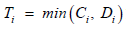
Top Medical Open Access Journal

Buffalo Milk Adulteration in South Punjab (Pakistan) -A Public Health Hazard

Buffalo milk, one of the substantial known human foods, provides many nutrients such as carbohydrates, fats, proteins, vitamins, minerals, and other important components (Yasmin et al., 2012). Buffalo milk is popular in Pakistan and other south Asian countries. Buffalo milk is unique due to less cholesterol, high fat, content more calories that add to its health benefits. Moreover, it is a good diet for developing healthy bones, maintaining dental health, and preventing cardiovascular disorders. Buffalo milk is thick and creamy in consistency therefore suitable for manufacturing traditional dairy products including yogurt, cottage cheese (paneer) and traditional milk products like ghee and khoa (Haque [1]). According to authors, shorter summers (hence shorter periods of pasture grazing) in the Nordic countries could explain CLA differences between the Nordic and other European countries. However, it was not known if such changes would occur under tropical conditions with the traditional feeding system of Sindh, (Pakistan), where animals are fed on forages throughout the year, except in winter and late spring when shortage of green forage occurs, and ruminants are fed crops by product along with available green fodder. Pakistan ranks as the 5th largest producer of milk in the world with over 26 million buffaloes, 56 million sheep, 24 million of each cattle and goats. Buffaloes are the major milk producing animal, accounting for about 75% of all milk produced. They are concentrated in irrigation areas and long rivers, as are the human population.

Goat and ewe milk are not proceeded for commercial purposes in Sindh (Pakistan), and these animals are mostly reared for meat purpose, while milking is a secondary function, which provide extra source of income to poor farmers (Sarwar et al., 2002). However, data on milk fatty acid composition from ruminant species from Pakistan is scarce. Milk adulteration became a global concern after breakthrough of melamine adulteration in Chinese infant milk formula. Worldwide, it is a terrible situation that milk is being very easily adulterated and the situation is significantly worse in underdeveloped countries due to lack of adequate monitoring and absence of proper law enforcement (Xin [2]). Dairy Milk adulteration is a socioeconomic issue in developing countries. The act of adding adulterants makes it unfit for human consumption and dairy products fail to meet the legal standards. It brings not only brings unfavorable consequences in terms of major economic losses for the processing industry, but also a major health hazards for the consumers from infants to adults worldwide. The consumption of adulterated milk causes several critical health disorders including dysentery, colon ulcers, nephrosis, disturbance of cardiovascular system (Hanford [3]). In Pakistan limited studies are available on level of dairy milk adulteration, a major public health hazard. Limited studies have been conducted on buffalo milk composition variation in different seasons but none in south Punjab where summer season lasts for long duration and winter lasts for short period.

The first objective of the study was to estimate variation in composition of buffalo milk. The second objective was to know about adulterant types used in buffalo milk supplied for human consumption in South Punjab region of the country.

Methodology

A total of 100 milk samples were collected by convenience sampling method from various cities in southern Punjab. Milk samples were collected in two seasons. Winter(n=50) sampling was conducted from December to March and summer(n=50) sampling was conducted from April to June from same cities. Milk samples were collected from dairy farms(n=40), local vendors(n=30), and commercial chillers(n=30). The raw milk samples were collected from homogenized milk into sterilized Falcon tubes to avoid any type of contamination. All milk samples were labelled and placed in ice filled cooler box. The samples were transported to the Milk Testing Laboratory Punjab Food Authority, Multan and preserved at 4-8°C until analysis. For estimation of milk fat, protein, lactose, and total solids Lactoscan milk analyzer was used (Miltonic Ltd.series7035, Bulgaria). For detection of adulterants (starch, urea, hypochlorite, pulverized soap, formalin, sugar, skim milk, boric acid and detergent) user friendly Latte Adulterazione kit was used according to the manufacturer’s protocol. The data generated was entered in software SPSS and independent t test was applied to find significant difference in milk composition.

Results

In the present study, change in milk composition during extreme weather conditions of South Punjab region were investigated. Data shows that fat content of milk samples was significantly (P<0.05) different in winter and summer seasons. Milk protein content was also significantly(P<0.05) different in winter and summer season. Milk lactose content was non significantly (P>0.05) different in winter and summer seasons. Milk total solids content showed significant (P<0.05) difference in winter and summer season as shown in Table 1. In the present study data from dairy farms showed no milk adulteration in winter and summer season in South Punjab region. Milk samples acquired from local vendors showed use of skim milk followed by detergent as adulterants were high both in winter (52.5%;33.33%) and summer (72%;31.33%) seasons. Milk samples acquired from commercial chillers showed use of skim milk followed by starch as adulterants were high both in winter (60%; 33.33%) and summer season (60%; 33.33%). The use of urea as milk adulterant was found in summer (28.3%) in buffalo milk samples as shown in Table 2.

Note: P≤0.05 (*shows that value is significant)

Discussion

Go to

Out of total dairy milk produced in Pakistan, buffalo contributes about 68 %, followed by other dairy animals. Due to the high fat contents of buffalo milk, it is the most preferred by people among other dairy products. In the present study buffalo milk samples showed difference in fat, protein, and total solids contents in winter and summer seasons. Saadi, et al. (2019) finding is in line with our study and show significant difference (p<0.001) with highest percentage of fat 4.48 % in milk in winter while values decrease to 2.95% in summer. The decrease in fat in summer may be due to the length of light compared to dark. The higher the ratio between light and dark the lower the proportion of fat due to increased prolactin secretion whose concentration in plasma is higher in summer than in winter (Ozrenck [4]). As for the effect of nutrition the basis in the composition of fat depended on the composition of acetate in the rumen. Food such as grain feeding that reduces acetate production will also reduce fat concentration in milk produced during the summer (Vildirim and Cimen, 2009). Percentage of protein was highest in milk produced from cows, which fed on concentrated feeds in the winter and amounted to 3.46% and decreased to 2.93% for the milk of cows that fed on herbs in the summer, and attributed the reason for high protein in the winter to the diet content high in protein while in the summer the nutrition was low in protein content (Colombari [5]). The low percentage of fiber in cattle (concentrated feed) resulted in increased protein content in milk produced. On the contrary, when they fed on green the protein decreased (Petitclerc, et al. 2000). Significant differences were found in the percentage of total solids, as the proportion of fat increased the proportion of total solids (Pavel [6]). The freezing point and lactose sugar showed no significant difference. Difference in milk composition in both seasons might be due to change in feed and water consumption by buffaloes (Afzal [7,8]). In the present study buffalo milk adulteration was observed in both seasons. Skim milk powder was the most used adulterant for thickening of milk in the study area as reported in literature (Azad [9]). Urea added in buffalo milk to increase non protein nitrogen content. Urea adulteration has carcinogenic effects on human health. Starch is used as a thickening agent in milk. Starch adulteration can cause diarrhea and its accumulation in the body might be fatal for diabetic patients (Yadav [10]). Detergents are added to emulsify and dissolve the oil in water to give frothy solution, a desired characteristic of milk. Consumption of adulterated milk leads to kidney failure, gastritis, and intestinal inflammation (Rennie [11-14]).

Conclusion

People living in developing countries like Pakistan, which is already far behind in delivering health services, are deprived of pure healthy buffalo milk. The adulterated milk is of low quality and responsible for introducing hazardous substances leading to serious health hazards in consumers. Therefore, it is need of the hour to devise an efficient and reliable quality control system that will regularly monitor the activities of malpractices in the dairy industry. It is the responsibility of the government to formulate an effective strategy to ensure the access of fresh and quality raw milk to people so that infants and adults both can enjoy a healthy life by having pure natural milk. General public awareness, effective monitoring measures and regulatory system for quality control of milk and dairy products can play a crucial role in minimizing milk adulteration.

For More Articles: Biomedical Journal Impact Factor: https://biomedres.us
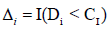
Journals on Medical Research

Study of Female Infertility

Infertility is the inability of a couple to conceive within a normal period of one year (for a woman under 35) or half a year (for a woman over 35) regardless of satisfactory, standards (3-4 times each). week), unprotected sex. Infertility can also be referred to as the inability to carry a pregnancy to term. Infertility can be caused by the lady, the man, or both; necessary or optional. In essential infertility, couples have not always considered; while in involuntary infertility, after consideration (either carrying the pregnancy to term or an unnatural birth cycle), there is difficulty in imagining [1]. Optional infertility is absent if there has been a difference in accomplices within one year, which is associated with specific opportunities to be infertile. Cervical infertility (CI) involves the failure of sperm to enter the uterus due to damage to the cervix or cervical factors, such as cervical stenosis; anti-sperm antibodies; insufficient, hostile, or unresponsive cervical body fluid and cervical contamination from physically transmitted diseases (chlamydia, gonorrhea, trichinellosis, cytoplasmic hominins, and ureaplasma urealyticum).

Risk Factors and Causes

Infertility might be brought about by an elementary ailment that may harm the fallopian tubes, meddle with ovulation, or cause hormonal intricacies [2]. These ailments incorporate pelvic fiery illness, endometriosis, polycystic ovarian condition, untimely ovarian distress, uterine fibroid tumor, and natural components. Different reasons for infertility in females incorporate ovulation issues, tubal blockage, age-related elements, uterine issues, past tubal ligation, and chemical awkwardness while the fundamental teamster of male infertility is helpless spermatozoa quality.

Environmental Factor and Infertility

It was focused on the etiological significance of environmental variables in infertility. Toxins such as pastes, unstable natural solvents or silicones, real specialists, synthetic cleaning products, and pesticides are involved in infertility [3]. In addition, other harmful ecological manifestations associated with words such as chlorinated hydrocarbons and femicides are related to the widespread association of an unrestricted unnatural birth cycle in women. As of now, people who are in direct contact with or open to such synthetic compounds have a high probability of having essential or elective infertility. Estrogen-like chemical-disrupting synthetic compounds such as phthalates are of particular concern for effects on women’s children.

Age and Infertility

Ripeness decays with age. Female fruitfulness is at its top between the ages of 18 and 24 years, while, it starts to decay after age 27 and drops at a fairly more noteworthy rate after age 35. As far as ovarian hold, a normal lady has 12% of her savings at age 30 and just 3% at age 40. 81% of the variety in the ovarian hold is because old enough alone, making age the main factor in female infertility. Ovulatory brokenness is more normal in more youthful than in old couples [4].

Weight Changes and Infertility

Ovarian brokenness could be brought about by weight reduction and unnecessary weight acquired with weight file (BMI) more noteworthy than 27 kg/m2. Abundance weight has additionally been found to have an impact on treatment viability and results of helped regenerative strategy. Estrogen is created by the fat cells and essential sex organs and along these lines, the condition of high muscle versus fat or stoutness causes expansion in estrogen creation which the body deciphers as contraception, restricting the odds of getting pregnant. Likewise, too little muscle-to-fat ratio causes a lack of estrogen creation and hence feminine anomalies with an anovulatory cycle. Legitimate nourishment in early life had been connected to being a central point for later ripeness [5].

Hormonal Imbalance and Infertility

The nerve center, through the arrival of gonadotropic hormone-delivering chemicals, controls the pituitary organ which straightforwardly or by consequence controls most other hormonal organs in the human body [6]. Subsequently, changes in the element signals from the nerve center can influence the pituitary organ, ovaries, thyroid, and mammary organ and consequently, hormonal irregularities. Hormonal abnormalities that influence ovulation incorporate hyperthyroidism, hypothyroidism, polycystic ovary condition (otherwise called Stein-Leventhal disorder), and hyperprolactinemia. Hormonal irregularity is a significant reason for anovulation. Ladies with hormonal lopsidedness won’t create enough follicles to guarantee the improvement of an ovule. Changes in the hormonal equilibrium of the Hypothalamic-Pituitary-Adrenal Hub (HPA-hub) could be brought about by stress.

Thyroid Disease and Infertility

A thyroid infection is associated with an increased risk of a rash or stillbirth. The prevalence of hypothyroidism in women of childbearing age (20-40 years) is between 2% and 4%. In essential hypothyroidism, the serum thyroxine (T4) level is low and the negative input to the hypothalamic-pituitary pivot is reduced. Subsequently, the expanded emission of thyrotropin-releasing chemical (TRH) stimulates thyrotropin and lactotrophs, consequently expanding the degrees of both thyroid-stimulating chemical (TSH) and prolactin and, in this sense, ovulatory disorders due to hyperprolactinemia. Prolactin production can also be stimulated by vasoactive intestinal peptide (VIP), epidermal growth factor, and dopamine receptor agonists. Hyperthyroidism is then again shown by suppressed serum TSH and expanded thyroxine (T4), triiodothyronine (T3), or both [7]. Hyperthyroidism in women of childbearing age is caused by Graves’ disease, toxic goiter, and thyroiditis. In Krassas et al, a higher rate of hyperthyroidism was associated with a sporadic monthly cycle ranging from hypomenorrhea, polymenorrhea, and oligomenorrhea to hypermenorrhea.

Diagnosis and Infertility

In any infertility struggle, both co-conspirators and co-conspirators are considered significant benefactors and are thus investigated especially if the woman is over 35 or if any of the co-conspirators have realized risk factors for infertility [8]. The male components must be removed before subjecting the female accomplice to any costly but disruptive testing.

Diagnostic and Imaging Test

1. Imaging tests to look at the uterus and fallopian tubes include ultrasound (especially sonohysterography with saline implantation), hysterosalpingography, hysteroscopy, fertiloscopy, and laparoscopy [9]. An endometrial biopsy is done to confirm ovulation and a Pap smear is done to see the pelvic organs and check for signs of disease. Magnetic resonance imaging (MRI) is the imaging test of choice because it can identify adenomas that are only about 3-5 mm. Mixtures of these imaging methods can be used to confirm the analysis [10,11].

2. The estimation of blood urea nitrogen and creatinine is significant in recognizing persistent renal failure as the reason.

3. Pregnancy tests are required except when the patient is postmenopausal or has had a hysterectomy.

4. Estimation of insulin-Like Growth Factor-1 (IGF-1) level is performed in acromegaly. 5. Hormonal measures include the determination of plasma levels of chemicals such as Luteinizing Chemical (LH) to determine ovulation in women and detect pituitary problems, Follicle-Stimulating Chemical (FSH) to determine ovarian retention, prolactin level to confirm an anovulatory cycle, and Thyroid -Stimulating Chemicals (TSH) to control thyroid organ problems. A Thyroid-Stimulating Chemical (TSH) level somewhere between 1 and 2 is considered ideal for conception. Progesterone estimates in the second 50% of the cycle help confirm ovulation.

5. Immunological tests are performed to determine anti-sperm antibodies in blood and vaginal fluids. Infertility immunizer blood tests are conducted to detect antibodies that destroy sperm.

6. A post-coital test can be performed shortly after intercourse to check for problems with sperm penetration into the cervical mucosa.

Prevention of Infertility

Some cases of infertility could be prevented by strong intercessions:

 Maintaining a healthy lifestyle: Excessive exercise, use of caffeine and alcohol, and smoking (tobacco and weed) are associated with reduced maturity, which should subsequently be avoided. A fair and nutritious diet, products of the soil (lots of folate), and maintaining a normal body weight are associated with better chances of wealth.

 Prevention or treatment of existing diseases: Identifying and controlling persistent diseases such as diabetes, hyperthyroidism, and hypothyroidism creates opportunities for maturity. Routine current evaluations (counting Pap spreads) help recognize early signs of contamination or abnormalities.

 STDs can be prevented by limiting sex or practicing “safer sex” techniques among individuals with multiple sexual partners, including regular monogamy, non-penetrative sex, and the proper and predictable use of boundary prophylactic strategies, especially latex. male condoms and polyurethane vaginal sheath (female condom).

 Rapid treatment of sexually transmitted

 Not delaying parenthood: Fertility begins to decline after age 27 and declines much more significantly after 35. don’t delay parenthood.

Treatment

Treatment of female infertility can be done in different ways which are as follows:

1. Weight loss drugs: In corpulent anovulatory infertile women, a 5-10% loss of body weight was enough to restore regenerative abilities in 55-100% of women within half a year.

2. Reception of ovulation using gonadotropins, Human Menopausal Gonadotropin (HMG).

3. Bromocriptine in hyperprolactinaemic

4. A mixture of clomiphene citrate and human menopausal gonadotropin (CC-HMG).

5. Chemical treatment (e.g. Perganol).

6. Careful intercession.

7. Directed Impregnation (AI): AI can be performed by intracervical or intrauterine insemination. It works in an ovulating lady with patent cylinders.

8. In Vitro Fertilization (IVF): IVF can be used to treat women with damaged fallopian tubes and endometriosis or in cases of unexplained infertility. Standard IVF requires the presence of a functional fallopian tube and the methodology includes gamete intrafallopian movement (GIFT), zygote intrafallopian movement (ZIFT), or GIFT-ET, which is a combination of GIFT and IVF.

For More Articles: Biomedical Journal Impact Factor: https://biomedres.us

List of Open Access Medical journal

Comparison of a Novel Incubator with Standard Incubator Care: A Randomised Multi-Centre, Cross-Over Study

The use of incubators to maintain normothermia is a cornerstone of neonatal care [1]. Hypothermia in the premature infant can result in poor weight gain and metabolic stress [2,3]. Babies maintain normothermia via hypothalamic control mechanisms, creating warmth through shivering and non-shivering mechanisms [4]. In the preterm or growth restricted infant, these mechanisms are immature, placing them at additional risk. In lower-resource settings, hypothermia is associated with significant mortality especially in these higher risk patients [5]. The World Health Organisation (WHO) recommends that stable babies ≤2kg should receive external warming (radiant or incubator) if they cannot be given skin-to-skin care [6]. The mOm Essential Incubator, [Mom Incubators Ltd, Nottingham, UK] (Figure 1) meets international safety and performance standards for conventional incubators, is CE marked under the medical device regulations (MDR2017/745), and is suitable, by design, for use in both high- and lower-resource settings. This study evaluated the thermal performance of this novel incubator against standard incubators used on neonatal units, and to investigate usability aspects from staff perspectives.

Methods

Patient Population

Eligible infants were at least 30 weeks corrected gestational age (GA) at birth, and ≤6kg at inclusion to the study. They were clinically stable, not needing endotracheal ventilation, had already spent at least 24 hours receiving standard incubator care, and were expected to require at least 48 hours of non-humidified incubator care at ≥30°C at the time of study inclusion. Written consent was obtained from the parent(s) or legal guardian(s) aged 16 years or above and not considered to be in a vulnerable group. Infants with major congenital abnormalities or suspected infection were excluded. The clinical team-maintained responsibility for each infant’s care, with the ability, along with the initial consent giver, to withdraw the infant from the study at any time for any reason.

Study Design and Setting

This was a prospective, multi-centre, randomised controlled, cross-over design pilot study, conducted in three hospital Neonatal Intensive Care Units within the United Kingdom: St Peter’s Hospital (Ashford and St Peters NHS Foundation Trust, Chertsey), Royal Hospital for Children (Queen Elizabeth University hospital, Glasgow) and the Norfolk & Norwich University Hospital, Norwich. The primary objective of this study was to compare the maintenance of normothermia within each incubator group (mOm or standard) by measurement of each infant’s truncal skin temperature, or core temperature. This is expected to fluctuate but remain within normal temperature limits (36.5 to 37.5°C). Variations from this endpoint were analysed and compared statistically between the two incubator groups. Thirty-six completed datasets were required for the analysis to be valid. A complete subject dataset was deemed acceptable if 19 of the 24, once-hourly temperature observations were recorded for each incubator type (i.e. 79% compliance). This degree of compliance was considered acceptable for analysis because it is still greater than the routine standard for this type of incubator care for clinically stable infants of ≥30 weeks GA, which is often every three hours. The overall mean temperature variance per incubator group (mOm or standard) was compared. Where temperature data from skin probes attached to the incubators, was not available for any technical reason, axillary temperature readings were used instead to maintain dataset integrity. If infants were removed from incubators, (e.g. for skin-to-skin care), the nature and duration of the event was recorded.

A 95% confidence interval was calculated around the mean of these fluctuations within each baby for each incubator group. Data from 36 babies would allow such a confidence interval to be calculated to within ±0.33°C if the actual mean fluctuations are around one degree (i.e. as normally expected) and assuming a two-sided confidence interval. A paired t-test was used to compare values, and p-values were calculated. Each patient served as their own control. The order of incubator type used for each of the two consecutive 24-hour periods of incubator care, was assigned randomly. A Microsoft Excel random number generation system was used to generate random numbers used to assign the arm of the study the infant was assigned (i.e. which incubator type the infant went into for the first 24h before cross-over). Each assignment was placed in an envelope attached to case report form folders already numbered with a continuous series subject number. As secondary endpoints, baseline demographics, then vital signs (i.e. pulse rate, breathing rate and O2% saturation) of the infant, plus set and actual temperature of the incubator were recorded every hour; blood pressure was recorded daily. The type and duration of care activities, duration the portholes or door was open and any adverse events were recorded throughout the 48h each infant spent in the study. Further to these, the time taken to clean each incubator between use was recorded and users were given a questionnaire to complete, regards the usability of the mOm compared to standard incubators. No formal survey was provided to parents, although any comments given were recorded in their infants’ case report form.All data were collected, 100% verified by the Sponsor’s monitors, and stored in compliance with Good Clinical Practice (GCP) and Data Protection legislation. The CONSORT reporting guidelines were used to provide reporting guidance [7].

Ethics and Regulatory Approvals

This study was initially approved by the London – Harrow Research Ethics Committee (REC), 19 November 2018 (ref: 18/LO/1757). After a delayed start due to the Covid pandemic, MHRA no objection was gained on 22nd October 2021 (ref: CI/2021/0050/GB), Health Research Authority approval on 27th October 2021 and adoption onto the National Institute for Health Research Clinical Research Network portfolio (CPMS ID 38607). The study was conducted in accordance with ISO 14155, Good Clinical Practice and the Declaration of Helsinki for Human Rights.

Results

One hundred patients were screened and identified as eligible for participation in this study over a period from November 2021 until August 2022 at the three study sites. Forty-three infants were enrolled of which three infants were withdrawn, one prior to commencement (moved to a different hospital) and two during the study by neonatal staff (one due nurse wanting to cool infant rapidly after overheating due to too much clothing, one due to staff concern with incubator temperature dropping when alarm not cleared); in both cases the incubator performed correctly. Three infants had no primary endpoint data collected whilst the infants were in the standard incubator so no comparative analysis could be performed; these were excluded from the results reported in this paper. However, the data collection target was reached (i.e. 36 evaluable data sets) with 37 evaluable datasets being available for inclusion in the analyses (Figure 2); see Table 1 for their demographic data. Of the 37 evaluable datasets, 18 (49%) infants were randomised to a mOm incubator -first 24h, then a standard incubator – second 24h, and 19 (51%) infants were randomised to standard – first 24h, then mOm incubator – second 24h (Table 1).

Efficacy Outcome

No significant differences were found in the primary endpoint for maintenance of normothermia in infants cared for in either the mOm incubator or the standard incubators. Fluctuations in temperature beyond the normal range were noted and the mean variance compared (Table 2). Figure 3 shows the mean temperatures of the infants recorded in each incubator over the 24-hour period.

Secondary Endpoints

Clinical Stability: There were no statistical differences in heart rate, respiratory rate, oxygen saturations, or blood pressure between mOm and standard incubator groups (Table 3).

Incubator Performance: Standard incubators used in the study included a variety of Draeger (Lubeck, Germany) models (90.2%) and GE (Chicago, IL) Giraffes (7.3%). Both incubator groups demonstrated temperature differences between set and actual temperature (as displayed on the incubators interfaces) which were within the permitted limits of the BS EN 60601-2-19 Standard [7]. Both had the same median difference of 0.03°C. The overall mean (standard deviation; SD) difference was 0.04°C (±06°C) for the mOm, compared to 0.03°C (±0.03°C) for the standard incubator group. The mean length of time the infants underwent care activities with the portholes and/or door open was similar in both incubator groups with no significant difference (Table 4). Both incubator groups had a median of 10 minutes for care activities with similar interquartile ranges (IQR) of 5.5-20 minutes for the mOm group and 7.0-20 minutes for the standard incubator group.

Cleaning of Incubators (Table 4): Cleaning times were recorded on 44 (69%) occasions for the mOm incubator compared to 20 (31%) occasions for the standard incubators. Median (IQR) cleaning time was significantly shorter for the mOm incubator compared to the standard incubator; 25 (15-30) vs. 45 (30-45), p <0.001) (Table 4).

Adverse Events (AEs): Seven AEs were reported (3 hyperthermia, 1 hypothermia, 1 skin irritation, and 2 oxygen desaturations) of which none were considered causally related to either type of incubator. No serious AEs or device-related AEs were reported.

Usability: Thirty-two clinical staff, of whom the majority 27(84%) were nursing staff and the rest consultants, and 10 non-clinical staff (healthcare support workers), completed responses. 85% found the device intuitive to use and all respondents said they would be happy to allow their own baby to be managed in the mOm incubator. The majority of clinical staff felt the incubator may be useful for interdepartmental transfers (78%), home use (66%), ward use (e.g. transitional care, postnatal wards (63%)), delivery suite (56%) or for low infrastructure countries. There were positive comments about the size and cleanability of the mOm (“less invasive looking for parents”, “easy to transfer” [referring to interdepartmental transfer]). Eight (80%) of the non-clinical respondents who commented, thought that the cleaning, disassembling, and setting up the mOm incubator was ‘Easier’ or of ‘Similar Difficulty’, when compared to a standard incubator. Negative comments included the self-closing porthole doors (feature now removed), and about accessibility for complex babies with multiple intravenous (IV) lines (four IV ports currently provided), or during an emergency. Suggestions included additional portholes for access. Clinical staff also did not like the lack of a height adjustable trolley (now available).

Parents: Parents commented that they liked the compact size of the mOm incubator, as it seemed “right sized” for their baby. Parents said it was easier to see the baby and that the “baby looked perfect size in [mOm] incubator”. Parents also said they liked the display of their baby’s temperature. No comments were recorded for the standard incubators.

Discussion

There were no significant differences in the maintenance of normothermia between infants cared for in the mOm and the standard incubators. Similarly, there were no differences in recorded physiological measurements. The performance of the incubator was within expected values; the differences noted between set and actual values are within the permissible safety and performance criteria of the BS EN 60601-2-19 Standard [8]. There were no device-related adverse incidents. The mOm incubator was designed by James Roberts, at the time a Design Engineering student at Loughborough University, winning the Sir James Dyson Global Prize for Innovation in 2014. Originally known as an “inflatable incubator”, it has been refined and re-designed, whilst maintaining the original aims of being portable and space-saving, able to operate from a variety of power sources and to be more cost-effective than standard incubators. This study is the first report of its clinical use, paving the way for further evaluations in different settings. The aim for medical equipment to be cost-effective, or designed for lower resource settings, does not mean that functionality, safety or usability should not be evaluated and meet the standards required in higher-resource environments.

A recent review examined currently available warming devices suitable for low-resource settings [9]. These included radiant warmers, incubators, warming mattresses and phase-change materials. Devices were generally effective although it was noted that radiant warmers increased insensible water losses. Some require consumables which may add additional costs, and phase-change materials have a relatively short duration of action before replacement is needed. Considerations such as servicing, parts and power availability, and means of disposal, should also be considered. A randomised controlled study of a prototype cardboard incubator [10] demonstrated non-inferiority in a low-resource setting with high ambient temperatures (25°C) and humidity (50%); 1:1 nursing was provided for the study duration (48h).

During our study trial period, 60% of babies with parental consent did not participate in the study, and trial recruitment was slower than anticipated. The overwhelming reason for this was due to a requirement for a lower incubator temperature than the mOm incubator could provide. Stable neonatal patients often require a set incubator temperature of 28-29°C. The standard incubators could provide this, however, the operating range of the mOm incubator used in the study was 30-37°C. The mOm incubator has since been adjusted to provide a wider range of 28-37°C, demonstrating the value of clinical evaluation. The mOm incubator was designed for use in a broad range of settings, including emergency ones where environments would be expected to be less favourable and staff less experienced. Assessment of usability was important in order to understand the attitudes of staff to a medical device which does not have the features associated with more expensive, conventional devices. The positive feedback from users was reassuring that use in a busy high resource setting was acceptable, with all respondent clinical staff (consultants and nurses) and non-clinical staff (healthcare support workers) saying they would allow their own baby to be cared for in a mOm Essential incubator.

Study Limitations

This was a small-scale pilot study, which although demonstrating compliance to the safety and performance incubator standards [8], was not powered to show non-inferiority against one particular standard incubator, instead hospitals used standard practice which included the use of a range of different ‘standard’ incubators.

Conclusion

In this pilot study, performance of the mOm Essential Incubator showed no significant differences in maintaining thermal stability compared with the standard incubators in infants ≤6Kg, who did not require humidification, and no incubator-related adverse events were observed. In a busy high resource setting, the mOm incubator matches the performance of standard incubators in the maintenance of temperature and may provide the additional benefit of shorter cleaning time.

For More Articles: Biomedical Journal Impact Factor: https://biomedres.us

American Medical Journal

The Impact of Gut Microbiota on Long COVID: Insights and Challenges

The ongoing global COVID-19 pandemic caused by the severe acute respiratory syndrome coronavirus 2 (SARS-CoV-2) has resulted in a spectrum of clinical manifestations, ranging from asymptomatic or mild respiratory symptoms to severe pneumonia and multi-organ dysfunction1. While the acute phase of the disease has been extensively studied, the emergence of a condition known as “Long COVID” or “Post-Acute Sequelae of COVID-19 (PASC)” has raised significant concern due to its persistent and debilitating nature. Long COVID is characterized by symptoms that persist for weeks or even months after the acute infection has resolved, affecting various organ systems and significantly impairing patients’ quality of life [1-3]. Recent research has shed light on the potential role of gut microbiota in the pathogenesis of Long COVID, as alterations in the composition and dynamics of the gut microbiome have been observed in patients with both acute COVID-19 and Long COVID [2,3]. The gut microbiota regulates the host’s immune response, metabolic processes, and overall health. Dysbiosis, or an imbalance in the gut microbiome, can lead to immune dysfunction and chronic inflammation, hallmarks of Long COVID [4].

This emerging connection between gut microbiota and Long-term COVID has prompted investigations into its potential as a therapeutic target for alleviating symptoms and improving outcomes in affected individuals [5-7]. Several studies have explored the dynamics of gut microbiota in patients with long-term COVID-19, shedding light on how changes in microbial composition may correlate with symptom severity and persistence2,3,5. Additionally, research has examined the impact of factors such as antibiotics, probiotics, and dietary interventions on gut microbiota in Long-term COVID patients. Understanding the relationship between the gut microbiome and Long-term COVID is crucial, as it may open new avenues for therapeutic interventions and improve the management of this complex and poorly understood condition [8,9]. In this comprehensive review, we aim to synthesize the existing literature on the role of gut microbiota in Long COVID. We will analyze findings from recent studies investigating alterations in gut microbiota composition, diversity, and function in patients with Long-term COVID and their potential implications for disease pathogenesis and symptomatology [9-11]. Additionally, we will explore the impact of various interventions, including dietary modifications and probiotics, on modulating the gut microbiome in Long COVID patients. Our objective is to provide a thorough overview of the current knowledge regarding the gut microbiota’s involvement in Long-term COVID and its potential as a target for therapeutic interventions.

Methods

The research methodology involved a comprehensive search of multiple reputable databases to ensure the inclusion of relevant studies while minimizing the risk of bias. PubMed, Scopus, Scielo, Embase, and Web of Science were chosen due to their comprehensive coverage of peer-reviewed literature in the medical field. Additionally, Google Scholar was utilized to access gray literature, which often includes valuable insights not found in traditional peer-reviewed articles. The study’s selection criteria were centered on the study’s focus, which was artificial intelligence’s impact on general surgeons’ training. To refine the search and capture relevant studies, a combination of keywords was used, including “post-acute COVID-19 syndrome”, “post-acute COVID-19 syndromes”, “long COVID, PASC post-acute sequelae of COVID-19”, “gastrointestinal microbiome,” and “gut microbiota.” This approach ensured that the selected studies were directly related to the topic of interest. The inclusion criteria encompassed various studies, such as systematic reviews, case-control studies, cross-sectional studies, case series, and review articles.

This broad inclusion criteria aimed to gather a comprehensive range of evidence and perspectives on the subject matter. The process of analysis, review, and selection of materials was conducted rigorously to maintain the quality and relevance of the chosen studies. It involved a systematic and blind approach, with pairs of reviewers independently assessing the title and abstract of each study. In cases of disagreement between the two reviewers, a third reviewer was involved to reach a consensus and ensure the final selection of studies was based on well-founded criteria. This meticulous research methodology guarantees that the findings and conclusions drawn in the article are rooted in a robust and diverse body of evidence, enhancing the credibility and reliability of the study’s outcomes.

Results and Discussion

Long COVID has emerged as a perplexing and debilitating condition characterized by persistent symptoms following acute COVID-19 infection. Recent research has shed light on the potential role of the gut microbiota in influencing the course of long-term COVID, offering intriguing insights into the consequences and effects of microbial alterations [12]. A recurring theme in these studies is the presence of dysbiosis within the gut microbiota of Long COVID patients. This dysbiosis typically involves a decrease in beneficial commensal bacteria like Bifidobacterium and Lactobacillus, coupled with an increase in pro-inflammatory taxa5-8. Such microbial imbalances are thought to trigger immune dysregulation and chronic inflammation, potentially contributing to the prolonged and diverse symptomatology observed in Long COVID4. One significant finding is the association between gut microbiota profiles and the severity and duration of Long COVID symptoms5. Liu et al. revealed that individuals experiencing more severe Long COVID symptoms exhibited distinct microbiota profiles, implying a potential link between gut microbiome composition and symptom severity [5,6].

This observation was further corroborated by Ancona et al., who reported dysbiosis in both gut and airway microbiota, suggesting its potential role in influencing respiratory symptoms associated with long-term COVID3. Recognizing gut microbiota involvement in Long COVID has opened doors to therapeutic exploration. Su et al. (2022) delved into the impact of antibiotics and probiotics on gut antimicrobial resistance gene reservoirs, highlighting the potential of these interventions to modulate gut microbiome composition and, consequently, Long-term COVID outcomes [7,11,12]. Furthermore, Wang et al. demonstrated the alleviation of severe gastrointestinal symptoms in a Long COVID patient through nutritional modulation of the gut microbiota, suggesting the promise of dietary interventions [13]. Intriguingly, parallels have been drawn between long-term COVID and myalgic encephalomyelitis/chronic fatigue syndrome (ME/CFS), prompting investigations into potential shared mechanisms4-6. Komaroff and Lipkin proposed that insights from ME/CFS research might contribute to unraveling the pathogenesis of long-term COVID-19, hinting at possible commonalities that potentially involve the gut microbiota [2-4]. Vestad et al. provided valuable insights into the persistence of gut microbiota alterations beyond the acute phase of COVID-19 [14-17]. Their study suggested that the impact of gut dysbiosis might extend for months, emphasizing the necessity for long-term monitoring and interventions to address the consequences of these microbial changes18. Mundula et al. explored the implications of chronic low-grade inflammation in various diseases, including the potential modulation through gut microbiota interventions.

This perspective highlights the crucial role of gut microbiota in regulating host inflammatory responses and its potential influence on disease outcomes19. Moreover, Nguyen et al. conducted a metagenomic assessment of gut microbial communities, offering a deeper understanding of their potential influence on COVID-19 severity15. Their study unraveled the intricate interplay between gut microbiota and host responses, providing critical insights into how microbiota composition may shape the course of the disease [18-20]. While these studies collectively suggest a role for gut microbiota in long-term COVID, it is essential to acknowledge the variability in findings and methodologies. Robust and standardized research is necessary to establish causality and unravel the intricate mechanisms by which the gut microbiota influences long COVID.

Conclusion

In conclusion, the emerging evidence underscores the potential significance of gut microbiota alterations in the pathogenesis and clinical progression of long-term COVID-19. Dysbiosis in the gut microbiome appears to be associated with symptom severity and duration, offering promising avenues for therapeutic interventions.

Longitudinal studies indicate that the impact of gut dysbiosis may extend well beyond the acute phase of the disease. However, comprehensive, and standardized research is crucial to establish causality definitively and unlock the intricate mechanisms underlying the influence of the gut microbiota on COVID. Understanding this relationship holds the promise of novel approaches to managing and improving the outcomes of Long COVID patients, addressing a pressing public health concern.

For More Articles: Biomedical Journal Impact Factor: https://biomedres.us