Biomedical Journal of Scientific & Technical Research (BJSTR) is a multidisciplinary, scholarly Open Access publisher focused on Genetic, Biomedical and Remedial missions in relation with Technical Knowledge as well.
Bio Actives from Albizia Lebbeck on Acute Lung Injury/ Acute Respiratory Distress Syndrome Molecular Targets: In-Silico Study
Introduction
A precipitating cause, such as pneumonia, shock, aspiration of stomach contents, sepsis, or trauma, is invariably present in Acute Respiratory Distress Syndrome (ARDS). Because of comorbidities such as sepsis, multiorgan failure, refractory shock, and refractory hypoxemia, patients with ARDS have a significant death rate (50 percent) [1]. Chronic unfavorable outcomes such as fibrosis, tracheal stenosis, pulmonary function decrease, muscle weakness, ambulatory dysfunction, and overall poor quality of life were common among ARDS survivors [2]. Acute inflammation, micro vascular damage, and increased lung vascular and epithelial permeability are all characteristics of ARDS [3]. The immune system is a key player in the etiology of ARDS, according to current knowledge [4]. The severity of lung injury in ARDS patients was linked to serum cytokine and chemokine levels [5]. Infected epithelial cells release cytokines, which attract leukocytes, macrophages, and nearby endothelial cells, causing an increase in cytokine and chemokine production and the symptom known as cytokine storm [6]. Despite significant advances in understanding the etiology of ARDS, little progress has been achieved in developing particular medicines to address the inflammatory damage that occurs in the disease. As a result, medications to treat ARDS, particularly the inflammatory damage associated with the disease, are desperately needed.
Nuclear factor-kappa B (NF-B), a transcription factor, was called after its ability to bind to the enhancer element of the immunoglobulin kappa light-chain of B cells [7]. It is an important inflammatory inducible factor that regulates the transcription of a number of pro inflammatory cytokines, chemokines, and adhesion molecules to mediate the inflammatory response. Punicalagin, for example, inhibits Lipopolysaccharide (LPS)- induced neuroinflammation, oxidative stress, and memory loss by blocking NF-kB activation [8]. Furthermore, when the NF-B signaling pathway is engaged, secreted inflammatory cytokines and chemokines such as IL-1, IL-6, and TNF-α have been shown to have important effects on the course of ALI. Another study confirms that NF-B activation can speed up the transcription of IL-1, IL-6, and TNF-α [5]. TLR-4 plays a role in a variety of inflammatory diseases, including ischemic heart disease and Ventilator-Associated Pneumonia (VAP) [9]. Alveolar epithelial cells are divided into two types: Alveolar Type I (ATI) and Alveolar Type II (ATI) (ATII). AT1 cells are common in the body and can be readily harmed. When type I cells are damaged, fluid leaks into the alveoli, disrupting regular alveolar clearance. Surfactant secretion is controlled by ATII cells, which is an important role in lowering alveolar tension. In addition, ATII cells have a role in ion transport. Although ATII cells are few in number, they are more resistant to injury [10,11].
A combination of alveolar epithelial cells and capillary vascular cells may be involved in the condition. Endothelial injury, on the other hand, is more common. There is a leakage of fluids and proteins into the interstitium in ARDS due to increased permeability of the capillaries. Fluids, red blood cells, and neutrophils enter the alveolar space through the injured epithelial cells after that. In the exudative phase of ARDS, interstitial and alveolar edema are common [12]. TLR4 is found on both alveolar macrophages and epithelial cells in the lungs. TLR4 detects key ligands like as hyaluronic, LPS, heat shock proteins, and the High Mobility Group Box-1 (HMGB) protein during ARDS propagation [13]. TLR4 activation causes the generation of pro-inflammatory cytokines, which can increase the severity of injuries, as previously stated. Many studies have been conducted in recent years to determine TLR4’s exact role in ARDS. The TLR4/Nuclear Factor (NF)-B pathway could be a key target for inflammatory damage. TLR4 is a pattern recognition receptor from the TLR protein family that activates NF-B and causes the production of inflammatory cytokines and chemokines including TNF- and IL-6 in lung cells.
Medicinal plants can be used in this direction as they come with minimum and in some cases no toxicity as well as strengthen immune system via various pathways. Abizia lebbeck, a native tree to Asian and subtropical regions across the world, is a perennial, deciduous tree which is used as a shelter tree for cash crops, for erosion control, as a forage crop and as a source of hardwood [14]. In Ayurveda it is used for various medicinal purposes as it is a non-toxic tree. This tree contains alkaloids, tannins, saponins and flavonoids which have medicinal action and it is used especially in treating bites and stings from poisonous animals such as snake. Pharmacologically A.lebbeck is used in treatment of various respiratory ailments including bronchial asthma (Tables 1 & 2). In the present study, phytoconstituents of A.lebbeck were analyzed using molecular docking software and the best docked compounds were further processed for drug-likeness and ADMET profile analysis using Lipinski Rule of Five and ADMET SAR studies.
Table 1.
Table 2.
Material and Methods
Preparation of Protein
RCSB Protein Data Bank (https://www.rcsb.org/) [15] was used to retrieve the crystal structure of TNF-alpha (PDB ID: 2AZ5), TLR4 (PDB ID: 3FXI), NfkB (PDB ID: 1NFK), IL-6(PDB ID: 1ALU). Protein preparation was done with the help of Discovery studio 4.0 by the removal of water molecule and other heteroatoms present in the crystal structure. Further, the active site identification was done for the prepared protein model with the help of Discovery studio 4.0.
Selection of Active Phytochemicals-Ligands
Total 59 active phytochemicals from medicinal plant Albizzia lebbeck were retrieved from literature and database. PubChem compound database (https://pubchem.ncbi.nlm.nih.gov/) was used for retrieval of structure in 2D SDF format. Ligand optimization, energy minimization and conversion of retrieved ligands to 3D PDB format were done with the help of Discovery Studio 4.0.
Molecular Docking
For molecular docking, YASARA software was used [16]. Using YASARA, selected 59 active phytochemicals of Albizzia lebbeck were docked with TNF-alpha (2AZ5), TLR4 (3FXI), NFkb (1NFKB), IL-6(1ALU). For docking study, prepared receptor and ligand files were used to set target and play macro in YASARA software. For the calculation of interaction energy between receptor and selected ligands individually, the macro file dockrun_mcr was used. Afterward, with the help of YASARA software, docked complexes visualize and changed in PDB files for 2D-3D interaction visualization study using Discovery studio 4.0. For the docking calculation study, the result log files from YASARA were taken. Sortening on the basis of binding energy [kcal/mol] and dissociation constant [pM], 25 VINA docking runs of the ligand object 2 to the receptor object 1 was done. The compound having more positive binding energies indicates stronger binding, and negative energies indicate no binding.
Drug-Likeness and Molecular Property Prediction- ADMET Analysis
The topmost selected active phytochemicals on the basis of binding energy [kcal/mol] and dissociation constant [pM], from Albizzia lebbeck were used for the drug likeness test with the help of Lipinski rule of five (http://www.scfbio-iitd.res.in/software/ drugdesign/lipinski.jsp) [17]. admetSAR server (An Inclusive server for Valuation of Chemical ADMET Properties; (http://lmmd. ecust.edu.cn/admetsar1/predict/) [18] was used for molecular property prediction (ADMET).
Result
Molecular Docking
Molecular docking study revealed that 19 out of 59 phytochemicals from A.lebbeck showed significant binding affinity with TLR-4, Nf-kB IL-6, TNF-alpha, of inflammatory cascade. Table 3 shows the list of phytochemicals showing significant binding energy (≥7.0 kcal/mol) with above mentioned targets (Figure 1).
Table 3: Binding energy (Kcal/mole) of selected phytoconstituents of A.lebbeck against proteins of ARDS. (Phytoconstituents with>7 Kcal/mole of binding energy are mentioned here.
Figure 1: Bio actives from Albizia lebbeck against molecular target of ALI/ARDS. This is a 2D interaction diagram of ligandreceptor binding interaction where light green bond shows van der waals interaction and dark green bond shows conventional hydrogen bond.
Drug-Likeness and ADMET Analysis
Drug-likeness test for best docked compounds was predicted using Lipinski’s filter and ADMET molecular property prediction test was performed out by admetSAR server. Lipinski rule of five is a thumb rule of five which helps in differentiating between drug like and non-drug like molecules by obeying its five parameters (Molecular mass, Hydrogen bond donor, Hydrogen bond acceptor, Log P, and Molar refractivity), it must obey 2 or more of their parameters. Consequently our best docked compounds (Table 4) follows more than 2 parameters of Lipinski rule of five. admetSAR server provides ADMET profiles of drug candidates. The molecular property profile results indicate positive sign towards Human Intestinal Absorption (HIA) and have no carcinogenic effects, indicating all drugs like properties (Table 4).
Table 4: Drug-likeness and ADMET profile of selected phytocnstituents of A.lebbeck.
Discussion
Since its original description 50 years ago, molecular aetiology and pathophysiology for the development of ALI/ARDS have become better understood. However, “lung-protective ventilation” in mechanically ventilated patients with ARDS is now the best practice, with no specific therapy aimed at lung inflammation. A complex network of proinflammatory signaling pathways and oxidative stress created by a range of cell types in the lungs initiate, amplify, and control the inflammatory response in patients with ARDS. Here in this work we have used in-silico study to screen out the bio actives from the Albizia lebbeck against molecular target of acute lung injury. A.lebbeck is an astringent that is used to cure boils, coughs, eye infections, flu, gingivitis, lung difficulties, chest problems, as a tonic, and to treat abdominal tumors in some cultures [19]. It is a medicinal plant as per Ayurveda the bark can be used to treat inflammations [20]. This formed the hypothesis of the present work as ALI is a clinical condition of respiratory distress involving deregulated inflammatory system. It begins with accumulation of fluid in the alveolar region due to infiltration of neutrophil. Neutrophils serve as the defense mechanism regulated by macrophage polarization [21] in normal condition. However under the influence of endotoxins the toll like receptors (TLR-4) are activated and they secretes chemokine to flush out the invading pathogens. In ALI/ARDS this mechanism goes out of control especially in cases of septicemia influenced ARDS and creates storm of inflammatory cytokines [22]. From the molecular docking study we found that phytoconstituents from A.lebbeck such as Globularicitrin (9.94 kcal) and Vicenin-2 (9.64 kcal) showed significant binding energy suggesting that they can down regulate TLR-4 receptors in ARDS condition and can save the patient from deleterious effects.
Another pathway involved in pathogenesis of ARDS in Nf-KB. In the lungs of patients with Acute Respiratory Distress Syndrome (ARDS), the nuclear regulatory factor NF-kappaB is activated, which may contribute to increased expression of immune-regulatory cytokines and other pro inflammatory mediators [23]. In our study we found that Terpenoids and Tannins have significant binding interaction with Nf-kB suggesting it could control the inflammatory cytokine storm. The major inflammatory cytokines responsible for destructive effect of ARDS are Il-6 and TNF-α [24]. From this insilico work we found that Friedelin (IL-6), Lupeol (IL-6), Albigenin (TNF-alpha) and Alpha Amyrin (TNF-alpha) were able to inhibit these cytokine by binding with them. All the reported bio actives (Figure 2) from A.lebbeck showed drug-like property as per LPINSKI RULE OF FIVE and were safe as per optimal scoring by ADMETSar software. Despite significant progress in delineating molecular pathways for ALI and ARDS over the previous several decades, these discoveries have not resulted in substantial advances in medical treatment for ARDS patients. From this in-silico work we are reporting for the first time that a medicinal plant from Indian traditional system could be utilized as add on therapy under clinical supervision for management of acute lung injury/acute respiratory distress syndrome.
The Two-Way Link Between Diabetes Mellitus and Periodontal Disease: Medical- Healthcare Professionals’ Clinical Practice
Introduction
Although the notion “Oral health and general health are inseparable” is most frequently and widely narrated in the scientific literature, it has not infiltrated well enough into the medical community. Quite understandably, since the beginning, there is a dental-medical divide that has not been closed, and it is not going to change anytime soon as these two disciplines are also structurally separated. Diabetes mellitus and periodontal disease are global epidemic ailment with severe health consequences. Medical professionals provide primary care to patients with diabetes mellitus for their general health needs. Periodontal disease, along with other complications, has been suggested as the sixth most common complication of diabetes mellitus [1,2]. Furthermore, recent evidence confirms the mutual and bidirectional relationship between periodontal disease and diabetes mellitus [3,4] which means that severe periodontal disease adversely influences the glycaemic control in persons living with diabetes and vice versa [5-7]. Hence, logically, persons living with diabetes require collaborative care by medical and dental professionals for their health needs [8,9]. However, worldwide, this is not actively practised or even considered in most of the instances [10].
The recent statistics on Australian healthcare workforce (2015) reports around 392 fulltime medical providers per 100,000 populations [11]. According to the current data from the Department of Health, Australia (2018), there are around 98,400 medical practitioners and 20,600 dental healthcare practitioners registered with AHPRA. This number is around 5.5 times more than oral health professionals, where only 72 oral healthcare professionals are available to look after 100,000 individuals [12]. Among them, nearly 85% of dentists work in the private sector. Australian Institute of Health and Welfare (AIHW) also reports that during 2016-17 approximately 70,200 patients were hospitalised due to dental complications that could have been avoided with timely treatment [13].
Inter-professional collaboration between medical and oral health professionals have been implicated in the effective prevention and management of diabetes-related complications. Such coordinated care is challenging as it is dependent on multiple providers across different disciplines. The critical aspect of this care is the allied knowledge of the disease (periodontal and diabetes) by the disciplines involved. This knowledge includes but not limited to the aetiology, pathogenesis, associated risk factors, and the management strategies of the particular disease. Recent evidence suggests that medical professionals, including general medical practitioners, specialists, nurses and allied healthcare workers, do not receive any training and knowledge in oral health, resulting in poor understanding of oral health problems [14].
A study reported developing an inter-professional learning tool for qualified pharmacists, nurses, healthcare assistants and junior doctors to improve care for the persons living with diabetes [15]. The study completely overlooked the importance of involving oral healthcare professionals to manage patients with diabetes mellitus. In contrast, Silk, [16] suggested that a comprehensive approach can achieve improved oral health outcomes. This holistic approach involves improving oral health literacy and practice in patients, learning new skills by medical and dental professionals and adopting a collaborative approach in patient management. In this regard, a recent systematic review noted that one-third of medical professionals were unaware of the relationship between oral health and diabetes. Only 30% reported referring their patients for an oral health assessment to dentists [17]. They also highlighted the importance of inter-professional education for medical and dental professionals. The literature regarding medical professionals’ knowledge, attitude, and practices of diabetes mellitus and periodontal disease from Australia is missing. Therefore, the study investigates medical professionals’ understanding of the link between periodontal disease and diabetes mellitus in a cohort of medical professionals practising in Australia.
Methodology
A convenience sample of medical professionals participated in this pilot study to complete an 31-item questionnaire. A power calculation was not necessary for this pilot study. An online survey was designed to investigate the knowledge and understanding of periodontal disease (gingivitis and periodontitis) and the link between periodontal disease and diabetes mellitus. The questionnaire was created with the help of a panel of experts that have experience in research methods to assess the relevancy, clarity, simplicity and necessity of the questions. The panel conducted the content validity of the survey questionnaire for appropriateness. The survey questions were finalised after completing the systematic review of the literature investigating the medical professional’s knowledge and understanding of the link. Five medical healthcare professionals also did the initial piloting of the questionnaire before disseminating the questionnaire. The ethical approval was obtained from the institutional Human Research Ethics Committee (HREC – CSU, approval # H16154). The survey invitation with the web link was available to the medical practitioners for a period of four months. Medical healthcare professionals were also contacted by the authors at their practices in a face to face meeting requesting to participate in the research. A reminder to complete the survey questionnaire was also circulated after one month. The questionnaire consisted of four categories (Table 1). Most items were in multiple-choice format, with options of “other” where the participants could elaborate further in text free fields if they deemed appropriate. Some questions also had the option of selecting multiple choices with the possibility of reporting others.
Table 1: Survey tool and the related theme.
Study Sample
The study’s inclusion criteria dictated that participants had to be a practising general and/or specialist medical practitioner registered with the Australian Health Practitioner Regulation Agency (AHPRA). The survey was anonymous, and the responses of the participants were not identifiable.
Data Analysis
The responses were collated electronically on Qualtrics and transferred onto an Excel® spread-sheet (Microsoft Corp., Redmond, Wash., USA) and analysed using a commercially available statistical software package (IBM SPSS® Statistics for Windows, Version 27.0. Armonk, NY: IBM Corp). The bivariate analyses using Fisher’s Exact and Chi-Square Test (in SPSS® 27) were utilised to analyse whether participants’ awareness regarding periodontal disease and the bidirectional association was associated with educational level and their clinical practice. A p-value of <.05 was considered to be statistically significant. The output of data was presented in a table format (total responses and percentage) and a graphical format.
Results
Category 1: Demographic and Diabetes Care Data
A total of 46 medical professionals completed the survey (response rate of 64%). Male to female ratio was 3:1, and their age ranged from 24-64. Over 82% of the participants reported providing services at the general medical practices, while 6.5% providing services at the hospitals and specialist practices.
Category 2: Data on the Discussion of Oral Health with the Patient Living with Diabetes and the Appropriate Referral to the Dentist
Just over 40% of the participants reported seeing 6-10 patients living with diabetes per week. This figure ranged to 8.70% (for more than 30 patients per week), 6.52% (26-30 patients/week), and 19.57% (for 16-20 patients per week) respectively. Concerning the oral health discussion with the patients living with diabetes, around 48% of participants occasionally discussed oral health during their consultation. While 37% of participants reported, some times and only 4.35% of participants reported always discussing oral health with their patients. On the other hand, around 9% of medical professionals never discuss oral health with their patients living with diabetes. When asked regarding the referral for the dental consultation, the response rate showed a similar trend, with only 15.2% always refer to a dental checkup, and 13% don’t refer their patients at all (Table 2). Similarly, only 15.22% of participants reported insisting their patients seek dental consultation. Just over 42% occasionally and 17.78% sometimes ask on their patients for a dental visit. Only 4.44% of participants always insist on their patients to see a dentist (Table 2).
Table 2: The frequency of patients living with diabetes with whom medical professionals discuss oral health and made the referral for a dental consultation.
Category 3: Data on the Fundamental Understanding of Periodontal Disease (Gingivitis and Periodontitis)
In the third category of survey questions, participants responded to some basic oral health/periodontology related questions. The questions were about understanding the periodontal disease, including gingivitis and periodontitis and the associated risk factors, for example, smoking). In response to the description of gingivitis, most of the participants (54.35%) opted inflammation in the marginal gum area that is reversible, while 26% selected gingivitis as an infection of the gums. In response to the first sign of gingivitis, bleeding gums was correctly indicated by 78.26% participants, while, around 21.74% attributed bad breath as the first sign of gingivitis. Just over 60% of the participants ticked smoking as a relevant factor in gingivitis and approximately 24% to glycaemic instability and 13% to diet high in carbohydrate. Around 2% of participants also attributed this to old age. When the distinction between gingivitis and periodontitis was asked, 56% of participants correctly selected bone destruction around teeth. At the same time, 26.67% still considered it as an inflammation in the marginal gum area that is reversible. Around 13% of participants thought periodontitis as the infection of the gums.
Category 4: Data on Overall Knowledge and Understanding of the Link between Periodontal Disease and Diabetes Mellitus
In the fourth category, the knowledge of the bidirectional association between periodontal disease and diabetes mellitus was evaluated. All participants agreed that people with diabetes are at increased risk of having severe periodontal disease. Majority of participants (89%) selected the option that poor/uncontrolled glycaemic control encourages the growth of oral bacteria. Similarly, 89% of participants agreed on the statement that the treatment of the periodontal disease could improve glycaemic management (Table 3). Only 16% of participants agree with the statement that the research is inconclusive regarding the bidirectional relationship between systemic health and periodontal health. On the other hand, only 28% strongly agreed that the association between periodontal health and diabetes is a reality, while, 31% of participants opted unsure for this statement. Regarding the question on the awareness of the recent literature on diabetes and periodontal relationship, only 34% of the participants chose to agree or strongly agree with the statement. In contrast, the rest (66%) selected unsure and disagree with the statement. Around 80% of the participants agreed/strongly agreed with the statement that patients with poor glycaemic control are more likely to have poor oral hygiene and periodontal disease. Majority of the participants (85%) agreed upon having a close collaboration with the dental practitioners to reduce their patient’s risk of developing periodontal disease, On the other hand, around 14% participants were still unsure about it (Table 4).
Around 80% of participants showed an interest in more education regarding patients’ periodontal health with diabetes. In response to the question regarding conducting oral health examination of their patients, almost 40% of the participants disagree with the statement. Only 42% were confident in doing oral health examination of their patients (2.63% strongly agree, and 39.47% agree). Around 40% of the participants were of the view that homecare measures could manage severe gum diseases. On the other hand, 32.5% of the participants were uncertain to answer this question. Just over 75% of the participants showed interest in including an oral health component in diabetes continuing education, while 25% opted unsure to answer this question. Missing values at random were below 2% hence were ignored.
Table 3: Response to question related to periodontal and diabetes link.
Table 4: Response to questions concerning oral health and its impact on patient’s health and its related evidence.
Discussion
The results of the pilot study demonstrate higher understanding and awareness of the bidirectional relationship between diabetes mellitus and periodontal disease among this cohort of medical professionals. Majority of the medical practitioners (89%) knew that by providing periodontal therapy, the glycaemic index of patients living with diabetes (having the periodontal disease) could be improved. Similarly, a higher number of participants (93%) agreed with the statement that “Good oral health is vital to the overall wellbeing of the patient”. However, when asked regarding the recent literature on the bidirectional relationship between systemic health and periodontal health, only 40% responded correctly. Around 25% of the participants acknowledged that they are unaware of the recent literature regarding diabetes and periodontal health.
A range of outcomes has been reported by other studies that have investigated the knowledge and awareness of medical professionals regarding the bidirectional association between periodontal health and diabetes mellitus. Owens and colleagues [18] noted around 66% of endocrinologists agreed with the statement that the treatment of the periodontal disease might improve glycaemic control. Similarly, almost 74% of the medical professionals agreed with the above statement in the study by Bahammam [19]. In the present study, a higher number of medical professionals (89%) responded positively to this statement.
These outcomes demonstrate a gap between awareness/ knowledge and evidence-based clinical practice. Medical professionals are aware of the association between periodontal disease and systemic health, but they are not convinced. This lack of confidence is mainly due to the absence of appraisal of the topic’s pertinent literature. This is evident by the fact that majority (82%) of the medical professionals showed interest in more education regarding periodontal health of patients with diabetes and around 75% of participants agreed on including an oral health component in diabetes continuing education. Similar findings have been reported by other studies like Obulareddy, et al. [20] (90%) and Owens, et al. [18] (88%) that have shown interest of medical professionals in oral health education and training. This lack of confidence is prominently reflected in their clinical practice as most medical professionals don’t discuss oral health with their patients on regular bases, nor do they refer their patients for the oral health/ dental assessment.
The study noted that a small percentage (15.2%) of medical professionals always refer patients with diabetes for a dental consultation. Gholami, et al. [21], on the other hand, reported a higher percentage of medical practitioners (95.8%) who refer patients with diabetes mellitus to the dentists for a consultation. A higher (100%) frequency of medical professionals that provide advice to their patients was noted in a recent report by Bahammam [19]. However, when the same cohort was asked about periodontal health information, only 56.5% deliver such information to their patients. Similarly, Owens, et al. [18] reported around 48.72% endocrinologists and 25% internists to refer their patients for dental consultation [18].
The results of the present study endorse the outcomes of the survey by Al-Habashneh, et al. [22] as they also reported the mismatch between the awareness of the bidirectional link and the clinical practice in their cohort of 164 medical professionals. However, the referral to the dentist was not found related to the knowledge or speciality status of the medical professionals in the present study as was found (direct relationship) in the survey by Al-Habashneh, et al. [22] They reported that specialists instruct and refer their patients living with diabetes more frequently to dentists compared with the general practitioners Lin, et al. [23] reported similar outcomes as around 77% endocrinologists reported in their study often referring their patients for a dental checkup.
Several studies have investigated medical professionals’ knowledge of oral/periodontal health. The present study found a moderate level of understanding and awareness of the periodontal disease among medical professionals. In this regard, 78.26% of participants knew the signs of gingivitis, while only 56% of the medical professionals were aware that periodontitis involves the destruction of the alveolar bone around the teeth. Al-Khabbaz, et al. [14] reported a lower level of understanding of alveolar bone loss in periodontal disease (39%) in their cohort of medical professionals. Owens, et al. [18] reported 92% of the participants, while the present study reported 54.35% of the medical professionals showed the understanding of gingivitis as the reversible inflammation of the gingival margin.
The outcomes of the present study highlighted a critical missing link “inter-professional education”. In health education, collaborative learning is a tool in which members of different professions learn together and from each other to improve patients’ quality of care (Centre for the advancement of interprofessional education – CAIPE) [14,22,23]. Recently, inter-professional education (IPE) has gained high importance in patient-centred care and has been included in most medical and dental curricula [16]. These courses and modules develop skills for complex patient needs and foster awareness of oral-systemic health interactions. These modules guide the professionals to institute inter-professional collaborative practise (IPCP) [16,24]. In this regard, medical-dental integration of the curriculum could provide the most favourable outcomes for the optimised care of patients with diabetes. The present study noted that medical professionals are quite welcoming to receive training in oral health examination and wants to improve the understanding of periodontal diseases.
The outcomes of the present study lead to the fact that if medical professionals are not fully equipped with the current literature (concerning diabetes mellitus and periodontal relationship) then ultimately patients under their care will not receive optimised preventive care. The information will not pass on to the patients, and hence both diseases will negatively influence each other. The results of the present pilot study should be interpreted carefully as they represent only a small percentage of medical healthcare professionals. The main limitations of the study are the low sample size, some unanswered responses, and the potential of unconscientious responses. Future research with the better methodological design that evaluates the barriers in the mutual and collaborative care of diabetes patients by medical professionals and the dental team should be conducted. Furthermore, the influence of information sources, medical healthcare professionals use to become informed and make clinical decisions should be explored. It is acknowledged that the bidirectional relationship between periodontal disease and diabetes is not causal. However, these two conditions strongly influence each other, mainly arbitrated by the hyper-inflammatory response [25]. The present study urged the need for effective collaboration between medical and oral healthcare providers to break professional silos for integrated disease prevention. The best example for the oral healthcare professionals, to follow, is the integrated oral health practice model that helps in the early detection of the disease by health screening and health promotion activities and instigating lifelong coordinated patient care with the support of medical healthcare professionals [26,27].
Conclusion
Within the limitations of the pilot study, it can be concluded that the investigated cohort is aware of the association between periodontal disease and diabetes mellitus. However, they are not fully convinced due to the lack of interactive forums that discuss such clinical management issues. Hence, this knowledge is not reflected in their clinical practice resulting in a low frequency of referral and communication with the dentist. It is the time medical professionals should realise the fact that “No health without oral health”.
Inventing of Macrocyclic Formazan Compounds with Their Evaluation in Nano- Behavior in the Scanning Microscope and Chromatography
Introduction
Cyclo- Formazan is one of the modern compounds in the field of organic chemistry and is considered an innovation by Dr. Nagham Aljamali in April 2021 when it was prepared for the first time globally [1,2]. And because their studies and references are a few for this cause the researcher Dr. Nagham Aljamali prepared and carried out various compounds from Macrocyclic-Formazan by using various conditions and different basic medium [3-7] like (Pyridine ,Pipridine ,5 % Sodium hydroxide, Triethyl amine,…) [3], and linked them with heterocyclic compounds and other compounds with more than two hetero atoms to increase their effectiveness [7-11] , biological [13,16] and industrial applications [17,20]. Cyclic Formazan has cyclic structure of (-N=N=C-N- in cyclic structure) or (-N=N-C-N-NH- in cyclic structure) according to type of amine in reaction [1,2]., They were considered among the organic compounds of importance in organic chemistry because they contain two highly effective groups in several fields of chemistry [1,21-24], especially in coordination chemistry [25-27], as a ligands because they contain free electrons of donor atoms to coordinate with ions to form complexes [28-30]. Formazan also tested in many studies as anti-bacterial [31-34] and anti-fungal compounds [35-36] and types of cancer [37-39], especially breast [40] and laryngeal cancers [41], as anti-bacterial [42] and antifungal [43,44], and other studies [40-44].
Instruments and Experimental Part
All melting points were uncorrected and dignified on an electro-thermal apparatus (Switzerland) in an open capillary tube. FT.IR spectra were detailed on Fourier transform infrared spectrometer (FT-IR) in (FT-IR- 3600) infrared spectrometer via employing KBr Pellet technique., 1H.NMR spectra were recorded in DMSO-d6 as solvent using (TMS) as internal standard and chemical shifts are expressed as (δ ppm)., also Mass– Spectra for some of them other studies represented by evolution them as Nanocompounds by {Scanning Electron Microscopy (FESEM), and their Chromatographic behavior}.
Procedures
Preparation of Compounds {1, 2, 3}: Terephthalic acid (0.01 mole) was dissolved in (30 ml) absolute ethanol (2ml) of Sulfuric acid with refluxing for (2 hrs) in esterification step, then the ester will cyclize with semicarbazide (0.02 mole) with refluxing for (4 hrs) in presence of phosphoric acid as closing agent in cyclization step, according to procedures [4-7], the product filtered, dried, recrystallized to yield Ox diazole amine Compound [1], which reacted (0.01 mole) with (0.02 mole) hydrazine in refluxing step for (3 hrs) according to procedures [4-7], the product filtered ,dried, recrystallized to yield Oxadiazole hydrazine Compound [2], which refluxed (0.01 mole) with (0.02 mole) of p-nitrobenzaldehyde for (3 hrs) in presence of (3 drops of glacial acetic acid), according to procedure [4-7], the product filtered ,dried ,recrystallized to yield Imine -Compound [3] (Scheme 1).
Scheme 1: Synthesis of Compounds {1, 2, 3}.
Creation of Inventive Macrocyclic Formazan Compound {4}: Compound [3] was (0.01 mole) reacted in presence of (Pyridine) with (0.01 mole) of diazo salt of p- phenyl diamine via many steps in basic medium to formation Invented Macrocyclic Formazan after (15 hrs), the product filtered, dried, washed by distilled water, recrystallized to yield Invented Macrocyclic Formazan [4] by following literatures [1,2].
Creation of Inventive Macrocyclic Formazan Compound {5}: Compound [2] refluxed (0.01 mole with (0.02 mole) of p-formal benzoic acid in presence of (2-3 drops) of glacial acetic acid for (2 hrs) in absolute ethanol according to procedure [4-7], the product filtered ,dried ,recrystallized to yield Imine -Compound that (0.01 mole) was reacted in presence [1-3] of (Triethyl amine) with (0.01 mole) of diazo salt of p- phenyl diamine via many steps in basic medium to formation Invented Macrocyclic Formazan after (12 hrs), the product filtered, dried, washed by distilled water, recrystallized to yield Invented Macrocyclic Formazan [5] by following literatures [1,2] (Scheme 2).
Scheme 2: Creation of Invented Macrocyclic Formazan Compounds {4, 5}.
Creation of Inventive Macrocyclic Formazan Compound{6}: Compound [2] refluxed (0.01 mole with (0.02 mole) of p-formal phenol in presence of (2-3 drops) of glacial acetic acid for (3 hrs) in absolute ethanol according to procedure [3-7], the product filtered ,dried ,recrystallized to yield Imine -Compound that (0.01 mole) was reacted in presence [1,2] of (Pipyridine) with (0.01 mole) of diazo salt of p- phenyl diamine via many steps in basic medium to formation Invented Macrocyclic Formazan after (10 hrs), the product filtered ,dried ,washed by distilled water, recrystallized to yield Invented Macrocyclic Formazan [6] by following literatures [1,2].
Creation of Inventive Macrocyclic Formazan Compound{7}: Compound [2] refluxed (0.01 mole with (0.02 mole) of 4-N,Ndimethylamine benzaldehyde in presence of (2-3 drops) of glacial acetic acid for (2 hrs) in absolute ethanol according to procedure[3-7], the product filtered ,dried ,recrystallized to yield Imine -Compound that (0.01 mole) was reacted in presence [1-3] of (5 % NaOH) with (0.01 mole) of diazo salt of p- phenyl diamine via many steps in basic medium to formation Invented Macrocyclic Formazan after (20 hrs), the product filtered, dried, washed by distilled water, recrystallized to yield Invented Macrocyclic Formazan [7] by following literatures [1,2] (Scheme 3).
Scheme 3: Creation of Invented Macrocyclic Formazan Compounds {6, 7}.
Results and Discussion
In recently scientific paper, various of Invented Macrocyclic Formazan Compounds have been created in same procedure that followed and invented [1,2] by Dr. Nagham in April 2021 that got a patent to invention of Macrocyclic Formazan compounds, then several studies were carried out to improve these innovative compounds by the using of spectral identification like : 1H.NMR spectra, FT.IR- Spectra, Mass- Spectra., other studies represented by (Melting points, other studies represented by evolution them as Nano-compounds via {Scanning Electron Microscopy (FESEM) ,and their Chromatographic behavior}., all the results are shown in tables and figures.
Spectral Investigation
FT.IR- Spectral Indication of Invented Macrocyclic Formazan Compounds: The first characterization of innovative compounds by shifting of frequencies of Imine group (CH=N) in starting compounds (Imine compounds) that were about at (1615 , 1610, 1618, 1620) Cm-1 respectively in all starting materials of imine compounds that were shifted to (1630 , 1627 , 1631, 1642) Cm-1 for (-C=N-) due to formation of Macrocyclic Formazan, also appearance of three bands due to partitions of azo group of Formazan in Macrocycle (-N=N-) are (1429 ,1451, 1476) Cm-1 for (-N=N-C-) in compound {4}., and other compound like this., all frequencies clarified according to reference [1,33].
1H.NMR- Spectral Indication of Invented Macrocyclic Formazan Compounds: The second characterization of innovative compounds by disappearance of peak for imine group (CH=N) in starting compound (Imine compound) that were at δ (8.13) in Compound {3} (starting compound) due to formation of (N=CN= N) for (Formazan groups) in innovated compounds [4, 5, 6, 7], also in compound [5] appeared peak at δ (12.31) due to proton of carboxyl group (COOH), while compound [6] appeared peak at δ (10. 82) due to proton of hydroxyl group (OH), all peaks explained according to reference [33].
Mass– Spectral Indication of Invented Macrocyclic Formazan Compounds: The third characterization of inventive compounds by partition of innovative cyclic compounds via appearance of fragments in spectra in (Figures 1 & 2).
Other Characterization: All Invented Macrocyclic Formazan derivatives were studied to collect all the chemical and physical properties, in (Table 1).
Figure 1: Mass–Spectrum of Invented Macrocyclic Formazan Compound [4].
Figure 2: Mass–Spectrum of Invented Macrocyclic Formazan Compound [7].
Figure 3: Scanning Electron Microscopy of Invented Cyclic Formazan [4].
Table 1: Other characterization of Invented Macrocyclic Formazan Compounds.
Scanning Electron Microscopy (FESEM): Scanning Electron Microscopy (FESEM) of the Innovated Cyclic Formazan compounds (for morphological properties) that revealed in this research that they have a spherical shape and have granular sizes within the Nano-scale they have an average size of (44. 23 , 40. 12 , 46. 61, 55. 97) nanometers for Cyclic Formazan Compounds [4, 5, 6, 7] respectively, so the surface area increases and this characteristic makes it eligible for medical uses because it has a small granular size , spherical shape within the nano-scale that is used in medical fields as a treatment for many types of cancers as well as in the industrial field, (Figures 3-6).
Figure 4: Scanning Electron Microscopy of Invented Cyclic Formazan [5].
Figure 5: Scanning Electron Microscopy of Invented Cyclic Formazan [6].
Figure 6: Scanning Electron Microscopy of Invented Cyclic Formazan [7].
Chromatographic Study for Invented Cyclic Formazan Compounds: This section of the study involved a study of the chromatographic separation of the invented cyclic formazan compounds to know the effect of the effective groups in the chemical composition on the separation according to procedures [39-43], such as polar groups. In this work, Cyclic Formazan Compound {5} is the slowest compound in the separation because it contains two polar carboxyl groups (OH) that are affected when descending during the season and followed by Cyclic Formazan compound {6} according to polarity, then compound [4], and last one is compound [7], for this reason the compound [7] separated faster than other compounds due to its structure is less polarity and less interaction with column, (Figures 7-10).
Figure 7: Chromatogram of Invented Cyclic Formazan Compound [4].
Figure 8: Chromatogram of Invented Cyclic Formazan Compound [5].
Figure 9: Chromatogram of Invented Cyclic Formazan Compound [6].
Figure 10: Chromatogram of Invented Cyclic Formazan Compounds [7].
Conclusion
All Invented Macrocyclic Formazan compounds gave good evidences for their structures via various spectral techniques, also some of them studied like scanning microscope appeared Nanoproperties for these compounds, which means that the cyclic Formazan compounds can be good drug delivery to treatment and medical applications.
Germ cell tumors are widely considered to be morphologically and immunophenotypically homologous to germ neoplasms arising in the gonads and extra-gonads. Classification of germ cell tumors based on the World Health Organization (WHO) was divided into germinoma (resembling seminoma of the testis and dysgerminomas the ovaries), teratoma (mature, immature, and secondary malignancies), tumor yolk sac, embryonal carcinoma, choriocarcinoma, and tumor mix [1]. Germ cell malignancies account for 10% of all non-epithelial malignancies of the ovary. The most common types of germinal malignancies include dysgerminoma and immature teratoma. 99% of teratoma in ovary was benign and the others was malignant. Histological analysis of immature teratomas showed that they consist not only of an immature component but also a mature component, the latter containing most of the immature neural tissue. Immature teratomas are classified into three grades due to the relative amount of immature neural tissue. Treatment were surgery and chemotherapy. This malignancy has a fairly good cure rate among ovarian malignancies [2].
Growing teratoma syndrome (GTS) is a rare complication between patients with germinal ovarian cell tumors. The incidence of growing teratoma syndrome occurs in 1.9-7.4% in all immature teratomas, characterized by an enlarged metastatic mass during adequate systemic chemotherapy and normal serum markers. Retro-peritoneal residual mass is a common finding after chemotherapy. It may contain mature teratomas, fibrotic tissue, or tumors. Mature teratomas, which unresponse to chemotherapy, may result from the evolution of malignant lesions after chemotherapy or may represent metastases from mature teratoma foci [3].
Case Illustration
An 18-year-old woman from Acehnese ethnicity, unmarried, came for routine check-ups to the Gynecological Oncology Polyclinic at Dr. Zainoel Abidin Hospital, Banda Aceh with complaint of abdominal pain that was felt occasionally. Other complaints such as bleeding from vaginal, nausea and vomiting were denied. The urination and defecation were still within normal limits. History of menarche at the age of 12 years, regular menstruation, 7 days of menstruation, changing sanitary napkins 3-4 times a day (before illness), and denied dysmenorrhea. Currently, the patient has no complaints during menstruation. The patient has undergone unilateral salpingo-oophorectomy due to ovarian tumor indications in 2019 with histopathological results of immature teratoma. After that, the patient underwent chemotherapy with a regimen of bleomycin, etoposide and cisplatin for 6 cycles in the same year. After chemotherapy, patients routinely underwent ultrasound evaluation and tumor markers. In the evaluation, there were no abnormalities in the ultrasound findings and tumor markers.
At this time, the patient claimed to feel a lump in the lower abdomen. Examination of vital signs were within normal limits. On physical examination found a flexible abdomen, intestinal peristalsis was found within normal limits and did not increase a palpable mass at the level of the symphysis pubis, mobile, without tenderness. Supportive examinations were carried out in the form of transabdominal gynecological ultrasonography, alpha fetoprotein (AFP) and β hCG values. The ultrasound showed an anteflexed uterus measuring 7.9×2.73×3.77 cm, endometrial line (+) measuring 5.42 mm, showing a hypo hyperechoic picture with a size of 6.24×4.48×4.61 cm, the origin of the mass is difficult to assess, no ascites is found, the impression is in the form of intraabdominal mass (Figure 1). AFP value is 1.82 ng/ml. Furthermore, upon the finding of a growing mass, the patient was suspected of having a new intra-abdominal mass and planned a second look laparotomy.
Figure 1: Mass Ultrasonography Results.
Figure 2: Intraoperative findings.
On exploration, we found the uterine and right ovary were within normal limit. It also was found 3 nodules on the peritoneum and omentum that conglomerated in the superior uterine, with the largest being 3×4 cm and the smallest being 2×2 cm (Figure 2), then adhesiolysis was performed and it was decided to take a mass and omentectomy for histopathological examination. Further exploration found nodules in the intestine measuring 2×2 cm, then a mass was taken for histopathological examination (Figure 3). Further exploration revealed no nodules in the liver. After the procedure, the patient underwent 2 days of treatment and went home after the second day of treatment. Histopathological results after surgery showed the results of glandular structures lined with cuboidal epithelial cells with cell nucleus morphology within normal limit. In the histopathological preparations, there were no signs leading to malignancy and no signs leading back to immature teratoma.
Figure 3: (a) Nodules on the peritoneum and omentum; (b) Nodules in the intestines.
Discussion
Immature teratoma is a type of non-epithelial malignancy in the ovary. The degree of malignancy depends on the appearance of the neuroepithelium in the tumor. The incidence of this immature teratoma is about 10-20% among germinal malignancies of the ovary. Age up to 20 years is the largest population with this disease [4]. Immature teratomas occur generally in the first 2 decades of life and are mostly absent at menopause. This tumor was determined histologically based on the grade number and degree of immaturity of the cells [5]. The patient was first diagnosed with an immature teratoma at the age of 16 years with complaints of a palpable mass in his abdomen. Then the patient was decided to undergo a surgical procedure and the histopathological results of an immature teratoma were obtained. The growth of immature teratomas is quite fast with a median time between onset of symptoms and diagnosis of 5-12 weeks. The patients were present with complain of palpable pelvic mass, and abdominal pain. Experiences of other patients with abnormal vaginal bleeding were found 12% patients presented with abdominal pain, which may be associated with capsule rupture or twisting [6,7]. Immature teratomas consist of all germ cell networks, which is endoderm, mesoderm, and ectoderm and assessed histologically. The five-year survival rate of immature teratomas is around 90% in stage I and II but it descent to 82% for stage III and 72% for stage IV. High grade histology significantly get worsens the prognosis [8].
Incidence of immature teratoma on both ovaries at the same time is very rare. These tumors can have other implants in the surrounding tissue such as the peritoneum which is usually found intraoperatively. Prognosis is depending on the histological grade of the tumor and metastatic implants [9]. Peritoneal dissemination on immature teratoma mainly on the age of the children is a rare case and often provide a poor prognosis[10]. In the pediatric population with immature teratoma, elevated serum AFP levels were found in 50% of cases, but in adult there was found in one-third of cases. Levels of cancer antigen-125 (CA-125) were also found to have a less significant increase. Immature ovarian teratoma was not associated with elevated levels of human chorionic gonadotropin (hCG). Ultrasound may or may not describe the diagnosis of this disease, depending on the number of solid or immature tissue components [6].
In pre-menopausal patients in whom the tumor usually appears on one ovary, unilateral oophorectomy and limited grade surgery should be performed. Resection of other tumors that may cause morbidity and making delay for chemotherapy should not be performed. Resection of residual mass should be happened after completion of chemotherapy [4]. Patients with early-stage disease such as stage IA have a better prognosis, and adjuvant therapy after surgery is not required. In patients with high-grade, stage 1A immature teratoma, adjuvant chemotherapy is generally given, although this is sometimes questioned [4]. The commonly used combination chemotherapy regimen in the past was VAC (vincristin, actinomycin, and cyclophosphamide), however a study by the Gynecologic Oncology Group (GOG) reported that the relapse free rate in patients with incompletely resected disease was only 75%. Over past 20 years have incorporated cisplatin into the treatment of these disease, and mostly with VBP (vinblastine, bleomycin, and cisplatin) in the past and now with BEP (bleomycin, etoposide, and cisplatin) [4]. GOG has evaluated of three cycle BEP therapy in fully resected stage I, II, and III ovarian germ cell tumors patients. 91 of the 93 patients (97.8%) with non dysgerminomatous tumors were clinically disease free [4]. Administration of cisplatin can reduce the components of immature cells in teratoma derived from embryonic stem cells and pluripotent stem cells which are believed to cause apoptosis and also induce differentiation [2].
The second look laparotomy for ovarian germ cell tumor is not indicated for patients who have received adjuvant chemotherapy (eg, stages 1A, 2, and 3). However, this procedure is considered in suspected metastatic residual immature teratoma because it can lead to a rare complication such growing teratoma syndrome [4]. GTS was defined by Logothetis et al. in 1982 as a growth of benign tumor phenomenon, after removal of the primary malignant tumor during or after chemotherapy [11]. The incidence of GTS in testicular nonseminomatous germ cell is 1.9% to 7.6%, and occure in 12% of ovarian germ cell tumors [12,13]. GTS was determined based on the following criteria: 1. Continued growth of extra-gonadal tumor foci after diagnosis of immature teratoma or mixed germ cell tumor containing immature teratoma during or after chemotherapy with. 2. Serum markers (AFP and hCG) previously increased become normal and. 3. Histopathology shows mature teratoma in the resected tumors.6 Complete resection is important for the treatment of GTS. The presence of residual mass after surgery is a risk factor for recurrence GTS [14,15].
Patients who have undergone a laparotomy have a mass taken in the omentum and intestine. The histopathological results that we found did not find any malignancy in the nodule preparation. Preoperative findings with the presence of a mass after chemotherapy and a normal level of tumor marker AFP in the patient, two of the three GTS criteria proposed by Logotheis were met. The third condition that is met is the presence of a mature teratoma mass in a new mass histopathological preparation. In terms of histopathological results, this patient had histopathological results that did not show malignancy in the preparation. Treatment of GTS is multi-disciplinary approach, such as chemotherapy and surgery. GTS is diagnosed during or after the completion of chemotherapy. In case when GTS is recognized during chemotherapy, completion the early chemotherapy cycle is highly recommended. Discontinuation of chemotherapy is warranted only in the presence of vital symptoms caused by an increase in tumor size and in the presence of compression in surrounding organs (eg, intestine, lung, liver) with life- threatening organ failure. Only in this case, early resection of mass is acceptable. Improvements in oncological outcomes were achieved by following three steps: 1. Early recognition growing tumor size and elevated tumor markers during chemotherapy, 2. Completion of a number of early stages of the chemotherapy course under thorough monitoring of clinical size and appearance, and 3. Complete resection of growing mass [16,17].
According to Hamayun Imran et al. in his study stated that majority of GTS case have been reported in adults after adjuvant chemotherapy for all women except grade 1 tumor stage IA [18]. In a study conducted by Julie My Van Nguyen et al., stated that currently the incidence of GTS after adjuvant chemotherapy is becoming more common, as evidenced by the fact that there were 15 samples receiving adjuvant chemotherapy, 6 of whom had GTS so that further examination or required. The follow up was periodic patients with a history of immature teratoma through examination of tumor markers and imaging [19]. In a study conducted by Song Li et al., stated that GTS has a very good prognosis. Patients with GTS were found to be disease-free for 40.3 months (range 1-216 months, n=48) based on the median follow-up score. In addition, regular imaging and serum tumor markers follow-up are important [15]. GTS can develop in children, and the tumor size are same between adolescents and adults. Furthermore, GTS progression from primary germ cell tumors may be more rapid in children than adolescents and adults. Complete resection of all GTS tissue is recommended, although fertility sparing surgery should be considered whenever possible [20].
Conclusion
Immature teratoma can leave residual disease which will later become a rare complication, namely growing teratoma syndrome. Treatments of GTS are multi- disciplinary approach such as chemotherapy and surgery.
Review of Prevalence and Mechanism of Achilles Tendon Injury Among Athletes
Introduction
Achilles’ tendon is a thick fibrous tissue that serves as insertion of calf muscle on the calcaneus; it also called the calcaneal ligament. This tendon is the toughest and strongest tendon the body. The Achilles tendon is susceptible to many injuries such as rupture [1] and tendonitis because of excessive usage of the tendon. Injury to the tendon is of great medical importance because of the functions played by this tendon in some movement around the ankle such as planterflexion and evertion which are important during walking and also in weight bearing as the tendon plays a key function in the transfer of weight to the ground while standing. Some previous studies has reported of incidence of Achilles tendon injury among athletes engaged in different forms of sport such as football, sprinting, basketball and others [2-5] and also in among different categories of people such as military personnel [6-9]. Reasons for this may be due to increase activities around the ankles among individuals of this professions thereby leading to increase shear stress on the Achilles tendon resulting mostly into tear injury. This research reviews the prevalence of Achilles tendon injury among athletes and military personnel, looking critically to some associated factors seen in these set of people that predisposes them to this injury.
Methodology
Literature search of articles on reports and incidence of Achilles tendon injury was made on different databases which about 60 articles were collected and about 52 were exclude because they couldn’t meet the inclusion criteria. The inclusion criteria include those cases of Achilles tendon injury shouldn’t be secondary to any cause such trauma, osteoarthritis, indicated drugs such as quinolonoes, congenital or metabolic problems and also the occupation of the subjects must be stated since the research is focused. Some of the articles were discarded because they were duplicate of others or had similar findings to other selected articles. The occupations focusing on athletes engaging in various sporting activities and prevalence in each article are recorded. The Prisma flow chart showing the analysis of processes of articles selection is shown below.
Results
A total of 60 articles were retrieved from different databases and only 8 articles were eventually used in these studies (Figure 1).
Figure 1: Prisma Flow chart.
Studies on Athletes
In a cross-sectional studies done on 173 athletes reveals that development of Achilles tendon injury in them cannot linked to any identifiable risk factor such as age, sex, height and weight other than that they are athletes who partook in sporting activities which includes track and field athletics [10]. However, the limitation to this study is that athletes with severe Achilles tendon injuries may not have been included due to the fact that the severity of injury might not have allow them to partook in the track and field events where the study was made. The relationship between age and sporting activity involved among athletes with Achilles’ tendon injury was drafted from research carried out to reveal the epidemiology of Achilles tendon injury in the United States between the year 2012 – 2016 [11]. The observations are recorded in Table 1 below.
Table 1: Showing the prevalence of Achilles tendon injury among athletes with different activities drafted from [11].
The prevalence of Achilles tendon injury seen among athletes [10,11] and military personnel [12] could have resulted from excessive activities around the ankle which resulted to increase tension and shear stress on the tendon leading to either tear of the Achilles tendon or Inflammation (Achilles’ tendonitis). Although, some additional risk was identified in some of the articles reviewed such alcohol intake, obesity, age and sex; we considered them as potentiating factors to development of Achilles tendon injury with the major risk being the nature of their occupation which requires increase activities around their ankles. Compared to the general population with the same potentiating factors (age, sex, weight, height) there is increase risk of development of Achilles tendon injury among athletes [12] with basketball being the most associated sporting activities in the United States [11this may be linked to increase activities such as jumping, bouncing and others that increase the load on Achilles tendon during basketball game professional. There is increase incidence among athletes within ages of 20-39 showing a strong association between age of athletes and development of Achilles tendon injury because athletes within this age bracket are more likely to be doing athletics on full term basis thereby exposing them to longer period of activities.
Mechanism of Injury (Achilles Tendinopathy)
The mechanism of Achilles tendon injury can be described under the following
a) Overuse: Typical Mechanism of Injury: Achilles’ tendinitis usually develops from overuse. This can occur with excessive jumping and landing type activities. Repetitive micro traumas due to overload (Compressive or Tensile) cause inflammation of the tendon sheath, degeneration or combination of both. This can lead to tendinopathy It can also occur as a result of trauma such as from a direct blow to the tendon. (Acute rupture).
b) Decreased arterial blood flow, local hypoxia, decreased metabolic activity, nutrition, and persistent inflammatory response have been suggested as possible factors that could lead to chronic tendon overuse injuries and tendon degeneration.
Other Contributory Factors to Achiles Tendinopathy
Recent research showed older age, higher android fat mass ratio, and waist circumference > 83cm, in men is associated with a higher chance of having Achilles Tendinopathy [13-15]. The presence of t-The presence of the COL5A1 gene variant was also found to be a possible risk factor. This gene is normally responsible for the production of tendon protein, but patients with the condition were shown to have significantly different allele frequencies of the COL5A1 BstUI RFLP compared with normal subjects [16]. Therefore, besides overuse and degeneration, Achilles Tendinopathy was proposed to have a strong metabolic influence due to poor anatomical vascularity, association with body fat, and the genetic factor. A prospective study identified both female sex and the diminished blood flow response after running as significant risk factors for the development of Achilles tendinopathy [17].
Staging of Injury (The Tendon continuum)
Stages of Tendon Pathophysiology includes
• Reactive tendinopathy
• Tendon disrepair
• Degenerative tendinopathy
Achilles’ tendinopathy can be described as an insertional or mid-portion, the difference is in the localization. The insertional form is situated at the level of transition between the Achilles tendon and the bone, the mid-portion form is located at the level of the tendon body [18].
a) Reactive Tendon: 1st stage on the tendon continuum and is a non-inflammatory proliferative response in the cell matrix. This is as a result of compressive or tensile overload. Straining the tendon during physical exercise has been seen as one of the biggest pathological stimuli and systematic overloading of the Achilles tendon above the physiological limit can cause a micro-trauma.
b) Tendon Disrepair: The progression of the reactive tendinopathy to TENDON DYSREPAIR can occur if the tendon is not offloaded and allowed to regress back to the normal state. During this phase, there is the continuation of increased protein production which has been shown to result in separation of the collagen and disorganization within the cell matrix. This is the attempt of tendon healing as with the 1st phase but with greater involvement and breakdown physiologically.
c) Degenerative Tendinopathy: is the final stage on the continuum and it is suggested that at this stage there is a poor prognosis for the tendon and changes are now irreversible. Often, tendon degeneration is found in combination with peri-tendinous adhesions, but this does not mean that one condition causes the other one.
Sex Differences in Achilles Tendinopathy
The incidence of Achilles tendon rupture has been rising over the past few decades in both men and women, with about 84 percent of cases occurring in men. Some studies have suggested that- female hormones like estrogen reduce the risk of rupture in women, but the hormones’ precise role has been unclear. In addition, some scientists have argued that the typically larger, stronger calf muscles in men would exert greater forces on the tendon and increase the risk of rupture. To gain a better understanding of the factors influencing sex-specific differences in vulnerability to damage, a team of investigators led by Louis J. Soslowsky, Ph.D., of the University of Pennsylvania, compared the material properties of the Achilles tendon/muscle unit in male and female rats. To specifically test for effects of female sex hormones, they also studied female rats that had been made estrogen-deficient by having their ovaries removed [19]. Their measurements showed that while Achilles tendons from males are larger, those from females are stronger and remain more elastic during movement. They also noted that muscle fibers were larger in male rats compared to females, as expected. These findings suggest that inferior properties of the tendon coupled with greater muscle size could explain men’s increased susceptibility to Achilles’ tendon ruptures [19].
Conclusion
This research reveals the relationship between being athlete or military personnel and development of Achilles tendon injury as seen in the prevalence of the condition among individuals with these professions.
On Politics, Bad Science, and the End that Justifies the Means: The Case Against Forced Vaccinations in Previously COVID-19-Infected and Recovered Individuals
Introduction
Validity is the ability of a research tool or experiment to accurately measure a predefined endpoint in order to assess a rational hypothesis. But, when erroneous conclusions are drawn based on a convoluted study design that lacks validity, this becomes bad science. Worse yet, when the scientific process is undertaken teleologically with a predetermined outcome as its goal, it becomes misconduct. If teleological “science” is intentionally generated to help promote a politically or financially biased narrative, serious harm to individuals and society at large may ensue. In line with those definitions, the paper recently published by the Centers for Disease Control and Prevention (CDC) in their Morbidity and Mortality Weekly Report, which claims superiority of vaccine immunity over natural immunity, represents the textbook definition of poor validity and, at the very least, bad science [1].
Background: A Teleological Emergency?
Through a systematic review and pooled analysis of the literature, we recently compiled the best available scientific evidence comparing the effectiveness of natural immunity and vaccine immunity to COVID-19 [2]. Using stringent inclusion criteria, we limited our analysis to 7 high-quality publications, including a total of 279,107 patients and 56,161 patient-years of follow-up. Compared with the unvaccinated COVID-19-naive cohort, vaccinated patients (i.e. the “vaccine immunity cohort”) had a significantly reduced infection rate (0.9% vs. 4.7% per personyear), yielding a number needed to treat (NNT) of only 6.5 patients to prevent 1 COVID-19 infection per year. Similarly, the previously infected, unvaccinated cohort (i.e., the “natural immunity cohort) had a significantly reduced risk of reinfection (0.25% per personyear) compared with the same COVID-19- naive cohort. When compared head-to-head with the natural immunity group, the vaccine immunity cohort had a 1.86 relative risk (RR) of infection, which was found to be non-statistically significant, but a 0.049% absolute risk (AR) increase, which was statistically significant. Thus, natural immunity against COVID-19 was found to be at least equivalent to vaccine immunity in conferring protection against infection or reinfection. Among all groups, the risk of COVID-19 infection/reinfection was lowest (0.15% per person-year) in previously infected, vaccinated individuals, suggesting a marginal but statistically significant incremental benefit of vaccination in the previously infected and recovered population (RR: 1.82, AR reduction: 0.0039%).
This small benefit of vaccination translated into a very high NNT of 218 in the previously infected and recovered cohort, raising serious doubts about the favorability of the risk-benefit ratio of routine vaccination in this population, even if only well-established, short-term risks of vaccination are taken into account (potential long-term risks, especially in young people, remain unknown at this point). Almost immediately following the publication of our study after in-depth peer review, the CDC released a paper in their Morbidity and Mortality Weekly Report (MMWR), reporting on a cross-sectional study of hospitalized patients with “COVID-19- like illness” within a network of several US hospitals (the “VISION Network”), which putatively demonstrates the superiority of vaccine immunity over natural immunity, thereby attempting to negate the findings of our study [1]. Not surprisingly, the CDC paper was immediately and heavily publicized by media companies and on social media, claiming that vaccines are five times as effective as natural immunity in this regard and that the debate on this issue has essentially been settled in favor of vaccines [3-9]. The implications of this study, according to CDC, is that “all eligible persons should be vaccinated against COVID-19 as soon as possible, including unvaccinated persons previously infected with SARS-CoV-2” [1]. Unfortunately, as stated above and detailed below, the CDC paper represents bad science, of the kind we warn our youngest and most inexperienced research students to avoid at all costs, as they start learning the basics of medical and clinical research. Political analysis and opinions remain beyond the scope of this letter. Specifically, the reasons and exact circumstances underlying this scientific mishap by the CDC, traditionally a highly respected and credible source of medical information, will not be discussed here. Only the merits (lack thereof) of their paper will be discussed.
The Fundamental Problem: Study Validity (Lack Thereof)
The fundamental and primordial problem with the CDC study is its total lack of validity. The CDC sought to compare protection against COVID-19 infection/reinfection between vaccinated patients and those unvaccinated, but with natural immunity from a previous infection. Unfortunately, what they ended up measuring in this study was a totally unrelated and quite irrelevant endpoint. Rather than using a longitudinal, population-based (community + hospital) observational cohort design to help answer this research question, the authors relied on an awkward hospital-based crosssectional design, looking at all patients within their VISION Network hospitals who, in the first 8 months of calendar year 2021 (January 1 – September 2): 1) Were admitted with a COVID-19-like illness (i.e., largely a population of patients with various flu syndromes), 2) Underwent molecular testing for COVID-19, and 3) Had, 3-6 months earlier, either had a laboratory-proven COVID-19 infection or completed a two-dose vaccination with an FDA-approved mRNA vaccine.
Interestingly, of an initial grand total of 201,269 hospitalizations, only 7,348 patients (3.7% of the entire cohort), 6,328 in the vaccine immunity group and 1,020 in the natural immunity group, satisfied the inclusion criteria and were analyzed. The authors compared the proportions of COVID-19 positive tests in the two groups of patients and found a higher rate of COVID-19 positivity in the unvaccinated, previously infected group, with a crude odds ratio of 1.77 (8.7% vs. 5.1%). Using ill-defined, seemingly acrobatic, and largely opaque statistical adjustments and propensity-based calculations (not detailed or explained in the paper), the authors present a final adjusted odds ratio of 5.49 in favor of vaccines. Those and other methodological red flags and flaws will be discussed below. However, the most fundamental flaw of this paper, its absolute lack of validity, needs to be addressed first. In fact, what the authors claim they have proven is not at all what their data has actually shown. At best, the authors can conclude that a hospitalized patient with clinical symptoms suspicious for COVID-19 who [3-6] months ago, had prior infection with SARS-CoV-2, would be more likely (1.8- 5.5x) to test positive for COVID- 19, but less likely to test positive for other flu viruses or respiratory infections than an otherwise similar patient that, 3-6 months ago, received an mRNA vaccine. In other words, what the authors measure here is merely the rate of COVID-19 positivity relative to other infectious agents with similar clinical presentation in each of those two patient populations. Given the lack of longitudinal follow-up, this does not at all mean that vaccinated patients developed less COVID-19 infections than their naturally immune counterparts. For instance, one could potentially argue that mRNA vaccines might have led to higher rates of viral illnesses and hospitalizations relative to natural immunity, but that its negative impact on non-COVID-19 infections might have been even worse than that on COVID-19, hence a lower proportion of in-hospital SARS-CoV-2 positivity relative to other infectious agents. If that assumption was true, then increased rates of both COVID-19 and COVID-19-like illnesses and related hospitalizations would be accurately uncovered by a longitudinal observational cohort study. In contrast, a cross-sectional study design would lead to the erroneous conclusion that the relative rate of COVID-19 is lower in the vaccinated group. Interestingly enough, in the CDCanalyzed in-hospital cohort, the absolute number of patients with COVID-19-like illnesses who were previously vaccinated is over 6 times larger than that of patients with natural immunity (6,328 vs. 1,020). Even the absolute number of hospitalized patients with laboratory-proven COVID-19 is over 3.5 times higher in the vaccinated group (324 vs. 89). Such ratios (6:1 and 3.5:1) are way out of proportion to the rates of vaccination in the US population. Perhaps, one would rather conclude from this study that, in sharp contrast to the authors’ claim, patients with natural immunity tend to stay healthier and away from hospitals compared with those who received mRNA vaccines.
More Methodological Frailty: Flaws, Biases, and Red Flags
Aside from the fundamental validity problem presented above, the CDC study is replete with methodological mishaps, which we summarize below.
Selection Bias: The analyzed patient cohort is relatively very small, representing only 3.7% of the original cohort of hospitalized patients with COVID-19-like illness. While large numbers of patients had to be excluded based on the authors’ (otherwise reasonable) inclusion criteria, such a large number of excluded patients almost invariably introduces significant selection biases into the statistical analysis.
Subject Misclassification: To be included in the vaccine immunity cohort, a patient had to have had at least 1 negative molecular COVID-19 test, at least 14 days prior to the index hospitalization. Given that a single negative test does not cover the entire 3 to 6-month period preceding the index hospitalization, it is entirely possible that many patients with prior undiagnosed COVID-19 infections were mistakenly misclassified into the vaccine immunity group, which could potentially affect the results of the study.
Unorthodox Statistical Adjustments: The questionable, poorly defined, very opaque statistical adjustments and propensitybased calculations performed by the authors managed to convert a crude odds ratio of only 1.77 into an “adjusted” odds ratio of 5.5 in favor of vaccines, which has since been widely publicized by the media (i.e. vaccines are being advertised as “five times more effective” than natural immunity) [3-9]. For instance, propensity score matching should generally not be used in groups with very little overlap, since it can introduce significant error. Yet, their data set falls precisely under this category. For the sake of transparency and credibility, we invite the authors to publish a follow-up publication detailing their statistical methodology and presenting their raw data.
Selective Time Filtering: The authors excluded patients with prior COVID-19 infection 14-90 days before the index hospitalization and those with mRNA vaccinations over 6 months prior. This convenient cherry-picking is likely to favor vaccine immunity by design, given that natural immunity is typically robust in the weeks following COVID-19 infection, while vaccine immunity has been shown to wane after 6 months [10-14].
Exclusion of Janssen Vaccine Recipients: It is a blaring fact that the authors entirely excluded recipients of the Janssen vaccine, which is generally known to be the least effective of the 3 FDA-approved COVID-19 vaccines. Excluding this small subset of vaccinated subjects from the analysis is an undeniable “fudge factor” in this paper, which is likely to skew the analysis even further in favor of vaccine immunity.
Conclusion
The paper recently published by the CDC has little, if any, merits and should have no impact whatsoever on the decision to vaccinate previously COVID-19-infected and recovered individuals, let alone mandate and force such vaccinations on them [1]. We urge the CDC to retract this paper or, at the very least, issue a clear and unequivocal statement acknowledging its severe methodological limitations. This agency’s credibility is truly at stake here. The CDC has to strive to free itself from overreaching politics, regain the trust of the population, and restore its image as a uniquely credible and authoritative public health resource for America and the world. Finally, we would like to reiterate that, to date, the best available evidence on the topic of natural vs. vaccine COVID-19 immunity is clearly laid out in our recent systematic review [2], and its conclusions are clear: 1) Natural immunity to COVID-19 is at least equivalent, if not superior, to that conferred by vaccines. 2) Administering vaccines to previously infected and recovered individuals may provide a slim benefit, but one so slim it would likely be outweighed by the known short-term risks of vaccination, as well as its unknown potential long-term risks in young people. 3) The decision to receive added vaccination in the naturally immune must be left to remain a matter of personal choice and individual consent, in line with the person’s right to bodily autonomy, a basic and sacred tenet of medical ethics.
Foliar Versus Soil Biofortification of Zn in Citrus (Citrus Reticulata Blanco) Effect on Mineral Nutrition and Fruit Yield and Quality
Introduction
Gaining maximum yield and benefit with optimum use of nutrients source is the common objective of the growers worldwide. Most of the nutrient element are soil applied whereas few are applied on the foliage. Soil application needs higher dose and is more often and most effective for the nutrients (Fageria et al. [1]). However there are few circumstances that foliar application of nutrient is more economic and effective. Application of soil fertilizers is done on the basis of soil test where as foliar application is done on the basis of visible cues or detailed plant tissue examination. So correct diagnosis of the nutrient deficiency is the fundamental for the successful foliar fertilization (Fageria, et al. [1]). Moreover some peculiar traits which are required for foliar application of nutrient elements are higher leaf area index so as to absorb nutrients elements instantly. The nutrient elements should be applied more than once based on the severity symptoms. Highly soluble fertilizer can be applied in the optimum temperature and sunshine avoiding leaf burning. Foliar application of the fertilizer can complement to the soil application. Such foliar application can be sprayed in combination with insecticides, postemergence herbicides or fungicides with increased the net benefit by reducing the cost of application (Fageria, et al. [1]). Moreover multiple nutrient elements such as Fe, Zn and Cu can be mixed and sprayed together which saves both time and money (Bhantana, et al. [2]). The growth and development of plant is enhanced by effective application of proper amount of nutrient in the root zone. And adverse effect on plant growth and development is appeared due to failure to apply balanced fertilization. So not only Zn but also each and every nutrient required for balanced fertilization i.e. an application of macro and micro nutrient elements such as N, P, K, Ca, Mg, S, Fe, Mn, Zn, B, Mo, Cu, Cl, Ni etc in proper amount (Kumar, et al. [3]). Zn is an important micronutrient for plants. Zinc in soil and plant nutrition is becoming major concern over the more than forty different countries worldwide (Alloway [4]). Some examples of soil which are deficient in Zn are calcareous soil, sandy soil, tropical weathered soil, saline soil, waterlogged soil and heavy clay soil etc. (Alloway [4]). In the soil solution there is decrease in Zn by 30 fold with each unit increase in pH from 5- 7. When soil pH is higher than 8 the zinc bound more strongly causing poor availability of the Zn in soil solution (Cakmak, et al. [5]). Heavy fertilization with nitrogen is reported to have Zn deficiency in citrus of Florida. This is because that the application of nitrogen increases tissues numbers and sizes and eventually increases Zn hunger, the dilution effect. Similarly nitrogenous fertilizer increase acidity in the soil which increases Zn availability (Swietlik [6]). So a study of physiological response of Zn on fruit yield and quality parameters is taken for this study. Lack of Zn supplementation in daily diet is the major issue for the health of the global citizen (Bhantana et al. [2]). In the present scenario more than 1.1 billion people are suffering from lack of Zn nutrition (Kumssa, et al. [7]). Zinc can be applied to the soil or foliage respectively. There is a huge gap between the Zn supply and Zn requirement. Combined application of both soil and foliar application of Zn is practiced from the time ahead to minimize the gap (Bhantana et al. [2]). Inadequate supply of Zn in human food cause to lead several symptoms. Major symptoms of the Zn deficiency are growth retardation, delayed sexual and mental development, eczema and hair loss (Barokah, et al. [8]). And it is also reported that about 300 proteins in the human body are Zn dependent (Krezel, et al. [9]). Some agronomic, breeding and biotechnological aspect of biofortification are essential to acquire the diversification of food. Monoculture is the key aspect of the reduced Zn fortification to the crop and their final product. Similarly people in the developing countries are highly dependent on plant based food rather than animal based diets (Cakmak, et al. [5]). A gap between daily requirement (40-50 mg Kg-1) and supplement (20 mg Kg- 1) is observed (Cakmak, et al. [5]). This is how an agronomic biofortification of cereals and fruits needs to be done. In this study both crop hunger with Zn and Zn hunger for food for the humans is addressed. In citrus orchard Zn is the most frequently occurring nutritional disorder. This is how two conventional used methods soil and foliar application are concurrently practiced. After N, Zn is the most widespread nutritional element frequently threatening the citrus industry. Both flowering and fruit set are affected by the Zn fertilization. Superiority of foliar application over soil application increase the fruit number and weight (Srivastava [10]). So both the methods and amount of application of Zn pertains importance over citrus quality and production (Razzaq, et al. [11]). Use of foliar spray with 0.6% increase tree height, crown width and stem girth. Also fruit diameter, fruit weight, vitamin C and total phenolics is increased in treated plant than untreated (Razzaq, et al. [11]). Hence the use of soil or foliar application solely in agreement to the field condition is practiced in this research. This is how this project is specially focused to deal with crop hunger and human hunger for the Zn.
Materials and Methods
The research was carried out in the Huazhong Agricultural University (HZAU; 30°28′26″N, 114°20′51″E), Wuhan, China. A study on the response of foilar cum soil biofortification of Zn on citrus trees was done in the two varieties namely Wenzhou and Nanfeng in the five year old orchard. Similarly the SPAD (Soil Plant Analysis Development) value of the five leaves per tree were measured as described in the (Ling, et al. [12]). Twenty seedlings of ‘Wenzhou’ and ‘Nanfeng’ each were planted in the plant nutrition research block in the year 2014. The treatment consisted of three different levels of Zn application. The three different concentrations of foliar Zn application were 0, 0.5 and 1.0 percentage and the three different concentration of soil applied Zn were 0, 40 and 80 g/tree. Chlorophyll concentration, including Chlorophyll A, Chlorophyll B and caretenoids were measured by treating with 95% ethanol based on the following equation with spectrophotometric observation (Sumanta, et al. [13]).
Similarly the data on SPAD was measured on three different dates 13 May 2019, 10 June, 2019 and 20 July 2019. For the determination of NPK concentration in plant samples, plant samples were dried in forced air oven at 70oC to constant weight. Grinding and sieving of dried samples were done through 0.5 mm screen. 0.12g of finely grounded samples were mixed with 5ml of sulphuric acid (H2SO4) and wait for 12 hour for digestion. Then the samples were digested in digestion system of fume hood. The samples were heated to 180oC for 3 hour with addition of H202. After fully digested samples to clear white are transferred to 50 ml volumetric flask and dilute to 50 ml with deionized water. The Barbano and Clark 1990; method is used for the determination of N by using Kjeldahl apparatus. Similarly, colorometric method (Lu, [14]) was used to determine the concentration of P after digestion of the plant samples in H2SO4-H2O2. Moreover flame photometric technique was used for the determination of K in plant samples after the samples were completely digested in H2SO4-H2O2. The digested solution were distillated, filtrated and transferred to 50 ml volumetric flask and diluted to 50 ml with deionized water. The Zn in plant tissue in this study was determined by DTPA (Diethyltriamine pentaacetic acid) extraction-atomic absorption spectrophotometer method as described in (Katyal, et al. [15]). Similarly the vitamin C was measured by titration with 20% oxalic acid as quoted in (Najwa, et al. [16]) and hand held refractrometer was used for the measurement of total soluble solids as described in Echeverria, University of Florida, IFAS. Similarly titrable acididty was measured by titration of fruit juice with NaOH as described in the (Islam, et al. [17,18]).
Results
Figure 1: Microgram per litre (μg/L) concentration of chlorophyll A, Chlorophyll B and caretenoids in varying level of Zn application (A) Foliar application and (B) Soil Application in the variety Wenzhou.
The determination of chlorophyll A, chlorophyll B and caretenoids of the variety Wenzhou are shown in the –(Figures 1A-1B)) with foliar spray of 0, 0.5 and 1 percentages and soil application of 0, 40 and 80 g/tree ZnSO4 respectively. In both figure Chlorophyll A is appeared on the top, Chlorophyll B in the middle and caretenoids in the bottom. Similarly, the determination of chlorophyll A, chlorophyll B and caretenoids of the variety Nanfemg are shown in the (Figures 2A-2B)) with foliar spray of 0, 0.5 and 1 percentages and soil application of 0, 40 and 80 g/tree ZnSO4 respectively. Again in the both figures Chlorophyll A is appeared in the top, Chlorophyll B in the middle and caretenoids in the bottom. The concentration of chlorophyll A, chlorophyll B and caretenoids in Wenzhou and Nanfeng as expressed in μg/L showed similar results. The data on soil plant analysis development (SPAD) is shown of in the Figures 3 & 4. The data were recorded in three different dates 13-May, 10-June and 20-July 2019 respectively. More mature the leaf the higher the reading of the SPAD. These SPAD values were arranged in ascending order 13-May, 10-June and 20-July. Besides the SPAD values in two varieties of citrus was observed similar. Also it appeared that the SPAD values observed similar with foliar application 0, 0.5 and 1 percentages and soil application of 0, 40 and 80 g ZnSO4 per tree (Figures 3 & 4). In most of the cases on an average the value of SPAD varied between 40-85. There is no distinct variation in SPAD values with foliar application of ZnSO4 0, 0.5 and 1% and soil application of ZnSO4 0, 40 and 80 g/tree respectively. Based on the chlorophyll measurement (Figures 1 & 2) and SPAD value (Figures 3 & 4) and that there is not a significant variation in Wenzhou and Nanfeng. Similarly there is no difference between foliar application and soil application of ZnSO4 in this attributes. Percentages of N, P, K with application of Zn as foliar spray or soil application is shown in the (Figures 4A & 4B)) of the respective (Figures 5-7) respectively. The concentration of nitrogen is higher in Nanfeng than Wenzhou in the parameter N in the study (Figure 5). Conversely the parameter Wenzhou is higher than Nanfeng in the parameter P study (Figure 6).
Figure 2: Microgram per litre (μg/L) concentration of chlorophyll A, Chlorophyll B and caretenoids in varying level of Zn application. (A) Foliar application and (B) Soil Application in the variety Nanfeng.
Figure 3: SPAD values recorded in varying levels of Zn application (A) Foliar application and (B) Soil Application in the variety Wenzhou.
Figure 4: SPAD values recorded in varying levels of Zn application (A) Foliar application and (B) Soil Application in the variety Nanfeng.
Figure 5: Percentages of N recorded in varying levels of Zn application (A) Foliar application and (B) Soil Application in the variety Wenzhou and Nanfeng.
Figure 6: Percentages of P recorded in varying levels of Zn application (A) Foliar application and (B) Soil Application in the variety Wenzhou and Nanfeng.
Moreover an interaction between Wenzhou and Nanfeng is observed in the (Figure 7) with percentages of K application. When the values of Nanfeng is higher the Wenzhou is lower and vice versa. As shown in all the figures from (Figures 1 & 7) that there is no significant difference in between Nanfeng and Wenzhou varieties. Similarly, the mg of Zn per Kg DM is shown in the (Figure 8). Both in the foliar application and the soil appliation, the Zn content in the Nanfeng is higher than Wenzhou. In the (Figure 8), it seemed a weak interaction between these two varieties for the parameter Zinc concentration. At zero concentration the Nanfeng has higher value of Zn supply than Wenzhou and other higher concentrations for example at 0.5 and 1 percentages of the foliar spray or 40 and 80 g/tree of soil application of ZnSO4. Likewise total fruit yield t/ ha is shown in (Figure 9). The fruit yield varied between 30-10 t/ ha in Wenzhou and it varied between 10-5 t/ha in Nanfeng. Also the vitamin C content in relation to the soil and foliar application in the foliar versus soil application of Zn is shown in the (Figure 10). However the analyzed data are not significant the value of vitamin C is higher in case of the variety Wenzhou than Nanfeng. It is observed that at zero concentration of foliar application of ZnSO4 and at Zero concentration of soil application the vitamin c amount is higher than other amount. Even more the total soluble sugars (TSS) is presented in the (Figure 11). The data are not statistically significant the presented values are similar with the application of foliar or soil applied Zn. Last but not the least another parameters for the study of Zn response is titrable acidity (TA). There is interaction between two varieties for the TA. In the variety Nanfeng there is higher value of TA with application of 0.5% foliar applied Zinc and 40 g/tree application of ZnSO4. In the variety Wenzhou the response soil cum foliar application in TA of Zn is the straight line (Figure 12).
Figure 7: Percentages of K recorded in varying levels of Zn application (A) Foliar application and (B) Soil Application in the variety Wenzhou and Nanfeng.
Figure 8: Milligram of Zn per Kg dry matter recorded in varying levels of Zn application (A) Foliar application and (B) Soil Application in the variety Wenzhou and Nanfeng.
Figure 9: Total fruit yield (t/ha) recorded in varying levels of Zn application (A) Foliar application and (B) Soil Application in the variety Wenzhou and Nanfeng.
Figure 10: Vitamin C (mg/100g) recorded in varying levels of Zn application (A) Foliar application and (B) Soil Application in the variety Wenzhou and Nanfeng.
Figure 11: Total soluble solids (oBrix) recorded in varying levels of Zn application (A) Foliar application and (B) Soil Application in the variety Wenzhou and Nanfeng.
Figure 12: Titrable Acidity (%) recorded in varying levels of Zn application (A) Foliar application and (B) Soil Application in the variety Wenzhou and Nanfeng.
Discussion
Micronutrient like Zn plays pivotal role in the growth and development of plant and occupy an important position due to its essentiality (Dewal, et al. [19]). Even more the role of Zn in plant nutrition and increasing soil productivity increase the importance greater. With regards to increase cropping intensity, intensive cropping with high yielding crop and their varieties even increasing the importance of the micronutrient like Zn in agriculture (Dewal, et al. [19]). The present era farming is highly focused to top yield and quality so the attempt has to be paid for the application of Zn. An emphasis in soil or foliar application or combined application of Zn enhanced plant growth, grain yield and the components of grain quality. Zn is an essential attribute of the plant hormones, green chlorophyll and cytochrome (Dewal, et al. [19]). Similarly Zinc is one of the key nutrient element for the growth and production of plant. It helps in the production of chlorophyll pigment in the crop. There are instances to which production of chlorophyll, caretenoids and increase in yield and quality is achieved by application of Zn (Kandoliya, et al. [20]). For example increase in the chlorophyll is achieved at 45 and 70 days after sowing (DAS) (Kandoliya, et al. [20]). Not only foliar application also soil application of Zn increase the grain yield, protein and gluten content of wheat. This is due to increased photosynthesis with the help of increasing leaf pigment and enhanced mineral nutrition (Kandoliya, et al. [20]). The highest Zn content in straw and grain is recorded in chelated Zn treatments. Regarding plant nutrition content the chelated Zn appeared highest than the soil application. Similarly, the use of foliar spray increased the fertilizer use efficiency and wheat nutrient content (Kandoliya, et al. [21]). But in this research as shown in Figures 1 & 2, the chlorophyll A, Chlorophyll B and Caretenoids did not differ in relation to soil and foliar application of the nutrients. Both variety used in the study showed similar response for the chlorophyll A, chlorophyll B and caretenoids (Kandoliya, et al. [21]). SPAD stands for the soil plant analysis development. SPAD is a hand held device used for the rapid, accurate and non-destructive measurement of leaf chlorophyll concentrations. SPAD is used extensively both in the research and agricultural operation with a range of plant species (Ling, et al. [12]). There are a number of scientific papers published in the area of using SPAD measurement (Uddling, et al. [22]). The SPAD meter (Konica- Minolta, Japan) provides alternative to the data provided through the destructive measurement of ethanol based formulation of leaf chlorophyll as shown in the Figures 1 & 2. This alternative method accounts for overcoming the disadvantages of leaf chlorophyll measurement. SPAD is a tool not very expensive, hand held device based on two light-emitting diodes. Measurement of a silicon photodiode receptor with the measurement of leaf transmittance in the red 650 nm wavelength and 940 nm. The transmittance values are used to derive the relative SPAD meter value are in between 0-50 which is proportional to the chlorophyll concentration in the leaf sample (Uddling, et al. [22]). But in our case the SPAD values varied between 40-80. The recording of the SPAD value differed by the age of the leaf, solar radiation, time of the day, cloudiness etc. Leaf chlorophyll concentration is an important parameter that frequently measures as an indicator of chloroplast development, nitrogen content, photosynthetic capacity or plant health. As mentioned in the (Figures 1 & 2), leaf chlorophyll is destructively quantified in the laboratory. Leaf chlorophyll concentration is an important parameter which correlated with SPAD readings in this study. So in vivo measurement of chlorophyll by SPAD should be focused. Yield and quality of the citrus fruit are subjected to balanced fertilization. New shoots in citrus are correlated with fruit yield. Citrus leaves accounts for 21% and 31-44 % of the above ground biomass and above ground nutrients respectively (Roccuzzo, et al. [23]). Earlier study showed distribution of N in different parts of the citrus such as shoots, leaves and fruits (Roccuzzo, et al. [24]). Measurement of the top shoot leaf nitrogen prior to start of the experiment is 1.72% (Wenzhou) and 2.11% (Nanfeng) (Unpublished data). Similarly in the study after application of Zn varied in between 1.18 to 2.25 in both of the varieties either with the application of foliar nutrition or soil. Mineral nutrients composition in the citrus fruits is optimized by application of balanced nutrition. Concentration of nutrients in citrus fruit varied with amount of N(52.70–71.4%), P (66.5–80.4%) and K (68.9–85.9%) (Fan, et al. [25]). Furthermore, the nutrient requirements per unit of newly developed shoots and fruits were gradually decreased and increased. These information is useful for the pruning and fruit thinning of the citrus orchard (Fan, et al. [25]). Moreover, the concentration of N and K is increased highly in the citrus fruit. Whereas the P is required for the tree growth (Zambrosi, et al. [26]). As presented in the (Figure 5). the concentration of N is higher in the variety Nanfeng in comparison to Wenzhou. The value of N percentage is significant at 0.5% of the foliar application than Wenzhou as shown in the (Figure 5A). In addition an alternate bearing is closely looked and the citrus tree fetched great amount of nutrition which is still unresolved (Martinez-Alcantara, et al. [27,28]. China is one of the key producers of citrus but still there is problematic situation due to low yield, excessive fertilization and alternate bearing. Practice of rational fertilization, quantification of new tissues, nutrient demand rules are suggested for the improvement. Moreover high and stable yield, and high citrus quality in citrus plantation can be achieved (Li, et al. [29]). Application of 180 lb N ac-1yr-1 is recommended to sustain optimal tree growth, maintain high fruit quality and production in the citrus orchard of the Florida (Alva, et al. [30]). The rate, placement and timing is essential to meet the proper application of the fertilizer. Also organic sources of nutrient for example the leaf litter can be incorporated as fertilizer. However the leaf analysis showed important parameter for the evaluation of nutritional status of the trees an identification of the nutrient budget is important. Measurement of nutrient budget is one of the way to the fertilizer recommendation for the nutrient uptake efficiency (Alva, et al. [30]). The composition of mineral nutrients for example N, P and K in the fruits varied from 1-1.19, 0.14-0.16 and 1.19 to 1.26 respectively (Alva, et al. [31]). The citrus production is higher than other tropical and subtropical fruits including Banana, Mango, Apple , Pear and Peach (Alva et al., 2006). China alone occupies the highest production of citrus fruit in the world (Li, et al. [29]). Citrus production is mainly suited to sandy to clay loam soil. Soil pH of 6.0 is optimal for citrus production however the pH value between 5.5-7.5 is also adequate based on the different rootstock (Alva, et al. [30]). China ranked the first in position to the production of citrus both in the area and yield. Citrus is one of the key commodity fruit in terms of farmers income, industrialization, poverty alleviation and provides occupation to needy farmers in the south China mountainous region (Li, et al. [29]). Increment in the fruit quality parameters namely yield and quality, vitamin C, total soluble solids, TA, etc with increased application of N, P and K is recorded (Han, et al. [1]). Application of urea 1.75 Kg plant-1 affect the quality of citrus fruit increasing the content of invert sugar by 12.2% and by reducing the vitamin C by 13.3% (Li, et al. [29]). So it has been observed that application of P increase fruit yield but decrease total soluble solids (Obreza, et al. [32]). Despite the numerous attempts has been paid towards the application of N, P, K on citrus fertilization yields mainly depend on cultivar, age, climate and soil physiochemical properties. In Brazil increase application of P increase the yield of lemons (Obreza, et al. [32]). Increase in the size of the fruit and number are accredited to the increased yield in citrus fruit. Firstly balanced fertilization application increase the number of fruits per tree and secondly the increment in the fruit size is recorded (Li, et al. [29]). An speculation was made towards decrease in aluminium toxicity in the soil with an amount of surplus P fertilization (Nakagawa, et al. [33]). P amendment increase TSS in citrus fruit. Application of P increase the citrus yield and quality (Quaggio, et al. [34]). So application of P increase the yield of citrus by 32.6% with increase both in number and size of the fruit. But the mineral nutrients N and P do not have effect on TSS (Li, et al. [29]). Due to limitation of rootstock and plant growth; a high application for P uptake are desirable. So an experiment was designed for the application of 20, 40 an 80 mg Kg-1 P. Increased in the root growth, shoot growth, P nutrition by the uptake of greater number of other nutrients. In case of Rangpur lime there is increase uptake of P by 13-126%. So P use efficiency of citrus tree can be increased by applying the P in the deeper strata of the soil and use of better rootstock (Zambrosi, et al. [26]). Potassium has important contribution in yield and quality of the citrus fruit. High amount of K application increase the fruit size and thick and coarse peel. Whereas low amount reduced the size of the fruit with thin peel (Alva, et al. [31]). Similarly the juice acidity is directly proportional to K concentration in the fruit. High acidity is caused by high amount of K and vice versa. Highly available K in soil enduce the uptake of some ions such as magnesium, calcium and ammonium ions (Alva, et al. [31]). The concentration of K in leaf tissue varied between 0.30 to 0.37% before initiation of the treatment (Data not shown). But after initiation of the treatment the value changes to 0.4 to 0.8% in the variety Wenzhou and Nanfeng respectively (Figures 7A & 7B)) in foliar cum soil application of nutrients. These figures are quiet similar to the data observed in this study. In combined application of 1% urea and 0.8% Zinc sulphate in a every two week interval applied for six year increase the yield and quality of 15 year old apple trees. Increase in yield is solely due to the increase in the mean fruit size (Amiri, et al. [35]). The highest yield observed is 49 Kg/tree with the maximum fruit size (202g). Whereas the lowest yield recorded was 35 Kg/tree with the maximum fruit size 175 g (Amiri, et al. [35]). Lower record of the fruit in the control treatment is due to pre-harvest fruit drop and smaller size of the fruit. As shown in the (Figure 9A); in this study the fruit yield varied from 30 to 15 t/ha in Wenzhou and 5 to 15 t/ha in Nanfeng respectively in the foliar application. But in the (Figure 9B) with soil application of Zn fertilizer increased the yield in Wenzhou to 15-35 t/ha. These Figures also showed the fruit yield in the Nanfeng with foliar or soil application of Zn. The differences in the yield observed is varietal and has not any relation with the Zn application under both soil and foliar application. The concentration of P in top shoot samples prior to start of the experiment are 0.17 and 0.16% in the top shoots of oranges respectively (unpublished data). And in the current study the P concentration varied between 0.15-0.35% respectively. The amount of vitamin C quantified in the concentration of mg per 100 g of fruit is presented in the Figure 10. The vitamin C is measured with titration method. As shown in the Figures 10A & 10B, the vitamin C ranges from 10-25 mg/100 g of the fruit. According to the Najwa and Azrina, 2016, the vitamin C content of the orange, grapefruit, lemon, kaffir lime, lime and musk lime are 58.3, 49.15, 43.96, 37.24, 27.78 and 18.62 mg per 100g respectively. The finding of our research is below than the aforementioned value except in musk lime. However the different method used in the determination has different values for the vitamin C. The use of HPLC method is closely suited to our values as determined by (Najwa, et al. [36]). In the HPLC the 43.61, 31.33, 26.4, 22.36, 21.58 and 16.78 mg/100 g of orange, lemon, grapefruit, lime, kaffir lime and musk lime is observed respectively. Significant variation is observed in the study of vitamin C of samples by both methods. Both of the methods are suitable for the determination of vitamin C, however the HPLC method is more accurate, precise and specific (Najwa, et al. [36]). TSS value as measured by the hand refractrometer is shown in the Figure 11. Similarly the value of TA is shown in the Figure 12 by titration with 0.1 N sodium hydroxide solution and phenolphthalein indicator (Suszek, et al. [37]). Total fruit yield ranges from 2.04 to 11.70 Kg/tree in the year 2009 and 5.52 to 32.94 Kg/tree in the year 2010 (Suszek, et al. [37]). Occurrence of drought spell in flowering and fruiting time may cause the difference in the yield. Smaller size of the fruit in the year 2009 cause lower yield. The average size of the fruit as observed was 323g and 310g respectively in the year 2010 and 2009 respectively. The value of TSS in the year 2009 is 6.23 to 8.65 oBrix and in the year 2010 is 6.18 to 9.11 oBrix (Suszek, et al. [37]). These values are close to the values presented in the (Figure 11). Similarly the value of titrable acidity (TA) as observed in this study is shown in the Figure 12. The TA value ranges from 0.53-0.99 % in the year 2009 and 0.40-0.71 % in the year 2010 (Suszek, et al. [37]). These values are in close connection with the data presented in the (Figure 12). Soil Zn concentration measured by DTPA method in mg per kg dry matter is 22.35 (unpublished data) before start of the experiment. This value is higher than the critical value of the Zn in soil. So the plant do not experience Zn deficiency in the treatment. As shown in Figure 9, the yield of two varieties as known as Wenzhou and Nanfeng under foliar as well as soil application of Zn do not differed each other. Symptoms of chlorosis is appeared in some instances but not so severe. So there is no significant difference in the foliar cum soil application of Zn in this study. Based on the feasibility farmers are recommended to choose foliar application Zn than soil application. Since there is not significant variation in the yield and yield attributing parameters in these two treatment in the citrus trees of Wuhan.
Conclusion
Zinc is not only an essential nutrient element but also a heavy metal. So, in spite of the ameliorating effect, Zn has a deleterious effect when applied in excess. This is how due care has to be paid for the successful incorporation of Zn in cropping system. Soil test values are required to judge the concentration of the Zn in soil. Similarly the evaluation of Zn in plant tissue are required. However Zn value differed from soil types, plants and their varieties and crop growth stages. The critical limit for the Zn concentration from the soil in Wuhan, China is 22.35 mg Kg-1. So attention has to be paid for successful incorporation of Zn in an agro ecosystem. In regards to the critical limit research has to be carried out more frequently to access the ground reality in connection with the published literature. Moreover fruit yield and quality like vitamin C, total soluble solids, titrable acidity etc are increased with the application of Zn in different crops grown. So the human demand for Zn and crop hunger can be satisfied (Krezel, A et al. [38]).
Neuroprotective Effects of a Cameroonian Drink, Tenghõ, on Memory Impairment and Neuroinflammation Induced by Scopolamine on Ovariectomized Wistar Rat
Introduction
Neurodegenerative diseases are defined as hereditary and sporadic conditions, which are characterized by progressive nervous system dysfunction. They include diseases such as Alzheimer’s Disease (AD) and other dementias, Brain Cancer, Epilepsy, Stroke, Parkinson’s Disease, Multiple Sclerosis, Huntington’s Disease, and others. Alzheimer’s disease is the most common form of dementia and is characterized by a progressive decline in cognitive function Farooqui [1]. Alzheimer’s Disease damages the cerebral cortex, a vulnerable brain region implicated in memory, emotion, cognition, and decision-making behavior and is characterized by progressive neuronal loss, but the mechanisms of cell death at different stages of the disease remain unknown Darya, et al. [2]. Care and support of patients with dementia has wide-ranging consequences for families, health-care systems, and society as a whole Etters, et al. [3]. The vast majority of women experience spontaneous cessation of menstruation between the ages of 47 and 55 and the physiological changes associated with menopause cause uncomfortable symptoms in some women. Most importantly, estrogen deprivation resulting from menopause, in combination with age-related factors, disproportionately increases the risk of many neurodegenerative diseases, such as AD Yaffe, et al. [4].
In women, circulating ovarian hormones not only play a main role in reproductive behavior and sexual differentiation, they also contribute to emotion, memory, neuronal survival and the perception of somatosensory stimuli Gasbarri, et al. [5,6]. Ovarian hormones have also been suggested to regulate affective disorders and learning memory beyond their role in pain modulation Gasbarri, et al. [5]. In experimental animals, ovariectomized is a common method to deplete animals of their gonadal hormones. In females, the absence of the ovaries induces a drastic decrease of circulating estrogens Zhao, et al. [7]. Inflammation is increasingly recognized as a causal factor in the pathology and chronic nature of central nervous system (CNS) disease Block, et al. [8]; while diverse environmental factors have been implicated in neuroinflammation leading to CNS pathology Craig, et al. [9]. For that, a combinatorial cocktail approach is suggested as a rationale intervention to attenuate chronic inflammation and confer neuroprotection in Alzheimer’s disease (AD) Mc Larnon [10]. The requirement for an assemblage of pharmacological compounds follows from the host of pro-inflammatory pathways and mechanisms present in activated microglia in the disease process Mc Larnon [10]. In this study, we used the Tenghõ’s drink as a combinatorial approach to relieve memory disorders.
Tenghõ is a drink made by several Cameroonian spices including Zingiber officinale, Allium sativum, Cymbopogon citratus, Ocimum basilicum, Petroselinum crispum, and Bee propolis. In Cameroon, the drink is empirically used for the treatment of inflammation, pain and anxiety. In our previous studies (not yet published), Tenghõ shows an anti-inflammatory and analgesic activities. Knowing the link between inflammation, oxidative stress and neurodegenerative disorders, the present study aimed to assess neuroprotective effects of Tenghõ on memory impairment and neuroinflammation induce by scopolamine on ovariectomized Wistar rat.
Material and Methods
Plant Collection and Preparation of Tenghõ’s Drink
The ingredients used for the preparation of Tenghõ were collected in Dschang (West Region of Cameroon), and consist of garlic (Allium sarivum), basil (Ocimum basilicum), parsley (Petroselinum crispum), lemon grass (Cymbopogon citratus) and propolis. The mixture of these ingredients was macerated in 40% ethanol. The filtrate obtained after filtration with a Wattman paper No4 was lyophilized to obtain a crude dry extract. The therapeutic dose of 400 mg/kg was extrapolated from the traditional used in humans and surrounded by the doses of 200 and 600 mg/kg.
Experimental Animals
Adult female Wistar rats (7-8 weeks old, 115-150 g) were used for the test. Healthy animals were bred in the animal house of the Department of Animal Biology and Physiology, University of Yaounde I. They were maintained under normal laboratory condition of temperature (25 ± 2 °C) with a natural ~12 h light/ dark cycle. Animals had free access to tap water and soy free rat chow ad libitum. Animal handling and experiments were carried out in conformity with the European Union on Animal Care (CEE Council 86/609; Reg.no.FWA-IRD0001954) guidelines adopted by the Institutional Ethics Committee of the Cameroon Ministry of Scientific Research and Technology Innovation.
Chemicals
Scopolamin (SCOPO) were obtained from Jiangsu Huayang pharmaceutical Co. Ltd Zhiongxing (China) and was used to induce neuroinflammation. Piracetam (Nootropyl ®, PIR) was purchased from UCB SA, Braine-l’Alleud-(Belgium) and was used as reference drug.
Behavioral Assessments
Y Maze Task Test: The Y-maze test is a recognition memory test used to assess short-term spatial working memory. It is a test sensitive to hippocampal damage, genetic manipulation and amnesic drugs. The Y-maze test is particularly useful as an initial test of memory function in rodents Kraeuter, et al. [11]. The device used was made of wood, and consisted of three arms (11 x 50 x 32 cm each) separated between them by an angle of 120°. The block allowing to close one arm of the device, was placed at 5 cm from the center of the device. In this study, the protocol described by Kraeuter, et al. [11] was used. All arm entries were noted sequentially so that the total number of arm entries, as well as the sequence of entries, was recorded. The time spend in the novel arm was recorded and percentage of good First arm entered was calculated according to de formula:
Morris Water Maze Test: The Morris Water Maze (MWM) test is widely used to study spatial and long-term memory Morris [12,13]. The water maze used in this study was consists of a black round tank, which has a diameter of 150 cm and height of 54 cm and is filled with water to a depth of 38 cm. The submerged platform (9.0 cm in diameter, 1.0 cm below the water surface) is invisible in the target quadrant. Fixed, extra-maze visual cues were present at various locations around the maze (posters) in the room with constant brightness (25 lux). In this study, the protocol described by Vorhees and Williams was used Vorhees [14]. In the training session days, the latency time of entry in the target quadrant was recorded and at the day of test session (day 5), the latency time of entry, the number entry and the time spent in the target quadrant were recorded. All parameters were recorded by a video tracking system connected to a computer directly above the water tank. The percentage of Time spent in the target quadrant was calculated according to the formula:
Experimental Design: Twenty-five females Wistar rat were ovariectomized and divided in 5 groups of 5 animal each: Negative control (OVX) and Positive control (PIRA) receiving distilled water, three tests groups (TEN 200, TEN 400 and TEN 600) receiving the Tengho’s drink at the doses of 200, 400 and 600 mg/kg respectively. Five others animals were used as Sham (Control group) and treated with distilled water. After 28 days of estrogen decline, all animal received an injection of Scopolamine (0.6 mg/kg, i.p.) during 14 days, excepted the sham group. The drink was administered orally from day 28 post ovariectomy to day 51. At the days 38 and 46 post ovariectomized, animals were suggested to the Y maze and Morris water maze tests respectively. Animals were sacrificed after 52 days post ovariectomy and brains were harvested. The right cerebral hemisphere was ground in Tris buffer for evaluation of oxidative stress parameters (MDA, SOD and nitrites levels and Catalase activity) in homogenate, while the right cerebral hemisphere was fixed in 10% formalin for H&E and cresyl violet staining as well as immunohistochemistry (Iba-1 and GFAP for microglia and astrocytes expression respectively).
Biochemical Assay
The levels of malondialdehyde (MDA), superoxide dismutase (SOD) and Nitrites as well as Catalase activity were evaluated according to the protocols described by Wilbur, et al. [15-17] respectively
Sectioning for Histology and Immuno-Histochemistry
Sections of 5-μm thickness were obtained from brain tissues embedded in paraffin wax using a standard microtome.
Haematoxylin & Eosin and Cresyl Violet Staining: Brain tissue sections were processed for and Hematoxylin & Eosin and cresyl violet staining based on the work of Dawson, et al. [18,19]. Sections were deparaffinized in 2 changes of xylene and thoroughly dehydrated in solutions of graded alcohol concentration (i.e. 100%, 90%, 80% and 70%). Sections were thoroughly rinsed in 2 changes of distilled water and stained. Immediately after staining, sections were dehydrated through descending alcohol grades (80%, 90%, and 100%), cleared in 2 changes of xylene, and subsequently mounted wet in dibutyl phthalate xylene (DPX) a synthetic mountant, with the use of coverslips. The slides were allowed to dry and prepared ready for microscopy.
Immunohistochemically Labeling with Antibodies: Immunostaining was done in accordance with the standard protocol described by Folarin, et al. [19]. Paraffin sections were dewaxed, rehydrated and immersed in distilled water. Antigen retrieval was done in 10 mM citrate buffer (pH = 6.0) for 25 min, with subsequent peroxidase quenching in 3% H2O2/methanol. All sections were blocked in 2% milk for 1 h to avoid non-specific background staining. Brain sections were immuno-labelled with the following antibodies: anti-Iba-1 (1:1000; Abcam, Cambridge, MA, USA) and anti-GFAP (1:1000; Dako, Denmark). Each antibody was diluted in 1% PBS milk and 0.1% Triton X detergent (to facilitate quick penetration of antibody) and incubated over night at 4oC. HRP-conjugated secondary antibodies in VECTA-STAIN kit (Vector Labs, Burlingame, USA) was subsequently used to detect the bound antibody based on the manufacturer’s protocol. The end product of reaction was improved using 3, 3′-diaminobenzidine as a chromogen (DAB) (1:25 dilution) for 5 min. Sections were thoroughly dehydrated in solutions of graded alcohol concentrations, then passed through xylene, and mounted wet in DPX, cover slipped and allowed to dry. With identical light intensity and exposure settings, images were taken with a bright fild microscope (Biomicroscope, YJ-2005 series) equipped with × 4 × 10 and × 40 dry and × 100 oil objectives and a cameral Inspiration Marvotech (MYCH-10 L) and AmScope ToupView 3.2 software’s connected to a monitor screen of a laptop computer.
Statistical Analysis
All data were expressed as the mean ± standard error of the mean (S.E.M) and analysed with one-way ANOVA followed by the Dunnett post-test (GraphPad Prism® Software, version 5.03, San Diego, CA, USA). The p values < 0.05 were considered significant.
Results
Neuroprotective Effects of Tenghõ’s Drink on Memory Impairment Induced by Scopolamin on Ovariectomized Wistar Rat
Effects of Tenghõ’s Drink on Spatial and Short-Term Memory Evaluate by the Y-Maze Test: The analysis of results presented on (Figure 1) showed that compared to the Sham group, Scopolamine injection induced a non-significant decrease of the time spent in the novel arm (Figure 1A) and the percentage of good first arm entry (Figure 1B). In comparison to the negative control group, the treatment with the Tenghõ’s drink at the dose of 600 mg/ kg as well as Piracetam induced a non-significant increase of the time spent in the novel arm (Figure 1A), while the Tenghõ’s drink at the dose of 200 and 600 mg/kg induced a non-significant increase of the percentage of good first arm entry (Figure 1B). Data are expressed as mean ± S.E.M., n = 5 per group. Sham: Animals having undergone white surgery, which received distilled water; OVX: Ovariectomized animals, which received Scopolamine and distilled water; PIRA: Ovariectomized animals, which received Scopolamine and Piracetam 300 mg/kg; TEN 200, TEN 400 and TEN 600: Ovariectomized animals, which received Scopolamine and Tenghõ’ drink at the doses of 200, 400 and 600 mg/kg respectively.
Figure 1:
A. Effects of Tenghõ’s drink on the time spent in the novel arm and
B. The percentage of good first arm entry in the Y maze.
Effects of Tenghõ’s Drink on Spatial and Long-Term Memory Evaluate by the Morris Water Maze Test: The analysis of the latency time of entry into the target quadrant in the training session of the MWM test shows that compared to the Sham group, ovariectomized animal that received only Scopolamine showed an increase of this parameter (Figure 2A). This increase was significant (p < 0.05; p < 0.01) in day 2 and 3. Animals treated with Tenghõ, as well as Piracetam, showed a decreased latency time of entry into target quadrant compared to negative control group (Figure 2A). This effect was significant in day 3 (p < 0.01) and day 4 (p < 0.05) with the drink at the doses of 200 and 400 mg/kg (Figure 2A). In the day of test session (day 5), compared to the negative control group, the treatment with Tenghõ’ drink induced a non-significant decrease of the latency time of entry into the target quadrant. (Figure 2B) presented the effect of Tenghõ’ drink in the number of entry into the target quadrant at the day of test session (day 5). No significant difference was observed between Sham and OVX groups. Compared to the negative control group, Tenghõ at doses of 200 and 400 mg/kg as well as Piracetam, induced a non-significant increase in the number of entry into the target quadrant. At the day of test session (day 5), compared to the negative control group, ovariectomized animal treated with Scopolamine only induced a non-significant reduction of the percentage of time spent in the target quadrant (Figure 2C).
The administration of Tenghõ at doses of 200 and 400 mg/kg as well as Piracetam, induced an increase of the percentage of time spent in the target quadrant in comparison to the negative control group. The effect was significant (p < 0.01) with the drink at the dose of 200 mg/kg (Figure 2C). Data are expressed as mean ± S.E.M., n = 5 per group. Sham: Animals having undergone white surgery, which received distilled water; OVX: Ovariectomized animals, which received scopolamine and distilled water; PIRA: Ovariectomized animals, which received scopolamine and Piracetam 300 mg / kg; TEN 200, TEN 400 and TEN 600: Ovariectomized animals, which received scopolamine and Tenghõ’ drink at the doses of 200, 400 and 600 mg/kg respectively. #p < 0.05, ##p < 0.01 vs. Sham; *p < 0.05, **p < 0.01 vs. OVX (one-way Anova followed by Dunnett’s post test).
Figure 2: Effects of Tenghõ’s drink on latency time of entry into (A), the number of entry into (B) and the percentage of time spent (C) in the target quadrant of the Morris water maze.
Effect of the Tenghõ’s Drink on Some Oxidative Stress Parameters: The analysis of (Figure 3) shows that compared to Sham group, animals of negative control group presented a nonsignificant change in the MDA level (Figure 3A) and a significant (p < 0.01; p < 0.05) decrease of the of SOD and Nitrite levels and the Catalase activity Figure 3A, B and C respectively). The treatment of ovariectomized rat with Tenghõ’s drink induced a significant (p < 0.05) decrease of the MDA level (dose 400 mg/kg, (Figure 3A), and a significant (p < 0.01) increase of the of SOD (dose 600 mg/ kg, (Figure 3B) and Nitrite (all tested dose, (Figure 3C) levels and the Catalase activity (dose 200 mg/kg, (Figure 3D). Data are expressed as mean ± S.E.M., n = 5 per group. Sham: Animals having undergone white surgery, which received distilled water; OVX: Ovariectomized animals, which received scopolamine and distilled water; PIRA: Ovariectomized animals, which received scopolamine and Piracetam 300 mg / kg; TEN 200, TEN 400 and TEN 600: Ovariectomized animals, which received scopolamine and Tenghõ’ drink at the doses of 200, 400 and 600 mg/kg respectively. #p < 0.05, ##p< 0.01 vs. Sham; *p < 0.05, **p< 0.01, ***p< 0.001 vs. OVX (one-way Anova followed by Dunnett’s test).
Figure 3: Effects of Tenghõ’s drink on the MDA (A), SOD (B) and Nitrite (C) levels and the Catalase activity (D).
Figure 4: Effects of Tenghõ’s drink on microarchitecture (H&E staining) of CA1 region of the hippocampus.
Effects of Tenghõ’s Drink on the Microarchitecture of the Hippocampus: (Figures 4 & 5) shows the H&E and cresyl violet stain respectively of the hippocampal cells (CA1 region). Compared to Sham group, Scopolamine induced neurodegeneration in animals of negative control group. We noted an increase in the necrotic cells (yellow arrow) in the CA1 regions of the hippocampus of OVX group (Figures 4 & 5). The treatment with Tenghõ’s drink, as well as Piracetam reversed the neurodegenerative effect of Scopolamine in the CA1 region of the hippocampus. OVX group presented more necrotic cells (yellow arrow) than TEN 200, TEN 400 and TEN 600 groups (Figures 4 & 5). Photomicrographs of H&E stain of CA1 region of the hippocampus, X200, scale bar, 20 μm. Sham: Animals having undergone white surgery, which received distilled water; OVX: Ovariectomized animals, which received scopolamine and distilled water; PIRA: Ovariectomized animals which received scopolamine and Piracetam 300 mg / kg; TEN 200, TEN 400 and TEN 600: Ovariectomized animals, which received scopolamine and Tenghõ’ drink at the doses of 200, 400 and 600 mg/kg respectively. Black arrow = normal cells and yellow arrow = necrotic cells.
Figure 5: Effects of Tenghõ’s drink on microarchitecture (cresyl violet staining) of CA1 region of the hippocampus.
Photomicrographs of cresyl violet stain of CA1 region of the hippocampus, X100, scale bar, 20 μm. Sham: Animals having undergone white surgery which received distilled water; OVX: Ovariectomized animals which received scopolamine and distilled water; PIRA: Ovariectomized animals which received scopolamine and Piracetam 300 mg / kg; TEN 200, TEN 400 and TEN 600: Ovariectomized animals, which received scopolamine and Tenghõ’ drink at the doses of 200, 400 and 600 mg/kg respectively. Black arrow = normal cells and yellow arrow = necrotic cells.
Effects of Tenghõ’s Drink on the Microarchitecture of the Cingulate Cortex: As shown on (Figure 6), Scopolamine induced neurodegeneration in animals of OVX group in comparison to Sham group. We noted an increase in the necrotic cells (yellow arraw) in the cingulate cortex of OVX group (Figure 6). The treatment with Tenghõ’s drink, as well as PIRA reversed the neurodegenerative effect of Scopolamine in the cingulate cortex. Animals of OVX group presented more necrotic cells (yellow arrow) than those treated with Tenghõ’s drink (Figure 6). Photomicrographs of cresyl violet stain of cingulate cortex, X100, scale bar, 20 μm. Sham: Animals having undergone white surgery which received distilled water; OVX: Ovariectomized animals which received scopolamine and distilled water; PIRA: Ovariectomized animals which received scopolamine and Piracetam 300 mg / kg; TEN 200, TEN 400 and TEN 600: Ovariectomized animals, which received scopolamine and Tenghõ’ drink at the doses of 200, 400 and 600 mg/kg respectively. Black arrow = normal cells and yellow arrow = necrotic cells.
Figure 6: Effects of Tenghõ’s drink on microarchitecture (cresyl violet staining) of cingulate cortex.
Figure 7: Effects of Tenghõ’s drink on Iba-1 expression in the cingulate cortex.
Effects of Tenghõ’s Drink on Ionized Calcium-Binding Adapter Molecule 1 And Glial Fibrillary Acidic Protein Expression in the Cingulate Cortex: Compared to Sham group, the administration of Scopolamine in ovariectomized rat resulted in an increase in Iba-1 and GFAP-positive microglia and astrocytes respectively (yellow arrow) in the cingulate cortex (Figures 7 & 8). The animals treated with Tenghõ’s drink showed less Iba-1 and GFAP expression of activated microglia and astrocytes in the cingulate cortex (Figures 7 & 8). Microglia activation (yellow arrow) as shown by amoebic isoforms was more in OVX group than groups of animals treated with the Tenghõ’s drink (Figure 7). Astrogliosis (yellow arrow) was greater in OVX group than groups of animals treated with the Tenghõ’s drink (Figure 8). Photomicrographs of Iba-1-immunolabelled microglia in cingulate cortex, X100, scale bar, 20 μm. Sham: Animals having undergone white surgery, which received distilled water; OVX: Ovariectomized animals which received scopolamine and distilled water; PIRA: Ovariectomized animals which received scopolamine and Piracetam 300 mg / kg; TEN 200, TEN 400 and TEN 600: Ovariectomized animals, which received scopolamine and Tenghõ’ drink at the doses of 200, 400 and 600 mg/kg respectively. Yellow arrow = activated microglia.
Figure 8: Effects of Tenghõ’s drink on GFAP expression in the cingulate cortex.
Photomicrographs of GFAP-immunolabelled astrocyte in cingulate cortex, X100, scale bar, 20 μm. Sham: Animals having undergone white surgery, which received distilled water; OVX: Ovariectomized animals which received scopolamine and distilled water; PIRA: Ovariectomized animals which received scopolamine and Piracetam 300 mg / kg; TEN 200, TEN 400 and TEN 600: Ovariectomized animals, which received scopolamine and Tenghõ’ drink at the doses of 200, 400 and 600 mg/kg respectively. Yellow arrow = activated astrocytes.
Discussion
The hypothesis of specific neuroanatomical and neurophysiological effects of estrogen on the brain may explain the correlation between estrogen deficiency and cognitive disorders such as dementia of the Alzheimer’s Disease (AD) Genazzani, et al. [20]. To accentuate the effects of this model of neurocognitive disorders, the administration of Scopolamine was associated to ovariectomy. Thus, the present study aimed to assess neuroprotective effects of Tenghõ’s drink on memory impairment and neuroinflammation induce by Scopolamine on ovariectomized Wistar rat. Neuroprotective effects of the Tenghõ’s drink on spatial, short-term and long-term memory were evaluated using Y-Maze and the Morris Water Maze test respectively. The obtained results on the assessment of short-term memory showed that the injection of Scopolamine at the dose of 0.6 mg/kg for 14 days in ovariectomized rats induced a decrease of the time spent in the novel arm and the percentage of good first arm entry compared to the normal control. These effects marked a slight impairment of spatial and short-term memory compared to the normal control (Sham). Indeed, estrogen deprivation resulting from menopause or ovariectomy causes neurocognitive impairment as early as 2 weeks post-ovariectomy Djiogue, et al. [21]. In addition, Scopolamine creates an animal model for AD by disrupting the cholinergic system and altering learning and memory processes Kim, et al. [22]. Scopolamine would increase acetylcholine activity and decrease performance in all memory tasks, confirming the occurrence of cognitive impairment in the animals Xiao, et al. [23].
However, the treatment of ovariectomized rat, receiving Scopolamine, with the Tenghõ’s drink as well as Piracetam induced an increase of the time spent in the novel arm at the dose of 600 mg/ kg. The drink also induced an increase of the percentage of good first arm entry at the dose of 200 and 600 mg/kg. This suggests that Tenghõ’s drink would improve the spatial and short-term memory of animals and could be endowed with secondary metabolite able to reversed the adverse effects induced by estrogen depletion and Scopolamine on memory. These secondary metabolites could act as Piracetam on the central nervous system to improving learning, memory and brain metabolism Katarzyna, et al. [24] by facilitating cholinergic and excitatory amine neurotransmission Vernon [25]. The Morris Water Maze is a commonly used experimental method to assess spatial learning and memory in animal models Hosseini, et al. [26]. Using the Morris water maze test, we found that injection of Scopolamine (0.6 mg/kg) in ovariectomized rats impaired spatial and long-term memory. Scopolamine induce a significant increase of latency time of entry into the target quadrant in the training session (day 1 to 4) as well as a reduction of the percentage of time spent in the target quadrant (day 5) compared to the normal control. Indeed, an earlier study by Markowska [27] reported that after ovariectomy, cognitive impairment was progressive.
Estrogen deprivation is likely to initiate or worsen degenerative changes caused by oxidative stress and reduce the brain’s ability to maintain synaptic connectivity and cholinergic integrity, leading to cognitive decline in the elderly and in people with diseases Gandy, et al. [28]. In addition, Scopolamine causes inhibition of cholinergic signaling Vogel [29]. In contrast, compared to OVX group, the treatment with Tenghõ’s drink improved spatial memory in the Morris water maze. This was marked by a significant reduction of latency time of entry into the target quadrant at the doses of 200 and 400 mg/kg, and a significant increase of the percentage of time spent in the target quadrant at the dose of 200 mg/kg. Several plant-derived compounds show anticholinesterase activity in preclinical studies Konrath, et al. [30] and may thereby improve cognitive decline. Indeed, these neuroprotective effects could be due to the compounds contained in the drink. For example, Garlic found Allium sativum, has been studied in the prevention of AD. Its administration in laboratory animals appeared to be able to improve memory and cognitive functions and increase serotonin activity Mathew [31,32]. Similarly, luteolin (flavonoid) and Apigenin (flavone) found in parsley (Petroselinum crispum) has shown a clear neuroprotective effect by inducing preventive activity on neuroinflammation and improved memory and learning abilities Mecocci, et al. [33-35].
Oxidative stress is one of the main factors involved in the pathogenesis of neurodegenerative disorders, including AD Liu, et al. [36]. Compared to Sham group, injection of Scopolamine 0.6 mg/kg for 14 days in ovariectomized rats induce a significant decrease of the SOD and Nitrite levels and the Catalase activity. No significant change in MDA level was observed. Scopolamine treatment has been associated with elevated oxidative stress Jang, et al. [37]; it induces a decrease of the brain activity of antioxidant enzymes Abhinav, et al. [38]. In addition, excessive oxidative stress can lead to cell death (apoptosis) Floyd, et al. [39]. The treatment of ovariectomized rat with Tenghõ’s drink as well as Piracetam induced a significant decrease of the MDA level at the dose of 400 mg/kg, and a significant increase of the of SOD level at the dose of 600 mg/kg, a significant increase of Nitrite level at all tested dose and a significant increase of the Catalase activity in comparison to OVX group. These effects suggested that the drink is endowed with antioxidant properties. Indeed, many plants, including vegetables and fruits, are natural antioxidant bases that can protected again oxidative stress and play a key role in chemoprevention of diseases that have their etiology and pathophysiology in reactive oxygen species (ROS) Kavya, et al. [40]. Some compounds contained in the Tenghõ drink, such as garlic (allium sativum) are believed to have antioxidant effects.
Garlic exerts its antioxidant effect by scavenging ROS, enhancing activity of antioxidant enzymes and increasing glutathione levels in cells Santhosha, et al. [41]. These positive effects can also be attributed to antioxidants such as flavonoids Rohini, et al. [42] contained in the drink. Brain histology, using H&E and cresyl violet stain, was performed to observe changes in the microarchitecture of hippocampus and cerebral cortex. Compared to Sham group, Scopolamine induced neurodegeneration in animals of negative control group (OVX). This was marked by increase of the necrotic cells in the CA1 regions of the hippocampus and cingulate cortex of the animals of OVX group. It is known that scopolamine induces apoptosis of nerve cells Jahanshahi, et al. [43]. Thus, changes in the rat hippocampus as well as cortex would induce changes in synaptic transmission, resulting in relevant changes in cognitive functions Knafo, et al. [44]. Compared to OVX group, the treatment with Tenghõ’s drink, as well as Piracetam reversed the neurodegenerative effect induced by Scopolamine in the CA1 region of the hippocampus and cingulate cortex. These results suggested that the drink could has neuroprotective effect in hippocampus and cerebral cortex.
The neurodegeneration observed with histological analysis was confirm by immunohistochemistry analysis of Iba-1 and GFAP for microglia and astrocytes expression respectively. It is well known that microglia activation and astrogliosis are characteristic features of CNS lesions and recruitment of microglia is reportedly regulated by astrocytes Gudi, et al. [45]. Compared to Sham group, the administration of Scopolamine in ovariectomized rat resulted in an increase in Iba-1 and GFAP-positive microglia and astrocytes respectively in the cingulate cortex. These results suggested that the administration of Scopolamine for 14 days in ovariectomized rats induced neuroinflammation. Microglial activation is one of the earliest events in AD pathology resulting in an increased of pro-inflammatory effects and the main cause of neurotoxicity Heneka, et al. [46]. Alzheimer’s Disease is associated with specific damage due to astrocytes, which may occur in the early stages of the disease and contribute to cognitive abnormalities Verkhratsky, et al. [47]. The animals treated with Tenghõ’s drink showed less Iba-1 and GFAP expression of activated microglia and astrocytes in the cingulate cortex. Microglia activation as shown by amoebic isoforms was more expressed in OVX group than groups of animals treated with the Tenghõ’s drink. Astrogliosis was greater in OVX group than groups of animals treated with the Tenghõ’s drink.
These results suggested that the drink could induce an inhibition of neuroinflammation causing by estrogen depletion and Scopolamine administration. The effects of the drink could be due to flavonoids compound found in some plant in the drink. Indeed, flavonoids could modulate neuroplasticity in terms of neurogenesis and synaptogenesis Spencer, et al. [48-49]. Flavonoids could also interact with neuronal and glial cell signaling pathways Moosavi, et al. [50] to perform several functions: promoting peripheral and loco regional vasodilation modulating cerebral blood flow Spencer, et al. [48-49], exert antioxidant and anti-inflammatory activity in biological systems that mitigate neuronal and endothelial damage González, et al. [51,52], act as hormonal mimetic that induce possible beneficial neurodegenerative changes (Kridawati et al., 2016).
Conclusion
The aim of the present study was to assess neuroprotective effects of Tenghõ on memory impairment and neuroinflammation induce by Scopolamine on ovariectomized Wistar rat. The results obtained showed that the Tenghõ’ drink improve short-term and long-term memory evaluate by Y maze and Morris water Maze tests respectively. The drink protected the brain against oxidative stress, microglia activation and astrogliosis in the hippocampus and cerebral cortex. Taken altogether, these results could justify the empirical use of Tenghõ’ drink for the treatment of inflammation. This drink could be considered as a functional food.
Pharmacy Students and COVID-19; A Perspective Study on their Awareness, Data Resources and Information Accuracy
Introduction
By the end of December 2019 and up to now, everyone in this world had been impassable by COVID-19 pandemic, but education process of medical and pharmacy students had been more rediscovered by COVID-19 in unique ways. Nowadays, COVID-19 has emphasized the importance of continued learning for the profession of the pharmacist’s expanded role and value to the health care team. Also, it was a chance for pharmacy teachers to re-evaluate problems and shortage in recent curricula and study pharmacy students themselves. Yet, doubt about their sources of knowledge and their interests on outbreaks topics as COVID-19 has persistently affect methods of pharmacy curricula preparation and practices. Many theories disclose the importance of the knowledge quantity and quality within the pharmacy schools’ curricula and suggest continuous developing a curriculum to enable graduates to cope with the modern world [1-3].
Unique challenge as COVID-19 pandemic was a new shock wave of considering the curriculum and earned learning skills are educational vehicles for the medical and pharmacy student’s own journey of becoming a professional in searching for information and its evaluation. It is well known that the main purpose of a pharmacy degree program is to provide students with the skills and experiences they will need to practice as a drug information provider not as information bulk. Because, the face of an explosion of knowledge and rapid changes in healthcare management and treatment, much energy is being expended to ensure that the content is up-to-date and evident based to practice. This process must be managed to avoid overcrowding of the curriculum and teach student how to safely reach information and think about it [4]. Further, the vast amount of content to be covered, pharmacy curricula may rely on delivering the content through lectures where the students tend to remain unresponsive so, it also should be avoided and replaced by practical sessions [3].
The lectures are often supported by tutorials or laboratory practical to give students the opportunity to develop the necessary skills and to apply the knowledge learned. So, pharmacy and medical students had been studying a huge amount of information in different curricula, which nowadays seems boring and uninterested. The learning of skills is the only way to make pharmacy student devoted with information especially in the recent days we face a crisis as COVID-19. COVID-19 is novel coronavirus disease that appeared at the end of 2019 in Whun, China. It has proved as one of the most serious pandemics and fetal in mankind’s history. It has influenced a huge number of individuals over worldwide, making alarm and congestion in all circles of life and in its way, it revealed the problems of education methods and learning defects between medical and pharmacy students. Like other viruses of the Coronavirus family, origin of virus is RNA virus [5]. The main clinical manifestations of the disease are very close to the Severe Acute Respiratory Syndrome (SARS) infection which are; malaise which occurs in 99% of the infected persons, dry cough, dyspnea and bilateral patchy infiltration on imaging [6].
The overall mortality rate of COVID-19 is 2% which is much lower than that of (SARS) and Middle East Respiratory Syndrome (MERS) [7]. The virus firstly, named as 2019-nCoV and afterward changed it to extreme intense respiratory condition coronavirus 2 (SARS-CoV-2) due to its similarity to SARS in structure and manifestations. The most significant broadcast method of transmission that is right now established upon, is human-tohuman by means of respiratory beads or direct contacts [8].
During the first half of 2020, Egypt confirmed cases of COVID-19 is rising day by day mostly the last report of laboratory-confirmed COVID-19 cases and deaths in Egypt are as follows: until July 30, 2020, a total of 90.000 cases were confirmed, of whom 5.000 died due to COVID-19 and 200.000 recovered and were discharged from hospitals [9,10]. This study designed for examination the quality of knowledge about COVID-19 between pharmacy students and their resources of information. The analysis of pharmacy students’ knowledge included simple exam about basic information about the COVID-19, preventive behaviors and its broadcast in their country. Since COVID-19 is currently spreading in Egyptian hospitals and all over the world we must learn how student deal with it. In addition.
Methods
This cross-sectional study was conducted on Egyptian pharmacy students, faculty of pharmacy, Deraya University to study their COVID-19 related knowledge, preventive behaviors, and risk perception according to their interests and sources of information they adapted to follow. 1070 participants were encounter to the study. The survey covered the domains of student characteristics, awareness, information sources, knowledge and perceptions related to COVID-19. The developed draft survey instrument was distributed to ten randomly selected faculty members to assess its readability and validity before pretesting. Then questioner was sent to some experts and finally it was revised following the experts’ opinions and suggestions. Questionnaire was prepared in English language as a MCQ model following the instructions and guidelines of WHO that had five parts:
a) General information of Corona virus.
b) Knowledge on manifestations; it included knowledge on signs and symptoms of COVID-19, knowledge on the protective ways to prevent transmission COVID-19, knowledge on COVID transmission.
Protection and treatment COVID-19; it was subdivided into two portions:
i. Perception towards COVID-19.
ii. Perception about the impact of COVID-19.
c) Prediction towards COVID-19 second wave, and
d) COVID-19 broadcast in their country.
Questioner was conducted from 20th to 28th of July 2020, within a week in faculty of pharmacy. Correct answers given to the knowledge measurement questions are scored as 1 point, and participants can get 0 to 20 points in total. And it was subdivided into three groups fair (0-5), good (6-10), very good (11-15) or excellent (16-20).
Ethical Considerations
Confidentiality of the study participants’ information was maintained throughout the study by making the participants’ information anonymous and asking the participants to provide honest answers. Eligible participants in this survey were voluntary and was not compensated. The study was performed following the Helsinki Declaration as revised in 2013. We informed all participants about the aim of the study.
Data Analysis
The obtained data were coded, validated, and analyzed using SPSS version 24 (IBM, Armonk, NY, USA). Descriptive analysis was applied to calculate the frequencies and proportions. The chisquare test was used to investigate the level of association among variables. A p-value of less than 0.05 was considered statistically significant. Graph Pad for Windows version 9 was used for the statistical analysis of the research data. The normality of the distribution of the data was evaluated using Shapiro Wilk values. We performed frequency, percentage, mean, and standard deviation for reporting demographic data of the participants. Additionally, twoway ANOVA-test and analysis of variance were used for comparing the continuous data averages.
Results
Table 1: Demographic Characteristics of participants.
A total of 1070 students participated, 39.7% were male and 60.3% were female students. Their age ranged from 17 to 25 years. The majority of the students (40.9%) were from rural area, (34.1%) came from urban area. Table 1 show demographics of participants including the mean. Main objective of study revealed in Figure 1,that show the percent of correct answers about COVID-19 among participants in questioner. Figure 1 assume more than 60% of participants were incorrect answers while less than 25% of participants gave good answers of all questions correctly that was significantly different (p=0.00002). For understanding these results, first we asked about their resources then, if they interesting on COVID-19 in addition to the importance of information they studied from faculty curricula. Regarding resources; it was some while surprising.
Figure 1: Percent of participants with fair and good answers about medical data of COVID-19.
Figure 2: Percent of participants adapted to use social media, faculty curricula or medical websites as resource of information about COVID-19.
According to Figure 2; approximately 60% of the participants reported that they used social media (Facebook, Twitter, WhatsApp, YouTube, Instagram,) to obtain information about COVID-19 Moreover, nearly 25% of the participants sometimes obtained information about COVID-19 from medical website. Regarding interesting; Figure 3, show More than 42% of participants were strongly response about their interesting on COVID crisis, while (26%) were fair and very strong response about their interesting on COVID crisis To more studying about participant relation to social media they were asked about their activity rating. Figure 4 show that 40% of students were active on social media (more than 6 hours/day) while, 25% were fair on social media and 5% of them were not respond on social media. In addition; it was found 70% of participants denied any role of their curriculum as a resource for COVID-19 information as illustrated in Figure 5. Finally, resulted disclose that 45% of students are not convinced of online education during COVID-19 quarantine.
Figure 3: Percent of participants interested on searching about COVID-19 data.
Figure 4: Percent of activity strength on social media between participants.
Figure 5: Percent of participants encourage online learning during the pandemic.
Discussion
In this paper we describe pharmacy education problems in Upper Egypt that revealed in COVID-19 pandemic. Results highlighted major issues in pharmacy practice including deficiencies in curriculum. The shortage of the correct data about COVID was discussed, including the problems of online learning. The information presented in this paper may stimulate discussion and critical analysis and planning, and will be of value in further adaptation of the pharmacy education to desired educational outcomes. The major cause for revealing these problems was a questioner about COVID-19 that was evaluated by experts. Results of the questioner were surprising as it confirmed thar high percent of participant give wrong answers about COVID-19 and categorized as fair. After further analysis of data, we can return this fairness to the following; 60% of participants considered social media as a valid resource of information, 25% of participants were not interested about COVID-19 pandemic and finally 70% of participant owing their bad results to shortage in their curricula.
These findings were make-sure by studying the activity of participants on social media that show high activity that was come with previous study and ascertain Millennial students have grown up with technology and it is viewed as a natural part of the environment [11]. Additionally, research is needed on pharmacy students’ attitudes toward authority figures judging character, professional attitudes, and employability based on one’s online persona. Our results demonstrate variability of information resources used by participants. As a result, we found different levels of correctness. We included a special question about curricula and it was not surprising that students ascertain useless of traditional methods of illustration and useless content of current curricula thar earlier reported Millennial students have grown up with technology and it is viewed as a natural part of the environment [11].
Additionally, research is ascertain the useless of content and illustration methods in the present curricula as earlier reported by many [3,4,12]. At the end the debate about on-line learning in our countries still a challenge for governments and education leaders as our participant still complain from online leaning in contrast with others [13]. As pharmacists and pharmacy students are the first entities who may have close connection with the affected people. Lack of proper related knowledge or false knowledge in this populace can make them miscalculate the situation, increase stress and exaggerate the level of cases and may interrupt the appropriateness of their medical decisions in addition, Medical staff have always been at risk of contagious diseases and be a source of infection. So their knowledge is a big encounter.
Limitation
We could not conduct pilot study for post-testing of this questionnaire for shortage of time.
Conclusion and Recommendation
Results exposed major problems in both pharmacy curricula and methods of education among medical students in Egypt and Arab countries. It is recommended to give a special consideration for searching and information resources starting from the first grade, afford more prospects to argue drawbacks of social media information and instruct students how to evaluate information before dissemination.
Infrastructure and International Development: Robust, collaborating public health systems that have the capacity for active surveillance for early detection of cases and to mobilize their health care coordination capacity may be required to be able stop contagion promptly. After an outbreak there is a certain window of time during which a pandemic can still be stopped by the competent authorities isolating the first infected and/or fighting the pathogen. A good global infrastructure, consequent information exchange, minimal delays due to bureaucracy and effective, targeted treatment measures can be prepared. 2012 it has been proposed to consider pandemic prevention as an aspect of international development in terms of health-care infrastructure and changes to the pathogenrelated dynamics between humans and their environment including animals. Often local authority carers or doctors in Africa, Asia or Latin America register uncommon accumulations (or clusterings) of symptoms but lack options for more detailed investigations. Scientists state that “research relevant to countries with weaker surveillance, lab facilities and health systems should be prioritized” and that “in those regions, vaccine supply routes should not rely on refrigeration, and diagnostics should be available at the point of care”.
Technologies
Pathogen Detection and Prediction: In a 2012 study it is claimed that “new mathematical modelling, diagnostic, communications, and informatics technologies can identify and report hitherto unknown microbes in other species, and thus new risk assessment approaches are needed to identify microbes most likely to cause human disease”. The study investigates challenges in moving the global pandemic strategy from response to preemption. Some scientists are screening blood samples from wildlife for new viruses. The international Global Virome Project (GVP) aims to identify the causes of fatal new diseases before emergence in human hosts by genetically characterizing viruses found in wild animals. The project aims to enlist an international network of scientists to collect hundreds of thousands of viruses, map their genomes, characterize and risk-stratify them to identify which ones to pay attention to.
However, some infectious disease experts have criticized the project as too broad and expensive due to limited global scientific and financial resources and because only a small percentage of the world’s zoonotic viruses may cross into humans and pose a threat. They argue for prioritizing rapidly detecting diseases when they cross into humans and an improving the understanding of their mechanisms. A successful prevention of a pandemic from specific viruses may also require ensuring that it does not re-emerge – for instance by sustaining itself in domestic animals. Pathogen detection mechanisms may allow the construction of an early warning system which could make use of artificial intelligence surveillance and outbreak investigation. Edward Rubin notes that after sufficient data has been gathered artificial intelligence could be used to identify common features and develop countermeasures and vaccines against whole categories of viruses.
It might be possible to predict viral evolution using machine learning. In April 2020 it was reported that researchers developed a predictive algorithm which can show in visualizations how combinations of genetic mutations can make proteins highly effective or ineffective in organisms – including for viral evolution for viruses like SARS-CoV-2.` In 2021, pathogen researchers reported the development of machine learning models for genome-based early detection and prioritization of high-risk potential zoonotic viruses in animals prior to spillover to humans which could be used for virus surveillance for (i.a.) measures of “early investigation and outbreak preparedness” and, according to the study, would have been capable of predicting SARS-CoV-2 as a high-risk strain without prior knowledge of zoonotic SARS-related corona viruses. An artificial “global immune system”-like technological system that includes pathogen detection may be able to substantially reduce the time required to take on a biothreat agent.
A system of that sort would also include a network of welltrained epidemiologists who could be rapidly deployed to investigate and contain an outbreak. Funding for the United States’ PREDICT government research program that sought to identify animal pathogens that might infect humans and to prevent new pandemics was cut in 2019. Funding for United States’ CDC programs that trained workers in outbreak detection and strengthened laboratory and emergency response systems in countries where disease risks are greatest to stop outbreaks at the source was cut by 80% in 2018. Despite recent advances in pandemic modeling, experts using mostly experience and intuition are still more accurate in predicting the spread of disease than strictly mathematical models.
Crispr-Based Immune Subsystems: In March 2020 scientists of Stanford University presented a CRISPR-based system, called PAC-MAN (Prophylactic Antiviral Crispr in human cells), that can find and destroy viruses in vitro. However, they weren’t able to test PAC-MAN on the actual SARS-CoV-2, use a targeting-mechanism that uses only a very limited RNA-region, haven’t developed a system to deliver it into human cells and would need a lot of time until another version of it or a potential successor system might pass clinical trials. In the study published as a preprint they write that it could be used prophylactically as well as therapeutically. The CRISPR-Cas13d-based system could be agnostic to which virus it’s fighting so novel viruses would only require a small change. In an editorial published in February 2020 another group of scientists claimed that they have implemented a flexible and efficient approach for targeting RNA with CRISPR-Cas13d which they have put under review and propose that the system can be used to also target SARS-CoV-2 in specific.
There have also been earlier successful efforts in fighting viruses with CRISPR-based technology in human cells. In March 2020 researchers reported that they have developed a new kind of CRISPR-Cas13d screening platform for effective guide RNA design to target RNA. They used their model to predict optimized Cas13 guide RNAs for all protein-coding RNA-transcripts of the human genome’s DNA. Their technology could be used in molecular biology and in medical applications such as for better targeting of virus RNA or human RNA. Targeting human RNA after it’s been transcribed from DNA, rather than DNA, would allow for more temporary effects than permanent changes to human genomes. The technology is made available to researchers through an interactive website and free and open source software and is accompanied by a guide on how to create guide RNAs to target the SARS-CoV-2 RNA genome. Scientists report to be able to identify the genomic pathogen signature of all 29 different SARS-CoV-2 RNA sequences available to them using machine learning and a dataset of 5000 unique viral genomic sequences. They suggest that their approach can be used as a reliable real-time option for taxonomic classification of novel pathogens.
Testing and Containment: Timely use and development of quick testing systems for novel virus in combination with other measures might make it possible to end transmission lines of outbreaks before they become pandemics. A high discoveryrate is important for tests. For instance this is the reason why no thermal scanners with a low discovery-rate were used in airports for containment during the 2009 swine flu pandemic.[39] The German program Infect Control 2020 seeks to develop strategies for prevention, early recognition and control of infectious diseases. In one of its projects “HyFly” partners of industry and research work on strategies to contain chains of transmission in air traffic, to establish preventive countermeasures and to create concrete recommendations for actions of airport operators and airline companies. One approach of the project is to detect infections without molecular-biological methods during passenger screening. For this researcher of the Fraunhofer-Institute for cell therapy and immunology are developing a non-invasive procedure based on ion-mobility spectrometry (IMS).
Surveillance and Mapping
Viral Hotspots and Zoonotic Genomics: Monitoring people who are exposed to animals in viral hotspots – including via virus monitoring stations – can register viruses at the moment they enter human populations – this might enable prevention of pandemics. The most important transmission pathways often vary per underlying driver of emerging infectious diseases such as the vectorborne pathway and direct animal contact for land-use change – the leading driver for emerging zoonoses by number of emergence events as defined by Jones et al. (2008). 75% of the reviewed 1415 species of infectious organisms known to be pathogenic to humans account for zoonoses by 2001. Genomics could be used to precisely monitor virus evolution and transmission in real time across large, diverse populations by combining pathogen genomics with data about host genetics and about the unique transcriptional signature of infection. The “Surveillance, Outbreak Response Management and Analysis System” (SORMAS) of the German Helmholtz- Zentrum für Infektionsforschung (HZI) and Deutsches Zentrum für Infektionsforschung (DZIF), who collaborate with Nigerian researchers, gathers and analyzes data during an outbreak, detects potential threats and allows to initiate protective measures early. It’s meant specifically for poorer regions and has been used for the fight against a monkeypox outbreak in Nigeria.
Syndromic Surveillance and Border Control: Expert on infectious diseases at the Johns Hopkins Center for Health Security, Amesh Adalja states that the most immediate way to predict a pandemic is with deeper surveillance of symptoms that fit the virus’ profile. The scientific and technological ways of quickly detecting a spillover could be improved so that an outbreak can be isolated before it becomes an epidemic or pandemic. David Quammen states that he heard about the idea to develop technology to screen people at airport security points for whether or not they carry an infectious disease ten years ago and thought it was going to be done by now. Thermometers whose measurement data is directly shared via the Internet and medical guidance apps have been used to plot and map unusual fever levels to detect anomalous outbreaks. Various forms of data-sharing could be added to health care institutions such as hospitals so that e.g. anonymized data about symptoms and incidences found to be unusual or characteristic of a pandemic threat could enable high-resolution “syndromic surveillance” as an early warning system. In 1947, the World Health Organization established such a global network of some hospitals. Such sharing and off-site evaluation of symptoms and possibly related medical data may have complementary benefits such as improving livelihoods of workers who work with livestock and improving the accuracy, timeliness, and costs of disease prognoses.
Mutation Surveillance: In December 2020 during the COVID-19 pandemic national and international officials reported mutated variants of SARS-CoV-2, including some with higher transmissibility and worldwide spread. While mutations are common for viruses and the spread of some of the virus’ mutations have been tracked earlier, mutations that make it more transmittable or severe can be problematic. Resources for disease surveillance have improved during the pandemic so that medical systems around the world are starting to be equipped to detect such mutations with genomic surveillance in a manner relevant to pandemic mitigation and the prevention of sub-pandemics of specific variants or types of variants. As of December 2020, contemporary measures such as COVID-19 vaccines and medications seem to be effective in the treatment of infections with the tracked mutated variants compared to earlier forms that are closer to the original virus/es.
Policy and Economics: A 2014 analysis asserts that “the window of opportunity to deal with pandemics as a global community is within the next 27 years. Pandemic prevention therefore should be a critical health policy issue for the current generation of scientists and policymakers to address. A 2007 study warns that “the presence of a large reservoir of SARS-CoVlike viruses in horseshoe bats, together with the culture of eating exotic mammals in southern China, is a time bomb. The possibility of the reemergence of SARS and other novel viruses from animals or laboratories and therefore the need for preparedness should not be ignored”. The US’ National Security Council Directorate for Global Health Security and Biodefense, which worked on preparing for the next disease outbreak and preventing it from becoming an epidemic or pandemic, was closed in 2018.
Environmental Policy and Economics: Some experts link pandemic prevention with environmental policy and caution that environmental destruction as well as climate change drives wildlife to live close to people. For instance the WHO projects that climate change will also affect infectious disease occurrence. A 2016 study reviews literature on the evidences for the impact of climate change on human infectious disease, suggests a number of proactive measures for controlling health impacts of climate change and finds that climate change impacts human infectious disease via alterations to pathogen, host and transmission. Studies have shown that the risk of disease outbreaks can increase substantially after forests are cleared. According to Kate Jones, chair of ecology and biodiversity at University College London, the disruption of pristine forests driven by logging, mining, road building through remote places, rapid urbanisation and population growth is bringing people into closer contact with animal species they may never have been near before, resulting in transmission of diseases from wildlife to humans.
An August 2020 study published in Nature concludes that the anthropogenic destruction of ecosystems for the purpose of expanding agriculture and human settlements reduces biodiversity and allows for smaller animals such as bats and rats, who are more adaptable to human pressures and also carry the most zoonotic diseases, to proliferate. This in turn can result in more pandemics. In October 2020, the Intergovernmental Science-Policy Platform on Biodiversity and Ecosystem Services published its report on the ‘era of pandemics’ by 22 experts in a variety of fields and concluded that anthropogenic destruction of biodiversity is paving the way to the pandemic era and could result in as many as 850,000 viruses being transmitted from animals – in particular birds and mammals – to humans. The increased pressure on ecosystems is being driven by the “exponential rise” in consumption and trade of commodities such as meat, palm oil, and metals, largely facilitated by developed nations, and by a growing human population.
According to Peter Daszak, the chair of the group who produced the report, “there is no great mystery about the cause of the Covid-19 pandemic, or of any modern pandemic. The same human activities that drive climate change and biodiversity loss also drive pandemic risk through their impacts on our environment.” Stanford biological anthropologist James Holland Jones notes that humanity has “engineered a world where emerging infectious diseases are both more likely and more likely to be consequential”, referring to the modern world’s prevalent highly mobile lifestyles, increasingly dense cities, various kinds of human interactions with wildlife and alterations of the natural world. Furthermore, when multiple species that are not usually next to each other are driven to live closely together new diseases may emerge. Research shows that abundant animals, plants, insects, and microbes living in complex, mature ecosystems can limit the spread of disease from animals to people. The United Nations is formulating nature-focused action plans that could help to stop the next pandemic before it starts.
These strategies include conserving ecosystems and wilderness that are still untouched by human activity, and restoring and protecting significant areas of land and ocean (i.e. through protected areas). Protected areas (which may hold wildlife) also limits human presence and/or limits the exploitation of resources (including non-timber forest products such as game animals, furbearers). An article by the World Economic Forum states that studies have shown that deforestation and loss of wildlife cause increases in infectious diseases and concludes that the recovery from the COVID-19 pandemic should be linked to nature recovery, which it considers economically beneficial. A report by FAIRR global investor network found that more than 70% of the biggest meat, fish and dairy producers were in danger of fostering future zoonotic pandemics due to lax safety standards, closely confined animals and the overuse of antibiotics. Some have recommended food system-change, behaviour change, different lifestyle choices and altered consumer spending including moving away from factory farming and towards more plant-based diets. Some traditional medicines (i.e. traditional African medicine, TCM) still use animalbased substances.
Since these can trigger zoonosis, a possible prevention could be changes to handbooks for practitioners of such traditional medicines (i.e. exclusion of animal-based substances). Senior adviser and veterinary epidemiologist at the National Food Institute at the Technical University of Denmark Ellis-Iversen states that in agricultural animal health “outbreaks of exotic disease in wellregulated countries rarely get big because we identify and control them right away”. New York City’s Bronx Zoo’s head veterinarian Paul Calle states that usually emerging infectious diseases from animals are the result from wildlife consumption and distribution on a commercial scale rather than a lone person hunting to feed their family. Dennis Caroll of the Global Virome Project states that the “extractive industry — oil and gas and minerals, and the expansion of agriculture, especially cattle” are the biggest predictors of where spillovers can be seen.
Biotechnology Research and Development Regulation: Toby Ord, author of the book The Precipice: Existential Risk and the Future of Humanity which addresses this issue, puts into question whether current public health and international conventions, and self-regulation by biotechnology companies and scientists are adequate. In the context of the 2019–2020 coronavirus pandemic Neal Baer writes that the “public, scientists, lawmakers, and others” “need to have thoughtful conversations about gene editing now”. Ensuring the biosafety level of laboratories may also be an important component of pandemic prevention. This issue may have gotten additional attention in 2020 after news outlets reported that U.S. State Department cables indicate that, although there may be no conclusive proof at the moment, the COVID-19 virus responsible for the COVID-19 pandemic may, possibly, have accidentally come from a Wuhan (China) laboratory, studying bat coronaviruses that included modifying virus genomes to enter human cells, and determined to be unsafe by U.S. scientists in 2018, rather than from a natural source.
As of 18 May 2020, an official UN investigation into the origins of the COVID-19 virus, supported by over 120 countries, was being considered. United States’ president Donald Trump claimed to have seen evidence that gave him a “high degree of confidence” that the novel coronavirus originated in the Chinese laboratory but did not offer any evidence, data or details, contradicted statements by the United States’ intelligence community and garnered a lot of harsh criticism and doubts. As of 5 May, assessments and internal sources from the Five Eyes nations indicated that the coronavirus outbreak being the result of a laboratory accident was “highly unlikely”, since the human infection was “highly likely” a result of natural human and animal interaction. Many others have also criticized statements by US government officials and theories of laboratory release. Virologist and immunologist Vincent R. Racaniello said that “accident theories – and the lab-made theories before them – reflect a lack of understanding of the genetic make-up of Sars-CoV-2.”
Virologist Peter Daszak stated that an estimated 1–7 million people in Southeast Asia who live or work in proximity to bats are infected each year with bat coronaviruses. In January 2021, the WHO’s investigations into the origin of COVID-19 was launched. In early 2021, the hypothesis of a laboratory cause of the pandemic received renewed interest and expert consideration due to renewed media discussion. Martin Rees, author of the book Our Final Hour which also addresses this issue, states that while better understanding of viruses may allow for an improved capability to develop vaccines it may also lead to an increase in “the spread of ‘dangerous knowledge’ that would enable mavericks to make viruses more virulent and transmissible than they naturally are”. Different accelerations and priorizations of research may however be critical to pandemic prevention. A multitude of factors shape which knowledge about viruses with different use-cases, including vaccine-development, can be used by whom. Rees also states that “the global village will have its village idiots, and they will have global range”.
Food Markets and Wild Animal Trade: In January 2020 during the SARS-CoV 2 outbreak experts in and outside China warned that wild animal markets, where the virus originated from, should be banned worldwide. On January 26 China banned the trade of wild animals until the end of the coronavirus epidemic at the time. On February 24 China announced a permanent ban on wildlife trade and consumption with some exceptions.[103] Some scientists point out that banning informal wet markets worldwide isn’t the appropriate solution as fridges aren’t available in many places and because much of the food for Africa and Asia is provided through such traditional markets. Some also caution that simple bans may force traders underground, where they may pay less attention to hygiene and some state that it’s wild animals rather than farmed animals that are the natural hosts of many viruses. UN biodiversity chief, bipartisan lawmakers and experts have called for a global ban of wet markets and wildlife trade. Jonathan Kolby cautions about the risks and vulnerabilities present in the massive legal wildlife trade.
International coordination The Global Health Security Agenda (GHSA) a network of countries, international organizations, NGOs and companies that aim to improve the world’s ability to prevent, detect, and respond to infectious diseases. Sixty-seven countries have signed onto the GHSA framework. Funding for the GHSA has been reduced since the launch in 2014, both in the US and globally. In a 2018 lecture in Boston Bill Gates called for a global effort to build a comprehensive pandemic preparedness and response system. During the COVID-19 pandemic he called upon world leaders to “take what has been learned from this tragedy and invest in systems to prevent future outbreaks”. In a 2015 TED Talk he warned that “if anything kills over 10 million people in the next few decades, it’s most likely to be a highly infectious virus rather than a war”. Numerous prominent, authoritative, expert or otherwise influential figures have similarly warned about elevated, underprepared or contemporary risks of pandemics and the need for efforts on an “international scale” long before 2015 and since at least 1988 [1-3].
Some have provided suggestions for organizational or coordinative preparedness for pandemic prevention including a mechanism by which many major economic powers pay into a global insurance fund which “could compensate a nation for economic losses if it acts quickly to close areas to trade and travel in order to stop a dangerous outbreak at its source” or, similarly, sovereign or regional-level epidemic-insurance policies. International collaboration including cooperative research and informationsharing has also been considered vital. According to Senator Dianne Feinstein called for the creation of a new interagency government entity, the Center for Combating Infectious Disease which would combine analytical and operational functions “to oversee all aspects of preventing, detecting, monitoring, and responding to major outbreaks such as coronavirus” and get provided with data and expertise by the Centers for Disease Control and Prevention. John Davenport advises to abandon widespread libertarian ideology which, according to him, “denies the importance of public goods or refuses to recognize their scope.”
According to the CDC, investing in global health security and improving the organization’s ability to prevent, detect, and respond to diseases could protect the health of American citizens as well as avert catastrophic costs. Dennis Carroll argues for a “marriage” between scientific discovery and political decision-making and policy formulation. Artificial induction of immunity and/or biocides. Outbreaks could be contained or delayed – to enable other containment-measures – or prevented by artificial induction of immunity and/or biocides in combination with other measures that include prediction or early detection of infectious human diseases. In a preprint published on March 24, 2020 researchers suggested that the unique transcriptional signature of SARS-CoV-2 in the human immune system may be responsible for the development of COVID-19: SARS-CoV-2 did not induce the antiviral genes that code for type I and type III interferons. This could be relevant for the development or repurposing of treatments [4-6].
Vaccination: Development and provision of new vaccines usually takes years. The Coalition for Epidemic Preparedness Innovations, which was launched in 2017, works on reducing the time of vaccine-development. The Global Health Innovative Technology Fund (GHIT) is a public-private partnership fund which involves a national government, a UN agency, a consortium of pharmaceutical and diagnostics companies, and international philanthropic foundations to accelerate the creation of new vaccines, drugs and diagnostic tools for global health. It is unclear whether vaccines can play a role in pandemic prevention alongside pandemic mitigation. Nathan Wolfe proposes that pathogen detection and prediction may allow establishing viral libraries before novel epidemics emerge – substantially decreasing the time to develop a new vaccine. Public health surveillance expert and professor at Harvard University, John Brownstein says that “vaccines are still our main weapon”. Besides more rapid vaccine development it may also be possible to develop more broader vaccines. Misinformation and misconceptions about vaccines including about their side-effects may be a problem.
Culling: Experts warned that depleting the numbers of species by culling to forestall human infections reduces genetic diversity and thereby puts future generations of the animals as well as people at risk while others contend that it’s still the best, practical way to contain a virus of livestock.
Prevention Versus Mitigation: Pandemic prevention seeks to prevent pandemics while mitigation of pandemics seeks to reduce their severity and negative impacts. Some have called for a shift from a treatment-oriented society to a prevention-oriented one. Authors of a 2010 study write that contemporary “global disease control focuses almost exclusively on responding to pandemics after they have already spread globally” and argue that the “waitand- respond approach is not sufficient and that the development of systems to prevent novel pandemics before they are established should be considered imperative to human health”. Peter Daszak comments on the COVID-19 pandemic, saying “the problem isn’t that prevention was impossible, It was very possible. But we didn’t do it. Governments thought it was too expensive. Pharmaceutical companies operate for profit”. The WHO reportedly had mostly neither the funding nor the power to enforce the large-scale global collaboration necessary to combat it. Nathan Wolfe criticizes that “our current global public health strategies are reminiscent of cardiology in the 1950s when doctors focused solely on responding to heart attacks and ignored the whole idea of prevention”.

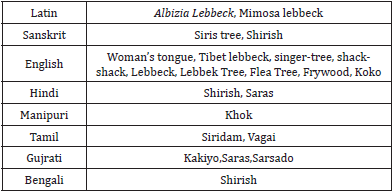
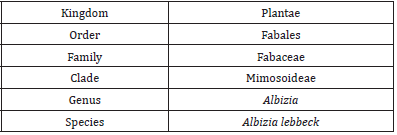
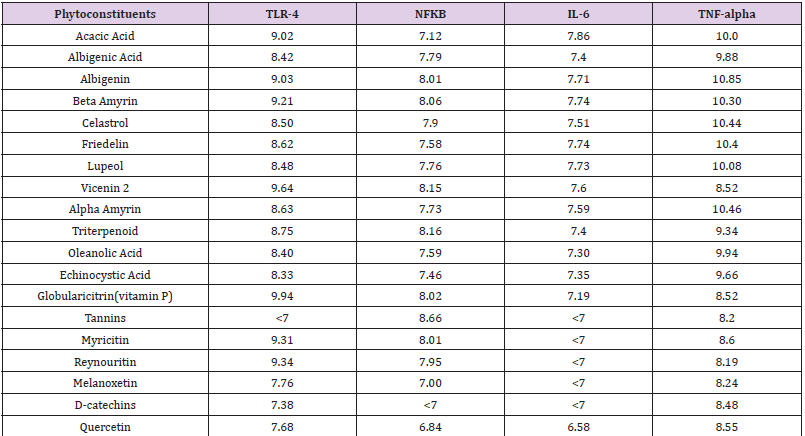
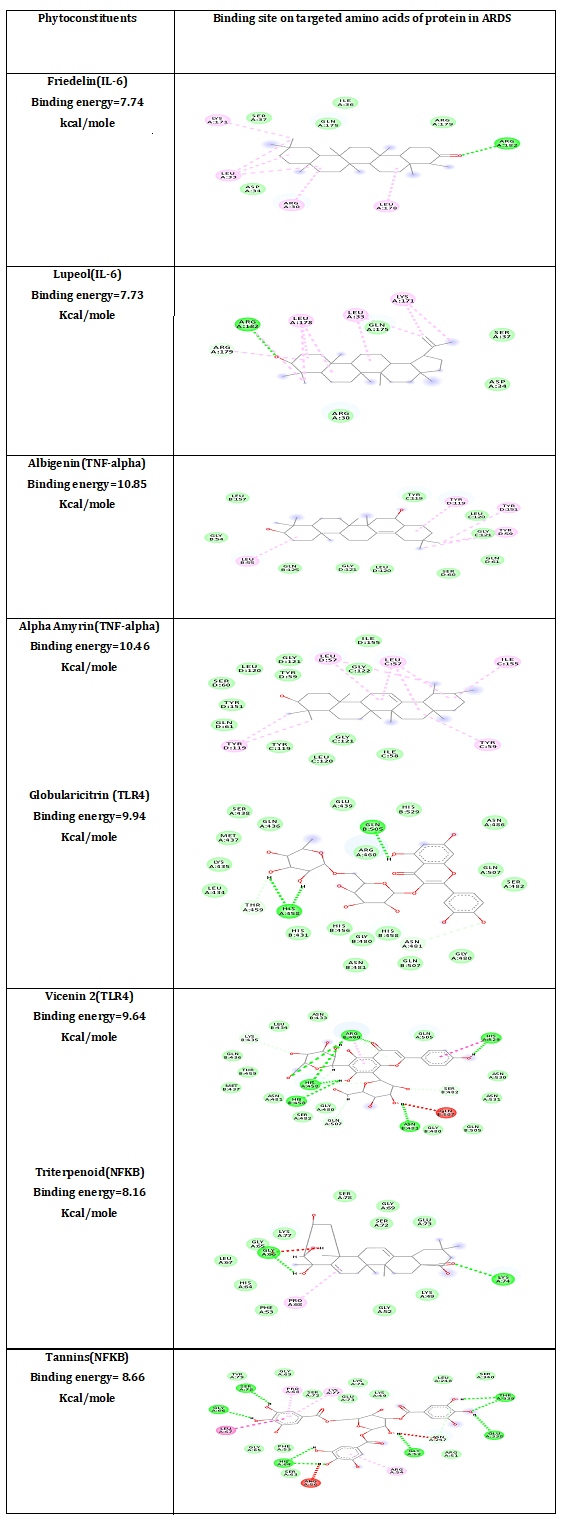
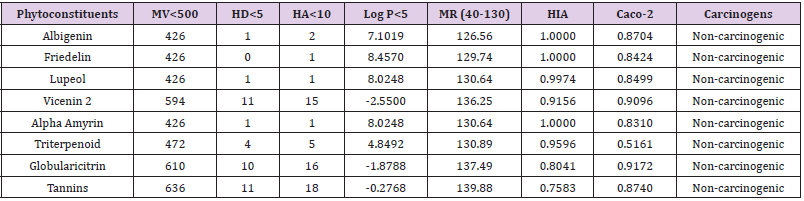
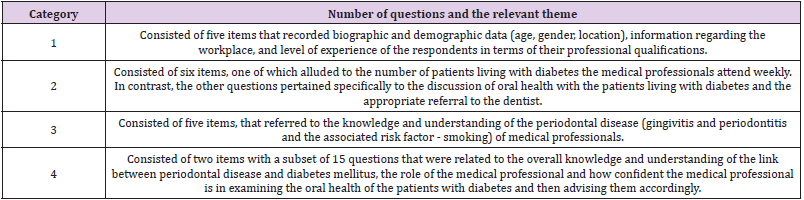
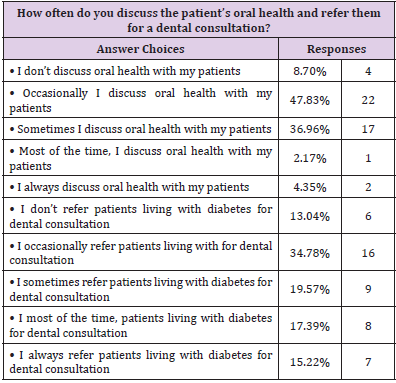
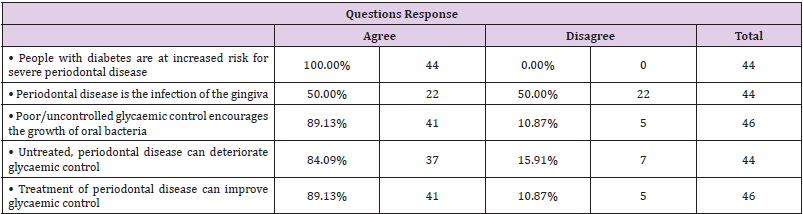

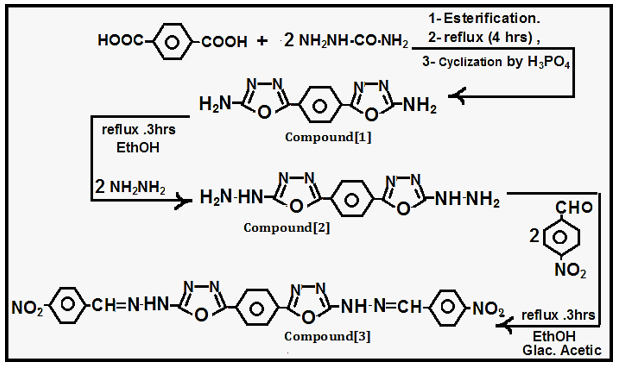
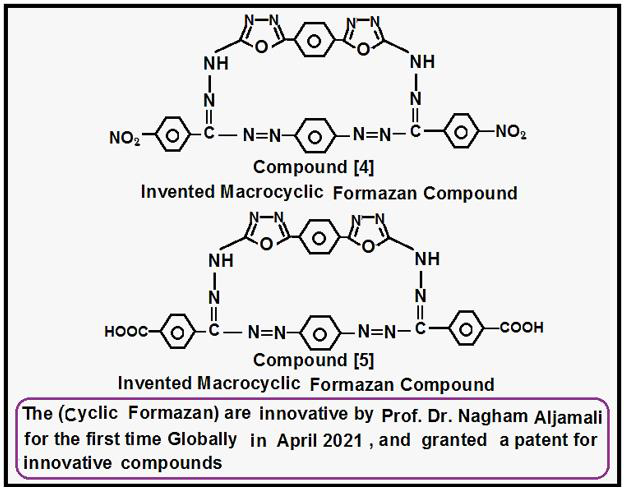

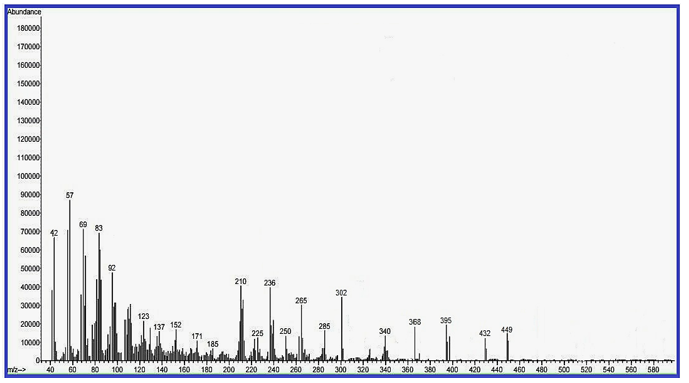
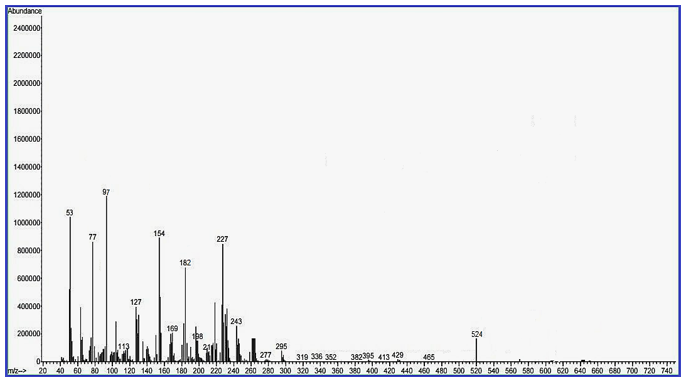
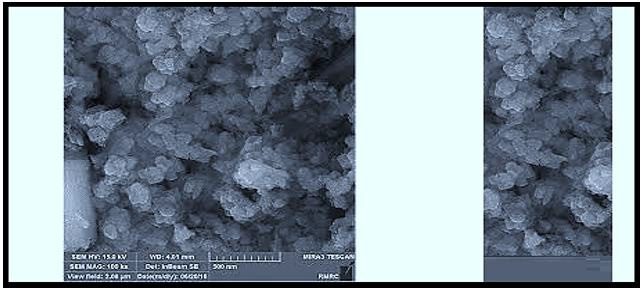
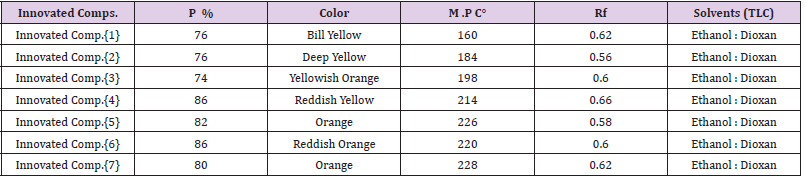
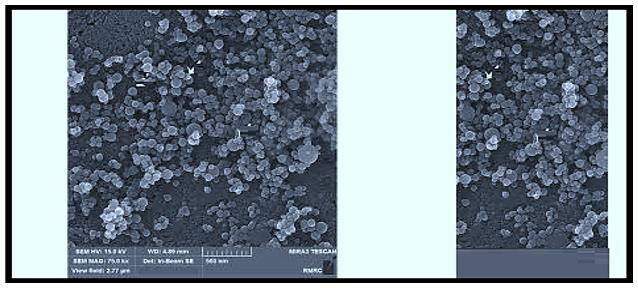
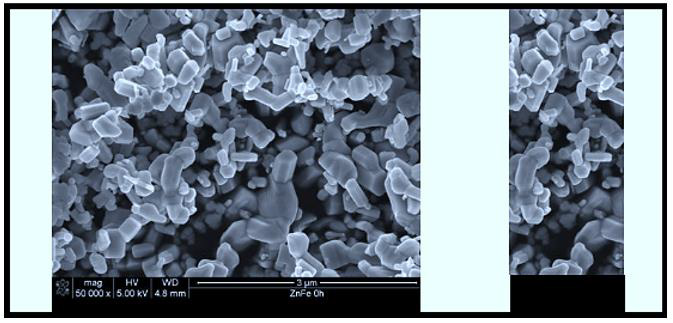
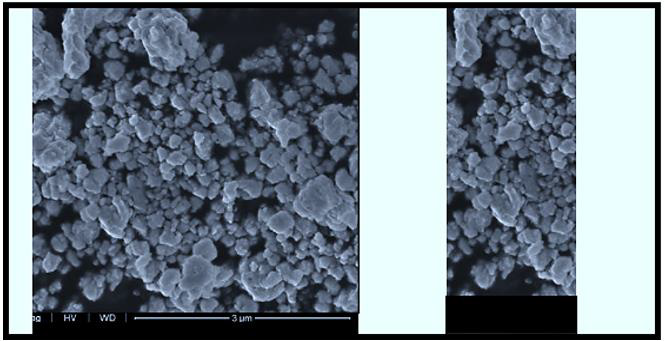
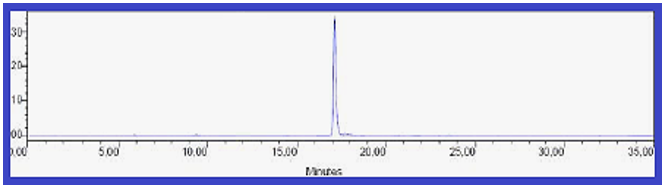
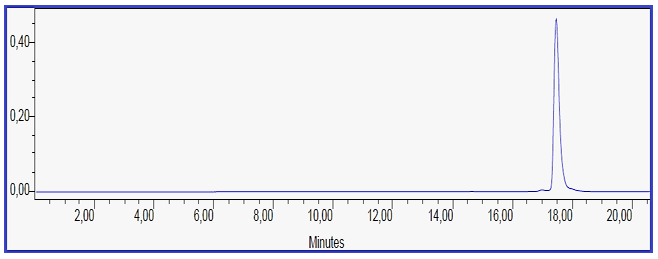
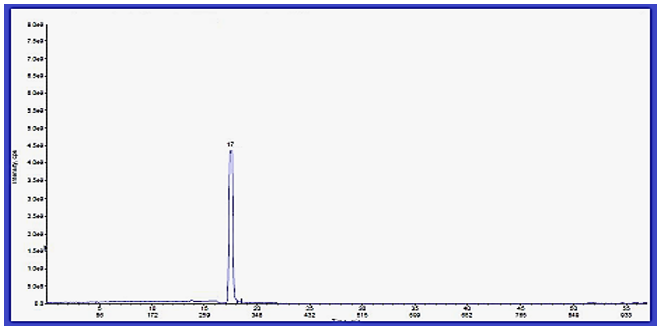
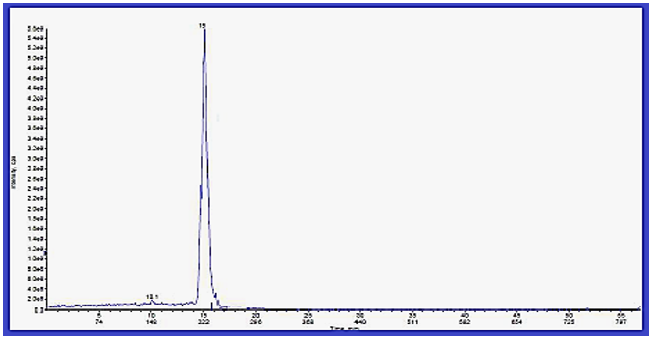

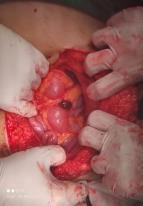
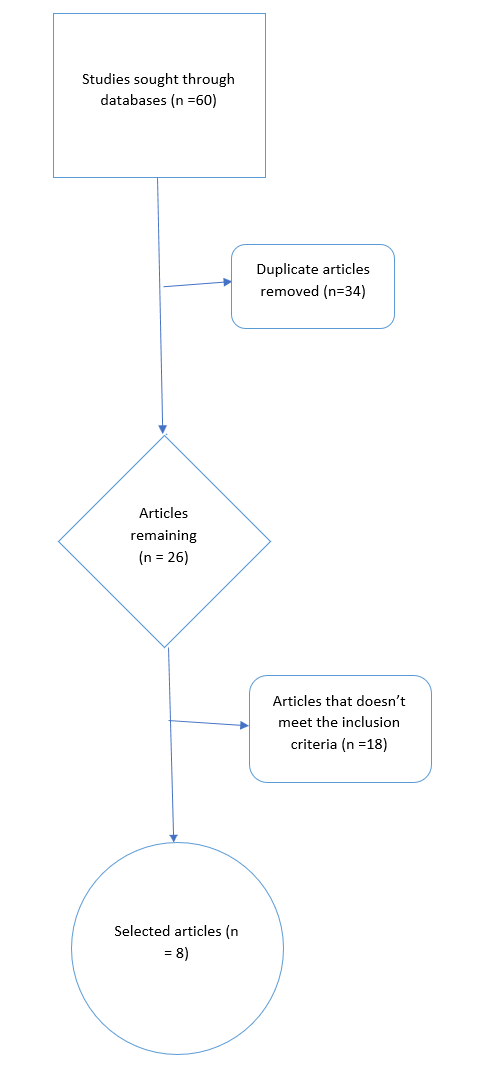

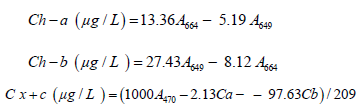
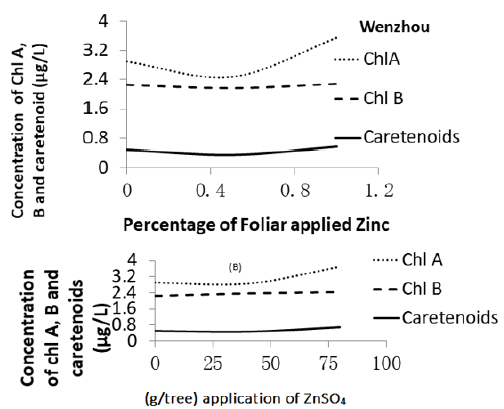
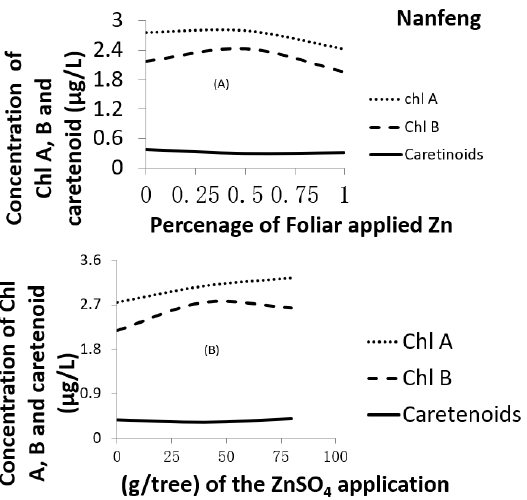
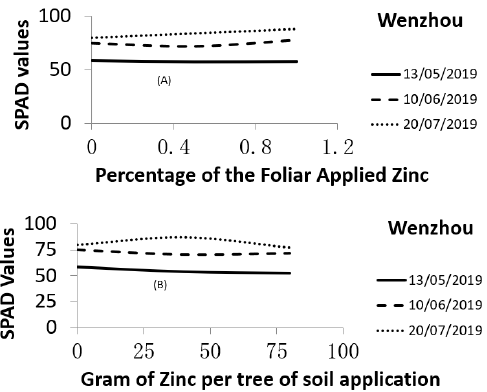
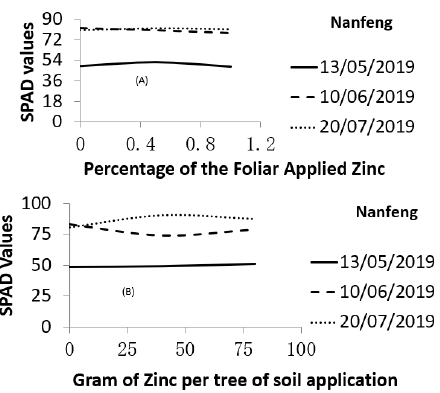
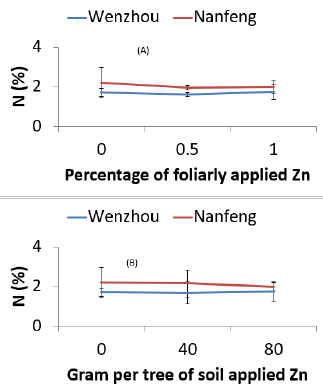
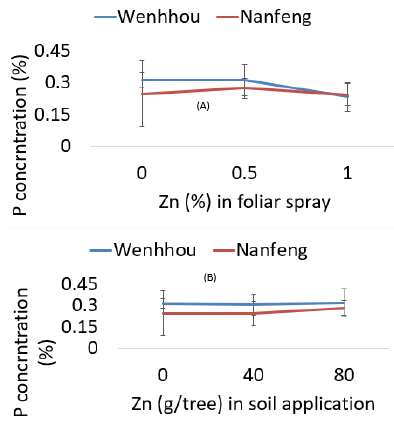

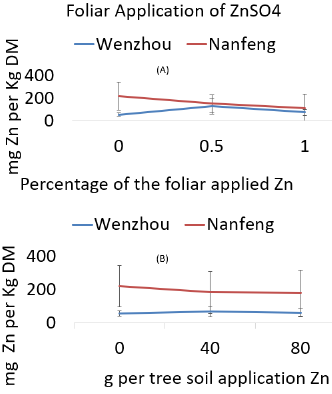
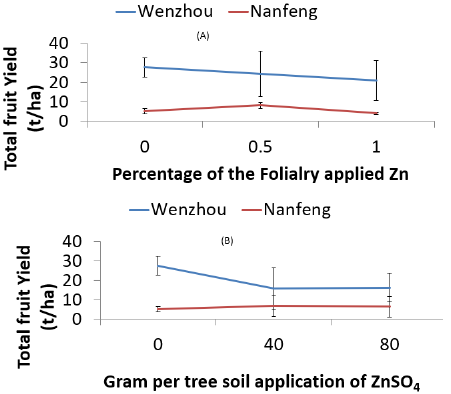
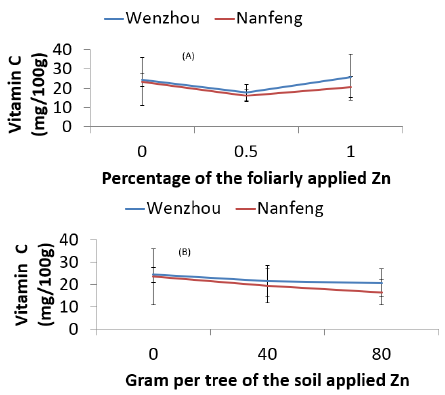
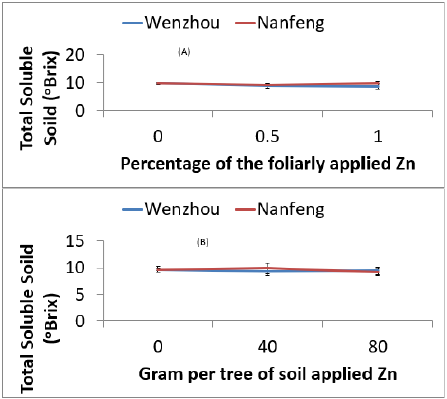
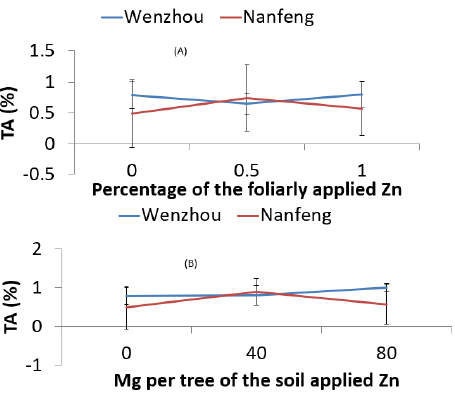


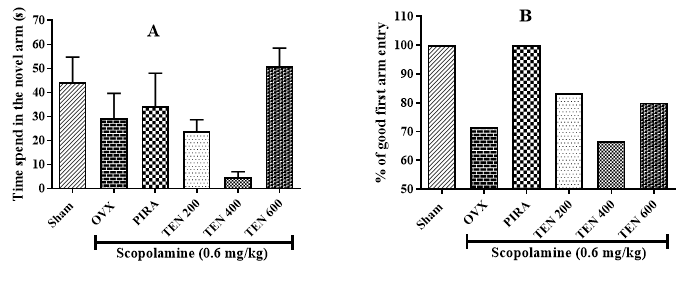
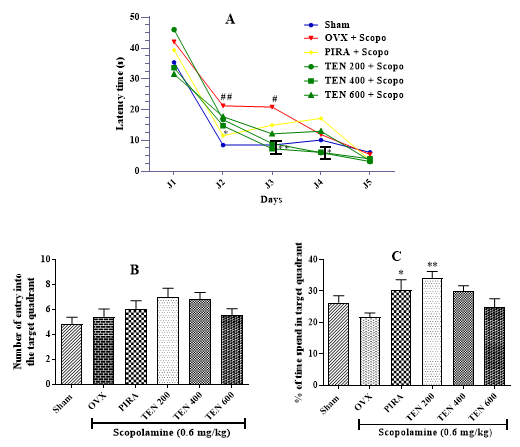
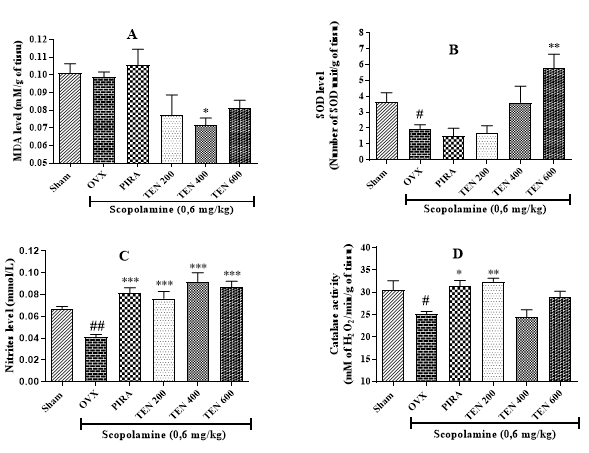
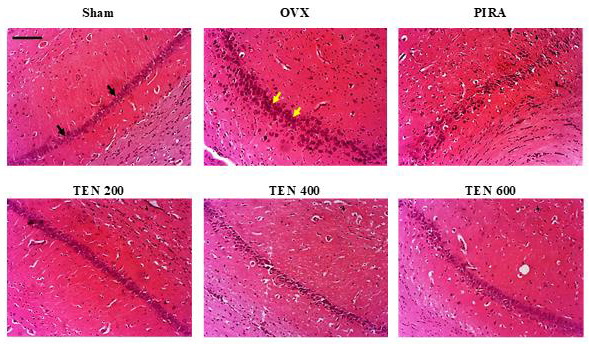
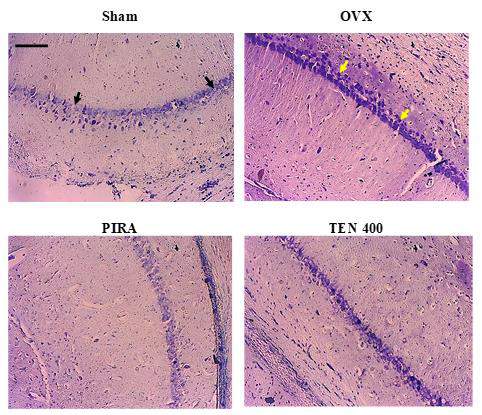
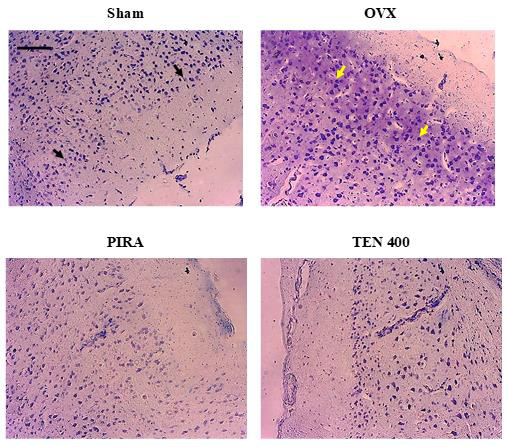
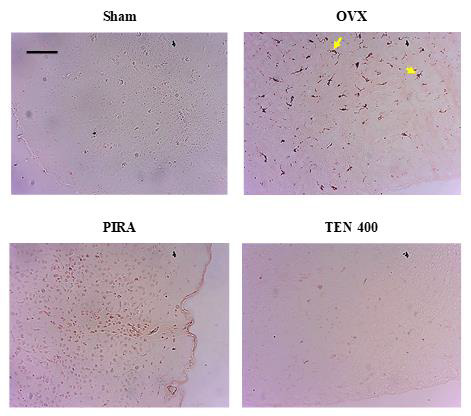
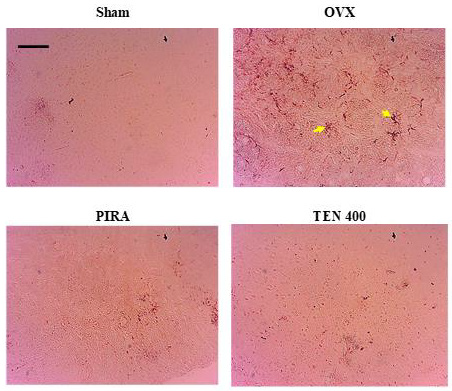
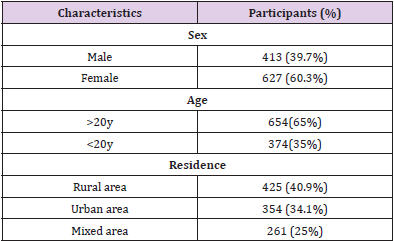
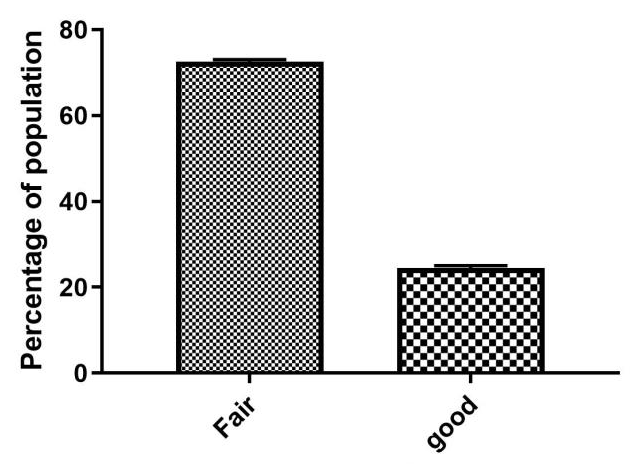
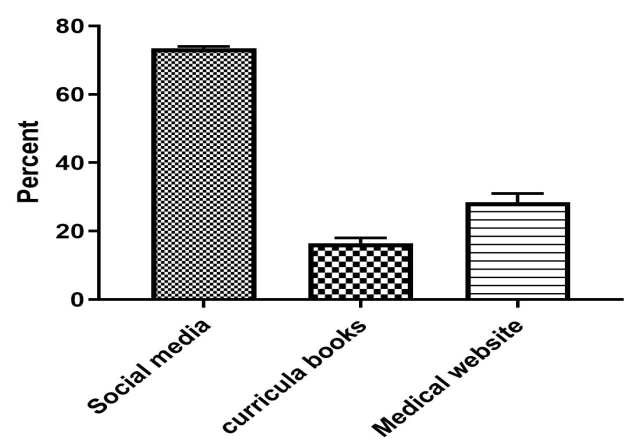
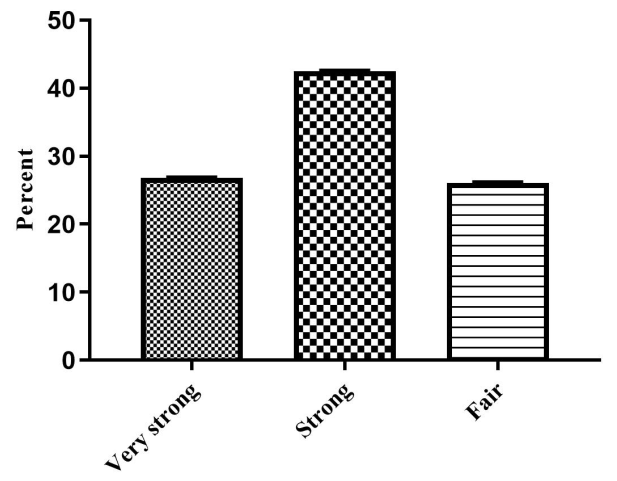
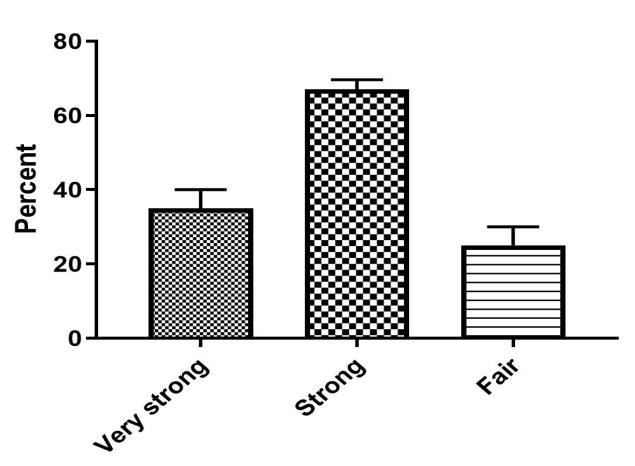
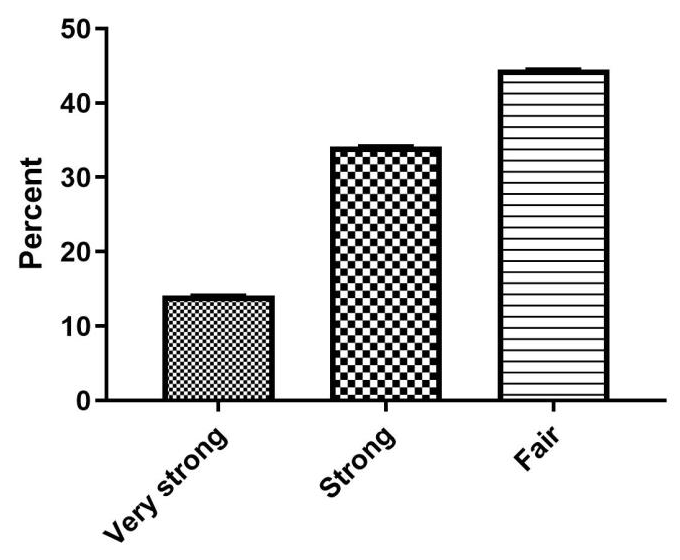
 Biomedical Journal of Scientific & Technical Research (BJSTR)