Biomedical Journal of Scientific & Technical Research (BJSTR) is a multidisciplinary, scholarly Open Access publisher focused on Genetic, Biomedical and Remedial missions in relation with Technical Knowledge as well.
A Review on “Plants Essential Oils for the Management of Respiratory Diseases”
Introduction
Respiratory disorders (chronic obstructive pulmonary disease, asthma, acute respiratory contaminations, tuberculosis, furthermore pulmonary tumor) are a significant cause of death globally [1]. According to World Health Organization Report year, almost a occurs due to acute respiratory tract infections but affect more women than men [2]. These diseases can also be found in children. As time goes, much advancementis made to discover new plant derivatives and extract to cure these respiratory diseases [3]. The casual mediator of the respiratory tract for the contaminations is Streptococcus pneumoniae in the respiratory tract; likewise, sinusitis and pneumoniae; this bacteria in hospital patients and the general population is causing agents of septicemia, otitis media, and meningitis. Worldwide high mortality rate is due to pneumonia annually, especiallyin children [4]. Essential oils are used for a lot of infectious diseases in alternative medicines. Due to antimicrobial properties, these essential oils for colds are ethnic medicineslong ago recognized and used traditionally for respiratory tract infections. In medicine, to treat chronic and acute bronchitis, essential oils are used in inhalation therapy and acute sinusitis [5].
Many important respiratory diseases include the lower and lower respiratory infection originating asthma, common cold, cough, bronchitis, whooping cough, and pneumonia [6]. In the young stock, various symptomatology and etiopathology is a challenge and multitargeted therapy demands. The chemically synthesized mono multitargeted drug are typical characteristics for plants used to make medicines based on the multicomponent composition. These components can lead to synergistic, additive, and pleiotropic effects in living organisms [7,8]. The wide spectrum of the plant’s natural products broadly represents omnivore livestock and especially the unemployed potential of herbivores for the medication [9]. For the treatment and preventing of animal and human diseases, medicinal plants are used worldwide by countries. Additionally, a few medicinal plants are recognized to inflammation, modulate the immune system and prophylaxis used for transferable diseases [10- 12].
Pathogens Causing Respiratory Infections
Some essential bacteria and viruses that cause respiratoryrelated problems include Hemophilus influenzae, Streptococcus pneumoniae, Staphylococcus aureus, Arcano-bacterium haemolyticum, Neisseria gonorrheae, ulcer and corynebacterium, and Rhinovirus, Adenovirus, Coronavirus, Metapneumovirus human, HIV, and para-influenza. All these microorganisms cause pharyngitis, bronchitis, and epiglottitis [13].
Afromomum danielli Schum (Hook f.) and A. melengueta Schum (Zingibraceae)
The chemical constituents analysis of A. melengueta seed’s crucial oil showed rich in the sesquiterpenes. Some others were monoterpenes rich samples such as 1,8-cineole, limonene. The essential oil of A. daniellii seed has anti-inflammatory activity as evaluated, as well as an inhibition fraction gave fifty out of the 237ppm (IC50) against the 0.7 ppm for the nordihydroguiaretic acid (NDGA) [14]. Achieved results highlighted essential oils potential as developed against inflammatory disorders [15].
Dennettiatripetala, G. Baker (Annonaceae)
Medicinal plants,species leaves, fruits, roots, bark, leaves in combination are used to treat cough, worm infestation, stomach upset, typhoid, fever, and vomiting [16]. In mice, anti-inflammatory and antinociceptive activity of necessary oil was checked using different typesof a model like a hot plate, induced writhings acetic acid and formalin tests, even carrageenan-induced paw edema such as paw edema as an representation against inflammation. This oil action against inflammation was similar to dexamethasone (1mg/ kg) [17].
Thymus vulgaris L. (Labiatae)
Thyme has traditionally been utilized to treat pulmonary illnesses because of its contamination-struggling as well as coughsuppressing properties [18]. Thyme tea is the cure for cough and cold from ancient times. Thyme essential oils are classified into 3 varities: thyme oil, that includes 42–60% phenols moreover is primarily thymol; origanum oil, that includes 63–74% phenols furthermore is primarily carvacrol; with lemon thyme oil, which comprises citral. Food oil supplementation at 5000 ppm reduced paw edema along with ear inflammation, as well as the microscopic and macroscopic colitis scores [19]. Approximately 80% of the world’s population is dependent on the traditional healthcare system [20]. These medications have common adverse effects, and the plants may be obtained readily from nature. In Pakistan, the Unani system predominates, although ethnomedicinal plants can also be found in isolated locations [21]. Herbal plants are rapidly vanishing from local communities, where they have been passed down orally for many years due to the changing of traditional culture [22]. According to the relevance of medicinal flora, various studies were designed to document and collect multiple types of plant oils and ethnomedicinal information about wild plants used to treat various respiratory ailments.
Methodology
Google Scholar carried out this systematic search literature. After the initial searching, published data about different plant oils are necessary for the different treatments, especially for respiratory diseases. Numbers of published research and review articles were included in the record. After reading the abstract, some repeated forms were eliminated, and further screening was done by knowing oils’ different functions categorized all articles. The remaining articles were excluded due to improper reasoning about different plant oils and their uses as a treatment [23]. The remaining studies were retrieved along with their cross-reference searching and appropriate work regarding the uses of many plants’ oils (Figure 1).
Figure 1: The flow chart for selection strategy and exclusion/inclusion criteria of plants essential oil and also uses in respiratory diseases treatment related articles.
Infections of Respiratory Tracts
The pulmonary system is separated into two parts: upper along with lower tracts. The epiglottis with accompanying nasal cavity, larynx, issues, furthermore pharynx are part of the upper respiratory tract (URT) throat [24]. The pharynx is separated into 3 tubes: the oropharynx, nasopharynx, along with laryngopharynx. The nasopharynx is striped by stratified squamous epithelial cells that harbor microbial flora. Because the upper respiratory tract mucous membrane is constant through the mucosal lining of the upper respiratory tract contaminations (URTIs), lower respiratory tract, middle ear, eustachian tube, as well as sinuses can spread and become more serious [25]. Inhalation is the most often utilized approach, and it can be classified into energetic and reflexive procedures. Energetic breathing is when patients utilize an breathing apparatus or patch to inhale the volatile components physically. When EOs are delivered to the atmosphere through warming, vaporization, or forced air ventilation, they can be used with passive inhalation. [26,27].
Vapour breathing above a bowl of warm water including a tiny quantity of eucalyptus oil is an old-fashioned and inexpensive technique to relieve the symptoms of respiratory disorders (EUO). It is possible to inhale the concentrated fragrant components by placing a towel over the head [28]. Peppermint oil is yellow, pale greenish &pale-yellow color with colorless and characteristics odor, taste. The essential oil of peppermint contains 1-3 % oils, including acetate menthyl, limonene, cineole 1-8%, mentholfuran, and acetate menthyliso-menthone, menthone, menthol, carvone, pulegone,and cineole. Peppermint’s pharmacological and therapeutic uses include digestive-related problems and respiratory disorders also effective in cough and colds.The use of 4 drops of peppermint can be very effective. Menthol effectively curingdigestive and respiratory problems [29]. The tea tree oil is effectively curing respiratory infections like bronchitis, influenza, cold. It usually has liquid & semi-solid characteristics. Although, Tea tree oil is not recommended for pregnant women [30]. Fennel bitter fruit oil is obtained from the distillation from the miller Foeniculum vulgare species.
This oil is clear and yellow in color. The vital component of this plants includes anethole trans and& fenchone. It is effective for the cure of respiratory problems. In adults, the dose of 200 microliters single dose is very effective [31]. Thyme oil is very effective in treating many respiratory diseases with 4-5 drops of thyme oil. The pharmacological and therapeutic applications effectively cure RD (respiratory disorder), catarrh bronchial, supportive pertussis treatment. [32]. The contraindication in which thyme oil is not suitablefor treatment is among pregnant women, thyroid problems, epilepsy, & patient under the age of five [33]. Cystic fibrosis (CF’s) illness and death are linked to pulmonry abnormalities illustrated through a brutal circle of hindrance, contamination with chronic airways inflammation [34]. The bronchial infection causes a severe inflammatory response that includes a huge invasion of neutrophils, leukocytes, eosinophils, lymphocytes, and monocytes [35].
Recently, investigations in the treatment of CF have focused on using hypertonic salt solutions or osmotic medications like mannitol [36], systemic corticosteroids [37], ibuprofen, [38], azithromycin [39]. EOs are useful for the cure of CF because of their antimicrobial and anti-inflammatory actions. One of the mainly frequent viral upper respiratory tract contaminations in kids is acute otitis media [40]. Microcapsules of orange peel essential oil (OPEO) were tested on mice with acute otitis media. Anise oils are usually obtained from a distillation process of the fruits with a colorless liquid. The fruit of this oil contains almost 2% of essential oil—the oil of these plants is effectively used in respiratory problems [41]. Essential oils may find new applications in the treatment of RTDs as a result of technical solutions. The microbiological agent causing RTDs must be determined to evaluate the proper treatment.
Conclusion
Results proposed that alternative medicines and different plants oils are essential as a natural therapy for many respiratory diseases. These essential oils had hundred of chemical components, phenylpropanoids, and sesquiterpenoids. They are managed orally (peppermint oil) and inhalation (eucalyptus) for therapeutic purposes. The thyme oil (geraniol red and wild types) may warrant further therapeutic efficacy in respiratory tract infections. For evaluation,the antibacterial outcomes of essential oils in opposition to a range of microbial organisms affect the respiratory system. Plants oil in herbal medication helpsease the problem of respiratory disorders.
Silicon Nanowires: Innovative Control Growth Enabling Advanced Applications
Introduction
The topic of silicon nanowires (Si-NWs) is a timely emergent study. Over the last few years Si-NWs have come under intensive research as a result of their potential characteristics and conceivable as key materials in advanced optoelectronic applications [1-3]. The review work on a fast-developing topic is not a trivial objective, and it is even more critical with nanotechnology-related subject matters. This review is focused on experimental work and progress of silicon nanowires (Si-NWs) technology for the past decades, with more focus on the last decade work. Si-NWs are particularly important, based on the well-known fact of the technological importance of Si material. Moreover, the particular advantages of nano-morphology of high ratio of the area of the surface to the corresponding volume and their related applications [4]. Any application take place at the outer sur-face of the material such as chemical reactions or photon absorption, it will obviously speed up at that surface of extremely high area [4,5]. Indeed, there are potential features of Si-NWs to be integrated with the available applications, such as, photovoltaic (PV) [2,4,6]. The transistor of Metal Oxide Semiconductor Field Effect would benefit from the advancement of Si-NWs in improving performance, such as the Vertical Transport Field Effect Transistor (VTFET) [7]. Moreover, some lights have been shed on integrating Si-NWs in developing Atomic Force Microscopy (AFM) [8], Raman spectroscopy [9], and as stands alone applications, such as sensors [3,9-12]. Simulation studies on the possible integration of nanowires to various device fabrication techniques is of great interest at this stage.
Figure 1: Schematic illustration shows a substrate, and the bottom-up process where atoms (the building units) are moving towards or deposited on the substrate, when atoms are moving away or etched from substrate in the top-down mechanism.
Particularly, in building specific device structures and studying the expected I-V performance. It has been demonstrated, as an example, using a 3DS quantum simulator of Atlas numerical which is built based on non-equilibrium green’s function formalism the physical channel contraction upon nanowires integration with Field Effect Transistors (FET) [8]. The fabrication approaches and progress of growing Si-NWs are based mainly on; bottom-up and top-down techniques. The direct epitaxial growth of Si-NWs from a catalyzing material on a substrate are called bottom-up growth technique. While photoresist patterning on top of a silicon substrate followed by etching to create vertical structures is explained as top-down approach (Figure 1). Where The details of top-down Si-NWs fabrication approach can be found elsewhere [5,13]. The pioneer work in 1965, carried out by Wagner and Ellis [14-16], has led the current work on Si-NWs. The VLS growth system uses metallic droplets or particles (after annealing the sheet layer of metals on the Si substrate), as a seed material nucleating the growth of Si-NWs and adsorb Si gaseous atoms of SiH4 precursors then precipitate to allow crystal growth. The classical example of growing Si-NWs is the VLS system where gold (Au) metal act as a catalyst eutectic droplet. A recent work by Ramanujam, et al. [17] has report-ed the growth and properties of Si-NWs. It has been reviewed various growth methods currently employed in bottom-up Si-NWs growth with special attention on Au and non- Au catalysts. Au is the most widely used catalyst for Si-NWs growth by CVD under VLS mechanism, as it offers a good size control. Indeed, there are other growth mechanisms such as vapour– solid–solid (VSS), Solution–liquid–solid (SLS) at the Ultra High Vacuum Chemical Vapor Deposition (UHVCVD) reactor, or using the advanced Molecular Beam Epitaxy (MBE), or laser ablation which have been employed to address issues related to control Si-NWs, such as, diameter, aspect ratio, position. Moreover, catalyst free ox-ide- assisted methods have also been utilized to grow Si-NWs. Precise positioning of nanowires can be achieved by Electron Beam Lithography (EBL) [18]. Studying the physical properties of the structure of Si-NWs is predominantly critical so that a reproducible relationship between their required functionality and role with their geometrical characteristics can be built. Si-NWs may possess disparate properties due to differences in their crystal phase and directions, crystalline size, i.e., bulk substrates (3D), and nanowires (1D), or thin film or nanomembranes (2D), surface conditions, and aspect ratios.
Most studies to- date have used Au as a catalyst for Si-NWs due to the ease of handling that arises from its high resistance to oxidation [1,4,19]. Indeed, the interest in other metals to seed the growth of Si-NWs has arisen from the fact that Au impurities in Si de-creases the carrier mobility, lifetime, and diffusion length, as Au act as a deep level trap [20]. From the practical point of view, it is desirable to avoid using Au as a catalyst of Si-NWs growth [21]. Based on the previous, the gap in the knowledge of Si-NWs growth and applications is a comprehensive study on Si-NWs catalysed with elements such as Al which assist the growth and alloy for advanced applications. The concept of growing semiconductor nanowires is presented in the next session, along with selected resembling tabulated information of growth techniques and catalysts materials. Where semiconductor nanowires section leads us to a more a specific topic of silicon nanowires and related techniques and applications.
Epitaxial Growth of Si-NWs
The bottom-up growth of Si-NWs can be described as shown in Figure 2; in the first step depicted in the figure, bulk Si substrate, or a thin grown layer of Si on a cheap substrate such as PC (polycarbonate), PMMA (polymethyl methyl acrylate) or glass. In the second step, a few nanometers thick metal catalyst deposited on the surface, which upon annealing it segregates in isolated droplets in the third step. Precursors gas flows in the Ultra High Vacuum Chemical Vapor Deposition (UHVCVD) reactor such as silane (SiH4), where Si atoms react at the metal-droplet surfaces and dissolve into solution within the metal (step 4). The catalyst materials supersaturate, inducing precipitation of crystalline Si vapor atoms upon the substrate. As precipitation occurs only at the droplet metal (liquid)–semiconductor (solid) interfaces, the semiconductor atoms crystallite in wire structures with diameters controlled mainly by the diameter of the metal droplet (step 5). This growth practice has been termed by Wagner and Ellis as VLS growth after the three co-existing phases: the vaporous precursors (such as Siv), liquid catalyst droplets (such as Aul) and the solid silicon substrate (Sis). Notice the incorporation, which is quite likely, of some of seed metal atoms within the grown Si-NWs, as it has been described schematically in Figure 2.
Figure 2: The main five sequence steps of the VLS growth procedure as explained in the text.
Original Work of Growing Si-NWs: Catalysts Span from Gold to Aluminum
The cutting-edge technology of growing semiconductors for advanced applications is MBE where the control can be down to atomic level. MBE is an ultra-high vacuum technique that is used when thin films of the highest quality and an atomic-level perfection is required. Where Shuji Nakamura, awarded the Nobel Prize in 2014 on the invention of the blue InGaN LED using the MBE system [22]. Moreover, the very recent work by Sadeghi et al. [23]. On growing BaZrS3 chalcogenide perovskite thin films by MBE [22- 24]. The technique of Nanoscale Chemical Templating (NCT) which was invented in 2013 by Khayyat et al, controlling the position of growing Si-NWs using chemically active catalysts [23]. Based on the binary phase diagram, as shown in Figure 3, of Si and Au, the lowest melting temperature for the Au–Si eutectic is 363 °C. The eutectic is lower than the melting points of Au and Si, which are 1064 °C, and 1414 °C respectively [21]. Considering that the liquid phase of the metal is thermodynamically equilibrated with the solid one of the substrate, the lowering of the melting point, with the size of the droplet is given by equation 1 [13];
Where δT is the lowering of the melting point, σ is the interfacial-energy, T0 is the melting point of the bulk metal, ρ is the material density, L is the latent heat, r is the radius of the circle of the catalyst.
As shown in the phase diagram in Figure 3, the eutectic temperature can be summarized as a mixture of two elements at certain proportions that its melting point is much lower than the melting point of either of the two elements that make it up. Thus, annealing the samples which composed of Au film evaporated on Si substrate to the liquid Au–Si eutectic temperature of 363 °C. If these Au–Si alloy droplets are placed in an ambient containing a gaseous silicon precursor such as silane (SiH4), the precursor molecules decompose into Si and H2 at the outer surface of the metal droplets, thereby supplying additional Si to the Au–Si alloy. It has been confirmed experimentally [1] that Si-NWs grow perpendicularly on Si(111), as it is represented in Figure 4. However, the growth direction of the Si-NWs by any possible variation on one or more growth parameters including the growth temperature, which can be attributed in term of surface/interface energy [1,13,15,16].
Figure 3: Binary-phase diagram for the Au–Si system. The shaded area de-scribed by VLS is the range of temperatures at which VLS growth occurs [1].
Figure 4:
a) Schematic representation of epitaxial growth of Si-NWs,
b) Epitaxial growth, i. e; the crystal structure of the grown nanowires is similar to the substrate,
c) SEM micrograph of epitaxial grown Si-NWs on Si(111) substrate catalysed with Al. [36].
There are a number of CVD systems exist, these can be classified by several parameters mainly the base and operation pressure, such as Ultra High Vacuum Chemical Vapor Deposition (UHVCVD) [25,26] . In the VLS wire growth the radius of the seed droplet relates to the radius of the nanowire as described in Equation 2 [15].
Where σl is the surface tension of the liquid catalyst, and σls is the surface tension of the liquid catalyst interface, r is the radius of the Si-NWs, and R is radius of the seed droplet or catalyst. Studying the various related growth parameters of pressure, temperature and position are of critical importance for implementation of Si- NWs as building units at various applications.
Innovative Approach of Growing Si-NWs: Nanoscale Chemical Templating Technique
Si-NWs for device fabrication. Photo lithography or Electron-Beam Lithography can be used for predefining the precise position of the catalysts, and consequently the spatial placement of nanowires. The topic of controlling the growth position of Si-NWs is an active research topic among several research groups [1,27-36]. Most of the well-established research projects on positioning Si-NWs for further device integration have used Au. The innovative approach of the spatial placement of Si-NWs known as Nanoscale Chemical Templating (NCT) has several advanced applications. NCT main application is growing Si-NWs catalyzed Al, which is p-type dopant and a standard metal in silicon process industrial line. The technique is based on patterning a substrate, such as Si, Ge, or GaAs, which is capable of forming alloys with Al during a following annealing step [26]. The concept of the NCT technique arises as a technical innovative solution of the issue of the defective thin planar grown layer (a few nanometers) between the grown Si-NWs, during the time of growing several hundreds nanometers of NWs Now, what does make NCT an innovative solution? [26]. NCT technique is a method involves the following advantages;
I. Does not require seed material removal (Al) (Figure 5(I)).
II. Does not require any lithography steps (Figure 5(II)).
III. Multiple application space (Figure 5(III)).
I. i.Figure 5(I) explains how NCT does not require Al removal. (I-a) shows the patterned oxidized surface of the Si substrate forming SiO2 layer after photo- or electron beam-lithography. (I-b) shows schematically the sample after Al deposition and annealing, where agglomeration occurs of Al:Si feature in the openings forming the NW seeds, while the Al in contact with SiO2 has reacted with and roughened the surface. (I-c) shows the NW growth. Notice that a single NW per opening is achieved with fidelity higher than 90%. [24] (I-c3), (I-c4) show a larger area containing both a patterned area and an area with no oxide on the left where random growth appears. Silica microsphere can be used to control the position of the grown Si-NWs, as described in 5 (II). In comparison to the previous approach of lithography, here silica microspheres play the role of SiO2 layer in templating the growth placement of Si-NWs. The schematic representation of spinning silica microsphere, where no lithography is required, on Si substrate, followed by a thin layer evaporation of Al (10nm) and the subsequent step of annealing as shown in (a), where (b) shows the Si-NWs growth between silica microspheres, where growth optimization can be undertaken in future work.
The concept of patterning III-V semiconductor materials selectively is of high industrial importance and it is considered as one of the applications of the NCT technique (III) [26]. This suggested application can be extended to forming novel patterning in III-V semiconductors (Figure 5(III)). For example, Al reaction with GaAs will lead to formation of GaAl As selectively in exposed GaAs regions, thereby allowing to obtain patterned GaAlAs and GaAs regions adjacent to each other. Such structures have applications for optoelectronic and FET-like devices (Figure 6).
Figure 5:
I.(a)–(c) The NCT technique schematic representation and SEM micrographs. ((a1), (b1), (c1) and (c4)) and plan view ((a2), (b2), (c2) and (c3)). The scale bars are as follows; (a1) and (b1) 100 nm; (c1) 300 nm; (a2), (b2), and (c2) 1μm; (c3) and (c4) 20 μm.
II.Silica microspheres representation of the NCT technique (a& b), and the corresponding SEM micrograph as a proof of the concept. (II-a) The silica microspheres are dispersed on a Si substrate, then Al deposition and the subsequent annealing process, Al reacts with the oxide (SiO2) in the microspheres, but the Al droplet on the Si substrate, between the microspheres, are ready to seed the growth of Si-NWs, (II-b). A cross-sectional SEM image, note the bright core of the microspheres, as shown by ar-row 1 at both the schematic & SEM of the unoxidized silica (SiO2) and the darker contrast (marked as arrow 2) at the microsphere surface where the Al was deposited and the planner growth of Si was occurred.
III.Selective growth of AlGaAs for further applications, as represented schematically.
Applications on Nanoscale Chemical Templating Technique
There are several applications of the NCT technique of Si- NWs, such as photovoltaic (PV) made of p-n junctions of NWs as shown in figure 6, or can be used to improve the resolution of Atomic Force Microscopy (AFM) (Figure 7) [27], and in Metal Oxide Semi-conductor Field Effect Transistor (MOSFET) to overcome the technological limit of the channel length using Si-NWs meeting the target of miniaturizing as shown in figure 8
Figure 6:
Schematic representation of
a) Si-NW as an axial heterojunction.
b) Radial heterojunction
c) PV cell as a core-shell [3].
Figure 7: Growing Si-NWs (p-type) doped with Al using NCT, then forming shell of n-type building p-n junctions, where voids appear between formed junctions, finally fabricating the PV cells of 1 cm2 surface area.
Photovoltaic Cells
PV Cells made of Si-NWs p-n junctions have attracted the attention of the scientific community, because of their potential benefits in their short carrier diffusion length across the diameters of the NWs, and their high light absorption. There are several potential benefits of Si-NWs solar cells over conventional bulk Si one or thin film devices related primarily to cost reduction. This is basically because the Si substrates do not need to be of high purity to fabricate solar cells of Si-NWs. The potential cost of the PV cells reduces by lowering the purity standard and the amount of Si substrates [6]. There are several re-search groups are working in developing PV cells based on Si-NWs. The Lieber [20] and Atwater [12] and other groups [5,37] have developed core-shell growth for their Si-NWs p-n junctions. Moreover, the ability to make single-crystalline Si-NWs on low-cost substrates such as Al foil represents an extra parameter to reduce the overall cost of the cells. Catalysing the growth of Si-NWS and p or n doping the grown Si- NWs at the same time will be of potential importance for advanced applications. Catalysts can be selected based on phase binary phase diagrams [1].
During devices’ characterization it has been noticed that some of the PV Si-NW de-vice are shorted junctions. To study this problem two experiments were designed, to investigate the growth temperature of the capping layers (planner growth without NWs) on Si(100) and Si(111) and measure the shunt resistance vs. position of the grown layer. The shunt resistance varies slightly across the surface of the sample; however, it was low indicating defective planner growth. On the other hand, the growth temperature seems to affect the potential barrier. At this point it was thought that it is important to come up with a method to isolate the planner defective grown areas between NWs from the rest of the device, i.e., nanopatterning. This necessarily eliminates all of the previously described methods of templating the growth, because the metals cannot be protected from oxidation during the patterning processes. The current NCT technique presents a technique that us-es the oxygen sensitivity to template the growth of nanowires with Al and other oxygen reactive materials. In NCT technique, SiO2 layer has been used as a separation layer be-tween the planar defective growth [5,12]. Rectifying junctions of an array of Si-NWs, catalysed by Al, were fabricated (Figure 7). The prepared junctions have exhibited slight light sensitivity, which yield relatively low energy conversion efficiency. However, the fact that silicon solar cells based on nanowires have very short p-n junctions which might increases the carrier collection in the core-shell of the nanowire structure. The above stated details of advantages and challenges of PV devices based on Si-NWs can be summarized as follows (Table 1). The possible advantages of integrating Si-NWs in relatively large scale solar cells make further investigations worth through simulation and experimental studies for future generation devices. The cumulative effort of various research groups, including ours, have worked to point out the technical challenges which of producing large area (>mm2) solar cells from core-shell Si-NWs and other related structures [38]. Rectifying junctions of an array of Si-NWs, catalysed by Al, were fabricated. The shunt regions between the NWs were identified, and a novel oxidation scheme of NCT technique was employed.
Table 1: List of the main advances & challenges of PV cells based on Si-NWs technology [56].
Atomic Force Microscopy
AFM is a machine invented in 1968, for imaging the surface of samples at scales ranging from microns to nanometer, by means of mechanical forces. The AFM consists mainly of three parts: the optical head, the scanner, and the base. The optical head is the main part of the AFM, which is called sometimes the optical sensing system. It is made of a very sharp tip (few nm wide) which is extended down from the end of a small cantilever of SiN or Si (~100μm long), and an optical system to sense the cantilever deflection. The fast progress of nanoscience has been benefited from the invention of the AFM, and this development has been increased by the advancement of AFM based on the progress of Si-NWs growth techniques. It has been proposed to improve the resolution of AFM tips in a production scale [27]. The concept of the technique of improving the resolution of the AFM tips is described in Figure 8, along with the various steps of the Si-NW growth on the tip of the available Si(100) or Si(111) AFM tips. Figure 8 is showing an AFM tip comprising a silicon cantilever, an etched silicon pyramid formed near one end of cantilever, and a Si-NW is extending from the apex of pyramid. An oxide coating covers the pyramid surfaces with the exception of an opening from which silicon wire was grown. The wire is typically grown by the VLS method in a CVD reactor, which uses a catalyst to promote the wires growth. Typical catalysts may include metals such as Al, Au, Ti, with Al being the preferred choice. The growth of Si-NWs has two components; the first component is the longitudinal growth, which is the growth promoted by the catalyst, and defines the wire length, and the second component is the radial growth. This component is reason for the tapered shape of wire. The radial growth is usually undesirable and needs to be minimized. Lower growth temperature can reduce the amount of tapering by increase the ratio of the longitudinal growth rate to the radial growth rate. However, the use of a lower growth temperature has some disadvantages among which are introduction of crystal defects and a lower absolute longitudinal growth rate which render the fabrication process more expensive as throughput is reduced.
Figure 8: Schematic illustration of detailed steps of Si-NWs integration with AFM tips [27], the square based Si(100) or the triangle based Si(111) cantilever were first oxidized forming SiO2 (step 1), spinning photoresist (step 2), oxygen plasma etching the tip (step 3), BOE etching removing the oxide layer at the tip (step 4), photoresist removal (step 5), followed by Al deposition (step 6), annealing to ball-up the Al droplet at the tip (step 7), finally Si-NWs growth perpendicularly on Si(111) and tilted on Si(100).
The use of an Al catalyst provides a unique advantage for obtaining wires with no tapering, i.e. wires that have a constant cross-sectional shape. The wire comprises of two parts, a core and a shell. When Al is used as a catalyst the core will be doped with Al, form an acceptor level in silicon (Ea-Ev=0.067 eV) and as a result the core will be p-type doped. The shell which forms due to the radial growth remains mostly undoped. A Si etchant such as tetramethylammonium hydroxide (TMAH) or potassium hydroxide (KOH) can now be used to etch electively the undoped shell with respect to the p-doped core. It is showing the wire after the shell was etched.
The grown Si-NW on Si(100) of the squared-base tip is 45° tilted, while Si-NW grow perpendicularly on the tip of the AFM tip of the triangular base of Si(111) [32-39]. Where further reduction of the average wire diameter to the nanometer scale can be done via oxidation or hydrogen annealing [8,22-24,40]. The radius of a Si-NW can be reduced using oxidation sharpening technique. The tip with the grown NW is thermally oxidized at 950 °C for a certain time to oxide the outer-most layer the NW, then etch AlSiOx in HF. This enables steeply rising steps to be imaged without the result showing the shape of the AFM tip. AFM can be used to measure surface roughness, scratching, and indentation. The assembled Si- NW scanning tips are suitable for critical topography investigations comparable with the original scanning tips considering the high aspect-ratio nature of NWs and the superior mechanical hardness [41-43]. Moreover, the growth direction can be tailored based on the required AFM investigations. On Si (111), NWs will grow perpendicularly, where as they grow 45° tilted on Si(100) surfaces.
Metal Oxide Semiconductor Field Effect Transistors
MOSFET current technology can be improved in some of its parts using Si-NWs, as shown in Figure 9 [8]. Employing Si-NWs as a conduction channel of the npn MOSFET between the source and drain for minimizing the short‐channel effects. When a positive voltage is applied to the gate (p-type) the holes in the p-type semiconductor are repelled from the surface (the opposite voltage is correct for pnp MOSFET), then the minority carrier conduction electrons are attracted to the top surface of the transistor. The applied gate voltage exceeds the threshold value, to be followed by an inversion layer formation at the uppermost layer providing a conduction channel between the source and the drain. The width of the conduction channel is controlled by the diameter of the Si- NWs. Where the presented a 3-D schematic diagram of the circular gate-all-around Silicon On Insulator (SOI) nanowire FET with z-axis physical symmetrical contraction, in a structure can be called resonant tunnelling nanowire FET (RT-NWFET). The are more key parameters have showed superior properties, where it can be speculated that, the built device via simulation, of RT-NWFET would be an important device for the complementary MOSFET applications. Moreover, effective integration of Si-NWs and MOSFET will result in modern complementary metal‐oxide‐semiconductor (CMOS) technology along with memory applications. Because of the enhanced surface to volume ratio of NWs, their transport behavior may be adjusted by altering their surface conditions, and this property may be utilized for sensor applications. Si-NWs sensors will potentially be smaller, operate with less power, and react faster [40-42]. The concept can be extended to forming novel patterning in III-V semiconductors. For example, Al reaction with GaAs will lead to formation of GaAl As selectively in exposed GaAs regions, thereby allowing to obtain patterned GaAlAs and GaAs regions adjacent to each other. Such structures have applications for optoelectronic and FET-like devices.
Figure 9:
a) Shows a schematic representation of an (npn) MOSFET the conventional one, in parallel with the innovative one of NWs
b) Shows the migrating of charges based on the applied voltages, and
c) Presents the formation of the inversion layer, the channel across the diameter of the NW.
Research Directions of Si-NWs
This review is an attempted to shed some lights on the progresses made during the last decade, ranging from Si-NWs growth with control of their position at the nanoscale level [38]. The properties of epitaxial growth of Si-NWs, along with some potential applications of stand-alone Si-NWs or integrated with other well established technologies for further development. We conclude this review article with some remarks for future research, with some direct questions as follows; Will nanowires research provide new windows for new science? Will it guide researchers to new applications? [44-47]. Studies of nanowire and/or nanorods are among the most active topics of nanotechnology, as shown in figure 10, where the total cumulative published studies starting from 2011 up to 2020 have been increased quite markedly exhibiting the technological importance of this research area. The scientific community tend to describe the 1D structures as nanowires or nanorods. If there is any technical difference between nanowires and nanorods them is assigned to the relative ratio between their diameters to their lengths. This ratio is smaller in case of nanowires. Scientists sometimes use nanowires and nanorods equally. Nanowires are one dimensional nano-structures which have diameters of the order of tens of nanometers, with unconstrained length scales. The ratio between their diameters to their lengths may be less than 10-3. While for the nanorods, that ratio here is almost ranged between 0.1 and 0.3 only (Figure 10).
Figure 10: The total cumulative publications on nanowires & nanorods topics in 10 years. Where x-axis represents the number of articles in kilo.
Nanomaterials like the nanowires or nanorods have dimensions within the nanometer range. They are called one- dimensional nanostructures materials. The difference between them and their naming are attributed to the relative ratio between their lengths to their diameters, i.e.; their aspect ratios. The aspect ratio is smaller in case of nanorods, it could be in the range of 3 to 5. While nanowires have diameters of the order of tens of nanometers, with unconstrained length scales, with aspects ratios could be above 1000. The ever-growing demand for smaller electronic devices is prompting the scientific community to produce circuits whose components satisfies size and weight requirements. This demand can be reached be employing Si-NWs, considering their distinct properties, and their combined attributes of cost effectiveness and mature manufacturing infrastructures and use them as nanocomponents to build nano circuits and nano biosensors. [43- 46]. Control of the synthesis and the surface properties of Si-NWs may open new opportunities in the field of silicon nanoelectronics Moreover, To sum up, semiconductors will continue to inspire us and improving our life quality via continuous dedicative research activities, overcoming the current fabrication barriers [46-51]. MOSFET is the key unit of electronic industries, microprocessors, memory chip, and telecommunications circuits. Based on this, any possible limitations with MOSFET technologies, will consequently affect the other related applications [52,53]. Moore observed an exponential doubling in the number of transistors in every 18 months through the size reduction of transistor components. This limitation is directly related to the fact that we cannot break down the atomic size barrier, which implies a fundamental size limit at the atomic/nucleus scale. After all, there is no more direct 18-month doubling, instead there are other forms of transistor doubling may happen at a different slope, which opens doors for more research on nanowires and other nanotechnological unit integration [8]. Simulation models of suggested device structures can provide foresight report of the possible approaches of the various available nanostructure integrations [54-61].
Blue Cumin Tea: Prophetic Herbal Tea for the Therapy of Hypercholesterolemia in the COVID-19 Season
Introduction
Herbal tea is a term for a mixture of flowers, leaves, seeds, roots, or dried fruit to make a drink which is also called herbal tea. Although called “tea”, this herb or drink does not contain leaves from the tea plant (Camellia sinensis). Herbal teas are usually brewed with hot water to get a fragrant drink. However, herbal teas made from plant seeds or roots often need to be boiled before they are filtered and ready to serve. Even though they contain flowers or dried fruit, teas made from tea leaves such as jasmine tea or Earl Gray tea are not called herbal teas. The mixture of citrus bergamot in Earl Gray tea or jasmine flowers into jasmine tea is intended as a fragrance to vary the aroma of the tea. Herbal teas are available in cans, tea bags, or ready-to-drink herbal teas in boxes. Herbal teas are also often advertised as health drinks to cure various diseases. In addition, ingredients collected from the garden, such as hibiscus flowers, chrysanthemums, or chamomile, and fragrant leaves such as peppermint and rosemary, after drying can be mixed into herbal teas. However, in this study, the authors took a mixture of black cumin seeds and telang flowers which were dried and put in a tea bag with rock sugar. Black cumin seeds have been known for thousands of years as a healer of various diseases as stated in the following hadith narrated by Bukhari, “The black seed can heal every disease, except death”. The author uses the method in herbal teabags because the use does not use alcohol for extraction where Rasulullah SAW explicitly said “Khamr is not a medicine, but it is a disease” (HR. Muslim: 1984) (Figure 1).
Figure 1: Blue Cumin Tea Tjap Maryam and Isa Clinic.
Methods
Blue Cumin Herbal Tea Making
1) Dry 100 grams of black cumin seeds 2) Dry 100 grams of butterfly pea flower 3) Enter 1/2 teaspoon of the mixture of herbal ingredients in a tea bag with 1 piece of white rock sugar 4) Then serve by dipping it in boiling water *Gifting of telang flowers is intended to give a modern tea color that is more beautiful and also gives a different sensation of freshness in drinking tea.
How to Use
Drink once a day in the morning. This study uses an experimental post test only control group design using humans as research subjects. Inclusion criteria were clinical patients with: 1) History of hypercholesterolemia without comorbidities 2) Over 30 years old 3) Willing to participate in this research There were 2 treatment groups, namely the group that drank herbal tea and the second group who routinely used simvastatin 20 mg at night. We got each group of 5 volunteers. Then the study was conducted for 1 month.
Results and Data Analysis
Table 1: LDL Cholesterol Levels (mg/dl) Post Therapy Between Groups.
The data obtained from the examination of serum cholesterol levels were numerical data, then the data was tested for normality using the Shapiro Wilk test and the results obtained that all groups were normally distributed with p > 0.05 (Table 1). After the data is normally distributed, Levene’s test is carried out to find out whether the data is homogeneous or not. And the results obtained p = 0.672 (p>0.05) so it can be said that the variance is homogeneous. Because the data was said to be homogeneous and normally distributed, a one-way ANOVA test was carried out to analyze the differences between groups. Based on table 2, the p value of the one way ANOVA test is 0.0001 (p < 0.05) so it can be concluded that there are significant differences in cholesterol levels between groups.
Table 2: One Way Anova Test Results.
Discussion
Lipoproteins are a combination of nonpolar lipids (triacylglycerol and cholesteryl esters) with amphipathic lipids (phospholipids and cholesterol) and proteins that function to transport lipids in blood plasma. One of the four main groups of plasma lipoproteins is low density lipoprotein (LDL) [1]. LDL functions as a cholesterol carrier for tissues and cells, where cholesterol is needed for membrane synthesis, modulation of membrane fluidity, and regulation of cellto- cell communication [2]. LDL cholesterol has a major role in the development of cardiovascular disease, especially atherosclerosis. The role of LDL cholesterol begins early in atherogenesis, where LDL cholesterol accumulates in the tunica intima of arteries. High LDL cholesterol levels can increase the risk of atherosclerosis [3]. Atherosclerosis can cause various cardiovascular diseases, one of which is coronary heart disease (CHD). Nigella sativa is an herbal plant from the Ranunculaceae family [4]. Many researchers have succeeded in revealing the broad pharmacological potential of this herbal plant. N. sativa is commonly known as black cumin [5,6]. Black cumin seeds and oil are usually used as a tonic and traditional medicine for various ailments [7]. Black cumin seeds contain tymoquinone [8] which can reduce LDL cholesterol serum levels in 2 ways, namely by inhibiting the activity of the HMG-CoA reductase enzyme and increasing the expression of mRNA in the LDL receptor. Simvastatin can only reduce serum LDL cholesterol levels through inhibition of HMG-CoA reductase enzyme activity, so that serum LDL cholesterol levels of patients given black cumin extract are lower than those given simvastatin. This is an interesting finding from this study, wherein the serum LDL cholesterol levels of hypercholesterolemic patients given simvastatin were initially estimated to be lower than those given black cumin extract but on the contrary. Symptoms of hypercholesterolemia such as a heavy neck, difficulty sleeping and tingling can be reduced from the first day of using blue cumin tea, while for simvastatin, patients still often complain of feeling dizzy and heavy.
Simvasratin sold in Indonesia at this time also does not have an official halal certificate from the BPJPH institution. Simvastatin is a drug that is commonly consumed by dyslipidemia patients and works mainly in lowering serum LDL cholesterol levels, but like other drugs, simvastatin also has various side effects for the body. Some of the side effects of simvastatin are liver injury, diabetes risk, and muscle injury. Muscle injuries that occur due to the side effects of simvastatin are myopathy and rhabdomyolysis, and these muscle injuries are more common in patients taking 80mg of simvastatin daily, so the use of a dose of simvastatin 80mg/day has been prohibited. Through the data obtained from this study, blue cumin tea can be used as a substitute therapy that has guaranteed its halalness for those with high serum LDL cholesterol levels [9]. This study shows faster results with the use of blue cumin tea within 1 month and does not have to be consumed continuously like simvastatin and does not cause boredom because of its attractive taste and color. Patients are sometimes quite saturated when consuming continuously in the usual way and with unpleasant side effects.
Conclusion
Blue cumin tea therapy had a significant effect on reducing LDL cholesterol levels in patients with hypercholesterolemia. So that it can be a fairly good halal treatment solution for hypercholesterolemic patients.
Ionization of X-Chromosomes by Galactic Cosmic Ray and the Male Bias at Birth
Introduction
The phenomenon of the predominance of boys among born children has been known for more than 300 years. Back in 1778 P.-S. Laplace showed that statistically this difference cannot be considered an accident. Among the proposed explanations, the most popular hypothesis is that we are dealing with a kind of preventive life mechanism designed to ensure the gender balance of populations. According to this logic, the excess number of males should reach a maximum at the beginning of fetal development and then decrease with age. The latest data from large-scale studies do not confirm the idea of genetic prerequisites for gender imbalance [1,2]. Obviously, it is not by chance that no structures have been found in the genetic apparatus of a human cell that could be responsible for the offspring sexual differentiation. Reliable establishment of gender discrepancy at birth not only in humans, but also in different groups of animals allows us to talk about a global pattern. It has not yet been possible to reveal its origin. It also remains unclear what environmental factors can lead to the occurrence of local anomalies of opposite signs. The solution to the problem is further complicated by the fact that significant variations in the sex ratio in humans have been found in recent decades, which are clearly not in any way associated with conscious actions such as selective abortion. The substantiation of the hypothesis of the ionization of the X-chromosomes by galactic cosmic ray (GCR) as the cause of changes in the gender ratio in space and time is given below. Particles of galactic cosmic origin carry an energy close in magnitude to dangerous X-ray quanta, but their effect lasts around the clock, throughout human life, in the open air and at home. First of all, the female body suffers from it.
Materials and Methods
The analysis was based on the demographic statistics of Iceland, Norway, Sweden, Finland and Denmark with Greenland, which was determined by the quality and quantity of the necessary information, as well as the location of the listed countries in high latitudes, where the intensity of GCR increases due to the lower thickness of the atmosphere. For comparison, information on the southern regions was used. The values of the GCR intensity were taken from the observations of the neutron monitor in Oulu (Finland, 65.05 ° C), operating since 1964. Radiation conditions in previous years were characterized using reconstructed data and Wolf numbers, an indicator of solar activity, from which the intensity of GCR is in close inversely proportional dependence (correlation coefficient -0.87), since the Sun modulates the GCR. To test the hypothesis put forward, the method of mental critical experiment was used. If the assumption about the effects of GCR on the organism correctly reflects reality, the following events that cannot be explained from any other point of view should be associated with an increase in their intensity over time: 1) A decrease in the girl birth rate, 2) An increase in female mortality and 3) An increase in the frequency of death of the embryo and fetus of the female sex, and with a decrease – phenomena of the opposite direction. In addition, it should be expected that the level of risk of negative consequences of exposure to cosmic radiation will be maximum in the northern latitudes. The analysis of demographic events was carried out using the methods of superimposed epochs and minimax (comparison of anomalies of different signs). The ratio of the number of female and male groups was adopted as the main indicator of demographic processes. The periods were considered, the middle of which fell on the years of minimum or maximum solar activity (and, accordingly, the highest or lowest GCR intensity).
Results
Expected results of the first mental critical experiment is as follows: at a high intensity of GCR, the birth rate of girls should be abnormally low, and at a reduced intensity – above average. Powerful galactic radiation causes a significant drop in the birth rate of girls, as can be seen from the statistics of Iceland, and there is a characteristic delay in the effects of 1-2 years (Figure 1). A longterm increase in the intensity of GCR, accompanying the weakening of solar activity, entails a reduction in the girl birth rate (Figure 2). The gender index, as expected, increases after a period of very low GCL intensity, when the Sun is abnormally active and the solar wind blocks the flows of high-energy particles (Figure 3). Interestingly, in Greenland, after the minimum GCR in 2000, the ratio of newborn girls and boys with a weight of 3000 g or more reached an absolute maximum of 1028 (with an average of 900). The essence of the second thought critical experiment: it can be predicted that galactic rays of high energy increase female mortality. Using the example of Sweden, it is clearly seen that with a positive anomaly in the intensity of GCR, the maximum of female infant mortality naturally occurs, and in years of low intensity of GCR, when the Sun is very active, the situation with female infant mortality improves dramatically (Figure 4). The influence of galactic radiation is well traced by trends in infant mortality. A long-term increase in the intensity of GCR as a result of the weakening of solar activity is associated with an increase in the level of female infant mortality (Figure 5).
Figure 1: The drop in the birth rate of girls in Iceland after a period of high intensity of GCR (reconstruction) during the time of calm Sun of the 11-year cycle. Averaging over the period 1838-2013, 16 cycles, based on data on 554,000 events.
Note: Calculation based on data of Statistics Iceland, WDC-SILSO, Royal Observatory of Belgium, Brussels and Cosmic Ray Station of the University of Oulu.
Figure 2: The tendency for a decrease in the birth rate of girls in Finland as a result of an increase in the intensity of GCR with a weakening of solar activity in 1836-1911. Averaging according to 5293000 events.
Note: Calculation based on data of Statistics Finland, WDC-SILSO and Royal Observatory of Belgium, Brussels.
Figure 3: An increase in the birth rate of girls in Denmark due to low energy level of GCR with abnormally high solar activity in the mid-50s of the twentieth century.
Note: Calculation based on data of Statistics Denmark, WDC-SILSO and Royal Observatory of Belgium, Brussels.
Figure 4: The dependence of female infant mortality on the intensity of UCS by the years of the solar activity cycle. Averaging over the period 1757-2019, for 24 cycles. The polynomial trend of mortality is shown
Note: Calculation based on data of Statistics Sweden, WDC-SILSO, Royal Observatory of Belgium, Brussels and Cosmic Ray Station of the University of Oulu.
Figure 5: The female infant mortality in Finland and the intensity of GCR in last decades. The Linear trends are shown.
Note: Calculation based on data of Statistics Finland and Cosmic Ray Station of the University of Oulu.
Nowadays, there is an increase in galactic particles energy associated with a weakening of solar activity, which determines the tendency to aggravate the risk of death of newborn girls on the first day of life. Attention is drawn to the coincidence in time of anomalies of different signs: in Norway in 1959, after two years of abnormally high solar activity, the gender indicator of infant mortality decreased to a minimum of 706, and in Greenland, with a minimum of GCR intensity in 1999-2000, the index reached the lowest values, respectively, 444 and 571. It should be noted that the negative impact of high-power galactic rays in the north covers not only newborns, but also the entire female part of the population. Thus, the era of the solar minimum of Dalton at the beginning of the 19th century was marked in Finland by an increase in total female mortality 3-6% higher than average. The third critical experiment should show that high-energy particles penetrating the body, especially in the early stages of its development, are capable of destroying the genetic apparatus and causing mutations, which leads to antenatal mortality and an increase in the frequency of stillbirths. And indeed, an abnormally high frequency of stillbirths among girls is recorded precisely during the years of high intensity of GCR in the calm Sun (Figure 6). In addition, judging by the information from Denmark, the risk of female stillbirths increases in the conditions of contemporarty growth of GCR energy due to the weakening of the solar wind (Figure 7). Finally, it should be assumed that the phenomena discussed above are most pronounced in the northern regions, where the amplitude of fluctuations in the intensity of GCR is significantly greater than in the southern ones. Demographical statistics confirms this (Figure 8).
Figure 6: The relationship of female stillbirths with the intensity of galactic rays over the years of the solar cycle. Averaging over the period 1861-2012 for 14 cycles.
Note: Calculation based on data of Statistics Sweden, WDC-SILSO, Royal Observatory of Belgium, Brussels and Cosmic Ray Station of the University of Oulu.
Figure 7: Modern female stillbirths trend in Denmark.
Note: Calculation based on data of Statistics Denmark.
Figure 8: Сharacteristic differences in the birth rate of girls between the north (Finland) and south (France) of Europe.
Note: Calculation based on data of Statistics Finland and Institut national de la statistique et des études économiques.
Conclusion
These facts – their number could be multiplied – indicate the destructive role of high-energy galactic particles in relation to the female body in the early stages of individual development, which is caused by the ionization of the X chromosomes. The discovered phenomenon not only demonstrates the cause of the global gender imbalance, but also allows us to explain the origin of patterns that remained mysterious, for example, an increase in the number of boys born with the latitude and altitude of the terrain. However, the most important conclusion of the study is the need to classify GCR as the most serious health risk factors in the environment.
Knowledge and Perception of the Use of a Face Mask as a Preventive Measure for Respiratory Diseases in Leon Nicaragua 2020
Introduction
World Health Organization recommends general use of cloth face masks if there is no physical distance and recommends surgical face mask for people over 60, people with chronic diseases, as well as health workers or those working in medical facilities. They also specify very clearly that masks misused or alone are worthless, which should be used within an integral strategy [1]. Since the global emergence of COVID- 19 disease caused by coronavirus SARS-COV – 2, the face mask has become a regular item among people. In each country where the virus has reached its use it became popular associated with the idea of protection [2]. In Latin America, coronavirus was expected to reach its magnitude of contagion during the months of June to August 2020, strict measures have been taken in this regard, with the use of mandatory face masks being one of the main measures to prevent the spread of respiratory diseases [3].
In Nicaragua, Vice President Rosario Murillo has proposed social distancing and the use of masks since April, explaining that people with respiratory symptoms, health personnel, people caring for vulnerable people, the sick in the family should be used [4]. The Association of Private Banks of Nicaragua from May requires its clients to use face masks to ensure that the mouth and nose are covered to enter the banking facilities and to receive face-to-face services” [5]. Regarding the development of research into the use of mask, in 2020 the Institute for Evaluation of Technologies in Health and Research, studied the community use of non-medical masks (common, simple, fabric, homemade), in the context of COVID-19. In their conclusion they recommend the community use of masks in general population because much of the community transmission of the virus can occur as a result of the existence of infected people who do not have symptoms [6].
In 2020 Mario Alejandro Jiménez Mora studied the use of cloth face masks in the general population to control the transmission of COVID-19, finding increasing evidence on the effectiveness of the cloth face masks to prevent respiratory infections in healthy people and reduce their transmission by symptomatic patients [7]. The use of masks according to the ATLANTA CDC provides a false perception of safety when not accompanied by proper hand washing, and this false perception of safety can increase when people improperly manipulate masks and come into contact with dirty surfaces [8]. Even if a face mask is used, it is also necessary to apply and use all other protective measures that exist, in addition, it is important to use them well, that is, that they fit the face well, not touch or move them too much, and always use the other protective measures [9].
The motivation for this study was due to the current epidemiological situation where the population is facing an epidemiological threat of respiratory transmission, an alternative response has been the use of face mask but is still immersed under many dilemmas mainly by inadequate knowledge and the perception negativized by the general population [10]. Currently there are no recent studies on the proper use of face masks in Nicaraguan population, no existing information was found regarding the knowledge and perception of the use of face masks. For all that situation, the following research question arises:
What is the Knowledge and perception of the use of face masks as preventive measure for respiratory diseases in patient of a primary health care center in Leon Nicaragua?
Objectives
General Goals
Describe knowledge and perception of the use of face mask as a measure of prevention of respiratory diseases in patients of a primary health care center in the city of León, Nicaragua in the months of July to September 2020.
Specific objectives
a. Identify knowledge of the use of face mask as a measure of prevention of respiratory diseases.
b. Determine the perception of use of face mask.
Materials and Methods
This research is of a quantitative type under the phenomenological perspective, this study prioritizes the description and interpretation of the essence of lived experiences, recognizes the meaning and importance of the different areas in the knowledge and perception of participants about the use of the face mask according to their own experiences. This method constitutes rigorous and consistent processes of the ethical dimensions of everyday experience, difficult to access by other common methods of research [11]. The study was conducted in the Carlos Núñez primary health care center, is located in the indigenous neighborhood of Sutiaba, this health center has primary care services that mainly cover, health promotion and disease prevention which is divided into health and care education in priority programs, which are governed by nursing personnel who are: prenatal control, family planning, detection of cervical cancer, low-risk birth care, postpartum, immunization, comprehensive child care monitoring growth and development, micro nutrients, immunization, oral rehydration therapy, daily serving a target population of 50-100 people mostly children, is tasked with providing services to a number of communities and wards divided into 7 semi-urban sectors [12].
The study was developed between July and September 2020, including 30 patients enrolled in the Carlos Núñez health unit, the selection of the population was random calling for the participation of people attending medical consultations in the health unit. information was obtained through a semi-structured interview with participants who met the following inclusion criteria: Being enrolled in the Carlos Núñez health unit, being over 21 years old, agreeing to participate voluntarily. To prevent the bias of the collected data, health professionals, health workers, health career students attending the health unit as patients were excluded. For information gathering, a letter was sent to the Head nurse of the Health Unit requesting permission to visit the care center, and to be able to address patients and conduct the interview. For access to patients was established on Wednesdays as the busiest day of visits to the health unit, to have variability in the responses the simple interval selection method was performed by capturing one patient every five individuals to be interviewed, this was done until reaching the saturation of information.
Before conducting the interview, the ethical criteria and the importance of their participation in this study were explained to understand the phenomenon of the use of face masks in front of the current pandemic situation of COVID-19 and the benefits that it would bring to the scientific community and the patients themselves to be able to understand this situation, we respect the ethical criteria. The technique implemented for information collection is in-depth interview, this interview was a semistructured instrument with 13 questions according to the variables in studied, during the collection of information the interview was recorded with a mobile device with android 7.0 MPSS operating system. JO.c2.1-00022-8937_GENNS_PACK-1 in which the Just Press Record Voise-Quik recording program was used. The interview was divided on 4 topics: Sociodemographic Data. General of the epidemiological situation by COVID 19, Knowledge of the use of face masks, perception of the use of face masks.
For data processing, the recordings were filed in the Microsoft Word program, the document was cleaned, and the information was analyzed under the content analysis technique according to Laurence Bardin applying the set of communications analysis techniques aimed at obtaining indicators by systematic procedures and objectives of describing the content of messages allowing inference of knowledge regarding the conditions of production/ receipt of these messages. 10 As a starting point for analysis, comparative matrix was made by locating the conceptual responses of the participants, comparing them with the theoretical background of the document in order to understand the context in which situations occur and explain or generate a new content of the phenomenon. The ethical aspects that led to this investigation were Informed Consent, Anonymity, Confidentiality and Autonomy
Results and Discussion
The population interviewed is characterized by being mostly female, with the most frequent etareo group being 26 to 30 years, followed by 31 to 35, most of which is an academic level of secondary school being considered as an middle education which would facilitate the understanding of communication strategies on the use of the face mask and other protection measures against COVID 19. More than half of the participants are married, 15 of them have 1-2 children, this situation could condition the increased use of face mask while they go out to do their daily work, but it was observed that most did not carry any type of face masks so it does not correspond to previous research results where people with children more frequently implement the use of face mask to protect their families from the contagion of SASR Cov 2 (Tables 1-4).
Table 1: Sociodemographic data of patients enrolled in the Carlos Núñez primary health center.
Table 2: Prevention measures known to respiratory diseases such as COVID 19.
Table 3: Steps you consider when wearing a face mask.
Table 4: Advantages and Disadvantages You’ve Experienced when wearing a face mask.
Conclusion
This research was carried out with the aim of describe knowledge and perception of the use of face mask as a measure of prevention of respiratory diseases, with a total population of 30 participants, 24 of them female, predominates the ages of 26 to 30 years, the minimum age of 18 and the maximum age of 57 years. The predominant academic level is incomplete high school, the marital status 16 of them are married, 15 have 1-2 children, the main occupation was housewife followed by merchants. It shows the lack of knowledge about what a face mask is and its purpose conditioning that the population does not use it. They have a misconception in the difference between face mask and mouth covering, they recognize more that of cloth mask and surgical mask, they argue to know only the type of face mask that they frequently use for their protection. They do not know the proper use of the mask, having a misconception of how to prevent it from being contaminated at the time of use and how to discard it, yet they know some steps to follow when wearing and removing the face mask.
The perception of safety over the use of the face mask as a tool to prevent respiratory diseases is positive, they know that to handle it properly they must have a general cleaning of hand and protective equipment. The population refer that the face mask causes them injuries and that they are not yet adapted to it, does not allow them a good conversation and that for them it is important to see facial expressions in a conversation, but they are seen in the need to make use of them when they go to places that demand it. It was observed that the mostly participants did not make use of the face mask at the time of the interview, they were asked why not to use it and referred that they were forgotten to bring them, that they had them dirty and that they did not like to use them, it was concluded that despite not using it they know that it is a necessary tool and that it provides security against COVID 19 infection.
Recommendations
To the General Management of the Carlos Núñez Primary Health Center
Strengthen health promotion strategies in counseling and vocational guidance programs provided to patients.
Encourage the specific and continued use of the medical mask by health workers in areas of confirmed or suspected community transmission of COVID-19. Implement a standard of continuous use of the mask by patients attending the Carlos Nuñez Primary health center. Prioritize education for respiratory disease prevention on an ongoing basis to both new patients entering and already enrolled in the primary health center.
To the Health Care Personal of the Carlos Núñez Primary Health Center
Plan educational talks on the use of masks as a respiratory disease prevention measure. Provide clear and understandable information about the characteristics, use, handling and disposal of the mask using teaching materials such as slides, videos, dynamics, images among others. Develop health education activities on the use of masks in patients enrolled in the Carlos Núñez Primary health center.
Clinicopathological Analysis of Sertoliform Endometrial Carcinoma of Uterus
Introduction
Endometrial carcinoma is the most common malignant tumor of the uterus, which can be diagnosed by curettage or biopsy [1,2]. At present, there are some special subtypes of endometrial carcinoma, such as adenosis like endometrial carcinoma, whose morphological characteristics overlap with microglandular hyperplasia [3-6]. In addition. Other rare subtypes are also listed in the World Health Organization, but their understanding is still limited, such as sertoliform endometrial carcinoma [7]. In recent years, this kind of tumor has been reported more and more in the ovary [8-10]. However, less than 10 cases of sertoliform endometrial carcinoma have been reported in endometrium [3,11-14]. This paper reviews nine cases, including one in our hospital.
Methods
A retrospective analysis was made in 9 sertoliform endometrial carcinoma samples including clinical characteristics and pathological features. The diagnostic criteria are as follows. Normal endometrial stroma disappeared, replaced by dense small glands, and neoplastic glands showed infiltrative growth pattern. The tumor cells were closely packed, which formed elongated tubules with basal antipldally oriented nuclei and central interdigitating cell processes composed of clear to fibrillar cytoplasm. The clinical characteristics were mainly clinical history, and the treatment was also described. The pathological features included histomorphology and immunohistochemistry.
Results
Clinical Data
Most of the patients were perimenopausal women with an average age of 59.33 years old (range from 41 to 83 years old). There were 9 cases in total (Table 1), of which 6 cases were in clinical stage I, 2 cases were in clinical stage II, 1 case was in clinical stage III. The main clinical symptom was irregular vaginal bleeding. Most patients had history of hypertension, diabetes and obesity.
Table 1: Clinical characteristics of 9 cases sertoliform endometrioid adenocarcinoma of the endometrium.
General View: The tumor was mainly polypoid. The tumor of cervical involvement was not obvious or nodular (Table 2). The maximum diameter of the tumors range from 0.7cm to 9 cm. Similar to SEC on the ovary, SEC of the uterus was of low grade. It infiltrated into the myometrium and a few can invade the cervix stroma.
Table 2: General characteristics of 9 cases sertoliform endometrioid adenocarcinoma of the endometrium and/or cervix uteri.
Microscopic View (Figure 1): Under the microscope, the tumor cells were diffusely distributed, and there were closely packed small gland cavities, among which there were proliferative endometrial glands with normal stroma. The tumor cells are arranged in small, rigid tubes or cribriform shapes. Eosinophilic substance was found in the glandular cavity. The irregular gland cavities distributed in groups show rigid tubules, and the tumor cells were cubic or columnar with basal nuclei and centrally clear to fibrillar cytoplasm. The morphology of tumor cells in uterine body and cervical were similar. The tumor cells were embedded in the stroma of the uterine body, and tumor stromal reaction was not obvious. There was no inflammatory cell infiltration. The tumor cells are moderately heteromorphic, but they are highly invasive. In our case, the tumor cells invade the whole cervix and have bilateral pelvic lymph node metastasis. The tumor cells are moderately heteromorphic, but they are highly invasive. In our case, the tumor cells invade the whole cervix and have bilateral pelvic lymph node metastasis. This inconsistency between biological behavior and morphology makes histological grading difficult. The pathological results also showed leiomyoma of uterus in case 4 and case 5.
Diagnostic Criteria: First, the tissue structure was hollow or cribriform tubules with high tension and hollowed out appearance. Most tubules are back-to-back and endless, forming a net among which scattered normal uterine mucosal glands can be seen. The tumor was small reticular or single glandular duct scattered in the muscle wall or cervical subepithelial stroma. Second, the tubule is lined with a layer of cuboidal or columnar cells, and the nucleus is close to the base, so a light stained cytoplasmic band without nuclear is formed inside the lumen. Third, homogeneous red staining was found in most lumens. Fourth, the tumor stromal reaction was absent or not obvious.
Figure 1: Microscopical examination. A. The endometrial tumor was mainly polypoid. The tumor cells were diffusely distributed, and there were closely packed small gland cavities, among which there were proliferative endometrial glands, HE, 40 x. B. The irregular gland cavities of uterine body distributed in groups show rigid tubules, and the tumor cells were cubic or columnar with basal nuclei and centrally clear to fibrillar cytoplasm. Eosinophilic substance was found in the glandular cavity, HE, 200 x. C. Tumor cells infiltrated into the stroma beneath the squamous epithelium of the cervix, HE, 40 x. D. Eosinophilic substances can also be seen in the tumor gonads of cervical stroma, HE, 200 x. E. The tumor gland beneath the capsule of the pelvic lymph node, HE, 200 x.
Immunohistochemistry
The tumor cells expressedAE1/AE3, vimentin, estrogen receptor(ER) and progesterone receptor(PR), while inhibin and p16 were negative in most cases. In case7, inhibin was positive in tumor cells.
Epithelial Markers (Figure 2): The endless connections of tumor gonadal ducts can be displayed by epithelial markers, such as EMA, AE1/AE3, CK8, etc. At the same time, Pax8 can also show this arrangement of neoplastic glands. And GATA3 was negative.
Mesenchymal Markers (Figure 3): The markers of sex cord stromal tumors were negative, including WT1, α- inhibin, MelanA, CD10, CD99, Calretinin. Myogenic markers were negative, such as desmin and h-caldesmon.
Biological Behavior Related Markers (Figure 4): The immunohistochemical results of case 9 showed that the positive rate of p53 was about 30%, ranging in strength, suggesting that p53 was wild-type. Microsatellite proteins including PMS2, MLH1, MSH2 and MSH6 were positive. Interestingly, CD10 is positively expressed among tumor cells, indicating that the endometrial stroma still exists in the uterus. The harmonious coexistence between neoplastic epithelium and normal stroma seems to contradict its highly invasive biological behavior.
Figure 2: Immunophenotype of epithelial markers and hormone receptors. A. The expression pattern of CK8, 200 x. B. The expression pattern of EMA, 100 x. C. The expression pattern of PAX8, 200 x. D. The expression pattern of AE1/AE3, 100 x. E. The expression pattern of PR, 100 x. F. The expression pattern of ER, 100 x.
Figure 3: Immunophenotype of mesenchymal markers. A. The expression pattern of CD10, 200 x. B. The expression pattern of CD99, 200 x. C. The expression pattern of calretinin, 200 x. D. The expression pattern of Desmin, 200 x. E. The expression pattern of h-caldesmon 100 x. F. The expression pattern of MelanA, 100 x. G. The expression pattern of WT-1, 200 x. H. The expression pattern of inhibin, 40 x.
Figure 4: Immunophenotype of mismatch repair proteins and biological behavior related markers. A. The expression pattern of MLH1, 200 x. B. The expression pattern of PMS2, 200 x. C. The expression pattern of MSH2, 200 x. D. The expression pattern of MSH6, 200 x. E. The expression pattern of GATA3, 200 x. F. The expression pattern of P53, 200 x.
Treatment
After operation, radiotherapy and combined chemoradiotherapy were performed in case 7 and case 9 respectively, of which the clinical stages were stage II and stage III respectively. For case 8, no postoperative treatment was performed.
Follow-up
There was no recurrence or metastasis at 6 months (case 7), 10 months (case 8) and 22 months (case 9) after operation.
Discussion
Endometrial carcinoma is the most common malignant tumor of the uterine body [15]. The main clinical symptom was vaginal bleeding, which was not specific and had no significance for diagnosis. The main manifestation of the tumor was polypoid, and it is easy to miss diagnosis. Curettage biopsy is very important for the diagnosis [3,11-14]. Endometrial carcinoma may be accompanied by secretory changes, ciliary cell differentiation, squamous differentiation, mucinous differentiation, sex cord like structure, etc. SEC is a rare endometrial carcinoma with sex cord differentiation [16]. Because SEC has the same immunophenotype as endometrial carcinoma, it is considered to be a special subtype of endometrial carcinoma [17,18]. Tumor cells of SEC coexist peacefully with the stroma of uterus. It is mild in shape but may have cervical stromal infiltration and even lymph node metastasis. Cervical involvement was found in three cases, one of which was metastasized to bilateral pelvic lymph nodes, and no recurrence or metastasis was found after comprehensive treatment. The inconsistency between morphology and biological behavior should be paid attention to by clinicians. To a certain extent, the absence of tumor stromal response and inflammatory cell response may protect tumor cells from immune surveillance, which may play an important role in the invasive behavior of tumor cells. Further exploration of tumor markers of the disease is conducive to the prevention and treatment of SEC.
Differential Diagnosis
Sertoli Cell Tumor: Most of them occurred in the ovary. Sertoli cell tumor is a mostly benign tumor of stromal origin other than epithelial origin, and it can be classified as well-differentiated, moderately differentiated, or poorly differentiated. When sertoli cell tumors appear as hollow tubules, its histological grade is highly differentiated, often accompanied by divergent nests of ledig cells. Immunohistochemical staining showed that ɑ-inhibin, calretinin, CD99, CD56, SF-1, WT-1, MelanA were positive. EMA, PAX8 were negative. It rarely occurs in the uterine body, and cervical involvement and pelvic lymph node metastasis are more rare.
Uterine Tumors Resembling Ovarian Sex-Cord Tumor: Uterine tumors resembling ovarian sex-cord tumor is of unknown origin. It was shown as solid mass, adenoid structure or anastomotic cords. Some of them are resembling ovarian sex-cord tumors, such as granulosa cell tumor. Some cases showed different degrees of sex cord differentiation in immunohistochemistry. EMA, PAX8 were negative.
Invasive Adenocarcinoma of the Cervix: In rare cases, invasive cervical adenocarcinoma is morphologically similar to endometrioid adenocarcinoma. Immunohistochemical staining showed negative in ER and PR. For HPV-associated adenocarcinoma of the cervix, P16 was diffusely strong positive, while HPV-unrelated adenocarcinoma P16 was negative or focal positive.
Serous Carcinoma: The histological morphology of serous carcinomas (SEC) is not proportional to the histological structure. The neoplastic cells show severe atypia and may have glandular cribriform. P16 was diffusely strong positive and P53 is mutated. The histomorphology and structure of endometrioid adenocarcinoma are proportional. In other words,, the highly differentiated endometrioid carcinoma is adenoid, and the poorly differentiated endometrioid carcinoma is solid sheet. This case in our hospital is unique in that its histological structure is glandular, hollow tubule, or sieve like, and the tumor cell histological morphology is mild, but its biological behavior is highly aggressive.
Mesonephric Duct Tumor: Mesonephric duct tumors are mostly benign. It mainly occurred in the broad ligament, mesosalpinx and hilum of ovary. Immunohistochemistry showed that ɑ-inhibin, calretinin, WT-1, FOXL-2 were positive. But EMA, ER, PR, GATA3, PAX8, SF1 were negative. When the tumor cells have obvious atypia, larger tumor volume and more mitosis, its invasiveness will be relatively strong. Mesonephric carcinoma is characterized by obvious atypia, large tumor volume and high mitotic count. Immunohistochemistry showed that TTF and GATA3 are positive in mesonephric carcinoma.
Characteristics of Molecular Biology
With the progress of molecular medicine, researchers have been studying tumors at the molecular level. In 2013, the tumor gene map research network (TCGA) studied 373 cases of endometrial carcinoma. Using the tumor samples of these cases, genomics, mRNA, miRNA sequencing, DNA methylation analysis, DNA copy number analysis and reverse phase protein array were analyzed. The microsatellite instability was analyzed by the following methods, four single nucleotide repeat sites and three dinucleotide repeat sites were marked. If the tumor DNA had no variation at the above sites, it was considered to be microsatellite stable state (MSS). If there is one or two site variation, it is considered to be low-level microsatellite instability (MSI-L). If 3 or more loci change, it is considered to be a highly microsatellite unstable state (MSI-H). Combined with mutation pedigree, microsatellite instability (MSI) and somatic copy number changes (scans), TCGA proposed to divide endometrial cancer into four categories. DNA polymerase ε Pole ultramutated, MSI, low copy number, high copy number.
Prognostic Characteristics
The prognosis is favorable in there follow-up cases [13,14]. This is consistent with the prognosis of common endometrioid adenocarcinoma. At present, the treatment of SEC is based on its clinical stage, and the treatment principle refers to the same stage of endometrioid adenocarcinoma. Whether postoperative treatment is necessary needs to be supported by more clinical data. Most patients had history of hypertension, diabetes and obesity. Whether obesity, diabetes and hypertension are incidental, or whether they have a causal relationship with tumorigenesis remains unknown [15-18]. The relationship between SEC and the concomitant diseases needs to be further explored. In a word, due to the small number of cases and insufficient understanding of its clinicopathological features and pathogenesis, it is necessary to improve the understanding of the disease through large sample and long-term follow-up.
Conclusion
Sertoliform endometrial carcinoma (SEC) is occurred in perimenopausal and postmenopausal women without specific clinical symptoms. For the atypia and arrangement of tumor cells,it needs to be differentiated from sex cord stromal tumors and microglandular hyperplasia during biopsy or curettage. Although the histomorphology of the tumor cells were mild, some cases were clinically divided into stage III, so postoperative radiotherapy and chemotherapy were urgently needed to prevent postoperative recurrence and metastasis.
Tumors Originating from Fat Tissue in the Head and Neck Area: A Review of 40 Cases
Introduction
Lipomas, including spindle cell lipomas, pleomorphic lipomas, angiolipomas, lipoblastomas, and so on are benign tumors originating from fat tissue. Lipomas are the most frequently occurring benign tumors, and most lipomas arise subcutaneously. Liposarcoma is a malignant tumor consisting of a lipoblast. But, the degree of differentiation among all of these tumors are various, and the growth speed, metastasis, and prognosis of these tumors differ substantially by histological type. I therefore undertook this study to clarify the features of lipomas that had been operated on in Kitasato University Hospital (KUH) and diagnosed by reviewing a series of cases.
Materials and Methods
A. Ethical Consideration: patients included in this study were not subject to any harm. I ensured all patients had their privacy protected by ensuring anonymity of the data collected.
B. Study Design: A retrospective study of all patients who underwent tumor removal.
C. Setting: All patients having undergone tumor removal at Department of Otolaryngology-Head and Neck Surgery, KUH between January 2000 and December 2021. Patients were identified through pathology department records.
D. Participants: In each case, I recorded age, sex, pathological results, chief complaints, growth style, size, time until the first visit, primary lesion, treatment, complications and prognosis.
Results
Age and Sex (Figure 1)
Figure 1: Age and Sex.
Note: Ages ranged from 2 to 80 years, and it was most common in the third decade of life. Sex difference was that male predominated.
Ages ranged from 2 to 80 years, with an average age of 47.1 years. Tumor removal was most common in the third decade of life. Sex difference: male (28 cases) and female (12 cases), so male predominated.
Pathological Results
Lipomas were benign in 38 cases (95 %) and malignant in 2 cases (5 %). One liposarcoma was a recurrent case; the other was a fresh case.
Chief Complaints
Swelling of the primary lesion without pain was observed in 37 cases (92.5 %). Swelling of the primary lesion with pain was observed in 1 case (2.5 %); this was a fresh case of liposarcoma. The remaining 2 cases (5 %) were asymptomatic and were accidentally found by image examination or by examination in another department.
Growth Style
Growth style was either unchanged (16 cases; 40 %) or slow (24 cases; 60 %). Two cases of liposarcoma were slow.
Size (Figure 2)
Lipoma size classes (along its major axis) were counted, and the following results were obtained: smaller than 1 cm (1 case; 2.5 %); 1 to 5 cm (24 cases; 60.0 %), the most common and accounting for more than half of all cases; 5 to 10 cm (10 cases; 25.0 %); and larger than 10 cm (5 cases; 12.5 %). The size of the recurrent case of liposarcoma was 6 cm, and the size of the fresh case was 11 cm.
Time Until the First Visit (Figure 3)
A count of the times until the first visit to KUH was made, and the following results were obtained: within 1 week (4 cases; 10.0 %); 1 week to 1 month (1 case; 2.5 %); 1 month to 6 months (14 cases; 35.0 %), the most common; 6 months to 1 year (2 cases; 5.0 %); 1 year to 5 years (12 cases; 30.0 %); and over 5 years (7 cases; 17.5 %). There were 19 cases (47.5 %) that had been left for more than 1 year. In the recurrent case of liposarcoma, 6 days elapsed, and in the fresh case, 2 months elapsed.
Primary lesion (Figure 4)
The neck was the most common with 18 cases (45 %) and was followed by the submandibular (10 cases; 25 %), the parotid gland (5 cases; 12.5 %), the nasopharynx (2 cases; 5 %), the face (2 cases; 5 %), the opisthotic (1 case; 2.5 %), the tongue (1 case; 2.5 %), and the mentum (1 case; 2.5 %). Laterality was right side in 27 cases (67.5 %) and left side in 10 cases (25 %), so the right side predominated. The remaining 3 cases (7.5 %) occurred at the nasopharynx and the mentum and were middle. Both cases of liposarcoma occurred at the right neck.
Figure 2: Size.
Note: 1 to 5 cm was the most common and accounting for more than half of all cases.
Figure 3: Time until the first visit
Note: Although 1 month to 6 months was the most common, there were 19 cases that had been left for more than 1 year. w: week, m: month(s), y: year(s)
Figure 4: Primary lesion.
Note: The neck was the most common with 18 cases.
Treatment
All 38 lipomas required only surgery. One of 2 liposarcomas was a recurrent case after surgery at another hospital. Dyspnea had occurred 1 week before the scheduled surgery date at KUH, and an emergency tracheostomy was performed. Surgery was still performed according to schedule 1 week later. In the fresh case of liposarcoma, because internal carotid artery was coarctated by the tumor, it was determined that surgery would be impossible. After a radiotherapy dose of 60 gray, insertion of superficial temporal artery catheter, and administration of 252.5 mg CDDP from the catheter, the tumor reduced. Therefore, surgery would be possible and was performed.
Complications
In cases of lipoma, 3 cases developed complications after surgery. One hemorrhaged after surgery and required a tracheostomy; another resulted in transient palsy of the marginal branch of the facial nerve; and the last resulted in transient palsy of the marginal branch of the facial nerve, fistulation, and an abscess at the wound.
In fresh case of liposarcoma, the recurrent laryngeal nerve (RLN) was involved in the tumor. Therefore, the RLN had to be cut and an RLN palsy occurred.
Prognosis
In the cases of lipoma, although postoperative results were varied and changing, there were no recurrences. In the cases of liposarcoma, the recurrent case died by another disease, and the fresh case is unknown because a change of address occurred. But, there were no recurrences or metastases during the follow-up period.
Discussion
Lipoma is a benign tumor that is composed of mature fat cells that grow relatively slowly. Pathologically, it is composed of crescentshaped and unevenly distributed nuclei, and round or oval cells that have monosegmental vacuolar cell bodies. It forms various sized lobules and is separated by narrow connective tissue. Lipoma is a soft globular or lobulated tumor by palpation, and there is almost no pain. Therefore, if there are no cosmetic problems or difficulties in daily life, patients tend to live for a long time. In this study, there were 19 cases (48.7 %) that lived for more than 1 year. Although treatment requires total removal, in some cases that lipoma grows not only subcutaneously but also inside requires partial removal [1]. The growth styles of all cases were unchanged and slow, and there were no complaints of pain in this study. Further, all patients could be totally removed, and there were no recurrences.
Although liposarcoma is one of the frequently encountered soft tissue tumors, liposarcoma in the head and neck area is rare (5.67 %) [2]. Pathologically, liposarcoma is composed of lipoblasts, and there are various differentiated types ranging from well to poor. Growth speed, metastasis, and the survival rate after 5 years varies markedly by differentiated type. Round cell types and pleomorphic types cause metastasis in the early stages, and prognosis is much worse. Differentiated type and mucous type have a low rate of metastasis, and prognosis is much better. Because the latter is greater than the former, liposarcoma is considered to be a tumor with a relatively better prognosis [3]. There were atypical nuclei abounding in chromatin and both large and small vacuolar and lipoblast cells here and there in the recurrent case. As to treatment, there is general removal and preoperative or postoperative chemotherapy and radiotherapy. Postoperative radiotherapy was not added in the recurrent case because the patient was in advanced age. Preoperative radiotherapy and chemotherapy were both performed in the fresh case. The recurrent case was pleomorphic type, and the fresh case was mucous type. Both cases did not cause recurrence and metastasis during the postoperative follow-up period.
Although differential diagnosis between benign and malignant tumors is based on biopsy, it is said that 10 to 15 % of malignant tumors have local pain or heat, clinically. Although the details of recurrent case were unknown, the fresh case did complain of pain. Further, although 2 liposarcoma cases did not perform computed tomography (CT) or magnetic resonance imaging (MRI) because they occurred in the early 1970’s, Ito, et al. [4] reported that both CT and MRI show lipoma as an almost isolated signal in subcutaneous fat. The margins are clear, and except for well-differentiated types, liposarcomas differ from fat and contain the part of CT is high density, T1 of MRI is low intensity and T2 of MRI is high intensity. Therefore, differential diagnosis between liposarcoma and lipoma is possible, but differential diagnosis between well-differentiated types of liposarcoma and lipoma is difficult.
Conclusion
Clinical files were reviewed for 40 patients who had been operated on and diagnosed as lipoma in the head and neck area. Ages ranged from 2 to 80 years, and the majority of patients were male. Lipomas were benign in 38 cases and malignant in 2 cases. Complications after surgery were seen in 3 cases. Although treatment requires total removal, in some cases require preoperative or postoperative chemotherapy and radiotherapy.
Correlation of Osteoarthritis of the Knee with Hypophosphatemia
Introduction
Phosphorus is an essential element in all living cells and has various functions [1-3]. The phosphate balance is a complex interplay between phosphate uptake and excretion. The extracellular to intracellular shift of phosphate and decreased reabsorption of phosphate in the intestinal tract and kidney are considered mechanism that cause hypophosphatemia [1,2,4]. Mild hypophosphatemia is relatively rare, and several causes may often overlap in patients with severe hypophosphatemia [5]. Familial tumoral calcinosis, X-linked hypophosphatemia (XLH), tumor-induced osteomalacia and chronic kidney disease are typical diseases that cause hypophosphatemia [6-10]. Although hypophosphatemia causes decreased bone strength in adulthood, it is not associated with the onset or progression of osteoarthritis (OA) of the knee. OA of the knee in relatively young patients is often secondary to previous trauma. We present the case of a relatively young patient with hypophosphatemia who underwent openingwedge high-tibial osteotomy (HTO) for OA of the knee.
Case
A 47-year-old man presented with progressive pain in the right knee and gait disturbance. The patient had developed progressive pain in his right hip five years previously, and laboratory test results had revealed a phosphate level of 0.58mmol/L. Bone scintigraphy had demonstrated high uptake of technetium-99m in many bones, including the proximal tibia (Figure 1). He was diagnosed with hypophosphatemia and was prescribed oral supplements of phosphate and vitamin D for the treatment of hypophosphatemia. Thereafter, he experienced relief in the hip joint symptoms. However, he developed progressive pain in the right knee four and a half years later. He was diagnosed with OA of the knee and received hyaluronic acid injections; however, the treatment was ineffective, and his right knee pain worsened. Therefore, the patient was referred to our department for surgery. He had a history of mild medial collateral ligament (MCL) injury in the right knee in adolescence. However, he had no symptoms in the knee until six months previously. The patient’s family history was unremarkable. Physical examination revealed swelling and tenderness of medial joint line in the right knee. The range of motion was from10° to 140°. The McMurray test for the medial meniscus showed negative results. The Hospital for Special Surgery (HSS) knee rating scale score was 74.
Figure 1: Bone scintigraphy had demonstrated high uptake of technetium-99m in many bones, including the proximal tibia.
Figure 2: Weight-bearing long leg plain film radiography showed Kellgren-Lawrence OA grade 2 and the anatomical lateral distal femoro-tibial angle (FTA) was 181°.
The Rosenberg view showed grade 2 OA according to the Kellgren-Lawrence classification, and the anatomical lateral distal femorotibial angle was 181° (Figure2). Magnetic resonance imaging revealed degeneration of the medial meniscus, slight joint effusion, an edematous area, and articular cartilage defect in the medial femoral cartilage (Figures 3A & B). The patient was diagnosed with OA of the right knee and opening wedge HTO was performed using TomoFix Japanese and a synthetic bone substitute (Figure 4). A knee brace was placed on the right leg for one week. In addition, the patient was instructed to avoid weight bearing for 1 week. Range of motion (ROM) exercises were started 1 week postoperatively. Full weight-bearing was allowed at 4 weeks. The bone fusion had been successful. At 18 months postoperatively, he had almost no symptoms in the right knee. The ROM was from 0° to 145°, and the HSS scale score was 97.
Figure 3: Preoperative magnetic resonance imaging (right knee)
A. T1-weighted image, sagittal view
B. T2-weighted, fat suppression image, coronal view.
Figure 4: Postoperative X-ray image.
A-P view
Discussion
In the musculoskeletal system, phosphate is associate with bone structure and striated muscle metabolism [11-13]. Hypophosphatemic osteomalacia causes bone deformities and growth and movement disorders during the growth phase. In adults, decreased bone strength causes fractures and pain [2,14]. Our patient developed mild hypophosphatemia in adulthood. Mild hypophosphatemia is not associated with the onset or progression of knee OA. In contrast, XLH typically causes hypophosphatemia. The most common symptom in adults with XLH is joint pain, which can be due to the development of enthesopathy and osteoarthritis, including thinning of the cartilage and sclerosis of the subchondral bone [3,6]. The Hyo mouse, a murine homolog of XLH, is known to have the same signs as humans with XLH, including hypophosphatemia [15]. Liang et al. reported that degenerative osteoarthropathy characterized by decreased articular cartilage thickness, increased chondrocyte alkaline phosphatase activity, defective mineralization, and vascular invasion of the cartilage, was prominent in these mice [14,15]. Therefore, degenerative osteoarthropathy may occur in patients with mild hypophosphatemia. Our patient had a history of an MCL injury in the right knee.
However, he had not experienced pain in the knee until six months prior to surgery. The past MCL injury might have been involved in the development of knee OA. With regard to the effect of hypophosphatemia to bone structure, bone scintigraphy demonstrated mildly elevated uptake of technetium-99m in both proximal tibiae. However, the patient had no symptoms in both knee until six months prior to surgery. Radiography revealed no deformity of the right proximal tibia. Thus, bone deformities that occur because of hypophosphatemia might not have been involved. Therefore, in our relatively young patient, degenerative medial meniscus changes and decreased articular cartilage thickness might be due to the past MCL injury and mild hypophosphatemia. Phosphate supplementation is indicated for the treatment of hypophosphatemia in symptomatic patients [16]. The safest mode of therapy is the oral route. Overzealous intravenous phosphate therapy for hypophosphatemia causes a precipitous decrease in serum calcium concentration. Liamis, et al. reported that oral phosphate can be administered as tablets of sodium or potassium phosphate at doses of 2.5-3.5g daily [17]. In our patient, hypophosphatemia was corrected with monitoring of serum phosphate levels and renal function, and mild hypophosphatemia did not affect bone fusion after HTO. Currently, 1200mg of phosphate and 3㎍of vitamin D are being administered orally, and the correction is under control.
Conclusion
HTO with successful bone fusion was performed in a relatively young patient with OA of the knee and hypophosphatemia. Past MCL injury and mild hypophosphatemia may be associated with the onset or progression of knee OA.
Using MRI Radiomics and Machine Learning Algorithms in Noninvasive Biopsy of Brain Tumor
Introduction
Brain cancer is diagnosed via samples acquired from a tumor biopsy. Since the 1970s, anatomical imaging methods (CT, MRI, PET/ CT, and PET/MRI ) have been employed for brain tumor diagnosis, treatment planning, and follow-up studies. Recent technology such as PET/CT and PET/MRI scanners created a significant quantity of detailed neuroimaging data in patients with brain tumors [1-3]. Using AI-based technologies may also speed up picture processing and analysis, enhancing productivity. Radiomics is a particular application within the vast subject of AI that involves computing, identifying, and extracting picture attributes. An overview of feature-based radiomics and machine learning algorithms in noninvasive biopsy of brain tumor using MRI image is presented [2,3].
Radiomics
Robert Gillies and colleagues provide a clear and concise description of radiomics. Radiomics is a high-throughput method that converts medical pictures into radiomics characteristics. This quantitative link may help improve early diagnosis and prognosis prediction in some illnesses, therefore enhancing treatment options. Radiomic analysis includes data gathering, segmentation, feature extraction, exploratory analysis, and modeling [4-6].
Data Selection and Image Preprocessing
Radiomics starts with digital imaging, and MRI is the most often utilized imaging modality; radiomics analysis can be performed on MRI, CT, PET, and ultrasound. Having enough imaging data is helpful for statistical inference, but variation in imaging procedures might impact the quality of retrieved features and radiomics models. Recent research shows that radiomics in MRI are substantially affected by image collection and reconstruction conditions, making them less reproducible. Many studies have demonstrated that many variations exist in radiomics, and preprocessing (normalization, voxel, and pixel resampling ) could improve and solve this problem [7,8].
Segmentation
Segmentation approaches are a crucial part of the radiomics process that separates a lesion from normal tissue. There are three types of segmentation (Manual, semi-automatic, and fully automated). Manual segmentation needs a skilled physician to reduce variability. It is attractive to use semi- or completely automatic segmentation to observe robust characteristics from a particular ROI [9,10]. Nowadays, machine learning softwares (3D-Slicer,Lifx, IBEX) can semi-automatically segment the lesion on MR images [6,11,12].
Feature Extraction
Numerous quantitative radiomics features, such as size and shape-based, histogram, matrix feature (run-length matrix (RLM), size zone matrix (SZM), gray-level co-occurrence matrix (GLCM), and neighborhood gray-tone difference matrix (NGTDM), wavelet feature base could be extracted from the medical images [8,10,12].
Feature Selection
All quantitative features collected from imaging data are not essential for predictive or prognostic models. Also, overfitting occurs when a created model closely fits the test data set; it makes the dependent model more susceptible to noise. Pre-selection of features reduces the probability of overfitting [5]. Radiomics uses both unsupervised and supervised reduction dimensions. The first methods try to remove unnecessary features; the two unsupervised feature selection approaches in radiomics are principal component analysis (PCA) and clustering [5]. There are three popular ways to reduce supervised feature sets:
Filter Techniques
Filter techniques often used include Wilcoxon rank-sum, Fisher score, Chi-squared score, Student’s t-test, and minimal redundancy maximum relevance [13-15]. These approaches investigate the full feature space, considering feature relations to other features in the dataset, and the prediction model is used to score a subset of characteristics [13,14].
Wrapper
Wrapper techniques are hence greedy algorithms. These are forward and backward feature selection, comprehensive feature selection, and search [14,15].
Embedded Approaches
Embedded techniques, mixed filter, and wrapper methods are more accurate than filter methods, quicker than wrapper methods, and less prone to overfitting data. (Regression, treebased techniques like random forest classifier, or the least absolute shrinkage and selection operator (LASSO)) [15-17].
Modeling and Evaluating
Depending on the study’s goal, after feature selection, a model may be created to predict tumor types, machine learning algorithms may develop predictive models. The decision trees and random forest are the most used radiomics algorithms for predicting tumor type. Creating and testing models on the same dataset is a methodological error that leads to overfitting; the train and test datasets and K-fold are in machine learning models can solve this problem [2,16,17].
Conclusion
Radionics is a new imaging biomarker that combines information from radiology, computer vision, and machine learning. With the growth of imaging examination datasets, emerging computational models, there are more demand to use radiomics biopsy in brain tumors. We think that novel diagnostic hypothesis in conjunction with machine-learning algorithms may improve predictive cancer diagnosis and speed up the practical use of quantitative cancer imaging data.
Biomedically Assisted Fertilization in the Republic of Slovenia
Biomedically Assisted Fertilization in the Republic of Slovenia
BMAF procedures are procedures to impregnate a woman using biomedical science to achieve conception by means other than sexual intercourse [1]. The BMAF procedure is regulated in detail by the Infertility treatment and procedures of biomedicallyassisted procreation act. As a general rule, BMAF procedures use the gametes of a man and a woman who are in a marital or cohabiting relationship, but if conception cannot be expected to occur using their gametes, the gametes of a male or female donor may be used [2]. The law provides that a woman and a man who are married or cohabiting and who, according to medical experience and professional opinion, cannot be expected to achieve conception through sexual intercourse and cannot be helped by other infertility treatments are eligible for the BMAF procedure. They are also entitled to the procedure if the procedure can prevent the transmission of a serious hereditary disease to the child [3]. The spouses or cohabiting partners must be of full age, of sound judgement, of suitable age and in such a psychosocial state that they can be expected to be able to perform their parental duties [4].
A woman who intends to give her child to a third party after birth, whether for payment or not, is not eligible for BMAF [5]. Nor may payment or any other benefit be given or accepted for donated gametes, except reimbursement of travel expenses incurred by the donor in coming to the BMAF centre [6]. The referendum on the amendment to the Infertility treatment and procedures of biomedically-assisted procreation act (ZZNPOB), which was rejected in 2001, also rejected the possibility of simultaneous use of biomedically-assisted donated gametes for infertile couples, artificial insemination for single women, and, consequently, the possibility of surrogacy in Slovenia [7].
Legal Regulation in the Republic of Slovenia
Article 55 of the Constitution of the Republic of Slovenia, as the fundamental and hierarchically supreme legal act in the country, stipulates that in Slovenia the decision on the birth of children is free and that in order to exercise this freedom, the state shall provide opportunities and create conditions that enable parents to decide on the birth of their children [8]. Infertile couples can become parents through biomedically-assisted fertilization procedures (BMAF) or adoption. While surrogacy is not directly prohibited, the prohibition of biomedical assistance in its implementation makes it impossible in practice [9]. Surrogacy is summarized in Article 7 of the ZZNPOB, which stipulates that a woman who intends to give her child to a third party after birth, whether for payment or not, is not eligible for BMAF. Sanctions are laid down in the Infertility treatment and procedures of biomedically-assisted procreation act in Article 43 [10]. The Criminal Code provides for a prison sentence of up to three years for anyone who unlawfully implements a BMAF procedure for surrogacy, in Article 121(4) in conjunction with Article 121(3) of the Criminal Code [11].
Surrogacy is also defined in Slovenia in the Code of Medical Ethics, which states in Article 24 that in the case of reduced fertility, the doctor shall offer counselling and the reasonable use of biomedical treatment procedures to those affected. Surrogacy is not allowed [12]. “Although it is not explicitly prohibited by Slovenian law, it is not possible to implement it in practice [13].” Article 112 of the Family Code defines a mother as a woman who has given birth to a child [14]. This definition also makes surrogacy legally impossible, since the mother of the child will therefore always be the woman who gave birth to it.
Establishing Parentage in a Biomedically-Assisted Fertilization Procedure
Biomedically-assisted fertilization is regulated by the ZZNPOB, while the parentage of children born during the procedure is regulated by the Family Code. Spouses or cohabiting partners who are of full age, of sound judgement, of suitable age and in a good psychosocial situation to be able to perform their parental duties are eligible for a biomedically-assisted fertilization procedure [15]. The BMAF procedure shall be carried out with the partners’ gametes or with one gamete from the partner and one donated male or female gamete. Donation of both gametes or donation of an embryo is not allowed. A child conceived with biomedical assistance must genetically descend from at least one person in the couple requesting the BMAF procedure [16]. If the child is conceived with an ovum from a donor, then her maternity cannot be established [17]. The mother of a child conceived with a BMAF procedure is the mother who gave birth to the child. This applies in both cases – if she is the genetic mother of the child, and also if she is not the genetic mother of the child. If the mother has given her consent to the procedure, she has thereby assumed the duty of care for the child [18].
The father of a child conceived with biomedical assistance is the mother’s husband or her cohabiting partner, who has formally consented to the BMAF procedure. The father is considered to be the father whether or not he is genetically related to the child. No one is allowed to establish the paternity of the donor, who must remain anonymous [19]. The child may, for medical reasons, request the competent centre to provide them with medically relevant information about the donor. He may do so if he is at least 15 years old and is capable of understanding the meaning and legal consequences, i.e. is of sound judgement [20]. In this case, the Slovenian legislation therefore restricts the child’s right to know their origin. Although the Constitutional Court of the Republic of Slovenia has not yet encountered in practice the question of the rights of a child conceived with biomedical assistance, it is questionable whether the provision in question would survive a constitutional review. The Court has in the past already ruled on the right to know one’s origins, which it classifies as a constitutionally protected right.
Even if Slovenia were to enact an open regime, the fear that this might lead to a reduction in the number of donors would certainly be unnecessary. The law excludes legal and other obligations or rights of the donor towards the child [21]. As already mentioned, one of the key elements for the development of an individual’s personality is the knowledge of one’s origins. If an individual does not know it, this can be a serious burden and uncertainty [22]. A German court decision that upheld the claim of a woman who was conceived with the BMAF has caused quite a stir. She had asked for information about her biological father to be disclosed. The Court was confronted with a clash of two rights, and judged primarily on the basis of the case-law of the German Constitutional Court, which had previously taken the view that the right to know one’s origins enjoys constitutional protection. In its judgement, the Court also considered the applicant’s interest in knowing her biological father and any half-brothers or half-sisters, as well as hereditary diseases. The Court also considered the rights of the donor and the clinic in the specific case. Given that the donation of gametes is anonymous, the donor could not have foreseen the possible legal consequences (inheritance, maintenance). However, weighing up the interests of all parties, the Court held that the child’s right to know their origins was paramount, since knowledge of biological parents is central to the development of the child’s personality [23-27].
Conclusion
The beneficiaries of the BMAF procedures in Slovenia are married or cohabiting couples who are unable to achieve a pregnancy through natural means or other procedures, and therefore the circle of beneficiaries can be said to be narrow, as the ZZNPOB does not allow the biomedically-assisted fertilization procedures for single women and same-sex couples. The problem in Slovenia arises in the case of donated gamete procedures, as there are too few donors, so the waiting times for donated gamete procedures are unacceptably long and many couples would no longer be ageappropriate if they were to wait for donated gametes in Slovenia. We believe that Slovenia should move with the times and broaden the range of those eligible for BMAF, as same-sex couples and single women can also meet the criteria of best interests of the child. Discrimination in this area should be eliminated on the basis of the right to free choice in childbirth, the principle of equal treatment and the principle of equal opportunities.

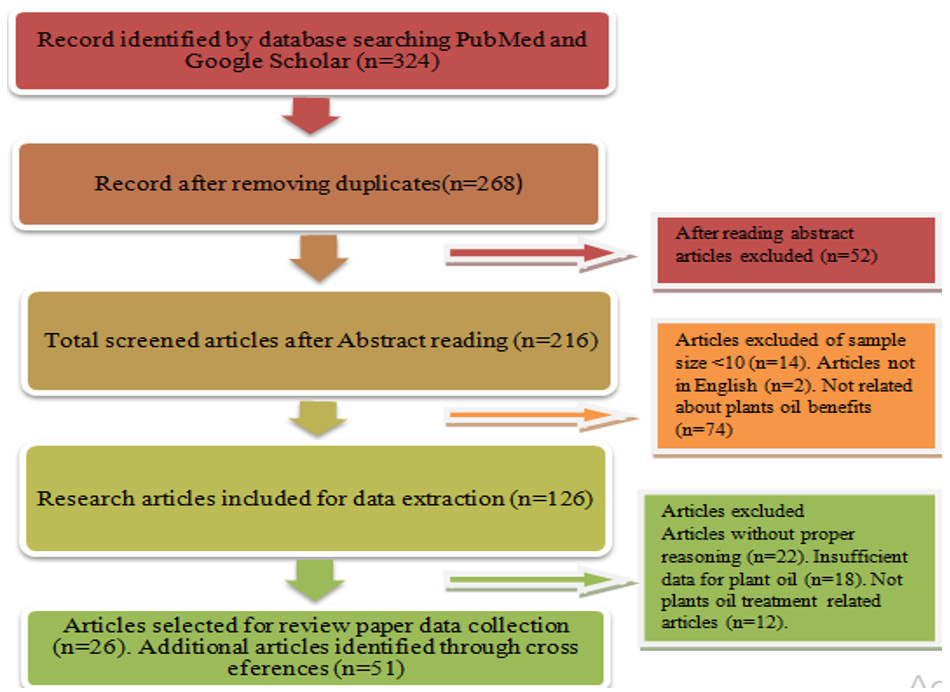
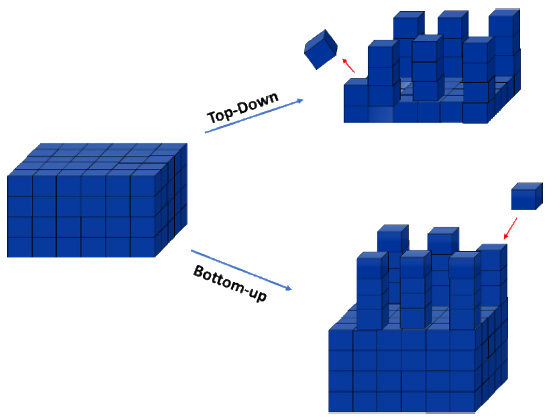
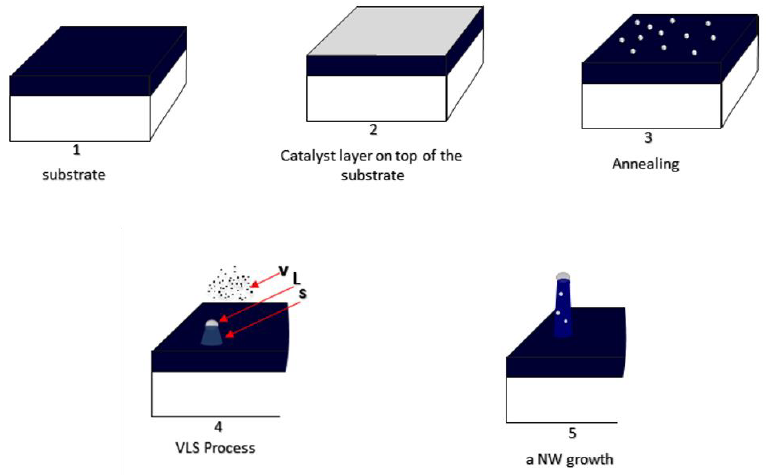

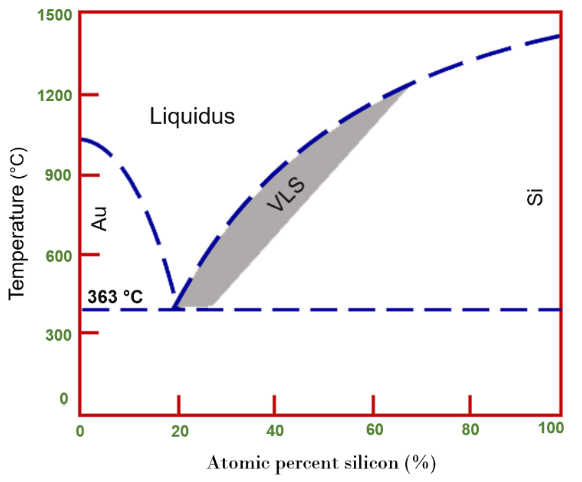
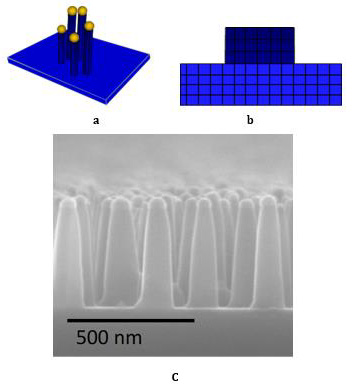

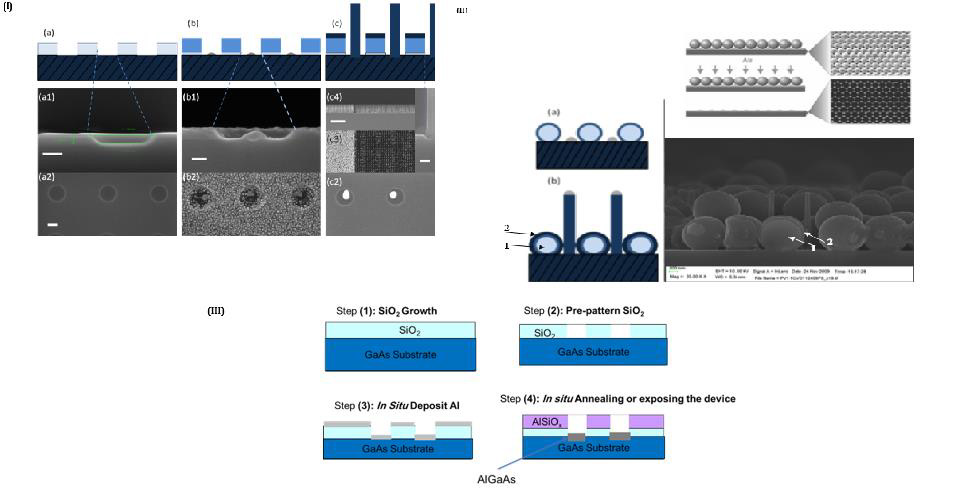
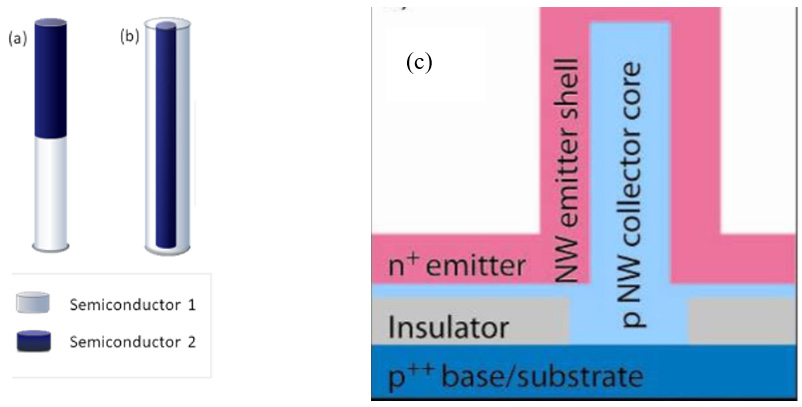
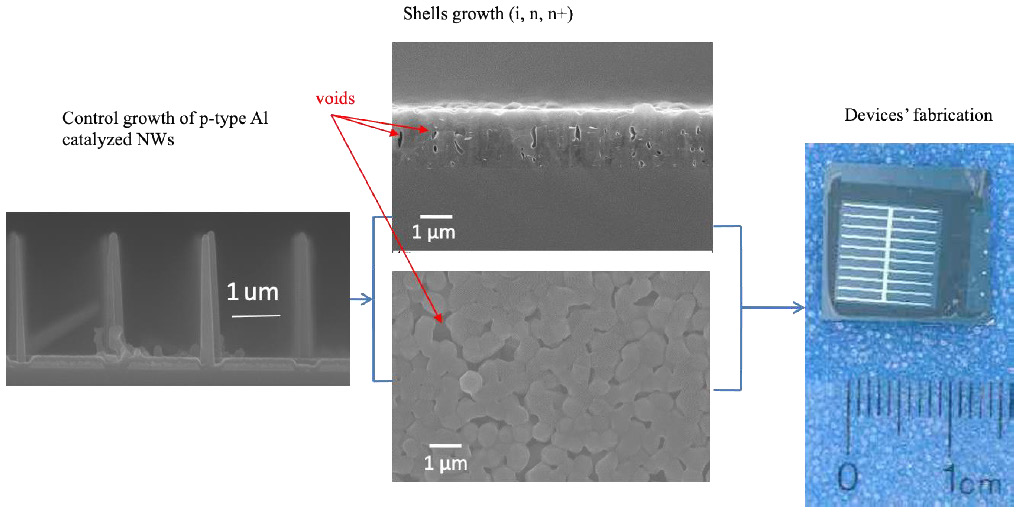
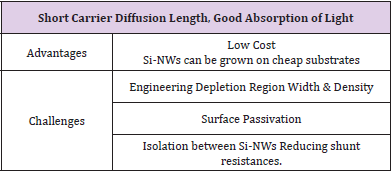
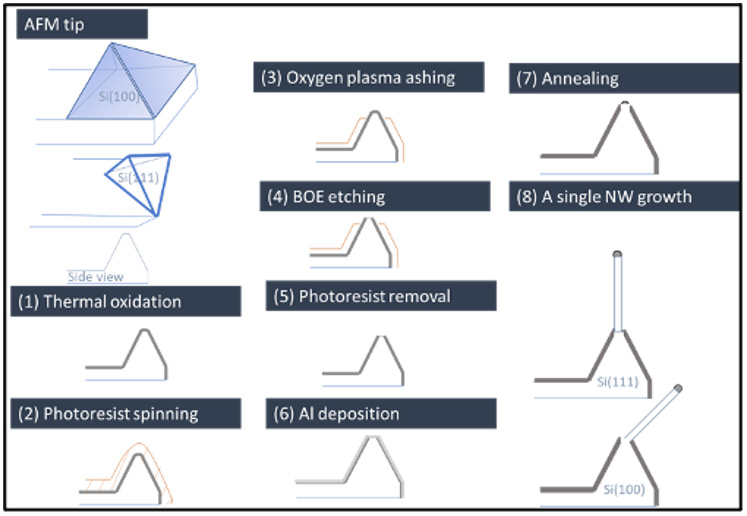
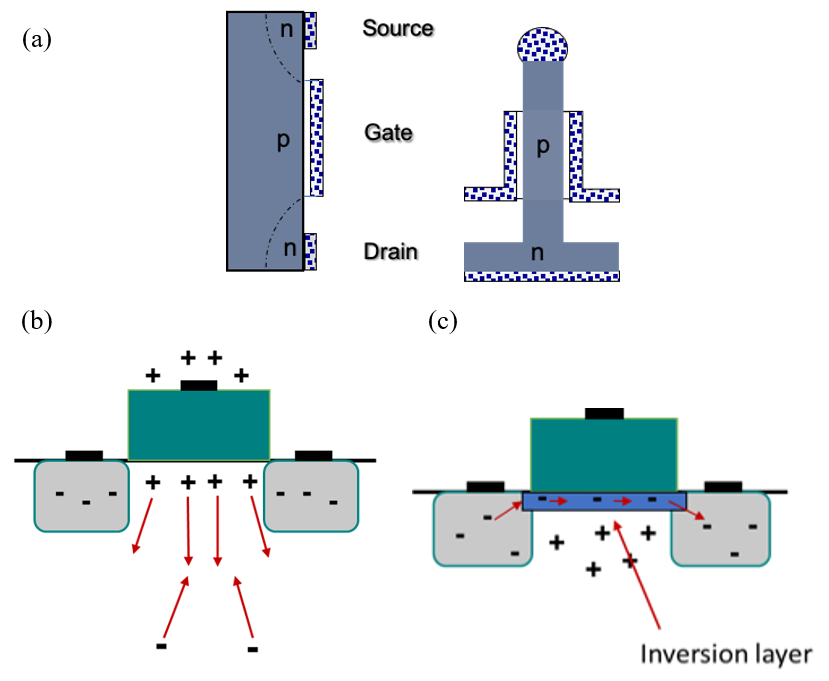
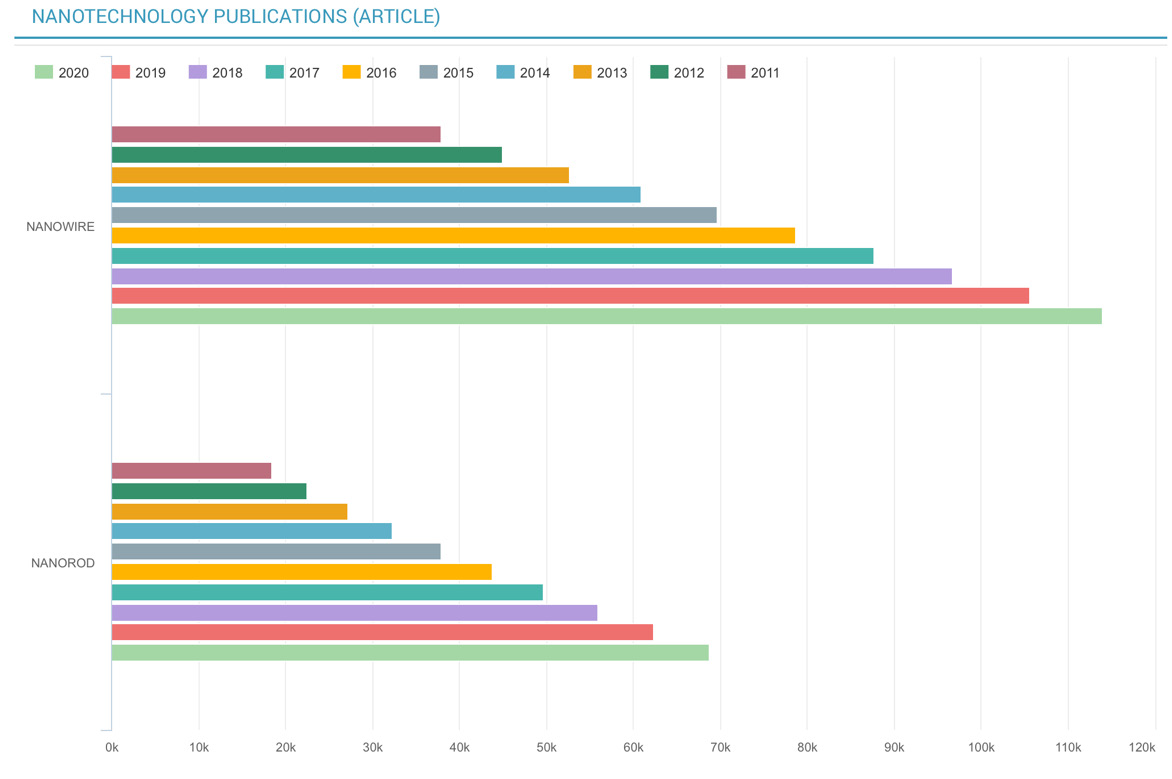

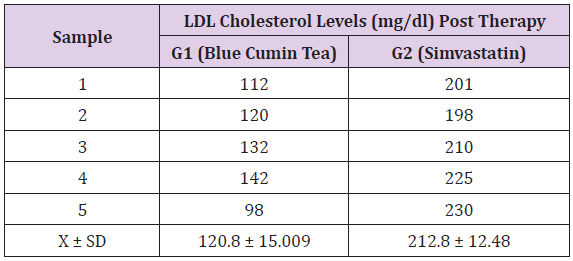

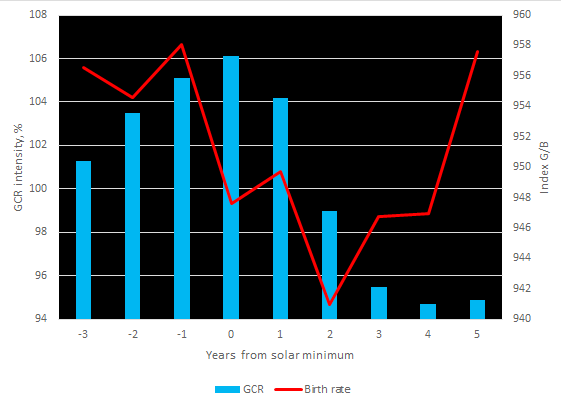
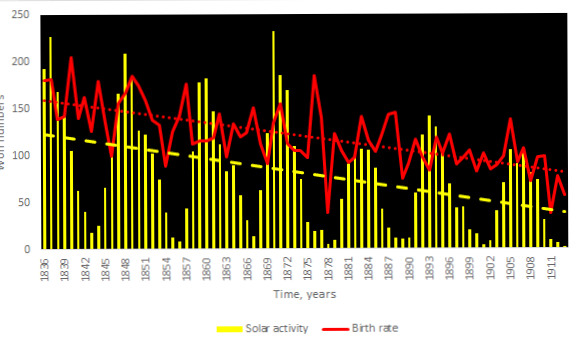
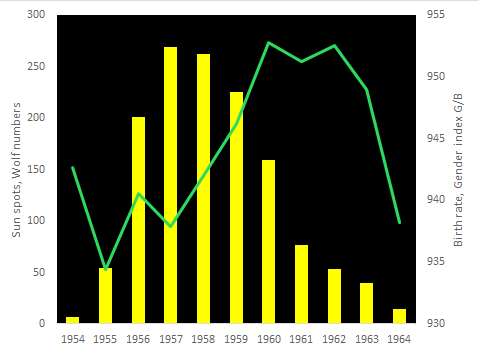
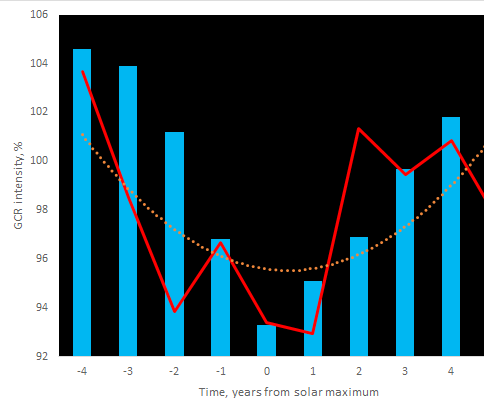
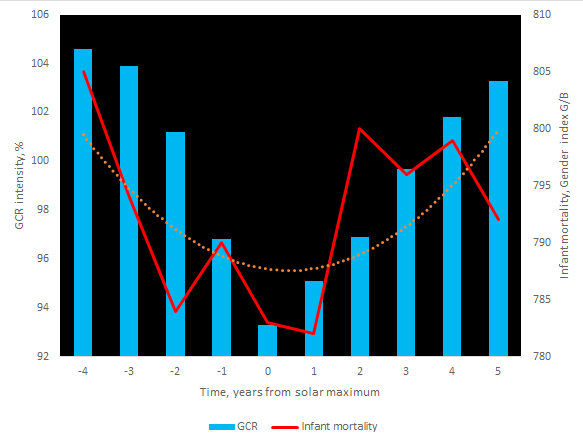
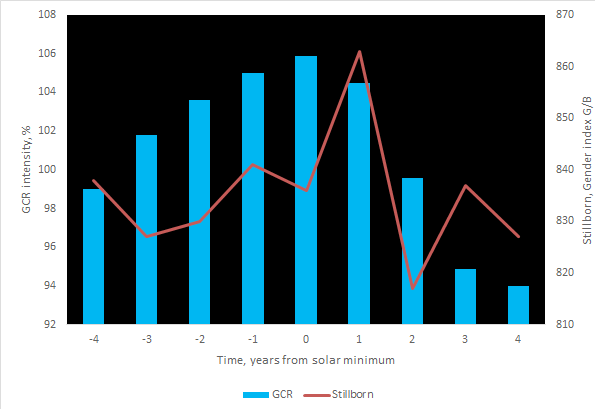
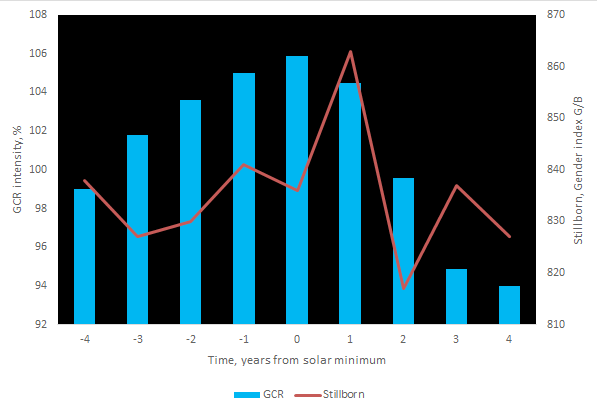
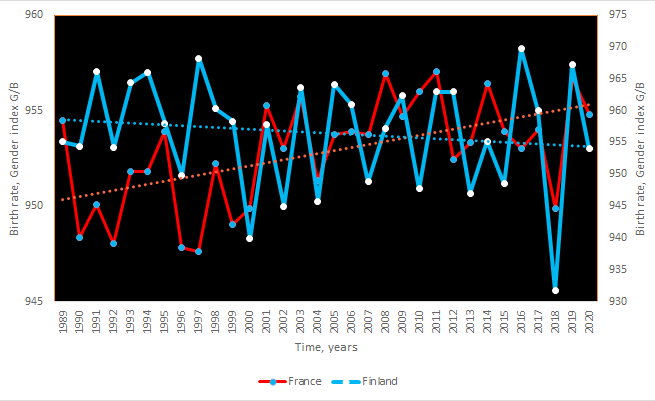
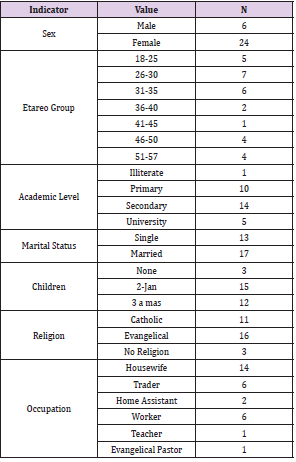
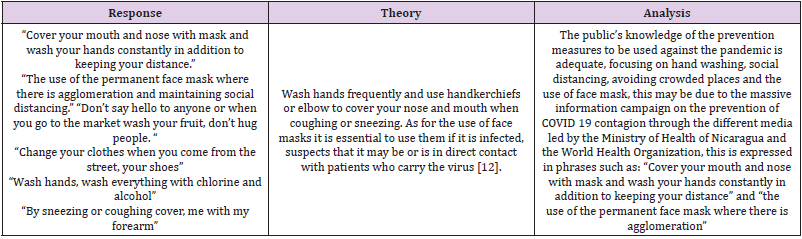
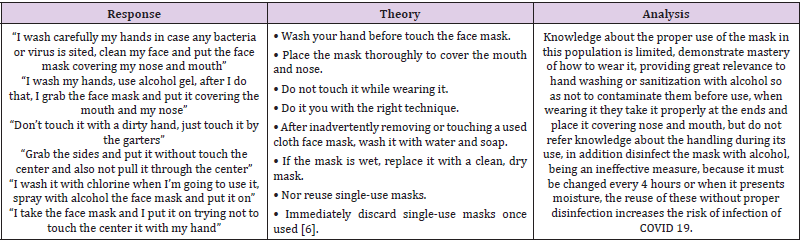
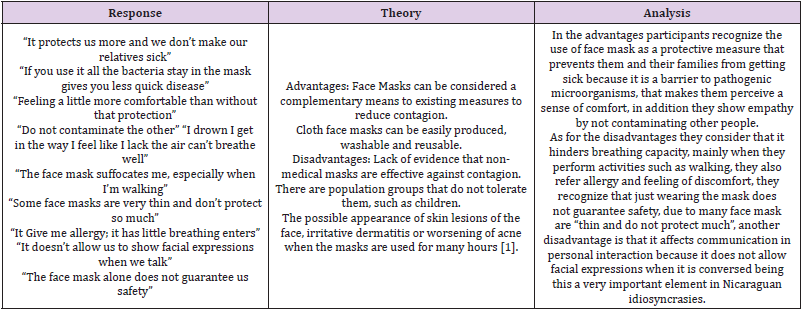
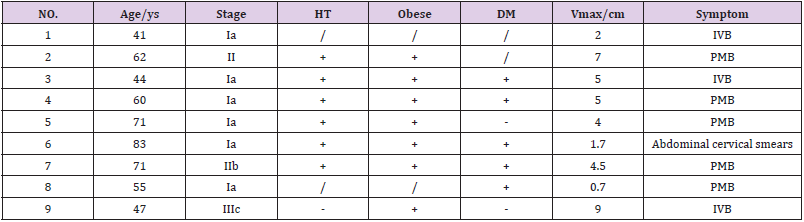
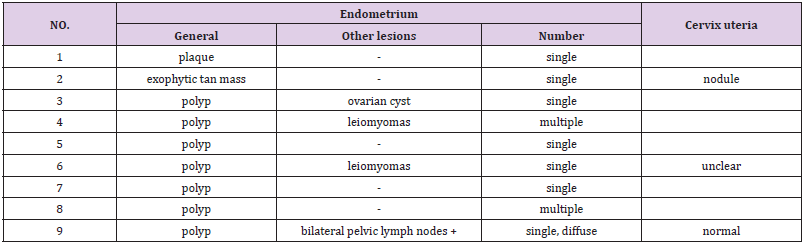
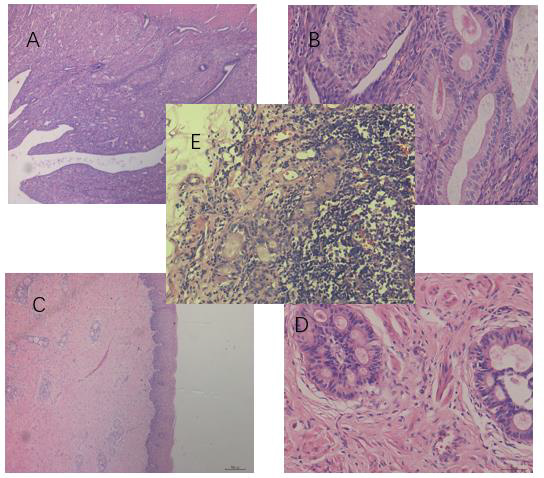
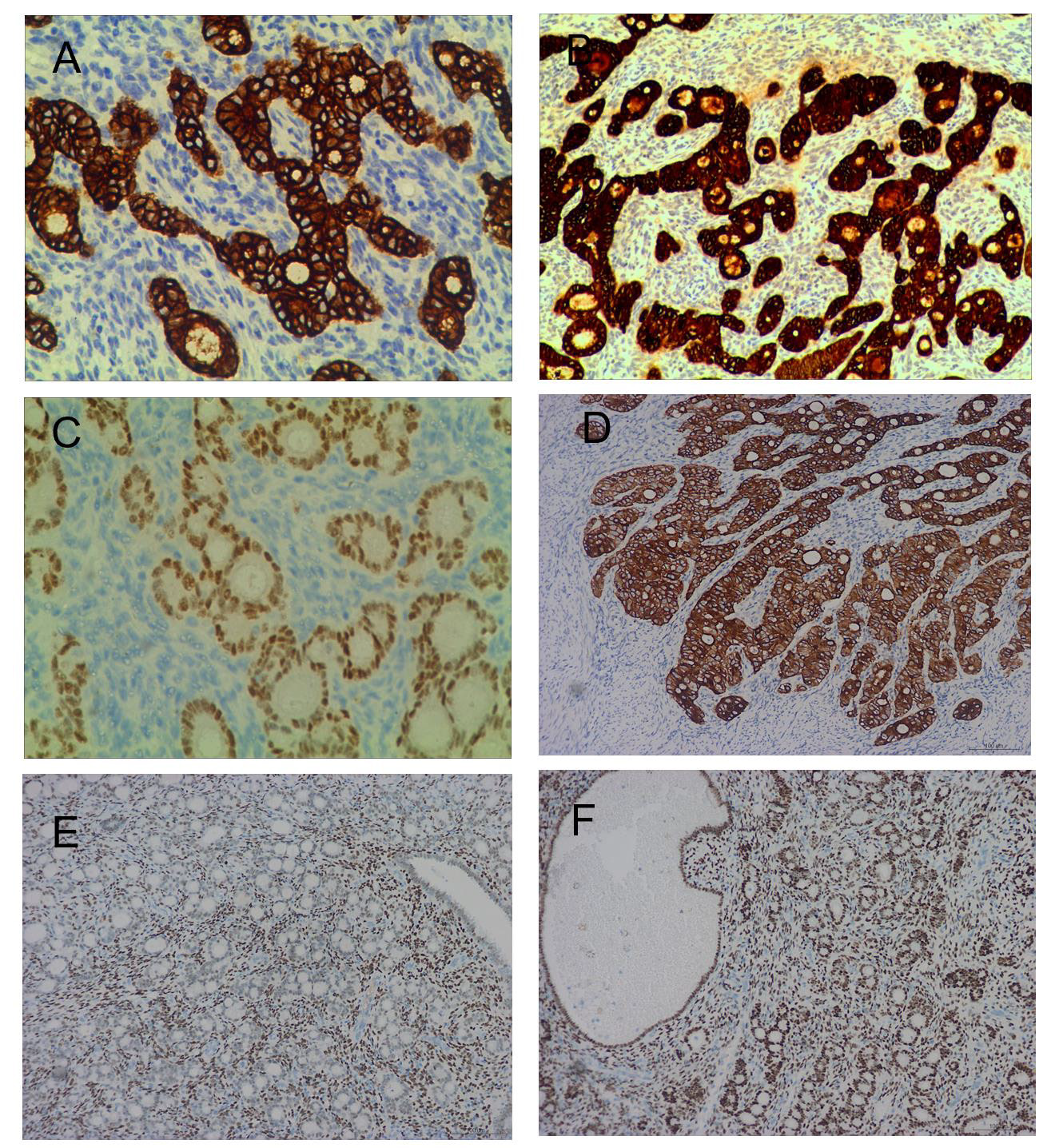
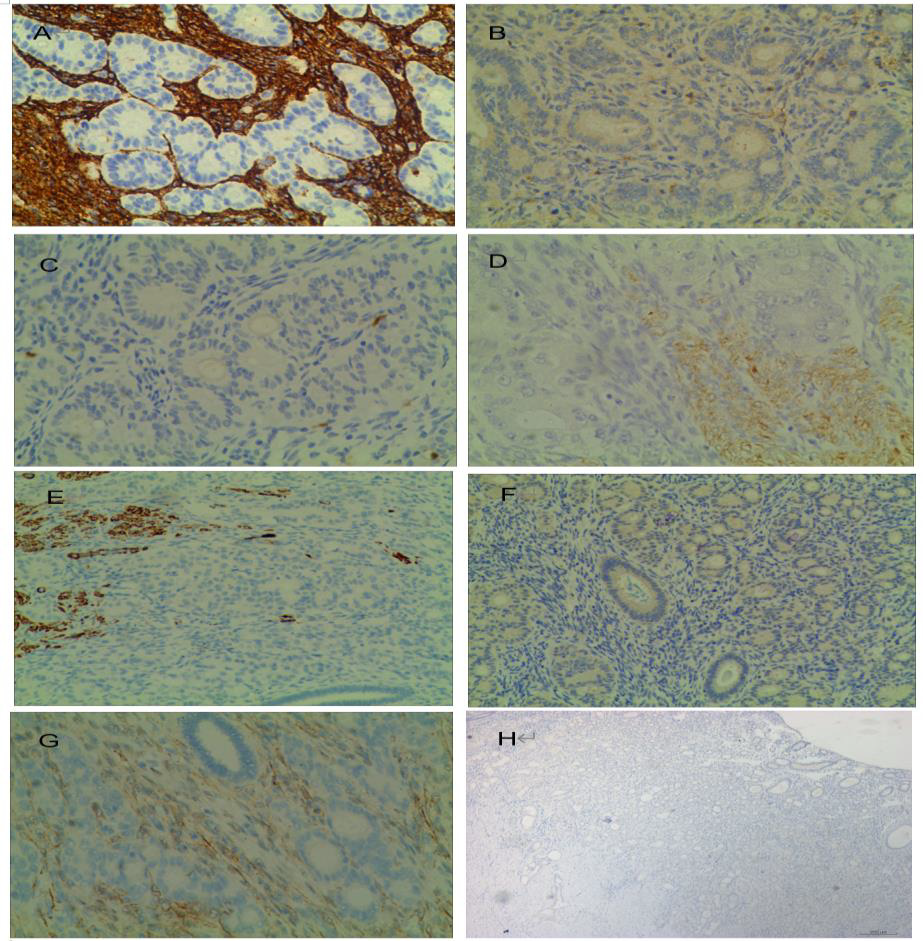
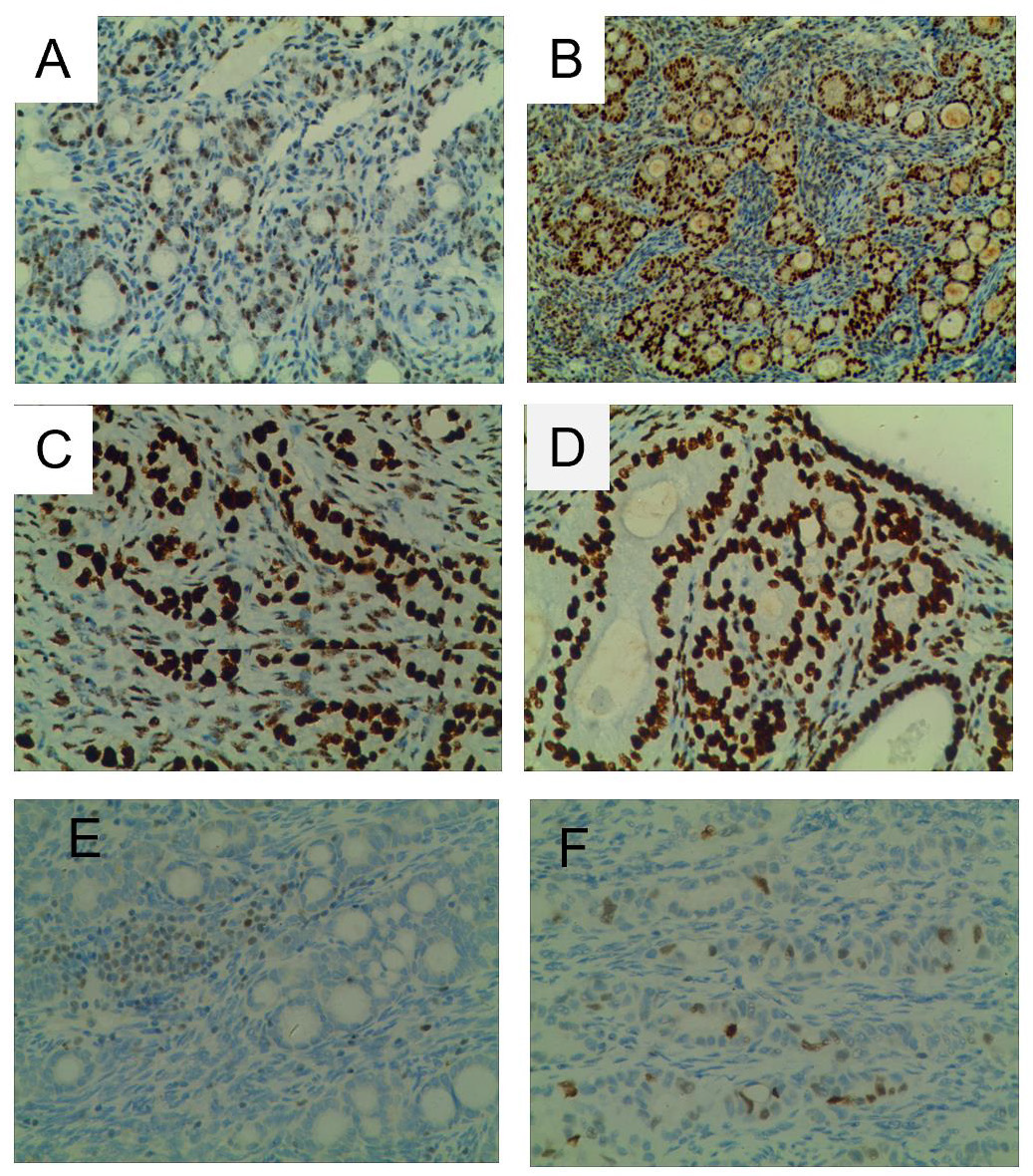
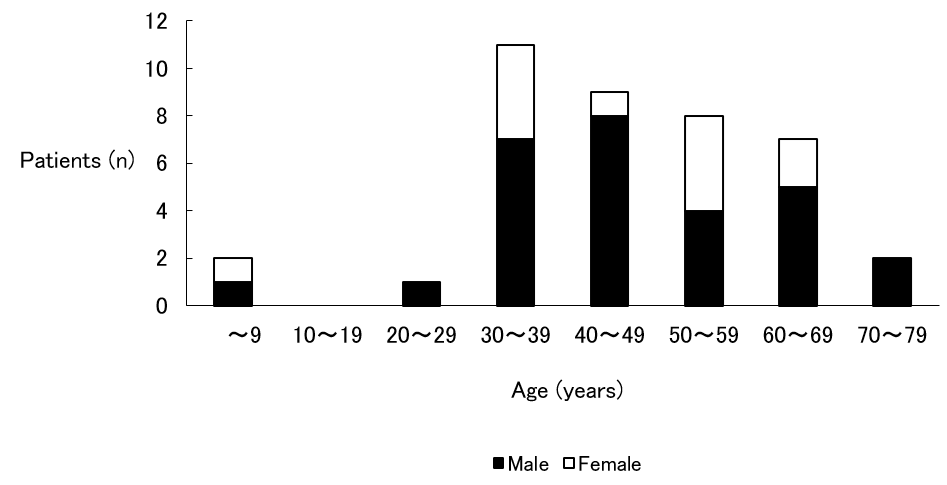
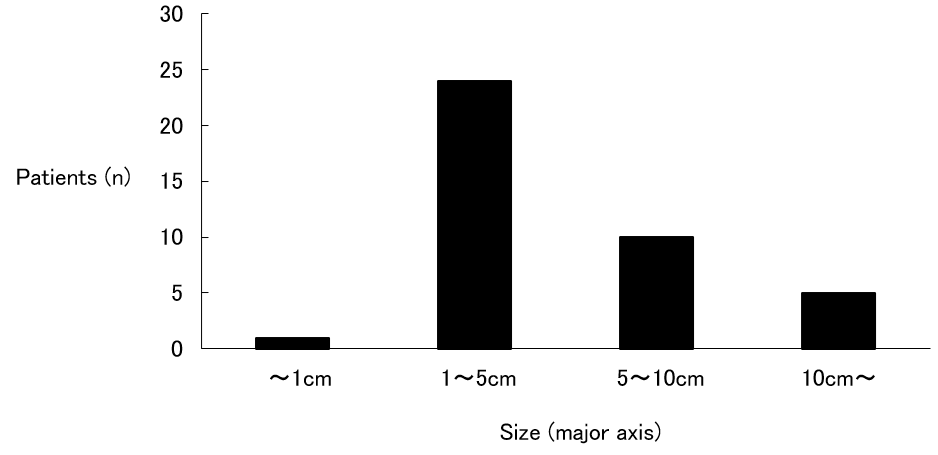
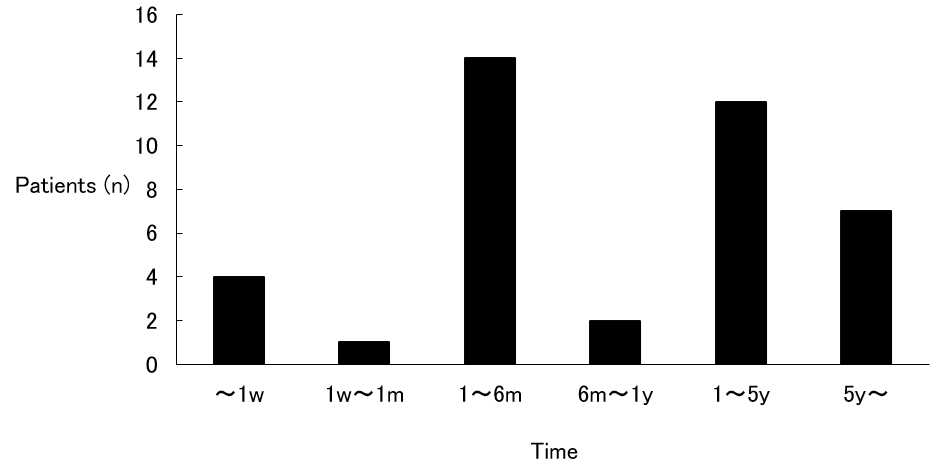
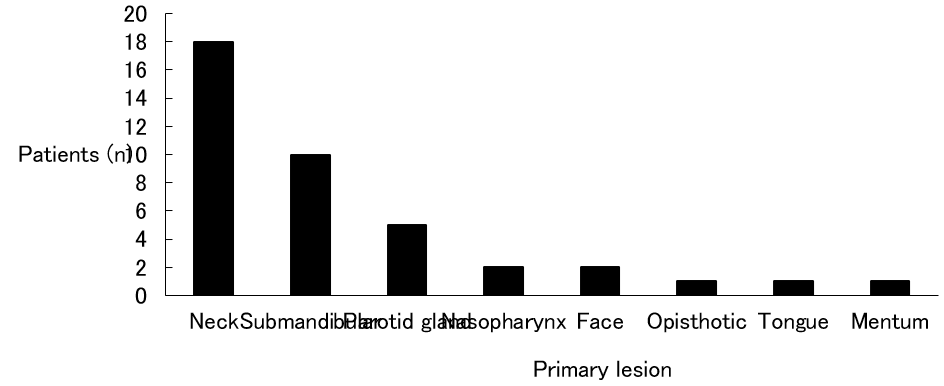
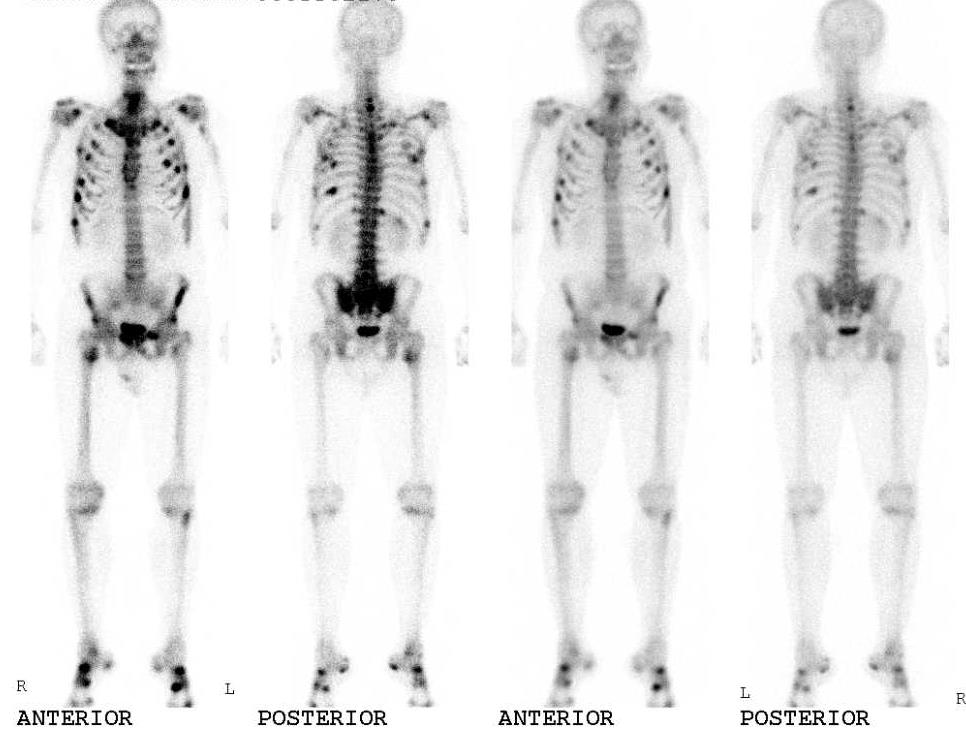
 Biomedical Journal of Scientific & Technical Research (BJSTR)