Open Access Journals on Behavioral Medicine journals

Evaluation of Myocardial Infarction in Pigs by Coronary Spectral CT Angiography

Introduction

Acute Myocardial Infarction (MI) is one of the major causes of morbidity and mortality in western countries [1]. Noninvasive imaging for MI detection, patient risk stratification and treatment monitoring is needed especially when Electrocardiography (ECG) and myocardial enzyme with no clinical clue. Multidetector CT has been used for heart morphology and coronary stenosis evaluation for many decades [2,3]. However, even mild coronary stenosis could not always exclude vessel-specific myocardial ischemia [4]. In addition, additional contrast material and radiation exposure limit the use of CT perfusion to evaluate myocardium [5]. In clinical practice, comprehensive evaluation of coronary artery stenosis and myocardial perfusion in one examination is desirable [6]. The advent of dual energy spectral CT has sparked renewed interest in clinical applications for many organs [7-10]. The strength of monochromatic energy image in improving image quality at optimal keV and increasing Contrast to Noise Ratio (CNR) at high keV was outlined; [11,12] the iodine density image was highlighted for the capability to quantify Iodine Concentration (IC) [11,13]. Consequently, our study aims to evaluate the myocardial infarction by Coronary Spectral CT Angiography (S-CCTA) based on the advantages mentioned above to discuss its strength, potential and limitations. The purpose of the current study was in three folds:
1. To investigate whether S-CCTA could assess MI
2. To define the best parameters of S-CCTA for MI delineation
3. To discuss the correlation between myocardial IC and cardiomyocyte apoptosis.

Methods

Experimental Protocol

Twelve Chinese mini pigs (5 males; weight, 20.23 ±1.23 kg; age, 6.0±0.7 months) underwent Percutaneous Coronary Intervention (PCI) to produce acute ischemia/reperfusion MI model by balloon dilatation. In compliance with the NIH guidelines for the use of laboratory animal, these mini pigs received human care. After premedication with ketamine (20 mg/kg), Xylazine Hydrochloride (1.5mg/kg) and atropine (0.02mg/kg), the pigs were intubated, anesthetized and mechanically ventilated with an admixture of 2.5%-3.5% sevoflurane and 100% oxygen. Baseline heart rate, ECG, and weight of animals were acquired before modeling. Before PCI, heparin was administered at an initial dose of 10,000IU intravenously, followed by additional 4,000IU/h to maintain anticoagulation throughout the PCI procedure [14]. The angioplasty balloon was positioned in the Left Anterior Descending Artery (LAD) just distal to the first diagonal artery. Acute MI was confirmed by ECG. After 90-minutes occlusion, the angioplasty balloon was drawn back.

Spectral CT

After 4±1 days of MI model establishment, the pigs underwent S-CCTA. Induced anesthesia was the same as above during PCI. Anesthesia was maintained by intravenous disoprofol (5mg/ kg/h). Respirator was used to help and control the breathing. All pigs underwent S-CCTA on a single-source dual energy spectral CT (Discovery CT750 HD CT Freedom Edition scanner, GE Healthcare, USA). The parameters were as following: Gemstone spectral imaging mode with fast peak tube voltage switching between 80 and 140 kVp during a single rotation, axial plane with 64 × 0.625 mm collimation, 350-msec gantry rotation time, 175-msec x-ray exposure time. All pigs received 1.5 ml/kg contrast material (Ultravist 370, Bayer Schering Pharma, Germany) followed by 30 ml saline at a flow rate of 3.0ml/s. Bolus tracking with a Region of Interest (ROI) was placed in ascending aorta and was used to synchronize the arrival of contrast material to start the image acquisition (trigger threshold of 120 HU). The radiation dose was recorded.

S-CCTA Images Processing

The monochromatic S-CCTA images were reconstructed in standard short axial plane with slice thickness of 2.00 mm. The density of infarction area (referred to the myocardium in tan or white color on TTC stain mentioned later), remote myocardium (myocardium in an unaffected coronary artery territory, usually the inferior wall) and the noise were measured. Identical ROIs on S-CCTA images of different energy were adopted by adjusting monochromatic energy from 40keV to 140 keV at a 5keV interval. The optimal keV was chosen based on the CNR, signal to noise ratio (SNR) and noise.

CNR = (HUremote – HUinfarct) / noise
SNR = HUinfarct / noise.

Where H Uremote represented the mean CT value of remote myocardium, and HUinfarct indicated the mean CT value of infarction. The noise was derived from the standard deviation of CT value in the remote myocardium.
In addition, the mean CT value of infarction area, risk area (the adjacent segments of infarction) and remote myocardium was recorded respectively to observe the density change from 40keV to 140 keV at a 5keV interval (spectral curve).
The optimal keV and iodine density images of S-CCTA were reconstructed in short axis. Thereafter, the CT value and IC were measured in the infarction region, risk area and remote myocardium of each pig. To maintain the consistency of the size, shape and position of ROIs among different CT images, the ROIs were automatically copied by the software and adjusted slightly by hand if necessary. Images were assessed in consensus by two experienced readers (A and B, with 5 and 11 years of experience in CCTA, respectively). For infarction observation, the CNR and SNR were calculated as mentioned above. Finally, objects with noreflow phenomenon at late enhancement imaging were recorded. The IC in no-reflow region (persistent hypo-enhancement on late enhancement images), infarction and remote myocardium was measured on S-CCTA.

Histopathology

At the conclusion of radiologic examinations, the animals were euthanized with overdose vecuronium bromide. The hearts were sliced into short axises of about 4mm and incubated in the triphenyl tetrazolium chloride (TTC) (1mg/100ml) at a temperature of 37℃ by water bath. Remote normal myocardium was delineated as the living tissue and is colored with red, while the infarcted tissue is colored in pale tan. With consideration of S-CCTA images and gross specimen, serial cutting sections in the no-reflow region, infarction and remote myocardium were used for immunofluorescent staining. Terminal deoxynucleotidyl transferase-mediated dUTP Nick-End Labeling (TUNEL) stain of myocardium was used to observe cardiomyocyte apoptosis. The TUNEL positive nuclei were counted by image analysis system “Image-Pro Plus Version 6.0”. The mean values of positive nuclei count/area were recorded [15].

Infarcted Segment Evaluation of S-CCTA and TTC Stain

MI of all the 17 segments according to standardized myocardial segmentation was evaluated by the two points scoring systems. (15) S-CCTA image analysis was performed by using dedicate visual evaluation on optimal energy images. For S-CCTA, score 0 indicated no hypo-perfusion, score 1 represented hypo-perfusion observed. For TTC stain, myocardium in tan color was classified as infarction (score 1) and viable myocardium in red color was regard as score 0 (Figure 1) [16].

biomedres-openaccess-journal-bjstr

Figure 1: Both S-CCTA
A. TTC Stain
B. Showed myocardial infarction (the 7th and 8th segments).

Statistical Analysis

The differences among or between groups were compared by using one-way Analysis of Variance (ANOVA) and Least Significant Difference (LSD) test or t test. The spectral curve of different regions was fitted by the best regression model on curve estimation provided by PASW. Accordingly, the value of slope was derived from the preferred curve. For comparing among different regions, the value of slope underwent logarithmic transformation [17]. The categorical inter-method agreement between S-CCTA and TTC stain was calculated by using the Cohen κ [16]. Receiver Operating Characteristic (ROC) curve was used to investigate the ability of S-CCTA on differentiating infarcted myocardial segments taking the TTC stain as gold standard. The correlation between IC and cardiomyocyte apoptosis of no-reflow region, infarction and remote myocardium was tested by Pearson correlation analysis. P<0.05 was considered statistically significant.

Results

Acute MI models were performed in 12 pigs. However, 2 of them died of ventricular fibrillation soon after PCI, 1 of them died during the S-CCTA examination. Finally, 9 Chinese mini-pigs (6 females; weight, 20.17±1.35kg; age, 5.3±0.6months) were included in current study. The heart rate during S-CCTA was 87±6 per minute. The radiation dose of S-CCTA was about 18.45mGy (CTDI), 193.70- 258.27 mGy.cm (DLP).

Spectral Curve

As the monochromatic energy increase from 40keV to 140keV, the CT value steadily decreased in remote myocardium, risk area and infarction (396.08~58.01HU, 61.30~344.62HU, and 86.80~36.90HU, respectively) (Figure 2). Significant differences of CT value among three regions at 40keV were observed (ps≤0.001). The exponential regression model was optimal for the spectral curve after comparison by curve estimation.16 The logarithmic transformed slopes of remote myocardium, risk area and infarct myocardium were 5.06±0.26, 4.71±0.27 and 2.78±1.03 respectively. Significant difference was detected among them (ps<0.001) (Figure 2).

biomedres-openaccess-journal-bjstr

Figure 2: The spectral curve of the mean attenuation density in the remote myocardium, risk area and infarction myocardium.

CT Value or IC Differences

The CT value or IC difference among infarction, risk area and remote myocardium was shown in Table 1 (ps<0.05).

biomedres-openaccess-journal-bjstr

Table 1: The CT Value, IC or slope of spectral curve difference among Infarction, Risk Area and Remote Myocardium.

Optimal Kev Setting for Differentiation

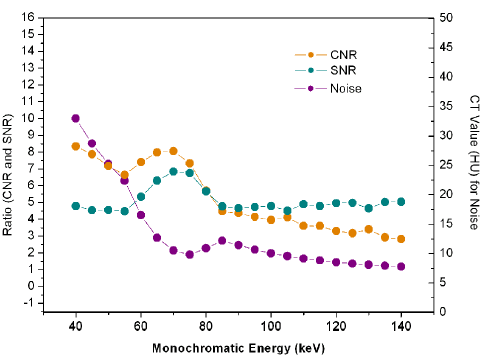
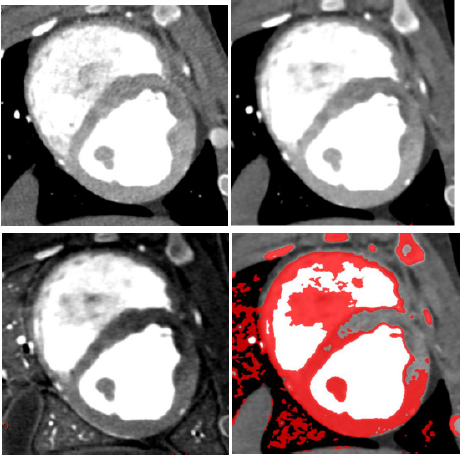
The scatterplot showed that 70keV ~75keV were the optimal monochromatic energies to observe infarction region on S-CCTA with higher CNR, SNR and lower noise (Figure 3). 70keV was chosen as the optimal monochromatic energy in our study for the following measurement and comparison. The 70 keV multiplanar reconstruction images could be overlaid with iodine density images; it could provide intuitionistic observation for the location and margin of MI (Figure 4).

biomedres-openaccess-journal-bjstr

Figure 3: The CNR, SNR and noise change from 40keV to 140keV.

biomedres-openaccess-journal-bjstr

Figure 4: A 7-month female pig with acute MI. The anterior and anterior septal hypo-perfusion was demonstrated in A. High voltage B. 70keV C. Iodine density D. 70keV overlay with iodine density images. D depicted the hypo-perfusion more clearly.

Diagnostic Ability of S-CCTA to Differentiate Infarct Segments

biomedres-openaccess-journal-bjstr

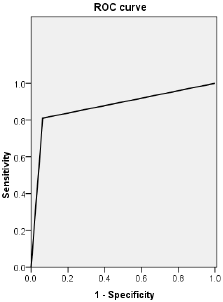
Figure 5: ROC curve of CT value obtained by S-CCTA to distinguish infarct segments from normal myocardial segments confirmed by TTC stain.

Categorical inter-method agreement between S-CCTA and TTC stain was almost perfect (κ= 0.821, 95%CI=0.729~0.913, p<0.001). 53 of 153 segments (34.64%) were considered as infarction on S-CCTA, compared with 64 segments (41.83 %) that were confirmed as infarcted on TTC stain (Table 2). ROC curve showed high diagnostic accuracy of S-CCTA to differentiate myocardial infarct segments (sensitivity, 0.813; specificity, 0.989; positive predictive value, 0.981; negative predictive value, 0.880 and accuracy, 0.901, p<0.001) (Figure 5).

biomedres-openaccess-journal-bjstr

Table 2: Inter-method agreement between S-CCTA and TTC stain.

Correlation Between IC and Apoptosis

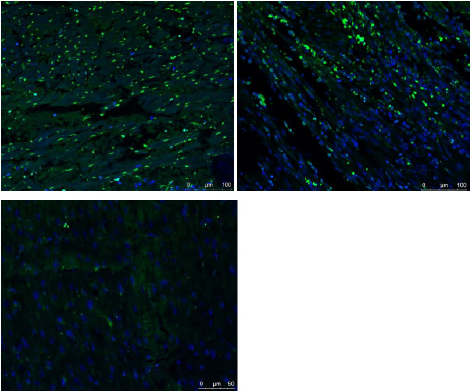
The ICs of no-reflow region, infarction and remote myocardium were (1043±282) ug/cm3, (1867±344) ug/cm3, and (3507±331) ug/cm3 respectively. There were significant differences among them (p<0.001). The mean number of apoptosis cells in no-reflow region, infarction and remote myocardium were (2661±231)/mm2, (2270±241)/mm2 and (74±41) /mm2 respectively (Figure 6). There was significant difference among them (p<0.001). A significant inverse correlation was found between IC and cardiomyocyte apoptosis (r2=0.879, p<0.001).

biomedres-openaccess-journal-bjstr

Figure 6: Fused images of TUNEL stain and DAPI stain.
A. There were few normal cells (blue cell: indicated cells with normal double-stranded DNA) but a lot of cardiomyocyte apoptosis in the no-reflow region
B. There were abundant of apoptosis cells and normal cells in the infarction area.
C. A large number of normal cells but few apoptosis cells were detected in the remote myocardium.

Discussion

S-CCTA for Myocardial Infarction Assessment

The spectral CT may improve its ability to differentiate myocardial infarction from remote myocardium. This may be due to three following factors: its high CNR of higher photon energy (70keV) images, its higher photon energy (140keV) images and its ability to alleviate of beam hardening artifacts [8,11]. Previous studies have similar results with our study no matter for the myocardial perfusion or delayed enhancement [18,19] The 70keV images was selected as optimal monochromatic image to evaluate acute myocardial infarction due to with high CNR, SNR and low noise. And previous study also confirmed that The CT value of 70keV monochromatic image was similar to those of 120kVp CT images with lower noise [12,20].

IC and Cardiomyocyte Apoptosis

TUNEL stain aims to detect apoptotic cell and necrotic cell [21,22]. Apoptosis, necrosis and, possibly, autophagy determined the ultimate number of viable cardiomyocytes following MI [23,24]. Persistent ischemia without reperfusion eventually causes cardiomyocytes to die by a necrotic pathway. While, following myocardial ischemia/reperfusion, apoptosis is one of the major pathways that lead to the process of cell death [25]. In the current study, we correlated the IC of myocardium with TUNEL stain to investigate the capability of spectral CT to assess MI. The results showed that both the IC calculated on S-CCTA and cardiomyocyte apoptosis measured by TUNEL stain could differentiate no-reflow region from infarction or remote myocardium. Furthermore, the myocardial IC on S-CCTA correlated with the TUNEL stain of apoptosis cell in acute MI mini-pig models. Cardiomyocyte is permanent cell, no cardiomyocyte apoptosis detected in the normal heart. Previous study confirmed this point [26]. However, few apoptotic cells were found in the remote myocardium in our study which is probably caused by the overall ischemia situation. Significant difference of the number of cardiomyocyte apoptosis in no-reflow region and infarction area was detected.
No-reflow phenomenon reflects severe reperfusion injury. Ischemia/reperfusion injury (no-reflow phenomenon) initiates a wide and complex array of inflammatory responses that aggravate local injury [27-29]. It explains why apoptotic and necrotic cells was much more prominent in no-reflow region compared with infarction area without no-reflow phenomenon. The IC calculated on S-CCTA images reflected the myocardial perfusion and distribution of blood flow. Following ischemia/reperfusion, the higher the myocardial perfusion, the fewer the apoptotic and necrotic cells induced. This may be responsible for that the IC had a negative correlation with the TUNEL stain of apoptosis cell in acute MI. The iodine quantification on S-CCTA may add valuable information for risk stratification in the future.

Limitations

There were some limitations in the current study. First, the number of pigs enrolled was relatively small and with similar habitus, further study is necessary to determine whether our results are applicable to patients with larger and various figures. Second, this model only investigates early hypo perfused myocardial infarctions and the results cannot be extrapolated to later time points of infarct healing. Finally, for the mandatory use of prospective triggering and high heart rate of the pigs, we did not conduct the analysis including coronary artery stenosis and stress myocardial perfusion assessment.

Conclusion

S-CCTA could assess MI by CT value on 70keV images, IC and spectral curve. In addition, IC calculated on S-CCTA may indirectly reflect myocardial damage which could potentially add valuable information for risk stratification in the future.

For More Articles: Biomedical Journal Impact Factor: https://biomedres.us

Open Access Journals on Medical Imaging

Evaluation of Myocardial Infarction in Pigs by Coronary Spectral CT Angiography

Introduction

Acute Myocardial Infarction (MI) is one of the major causes of morbidity and mortality in western countries [1]. Noninvasive imaging for MI detection, patient risk stratification and treatment monitoring is needed especially when Electrocardiography (ECG) and myocardial enzyme with no clinical clue. Multidetector CT has been used for heart morphology and coronary stenosis evaluation for many decades [2,3]. However, even mild coronary stenosis could not always exclude vessel-specific myocardial ischemia [4]. In addition, additional contrast material and radiation exposure limit the use of CT perfusion to evaluate myocardium [5]. In clinical practice, comprehensive evaluation of coronary artery stenosis and myocardial perfusion in one examination is desirable [6]. The advent of dual energy spectral CT has sparked renewed interest in clinical applications for many organs [7-10]. The strength of monochromatic energy image in improving image quality at optimal keV and increasing Contrast to Noise Ratio (CNR) at high keV was outlined; [11,12] the iodine density image was highlighted for the capability to quantify Iodine Concentration (IC) [11,13]. Consequently, our study aims to evaluate the myocardial infarction by Coronary Spectral CT Angiography (S-CCTA) based on the advantages mentioned above to discuss its strength, potential and limitations. The purpose of the current study was in three folds:
1. To investigate whether S-CCTA could assess MI
2. To define the best parameters of S-CCTA for MI delineation
3. To discuss the correlation between myocardial IC and cardiomyocyte apoptosis.

Methods

Experimental Protocol

Twelve Chinese mini pigs (5 males; weight, 20.23 ±1.23 kg; age, 6.0±0.7 months) underwent Percutaneous Coronary Intervention (PCI) to produce acute ischemia/reperfusion MI model by balloon dilatation. In compliance with the NIH guidelines for the use of laboratory animal, these mini pigs received human care. After premedication with ketamine (20 mg/kg), Xylazine Hydrochloride (1.5mg/kg) and atropine (0.02mg/kg), the pigs were intubated, anesthetized and mechanically ventilated with an admixture of 2.5%-3.5% sevoflurane and 100% oxygen. Baseline heart rate, ECG, and weight of animals were acquired before modeling. Before PCI, heparin was administered at an initial dose of 10,000IU intravenously, followed by additional 4,000IU/h to maintain anticoagulation throughout the PCI procedure [14]. The angioplasty balloon was positioned in the Left Anterior Descending Artery (LAD) just distal to the first diagonal artery. Acute MI was confirmed by ECG. After 90-minutes occlusion, the angioplasty balloon was drawn back.

Spectral CT

After 4±1 days of MI model establishment, the pigs underwent S-CCTA. Induced anesthesia was the same as above during PCI. Anesthesia was maintained by intravenous disoprofol (5mg/ kg/h). Respirator was used to help and control the breathing. All pigs underwent S-CCTA on a single-source dual energy spectral CT (Discovery CT750 HD CT Freedom Edition scanner, GE Healthcare, USA). The parameters were as following: Gemstone spectral imaging mode with fast peak tube voltage switching between 80 and 140 kVp during a single rotation, axial plane with 64 × 0.625 mm collimation, 350-msec gantry rotation time, 175-msec x-ray exposure time. All pigs received 1.5 ml/kg contrast material (Ultravist 370, Bayer Schering Pharma, Germany) followed by 30 ml saline at a flow rate of 3.0ml/s. Bolus tracking with a Region of Interest (ROI) was placed in ascending aorta and was used to synchronize the arrival of contrast material to start the image acquisition (trigger threshold of 120 HU). The radiation dose was recorded.

S-CCTA Images Processing

The monochromatic S-CCTA images were reconstructed in standard short axial plane with slice thickness of 2.00 mm. The density of infarction area (referred to the myocardium in tan or white color on TTC stain mentioned later), remote myocardium (myocardium in an unaffected coronary artery territory, usually the inferior wall) and the noise were measured. Identical ROIs on S-CCTA images of different energy were adopted by adjusting monochromatic energy from 40keV to 140 keV at a 5keV interval. The optimal keV was chosen based on the CNR, signal to noise ratio (SNR) and noise.

CNR = (HUremote – HUinfarct) / noise
SNR = HUinfarct / noise.

Where H Uremote represented the mean CT value of remote myocardium, and HUinfarct indicated the mean CT value of infarction. The noise was derived from the standard deviation of CT value in the remote myocardium.
In addition, the mean CT value of infarction area, risk area (the adjacent segments of infarction) and remote myocardium was recorded respectively to observe the density change from 40keV to 140 keV at a 5keV interval (spectral curve).
The optimal keV and iodine density images of S-CCTA were reconstructed in short axis. Thereafter, the CT value and IC were measured in the infarction region, risk area and remote myocardium of each pig. To maintain the consistency of the size, shape and position of ROIs among different CT images, the ROIs were automatically copied by the software and adjusted slightly by hand if necessary. Images were assessed in consensus by two experienced readers (A and B, with 5 and 11 years of experience in CCTA, respectively). For infarction observation, the CNR and SNR were calculated as mentioned above. Finally, objects with noreflow phenomenon at late enhancement imaging were recorded. The IC in no-reflow region (persistent hypo-enhancement on late enhancement images), infarction and remote myocardium was measured on S-CCTA.

Histopathology

At the conclusion of radiologic examinations, the animals were euthanized with overdose vecuronium bromide. The hearts were sliced into short axises of about 4mm and incubated in the triphenyl tetrazolium chloride (TTC) (1mg/100ml) at a temperature of 37℃ by water bath. Remote normal myocardium was delineated as the living tissue and is colored with red, while the infarcted tissue is colored in pale tan. With consideration of S-CCTA images and gross specimen, serial cutting sections in the no-reflow region, infarction and remote myocardium were used for immunofluorescent staining. Terminal deoxynucleotidyl transferase-mediated dUTP Nick-End Labeling (TUNEL) stain of myocardium was used to observe cardiomyocyte apoptosis. The TUNEL positive nuclei were counted by image analysis system “Image-Pro Plus Version 6.0”. The mean values of positive nuclei count/area were recorded [15].

Infarcted Segment Evaluation of S-CCTA and TTC Stain

MI of all the 17 segments according to standardized myocardial segmentation was evaluated by the two points scoring systems. (15) S-CCTA image analysis was performed by using dedicate visual evaluation on optimal energy images. For S-CCTA, score 0 indicated no hypo-perfusion, score 1 represented hypo-perfusion observed. For TTC stain, myocardium in tan color was classified as infarction (score 1) and viable myocardium in red color was regard as score 0 (Figure 1) [16].

biomedres-openaccess-journal-bjstr

Figure 1: Both S-CCTA
A. TTC Stain
B. Showed myocardial infarction (the 7th and 8th segments).

Statistical Analysis

The differences among or between groups were compared by using one-way Analysis of Variance (ANOVA) and Least Significant Difference (LSD) test or t test. The spectral curve of different regions was fitted by the best regression model on curve estimation provided by PASW. Accordingly, the value of slope was derived from the preferred curve. For comparing among different regions, the value of slope underwent logarithmic transformation [17]. The categorical inter-method agreement between S-CCTA and TTC stain was calculated by using the Cohen κ [16]. Receiver Operating Characteristic (ROC) curve was used to investigate the ability of S-CCTA on differentiating infarcted myocardial segments taking the TTC stain as gold standard. The correlation between IC and cardiomyocyte apoptosis of no-reflow region, infarction and remote myocardium was tested by Pearson correlation analysis. P<0.05 was considered statistically significant.

Results

Acute MI models were performed in 12 pigs. However, 2 of them died of ventricular fibrillation soon after PCI, 1 of them died during the S-CCTA examination. Finally, 9 Chinese mini-pigs (6 females; weight, 20.17±1.35kg; age, 5.3±0.6months) were included in current study. The heart rate during S-CCTA was 87±6 per minute. The radiation dose of S-CCTA was about 18.45mGy (CTDI), 193.70- 258.27 mGy.cm (DLP).

Spectral Curve

As the monochromatic energy increase from 40keV to 140keV, the CT value steadily decreased in remote myocardium, risk area and infarction (396.08~58.01HU, 61.30~344.62HU, and 86.80~36.90HU, respectively) (Figure 2). Significant differences of CT value among three regions at 40keV were observed (ps≤0.001). The exponential regression model was optimal for the spectral curve after comparison by curve estimation.16 The logarithmic transformed slopes of remote myocardium, risk area and infarct myocardium were 5.06±0.26, 4.71±0.27 and 2.78±1.03 respectively. Significant difference was detected among them (ps<0.001) (Figure 2).

biomedres-openaccess-journal-bjstr

Figure 2: The spectral curve of the mean attenuation density in the remote myocardium, risk area and infarction myocardium.

CT Value or IC Differences

The CT value or IC difference among infarction, risk area and remote myocardium was shown in Table 1 (ps<0.05).

biomedres-openaccess-journal-bjstr

Table 1: The CT Value, IC or slope of spectral curve difference among Infarction, Risk Area and Remote Myocardium.

Optimal Kev Setting for Differentiation

The scatterplot showed that 70keV ~75keV were the optimal monochromatic energies to observe infarction region on S-CCTA with higher CNR, SNR and lower noise (Figure 3). 70keV was chosen as the optimal monochromatic energy in our study for the following measurement and comparison. The 70 keV multiplanar reconstruction images could be overlaid with iodine density images; it could provide intuitionistic observation for the location and margin of MI (Figure 4).

biomedres-openaccess-journal-bjstr

Figure 3: The CNR, SNR and noise change from 40keV to 140keV.

biomedres-openaccess-journal-bjstr

Figure 4: A 7-month female pig with acute MI. The anterior and anterior septal hypo-perfusion was demonstrated in A. High voltage B. 70keV C. Iodine density D. 70keV overlay with iodine density images. D depicted the hypo-perfusion more clearly.

Diagnostic Ability of S-CCTA to Differentiate Infarct Segments

biomedres-openaccess-journal-bjstr

Figure 5: ROC curve of CT value obtained by S-CCTA to distinguish infarct segments from normal myocardial segments confirmed by TTC stain.

Categorical inter-method agreement between S-CCTA and TTC stain was almost perfect (κ= 0.821, 95%CI=0.729~0.913, p<0.001). 53 of 153 segments (34.64%) were considered as infarction on S-CCTA, compared with 64 segments (41.83 %) that were confirmed as infarcted on TTC stain (Table 2). ROC curve showed high diagnostic accuracy of S-CCTA to differentiate myocardial infarct segments (sensitivity, 0.813; specificity, 0.989; positive predictive value, 0.981; negative predictive value, 0.880 and accuracy, 0.901, p<0.001) (Figure 5).

biomedres-openaccess-journal-bjstr

Table 2: Inter-method agreement between S-CCTA and TTC stain.

Correlation Between IC and Apoptosis

The ICs of no-reflow region, infarction and remote myocardium were (1043±282) ug/cm3, (1867±344) ug/cm3, and (3507±331) ug/cm3 respectively. There were significant differences among them (p<0.001). The mean number of apoptosis cells in no-reflow region, infarction and remote myocardium were (2661±231)/mm2, (2270±241)/mm2 and (74±41) /mm2 respectively (Figure 6). There was significant difference among them (p<0.001). A significant inverse correlation was found between IC and cardiomyocyte apoptosis (r2=0.879, p<0.001).

biomedres-openaccess-journal-bjstr

Figure 6: Fused images of TUNEL stain and DAPI stain.
A. There were few normal cells (blue cell: indicated cells with normal double-stranded DNA) but a lot of cardiomyocyte apoptosis in the no-reflow region
B. There were abundant of apoptosis cells and normal cells in the infarction area.
C. A large number of normal cells but few apoptosis cells were detected in the remote myocardium.

Discussion

S-CCTA for Myocardial Infarction Assessment

The spectral CT may improve its ability to differentiate myocardial infarction from remote myocardium. This may be due to three following factors: its high CNR of higher photon energy (70keV) images, its higher photon energy (140keV) images and its ability to alleviate of beam hardening artifacts [8,11]. Previous studies have similar results with our study no matter for the myocardial perfusion or delayed enhancement [18,19] The 70keV images was selected as optimal monochromatic image to evaluate acute myocardial infarction due to with high CNR, SNR and low noise. And previous study also confirmed that The CT value of 70keV monochromatic image was similar to those of 120kVp CT images with lower noise [12,20].

IC and Cardiomyocyte Apoptosis

TUNEL stain aims to detect apoptotic cell and necrotic cell [21,22]. Apoptosis, necrosis and, possibly, autophagy determined the ultimate number of viable cardiomyocytes following MI [23,24]. Persistent ischemia without reperfusion eventually causes cardiomyocytes to die by a necrotic pathway. While, following myocardial ischemia/reperfusion, apoptosis is one of the major pathways that lead to the process of cell death [25]. In the current study, we correlated the IC of myocardium with TUNEL stain to investigate the capability of spectral CT to assess MI. The results showed that both the IC calculated on S-CCTA and cardiomyocyte apoptosis measured by TUNEL stain could differentiate no-reflow region from infarction or remote myocardium. Furthermore, the myocardial IC on S-CCTA correlated with the TUNEL stain of apoptosis cell in acute MI mini-pig models. Cardiomyocyte is permanent cell, no cardiomyocyte apoptosis detected in the normal heart. Previous study confirmed this point [26]. However, few apoptotic cells were found in the remote myocardium in our study which is probably caused by the overall ischemia situation. Significant difference of the number of cardiomyocyte apoptosis in no-reflow region and infarction area was detected.
No-reflow phenomenon reflects severe reperfusion injury. Ischemia/reperfusion injury (no-reflow phenomenon) initiates a wide and complex array of inflammatory responses that aggravate local injury [27-29]. It explains why apoptotic and necrotic cells was much more prominent in no-reflow region compared with infarction area without no-reflow phenomenon. The IC calculated on S-CCTA images reflected the myocardial perfusion and distribution of blood flow. Following ischemia/reperfusion, the higher the myocardial perfusion, the fewer the apoptotic and necrotic cells induced. This may be responsible for that the IC had a negative correlation with the TUNEL stain of apoptosis cell in acute MI. The iodine quantification on S-CCTA may add valuable information for risk stratification in the future.

Limitations

There were some limitations in the current study. First, the number of pigs enrolled was relatively small and with similar habitus, further study is necessary to determine whether our results are applicable to patients with larger and various figures. Second, this model only investigates early hypo perfused myocardial infarctions and the results cannot be extrapolated to later time points of infarct healing. Finally, for the mandatory use of prospective triggering and high heart rate of the pigs, we did not conduct the analysis including coronary artery stenosis and stress myocardial perfusion assessment.

Conclusion

S-CCTA could assess MI by CT value on 70keV images, IC and spectral curve. In addition, IC calculated on S-CCTA may indirectly reflect myocardial damage which could potentially add valuable information for risk stratification in the future.

For More Articles: Biomedical Journal Impact Factor: https://biomedres.us

Open Access Journals on Medical Research

A Method for Automatic Control of the Process of Dynamic Settling of Oil Emulsion

Introduction

There is a known method for regulating the oil-water interface level using a capacitive sensor with an impact on the flow rate of discharged (drainage) water [1,2] The drawback of this method is that over time, asphalt-resinous substances and high-melting point oil paraffins accumulate on the surface of the sensing element, leading to a change in the gravity of the sensing element and, consequently, to a significant decrease in the accuracy of regulation. We know of a method and a system for automatic control of the oil-water interface level in the process of dynamic settling of oil emulsion [3], where the differential hydrostatic pressure between two specified points located in the upper and lower parts of the settler is measured. However, it has a significant accuracy error due to the expansion of the differential pressure gauge scale.

Problem Statement

Development of a more accurate and reliable method for measuring and regulating the oil and water interface level in settlers of a thermochemical treatment unit, in which dynamic settling of emulsified water droplets in an oil environment is carried out [4].

Solution

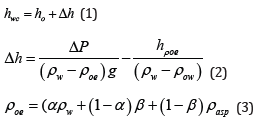
This goal is achieved by first taking samples of the upper pressure gauge and determining in laboratory conditions the density of water and oil, as well as the content of water and asphaltresinous substances in the intermediate emulsion layer (IEL) formed on the surface of the water cushion between the water and oil layers. Then, taking into account the measured values, the water cushion level is determined from the following formula:

where are the water cushion level in the settler, the height of lower pressure gauge and the distance between the gauges, respectively, cm; is the water level (water-IEL interface level) between the gauges, cm; are the density of water, oil and oil emulsion (OE), respectively, kg/cm3; is the differential hydrostatic pressure between the lower and the upper gauges, kg/cm2; are fractional content of water and asphaltenes, respectively.
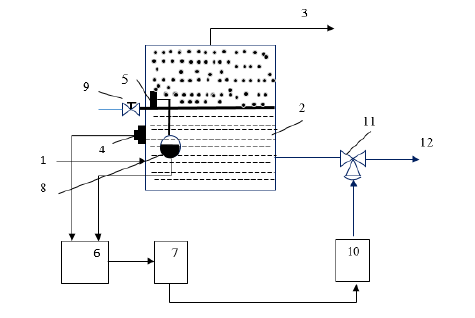
Figure 1 shows a schematic diagram that interprets the operation of the method for automatic control of the process of dynamic settling of OE, which consists in regulating the water cushion level in the TCOTU settler. The method is implemented as follows. Via pipeline 1, OE with increased water concentration enters settler 2. The settled oil with a small (residual) water concentration is removed from the settler via pipeline 3. Pressure gauges 4 and 5 installed at points corresponding to the permissible maximum and minimum water cushion (WC) level, according to the TCOTU master production record, with differential pressure gauge 6 measure the differential hydrostatic pressure (DHP) between points 4 and 5. The output of DHP 6 is connected to the input of control and display unit (CDU) 7. In order to improve the accuracy of DHP measurement, gauge 5 is connected through the separation vessel 8 with the negative chamber of the differential pressure gauge in CDU 7, the values of , determined in laboratory conditions, are introduced. Sampling is carried out at point 9. In the CDU, the WC level is calculated from formulas (1)-(3).

biomedres-openaccess-journal-bjstr

Figure 1: Schematic diagram of automatic control of the process of dynamic settling of OE.

The obtained value from the CIB output goes to WC level regulator 10 connected to actuating mechanism (AM) 11 installed in the drainage water discharge line. In regulator 9, the signal received from unit 7 is compared with the regulator’s setpoint and, if the bias is upward, the flow rate of drainage water increases and vice versa.
Thus, the oil and water interface level (WC) is automatically determined by the differential hydrostatic pressure measured between points 4 and 5, taking into account the quality indicators of OE – .

For More Articles: Biomedical Journal Impact Factor: https://biomedres.us

Open Access Journals on Medical Research

The Application of Nanobody in Non-invasive Imaging of Cancers

Introduction

Imaging is a useful and essential tool for making the correct clinical decisions for many diseases, including cancer. Many different imaging modalities have been developed ranging from conventional microscopy methods, aimed at single cells and multiphoton intravital microscopy, to non-invasive methods at the organismal level, such as single-photon emission computed tomography (SPECT), positron emission tomography (PET), magnetic resonance imaging, computed tomography (CT), bioluminescence and ultrasound imaging. The ability to image biological processes of a living animal and to diagnose signs of disease, have always been desirable goals. With the ongoing development of targeted therapies, it has become more and more important to visualize the presence tumor antigens and immune infiltrates to predict responsiveness [1].
There are several factors to be necessarily considered for designing a specific imaging agent. Once a tracer is injected into the blood stream, it must penetrate the tissue and then bind to its target. A tracer may accumulate in a tissue without binding specifically to its target. Furthermore, immunohistochemistry is needed to perform to confirm specificity and characterize the sensitivity of a tracer. Molecular imaging with labeled antibodies, extensively with labeled monoclonal Abs (mAbs), has been intensely explored, due to their particular characteristics such as high affinity and high specificity, and considered one of the best biomolecules applied for detection and targeting purposes. This can be useful for research, diagnostics, and therapeutic applications [2]. The application of antibodies in molecular imaging can help to overcome the challenge of specificity. Antibodies exist for many cell-surfaceavailable markers. Antibodies can detect cancer-specific markers and identify components of the tumor Extracellular Matrix (ECM) or tumor-infiltrating immune cells. Using radiolabeled antibodies and antibody fragments as imaging agents can be able to visualize and track location, movement and quantity of the target molecule, thereby showing insight into its dynamics.
However, antibodies’ difficult tissue penetration and longer serum half-life are strong obstacles in creating high-contrast images and cancer detection. The optimal non-invasive imaging agent would be able to penetrate tissues to allow rapid imaging after injection and show high specificity and sensitivity. The patient’s radiation exposure time should be minimized. Single domain Abs or commonly named nanobodies (Nbs), produced mainly in camelids such as llamas, alpacas, or camels, are only 15- kDa small size and improve the penetrability when compared with the performance of conventional mAbs (150 kDa) [3]. Moreover, Nbs own the characteristic of rapid renal clearance, avoiding toxicity effects [4]. One of the main advantages of obtaining Nbs by recombinant technology is that several tags can be fused in their tertiary structure such as His-tag or even fluorescent labels like the green fluorescent protein (GFP) [5]. Considering these characteristics, Nbs are particularly suited for targeting tumors and non-invasive imaging. Thus, Nbs form quite suitable candidates, ensuring minimal non-target retention to create a high tumor-tobackground ratio (T/B) shortly after administration.

Nanobody

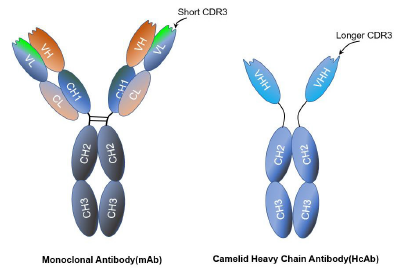
Nbs, the single domain antigen-binding fragments obtained mainly from the Camellidae such as llamas, alpacas, or camels. Normally, IgGs are formed from four polypeptidechains comprising two light chains (L) and two heavy chains (H). These host animals have the ability to produce immunoglobulins which only contain the heavy chain (HcAb) and completely lack the light chain. The heavy chain is structured into two constant regions (CH2 and CH3), a long hinge region, and the Ag-binding domain VHH [6]. Specifically, VHH is formed from different regions, ones that are more conserved (FR) and others that are responsible for the specific recognition of the Ag, called complementary determining regions (CDRs) [7]. Nbs present three CDRs instead of six occurring in conventional Abs [8,9]. The one called CDR3, usually longer than the VH domains of mAbs, being the region that shows best degree of recognition [4] (Figure1). Nbs have numerous attractive advantages over conventional monoclonal antibodies (mAbs) [5-7] include small size (15 kDa), high stability, high solubility and specificity, ease of genetic design and excellent tissue penetration in vivo.

biomedres-openaccess-journal-bjstr

Figure 1: The comparison between mAb and HcAb.

The folding of CDR3 loop and the hydrophilic content of the framework-2 region keeps Nbs high solubility in aqueous solutions and lack of aggregation [10]. High thermal stability keeps Nbs full binding capacities for 1 week at 37℃ [11], and even completely reversible after long incubation periods at 90°C [12]. High tolerance against extreme pHs makes Nanobody great stability between pH 7.4 and [10,13] as well as in the presence of proteases [14]. The optimal biophysical and biochemical properties allow Nbs to be used for diagnostic purposes.

Recognition of Hidden Epitopes

Crystallographic studies of Nbs have revealed that in most cases the Ag-binding surface is clefts and cavities [15]. The lack of variable light chain (VL) is balanced with a VHH region that shows an extended CDR1 and a more exposed CDR3. These structural changes allow Nbs to bind planar surfaces and cavities, and also possibly bind the protruding loops or clefts [16]. Therefore, this feature of Nbs and their smaller size explain the ability of Nanobody to bind and neutralize targets that are notoriously difficult to hit with conventional Abs.

The Development and Production of Nbs

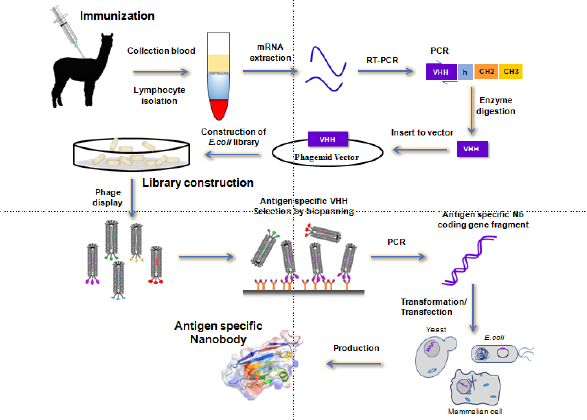
Obtaining libraries that contain the required genetic information is critical to produce Nbs with high specificity and affinity properties. At present, there are mainly three technologies for Agspecific Nbs’ preparation including immune, naïve, or synthetic libraries [9]. Immune libraries are the most common option for the development of Nbs, which requires an active immunization of Camelidae animals. Once the specific sequence is amplified from the extraction of mRNA from isolated lymphocytes and inserted in a cloning vector, the screening process is performed to isolate the most suitable Nbs by taking advantage of phage display technology, or using other methods like cell surface display and so on (Figure 2) [9]. However, phage display selection is the most commonly used strategy for this sort of screening, which is relatively fast to produce Nbs and has low cost, compared with the conventional polyclonal and monoclonal Abs.Nanobody selection based on naïve libraries takes advantage of the natural immunological diversity of the host animal without immunization [3,17]. Clearly, in any case, the success of this process depends on the amount of blood samples collected and it should be taken into account that only high specificity Abs can be obtained.

biomedres-openaccess-journal-bjstr

Figure 2: The development of Nbs from immune libraries.

Other strategies from semisynthetic/ synthetic libraries are based mainly on randomly varying the corresponding CDR sequences to generate higher degree of diversity than when the protocol performed depends on naïve libraries. Therefore, these sorts of libraries are considered a promising alternative to the conventional method including immunization of animals. Regarding of Nanobody production, a wide range of different expression models can be used including organisms such as bacteria, yeast, fungi, insect cells, mammalian cells, or even plant hosts [18]. The most widely used expression system is Escherichia coli, which expresses proteins in different cellular compartments. The main advantage of working with this expression host is that it enables the production of soluble functional Nbs and that requires cheap protocols. Conversely, the yields are not very high compared with organisms such as yeast or fungi. Another usual way to produce Nbs uses mammalian cells.
This is the most suitable choice when Nbs are produced for therapeutic purposes, although their cost, long time requirements, and complex handling do not make them the first option. Other possible methods include the use of yeast and fungi, which have already been successfully applied, but the production process is still complex. Moreover, the fact that Nbs can be expressed in different organisms is an advantage with respect to conventional mAb production since it allows insertion of customized tags, production at low cost, and high production scale [2]. Unlike the mAbs production, which requires sophisticated machinery only found in eukaryotic systems and uses very large mammalian cell cultures and long screening and purification steps, leading to very expensive production costs, Nbs are a good alternative to solve the problem of mAb production costs. Nbs can be easily expressed in microbial systems such as bacteria, yeasts, fungi 9 and rapidly screening from display libraries. Moreover, using sequencing technologies, it is particularly easier for high-throughput screenings. All of these production and selection advantages result in lower manufacturing prices.

Introduction to Molecular Imaging Technologies

The focus on the diagnosis of tumor imaging is just critical, as the tumor’s antigen profiles obtained by visual imaging are essential to maximize therapeutic efficacy. A variety of imaging modalities are utilized in cancer diagnosis, and molecular imaging techniques have shown potential in improving existing techniques [1]. Mainly, there are two imaging techniques mentioned frequently, including nuclear imaging technique and the optical imaging technique. The nuclear techniques of PET and SPECT comprise the majority of molecular imaging studies due to the advantages of their high sensitivity, quantitative output, and clinical relevance. For tracking, Nbs are tagged with a positron-emitting nuclide (e.g., 18F, 68Ga, 89Zr) for PET, and gamma-emitting nuclides (e.g., 99mTc) are used for SPECT [1]. The optical imaging techniques, including ultrasound, quantum dots, and magnetic resonance imaging (MRI), have also been studied with Nbs. Nbs tagged with fluorescent dyes, offers the advantages of simplicity, flexibility, cost effectiveness, and safety, although the technique has weaker penetration.
Ultrasound imaging utilizes reflected sound waves from tissues, and Nbs have been tagged to contrast agents, microbubbles, and nanobubbles. Even though it is a comparatively safer technique, its applications are currently limited to systemic vasculature [19]. Quantum dots are fluorescent nanocrystals that have recently demonstrated tumor imaging potential for their superior stability, adaptable properties, and multiplex detection. However their low biocompatibility limited their current implementation. Nanobodyconjugated quantum dots targeting epidermal growth factor receptor vIII (EGFRvIII) [20], carcinoembryonic antigen (CEA) [21], and cytotoxic T lymphocyteantigen-4 (CTLA-4) 22 have achieved enhanced targeting with minimal toxicity in vivo [20,22]. MRI is a more expensive technique that utilizes strong magnetic fields to generate higher resolution images. Nbs coated magnetoliposomes [23], super paramagnetic nanoparticles [24], and fluorescent streptavidin [25] has paired with the technology for detecting ovarian tumors.

Imaging Cancer Biomarkers Against by Nbs

Currently, Nbs against cancer biomarkers, such as human epidermal growth factor receptor type 2 (HER2) are in clinical testing [26-28]. HER2, an oncogene that encodes a transmembrane tyrosine kinase receptor, is used as a classifier of invasive breast cancer and a major therapeutic target. HER2 is over expressed in 15-20% of patients with breast cancer [29-30]. Based on the success of a phase I clinical trial of a 68Ga-HER2 nanobody that could detect primary and metastatic tumors without adverse effects [31], the phase II clinical trial was performed. Notably, the HER2-CAIX combination synergistically enhanced the T/B ratio and could also detect lung metastases [32]. Nbs targeting other cancer biomarkers, such as a sepidermal growth factor receptor hepatocyte growth factor [33], carcinoembryonic antigen [34] and HER [35]. have been developed, radiolabeled and used in mouse models. Notably, vascular cell adhesion molecule-1 (VCAM-1) is a marker associated with metastasis and immune evasion, and anti- VCAM-1 nanobody microbubbles have been used for ultrasound imaging of murine carcinomas [19].
Additionally, 89Zr-HER3 [35], 18F-HER2 [36], and 68Ga-NOTACD20 [37] Nbs, 99mTc-EGFR [38] 99mTc-EGFR-cartilage oligomeric matrix protein (COMP) [39], 99mTc-dipeptidyl-peptidase-like protein 6 (DPP6) [40], 99mTc-mesothelin [41], and 131I-HER2 [42] nanobody probes have also demonstrated high T/B ratios. Additionally, anti-EGFR nanobody probes have been utilized in dual-isotope SPECT [43] and optical imaging 44, with an enhanced T/B ratio vs. mAb-based probes [44,45]. Other studies have assessed nanobody probes targeting immune checkpoints (ICP) CTLA-4 and programmed death ligand 1 (PDL1) [45] for nuclear imaging with high T/B ratios [46,47] have demonstrated success in various tumor models. An anti-human PD-L1 nanobody was developed for non-invasively imaging [48], which can detect PD-L1 in melanoma and breast tumors and showed high signal-to-noise ratios in tumors. Compared with immunohistochemistry, Wholebody noninvasive imaging of PD-L1, is likely to be more informative, which can provide visualization, localization and quantification of its expression throughout the body.
The studies published recently about a 99mTc-labeled anti- PD-L1 nanobody at an early phase I, showed that no drug-related adverse events were observed. Tumor images with good signalto- background ratios were obtained 2 h post injection and signal was mainly detected in the kidneys, spleen, liver and bone marrow [49]. Overall, Nbs have proved to be excellent imaging agents to assess the presence or absence of important cancer biomarkers on metastatic lesions and primary tumors according to the results shown from several preclinical [37,50,51] and early clinical imaging studies [31,52].

Outlook

While we have focused mainly on image a range of infectious diseases, Nbs, possessing the own advantageous physicochemical properties, such as the high tolerance of Nbs against extreme pHs, high temperatures and high concentrations of organic solvents have opened a wide range of applications for the detection of small molecule. Their nano-size enables enhanced tumor penetration and access to hidden and/or intracellular epitopes, their stability and manufacturing ease are favorable for large-scale production, and their superior paratope diversity allows an extensive arsenal for tumor antigen targeting. Nbs owning high sequence similarity with human VH domains 52 possess low immunogenicity and are appropriate for human administration. Combined with their size, structure, low agglutination, coupling efficiency, tissue penetrability and rapid renal clearance and no side effects, Nbs are a real desirable for imaging purposes. Nbs can overcome some of the limitations that first-generation Abs showed.
Using nanobody-based imaging probes has shown improved visualization compared to traditional mAb-based probes. For high affinity Nbs’ development, considering about the animal welfare, semisynthetic/synthetic libraries have been used for producing high affinity Nbs instead of the immune antibody library. However, there are still more requirement of rational and faster panning methods are applied to ensure the production of Nbs with the feature of high affinity and selectivity. With several Nbs having advanced to the clinic, and with FDA approval of one nanobodybased drug, in addition to imaging applications of Nbs, we forecast that, Nbs will be the leading actor to being developed as many innovative and high potential molecules for cancer immuneimaging and immunotherapy in the near future.

For More Articles: Biomedical Journal Impact Factor: https://biomedres.us

Journals on Biomedical Research

Ultrasonic Frame of Reference for the Downward Displacement of the Posterior and Anterior Leaflets of the Tricuspid Valve in Children

Introduction

In downward displacement of the tricuspid valve [1], displacement of the septal and posterior valves is most common; however, the anterior tricuspid valve can also be moved downward [2]. During ultrasound, the root of the mitral valve in the apical fourchamber view of Ebstein malformation can be used as a reference structure for the downward movement deformity of the tricuspid septal valve [3]: however, there is a lack of reference structures for the downward movement deformity of the posterior and anterior tricuspid valves. Thus, the aim of this study was to evaluate the tricuspid annulus and inferior margin of the coronary sinus were as reference structures for posterior tricuspid valve downward movement. In addition, we aimed to evaluate two-chamber and four-chamber view tricuspid annulus as reference structures for anterior valve downward movement malformation, as well as exploring the reference structure for evaluating the degree of posterior and anterior tricuspid valve downward displacement.

Methods

Selection and Description of Patients

From May 2005 to April 2019, all children with tricuspid valve downward displacement diagnosed by echocardiography in our hospital were selected as study participants. Exclude children with unclear diagnosis. Of them, 18 were male and 24 female patients, aged between 7 months and 15.9 years, with a median age of 3 years and 10 months. Of the 42 total patients selected, 40 also exhibited atrial septal defect. Among them, two cases were further complicated with ventricular septal defect, one with pulmonary valve stenosis, one with ventricular septal defect and pulmonary valve stenosis, and one with single atrium and pulmonary valve stenosis. Two cases were not complicated with any congenital heart disease deformities. These complications are summarized in Table 1.

biomedres-openaccess-journal-bjstr

Table 1: Clinical Information.

Note: ASD: atrial septal defect; VSD: ventricular septal defect; PS: stenosis of pulmonary valve; SA: single atrium

Research Methods

Research Methods

biomedres-openaccess-journal-bjstr

Note: RV right ventricle; RA right atrium

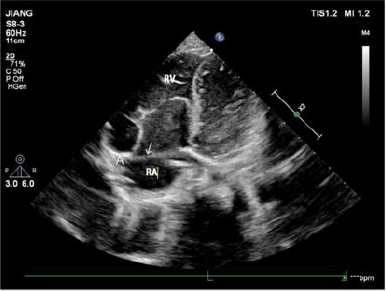
Figure 1: The apical four-chamber view showing that the arrow points to the front of the tricuspid valve annulus. A is the attachment point of the anterior tricuspid valve on the annulus. In the picture, the anterior tricuspid valve is attached to the anterior part of the tricuspid annulus, and the position is normal.

biomedres-openaccess-journal-bjstr

Table 2: Number of patients with different leaflets moving.

Note: SV: Septal valve; PV: Posterior valve; AV: Anterior valve.

Ethical approval was granted by the medical ethical committee of The First Affiliated Hospital of Gannan Medical University with the following reference number: LLSC-202105401. All study participants provided oral informed consent. The tricuspid septal and anterior valves were displayed by echocardiography in the apical four-chamber section, using the ultrasonic examination instrument Philips EPIQ7C and GE VIVID7 (Philips, Amsterdam, Netherlands), with a probe frequency of 3–8 MHz. The descending degree of the tricuspid septal valve was evaluated according to the position of the anterior mitral valve attached to the intracardiac septum, and the size of the atriated right ventricle and right ventricular cavity was observed. The apical four-chamber probe was then rotated about 45° clockwise to make the left atrium, left ventricle, and interventricular septum disappear gradually, exposing the right atrium, right ventricle, and right ventricular posterior wall. The shape, activity and position of the anterior valve of the anterior wall of the right ventricle and the posterior valve of the posterior wall of the right ventricle were observed, the tricuspid annulus and coronary sinus were displayed, and the distance between the attachment point of the posterior tricuspid valve, the inferior edge of the tricuspid annulus, and the inferior edge of the coronary sinus was measured. The apical four-chamber and right cardiac two-chamber views were used to evaluate the downward movement of the anterior tricuspid valve using the tricuspid annulus as the reference structure (Figure 1). The location of tricuspid regurgitation was revealed by color doppler ultrasound (Table 2).

Results

biomedres-openaccess-journal-bjstr

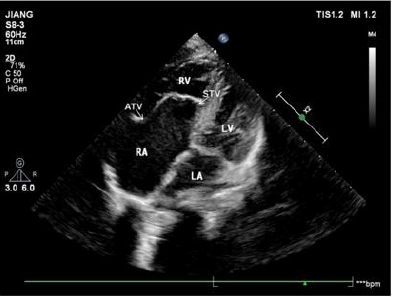
Note: ATV the anterior tricuspid leaflet; STV the septal tricuspid leaflet; RV right ventricle; RA right atrium; LV left ventricle; LA left atrium

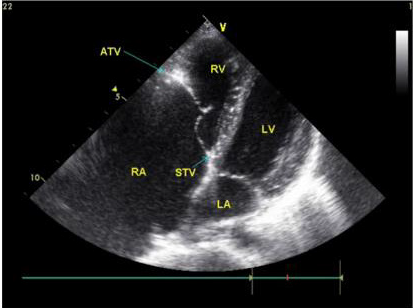
Figure 2: The apical four-chamber view showing that the position of the septal leaflet of the tricuspid valve is significantly lower than the root of the mitral valve during systole.

biomedres-openaccess-journal-bjstr

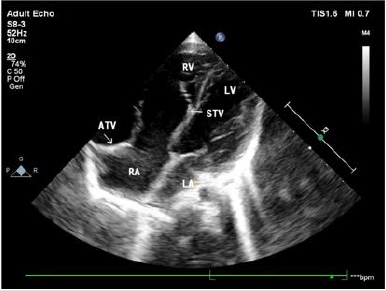
Note: ATV the anterior tricuspid leaflet; STV the septal tricuspid leaflet; RV right ventricle; RA right atrium; LV left ventricle; LA left atrium.

Figure 3: The apical four-chamber view showing that the position of the septal leaflet of tricuspid valve is significantly lower than the root of the mitral valve during diastole.

In 42 patients with Ebstein malformation, the septal and posterior valves moved downward simultaneously in 39 patients; the simple septal valve moved downward in one case; the posterior and anterior valve moved downward at the same time in one case; and the septal, posterior, and anterior valves moved downward simultaneously in one case. Aside from two patients with tricuspid septal and posterior valve downward movement and partial slight downward movement of anterior valve, ultrasound was consistent with the results of operation. Ultrasound showed downward displacement of the tricuspid septal valve in 41 patients (Figures 2 & 3). Aside from two patients in which downward movement of the tricuspid septal valve was so severe that the distance between the tricuspid valve and the root of the mitral valve could not be measured, the attachment point of the tricuspid septal valve was 2.22 ±1.11 cm from the root of the mitral valve in 39 patients.

biomedres-openaccess-journal-bjstr

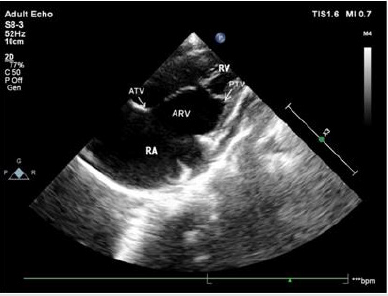
Note: PTV posterior tricuspid leaflet; ATV anterior tricuspid leafle;ARV atrialized right ventricle ;RV right ventricle ;RA right atrium

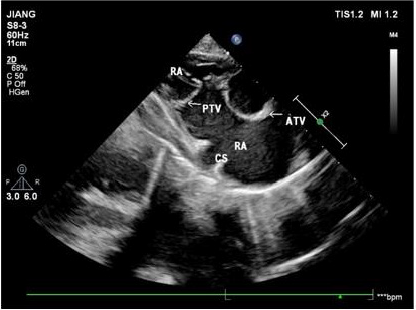
Figure 4: Apical right heart two-chamber view showing that the posterior tricuspid leaflet moves down from the tricuspid annulus and lower edge of the coronary sinus to the apex. The position of the anterior tricuspid leaflet is normal, and the leaflet is elongated.

biomedres-openaccess-journal-bjstr

Note: PTV posterior tricuspid leaflet; ATV anterior tricuspid leaflet; ARV atrialized right ventricle; RV right ventricle; RA right atrium

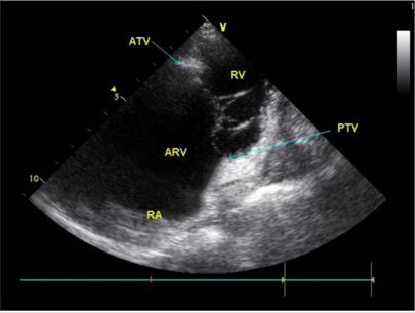
Figure 5: Right ventricular inflow tract view showing that the posterior tricuspid leaflet moves down from lower edge of the coronary sinus to the apex. The position of the anterior tricuspid leaflet is normal, and the leaflet is elongated.

biomedres-openaccess-journal-bjstr

Note: ATV the anterior tricuspid leaflet; STV the septal tricuspid leaflet; RV right ventricle; RA right atrium; LV left ventricle; LA left atrium

Figure 6: The apical four-chamber view showing that the anterior tricuspid leaflet moves down significantly, and the position of the root of the septal tricuspid leaflet is normal.

biomedres-openaccess-journal-bjstr

Note: PTV posterior tricuspid leaflet; ATV anterior tricuspid leaflet; ARV atrialized right ventricle; RV right ventricle; RA right atrium

Figure 7: Apical right heart two-chamber view showing downward motility of the anterior tricuspid leaflet and the posterior tricuspid leaflet positions.

biomedres-openaccess-journal-bjstr

Table 3: Distance of downward movement of different valves.

Note: SV: Septal valve; PV: Posterior valve; AV: Anterior valve.

Ultrasound also showed downward movement of the posterior tricuspid valve in 41 patients with reference to the tricuspid annulus or the inferior edge of the coronary sinus in the view of the inflow tract of the right ventricle and the right ventricle (Figures 4 & 5). Aside from the severe downward movement of the posterior tricuspid valve reaching the cardiac apex that could not be measured in three patients, the distance between the root of the posterior tricuspid valve and the inferior edge of the tricuspid annulus or inferior margin of coronary sinus was 2.71 ±1.08 cm in 38 patients. In one patient, downward movement of the anterior and posterior tricuspid valves, was confirmed by both operation and ultrasound. Ultrasound showed that the position of the anterior tricuspid valve had moved downward in the apical four-chamber section (Figure 6), which was 2.2 cm away from the tricuspid annulus, and that the anterior tricuspid valve was attached to the anterior wall of the right ventricle. The two-chamber view of the apical right heart showed the downward movement of the posterior tricuspid valve (Figure 7), and the distance from the tricuspid annulus was 1.3 cm (Table 3).

biomedres-openaccess-journal-bjstr

Note: ATV the anterior tricuspid leaflet; STV the septal tricuspid leaflet; RV right ventricle; RA right atrium

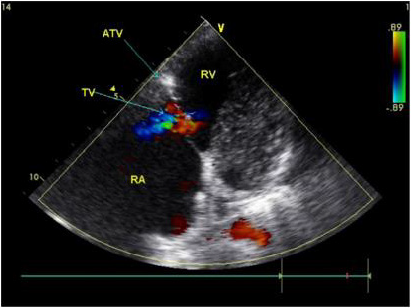
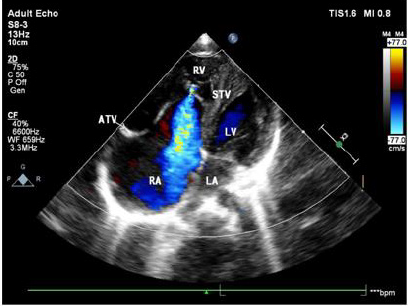
Figure 8: Color Doppler showing that the orifice position of the tricuspid regurgitation (blue shunt) has downward direction, and that the direction of the TR flow has an anterolateral bias in patients with downward displacement of the anterior leaflet in the apical four-chamber view.

biomedres-openaccess-journal-bjstr

Note: ATV the anterior tricuspid leaflet; STV the septal tricuspid leaflet; RV right ventricle; RA right atrium; LV left ventricle; LA left atrium

Figure 9: Color Doppler in the apical four-chamber view showing that the orifice position of the tricuspid regurgitation (blue shunt) has significant downward motility.

The right atrium was significantly enlarged, the atriated right ventricle was located on the anterolateral side, and the anterior lobe of the tricuspid valve was not obviously lengthened. The apical four-chamber section showed that the tricuspid septal valve was in the exact position. Color Doppler confirmed that the position and direction of the tricuspid regurgitation orifice had shifted to the anterolateral side of the anterior tricuspid valve (Figure 8). Color Doppler ultrasound showed that the position of the tricuspid regurgitation orifice was significantly decreased in 42 patients (Figure 9).

Discussion

In the apical four-chamber ultrasound section, the downward movement of the anterior tricuspid valve shows that the septal valve of the tricuspid valve moves away from the root of the mitral valve, but the reference structure of the posterior and anterior tricuspid valve is rarely reported. All the three valvular lobes of tricuspid valve are attached to tricuspid annulus, while the tricuspid annulus is a cardiac fibrous scaffold structure composed of dense connective tissue. Ultrasound shows hyperechoic light band, and the coronary sinus is located above the tricuspid annulus [4]. The posterior tricuspid valve is distant from the tricuspid annulus in the two-chamber view of the apical right heart [5]. In this study, in 40 children with posterior tricuspid valve displacement, the downward movement of the tricuspid valve was evaluated by ultrasound in the view of the apical right cardiac chamber and the inflow tract of the right ventricle, with the tricuspid annulus and the inferior edge of the coronary sinus as reference structures. Results were confirmed by operation. It is suggested that the downward displacement of the posterior tricuspid valve can be well evaluated by taking the tricuspid annulus and the inferior edge of the coronary sinus as reference structures in the two- chamber view of the right portion of the apical heart.
Downward movement of the anterior tricuspid valve is rare. When the anterior tricuspid valve moves downward, the anterior tricuspid valve is distant from the tricuspid annulus. Ultrasound shows that the tricuspid annulus has a strong echo band, which can show the downward movement of the anterior tricuspid valve. Of the two children with anterior tricuspid valve displacement in this study, one case showed that the anterior tricuspid valve moved away from the tricuspid annulus in the apical four-chamber and two-chamber views of the right heart. The ultrasonic diagnosis of the downward displacement of the anterior tricuspid valve was consistent with the results of the operation. In the other case, the downward movement of the septal and posterior tricuspid valves was diagnosed by ultrasound, and it was found that in addition to the downward movement of the septal and posterior tricuspid valves, there was also a slight downward movement of the anterior valve, which may have resulted from the large area and three-dimensional structure of the anterior tricuspid valve. Among them, part of the slight downward movement of the structure was not related to the change of hemodynamics. The position of the tricuspid annulus attached to the anterior tricuspid valve is sometimes difficult to display. Ultrasound can be expected to show a strong echo light band between the right atrium and the right ventricle from multiple angles, such as the apical four-chamber section, the right cardiac two-chamber section and the right ventricular inflow tract. Detailed attention is required to observe whether the anterior tricuspid valve is attached to the anterior position of the tricuspid annulus. In this study, the ultrasound of one patient with downward displacement of the anterior tricuspid valve showed that there was a hyperechoic light mass in the anterior tricuspid valve attached to the anterior wall of the right ventricle on the apical four-chamber section, which may have been caused by the myocardial echo contrast of the implantation of the root of the anterior tricuspid valve into the anterior wall of the right ventricle. It is suggested that the implantation a of strong echo light mass at the root of the anterior tricuspid valve into the anterior wall of the right ventricle may have been a sign of the downward movement of the anterior tricuspid valve in the apical four-chamber section.
The area of the anterior tricuspid valve was the largest among the three valves, and it was semicircular, accounting for 2/3 of the function. The hemodynamic changes of the downward movement of the anterior tricuspid valve were significantly greater than those of the other two valves, the right atrium was significantly enlarged, the atrial right ventricular wall had become thinner, and cardiac function was poor. Obvious enlargement of the right atrium must sometimes be distinguished from the right atrial aneurysm when the tricuspid annulus and the anterior tricuspid valve move downward at the same time. When the anterior tricuspid valve moved downward in this study, the position of the tricuspid annulus was normal, and only the anterior tricuspid valve moved downwards. The strong echo light mass at the root of the anterior tricuspid valve was implanted into the anterior wall of the right ventricle, and color Doppler showed that the direction of tricuspid regurgitation shifted to the anterolateral direction. This may also have been a sign of downward movement of the anterior tricuspid valve.
The downward movement of the tricuspid valve is more common with downward movement of the tricuspid septal valve, posterior valve, and the lengthy and increased amplitude of the anterior tricuspid valve [6,7]. It is rare that the position of anterior and posterior tricuspid valve is downward, and the position of septal valve is normal, but no matter which valve moves downward, the position of tricuspid annulus remains unchanged, and the position of tricuspid opening remains far away from tricuspid annulus. In this paper, 42 patients with tricuspid regurgitation were shown by color doppler ultrasonography, which suggested that the downward position of tricuspid regurgitation was an important sign in the diagnosis of tricuspid regurgitation.

For More Articles: Biomedical Journal Impact Factor: https://biomedres.us

Journals on Medical Microbiology

Cognition and Omega-3 Fatty Acids: A Narrative Review of the Literature

Introduction

Today we know quite well that a healthy lifestyle that includes physical activity, healthy eating or moderating toxic habits such as alcohol and tobacco are associated with a lower risk of suffering from some diseases such as cardiovascular diseases, some types of neoplasms, and neurodegenerative diseases in general, and particularly cognitive impairment or dementia. The dietary factor is perhaps the most complex, and much research is aimed at elucidating which foods are associated with this beneficial effect and why. To this respect, one of the most implicated actors in this positive effect has shown to be polyunsaturated fatty acids, especially those belonging to the omega-3 group. Fatty acids are biomolecules consisting of a linear hydrocarbon chain of variable length, with a carboxyl group (-COOH) at one end and a methyl group (-CH3) at the other. The carbon atoms in the chain are joined by single or double covalent bonds. The absence of double bonds defines the acid as saturated, while the presence of one double bond in the chain defines it as monounsaturated acid, and the presence of multiple double bonds as polyunsaturated. Polyunsaturated fatty acids are known by their acronym PUFAs (Poly Unsaturated Fatty Acids). Omega-3 fatty acids (ω-3), together with omega-6 fatty acids (ω-6), make up the group of so-called essential fatty acids, which owe their name to the fact that they are essential for the body since the body is not capable of producing them on its own and must acquire them from foods that contain them. Whether a fatty acid is referred to as omega-3 or omega-6 is established by the location of the first double bond from the methyl-terminal end. In omega-3s, the double bond is at carbon 3 [C3-C4] and can also be identified as n-3. In omega-6, the double bond is at carbon 6 (C6-C7) and is also known as n-6.
Excessive amounts of omega-6 polyunsaturated fatty acids (PUFA), marked by an increased dietary high omega-6/omega-3 ratio, as is increasingly common in current Western diets, are currently speculated to promote the pathogenesis of many diseases, including cardiovascular, cancer, inflammatory and autoimmune diseases [1]. In contrast, omega-3 fatty acids have been shown to play an important role in altering blood lipid profiles and membrane lipid composition and affecting eicosanoid biosynthesis, cell signaling cascades and gene expression, which positively influences health status. This effect seems to have been proven in cardiovascular diseases [atrial fibrillation, atherosclerosis, thrombosis, inflammation, and heart disease, among others], diabetes, cancer, depression, or autoimmune diseases (e.g., rheumatoid arthritis). Its beneficial influence on brain function in the diet of pregnant and lactating women has also been studied [2,3]. The first evidence of this beneficial effect was provided by epidemiological studies which revealed that the traditional Greenlandic diet, rich in marine mammals and fish, reduced the incidence of cardiovascular disease in both the Inuit population and in the Danish people who immigrated to these latitudes, belonging to a different ethnic group [4]. There is currently a tendency in today’s diets to over-consume omega-6 in relation to omega-3 due to the high consumption of vegetable oils by Western society, which means that this ratio can be as high as 20:1, very different from the current recommendations which advise that the omega-6/omega-3 acid ratio should be approximately 4:1, as was the case until the beginning of the 20th century. We could hypothesize that diets rich in omega-3 polyunsaturated fatty acids would be beneficial for the functioning of neural structures, since one out of three fatty acids in the central nervous system are long-chain polyunsaturated fatty acids, and it could be thought that an inadequate balance between these (ω-6/ω-3) would lead to neuropsychological alterations [5].
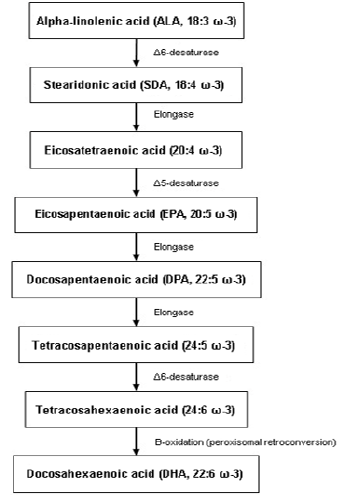
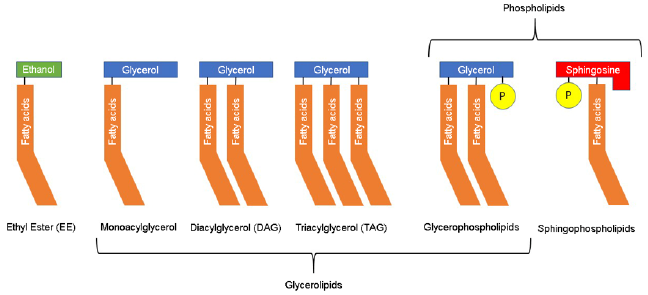
Omega-3 PUFAs originate mainly from the marine environment or the vegetal kingdom and include α-linolenic acid (ALA; 18:3 ω-3), stearidonic acid (SDA; 18: 4 ω-3), eicosapentaenoic acid (EPA; 20:5 ω-3), docosapentaenoic acid (DPA; 22:5 ω-3) and docosahexaenoic acid (DHA; 22:6 ω-3). Some plant seeds, such as flax, chia and canola seeds, are good sources of ALA, which serves as precursor for the synthesis of other long-chain PUFAs (see Figure 1) in the human body such as DHA or EPA. However, the production of longchain ω-3 PUFA from ALA is very limited, with conversion rates of around 5% through this metabolism. Therefore, the best sources of PUFA ω-3 are those of marine origin. Long-chain ω-3s, such as EPA and DHA, are found in the lipids of fatty fish; in the fat tissue of marine mammals; in algae and marine fungi; as well as small crustaceans that are part of krill. The bioavailability of ω-3 PUFAs is also influenced by the organic structure of the ingested form from the diet (see Figure 2), whether ethyl ester (EE), triacylglycerol (TAG) or phospholipids (PL). The most common form of lipids in nature is TAG, which has the best bioavailability compared with EE. PLs are rare in nature and data on their bioavailability are limited and inconclusive [4]. For these reasons, most supplements are made from fish oils or other marine organisms such as krill, as the bioavailability of these products is higher than with vegetal origin products, in addition to the higher proportion of long-chain omega-3 PUFA (DHA or EPA) of higher biological value [6].

biomedres-openaccess-journal-bjstr

Figure 1: Metabolism of ω-3 PUFAs.

The ω-3 PUFAs appear to exert a very important action on neuron membranes, especially in the synaptic regions of neurons (and to a greater extent, in areas of grey matter), where they accumulate in greater proportion and are essential components of the phospholipid membrane, so their importance is vital for the stability of the dynamic structure and functional activity of neurons, as they can alter the fluidity of the lipid membrane (displacing cholesterol from it) and promote synaptic plasticity, which is essential for learning, memory and other cognitive processes. They also act as sources of communication for second messengers between neurons, enhance the coupling of G-proteins involved in many signal transduction pathways and are involved in direct lipid-related transcription functions. DHA, one of the most important and final products of their metabolism (see Figure 1), constitutes more than 90% of the ω-3 and 10% to 20% of the total lipids in the brain. It is mainly incorporated into phosphatidylethanolamine, phosphatidylserine and, in smaller amounts, into phosphatidylcholine in synaptic terminals, mitochondria and endoplasmic reticulum. In fact, DHA is able to modulate cellular properties and physiological processes such as membrane fluidity, neurotransmitter release, gene expression, myelination, neuroinflammation and neuronal growth [6].

biomedres-openaccess-journal-bjstr

Figure 2: Structure of lipids.

The purpose of this review is to examine the current evidence on the relationship between dietary omega-3 supplementation and improved cognition or prevention of cognition-related diseases such as Alzheimer’s disease (AD). To this end, we will discuss the evidence both for and against, in preclinical experiments as well as in clinical studies in humans, including normal ageing, subjective memory or cognitive complaints, mild cognitive impairment, and even AD.

Preclinical Data

The potential effect of omega-3 fatty acids on cognition has been studied in multiple experimental preclinical studies in animals, both in models of normal ageing and in models of AD. The most common model of normal animal ageing is the canine model. Dogs are capable of developing age-related cognitive decline similar to that found in humans and their diet is similar to ours [7]. They can therefore be used to study the potential effects of nutritional supplements in controlled settings. Most studies use nutritional supplements that combine different types of omega-3s, as well as amino acids and antioxidants. The results obtained in these studies support the hypothesis that these supplements would have a beneficial effect on cognition and learning in older animals [7-9], although there are some studies that do not find these benefits [10].
AD models are usually conducted in rodents. These often consist of transgenic strains with mutations that predispose to developing the disease and have been used extensively in AD treatment research. Most studies of omega-3 supplementation in these animal models have shown benefits on delayed cognitive impairment [11], cognitive decline, behavioral symptoms [12], and have even shown to reduce beta-amyloid deposits [12]. An interesting study used transgenic mice for amyloid precursor protein (APP)-animal model for AD-, compared with others that carry the same pathogenic mutation together as well as another mutation that induces the passage of endogenous omega-6 to omega-3, obtaining that the latter showed a lower progression of cognitive and behavioral symptoms compared to the former, displaying the potential protective effect of omega-3 versus omega-6 [13]. This beneficial effect of omega-3s is also observed in other studies in a murine model of epilepsy [14]. In contrast, other studies have not found this beneficial effect in transgenic mice, although they do find it in normal mice [15].

Clinical Evidence

Normal Ageing

We have found and reviewed 13 randomized trials examining the effects of omega-3 dietary supplements in healthy elderly subjects, looking at their cognitive performance. Most used DHA supplements, sometimes combined with EPA, with a daily dose ranging from 350 mg to 3,000 mg of DHA obtained from fish oil in most cases, and in one case from krill [16]. Cognitive performance was measured using a cognitive assessment protocol that typically includes tests of memory, attention, working memory, verbal fluency, and processing speed [17]. The results of most of them showed significant differences when assessing the cognitive effects of omega-3s [16,18-23]. One of the studies used the measurement of P300 evoked potentials as the primary endpoint, resulting in an improvement in the omega-3 treated group [24].
In other studies, on the contrary, no significant differences were found in the parameters evaluated, although most of them used lower daily doses (200-300 mg DHA), compared to the previous studies [25-27], or otherwise the sample size was small [28], which could explain this difference in results. The exception is the study by Danthiir et al. which used high doses (1,720 mg DHA) and only obtained a slight tendency towards improvement in some of the evaluated endpoints [29]. In addition to the above, mention could be made of the Spanish WAHA study, which did not examine the direct effect of omega-3 supplements but studied the effect of a dietary supplement with walnuts in a population-based cohort. Although there were no significant results in cognitive variables after two years of intervention, improvements in functional networks mediated by functional magnetic resonance imaging (fMRI) during working memory tasks were shown [30].

Subjective Memory Complaints

Studies related to subjective cognitive, or memory complaints are scarce, perhaps because the concept is more difficult to categorize or define than normal ageing or the “classic” mild cognitive impairment or dementia. By subjective memory complaints (SMC) we mean individuals who present a subjective perception of poor cognitive performance in general [and memory in particular] but which present a neuropsychological examination within the normal range. It has been established that this altered perception of one’s own cognition could be caused by the onset of a very incipient cognitive impairment which eventually cannot be detected in neuropsychological tests, or by a poor estimation of one’s own abilities (meta-cognition) due to executive dysfunction [31].
The main study in this subgroup of subjects is the MAPT study which randomized French elderly people to multi-domain intervention groups [cognitive stimulation, physical activity, and nutrition], to omega-3 supplementation or both interventions versus placebo. This study found no improvement in patients who underwent intervention [32]. Anyway, a subgroup analysis subsequently found that omega-3 supplementation would be partially beneficial in those subjects who had low baseline omega-3 levels [33]. Another ambitious trial in this population subset is the PONDER study, for which no results have yet been obtained [34]. Otherwise, some studies have found objective improvements on cognitive performance or in regional blood flow measured by fMRI in the posterior cingulum [35-37].
The study by Yurko-Mauro et al. in patients with memory complaints who met criteria for “age-related cognitive decline” has been considered as positive. This is a randomized, doubleblind, placebo-controlled clinical trial in which 900 mg per day of DHA (n=242) or placebo (n=243) was administered to individuals with memory complaints of average age 70 years for a period of 6 months, showing statistically significant differences in favor of DHA administration in validated cognitive tests frequently used for the assessment of memory and learning ability. The authors concluded that DHA supplementation at a dose of 900 mg/day improved memory and learning capacity in individuals with SMC [35]. In addition, there is a meta-analysis evaluating the results of 15 clinical studies, most of them observational, which concluded that DHA/EPA supplementation has a beneficial effect on memory in adult individuals. The review concludes that episodic memory tests of adults with SMC were significantly improved (p<0.004) with DHA/EPA supplementation. Furthermore, and regardless of cognitive status at baseline, DHA/EPA supplementation [at doses >1 g per day] was able to improve episodic memory (p<0.04). Changes in semantic and working memory from baseline were significant with DHA, but no differences between groups were detected [38].

Mild Cognitive Impairment

Mild cognitive impairment [(MCI) is probably the main risk factor for developing dementia, and specifically amnestic MCI (the most prevalent entity) is the most important risk factor for the development of AD. For this reason, preventive treatments have become a relevant source of study in patients with MCI, as they could have a potential role in the prevention of AD. Currently, there is no drug approved for use in MCI, but some strategies such as cognitive stimulation, physical exercise, and dietary recommendations, including omega-3 PUFAs, are under study. Randomized clinical trials that have studied the effect of omega-3 PUFA in patients with MCI have been reviewed. Most studies showed improvements in scores on working memory tests, as well as episodic memory [39- 41], although there are others that evaluated test scores (FSIQ -Full Scale Intelligence Quotient- and WAIS -Wechsler Adult Intelligence Scale), or even depressive symptom scales (GDS -Geriatric Depression Scale) [42,43], which concluded with positive results in favor of omega-3 supplementation. All the mentioned studies above followed patients for 6 months to one year, while studies with shorter follow-up did not seem to obtain statistically significant differences [44].
Additionally, there have been several published meta-analyses and systematic reviews on the effect of omega-3s in patients with MCI. The overall conclusion of all of them points to the beneficial effect of omega-3 PUFA in MCI patients [45,46]. The most recent meta-analysis of 25 studies (n=787) indicated that omega-3s appear to have no effect on overall cognitive function (Hedge’s g= 0.02; 95% confidence interval= -0.12 to 0.154), although it may have a beneficial effect on memory (Hedge’s g=0.31; p=0.003; z=2.945) [46]. Another meta-analysis by Zhang et al. analysed all studies in which the MMSE (Mini Mental State Examination) was used for the assessment of these patients treated with DHA/EPA supplements and concluded that the treatment seems to statistically decrease the rate of cognitive decline in terms of MMSE score (WMD=0.15 (0.05-0.25); p=0.003), so the hypothesis that omega-3 could help to prevent global cognitive decline -in addition to memory- in elderly people with MCI seems to be supported [47].
Neuroimaging research has looked at the effect that omega-3 PUFA may have on the brain in patients with MCI. One of these studies used fMRI to study regional blood flow. It appeared that treatment with omega-3 for 26 weeks is able to increase blood flow in posterior cortical areas, typically affected in MCI [48]. Another study analysed the evolution of brain volume measured by MRI in patients with MCI with results showing that, after treatment with DHA supplementation for one year, the hippocampal volume measured by brain MRI was larger in treated patients than in those receiving placebo [49].

Alzheimer´s Disease

There have been numerous studies on omega-3 PUFA in AD with overall slightly favorable results. In this context, multiple randomized, double-blind, placebo-controlled trials have been conducted, some of which have had great scientific impact. So far, no treatment has been found that is able to significantly improve AD, so most studies are trying to elucidate whether treatments are able to reduce the degree of disease progression. One of the first studies that attempted to address the effect of omega-3s on the progression of AD was the Omega AD study. In this study, patients were treated with high-dose DHA and EPA (1.7 g DHA + 0.6 g EPA) versus placebo, with omega-3 supplementation in both groups continuing for a further period from 6 months to 1 year. The main publication derived from the research showed a tendency for the treatment group to have less disease progression at the cognitive level [measured by MMSE and ADAS-Cog -Alzheimer´s Disease Assessment Scale-Cognitive], although significant differences were only obtained in the mildest AD subgroup [50]. In this trial, a better outcome in patients with higher plasma levels of omega-3 was found [51] and also in those with higher homocysteine levels, which the authors relate to a hypothetical synergistic effect with B vitamins [52]. The same study attempted to assess the efficacy on behavioral symptoms without improvement, with the exception of depressive symptoms, a finding that has been observed in other settings of cognitive impairment [53]. This beneficial effect of omega-3s has been replicated in other clinical trials using similar doses of DHA for 6-12 months with improvements in cognitive scales such as the ADAS-Cog [54–56].
On the other hand, some studies have found no significant differences in terms of cognitive assessment [44]. The most relevant is that of Quinn et al., concluding that treatment with DHA (2 g/day) for 18 months did not produce a relevant cognitive effect as measured by MMSE and subscales of the ADAS-Cog [57]. Studies related to some complex nutrient formulations with high doses of omega-3 PUFA in their composition [1200 mg DHA + 300 mg EPA per 125 ml] are worth mentioning. Some studies with these products have shown beneficial effects of daily treatment. The primary endpoint of the trial was the change in memory as measured by the NTB [Neuropsychological Test Battery] Z-score at 24 weeks of treatment. The study showed statistically significant differences in NTB score in favor of the treated arm [p=0.023; Cohen’s d=0.21; 95% confidence interval (-0.06 – 0.9)) [58,59].

Conclusion

Although evidence is not conclusive, several investigations support that supplementation with omega-3 PUFA, especially DHA, may have beneficial effects on cognition in healthy older adults with SMC and even in patients with MCI or AD. These effects should generally appear at high daily doses [800-900 mg and above] and over long periods of time (6 months or longer). This protective effect has not been shown in all studies, so it is possible that the results may be influenced by other variables; in this sense, it is important to mention that ensuring adequate long-term adherence to treatment [at least 6-12 months] may be important to establish a possible objective benefit. Anyway, more soundly designed interventional clinical trials are needed to ascertain relevant issues concerning dose and supplementation duration. It has been found that plasma omega-3 values or homocysteine levels may be related with these discrepancies among different studies, with subjects with lower plasma omega-3 and homocysteine levels benefiting more from this effect. In any case, these supplements appear to have no relevant adverse effects and may have other added benefits such as reduced cardiovascular risk. Moreover, their indication is not at odds with other recommendations such as cognitive stimulation and physical exercise, so that, altogether, these measures can be medically recommended.

For More Articles: Biomedical Journal Impact Factor: https://biomedres.us

Open Access Journals on Life sciences

A Review on the End-of-Life Care

Background to the Study

There is a huge distinction between death occurrences and believes in the past and that of the present. The level of death occurrence in the present is increasing compared to the past, and it is influenced by population increase, globalization, global warming, internet penetration, and various discoveries. According to Carlet et al (2004), death is frequently a private, religious or spiritual event with a group of family members and friends gathered around the victim. However, as death becomes a topic of public concern and more technical procedures are introduced to avoid or facilitate dying, the picture of death is changing [1]. End-of-life care for families and their patients has been a hot topic for the past two to three decades. This could be in consequence of a variety of factors, such as the shifting away from a solely medical perspective and toward a more holistic approach to caring. [2], for example, said that the early 1970s saw a transition away from a strictly biomedical survival perspective and toward a dual perspective. This includes focusing care on saving lives and enhancing medical identities, as well as taking care of family members and developing numerous social identities. Supporting life procedures and modern technology introduced to the treatment process contribute to hospitalized patients’ disease becoming more severe [3].
Most significantly, in today’s healthcare environment, families and their patients expect to be included in the treatment process as well as in the decision-making process [4]. The majority of the literature fails to define end-of-life or end-of-life care precisely. However, several authors have attempted to provide a succinct definition of this phrase. These two descriptions appear to be general and ambiguous. It seems to be difficult to establish a precise or comprehensive description of end-of-life care. End-of-life care in the intensive care unit (ICU) was detailed in detail by Alhalaiqa, et al. [5]. Alhalaiqa, et al. [5] pointed out that while delivering endof- life care, there are no set processes or stages to follow, making it difficult to assess the effectiveness of any end-of-life programs. However, talking about death and end-of-life care, as well as having open dialogues about these topics, may contribute to the development of guidelines for healthcare professionals to provide high-quality end-of-life care [6]. End-of-life care is also implemented differently depending on a variety of criteria, including the patients’ conditions and the departments. Cardiopulmonary resuscitation of victims and their relatives in acute settings is the focus of this study.

Literature Review

Stages of the Crisis at a Duration of Unexpected Death

There are four stages of crisis during a sudden death. They are recognized and listed in order of difficulty from the least challenging to the most challenging crisis. If any of these stages are not addressed, a person may progress from one to a more challenging one.
First stage: The presence of a threat that could harm patients’ family members is included in the first stage. This threat may cause stress or tension among the relatives. This stage may entail family members’ fears that something dangerous has occurred to their loved one in the case of cardiopulmonary resuscitation (CPR). The routine coping mechanism, according to Wright (1996), may be able to settle this stage. Wright also stressed the necessity of previous experience in minimizing the effect of this stage. Surprisingly, many studies revealed that most of family members who have previously watched family-witnessed resuscitation (FWR) wish to be present again.
Second Stage: Failure to treat persons in this stage may result in their illness worsening and sending them to the second stage, according to Wright (1996). The failure of previous experience to tell people how to deal with this new situation may have resulted in the second stage. Feelings of helplessness and hopelessness may intensify throughout this stage. People at this stage, according to Wright [7,8], try to find alternatives. Wright revealed that relatives can utilize the trial-and-error method to figure out the most acceptable response to the situation. Allowing FWR was supposed to increase death acceptance and assist bereaved families [9]. This would hasten the grief process and make it easier to accept death as a natural result of CPR.
Third Stage: Intense activity, disorder, and disarray characterize the third stage; old fears resurface, preoccupation with trivia, and make-or-break action are all present. This stage, according to Wright, might be overcome by changing the focus. Wagner. Several studies have found that family members prefer to attend their loved one’s CPR because it allows them to acquire information more rapidly. This would also lessen family tensions and reduce the likelihood of inappropriate behavior.
Fourth Stage: The patient’s relatives may be unable to cope with the situation in the fourth stage, and they may retreat and feel gloomy. Wright recommended taking various actions to manage this stage, including addressing the relatives’ comfort requirements, listening to them without passing judgment, creating a quiet environment, and taking a break from the problem-solving effort.
These interventions were suggested in the literature as a way to satisfy the requirements of the patients’ relatives during CPR. The necessity of treating families as soon as possible would be highlighted if healthcare providers considered these stages and recognized each one. This prevents families from progressing to a more mature level. Individuals do not, however, necessarily progress through all of these stages. Some people may skip the early stages and proceed straight to the advanced stages, while others may adjust to abrupt death and recover swiftly without experiencing any of the preceding stages. The determinants of grief and the elements that affect bereaved individuals during sudden death are discussed in the next section.

Causal Factors of Grieving

In general, there was no systematic study of the elements that would affect families’ reactions and feelings during and after CPR, especially if the CPR resulted in death, in the literature. It might be worthwhile to go over these points again. Several elements were thought to play a role in creating the powerful feelings, reactions, and grief experienced by people who died suddenly. Six elements, according to Wright (1996), have a significant part in deciding how families grieve when a cherished person dies suddenly. These factors include:

a. Manner of Death

The patient’s condition at the time of death should be known to healthcare personnel. It was generally assumed that natural (normal) death would cause less grief than unnatural (abnormal) death. The natural deaths are usually unavoidable, while the unnatural deaths are usually avoidable. The avoidable deaths are mostly caused by either human or mechanical faults. Parkes, who worked as a psychiatrist, noted that all of the bereaved people he had visited had experienced extremely traumatic kinds of bereavement. It has been stated that healthcare professionals who deal with CPR in consequence of injuries and accidents are more rigorous about allowing family members to participate in CPR. The majority of these health care providers raised serious worries about the presentation’s potential adverse effects on family members.
Helmer, et al. (2000) revealed that comparing trauma patients to those with medical disorders is problematic. It would be more difficult to blame others if the death was caused by natural causes such as disease, according to Wright (1996). Family members, on the other hand, may blame healthcare experts, health organizations, culture, or society, as well as themselves for not being able to do more than they did. The sadness of losing a loved one will be magnified if he or she was far away from home or family members, according to Wright (1996). This demonstrates the importance of family members being present during CPR.

b. The Identity of that Person (victim)

The depth of the grieving process is influenced by the patient’s status in the family [10]. Wright (1996), on the other hand, cautioned against making assumptions based on this characteristic. For instance, if a breadwinner dies unexpectedly, such person will be mourned for a long time because of the significant position that the person occupied in the family. Furthermore, the loss of one of the parents would have an impact on other susceptible family members’ feelings of stability and safety.

c. Manner of Attachment

The loss of a key individual is usually the most distressing. This can involve the death of someone with whom one has had a close relationship. As a result, the stronger the link between the grieving individual and the deceased person, the more severe the adverse effects on the departed relatives are expected. This, however, is not a rule. A father or a mother, for example, may have various amounts of attachment to their sons. To determine the strength of this relationship, a series of questions should be asked. This includes questions like, “What does this loss represent?” and “What security or safety aspects might be jeopardized in consequence of this loss?” Wright (1996) noted that the provision of answers to the following questions would aid in determining the bereaved person’s level of vulnerability. Another essential aspect of the attachment’s nature is the security and safety difficulties that arise in consequence of the relationship (Wright, 1996). For example, losing a father who is the family’s sole source of money might increase tension among family members.

d. Past Precursor

Wright (1996) emphasizes the importance of previous crisis experience, particularly abrupt death, in coping with the new crisis. When people have a positive experience, Wright says, it helps them cope with the new incident, and vice versa. To put it another way, what one person considers a loss may not be considered a loss by another. It’s possible that being exposed to the crisis will help people build skills and experience in dealing with similar situations in the future. It was discovered that family members with prior FWR experience were more confident in their attitudes during CPR. Furthermore, those who had been exposed to a comparable situation or had died suddenly were more cooperative with medical personnel performing CPR. They also provide assistance and comfort to the other families.

e. Individual Characteristics

Personal qualities have a vital influence in determining how people react when they are dying or receiving CPR. People react to abrupt death in different ways, according to Wright (1996). Wright also discovered that the personality of a patient’s relatives has an impact on how they search for a healthy grieving resolution. Emotional and physical well-being, according to Walsh and Crumbie (2007), provides people with more resources to cope with losses. As a result, healthcare providers should be prepared to cope with people who have a wide range of mental and physical resources for coping with loss, as well as diverse levels of social support. It appears that assessing people’s personalities or evaluating the differences between patients’ families is challenging during CPR. It appears critical to emphasize that not only personal traits influence people’s reactions, but also other elements such as family preparation, healthcare preparation, and environmental preparation. Family members should, for example, be accompanied by trained staff during CPR [11], and they should be given a suitable location to sit and observe the treatment [11].

f. Social, Cultural and Religious Factors

When people lose a loved one, social, cultural, and religious variables may have a big impact on their feelings and reactions [12]. The availability of social assistance would help to mitigate the crises’ impact on patients’ families. In a survey done by Al-hassan and Hweidi (2004), relatives of Jordanian patients rated their need for assistance as the lowest. Jordanians, it was revealed, rely on other family and friends for the majority of their support. Jordanian people in critical care units were assessed in this study, which was conducted in Jordan. However, the goal of this study was to look at the needs of critically sick patients’ families, not their needs at the time of death.
Some religions and cultures, according to Wright (1996), assist the bereaved by providing support and confirmation of their worth. Some religions, such as Christianity, are commonly thought to be helpful and supportive in the event of a sudden death, according to Wright. Jordanians’ opinions and behavior on matters such as health and death are heavily influenced by religion and culture. People in Jordan, for example, rely on their relatives for financial and psychological support rather than relying on other resources such as hospital professionals. As a result, Jordanian patients frequently have a significant number of visitors. The task of healthcare professionals is made more difficult by the fact that they must deal with a huge number of visitors.
In conclusion, these six criteria appear to be critical to consider when devising any remedy to lessen the harshness of the grieving process. Understanding these characteristics will aid healthcare providers in identifying the issues that patients may need to address in order to begin the grieving process. The following discussion looks at a suitable plan for treating bereaved family members appropriately.

Dealing with Bereaved Relatives at the Time of Sudden Death and During CPR

In the work of literatures, there is no mention of FWR in relation to end-of-life care. According to Kubler-Ross, grievers go through five stages (1969). Denial or a sense of isolation may be felt by grievers at first. This means that grievers may say things like “don’t say that” or “no, he didn’t die” to indicate their disbelief. Wright (1996) suggested a number of methods for coping with this emotion, including finding a polite way to inform family members of the bad news. According to Davidhizar and Newman-Eiger, nurses, on the other hand, should comprehend the value of denial (1998). They claimed that denial is one of the safest strategies to deal with the unfathomable.
Second, grievers may have a sense of rage. They might start saying things like ‘why me?’ or ‘why now?’ as a form of protest. Kubler-Ross warned that grievers might start blaming the healthcare experts for the lack of justice. Nurses and other professionals may take this personally (Wright, 1996). Bereaved people may begin haggling with healthcare providers. They might try to put off the inevitable. Healthcare practitioners, according to Wright (1996), should accept this and endeavor to reach an agreement with grievers to prove the death. Bereaved people may experience depression. When grievers can no longer deny or relocate, they enter this stage.
Grievers may experience feelings of sadness and crying at this stage as they begin to recognize reality. Withdrawal, stillness, and helplessness may be observed by bereaved people. As grievers reach the acceptance stage, they stop striving to ignore or avert the unavoidable death. Grievers begin to comprehend the concept of death at this point, and they begin to relax and feel at ease. Research by Brysiewicz, et al. [13] employed a semi-structured interviews to examine the ED healthcare personnel’ capability to handle the situation of sudden death. The study reacted to findings of previous studies that was conducted by Brysiewicz [14]. A model was created to give healthcare personnel guidance on how to cope with unexpectedly bereaved families before, during, and after death. This approach instructs healthcare providers on how to cope with family members while performing CPR. This would also make it easier for families to accept their loved one’s death. Before the happiness of death, the first half of this paradigm includes instructions for dealing with bereaved families. This comprises implementing two ways to improve the department’s performance, as well as enhancing the department’s culture and guaranteeing enough resources. The model’s second section contains suggestions for coping with bereaved relatives after they have died. This involves making the caring process more efficient. Three ways are expected to do this. Proximity, sensitive communication, and sensitive deathtelling are the three.
The model’s final piece includes advice for dealing with bereaved families when a loved one has passed away. This entails giving family members the best possible support. It was recommended that two approaches be taken. Assisting and supporting medical professionals, as well as assisting mourning families, are among these responsibilities. Once this paradigm was established, ED professionals’ capacity to communicate with families at the time of a loved one’s death was stated to improve [13]. Data from a prior study was used to develop this model. The use of qualitative design allows researchers to gain valuable insight into the perspectives and recommendations of families and healthcare providers. However, because of the small size of the original study’s sample and the fact that the data was taken from a single institution, the findings are limited in their generalizability. This model was implemented in ED. The current study, on the other hand, adopts a different approach. Regarding the effects as influenced by technology, the majority of studies and reviews focused on FWR in emergency departments, according to a review of the literature. The current study, on the other hand, is concerned with the views of healthcare workers and family members in adult critical care settings. As a result, it appears that some light should be shed on nature and the characteristics of the critical care environment. In terms of the rate of CPR, patient conditions, and work environment, Demir [15] highlighted that there are certain distinctions between the ED and critical care units. Critical care units (CCUs) are specialized units for patients with lifethreatening illnesses [16]. During the care of a critically ill patient, healthcare workers are expected to face numerous physiological and psychological problems.
Furthermore, critical care specialists are increasingly expected to provide psychological and emotional support to the families of critically sick patients [17]. Critical care workers, according to Offord [18], are expected to deal with dying patients and bereaved relatives more than experts in other departments [19]. The conditions of patients in critical care units differ from those in other departments. In critical care settings, CPR is a regular technique. Hadders [20] found that ICU clinicians are frequently unsure regarding the resuscitation results of their patients. According to Hadders, individuals who receive CPR either survive or recover completely. After CPR, most survivors rely on machines and technology to keep them alive. According to Benner, et al. [17], the necessity of providing psychological and emotional care for patients and their relatives in critical care settings is undervalued. More than anything else, this was intended to result from a focus on the patient’s biological demands. It should be noted, however, that the presence of a family member in one of the critical care units will upset established family roles and will frequently throw a family into disarray [21].
Moving forward, a number of studies have demonstrated the necessity of assisting critically ill patients’ families and include them in patient care [22]. The critical care environment differs from other hospital departments in that it typically contains skilled healthcare staff as well as advanced technology [16]. In these situations, multiple machines and monitors must be present surrounding each patient. Professionals encounter a number of obstacles in this context. Medical experts had to learn how to use all of the new machines and technologies to begin with [16]. Dealing with technology should not prevent healthcare workers from considering other patients’ and family members’ psychological needs [16]. Sundin-Huard (2005) noted that critical care personnel are frequently obsessed with their patients’ immediate physical and technological needs [23]. To ensure patient survival, technology should be employed to provide maximal patient benefit while also considering the needs of other patients and their families [16].
Mosenthal, et al. [10] noted that people are increasingly seeking death dignity without unnecessary using life-prolonging gadgets, but they equally value high technology’s promise of cure and spectacular lifesaving measures. As a result, it appears that providing technical assistance to critically sick patients and their families, as well as describing the role of each machine in the patient’s environment is enhanced. In a critical care setting, Hadders [20] explained how critically ill patients and their families felt about being reliant on technology. FWR has been reported to be more acceptable in the ED than in critical care settings in the literature. According to Bennun [16], critical care specialists place a greater emphasis on technology than on providing psychosocial treatment to patients and their families.
Because critical care specialists are so focused on technology, they overlook other parts of care, such as family-centered care [24]. This was also assumed to be the reason why critical care workers resisted allowing family members to participate in treatments like CPR [25]. The current investigation takes place in a critical care setting. The majority of the literature, however, is based on evidence from ED settings. As a result, it appears that the findings of these investigations must be taken into account. However, the mind should be awakened to consider the contrasts between the emergency department and critical care settings.

Empirical Review

Mcmahon-Parkes et al. (2009) examined the opinions of patients who survived CPR and those who were not resuscitated. Patients were indifferent about compromising confidentiality in consequence of FWR, according to the researchers. Redley, et al. [26] noted that the ethical principles surrounding FWR should be further discussed. The importance of a qualitative approach in studying FWR would provide a broader perspective on these principles and their impact on healthcare professionals’ and families’ perceptions. Several questions must be answered, such as “who is the person that will be authorized to witness CPR?’ How many people should be present while CPR is performed?’ How about the other family members? Who will look after them? Would additional relatives be willing to stay outside the resuscitation room with you?” All of these questions should be addressed with consideration for the culture of the responders.
A qualitative approach would reveal more information about what family members wish to accomplish while in the resuscitation chamber. Allowing FWR, for example, could affect the public’s trust in the medical profession, according to Rosenczweig [27]. However, the manner in which this would occur was not specified. Other topics are expected to be examined more if a qualitative approach is used. Fulbrook, et al. [11] stressed the importance of recognizing the differences in healthcare systems between countries, which can have an impact on outcomes. In addition, it was identified that the role of self-assurance in accepting or rejecting FWR be investigated [28-30]. They found that nurses’ opinions toward FWR are unaffected by previous experience with the procedure. This finding differs from that of other studies, which found a link between a lack of experience with FWR and unfavorable or doubtful attitudes [31,32]. Fulbrook, et al. [11] advocated for more research into the aspects that influence how people make decisions about the FWR. Many studies about FWR were evaluated by Redley, et al. [26]. They claimed that FWR might infringe on a patient’s privacy. Because there is a scarcity of information about ethical principles from the perspective of patients, these principles may be questioned.
Ardley, et al. [9,33-36] discovered that the majority of the research used quantitative designs. These findings are consistent with other studies that analyzed numerous empirical investigations on FWR. However, it is agreed that this is insufficient rationale for choosing a qualitative approach. As a result, other flaws in using a quantitative technique to examine FWR should be identified. In general, quantitative research is thought to be reductionist [37]. This means that using a quantitative approach will leave some variables unaddressed. As a result, using a qualitative method should provide a more holistic view of the subject under inquiry [38,39]. Fulbrook, et al. [11] investigated the opinions of European Nurses that are saddled with the responsibilities of critical care concerning FWR. Furthermore, some researchers acknowledged the influence of culture and religion on people’s opinions toward FWR [40-42]. These topics, in contrast require further investigation and debate. To do this, healthcare professionals and the general public must be encouraged to engage in open debate and free discussion on FWR [43,44]. Most of the above problems could be explained by using a qualitative design.

Specific Literature Review on FWR and Research Gaps

In the study of Axelsson, et al. [45], six studies were undertaken in the United States, four in the United Kingdom, one in Australia, and one in Sweden. Alhalaiqaa, et al. [46] identified that only two studies were conducted from a Western point of view, and that all these studies may not have considered the views of emergency situation professionals. Also, none of them were conducted in Africa, and none of them supported FWR. However, cultural differences are expected to emerge inside Western countries as well [47]. Fulbrook, et al. [11] examined the attitudes of critical care nurses concerning FWR in Europe. In their studies, they noticed that there were certain differences between British nurses and nurses from other European countries. Walker [36] noted that the global movement to study FWR should focus on cultural differences not only between nations, but also inside the local and national healthcare systems.
Davidson, et al. [23] also noted that the impact of spiritual and religious beliefs on patients’ healthcare decisions has not been extensively investigated in the works of literature. This also implies that the impact of religion on people’s opinions toward FWR was not sufficiently examined in literature. According to MacKenzie, et al. [48], highly religious and spiritual people believe in prayer and divine intervention to promote health, but they also seek healing and care from healthcare experts. According to Davidson, et al. [23], the severity of the illness has an impact on the patients’ motivation to care spiritually and religiously. One of the most critical situations is CPR. Furthermore, Ong, et al. [40] conducted four studies in Turkey, and two studies in Singapore. Five of the studies looked at healthcare workers. Similarly, in all of these investigations, the majority of healthcare professionals were opposed to FWR. In a unique Asian study, roughly 73 percent of family members preferred FWR and believed it would help them cope with their bereavement [28,47]. It’s crucial to note that all the six research employed a survey research design.
This may impede your ability to achieve a wider understanding of the issue. This could also explain why there isn’t much evidence about the impact of religion and culture on FWR in this research. More crucially, the majority of these research either used a survey that had already been used in a Western study or created their own survey questionnaire based on existing literature. This may limit the ability to attribute negative sentiments about FWR to specific cultural or religious factors. Four of the six studies listed above were conducted in Turkey. The majority of Turks are Muslims, as is well known. Turkey has closer connections with Arab countries. Some of this research suggested that religion and culture play a role in influencing healthcare professionals’ opinions toward FWR. However, none of this research looked into these difficulties in depth.
For example, Badir, et al. [41] and Demir [42] suggested that cultural and theological factors could explain the disparity in attitudes between Turkish healthcare workers and their Western counterparts. However, the word “cultural differences” is used here in a broad sense without specifying what kind of cultural differences are being discussed. Nurses and doctors are likely to be opposed to FWR because they are afraid of being harmed by family members, particularly if the patient dyes [42,48]. Demir suggested that further research be done on the impact of cultural problems on people’s attitudes toward FWR. Nigeria and Turkey do share significant parallels, particularly in terms of the majority of their populations being Muslims.
There are, nevertheless, some distinctions between the two countries. In Turkey, for example, the general system is secular. At this time, the Turkish people follow the Western countries in that they distinguish between religion and other parts of life. In Nigeria, however, the situation is somewhat different. The Nigerian people incorporate religion into every area of their lives, though Nigeria’s medical industry is not regulated based on the derivatives of Islamic religion. But there are some believes that shapes the mentality of Nigerian Muslims; for instance, they believe that life is a divine trust and Islam does not allow a person to die voluntarily [7,49]. This implies that in Muslim countries, orders like “do not resuscitate” (DNR) are controversial.
Sharp and Frederick (1989) observed that since 1998, all US acute and chronic care hospitals have been required to establish policies that affirm the patient’s right to determine DNR orders. The United Kingdom and Australia have issued similar policies [50]. In Muslim countries, the situation is considerably different. The DNR order is incompatible with Islam’s principles [51,31,32]. Stopping supportive therapies when a patient is terminally or seriously sick is a contentious issue [46,52]. It may be claimed that family members would request to observe CPR in order to ensure that their loved one receives the finest possible treatment and that everything possible is done for them. All of the foregoing arguments illustrate that Western and Nigerian cultures have some cultural differences. It was also emphasized that there is a need to considering culture and religion while making healthcare decisions. An examination of the literature also suggests that other factors may influence people’s perceptions toward FWR are education, training, and experience [53-60].
In the literature, the social dimension has also gotten a lot of attention. FWR implementation demands enough resources as well as a set budget. As a result, the economic component must be considered when starting any FWR endeavor [61-70]. Furthermore, this study will be place in critical care facilities with high-tech environs. It is important to think about how modern technology will affect healthcare practitioners and their families. To take into account all of the preceding aspects, in addition to the fact that this study is unique in Nigeria, a conceptual or theoretical framework is required to better explain the function of all of these factors in forming people’s opinions toward FWR. While looking for nursing theories, it was discovered that Leininger’s cultural care theory might address all of these concerns. Furthermore, applying this theory is supposed to demonstrate the distinctions between Western and Nigerian cultures. This would aid in obtaining the advantages of the existing literature. At the same time, this hypothesis will not overlook Nigerian’s unique characteristics [71- 73].

Conclusion

Despite the fact that much has been published on FWR, it remains a difficult, debatable, and diverse topic. The findings of the earlier studies showed that there are overlapping ideas and perceptions about the predicted outcomes of allowing FWR. The bulk of these research revealed that family members would desire to attend CPR for their loved ones. The majority of patients thought FWR was convenient and would help the resuscitated patient. Nonetheless, a few patients raised concerns about the impact of this presence on the competence of health personnel, and also on the impact on the resuscitated patient. In researches that concerned the examination of health professionals’ views and opinions about FWR, the results were usually mixed. Several researches have shown that FWR has significant benefits for family members, patients, and health care workers. However, numerous studies have identified concerns about this presentation, such as the psychological impact on family members, the additional stress that this presence may cause for health professionals, and the potential for legal action in consequence of this presence.

For More Articles: Biomedical Journal Impact Factor: https://biomedres.us

Open Access Journals on Medical Research

The Implementation of Disaster Management Life Cycle During the Earthquake 2005 in Kashmir Pakistan and the Disaster Response of EMS Services

Organizations involved:
1. Earthquake Reconstruction & Rehabilitation Authority Pakistan (ERRA since 2005)
2. NDMA (National Disaster management authority Pakistan (Since 2010)
3. US Marine and Army helicopters from Afghanistan, Pakistan Army and retired.
4. UN, WHO, EU, OIC, UNDP, UNESCO, UNICEF, Oxfam, ICRC-red crescent, JEN-Japan Others.

Management Cycle

(Figures 1 & 2) [2].

biomedres-openaccess-journal-bjstr

Figure 1: Management cycle (Google Disaster life cycle, 2021).

biomedres-openaccess-journal-bjstr

Figure 2: Management cycle (Google Disaster life cycle, 2021).

Kashmir Earthquake 2005 [3]

The 2005 Kashmir earthquake occurred at 08:50 am Pakistan Standard (Wikipedia, 2021) Time on 8 October in Pakistani Azad Kashmir. It registered a moment magnitude of 7.6 and had a maximum Mercalli intensity of VIII (Severe) or XI (Extreme). The earthquake also affected countries in the surrounding region where tremors were felt in Afghanistan, Tajikistan, India and the China Xinjiang region. The severity of the damage caused by the earthquake is attributed to severe upthrust. Over 86,000 people died a similar 100,000 number were injured and millions were displaced. It is considered the deadliest earthquake to hit South Asia (Table 1).

biomedres-openaccess-journal-bjstr

Table 1: The magnitude of Disaster because of Earthquake 2005 in Kashmir Pakistan and disaster lifecycle.

Preparation [4]

Disaster preparedness: 5 key components to effective emergency [4] management were used in the 2005 Kashmir earthquake.
1. Clear communication.
2. Comprehensive training.
3. Knowledge of assets.
4. Technology fail-safes and protocol.
5. Healthcare leadership involvement. Disaster response in the early phase of [5] earthquake relief is complex with local facilities often overwhelmed and damaged. Coordinated effort is required for success with lessons learnt to improve future disaster management.

Financial Assistance and Aid [6]

In late 2006 a staggering $20 billion USD development scheme was mooted [6] by Pakistan for reconstruction and rehabilitation of the earthquake hit zones in Azad Kashmir. A land use plan for Muzaffarabad city had been prepared by Japan International Cooperation Agency. Countries of Asia, Africa, EU, Americas, Oceana, Multinational organizations, NGOS – On November 19, 2005, it was estimated that the international community as a whole pledged about US$5.8 billion. (Wikipedia 2005 Kashmir earthquake, 2021) [7] (Figures 3-5).

biomedres-openaccess-journal-bjstr

Figure 3: (Wikipedia 2005 Kashmir earthquake, 2021).

biomedres-openaccess-journal-bjstr

Figure 4: (Wikipedia 2005 Kashmir earthquake, 2021).

biomedres-openaccess-journal-bjstr

Figure 5: (Wikipedia International response, 2021).

Mitigation [8]

Risk mitigation refers to the process of planning and developing [8] methods and options to reduce threats or risks to project objectives. The following five strategies can be used in risk mitigation planning and monitoring.
1. Assume and accept risk.
2. Avoidance of risk.
3. Controlling risk.
4. Transference of risk.
5. Watch and monitor risk.
Although susceptibility zoning maps represent [9] a powerful tool in natural hazard management caution is needed when developing and using such maps. The October 2005 earthquake triggered several thousand landslides in the Lesser Himalaya of Kashmir in northern Pakistan and India. Preliminary results from repeat photographs from 2005 and 2006 after the snowmelt season reveal that much of the ongoing land sliding occurred along rivers and roads, and the extensive earthquake-induced fissuring. Although the susceptibility zoning success rate for 2001 was low many of the co post seismic land sliding in 2005 occurred in areas that had been defined as being potentially dangerous on the 2001 map [9]. Within a designated study area of 2250 km2 the number of landslides increased from 369 in 2001 to 2252 in October 2005.

Response [10]

Disaster response is the assistance and intervention [10] during or immediately after an emergency or disaster. Focus is on saving lives and protecting community assets (buildings, roads, animals, crops, infrastructure). Usually measured in hours, days or weeks. Immediately after the earthquake occurred the largest rescue and relief [11] operation was launched in the history of Pakistan. The Pakistani Army was directed to extend help to the civilian population in the quake affected areas and all civilian and military hospitals were directed to deal with the situation on an emergency basis. Many countries international organizations, and nongovernmental organizations offered relief aid to the region in the form of donations as well as relief supplies including food, medical supplies, tents, and blankets. International rescue and relief workers brought rescue equipment including helicopters and rescue dogs.

Recovery [12]

During the recovery period, restoration efforts occur concurrently with regular operations and activities. Preventing or reducing stress related illnesses and excessive financial burdens. Rebuilding damaged structures and reducing vulnerability to future disasters. It posed unique challenges and efforts on a massive scale for [13] reconstruction. For residential buildings the Pakistan government adopted a house owner driven approach. The reconstruction policy stated that the government and other agencies would provide equal technical assistance and subsidy to each family without differentiating between who lost what. To increase capacity in earthquake resistant construction large scale training of artisan’s technicians, engineers, and community mobilisers has been conducted. Campaigns to “build back better” have raised awareness in the communities. Local Housing Reconstruction Centers have been established for training advice and [13] dissemination of earthquake resistant technology. This decentralized approach has helped in achieving reconstruction smoothly [14].

Conclusion

To conclude, the importance of disaster medicine and disaster management is well recognized in last decades. The role of disaster management cycle with steps, preparation, mitigation, response and recovery with detail efforts enables the EMS of the countries to help during disaster prevention and recovery.

For More Articles: Biomedical Journal Impact Factor: https://biomedres.us
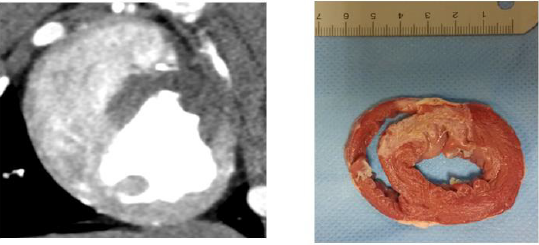
Open Journals on Medical Research

Perception of Quality of Life of People with Kidney Transplantation and Transplant Candidates in Merida, Yucatan, Mexico

Introduction

Chronic kidney disease (CKD) affects around 11% of the population over the age of 20 globally, with an increase in incidence in recent years [1]. Peritoneal dialysis, hemodialysis and kidney transplantation are treatments that have been effective in increasing the life expectancy of people with CKD [1,2]. In the last three decades, the analysis of quality of life has been integrated as an indicator of the evolution of health status in patients with CKD to see beyond the number of years of survival. Quality of life is, according to the WHO, “the perception that an individual has of his place in existence, in the context of the culture and value system in which he lives and in relation to his objectives, his expectations, his norms, his concerns. It is a concept that is influenced by the physical health of the subject, their psychological state, their level of independence, their social relationships, as well as their relationship with the environment.” This concept encompasses objective and subjective aspects that reflect the degree of physical, emotional, social and economic well-being of each individual. The analysis of the quality of life in people with CKD allows us to understand the impact of the disease and its treatment, to know more about patients, how they evolve and how they adapt to organic alteration [3,4]. Currently, the analysis of quality of life in people with CKD seeks to generate evidence, qualitative and quantitative, to facilitate: the process of assessing human needs and the implementation of quality interventions in the care sectors [5]. In the health sciences, phenomenological research, and those with a qualitative approach in general, generate evidence that serves as a guide to practice sensitive to the realities of the people to whom care is directed, to their cultural diversity and to the contexts in which their lives unfold [6,7].
In studies related to quality of life in transplanted people and candidates for kidney transplantation, participants manifest as the main human responses: recurrent hospitalizations, uncertainty about the work situation, deterioration of body image, deterioration of sexual functionality, dependence on third parties, stress and guilt [2,8-12]. Specifically, people who are candidates for kidney transplantation manifest as the main human responses: anxiety and depression [13,14]. Transplanted individuals report acute rejections, medication side effects, and emotional instability; [12-15,16] immediately, after transplantation, they may perceive release with respect to dependence on renal replacement therapy, but as time goes by, they have to face various adaptation problems: side effects of medications, medical and social complications, among the latter the return to work, social and family life [12,16,17]. The analysis of quality of life, with its respective components and human responses in patients with a history of CKD is recent. Therefore, the needs inherent in the nursing care process may go unnoticed when directing care for people with these characteristics. Although there are numerous studies that quantitatively address health-related quality of life, [4,18,19] qualitative studies such as the present one provides particular evidence to integrate it into the holistic process of the nursing-patient relationship at different levels of care [13,20]. Therefore, the objective of this study is to analyze the perception of quality of life of people with kidney transplantation and kidney transplant candidates treated at the High Specialty Medical Unit of Mérida, to identify the related human responses through an interpretive phenomenological approach.

Methodology

Design

A qualitative study was conducted with an interpretative phenomenological approach. From this design it is possible to reach the understanding of the experiences and the articulation of similarities and differences in the meanings and human experiences of people with kidney transplantation and candidates for kidney transplantation. Although it is not possible to make generalizations of the results of this study, particular data are reached with transferability to other populations with similar characteristics [6,7,14]. This article followed the COREQ [Consolidated criteria for reporting qualitative research] criteria to enhance its quality and clarity [21].

Study and Sampling Population

An intentional sampling was carried out, obtaining a final sample consisted of 11 people with a history of ERD: 7 candidates to receive kidney transplant and 4 transplanted, who received health services in the High Specialty Medical Unit of Mérida [UMAE] of the Mexican Institute of Social Security [IMSS]during the period from November 2019 to February 2020.

Data Collection

Data were collected through semi-structured interviews conducted during their follow-up consultations. Interviews lasted 30 to 40 minutes, were recorded in audio format, and field notes were taken. Table 1 presents the questions asked during the semistructured interviews.

biomedres-openaccess-journal-bjstr

Table 1: Semi-structured interview questions.

Ethical Considerations

The study respects ethical principles: beneficence, nonmaleficence, justice and autonomy. The research study protocol, with folio R-2018-785-129, was approved by the ethics committee of the High Specialty Medical Unit of the Mexican Social Security Institute. The testimonies presented herein are referenced with codes to safeguard the identity of the participants.

Information Processing

Semi-structured interviews were transcribed verbatim and then analyzed using content analysis. This analysis process consisted of:
1. Encoding the data and establishing a data index.
2. Categorize the content of the data into meaningful categories; and
3. Determine the topics related, in this case human responses, to the previously defined categories [7,22]. In the results section, tables are presented that allow to visualize the categories of analysis delimited in Table 2 from Urzúa and Caqueo [23], the human responses within the categories and, finally, testimonies of the participants; all of the above accompanied by interpretive narrative.

biomedres-openaccess-journal-bjstr

Table 2: Number, crude and age-standardized rate per 100,000 by sex and time during 2005-2014 in the Nghe An province.

Note: * Categories of the concept of quality of life from Urzúa and Caqueo.

Quality Criteria

Once the transcript of the interviews was completed, the 11 participants were asked to verify that the information interpreted was correct. Also the protocolization related to the organization of the data, the detailed and meticulous description of the selection of the sample and the context in which the study is carried out, facilitate the possibility of transfer and reproducibility of the same in similar conditions, thus providing another criterion of qualitative quality.

Results

Characteristics of the participants Years of age were a median of 37 [mean 39]and SD=13 in the 11 participants. In people who were candidates for RT, the median was 37 [mean 41]and in those with RT it was 35.7 years [mean 41), respectively. In the latter group two people were 6 months or less old after receiving RT, one was 1 year old, and one person was 10 years old. Table 3 shows that the majority of the total sample was made up of men who worked as employees.

biomedres-openaccess-journal-bjstr

Table 3: Sociodemographic characteristics of the 11 participants included in the study.

Quality of Life: Perception in Kidney Transplant Candidates

Table 4 shows the interpretations related to the categories: concept of quality of life with their respective domains: physical, economic, family, and social, then the identified human responses are presented. Most of the participants said that quality of life is to be well physically, mentally, and emotionally, as well as to have all the basic services and not depend on renal replacement treatments: dialysis or hemodialysis. In the physical domain, people highlight discomfort, pain and discomfort related to the procedures of renal replacement therapies or the body itself: chronic or bone pain, for example, these human responses largely condition the inability to enter the labor field. In the economic domain, the participants report that they are unable to carry out the activities of any employment due to physical disability, and therefore, consider that their monetary income from a trade or employment is limited, scarce or null. In addition, they stressed that the economic resources are focused on financing the management of the health itself: laboratory tests, transportation, extraordinary treatments, appointments, and medical consultations, among others; these efforts are complicated precisely by the lack of monetary inputs.

biomedres-openaccess-journal-bjstr

Table 4: Quality of life: perception of kidney transplant candidates.

Note: *Categories of the concept of quality of life from Urzúa and Caqueo.

In the family domain, people identify the importance of the support, care, and understanding they receive, received, and expect to receive from their family in the ups and downs related to their state of health and well-being. In this regard, some express feelings of feeling a burden for their relatives for the extra activities that the latter perform in health management, which generates tension and uncertainty. However, the interviewees expressed the motivation generated by their family environment: mothers, children and grandchildren, among other ties, drive the desire to want to get out of their problem and be patients waiting for the transplant. In the emotional domain, each of the people interviewed expressed their affectation at different points that leads them to present low self-esteem: fear, frustration, depression, sadness and uncertainty are some of the emotions they expressed among their testimonies. Participants follow a continuous coping process, because not every day they feel with all the energy and motivation to continue with everyday life. The emotional perception of the interviewees was reflected in their features during the interviews, they touched points that led them to cry, they expressed how difficult it is to live with a dysfunctional organ, the uncertainty before the latent complications that can even make them lose their lives.

Quality of life: Perception in People with Kidney Transplantation

Table 5 shows that most participants consider that quality of life involves physical, environmental and personal well-being as components. For one of the interviewees, it means no longer relying on external factors to sustain life; another considered that the longer he can extend his life is better for the quality of it, considered that discomforts are companions of life. In the physical domain, the interviewees expressed the freedom to perform various activities and eat food without affecting their quality of life. They expressed that they could move and travel without thinking about the need to carry too many supplies related to their treatment. They also stated that they can eat food without causing discomfort or altering their clinical parameters, especially water, which was previously restricted. In the economic domain, participants report that they have time and autonomy to build opportunities for insertion into trades, jobs and vocational or educational training. One case mentioned that the ability to acquire economic resources improves their quality of life, another participant reports that they can work freely without thinking about the times of some renal therapy, finally, a case refers that they returned to normal by fully taking these opportunities that they previously addressed discreetly.

biomedres-openaccess-journal-bjstr

Table 5: Quality of life: perception of kidney transplants.

Note: *Categories of the concept of quality of life from Urzúa and Caqueo.

In the family domain, the perception and feelings of being considered a burden on their families has decreased along with the amount of care related to renal replacement therapies from which transplanted participants are already exempt; people mentioned that despite the constant support of their relatives there was a physical distancing seeking to reduce the crossing of infections, a situation that in recent times has ended and they can share more time and experiences together. In the emotional domain, trust and emotional balance were interpreted in the participants. Two people mentioned that they feel they have a new opportunity before life, to restart it and have new experiences that they previously did not consider possible. Two people referred to the need to have confidence and know how to take the advice of health personnel: doctors and nurses. Finally, one participant described that he was overwhelmed by living a few days in isolation after his transplant, necessary to prevent infections, but at the same time accepts that it is necessary to improve his quality of life.

Discussion

The quality of life of people with a history of renal pathologies is affected since the first clinical manifestations, the QoL in this sector has shown deficiencies, low levels or areas of opportunity with respect to the rest of the population [24]. Physical, environmental and personal well-being are part of the conception of quality of life in people with renal pathologies, whether they have been transplanted or not. In the early stages of the disease there are a series of negative perceptions of the disease and its mediate and immediate quality of life that, ultimately, can influence their coping actions, these perceptions can trigger anxiety, depression, coping, autonomy, self-esteem and accelerated progression of the disease [25]. In the identification of human responses in patients with chronic kidney disease, the main physiological risks related to this pathology have been highlighted. Farias et. al. points out the overstating of biological and complication-related human responses by nursing staff providing care to patients with nephropathies in a renal center. Among 24 diagnostic labels identified, the most frequent were “risk of infection”, “excess fluid volume”, “hypothermia”, among others whose main domains were located in Safety / Protection and Activity / Rest, on the other hand, “low situational self-esteem” was ranked 16th in frequency [26] corresponding to the Self-perception domain in the NANDA-I [20]. The above shows what Spilogon et. al. points out as an area of opportunity in the nursing process because it has the flexibility and openness to consider the perceptions and preferences of the user, in this case of the patient with nephropathies [27].
In the emotional category, low self-esteem was detected in participants with CKD without transplantation, and that is that a patient with CKD has needs for recognition and esteem, so the people in charge of their care should promote favorable behaviors in coping with the pathology and attachment to treatment, avoiding judging and repressing the failures of our human condition [28]. In contrast, participants who had received a kidney transplant manifested confidence and emotional balance, something that could be considered normal after receiving the expected transplant according to Tucker, et. al. [29]. From a quantitative approach Rocha et. Al. point out that the higher the quality of life, the better the assessment of the self-esteem of people with chronic kidney disease after transplantation [30].
In the economic category, while people who had not received kidney transplantation conceived the inability to enter the workforce among their perception of quality of life, those who had received kidney transplantation indicated greater time and autonomy to build job and academic opportunities. Reports indicate that patients with chronic kidney disease face many barriers to staying or joining the workforce after starting dialysis: limited opportunities, lack of financial resources to invest, fatigue and other symptoms of kidney failure, potential loss of disability benefits or medical follow-up, dialysis scheduling, and employer bias. The societal perception that patients with CKD cannot work completes a vicious cycle of low employment expectations [25,31]. In the family category, the perception of “being a burden” for family members influences is an important component in the perception of the quality of life of people with transplantation and without kidney transplantation. Evidence indicates that family members of patients with a history of renal pathologies manifest sleep interruptions, depression, anxiety, among other disorders associated with unforeseen responsibilities related to the treatment and logistics of their relatives; they must also deal with insufficient information, medication regimen and be accompanied by periodic hospitalizations [32]. NANDA International classifies problems into plausible diagnostic labels of interventions focused on promoting the health of individuals, the family. and community, we can mention: Risk of fatigue of the role of caregiver, Fatigue of the role of the caregiver, Dysfunctional family processes, Willingness to improve family processes, among others [20].
In the physical category, participants without kidney transplantation are identified as a condition for quality of life, a common and often severe manifestation in various populations with CKD; with prevalence’s of 40% to 60% is a strong imperative to establish the management of chronic pain as a clinical and research priority [33]. In this regard, the labels acute and chronic pain are available in NANDA-I [20]. Although pain and physical limitation decreases after a kidney transplant, it is important to mention that the physical and nutritional autonomy indicated by the participants of the present can generate an excess of confidence and the acquisition of unhealthy practices. Physical training regulated by physiotherapy specialists appears to be safe in kidney transplant recipients and is associated with improved quality of life and exercise capacity [34]. With respect to diet, the Mediterranean and DASH (Dietary Approaches to Stop Hypertension) diets have been shown to be the most beneficial dietary patterns for the population after kidney transplantation by focusing on less meat and processed foods, while increasing intake of fresh foods and plant-based options. [35]. Knowledge and awareness in the renal transplant population should be a cornerstone of therapy and an integral part of nursing responsibilities. Therefore, nurses should educate patients about self-care behaviors and remind them of the dangerous complications of abandoning them [28].
In participants who had not received a kidney transplant, there was an expectation of receiving a kidney transplant to improve their quality of life and from it to improve their quality of life. In this aspect we can mention the benefits before the expectation of receiving a kidney transplant mentioned by Santos et. al. who in a group of people with Brazilian nephropathies detected that patient who were not waiting for transplantation were at risk of poor quality of life, mainly in the emotional and physical aspects; those who were not awaiting transplantation died more frequently in the next 12 months [36]. However, betting on kidney transplantation to improve the quality of life in patients with nephropathies is not entirely recommended, in this regard we can cite the studies of Schulz et. al. and Smith et. al. published in 2014 and 2019, [29,37] who reported that before transplantation patients can overestimate gains in quality of life without finding significant improvements in quality of life after being transplanted.
Kidney transplantation is not a guarantee of improvement in quality of life in all patients with nephropathies, in the present study, those people who had received the kidney transplant did not consider an absolute improvement in their quality of life. The literature notes that kidney transplants can provide dramatic improvements in quality of life and health status, however, the effects on improvement are not universal and patients live in constant uncertainty as they are aware of the likelihood of graft dysfunction [29]. There are samples that have indicated that the expectation about the functionality or rejection of the graft generates greater fear and uncertainty than death itself [38]. The results on the perception of quality of life in people receiving renal replacement therapy support the trend of the last decade focused on the analysis of this category beyond only assessing life expectancy [39]. The limitations of the present are the risk of bias due to the same interpretative approach and the inability to generalize the results to the study population. To compensate for the above, criteria of methodological rigor were followed and from a particular context the search for generalities was made, reinforcing the results with respect to other studies [21].

Conclusion

In transplant patients, a perception of absolute or discomfortfree quality of life is not achieved and human responses that require care and interventions to achieve the highest level of well-being are still manifested. The construction of the concept of quality of life includes physical, mental, personal and social elements feasible to document and in which to exercise interventions for the benefit of the people treated and their families, it is evident that human responses do not only obey physiological needs.

For More Articles: Biomedical Journal Impact Factor: https://biomedres.us
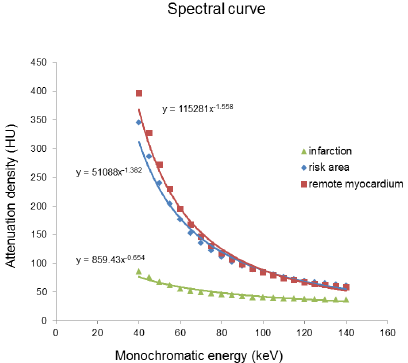
Open Journal Access on Medical Research

Lower Sensitivity of CAT and ER to Melatonin May Lead to Poor Ooplasmic Maturation of Porcine Oocytes from Heat Stress

Introduction

High temperature not only reduces the oocytes maturation quality [1-4] but also has a tremendous adverse impact on the animal ovarian function and embryo attachment [5,6]. Heat stress (HS) damage of oocyte can inhibit cumulus cells expansion [7], which lead to the abnormal distribution of organelles [8,9], decreased antiapoptotic and estrogen receptor gene expressions, enhanced apoptosis gene expression [10], as well as increased Reactive Oxygen Species (ROS) concentration [11,12] in the oocytes. In fact, excessive ROS can induce DNA damage and lipid peroxidation, disrupt the mitochondrial function [13,14], and induce abnormal gene expression and protein synthesis [15]. Reportedly, mitochondrial maturation distribution is an important indicator of the oocyte quality. Oocytes with poor maturation quality have a non-uniform mitochondrial distribution, whereas mitochondria are uniformly distributed in the ooplasm [16]. In order to protect oocytes from HS damage and improve their maturation quality, several materials are supplemented in the maturation medium during in vitro oocyte maturation, such as insulin-like growth factor, β-mercaptoethanol, astaxanthin, anthocyanins, Melatonin (MT), and coagulated proteins [17-20].
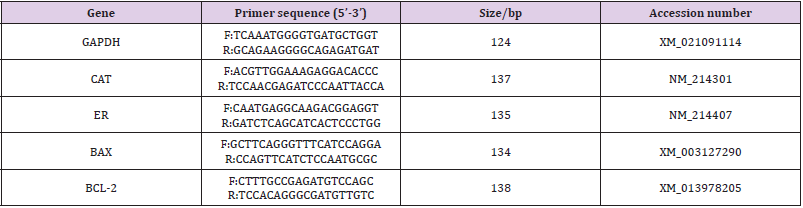
It has been reported that MT is involved in regulating several different physiological processes; it can promote the expression of antioxidant-related genes and improve the oocyte maturation quality and embryo developmental potential [21]. In addition, MT concentration of 10-9 M has been proven to be effective in promoting porcine oocyte maturation and development [22]. Oocyte maturation involves several complex events that coordinates nuclear and cytoplasmic maturation processes. Cytoplasmic maturation events following meiotic maturation is much more difficult to assess microscopically, such as the abnormal distribution of the mitochondria, lipid droplets [23], and Glutathione (GSH) concentration detection. However, the nuclear maturation process involves the Germinal Vesicle (GV) breakdown, chromosomal arrangement, and completion of Metaphase 1 (MI) by extruding the first polar body into the perivitelline space of the oocytes, all of which were observed by stereomicroscopy in a previous study [24]. It has been reported that HS can increase the expression of proapoptotic genes, enhance the activity of caspase proteins, and trigger the apoptosis pathway [25,26]. The members of the BCL- 2 family play a key role in regulating apoptosis, among which the expressions of the proapoptotic gene BAX and antiapoptotic gene BCL-2 as well as the ratio of these two gene expression levels are generally deemed as indicators for predicting the oocyte maturation quality and the embryo developmental potential.
Past studies in cattle have reported that the expressions of genes related to oocyte maturation quality and developmental potential were greatly reduced after the Cumulus and Oocyte Complexes (COCs) were subjected to HS at 41℃ for 12h. The present study discusses the sensitivity of BCL-2, BAX, CAT, and ER to high temperature and MT and analyzes the relationship among their sensitive differences and porcine oocyte maturation quality and developmental potential in vitro. We first discovered that the low sensitivity of CAT and ER to MT possibly contributes to the strong relationship with the poor porcine oocyte maturation quality and the developmental capacity of the embryos in vitro. We believe that the present results would be helpful in enhancing oocytes utilization and would provide a practical guide toward improving pig fertility during the high-temperature season.

Materials & Methods

All reagents used in this experiment were purchased from Sigma Chemicals (St. Louis, MO, USA), unless otherwise specified.

Oocytes Collection and Culturing In Vitro

The ovaries were acquired from a slaughterhouse and dispatched to our laboratory within 2 h of collection in a thermos flask containing sterile saline at 35-37℃. The COCs were extracted from follicles (of 2-6-mm diameter) with a disposable syringe (10 mL; No. 18 needle), and only COCs with uniform ooplasm and compact cumulus cells were maturation cultured in an incubator with 5% CO2 and 95% humidified air atmosphere, as follows: some COCs were cultured at 38.5℃ for 42 h in a maturation medium (Control, No HS); some COCs were cultured at 41.5℃ for 4 h and then transferred for continuous culturing at 38.5℃ for 38 h in the maturation medium (HS group); and the other COCs were cultured at 41.5℃ for 4 h in a medium supplemented with 10-9 M MT, after which it was subjected to continuous cultured for 38 h in a maturation medium at 38.5℃ (HSMT group). The maturation medium consisted of TCM199 (with Earle’s Salts; Gibco, Grand Island, NY, USA) supplemented with 10% porcine follicular fluid (PFF), 0.1 mg/mL cysteine, 0.065 mg/mL penicillin, 10 ng/ mL epidermal growth factor (EGF), 10 IU/mL equine chorionic gonadotropin (eCG; Intervet Pty. Ltd., Boxrneer, Australia), and 10 IU/mL human chorionic gonadotrophin (hCG; Intervet Pty. Ltd.). All the experiments were repeated thrice.

Assessment of the First Polar Body Expulsion Rate

The COCs from different groups were respectively stripped off cumulus cells by gentle pipetting in Phosphate-Buffered Saline (PBS) supplemented with 0.1% hyaluronidase, and the first polar body expulsion rate was determined under a stereomicroscope. A total of 150 denuded oocytes from each group were used for determining the rate of the first polar body expulsion. All oocytes used in the subsequent experiments had their first polar body expulsed.

Ooplasmic ROS Detection

ROS was detected using the Reactive Oxygen Species Assay Kit (S0033; Beyotime®, Haimen, Jiangsu, China) as per the manufacturer’s instructions. Briefly, 50 matured oocytes from each group were rinsed in the PBS solution thrice, followed by dying with 10× M ROS dye in the dark for 10 min. Next, photographs were taken under a fluorescence microscope (TE2000-s; Nikon, Japan). The fluorescence intensity analysis was performed with the Image J (Version 1.8.0) software, and the experiment was repeated thrice.

Ooplasmic Mitochondrial Distribution Analysis

Mitochondrial staining was performed with the Mito-Tracker Red CMXROS (C1049; Beyotime®) as per the manufacturer’s instructions. Briefly, 50 oocytes from each group were stained with 200-nM mitochondrial dye in the PBS solution for 25 min at 37℃ in the dark after washing in PBS thrice. Then, the stained oocytes were observed under the fluorescence microscope. The mitochondrial distribution pattern of porcine oocytes was then characterized based on two main distribution features: uniform distribution throughout the ooplasm or non-uniform distribution throughout the ooplasm.

Parthenote Production and Culture In Vitro

A total of 100 matured oocytes from each group were transferred to the activation medium (composed of 1.0 mM CaCl2, 0.1 mM Mg Cl2, 0.3 M mannitol, and 0.5 mM HEPES). Matured oocytes were activated with two pulses of 120 V/mm DC for 60 ms with the Electro-Cell Manipulator BTX 2001 (BTX Inc., USA). After activation, the parthenotes were subsequently cultured in 2 mM 6-dymethylaminopurine (6-DAMP) for 6 h and then the parthenotes were transferred into the PZM-3 medium for 7 days in an incubator at 39℃ under 5% CO2 atmosphere in humidified air. The rates of cleavage and blastocyst transfer were observed respectively on days 2 and 7 after oocytes activation.

Blastocyst Cells Staining

A total of 10 blastocysts were randomly selected from each group and fixed in 4% paraformaldehyde prepared in PBS containing 0.1% polyvinyl alcohol (PVA) for 1 h after washing thrice, and the blastocysts were then permeabilized in PBS-0.1% PVA solution containing 0.3% Triton for 30 min. After washing, the blastocysts were transferred to a solution supplemented with 10 μg/mL DAPI dye for 1 min, and then the blastocysts were mounted on a slide and covered with a coverslip. The total blastocyst count in each group was counted under the fluorescence microscope.

Gene mRNA Expression

The expressions of BCL-2, BAX, CAT, and ER were analyzed by reverse transcription-polymerase chain reaction (RT-PCR). Total RNA of 100 oocytes from each group was extracted by using the Micro RNA Extraction Kit (160027349; Qiagen, CA, USA) as per the manufacturer’s instruction. After washing in PBS, the oocytes were transferred to a 200-μL centrifuge tube for pre-cooling and then stored at -80℃ for further processing. After total RNA extraction, cDNA synthesis was performed for 30 min at 55°C using the Omniscript Reverse Transcription Kit (Invitrogen) with oligodT primer. PCR was performed by using the Maxime PCR Premix with SYBR Green (TaKaRa Bio Inc., Otsu, Japan) supplemented with each primers and cDNA samples under the following conditions: predenaturation at 95°C for 3 min, denaturation at 95°C for 15 s, annealing at 56°C for 30 s, elongation at 72°C for 30 s, and a final extension at 72°C for 5 min for 40 cycles using the Eppendorf Mastercycler (Eppendorf, Hamburg, Germany). According to the mRNA sequences of Sus scrofa genes published on Gen Bank, we designed primers with the Primer 5.0 software and synthesized by Shanghai Bioengineering Co., Ltd. (Shanghai, China). The primers used in the present study were verified for their availability by RTPCR. Real-time quantitative PCR was performed by the comparative Ct (2 -△△Ct ) method, and the results obtained for each gene in each cDNA pool were normalized based on the GAPDH ratio. The primers and Genebank source accessions for each gene are listed in Table 1.

biomedres-openaccess-journal-bjstr

Table 1: RT-PCR primers and Genebank source.

Statistics

The percent values were subjected to log transformation before analysis, and the quantitative data were analyzed by least-square analysis of variance (ANOVA) using the General Linear Models (GLM) procedures of the Statistical Analysis System (SAS Institute, Cary, NC, USA). We corrected the real-time PCR data by using the GAPDH data as a covariate for the analysis of differences. All data were expressed as mean ± SEM, with P < 0.05 deemed as statistically significant. All experiments were repeated thrice.

Results

Assessment of the First Polar Body Expulsion Rates of Oocytes in Different Groups

The first polar body expulsion rates of porcine oocytes are given in Table 2. Although the first polar body expulsion rate greatly decreased in the HS group in comparison with that in the control group, the corresponding rate in the HSMT group significantly increased again but exhibited no significant difference with that in the control group (P > 0.05). The first polar body of porcine oocytes was observed under a stereomicroscope (Figure 1A), and the observation was confirmed under a fluorescence microscope (Figure 1B). Figure 1C represents oocytes without the expulsed first polar body, indicating that fluorescence occurred only at the nuclear sites observed under the fluorescence microscope.

biomedres-openaccess-journal-bjstr

Table 2: The porcine first polar body expulsion rates in different groups.

biomedres-openaccess-journal-bjstr

Figure 1: Porcine oocytes with or without the first polar body expulsed
A. The stereomicroscopic examination of the matured oocytes with the first polar body expulsed, as pointed by the arrows.
B. The matured oocytes were stained with fluorescent dye Hoechst 33342, where both the polar body and the nucleus exhibited fluorescence.
C. Oocytes with no polar body expulsed were stained with fluorescent dye Hoechst 33342, where only the nucleus exhibited fluorescence as pointed by the arrows. Bar=100 μm.

ROS Concentration in Oocytes of Different Groups

The ROS concentrations in the HS group was significantly increased relative to those in the control group. In addition, although the ROS concentration in the HSMT group decreased significantly, it remained significantly higher than that in the control group as showed in Table 3 (P < 0.05). The proportion of oocytes with uniform mitochondrial distribution in porcine oocytes of different groups. Figure 2 supports that the proportion of oocytes with a uniform mitochondrial distribution in the HS group was significantly lower than that in the control group (P < 0.05). Although the proportion of oocytes with uniform mitochondrial distribution was greatly enhanced in the HSMT group, it remained significantly lower than that in the control group (P < 0.05). Figure 3 represents the uniform and non-uniform mitochondrial maturation distribution in the ooplasm.

biomedres-openaccess-journal-bjstr

Figure 2: The proportion of oocytes with better mitochondrial maturation distribution in different groups. Different letters (a-c) over a bar means significant difference (P < 0.05). Each experiment was repeated three times.

biomedres-openaccess-journal-bjstr

Figure 3: The condition of mitochondrial maturation distribution in ooplasm Oocyts were fluorescent stained by Mito-Tracker Red, and A. Represents the oocyte of better maturation quality with even distribution of mitochondria in ooplasm. B. Represents the oocyte of poor maturation quality with uneven distribution of mitochondria in ooplasm. Bar = 100 μm.

biomedres-openaccess-journal-bjstr

Table 3: ROS contents of oocytes in different groups.

Assessment of Porcine Oocytes Developmental Potential In Vitro

As can be seen in Table 4, the cleavage rate, blastocyst rate, and the total number of blastocysts were significantly lower in the HS group than in the control group (P < 0.05). As compared with those in the HS group, the rates of cleavage, blastocysts, and the total number of blastocysts in the HSMT group were significantly increased (P < 0.05), with no significant difference in the cleavage rate relative to that in the control group (P > 0.05). Nevertheless, the blastocyst rate and the total number of blastocysts remained significantly lower than the respective control values (P < 0.05). The results of blastocyst cells staining are depicted in Figure 4.

The mRNA Expressions of CAT, BCL-2, BAX, and ER in Oocytes of Different Groups

As shown in Figure 5, the mRNA expressions of CAT, ER, and BCL- 2 were decreased, whereas the BAX expression was significantly increased in the HS group in comparison with those in the control group. However, in the HSMT group, the mRNA expression levels of BCL-2 and BAX were restored to the control levels, while the CAT and ER expressions remained significantly lower than the control values (P < 0.05). Moreover, no significant difference was noted in the mRNA expression of ER between the HS and HSMT groups (P > 0.05).

biomedres-openaccess-journal-bjstr

Figure 4: The fluorescence staining of blastocyst cells. The blastocyst cells was fluorescent stained with 10μg/ml DAPI dye and a number of 10 blastocysts randomly selected from each group.
A. The blastocyst comes from the Control
B. The blastocyst comes from the HS group
C. The blastocyst comes from the HSMT group. Bar = 100 μm.

biomedres-openaccess-journal-bjstr

Figure 5: The mRNA expressions of CAT, BCL-2, BAX and ER genes in oocytes of different groups. Different letters (a-c) over a bar means significant difference (P < 0.05). Each experiment was repeated three times.

biomedres-openaccess-journal-bjstr

Table 4: The porcine oocytes developmental potential in different groups.

Discussion

Previous studies have shown that the effects of MT exposure on protecting oocytes from HS damage varied among different animals. Negrón-Pérez reviewed that the cleavage rate and the total number of blastocysts in dairy cows increased when MT was supplemented in the HS system [27], while another bovine study demonstrated that MT has no significant effect on the cleavage rate and on the total number of blastocysts [28]. The present study on porcine suggested that, although 10-9 M concentration of MT could significantly improve the cleavage rate, the blastocyst rate and total cell of blastocysts remained significantly lower in the HSMT group than in the control group (P < 0.05). Indeed, neither previous bovine studies nor the present porcine study indicated whether high-concentration MT supplementation could increase the total cell of blastocysts. With regards to porcine oocyte maturation, the ooplasmic maturation is usually evaluated by some molecular events, bioreaction, or organelle distribution [29], and the nuclear maturation is estimated by the first polar body expulsed into the perivitelline space of oocytes [30].
The results of the present study indicated that the first polar body expulsion rate was greatly increased in the HSMT group in comparison with that in the HS group, exhibiting no significant difference relative to that in the control group. We thus speculated that supplementation with 10 IU/mL Equine Chorionic Gonadotropin (eCG) and 10 IU/mL human Chorionic Gonadotrophin (hCG) to the maturation medium was sufficient for porcine oocyte nuclear maturation in the present experiments, considering that gonadotropins are responsible for the resumption of oocyte meiosis and for the promotion of nuclear maturation by the cAMP/PKA/MAP kinase pathway [31]. Although MT supplementation could significantly increase the ratio of oocytes with a uniform mitochondrial distribution, it remained significantly lower in the HSMT group than in the control group. Several other researches have demonstrated that HS could influence abnormal mitochondrial distribution, which is detrimental to oocyte maturation and development in vitro [32-37]. The data from production also suggests that the ooplasmic mitochondrial distribution was poor during the summers, but it improved during the autumn season [38].
The poor mitochondrial maturation in the HSMT group oocytes may attribute to the higher intracellular ROS concentration, considering that ROS is one of the main factors that result in diverse damages to oocyte maturation and development [39-42]. The present experiments demonstrated that 10-9 M MT concentration is insufficient to eliminate the excessive ROS in the oocytes of the HSMT group. Our study is the first to indicate that the BAX and BCL-2 were sensitive to both high temperature and MT. As for the CAT, 10-9 M concentration of MT could not restore its expression to the control level, which may explain the higher ROS concentrations in the HSMT group. Estrogen receptor gene is closely associated with the fertility of female animals and follicular development and oocyte maturation [43-45]. In our study, we found that the ER was sensitive to high temperature, but extremely insensitive to MT exposure. The reduction in ER expression induced the lack of binding sites for estrogen, which lowers the fertility of female animals under hot conditions [46]. Recent data in production also confirmed that the fertility of sow was lower in the summer season than in other seasons [47]; moreover, past studies in cows have reported that subcutaneous implantation with 18 mg MT could only partially alleviate the adverse effects of HS on the reproductive performance of cows in the hot season [48-50].
Backed by our research, we propose that the reduced secretion of MT and the insensitivity of ER to MT is most probably related with the lower fertility of animals in high temperature season. However, until date, the quantity of MT required to counteract the adverse effects of HS on pig remain unreported. Based on our experiments, we believe that much more than the 10-9 M concentration of exogenous MT would be required. The present experimental results imply that the lower fertility of animals in high temperature season can be attributed to the sensitive differences in the expressions of BCL-2, BAX, CAT, and ER to high temperature and MT, which provides important insights to the application of MT toward improving the fertility of animals during the high temperature season.

Conclusion

BCL-2 and BAX were found to be sensitive to both high temperature and MT exposure; however, CAT and ER, especially the latter, were found to be sensitive only to high temperature and extremely insensitive to MT exposure. The sensitive differences in these genes contributed to poor ooplasmic transfer, lack of nuclear material transfer, and maturation, which further hampered the developmental capacity of porcine oocytes.

For More Articles: Biomedical Journal Impact Factor: https://biomedres.us