Journals on Otology

Contralateral Suppression of Teoae In Patients with Tinnitus and Normal Hearing

Abstract

Aim and Objectives : To evaluate functional integrity of Outer Hair Cells and Medial Olivocochlear system in the subjects having normal hearing with tinnitus and compare it with normal population and also to study the importance of Otoacoustic Emissions testing as an important objective tool in tinnitus evaluation.

Methods and Materials: A total of 20 subjects in the age range of 18 years to 57 years were considered for the study. They were categorised into two groups such as experimental group and control group. Experimental group consisted of 14 subjects with normal hearing having unilateral or bilateral tinnitus. The control group consisted of 6 age matched subjects having normal hearing without any tinnitus. All the subjects of both the groups underwent Pure Tone Audiometry testing and tinnitus evaluation. TEOAE testing and Contralateral Suppression of TEOAE were carried out.

Results: Among the 19 ears in the experimental group, TEOAE was absent in 10 ears (52.6%) and present in 9 ears (47.3%). Presence of contralateral suppression of TEOAE was observed in 6 ears (31.5%) and absence of contralateral suppression was noted in 13 ears (68.4%). It can be observed that most of patients in the experimental group had absent TEOAE and there is a subtle difference in the contralateral suppression of TEOAE between the experimental and control group.

Conclusion: In conclusion abnormal OAE in patients with tinnitus having normal hearing sensitivity indicate the cochlear dysfunction. Absence of suppression indicates Medial Olivocochlear system dysfunction. We also suggest that other auditory structures and mechanisms apart from OHC and MOC system may also be the reason for tinnitus generation as the results included patients with normal OAE and Contralateral suppression of OAE.The study helps to understand the role of OAE measures in evaluating the functional integrity of Outer Hair Cells and MOC system in subjects having tinnitus with normal hearing. It also highlight about the role of MOC system and cochlea in the generation of tinnitus.

Keywords: Tinnitus; CSOAE; TEOAE; MOC system; Outer Hair Cells

Abbreviations: OAEs: Otoacoustic Emissions; MOC: Medial Olivocochlear System; MNTB: Medial Nucleus of the Trapezoid Body; OHCs: Outer Hair Cells; TEOAE: Transient Evoked Otoacoustic Emissions

Introduction

Tinnitus represents one of the most common and distressing otologic problems which cause various somatic and psychological disorders that interfere with the quality of life [1]. Perception of sound in the ears or head that lacks an external acoustic source is commonly defined as tinnitus or ringing in the ears [2]. The majority of tinnitus patients have hearing loss but it can also occur in patients with normal hearing [3]. Several theories have been proposed for origin of tinnitus inspite of that the exact mechanism behind the generation of tinnitus is poorly understood. Tinnitus may be associated with abnormalities in any level of the auditory pathways. Jastreboff considers that the tinnitus is due to the maladaptive plasticity changes includes the enhanced central gain due to the compensatory increase in the central auditory activity in response to the loss of sensory input and the abnormal emotional reactions associated with the tinnitus. Several studies have investigated the relationship between tinnitus and dysfunction of the efferent auditory system mainly the Medial Olivocochlear System (MOC) by the suppression of otoacoustic emissions (OAEs) .

The Medial Olivocochlear System (MOC) is one of the efferent auditory system. The Medial Olivocochlear bundle arises from the neurons of the Medial Superior Olivary (MSO) nucleus complex and the Medial Nucleus of the Trapezoid Body (MNTB) and comprises of thick myelinated nerve fibres. About 75% of the fibers cross at the floor of fourth ventricle and terminate to the outer Hair Cells (OHCs) of the contralateral cochlea, while the rest of them remain uncrossed and terminate to the Outer Hair Cells (OHCs)of the ipsilateral cochlea. The fibers of the Olivocochlear bundle synapse directly at the basal surface of the Outer Hair Cells. The role of the efferent auditory system remains largely unknown. In view of preferential innervation of the OHCs by MOC system, it has been hypothesized that stimulation of Medial efferent alters IHC sensitivity indirectly by altering the micromechanical properties of the the OHCs. It is well established that length, tension and stiffness of the OHCs along their longitudinal axis are under the control of MOC bundle, thus enhancing the auditory sensitivity for low level stimuli at 30 to 40 dB SL.

The Medial Olivocochlear bundle is mainly inhibitory. Hence there has been already suggestions that dysfunction of the efferent auditory system at any level auditory cortex to cochlea may be a basis for tinnitus generation [4]. The contralateral suppression of Otoacoustic Emissions (OAEs) could serve as an objective and non invasive clinical tool for exploration of the non-linear micromechanical of OHCs and clinical neurologic evaluation of the auditory brainstem especially the MOC system. The contralateral suppression of OAEs is performed by measuring OAE from the test ear while the contralateral ear is stimulated with noise. The difference in the OAE amplitude with and without contralateral noise stimulation is calculated . Negative value or zero indicate no suppression while positive values indicate suppression of OAEs . A cut off of 0.5 dB SPL is considered as suppression. The present study is aimed to evaluate functional integrity of OHC and MOC system in the subjects having normal hearing with tinnitus and compare it with normal population and also to study the importance of OAE testing as an important objective tool in tinnitus evaluation.

Methods and Materials

A total of 28 subjects in the age range of 18 years to 57 years were considered for the study. They were categorised into two groups such as experimental group and control group. Experimental group consisted of 14 subjects (5 female and 9 male) with normal hearing having unilateral or bilateral tinnitus.9 subjects had unilateral tinnitus and 5 subjects had bilateral tinnitus. A total of 19 ears were considered for the study. The control group consisted of 14 (28 ears) age matched subjects having normal hearing without any tinnitus. All the subjects of both the groups underwent Pure Tone Audiometry testing. Pure Tone thresholds within 25 dBHL in all octave frequencies from 250 Hz to 8000Hz was considered as normal hearing sensitivity. Inventis Piano audiometer with TDH 39 supra aural headphone and BC71 bone vibrator was used for testing. After the Pure Tone Testing , tinnitus evaluations were performed over all the subjects. Tinnitus evaluations included pitch and loudness matching test. Pure tones and Narrow Band Noises were used according to the range of loudness and frequency.

11 kinds of frequencies were used for pitch matching (125 Hz, 250 Hz, 500 Hz, 750 Hz, 1000 Hz, 1500 Hz, 2000 Hz, 3000 Hz, 4000 Hz, 6000 Hz, 8000 Hz). The patients were instructed to match the pitch of the external tone to the pitch of the tinnitus. The tone was presented in the ear contralateral to the tinnitus ear to avoid residual inhibition. Three trials of pitch matching with an interval of 1 minute were given. Once the pitch of tinnitus was established, the patients were instructed to match the loudness of the tinnitus to external tone presented in the contralateral ear to the tinnitus. IHS system was used for Transient Evoked Otoacoustic Emissions (TEOAE) testing and contralateral suppression of TEOAE. TEOAE measurements were recorded by presenting clicks of duration of 40 microseconds. 1024 sweeps of 80 dB peak SPL were presented and TEOAE amplitude at each frequency band of 1 kHz, 1.5 kHz, 2kHz, 3kHz and 4kHz were considered as baseline for contralateral suppression of TEOAE. Contralateral suppression of TEOAE testing included recording of amplitude, SNR and reproducibility in the presence of continuous white noise presented at 50 dB SPL through insert earphones. Difference in baseline TEOAE amplitude and TEOAE amplitude measured in the presence of contralateral noise is calculated at each octave frequencies of 1 kHz, 1.5 kHz, 2 kHz, 3kHz and 4kHz. Positive values indicate presence of suppression and negative value or zero indicate absence of suppression. 0.5 dB SPL was considered as the presence of suppression.

Results

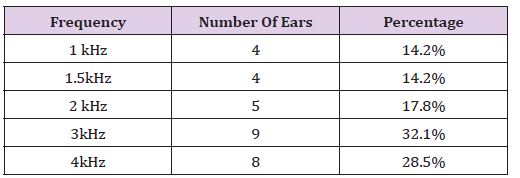
Among the 19 ears in the experimental group, TEOAE was absent in 10 ears (52.6%) and present in 9 ears (47.3%). Presence of contralateral suppression of TEOAE was observed in 6 ears (31.5%) and absence of contralateral suppression was noted in 13 ears (68.4%) From (Table 1), it can be observed that most of patients in the experimental group had absent TEOAE. From(Tables 2 & 3), it can be observed that there is a subtle difference in the contralateral suppression of TEOAE between the experimental and control group.

Table 1: Number and Percentage of ears that had absent TEOAE across different frequencies in the experimental group.
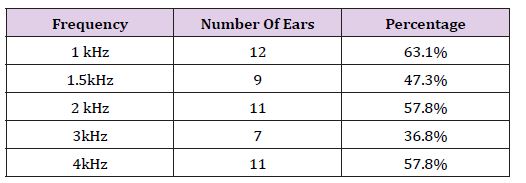
Table 2: Number and Percentage of ears that had absence of contralateral suppression of TEOAE across different frequencies in the experimental group.
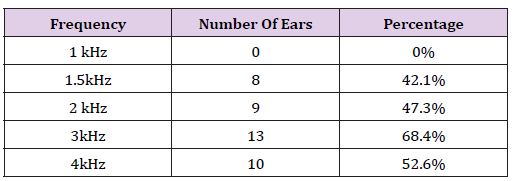
Table 3: Number and Percentage of ears that had absence of contralateral suppression of TEOAE across different frequencies in the control group.
Discussion

The results obtained from the present study are comparable to other studies. A study done by Ceranic et al in 1995 shown that OAE are not normal at tinnitus frequency region even in subjects with normal hearing [5]. Another study done by Almeida et al in 2006 indicated that TEOAEs were abnormal in 70.2% of individuals with tinnitus having normal hearing [6]. Study done by Paglialonga et al in 2010 revealed that 13% of patients with tinnitus exhibited abnormal TEOAE [7]. One of the study done by Dhanya et al in 2009 reported absent TEOAE in 47.3% of individuals with tinnitus having normal hearing sensitivity [8]. Study done by Serra reported absent TEOAE in 67 % of individuals with normal hearing and tinnitus [9] in a study pointed out slightly reduced TEOAE suppression in tinnitus subjects compared to non- tinnitus ears. Ryan and Kemp found a large range of suppression variability in the contralateral suppression of OAE [10]. Study by Dhanya et al. [9] also revealed a high variability in contralateral suppression of OAE. A study by Geven found that there was no significant difference in the amount of suppression between tinnitus patients and control group. Similar findings were obtained in our study [11,12].

Conclusion

We conclude from the present study that abnormal OAE in patients with tinnitus having normal hearing sensitivity indicate the cochlear dysfunction. Absence of suppression indicates Medial Olivocochlear system dysfunction. We also suggest that other auditory structures and mechanisms apart from OHC and MOC system may also be the reason for tinnitus generation as the results included patients with normal OAE and Contralateral suppression of OAE. The study helps to understand the role of OAE measures in evaluating the functional integrity of Outer Hair Cells and MOC system in subjects having tinnitus with normal hearing. It also highlight about the role of MOC system and cochlea in the generation of tinnitus.

For More Articles: Biomedical Journal Impact Factor : https://biomedres.us

Journals on Oncology

Atypical Granular Cell Tumour of the Vulva

Background

Granular cell tumours are benign tumours that are thought to originate from the Schwann cells. They tend to occur in middle aged adults and can be found anywhere in the body in subcutaneous as well as dermis tissue [1]. Most of them are benign with less than 2% being malignant or atypical. Atypical features are associated with increased morbidity and have a poor prognosis if they become metastatic [2]. They also have a high recurrence rate.

Case Presentation

A 54-year-old lady was referred by her general practitioner due to a lesion in the left labia majora. Clinical examination revealed a hard, cystic lesion measuring 2x3cm on the upper third of the left labia majora which was excised under local anaesthesia and sent for histopathological examination. The diagnosis was atypical granular cell tumour with focal involvement of the peripheral margins. Under general anaesthesia wide excision was performed and the histopathological examination confirmed clear margins. At 5 years follow up there has been no evidence of recurrence.

Discussion

Granular cell tumours are rare tumours of the skin and subcutaneous tissues. The oral cavity, especially the tongue is the most common site, but the vulva is the most common site in women [2]. Interestingly, the patient we present here had a similar lesion on the tongue in the past which was excised. Unfortunately, the pathology report of that was not available to confirm that this was a granular cell tumour as well. Granular cell tumours usually present as solitary, pale lesions that are slow growing and are relatively painless. The differential diagnosis would be Bartholin’s gland tumour, sebaceous cyst, lipoma and papilloma [3]. Histologically, granular cell tumours are found in the dermis and the main morphological feature is the granularity of the cytoplasm, which is caused by massive accumulation of phagolysosomes. Atypical features include prominent nucleoli, high nuclear-to-cytoplasmic ratio, spindling of the tumour cells, necrosis and mitotic activity greater than 2 per 10 high power fields at 200 x. If three or more of the features are present, there is the possibility of a malignant granular cell tumour even in the absence of metastasis [4]. Features that make it malignant include: size more than 5cm, vascular invasion, necrosis, rapid growth, brisk mitotic activity, spindling of cells, angiogenesis and pleomorphism. If less than three of these features are present, the tumour is considered atypical and if none of these features are present, it is classed as benign [5,6].

To the best of our knowledge, ours is the second case to be reported in the English literature. There has only been one case of vulval granular cell tumour with atypical features reported in a preadolescent girl in 2013. A case report presents a 12-year-old girl with a rapidly growing granular cell tumour of the vulva that had atypical features on histology [7].

In our case, histologically, the lesion consisted of nests of round and polyglonal tumour cells with eosinophilic granular cytoplasm, mildly pleomorphic predominantly vesicular nuclei and focally prominent nucleoli. Small lymphoid aggregates and focal lymphoid follicle formation were present. These appearances were in keeping with granular cell tumour. The lesion focally reached peripheral margins and the pathologist felt that there were possibly some suspicious features. A second opinion was sought from a second pathologist and the additional report confirmed that there were atypical features with many of the cells showing vesicular nuclei with prominent nucleoli and nuclear pleomorphism.

Conclusion

Granular cell tumours are rare, but awareness of their clinical presentation is important since wide local excision is the treatment of choice and is curative if completely excised [8]. After surgical treatment, if there is any evidence of tumour in the surgical margin, wider local excision should be performed. Since 5-25% of patientshave multiple lesions, before planning treatment, clinicians should exclude multicentric lesions [9]. The histological findings will determine whether the tumour is benign, atypical or malignant. Patients should be followed up due to the risk of recurrence and since they can be found in any site of subcutaneous tissue or dermis and patients must be aware to report any similar lesions. Recurrence rates are reported as 2-8% with clear margins and 20% with positive margins [10].

For More Articles: Biomedical Journal Impact Factor : https://biomedres.us

Journals on Surgery

Segmental Resection of Duodenal Adenocarcinoma: Case Report

Abstract

Primary malignant tumors of the duodenum represent 0.3% of all Castro-intestinal tract tumors but up to 50% of small bowel malignancies. Primary malignant tumors of the duodenum must be differentiated from malignant tumors of the ampulla, pancreas and common bile duct. The most frequent tumor of the duodenum is Adenocarcinoma [1,2]. Other primary tumors are lymphomas, leiomyosarcomas, carcinoid tumors, gastrinomas, and stromal tumors. Adenocarcinoma of the duodenum may arise from duodenal polyps observed in familial polyposis or Gardener’s syndrome, or be associated with celiac disease [3,4]. The tumor can be located in any part of the duodenum but the most frequent location is the second part. Malignant tumors of the duodenum are observed with the same frequency in men and women. The peak of frequency is the sixth decade, although the disease may develop in younger patients. Signs and symptoms are non specific. The main symptoms are: abdominal pain (15 to 60% of patients), weight loss (30 to 59%), nausea and vomiting (25 to 30%), jaundice (20 to 30%), hemorrhage (10 to 38%). A palpable abdominal mass is found in less than 5% of the patients [5].

Case presentation

50-year-old women presented with an acute attack of vomiting endoscopy done and the cause was found to be a sub mucosal tumor located in the third part III of the duodenum, 5 cm distal of the papilla of Vater An emergency laparotomy after admission and correction of fluid and electrolyte was done. Ligation of tumor-feeding vessels with primary, definitive surgical therapy was performed by partial resection of the duodenum with a duodenojejunostomy. Feeding jujeunostomy was done also to supply enteral feeding postoperative. Histology revealed an Adenocarcinoma with a diameter of 2.5 cm after that the patient recover smothly and went home after 10 days to be followed on outpatient basis [6-8].

Conclusion

Tumors of the duodenum are a rare cause of upper gastrointestinal obstruction. Partial resection of the duodenum is a warranted alternative to a duodenopancreatectomy, as this procedure has a lower operative morbidity, while providing comparable oncological results [9-12].

Background

Primary malignant tumor of the duodenum is a very rare cancer and is observed with the same frequency in men and womenthe peak of frequency is the sixth decade, although the disease may develop in younger patients. Signs and symptoms are non specific [13,14]. The main symptoms are: abdominal pain (15 to 60% of patients), weight loss (30 to 59%), nausea and vomiting (25 to 30%), jaundice (20 to 30%), hemorrhage (10 to 38%) (Figures 1-5).

A palpable abdominal mass is found in less than 5% of the patients .the diagnosis is with many diagnostic methods such as Barium studies of the upper intestinal tract which had been have been replaced by fiber optic endoscopy. Barium examination show in most cases an irregular stricture of the duodenum, but can be normal or misleading. Fiber optic endoscopy allows a precise location of the tumor and endoscopic biopsies which confirm the diagnosis [15-18]. The Preoperative staging is not easy and No study has evaluated the best method of preoperative staging of malignant lesions of the duodenum. Some authors use ultrasonography for the diagnosis of liver metastases; the accuracy of CT scan, MRI and angiography have not been studied. These investigations are not performed routinely, most of the patients being operated on as only for a palliative procedure.

Endoscopic ultrasonography has been reported to be useful for the preoperative staging of ampullary and pancreatic carcinomas. No study reports its accuracy in the preoperative evaluation of malignant duodenal tumors. Five to 40% of the patients have distant metastases or peritoneal seeding at the time of diagnosis [6]. The treatment of such cases is not yet very clear with guidelines and due to the low incidence of the disease there is no randomized study comparing different types of treatment. Complete surgical resection is the only hope for cure. Two types of surgical resection are available: pancreatoduodenectomy associated with various types of lymphadenectomies or segmental resections [7,8]. Pancreatoduodenectomy has been advocated as the surgical procedure of choice because it offers the possibility of regional lymph node resection. Nonetheless good long-term results have been observed with segmental resection, particularly for tumors of the distal part of the duodenum [9]. When local extension or metastatic disease precludes curative resection, palliative procedures such as gastrojejunal anastomosis can be performed [19,20]. Laser photo coagulation has been proposed for patients unfit for surgery with good palliation on hemorrhage and obstructive symptoms.

For More Articles: Biomedical Journal Impact Factor : https://biomedres.us

Journals on Orthopedics

Transient Osteoporosis of Hip in A Middle-Aged Man 

Abstract

Introduction: Transient Osteoporosis of Hip is a benign, acute onset, self-limiting disorder of unknown aetiology commonly seen in middle aged men and pregnant females.

Case Report: We report a case of acute onset sharp pain in right hip in a physician without history of antecedent trauma. The diagnosis of Transient Osteoporosis of Right Hip was made based on clinical and MRI findings. The probable cause can be attributed to long standing working condition. There was complete resolution of symptoms by conservative treatment in the form of analgesics and non-weight bearing.

Conclusion: High level of suspicion should be kept in mind when dealing with patients with sudden onset non-traumatic joint pain to avoid unnecessary investigations and surgeries.

Abbrevation: Osteoporosis; Arthralgia; Hip; Acute pain

Introduction

Transient Osteoporosis of Hip (TOH) is an acute, idiopathic, benign, self-limiting entity, more commonly seen in middle-aged men and women in third trimester of pregnancy or immediate post-partum period [1-4]. This disorder of unknown aetiology has a sudden onset, usually without any antecedent history of trauma or injury. We hereby report a case of Transient osteoporosis of hip affecting a middle aged male physician.

Case Report

A 38 year old physician reported with sudden onset pain in right hip joint since 2 weeks. The pain was severe sharp sudden in onset, increased with activities like walking, standing for longer duration, getting up from bed and relieved completely on rest. Being a physician himself, he first neglected the pain and went to a physiotherapist to try local modalities with limited relief. There was no history to trauma/injury to right hip, no history of morning stiffness, anorexia, fever, weight loss, night cries, skin rashes or fever. There was no history of alcohol consumption or smoking. On examination, the patient was walking with an antalgic gait. The local temperature and the skin condition over right hip were normal. The affected hip had generalized tenderness with terminal restriction of movements. His haematological investigations revealed a haemoglobin of 12.3gm%, Total leukocyte count of 5800/mm3, ESR of 32mm at the end of one hour, all of which were within normal limits.

Initial radiographs in form of Pelvis with both hips Antero posterior view and frog leg lateral view revealed no bony abnormality with maintained joint space. His synovial aspiration was normal in appearance and was negative for acid fast bacilli, gram staining and was sterile with no growth on culture and sensitivity. With no conclusive diagnosis, MRI of right hip joint was done which showed low intensity signals of T1 weighted image and a high intensity on T2 weighted image covering the femoral head, neck and extending to the intertrochanteric region (Figure 1). Thus, with the aforementioned classical features, a diagnosis of Transient Osteoporosis of right Hip was made. The conservative treatment was started in the form of non-steroidal inflammatory drugs was started. The patient responded drastically to the conservative treatment within 3 weeks from the initiation of treatment. Regular monthly follow-up till 6 months followed by bi annual and annual follow-up till 2 years was done. The patient showed no signs of recurrence or worsening of the symptoms and was completely normal (Figure 2).

Figure 1: Transient Osteoporosis of Right Hip.

Figure 2: Complete Resolution at follow-up.

Discussion

Ever since Curtiss and Kincaid [5] described this entity among 3 pregnant females as transitory demineralization of the hip, this term has been a topic of interest due to its unknown aetiology. Albeit, the most commonly affected joint is Hip, other joints such as knee, foot and ankle has not been an exception6.

Various hypothesis and causes have been stated as the plausible explanation for this disease namely the neurogenic hypothesis, viral infection, disuse osteopenia, non-traumatic reflex sympathetic dystrophy and localized ischaemia, but none has proved to be conclusive [6,7]. However, women with decreased bone mass and parathyroid hormone related protein in pregnant females especially in the later trimester has been proved to be a cause for this disease [8]. Hadidy et al. [9] in their retrospective study of 17 patients in a span of 7 years, reported a higher incidence of TOH as compared to osteonecrosis and postulated it to be due to long hours of standing. There was no possible cause of TOH in the present case. Being a physician, long standing can be a possible cause. Scharpira [10] in their study mentioned that left hip is more commonly involved and that the male to female ratio is 3:1. He also identified three distinctive phases of TOH.

Initial rapid aggravating phase characterized by intense pain which increases on weight bearing with functional impairment during the first month after the onset of symptoms. This phase remains for another 1-2 months and later progresses to the second phase where there is demineralization of the femoral head, neck and the intertrochanteric region without affecting the joint space on plain radiograph. Magnetic resonance imaging serves to be an investigation of choice with high sensitivity in this stage with non-homogenous marrow involving the mentioned areas. The final spontaneous regression stage usually lasts for about 3-4 month where there is complete resolution of clinical as well as radiological features. The diagnosis of TOH on radiography is often late but typical with periarticular diffuse osteopenia affecting the femoral head, neck and even the intertrochanteric region. It rarely affects the pelvis and the joint space even in advanced stages which differentiates it from osteonecrosis. There is decreased joint space in osteonecrosis with involvement of the anterosuperior region of the femoral head and sparing the neck and trochanter. Bloem [11] described the MR finding in TOH as ill-defined area of decreased signal intensity is seen on T1 weighted images, with an area of increased signal intensity on T2 images suggestive of bone marrow edema.

In the present case, MR imaging led to a conclusive diagnosis of TOH. Radionuclide scan can be beneficial with diffuse and homogenous uptake initially with a gradual decrease in late stages. It has high sensitivity but low specificity [7]. No Scintigraphy scan was performed for the present case. Differential diagnosis of rheumatoid arthritis, infective arthritis, monoarticular conditions like idiopathic chondromatosis and pigmented villonodular synovitis, osteoarthritis, primary/secondary bone tumour and tuberculosis of the bone should be kept in mind while dealing with the patients with non-traumatic hip pain. A possibility of reflex sympathetic dystrophy (RSD) should also be kept in mind. However, RSD is associated with history of re-surgery, sensory disturbances with trophic changes with a predilection toward small bones and different MRI pattern than TOH. While it is difficult to differentiate TOH from osteonecrosis of the femoral head in the early stages, careful clinical assessment can help to rule out the diagnosis. Apart from acute onset pain and antalgic gait, patients with osteonecrosis have resting pain, differential rotation positive and painful range of movements. Radiologically, the lesion is typically confined to anterosuperior aspect of the femoral head with joint space narrowing and radiolucent areas with sclerosis in the head sparing the neck and trochanter region. Furthermore, MRI in osteonecrosis shows segmental well demarcated lesion in the femoral head with double line sign which is a pathognomic feature.

Various treatment options have been proposed for TOH with conservative methods being the mainstay of the same. Nonweight bearing with a course of non-steroidal anti-inflammatory medications and assurance is required I almost all the cases. Oral and intra-articular steroid therapy, calcitonin and sympathetic blocks have been proposed by few with limited results [7]. Medical management with different forms of oral and intravenousbisphosphonates like alendronate, pamidronate, ibandronate and zolebdronate have been tried by few in the past with good results [12-14]. Bisphosphonates reduces the increased bone destructive activities leading to restoration of the bone mineralization and decrease in pain dramatically. Although it provides symptomatic relief, it does not change the course of the disease. No form of bisphosphonates was used in the present case. Hoffman et al. [15] and Guerra et al. [16] in their studies have stressed upon surgical intervention using core decompression in patients with severe pain and in cases which do not respond to the conservative treatment.

Conclusion

Transient Osteoporosis of Hip should always be kept as a differential in cases with acute onset pain in joint in middle-aged males. Observation, reassurance, non-weight bearing and nonsteroidal anti-inflammatory drugs remain the mainstay of this self-limiting condition. High level of suspicion can help to avoid unnecessary investigations and surgeries.

For More Articles: Biomedical Journal Impact Factor : https://biomedres.us
Journals on Dentistry

Knowledge, Attitude and Practice Regarding Hepatitis B & C among Dental Surgeons of Khyber College of Dentistry (KCD) Peshawar and Bolan Medical College (BMC) Quetta

Abstract

Viral hepatitis B and C are a major health concern worldwide, with 170 million people chronically infected and at risk of liver cancer, cirrhosis or liver failure. The modes of transmission include intravenous drug use, blood products, body fluids, tattooing, surgical procedures and sexual intercourse. Thus Health Care Professionals have a high exposure to HBV and HCV infection and are at risk to it. A cross-sectional quantitative survey on 84 House Officers was conducted in Dental Surgeons of Khyber College of Dentistry and Bolan Medical College through a semi-structured questionnaire. Out of total 84 subjects 44 were male and 40 were female, with mean age 24.7+ 1.44. The subjects had good level of knowledge regarding disease transmission, prevention and treatment, which was from 85-90%, generally positive attitudes toward patient care was 67.9% and 59.5% consider doctors at risk of infection. Over all.53% consider media as most convenient source of information. Needle prick was high as 48.3%. 91.7% candidates were vaccinated and some of them attained few lectures regarding hepatitis. Good knowledge which can be improves by formal training and follow of the preventive measures in dental care procedures.

Keywords: Hepatitis B and C; Dental House Officers; Knowledge; Attitudes; Practices

Abbrevation: HIV: Human Immunodeficiency Virus; HCV: Hepatitis C Virus, HBV: Hepatitis B Virus; PPE: Personal Protective Equipment; KCD: Khyber College of Dentistry; BMC: Bolan Medical College

Introduction

Medical and dental health care professional are more vulnerable to various infections like hepatitis B and hepatitis C viruses, staphylococci, streptococci, herpes simplex virus types 1, human immunodeficiency virus (HIV), mumps, influenza, rubella and other prevalent infectious agents [1]. Hepatitis has become one of the major health care problem of the world with about 170 million patients are chronically infected with hepatitis C (HCV) with 3-4 million new infections each year and 8000-10000 death occur each year. About 3% of the world population is affected by hepatitis C virus [2]. Worldwide, an estimated two billion people have been infected with the hepatitis B virus (HBV), and more than 350 million have chronic liver infections [3]. World Hepatitis Day observed May 19th aims to raise global awareness of hepatitis B and hepatitis C and encourage prevention, diagnosis and treatment [4].

Pakistan is also facing the brunt of this disease and reported prevalence of HCV about 4-7% and that of HBV is about 3-4% by different surveys reported from country [5,6]. The incidence of new cases of HBV is decreasing worldwide after universal vaccination [7]. Lack of education and awareness regarding its spread are the main factors contributing to this disease [8]. An estimated 100 million individuals worldwide are chronically infected with HCV. High prevalence rates have been found in Southeast Asian countries, such as Thailand, Malaysia and India. In Pakistan, the sero-prevalence of HCV is 6.7% in women and 1.3% in children [9]. The virus is mainly transmitted through transfusion of contaminated blood and blood products, sexual contacts, intravenous drug users, traditional health practice is also common in the region. It is an occupational hazard for health care providers and require adherence to universal precautions [10]. The objective of the study was to assess the knowledge, attitude, and practices regarding Hepatitis B and C among Dental surgeons and to compare the Knowledge, attitudes and practices among house officers of the two different public Sector Medical/Dental colleges.

Methodology

The study design was Cross Sectional Descriptive Study-KAP Survey. Structured self-administered questionnaire which was pilot test in KCD only before was used for knowledge, attitudes andpractices of Dental house officers regarding the Hepatitis B and C. The survey was conduct from October 2011 to December 2011 on all the House Officers of both colleges. A Purposive sampling technique with size of 84 was used, 40 house officers were from Khyber College of Dentistry and 44 from Bolan Medical College, Dental Section. Data were analyzed using SPSS version 16.0. Mainly Descriptive statistics were used. Categorical variables like gender and questions about knowledge and practices were described as frequencies and percentages while Continuous variables were described as means and range. Chi square tests were used for significance.

Results

With a response rate of 87.5% (84), where 47.6% (40) house officers were from Khyber College of Dentistry and 52.4% (44) house officers participated from Bolan Medical College, Dental Section. Table 1 show the mean age and sex wise participant of study.

Table 1: Socio demographic characteristics of the study population (n = 84).

Knowledge about HBV and HCV

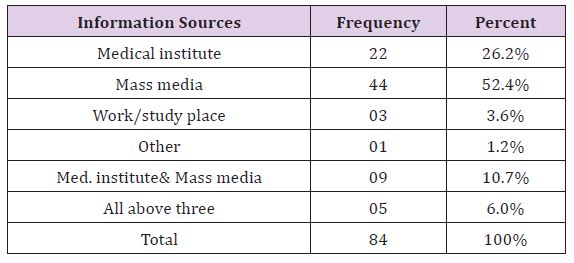
About 99% answered that hepatitis cannot be caused through casual contact, such as holding hands or hugging. Regarding the knowledge of the disease, 100% (n=84) of the house officers knew that a HBV and HCV positive person carrier are having the risk to infect others and spread it. About the dangerous route of infection of hepatitis was very good and mainly all house officers identify the prick from a contaminated instruments/syringe (81) 96.4%, while small percent 1.2% mark the Oro-fecal route. The best preventive method for it was marked 100% respondents that using the sterilize instrument/syringes (Figure 1) While some dentists also specify the blood product and the use of disposable instruments. Knowledge about treatment was (62)73.8% answer that the treatment of hepatitis is possible and its cure partially from it, while (12)14.3% answer that from treatment the patients cure totally and (10)11.9% answer in negative that treatment do not cure from HBV and HCV. Mass media was reported mainly by respondents (52.4%) as the main source of information about HBV and HCV, Medical institute (26.2 %) as shown in (Table 2).

Table 2: More convenient way for information about HBV and HCV.

Figure 1: General Knowledge about Hepatitis.

Attitudes toward HBV and HCV

The most important question about Vaccination of Hepatitis B was positive and 77 (91.7%) students are been vaccinated against it and 8.3% has not done the vaccination. The attitude toward the believe in vaccination protection against Hepatitis B was up to the mark, 92.9% answer in positive and 4.8% was not believe in the vaccination. As shown in the Table 3, the changing of gloves was also taken positive by many house officers and 96.4% said it’s not wastage of time and it important for their protection. The interesting question about the attitude was that if you personally get infected with hepatitis B or C whom will you tell about it, the answer mostly answer was doctor which show their trust and the right person for their problem, 51.2% trust in doctor and secondly 16.7% said that they would tell their parents about the infection of hepatitis.

Table 3: Answers about Attitude questions asked from house officers (n = 84).

Practices Regarding HBV and HCV

Hand washing with Plain water was reported 7.1% of the times, soap/water 45.2% and the use of antiseptic solution 36.9 %. At the same question about 8% said they do not wash hand after every patient and the reasons they show was the shortage of time and interrupted or short supplies of soap or anti-septic solution. The use of personal protective equipment (PPE) masks and apron or overall were reported 41.7% (35) of the times, the protective goggles in OT or MOS were marked less 3.6% while the 59.2% of the respondents reported. Forty one House Officers (48.8%) reported needle pricks during the last one year whereas 1.2% said they didn’t remember about the pricks. Of those 41 House Officer about 76 % of the sample responded with 1-3 pricks in their last year career, while 19% (08) show the results of 4-5 times of pricks and the alarming results was more than 5 times prick in the last year, (Figure 2) and it was 05% of the all (Table 4 ).

Table 4: Answers about Attitude questions asked from house officers (n = 84).

Figure 2: Bar chart showing different means of hands washing by house officers.

Comparison of Khyber College of Dentistry (KCD) with Bolan Medical College (BMC)

The knowledge about Hepatitis of both colleges was of good level, all house officers of both colleges were aware of Hepatitis and its risk from carrier. Protection through Vaccination in KCD dental house surgeons was 97.5% as compare to 87.6% of BMC which is significance with p-value 0.003. Changing of gloves for was masked by 97% of both institute house officer as not the wastage of time, which shown their behaviour to gloves changing and protection. Needle prick in the last one year was more and was alarming one, and was more about 61.5% in KCD and 36.4% in BMC house officers. (Figure 3) and (Figure 4) Exposure to HBV & HCV patients was high as about 82% in both hospitals house officer and they treated and expose to hepatitis positive patients from 1 to 20 or more than 20 no of patients. Screening policy of KCD was good and each and every patient was screen before any dental treatment and for minor or major oral surgeries, whereas in BMC there was no such screening policy for every patient (Table 5).

Table 5: KAP of Khyber college of Dentistry Vs Bolan Medical College.

Figure 3: House Officers exposed to No. of pricks in past one year.

Figure 4: Training on HBV and HCV at Khyber College of Dentistry and Bolan Medical College.

Discussion

There have been studies regarding the knowledge, awareness and practices of hepatitis B & C. However, the majority of these have reported a different level of knowledge and attitude, depending on their study population education and awareness, which limits the generalize ability of their results to the general population. On the other hand, cultural diversity in the different cities of Pakistan also necessitates the performing separate population-based studies in the various regions.

There have been studies [11-13]. Regarding the knowledge/ awareness, attitude and Practice or believes hepatitis B and C in Pakistan. The objective of this study was to determine level of knowledge and attitude about HCV and HBV in dental surgeons and practices with patients reporting for dental treatment. Regarding the availability of a successful treatment of HBV or HCV 15.4 % were aware about patients cure completely from it, where about 73.8% responses that they cure partially from treatment and 11.9% response that no such treatment exists for disease. This is much better than a study done among medical students of Karachi; their response was 48.2% [14]. Use of Sterilize instruments was chosen by 100% of working house officers and some also identified the use of disposable instruments.

Figure 5: Needle pricks in Khyber College of Dentistry Vs Bolan Medical College.

About 96.4% identified the prick from contaminated instruments as the dangerous risk for dentist (Figure 5). The knowledge about the route of transmission was almost 100% know the blood transfusion. The results of our study was even more knowledge then the study done by Abbasi Shaheed hospital on five dental institutes of Karachi as their knowledge about route of transmission was 86.16% [15]. 91.7% of the house officers were vaccinated against Hepatitis B and they believe that through vaccination the prevention is possible and respond was 92.9%, which can be comparing with study done on medical students in Bangladesh where 85% was aware of vaccination and 65.5% were vaccinated [16] and 63% was in south Korea dentist [17] which is less than our study. Similarly 96.4% don’t consider the changing of gloves as wastage of time and resources. About the doctor risk of infection while working at hospital/clinic was much positive as 59.5% said yes to the question and 29.8% responded that they are not at risk at all.

The use of personal protective equipment was good in practices; Gloves were used almost while treating patients but at same short supplies were reported by 5.7%. In study on dental care workers in Japan 25% deny to change gloves for every patient while 17% don’t wear it [18]. Mask and overall used in surgical procedures was 59.6%, while the remaining percent mark all the protective equipment’s i.e. gloves, mask, overall, goggles and rubber boots. The use of protective and barrier method in dentist of Durban, South Africa was also high as it were reported by our study respondents [19]. Quite a big percentage (82.1%) of our respondents was exposed to HBV and HCV patient/s in their professional career. About 1-30 patients with HBV and HCV positive are been exposed or treated by house officers. Mostly used mask, double gloves, goggles, sterilize/disposable instrument and apron, while masks, gloves and apron was used the most. This was in contrast with study done on Iranian surgeons who use double gloves only 24%.

Conclusion

A study was conducted to evaluate the magnitude of awareness regarding transmission of Hepatitis B and C amongst the Dental house surgeon. This study also focused on the practice of dental health care professionals regarding the protective and preventive measures to prevent the transmission of hepatitis and infection control. “Safe practices” would decrease the diseases burden and will save resources for the Public and Govt. Our health care planners need to understand it and our teaching and training programs need complete re-orientation to achieve this goal [20-25].

For More Articles: Biomedical Journal Impact Factor : https://biomedres.us

Journals on Surgery

Salvage Therapy of Infected Wounds of the Extremities Using 5% Acetic Acid and Povidone Iodine

Abstract

Aim: Infected surgical wounds of extremities increase patient mortality and morbidity, with extended hospital stay and significant economic burden. Bone and joint infections pose a formidable challenge to the orthopedic surgeon. Salvage therapy of infected wounds of the extremities using 5% acetic acid and providone iodine.

Objective: To determine outcome of infected surgical wounds treated with 5% acetic acid and povidone iodine, and to reduce burden of costly systemic antibiotic therapy and find out an alternate way of infected wound management.

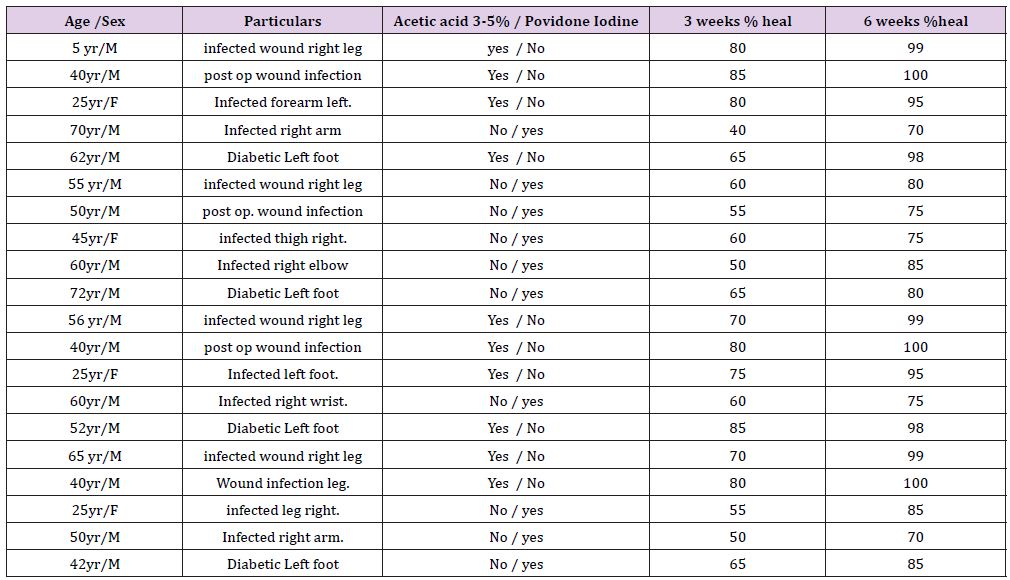
Method: 20 patients 16 male and 4 female average age 45years range 25 to 65yeras with infected extremities wounds were treated in which half of the patients were treated by 5% acetic acid (Group A) and half were treated with povidone iodine (Group B).

Results: The average age of patients was 45 years with male to female ratio 4:1. In-group A the wound healing was 76% and in-group B it was 54% after three weeks. But at the end of 6th week 98% healing was seen in group A while 83% healing was seen in group B.

Conclusion: Surgical infected wounds of extremities treated with 5% acetic acid reduce patient morbidity, hospital stay and economic burden.

Abbrevation: CDC: Centers for Disease Control

Introduction

Infected surgical wounds of extremities increase patient mortality and morbidity, with extended hospital stay and significant economic burden. Bone and joint infections pose a formidable challenge to the orthopedic surgeon [1]. The high success rate obtained with antibiotic therapy in most bacterial diseases has not been obtained in bone and joint infections because of the physiological and anatomical characteristics of bone. The overall surgical site infection rate has been estimated by the U.S. Centers for Disease Control and Prevention (CDC) to be 2.8% in the United States [2].

We evaluate the risk of infection in each patient by considering patient-dependent and surgeon-dependent factors. Patientdependent factors include nutrition, immunological status, and infection at a remote site. By physical and lab investigation. Surgeondependent factors include prophylactic antibiotics, skin and wound care, operating environment, surgical technique, and treatment of impending infections such as in open fractures. Simply stated, it is much easier to prevent an infection than it is to treat it. Most common pathogens responsible for wound infection in extremities are Staphylococcus aureas. Pseudomonas aeruginosa is a classic opportunistic pathogen with innate resistance to many antibiotics and disinfectants. It is the most difficult nosocomial pathogen to be eliminated from infection site [3]. The management of wound requires proper attention including medicinal and antiseptic dressings. This study was designed to see the role of 5% acetic acid and povidone iodine in extremities infected wounds.

Material and Methods

For this study total 20 hospitalized patients with wound infection in extremities not responding to traditional therapy for more than10 days were selected for the study. We equally divided our sample randomize in selection, and first half group A and second half group B. Group A were treated by 3%-5% acetic acid and Group B were treated by povidone iodine for 6 (six) weeks, and observe the healing. We used the Outcome parameters were as:

i. patient morbidity and mortality

ii. wound healing

iii. number of debridements

iv. wound culture results

v. white blood cell count > 10,000 cells/ dl)

vi. pyrexia > 100°F

vii. Infection site pain

a. Study Design: Prospective comparative study design was used.

b. Setting: Department of Orthopedic surgery and Traumatology International Medical College and Hospital, Gushulia, Tongi, Gazipure. Bangladesh [4] (Table 1).

Table 1: Details of patients.

Results

The average age of patients was 45 years with male to female ratio 4:1. In-group A the wound healing was 76% and in-group B it was 54% after three weeks. But at the end of 6th week 98% healing was seen in group a while 83% healing was seen in group B. Wounds were healed or were closed or were granulating follow-up. Number of debridements, wound cultures, white-blood-cells, and fever decreased after treatment began with 5% acetic acid [5-8].

Discussion

Wound infection in extremities in hospitalized patients has always been problem to the clinicians. Traditional therapies with anti microbial agents have their own limitations because of multiple antibiotic resistances. The use of acetic acid and providone iodine has been reported from time to time as a topical agent for the treatment of extremity wound infection. Topical use of acetic acid at concentrations between 0.5 to 5% eliminated microorganism responsible for extremity wound infection. From the result of this study it is concluded that 5% acetic acid is non-toxic and superior to providone iodine. It is the best alternative when infection is caused by multiple antibiotic resistant strains and where there is shortage of therapeutic options [9-11].

Conclusion

Dressings with 5% acetic acid for infected wounds of the extremities yield good results.

For More Articles: Biomedical Journal Impact Factor : https://biomedres.us

Journals on Radiology

Oral Manifestations of a Patient with Epidermolysis Bullosa

Abstract

Epidermolysis bullosa acquisita (EBA) is a chronic autoimmune bullous disease characterized by the presence of IgG and IgM antibodies at the level of basement membrane. It is rare in humans and animals with an incidence ranging from 0.2 to 0.5 new cases per million and per year. This dermatological condition is a severe autoimmune disease. Scarring of the extensor surfaces of the extremities, hands and feet are typical; milia occur frequently; and nails often become thick and dystrophic or are lost. The disorder affects both sexes equally and occurs in all racial and ethnic groups.

Keywords: Adherent fingers; Absent nails; Microstomia; Bullae; Preventive care

Introduction

Epidermolysis Bullosa (EB) is a group of rare inherited disorders, usually detected at birth or early childhood [1-4]. Köbner coined the term ‘epidermolysis bullosa’ in 1886, but even before this time, Legg and Brocq had already provided a clinical description of the disease. Epidermolysis bullosa characterized by extreme fragility of the skin and mucous membranes, which gives rise to the formation of blisters following minor trauma [5]. This dermatological condition is a severe autoimmune disease [6,7]. Scarring of the extensor surfaces of the extremities, hands and feet are typical; milia occur frequently; and nails often become thick and dystrophic or are lost. The disorder affects both sexes equally and occurs in all racial and ethnic groups [8]. Epidermolysis bullosa has been classified into three major types depending upon the histological level of tissue separation [9]:

I. Epidermolysis bullosa simplex is characterized by discontinuities in the epithelial keratinocyte layer;

II. Junctional epidermolysis bullosa involves separation within the basement membrane; and

III. Dystrophic epidermolysis bullosa is characterized by discontinuities in the underlying connective tissue.

Each type of EB has various subtypes and these may vary in severity [10]. Skin biopsies are needed for appropriate diagnosis and classification for affected subjects.

Case Report

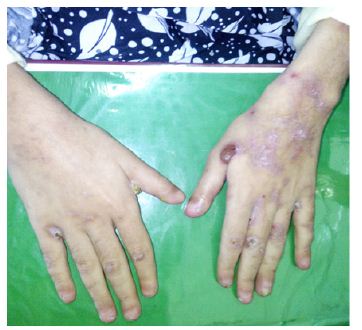
A 12-year-old female patient diagnosed with severe generalized junctional EB was referred to the Department of oral medicine and Radiology. The patient complaints of dental pain, halitosis, severe crustation of lips and limited mouth opening with ulcerations of buccal mucosa. The patient had one sister, aged 6 years old, who was unaffected by the disease. Her parents were also unaffected and were not consanguineous. Both sets of grandparents came from the nearby areas of same state. This type of illness had not previously appeared in the family Physical examination revealed generalized worn-out skin, blistering and scar formation, with blisters and vesicles present especially on the head and neck .The patient’s few fingers were adherent, and her nails were absent (Figures 1 & 2). Scar formation had resulted in the formation of microstomia (Figure 3). The patient’s maximum mouth opening was 14 mm. Clinical examination showed multiple missing teeth, decay and poor oral hygiene (Figure 4), due in part to a soft diet and hand contractures.

Figure 1: Nails absent.

Figure 2: Fingers adherent.

Figure 3: Crustations over lips[before] marked improvement [after].

The patient was a case of junctional epidermolysis bullosa which was confirmed by histopathology. Skin biopsy from fresh bulla showed a large dermo-epidermal bulla with mild chronic inflammatory infiltrate in dermis. Direct immuno fluorescence showed IgG IgM deposition at the level of basement membrane; all the features were suggestive of junctional epidermolysis bullosa. The goal of treatment in the present case was to prevent blisters from forming and its resulting complications. Topical steroids and antibiotics were used to promote healing and prevent secondary infection of blisters. Since restoration of teeth was not possible due to severe crown destruction, extraction of few teeth was done in two sittings under local anaesthesia. The use of an aloe vera containing tooth gel at home was suggested to soothe the burning feeling affecting the gums. A mouthwash was also prescribed to help the salivary immune system protect the mucosal surfaces. In this case, minimal intervention has so far preserved the oral cavity and monthly topic fluoride application helped to control dental caries. The patient maintains continuous contact with the health team to avoid complex treatments. Follow-up is advised after every 3 months for the evaluation of oral status.

Discussion

EB is a group of rare genetically determined disorders characterized by the development of blisters following minor or insignificant trauma or traction to the skin or mucosal surfaces [11-13].Oral manifestations and dental involvement of EB vary in frequency, in severity and according to subtype. Dental management of individuals with EB has been reported previously by several authors [14,15]. Examinations have shown that the caries prevalence among individuals with dystrophic EB and junctional EB is significantly higher than among healthy people [16]. Similar observations have been made with respect to the prevalence of plaque and gingivitis. However, the patients examined in these studies show no significantly higher prevalence of Candida albicans, Lactobacillus casei or Streptococcus mutans [17]. Wright et al .reported that none of their patients with EB showed any evidence of a decreased salivary flow rate [18]. Despite the severe cutaneous and extracutaneous involvement associated with inherited EB, the above authors found no evidence to support the hypothesis of abnormal salivary function or mucosal immunity in this disease. Taken together, these findings suggest that the rampant dental caries seen in the various forms of EB are more likely to be attributable to non salivary factors, such as enamel involvement, soft-tissue alterations and/or diet. Dental caries have a complex pathogenesis and may be influenced by a variety of genetic and environmental factors. Childhood EBA is a very rare disease and none of the previously described patients had dental abnormalities as a clinical manifestation of this disease. Interestingly, defects in enamel maturation and/or mineralization have been reported in dystrophic and junctional epidermolysis bullosa. The Col17_/_ mice, a model to study non-Herlitzjunctional epidermolysis bullosa enamel hypoplasia, exhibit imperfect amelogenesis demonstrated by malformed enamel rods and irregular enamel matrix [19].

Similar changes are observed in some cases of epidermolysis bullosa caused by mutations in laminin 5, a6b4 integrin or collagen VII [20]. The tooth abnormalities due to type VII collagen deficiency investigated in Col7a1_/_ and COL7-rescued humanized mice may be attributed to poorly differentiated ameloblasts [21]. Defective enamel structure may provide a flourishing local environment for cariogenic bacteria by providing more adhesive and colonization potential and being more acid soluble. Hence, defective enamel appears to be a favoring factor for dental caries of childhood. Epidermolysis bullosa treatment is generally focused on support. Perforating the blisters contributes to accelerating the healing process and prevents continued lateral spread of the blisters. Currently, researchers are focusing their attention on gene and cell therapy, recombinant protein infusions, intradermal injections of allogenic fibroblasts and stem cell transplantation. Other developing therapies are directed toward the enhancement of wound healing and better quality of life for EB patients [22]. Some difficulties complicate the rehabilitation treatment of thesepatients, as the fragility of the mucosa and the microstomia. The lesions in the oral mucous membrane can be so severe that they interfere with nutrition as a result of the difficulty of food due to pain as in present case. Thus, the treatment of the EB patient must be modified in order to decrease the effects of local trauma to the tissues.

Oral ulceration due to trauma during dental manipulation is unavoidable, but it could be limited by the mucosa lubrication before any manipulation with hydrocortisone cream, triamcinalone or petroleum jelly [23]. In addition, the use of small-sized instruments, short-shaft dental burs and hand pieces with a small-sized head is indicated. Dentures and restorations should be carefully adapted and highly polished; secondary infections should be prevented with the use of oral antiseptics or using topical antibiotics on existing bullous lesions. During the dental treatment in outpatient settings, the administration of local anaesthesia to patients with EB may also cause blister formation and should therefore be avoided whenever possible. Nevertheless, when necessary, local anesthetics should be injected slowly and deeply into the tissues to prevent mechanical tissue separation and blistering. Owing to the difficulties related to the restorative dental treatment of these patients, the emphasis on the oral health management must be on prevention beginning at an early age. Regular application of topical and systemic fluoride, oral hygiene instructions and dietary guidelines minimize caries development and improves overall oral health.

Conclusion

Early dental management and preventive care to minimize caries development and to improve oral health is very important for patients with EB. Furthermore, they are often advised to reduce their consumption of cariogenic foods. Topical fluoride applications at regular intervals are also indicated. Ongoing patient monitoring must be stressed to minimize the need for restorative treatment in patients with EB

For More Articles: Biomedical Journal Impact Factor : https://biomedres.us

Journals on Dentistry

Difficult Extraction of Post-Endodontic ally Treated Upper Second Molar : A Case Report

Abstract

The ideal tooth extraction is “the painless removal of the whole tooths, or roots, with minimal trauma to the investing tissues, so that the wound heals uneventfully & no post-operative prosthetic problem is created. The present article reports a case of difficult extraction in 39 years female. The aim of the article is to report a case of difficult extraction of post-endodontic ally treated upper second molar.

Case Report

A 39 years female patient was complaining of pain in the upper left back teeth region of jaw since 8 days. The patient was under root canal treatment with upper left second molar (Figures 1,2) and was complaining of pain with the same tooth [1]. On radiographic examination, it revealed that there is extended endodontic file in the molar’s mesial canal, which was extended beyond the root. This tooth had poor prognosis as well as patient was not ready to continue the root canal treatment due to pain, hence we decided to perform extraction of it. This extraction was challenging as there were more chances of breakage of endodontic file but we did it successfully. Maxillary cow-horn forceps was used for extraction. Tooth was extracted with minimal trauma and without breakage of endodontic file [2-6].

Figure 1: IOPA of left upper second molar.

Discussion

The ideal tooth extraction is “the painless removal of the whole tooths, or roots, with minimal trauma to the investing tissues, so that the wound heals uneventfully & no post-operative prosthetic problem is created.

Tooth extraction should be considered as a last option. Permanent teeth are extracted for various reasons such as dental caries, orthodontic reasons, periodontal disease, impacted teeth, failed dental treatments, pre-prosthetic considerations etc. [7]. Criterias which are taken into consideration before any extraction are tooth mobility, prosthetic planning ,severity of attachment loss, furcation involvement , endodontic-periodontal lesion, radiographic bone loss ( more than 50 % ) , grossly carious teeth [8].

Endodontic ally treated teeth are prone to extraction mainly due to non- restorable caries, endodontic failure, iatrogenic perforation, vertical root fractures [9]. Any endodontic treatment is been evaluated at several levels which starts at the success of treatment in preventing periapical lesions [10]. The complications which come across while performing extraction are tooth fracture, fracture of cortical plates, alveolar osteitis, trismus, postoperative pain, haemorrhage, wound dehiscence. Rare complications are luxation of adjacent teeth, maxillary tuberosity fracture, and displacement of tooth into adjacent tissue spaces [11]. Fcortical plates are fractured while doing extraction, it can lead to ridge narrowing and this may interfere with closure of extraction space [12]. The case mentioned in the article is a difficult case of extraction. But we performed it successfully and with fewer traumas to surrounding tissue.

For More Articles: Biomedical Journal Impact Factor : https://biomedres.us

Journals on Pharmacy

Analytical Quality by Design: A Mini Review

Introduction

According to ICH Q8 guidelines, QBD is “A systematic approach to development that begins with predefined objectives and emphasizes product and process understanding and process control, based on sound science and quality risk management.”

What is quality by design?

QbD incorporates planning, developing formulations and manufacturing procedures which ensures predefined product specifications. In 2002, the FDA announced a new initiative (cGMP for the 21st Century: A Risk based Approach). This initiative intended to modernize the FDAs regulation of pharmaceutical quality, and establish a new regulatory framework focused on QbD risk management, and quality system. The initiative has made the industry to look beyond quality by testing (QbT) for ensuring product quality and performance. An important aspect of QbD is to know how process and formulation parameters could affect the product characteristics and subsequent optimization of these parameters should be known in order to monitor these parameters online in the production process.

The use of QbD concepts results in a well-understood product and process that consistently delivers its intended performance. The knowledge acquired during development may support the formation of a design space and determines suitable process controls. These same QbD principles have been applied to the development of analytical methods, and are termed “Analytical QbD” (AQbD). Analogous to process QbD, the result of AQbD is a well understood, fit for purpose, and robust method that consistently delivers the intended performance throughout its lifecycle. The broad knowledge obtained from this process is used to establish a method operable design region (MODR), a multidimensional space based on the method factors and settings that provide suitable method performance.

AQbD helps in development of a robust and cost effective analytical method and facilitate the regulatory flexibility in analytical method i.e. the choice to change method parameters within a method’s design space, referred to as the method operable design region (MODR).

Regulatory perspective of AQbD

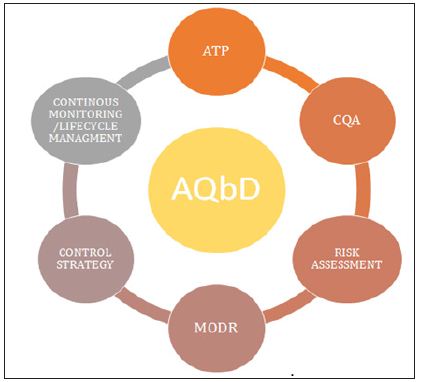
Analytical methods are key part of the control strategy in pharmaceutical quality system (ICH Q10). It includes various parameters and attributes related to drug substance and drug product including instrument operating conditions and their associated methods. Though cGMP regulation is in practice from a long time but many pharmaceutical giants are facing quality control related issues that are associated with the risk management system in analytical methods. Therefore looking the dependency of pharmaceutical development and manufacture on robust analytical data, need has come for implementation of AQbD in analytical method development, which is an indicator of quality process, product and robustness throughout the life cycle of the product. Below Figure 1 shows various stages in Qbd/AQbD

Figure 1: Regulatory perspective of QbDvsAQbD.

Comparison of Traditional approach VsQbD and AQbD

Traditional validation methods are usually one time evaluation. As a result chances of method failure during transfer are always high. Also the performance variables are not fully explored and understood. Therefore the below figure 2 summarizes the comparison of traditional and AQbD approach, which aims to handle the shortcomings of the traditional approach based on scientific understanding and knowledge repository.

Figure 2: Comparison of Traditional Approach vsQbD and AQbD.

Following are the advantages offered by AQbD in product development:

1. Scientific understanding of pharmaceutical process and method.

2. It involves product design and process development.

3. Science based risk assessment is carried.

4. Critical quality attributes are identified and their effect on final quality of product is analyzed.

5. It offers robust method or process.

6. It provides required design space for development.

7. Control strategy can be maintained throughout the analysis.

8. It allows continuous improvement till finished steps of method.

9. Flexibility in analysis of API, impurities in dosage forms, stability samples, and metabolites in biological samples.

10. Reduction in variability in analytical attributes for improving the method robustness.

11. Eliminate batch failures.

12. Minimize deviations and costly investigations.

13. Avoid regulatory compliance problems.

14. Better development decisions.

15. Empowerment of technical staff.

16. Smooth process of method transfer to the production level.

Elements of AQbD

Go to

AQbD/qbd comprises of all elements of pharmaceutical development described in ICH Q8 depicted in Figure 3.

Figure 3: Elements of Analytical Qbd.

Analytical target profile

ATP is way for method development or it is simply a tool for method development and has been mentioned in the ICH Q8 R (2) guidelines. It defines the method requirements which are expected to be measured that direct the method development process i.e.it is combination of all performance criteria required for the proposed analytical application. An ATP would be developed for each of the traits defined in the control strategy. The ATP defines what the method has to measure (i.e., acceptance criteria) and to what level the measurement is required (i.e., performance level characteristics, such as precision, accuracy, range, sensitivity, and the associated performance criterion). The ATP is defined with the help of knowledge and scientific understanding of the analytical process. Preliminary risk assessment should be carried out for expectation of the method requirements and analytical criticalities. ATP for analytical procedures comprises of

a) Selection of target analytes (API and impurities),

b) Selection of analytical technique (HPTLC, GC, HPLC, Ion Chromatography, chiral HPLC, etc.),

c) Choice of method requirements.

Accuracy and precision are the most important among the performance characteristics that provides the critical information needed to quantify an unknown amount of the substance using the proposed method. A method cannot be accurate and precise without acceptable specificity, linearity over a stated range, sufficient peak resolution for accurate integration, repeatability of injections, etc. To achieve an accurate and precise method the above important characteristics must be evaluated during method development as they provide an extensive data set for setting method controls.

CQA (Critical Quality Attributes)

ICH Q8 (8) defines CQA as a physical, chemical, biological, or microbiological property or characteristic that should be within an appropriate limit, range, or distribution to ensure the desired product quality. CQA for analytical methods comprises of method attributes and method parameters. CQA can differ from one analytical technique to another.

a) CQA for HPLC (UV or RID) are buffers used in mobile phase, pH of mobile phase, diluent, column selection, organic modifier and elution method.

b) CQA for GC method is oven temperature and its program, injection temperature, flow rate of gas, sample diluent and concentration.

c) CQA for HPTLC is TLC plate, mobile phase, injection concentration and volume, time taken for plate development, reagent for color development, and detection methods.

Physical and chemical properties of the drug substance and impurities can also describe CQA for analytical method development such as polarity, charged functional groups, solubility, pH value, boiling point and solution stability.

Risk Assessment

Risk assessment strategy as specified in the ICHQ9 guideline: “it is systematic process for the assessment, control, communication and review of risks to the quality across the product lifecycle”. This step is vital in order to reach a confidence level that the method is reliable. Once the technique is identified, AQbD emphases on detailed risk assessment of the factors that may lead to possible variability in the method, like analyst methods, instrument configuration, measurement and method parameters, sample characteristics, sample preparation, and environmental conditions. Traditional method development relied on testing the method after transfer whereas Analytical QbD demands the risk assessment step before method transfer and throughout the product life cycle. According to ICH Q9, risk assessment can be carried out in three steps viz., risk identification, risk analysis and risk evaluation. One of the common ways to perform risk assessment is to use a Fishbone Diagram, also known as Ishikawa. Accordingly the risk factors are classified into the following categories:

a) High Risk Factors: e.g. Sample preparation methodology. These are to be fixed during the Method Development process.

b) Noise Factors: These are subjected to an MSA study. It can be done through staggered cross nested study design and variability plots, ANOVA etc. These factors are subjected to robustness testing.

c) Experimental Factors: e.g. Instrumentation and operation methods. Subjected to ruggedness testing and acceptable range is identified. The third step is Risk Evaluation which is done through Failure mode and effects analysis (FMEA) and the Matrix designs.

MODR (Method Operational Design Region)

MODR used to develop operational region for routine operation (e.g., analysis time, procedure and limits). In accordance with the requirement of ICH Q8 guidelines, regarding “design space” in product development, method operable design region (MODR) can also be established in method development phase, which could serve as a source for robust and cost effective method. Understanding of method performance regions helps to establish the desired operational conditions. Critical method parameters and analytes sensitivities should be evaluated. MODR is the operating range for the critical method input variable (similar to CQAs) that produces results which consistently meet the goals set out in the ATP. MODR permits the flexibility in various input method parameters to provide the expected method performance criteria and method response without resubmission to FDA. It is based on a science, risk based and multivariate approach to evaluate effects of various factors on method performance.

Method Control Strategy

Establishing a control strategy is of utmost importance while ensuring that the method is performing as intended on a routinebasis as goals described in ATP. Basically it’s a planned set of controls aimed at minimizing the variability in the process. The strategy is data dependent. Data generated during method development and method verification forms the basis of the control strategy. A factor identified to have risk has to be controlled. More attention is given to the high risk factors. If the risk are low and manageable then the method control strategy can be defined, which generally consists of appropriate system suitability check and verified time to time by having control over it so that method delivers the desirable method attributes. Interestingly, the control strategy of AQbD is not different from the traditional control strategy.

Lifecycle Management

Going through all the elements of AQbD for a particular analytical method the key steps that ensure fitness of the method for its intended use includes the method validation, verification and transfer. Combining all together is termed as ‘lifecycle management of analytical procedure’, which commence with establishment of ATP and continues till the methods are in use. The resultant confirmation with respect to ATP is the main focus of performance qualification e.g., precision study at the site of routine use. Continual verification involves activities, which provide the assurance that the method is under control throughout its lifecycle.

Applications OF AQbD

Numerous applications of AQbD have been reported in the field of Pharmaceutical analysis. We have tried to put some of the examples of chromatographic methods especially liquid chromatography in various areas of analysis that have utilized not all steps shown in Figure 1, but have implemented some aspects of AQbD in their approach. Below Table 1 summarizes some of the application area (Table 1).

Table 1: Few applications applying AQbD approach.

Conclusion

Analytical Quality by Design (AQbD) plays a key role in the pharmaceutical industry for ensuring the method reliability and non-variability in results. The outcome of AQbD is the understanding from method development to method transfer. AQbD tools are ATP, CQA, Method Optimization and Development with DoE, MODR, and Control Strategy with Risk Assessment, Method validation, and continuous improvement. During method development, all potential factors (the inputs) and all critical analytical responses (the outputs) are studied to determine the relationships. Critical analytical factors are identified in an approach that parallels what is described for process development in ICH Q8 and Q9. The AQbD approach plays an active role between analytical scientists during development and operational laboratories as methods are being developed and as factors that lead to potential method failures are identified and controlled. Thus all elements of Aqbd altogether will provide better understanding of the method performance and for its continuous improvement throughout the life cycle.

For More Articles: Biomedical Journal Impact Factor : https://biomedres.us

Journals on Dermatology

Benign Migratory Glossitis: Case Report and Literature Review

Abstract

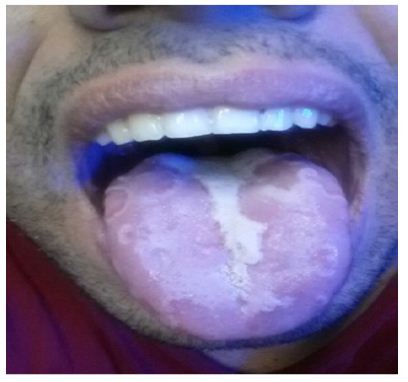
Benign migratory Glossitis (BMG) is a benign, usually asymptomatic mucosal lesion of dorsal surface of the tongue, characterized by depapillated erythematous patches separated by white irregular borders. Etiology of BMG is unknown. Risk factors include psoriasis, fissured tongue, diabetes mellitus, hypersensitivity and psychological factors. We report BMG in an Egyptian soldier of UN peace keeping force, with stress as a possible etiological factor and provide literature review of this disorder.

Keywords: Geographic tongue; Benign migratory Glossitis; Erythema migrans

Introduction

Benign migratory Glossitis (BMG) is a benign, immunemediated, chronic inflammatory lesion of unknown etiology, usually characterized by asymptomatic erythematous patches with whitish margins across the surface of the tongue. This condition is also known as geographic tongue, erythema migrans, Glossitis exfoliativa and wandering rash of the tongue. The central erythematous patch represents atrophy of the filiform papillae. The white border is composed of regenerating filiform papillae and a mixture of keratin and neutrophil aggregates within the epithelium. The most frequently reported prevalence is 1-2.5% with no gender predilection. It commonly occurs on the tip, lateral borders, and dorsum of the tongue; extending sometimes to the ventral surface as well. BMG shows periods of exacerbation and remission with recovery in one area and appearance in other area; thus explaining the typical migratory nature of this lesion [1-3].

Etiology of BMG is not well established. Various studies have found association of BMG with psoriasis, diabetes mellitus, Reiter’s syndrome, Down’s syndrome, pregnancy, psychological factors, genetic factors, hypersensitivity, fissured tongue [3] and consumption of oral contraceptive pills and lithium carbonate [4]. The diagnosis is based on history and clinical presentation. Though usually asymptomatic in nature; pain and burning sensation in the affected area of the tongue has been reported on consumption of spicy/salty food and/or alcoholic drinks [4,5].The lesion typically changes its shape with time owing to the change in pattern of depapillation.

Similar lesions may also be seen in atrophic candidiasis, local chemical or mechanical trauma, drug induced reactions, psoriasis and atrophic lichen planus [6]. Asymptomatic BMG needs no therapy. Treatment of symptomatic BMG aims at provision of symptomatic relief by means of topical application of corticosteroids, local anesthetic agents, anti-inflammatory mouthwashes and systemic use of antihistamines and Zinc supplements [7]. We report a 26-year-old patient, an Egyptian soldier of UN peace keeping force, suffering from BMG; with stress as a possible etiological factor.

Case Report

A 26-year-old male patient, an Egyptian soldier performing his duties in United Nations-African Union Mission in Darfur (UNAMID), reported to Pakistani Field Hospital Darfur, Sudan; complaining of pain and burning sensation in his tongue for last two months. The patient was asymptomatic two months back when he developed burning sensation in his tongue on taking spicy food and hot drinks. After a few days the severity of burning increased in response to the same stimuli. In addition to it, he developed mild continuous pain and discomfort in tongue which aggravated during speech and mastication. He took multivitamin tablets and systemic antifungalmedication (capsules) on the advice of a general practitioner but was not relieved of his symptoms. He also complained of disturbed sleep and loss of appetite. The patient related his symptoms with composite filling of his upper molar tooth which had been done one month before appearance of his symptoms.

His medical history was not significant. Currently he was not taking any medication and denied allergy to any medication or food item. According to the patient, no member of his family ever experienced such problem. He was nonalcoholic and remained nonsmoker until recently when he started smoking since last two weeks, about 10 cigarettes per day, without any known reason. He was unmarried and engaged to a lady about 18 months back. His marriage was delayed because of his job/service commitments. He was the eldest son of the family, having two sisters, two brothers and two parents; all dependent upon him. In mission area, his job was procurement and logistics management.

On clinical examination, he was a young male of average built and height with mesofacial profile. TMJ examination and mouth opening were normal. Intraoral examination showed satisfactory oral hygiene with all teeth intact. There were wear facets on lower anterior teeth. Examination of tongue revealed characteristic morphological features of geographic tongue. Multiple flat, smooth, erythematous patches of depapillated mucosa with yellowish white, slightly elevated, irregular peripheral borders were visible on dorsum and lateral margins of the tongue (Figure 1). No ulceration, bleeding or pus discharge was observed. Systemic examinations were unremarkable.

Figure 1: Initial clinical presentation of geographic tongue.

As the clinical diagnosis was straightforward, a biopsy was not deemed necessary. Other investigations included blood complete picture with RBC indices, serum glucose level, serum folate, vitamin B12 and albumin level and total Iron binding capacity; to distinguish from Glossitis associated with anemia or other nutritional deficiencies. Patient was reassured of the benign nature of the lesion. For symptomatic relief, he was advised topical application of Triamcinolone acetonide (Kenalog in orabaseointment) and use of Benzydamine mouth wash for 10 days. He was also advised tablet Paroxetine, 10 mg once daily for 3 months, by our Psychiatrist. The patient was reviewed after 2 weeks who reported significant reduction in severity of his symptoms with only mild discomfort during eating. On examination of the tongue, the peripheral white zones on lateral margins of the tongue had disappeared. (Figure 2) Patient was advised to observe fortnightly follow up visits for the rest of his stay in mission area.

Figure 2: 10 days post-treatment.

Discussion

BMG is one of the most prevalent oral mucosal lesions (1- 2.5 %, usually adults) [7]. Our patient demonstrated typical appearance and location of BMG, though it may occur on other sites of oral mucosa than on the dorsum of the tongue where it is called geographic stomatitis [7,8]. BMG is usually asymptomatic. However, itching, foreign body sensa¬tion, mild pain and mild to severe burning sensation, which may occasionally interfere with eating or sleep¬ing, have also been reported. The severity of symptoms varies at different times, depending on the disease activity. Our patient reported disturbed sleep owing to pain and burning sensations which aggravated on taking spicy food and hot drinks. Cancer phobia has been reported in patients of BMG, due to which they, sometimes, seek medical help even in asymptomatic cases [2].

Etiology of BMG could not be established in our patient. No association was found between his disease and the reported risk factors like inheritance, diabetes mellitus, nutritional deficiency, Reiter’s syndrome etc. His family and past medical history was not contributory. Allergy has been proposed as a major causative factor in BMG. An association has also been reported between the BMG and asthma, eczema, hay fever, elevated serum immunoglobulin E (IgE) and atopic patients [4,9]. Our patient denied allergy to any medication Various studies have demonstrated an association between BMG and psoriasis on the bases of microscopic similarity between the two conditions and the presence of a common genetic marker, HLA-C*06.Its prevalenceina population of psoriasis patients is approximately 5% [1,4,8]. Our patient had no psoriasis.

An association between BMG and the fissured tongue has been reported in literature [1,4,10,11]. The fissured tongue is an asymptomatic, benign condition characterized by fissures or grooves on dorsal surface of the tongue. Fissured tongue should be interpreted as an end stage of BMG.7 In our patient; BMG was notaccompanied by fissured tongue. Various studies support the role of emotional stress, as a causative agent, in the development and/or exacerbation of BMG [4,12,13]. Redman et al. [12] investigated the association of emotional stress and BMG in a population of students and found evidence to suggest emotional stress as an etiological factor in BMG. They also suggested that in a person with signs of psychological disturbance, the appearance of geographic tongue might be considered as additional evidence of the disturbance.

After exclusion of other risk factors, as mentioned in the literature, we suggest work/emotional stress to be a factor in development and/or exacerbation of BMG in our patient. Being the eldest son of the family with lot of familial responsibilities on his shoulders, who was away from his family for last 10 months, performing his duties in a Foreign country; coupled with requirements of commitment to his job might have put him under lot of stress which could develop BMG in our patient. Moreover; there is a possibility of the presence of an asymptomatic lesion which was diagnosed only after the appearance and exacerbation of symptoms during the period of stress.

Conclusion

In this case the lesion was readily identifiable clinically so biopsy was not considered. If biopsy is considered, it should involve the peripheral zone to include the typical microscopic features of this lesion; parakeratosis, acanthosis and sub epithelial Tlymphocytic inflammation [4]. Symptomatic treatment with topical corticosteroids, topical local anesthetic agents, antiinflammatory mouthwashes, antihistamines and anxiolytic dugs is documented in literature [6]. Our patient responded well to a 10 days course of topical corticosteroids (triamcinoloneacetonide) with significant reduction of his symptoms and disappearance of Peripheral zone of the lesion, which is a sign of recovering mucosa [6,7]. In conclusion, BMG is a completely benign mucosal lesion that shows periods of exacerbation and remission. In asymptomatic cases, its diagnosis is important to relieve cancer anxiety of the patient. In symptomatic cases, symptomatic treatment should be provided by use of corticosteroids along with correction of the cause. Possible role of stress in development of symptomatic BMG has been observed in this case report which may be confirmed by further investigations.

For More Articles: Biomedical Journal Impact Factor : https://biomedres.us