Medical and Medicinal Journal

Emotional and Behavioral Problems | Behavioral difficulties are a complex and very serious issue as their manifestation is not only due to genetic and neurological factors but also to the interaction children have with the environment where they live. A child’s problematic behavior may be associated with the “bad” family environment they live in as well as the bad relationships they have with their family. Whether there are no ties of love between parents and their children, or they neglect them, or they do not show appreciation and respect, or they abuse them, and generally they do not praise them or they do not pay attention to their skills, it is very likely that these children develop problematic behaviors because of the grief and sadness they feel. A problematic behavior can be displayed either in an aggressive or antisocial way or with depression and frustration. Both internal and external problem behavior include isolation from the community and a negative identity. Firstly, a key asset for the teacher is to create a relationship of trust with the child, to stress their positive characteristics and emotional skills, to encourage them to have a good image and appreciation for themselves, to create cooperation and communication ties between the teacher and the child as well as between the classmates and the child with problematic behavior, so that children could feel that they do not have a negative identity, that they are no different from the other classmates and especially could avoid any exclusion and isolation may have. For More Articles: Biomedical Research Articles : https://biomedres.us/


Open Access Clinical and Medical Journal

Emerging Infectious Disease and Transfusion Medicine: Time to take Action with Proactive Measures | One of the concerns throughout the history of transfusion medicine has been the transmission of infectious diseases through the transfusion of allogeneic blood. Since the identification of post transfusion hepatitis in the 1940s [1], the AIDS epidemic in the 1980s [2], the discovery of hepatitis C in 1989 and its role in blood donation and transmission of HCV [3], and most recently -between 1980 and 1996 the delivery of the variant of Creutzfeldt- Jakob disease by blood transfusion [4,5], transfusion medicine had to implement stronger and more secure measures in the selection of blood donors and in the diagnosis of Transfusion-transmissible diseases (TTD) in order to avoid post-transfusion transmission of infectious agents, mainly HBV, HCV and VIH. For More Articles: Biomedical Journal Articles : https://biomedres.us/

Journal on Medical Science

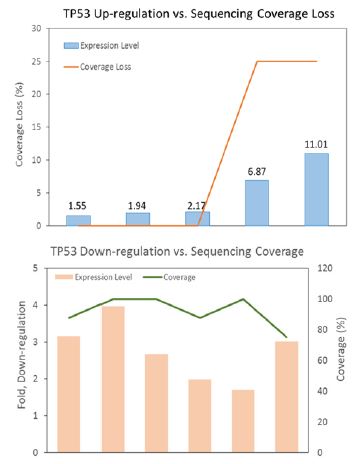
When Liquid Biopsy Cell-Free DNA Meets with Tissue Biopsy RNA | The human genome contains ~30,000 genes that need to be expressed in specific cells at precise times. The DNA in the nucleus exists in two forms that reflect the level of activity of the cell. Through electronic microscopy, heterochromatin appears as small, darkly staining, irregular particles scattered throughout the nucleus or accumulated adjacent to the nuclear envelope; on the other hand, euchromatin is dispersed and not readily stainable. Euchromatin comprises the most active portion of the genome within the cell nucleus and is enriched in genes, and is often under active transcription, whereas non-coding sequences are most abundant in heterochromatin. The position in the chromosome and/or changes to the chromatin structure can significantly influence gene expression: genes are usually silenced when the chromatin is condensed, and are active when chromatin is open. These dynamic chromatin states can be regulated at multiple levels via reversible epigenetic patterns of DNA methylation, histone or nucleosome modifications as well as tissue-specific transcriptional activators and repressors. For More Articles: Biomedical Open Access Journals : https://biomedres.us/

TP53 tissue expression correlated inversely with cfDNA sequencing coverage.

Journals on Medical Microbiology

HIV-Infected Patients from Low Socioeconomic Conditions at Risk of Gastritis due to Helicobacter Pylori | The prevalence of H. pylori infection was significantly lowers (p < 0.001) in HIV-infected (37.2% males and 30% females) than in uninfected (75.8% males and 70% females) for patients. There were no significant differences between H. pylori status and gender. Ante retroviral treatment, Viral Load and CD4 assessments were not done on this group of patients. For More Articles: Journal of Scientific and Technical Research : https://biomedres.us/

Journal of Chemistry

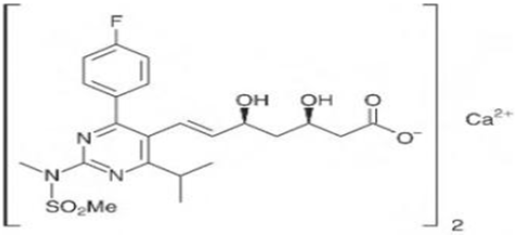
Indirect Oxygen Flask-Atomic Absorption Spectrometric Determination of Rosuvastatin Calcium | An indirect method has been developed for the determination of rosuvastatin calcium (RSC) in its pure form and in tablet formulations. It depends on the oxidative destruction of RSC using the oxygen flask technique or through combustion in a muffle furnace. The resulted Ca oxide after combustion is dissolved in 0.1N nitric acid and is determined by flame atomic absorption after appropriate dilution at 422.7 nm. The method succeeded in the determination of RSC in its pure form, where recoveries in the range 99.2-101.6 have been obtained, but failed in the determination of tablet formulations due to the interference of the other metals contained in inactive ingredients and excipients. Essential modifications have been introduced on the classical Schöniger method concerning the weight taken, volume of the combustion flask, volume of the absorption soln. and the flushing time which enabled the combustion of much larger weights. Further studies are under development to extend the application of the method for tablet formulations determination. For More Articles: Biomedical Science Articles : https://biomedres.us/

Chemical structure of Rosuvastatin calcium.

Journal of Anaesthiology

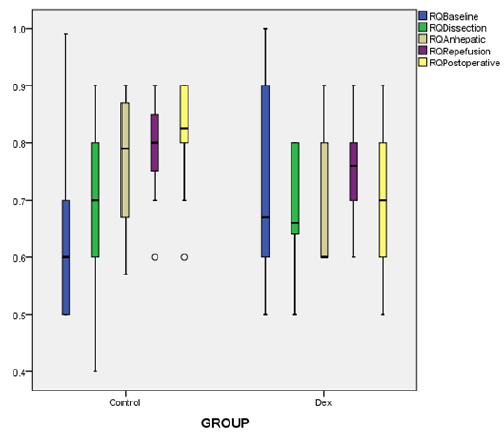
Perioperative Effect of Continuous Infusion of Dexmedetomedine on Indirect Gas Calorimetry Monitoring in Liver Transplantation | Forty patients were assigned randomly to get Dexmedetomidine (Dex) beginning at 0.5 μg/kg/h(0.2-0.7μg/ kg/h) or placebo (C) Anesthesia was guided by Enotropy (40-60) with Desflurane. Indirect calorimetry parameters, arterial blood gasses, hemodynamics were taken at base line, dissection, an hepatic, reperfusion and 3 hours after end of operation. Transoesophageal Doppler was used for fluid optimization. For More Articles: Biomedical Research Articles : https://biomedres.us/
Box and whiskers graph of RQ;respiratort quotient showing; median values (line within the box) and inter-quartile range of RQ in the two studied groups; C group (control group) and DEX .p<0.005 at reperfusion and postoperatively.

Journals on Medical Microbiology

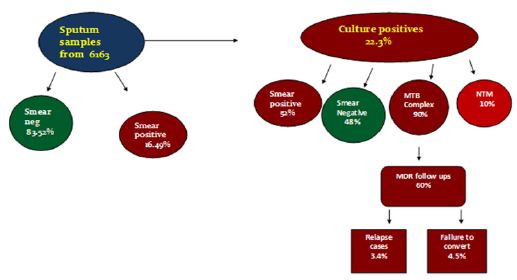
What is the Risk of Contracting Mycobacterium Tuberculosis form Donated Blood? | The need for donated blood cannot be underated and it has become very difficult nowadays were many people are living with HIV. It has also become difficult as the adolescent groups which use to donate blood are also living with HIV. This report looked at the people infected with Tuberculosis and the rate at which negative results are given .In this report, 6163 patients were screened for TB using ZN and culture in an African community. For More Articles: BJSTR Journal : https://biomedres.us/

Culture results and outcomes.

Journals on Medical Research

The Impact of Relocation and Transfer of naive B.Pharm Students to Adjacent Class room in Privately Managed Self finance Co-Educational Pharmaceutical Institute and Survey Investigation of Attitude towards Pharmaceutical Syllabus | This study investigated a possible correlation between the individual variables of relocation experience and student attitude toward pharmacy profession. A sample of 200 students at first levels of B. Pharm course study at a major undergraduate pharmacy colleges in the pune university areas. In this study with the earlier reported that the reason for relocation may affect the students’ academic performance score (SAPS) with certain relocations such as those for voluntary reasons have associated with improved academic performance. The results of the study indicated that approx. 45% of the relocations involved a change of state. Most participants have only relocated once, and of those participants who have only relocated once. It has found that there indecisive impact correlation between the attitude score of those participants who have relocate and those who have likely to be relocate. In comparing the attitude scores in relation to the reasons for relocation, the results for most categories did not differ. Categories of interest has separation and decreased study level because these groups yielded attitude scores that has lower and higher, respectively, from the rest. While previous research supports a unclear relocation effect for separation, it seems uncharacteristic who relocated due to decreased teaching plan. We report here a source of comfort for the naïve B. For More Articles: BJSTR Journal : https://biomedres.us/

Journal of Biomedical Engineeering

Developments in Antimicrobial Textiles – Some Insights on Current Research Trends | The article reviews the recent trends in the development of antimicrobial textiles. Bacterial cellulose has been produced from gram negative bacteria at the air liquid interface of sugary rich medium. The bacterial cellulose so produced can be used in making absorbent pads and nonwoven textiles. Viscose fabrics have been modified to enhance the attraction for nano metal oxides in order to impart antibacterial activity against two types of bacterial species. The treatment has lead to a unique ability to stop growth of microorganisms on the viscose fabrics are treated with acid and after treatment with nano metal oxides. Also the antimicrobial activity could endure many washes. Antimicrobial finish has been imparted to wool fabric by application of chitosan derivative through a microwave heating system. For More Articles: BJSTR Journal : https://biomedres.us/

Journals on Microbiology

Zinc Biofortification: Strategy to Conquer Zinc Malnutrition through Zinc Solubilizing PGPR’s | Zinc (Zn) is a required micronutrient for all living form including plant, humans and microorganisms. Human and other living organisms require Zinc throughout life in little quantities to orchestrate a complete array of physiological functions [1]. Zinc is also important micronutrient for plant which plays numerous functions in life cycle of plants. The aim of biofortification is to produce plants that have an augmented content of bioavailable nutrients in their edible parts [2]. Cereals and other staple plant serve as the main food for a large proportion of the world population but have the shortage in term of micronutrient, from a nutrition perspective, of being low in zinc and other essential nutrients. In the process of Biofortification the major drawback is the root or shoot barriers and the process of grain filling. Research has shown there are possible ways to combats the situation and distribution of zinc can be controlled mainly by heavy metal transporting P -ATPase and the metal tolerance protein (MTP) family. A greater understanding of zinc transport mechanism is needed to improve grain quality and to help alleviate accumulation of any hazardous metals [3]. For More Articles: Biomedical Journal Articles : https://biomedres.us/