Biomedical Journal of Scientific & Technical Research (BJSTR) is a multidisciplinary, scholarly Open Access publisher focused on Genetic, Biomedical and Remedial missions in relation with Technical Knowledge as well.
Author: biomedicalopenaccessjournals
The only motto of Biomedical Journal of Scientific & Technical Research (BJSTR) Publishers is accelerating the scientific and technical research papers, considering the importance of technology and the human health in the advanced levels and several emergency medical and clinical issues associated with it, the key attention is given towards biomedical research. Thus, asserting the requirement of a common evoked and enriched information sharing platform for the craving readers.
BJSTR is such a unique platform to accumulate and publicize scientific knowledge on science and related discipline. This multidisciplinary open access publisher is rendering a global podium for the professors, academicians, researchers and students of the relevant disciplines to share their scientific excellence in the form of an original research article, review article, case reports, short communication, e-books, video articles, etc.
This brief review presents the international approaches to assessment of the content of geotaxis impurities (residual solvents and various inorganic and organic impurities) in pharmaceuticals. Nowadays, it has become necessary to provide not only purity profile but also impurity profile of a particular pharmaceutical product because of national and international regulations. These aspects along with significance of the quality, efficacy and safety of pharmaceuticals, including the source of impurities, kinds of impurities, control of impurities and regulatory aspects are discussed. For More: Biomedical Journal
Figure: Potential sources of metallic impurities during the production process of drugs and pharmaceuticals.
Sydney System Classification was designed to provide simple practical guidelines for reporting of the endoscopic appearances of gastric mucosa. The “Up-Dated Sydney System” provided a helpful “Visual Analogue Scale” for grading of histological parameters. Data on Helicobacter pylori gastritis is sparse from Nepal; hence this study is conducted to apply the Up-Dated Sydney Classification and grading of H. pylori gastritis for their diagnostic evaluation. For More: Biomedical Journals Publishers
Figure: Gastric mucosal gland showing heavy colonization of H. pylori (arrows) (Giemsa stain x1000).
This paper presents a spatial encryption technique for secured transmission of data in networks. The algorithm is designed to break the ciphered data packets into multiple data which are to be packaged into a spatial template. A secure and efficient mechanism is provided to convey the information that is necessary for obtaining the original data at the receiver-end from its parts in the packets. An authentication code (MAC) is also used to ensure authenticity of every packet. For More Biomedical Journals Publishers
Leiomyoma and leiomyosarcome (LMS) appear as two stages of tumor progression process of a transformed smooth muscle cell. Obesity is a well-established risk factor of leiomyoma. The connection between both of them are not well understood. The involvement of obesity in this transformation needs more investigation to be highlighted. Here, we discussed from a tumor immunology perspective, by focusing on the microenvironment immunosuppression that, probably, allows LMS to escape the antitumor immune response. For More: Biomedical Open Access
Necrotising fasciitis are uncommon and remain a devastating disease, with an overall incidence of 0.24-0.4 per 100,000 adults [1]. Delays in instigation of appropriate treatment are associated with significant long-term morbidity with mortality ranging from 9% to more than 25% [2]. Early and repeated debridement of affected planes in combination with use of broad-spectrum antibiotics improves overall outcome [3]. This case study looked at a sudden incidence of a superbug which had consumed 17-20cm wide and 4-5cm deep of flesh within two days of presentation of illness in a 43 year old female. For more Updates: BJSTR
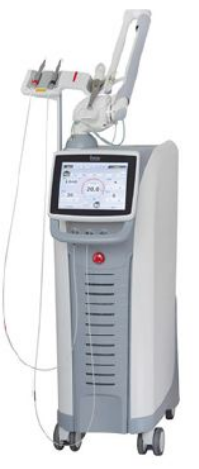
The breakthrough for dental laser systems came in the mid 1990’s. Among the various laser types with corresponding wavelengths, Er:YAG laser systems quickly began establishing themselves as compact and versatile additions to the dentist’s repertoire, predominantly for performing hard tissue applications. Research has shown that their wavelengths are ideally suited for both soft and hard tissue procedures due to their high absorption in water and hydroxyl apatite. Therefore Er YAG laser is considered one of the most versatile with regard to the number of possible treatment options, as their wavelength can be effectively used in the field of soft and hard tissue surgery, periodontics, endodontics, implantology, cavity preparation, and tooth whitening. The versatility of the instrument, combined with the latest achievements in Er YAG laser technology, compact design and affordability, should appeal to dental professionals seeking to optimize the procedures they currently perform and expand the number of services they offer. For More: Biomedical Research Articles
Figure: Absorption coefficients of carbonated hydroxyapatite verses laser wavelength. The absorption peaks Represent component radicals of the molecule (hydroxyl, free-water, carbonate, phosphate). The dotted line represents the absorption of laser energy in whole water.
The pleiotropy of melatonin is a reason for using this hormone or synthetic melatonergic agonists for testing their suitability in various diseases and disorders. However, it is important to remain aware that many preclinical findings cannot be translated to humans, because of the different relationship between melatonin and sleep or activity in diurnally compared to nocturnally active mammals. Other uncertainties concern the dual role of melatonin as an either anti- or proinflammatory agent, depending on conditions. A particular problem has emerged by findings on prodiabetic actions of melatonin in humans, which strongly contrast with antidiabetic results obtained in rats. As these undesired actions are gradually receptor subtype-dependent, it may be worthwhile to test in the future agonists that are more strongly subtype-selective. For More: Biomedical Journal Articles
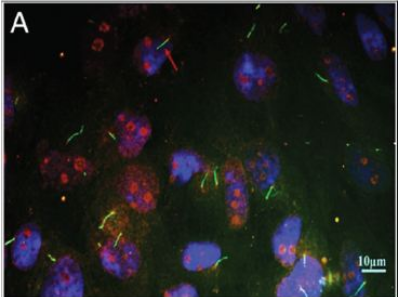
Microgravity in space can cause various problems in different biological systems. One of the most prominent and well recognized physiological challenges accompanying an extended spaceflight is the reduction in bone mass [1]. However, the underlying mechanisms of this phenomenon are still elusive. Primary cilium is a solitary and special organelle that emanates from the surface of most mammalian cells, which is anchored to the cell by mother centriole during the interphase and G0 of cell cycle [2]. For a long time, primary cilium was considered as a vestigial organelle. Until recently it was found that primary cilium provided a means of sequestering the centriole, so as to inhibit cell division. More significantly, a variety of receptors, ion channels and transporter proteins have been localized to the cilium, which has been proved as a key coordinator of signaling pathways to respond mechanical and chemical stimuli [3,4]. Primary cilium has been proved as a mechanosensor to regulate bone formation both in osteocytes and osteoblasts. It can act as a sensory organelle to receive extracellular signals and change its orientation to translate mechanical stimuli into biochemical and transcriptional changes, and as a result, bone formation is activated [5,6]. Inspired by established role as a mechanosensor, the role of primary cilium in microgravity induced bone loss must be studied. For More: Biomedical Open Access Journals
Immunofluorescence image of primary cilium.Primary cilium were stained by acetylated α-tubulin (green).The basal bodies were stained by γ-tubulin (red), and the nuclei were stained with DAPI (blue).
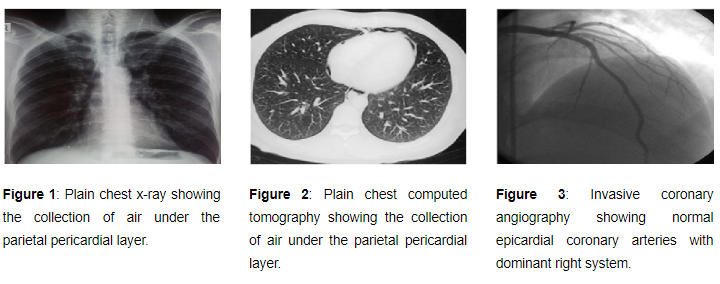
A 54-year-old man presented with a 6-hour history of acute typical retrosternal chest pain that occurred during minor exertion and was persistent from the start and not relieved by analgesics. His medical history was unremarkable, he was a heavy smoker. His clinical examination was unremarkable. His electrocardiogram (ECG) showed ST segment elevation in the inferior leads with PR depression in the anterior leads. His chest X-ray (CXR) lead (Figure 1) to a suspicion of intra-pericardial collection of air. His laboratory results were all normal except for mild elevation in cardiac enzymes. Echocardiography showed normal study, the suspicion of the intra-pericardial air collection had led us to do a chest computed tomography (CT) (Figure 2) which revealed the presence of air inside the pericardium. For More: Biomedical Open Access Journals







 Biomedical Journal of Scientific & Technical Research (BJSTR)