Journal on Medical Sciences

Factors Associated with Low Back Pain Among Nurses in Critical Care Units, Hospital Universiti Sains Malaysia

Introduction

Low back pain (LBP) is one of the most serious health problem of tremendous medical and socioeconomic dimension and a major cause of disability. Low back pain can defined a pain localized between the 12th rib and the interior gluteal folds, with or without leg pain. Nurses are known to be a high risk group for occupational low back pain [1,2]. Direct care nursing personnel around the world report high numbers of work-related musculoskeletal disorders. The impact of LBP for nurses includes time off work, increased risk of becoming chronic, as well as associated personal and economic costs [3]. Nurses who suffer from chronic back pain will have an impact on them while standing up from sitting and lifting the patients. For direct care nursing staff, manual handling of patients such as moving or repositioning a patient using their own body strength is the major cause of these injuries [3]. Indeed, 80% of the general active population suffers from LBP at least temporarily [4]. His study with 350 employees shows that common LBP is the first reason of affections limiting professional activities before 45 years and the third after respiratory and traumatic affections between 45 and 65 years. In western countries, many of studies researched on back pain as a common problem for nurses [5]. Statistics in Hospital Universiti Sains Malaysia (HUSM) show that number of patients with back pain including nurses in year 2007 was 37, in year 2008 was 31 and in year 2009 were 26 as in physiotherapy records. Thus, this study intends to identify factors associated with back pain among nurses in critical care unit at HUSM, Kubang Kerian, Kelantan. The general objectives of this study was to identify employment profile of the nursing profession that were associated with LBP; determine personal factors of nurses related to LBP and explore work related factors associated with LBP.

Materials and Method

A cross-sectional study design was used to examine factors that are associated with LBP among nurses using a self-administered questionnaire conducted among nurses working in critical care units (CCUs) in HUSM. The questionnaire used consists of three sections; Section A is on the demographic data consisting of 10 items and Part B consists of 25 items on nursing and LBP and Part C is on treatment options consisting of 10 items. The questionnaire items were adopted from Branney and Newell [1]. The English version of the questionnaire was translated into Bahasa Malaysia and back translated to English by two independent professional translators. After it was back translated, it was found to be similar to the original one. To ensure the validity of items in the questionnaire, a pilot study was done at Hospital Raja Perempuan Zainal II (HRPZ II). A total of 30 nurses participated in this pilot study with informed consent. The questionnaire took approximately 15 to 20minutes to complete. Cronbach’s alpha obtained for this pilot study was 0.75 which indicates a reasonable internal consistency. This study was approved by the Human Research Ethics Committee USM, USMKK/PPP/JEPeM [246.4.(1.4)] and Jawatankuasa Etika & Penyelidikan Perubatan Kementerian Kesihatan Malaysia, (2) dlm KKM/NIHSEC/08/0804/P12-41.

Results

The total population of nurses working in all five wards adds up to 180; 8 Selatan consists of 31 nurses, ICU 51 nurses, Kristal 24 nurses, CCU 25 nurses, and HDU 49 nurses. However, only 110 (81.5%) participated in this study in February 2012. Majority of the participants were female nurse 85 (77.3%) while 25 (22.7%) participants were male nurses. The majority of the participants were Malays 101 (91.8%), there were six Chinese (5.5%) and three Indians (2.7%). Their qualifications differ; two (1.8%) with masters degrees, 11 (10%) with basic degrees, 94 (85.5%) diplomas and three (2.7%) with school certificates. The participants form four age groups. There were 50 (45.5%) nurses aged between 20-30 years, followed by 46 (41.8%) nurses aged between 31-40 years, then nine (8.2%) nurses aged between 41-50 years and lastly five (4.5%) nurses aged between 51-60 years. The majority of the nurses 90 (81.8%) in this study were married while 20 (18.2%) were single. The majority of nurses, 51(46.4%) have a total of 1-3 children, 34 (30.9%) have none, 19 (17.3%) with 4-5 children and lastly six (5.5%) of the nurses have more than five children.

When the nurses were categorized based on their BMI, most of the nurses 57 (51.8%) were overweight, 47 (42.7%) had normal BMI while six (5.5%) were underweight. (Table 1) shows the association between employment profile of nurses and LBP. Results show that working experience in current ward and years of nursing experience were significantly associated with LBP. However, current working ward, working time, total hours of working per week and total patients who need mobilizing were not associated with LBP (Table 1). Table 2 shows the association between individual factors and occurrence of back pain. Crosstab Chi-square tests or tests of independence were carried out to determine individual factors related to LBP among nurses in CCUs. Age, marital status, total number of children, height, weight and BMI, smoking and regular exercise or sport were not significantly associated to LBP among nurses in CCUs (Table 2). After cross tabulation, Pearson Chi- Square test was used to determine the association between work-related factors and occurrence of LBP. Only one factor, frequency standing had significant association with low back pain (p=0.021). However factors such as frequency of lifting patients in bed during shifts, helping patients to get out of the bed during shifts, poor body mechanics during lifting of patients, frequent carrying of heavy medical equipment during shifts, frequent moving of the beds during shifts, too much work to do, staff shortage in ward and stress were not significantly associated with low back pain among nurses (Table 3).

Table 1: Association between Employment Profile and LBP.

Table 2: Association between Individual Factors and LBP.

Table 3: Association between Work Related Factors and LBP.

*Significant difference at p<0.0.

Discussion

There was a significant difference in LBP between pre entering nursing and since entering nursing (p<0.001). This study demonstrates that the prevalence of LBP among the nurses studied increased from 16.4% pre nursing to 68.2% since entering nursing, which is rather close to studies done in western countries. Low back pain is a major problem in the nursing profession and it was reported that 30% and more nurses experienced low back pain during the nursing course of one year [6]. It was reported that only 15.9% nurses had LBP before nursing while 84.5% complained they had LBP after nursing [7]. There was a six percent increased risk of LBP from pre-nursing prevalence while the cumulative lifetime prevalence of LBP increased from 31% at entry to 72% at the end of nursing school [4]. Working experience at current ward and total years of nursing experience were related to LBP among nurses. The findings of this study show nurses with more than 20 years experience reported the highest LBP (32.7%) whereas nurses working less than one year reported the least (4.5%). Occupational back pain and level of seniority were positively related [8].

In another study on those with LBP, 59.5% had more than five years of nursing experience and another 12% had more than 20 years nursing experience [7]. Findings from this study indicate that the nurses working in Intensive Care Unit, ICU (29.1%) and High Dependency Unit, HDU (20.1%) were more likely to report current back pain compared to other units. In both ICU and HDU, most patients are usually dependent, frail and need more help from nurses for their daily activities and transfer compared to those in other wards [9]. Nurses who are working in ICU experienced an increased rate of LBP compared with other CCUs. Similar results were obtained in 65 ICU in 22 South Korean hospitals and among 1345 subjects where 90.3% had back pain [10]. In addition, Nurses with 2-4 years of working experiences in ICU had the greatest probability of back pain and needed treatment. Although most hospitals allow patient’s family to stay in the ward help to take care of the patient, the availability of family members to do this caring in hospital was low in busy city [9]. Report had shown a 65% lifetime and 70% point prevalence for low back pain among nurses working in the orthopaedic unit as well as 58% lifetime and 75% point prevalence of low back pain for those working in the intensive care unit [5]. More nurses with more than 20 years nursing experience including year three student nurses had LBP (40%) compared to nurses with 1-10 years working experience (24.5%). In another study, 12% of nurses with more than 20 years working experience suffered LBP [7].

This study found most nurses working shift had LBP (64.5%). Comparing the back pain prevalence across AM, PM and nightshifts, the staff working on AM shift are more likely to experience back pain (28.3%). However there was a higher prevalence of back pain during the night shift (6.6%) compared to the PM shift (1.5%) [8]. There was a 64% increase in LBP among those who reported staff shortage and working six or more night shifts per month [10]. Nurses working on the AM shift were more likely to experience back pain. Most of patients’ hygiene needs such as bed sponging, assisted baths and treatment procedures are carried out during the AM shift, which involves a lot of patient lifting and transferring. Nurses with total working hours between 31-40 hours per week had higher occurrence of LBP (21.8%) while those working between 10-20 hours per week had less LBP (1.8%). Nurses working more than 50 hours per week had the most LBP (50.0%). Study had shown that nurses working more than 20 hours per week had symptoms of LBP [11]. Nurses who were handling and mobilizing between 1-5 patients per shift had the most LBP (47.3%) while those without such patients the least (5.5%). Study had reported LBP among 58.4% of nurses handling and mobilizing between 1-5 patients but only 6.7% among nurses who did not have to [7].

Younger nurses aged between 20-30 years (37.3%) had the highest LBP while older nurses aged between 51-60 years had least LBP (4.5%). Studies had shown that nurses between the ages of 20 to 30 years had the highest prevalence of occupational back pain [8,12,13]. Junior nurses had higher rate of back pain because they were more involved in manual work, while the senior staffs were assuming more of organisational and managerial roles. Junior nurses were also less knowledgeable in the proper techniques of lifting and body mechanics. Senior nurses could have developed effective coping strategies over time. Younger nurses also had more problems related to job stress than older nurses [8]. Another study showed that nurses aged 50-59 years were most affected by LBP [14]. However, there is the healthy worker effect, that is those who suffers from LBP tend to leave their hospital jobs, whereas the healthy nurses stay [1,9]. Female nurses tend to experience more back pain [1,7,12,15-18]. Results of this study showed that 64.5% of female nurses and 20% of male nurses had LBP. More married women had LBP compared to unmarried women. The finding of this study indicated that 69.1% married women had LBP in their lifetime. Various studies reported that more married women had LBP. As high as 85.8% women who were married had LBP [4]. LBP are more common among nurses with multiple pregnancies. Our study found that 34.5 % nurses with 1-3 children have LBP.

This is similar to the report that 51.5% nurses with multiple pregnancies experienced LBP [4]. Female participants reported that their back pain was attributed to pregnancy and childbirth [19]. Obesity, which is one of the contributing factors for lumbar pain, leads to decreased abdominal muscle strength and increases the level of lumbar-lordosis. This is supported by this study where 46.4% of those who were overweight had LBP. Studies showed that lifting, prior injury, and being overweight were risk factors for workrelated low back injury (WLBI) among nurses [5]. Age, increased BMI and disturbed psychological profile were among other individual factors shown to be related to increased risk of WLBI [4]. Smoking was cited in the literature as having a negative effect on the circulatory system. Cigarette nicotine causes vasoconstriction that reduces the blood flow to the muscles and intervertebral discs. This predisposes smokers to low back injuries [5]. Increased coughing among smokers may be related to increased risk of low back injuries in this group [4]. There was a strong relationship between smoking more than 20 cigarettes a day and having back pain and intervertebral disc degeneration. Study done in Japan indicated that smoking was associated with LBP [7].

There was no significant relationship between smoking and back pain in this study, only 12.7% of the nurses smoked and had LBP while 71.8% had LBP but did not smoke. Smoking can cause other illnesses related to smoking in addition to back pain [20]. A smaller percentage of the nurses who exercised regularly (35.5%) had LBP compared to 49.1% of nurses who did not exercise regularly. Although there was no significant relationship between exercise and back pain, the group of people who did not exercise regularly are at a greater risk for back pain. However exercise or sports did not play a protective role against LBP [7]. Several factors can cloud these results namely, the level of competition, nature of sports activities as well as the volume and the intensity of the exercises. In this study professional factors chosen by nurses as causes of LBP were frequent lifting of patients in one shift (78.2%), helping patient to ambulated (80.0%), poor body mechanics (72.2%), frequency of moving the bed (72.2%), frequent standing (63.6%), too much work (61.8%), shortage of staff (51.8%), and stress (86.7%). The nursing job is more to helping, turning and lifting the patient from chair or bed [9]. This study shows that 78.2% nurses who did frequent lifting and 80% nurses who helped patients had LBP.

Considering that nurses often work 12 hour-shifts, the amount of lifting adds up and the job could be very hard to manage physically [5]. Some studies suggest that positioning patients in bed leads to LBP more often than other manual patient transfer procedures conducted by nurses [21,22]. Nurses who handled patients more frequently have low back pain prevalence rates that were 3.7 times higher [23]. Among nurses who had LBP, 72.7% chose poor body mechanics as the factor. According to National Institute of Occupational Safety and Health (NIOSH) lifting guidelines, the maximum recommended weight to be lifted by women in the 90th percentile of strength is 46 lbs. Nurses were commonly led to believe that the primary way to prevent back injuries was to always use proper body mechanics. However, the fact remains that some tasks were so stressful to the body that even with proper body mechanics, a back injury resulted [22]. Rooms in hospital are often small, and nurses had to move the furniture around so that they can do their jobs. Most of the time nurses are lifting devices that would not even fit in these rooms; these are some causes of LBP [5]. Some patients may also be combative, contracted, or uncooperative. Any unpredictable movement or resistance from the patient may throw the nursing personnel off balance during the transfer, resulting in back injury [5].

In addition, fatigued muscles can no longer serve their protective function and may add to the risk of acute trauma [22]. Workplace guidelines should limit manual handling exposure in general or enable nurses to undertake reduced manual handling activities when in pain [12]. Shortage of staff is also one of the factors contributing to LBP. This study indicated that 51.8% nurses who suffered LBP chose staff shortage in wards as the factor. Surprisingly, low work support, low mood, and boring work tasks were not identified as MSD risk factors in this study. In this study 59.1% of nurses who complaint of stress had LBP while only 25.5% of those who did not complaint of stress had LBP. This is supported by study where 57.3% of stressed nurses suffered from LBP [7]. As such, these results suggest that psychosocial issues are fast becoming increasingly important MSD risk factors for nurses in Asia as elsewhere.

Conclusion

The results of this study demonstrated that the prevalence of low back pain among nurses at HUSM was only 16.4% before entering nursing but 68.2% upon entering nursing. The difference in LBP between pre nursing and since nursing was significant (p=0.001). Furthermore, nursing employment profile such as working experience in current ward (p=0.004) and nursing experience (p=0.038) were significantly related to LBP. Current working ward, working time, total working hours per week and total patient need mobilizing were not associated with LBP. None of the individual factors studied were significantly associated with LBP among the nurses. As for the work related factors, frequency standing during shift was found to be associated with LBP (p=0.021) while other factors were not significantly associated with occurrence of LBP.

For More Articles: Biomedical Journal Impact Factor: https://biomedres.us

Journal on Environmental Sciences

The Late Mangos: Is There Any Doubt Humans Are Inducing Climate Change?

Opinion

We are in the city of Belo Horizonte, Southeastern Brazil, and it is December, but unexpectedly, mango fruits (Mangifera indica) have not yet ripened. As far as we are concerned, we have never experienced a year in which November and December came along without mango fruits ripening in this region. Although native to the Philippines and India, mangos today are a staple and important cultural element in the entire tropical region. Most humans, as well as other animals, above all birds, such as parrots, macaws, and parakeets, appreciate this juicy and fleshy fruit [1]. Mango production depends on climatic stability, and extreme temperatures (above 36°C or below 10°C) can delay fruit development Centro de Producoes Tecnicas [2] (accessed December 3, 2017). Mango trees, which are adapted to warm and rainy weather, also need a marked dry season to reach their optimum production, and therefore, in very rainy regions, fruit development is delayed. The weather in Belo Horizonte during the year of 2017 was rather unusual, not to say very strange. It was the coldest winter in the city since 1975 (Instituto de Metereologia), and there was also some rainfall in this period, which is highly uncommon. This could have been the reason behind the mangos taking so long to ripen, since all of these climatic aspects reduce and slow down fruit ripening and production.

Springtime without mangos reminds us of a few things:

I. Climate is already changing, partially due to anthropogenic activities;

II. As a chaotic system, climate and its changes are nonlinear, which explains why Belo Horizonte experienced its coldest winter in times of global warming;

III. Climate changes naturally and has displayed chaotic behavior long before humans ever existed, nevertheless, not acknowledging the links between human activity and climate change acceleration and intensification is unwise, and may hinder efforts for mitigating and possibly reversing such premature climate change. Over the last decade, there has been an unusual increase in extreme weather events, such as heat waves and precipitation [3].

NASA and NOAA data show 2016 as being the warmest year on record. The World Meteorological Organization, a panel of international climate experts, reported that, in 2016, the earth’s temperature was 1.1°C higher than in the pre-industrial age, glaciers were about 4 million square kilometers smaller than average, and there was a significant rise in sea level, as well as unusual severe droughts and floods [4]. Additionally, global ocean heat was the second highest on record in 2016, contributing to coral bleaching and mortality in tropical waters. In many places, such as California [5] 2017 was the hottest year on record, which explains why Los Angeles is burning in forest and city fires at the very moment these words are being written. However, if the earth’s surface is becoming warmer and dryer, why did Belo Horizonte experience its unusually cold and rainy winter? The climate-warming concept is adequate at larger scales. Increasing overall temperature, as opposed to regular linear warming, may lead to more unpredictable patterns. This could result in both hotter and dryer weather, as well as colder more humid weather, such as Belo Horizonte’s unusual cold and rainy winter in 2017.

According to the Brazilian National Institute of Meteorology [6] from September to November 2017, the mean temperature anomaly was +3°C in the northern regions of the country and -2°C in some of the southeastern regions. Technically, the weather has always been strange. Nevertheless, this does not discard the fact that humans are intensifying and accelerating climatic variations. The idea of chaos and “strange attractors” were born in meteorological studies with Robert Lorenz [7]. As pointed out by Lorenz, climate is a complex deterministic nonlinear system with cyclical patterns that show temporary stability. The flap of a butterfly’s wings in Brazil could set off a Tornado in Texas… the so-called butterfly effect. According to the World Bank database, in 1961, when global atmospheric measurements started, the world emitted three million kilotons of CO2, while in 2014, this concentration increased to twelve kilotons. Emissions of methane, another greenhouse gas, have increased from 5.3 million kilotons (equivalent in CO2) in 1970 to 8 million in 2012. All of these gases have been increasingly accumulating in the atmosphere. As a consequence of these multiple emissions, the atmosphere has suffered significant changes over the last century, and especially over the last few decades.

Pre-industrial levels of carbon dioxide in the atmosphere varied from 260 to 290 ppm (parts per million). In 1958 this value was of 315 ppm, increasing to 410 ppm in 2017, a concentration unseen since 50 million years ago [8], Methane and Nitrogen gas have increased by 8% and 90%, respectively, from the 1600s to the late 1980s [9]. According to the United States Environmental Protection Agency [10], current concentrations of CO2, NH4, and N2 are unprecedented when compared with the past 800,000 years. Nitrogen gas (N2), the dominant ozone-depleting gas emitted by human [11], increased from 280 ppb in the last 800,000 years to 328 ppb in 2015 [10]. N2 is produced mainly through the fertilization of intensive agricultural systems. Finally, considering the well-known relation between these gases and the mean temperature of the planet [12], there is no doubt humans are significantly accelerating and intensifying background and natural climate change. Furthermore, major scientific agencies and specialist panels agree that humans are significantly contributing to climate change, such as the Intergovernmental Panel on Climate Change, the International Assessment of Agricultural Knowledge, Science and Technology for Development, NASA, Scripps Institution of Oceanography, among others.

Such human-induced climate change is declining animal and plant population, such as the golden and harlequin toads [13,14]. In order to deal with climate change, species will have to suffer large distribution shifts towards adequate areas [15]. Many of them are predicted to go extinct before the end of the century due to these changes. Climate change is also changing people’s lives. Food production will fall due to climate change, especially in the already poor and food-insecure regions [16]. According to the Food and Agriculture Organization, after steadily declining for over a decade, global hunger appears to be on the rise again [17], and climate may be contributing to this increase. Despite the consistency of the evidence showing that humans are changing climate locally and globally, 3% of the scientific community doubt humans are inducing climate change, while the other 97% are quite convinced of the opposite. These few “skeptics” are getting more vocal, and policy and decision makers, the general public, and part the mass media are starting to believe that there is not enough evidence to prove humans are inducing climate change.

Some of these scientists are becoming sort of “celebrity skeptics”, such as Professor Ricardo Augusto Felício, a Brazilian Antarctic-Climatology specialist who appeared on Jô Soares, a famous talk-show host on Brazilian television, stating humans are not responsible for the climate shift. In the US, same major media TV channels and news agencies support the idea that science is uncertain about the effects of human activity on climate.

Among those who deny anthropogenic global warming is Roy Spencer, a well-known climate scientist who is funded by institutions linked to large oil companies [18]. In his book Climate Confusion, Roy Spencer states that small natural changes in the atmospheric conditions can have huge impacts on climate through feedback loops.

For example, he points out that a very little decrease in oceanic cloudiness will let in more light, warming up the ocean, and leading to increased temperature and humidity. Another argument often used by those who deny anthropogenic global warming involves the natural variations in the earth’s weather caused by Milankovitch Cycles. Eccentricity is one of these cycles, and describes the changing shape of the earth’s orbit from less to more elliptical, occurring on a cycle of approximately 100 thousand years, causing a greater amount of radiation received at the earth’s surface. Another Milankovitch cycle is axial tilt, the inclination of the earth’s axis in relation to its plane of orbit around the sun, which occurs approximately every 41 thousand years. All of these aspects affect the earth’s climate through glacial and interglacial cycles.

Additionally, most skeptics put forward the fact that climate has always been somewhat unstable, even long before humans ever existed, and therefore, humans cannot be held responsible for these current variations [19]. Although we disagree on Spencer (2010) stating environmentalists are senseless alarmists, we agree that non-linear natural climate dynamics, such as the Milankovitch cycles and the effects of ocean cloudiness, have operated with and without humans. Nevertheless, if these natural and anthropogenic causes are combined, we expect climate to change even faster, leading to more unpredictable extreme events. Is this exactly what we are seeing in 2017? Climate change is inevitable, but human activities have the power to anticipate and intensify these changes. For us, these skeptics’ arguments are analogous to saying there is no need for hospitals, as we are all going to die someday [20].

We should not wait for these 3% of skeptical scientists to be convinced that climate has changed and will change even more with human interferences, before taking strong climate mitigation actions. Meanwhile, humans will have to prepare and adapt to respond to climatic variations and uncertainties, and so will the macaws, parrots, and parakeets, which depend on a large amount of sweet fruits, such as mangos, to reproduce and take good care of the nestlings during this time of year.

For More Articles: Biomedical Journal Impact Factor: https://biomedres.us

Journals on Microbiology

Bioremediation

Introduction

Pollutants degradation can be achieved through many physical, chemical, and biological methods. Using biological agents especially microorganisms to achieve this is called bioremediation. So, there are a process catalyzed by a living organism, especially microorganism, (biodegradation) and a specific technology to exploit this process in application (biotechnology). Basics of microbial degradation provide us examples and advances which need well planning strategies to translate the knowledge into acceptable levels of application in different fields related to pollutants degradation and elimination to keep safe environment.

Environmental Biotechnology

Our environment is now polluted by various types of molecules, both natural and man-made [1]. The microbiological science of biodegradation provides a foundation for the biotechnology of environmental cleanup; bioremediation [2]. Millions of natural and synthetic organic chemical substances are present in both soil and aquatic environments. Toxicity and/or persistence determine the polluting principle of these substances. The biological responses to these pollutants include accumulation and degradation [3].

Bioremediation

Bioremediation is a managed process in which biological (especially microbiological) catalysis acts on pollutants and thereby remedies or eliminates environmental contamination. Actually, natural and genetically modified organisms, including microbes (mainly bacteria, but also protozoa, fungi, and algae and even viruses), flora (i.e. large plants), and fauna (e.g. earthworms) degrade pollutants into simpler, less toxic forms. Pollutants degradation using biological agents especially microorganisms is called bioremediation which exploits biodegradation basis in practice. These include some basic understanding for biotechnological and microbiological basis of pollutants degradation through a series of concepts:

i. View origins and major sources of pollutants and behavior of organic compounds in the environment.

ii. View microbiological basis of biodegradation since microorganisms are the main degraders in the environment.

iii. View the different aspects of bioremediation as an effective biotechnology help to sustain the environment. Characteristic aspects included biochemodynamics of bioremediation, different bioremediation technologies; such as biostimulation, bioaugmentation and phytoremediation and techniques; both in situ and ex situ treatment methods.

iv. View plant–bacteria partnerships in remediation of soil and water polluted with hydrocarbons and study role of enzymes involved in biodegradation of toxic organic pollutants especially aromatic hydrocarbons.

v. View recent advances and applications in this field using biodegradation databases and projects to best link between biodegradation and bioremediation.

Conclusion

Bioremediation is an alternative to traditional physicochemical techniques for the remediation of organic pollutants at contaminated sites. Microorganisms with suitable and stable genetic traits, and efficient and effective biodegradation processes would be helpful for clean and green environment.

For More Articles: Biomedical Journal Impact Factor: https://biomedres.us

Journal on Animal and Avian sciences

Estimating and Quantifying the Production Outcomes and Lifestyle Changes for Small-to Medium Sized Dairy Farms When Transitioning From Conventional to Automatic Milking Systems in the Northeast Region: A Case Study Report

Introduction

Primary reasons for lack of expansion of small to mediumsized dairies in the Mid-Atlantic region are the high cost of land, low profits, and labor availability. As herd size continues to increase globally, new technology allowing farmers to remain sustainable is greatly desired. Automatic milking systems (AMS) represent the most recent technology available by offering improved management and production efficiency, quality of life and attractiveness to successors. However, the financial investment is substantial. Although there is growing data on production impacts for European farmers, this technology is fairly new to the U.S. In turn, U.S. farmers lack information from independent sources regarding return on production performance and animal health associated with the transition from conventional to AMS for U.S. dairy operations. Results from a survey to dairy farmers in the Mid-Atlantic region of the U.S. reported that improving herd management and personal flexibility were some of the most important factors regarding their interest in AMS Moyes et al. [1]. Only 18.0% of farmers said they have access to information regarding changes in animal health and personal flexibility. Producers stated that more information on animal health and personal flexibility would be helpful when considering a transition to AMS. The objective of this study was to estimate and quantify the animal health, productivity and lifestyle changes for small-to medium sized dairy farms regarding the transition from conventional to AMS in the Mid-Atlantic region. Economic impact (including cash flow and labor) is not reported here.

Materials and Methods

Four dairy herds (n = 286 ± 154 milking cows/herd) in the mid- Atlantic region were used for this study. A general survey, including geographics, herd management and personal time commitments, for each farm was conducted before and after their transition to AMS. Monthly herd summaries using data from two years relative to transition were used from either the dairy herd improvement association (DHIA) or Ag Source Cooperative services to generate monthly average herd production, reproduction, disease, and culling information (i.e. cull rate and reasons culled) where treatment was either conventional (CON; before transition) or automatic (AMS; after transition) milking systems. All numeric data was analyzed by herds using the PROC MIXED procedure of SAS (SAS/STAT version 9.3; SAS Institute Inc., Cary, NC).

Results and Discussion

Results from the survey indicated that all cows fully transitioned to AMS within a few weeks. One herd was pasture-based whereas all other herds (n = 3) were housed in free stalls with access to a partial mixed ration. One herd did not continue with the monthly DHIA service and therefore results were not used. Herds implemented either the De Laval, Lely or Galaxy-Astrea robots. This decision was primarily based on the location of the dealer service. For all herds, fresh and sick cows where milked using the conventional parlors. Producers observed improved personal flexibility transitioning to AMS (as measured by family and vacation time). Daily robot maintenance was minimal (~1 hour/day). No change in herd size or cull rate was observed. Regarding reproductive traits, calving interval (12.9± 0.15 CON; 13.13± 0.18 months AMS) and number of days open (121 ± 6.0 CON; 128 ± 5.0 days AMS) increased for AMS than CON and maybe partly attributed to more naturally occurring heat detection methods for AMS than CON. Regarding animal health, the reasons for culling shifted towards low milk production being the main reason animals were removed from the herd.

There was no change observed regarding the monthly milk SCC as increases in milk yield were observed when producers transitioned to AMS (Table 1). Milk yield increased in all herds and is most likely attributed to an increase milking frequency that is commonly observed when transitioning to AMS. In conclusion, producers were happy with their decision to transition primarily via the labor reduction (not reported here) and improved personal time. Daily maintenance of robots is minimal. Cull rate does not seem to be impacted when transitioning to AMS. Milk yield, calving interval and days open increased for AMS when compared to CON. Animal health (based on SCC)did not change for all herds enrolled but previous research indicates clinical mastitis can improve when producers transition to AMS Tse et al. [2]. Automated milking systems may improve animal productivity and lifestyle changes but AMS may not impact animal health or reproduction for small-to medium sized dairy farms in the Northeastern region.

Table 1: Monthly milk somatic cell count (SCC1) and milk yield for herds that transitioned to automatic milking systems (AMS; ± 2 years relative to transition).

a) 1SCC based on weighted averages. Data reported as SCC/μL.

b) 2CON = conventional milking system.

c) 3No after AMS data available for this herd.

For More Articles: Biomedical Journal Impact Factor: https://biomedres.us

Journal on Gastroenterology

Esophagitis Dessicans Superficialis – Impressive Endoscopic Appearance of a Benign Condition

Cases

Case 1

15-year-old male diagnosed with cerebral palsy and seizure disorder was referred for dysphasia to solid food progressing over 3 months to dysphasia to both solids and liquids. His medications included Lamotrigine for his Seizure disorder, Supplemental Iron for Iron deficiency anemia and Lansoprazole once daily for reflux disease. Esophagus gastro duodenoscopy (EGD) showed that the lower third of the esophagus has yellowish plaque like material (Figure 1a) which on removal revealed sloughed and friable mucosa (Figure 1b) and a partial stricture at the distal esophagus. A 9 mm scope could not pass the distal esophagus due to a partial stricture but a 5 mm slim scope was passed. Histopathology showed esophageal mucosa with extensive ulceration and granulation tissue. There were no viral inclusions, granuloma, dysplasia or malignancy. Staining for Periodic Acid Schiff (PAS), Herpes Simplex Virus (HSV) and Cytomegalovirus (CMV) was negative. He was prescribed twice daily dose of Proton pump inhibitor therapy (PPI) for 2 months. Upon clinical improvement the patient was prescribed once daily PPI therapy for the next 4 months. Repeat OGD after 6 months of PPI therapy showed a normal and completely healed esophageal mucosa with no evidence of the previously noted partial stricture. (Figure 1c).

Figure 1:

Case 2

35-year-old male known to have colon cancer status post total hemicolectomy and on chemotherapy was referred due to persistent dysphasia and recurrent vomiting. Medication history was significant for chemotherapy regimen Folfiri Cetuximab with his last cycle received two weeks back. OGD revealed sloughed lower esophageal mucosa with whitish cast like material adherent to it (Figure 2a). After flushing the casts with water jet the underlying mucosa showed ulcerations and sloughing (Figure 2b). Histopathology revealed ulceration and inflammation with no granuloma, metaplasia or dysplasia. Stains for CMV and HSV were negative. His chemotherapy was continued and a prescription of twice daily PPI therapy was added. After 4 months the patient had a repeat OGD that showed complete healing and normal esophageal mucosa except for a small hiatus hernia (Figure 2c). The dysphasia and vomiting subsided with mild residual reflux symptoms at 6 months.

Figure 2:

Case 3

55 y/o male known to have diabetes and chronic reflux symptoms not responding to PPI once daily were referred for endoscopy. His medications included metformin, glimepiride, sitagliptin, aspirin and esomeprazole. OGD was remarkable for whitish membranes at lower esophagus resembling ‘gift wrap ribbons’ suggestive of esophagitis Dessicans Superficialis (Figures 3a & 3b). Histopathology showed inflammation without evidence of granuloma, dysplasia or malignancy. Staining for PAS, HSV CMV was negative. The patient was maintained on once daily PPI therapy. He had minimal reflux symptoms on his follow up 1 year post first presentation. A repeat OGD was not pursued in the patient.

Figure 3:

Case 4

An 80 y/o female with background of end stage renal disease on hemodialysis, diabetes and hypertension presented with hematemesis. Her medication history included multiple medications including Carvidilol, Hydralazine, Amlodipine, Pantoprazole, along with iron and phosphate supplementation. OGD showed whitish membranes sticking to the lower esophagus (Figure 4a). When washed and removed with water jet underlying sloughing of mucosa at lower end of esophagus was observed (Figure 4b). Histopathology of the esophageal mucosa showed inflammatory and necrotic debris with fibrin, suggestive of sloughing esophagitis. There was no evidence of granuloma, dysplasia or malignancy. PAS stain for fungi was negative. She was prescribed twice daily PPI therapy. The patient did not suffer from any more hematemesis or vomiting after 2 weeks. A repeat endoscopy to assess mucosal healing was not pursued at that stage due to her advanced age.

Figure 4:

Discussion

Esophagitis Dessicans Superficialis (EDS), also referred to as Sloughing Esophagitis in literature is an endoscopic diagnosis characterized by sloughing of the esophageal mucosa and overlying casts or membranes. Various clinical presentations, endoscopic appearances and associations with systemic diseases have been described in previous case reports. We provide a literature review from such previous reports and compare it with the cases described in the current series.

Associations: EDS has been thought to be idiopathic and unexplained in most recognized cases [1]. Few case reports have suggested strong association with desquamating esophageal disorders, in particular Pemphigus Vulgaris [2,3]. Rao at el evaluated 42 patients with vesciculobullous dermatosis and found esophageal involvement in 27 patients (67%) and classical appearance of EDS in 2 patients (5%) [4]. other reports have described its association with bullous Systemic Lupus Erythematosus (SLE) [5] and with celiac disease [6]. Is also believed that EDS occurs in older population on multiple medications. Purdy et al evaluated thirtyone patients with endoscopic appearance of necrotic superficial squamous epithelium, with endoscopic appearance of white plaques or membranes i.e. sloughing esophagitis [7].

Compared with controls these patients were older and more likely to be taking five or more medications. No particular cause could be identified for the condition but the authors concluded stasis and contact injury due to multiple medications may lead to the condition. Other case reports have described associations with medications, typically bisphosphonates [8] and post sclerotherapy of varices [9]. One of the four patients we describe here was over 60 year’s age and one was female. None of our four patients suffered from vesciculo bullous disease. Pre-existent co morbid conditions was a consistent factor among all the cases – Cerebral Palsy in case 1; GI malignancy post treatment in case 2; Diabetes Mellitus in case 3,4 and ESRD in case 4 All patient in the series were on multiple medications. Two of our patients were on oral iron therapy (cases 1,4). Three of the four patients (Case 2,3,4) were on five or more medications as described by Purdy et al. [7].

Clinical Presentation: Patients with EDs may present with a variety of symptoms ranging from dysphasia – odynophagia to more dramatic presentations of vomiting of casts (1). The variety of presentations in our case series is diverse – dysphasia in cases 1 and 2, chronic reflux in case 3, vomiting in cases 2 and 3, hematemesis in case 4.

Endoscopic Appearance: Endoscopic appearance of EDS is typically described as peeling of esophageal mucosa with linear plaques or membranes [1,10] or vertical strips of sloughing esophageal mucosa creating a remarkable ‘Gift Wrap Ribbons’ appearance [11]. Yellowish material causing luminal occlusion, which on removal revealed extensive sloughing of underlying mucosa has also been, described [12]. Our cases too have varied endoscopic appearances – yellowish plaques in cases 1, whitish plaques in 2, whitish membranes in cases 3 and 4. One of our cases had a classical gift wrap ribbon (Case 3) appearance on endoscopy. A partial stricture was observed in case 1. Histopathological exam shows sloughing and flaking of superficial squamous epithelium with occasional bullous separation of the layers, parakeratosis and varying degrees of acute or chronic inflammation [1]. Histopathology has not been well described [10], but may be more useful to exclude other differentials of sloughing esophagitis like fungal or viral infections and Eosinophilic esophagitis.

Differential Diagnosis: includes conditions that cause endoscopic appearance of sloughing of the esophageal mucosa like Eosinophilic esophagitis, Corrosive injury of the esophagus and infections of viral or fungal etiology.

Management: Inspite of the impressive endoscopic appearance EDS remains a benign condition without lasting pathology [1]. Acid suppression and discontinuation of any precipitins factors can help in mucosal healing. Steroids are needed if associated with bullous dermatosis. Indeed, all our patients responded symptomatically to acid suppression with PPI. Complete endoscopic healing was demonstrated in two cases (case 1 and 2). No comment could be made on endoscopic healing in cases 3 and 4 due to lack of a repeat endoscopy. Symptomatic response was seen in all of our patients to 3 to 6 month courses of PPI.

Conclusion

a) EDS is a benign condition that can occur at any age with varying clinical presentation related to upper GI tract.

b) EDS is usually associated with an underlying co morbid illness. Patients on multiple medications are at increased risk.

c) Diagnosis is made endoscopic ally with findings of yellowish or whitish plaques or membranes with underlying sloughed mucosa.

d) Histopathology is needed to rule out other etiologies of similar endoscopic findings.

e) EDS responds to correcting the underlying condition, reducing the number or offending drugs and acid suppression with proton pump inhibitor therapy.

For More Articles: Biomedical Journal Impact Factor: https://biomedres.us

Open Access Medical Journal

Introduction

Homeothermy (corresponding to rectal temperature that remains between 36.5 and 37.5°C) is optimal for extra-uterine survival. Body temperature control is particularly important for preterm and/or low-birth-weight newborns because their thermoregulatory processes are inefficient and their body heat losses to the environment are greater. Despite extensive research, the incidence of hypothermia among neonates is still high in developing countries, and remains a significant cause of short-and long-term morbidity and mortality. To prevent hypothermia during resuscitation and during transport from the delivery room to the neonatal intensive care unit, warming mattresses can be used to provide the neonate with conductive heat. This method of heat supply is often combined with other warming techniques (such as radiant warmers and closed incubators). It is important to ascertain the effectiveness and safety of warming mattresses because some cases of hyperthermia have been reported.

The greater the contact surface area between an infant’s skin and the mattress, the greater the conductive heat exchange. Hence, conductive warming only occurs when the mattress’s surface temperature is higher than that of the infant’s skin. The mattress temperature must be maintained at between 35°C and 40°C; at these temperatures, no cases of burns have been reported. A warming mattress can also supply radiant heat to skin surfaces that are not in direct contact with it. In a study of a black-painted copper manikin representing a small-for-gestational age neonate (body surface area: 0.086 m2; simulated bodyweight: 900 g), lying in a convectively heated closed incubator (ISIS+ from Médipréma, Tauxigny, France), Décima et al. [1] showed that the radiant energy provided by the mattress accounted for 42.9% of the body’s radiant heat loss as a whole. The mattress can also generate a microclimate by increasing the temperature of the air above the infant, which reduces convective and evaporative heat losses. A warming mattress can be combined with a conventional incubator, a transport incubator and/or a radiant warmer. The addition of clothing and/or bedding increases the mattress’s ability to warm a hypothermic infant but can also lead to hyperthermia if the clothing provides too much thermal insulation

The Evaluation of Warming Mattresses

A review of the literature in this field reveals that two types of studies have been performed. Firstly, anthropometric thermal manikins (i.e. physical models of the same size and shape as infants) have been used to precisely quantify the various heat exchanges involved (via conduction, convection and radiation; evaporative heat loss cannot be measured with this method). Secondly, a number of clinical studies of hypothermic or normothermic newborns of various ages have focused on either transport between the delivery room and the care department or the use of warming protocols in intensive care units. These experiments enable researchers to not only characterize a mattress’s thermal performance but also to define the devices’ conditions of use and requisite safety measures.

Experiments on Thermal Manikins

In 1984, LeBlanc [2] assessed the heat provided by a warming mattress with a rectangular polymethyl methacrylate tunnel placed above a heated manikin lying in a double-walled transport incubator (Model T167-13, Air Shields, Hatboro, WI, with the air temperature servo-control mode set to 35.6°C) or in a single-walled transport incubator (airVac, Ohio Medical products, Madison, WI regulated in air mode at 36.1°C). A water-filled manikin (simulating a 1000g newborn) made of thin plastic was heated so that it had an internal temperature of 37.0°C and a surface temperature of 36.8°C. The room temperature ranged between 20 and 24°C. The use of a warming mattress (Porta-Warm Mattress, Kay Laboratories, San Diego, CA, whose surface temperature did not exceed 40°C) enabled a 3-5% reduction in the incubator’s heating power and an approximately 3°C reduction in the incubator’s air temperature.

LeBlanc commented that the incubator’s heating system had to be turned off 30 minutes after the warming mattress had been turned on, in avoid an excessively rapid increase in the manikin’s temperature. 150 minutes after the start of the experiment, the incubator’s air temperature had to be adjusted manually in order to stabilize the manikin’s temperature at values similar to those measured during the baseline reference period. By extrapolating these observations to the infant, LeBlanc indicated that the use of a warming mattress makes it difficult to stabilize the body temperature. Hence, the use of an incubator with a skin servocontrol operating mode is preferable when a warming mattress is employed. In view of the interventions needed to stabilize the manikin’s temperature, LeBlanc recommended that a warming mattress should only be used for hypothermic infants and/or when the incubator’s heating system, the transport vehicle and the infant’s clothing isolation are ineffective.

Sarman et al. [3] studied a plastic foam manikin (surface temperature set to 36.5°C) as a model of a 1003g infant wearing a nappy and a cotton vest and covered with two quilts. The manikin was placed on a water-filled mattress (Kanthal Medical Heating AB, Stockholm, Sweden, heated at four different surface temperatures between 35°C and 38°C) inside in a single-walled incubator (Isolette C100, Air Shields, Pennsylvania) with an air temperature set to 30, 32, 34 or 36°C. All the experiments were performed in a climatic chamber at two different air temperatures (25°C and 15°C; in the latter condition, a bonnet was placed on the manikin’s head). The results showed that the manikin’s heat loss was between 20 and 40W/m2 with a mattress temperature of between 36°C and 37°C and an air temperature of 25°C. At 15°C, the same heat loss was only observed when the manikin was wearing a bonnet and was covered with a quilt. When the difference between the skin surface temperature and the mattress temperature was 4°C, Sarman et al. estimated that the conductive heat gain was 1.6W. The researchers considered that this was a non-negligible heat gain, since it corresponded to 53% of the 3W of metabolic heat produced by an infant weighing 1500g.

Clinical Studies

Clinical studies of warming mattresses have varied greatly with regard to the body weight of the participating infants (from 800g to 3000g), the incubator’s temperature control mode (airor skin servo-controlled or sometimes not even specified) and the country (including developing countries in which nursing care differs from that in developed countries). The physiological parameters measured also differed from one study to another (e.g. oxygen consumption, body weight, and the axillary, rectal, and abdominal skin surface temperatures). The risks of hypothermia or hyperthermia were assessed with regard to the latter temperature values and (in some cases) the difference between rectal and mean skin temperatures (considered to be a marker of cold stress) [4]. Different warming mattresses are often used as an additional source of heat for infants at birth, regardless whether or not they are hypothermic. The mattress is often warmed up prior to use. The degree of clothing thermal insulation also differs from one study to another but is rarely specified. Thus, the data from these various studies are not comparable – making the results difficult to interpret.

Most of the literature data show that the warming mattress is an effective device for preventing hypothermia in preterm neonates. A notable exception is the study by Boo et al. [5], in which 71 out of 119 initially hypothermic neonates (axillary temperature: 36.5°C) treated with a heated water-filled mattress (KanMed, Bromma, Sweden kept at a constant temperature of 37°C; room air temperature: 20°C) remained hypothermic. Nevertheless, the literature data have highlighted conditions in which the use of a warming mattress can be dangerous for the infant and cases of moderate hyperthermia are often reported [4,6-9]. L’Hérault et al. [6] reported that a greater proportion of neonates transported to hospital on a gel mattress (Prism technologies, San Antonio, TX) had rectal temperature of ≥37.5°C (and even 39°C in four cases) on arrival. Gray et al. [7] also reported that the proportion of individuals with high (˃37.5°C) axillary temperature was greater for neonates nursed on a heated, water-filled mattress (Kan Med Baby Warmer) in a cot than for those nursed in an air-heated incubator. In a resuscitation setting, Singh et al. [9] showed that the incidence of hyperthermia (axillary temperature ˃ 37.5°C) increased in neonates nursed on a gel mattress (Drager, Hemel Hempstead, UK) and wrapped in a food standard plastic bag (Lakeland Plastic, Windermere, UK) compared to traditional care including radiant warmer (+27%) and to neonates only covered by the bag (24%). The harmful effects of hyperthermia mean that this risk must be taken in consideration. Hence, the continuous measurement of the rectal, abdominal or axillary temperature is highly advisable for monitoring changes in an infant’s thermal status.

Implications for Practice and for Research

When used alone, a warming mattress is not highly effective because little heat is gained by conduction. An older study [10] found that in cool environment, a warming mattress alone could not warm an unclothed, premature newborn. Most researchers have shown that a heated, water-filled mattress is not only effective for warming an infant dressed in a single cotton shirt and a diaper (room air temperature: 24.6°C) but it can also reduce the resting oxygen consumption (-3.1%) and the heart rate (-3bpm) [11]. Several publications have assessed the thermal performance of a mattress used with the neonate clothed and covered by blankets and placed in a cot [5,7,12-14] or in a sleeping bag [15]. The warming mattress has very often been combined with other heating devices used in routine thermal care including closed incubators [6,10,16], hats, radiant warmers, plastic bags and plastic heat shields [8,9,17- 19].

Few publications have assessed the thermal performance of a mattress used alone on covered neonates [4, 20]. When the infant is covered (e.g. by clothing or a plastic heat shield), a microclimate is created between the covering and the infant’s skin. The resulting increases in air temperature and relative humidity reduce radiant, convective and evaporative heat losses and thus accentuate the risk of hyperthermia. A mattress is of course more effective when the infant is covered, although the quantification of the thermal insulation provided by clothing and/or blankets is also an ongoing research topic. In the absence of values that enable one to assess the reduction in dry and latent heat exchanges between the infant and its environment, the use of a mattress to warm a covered infant is therefore imprecise. In any case, this procedure can never achieve the level of thermal control obtained in a closed incubator

In order to improve the thermal management of these patients, other factors must be taken into account. Simon et al. [16] assumed that a cool delivery room temperature might have been associated with inability to prevent hypothermia for 7 out of 17 neonates (41%) nursed on an exothermic mattress and for 13 out of 19 neonates (68%) wrapped in an occlusive polyethylene bag. The mother’s body temperature [18] and, in particular, the infant’s gestational age [6] should also be taken into account, although their influence on the occurrence of hyperthermia is subject to debate. It also appears to be necessary to standardize care procedures and warming techniques with regard to the neonate’s body temperature measured at birth. Lastly, L’Hérault et al. [6] suggested that the warming rate should also be investigated; although it is sometimes stated that warming up the infant very rapidly is an advantage, the physiological effects of this procedure have not been characterized.

Conclusion

In view of the diverse range of settings and physiological measurements studied to date, one can conclude that the warming mattress is an easy-to-use means of warming ill or low-birth-weight newborns and is less costly than an incubator. The mattress creates less of a barrier between the mother and her baby than a closed incubator does [14]; this might reinforce mother-baby bonding and might therefore explain (at least in part) the increase in mother’s milk production following discharge from hospital [14]. However, this hypothesis is subject to much debate [21], and needs to be analyzed on a broader scale in the future. Carers should be aware that some cases of hyperthermia have been linked to the use of a warming mattress – notably when the latter has been combined with other heating systems and/or the degree of clothing insulation is too high. Many researchers advise against the use of a warming mattress with thermally unstable or low-birth-weight infants [4,6- 11,13,16,21].

The use of a warming mattress should thus always be accompanied by continuous monitoring of the infant’s body temperature. Caring for premature newborns in open cots might also be associated with potential risks, such as the risk of nosocomial infection (due to easier access and greater handling by nursing staff and mothers). Although no cases of infection have reported in the literature, Gray et al.’s meta-analysis [21] indicated that further research on this topic is necessary. Although a warming mattress is a good option for the care of hypothermic infants in centers where warming techniques are limited, the impact of this device’s long-term use remains to be determined. There is also a need to harmonize practice across care centers and thus ensure greater safety in use.

For More Articles: Biomedical Journal Impact Factor: https://biomedres.us

Journal on Food Technology and Biodiversity

Physico-Chemical Characterization of Arbutus unedo L. From kabylian Region (Northern Algeria)

Introduction

Arbutus berries (Arbutus unedo L.) is a Mediterranean typical tree which fruit is generally not consumed in fresh form but after processing [1]. Like other plants which are fitted with wonderful defense system assured by various biopharmaceuticals [2], the berries are also known to be used in folk medicine as antiseptic, diuretic and laxative [3] Moreover, Ruiz-Rodríguez et al. [4] having earlier supported that the higher antioxidant potential of the arbutus berries may be due to the activity of various bioactive components including vitamin C. So, considering dietary ingredient any herbal or botanical material containing vitamins and minerals, arbutus berries may be repertories as a dietary supplement. Arbutus unedo (Ericaceae) part of the range of Algeria medicinal plants [5]. The Arbutus fruit (FA) is poorly exploited, not very well-known from point of view nutritional and industrial by the population Algerian and its consumption remains seasonal. In this context, the present work main purpose the physico-chemical study powder freezedried (PL) of Algerian FA (Arbutus unedo L.).

Materials and Methods

Ripe Arbutus berries were picked in Kabylian region (northern Algeria) in 2017. The fruit is submitted to freeze drying at 109 K (4.5 Pa) during 2 days. The dried product is then ground and sieved (sieve of type Euromatest-Sintoo, NFX11-501) to obtain homogeneous powder (LP) which is kept in closed glass flask at 277K. The general chemical parameters of LP A. unedo berries, namely; crude fiber [6], titrable acidity (with NaOH, 0.1 N), pectin [7], ash and Acid-Insoluble Ash [8] were evaluated. The electrical conductivity of 20% LP solution in distilled water was measured at 20 °C (mScm-1); the lipid was determined, using a Soxhlet apparatus. The X-ray diffraction (XRD) of LP was investigated using diffractometer (Panalytical Xpert Pro ®.)

Results and Discussion

The different quality parameters of LP are summarized in Table 3. Crude fiber of LP is comparable to that reported by Ruiz- Rodríguez et al. [4] and is less than that reported by Özcan and Hacıseferogulları, [9] for fresh strawberry tree fruits (6.4 g/100 g of cellulose, 2.93 g/100 g soluble fibers respectively). The titratable acidity is close to that indicated in the literature 0.4% [10], On the other hand, it is less than that given by Celikel et al. [11] (0.48 – 1.24 and 0.8 – 1.59% respectively) for the Turkish variety electric conduvtivity is greater than that calculated by Ulloa et al. [12] (0.643 mScm-1) for strawberry tree (Arbutus unedo L.) honey. The XRD pattern of LP powder is presented in Figure 1. A broad band with very weak peaks, characteristic of amorphous forms, is observed in the pattern indicating the presence of amorphous sugar obtained by freeze-drying fruits berry. Furthermore, the amorphous characteristics are clearly reported on different dried mango powders [13] and fluidize-dried gum extracted from the fresh fruits of Abelmoschus esculentus [14] (Table 1) & (Figure 1).

Figure 1: X-ray diffraction patterns of powders freeze dried arbutus berries.

Table 1: Physicochemical characterization of LP.

Conclusion

The results showed that all physicochemical parameters were comparable to those the literature

For More Articles: Biomedical Journal Impact Factor: https://biomedres.us

Journals on Physiology

Pathophysiological Mechanism of Intestinal Gas Production

Introduction

The presence of hydrogen and methane in intestinal lumen was first suggested in 1816, when Magendie hypothesized that these gases were present in the intestine of guillotined convicts [1]. Eventually, reports of explosions during colonic surgery supported the notion that the gut may contain combustibles gas [2]. Colonic gas explosion, although rare, is one of the most alarming iatrogenic complications during colonoscopy with electrocautery [3]. The explosion results from the accumulation of colonic gases at explosive concentrations and may be averted by scrupulous bowel preparation prior to the surgery [2].

Sources of Intestinal Gas Production

Aerophagia: Frequently swallowing large amounts of air (aerophagia) may lead to continuous and repeated belching. Air swallowing is the major source of gas in the intestine and stomach. It is conventional to swallow a small amount of air when eating and drinking and when swallowing saliva. Vast amounts of air may be swallowed when rapidly eating foods, gulping liquids, chewing gum, and during smoking [1].

Bacterial Production of Intestinal Gases: The colon provides habitation for billions of harmless bacteria, some of which support bowel health. Carbohydrates are normally digested by enzymes in the small intestine. However, certain carbohydrates are incompletely digested, allowing bacteria in the colon to digest them. The byproducts of bacterial digestion included or less vapors, such as carbon dioxide, hydrogen, and methane [4]. Minor components of flatus (gas expelled through the anus) have an unpleasant odor, including trace amounts of sulfur containing gases that are liberated by bacteria in the large intestine. Some carbohydrates, such as raffinose, are improperly digested, and therefore cause increased amounts of gas. Vegetables containing raffinose, such as cabbage, Brussels sprouts, asparagus, broccoli, and some whole grains tend to cause more gas and flatulence [5]. Some people are unable to digest certain carbohydrates. A classic example is lactose, the major sugar contained in dairy products. Thus, consuming large amounts of lactose may lead to increased gas production, alongside cramping and consequently diarrhea [1].

Diseases Associated With Increased Intestinal Gas Production

Certain diseases also result in excessive bloating and intestinal gas formation. For instance, people with diabetes or scleroderma may, over time, have slowing in the peristaltic activity of the small intestine. This may lead to bacterial overgrowth within the bowel, with poor digestion of sugars and other nutrients [6]. Carbohydrate mal absorption can occur in people with celiac disease (intolerance to a protein), short bowel syndrome, and those who have rare primary disorders of the enzymes needed to digest specific forms of carbohydrates [7].

Characterization of Intestinal Gases

Among the first complete reports characterizing intestinal gases contents include the important work of Levitt and Kirk. They identified five major components of intestinal gases and estimated their concentrations [6].

i. Nitrogen – N2 (23 to 80%)

ii. Oxygen – O2 (0.1 to 2.3%)

iii. Hydrogen – H2 (0.06 to 47%)

iv. Methane – CH4 (0 to 26%)

v. Carbon dioxide – CO2 (5.1 to 29%)

Hydrogen and methane are the two major combustible gases contending the normal colon [8]. They are produced in the colonic lumen from fermentation of non absorbable (lactulose, mannitol) or incompletely absorbed (lactose, fructose, sorbitol) carbohydrates by the colonic flora, from air swallowing (absence of the gastric bubble in subjects with advanced achalasia), from CO2 produced by interaction of bicarbonate and acid in duodenum, and from diffusivity of a gas across the mucosa of the gastro intestinal tract (CO2 diffuses much more rapidly than H2, CH4, N2, and O2) [9]. Since 1974 it has been known that no mammalian cell is capable of producing H2 or CH4, but bacteria do it by fermentation of appropriate substrates under anaerobic conditions1.

In these light 64 strains of intestinal bacteria were cultured under anaerobic conditions in lactulose containing media to assess their ability to ferment lactulose. Some organisms were unable to metabolize disaccharide, while others; example is clostridia and lactobacilli, extensively metabolized lactulose. Intestinal gases, however, are not the only metabolites originating from bacterial fermentations of indigestible carbohydrates. Qualitative analyses of the fermentation products in vitro indicated that the major nongaseous metabolites were acetic, lactic and butyric acids that are characteristically produced by clostridia. Bacteroides predominantly metabolized lactulose to acetic and succinic acids, but produced smaller quantities of higher fatty acids during lactulose fermentation than with basal medium alone. Hydrogen and carbon dioxide were the only gases detected [10]. Starting from these settings, it is easy to understand that hydrogen and methane are just two components of the complex activity of the metabolic gut microbiota activity involving “indigestible” carbohydrates which are part of the human diet [6].

Pathophysiological Mechanism of Intestinal Gas Production

Hydrogen Gas: In 1974, Newman et al. [1] found that after feeding baked beans to volunteers, H2 appeared in exhaled breath and that the rise in breath H2 concentration paralleled the subjects’ abdominal discomfort. In vitro studies further demonstrated that fecal or ileal flora, incubated with various substrates produced striking amounts of CO2 and H2. When stacchyose, a sugar abundantly present in baked beans, was incubated with ileal or colonic flora as much CO2 or H2 were evolved as when glucose, galactose, or other common sugars were incubated. This was of particular interest since stacchyose is an oligosaccharide hydrolyzed by an enzyme not present in human intestine but possessed by enteric bacteria that are able to split stacchyose into fermentable monosaccharides [1]. It is likely that the wind producing potential of a food is related to its content of non absorbable fermentable substrates, most probably oligosaccharides and fibrous in nature. As far as concern the diet, it is common folklore, verified by old studies, that apple, grape and prune juices, all Bran cereals more than refined wheat or bland formula diets, soya beans, lima beans are all gas inducer food; in contrast orange, apricot, pineapples and peanuts are poor gases inducers in humans [5].

Studies from same period showed that a minority of people would display an excessive production of gas because of carbohydrate mal absorption (lactose mal absorption or celiac disease) [9]: these studies brought over time the definition of carbohydrates mala absorption. Both Levitt and Calloway, in fact, reported an excellent correlation between lactose tolerance tests and breath H2 measurements after lactose ingestion. Levitt has shown that as little as 5 g of lactose was followed by a rise in breath H2 in severely hypolactasic subjects, while Calloway has established that a rise in breath H2 greater than 20 ppm after ingestion of 0.5 g lactose/ kg was as accurate as a lactose tolerance test in diagnosing lactose mal absorption. In addition the amount of lactose absorbed was dose dependent and there was no detectable H2 in breath in some lactase deficient subjects when the test dose was halved, though, as showed by Levitt, some subjects were exquisitely intolerant to the sugar [10].

Methane (CH4) Gas: The world’s population may be classified into CH4 ‘producers’ and CH4 ‘non producers’, with some familial tendency towards CH4 production, but with no evidence that spouses share the propensity. Producers of CH4 usually exhale a concentration of more than 23 ppm while ‘non producers’ exhale less than 3 or 4 ppm. CH4 production never begins before the age of 2 [10]. It was observed that the pattern of CH4 exhalation is fairly constant in CH4 producers over the course of a 24hour day, thus apparently not depending on an exogenous substrate: in fact it was hypothesized and then demonstrated that CH4 is generated under strictly anaerobic conditions as the result of the reduction of CO2 with H2, arising from the fermentative action of bacteria1. The main CH4 producing organism in humans is Methanobrevibactersmithii, but other microorganisms in the human gut, such as certain Clostridium and Bacteroides species, are capable of producing CH4 [4]. It is estimated that the conversion of hydrogen in methane is a reaction associated to a clear reduction of intestinal gas volume: in fact 4 moles of hydrogen and 1 of CO2 are metabolized in order to produce 1 mole of methane and 2 of water. In addition, if H2 is not metabolized, the volume of gas accumulating in the gut will be substantially greater than if CH4 is produced [11].

Catabolic Pathways of Hydrogen in the Gut

Hydrogen could be metabolized not just in methane by gut bacteria but also through a variety of other pathways, including sulphate reduction and acetogenesis [11]. An interesting paper assessed in vitro factors associated to a different catabolic activity. In this paper, stools were taken from 30 healthy subjects and incubated as 5% (w/v) slurries with Lintner’s starch. On the basis of methanogenesis rates and numbers of sulphate reducing bacteria (SRB) in faces, the subjects were divided into two groups; A that had less than 107 SRB/g dry weight faeces and B that had more than 107 SRB/g of faces. Most subjects (group A; n=23) shared high rates of fecal methanogenesis. In this group, 21 out of 23 subjects had methane in the breath. None of the subjects in group B (n=7) had methane in the breath and produced methane in vitro, while had high rates of sulphate reduction in feces and higher concentrations of sulphide. Considerable methane production occurred only when sulphate reducing bacteria were not active [9].

The SRB were found using lactate as a source of carbon and energy and their counts showed a strongly positive association with H2S concentrations in faces. So sulphate reduction and methanogenesis seems to be mutually exclusive in the colon and this is probably linked to sulphate availability [12]. When sulphate is available, SRB are known to have higher substrate affinity for hydrogen and H2S is produced. In conditions of low sulphate availability methanogenic bacteria and acetogenic bacteria are able to combine H2 with CO2 to form methane and acetate respectively [13]. Bjorneklett and Jenssen have shown that subjects, who produce methane during fermentation, produce appreciably less H2 in breath in response to a standard dose of lactulose. Secondly, if H2 is not further metabolized, fermentation may be incomplete and intermediates such as lactate, succinate, and ethanol are likely to accumulate [12]. Dlactate, produced by colonic bacteria, is only partially metabolized in humans and can cause severe metabolic disturbance in certain situations. The end products of these terminal oxidative reactions differ in their toxicity. Methane is a harmless gas, readily expelled and acetate is absorbed and metabolized by peripheral tissues such as muscle, but H2S is highly toxic and may poison colonic epithelial cells if not oxidized rapidly after absorption [13].

The capacity for high rates of H2S production exists in some people and it may be that SRB play a part in the etiology of some intestinal and extra intestinal disorders [13]. Indeed, disorders in H2 and CH4 pathways, with or without intestinal symptoms, have been also detected in several diseases, including endocrinological (thyroid, diabetes), neurological (Parkinson disease), autoimmune disorders (psoriasis), infectious diseases and iatrogenic diseases (chemotherapy or surgery) [12]. Recent studies suggest that enteric bacteria play a crucial role in H2 pathways dis metabolism. In fact H2 breath tests are more frequently altered in subjects with irritable bowel syndrome (IBS), which also display several alterations in gut microbiota composition. This concept was initially based on the common finding of an abnormal lactulose breath test, suggesting the presence of small intestinal bacterial overgrowth in IBS patients [14]. A meta analysis by Shah showed that an altered breath test is more common in IBS patients compared to control subjects and the prevalence of abnormal breath test was even more significant when examining high quality aged and sex matched studies [15]. The abnormal fermentation timing and dynamics of the breath test findings support a role for an abnormal intestinal bacterial distribution in IBS. However many bacteria in the gut utilize hydrogen gas for their energy source including methanogens and SRB. The presence of these bacteria can significantly impair the accurate detection of hydrogen [16].

Pathophysiological Implications of Gastro Intestinal Gas Production

The volume of each gas within the intestinal lumen reflects the balance between the input and output of that gas. Input may result from swallowing, chemical reactions, bacterial fermentation, and diffusion from the blood, whereas output involves belching, bacterial consumption, absorption into the blood, and anal evacuation [17]. Measurements of intestinal gas volume originally obtained using a body plethysmograph and later using a washout technique, indicated that the volume of intestinal gas in healthy subjects is approximately 200 mL [9]. Similar data have been reported using a specifically designed and validated computed tomography (CT) technique [8]. In the fasting state, the healthy gastrointestinal tract contains about 100 mL of gas, distributed almost equally among six compartments: stomach, small intestine, ascending colon, transverse colon, descending colon, and distal (pelvic) colon. Postprandially, the volume of gas increases by 65%, primarily in the pelvic colon [17] and enters the stomach primarily via air swallowing and a sizable fraction is eructated. Some oxygen in swallowed air diffuses into the gastric mucosa.

The reaction of acid and bicarbonate in the duodenum yields copious CO2, which diffuses into the blood, while N2 diffuses into the lumen down the gradient established by CO2 production. In the colon, bacterial metabolism of fermentable substrates releases CO2, H2, and CH4, as well as a variety of trace gases. Fractions of these bacteriaderived gases are absorbed and metabolized or excreted in expired air. In addition, a large proportion of H2 is consumed by other bacteria to reduce sulfate to sulfide, CO2 to acetate, and CO2 to CH4, thereby reducing the net volume of gas derived from bacterial metabolism. N2 and O2 diffuse from the blood into the colonic lumen down a gradient created by the production of gas by bacteria. Gas ordinarily is propelled through the gastrointestinal tract and excreted per rectum [4]. The net result of these processes determines the volume and composition of intestinal gas [18].

Symptoms commonly attributed to too much gas, such as abdominal bloating and distention, are among the most frequently encountered gastrointestinal complaints. Bloating refers to subjective sensations of a swollen abdomen, full belly, abdominal pressure, or excess gas. Abdominal distention refers to an objective increase in girth. Distention usually develops following meals or at the end of the day and resolves after an overnight rest. Some IBS patients, particularly those with rectal hypersensitivity, however, complain of bloating in the absence of objective distention. A major question is to what extent subjective bloating and objective distention are associated with or caused by an increased rate of production or volume of intestinal gas [17]. The role of intestinal gas in functional abdominal pain has been studied since 1975. By using a washout technique with intestinal infusion of an inert gas mixture in 12 fasting patients with chronic complaints, the volume of gas excess did not differ significantly from that of 10 controls. Similarly there was no difference in the composition or accumulation rate of intestinal gas. However, more gas tended to reflux back in to stomach in patients who complained of abdominal pain [17].

Bowel habit is strictly reliant on intestinal transit time [19]. In particular three independent studies reported slower intestinal transit time in subjects with known production of methane compared to non methane producers [17]. Lactulose breath test among IBS patients is highly associated with constipation. The role of methane in slowing down the transit time was shown by Pimentel et al, using an interesting and well characterized canine model. Briefly, two chronic small intestinal fistulas were created surgically, at 10 cm distal to the bile and pancreatic ducts and 160 cm (mid gut fistula) from the pylorus. To test for the effect of gas on transit, room air or methane was delivered into the distal half of the gut. Luminal methane infusion reduced radioactive marker recovery in all dogs compared with room air by an average of 59% [19]. If it is true that methane is modifying gastrointestinal transit time it is also true, according to other reports that gastrointestinal transit time could influence methane and gas production. El Oufir et al, in fact, have investigated the relations between transit time, fermentation products and hydrogen consuming flora in healthy humans [7].

Eight healthy volunteers, four methane excretors and four non methane excretors were studied for three week periods during which they received a controlled diet alone and then the same diet with cisapride or loperamide. At the end of each period mean transit time (MTT) was estimated and H2 lactulose breath test was performed. Cisapride and loperamide induced MTT changes but did not affect the number of viable anaerobes per g of faces. Cisapride administration induced a significant decrease in MTT and a significant increase in H2 excretion in breath while methane excretion was significantly reduced during cisapride administration [17]. No significant effect in H2 excretion but significant methane excretion was observed with loperamide administration. The authors concluded that MTT was inversely related to the volume of H2 excreted in breath test after lactulose ingestion. Methane excretion in breath was at a higher level during loperamide administration while the volume of exhaled H2 was hardly reduced [7].

Methods for Measurement of Intestinal Gases

Three methods are currently available for the measurement of intestinal gases in clinical settings:

a. in vivo by analyzing rectal air;

b. in vitro by fecal culturing and

c. ex vivo by breath analysis [4].

Breath analysis has a number of advantages as compared with others. The diffusivity of a gas across the mucosa of the gastrointestinal tract depends on its solubility in water; for a given partial pressure difference, CO2 diffuses much more rapidly than H2, CH4, N2, and O2. The rate and direction of diffusion of each gas is a function of the diffusivity, partial pressure difference between lumen and blood, and exposure of the gas to the mucosal surface. H2 and CH4 absorbed from the bowel are not metabolized thus excreted in expired air, and breath analysis provides a simple means of assessing the volume of these gases in the gastrointestinal tract because it equals the their rate of absorption [20]. H2 excretion contained in the breath is the results of the alveolar ventilation rate and alveolar H2 concentration. Over the last few years, breath test analysis tried to interpret the finding of several gases and products not mentioned in this review, but the lack of standardized systems of sampling made difficult to interpret the results.

H2, CO2 and CH4 measurement, on the contrary, are commonly measured through relatively well standardized procedure and technical instrumentation. The correct measurement of these gases, however, needs to consider pulmonary physiology and in particular the assumption that blood concentration, which is in equilibrium with intestinal concentration of the gases, is in equilibrium with alveolar concentration of gases. Exhaled air is a mixture of alveolar air and ambient air retained in the respiratory dead space. Alveolar air is a part of exhaled air, which has been in contact with blood inside alveoli. Dead space is the volume of air which is inhaled that does not take part in the gas exchange, either because it remains in the conducting airways (anatomical dead space) and it reaches alveoli that are not perfused or poorly perfused (physiological dead space) [7]. This volume is equal to approximately 2 mL/kg of body weight and with a normal volume of about 500 mL/breath; the first one third volume is represented by dead space air. Because of the laminar pattern of air flow through the major airways, roughly twice that volume should be exhaled before all of the dead space air is washed out. The problem is even greater with neonates, in whom dead space volume is represented by up to 50% of the tidal volume [9].

Conclusion

Intestinal gas is primarily produced by the inhabiting bacteria organisms, aerophagia and other gastrointestinal diseases associated with gas production. Nitrogen, hydrogen, methane, Oxygen and carbon di oxide are important gases within the gut lumen. Diet, specie, genetics and individual idiosyncrasies are chief factors that determine the extent of intestinal gases produced by different individuals. A better understanding of the pathophysiology of intestinal gases is essential for the improvement of current strategies employed in the decreasing the quantity of intestinal gases and in treatment of the different diseases associated with bloat and intestinal gas production and accumulation.

For More Articles: Biomedical Journal Impact Factor: https://biomedres.us
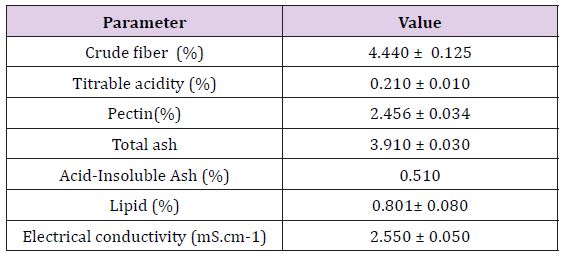
Journals on Nursing

Effect of Nursing Intervention on the Knowledge and Short- Term Utilization of Quality Time Activity by Parents of Children with Behavioral Problems

Introduction

Children are the most precious possession of mankind. They should be nurtured with the utmost care and affection. The greatest gift that parents can give to their children is a sense of personal worth. The self-esteem of a child should be more valuable to a parent rather than achievements in studies, sports or any other field [1]. Behavioural disorders among children are universal and recent studies indicate the higher prevalence rate. The prevalence of behavioural problems in the western literature has been reported to vary between 5-10% [2]. The prevalence of behavioural problems in India has been explored by different authors-36% by Bassa , 9% by Chacko,10.6% by Raju 4.6% by Singh and Guptha 1970 [3]. Sarita, Bhargava et al. [4] From Ajmer reported 38.1%, Bhatia et al. [5] from Delhi reported 20% and Indira Guptha et al. from Ludhiana reported 36.5%.

The home today is smaller. The housewives have entered career in order to supplement the family income. The flat system in the cities confines the child within four walls and offers little chance to have companionship and peer groups. Because children have fewer people to share their experiences, parents must work harder to make the home a place where there is a fun, activity and a variety of things to do together. In India, children constitute about 40% of the total population. Behaviour disorders are one of the most common childhood disorders, which can hinder the normal development of children. The present study aimed to find out the effectiveness of a nursing intervention on the knowledge and short- term utilization of quality time activity by parents of children with behavioural problems.

Methodology

‘Quasi experimental, one group pre-test and post-test design’ was adopted. In this design, a single test group was selected and knowledge and utilization of quality time activities were measured before the introduction of intervention. Teaching program on quality time activities was then introduced in four sessions and the effectiveness was measured. The differences due to the application of the experimental program were then determined by comparing the pre-test and post-test scores. Sample consisted of parents of children with behavioural problems between the age group of 4-15 years admitted in child psychiatry center. Either father or mother or both staying with children at the time of conducting study were chosen as sample. Purposive sampling was used to select subjects on the basis of inclusion criteria. Participants signed the written informed consent after being explained about the risks and benefits of the study. Privacy was provided and confidentiality was maintained throughout the study.

Description of Research Tools

a) Socio-demographic and clinical profile

b) Quality Time assessment questionnaire which was prepared for the study to assess the knowledge on quality time activity of parents

c) A recording sheet on Quality time activities to record the interactional activities of parents and children

Quality-Time Assessment Questionnaire:

This questionnaire consisted of 44 items divided into 3 sections to assess the knowledge and quality time activity by parents with their children. Section A consisted of 11explorative questions on which information was collected from the parents regarding quality time. Section B consisted of nine statements to assess the knowledge of parents on quality time activity. Section C consisted of twenty-four statements of activities that normally parents do with their child.

Description of Nursing Intervention

Each parent had four sessions of educational program on alternate days and each session lasted for one hour. In addition to that, the researcher observed parent-child interaction and encouraged them to have more fun and other enjoyable activities. The nature of activities carried out were playing in-door and outdoor games, story- telling, discussing with children about their activities on general topics and listening to their feelings and interests. Further, parents were instructed to record their activities in detail mentioning the date, time, duration etc. in the recording sheet.

Results

Among the subjects (n=30), majority of fathers (53.4%) belonged to the age group of 36-45 years, and majority of mothers (46.7%) belonged to the age group of 25-35 years. Most of them were graduates (fathers-46.6% and mothers 43.3%). 66.7% subjects were from urban areas. 83.3% had non-consanguineous marriage and 53.3% subjects belonged to nuclear families. The results of the study found that 43.3% of children belonged to the age group of 13- 15 years; 30% were between 10-12 years; 13.4% were in the age group of 7-9 years and 13.4% were in the age group of 4-6 years. Male children (76.7%) outnumbered the female children (23.35). Before the intervention, 20 (66.7%) subjects said that they had no idea about quality time whereas 3(10%) of the subjects narrated that it is time spent with children in better and productive way. After the intervention, 11 (36.7%) subjects told that quality time is the time with their child by having mutually enjoyable activities while 5 (16.7%) subjects narrated that it is having fun together with their child. There was statistically significant increase in the knowledge (p<0.01) and in the quality time activities (p<0.01) following nursing intervention program. Domain wise comparison of scores is shown in Table 1.

Table 1: Comparison of pre and post test scores variables domain wise.

Discussion

The present study was an attempt to find out the effectiveness of nursing intervention on the knowledge and short term utilization of quality time activities by parents of children with behavioural problems and to develop a package on quality time activities. In India, this study is the initial study on quality time. The following is the summary of similar studies conducted in this area and the findings are given below; Bryant & Zick [6] found that dinner conversation were important for the child’s development. In their study, mothers spent 44 minutes per day sharing household work with their children and father spent about 34 minutes. Bradley and Caldwel [7] emphasized the parents’ socio-emotional investment in children. They suggested that the quality of parent’s socio-emotional investment should manifest in the amount of joy, expressions of affection toward a child, sensitivity to the child’s needs and responsiveness to those needs, and consistent choices on the parent’s part to act in the best interest of the child.

Marsiglio [8] found that paternal engagement activities, which is time spent in one-to-one interaction with a child in involving activities such as private talks, playing together influenced the quality of father child interaction. Cooksey & Fondell [9] examined the frequency with which parents spent time with their children in general. Fathers were asked, how often do you spend time with the children in the following activities

a) Leisure activities away from home

b) At home working on a project or playing together

c) Having private talks

d) Helping with reading or homework.

Results indicated that the fathers eat just over half of their breakfasts and dinners with their children, several times per month had leisure activities but fewer activities at home. The desired outcome of the study was achieved by combination of factors such as availability of parents in the ward and parents were free from their household/office work. Routine activities carried out in the inpatient unit such as recreational activities, permission for week end outings and the picnics arranged by the multidisciplinary team also promoted the positive parent-child interaction. Physical facilities like play area and the pleasant atmosphere of the child psychiatry centre also enhanced the quality of parent-child interaction [10].

Conclusion

Behaviour disorders of children are one of the most common childhood disorders which affect the mental health development of children. The present study has scientifically proved that planned structured teaching with the parents of children with behavioural disorders increases their knowledge about quality time and quality time activities. Nurses have ample opportunities to extend the health teaching services to the parents to improve their knowledge on various issues related to mental health promotion.
