Biomedical Journal of Scientific & Technical Research (BJSTR) is a multidisciplinary, scholarly Open Access publisher focused on Genetic, Biomedical and Remedial missions in relation with Technical Knowledge as well.
Author: biomedicalopenaccessjournals
The only motto of Biomedical Journal of Scientific & Technical Research (BJSTR) Publishers is accelerating the scientific and technical research papers, considering the importance of technology and the human health in the advanced levels and several emergency medical and clinical issues associated with it, the key attention is given towards biomedical research. Thus, asserting the requirement of a common evoked and enriched information sharing platform for the craving readers.
BJSTR is such a unique platform to accumulate and publicize scientific knowledge on science and related discipline. This multidisciplinary open access publisher is rendering a global podium for the professors, academicians, researchers and students of the relevant disciplines to share their scientific excellence in the form of an original research article, review article, case reports, short communication, e-books, video articles, etc.
Chemical Analysis of Bioactive Compound Produced by Lactobacillusreuteri Isolated From Domestic Chickens in Iran
Introduction
Lactobacillus is a type of bacteria, which normally live in the intestinal tracts of some domestic animals and poultry. These bacteria are characterized by ability of producing different metabolites Aymerich et al. [1]. Some bioactive compound of Lactobacillus is proteinaceous in nature and mostly acts against closely related species Bali et al. [2]. Bioactive compounds could be produced by plants, animals and microorganisms. However, function of bioactive compounds is similar. But their structures and antimicrobial spectrum varied. Although, several reports conducted on production of bioactive compounds Ogunbanwo et al. [3] a few reports are available concerning to bioactive compounds produced by Lactobacillus. The present study was undertaken to isolate and identified bioactive producing Lactobacillus from the digestive tracts of domestic chickens, Furthermore, the antimicrobial property of bioactive compounds were assessed against pathogenic bacteria and their structures were chemically analyzed.
Material and Methods
Sample Collection
Twenty two samples were collected from the intestinal tracts of domestic chickens in south of Iran (Shiraz and Kazeroun) and subjected to microbiological analysis. The samples were serially diluted using sterile distillated water (10-1-10-4) and 0.1 ml of two last dilutions was streaked on MRS medium. The plates were kept in incubator at 37°Cfor 72 h Yodoamijoyo et al. [4].
Phenotypic Identification of the Isolates and Screening of the Bioactive Producing Strains
Phenotypic identification of isolates was carried out by Gram stain and catalase test and biochemical tests viz., hydrolysis of esculin, utilization of citrate, acid and gas formations from glucose , fermentation of D-xylose, galactose, D-fructose, sorbitol, lactose, melibiose, saccharose, Arabinose, Lactose, Mannose, Mannitol, Maltose, Raffinose, Sorbitol, Sucrose, Xylose, Melezitose, Trehalose, Rhamnose and Ribose and growth at different pH 4.5, 5.5 and 6.5 and temperatures25, 30, 35 and 40 Samelis et al. [5]. Screening of bioactive producing was carried out by cultivation of presumptive Lactobacillus strains into MRS broth. The bacterial suspensions were centrifuged at 4500 rpm for 15min and the supernatant of each isolates was assessed against the antagonistic bacteria such as Bacillus cereus (ATCC11778), Escherichia coli (ATCC29998), Salmonellatyphimurium (ATCC 14028), and Staphylococcus aureus (ATCC6538) by Well Agar Diffusion method.
Authentication of Lactobacillus Isolates by Gene Sequencing of 16SrRNA
To perform the test universal primers of 27F (5’-AGAGTTTGATCMTGGCTCAG -3’) and 1492R (5’-GGTTACCTTGTTACGACTT-3’) was used Lane. Polymerase chain reactions were performed in 25μl reaction volumes containing 1X Taq Master Mix, 1.5mM MgCl2, 0.25mM forward primer, 0.25mM reveres primer and 0.4ng of genomic DNA. Temperature cycling conditions for PCR were as follows: an initial heating of 95oC for 3min, followed by 30 cycles of denaturation at 95oC for 30 s, annealing at 55oC for 55 s, extension at 72oC for 1min, and terminating with a 10 min final incubation of 72oC. Gradient temperature PCR was utilized to improve primer- annealing temperatures to make certain a high degree of primer specificity during assays Shuhaimi [6]. The PCR products were examined by electrophoresis (Gel Electrophoresis Systems. Major Science, Taiwan) on a 1% w/v agarose gel, stained with ethidium bromide, visualized and photographed on a Gel Documentation. The PCR products were purified using a QI Aquick PCR purification kit (QIAGEN, Hilden, Germany) according to the manufacturer’s applications. The purified PCR products were sent to BASE Laboratories, Malaysia. The 16SrRNA sequenced data were bioinformatic analyzed using http://www.ncbi.nlm.nih.gov/BLAST/
Purification of the Bioactive Compounds
Overnight cultures of the isolates were cultivated into MRS broth (10% inoculums) (108 CFU/ml) and incubated for 72hin shaker incubator (200rpm) at 37°C. The bacterial suspension of each strain was centrifuged at 12000rpm for 15min and the supernatant was used as crude bioactive compounds. The supernatant was separated and saturated with 70% ammonium sulfate and stored at 4°C to precipitate the proteins. The pellet was collected after centrifugation at 12000 rpm at 4°C for 25 minutes and dissolved in a phosphate buffer (0.1M, pH 7.0) and dialyzed against the same buffer at 4°C overnight Ogunbanwo et al. [3]. The dialyzed protein was applied to a Sephadex G-100 column (1.6 × 36cm), pre-equilibrated with phosphate buffer (pH 7.0) and the fractions showing high bioactive compound activity were collected and subjected to chemical analysis.
Chemical Analysis of the Bioactive Compounds by SDSPAGE and HPLC
The molecular weight of the purified bioactive compound was determined by 15% sodium dodecyl sulfate polyacrylamide gel electrophoresis (SDS-PAGE) according to the method described by Laemmli in 1970. The electrophoresis gel was stained with Coomassie Brilliant Blue R-250 and washed by the mixture of acetic acid-methyl alcohol-water (5:5:1 v/v). The low range molecular weight marker was used as a standard marker (Genei, India). To perform HPLC, the bioactive compounds were centrifuged at 12000rpm for 15min. Then supernatant was filtered through a 0.22μm filter and injected into HPLC system. The analysis of the bioactive compounds was carried out by HPLC system (Shimadzu, Japan) with a UV-VIS multi wavelength detector. A HPLC column was C18, 250×4.6mm, 5μm particle size, Sun Fire and the mobile phase of Chromatographic conditions was phosphate buffer 0.01 mol/L-3.0% methanol, pH 3, detection at 210nm of Ultraviolet (UV) absorbance, 0.7mL/min flow rate and 10μl injection volume. The column temperature was kept ambient. The mobile phase was prepared and filtered through a 0.22μm filter membrane.
Results and Discussion
Identification of the Bioactive Compounds Producing Lactobacillus
A total, 6 strains of Lactobacillus were isolated based on phenotypic identification. Of all, one strains of Lactobacillus could produce the bioactive compound. The bioactive compound produced by this strain showed antimicrobial effect against Escherichia coli, Salmonellatyphimurium, Staphylococcus aureus and Bacillus cereus.
Molecular Identification of the Bioactive Compound Producing Lactobacillus
The bioactive producing strain of Lactobacillus was subjected to 16SrRNA Gene sequencing. The results obtained indicated that bioactive producing Lactobacillus was Lactobacillus reuteri.
The chemical analysis of the purified bioactive compound produced by Lactobacillus reuteri
The results obtained from SDS-PAGE indicated that the molecular weight of purified bioactive compound produced by L reuteri were 4.5 kDa similar to Lactocin (Figure 1). HPLC was done on the bioactive compound obtained verified presence of some organic acids include in the bioactive compound. Chromatograms of HPLC were shown in (Figure 2). As seen in these figure three organic acids were recognized based on their polarity and sizes. These organic acids were malic acid, lactic acid, and acetic acid. Retention times of standard samples such as malic acid, lactic acid and acetic acid were 3.85, 4.15, 4.95 and 5.65minutesrespectively.
Discussion
Lactobacillus spp. are recognized as major bioactive producing bacteria that especially living in intestinal tracts of chickens. In addition, Lactobacillus strains have several properties viz., resistance to gastric and intestinal juices and ability to adhere to intestinal surfaces Patterson and Burkholder [7]. It must be noted that property of Lactobacillus spp. might be depended on geographical areas. For instant, response of Lactobacillus to osmotic pressure is not similar Ben et al. [8]. Therefore the present study was purposed to isolate Lactobacillus from domestic chicken and determine the chemical properties of their bioactive compounds. A total one bioactive compound producing strain of Lactobacillus was isolated and recognized as Lactobacillus reuteri K16. The bioactive compounds produced by this bacterium showed antimicrobial effect against Escherichia coli, Salmonella typhimurium, Staphylococcus aureus and Bacillus cereus. Chemical analysis of the bioactive compound produced by Lactobacillus reuteri isolate indicated that SDS-PAGE and HPLC methods detected the compounds most likely Lactocin (molecular weight of 4.5 kDa) and organic acids viz., malic, lactic and acetic acids. Parallel with our finding Lasta et al. [9,10] isolated Lactocin producing lactobacillus. However their isolate was Lactococcus lactis. Overall our investigate opined that domestic strains of lactobacillus could produce bioactive compound similar to Lactocin. Hence, Lactobacillus spp. isolated from each geographical area must be evaluated for probiotic property. It is because probably domestic probiotic might be have more advantage compared to commercial probiotics.
The Effects of an Educational Intervention on Emergency Nurses’ Attitude, Knowledge, and Care Behaviors toward Older Adults
Introduction
The older adult population in the United States (U.S.) is growing faster than any other age group [1]. Older adults have a more complex presentation of diseases and illnesses than any other population due to higher incidences of numerous comorbidities, polypharmacy, and functional impairments [2]. It is not surprising that adults age 65 and older accounted for 19.6 million emergency department (ED) visits in the United States in 2010 [3]. Older adults present to the ED primarily due to a high prevalence of chronic diseases and consequential susceptibility to frequent exacerbation of these illnesses [4]. Indeed, approximately 17% of adults living in the community age 65 and older have at least one treat-and-release ED visit each year. Nurses are the primary health care professionals who provide direct care to older adult patients [1], including in the ED setting.
Research findings reveal that nurses, including ED nurses, acknowledge a personal bias against the older adult, which reflects past experiences with this group or a negative attitude regarding aging [5,6]. The views of nurses toward the older adult patient are vital to the services they provide to this vulnerable population. The literature indicates that healthcare professionals in the ED lack geriatric-specific educational training [4]. Indeed, most nurses who graduated before 2005 did not receive a stand- alone geriatric course in their pre-licensure nursing program [7]. Emergency department nurses report the need to have educational opportunities on how to most effectively care for elderly patients, through prioritizing their care, and recognizing when a physician is needed for their care [1]. Considering that older adults have higher mortality rates and readmission rates, it is imperative that ED nurses have the knowledge and positive attitude to provide the appropriate care needed in the emergency department.
Steinmiller, Routsalo and Souminers (2015) state nurses’ lack of knowledge and positive attitudes may influence the older adult patients’ length of stay, health outcomes, safety, and other carerelated concerns [8]. To assure the highest quality of care to older adults in the ED, it is very important to assess nurses’ current knowledge of and attitudes toward the older adult. Research has demonstrated that educational interventions have improved healthcare providers’ knowledge and attitudes of bariatric patient care [9] cancer care [10], meaningful use of electronic health care records [11] and sexual health [12]. There is little, if any, research evaluating the effects of an educational intervention to enhance nurses’ attitudes and knowledge toward older adults in the ED setting. Thus, the purpose of this study was to explore the effect of an educational intervention on attitudes and knowledge of ED nurses toward the older adult patient and their intentions to change their care behaviors toward this population in the emergency department.
Conceptual Framework
Icek Ajzen’s Theory of Planned Behavior (TPB) was the framework that helps guide this study. TPB incorporates components that relate to attitudes and the ability to predict behaviors in the presence of certain attitudes [13]. This theory has been useful in explaining healthcare professionals’ behaviors and intentions [14]. The key components of this model used to help answer the research questions were intentions, attitudes, and perceived behavioral control. The key component of this model is behavioral intent. Attitudes concerning the likelihood that a behavior will have the expected outcome, in addition to one’s own evaluation of the risks and benefits of that outcome, heavily influence behavioral intentions. The behavioral change depends on both motivation (intention) and ability (behavioral control) [15].
Research Question
Will an educational intervention aid in identifying ED nurses’ behavioral intentions to change how they care for older adults? For this question, the results from pre-survey, immediate postsurvey and four-week post- survey were compared to evaluate if the educational intervention influenced the experimental group’s behavior intentions to change how they care for older adults. The only question that showed a statistically significant difference between the experimental group and the control group was BI question 10. This question was “I intend to voluntarily request to care for an older adult patient in the next 30 days” (p = 0.30). Specifically, 71% of the experimental group said they intended to request to care for an older adult patient, while only 41% of the control group answered yes to this question. For all BI questions, the experimental group had a higher percentage of yes versus no responses when compared to the control, implying that the educational intervention did influence their intentions to change their behavior in caring for older adult patients. The results are displayed in Table 1 and Table 2.
Table 1: Participant Characteristics (N=67).
Table 2: Behavioral Intention Questions across Time-Points.
Note: BI = Behavioral Intention. Put the entire question wording here.BI1=voluntarily request to care for an older adult; BI2=purposely focus on providing a safe environment for older adult patients within 30 days; BI3=perform a falls assessment on my older adult patients within 30 days; BI4=assess my older adult patients’ need for nutritional consult within 30 days; BI5=assess my older adult patients for signs of depression, dementia, and delirium within 30 days. P-value is for Fisher’s exact tests of group differences at 4-week post time-point.
Hypothesis
Emergency department nurses who receive an educational intervention on geriatric nursing care will have higher overall aging knowledge scores at immediate post education intervention and four weeks post education intervention than those ED nurses who did not receive the educational intervention (H1), and ED nurses who receive an educational intervention on geriatric nursing care will have higher positive attitude scores at immediate post education intervention and four weeks post education intervention than those ED nurses who did not receive the educational intervention (H2).
Methods
Hypothesis
A two-group quasi-experimental, longitudinal pretestimmediate posttest and four-week posttest design of nurses working in five EDs within a large healthcare system comprised the design for the study.
Sampling
Convenience sampling was used to recruit participants. All nurses in five emergency departments in one healthcare system received an email requesting their voluntary participation in the study. Flyers were posted in each emergency department to notify the ED nurses of the geriatric workshop and their opportunity to participate in a research study. The researcher also performed face-to-face recruitment in each ED. The criteria for inclusion in the study were licensed registered ED nurses and: a) employed by the health system, b) age 18 or older, and c) understood and spoke the English language. The final sample was 67, with 44 ED nurses in the experimental (intervention) group and 23 ED nurses in the control group. The hospital system employs approximately 300 ED nurses at the five EDs; the participation rate was approximately 22%.
Setting
The setting for this study was a large healthcare system in the Southeastern United States that consists of five emergency departments and cares for approximately 750 patients daily. The educational intervention was held in five different classrooms in the staff educational department owned by the health system.
Data Collection
The Institutional Review Board (IRB) approval was first obtained from the participating hospital system and university. As stated above, ED nurses were recruited through the healthcare system’s electronic mail system. An email was sent to all ED nurses, which included an electronic letter explaining the purpose and importance of the study along with how to sign up if they were able to attend the four-hour geriatric workshop. If they were unable to attend, information was given to them on how they could participate by completing the surveys via a link that would be sent out to them electronically. Those participants that attended the workshop had access to a computer to complete the pretest and immediate posttest. Access to the link for the pretest and immediate posttest were made available through any computer that had internet access. The control group completed the pretest survey the same day as the Geriatric workshop and they had a week to complete the immediate post survey.
All nurses who completed the surveys within the allotted time frame were included in the data collection. Per the IRB, completing the pretest, immediate posttest, and 4-week posttest surveys implied informed consent from the participant in the study. Only an electronic survey was used to collect data from the control group. Instruments administered included Kogan’s Attitudes toward Older People (KOP), a self-administered questionnaire consisting of 34 statements divided into 17 positive statements and 17 negative statements [16]. Reliability coefficients have been published as 0.70 for the positive scale and 0.85 for the negative scale [16]. Knowledge was assessed using Palmore’s Facts of Aging Quiz (PFAQ), which contains 25 true and false questions [17]. The PFAQ instrument has been used widely over the past twenty-five years. The reliability of the instrument was determined through an internal consistency coefficient measured by Cronbach’s alpha with scores ranging from 0.50 to 0.80 among studies and study populations Palmore [17]. The range of Cronbach’s alpha scores indicates that the test has a medium to moderately high degree of internal consistency reliability [18].
Five questions developed by the first author pertaining to intentions regarding providing care to the older adult patients were additionally asked near the end of the survey. A pilot group of twelve nurses was used to test the reliability and validity of the intention questions prior to the study. Demographic questions were asked at the end of the survey and included: age, gender, race, years in nursing, if they received specific geriatric courses in their nursing program, highest level of education completed, and if they currently cared for an elderly family member Palmore measured content validity with his gerontological students by assessing their scores after completing a geriatric course, and then compared quiz results [17]. Palmore (1992) found that after completing a geriatric course, the students who completed the course consistently scored higher on posttest than they did on the pretest [17]. Multiple studies have shown that instrument results suggest that groups of subjects with similar education levels or backgrounds have similar mean scores, thus supporting the face validity of PFAQ [17-20].
Data Analysis
An a priori power analysis revealed that a sample size of 50 (25 per group) was sufficient to detect an effect size of 0.404 with 80% power using repeated measures analysis of variance (ANOVA), assuming a moderate correlation (0.50) of repeated measures. Descriptive statistics were estimated for patient characteristics overall and compared by intervention groups using t-tests or Mann- Whitney U tests for continuous variables and Chi-square or Fisher’s exact tests for categorical variables. Differences between groups in behavioral intention questions at 4-weeks post-intervention were similarly compared. Trends over time in PFAQ and KOP were analyzed for differences between intervention groups using mixed between-within repeated measures ANOVA (RM-ANOVA). Data were analyzed utilizing SPSS version 22. A two-sided p-value < 0.05 was considered statistically significant.
Results
Characteristics of the sample are described in Table 1. The current attitudes of ED nurses toward older adults using the KOP at pre-intervention (RQ1) had an overall mean positive score across groups of 78.6 (SD = 8.9) out of a possible highest score of 119. At pretest, mean negative score across groups was 44.6 (SD = 11.0) out of a possible 119. The current knowledge of ED nurses about older adults using the PFAQ (RQ2) at pre-intervention had an overall mean knowledge score across groups was 13.8 (SD = 2.1) out of a possible highest score of 25 demonstrating a lack of knowledge. The educational intervention did aid influence ED nurses’ behavioral intentions to change how they care for older adults (RQ4). The experimental group had a higher percentage of yes versus no responses when compared to the control group (Table 2).
Based on RM-ANOVA, H1 was not supported. For RM-ANOVA of PFAQ, assumptions of sphericity were not satisfied (p = 0.005) requiring the use of Huynh-Feldt correction ε = .877; however, the assumption of equal group covariance matrices was satisfied (p = 0.444). Here, RM-ANOVA analysis revealed a main effect of time (F (2,96) = 15.955, p = 0.003), but no main effects of experimental vs. control group (F(1,48) = 1.717, p = 0.196), and no significant interaction effects of group by time-point (F(1.753,84.165) = 2.295, p = 0.114) (Figure 1). Mean scores increased in each group at immediate post-intervention but decreased at 4-week postintervention for the intervention group. Effect sizes using partial eta-squared were small-to-moderate for group main effects (Ƞ2 p = 0.35) and small for group by time interaction effects (Ƞ2 p = 0.046).
Figure 1: Trends over Time for Palmore’s Facts of Aging Quiz Scores from Repeated Measures ANOVA
H2 was also not supported given RM-ANOVA findings. KOP positive scores, assumptions of sphericity (p = 0.600) and equal group covariance matrices (p = 0.334) were reasonably satisfied. Making these assumptions, analysis revealed main effects of time (F(2,96) = 11.444, p = 0.001), but no main effects of experimental vs. control group (F(1,48) = 0.118, p = 0.732), and no significant interaction effects of group by time-point (F(2,96) = 0.418, p = 0.660) (Figure 2). Mean scores again went up in each group at immediate post-intervention in similar fashion but decreased at 4-week post-intervention for the control group. Effect sizes using partial eta-squared were small for group main effects (Ƞ2 p = 0.002) and group by time interaction effects (Ƞ2 p = 0.009). For RM-ANOVA of Kogan’s negative scores, assumptions of sphericity (p = 0.068) and equal group covariance matrices (p = 0.444) were reasonably satisfied. Making these assumptions, analysis revealed no main effects of time (F (2,96) = 1.394, p = 0.253), no main effects of experimental vs. control group (F(1,48) = 0.501, p = 0.483), and no significant interaction effects of group by time-point (F(2,96) = 0.189, p = 0.828). Effect sizes using partial eta-squared were small for group main effects (Ƞ2 p = 0.100) and group by time interaction effects (Ƞ2 p = 0.004) (Figure 3).
Figure 2: Trends over Time for Kogan’s Positive Scores from Repeated Measures ANOVA.
Figure 3: Trends over Time for Kogan’s Negative Scores from Repeated Measures ANOVA.
Discussion
This study of ED nurses’ attitudes and their knowledge of older adults revealed several interesting findings. The participants had mean years of ED tenure of 11 years which is high given that nationally the ED turnover rate is 21.7% [21]. (This study also had a slightly higher percentage of male participants (11.4%) compared to the state and national percentages of 7.5% and 9.1%, respectively [22,23]. Also, 40% of the participants had a national certification, which is higher compared to the national rate of 35% [22] (HRSA, 2013). However, 81% reported they did not have any specialized geriatric training, which is consistent with reports that ED nurses do not have geriatric specialized training [4]. This study found that ED nurses had overall positive attitudes towards older people which is contrary to previous studies.
A reason that these participants may have higher positive attitudes toward older patients is that three out of the five hospitals in this study are a part of the NICHE program, meaning Nurses Improving Care for Health System Elders. The hospitals focus on improving care of the elderly and do provide continuing education on the older adult population. The hospital system also offers a geriatric symposium yearly that was held a few months before this study and any nurse in the system can attend. The literature also reported that nurses with higher education tend to have positive attitudes toward the older adult [24] and many of these participants had advanced nursing education. Another possible reason for having positive attitudes is that the participants who chose to take part in this research study liked caring for older patients in the ED.
The ED nurses in this study had low levels of knowledge of caring for older adults which is consistent with the literature. However, neither hypothesis was supported in this study. While there were improvements in post-intervention knowledge and attitude scores, the improvements were not statistically significant. These findings contrast with other studies of health care professionals which showed statistically significant improvements post educational intervention. Other educational intervention studies of ED nurses showed improved skills with recognizing signs of anterior myocardial infarction [25], identifying and classifying pressure ulcers, [26] and improving assessment and discharge planning for older adults [27,28].
A possible reason for the lack of statistically significant results is that the 90 minutes of mini-geriatric lectures and two hours of interactive educational stations were not the appropriate teaching strategy for these participants. Participants may have benefited from other didactics opportunities such as web-based learning because they could complete the educational offering when they had adequate time, instead of only being able receive the educational once. Participants may have been able to retain the information better if they could have reviewed the education at their own pace and time so they could refer back to the educational material if they need refreshers. Additionally, much of continuing education has become web based, and these learners may prefer and learn better from web based educational programs that they can complete at their convenience.
Limitations
A limitation of this study was the use of a convenience sample and quasi-experimental design, which limit generalizability. The use of the Palmore’s Facts of Aging quiz was also a limitation due to being the only tool available to measure participant’s knowledge on facts of aging. This study was limited to nurses from five EDs within one large healthcare system in a single state. Another limitation to recruiting participants for the control group was that many nurses were likely working when they accessed the survey and did not have time to fully participate or got interrupted due to patient care needs. Finally, ED nurses’ motivation in participating in the study could also be a limitation of the research, as the nurses did not get paid to attend the workshop. Four nurses canceled their registration to participate once they realized they were not getting paid.
Conclusion
This study demonstrates a lack of knowledge in caring for older adults in ED nurses. While scores improved after the educational intervention, this study did not demonstrate significantly improved attitudes or knowledge scores towards the care of older adults. Thus, it is suggested that the use of a geriatric workshop as an educational intervention alone may not be enough to increase overall aging knowledge and improve positive attitudes toward older adults among ED nurses. Different educational strategies, including web based educational programs, or provide simulation case scenarios which may be more effective. Further research is recommended on strategies for improving ED nurses’ attitudes and knowledge of older adults.
Weed Management Strategies for Organic Farming of Kharif Groundnut
Abstract
A field experiment was conducted during kharif seasons of 2015 and 2016 at Junagadh (Gujarat) to study the weed management in groundnut (Arachis hypogaea L.) under organic farming. The pre-sowing (Deep ploughing, stale seedbed and soil solarization) and post-sowing (Wheat straw mulch @ 5 t/ha, hand weeding & interculturing at 15, 30 and 45 DAS, Weed-free check and Weedy check) treatments were evaluated. The results revealed that stale seedbed, followed by soil solarisation were found effective in controlling weeds and improving growth and yield attributes and ultimately pod and haulm yield over deep ploughing. Results further indicated that hand weeding & interculturing at 15, 30 & 45 DAS and wheat straw mulch @ 5 t/ha significantly suppressed weed growth and enhanced growth and yield of groundnut.
Groundnut is a major crop of Saurashtra region and demand of organically produce groundnut is increasing day by day due to health conscious and premium price of organic product tempted to farmers for organic cultivation. Organic farming is a production system, which avoids or largely excludes the use of synthetically compound to maximum extent feasible. organic farming rely upon crop rotation, crop residues, animal manures, green manures, off farm wastes, mechanical cultivation, mineral bearing rocks and aspect of biological pest control to maintain soil productivity, to supply plant nutrients and to control insects, pathogens and weeds [1].
Weeds are widely reported as a key constraint in organic farming and organic weed management relies on preventive, mechanical, physical, cultural and biological methods, but these tools must be used in an integrated, multi-strand approach. In addition to direct and cultural techniques, timeliness, vigilance and an understanding of farm ecology are also important factors in effective weed management [2].
Generally, in organic farming weeds are managed by integrating various methods, among them, adoption of stale seed bed techniques in which one or two flushes of weeds are destroyed before planting the crop and deep ploughing methods buried the weed seeds in deeper soil layer or destroyed through sun heating to some extent. Sarma and Gautam [3] reported that tillage system and stale seed bed techniques in maize significantly reduce weed density, weed dry weight and increased grain yield. Soil solarisation during summer month desiccate weed seeds present at top soil depth [4]. Study on groundnut showed that soil solarisation suppressed weeds and increase groundnut yield [5] and Sundari and Kumar [6]. Application of organic mulch also found effective for controlling weeds but also add organic matter in soil. Therefore, an experiment is plan to find out most effective and economically viable combination of preventive, mechanical, physical and cultural methods of weed control to manage the weeds in kharif organic groundnut.
Material and Methods
The field experiment was conducted on medium black calcareous clayey soil at Organic Farm, Department of Agronomy, College of Agriculture, Junagadh Agricultural University, Junagadh (Gujarat) during kharif seasons of 2015 and 2016 to evaluate non-chemical weed management practices in groundnut. The experimental soil was slightly alkaline in reaction with pH 8.0 and EC 0.61 dS/m. It was medium in available nitrogen (235 kg/ha), low in available phosphorus (23 kg/ha) and high in available potash (385 kg/ha). The experiment comprised pre-sowing treatments (M1: Deep ploughing, M2: Stale seedbed and M3: Soil solarization) as main plots and post-sowing treatments (S1: Wheat straw mulch @ 5 t/ha, S2: Hand weeding & interculturing at 15, 30 and 45 DAS, S3: Weed-free check and S4: Weedy check) as sub plots were laid in a split plot design with four replications. The groundnut variety ‘Gujarat Groundnut 20’ was sown in June at spacing of 60 cm x 10 cm using seed rate of 120 kg/ha. FYM @ 10 t/ha was incorporated in soil at the time of preparatory tillage. For soil solarization, a light irrigation was applied and then the soil was covered with 25 micron LDPE sheet for 15 days during hot summer (May). Deep ploughing up to 20 cm depth was carried out using mouldboard plough. For stale seedbed, a pre-sowing irrigation was applied to allow weeds to grow. After 7 days germinated weeds were removed by shallow harrowing. The wheat straw mulch @ 5 t/ha was uniformly distributed on the top soil after sowing. The crop was raised as per the standard package of practices without any chemical input.
Results and Discussion and Discussion
The major weed flora noticed were Echinochloa colona, Dactyloctenium aegyptium, Eluropus villosus, Indigofera glandulosa and Brachiaria ramosa among the monocots; Ammannia baccifera, Leucas aspera, Digera arvensis, Commelina benghalensis, Eclipta alba, Portulaca oleracea and Phyllanthus niruri among the dicot weeds and Cyperus rotundus as sedge weed.
Effect on Crop
Data presented in (Table 1) showed that significantly the highest branches/plant, pods/plant and 100-kernel weight were recorded under stale seedbed, followed by soil solarisation. However, plant height and shelling per cent remained unaffected. Whereas, significantly the lowest values of these growth and yield attributes were registered under deep ploughing. Significantly higher values of plant height, branches/plant, pods/plant, 100-kernel weight and shelling per cent were registered with weed-free, followed by HW and straw mulch. The weedy check recorded significantly the lowest values of these growth and yield attributes.
Table 1: Effect of weed management on growth and yield attributes of groundnut (Pooled over two years).
The results (Table 2) revealed that stale seedbed produced significantly the highest pod and haulm yields, followed by soil solarisation. The deep ploughing resulted in significantly the lowest pod and haulm yields. The weed-free check produced significantly the highest pod yield of 1309 kg/ha and haulm yield of 2826 kg/ha. The next best treatments in this regard were HW and straw mulch. Efficient control of weeds under these treatments might have allowed competition-free environment to the crop, which improved growth and yield attributes and ultimately reflected in yield. These results are in conformity with findings of Ghosh et al. [7]. and Arora and Tomar [8].
Table 2: Effect of weed management on crop yield and weed parameters (Pooled over two years).
Effect on weeds
The data (Table 2) indicated that the stale seedbed recorded significantly the lowest dry weight of weeds, followed by soil solarisation and deep ploughing having WI of 19.47, 21.57 and 21.44%, and WCE of 53.91, 50.44 and 47.63%, respectively. Similarly, the weed-free registered significantly the lowest dry weight of weeds, followed by HW and straw mulch with WI of 0.00, 6.75 and 22.67% and WCE of 97.39, 72.32 and 32.93%, respectively. Effective control of weeds starting from sowing of the crop under the above mentioned treatments might have resulted in less dry weight of weeds and eventually exhibited excellent weed indices. The results corroborate the findings of Johnson and Mullinix [9] and Ramakrishna et al. [10].
Conclusion
Effective control of weeds in kharif groundnut along with higher yield under organic farming could be achieved by stale seedbed and either hand weeding at 15, 30 & 45 DAS or wheat straw mulch @ 5 t/ha.
Barriers of Discussion Concerning Sexual and Reproductive Health Issues Among Adolescents and Parents, Hawassa, SNNPR, Ethiopia
Introduction
Adolescence is a period of high developmental changes in physical, mental and social conditions. In this period the adolescents fails to control their emotions, listen to parents’ advice and begins to indulge them in unhealthy behavioral activities. The youth is categorized into three age-groups 10 to 14 years old as teenage, 15 to 19 year as early adolescent and 20 to 24 years as post-adolescent. In general, the age group from 10 to 19 years is classified as adolescent [1]. The problems of adolescents arise from lack of understanding and proper response to the changes that occur during development, due to emotional behavior, peer pressure and lack of experience of prevailing social system and its interactions. Therefore, adolescents should learn about human reproductive system; reproductive organs and their functions, problems related to adolescence and in particular about an appropriate family responsibility. This undertaking should prepare the adolescent to feel responsible; to aspire and/or anticipate for a better future; to overcome problems and hurdles of life and eventually emerge equipped with the necessary knowledge and skills and physically strong and fit. The adolescent should be able to differentiate useful and harmful behavior and practices and feel responsible to protect others from danger.
In this respect, families and communities have important roles to play. In order for the adolescent to become effective head of the family, the adolescent should know about the definition of the family and its historical development and relationships [2]. The prevailing potential sources of SRH information for the young people are their peers whom their knowledge are infirmed/equally ignorant or from school which is blamed for the lack of sustainable behavioral changes or from media and religious institutions that occur infrequently [3]. Research showed that, the conservative norm and taboos on sexuality, and ill-preparation have largely limited the parents’ involvement on SRH discussion with their children. However, remarkably, because of the devastating HIV/ AIDS problems, parental engagement has recently been receiving more attention [4]. A review on the magnitude of parent-adolescent discussion about HIV/AIDS in Sub-Saharan Africa reported was 8%-80% 5. Adolescents who communicate SRH matters with their parents are less likely to engage in unsafe sex [6]. The discussion is associated with adolescents’ age, parental education, and parent types [7]. Parents and adolescents have more communicated on abstinence, pregnancy and HIV/AIDS while they communicated rarely on condom and other contraceptives [8].
About two-thirds of the Ethiopia’s populations are young and they are the ones whose reproductive health services utilization is low and are the perpetrated with various sexual and reproductive health problems [9]. Adolescent discussion with parents regarding sexual and reproductive health issues protects the young from engaging in risky sexual practices and associated adverse health consequences [10]. Parents often have the power to guide children’s development in sexual health matters, encouraging them to practice reasonable sexual behavior and develop good personal decision making skills [11]. Increased parent-child discussion leads to awareness and reduction in risk taking behaviors [12]. When young people feel unconnected to home and family, they may become involved in activities that put their health and wellbeing at risk [13]. However, many adolescents often lack strong and stable relationships with their parents or other adults who are necessary, to openly discuss reproductive health concerns. Therefore, many teenagers do not have access to reliable information regarding their reproductive health needs [14]. Africa accounted about four-fifths of the estimated five millions of young people living with HIV [15] and the others have been inflicting among one fourth of the four millions of adolescents unsafe abortion was observed [1].
The 2011 Ethiopia Demographic and Health Survey (EDHS) report indicated that, 0.2% of females and 0.1% of males within the age of 15-19 years were infected with HIV and other sexually transmitted infections (STIs). Further, about one third of pregnancies occurring during adolescent age are unintended [16]. Although adolescent discussion with parents regarding sexual and reproductive health issues is crucial in reducing unsafe sexual practices and associated adverse health consequences, literatures in this area are scanty and few researches were also conducted on the magnitude and effect of parent-adolescent discussion about sexual and reproductive health issues. Therefore, this study is motivated by the belief that, barriers in connection with discussions between parents and adolescents can be assessed and described by empirical evidences and investigation and it is, this belief that, the researcher was moved to conduct research in preparatory schools of Hawassa city to fill these knowledge and understanding gaps.
Ethical Clearance
Ethical clearance was obtained from the CBE Office, College of Medicine and Health Sciences, Hawassa University. The purpose and importance of the study were explained and written consent was obtained from each participant. Confidentiality was maintained throughout the study. The participant involvement was voluntary and those who were non-willing and wanted to quit their participation at any stage were informed to do so without any restriction.
Methodology
An institutional based descriptive cross sectional research design was conducted among preparatory school students, Hawassa, Ethiopia. The sample size was calculated by using a finite population proportion formula with the following assumptions: 56% of estimated prevalence, 5% of marginal error and 95% of confidence interval (1.96). Since the population size (N=3789) is less than 10,000, correction formula was used to calculate the final sample size of 344. Based on the objectives of the study, the questionnaire was prepared, revised and dispatched to adolescent students. The data were collected by using self-administered questionnaire which contains close ended and open ended questions that comprises on social, economic and cultural factors that hinder the discussion between parents and adolescents. The collected data were checked for its completeness and consistency every day by the researchers. The collected data through questionnaire were edited, coded, entered and cleaned into a computer by using SPSS version 20. Descriptive statistics such as frequencies, percentages, Mean, and cross-tabulation were used to present the study results. Inferential statistics such as binary logistic regression were used to identify the barriers of discussion between parents and adolescents concerning sexual and reproductive health issues in the study area.
Result
Socio-Demographic Characteristics of Students
A total of 344 respondents were included in the study with nonon response rate. Out of these respondents, 53.5% were female students whereas, 45.5% of them were male students. Age of students was divided into two categories, i.e. between 16-17 and 18-19 years. As data shows, about 22.4% students were in the range of 16-17 years and 77.6% were between the age group of 18- 19 years. Since age is a continuous variable and measured in years, the average age of students was 17.99. Among the total sample, 75.3% of students were studying grade 11, whereas, 24.7% were attending grade 12. Regarding respondents of religion, the majority (64.0%) of them were Protestants, followed by Orthodox (16.7%). And the rest of the respondents were Catholic (4.9%), Muslim (1.7%) and others were Adventists (2.6%). Regarding family size of the adolescents, about 50% of respondents have a family size of 4-6 family members and 32% of respondents have 7-9 family members. 10.8% of them had family size above 9 and the rest 7.3% of them had less family size which is in between 1-3.The average family size of adolescent families was 6.5 with a standard deviation of 2.43.
Social Factors of Adolescents Related to Barriers of Discussion
A total of 344 participants took part in the study and 73.2% of their parents live in urban areas with their parents. The majority (78.8%) of them had no sexual experience but among 73 adolescents those who had sexual experience, about 67.1% started at the ages of 14-16 years. About 57.3% of adolescents follow social media and 52% of them follow sexual health issues. The majority (89%) of adolescent parents were married. The majorities (96.5%) of adolescents’ have knowledge about STD and about 72.6% used condom in their sexual intercourse. The majority of mothers (73.3%) and fathers (70.7%) of adolescents were attended formal education.
Economic Factors of Adolescents Related to Barriers of Discussion
About 47.4% of adolescents have pocket money and above 50% of them receiving above 300 birr from their family monthly. More than half (52.3%) of the adolescents parents were traders, farmers, daily laborer and NGO employees. The majority (73.6%) of them were at medium wealth status.
Cultural Factors of Adolescents Related to Barriers of Discussion
The majority of adolescents did not discuss with their parents (61%) and their friends (54.9%) about sex related issues and 72.1% of them felt shame to talk to family about sex related issues. In the other way, the majority (69.4%) of adolescents discussed with their brothers, sisters, boyfriends and girlfriends. About 51.5% of adolescents have watched porn movies and above 64% of them watched porn movies at the age of 11-16 years. More than half (59.3%) of adolescents, have seen sex education books.
Association of Social, Economic and Cultural Barriers of Parent-Adolescent Discussion
From the survey results it was found that, among adolescents whose family live in urban area, the majority (87.3%) of them discuss with their family about sex related issues whereas, among adolescents whose family live in rural area the majority (25.7%) of them did not discuss with their family about sex related issues. Furthermore, the Chi-square result ( x2 =8.48, p<0.01) shows that, family living place and parent-adolescent discussion status has statistically significant association. Concerning marital status of the adolescents families, the results of Chi-square analysis revealed that, there is no statistically significant association between marital status of adolescent families and parent adolescent discussion status ( x2 =0.40, p>0.05). Likewise, Living condition and parentadolescent discussion status has no statistically significant association ( x2 =4.17, p>0.05). This indicates that, living condition of adolescents was not a barrier in parent –adolescent discussion about SRH issues. In connection to ever had experienced sexual pleasure, among 271 adolescents those did not experienced sexual pleasure, the majority (88.1%) of them did not discuss with their parents about sex related issues.
Whereas, among adolescents experienced sexual pleasure the majority (35.8%) of them discuss with their parents about sex related issues. Furthermore, the Chi-square result ( x2 =27.99, p<0.01) shows that, ever had experienced sexual pleasure and parent-adolescent discussion status has statistically significant association. On the other hand, age at first pleasure and parentadolescent discussion status has no statistically significant association ( x2 =0.17, p>0.05). Respondents were requested the information about whether they used condom or not during their sexual experience, out of the total 53 sampled adolescents those used condom for the first sexual intercourse, the majority (91.7%) of them discuss with their parents about sex related issues. In contrarily, among 20 adolescents those did not use condom for the first sexual intercourse, the majority (64.0%) of them did not discuss with their parents about sex related issues. In addition, the Chi-square result ( x2 = 25.61, p<0.001) shows that, using condom and parent-adolescent discussion status has statistically significant association. The adolescents, who follow social media (70.9%), discuss with their family more often than those adolescents who did not follow (29.1%) and those adolescents who did not follow social media (51.4%) did not discuss with their family more often than those adolescents who follow social media (48.6%) about sex related issues.
The results of Chi-square ( x2 =16.66, p<0.01) analysis revealed that, follow up of social media and parent-adolescent discussion status has statistically significant association. Also, following issues on sexual health and parent-adolescent discussion status has no statistically significant association ( x2 =0.004, p>0.05). Similarly, the knowledge of adolescents on sexually transmitted diseases and parent-adolescent discussion status has no statistically significant association ( x2 =1.96, p>0.05). This indicates that, the marital status of adolescent families and knowledge of adolescents on sexually transmitted disease was not a barrier of parent – adolescent discussion. In connection to educational status of adolescents’ parents, whose fathers have completed above grade 12, the majority (52.2%) of them discuss with their parents about sex related issues whereas, among adolescents whose fathers did not attend formal education, the majority (43.8%) of them did not discuss with their parents about sex related issues. Furthermore, the Chi-square result ( x2 =90.97, p<0.001) shows that adolescents’ father educational status and parent-adolescent discussion status has statistically significant association.
In the same way, adolescents’ mother educational status and parent-adolescent discussion status has statistically significant association ( x2 =68.57,p<0.01). This indicates that, when adolescents’ parents were being educated they have more probability to discuss with their children than parents who has low level of education. The adolescents who have no monthly pocket money (59%) discuss with their family more often than those adolescents who have monthly pocket money (51.4%). Also, those adolescents who have monthly pocket money (41%) discuss with their family less often than those adolescents who have no monthly pocket money (48.6%) about sex related issues. However there was no statistically significant relationship between availability of pocket money and parent-adolescent discussion status ( x2 =3.54, p>0.060). Regarding the amount of money adolescents got per month as a pocket money, those adolescents who got above 500birr (46.3%) did not discusses with their family, whereas, those adolescents who got 100-300 birr (36.4%) discusses with their family about sex related issues. The Chi-square result ( x2 =13.02, p<0.01) indicated that the amount of money adolescents’ got per a month as pocket money and parent-adolescent discussion status has statistically significant association.
In similar manner, source of adolescents’ pocket money ( x2 =3.25, p>0.05), adolescents’ family occupation ( x2=3.75, p>0.05) and family wealth status ( x2 =4.34, p>0.05) were not found to have statistically significant relationship at 5% significance level. Talking to friends about sexual related issues was found to be significant. Those adolescents who talk to friends about sexual related issues (59.5%) did not discuss with their family more often than those adolescents who talk to friends about sexual related issues (47.8%). Also, those adolescents who did not talk to friends about sexual related issues (52.2%) discuss with their family more often than those adolescents who did not talk to friends about sexual related issues (40.5%). The Chi-square result ( x2 =4.57, p<0.05) indicates that, a talk to friend about sex related issues and parent-adolescent discussion status has statistically significant association. The adolescents who have seen porn movies (38.1%) discuss with their family less often than those adolescents who talk to friends about sexual related issues (40.5%). Likewise, those adolescents who have not seen porn movies (40%) discuss with their family more often than those adolescents have not seen porn movies (60%).
The Chi-square result ( x2=15.76, p<0.01) indicates that watching porn movies and parent-adolescent discussion status has statistically significant association. In the same way, age at first porn watch and parent-adolescent discussion status has no statistically significant association ( x2 =0.09, p>0.05). Concerning adolescents’ experience in reading sex education books, those adolescents who have read sex related books (61.9%) discuss with their family more often than those adolescents who did not have read sex related books (42.4%) did not discuss with their family about sex related issues. But, the relationship between adolescents’ experience in reading sex education books and parent-adolescent discussion status were not statistically significant ( x2 =0.63, p>0.05). Similarly, religion of adolescents’ parents was not found to have statistically significant relationship with parent-adolescent discussion status ( x2 =4.49, p>0.05). Out of the total sampled respondents those feel shame to talk to family about sex related issues (99%) did not discuss with their family while those adolescents who did not feel shame (70.1%) discuss with their family about sex related issues. Additionally, the Chi-square result ( x2=194.68, p<0.001) indicated that feel shame to talk to family about sex related issues and parentadolescent discussion status has statistically significant association.
Binary Logistic Regression Analysis in Relation to Social, Cultural, and Economic Barriers of Parent Adolescent Discussion
There were ten variables which were found to be significant in the Chi-square analysis and ready to be tested in binary logistic regression for their overall effect. According to binary logistic regression output, out of ten variables which were included in the model, eight variables such as ever had experienced sexual pleasure, follow social media, use condom, father education, mother education, amount of money, talk to friend about sex related issues and feel shame to talk to family about sex related issues have found to have significant effect on the communication between adolescents and parents. The results of binary logistic regression revealed that, the adolescents who follow social media ( B= 1.497, p< 0.05), use condom ( B= 2.296, p< 0.05) , father education (B= 2.398, p< 0.05) and mother education (B= 1.582, p< 0.05) have positive and significant effect on discussion between the parents and adolescents on SRH issues. Culture of adolescents and parents regarding sex related issues whereas, ever had experienced sexual pleasure ( B = -1.466, p< 0.01), amount of money the adolescent got monthly (B= -2.127, p< 0.01), talk to friend about sex related issues(B= -2.361, p< 0.01), and feel shame to talk to family about sex related issues (B= -0.868, p< 0.05) have negative and significant effect on discussion between the adolescents and parents regarding sex related issues. The results were depicted in (Table 1).
Table 1: Binary Logistic Regression Model for the Effects of Independent Variables on Lending Operation Status (n=344).
Discussion
Discussion of sexual and reproductive health issues between parents and adolescents is one of the strategies that could encourage adolescents to delay sexual debut or avoid unprotected sexual intercourse. However, parents and their adolescent children do not often discuss about sexual matters, and even where discussions occur, parents provide scanty information about sexual matters [17]. The objective of this study was to assess the barriers of discussion between the parents and adolescents concerning sexual and reproductive health issues in Preparatory Schools of Hawassa City, SNNPR, Ethiopia. The study revealed that, adolescents discuss with their mothers (18.7%) than their fathers (10.4%) in their home about SRH issues. Similarly, ever had experienced sexual pleasure, follow social media, use condom at first pleasure, father education status, mother education status , amount of money given to adolescents and talk to friends about sex related issue were found to be the barriers of discussion between parents and adolescents. From the survey results, ever had experienced sexual pleasure and parent-adolescent discussion status has statistically significant association.
Among adolescents those did not experienced sexual pleasure, the majority (88.1%) of them did not discuss with their parents about sex related issues whereas, among adolescents experienced sexual pleasure the majority (35.8%) of them discuss with their parent about sex related issues among adolescents those did not experienced sexual pleasure . Parents expressed the feeling that if they communicate with their children about reproductive health issues they might be directing them to engage in sexual experimentation. They also thought that their children were still too young to know about reproductive health issues [18]. Adolescents who follow social media (70.9%) discuss with their family more often than those adolescents who did not follow (29.1%) and those adolescents who did not follow social media (51.4%) did not discuss with their family more often than those adolescents who follow social media (48.6%) about sex related issues. Adolescents those had access to television, radio, and internet get the information about reproductive health issue and had high discussion status than those adolescents had no access to social medias [19]. Out of the total sampled adolescents, those used condom for the first sexual intercourse, the majority (91.7%) of them discuss with their parents about sex related issues.
In contrarily, among adolescents those did not use condom for the first sexual intercourse, the majority (69.6%) of them did not discuss with their parents about sex related issues. Adolescents who benefited from parental guidance about sex, birth control, and the dangers of STDs were two times more likely to use condoms than adolescents who did not talk to their parents as often. Adolescents, who have repeated communications about sex, sexuality, and development with their parents, are more likely to have an open and closer relationship with them, in addition to being more likely to talk with their parents in the future about sex issues than adolescents whose sexual communication with their parents included less repetition [20]. When adolescents’ family was being educated, they have more probability to discuss with their children than families who has low level of education. Among adolescents whose father completed above grade 12, the majority (52.2%) of them discusses with their parent about sex related issues whereas, among adolescents whose father did not attend formal education the majority (43.8%) of them did not discusses with their parent about sex related issues. In connection to this finding, less educated parents did not discuss about sex education issues with their children. Lack of knowledge about sexual matters inhibited parents from discussing sexual matters with adolescents. Where parents have lack of knowledge about sexual matters hindered communication. They also added that lack of knowledge as a communication barrier makes an individual less confident or skeptical to talk about sexual topics and respond to the concerns raised by children [21]. According to the findings, adolescents who get less money discuss with their family than those adolescents who get more money. Those adolescents who got above 500birr (46.3%) did not discuss with their family whereas, those adolescents who got 100-300 birr (36.4%) discuss with their family about sex related issues. World Health Organization reported that, lack of sexuality communication between parents and adolescents exist when adolescents’ got excess amount of pocket money because, they always need to enjoy with their friends [1].
Talking to friends about sexual related issues has statistically significant association with parent adolescent discussion. Those adolescents who talk to friends about sexual related issues (59.5%) did not discuss with their family more often than those adolescents who talk to friends about sexual related issues (47.8%). In linking to this finding, young people are reluctant to discuss sexuality with their parents since they tend to prefer to discuss these issues with their friends, because they feel shy, and also because they may fear physical punishment for discussing sexuality. The fear of physical punishment or blame was even said to deter reporting to parents that unwanted sex had occurred [18]. As the study result shows, the majority (69.4%) of adolescents discuss with others (sisters, brothers, boyfriend, girlfriend and etc.), and 18.7% of them discuss with their mothers, followed by 10.4% of them discuss with their fathers. Namisi et al, also reported that, in terms of communication, 44% of adolescents preferred to communicate with mothers about sexuality, while 15% preferred fathers.
Mothers were the preferred communication partner by the majority of female adolescents in both Tanzania and South Africa. In Cape Town, 31% preferred discussing with mothers, and 22% stated a preference for fathers, while in the other two sites, a greater proportion of males preferred discussing with fathers in comparison to mothers about 47% and 27% in Dar Es Salaam and Mankweng, respectively [22]. Feel shame to talk to family about sex related issues and parent-adolescent discussion status has statistically significant association. Parents are not expected to discuss with their children issues of physical development and puberty. This task is given to other people who are senior like grandmothers, grandfathers, aunts and uncles. Not only is found to be shameful by parents, society finds it to be an abomination for parents to talk about these issues with their children as the discussion will be about sexuality [23].
Conclusion
The majority of respondents (61%) did not discuss sexual matters with their parents. Some parents believed discussions on sexual matters with adolescents as a means that could entice them to indulge in sexual intercourse. Other parents also believe adolescents as too young to discuss sexual matters while others understand adolescents as knowledgeable since they learn from the peers and media. Therefore, the adolescents continue to have lacking information from parents. In order to solve this problem, meetings are interpersonal channels of discussion and if they are regularly scheduled, discussion between parents and adolescent could be improved. Therefore, parent-adolescent discussion is a necessary issue. The major factors that hindered parent-adolescent discussion were, ever had experienced sexual pleasure, follow social media, use condom, parent education, amount of money given to adolescents, talk to friends about sex related issue, and feel shame. Furthermore, parents had limited access to sexuality information which could perpetuate beliefs, taboos and negative attitudes that hindered them from discussing sexual matters with adolescents.
Acknowledgement
We would like to thank Hawassa University, College of Medicine and Health Science, CBE office, School of Nursing and Midwifery for giving Support throughout the study. We would like to express our heartfelt gratitude to our students who filled the questionnaire and school teachers for their contribution during data collection. We would also like to forward our deepest thank and respect for those persons and offices of Hawassa city administration education department who gave us important base line information.
Use of Barbed Sutures for Fixation of Spreader Grafts in Rhinoplasty: A Novel Technique
Introduction
Dr. Gregory Ruff first developed the concept of placing microscopic barbs along the length of suture in order to provide a more stable fixation for soft tissues in plastic and reconstructive surgery [1]. His technology advancements were further developed by Angiotech Pharmaceuticals Inc., with the development of the Quill™ suture retention system for wound closure. In 2007, absorbable barbed sutures became available for commercial use and these have been used in all surgical specialties for soft tissue fixation over the past decade [2]. Covidien™ and Ethicon™ have both developed their own barbed suture technologies. These are all variations of a similar theme. They alter a smooth suture with microscopic barbs to allow improved fixation. Quill™ SRS utilizes bidirectional barbed sutures along the length of a monofilament fibre suture that changes direction at its midpoint. Surgical Specialties, ™Inc., took over production and distribution of Quill™, and also offers unidirectional suture products.
This fixates the tissues and eliminates the need for knot tying. The numerous barbs along the length of the suture distribute tension across the wound more evenly than comparable smooth suture products of the same material. In addition, by eliminating the need for knots, the speed at which wound closure can occur is improved. And better scar cosmesis can be achieved. Scar widening and suture extrusion due to the presence of knots along the suture line is eliminated. This timesaving also reduces costs and eliminates the need for additional surgeons for assistance [3]. I have personally been using barbed suture, Quill™, STRATAFIX™, and V-Loc™ suture since 2007 in both facial aesthetics and body contouring. Several investigators have reported use of the material in progressive tension sutures for drain less abdominoplasty [4,5] for periareolar breast wound closure [6] and rectus fascia repair [7]. In a report on new and emerging uses of barbed suture I referenced the potential use of barbed suture in rhinoplasty and describe the technique here in greater detail [8].
Technique
The technique for spreader graft placement, preparing the recipient site and harvesting donor cartilage has been described in the literature extensively. Oftentimes, a 3mm to 5mm wide piece of graft material is utilized and placed on both sides of the dorsal septal cartilage. A 3-0 Monoderm Bidirectional Quill™ suture is placed in the mid-portion of the graft site following placement of the grafts (Figure1). On one side, the suture is brought through the upper lateral cartilage, spreader graft, dorsal septal cartilage and then out through the spreader graft and upper lateral cartilage on the contralateral side. Gently straightening the curved needle to a more linear, Keith-like, needle is often necessary to facilitate the passage of the suture. In a serpentine fashion, the suture material is passed from side to side, in the cephalic and caudal, direction from the midpoint fixation where the bidirectional barbs converge (Figure 1). No portion of the suture material is present along the dorsal contour and additional dorsal contouring is possible following placement of the suture. When completed, the suture is cut at each end without the need for knot tying.
Internal valve collapse in rhinoplasty often requires septal or conchal cartilage for reconstruction by placement of the cartilage graft between the dorsal septum and the upper lateral cartilages. This improves internal valve patency and assists with airflow in patients suffering from internal valve collapse. Following cosmetic rhinoplasty, it also allows for improvement in dorsal aesthetic lines and can be used to straighten a deformed dorsal septum. It can also before provide lengthening of short noses via tongue-in-groove septal extension techniques. The fixation of spreader grafts has often been performed with interrupted horizontal mattress sutures of monofilament, permanent or absorbable materials. It has always been critical to avoid placement of suture material over the dorsal aspect to minimize the palpability or visibility of sutures and to allow additional dorsal contouring at the conclusion of the procedure. The placement of multiple interrupted sutures along the length of the graft is oftentimes made technically more difficult with knot tying in the limited space, even in open rhinoplasty techniques. It is for this reason that I began using absorbable barbed suture for fixation of cartilage spreader grafts for internal valve reconstruction.
Conclusion
The use of barbed suture for cartilage graft fixation in internal valve reconstruction provides a more secure, unitized fixation with continuous suture distributing tension forces throughout the entire graft site. The process is quick, with an easy learning curve. It reduces the time needed to knot interrupted sutures. In addition, it has eliminated mobility of cartilage grafts and, therefore graft migration or distortion. It has become my exclusive technique for spreader graft fixation in reconstructive and cosmetic rhinoplasty. I believe additional novel uses of barb suture technologies will help evolve additional new techniques to help surgeons reduce operative time, reduce cost, improve soft tissue fixation, and achieve better results.
Survey of Chilli Leaf Curl Complex Disease in Eastern Part of Uttar Pradesh
Introduction
Chilli (Capsicum annuum L) is one of the most valuable cash crops of India. It is a common and widely cultivated spices crop almost all over the world. Chilli is a richest source of vitamin C and A Howard [1].The chilly fruits are small in size and known for their sharp acidic flavor and colour. At present, chilly is produced in India about 1260.1thousands metric ton from an area of 792.1 thousands hectare, Anonymous [2]. Andhra Pradesh is the largest producing state of chilly. Indian chillies are mostly exported to Sri Lanka, USA, Nepal, Mexico, Malaysia and Bangladesh. Chilli suffers from a large number of viral, fungal, bacterial, nematode and phytoplasma diseases. Viruses is known to cause different symptoms like mosaic, ring spot, curling, yellowing etc. on chilly and these symptoms result heavy economic losses of about 15billion US Dollar per annum worldwide Van Fanbing [3].
Among them, chilly leaf curl is very common and affected to entire plants in the field with variable symptoms. It has been observed to cause high disease incidence with showing the symptoms of leaf curling, puckering and reduced size of leaves, closely set internodes and dwarfing of plants. These symptoms produce witch broom appearance and causes to failure of fruits setting. The fruit sets usually small and deformed. However, there are no published reports on the distribution of leaf curl viral diseases in major chilly growing areas of eastern Uttar Pradesh viz; Faizabad and sultanpur districts although, it is important disease of chilly crop.
Material and Methods
The design adopted for the survey was stratified multistage sampling in two districts namely Faizabad and Sultanpur. The districts were classified into three blocks based on number of village surveyed. The survey was confined to five village of each block and villages were selected at random. These survey villages were visited for two consecutive years 2014 and 2015 from planting stage to harvesting stage i.e. 3rd week of March, April and May. Data on the total number of plants, number of virus infected plants in per square meter. The days after disease appearance and visual disease incidence scoring method was adopted 0-9 point scale, Percentage of disease incidence was obtained by standard methods Joshi and Chaudhry [4] Other viral disease symptoms on chilly plant in the surveyed area were seen and collected separately for further confirmation through visual observation with consultation of standard literature McRae et al. [5-7] Per cent disease incidence was calculated given by Joshi and Chaudhry (1981) [4] as under:
Equation 1:
1. Results and Discussion and Discussion
Field survey were conducted from 2014 and 2015 in 30 villages and total 150 fields in major chilly growing area of Faizabad and Sultanpur districts of eastern Uttar Pradesh. The 1. Results and Discussion of survey revealed that most of the fields were found more than one viral infected symptoms. The virus infected leaf sample were collected and visual identified as leaf curl, mosaic mottle, puckering, yellowing, leaf rolling and distortion mosaic with the standard literature cited by Paul et al. [8], Puttarudriah [9] and Muniyappa [10]. The infection of chilly leaf curl virus was found in almost all fields with 36.86 to 67.70 % in 2014 and 25.53 to 67.39 % average disease intensity in 2015. The highest leaf curl incidence was noticed in Sewra (67.39 %) followed by Hasuimukundpur (65.22%) and Etwara (64.07%) in 2014, whereas in 2015, it was highest in Sewra (61.44%), Hasuimukundpur (59.79%) and Isawli (57.07%).
The lowest leaf curl incidence was noticed in Ahran (25.53- 30.30%) Sholapur (36.83%-36.04%) and Isawlibhari (37.33%- 31.89%) in 2014 and 2015, respectively (Table 1) When the leaf curl disease incidence data was analyzed at block wise. The maximum incidence was found 59.53, 50.79% at Amaniganj and 54.70, 52.91% at Kurwar in 2014 and 2015, respectively. While the least incidence was observed at Milkipur 47.46 % in 2014 and 41.48% in 2015 (Table 2) The average leaf curl disease incidence was observed highest in 2014 at both districts viz., Sultanpur (54.76%) and Faizabad (51.72%) due to favorable environmental condition was found for the growth of white fly, which is a key vector for the transmission virus. The similar finding was reported by Gupta et al. [11] and Meena et al. [12] The leaf curl disease incidence was recorded lowest in March and highest in May at both the year because of less inoculums were persist in the field during the March, when plants are in growing phase but inoculums were consequently perpetuate due to build up of white fly population during April and May and transmit to another Plants for its infection. The observations have been supported by Iqbal et al. [13] and Navot et al. [14] (Table 3).
Table 1: Survey of chilli leaf curl disease incidence during the growing period of 2014 and 2015 in different villages of eastern UP.
Table 2: Incidence of chilly leaf curl virus in various block of Sultanpur and Faizabad districts during 2014 and 2015.
Table 3: Incidence of chilli leaf curl virus at district level during the different growing periods of 2014-2015.
During the survey, different types of viral symptoms were observed in all blocks, the natural of symptoms on chilly plants were collected and grouped. The grouped symptoms were identified and calculated per cent disease severity separately. The symptoms of the viral infected chilly plants were found clearing of veins of the apical leaves, followed by dark green to light green mottling, mild to severe mosaic, necrotic streaks on the vein and petiole with stunted and bushy appearance were identified as necrotic leaves Talukdar et al. [15]. The less number of branches with reduced length of root was considered as mottle virus Yadav et al. [16]. Wavy midrib, upward curling, reduced leaf area with vein clearing and banding was grouped in mosaic mottling. The characteristic field symptoms were considered for leaf curl is upward curling; puckering and reduced size of leaves with severely affected plants was stunted and produced no fruit Senanayake [17,18] The viral severity was estimated based on the number of plants found characteristics symptoms of each virus (Table 4). Infection of leaf curling was found severe in all blocks. Whereas as mosaic mottling virus was severe in Dhanpatganj and leaf rolling was in Baldirai. Other disease symptoms were recorded moderate to mild infection.
Table 4: Types of viral symptoms in different blocks of eastern Uttar Pradesh during crop periods of 2014 and 2015.
***Severe incidence, **Moderate Incidence and *Mild Incidence.
Conclusion
An overall survey revealed that chilly leaf curl virus was found all surveyed field in continuous growing period. It is due to growing of susceptible local cultivars prevailing in the districts as for multiplication and spread of virus.
An Overview on the Use of Enhanced Efficiency Nitrogen Fertilizers in Irrigated Mediterranean Agriculture
Abstract
In Mediterranean regions climate change has led to greater inter and intra-annual rainfall irregularity, causing an increase in the demand for irrigation water, inevitably accompanied by an increase in the use of others resources like nitrogen fertilizers. Nitrogen is associated with negative economic and environmental impacts, which requires particularly important decision-making in terms of its application to meet crop needs. The agronomic efficiencies of water and nitro genvary widely among different environments and can be modified due to management practices. However, some studies suggest that agronomic practices alone are not sufficient to entirely avoid nitrogen losses. In irrigated cropping systems, where classical nitrogen fertilizers are partially applied through irrigation water, Enhanced Efficiency Fertilizers (EEF), namely slow release and controlled release products, and nitrification inhibitors, have the potential to reduce nitrogen losses, contributing to higher resource-use efficiencies. This work aims to provide an overview of the possibilities of successfully using this type of fertilizers in irrigated agriculture, especially in Mediterranean climate regions, and the need for research in this field.
Abbreviations: Cs: Temperate climate with dry Summer or Mediterranean climate (according to Köppen classification); EEF: Enhanced Efficiency Fertilizers; NUE: Nitrogen Use Efficiency; WUE: Water Use Efficiency
Agriculture faces two great challenges:
i. The need to meet the growing world food demand,
ii. While decreasing agriculture’s global environmental footprint [1,2]. At the same time, the agricultural sector must strength itself to face the risks associated with climate change, particularly in susceptible regions where water irregularity and scarcity is a key issue [3-7].
In regions with a Mediterranean climate there is typically a large variability and irregularity in the distribution of annual and inter-annual rainfall with a mild wet season trough autumn and winter months and a dry season in the summer months. The balance between the key climate variables that characterize Mediterranean or Temperate climates with a dry Summer (Cs, according to Köppen classification)and the development period of a large number of agricultural plant species implies that the success of the agricultural sector in Mediterranean regions and other regions with water availability constraints depends to a very large degree on proper water management, suitable fertilizer applications, as well as on the success of irrigation implementation [8,9]. With the development of large irrigation schemes in these regions farmers are gradually resorting to irrigation, resource-use is growing and a profound change of the agricultural landscape is taking place within new irrigation areas. In fact, as a result of agriculture intensification, a growing demand for irrigation water has been inevitably accompanied by an increase in the use of others resources, like nitrogen fertilizers. In addition, there is a growing pressure on farmers to increase the cropping systems efficiency, and often doing it without the knowledge and the necessary assistance for the adoption of the best strategies and practices in a changing agriculture [10].
Nitrogen is the fourth most abundant nutrient in plants and nitrogen fertilization is needed because soils normally have insufficient nitrogen to meet the crops needs. The requirements of nitrogen by crops vary throughout their development cycle. The effect of the application of nitrogen depends very much on the crop development stage. If nitrogen is supplied to the crops in a fractional and gradual way, it will be more completely metabolized, minimizing the occurrence of soluble forms such as the nitrate ion (NO3-) [11]. Water availability and nitrogen supply to crops are factors in close interaction, affecting plant growth and their productive responses. Suitable nitrogen fertilization promotes leaf area and vegetation cover expansion, thus increasing the evapotranspiration efficiency of plants [12].For the large majority of cultivated plants, adequate nitrogen supply is required to achieve high yields, but negative effects from improper nitrogen fertilizer use threaten environmental quality and human health at both local and global scales as a result of water pollution from nitrate leaching or runoff, air pollution and greenhouse gas emissions [13].
Two of the major losses of nitrogen in the soil are due to gaseous losses denitrification and leaching. Denitrification losses contribute to global warming and the destruction of the ozone layer. Leaching losses affect the quality of soil, water and can interfere with human and animal health. Agriculture is considered to be the main source of contamination of the waters with nitrogen, accounting for more than half of the nitrate ion losses to groundwater [12,13]. It is suspected that the ingestion of high levels of nitrate, both in water and in food products rich in nitrates, may be associated with the formation of carcinogens of the nitrosamines type, and lead to the onset of cancer in the digestive tract. In young children and in ruminants, the consumption of water or foods rich in nitrates may also lead to their conversion into nitrite ion by bacteria in the stomach [12]. Thus, although there are doubts about the real risks to human health of nitrate ion intake, legislation in European Union countries, like Portugal, imposes a maximum nitrate ion content in drinking water of 50 mg of NO3-/dm3 [14].
Crop yield response to water and nitrogen vary widely among different environments, and they can be shifted due to technological, environmental, or economic factors [9,13]. In order to meet the needs of crops and improve water use efficiency (WUE) as well as nitrogen use efficiency (NUE) of the cropping systems it is necessary to find a compromise in management between the quantitative and the qualitative aspects [15]. A wide range of fertilizers, known as Enhanced Efficiency Fertilizers (EEFs), are commercially advertised as improvers of nitrogen use by crops. These kinds of fertilizers, that delay the bioavailability of nitrogen in the soil, matching its release with the crops higher needs periods, are classified as:
i. Slow-release fertilizers (obtained as condensation products of urea and urea aldehydes);
ii. Controlled-release fertilizers (products containing a conventional fertilizer whose nutrient release in the soil is regulated by sulphur or/and polymer coatings);
iii. Stabilized fertilizers (which are modified during the production process with a nitrification inhibitor). Several studies have shown that the use of such fertilizers has been successful in conditions of high rainfall and in sandy soils [16].
Irrigation is a major factor that influences N leaching [17]. In irrigated crops, where classic nitrogen fertilizers are partially applied through the irrigation water, EFFs have the potential to reduce leaching risks, thereby contributing to the increase of resource-use efficiency, both by promoting higher yields and reducing water and fertilizer inputs. For example, higher yields were found in irrigated wheat with a controlled release nitrogen fertilizer when compared to conventional split applied urea throughout the crop growing cycle [16]. Despite its large apparent advantages, the use of EEFs in agriculture has been lower due to doubts regarding the cost / benefit ratio and the insufficient demonstration of its advantages over conventional fertilizers [18,19]. Taking all this in consideration, finding both optimal irrigation and nitrogen application strategies, that is, finding a dynamic balance between these factors, adapting them to the very specific needs of each crop, it’s a significant contribution not only to maintain soil and groundwater quality but also to preserve food safety and agriculture sustainability. For this purpose, more research on this topic should be carried out in order to study the best management options in the use of EEFs, especially in the most important Mediterranean irrigated crops.
Brown tumour revealed: A literature review with a case study
Introduction
This disorder, called brown tumour, has its determinant a metabolic bone disarray caused by the excess production of parathyroid hormone, which is produced by the four parathyroid glands located posterior to the thyroid gland, which are responsible for the control of phosphorus (P), calcium (Ca) and vitamin D; The level of calcium present in the blood is considered a triggering factor of the disorder by the release and production of this hormone. Shetty “the hyperparatiroidism HPT is a disease in which there may be a complex, of biochemical anatomic and clinical abnormalities”. Therefore the Brown Tumor has its histopathological complexity described as multiple adenomas, numerous osteoclastic cells, of cystic format, and separated by a highly vascularized tissue which will confer the lesion a dark red or brownish coloration which characterizes its nickname. Some of the signs and symptoms observed in this disorder are fatigue, nausea, weakness, anorexia, excessive thirst, polyuria, constipation, pain, swelling and frequent urination. In severe cases, may present kidney stones, loss of bone mass and fractures, mental confusion and consequent depression.
The systemic scenario begins when the body presents in hypocalcemia, and in the other hand will be inhibited in hyperalcemia, it will be stimulated the uptake of calcium to the extracellular environment, which leads to the increase of serum calcium concentration and decrease of the phosphate ion which is responsible to transport the phosphorous. Two sites of action in bone metabolic disorder are recognized, which are described respectively as actions on kidneys that reduce phosphate absorption and increase calcium absorption and the action on bones that stimulates bone mobilization with increased serum calcium concentration. Another important aspect and the issue of vitamin D which is a regulator of osteo mineral calcium physiology, vitamin D is used in the treatment of the secondary form of the disorder as supplementation. The disorder may be divided into primary, where the treatment will be surgical removing the lesion, and secondary where the basic disorder that will affect the normal functioning of the parathyroid glands and vitamin D supplementation should be treated.
Literature Review
Brown tumor of Hyperparathyroidism it is a metabolic disorder that can affect the entire skeleton. This disorder is named due to macroscopic aspect to the intraossic lesions, presenting reddishbrownish hue, due to the intense bleeding that occurs in these lesions and the deposit of hemosiderin. Commonly, this disorder is a result of a framework of primary hyperparathyroidism, secondary rarely and tertiary. Brown tumor arises only in chronic cases of non treated Hyperparathyroidism (PTH). The lesions are caused by the increased production and release of PTH, leading to increased re absorption of calcium in bones. With the constant calcium sequestration l, it will start to grow a repair tissue, which increases gradually in size [1,2]. This disorder usually rise in individuals who are in third, fourth and sixth decade of life, especially in females. The most affected is in the head and neck area especially in mandibular area [1,2]. Clinical manifestations vary according to the location and extent of the Tumour. In the mandibular bone, there may be pain and hard tumefaction. When extensive it can lead to deformation of the region, impairing the function of the bone [1,2].
HT’s symptoms are observed including fatigue, weakness, nausea, anorexia, excessive thirst, polyuria, constipation and depression [1,2]. The diagnosis are achieved through radiological exams, computerized tomography scans and Histopathological examination of the Tumour. Histopathologically the Brown Tumor is characterized by a soft tissue mass composed of giant cells inside of a fibro vascularstrome, like cystic spaces have queued for connective tissues. The focus of hemorrhage and hemosiderin deposition appears as a reliable reddish-brown mass, a characteristic that gave rise to your name [3,4]. It resembles, yet histopathologically to other inside giant cells, as the central giant cell lesion and cherubism. It is important to analyze the history of the disease and assessment and laboratory tests for determination of definitive diagnosis. The identification of the lesion, through laboratory findings (Hyperparathyroidism) rule out the existence of central giant cell lesion, featuring, in its way the presence of Brown Tumour [4]. Radiographically, the Brown Tumor is characterized as a lytic lesion, expansive, well defined, involves the bone cortical and may present a fine mesh of intralesional steroid septa, which gives the condition a multi side appearance, and may also be uniside.
The Brown Tumour generally shows multiple occurrences, although it can also occur as a single one. When present in the mandibular bone, it usually appears at the hard blade [5,6]. In addition one could observe bone trabeculae neo formed with osteoblasts tumefactions on its edges. Blood tests indicate the increased levels of calcium and alkaline phosphates, as well as the reduction in the level of phosphorus is useful for finding the correct diagnosis [1,2]. The Brown Tumor does not demand specific treatment in most cases because the correction of Hyperparathyroidism leads to the lesion disappearement. However, it can cause pathological fractures and bone marrow compression even when it involves the spine. When it reaches the face can cause breathing difficulties and facial deformities. In such cases, it is recommended that the patient undergoes surgical treatment [7-9].
According to radiographs and Tomography scans: it shows a radiolucent / hypodense diffuse, irregular image without bulging of the vestibular and / or lingual bone cortices was verified. Radiographic and CT scans did not show radiopaque halus, that is, descorticalized, involving the region of the element 36. Bone resurfacing in the furcation region in the same element. In computed tomography (CT), the medullary bone presents a granular aspect with bone and lingual cortical thinning, vertical bone loss located in the mesial and distal part of the 36 element, and increased ligament space with absence of hard lamina, apparent mobility, initial external root resorption in the Element mentioned above. Hypothesis: Bone tumor, endo-periodontal envelopment or giant cell lesion. According to the laboratory test of Parathyroid hormone (PTH), by the enzyme immunoassay method by chemiluminescence with a result of 502.8 pg/ml (normal 12 to 65 pg/ ml), creatinine level is high with 2.94 mg/dl (Normal for male patients is 0.70 to 1.30 mg/dl). Histopathological examination by Hematoxylin and Eosin staining method with diagnosis of Brown Tumour (osteoblast matrix with prominent osteoblasts and osteoclasts, amidst fibrous stromal fibroblastic proliferation: proliferated, ecstatic and congestive vessels, haemorrhage and hemostasis).
The parathyroid glands were increased in cervical ecography. The findings of hyperparathyroidism were confirmed together with other exams to the diagnosis of Brown Tumour of Hyperparathyroidism. Patient was submitted to surgical intervention under general anaesthesia, naso-tracheal intubation, vestibule access in the region of the left jaw body, enucleation of the lesion, removal of the element 36, curettage and synthesis of the region. All material was collected and sent to the pathology center of the State University of Rio de Janeiro (UERJ) for histopathological analysis where the diagnosis of Brown Tumour of Hyperparathyroidism was confirmed. Post surgery evolution of the patient in question was compatible with the surgical procedure and without intercurrences.
Case Report
Patient male, 35 years W.L.M. R, Brazilian, born in Rio de Janeiro, attended the Oral clinic and traumatology maxillofacial surgery at Municipal Lourenço Jorge Hospital, Barra da Tijuca, capital of Rio de Janeiro. During the anamnesis reported as main complaint “volume increase in unilateral mandibular region being the left side, painful. Current history of the disease (HDA) with account of start approximately 2 (two) years, as a minor injury to the gums, which evolved gradually, resulting in lumps region mentioned above. Still reported that does not have habits like smoking and alcoholism, drug hyper sensibilities, morbid antecedents denies personal and family. Clinical and physical examination showed, increased mandibular unilateral left significant volume, pain and mobility the palpation of the 46 element associated with bulging Protuberance in the abovementioned causing bone, with absence of fungi signs and infectious in the oral cavity (Figure 1).
Figure 1: Clinical and physical examination of patient.
In the dental restorations, specific resin systems are applied to the damaged tooth area to form a cast restoration that is then heat-treated using special ovens under controlled laboratory conditions. The ideal temperature for heat treatment application depends on the thermal behavior of each composite, such as glass transition temperature (Tg) analysis and initial degradation temperature [7]. The Tg can successfully be used as a reference to sign the ideal heat treatment for photo-irradiated resin composites. Above Tg, the secondary molecular interactions are weakened and, as a consequence, material properties are optimized once trapped radicals are given the opportunity to react [8-9]. In addition, the maximum temperature for heating without damaging, i.e., initial degradation temperature, needs to be determined to avoid weight loss [10]. In the present investigation, Conventional TG-DTA is a powerful and convenient thermal analysis technique which allows various important physical and chemical transformations such as glass transition and degradations are examined (Figures 1-4). Glass transition temperature (Tg) and number of phase transitions are evaluated for different dental materials are shown in Table 1.
Anatomical assessment: Preoperatively, the median radial tilt was 29 degrees of dorsal angulation in the group and 32 in the Non Spanning Syringe Distractor group. Postoperatively, the median tilt was 8 degrees of volar angulation in the Hoffman II group and 2 degrees volar in the Non Spanning Syringe Distractor group (p = 0.002). At the time of removal of the fixators, there was still a statistically significant difference in radial tilt: 9 degrees of volar angulation in the Hoffman II group and 4 degrees in the. Non Spanning Syringe Distractor group (p= 0.04). At 1 year, the difference was no longer statistically significant. For the other anatomical variables, no statistically significant differences were found (Table 2).
Figure 5: Result of presence of parathyroid harome, by the method of chemiluminescence enzyme Immuno assay.
Figure 6: Brown Tumor diagnosis.
Histopathological examination, by coloring method by hematoxylin and eosin with Brown Tumor diagnosis (with prominent osteoid matrix osteoblasts and osteoclasts in fibrous stroma with fibroblastic proliferation: vases proliferated, entranced and congestion, pockets of deposition of hemosiderin and hemorrhage). Parathyroid glands were increased in cervical ultrasound. The findings of hyperparathyroidism confirmed together with the other tests the diagnosis of Hyperparathyroidism Brown Tumor (Figure 7). Patient underwent surgery under general anesthesia, naso-tracheal intubation, accomplished access in lobby Fund in the region of left mandibular body, enucleation of the lesion, dental extraction of 36 element, curettage and synthesis of the region. All material was collected and forwarded to the pathology Center of Rio de Janeiro State University (UERJ) for histopathological analysis where it was confirmed the diagnosis of Hyperparathyroidism Brown Tumor. Postoperative evolution of the patient in question was compatible with the surgical procedure and without complications (Figure 8).
Figure 7: Result of microscopic examination.
Figure 8: Patient underwent surgery under anesthesia.
Discussion
The Brown tumour is a lesion associated with the hyperparathyroidism and can be divided into primary or secondary. Affects more the mandible than the maxilla and your prevalence is by the feminine gender above 50 years. We can clinically identify a Brown tumour of hyperparathyroidism because of an increase volume in the region causing pain and mobility, presenting as an extroverted mass of slow growth and destructive character. Depending on where the tumour is located, they can cause: diplopia, deformity, bleeding, chewing trauma, among other adversities. Radiographically, we identified this Brown tumour of hyperparathyroidism, due to the presence of a uni or multiocular radiolucent image, descorticalized, besides that when the Computed Tomography was performed, described in the above case, absence of the hard blade was revealed.
Histologically, the Brown tumour of hyperparathyroidism manifests as a mass of soft tissue composed of a giant cells inside the fibro vascular stroma, presenting focus of bleeding and hemosiderin deposition as a friable red-brown mass.
Diagnostic errors can occur if we only evaluate their histological characteristics, since other lesions such as the giant cell lesion present similar aspects to this lesion, thus causing unnecessary radical therapeutics and severe sequels if the diagnosis is incorrectly concluded. . Therefore, it is extremely important to analyze the history of the disease and laboratory tests. On laboratory examination, elevated creatinine level revealed parathyroid gland hyperplasia confirming the diagnosis, in addition with the other exams, of Brown tumour of hyperparathyroidism. The treatment accomplished in the relate of case was surgical with the objective was remove all the tumour and for this reason a naso-tracheal intubation was performed, with your purpose was allow a good surgical access, giving better tranquillity to the surgeons work, besides ensuring that the patient was treated in a single surgical time. Posteriorly, was done the enucleation of the tumour, which was the purpose of the surgery, the element 36 removal, curettage and suture of the region.
Final Consideration
The literature review on the mechanism of pathological action of the brown tumour associated with a clinical case study, it was possible to reaffirm that dentistry is on the correct path both to diagnose the disorder through the diagnostic exams, establishment of differential diagnostic and laboratory exams as long as long-term treatment, not only through aspects closely related to the dental surgeon, but also in the supplementation of vitamins and minerals, it is worth emphasizing that all cases should maintain long-term treatments booking appointments regularly, although cases of Brown Tumour are rare, the treatment was performed with total efficiency.
We Need To Look At the Comorbidities of Obesity during Childhood and Adolescence
Opinion
Nowadays, almost 50% of boys and girls with ages between 5 and 9 years old are overweight or obese. And these children frequently have one or more comorbidities. Unfortunately, there is a wrong belief that the great problem of obese children is the risk of this child to be an obese adult. In fact, there are a lot of comorbidities that already appears during infancy and, if treated, probably will not progress to adulthood. We have been studying some of these comorbidities from the last 5 years. We studied dyslipidemia and insulin resistance and we found that 69.4% of the children had high cholesterol, 45.2% high LDL, 54.8% low HDL and 53.2% high triglycerides [1]. It is consensual that we have a vicious circle including obesity and insulin resistance [2] and we evaluated 383 children with ages between 7 and 18 years using fasting insulinemia and Homa as indicators of insulin resistance. The prevalence was very high, independently of the method: 33.1% using fasting insulin > 15 and 37.8% using HOMA> 3.5 [1]. We also looked at blood pressure and we showed high blood pressure values among obese children, when compared to eutrophic children [3-5].
Regarding the heart, we investigated if obese children, with ages between 6 and 9 years, has detectable modifications of the heart anatomy, especially regarding to the left ventricle, and we found that, among 5 index evaluated, two of them (the LV mass and the LV3 index) showed differences, with greater thickness of the ventricle among obese children [4]. The intima-media complex of common carotid artery can be accessed using ultrasonography. This is a very safe and accurate method to evaluate the onset appearance of atherosclerosis. We evaluated 59 children of both genders, between 7 and 10 years old [5]. The average thickness of the intima-media complex in the group overweight / obese was 0.49mm; in the non-obese group, the measurement was 0.41mm. There was a significant difference between groups (p <0.01).And, also, we showed a correlation between the increase of the z-score of BMI and the increase of the intima-media complex [6]. The waist circumference is nowadays considered very important for children health [7]. We evaluated the abdominal adiposity distribution [8]. Results from 59 children of both genders, between 7 and 10 years old showed high correlation of fat deposits between each other and the two compartments of abdominal fat deposition increased together. And, even more important, both subcutaneous fat and visceral fat showed almost the same correlation with abdominal circumference.
This means that, at this age, when we measure the abdomen, we are measuring both visceral and subcutaneous fat and this two measurements increase together with the increase of the abdominal circumference [8]. At this same study, we evaluated the liver and a hiperechoic image is an indicator of the presence of Non Alcoholic fat Liver Disease (NAFLD). Children with normal liver tend to have less subcutaneous fat then children with more echoic liver. And, similarly, children with normal liver tend to have less visceral fat then children with more echoic liver [8]. In conclusion, even among school children, we could find a lot of obesity comorbidities, as: dyslipidemia, insulin resistance, high blood pressure, left ventricle hypertrophy, carotid intima hypertrophy, visceral fat accumulation and NAFLD. And we need to treat these children early, to prevent the evolution to adult diseases and to give them a better quality of life.
Review on Application of Agro-Waste Biomass Biochar for Adsorption and Bioremediation Dye
Introduction
Biomass-based fuels dominated the world energy market until the middle of the 19th century, when coal and other fossil fuels become increasingly popular. Since the 20th century, just over 100 years, mass production and utilization of fossil energy have caused a series of worldwide energy supply and global environmental and climate problems. Hence the use of sustainable energy sources has been attracting research attention over the last several decades. Compared to the use of other sustainable fuel resources, biomass has the advantage of wide availability and it can be developed everywhere in the world as a local fuel resource. Due to a rapid increase of global population and the fast development of urbanization, about 1 billion metric tons of organic solid wastes are annually generated from world cities, causing great challenges on the management of these wastes Lim, 2016. The major negative effect of burning agricultural wastes is the release of carbon dioxide gas (CO2), which is the most important factor of greenhouse gas production by the human. Carbonization of woody or cellulosic wastes to produce biochar which is a charcoal-like product. It has been suggested by several researchers to avoid negative impacts of the direct burning of woody matter. Biochar is resistant to biological decay and hence preserved in the terrestrial systems for the much longer time. For example, woody residues or compost, therefore, the beneficial effects are extend [1,2].
Carbonization through pyrolysis is to produce biochar is a successful mean to avoid the negative impacts on human health and environment. Biochar is the black solid containing recalcitrant organic carbon (OC), which helps in global warming mitigation [3]. Recently, attention has been paid to the utilization and application of biochar, which is derived from the biomass via incomplete combustion operations such as pyrolysis and carbonization [4,5]. Pyrolysis could be considered one of the fastest ways for depolymerization of biomass macromolecules to smaller molecular fragments. As a stable carbon-rich material, the application of biochar for solving environmental problems can span several categories including: carbon sequestration, soil management, pollution remediation, and agricultural by-product/ waste recycling. Among these uses, biochar as an adsorbent for the removal of environmental pollutants has emerged as a promising technology [6]. Currently, low-temperature pyrolysis is usually applied to convert biomass, typically agricultural biomass, into biochar [7], which helps to avoid organic leaching and secondary pollution from the raw biomass. Meanwhile, the surface area of the biochar usually increases with an increase in pyrolytic temperature at up to 700oF [4].
As such, it was deemed both reasonable, and feasible, to promote the application of biochar for practical decontamination purposes. The residual dyes in the effluent stream from different sources (e.g., textile industries, paper and pulp industries, dye and dye intermediates industries, pharmaceutical industries, tannery, and Kraft bleaching industries, etc.) contains wide variety of organic pollutants is one of the important source of water pollution, ecological problems and health effects of all over the world [8]. The presence of lowest concentrations of dyes in the effluent is highly visible and undesirable in the environment. The effluent also contains the residues of reactive dyes and harmful chemicals. Therefore, such type of wastewater needs to be properly treated before release into the environment. There are several decolorization techniques is reported in which physical, chemical, and biological decolorization technologies available. The physical sorption technique is a most effective and attractive process for the decolorization of dye-containing wastewater [9]. In general, adsorption processes are using a commercial activated carbon which is effective for the decolorization of dyes from contaminated wastewater. The consumption of activated carbon is steadily increasing because of its application in pollution control in the word [10,11]. Adsorption has been considered to be one of the most effective physical techniques for removing contaminants from water because using adsorption methods is inexpensive and easy to manage [12]. Biochar is a carbon-rich product which is produced by combusting biomass, such as wood, manure, wheat straw, wicker, sewage sludge, or leaves, at between 350 and 7000C [13,14] in a closed chamber with insufficient air or no air. Biochar is currently being used in a number of fields, including energy production, waste management, climate change mitigation, water treatment, and soil amelioration [4]. 2 Using biochar as an adsorbent has been found to offer great potential for removing organic contaminants from water [15]. Recently, works have been done on the methylene blue adsorption by biochar. Delwiche, 2014 showed that the use of 1 kg/m2 pine chip biochar could decrease the leaching of methylene blue from a homogenized soil column by 52% [16]. Found that the adsorption of methylene blue on Biochar of Casuarina seeds involved the mechanism of the weak H-bond with hydroxyl groups and also concluded that p-p electron donoracceptor and steric effects play important roles in adsorption. [17] Revealed that the biochar prepared from agro wastes when added into soil could increase the sorption of Casuarina seeds; however, the reaction mechanism relating to the soil characteristics was not well interpreted. Biochar from different sources have different properties and different adsorption characteristics. The mechanism of adsorption was examined by characterizing biochar prepared from Casuarina seeds agro wastes. The choice of these feed stocks depended on the availability and ease of access in India [18]. The feed stocks were selected with the aim of utilizing droppings and vegetable wastes produced in agricultural areas. The physicochemical properties of these biochar were systemically characterized in relating to their adsorption behavior. The effects of key parameters (initial methylene blue concentration, temperature, and pH) on the adsorptive removal of methylene blue by the biochar mentioned above were evaluated using batch experiments and compared. Although a number of low-cost adsorbents such as: natural materials, agricultural, and industrial, wastes are capable of removing methylene blue efficiently [19-21].
Acknowledgement
The authors are thankful for Department of Chemical Engineering and Technology, IIT (BHU), Varanasi for his valuable guidance through the experiments. Authors also acknowledge Project Varanasi for the financial support.

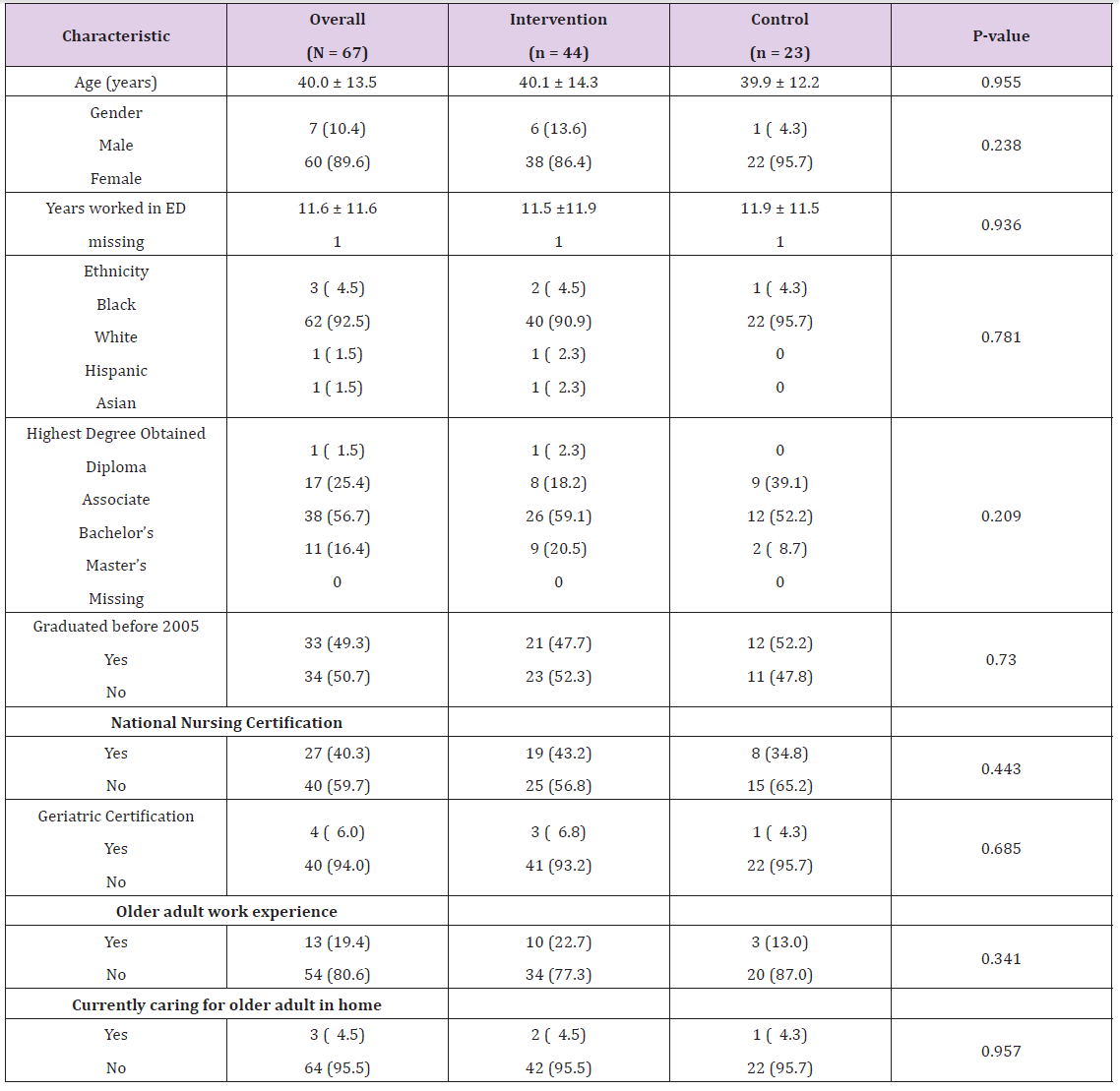
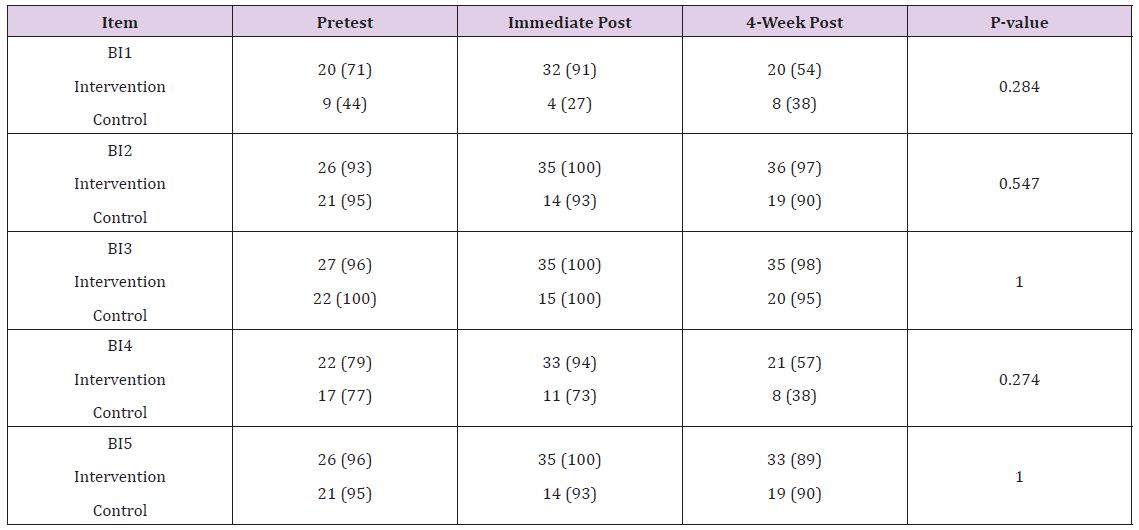
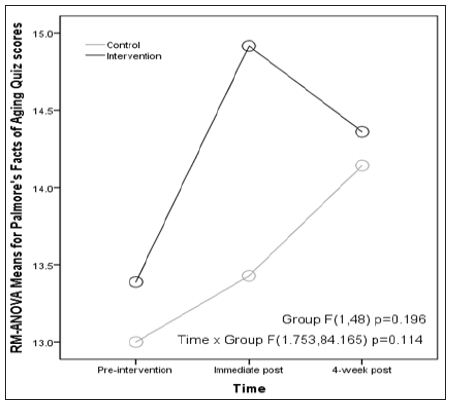
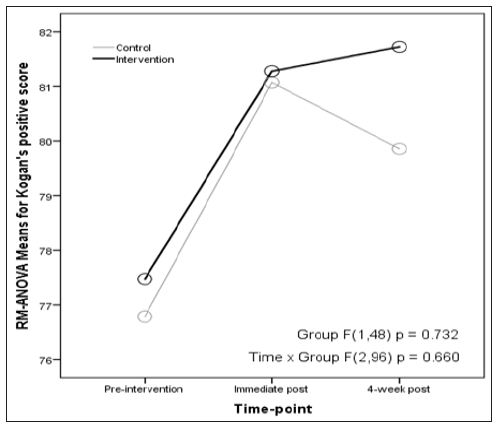
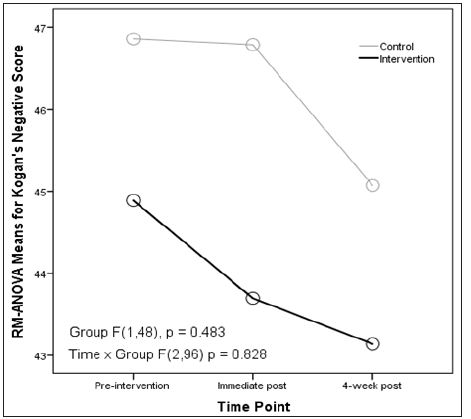
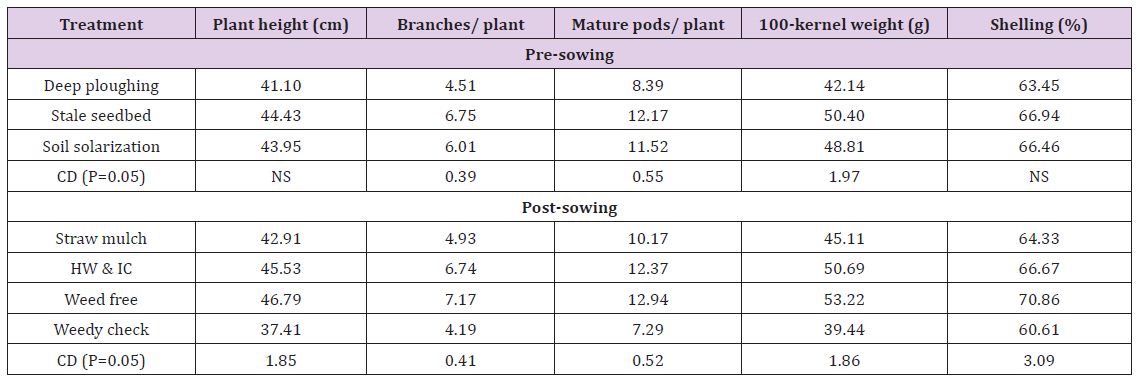
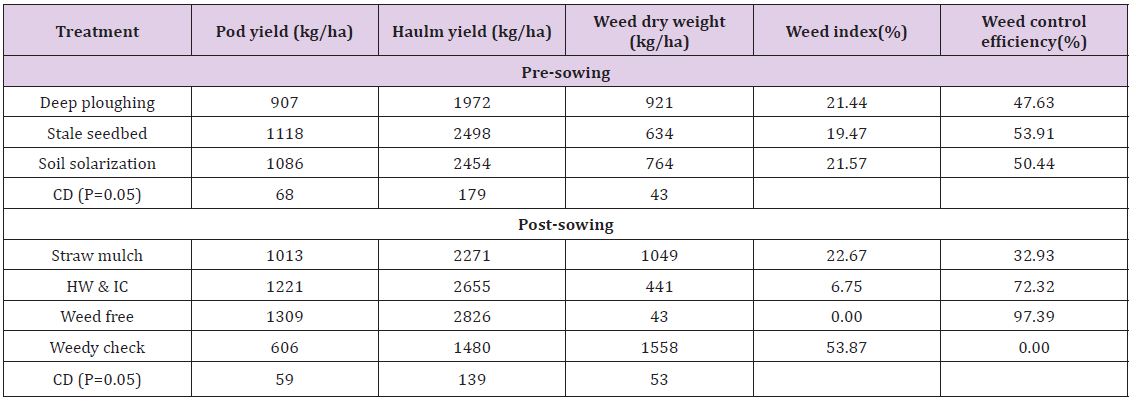
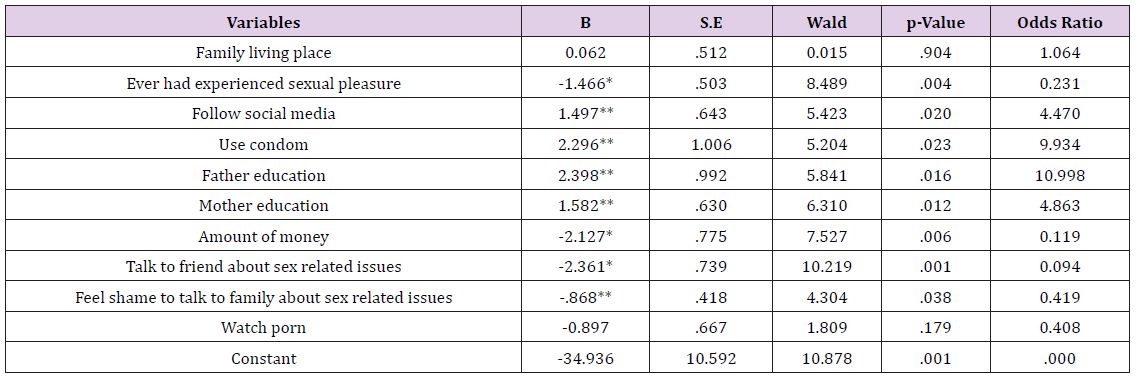
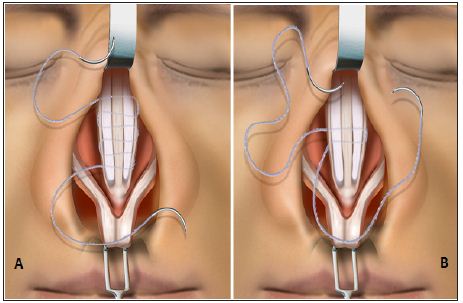

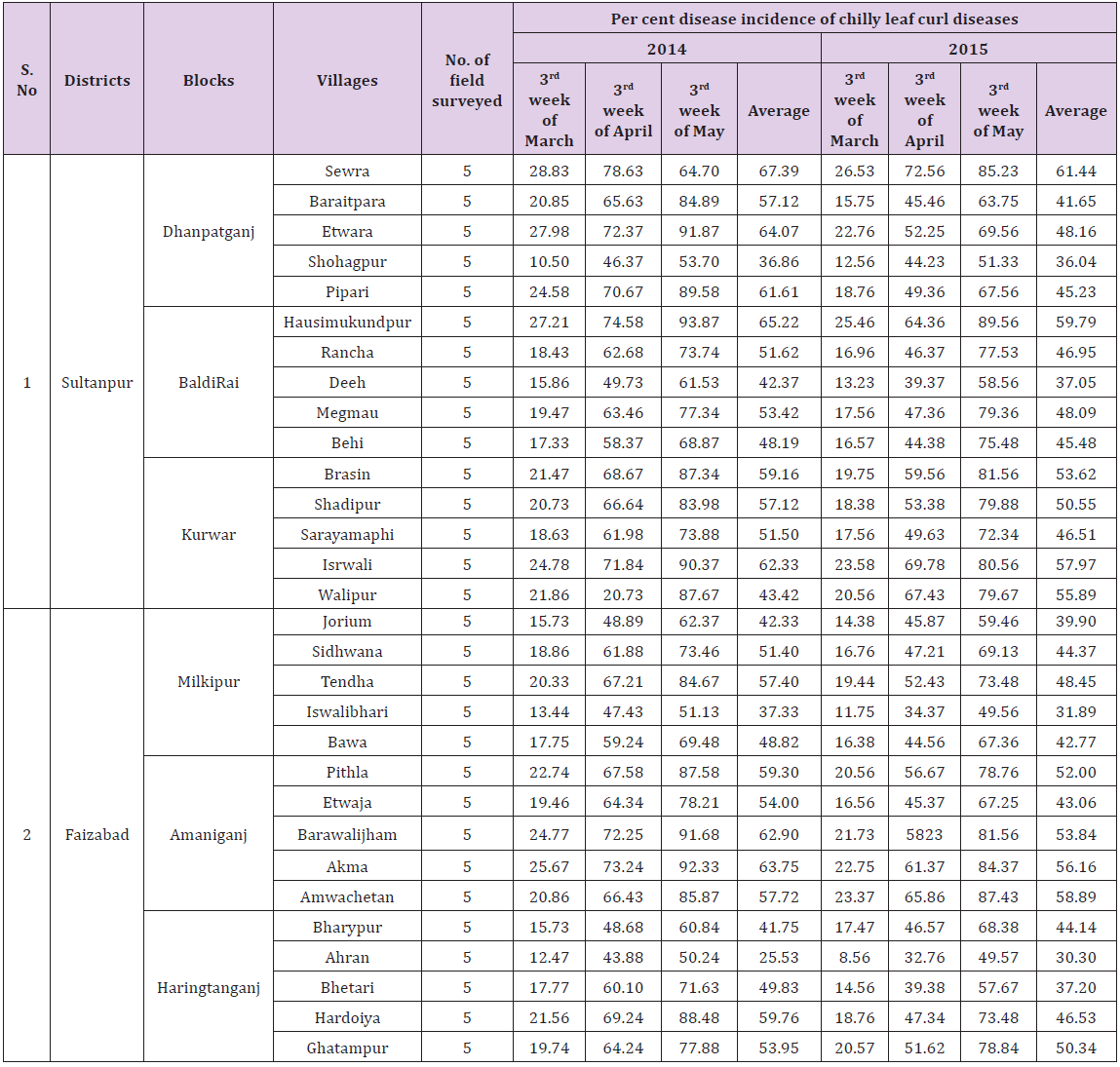
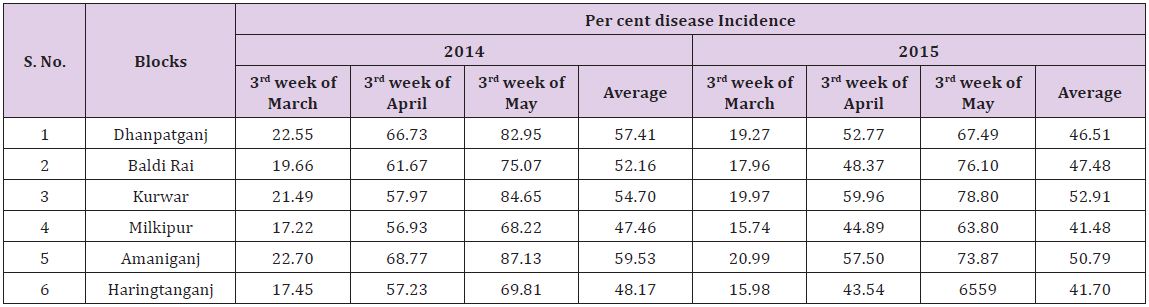


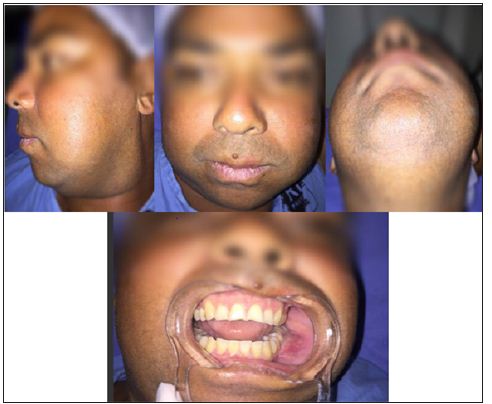
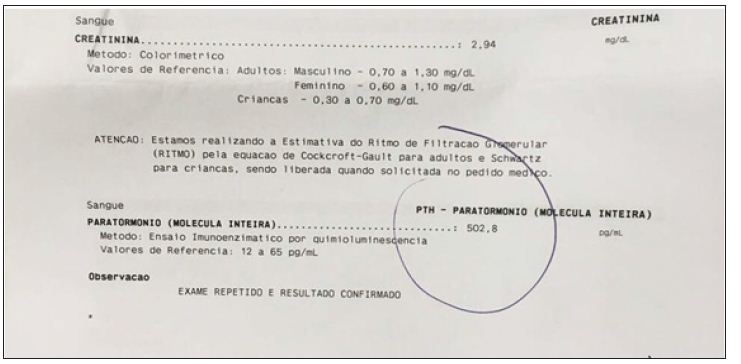
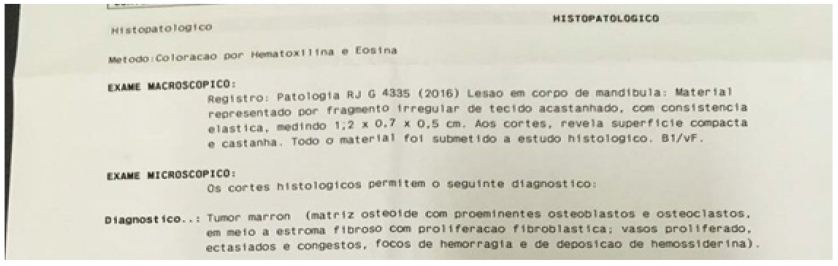
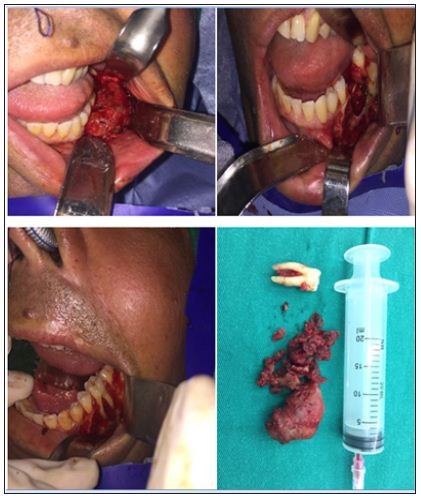
 Biomedical Journal of Scientific & Technical Research (BJSTR)