Journals on Gynaecology

Endometrial sarcoma. Case Report and Review of the Literature

Abstract

Endometrial stromal sarcoma is a rare type of endometrial cancer that is mainly present in older women. There is no specific classification for this type of endometrial cancer and for this reason we use the FIGO classification that is used to stage endometrial type cancers. The main presenting complaint of women with endometrial stromal sarcoma is PV bleeding. Endometrial sarcoma cells are positive for both estrogen and progesterone receptors and have high levels of CD-10 and inhibin. We present a case of a 56 year old lady who came to the RAC due to PMB and scan findings suggesting of endometrial fibroid. Patient undergone a hysteroscopy which shown a large polypoid lesion in the posterior uterine wall and a large fibroid tissue lesion in the endometrium, suggesting of endometrial sarcoma. Patient had MRI and discussed in MDT, as per Trust policy and she had a TAH+BSO. The histology confirmed the diagnosis of low gradeendometrial sarcoma.

Introduction

Endometrial uterine sarcoma is a very rare tumour of the uterine cavity. It accounts for 0.2% of the total uterine malignancies. The annual incidence for this disease is 10-12/1.000.000 cases and the mean age is between 42-58 years. Despite being very rare, is an extremely indolent malignant tumour with local recurrences and distant metastases even 20 years the initial presentation of the disease:

Cytogenetics

Micci et al. [1] in 2006 identified a specific translocation T(7;17) (p15;q21 with involvement of two zinc finger genes juxtaposed with another zinc finger protein 1 and joint juxtaposed with another Zinc protein 1 was described in most of the ESS. Halbwed et al. [2] study shown a strong correlation between chromosomal deletion on 7p and tumor development and progression.

Pathogenesis

We don’t know the exact pathogenesis of endometrial sarcoma, but PCOS, exposure to tamoxifen and unopposed estrogens, have been implicated in the pathogenesis of uterine sarcoma. WHO in 2003 classified endometrial sarcomas, into:

a) Endometrial stromal nodule,

b) Low-grade endometrial stromal sarcoma and

c) Undifferentiated endometrial or uterine sarcoma

Diagnosis

90% of endometrial sarcomas will present with abnormal uterine bleeding and 70% will be associated with uterine enlargement, too. It is also possible to present with pelvic pain and dysmenorrhea. 25% of individuals will be asymptomatic. Tavasolli et al [3], study shows that in 30 to 50% of cases, by the time of diagnosis, endometrial sarcoma was already spread into neighbor organs. Ganjoei TA et al and Jin Y et al study, shown that, in the majority of cases, endometrial scrapping is useful in the diagnosis of the disease, because it involves both the myometrium and endometrium. Both studies shows that, if the disease is isolated in the myometrium, then endometrial scrapping won’t be helpful. Additionally, due to the fact that, endometrial sarcoma has similarities with the normal endometrium, many times is impossible to put the definitive diagnosis based on the endometrial curettage, and we need to await the histologic diagnosis from the hysterectomy specimen.

Radiology

Ultrasound is not a reliable way to diagnose endometrial sarcoma, because of the similar picture with adenomyosis or uterine leiomyoma. MRI can be useful for the preoperative diagnosis, because it has the advantage to show possible metastases and gives more detailed information regarding the endometrial cavity. The presence of low-signal intensity within the area of myometrialinvasion is suggestive of endometrial sarcoma. Additionally, continuous extension of the lesion into the adjacent structures along vessels, fallopian tubes, ligaments and ovaries is diagnostic of endometrial sarcoma.

Immunohistochemistry

CD10 is a cell surface neutral endopeptidase and Zhu XQ et al. (4), endometrial sarcoma cells express high levels of CD-10 and inhibin expression. Endometrial stromal cell tumors are positive for both estrogen and progesterone receptors

Differential Diagnosis

Endometrial sarcoma should be differentiated from neoplasms with arborizing vasculature, highly cellular leiomyoma, cellular endometrial polyp, low-grade mullarianadenosarcoma, and adenomyosis [5].

Prognostic Factors

Prognosis depends on the staging according to the FIGO classification. In the literature, there are several factor which have been associated with poor prognosis, like increased age, black race, DNA aneuploidy, proliferative activity, expression of hormone receptors, etc. Lai et al study, shown that, older patients (>50 years), black race, advanced stage, lack of primary surgery, nodal metastasis, high mitotic count >5/10 high-power fields, CD10 negative or low expression or even lack of progesterone or estrogen receptors were independent factors for poor survival. However, we do know that, generally endometrial sarcomas have better survival rates than other sarcomas.

Treatment

The following are all potential treatment options for the management of stromal sarcomas:

a. Surgery,

b. Adjuvant therapy

c. Hormone therapy and

d. Radiotherapy.

Surgery is the treatment of choice for endometrial stromal tumors. In case of undifferentiated endometrial sarcomas, patient should undergo debulking surgery for cytoreduction, in order to reduce the potential for metastasis. In case of endometrial stromal sarcomas, patient can undergo only hysterectomy with or without salpingoophorectomy. Because endometrial stromal tumors are hormonally sensitive, post-operative hormone replacement therapy, in case of TAH+BSO, is contraindicated. In case of young patients, we might think to preserve the ovaries, if the case is an endometrial stromal sarcoma type 1, in order to avoid early menopause. Chan JK. Study, shown that 10% of those who underwent lymph node dissection had nodal metastases, and the recommendation was to undergo lympha denectomy for both prognostic, but also for therapeutic purposes. Additionally, patients with positive nodal metastasis had significant poorer prognosis than patients with negative nodes. The results of Chan et al study, supported also by several other studies and for this reason the recommendation is for lymphadenectomy, mainly for prognosis, since the therapeutic benefit, should be proved. Adjuvant therapy, should be considered in stage II-IV endometrial stromal sarcoma and involves hormone therapy with or without tumor dissected radiotherapy.

Hormone therapy is an option in case of endometrial stromal sarcoma, because these tumors have estrogen and progesterone receptors. Hormone therapy include: a) megestrol/medroxyprogesterone, gonadotrophin releasing hormone analogues and aromatase inhibitors, like letrazole and anastrozole. Spano JP et al. [6] and Alkasi et al. [7], are 2 case reports which shows 10 year free survival rate for the patients that received aromatase inhibitor for 10 years. Chu et al. [8], study compared the outcome for the patients who received adjuvant megestrol 160mg/day with those who didn’t. The result was, that patients who received adjuvant megestrol, 75% of them didn’t have recurrence of the disease, whereas, patients who didn’t have adjuvant megestrol, didn’t have recurrence of the disease in 29%. In case of recurrent disease, Maluf FC and Petal S suggest a dose of 2.5mg letrazole daily. Radiotherapy, is an option for the stage II-IV endometrial stromal sarcomas, but not for stage I.

Recurrent Disease

Recurrent disease is possible in 1/3-1/2 of cases and limited in the pelvis and lower genital tract. Distant metastasis can occur after years of disease. Chemotherapy is a mode of therapy for recurrent undifferentiated endometrial sarcoma, there is no strong evidence.

Follow-Up And Survival Rates

The 5 year survival rate for the FIGO type 1 is between 54-100%. The relative 5 year survival rate for FIGO type 2 is 30%, whereas for III-IV is only 10%. Since the recurrence rate is very high with this type of tumor, it is essential to have a very thorough follow-up. It shall be once in 3months for the first year, and half yearly for next 4years. Thereafter, annual follow-up is recommended. The relapse free survival depends on the tumor stage, myometrial invasion, adjuvant therapy, and bilateral salpingo ophorectomy.

Case Report

We present a case of low grade endometrial sarcoma, which corresponds to endometrial stromal sarcoma according to the latest WHO classification (WHO 2003). A 56 year old was referred by her GP to the RAC of NPH due to postmenopausal bleeding PMB). Patient was P6, all normal deliveries and she noticed PMB for 3 days. She is taking amlodipine 5mg OD for hypertension, but otherwise fit and well, She didn’t complain of any allergies and she was updated with the smear tests, which were all normal. She was seen on 15th of November 2016, at the RAC of NPH by the Gynaecology Oncology lead. She had prior to the clinic (11th of November 2016) a scan which shown an endometrial thickness of 26mm and a mass in the posterior wall of the uterus, which was typical of a fibroid. In the view of the PMB and the increased endometrial thickness in scan, a malignancy couldn’t be excluded. She was examined by the gynae oncology lead and the findings were: abdomen soft, non-tender, no mass palpated. Speculum examination performed and cervix looked healthy and no obvious cause for PMB was seen. Pipelle attempted,but it was not successful because patient couldn’t tolerate the examination. She was booked for an urgent hysteroscopy (2 week referral) with endometrial biopsy, as per Trust policy. On 28th of November she had a hysteroscopy. Large polypoid lesion was seen in the lower segment of the uterine cavity. A large fibroid was seen in the endometrium and multiple pieces of this fibroid lesion taken and sent for biopsy via resectoscope. We were unable to completely remove the lesion from the lower uterine segment, since there was a high suspicion of being a cancer and we were afraid not to perforate the uterus and causing dissemination of the disease.

The plan was to send the patient for an MRI and to discuss the case in the MDT meeting. On 29th of November, she had an MRI of the abdomen-pelvis. The scan shown a soft tissue which was arisen from the endometrial cavity which corresponds to an endometrial polyp and 4.4×4.6cm heterogenous mass from the posterior uterine wall, which is more suggestive of a fibroid or a malignant lesion arising from the myometrium including a sarcomatouslesion . On 29th of November we had the results of histology which shown: low grade endometrial sarcoma. On 2nd of December we discussed the case in the MDT meeting with the gynae oncology lead in Hammersmith hospital, which is a tertiary referral unit for North West London and the plan was for a total abdominal hysterectomy and bilateral salpingoophorectomy. The histology confirmed the diagnosis of a low grade endometrial stromal sarcoma. As per FIGO classification, the sarcoma was of stage 1B, since the tumor was confined to the myometrium. Microscopically, tumor cells express CD10, SMA, bcl-2 and CD99, but they were negative for desmin, h-caldesmon, melan-A, HMB45, S100 and CD34. We present this case, in order to point the complexity of the case, the rarity and of course, the importance of MDT meeting when you have high suspicion of cancer, without having the histological findings, yet.

Discussion

Endometrial sarcoma is a very rare malignancy of the endometrial cavity and is more frequent in older women. Sarcoma cells have very high hormonal affinity, both estrogenic and progesterone, they have high incidence of recurrence and for this reason follow-up is highly recommended even after the 5 year protocol and the treatment of choice is always total abdominal hysterectomy with bilateral salpingoophorectomy.

For M For More Articles: Biomedical Journal Impact Factor: https://biomedres.us

Journals on Dentistry

Flapless Dental Implant: Contemporary Trends in Literature Coverage

Abstract

The past decade in medicine it has been established the concept of minimally invasive surgery, consisting in taking advantage of advancements experienced in diagnostic techniques and specific surgical instruments, to perform surgical procedures infringing as less damage as possible to the patient. The present work aims to produce a thorough review of the literature published on the field of Implantology with flapless implant surgery, to determine the current scientific evidence of the technique. After presenting the contemporary trends in literature coverage, we can say that flapless surgeries should be restricted to well-selected cases in which a proper clinical and radiological planning has been made.

Introduction

The cause of the increased initial bone loss within the first year after insertion in not fully understood, and based on data available to date there is evidence that effect of surgical trauma caused by raising a mucroperiosteal flab is a subject of scientific investigation [1-4] The idea that the attendant temporary interruption of the blood supply to the outer layers of the bone could possibly cause increased alveolar ridge resorption [1-5] Maier reported a prospective cohort study for measurement of a mean cumulative crestal bone loss after one year of implant placement with flapped or flapless surgery. It was reported that flapless implant insertion caused less peri-implant loss than implant insertion with flap preparation. Therefore, the flapless procedure represents a protective and promising method in implant surgery [1,6,7] Laleman et al. [8] reported a systemic review for guided implant surgery in the edentulous maxilla, nevertheless, almost all implants included in this review were placed without flaps.

Theoretically, this could have several advantages: the procedure is less time consuming, bleeding is minimal, implant placement is expedited and there is no need to place and remove sutures [8- 10]. Prati et al. [10] reported a 3-year prospective cohort study to evaluate the survival rate and marginal bone loss (MBL) of 132 calcium phosphate-blasted implant inserted by a flap or flapless technique and to study the morhochemical characteristics of the implant surface. It concluded from pratie. Study that flapless and flap technique demonstrated similar results of MBL at the preloading healing period and at the months to 3 years post-loading periods. Both surgical procedures induced an early MBL during the preloading stress-free period. Implant diameter, mandibular/ maxillary location, preloading stress-free period, and smoking habits affect MBL more than the type of surgery after both short and long-term follow-up [9,10].

Hsu et al. [11] reported a study for a comparison of clinical and radiographic outcomes of platform-switched Implants with a rough collar and platform-matched implants with a smooth Collar as one year randomized clinical trial. Our concern in this study is the suggestion of the feasibility and predictability of single implant placement with a flapless approach and an early loading protocol in the esthetic zone [11] The overall implant survival rate was comparable with those seen in previous studies using either the flapless technique or an early loading protocol [12]. With the limitation of Hsu et al study, they concluded the computer-aided flapless surgery in conjunction with an early loading is a feasible and predictable approach, with a 100 % survival rate after 1 year of function in this population, and the flapless approach helped to maintain soft tissue profile in the esthetic region. The mean marginal bone loss was less than 1 mm in both groups, and soft tissue profiles remained stable for up to 1 year of function. Additionally, all patients in both groups expressed high satisfaction [12].

Review of Literature

Pub Med databases were used to search for published articles about flapless implant technique. The search term “flapless implant,” sorted by “publication date “ for the last 5 years was used to capture all relevant articles [13] Additional hand searching was performed to examine five main journals in the field: The International Journal of Maxillofacial Implants, Journal of Oral Implantology, Implant Dentistry, European Journal of Oral Implantology, and Clinical Oral Implant Research. Clinical studies, clinical trial, systemic reviews and case series using this technique were included. Letters to the Editor, animal studies, non-English publications, and unpublished articles were not sought. Some articles were directly excluded after reading only their titles. At this stage there were 42 articles included, and the inclusion and exclusion criteria were defined. These articles were included in introduction and discussion in addition to that, more reviews of literature had been included regarding flapless implant technique.

Main Outcomes of Selected Studies

In recent implant dentistry, computer-assisted surgery (CAS) is becoming more popular and achieves prosthetically driven implant placement [14] CAS was first introduced by Van Steenberghe et al. [ 15,16] The key to computer planning is transferring the planning to the patient using a surgical template that allows placement of the implant directly through the tissue without the reflection of the flap [17-19] Furthermore, immediate restoration is possible because of precise fit, excellent primary stability achieved, and the ability to make a pre-implant model [20] This procedure allows restoratively driven implant placement and restoration to provide a more natural environment for soft tissue formation [21,22]. Nevertheless this approach will be promising future for esthetic zone areas without any intervention for alveolar bone exposure or soft tissue reflection. Recent studies reported identified risk factors for flapless implant surgeries such as type 4 bone, smoking, periodontal disease, the immediate loading only in the flapless group in some studies is a confounding factor, the use of grafts, the use or not use of surgical guides, different prosthetic configurations, and the insertion of implants from different brands and surface treatments [23-26].

Discussion

El Chaar and Castano were conducted a retrospective review of patient records in a single private practice to evaluate the efficacy of immediately placing a novel implant design in posterior jaw locations using a flapless technique [27]. Within the Limitation of this study, it was concluded Implants immediately placed into fresh extraction sites and definitively restored with single-tooth restorations no sooner than 4 months after implant placement achieved survival and success outcomes greater than 95%, which is equivalent to reported outcomes for implant-supported, singletooth restorations subjected to conventional delayed placement and loading protocols. Periodontitis and other co-morbid conditions did not influence the outcome [27[ therefore, the use of flapless implant placement as a “routine” procedure in daily practice need more expertise and professional surgeons, nevertheless during implant surgeries, surgical trauma and patient morbidity should be confined to a minimum [28,29] Overall, to accurately assess the merits of the flapless technique, more studies with similar loading protocols that objectively compare conventional surgery with a flapless approach are needed. Importantly, the available short-term data demonstrate that flapless surgery, initially recommended for novice surgeons, requires more experience and presurgical planning than was originally assumed. Furthermore, this technique is often more demanding than the conventional surgical approach [30]

(Recent studies) Romero-ruiz et al reported different advantages which increase the demand by clinician and patients [31,32]:

a. Faster healing of soft tissue [1].

b. Minimal interference on the blood supply

c. Reduction of bleeding.

d. Reduced surgical time [2].

e. Lower morbidity and an increase on patient comfort [3].

f. High survival rates [33].

Meanwhile, as noted from the revision of the scientific evidence, flapless technique presents certain limitations [34]:

A. A blind technique which lead to the lack of flap reflection and the small diameter of mucous openness make a minimal surgery field exist, thus the vision is very limited, being hindered the correct view of cortical, the form of the crest or the concavities. This will ease the arising of complications such as fenestration of cortical, bad implant placing and its bad angulation.

B. Risk of damaging anatomic structures.

C. Difficulty of keratinized gum which is lack of keratinized gum does not influence on the success of implants in the long term, the currently most-followed trend is that, although it is not essential, the failure rates are higher when there is little or no keratinized gum around the implant [5].

D. Impossibility of flap handling for aesthetic reasons which explain, not lifting a flap and limiting the openness to just a few millimeters, makes very difficult to conduct this periodontal plastic surgery technics to increase the volume of soft tissues buccal to the implant, or improving the situation and volume of the papilla. For this reason, in those cases in which there is little volume of soft tissues it will be better to conduct a conventional surgery for improving the situation of peri-implantary soft tissues [35].

E. Impossibility of evaluating and treating bone defects which leads to low visibility which prevents the correct evaluation of bone crest and determining the existence of irregularities such as dehiscences or fenestrations that may compromise the correct intraosseus placing of the implant [36].

F. For all this, flapless surgeries should be restricted to well-selected cases in which a proper clinical and radiologicalplanning has been made. Patients treated with anticoagulant drugs or medically compromised equally can get benefitted by this minimal invasion technique.

Conclusion

Flapless technique in Implantology falls within the concept of minimally invasive surgery that has been taking prominence throughout last years in different medical disciplines. In Implantology, this technique allows to make intervention with a minimum aggression to both the bone and soft tissues, shortening the surgery time and achieving high levels of satisfaction by the patient. However, the technique is not exempt from complications and limitations; the main obstacle of flapless surgery is the fact of limited visibility of the drilling and during implant placement, so the risk of causing wrong bone directions or damaging neighbor structures is higher than with the conventional technique. The impossibility of performing bone regeneration or soft tissues handling technics would be the other great inconvenience of the technique. For all this, flapless surgeries should be restricted to well-selected cases in which a proper clinical and radiological planning has been made. Patients treated with anticoagulant drugs or medically compromised equally can get benefitted by this minimal invasion technique.

For More Articles: Biomedical Journal Impact Factor: https://biomedres.us

Journals on Agricultural Sciences

Effect of Inclusion Rate of Effective Microbes (Em) On Growth Rate of Lambs Fed Low Protein Diet

Abstract

Background: A great majority of animal feed is roughage based (poor in quality) in crop-livestock mixed farming system of southern Ethiopia. EM is considered as one of the options that may improve poor quality feeds dominant in the area. A study was conducted to determine inclusion rate of effective microbes (EM mixed with wheat bran, EM-bokashi) on growth rate of lambs fed low protein diets at Dubo Mante research sub-station.

Materials and Methods: Twenty four (24) post pubertal male sheep of similar age (about 12 months age) with an average weight of 14.1±1.74 kg were purchased from local market. The lambs were assigned randomly to one of the four treatments (T1=0% EM, T2=1% EM, T3=3% EM, T4=5% EM). Water and Rhodes (Chlorias gayana) hay were offered ad libtum.

Result: EM-bokashi supplemented at 5% resulted in significantly (P < 0.05) higher intake and growth rate in terms of weight gain than those supplemented with 3% EM-bokashi. Likewise, lambs supplemented with 3% EM-bokashi showed significantly (P < 0.05) higher growth rate than those supplemented with 1% while the difference between 1% and the control (0%) is not significant. Similarly, lesser disease occurrence was observed in lambs supplemented with EM-bokashi than untreated animals. Supplementing 5% EM-bokashi added 51.2% and 43.6% additional economic incentives over the control and 1% EM level, respectively. Generally, both weight gain and profitability increased as level of EM supplementation advanced.

Conclusion: Additional weight in terms of daily weight gain and profitability considered in this experiment are crucial in the livelihood of small-scale farmers. Hence, 5% EM-bokashi could be recommended as biologically and economically profitable inclusion level for lambs fed on low protein diet under smallholder farmer’s management conditions.

Key words: Lambs; Growth; Roughage; Strategic supplementation; Effective micro-organisms

Abbreviations: BED: Breeding Evaluation and Distribution; SAS: Statistical Analysis System; EM: Effective Microorganisms; CBR: Cost Benefit Ratio

Introduction

Small ruminants are integral components of crop-livestock mixed and serve as investment and insurance due to high fertility, short generation interval and their ability to produce in limited feed resource and their adaptation in harsh environment Tsedeke [1], Deribe et al. [2] Smallholder farmers raise sheep and goats as a major source of meat and immediate cash income in different parts of the country. Despite large number and importance of sheep in the areas, productivity is low due to a number of factors among others feed shortage both in quality and quantity, and health constraints Tibbo et al. [3-5]. The limitation in production due to shortage of feeds and poor nutrition is usually profound in areas where high seasonal dynamics in feed sources, fragile ecologies and environments exposed degradation.

Moreover, a great majority of feeds in crop-livestock mixed farming systems is roughage feeds with low feed values. Improving feeds and nutrition through technologies that improves rumen fermentation of roughage feeds, improves protein supply to micro organisms and reduce methane emission is important to boost the overall productivity, health, and well-being of sheep flocks Woju [6]. In this regard, use of effective microbes (EM-bokashi) for better management of crop residues is thus imperative Safalaoh and Smith [7]. EM is a mixture of groups of organisms that has a reviving effect on the natural environment Daly and Stewart [8] and consists of around 80 species of selected beneficial microorganisms including lactic acid bacteria, yeasts, photosynthetic bacteria, and actinomycetes, among other types of microorganisms such as fungi Xu [9].

The technology of Effective Microorganisms commonly termed (EM Technology) was developed in the 1980’s at the University of the Ryukyus, Okinawa, Japan. The inception of the technology was based on blending a multitude of microbes, and was subsequently refined to include three principal types of organisms commonly found in all ecosystems, namely Lactic Acid bacteria, Yeast Actinomyces and Photosynthetic bacteria Higa [10]. The use of EM in animal husbandry is clearly identified in many parts of the world. A study in Asia where EM was first introduced and is used extensively reported the successful use of EM in poultry and swine units Konoplya and Higa [11] and is added to feed and sprayed for sanitation in these units. Research in South Africa also highlight the potential of using EM for treating pig manure Hankoen et al. [12], which promotes growth of the animals.

According to Yohgzhen and Weijiong [13] and Anon (2002) EM has shown to reduce odour of livestock waste and accelerates conversion into manure compost Yohgzhen and Weijiong [13]. EM as additive improves physiological activity in animals and better feed conversion efficiencies Konoplya and Higa [11]; Safalaoh & Smith [12]. EM prepared mixing with wheat bran (EM-bokashi), creates Probiotics, which increases quantity, availability, digestibility and assimilation of nutrients in animal body. EM equilibrates the micro-flora within the intestines of the animals and consequently improves feed conversion and weight gain due to increased nutrient assimilation. EM reduces production of methane suppresses disease-inducing organisms Higa [10]. In Ethiopia, the assumption that non-conventional supplements such as EM could help reduce high price of concentrates that had been used rumen manipulation and efficient use of fibrous feed materials as., Therefore, this study was designed to inclusion level of EM to be included as an additive in low quality feeds to boost small ruminant production in croplivestock mixed farming systems of southern Ethiopia.

Materials and Methods

Study area Descriptions

The study was conducted at Areka Agricultural research Centre, Mante Dubo experimental sub-station, located at about 305 kms from Addis Ababa and 200 kms from the regional city, Hawassa, through Wolaita soddo road. The station is located at an altitude of 1711 meters above sea level (masl) and situated at N 07’ 06.4312` and E037’ 41.688`. The station has 39 hectares of land, of which about 27 ha is used for grazing. The rainfall of the area is 100-1200 mm with bimodal type of rainfall, the heavy rainy season from July to September while light rainy between March to May. Production of forage such as ‘desho’ (Pennisetum pendicellatum), Napier grass (P. pedicellatum), rhodes grass (Chlorias gayana) and others is commonly produced and distributed for Dorper sheep breeding, evaluation and distribution (BED) site to improve mutton yield of local sheep breeds. There are huge crop leftovers and grass hays produced for livestock feeding during dry season but are poor in quality.

Experimental Animal and Housing Arrangement

Individual pen prepared and partitioned using wooden poles and timber materials. Twenty four (24) post pubertal male lambs of similar age (less than one year) with an average weight of 14.1±1.74 kg were purchased from the local market, Doyogena woreda of southern region. The lambs were kept in quarantine for fifteen days for acclimatization and to monitor their health condition and ensure that they are protected from diseases. Six (6) lambs were assigned for each treatment and grouped (blocked) by their weight and put under each feed treatment. All lambs were dewormed with recommended dose of Albendazole before the trial started.

EM of different treatment level was added as a supplementary feed with a recommended feed intake percentage for small ruminants. Fifteen weeks weight gain data were collected. Feed troughs were made empty 1-2 hours before the next feeding. The basal feed, Rhodes hay (with 85 % DM, 7.13% CP, 70.24% NDF and 60.61% in vitro digestibility) offered ad libtum and lambs were watered twice a day. Three hundred gram of wheat bran (as feed basis mixed EM, EM-bokashi) was offered as a supplement for all experimental animals under each treatment. The treatments were, T1=control (without EM-bokashi), T2= 1% EM-bokashi, T3=3% EM-bokashi and T4=5% EM-bokashi. The supplementation was expected total feed intake (600 gram) as feed basis in the total mixed ration.

Data Collection and Analysis

Weight (initial weight, weekly weight and final weights), health condition and other disease records were collected. Frequency of disease occurrence was analyzed with descriptive statistics. The data were analyzed using General linear Model of Statistical Analysis System (SAS, 2008). Means were separated using Tukey’s test at P < 0.05.

Results and Discussion

There was great variation in weight gain between sheep fed different level of EM-bokashi supplementation. EM-bokashi of 1% supplementation was not significantly (P > 0.05) different from the control (without EM-bokashi supplementation). Lambs fed on 5% EM-bokashi supplementation showed the highest body weight gain as compared to other supplementation levels. The highest level of supplementation (5%) was in line with other literatures done on small stock and poultry. Increasing EM-bokashi supplementation level beyond 5% has not been suggested. The body weight increase with the increasing level of EM-bokashi supplementation in this experiment agrees with other experiments conducted in Debrezeit Agricultural research centre with more level of supplementation in water solution Woju [6] and in Nepal Dahal [14]; Daly et al. [8]. This could be due to improved CP content of the mixture in the 5 % EMbokashi in comparison with other level of supplementation Asfaw [15]; Woju [6] (Table 1).

Table 1: Mean daily weight gain (g/day) of lambs supplemented with EM-bokashi fed on low protein diet.

Six types of disease were diagnosed during the experimental period but no death occurred. Systemic infection was diagnosed on all experimental animals under each treatment group with more frequency under control group (3 times) followed by 1 % EMbokashi (2 times). But it was the same in the other two levels of treatments (3% and 5% EM-bokashi supplementation) (1 time). Pneumonia was diagnosed with equal frequency in the control, 1% and 5% but not in the 3% EM-bokashi supplementation. Orf occurred with similar frequency and duration in all treatment groups on almost all experimental lambs. The lower frequency of occurrence of systemic infection under the two higher level of supplementation may indicate the effect of EM-bokashi on improving health condition of animals Bruchem [16,17]. The result is also in line with the findings of Woju [6] who reported reduced disease and methane emission from EM supplemented animals (Table 2).

Table 2: Mean daily weight gain (g/day) of lambs supplemented with EM-bokashi fed on low protein diet.

Growth Rate

The average initial weight of the lambs used in this experiment was not significant among the treatments (Table 3). At the beginning of the experiment due to adaptation or the depressing role of EM-bokashi, the control was significantly higher compared to treatment effects up until 105 days of age while the final weight of the lambs supplemented with the highest level (5%) of EMbokashi was significantly higher compared with T3. Likewise,sheep treated with T3 had higher final growth rate compared with T2 while the differences between T2 and the control was not significant in the majority of the cases. The results agree with other reports Safalaoh & Smith [12]; Woju [6]. The fact that rumen fermentation improved due to EM supplementation, productivity per unit feed improves under EM supplementation Woju [6] (Table 3).For the first 90 days, lambs fed on diets without of EM-bokashi supplementation were better than those supplemented with EMbokashi (Figure 1). However, when lambs adapted to experimental diets the differences between supplemented and not supplemented become more profound. The results agree with reports of Safalaoh and Smith [7] and Woju [6] (Figure 1).

Table 3: Growth rate of lambs fed low protein diet and supplemented with EM-bokashi.

Means with the different letters (a,b,c) are not significantly different at 5% level of significance; Wt, weight

Figure 1: Trends of weight changes over experimental period of lambs supplemented with effective microbes (EM-bokashi) and fed on low protein diets.

Partial Budget Analysis

Profitability was calculated using Cost Benefit Ratio (CBR). In this economic analysis labour cost incurred for feeding experimental animals during the trial period was not considered as it exaggerates the expense. EM (liquid) used in this experiment was purchased from Woljeejii Agricultural Industry P.L.C and labour cost for bokashi preparation was included in bokashi purchase cost. As it is shown in the table below, 5 % EM-bokashi supplementation is profitable under this experiment. The emerging industrial options globally and in areas where this study conducted are an opportunity to efficiently utilize the technology options Woju [6] (Table 4).

Table 4: Estimation of partial budget for lambs supplemented with EM-bokashi fed on low protein diet.

Conclusion

Small ruminants, particularly sheep, are dependent on hay and crop residues in crop-livestock mixed farming systems. Animals lose weight during the dry season as most of the feeds in this period are poor in quality. Technological options that improve feed intake and rumen digestibility of these bulk feeds is essential to boost productivity. In this experiment, both weight gain and growth rate increased as level of EM-bokashi supplementation increased. Inclusion of EM-bokashi at 5% has also been supported with economic profit. Moreover, the frequency of disease occurrence reduced with increased level of EM-bokashi supplementation. Hence, EM-bokashi supplementation at 5% level is biologically and economically profitable for lambs fed on low protein diet under smallholder farmer’s management conditions.

Acknowledgment

SARI, Southern Agricultural Research Institute, funded this study and is dully acknowledged. Areka Research centre provided facilities and financial support to undertake the experiment.

For More Articles: Biomedical Journal Impact Factor: https://biomedres.us

Journals on Agricultural Science

Effect of Inter and Intra-Row Spacing on Yield and Yield Components of Lettuce (Lactuca Sativa) in South East Tigray, Ethiopia

Abstract

Development of recommendation on appropriate plant spacing is one of the important agronomic practices to increase the productivity of lettuce. Therefore, a field experiment was conducted to assess the response of Tesfa Mekelle lettuce variety to different inter and intra row spacing in 2014 cropping season at Illala. The experiment was arranged in a factorial combination of three levels of intra row spacing (30, 40 and 50cm) and two levels of inter row spacing (60 and 70 cm) in randomized complete block design (RCBD) with three replications. The result revealed that plant spacing showed significant effects on leaf number per plant, plant width and fresh biomass yield per hectare. Conversely, the treatment combinations did not significantly affect plant height and leaf length. The highest number of leaves per plant was recorded at 50 x 60 cm intra and inters row spacing and the lowest was obtained from 30 x 60cm intra and inters row spacing respectively. The highest biomass yield (53.6 ton ha-1) was recorded at 40 x 60cm and no further increases was observed when intra spacing increase to 50 cm nor inter row spacing increase up to70cm. The lowest was recorded in spacing 50×70cm. Therefore, it is vital to demonstrate the best treatment (40x60cm) under farmer’s conditions.

Key words: Lactuca Sativa; Inter and intra spacing; Biomass yield

Introduction

Lettuce (Lactuca sativa L.) an annual leafy herb belongs to the family Compositae is one of the most popular salad crops and occupies the largest production area among salad crops in the world. It is popular for its delicate, crispy texture and slightly bitter taste with milky juice as fresh condition. It is the most popular amongst the salad vegetable crops [1]. It is usually used as salad with tomato, carrot, cucumber or other salad vegetable and often served alone or with dressing. Likewise, in Tigray, Lettuce is an important cash and food security crop for small holder farmers and fresh salad retailers. The lettuce which was grown in the region before was early bolting which is nationally released where farmer use traditional way of planting without distinct inter and intra row spacing.

To date a new lettuce variety was released by the Mekelle Agricultural research center. This variety (Tesfa Mekelle) was the first of its kind and its yield and maturity period are higher and longer and tend to form larger leaves which makes it preferred by farmers for commercial purpose. Successful production of any crop however, requires its own agronomic practices among which plant spacing is one of the factors that can affect vegetable quality and quantity. Optimum plant density ensure plants to grow uniformly and properly through efficient utilization of moisture, nutrients and light resulted in maximum yield of lettuce [2]. Nevertheless, information on plant population has been limited for lettuce production particular for the newly released variety. Therefore, this study was initiated with the objective of assessing the effect of different intra and inter-row spacing on growth and yield of the newly released lettuce variety.

Materials and Methods

Description of the Experimental Site: The experiments were carried out at Illala which is geographically located in the south east of Tigray found at elevation of 1970 meters above sea level at 250 5 ‘N Latitude and 390 6 ‘ longitudes. The average minimum and maximum temperature for the aforementioned growing season was 11.1 oC and maximum temperature was 26.5 oC.

Experimental Design and Treatments: The study was conducted in 2014 cropping seasons. The experiment was arranged in a factorial combination of three levels of intra row spacing (30, 40 and 50cm) and two levels of inter row spacing (60 and 70 cm) in randomized complete block design (RCBD) with three replications.

Experimental Procedures: Prior to planting, surface (0-20 cm) soil samples from twelve spots across the experimental field were collected in a zigzag pattern, composted and analyzed at Mekelle soil laboratory research center for pH, texture, soil OC, total N and available P using the standard laboratory procedure to determine the initial soil characteristics of the experimental site. The improved lettuce variety Tesfa mekelle was sown in the nursery and the seedlings were transplanted at 5-6 leaf stage towel prepared beds in the field. Fertilizer was applied at the recommended rate and the field was irrigated every week to meet the water requirement of the crop. All agronomic management practices were done as per the recommendation.

Data Collection and Measurements:

i. Plant Height: The height of the main plant was determined by measuring from the border of the soil to the top of the main plant stem.

ii. Number of Leaf per Plant: It was determined by counting the healthy leaf by selecting four plants randomly from each treatment and average leaf number was taken.

iii. Leaf Width: It was measured by selecting four plants randomly from each treatment and the average leaves width was taken in cm by measuring the width at the middle part of the leaves (at widest part of the leaves)

iv. Fresh Leaf Weight: The average fresh biomass yield was measured by selecting four plants randomly from each treatment by uprooting them from the ground and remove the soil from the root part of plant loose soil and weigh immediately.

Data Analysis: All data were subjected to analysis of variance following statistical procedures of SAS software program version 9.2 (SAS institute, 2003). Whenever treatment effects were significant, the means were separated using the least significant difference (LSD) and LSD fisher procedures at the probability level of( p < 0.05)

Result and Discussions

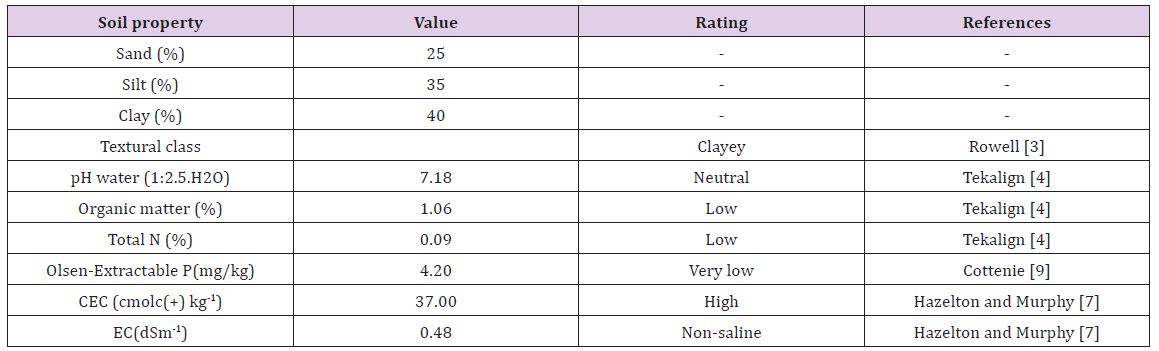
Soil Physico-Chemical Properties: The selected physicochemical properties of the soil of the experimental site are shown in Table 1. The soil of the study area is Vertisol with a clay texture [3] with a particle size distribution of 40% clay, 35% silt, and 25% sand. High clay content may indicate the better water and nutrient holding capacity of the soil in the experimental site. The soil reaction is slightly neutral according to the rating of Tekalign [4-6], indicating that it is suitable for growing most crops. Based on the limit set by Hazelton and Murphy [7,8], the soil has high CEC. The data further revealed that the soil is low in available P [9] and low in total N content and organic matter [4], indicating that the native nitrogen and phosphorus contents of the soil are inadequate for optimum growth of crops, which also seriously constrains the production of lettuce. Therefore, the soils need fertilizer amendment for successful lettuce production. The soil falls in the category of non-saline soils according to the rating of Hazelton and Murphy [7] (Table 1).

Table 1: Selected physical and chemical properties of the soil of the experimental site, Illala, Tigray./p>

Effect of Inter and Intra Row Spacing On Plant Height and Leaf Length: Data in Table 2 indicated that plant height and leaf length was not significantly influenced by the planting density.

Table 2: The effects of intra and inter row spacing on agronomic trait of lettuce, Illala, Tigray.

Means of the same parameter in a column followed by the same letter are not significantly different at P= 0.05 according to LSD Fishers Protected.

Effect of Inter and Intra Row Spacing On Leaf Number/ Plant: Leaf number responded significantly (P<0.01) to intra and inter row spacing. Leaf number increased as the intra row spacing increased. The highest number of leaves per plant was recorded from 50×60 cm. Increasing intra spacing from 30 to 50 cm significantly increased leaf number per plant. When the inter row spacing was kept constant at 60cm leaf number per plant increased by about 41% and 24% compared to 30cm and 40cm intra row spacing respectively. However, when the interspacing was kept constant at 70cm increasing spacing from 30 to 50 cm did not significantly increased leaf number per plant. This indicates that interspacing beyond 60 cm have no value as the highest is achieved under 60cm inter row spacing treatment.

Effect of Inter and Intra Row Spacing on Leaf Width per Plant: Leaf width of lettuce was significantly (P<0.01) varied in response to plant spacing. The highest leaf width was recorded from the wider spacing (50 x 70 cm) as compared to the closer spacing (30 x60 cm). However, in spite of the highest width total biomass yield was the lowest attributed to the less plant population.

Effect of Inter and Intra Row Spacing on Fresh Yield: Fresh yield of lettuce responded significantly (P<0.01) to the effects of different spacing. Fresh yield of lettuce was the highest (53.6 ton ha-1) in 40×60cm spacing with 23 % yield increment over plants spaced in 30×60 cm and yield decreased further when intra spacing increase to 50x60cm. These results are in agreement with Donald (1963) who also reported that as plant population increases yield also increases proportionally then decreases after it reaches a certain level. The significant increase in fresh yield in response to 40 x 60 cm spacing might be attributed to the optimum plant density per unit area of land. Concomitant with the results of this study, higher yields in response to closer spacing over wider spacing was reported by Moniruzzaman [10,11]. The low yield under 30cm intra spacing could be attributed to less spacing for each plant so the plant does not acquire optimum space for growth due to intra plant competition for light and nutrition. Similar results were reported in carrot Mengistu and Yamoah [12]. Keeping the inter spacing at 70cm and increasing the intra spacing subsequently decreased the biomass yield progressively which might be attributed to insufficient utilization of the growth factors. Hence, the wider spacing 50cm x 70cm gave the lowest yield. These results agree with Firoz et al. [2] who stated that improper plant spacing may cause either too dense or too sparse population resulting in the reduction of lettuce yield [13] (Table 2).

Conclusion

The results of the present study revealed that intra and inter row spacing markedly affected biomass yield, leaf number and leaf width of lettuce. Intra and inter row spacing of 40×60 cm was found to produce highest biomass yield. Keeping inter row spacing at 60cm, intra spacing beyond 40cm decrease yield due to low plant density whilst, intra row spacing below 40cm decrease yield due to plant competition for light, water, nutrition and other growth requirements. Keeping the inter row spacing at 70cm constant all intra row spacing recorded the lowest biomass yield as compared to 60cm inter row spacing at all intra spacing . Therefore, it could be recommended that lettuce plants should be grown in 40×60cm intra and inter row spacing. It is however, suggested to further evaluate the best treatment across a wider range of agro-ecological zones [14-16].

For More Articles: Biomedical Journal Impact Factor: https://biomedres.us

Journals on Orthopaedics

Correlations Between Degree of Limb Ischemia in MESS (Mangled Extremity Severity Score) Score in Predicting Amputation or Limb Salvage in Crush Injury at Hasan Sadikin Hospital, Bandung

Abstract

Background: Crush injuries to the lower extremities have proven to be a profound challenge to the surgeon. Complex decisions inevitably center about whether to attempt heroic efforts aimed at limb salvage or to proceed with primary amputation. There are many guidance score that can be objectively help surgeons with the decisions. One of them is MESS Score.

Objective: The purpose of this study is to find the correlations between degree of limb ischemia in MESS score component in predicting treatment to Crush lower limb injury patients.

Method: We reviewed the medical record for patients with severe injuries to the lower leg in five years on period of January 2014 to September 2017. The research is a retrospective analytic diagnostic study in 32 patients with 1,7-80,2 range of age (mean=40.95 year old) who suffered from severe lower limb injury. Data was processed based on MESS Score. MESS includes 4 points of observation, which are skeletal& soft tissue injury, degree of limb ischemia, shock, and age.

Result: The limb ischemic time correlates strongly with the surgeon’s decision to treat the crush lower limb injuries. In conclusion, the degree of limb ischemia in MESS score, plays as an important role in determining the treatment on crush lower limb injury patients.

Key words: Crush Injuries; Limb ischemia; Limb salvage; MESS score; Primary amputation

Introduction

Crush injury is an injury to the body that characterized by strong pressure on the upper extremities or the lower extremities which cause damage to bones, muscles, arteries, veins, and/or neurological disorders in areas of the body affected. Crush injury most often affected the lower extremities (74%), followed by the upper extremities (17%), and the remainder involves the body (9%). The most frequent causing of crush injury is traffic accidents. Damage to blood vessels in the crush injury cause ischemia and potentially necrotic in the affected area of the body. Necrotic muscle cannot be repaired anymore, with bone and nerve damage from trauma mechanism, and finally the affected limb cannot be used. Necrosis muscle can release myoglobin which if large amounts can cause myoglobinuria. If not treated, myoglobinuria can cause kidney failure. In addition, bleeding from crush injury can result in hypovolemia, which can lead to shock condition and death [1,2]. Treatment crush injury is a challenge for the surgeon. Assessment level of severity injury, and the consideration to do limb amputation or limb salvaged must be done carefully. To assess whether it needs to do limb amputation, Alan Apley created a criteria for amputation, there are 3 D:

i. Dead: If there is damage to blood vessels, which can be ischemia and necrosis at affected extremity, so that condition can lead to be dead limb and cannot be used.

ii. Dangerous: when injuries occur potentially resulting in death, which usually caused by an infection that spreads and result sepsis.

iii. Damned nuisance: When injuries occur quite heavy so the existence of a broken limb would interfere activity of that person. This is usually caused by continuous pain, severe malformations, recurrent sepsis and loss of limb function.

Criteria established by Apley mainly rely on the subjective assessment of the physician, therefore, Helfet, Howey, Sanders and Johansen makes an objective scoring system to assess crush injury at the affected lower limb, what it can still be saved or to be amputated. The scoring system called the mangled Extremity Severity Score (MESS), which is now widely used around the world. MESS was first introduced to the public in the journal “Limb Salvage Versus Amputation: Preliminary Results of the Mangled Extremity Severity Score”, published in 1990. Helfet stated that the scoring system is a predictor and not a absolute procedure. However, because of the accuracy and the ease of application, MESS is a scoring system that is most widely used around the world to assess the viability of the lower extremities after crush injury.*Point multiply by 2 if ischemia > 6 hours. If the MESS score 6 or less indicates to limb salvaged, while score is 7 or more indicates to limb amputation.

Method

We reviewed the medical record for patients with crush injuries of the lower leg in five years on period of January 2014 to September 2017. The research is a retrospective analytic diagnostic study. Data was processed based on MESS Score. MESS includes 4 points of observation, which are skeletal & soft tissue injury, degree of limb ischemia, shock, and age. Then, we calculate with SPSS. 18 to determine the correlation between MESS Score and the decision, whether limb saving or amputation [3-5].

Results

This research have 32 patients with 1,7– 80,2 range of age (mean =40.95 year old) who suffered from crush lower limb injuries. The result of the study was shown in the Table 1. From the research, there was moderate correlation between degree of limb ischemia in mess (mangled extremity severity score) score in predicting amputation or limb salvage in severe lower limb injury (p=0,00036). We can conclude that the degree of limb ischemia in MESS score, plays as an important role in determining the treatment on crush lower limb injury patients.

Table 1: Mangled Extremity Severity Scoring.

Discussion

MESS score system assesses four variables; there are energy which causing trauma, ischemia, shock and age of the patient. Energy which causing trauma is an indicator of severe crush injury or not. With higher energy, we can estimate that the tissue damage that occurs severe enough and need for amputation. With the worsening of pulsation and capillary refill time of extremity, it shows ischemia on the limb, and may already necrosis. Necrotic tissue cannot be used and potentially lead to sepsis that need to be considered for amputation. In patients with worsening blood pressure showed that cardiovascular disease is caused by crush injury. It can be caused by bleeding or sepsis. Therefore, limb amputation is necessary to be done to handle the causes of shock and save the life of patient. The older a person, the ability to repair damaged tissues is getting low, so when they exposed to an severe injury, the ability to recover is lower than before. Therefore, crush injury in the elderly should be considered to be amputated because it is more difficult to maintain the injured limb. By using MESS Score, we can predict the prognosis of the cases, to determine further action, that need limb salvage or limb amputation can be done carefully, with a score of 6 or less indicates that the limb could still be saved, while if a score of 7 or more shows that need for limb amputation.

For More Articles: Biomedical Journal Impact Factor: https://biomedres.us

Journals on Surgery

Resection of Giant Hepatocellular Carcinoma: Case Report

Abstract

Huge hepatocellular carcinoma (>10cm) resection it is not frequent in cirrhotic livers due to high mortality rates and poor survival rates. Nevertheless, patients with normal livers have a different prognosis, and can bear until 80% liver resection. This case reports the 60-year-old female patient with abdominal tumor and big in the records of any liver disease. HCC diagnosis was achieved with imaging exams and high blood levels of Alpha-fetoprotein (AFP). Surgical removal was proposed, the left trissegmentectomy. This case shows radical tumor resection the curative treatment.

Key words: Hepatic Neoplasia; Hepatocellular Carcinoma; Hepatectomy; Trissegmentectomy; Hepatic Node

Abbreviations: HCC: Hepatocellular Carcinoma; USG: Ultra Sono Graphy; CT: Computed Tomography; MRI: Magnetic Resonance Imaging; HCC: Hepato Cellular Carcinoma; TACE: Trans Arterial Chemoembolization; AFP: Alpha-Feto Protein

Introduction

Hepatocellular carcinoma (HCC) is the primary malignant tumor of the liver, being the fifth most frequent malignant tumor and the third in terms of mortality. Its incidence is estimated to be between 500,000 to 1 million cases a year and is more frequent in tropical countries, underdeveloped or developing. It is more common in males, between the ages of 50 and 60 years, with the ratio of 8:1 in high incidence regions and ranging from 1.5 to 3:1 in regions of low incidence. Its etiology is directly linked to cirrhosis of the liver, as well as to infection by hepatitis virus’s B and C, alcohol consumption, aflatoxin contamination and metabolic diseases, liver being the most important hemochromatosis. HCC has variable clinical presentations, depending on the presence of cirrhosis, typically, degree of tumor liver failure or atypical manifestations and, being more findings Paraneoplastic frequent: weight loss, hepatomegaly, abdominal pain, ascites, jaundice, fever and splenomegaly [1,2]. Laboratory changes arising from the HCC are non-specific and depend on the tumor extension and severity of liver injury. AFP high above 400mg/mL makes the diagnosis; however, 20 to 30% of cases may have normal AFP. Imaging research methods are essential for the diagnosis of the HCC, with the most employees the ultrasonography (USG), computed tomography (CT), and magnetic resonance imaging (MRI).

The treatment can be divided into curative: partial resection, liver transplantation, ablative therapies or palliation: TACE, hormone therapy, chemo/radiotherapy, symptomatic and supportive treatment. Despite the cirrhosis is one of the most important risk factors for the development of the HCC, approximately 10 to 15% of cases the liver is normal. Patients without a history of chronic liver disease are rarely diagnosed early, usually are not conducted routine tests for these patients (USG abdomen or dosage of AFP), then the diagnosis is made late, when the patient exhibits symptoms due to large tumor mass. In these cases there is no transplant indication according to the criteria of Milan (single tumor less than or equal to 5 cm, or no more than 3 tumors smaller than 3cm) and non-surgical therapies such as trans arterial chemoembolization (TACE), percutaneous radiofrequency ablation, percutaneous ethanol injection and microwave coagulation therapy have been shown to be ineffective. The only curative treatment in these cases would be resection by more than 60% of patients [3,4].

Case Report

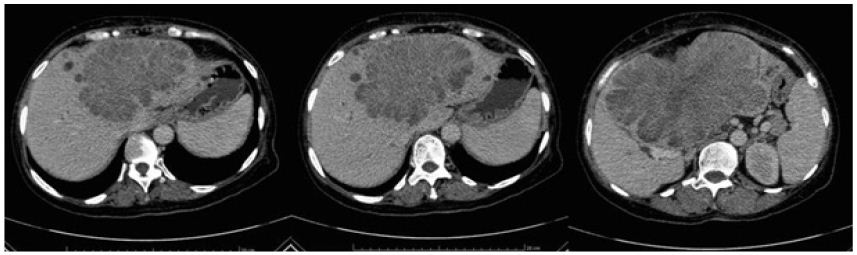
Female patient, 60 years sought the emergency room of Santa Casa de Misericordia de Sao Paulo hospital complaining of abdominal pain and vomiting for 2 months. Pain was diffused throughout the abdominal region accompanied by weight loss of 10kg in 2 months. Concerns have noticed increased abdominal volume, jaundice accompanied by pruritus. Patient was bleached +/4+, her history revealed jaundice +/4+. Flaccid abdomen, painful mass in right hypochondrium palpable until umbilical scar. CT scan (Figure 1) revealed large expansive mass with lobulated margins on the anterior surface of the liver, which featured the heterogeneouscontrast enhancement. Such lesion measured about 17.6 x 18.4 x 14.3 cm, occupied all the left lobe and part of the right lobe of the liver. Also enhanced numerous small vessels within the lesion. There was also other smaller satellite lesions. Gallbladder with homogeneous content and small diffuse parietal thickening. Bile duct dilatation most evident in the left lobe. Small amount of free fluid in pelvic cavity, presence of splenomegaly and aortoiliac iliac atheromatous plaques. In laboratory tests showed increased liver enzymes: alkaline phosphatase of 2231U/L (70-290 U/L), gamma glutamyl transferase of 989U/L (< 38 U/L), TGO of 307U/L (8-33 U/L), TGP of 114 (7-35 U/L), AFP greater than 1000ng/ml (up to 8ng/ml), bilirubin total 12.8mg/dL (0.3-1.2mg/dL), direct bilirubin of 7.4mg/dL (0.3-1.2mg/dL) and indirect bilirubin of 5.4mg/dL (up to 1.0mg/dL).

Figure 1: CT scan showing a large expansive mass with lobulated margins on the anterior surface of the liver and heterogeneous contrast enhancement measuring 17.6 x 18.4 x 14.3cm.

There was then the diagnosis of HCC and surgical treatmentleft trissegmentectomy was proposed. In the inventory of the cavity (Figure 2) was able to see right lobe of the liver of habitual aspect and a tumor of approximately 30cm in diameter in the left lobe, rejecting the whole liver and gall to right side, without diaphragm without implant adhesions peritoneal and without evidence of thrombosis of the portal vein. There was difficulty to access the bifurcation of Portal vein because large tumor growth, being necessary to perform first dissection of hepatic veins with bandage and the left and face liver diaphragmatic detachment. Resection was performed at all left lobe the bloody area covered with biological glue. Hilar lymphadenectomy was performed. In intra operative was necessary to 4units of blood transfusion and infusion of vasoactive drugs. The anatomical and pathological report showed surgical piece (Figure 3) the left lobe, caudate lobe and square lobe weighing and measuring 3052g 21x20x11cm. The cuts had greenish tumor, rounded contours and well delimited by measuring hepatic parenchyma in the adjacent 17x11cm displaying 3 nodes of 0.9 to 3cm of diameter 0.5 to 1cm distant from the lesion and with the same characteristics. It was observed the presence of necrotic foci and microvascular invasion without perineural invasion, surgical resection margin free of neoplasia. All lymph nodes were free of neoplasia. Was observed in trabecular pattern, moderately differentiated (Grade 2) and the pathological staging was T3N0Mx, having confirmation of the diagnosis of Hepatocellular Carcinoma (HCC) by examining- HISTO-Chemistry (positive for antigens: CK7, Hepatocyte and KI67). Patient was transferred to the ICU to vasoactive for 1 day after surgery, where evolved well having high in 2 days to bed in the infirmary, where remained stable, afebrile and without complaints getting high on the 5th day post-op. Currently 22 PO, free of neoplastic disease in outpatient follow-up.

Discussion

According to the Barcelona criteria, the patient would fit in the C stage, tumor larger than 5cm, multinodular with microscopic vascular invasion. Therapeutic approach proposed by this classification scheme would be palliative treatment with TACE, chemotherapy with Sorafenib or symptomatic treatment and supportive, being contraindicated liver resection [1]. These criteria, however, take into consideration only patients with cirrhosis, in which the resections must not exceed 50% of the liver tissue, unlike patients without chronic liver disease, in which resections can reach 80% [5,6]. Despite the unfavorable prognostic factors that usually accompany the HCC (high rates of AFP, vascular invasion, multipletumors), the size of the tumor itself can be used as a parameter for contraindication of resection [7]. Lang et al. [3] compared survival among 1, 3 and 5 years in patients with cirrhotic HCC resection, using factors such as: the presence of hepatitis B and C, the presence of fibrosis, resection greater or less than 50%, multifocal, or tumor size greater than 5 cm , degree of differentiation, TNM classification, among others. Framing the patient in this study, we would observe the following survival rates at 1, 3 and 5 years respectively: patients suffering from viral hepatitis 79, 51 and 35%; without fibrosis, 79, 54, 36%; resection more than 50%, 68, 39, 20%; multifocal tumor, 72, 42, 21%; size greater than 5 cm, 74, 48, 29%; moderately differentiated tumor, 70, 32, 18%; TNM stage IIIA, 65, 39, 29% [4].

In a systematic review conducted by Zhou Y-M et al in 2011, survival rates were observed in 1, 3 and 5 years of 60.7, 34 and 28.6% in patients undergoing resection with tumors larger than 10cm. The study considered the partial hepatectomy as therapeutic method considerably me assist in these patients compared to non-surgical options [8]. Although the patient present 17x11cm tumor, not presented macroscopic vascular invasion, cirrhosis, viral hepatitis, low degree of differentiation or capsular invasion, which represent important factors of poor prognosis, opting for the curative resection. Although the only potential treatments represent dressing for these patients, there are still very few studies concerning the effectiveness of partial liver resection in relation to other therapeutic methods. Data indicate that survival rates in noncirrhotic patients undergoing hepatectomy range from 46 to 76% in 3 years and 26 to 68% in 5 years. Data on disease-free survival are scarce, but suggest rates ranging from 24 to 56% in 5 years [3]. The recurrence of the HCC can result from new development of tumor by underlying disease or metastatic dissemination. In patients with cirrhosis, it is more common for recurrence metastasis of hematogenous dissemination. This indicates that even a more aggressive approach as the total hepatectomy would not be enough to prevent relapse [3,4].

For More Articles: Biomedical Journal Impact Factor: https://biomedres.us
Journals on Surgery

The Effect of Local Anesthesia (Lidocaine 2%) with Epinephrine (1:100,000) On Blood Pressure Level of Hypertensive Patients Reported To a Tertiary Care Hospital, Peshawar, Pakistan

Abstract

Objective: The objective of the study was to evaluate the effect of local anesthesia (Lidocaine) with epinephrine (1:100000) on blood pressure level and medicine used by hypertensive patients having Prehypertension, stage I and stage II hypertension.

Methodology: This randomized controlled trial study was carried out in the department of Oral and Maxillofacial Surgery, Sardar Begum Dental College, Peshawar, Pakistan from February 2016 to August 2016. A total of 88 male and female hypertensive patients were selected and were divide into two groups through lottery method: Group A: Having 28 patients who receive 3 cartridges of Lidocaine 2% with epinephrine (1:100,000).Group B: Having 22 patients who receive 3 cartridges of lidocaine 2% without epinephrine (1:100,000). The blood pressure was measured prior to injection, 5minutes after injection, during extraction and after extraction of the tooth. Aspiration was carried out prior to injecting the local anesthesia. Statistical analysis was performed using SPSS 22. P ≤ 0.05 was considered as significant.

Discussion: No significant increase in SBP and decrease in DBP were seen 5 minutes after injection, during extraction and after extraction of the tooth. The most commonly medicine taken by patients were β-blockers n=42 (47.72%). Pearson correlation revealed that increasing the duration of tooth extraction will decrease SBP (-.204) and DBP (-.106). ANOVA showed that the increase or decrease in SBP and DBP was statistically not significant (P=.698) between intergroup. Chi-square statistics exhibit that hypertension is highly associated with 40-49 years age group (X2=21.286, P=0.000). Regression analysis showed no significant relationship between β-blockers and local anesthesia with epinephrine 1:100,000.

Conclusion: Three cartridges of local anesthesia with epinephrine 1:100,000 have no significant effect on SBP and DBP in pre-hypertensive, stage-I and stage-II patients

Key words: Hypertension; Lidocaine; Epinephrine; Blood pressure; Tooth extraction

Abbreviations: SBP: Systolic Blood Pressure; DBP : Diastolic Blood Pressure

Introduction

Hypertension is the systolic blood pressure (SBP) of ≥ 140mmHg or diastolic blood pressure (DBP) of ≥90mm Hg [1]. More than 90% of causes of hypertension are not clear but there are certain regulatory systems of blood pressure as well as environmental factors which contribute in regulation of blood pressure [2]. Blood pressure is also regulated by cardiac output and heart rate [3]. Over expression of the genes which controlled these regulatory systems may contribute in high blood pressure [4]. Due to high prevalence of hypertension globally, it is one of the most frequent disease seen in the patients who are visiting the dental hospitals and clinics [5,6]. In Pakistan approximately 33% of adult population suffers from hypertension and is the most common amongst cardiovascular diseases [7].

One utmost apprehension of dental treatment for hypertensive patients is the unexpected and marked increase in blood pressure that could lead to life-threatening complications therefore thesepatients contribute a major risk group in the dental treatment [5,8]. Local anesthetics combined with vasoconstrictors are used in most of the dental procedures [9]. Vasoconstrictors in the local anesthesia are added to enhance duration of local anesthesia, to halt systemic toxicity and to assist in hemostasis [10]. The most frequently used local anesthesia in many countries is Lidocaine and it was the first local anesthetic to be marketed in 1948 [5,11]. Epinephrine is the leading vasoconstrictor used in dental practices today [6,9]. Epinephrine acts on both α and β receptors but dominate on β. Acting on α1 epinephrine causing vasoconstriction in the peripheral blood vessels [12] while increase in the heart rate and blood pressure is due to the effect of epinephrine on β1 receptors [13].

There is controversy exists among different studies. Some believe that local anesthesia with epinephrine increases blood pressure as well as heart and should be contraindicated in hypertensive patients [5,11,14,15]. While some studies showed that the use of local anesthesia with epinephrine has no substantial effect on blood pressure and heart rate when one-three dental catridges are used as the amount of epinephrine is very low [16- 18]. Daubländer et al. [19] and Meechan et al. [20] demonstrate that it is obligatory for dental professionals to be cautious in proper use of local anesthesia with vasoconstrictor and care is needed when selecting and administrating these anesthetics to avoid systemic complications. The objective of the study is to evaluate the effect of local anesthesia (Lidocaine) with epinephrine (1:100000) on blood pressure level and medicine used by hypertensive patients having Prehypertension, stage I and stage II hypertension.

Methodology

This randomized controlled trial study was carried out in the department of Oral and Maxillofacial Surgery, Sardar Begum Dental College, Peshawar, Pakistan from February 2016 to August 2016. The ethical approval for this study was taken from the hospital’s ethical committee. A cardiologist was on call during the procedure and emergency equipments were arranged. Relaxed atmosphere was provided for the tooth extraction in these patients. All patients were informed about the aim of the study and a well-documented proforma about demography, hypertensive medications and informed consent was taken prior to the procedure. The procedure was performed under the supervision of the head of the department.

A total of 88 male and female hypertensive patients were selected through non-probability purposive sampling using Kelsey formula for clinical trials with a level of significance α=0.05, power=0.80, prevalence ratio 5.4 and odds ratio 7.The patients were divided into two groups through lottery method:

a) Group A: Having 44 patients who receive 3 cartridges of lidocaine 2% with epinephrine (1:100,000).

b) Group B: Having 44 patients who receive 3 cartridges of lidocaine 2% without epinephrine (1:100,000).

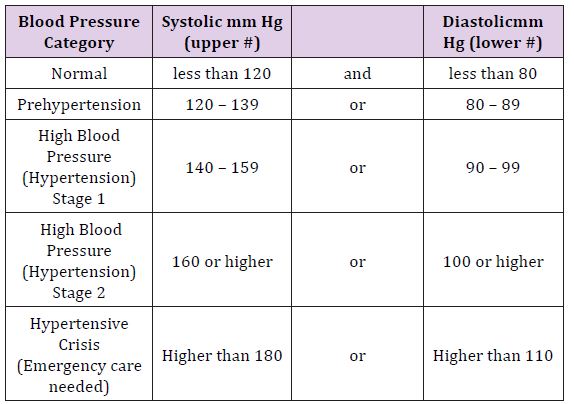
The criterion for the stages of hypertension was set as that of American Heart Association [21]. The age selected was 20-70 years, SBP ≤179 and DBP≤ 110 and those diagnosed ≥ 6months. All those hypertensive patients with other systemic diseases like diabetes mellitus, hepatitis, HIV, immunocompromised, patients undergoing radio or chemotherapy and those who are allergic were excluded from the study. All those were also excluded who were agreed prior to procedure but unwilling to complete it. The blood pressure was measured with a conventional calibrated sphygmomanometer keeping the cuff on the patient’s left arm and in supine position, four times during the whole procedure: Prior to injection, 5minutes after injection, during extraction and after extraction of the tooth. Aspiration was carried out prior to injecting the local anesthesia.

Statistical analysis was performed using SPSS 22. One way ANOVA was used for descriptive statistics and intergroup comparisons. Linear regression analysis was used to show the relationship of medicines with hypertension. Chi-square statistics were used for association of age and hypertension. Pearson correlation was applied for relation of hypertension after tooth extraction with time of extraction. P ≤ 0.05 was considered as significant (Table 1).

Table 1: Stages of Hypertension.

Results

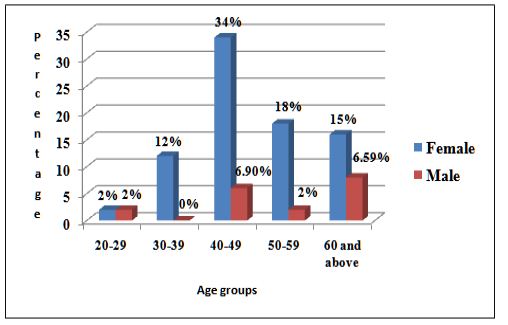
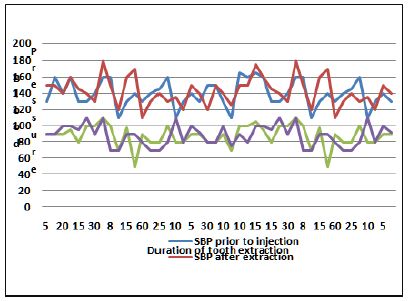
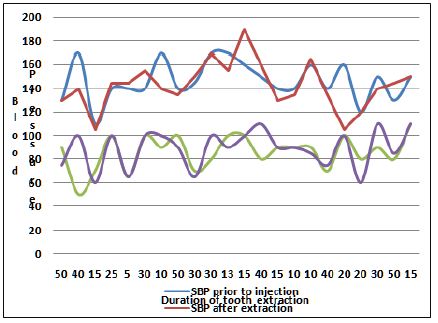
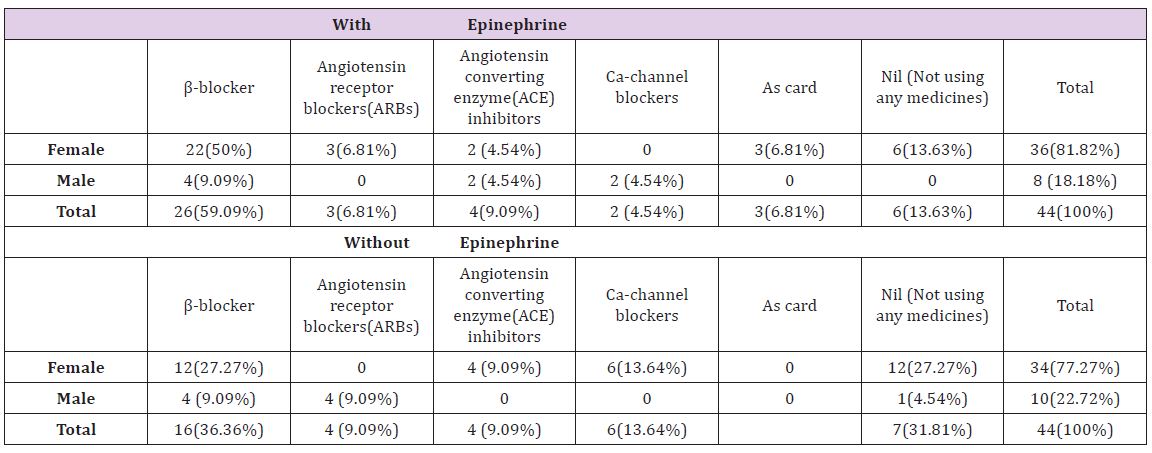
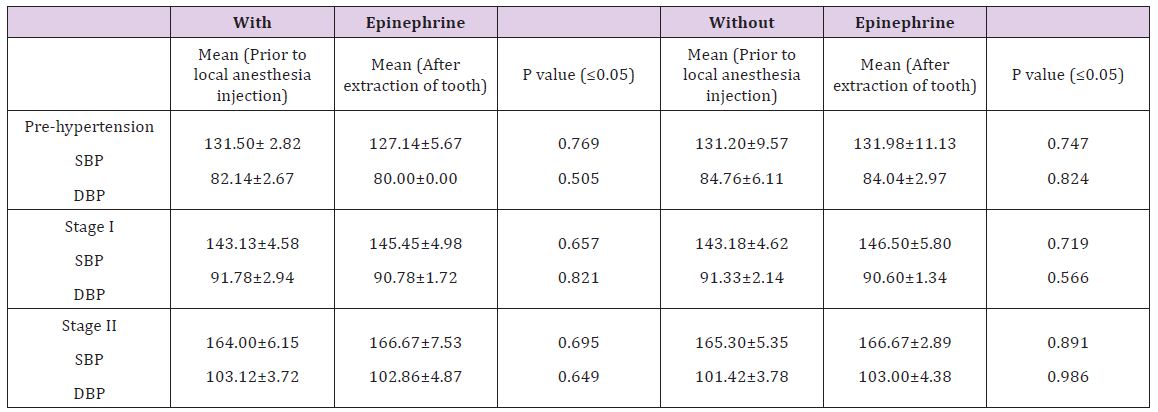
The mean age presented was 39.4 ± 15.8 years. The female to male ratio was 3.88:1. The results of medicines taken byhypertensive patients and age groups involved are shown in Table 2 and Figure 1 respectively. The mean SBP and DBP prior and after tooth extraction is shown in Table 3. The effect of duration of procedure with SBP and DBP prior to local anesthesia with and without epinephrine (1:100,000) injection and after tooth extraction is shown in the Figure 2 and Figure 3 respectively which exhibit that SBP decreases when operator increases the time of tooth extraction while there is no such variation exists in DBP with time. When Pearson correlation was applied it also revealed that the duration of tooth extraction has negative correlation on SBP (-.204) and DBP (-.106). ANOVA when applied for intergroup comparison disclosed that the increase or decrease in SBP and DBP were statistically not significant (P=.698). Chi-square statistics exhibit that hypertension was highly associated with 40-49 years aged group (X2=21.286, P=0.000).

Figure 1: Percentages of hypertensive patients according to the age groups.

Figure 2: SBP and DBP prior to local anesthesia with epinephrine injection and after tooth extraction with time taken to complete the procedure.

Figure 3: SBP and DBP prior to local anesthesia without epinephrine injection and after tooth extraction with time taken to complete the procedure.

Table 2: Different medicines used by hypertensive patients.

Table 3: Mean Systolic blood pressure (SBP) and Diastolic blood pressure (DBP) before and after tooth extraction with P value (≤0.05).

The mean SBP was 147.50±17.29. At a constant level of SBP(140.00) there will be 5.882 increase occurred in after 5 minutes of LA with epinephrine and were statistically significant (P=.04). When the relation of β-blockers and epinephrine was evaluate the increase was same but statistically not significant (P=.737).The mean DBP after 5 minutes of local anesthesia with epinephrine was 89.29±12.07. There was no increase or decrease seen. While in patients using β-blockers, DBP increased by 3.84 and is statistically insignificant (P=.772).

The mean SPB was 143.57±17.15. There will be 5.717 increase occur in SPB with medications and was statistically significant (P=.026). The mean DBP was 90.71±10.86. Medications will not affect DBP (P=.984) during tooth extraction. The mean SBP after tooth extraction was 143.57±17.15. The relationship of medication with hypertension showed that there will be 6.583 increase and is highly significant (P=.009). When β-blockers were related the increase will be 10.58 but statistically not significant (P=.536). The mean DBP was 88.64±12.32. The increase in DBP is statistically not significant for medications (P=.073) as well as for β-blockers (P=.218). Regression analysis also showed that those who are taking medications early morning results in decrease of SBP (-2.22) and DBP (-1.64) but the decrease is not significant (P=.749) and (P=.742) respectively.

Discussion

This study not only focuses on the effect of LA with epinephrine on the blood pressure level of hypertensive patients but also interpret the relationship of medication used by hypertensive patients and especially β-blockers with SBP and DBP. Furthermore, the study described the correlation of duration of tooth extraction with SBP and DBP. The study revealed that the most frequently medicines used by hypertensive patients were β-blockers n=42(47.72%) and the most dominant gender involved was female. The female to male ratio was 3.88:1 showing high prevalence in females. Silvestre et al. [22]. showed that angiotensin II receptor antagonist were the most frequently used medicine by hypertensive patients and prevailed a ratio of 1.9:1 between female and male patients.

The present study noted that there was a decrease occur in DBP of pre-hypertensive, stage-I and stage-II hypertensive patients by 1.90mm Hg while SBP increases in all these patients by 2.54mm Hg. But the increase in SBP and decrease in DBP were statistically insignificant. Chaudhry et al. [23] demonstrate that the mean DBP after extraction decreases after tooth extraction which harmonize with results of the current study while there was significant increase seen in the mean SBP of stage-II hypertensive patients (21mmHg) after extraction which contradict this study. The decrease seen in the mean DBP of the present study matches the results of the study done by Abu-Mustafa et al. [24], Silvestre et al. [22] proclaim no significant changes in SBP and DBP while determining at three time points in those patients who received local anesthesia with vasoconstrictors which support this study. Ogunlewe et al. [25] conducted a study on two groups, one received Lidocaine 2% with epinephrine 1:80,000 while other group received plain Lidocaine 2%. After administration of anesthesia no significant difference was observed between these groups however, a significant difference was seen during tooth extraction in both groups which contradict present study.

The current study revealed that no adverse effect was reported in those patients who were using β-blockers. The changes in the mean SBP and DBP after 5 minutes of anesthesia with epinephrine, during and after extraction were insignificant in these patients however Hersh et al. [26] observed a significant interaction between β-blockers and epinephrine when Lidocaine with epinephrine 1:100,000 was used. This study also found that increasing the tooth extraction time will results in decreasing SBP and DBP. The limitation of this study is its small sample size. Apart from its small sample size the study demonstrate a thorough evaluation of the effect of local anesthesia with vasoconstrictor on the blood pressure level. The effect of duration of tooth extraction, use of 03 cartridges and patients using β-blockers in the sample size are idiosyncratic to this study. However, the results cannot be anticipated for the true estimation within the general population. The future study may be to concentrate the effect of local anesthesia with vasoconstrictor in patients using β-blockers with large sample size.

Conclusion

The findings of present study concluded that use of three cartridges of local anesthesia with epinephrine 1:100,000 have no significant effect on SBP and DBP in pre-hypertensive, stage-I and stage-II patients provided to prevent accidental intravascular injection.

Acknowledgment

We are thankful to Dr.Alam Khan for his assistance who were on call Cardiologist, working in CCU, Khyber Teaching Hospital, Peshawar, Pakistan.

For More Articles: Biomedical Journal Impact Factor: https://biomedres.us
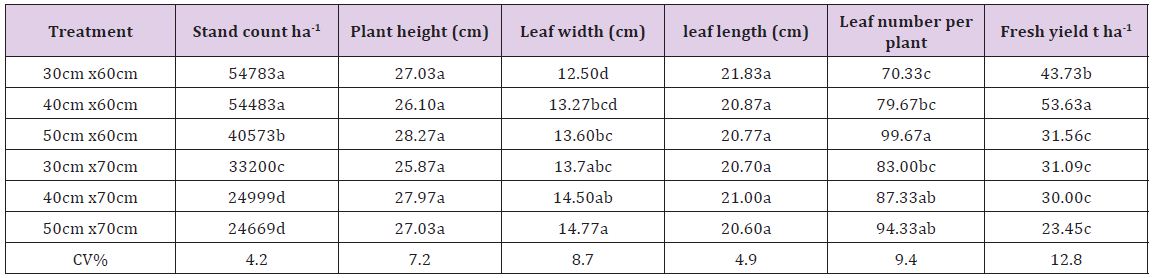
Journals on Surgery

Microspheres for Cosmetic and Medical Injections Must be Free of Phagocytosable Microparticles under 20 Microns

Abstract

A more serious complication after the injection of all dermal fillers is the late occurrence of foreign body granulomas. The reason must be the retention of a foreign material in the memory of the macrophages, which likely had phagocytosed it years before a granuloma manifests itself as reddish-blue, dense nodules. This sudden granulomatous immune reaction is probably triggered by a sudden systemic bacterial infection which can be recalled by one-third of all granuloma patients. A vigorous removal of small PMMA particles < 20 μm in the only FDAapproved permanent injectable wrinkle filler ArteFill® and deep dermal injections, have decreased the granuloma rate from 0.5%, experienced with earlier-generation products of Artecoll® in Europe, to 0.01% (4 in 42,000 patients) in China when injected in the deep dermis.

Keywords: Injectable microspheres; Injectable microparticles; PMMA; Foreign body granuloma; Dermal filler

Abbreviations: GERD: Gastro-Esophageal Reflux; SUI: Stress Urinary Incontinence; IDD: Degenerative Disc Disease; SEM: Scanning Electron Microscopy

Introduction

a) Injectables: When collagen injections for wrinkle correction and lip augmentation became fashionable in the early 1980ies, dermatologists and plastic surgeons quickly realized that they did not last for 2 years beneath facial wrinkles, as promised by the manufacturer, but their positive effects rather vanished within 3 months. In order to prolong the effectiveness of collagen-based dermal fillers, a mixture with highly tissuecompatible and non-biodegradable PMMA-microspheres was suggested and tested in pre-clinical studies at the University of Frankfurt/Main Germany in 1985 [1]. Subsequently, after positive results in a limited number of volunteer patients, European clinical trials were initiated [2] and a new permanent injectable wrinkle filler Artecoll® has been marketed in Europe since 1994 (Figure 1)[3], in Brazil since 2009 [4], and in China since 2002 [5]. In the US, next-generation product ArteFill® received FDA-approval in 2006 as the first and only permanent dermal filler (now Bellafill®) [6].

Figure 1: Artecoll after 10 years: each 40μ-microsphere is still encapsulated by a macrophage. Fibroblasts have produced broad collagen bands, which give the permanent implant a soft rubberlike consistency Ten Year Artecoll GL-NL.

b) Granulomas: Since granulomas have occurred after all dermal filler injections, including collagen and hyaluronic acid, the authors have investigated possible causes for granuloma formation. Foreign body granulomas can occur suddenly in approximately 1:2,000 injected patients months or even years after the injection [7]. They appear suddenly in all injected sites, grow rather rapidly to the size of peas or even beans, and, if untreated, usually remain for a few years untilthey disappear spontaneously [8]. Histologically, granulomas after PMMA-fillers show further than normal separated PMMA microspheres due to an over production of collagen, hyalinization, macrophages engulfing microspheres, and a high number of giant cells. The latter originate from a fusion of up to 40 “frustrated macrophages” that cannot destroy or remove the microspheres (Figure 2). The treatments of choice are repeated intralesional corticosteroid injections (triamcinolone, Kenalog®) in rather high doses [7].

Figure 2: Typical PMMA-granuloma in which the microspheres are pushed apart by massive hyaline secretion. The increase of macrophages and especially foreign body giant cells (dark spots) is obvious PMMAgranuloma with giant cells.

c) Macrophages: All injectable microspheres made from either PMMA (Artecoll®/Bellafill®), calcium-hydroxyapatite (Radiesse®), polylactic acid (Sculptra®), polycaprolactone (Ellanse´®), etc. have an average diameter of 40μm, just small enough to pass through a tiny 26g needle (with an inner diameter of 260μm), yet large enough to escape phagocytosis by macrophages, the cells which clean the inner vertebrate tissues from all foreign materials (Figure 3) [7]. Macrophages have a diameter of 10-20μm and migrate through all connective tissues of the body, phagocytosing cell debris of dead cells, bacteria, and foreign particles, up to a size below their own. The migration of macrophages is facilitated by swelling (postinjection edema), which widens the “openings” between the fibers of the connective tissue from 5μm up to about 20μm. Since the life circle of macrophages is only 2 days before they are indigested by their younger peers, their “memory” on former immune stimulants like bacteria and the surface structure and chemistry of foreign bodies appears to be transferred as well, from one generation of macrophages to the next one (Figure 4) [7].

Figure 3: In a normal PMMA-implant, macrophages (dark blue) expand in order to embrace the 40μm-microspheres. They are stuck in the implant and cannot move away to transport their memory to the immune system Macrophages surround microspheres.

Material and Method

Small Particles

The process of PMMA-microsphere production starts with the injection of hot PMMA-syrup into floating cold water: as faster thewater runs or is stirred, as smaller the microspheres develop from the injected droplets. In a round drum, the small microspheres originate in the periphery, the larger around the center. Unfortunately, after all different production methods are very small microspheres or irregular PMMA-particles contained or attached to the smooth and identical bigger microspheres (Figures 5 & 6). These small particles must be removed by sieving and washing, since they may be the reason for the memory of the macrophages (Figure 4).

Figure 4: The theory of granuloma induction Granuloma theory: a) Macrophages phagocytose b) small particles, c) macrophages forward and keep the memory of particles over years; d) a systemic infection stimulates macrophages; e) macrophages attack bacteria and PMMA-particles at the same time. They cannot destroy particles, fuse to giant cells, and form granulomas.

Figure 5: Small PMMA-particles are only visible under the microscope beneath a water droplet Small particles beneath a droplet of water.

Figure 6: Small particles are attached to 40μm-microspheres Small particles attached to 40μm PMMA.p>

PMMA size specifications

Dermal fillers containing particles with irregular surface (Macroplastique® and Dermalive®) have been prohibited or removed from the market because of a very high rate of foreign body granulomas. Histologically, a huge number of macrophages and especially giant cells-a fusion of “frustrated macrophages”- were attached to the sharp peaks and ridges of these particles made from hard silicone or ground acrylic lenses but were unable to engulf or destroy them. Consequently, many patients had suffered from granulomas after subdermal injections of these two products. This fact led to discussions with the FDA in the early 2000’s when the manufacturer of Arte Fill agreed to implement the suggestion by the FDA to reduce all PMMA microparticles of less than 20microns to below 1% by the number (not volume) in order to minimize the potential of granuloma formation [9].

FDA’s rational, based on the author’s own research on microparticle phagocytosis, transport and dislocation [10] is as follows: larger than 20μm PMMA particles or microspheres cannot be phagocytosed by one smaller macrophage but are encapsulated by at least 3 macrophages and kept in place (Figure 3). They cannot move from the injection site but are stuck in the implant for the rest of the patient´s life. If small particles are phagocytosed, the macrophages can move away along with these particles to lymph nodes, liver, or lung, and deposit their foreign non-destructible content there [10]. Interestingly, if a high number of small microspheres are injected in one bulk, the microspheres will not be phagocytosed but remain as a bulk (Figure7), surrounded by a wall of macrophages, which each had engulfed 50 to 100 small microspheres, and were unable to move away from the injection site, as well. This is the body´s way of render harmless huge numbers of small particles [10].

Figure 7: A bulk of PMMA-microspheres of 4 μm in diameter is not phagocytoses but surrounded by PMMAfilled macrophages and connective tissue, which keeps the bulk in place. Capillaries are invading, however, changing the bulk into a “living tissue” [9] PMMA 46mox400.

Proof of Theory

Our theory is supported by the fact that the rate of granuloma formation has significantly decreased since FDA’s approval of ArteFill® in 2006 (Figure 8), i.e. after the injection of PMMAmicrospheres that meet FDA’s quality standard (Figure 9) [3, 11]. In Brazil, where other PMMA-injectables with a high content of small particles are still marketed and injected in high volumes today, the rate of granulomas has remained relatively high (Figures 10 & 11) [12, 13].

Figure 8: The granuloma rate dropped worldwide after sieving and consequent washing of the 40μm-microspheres . After deep dermal or epiperiosteal injection the rate is 0.01% in China [5] Gran rate.

Figure 9: The analysis in a Coulter-Multisizer 3 reveals 3.84% small particles in a sieved but the not washed PMMA fraction Lerche Analysis 2012 – Copy (2).

Figure 10: A Brazilian PMMA-product of 2012 shows all kinds of PMMA-impurities and small particles [12] Metacrill_700x_9 1.

Figure 11: Brazilian normal PMMA-histology at 3 years shows still a strong foreign body reaction with many giant cells Brazil PMMA 3 years arm.

Conclusion

Product “Safety” must come before effectiveness, especially in personal aesthetics products, such as injectable wrinkle fillers or tissue volumizers. During the past 35 years, many aesthetic injectables have been discontinued because of unacceptable side effects and complications, which sometimes occurred even several years after the injection. A rigorous and meticulous search for the cause of granuloma formation leads the author to the discovery of bacterial infections as the leading trigger [7]. At the same time, while performing microscopy and scanning electron microscopy (SEM) examinations of our PMMA-spheres (Figure 12), we discovered impurities of smaller PMMA-particles between ranging from 1μm to 20μm (Figure 7). Macrophages can transport these particles from the injected PMMA-implant to the immune system, where the memory regarding former small particles and their chemical nature are stored, until a systemic infection may trigger a stronger attack against PMMA and cause granuloma formation [7]. To significantly reduce the risk of, or even prevent granuloma formation after PMMA microsphere injections, the spheres have to be absolutely round and smooth and must not contain any particles of less than 20 microns. The same quality standard must apply to future injectable bulking agents for the treatment of gastroesophageal reflux (GERD), stress urinary incontinence (SUI), and degenerative disc disease (IDD), containing larger PMMA spheres of 125 microns (Figure 13) [13,14].

Figure 12: Apparently “clean” PMMA-microspheres between 36μm and 46μm: the content of small particles cannot be seen in this SEM picture because the focus is higher than the ground PMMA microspheres.

Figure 13: For the therapy of urinary incontinence and gastric reflux, the larger venous plexus in the urethral and esophageal sphincter request larger microspheres of 125μm – compared to 40μm-microspheres used for subdermal injections v.

Disclosure

All authors have been involved in the development of safe, injectable PMMA microspheres and currently have no financial interest.

Journals on Zoology

Mitochondrial Hormone Receptors – an Emerging Field of Signaling in the Cell’s Powerhouse

Abstract

Hormone receptors that are classically located in either cytosol or nucleus or in the plasma membrane are also found in mitochondria. Notably, they belong to different categories, such as proteins mainly known as hormone-dependent transcription factors, receptor tyrosine kinases, multimeric ligand-gated ion channels, and G protein-coupled receptors. Some of them represent mitochondrial variants, whereas others seem to be almost or fully identical with the extra mitochondrial forms. In some cases, mitochondrial receptors are associated with the outer membrane, whereas others are integrated in the inner membrane and act by signaling towards the matrix. In functional terms, some steroid receptors display genomic actions at the mitochondrial chromosome, whereas membrane-bound receptors transmit metabolic effects in the matrix or at the electron transport chain and modulate mitochondrial structure and length or apoptosis.

Keywords: Cannabinoid receptor; EGFR; Melatonin receptor; Mitochondria; Multimeric receptors; Steroid receptors

Abbreviations: GPCRs : G Protein Coupled Receptors; GUCY2s : Guanylyl Cyclases; RTKs: Receptor Tyrosine kinases; GR: Glucocorticoid Receptor; GRE: GR Response Element; MnSOD: Mitochondrial Superoxide Dismutase; ETC: Electron Transport Chain; PR: Progesterone Receptor; EGFR: Epidermal Growth Factor Receptor; PKA : Protein kinase A

Introduction

The classic view of hormone receptors comprises categories of

(i) Membrane-bound proteins, such as G protein-coupled receptors (GPCRs), receptor guanylyl cyclases (GUCY2s) and receptor tyrosine kinases (RTKs), and

(ii) Intracellular, typically genomically acting receptors that exert their effects as transcription factors in the nucleus. In the latter category, the ligands are small, sufficiently lipophilic molecules able to cross the plasma membrane. Some of their receptors associate with their ligands in the cytoplasm, others directly in nucleus, but sometimes, variants of these receptors may be membrane-associated and transmit nongenomic actions, as found, e.g., in some steroid receptors. In recent years, evidence has accumulated that receptors for hormones and other endocrine factors also exist in mitochondria, as will be outlined in this article. Depending on the respective molecules, the knowledge on transfer of the receptors or receptor variants to the mitochondria as well as on the intramitochondrial signaling mechanisms is different. Nevertheless, the details already known to date are fundamentally expanding our understanding of mitochondrial regulation by hormones, and this emerging field provides exciting insights into the participation of mitochondria in the control of cellular functioning.

Steroid, Tyrosine hormone, and Vitamin D3 Receptors in Mitochondria

In addition to the well-understood genomic actions in the nucleus and several non genomic extra mitochondrial effects, the localization of steroid receptors in mitochondria has been repeatedly described. The presence of a glucocorticoid receptor (GR) in mitochondria had been demonstrated as early as in 1993 [1]. In another pioneering study, which was, however, poorly considered for several years, a GR response element (GRE) was shown to be present in a D-loop of the mitochondrial chromosome [2]. Meanwhile, several investigations have demonstrated GR translocation to mitochondria [1-5], a process that depends on glucocorticoid availability [1-5] and on a mechanism reminiscent of the transfer into the nucleus, also involving heat shock proteins and an immunophilin [4].

Mitochondrial GR localization in conjunction with the existence of a GRE in the mitochondrial chromosome strongly indicates a regulation of mitochondrial gene transcription by glucocorticoids. In addition, the mitochondrial GR seems to be involved in apoptosisinduction in thymocytes, which may not be surprising with regard to the presence of the proapoptotic machinery in this organelle [5]. Mitochondrial localization has been multiply shown for the estrogen receptor-β (ERβ) [6,7], the ER variant anyway known for its nongenomic signaling. In addition to modulation of bioenergetics [6], effects on mitochondrial gene expression were assumed [7]. Moreover, translocation of the usually genomically acting ERα was reported [8]. A more specific and, to a certain degree unexpected, nongenomic action has been recently described for this other estrogen receptor.

In breast cancer cells, ERα was shown to physically interact with the mitochondrial superoxide dismutase (MnSOD) [8]. As MnSOD is activated by the mitochondrially localized sirtuin SIRT3 by deacetylation at K68, an interference with the acetylation status of K68 was studied. These experiments revealed a correlation of ERα/MnSOD association with acetylation of this regulatory lysine [8]. Another recent finding of high actuality concerns the role of long noncoding RNAs (lcRNAs) in mitochondrial ER actions [9], results that may find parallels in the regulation of other mitochondrial steroid receptors. The nuclear-encoded lcRNA SRA (steroid receptor RNA activator) is also found in mitochondria. A relationship to ERs exists insofar as estrogens induce the nuclear SRA repressor protein SHARP (SMRT/HDAC1-associated repressor protein).

Another inhibitory action on SRA is caused by the protein SLIRP (SRA stem-loop interacting RNA-binding protein), a player that is present in mitochondria and also modulates mitochondrially encoded RNAs (mtRNAs) and has effects on the electron transport chain (ETC) [9]. These findings indicate that mitochondrially located ERs may be stabilized by SRA, but seem to be inhibited by estrogen-dependent up regulation of SHARP in the nucleus and by actions of SLIRP in the mitochondria. These results and their interpretation strongly underline the importance of the nuclearmitochondrial interplay as well as the previously unexpected complexity of the coordinated relationship between nuclear and mitochondrial genomes.

A mitochondrial progesterone receptor (PR) has been demonstrated and discussed in terms of nongenomic effects [10- 13]. These actions concern respiratory activity, such as increased mitochondrial membrane potential and oxygen consumption [10-12], a role that would be in line with metabolism-enhancing properties of property of progesterone, as known from the postovulatory increase in temperature. The mitochondrial PR variant has been shown to be truncated, in which N-terminal domains as well as the DNA-binding domain are absent [10]. Therefore, this PR variant can only act nongenomically. Genomic effects in mitochondria via PR would only be possible, if additional variants can be detected. Two variants of the receptor for another intracellularly acting hormone, triiodothyronine (T3), were discovered in mitochondria [14-16]. Both are truncated forms of the receptor TRα1 of different lengths, p43 and p28. The p43 protein was shown to stimulate mitochondrial gene expression and to influence cell differentiation and apoptosis [16], whereas the role of p28 remains to be identified. The vitamin D3 receptor (VDR) was also detected in mitochondria [17-21]. VDR translocation was reported to take place via the permeability transition pore [18]. VDR signaling seems to mainly result in the suppression of respiratory activity [19-21]. Additional effects on lipid metabolism have been discussed.

EGFR, a Receptor Tyrosine Kinase, in Mitochondria

EGFR (epidermal growth factor receptor) is an example for a receptor tyrosine kinase that has been shown to be translocated to mitochondria [22]. This finding differs from the previously discussed cases insofar as the ligand is not a low-molecular weight molecule such as steroids, T3 and the vitamin D3 hormone, but represents a peptide of 53 amino acids. However, as proteins like the receptors are translocated, there should be no fundamental problem to also translocate the ligand. Mitochondrial EGFR has been studied in detail in non-small-cell lung cancer cells. It was shown to be internalized by endocytosis and, thereafter, attached to mitochondria [22]. The translocation was stimulated by EGF.

EGFR signaling caused several effects concerning the ETC, in particular, increased ATP formation, but also induced changes in mitochondrial structure and distribution, with consequences to enhanced cell motility. By interfering with the mitochondrial fusion factor Mfn1, it shifted the fusion/fission balance towards fission [22]. Notably, the inhibition of mitochondrial fusion leads to facilitated redistribution of the smaller mitochondria within cells, which would be impossible with the longer organelles that can, in the extreme, fuse to large networks. An important advantage of redistribution is avoidance of peripheral mitochondrial depletion.

Mitochondrial Localization of Tetrameric and Pentameric Membrane-bound Receptors

Translocation of membrane-bound receptors composed of several subunits, frequently heteromers, to mitochondria appears, at first glance, to be rather unlikely. Nevertheless, this has been shown or concluded to be possible. With regard to an endocytosis mechanism that initiates translocation, this is, however, not at all implausible. A report concerning a mitochondrial NMDA receptor, which represents a tetrameric ionotropic glutamate receptor, indicated several actions concerning enhanced production of reactive oxygen species, however, along with reduced cytochrome c release [23], effects that would require in-depth analysis and confirmation.

In liver and brain, several nicotinic acetylcholine receptors were reported to be mitochondrially localized [24-26]. In these tissues, the heteropentameric subtypes α7β2, α4β2 and, to a minor extent, α3β2 were detected, whereas in the lung, the α3β4 receptor subtype prevailed [24]. The nicotinic receptors were reported to be associated with the outer mitochondrial membrane and to be involved in the regulation of apoptosis, partially in a protective way. The 5-HT3 receptor represents another pentameric, ionotropic receptor type that was found in cardiac mitochondria [27]. However, the receptor was not analyzed with regard to the various 5-HT3 subtypes, which differ in their composition of subunits. The receptor was reported to increase the respiration control ratio and to inhibit the opening of the permeability transition pore.

GPCRs in Mitochondria

Similar to other membrane-bound receptors, GPCRs have to be integrated into membranes. In the case of GPCRs, insertion of seven transmembrane domains is required. Nevertheless, even these larger integral membrane proteins can be translocated to mitochondria. One example concerns the serotonin receptor 5-HT4 [27], which differs from the afore-mentioned ionotropic 5-HT3. In functional terms, the mitochondrial 5-HT4 receptor was reported to decrease the respiration control ratio, contrary to 5-HT3, whereas the opening of the permeability transition pore was, again, found to be inhibited [27]. Particular insights were obtained by studies on the type-1 cannabinoid receptor CB1, which is also translocated to mitochondria [28-31].

Apart from its neurobiological relevance, the particular significance of one of these studies [31] concerns the signaling mechanism of the mitochondrially located CB1. It was shown to modulate the activity of the soluble adenylyl cyclase (sAC) in the matrix via the α-subunit of a Gi protein. This allows conclusions on the orientation of the receptor. It has to be located in the inner membrane, with the C-terminus that has to interact with Gi towards the matrix side and the ligand binding pocket towards the intermembrane space. The functional consequences of this signaling mechanism are reduction of cAMP levels in the matrix and lower protein kinase A (PKA) activity. Insofar this antagonizes the activation of sAC by bicarbonate, which serves to adapt the respiratory electron flux to the activity of the citric acid cycle.

Enhanced matrix PKA activity leads to phosphorylation of ETC subunits, especially in Complex 1, and presumably, also in other sites. The up regulation of phosphorylation of Complex 1 subunits as initiated by bicarbonate enhances electron feeding to the ETC, whereas the down regulation via CB1 decreases the entrance of electrons into the ETC. These findings on the effects mitochondrial CB1 were also important for interpreting the mitochondrial action of the melatonin receptor MT1. This receptor subtype was shown to be located in mitochondria, contrary to MT2 [32]. Under basal, non compromised conditions, melatonin regulates respiration and Complex 1 activity in a similar way as cannabinoids via CB1. Therefore, it was concluded that MT1 has to be correspondingly oriented in the inner mitochondrial membrane and acts via Gi, sAC inhibition, decrease of cAMP concentration and PKA activity [33].

Conclusion

The localization of hormone receptors in mitochondria considerably expands our insights into the actions of their ligands. It is a remarkable fact that entirely different types of receptors, which are, from a conventional point of view, either present in the cytosol and/or nucleus or in the plasma membrane, can be found in mitochondria. Moreover, the membrane-bound receptors belong to different categories, such as RTKs, multimeric ligandgated ion channels or GPCRs. This multiplicity sheds light on the complexity of cellular processes which connect nuclear, cytosolic and mitochondrial functions in a concerted way. This emerging field will certainly gain increasing future importance and unravel numerous poorly understood connections in cell biology and biomedicine as well.

For More Articles: Biomedical Journal Impact Factor: https://biomedres.us
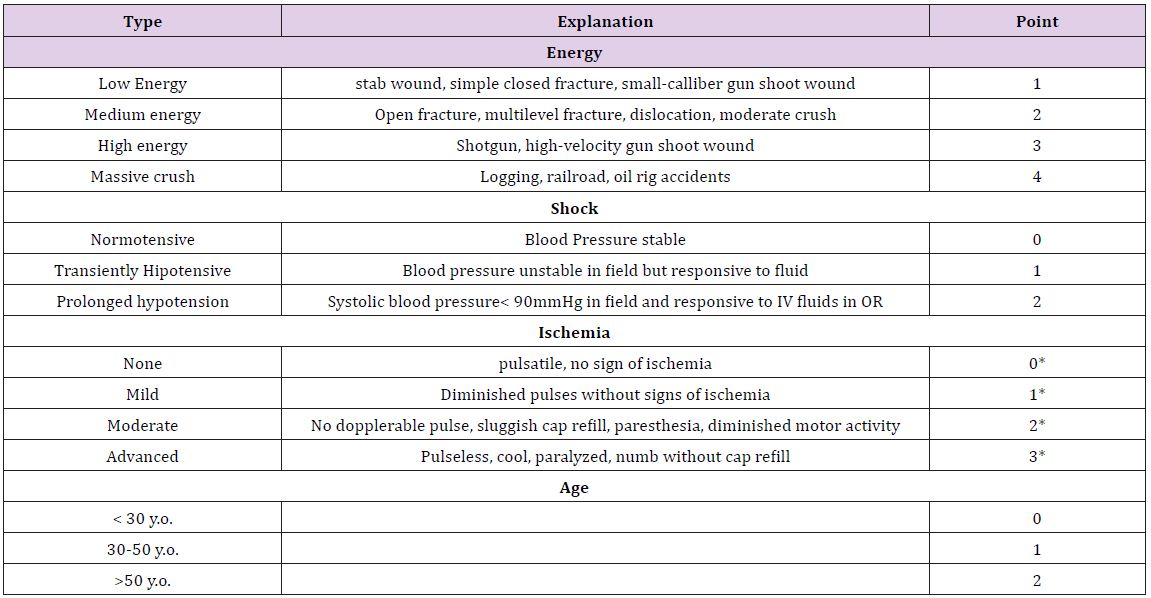
Journals on Orthopedics

Total Knee Arthroplasty using Computer Assisted Surgery in Paget ’s disease of Knee-A case report

Abstract

The purpose of this case report is to highlight the advantages of computer assisted navigation surgery (CAS) to improve the accuracy in performing Total Knee Arthroplasty (TKA) in a patient affected by Paget’s disease of the femur and secondary osteoarthrosis of knee. Paget’s disease can be associated with technical difficulties while performing knee arthroplasty because of intra and/or extra-articular deformity in either sagittal or coronal planes or both and there are published reports of sub-optimal varus or valgus placement of components by the manual technique. A 55-year-old male with monostotic Paget’s involvement of the femur with lateral femoral bowing and end stage arthrosis in the knee was managed with a primary cemented cruciate-retaining TKA using Aesculap Orthopilot 5.0 navigation system. His pre-op VAS score of 8/10 and Oxford Knee Score of 20 improved to 2/10 and 42 respectively at 1 year follow up. Knee involvement with Paget’s in Indian population is extremely rare and we are not aware of any previous case reports of using CAS in performing TKA in Paget’s. CAS can obviate the need for corrective osteotomy when performing TKA in patients with extra-articular deformity.

Abbreviations: TKA: Total Knee Arthroplasty; CAS: Computer Assisted Navigation Surgery; VAS: Visual Analogue Scale; OKS: Oxford Knee Score

Introduction

Paget’s disease is a disorder of bone characterized by increased bone turnover, enlargement and thickening of the bone which is unusually brittle, more prone for deformity or fractures in weight bearing joints and arthritis of joints with affected adjacent bones [1]. As the proximal femur and pelvis are more commonly affected, hip arthritis and challenges with total hip arthroplasty [2,3] are well described than the knee arthritis and total knee arthroplasty [4]. We report a case of monostotic Paget’s involvement of distal femur and associated knee arthritis that underwent a total knee arthroplasty by computer assisted surgery. Paget’s involvement especially isolated involvement of distal femur and knee in Indian population is rare as compared to the Western population [5]. We are not aware of any previous reports of using computer assisted surgery in Paget’s involvement of the knee. The purpose of this report is to highlight the role of computer assisted surgery in achieving optimal component alignment in cases of intra or extra articular deformity which is seen with Paget’s disease.

Case Details

A 56-year-old male presented to us with severe disabling pain in his right knee affecting his day to day activities and which failed to respond to conservative measures. His plain radiographs showed mixed sclerotic and lytic lesions involving the entire shaft of the femur and a diagnosis of Paget’s was made on the typical radiological signs [6] on plain radiographs (Figures 1 & 2) and MRI (Figure 3). There was an anterolateral bowing of the femur about 100 and knee arthrosis changes with intra-articular varus deformity. There was no involvement of the tibia (Figure 2). His pre-operative pain score was 8 on visual analogue scale (VAS) and Oxford Knee Score [7] (OKS) was 20. The patient underwent a primary cemented cruciate retaining TKA by computer assisted navigation system (B Braun Columbus, Aesculap Orthopilot 5.0 navigation). The patient was placed supine, under spinal anaesthetic and tourniquet control a midline incision with sub vastus arthrotomy was performed. Using femur and tibia infra-red trackers, registration of the thefollowing bony landmarks was made-posterior most part of medial and lateral femoral condyles, lowest point of medial tibial plateau, highest point of lateral tibial plateau, knee centre, anterior femoral cortex, most prominent points of medial and lateral malleoli and hip, knee and ankle centres were marked.

Figure 1: Plain radiograph showing the mixed sclerotic and lytic lesion typical of Paget’s involving distal femur with arthritic changes in the knee. Note: There is no tibial side involvement with Paget’s.

Figure 2: Long leg radiographs showing the characteristic lateral femoral bowing and involvement of the entire femur with Paget’s. Notice the normal pelvis and contralateral femur.

Figure 3: The typical features of Paget’s on T2 and T1 weighted MRI images showing a dominant signal intensity similar to that of fat corresponding to early mixed active phase.

The pre-operative deformities recorded on navigation system were 30 varus and 120 flexion deformity (Figure 4). After appropriate soft tissue releases and bone cuts, cemented cruciate retaining implants with size 6 femur, size 3 tibia and size -10 polyethylene insert was implanted. The final alignment postoperatively was 10 valgus and 70 flexion (Figure 5). The femoral component was intentionally anteriorized and inserted in flexion to avoid any notching of anterior femoral cortex (Figure 6). There was no need for a corrective osteotomy of the femur for the extraarticular deformity. The total blood loss was 180ml and operative time was 62minutes. Intra-operatively the knee was infiltrated with a cocktail mixture of 0.2% Ropivacaine-30ml, Ketorolac-60ml, Morphine 4mg, 0.5ml of 1:1000 Adrenaline and normal saline 30ml. An epidural catheter was inserted in the knee and left in place for 48 hours to facilitate regular infiltration with 0.2% Ropivacaine. Apart from these measures, the patient was given an adductor canal block in the immediate post-operative period. Adductor canal block is a pure sensory block which does not affect the quadriceps functionand the patient was made to walk on day 0 with walker support along with commencement of immediate knee mobilization. The patient was also administered 1gm Tranexamic acid IV just before the surgery. There were no drains inserted. The antibiotic prophylaxis was with 1gm Cefuroxime intravenous pre-operatively and two further doses post-operatively. Thromboprophylaxis was with 2.5 gm Apixaban twice a day for two weeks along with TED stockings. The patient had an uneventful recovery and was discharged on day 3 and followed up on days 14, 6weeks, 3months, 6months and 1year. The patient returned to normal activities at 3months and at latest follow-up of 1 year the OKS was 38 and VAS score for pain was 2 (Figure 7).

Figure 4: Computer navigation images intra-operatively showing pre-op overall varus and flexion deformities.

Figure 5: computer navigation images showing the final component alignment./p>

Figure 6: Immediate post-operative radiograph showing correction of deformity and restoration of mechanical alignment. Notice the femoral component in slight flexion to avoid anterior femoral notching.

Figure 7: 1 year follow-up clinical photograph showing excellent functional.

Discussion

Paget’s disease of the bone is associated with a hypervascular and hyperdynamic state and the bone is unusually hard and brittle. The differential diagnosis of Paget’s is osteopetrosis, fluorosis, sclerotic secondaries. Arthroplasty surgery in a joint adjacent to a Pagetic bone poses special challenges with the amount of blood loss, increased operative time, bone hardness requiring special blades and drills to make the bone cuts and most importantly restoration of the correct mechanical alignment in view of any extra articular deformities [8,9]. These technical difficulties are well described with regards to hip arthroplasty but less literature with regards to the knee. All the reported cases in the knee are with conventional technique which reported satisfactory results but none with computer assisted surgery. Exposure of the knee can also be difficult in Paget’s knee because of soft tissue contracture and hyperplastic patella [10] which we did not face in our case. When using an intramedullary guide by the conventional technique there is a possibility of femoral and tibial component size mismatch [4]. With the computer assisted surgery this problem can be overcome. In patients of Paget’s with knee involvement the deformities are usually complex and multiplanar.

There could be a combination of intra and extra articular deformities and the extra-articular deformities may be in either sagittal or coronal planes along with torsional deformity. In the TKA done by conventional technique, there are reports of the knees being left outside the acceptable range of 50-100 valgus because of the difficulty in achieving a correction of the multiplanar deformities [4,11,12]. In the sagittal plane, because of the anterolateral bowing there is a potential risk of placing the femoral component in excessive flexion or extension by the conventional technique, in addition to the difficulty in using an intramedullary jig because of the bone hardness and risk of femoral perforation. With the help of computer assisted surgery [13], the hip, knee and ankle centres are accurately marked and potential anterior or posterior femoral notching can be avoided without affecting the flexion-extension gaps. We could also balance the knee with using a cruciate retaining prosthesis. There are previous reports of combined femoral corrective osteotomy and intramedullary nailing with simultaneous knee arthroplasty [14,15] for coronal planedeformity more than 100 and sagittal plane deformity more than 200. We could achieve satisfactory restoration of the alignment and balancing without the need for corrective osteotomy with the aid of computer assisted surgery.

In cases of hip arthroplasty, both cemented [16] and uncemented [17] designs have been used with good long term success. There are limited studies with regards to knee replacements; However, these have not shown any early component loosening [4,18]. Our limitations are short follow-up of only 1year and this being only a single case report because of the rarity of the problem in Indian population and that too monostotic involvement of the femur with knee arthritis. Computer assisted surgery is not universally available and has a steep learning curve. There are no long term studies to show the superiority of computer assisted surgery over conventional technique in terms of functional outcome. However, the senior author (KKE) was well experienced in computer assisted surgery.

Conclusion

Paget’s involvement around the knee can be associated with both intra and extra-articular deformities and Total Knee Arthroplasty in these patients can be technically challenging when performed by conventional technique. Computer assisted surgery can help map the multi-planar deformity and achieve optimal overall final component alignment and ligament balancing.

For More Articles: Biomedical Journal Impact Factor: https://biomedres.us