Medical Science Journal

Neurological Complications after Pertussis Vaccine. The Enigma is Still Here

Mini Review

The significance of regular childhood vaccinations is universally accepted. However these vaccinations were reported to potentially have a long list of complications. This list includes disorders such as autism (measles vaccine), multiple sclerosis (hepatitis B vaccine) meningo encephalitis (Japanese encephalitis vaccine), Guillaine-Barre and giant cell arteritis (influenza vaccine), and more. Seizures and hypotonic/hypo responsive episodes following pertussis vaccination [1]. On the other side, public tolerance to adverse reactions is minimal. In the past, adverse reactions to vaccination drew significant public attention. A unique example to the problematic situation of such adverse events is the pertussis vaccine, which was along many years and still is a subject for many legal suits. Handicapped patients claimed that their medical difficulties, especially in the neurological field, are the result of the immunization, and thus they claim for an appropriate compensation. There were several phases in this process. Phase I may be represented by the article of Aicardi &Chevrie [2].

They described in 1975 twenty cases of acute neurological complications occurring within 7 days of pertussis immunization. Convulsions were present in every case and status epilepticus was observed in 5 infants. They concluded that the clustering of neurological complications in the 24 hours following immunizations is not consistent with the hypothesis of a mere temporal coincidence, but rather point towards the immunization as the cause. A debate took place for and against the vaccination as being the cause of potential neurological damage [3], sometimes with some background feeling that interest of major pharmaceutical companies to some degree involved n this debate, taking the “against” position. At this stage, the vaccination was of “whole cell” type, meaning that all the cell component of the Bordetella Pertussis were included in the vaccination. Phase II took place when it was decided to leave the former whole-cell pertussis vaccine, due to the consideration that cellular components of the Bordetella were responsible to the adverse events, mainly cell proteins. The vaccination was changed to an acellular form. It was found then that the acellular form lead to lower amount of complications although not eliminating them [4].

A 3rd phase was defined when it was found that the pertussis vaccine in children with mutation in SCN1A gene, can lead them to present earlier than usually expected, with the epilepsy dictated by this gene Verbeek et al. [5] retrospectively analyzed data of children with Dravet syndrome and the pathogenic SCN1A mutation. They defined seizures within 24 hours after infant whole cell, acellular as “vaccination associated”. The risk of subsequent “vaccination associated” seizures was significantly lower for acellular pertussis 9% than whole-cell pertussis (37%). They conclude that subsequent vaccination associated seizures is probably vaccine-specific. Yet, the only factor by which any adverse event is considered as vaccination-related is the close time frame between its appearance and the immunization. And this time frame is not universally agreed upon. While Aicardi and Chevrie consider it to be 24 hours, others included in this category also children with much larger timeframes Huynh et al. [6] reviewed the appearance of acute disseminated encephalomyelitis (ADEM) as a post-vaccination phenomenon, which can appear after many vaccines including rabies, diphtheria-tetanus-polio, smallpox and more, including pertussis. They described a patient presenting with bilateral optic neuropathies within 3 weeks of inactivated influenza vaccination followed by delayed onset of ADEM 3 months post vaccination. It is clear from the above noted description that in spite of the universally accepted significance of childhood vaccinations in preventing serious diseases, one may not ignore the possibility that a small percentage of the vaccines will suffer from life-long disabilities caused by adverse events that were caused by these vaccinations. We have recently examined a 27-year-old young adult who is suffering from hemiparesis.

This started in infancy through a disease defined by a head CT scan as ADEM, which appeared in close relationship to the 4th pertussis vaccination. And now the dilemma is whether this can be related to the pertussis vaccination. If the answer is yes, the next consideration can be as follows: Young infants are getting vaccinated according to their country policy of childhood vaccinations. A very small proportion of the infants can be expected to develop neurological complications in close proximity to the vaccinationinjection. This morbidity seems to be directly associated with the recent vaccination. And the health authorities may be claimed to take responsibility for adverse events of the dictated vaccinations. It seems thus that the saga of vaccinations, side-effects and responsibility to that is still here.

For More Articles: Biomedical Journal Impact Factor: https://biomedres.us

Journals on Oral Health

Farm-To-Fork Food Surveillance System: A Call for Public Health Education

Abstract

Objective: This paper aims to present a generalized farm-to-fork surveillance system framework with a focus on education for improving health and controlling and preventing food borne illnesses.

Method: A brief literature search compiled some of the existing surveillance systems with special attention to the Canadian context. The Public Health Agency of Canada conceptual model for food borne surveillance was used to develop a framework focused on educating the public on controlling and preventing food borne illnesses.

Result: The farm-to-fork surveillance system presented focuses on the end-user as well as producers and food handlers, with special attention on how to keep illness-causing pathogens out of food, destroy them once they have contaminated the food, and control their growth in already contaminated food. There are many local and worldwide efforts on how to properly hand-sanitize before, during and after food preparation in restaurants/eateries and at home so that food borne illnesses are prevented.

Conclusion: A food borne illness surveillance system is needed in Canada focusing on introducing a harmonious and standardized surveillance system across the country; strengthening local and provincial capacity for implementing such surveillance and in responding to food borne illnesses through networking; and enhancing the surveillance capacity along the entire farm-to-fork chain.

Introduction

Food borne illnesses result from consuming contaminated food or beverage with infections (bacteria, viruses, parasites, and prions) and non-infectious (poisonings – fungi and their toxins, heavy metals, chemical, and so on) contaminants at any stage from farm-to-fork chain [1,2] Every year in the U.S.A, food borne illnesses cost more than US$150 billion in medical expenses and economy loss due to days of work missed; cause 5000 fatalities and more than 76 million reports of illness-related symptoms. It is believed that one in every six Americans (or 48 million people) gets sick with foodborne diseases from 31 known pathogens annually [3] Between 1990 and 2004, there were 639 outbreak reports linked to contaminated produce in the US, including those related to tomatoes with Salmonella served in restaurants, and lettuce with E. coli O157: H7 served at the Taco Bell© fast food chain. In Canada, readyto- eat meat products contaminated with Listeria monocytogenes resulted in 57 confirmed illnesses and 22 deaths across the country in 2011 [4] In order to respond faster, more efficiently and more effectively to national and international foodborne outbreaks, the Food-borne Illness Outbreak Response Protocol (FIORP) was updated by the Public Health Agency of Canada in 2010 [5] After the FIORP updated, there were at least four outbreaks in 2016 and 2015, two involving Salmonella infection, one involving Listeria from packaged salad products from the Dole processing plant in Springfield, Ohio and another involving Vibrio para haemo lyticus linked to raw shellfish [6].

Contaminated foods commonly associated with food borne illness are [7].

a. Animal in origin (beef, poultry, eggs, milk, soft cheese, seafood, and so on);

b. Raw fruits and vegetables;

c. Canned products (canned goods, juices, cider, and so on).

Since 2009, the Government of Canada offers an annual food recall report which, for the first six months of 2011, for example, this report showed seven recalls on products contaminated with E. coli O157: H7, 18 recalls on products contaminated with Listeria, 23 recalls on products contaminated with Salmonella, just to namea few [8]. Although American and Canadian data might be alarming, food borne illnesses are still underreported locally and worldwide, and go undiagnosed as people fail to come forward about all food poisonings and do not always seek a doctor when feeling ill. When people seek care, the medical system fails to issue a specific diagnosis [9]. Once the source of contamination is identified following a report, food recall occurs. In general, public companies affected by a recalled product can experience share price volatility, and have their stock price dropping 30% within the first week of recalls.

In 2009 the Kellogg’s© lost nearly $70 million worth of peanut butter crackers and cookies recalled contaminated with Salmonella [10] In 2017, Thomas concluded that on average, an initial recall involving meat and poultry products for example, is associated with short-term reductions in shareholder wealth of up to $236 million, 5 days after the recall announcement [11] The primary sources of pathogens found in foods are from a variety of sources: feces (intestinal tracks of animals and humans), soil and water, plants and plant products, food equipment and utensils, animal feeds, animal hides, food handlers, processing plant air and dust, and more. With such a variety of contact points in which food can get contaminated, people are both the main cause and the victims in food borne illnesses. Once contaminated foods are ingested, people can be highly contagious before any symptoms appear and even after symptoms disappear. Hence, about half of healthy food handlers are carriers of disease agents. Improper handling and sanitation in food preparation (in restaurants and other eateries, and at home) are critical to preventing food borne illnesses and yet, many people do not know how to properly do it. As a result, educating the public about food safety (handling, storage and preparation) is the outcome focus of the surveillance system presented in this paper for use in a public health action to reduce morbidity and mortality and to improve health [12].

Surveillance: A call for Education in Canada.

Surveillance is ‘the ongoing and systematic collection, analysis, interpretation, and dissemination of data about health-related event for use in a public health action to reduce morbidity and mortality and to improve health [13] and it is necessary to determine any significant change in frequency (outbreaks) and distribution of cases [14]. Although food borne illnesses are underreported, there are various worldwide surveillance systems in place aimed at interrupting the transmission of food-related pathogens [9,15,16]. Unfortunately, ‘the need for a Canadian food and nutrition surveillance system has been recognized for some time’ despite of the existence of a conceptual model on surveillance proposed by Health Canada [17] and its FIORP [5]. Hence, there is an inconsistency on how and what to report, which adds difficulties in comparing the different surveillance systems despite the existence of guidelines [11] and worksheets [9].

A framework for Education on Food Handling

Based on the different foodborne illnesses surveillance systems available [12,18] the following framework is suggested (Figure 1). A suggested food borne illness surveillance system involving data collection, analysis, dissemination and application (Figure 1) highlights four main components of a surveillance system: data collection (who, when, what and where – case definition), analysis (what food and contaminants are implicated, and the need for laboratory confirmation), dissemination (to health authorities and the public), and application (the means used to prevent further spread, and can include education, food recalls, inspections and regulations).The art in surveillance lies in collecting appropriate and timely information and in interpreting it correctly, which might lead to controlling the outbreak [9]. Upon analysis of all the information gathered, a suspicion of a foodborne illness case can be raised and the local health authority notified (either from thehealth care provider, laboratory, or other source) (Figure 1). The public is then made aware of the potential outbreak, and food recall occurs. Despite the effort, however, food borne illnesses remain under reported because, for each case that gets identified through clinical laboratory analysis, another 29 are estimated to go unreported [19]. Moreover, them is understanding of the food handling or consumption, changes in consumption patterns due to food shortages, mass food recalls and regulatory changes in food safety can only make food borne illness surveillance fallible [10,20].

Figure 1: A suggested food borne illness surveillance system involving data collection, analysis, dissemination and application.

Educating the Public: Variables and Indicators

The success of the application aspect of a surveillance system has to go beyond food recalls, government fines, and lawsuits to include public education on how to prevent the contamination and spread of food borne illnesses. This education involves the preparation and dissemination of information on food safety to the public at large. Information can be provided to advise the public on: how to keep illness-causing pathogens out of food, how to destroy illness-causing pathogens or how to control their growth once they have contaminated the food, as follows:

Keeping Pathogens Out of Food

Information should focus on building sanitary barriers between food handlers/consumers and the foodthey manipulate/eat and educate them on how to proper handle food. The ‘Food-Safe School Action Guide’ in the [21] US educates school children and staff on washing produces under running water; removing and discarding outer leaves from lettuce and cabbage; washing hands before preparing food, when switching from one type or food handling to another, and after preparing food; and regularly cleaning and disinfecting the refrigerator, freezer, and counters. The guide does reinforce hand-washing as the single most important method of preventing food contamination [22,23]. In fact, the United Nations has declared the 15th of October as the Global Hand-washing Day to improve hygiene practices worldwide. In order to avoid food contamination by employees, many public eateries have a reminder in their washrooms advising their employers about a step-by-step process on how to properly wash and dry all areas of their hands before returning to the kitchen or counter area. In New Zealand, campaigns are more direct with respect to the consequences of poor hand-washing by mentioning diarrhoea and vomiting.

These campaigns have been emphasizing that there is no need to use an antibacterial soap to do a good job and hand sanitizers should not replace of plain soap and water. However, the WHO recently suggested alcohol-based handrubs as the best option to fulfill the highest standards of safety in relation to the prevention of cross-infection when focusing on point of care [24] alcoholbased handrubs have to yet be proven efficacious and safe in handling food and food products. At the farm level as well as in commercial food operations and distribution plants, best practice guidelines on food production and handling should include inspection of fields and packing plants; utilization of third party audits to monitor workers’ hygiene; testing dairy, meat, and food products for microbial contamination regularly; inspect plant after an outbreak; coordinate food recalls carried out by industry; and so on. Health agencies have regular food handling inspections for food establishments, and food handlers must have a valid Food Safe BC certificate to ensure that proper food handling procedures are observed and practiced in British Columbia, Canada [25]. It is noted that despite these efforts, there is no guarantee that proper food handling procedures are followed accordingly.

Destroying Pathogens once they have Already Contaminated the Food

The main focus here is in eliminating pathogens that have already contaminated food during production, storage or preparation. Such destruction can takes place via thermal processing (mainly cooking-heat temperature at recommended levels accordingly for different foods); non-thermal processing (irradiation, pulsed electric fields, oscillating magnetic fields, high pressure processing, pulse light technology, and freezing at commercial level); antimicrobial and sanitizers (ozone, chlorine, iodine, and organic acids at commercial level); or hurdle technology (combine interventions methods to prevent bacterial growth at commercial level). The Canadian Food Inspection Agency has an online document alerting the population about the proper way to cook meat and poultry products while other online resources offer food storage guidelines for cupboard, refrigerator and freezer [26,27], in various languages such as Dari, Cambodian and Zulu [28]. The ‘Food-Safe School Action Guide’ [15] reinforces cooking time and temperatures, and the importance in maintaining heat in hot foods; separation of raw meat from cooked foods and vegetables including cleaning cutting boards that contacted raw meat; chilling food by refrigerating leftovers promptly and at right temperature; keeping purchased (refrigerated) food chilled until getting home; and reheating leftovers properly.

Controlling the Growth of Pathogens in already Contaminated Food

Bacterial growth is a major source for food borne illnesses either from raw, uncooked, and improperly cooked food, or from not appropriately stored cooked food. Although there are various factors affecting bacterial growth (type of food, acidity of food, time and temperature, oxygen and moisture), the existing guidelines reinforce the need for refrigerating foods at 40o Fahrenheit (about 4.4o Celsius) or lower within two hours or less after cooking, and not leaving standing water in sinks. The World Health Organization has developed the ‘five keys to safer food’ campaign [28] that is available in more than 50 languages and reinforces the above points as well as the need to remind consumers and eateries to not thaw frozen food at room temperature, but in the fridge. Hence, getting information from government websites [5] and from numerous web pages including ‘Livestrong’ [29] and online blogs might further help to reinforce food safety practices. Food blogs such as the ‘food buglady’ [30] offers updated lists of food safety recalls in Canada, while the ‘Gainesville’s Lunch out Blog’ [31] discusses issues of contamination in the U.S fast food chains. Despite the efforts outlined above, a foodborne outbreak can still happen, and it remains up to those affected individual to seek medical attention to disseminate information, which can be used to identify or warn others of potential contaminations. For example, in 2007, participants from a muddy BC cross-country mountain bike race commented on a race-related web forum that they were feeling ill with similar symptoms. Such internet activity prompted the race organizers to contact the local public health unit, which then received 13 laboratory reports of Campylobacter jejuni outbreak infection in the racers who ingested mud [32].

Limitations and Barriers

Aside from the variation of food contaminants and case definition, the underreported status of food borne illnesses, the lack of a firm Canadian surveillance system, other barriers exist in making the public aware of food borne illness. For example, there are unanswered questions about the influences of the social, cultural and physical environments in which the social aspects of food consumption and eating behaviour occur [33] including:

a. How do advertising and the mass media affect the nutritional knowledge and perceptions of Canadians?

b. What is the relationship between socio-cultural and economic status and diet?

c. What are the interactions between the individual and collective determinants of healthy eating that are unique to older adults?

d. How are the dietary habits of Aboriginal people influenced by concerns over pollutants in their local food sources?

e. What impact do self-esteem and body image have on food selection and eating behavior?

f. Another barrier regards to the perception of food borne illness risk. The lay perspective of health risk is personal and differs markedly from the expert view which tends to focus on a more impartial point of view in regards to food hazards [34]. The public’s perceptions are important to be considered by health agencies when tailoring information on how to minimize the risks and public health burden of food borne illness, and on how to promote confidence in the food chain supply.

Another limitation happens in terms of food recall. According to Maple Leaf Foods, many Canadian small markets do not have a food recall plan to readily identify the immediate previous supplier and the immediate subsequent recipient of food in case of an outbreak [35]. Larger companies such as Safeway Inc, Loblaw Companies Limited, Save-on-Foods© and Costco Wholesale Corporation use personalized membership or loyalty cards to offer discounts to their loyal customers. These companies can trace purchases through the loyalty cards, which can assist in identifying purchasers of a recalled product and promptly inform the consumers.

Conclusion and Future Direction

A national food borne illness surveillance system focusing on educating the public at large is needed to monitor patterns of diseases that occur within the farm-to-fork chain. Such education should include proper hand sanitation, food storage and food preparation since the globalization of the food supply also brings the globalization of food borne illnesses. In Canada, a food borne illness [36] surveillance system could be modeled on the framework presented in (Figure 1), focusing on [28]:

a. Introducing a harmonic and standardized surveillance system across the country;

b. Strengthening local and provincial capacity for implementing such surveillance and in responding to food borne illnesses through networking; and

c. Enhancing the surveillance capacity along the entire farm-to-fork chain.

In addition, careful attention has to be placed on the eating habits of a multicultural and multi-language society such as that in Canada and in British Columbia while encouraging the public to engage more proactively in coming forward and reporting their food borne illness symptoms to a health provider/authority. The authors would like to caution the readers that (Figure 1) has not been tested or evaluated.

For More Articles: Biomedical Journal Impact Factor: https://biomedres.us

Journals on Cardiology

The Association of Chronic Obstructive Pulmonary Disease and Osteoporotic Fracture in Older Patients

Abstract

Recent epidemiological studies have demonstrated a close association between osteoporotic fractures and common chronic diseases such as chronic obstructive pulmonary disease (COPD), hypertension, chronic kidney disor¬ders, and diabetes. COPD is a chronic inflammatory airway disease, and it well known that osteoporotic fractures are common in patients with COPD. However, reports on the association between COPD and osteoporotic fractures have been inconsistent in the literature. The objective of this review is to discuss the existing literature on the potential association between COPD and osteoporotic fractures in older adults. A PubMed search was conducted to identify studies evaluating the potential association between COPD and osteoporotic fractures in older adults. Overall, the results of these studies showed a non beneficial effect. COPDs have been associated with an increased risk of osteoporotic fractures. Further research is needed on algorithms to identify COPD patients with a high risk of osteoporotic fractures and the beneficial effects of preventing osteoporotic fractures in older patients with COPD.

Keywords: Chronic obstructive pulmonary disease; Osteoporosis fracture; Mechanism

Introduction

Chronic obstructive pulmonary disease is the most common chronic respiratory disease in the world and results in increasing economic costs [1]. The prevalence of osteoporotic fractures, which is more common in older patients than in younger patients, has been estimated to be 9 million worldwide in 2000 [2]. By 2030, COPD has been projected to be the third leading cause of death caused by an increase in cigarette smoking [3,4]. Hence, concerns about the health care of COPD, particularly in terms of the related comorbidity with osteoporotic fractures, have gradually increased worldwide. Recently, several observational studies have opened a debate about whether COPD is associated with osteoporotic fractures in treated COPD patients [5-8]. A cross-sectional study conducted by Watanabe et al. reported that the prevalence of vertebral osteoporotic fractures is as high as 79.4% in Japanese men with COPD [5]. Similarly, a nationwide population-based cohort study conducted by Lee et al. on 44,812 patients with a depressive disorder aged 28.6-50.9 years with or without COPD reported that the adjusted relative risk of vertebral osteoporotic fractures in individuals with COPD was 1.24 (95% CI, 1.02–1.51) compared with that in the non-COPD patients [6].

Previous studies have also demonstrated a positive relationship between COPD and a higher risk of osteoporotic fractures in the hip [7,8]. Reyes et al. reported that an independent association exists between COPD and increased risk of hip OF in Catalonians [8]. However, none of the abovementioned studies had used a prospective design method. A prospective study conducted by Dam et al. to examine the association between COPD or asthma and NOF revealed that male patients with COPD or asthma had 42% and 164% greater risk of sustaining non vertebral and vertebral NOF, respectively [9].The association between COPD and NOF in older patients observed in these studies may be attributable to the shared risks between both conditions, such as advanced age, smoking, physical inactivity, osteoporosis, drugs, dementia, alcohol consumption, estrogen deficiency, impaired eyesight, low body weight, dietary calcium deficiency, susceptibility to falling, and uncontrolled inflammation [6,10].

Statin use has been shown to be independently associated with a decreased risk of osteoporotic fractures [11,12]. Statins are effective agents in controlling dyslipidemia and are widely used in the prevention of cardiovascular diseases [13]. In particular, statins may influence bone metabolism by increasing bone formation [14]. It should be noted that osteoporotic fractures in older patients may result from accidents and events such as falls. Patients with COPD have muscle weakness, mobility impairment, and exerciseintolerance that make them susceptible to falls. An observational cohort study reported a significant association between COPD and increased risk (adjusted OR, 1.12; 95% CI, 1.01–1.24) of falls compared to that in non-COPD patients [15]There are no guidelines available on the prevention of osteoporotic fractures in older COPD patients.

Only one previous report has developed a five-step clinical approach for preventing fractures in patients with COPD. This five-step clinical approach consists of clinical case finding, risk evaluation, differential diagnosis, treatment, and follow-up. This clinical approach was developed considering the risk factors for fractures, including classical risk factors (older age, low body mass index, personal and family history of fractures, immobility, smoking, alcohol intake, use of glucocorticoids, and increased fall risk) and COPD-specific risk factors (severe airflow obstruction, pulmonary exacerbations, and oxygen therapy). However, this fivestep clinical approach for preventing fractures has not yet been validated. Further research is needed on algorithms to identify patients with COPD at a high risk of osteoporotic fractures and the beneficial effects of preventing osteoporotic fractures in older patients with COPD.

For More Articles: Biomedical Journal Impact Factor: https://biomedres.us

Journals on Dentistry

Küttner’s Tumour – Chronic Sclerosing Sialadenitis of the Submandibular Gland

Introduction

Chronic sclerosing sialadenitis, originally described by H. Küttner in 1896, is a rare cause of salivary gland enlargement [1]. Its clinical and radiographic presentations can mimic other conditions such as, lymphoma or infectious causes and can only be correctly diagnosed following removal of the gland. This “Küttner’s Tumour” is now classified as an IgG4 related disease, with characteristic dense infiltrate of immunoglobulin (Ig) G4- positive plasma cells. However, the exact aetiology of IgG4 related disease remains unknown with no known role of the IgG4 molecule itself [2]. Other IgG 4 related diseases include Riedel‘s thyroiditis, Mikulicz’s disease and idiopathic retroperitoneal fibrosis [3]. This case demonstrates the diagnostic difficulty of this presentation, with multiple differential diagnoses that cannot be excluded until the final histopathological examination.

Case Report

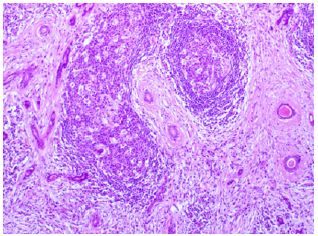
The patient was a 63-year-old man who presented with bilateral submandibular swelling, which were present for four months. Physical examination showed firm, non-tender enlarged submandibular glands. The laboratory values showed a normal leukocyte count (10.6 x 10⁹/L), haemoglobin level 14.2 g/dL), and platelet count (292 x 109/L). Nasoendoscopy examination to the level of the vocal cords was unremarkable. Ultrasound showed the submandibular glands contained a number of hypoechoic nodules which were well defined with attenuated echogenic strands internally. Fine needle aspiration cytology showed a mixed population of lymphoid cells. Contrast-enhanced computerised tomography scan revealed bilateral asymmetrical enlargement of right and left submandibular glands (Figure 1). No sialolithiasis was found. There was no significant cervical lymphadenopathy. As the diagnosis of lymphoma could not be excluded a decision was made to remove the right submandibular gland. Final pathology revealed the submandibular gland measured 55x38x25 mm. Histologically the lesion was composed of well-defined areas showing stromal fibrosis associated with acinar atrophy, florid chronic inflammation that includes conspicuous germinal centres, but also prominent numbers of interstitial plasma cells and vascular changes (Figures 2 & 3).

Figure 1: Head and neck Ct study image showing bilateral enlargement of sub mandibular glands measuring 3.3cm x2.5cm right and 3 cm x 2.2cm left.

Figure 2: [H +E x 10] The low power slide shows normal salivary gland in the upper left corner of the slide and shows a very well demarcated lesion of chronic sclerasingsialadenitis.

Figure 3: [H+E x 20] The high power view shows atrophic acini, stromal fibrosis, and lymphoid aggregates with germinal centers.

Discussion

Chronic sclerosing sialadenitis (Küttner’s tumour) is a nonneoplastic, chronic inflammatory disease of the submandibular gland first described by Küttner in 1896 [1]. A predominance of male sex has been recognised in the sixth to eighth decades [4]. Two factors appear important in the aetiology of Küttner’s tumour: an initial disturbance in saliva flow causing an obstructive sialadenitis and an immune reaction of the salivary duct system causing an obstructive progressive sialadenitis. Chronic sclerosing sialadenitis has been classified into four histological stages depending on the degree of inflammation;

a. Stage 1: focal sialadenitis;

b. Stage 2: diffuse lymphocytic sialadenitis with salivary gland fibrosis;

c. Stage 3: chronic sclerosing sialadenitis with salivary gland sclerosis;

d. Stage 4: chronic progressive sialadenitis with salivary gland cirrhosis [4];

Histologically, the disease is characterised by acinar atrophy, dense lymphocytic infiltration and fibrosis [5,6].

Recently, more than 90% of cases of Küttner’s tumour has been regarded as an immunoglobulin G4 (IgG4) related idiopathic sclerosing lesion [3,7]. IgG 4 constitutes only 3-6 % of the total IgG fraction in the plasma of healthy patients and is the smallest component among the IgG subclasses and its biologic function remains uncertain. IgG 4 related sclerosing disease has been identified in a wide variety of organs, including pancreas, biliary tree, liver, gallbladder, lacrimal gland, salivary gland, kidney, lung pleura and lymph nodes [8].Currently, the histologic diagnosis of IgG4 related disease is based primarily on IgG4 positive to IgG containing cell ratio of > 50% and the number of IgG4 positive cells per high powered field (30) [6].

Elevated serum IgG4 level and marked improvement with steroid therapy are other common diagnostic features [2]. It is important to distinguish between chronic sclerosing sialadenitis and sialolithiasis-associated sialadenitis as the treatment is markedly different. Chronic sclerosing sialadenitis shows a dense chronic inflammatory infiltrate composed of fibroblasts, lymphocytes and plasma cells. This is differentiated from sialolithiasis-associated sialadenitis by an interlobular fibrosis with less cellularity. However in up to 40% of cases of chronic sclerosing sialadenitis, a sialolith occurs simultaneously [4]. IgG4 related sclerosing disease has been shown to have a good response to steroid treatment with full remission rates of 90% with medical therapy alone [2]. However most commonly chronic sclerosing sialadenitis will be surgically excised and diagnosed by the histopathologist as it can mimic submandibular gland malignancy [8]. Prognosis is very good as these are benign lesions that do not tend to recur [9].

For More Articles: Biomedical Journal Impact Factor: https://biomedres.us

Journals on Otorhinolaryngology

How to Approach Internal Jugular Vein Aneurysm; A Rare Cause of Neck Mass

Abstract

Venous aneurysms are rare entities especially while presenting neck mass. Internal Jugular vein anuerysms comprise a small part of all venous aneurysms.Natural history of the pathology depends on anatomic location. Surgical intervention is spared for symptomatic cases. We present a15 year old male who admitted to otorhinolaryngology clinic with expansile right lateral neck mass with out any pulsation. Physical examination revealed a normal morphology of cervial region. When the patient was asked to strain, an expansing soft painless mass appeared in the right supraclavicular region. The mass disappeared when the patient breathed normally. Lateral cervical cyst was suspected. Ultrasonography and magnetic resonance imaging with venography sequences were ordered. Dynamic measurements showed enlargement of right internal juguler vein with cross sectional diameter of 39 mm at proximal segment of the vein and reaching 59 mm vertically. Echocardiographic evaluation and thorax imaging showed no accompanying pathology. Doppler ultrasound showed well mucosal lining with substantial muscular layer without any thrombotic focus. Direction of flow was toward subclavian vein. Conservative approach was preffered for the case. Patient was followed up on for 1 year with no additonal symptom.

Keywords: Jugular vein; Aneurysm; Neck mass

Introduction

Internal jugular vein aneurysms and phlebectasias are the most common venous malformations in the head and neck region. Venous aneurysms are divided into two as primary and secondary aneurysms [1]. Secondary ones are mainly due to trauma, infection, inflammation, venous valve insufficiency and arteriovenous malformations. Primary ones are rare and focal saccular or fusiform dilatations of the veins. No incidence was reported in the literature but it is known to be equal between male and female. A venous aneurysm can yield symptoms at any age.

The pathology is rather benign, owing to the localization, they can lead serious complications such as thrombosis, pulmonary embolism, rupture and bleeding and pressure over neighbouring structures. A clear aetiology has not been yet established. Recent literature states that structural changes take place in the vessel wall due to increased matrix metalloproteinases [1]. The most common location for a venous aneurysm is lower extremities with popliteal vein is the leading one. Deeper locations are prone to be related with thrombosis and pulmonary embolism [2]. The symptomatology of the entity includes mass with pain and swelling. Surgical intervention for asymptomatic internal juguler vein aneuryms is generally due to cosmetic expectations opposing aneurysms of deep venous systems.

Case Report

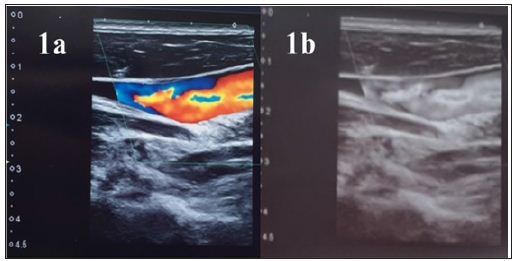
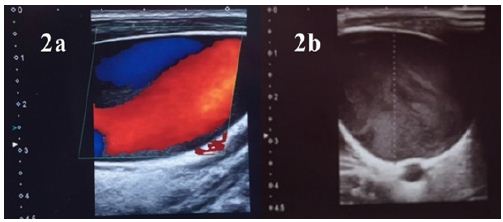
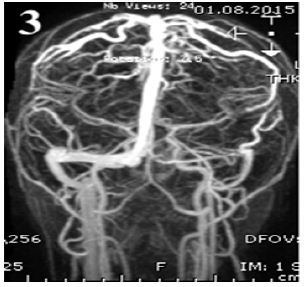
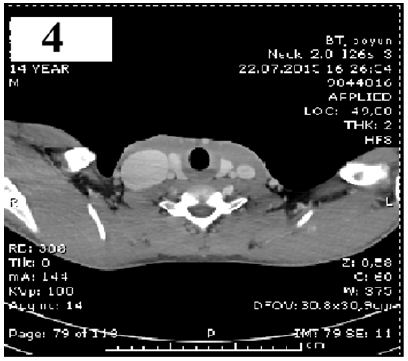
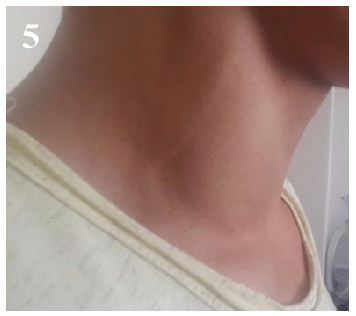
15 year old male applied to otorhinolaryngology clinic with expansile right lateral neck mass with out any pulsation. Physical examination revealed a normal morphology of cervial region. When patient is asked to strain an expansing soft painless mass appeared in the right supraclavicular region (Figures 1 & 2). As the Valsalva manuever was prolonged, the mass continued to swell. Nevertheless swelling disappeared when the patient breathed normally. Initially a lateral cervical cyst was suspected. Ultrasonography and magnetic resonance imaging with venography sequences were ordered. Static magnetic resonance imaging of neck did not reveal any pathology. Dynamic measurements showed enlargement of right internal juguler vein with cross sectional diameter of 39 mm at the proximal segment of the vein and reaching 59 mm vertically (Figures 2 & 3). Evaluation of thorax was achieved with computed tomography which also showed dilatation at the proximal part of the jugular vein (Figure 4). Echocardiographic evaluation and thorax imaging showed no accompanying pathology. Doppler ultrasound showed well mucosal lining with substantial muscular layer without any thrombotic focus (Figure 5). The lesion was reported as fusiform internal jugular vein aneurysm. Consultation with cardiovascular surgery was done and conservative approach was preffered. Patientwas followed up on for 1 year with no additonal symptom (Figures 1-5).

Figure 1: Doppler and classical ultrasound view of the lesion when it was not dilated.

Figure 2: Doppler and classical ultrasound view of the lesion when the patient was asked to strain.

Figure 3: Magnetic resonance imaging of the patient with venography revealed dilated vein.

Figure 4: Evaluation of thorax was achieved with computed tomography which also showed dilatation at the proximal part of the jugular vein.

Figure 5: Patient’s external appearance was shown in the photo.

Discussion

Patients who admit to otorhinolaryngology clinic with neck masses are applied a series of examinations. After physical examination ordering ulstrasonography generally gives enlightening information about the nature of the mass. Sometimes the mass can be dynamic such as laryngoceles, communicating cysts or blood vessels. In such cases patients should be asked to strain to swell the mass. Cervical adenitis, cystic hygroma, thyroglossal duct cysts, dermoid cysts, branchial cleft cysts and arterial– venous malformations are the most common pathologies which sould be kept in mind for differential diagnosis. Cervial masses could emerge due to a long list of diseases, however laryngoceles, superior mediastinal tumors or cysts and jugular vein aneurysms swell with the Valsalva maneuver [3]. If an asymptomatic jugular vein aneurysm starts causing symptoms such as pain, the clinician should suspect thrombosis.

Paleri et al. stated that up to 10 % percent of the jugular aneurysms can be bilateral, therefore bilateral neck should be evaluated and followed up with doppler ultrasound [4]. According to the liaterature because of risk of thrombosis in IJV aneurysm is less than 1%, in most of the cases conservative approach is preffered [5,6]. Because accompanying jugular vein thrombosis can complicate the case, due to increased risk for massive pulmonary embolism, some prophylactic measures, such as major venous vessel trunk isolation, can be taken.

Differentiating that whether the lesion is primary or secondary is the most important part because while the primary ones are more likely to be congential anomalies, a secondary anerysm is most likely due to highly mortal pathologies such as tumoral compression, thrombosis of vessel or other causes of vascular occlusion. According to the literature venous dilatation in pediatric age groups are generally fusiform in structure and symptomatic.

Conclusion

Primary venous aneurysms are rare and generally congenital. Careful follow up is an appropriate treatment. In case of complications such as thrombosis or rupture occur, interventions should be held. Nevertheless secondary ones should be intervened immediately due to the fact that they can be presenting symptoms of highly mortal conditions such as tumoral compression etc.

For More Articles: Biomedical Journal Impact Factor: https://biomedres.us

Journals on Chemistry

Review on Euphorbia neriifolia Plant

Abstract

The present review is an attempt to highlight of Euphorbia neriifolia – Indian ethno-medicinal plant which was to be scientifically proved with different pharmacological activities such as laxative, carminative, bronchitis, tumors, leucoderma, piles, inflammation, enlargement of spleen, anemia, ulcers, fever and for wound healing along with some harmful effect to human being especially latex of plant.

Keywords: Euphorbia neriifolia; Herbal drugs; Medicinal plants; Wound management, Latex

Introduction

Medicinal plant usage is as old as humankind in the therapeutics. There are about 45,000 medicinal plants species in India. The officially documented plants with medicinal potential are 3000 but traditional practitioners use more than 6000. Bioactive compounds in plants have also been utilized for additional purposes, namely as arrow and dart poisons for hunting (several Aconitum species), poisons for murder, hallucinogens used for ritualistic purposes, stimulants for endurance, and hunger suppression, as well as inebriants and medicines. The plant chemicals (bioactive compounds) used for pharmacological or toxicological effects are largely the secondary metabolites. These secondary metabolites called bioactive compounds can be classified into several groups according to their chemical classes, such alkaloids, terpenoids, cardiac glycosides, saponins, steroids, limonoid, tannins, flavonoids, and phenolics [1]. In 18th century and before that, the plants are major source for the treatment of different diseases and infections.

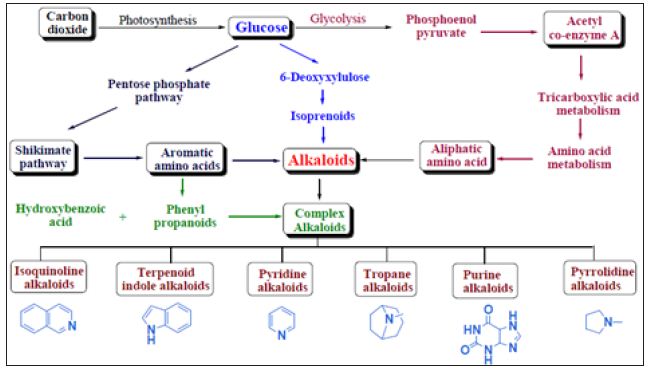
Now a day’s some of the plant derived natural products that includes vinblastine, vincristine, taxol, podophyllotoxin, camptothecin, digitoxigenin, gitoxigenin, digoxigenin, tubocurarine, morphine, codeine, aspirin, atropine, pilocarpine, capscicine, allicin, curcumin, artemesinin and ephedrine among others are also used as drug in pure form or in crude form or mixture. Some of them are synthesized synthetically but about 121 (45 tropical and 76 subtropical) major plant drugs have been identified for which no synthetic route is currently available (Figure 1).

Figure 1:
According to the World Health Organization (WHO) till 2003 about 80% of the population of developing countries are unable to afford pharmaceutical drugs, so they goes to plant based medicines to sustain their primary health care needs [2]. 252 drugs are considered as basic and essential by the WHO and out of those 11% are exclusively of plant origin and a significant number are synthetic drugs obtained from natural precursors. India has an official recorded list of more than 45,000 plants species and estimated list of more than 7,500 species of medicinal plants growing in its 16 agroclimatic zones under nearly 63.7 million hectares of forest courage [3].

Euphorbiaceae, the spurge family, comprises five subfamily, 49 tribes, some 7300 species and 283 genera of flowering plants distributed primarily in the tropical regions [4,5]. The largest genus of family Euphorbiaceae is Euphorbia with about 1600 species. They range from annual weeds, vines, succulents, herbs (Phyllanthus amarus), shrubs (Ricinus communis) and trees (Phyllanthus emblica). In several species of Euphorbia, the stem is modified to perform photosynthesis. There are more than 35 species are found in tropical, subtropical and warm temperate regions of South-East Asia; Vietnam has more than 24 species, Thailand has 25, Sumatra has 6, Java has 5, Borneo has 5, Philippines has 6, Sulawesi has 5, Lesser Sunda Islands has 11, Moluccas has 7 and New Guinea 15, Australia has 45 species [6]. In our country, the family is represented by several genera such as Euphorbia, Ricinus, Phyllanthus, Croton, Pedilanthus, etc. It is characterized by the presence of white milky latex that exudes when broken and which is more or less toxic, and some are useful as a source of oil or wax. The flowers are always unisexual. The leaves are stipulate or exstipulate, petiolate, alternate (e.g. Ricinus communis), simple, entire or deeply lobed or trifoliately compound (e.g. Hevea brasiliensis) and with unicostate or multicostate reticulate venation. In xerophytic species of Euphorbia, leaves are reduced or absent.

The Euphorbia is named after a Greek surgeon called Euphorbus. He was physician of Juba II who was the Romanised king of a North African kingdom, and is supposed to have used their milky latex as an ingredient for his potions. The latex of these species has different medicinal application along with some poisonous effect. Euphorbia neriifolia Linn (Indian Spurge tree, Hedge Euphorbia commonly known as Snuhi) belong to the family Euphorbiaceae, is one of the different species of Euphorbia genus plants, with wide range of local medicinal uses throughout the areas in which it is grown. This is one of the herbs extensively used in the Indian system of medicine. They all have latex and a unique flower structure. Euphorbia neriifolia plant is reported to contain sugar, tannins, flavonoids, alkaloids, 24-methylene cycloartenol, triterpennoidal saponins, etc. As Euphorbia neriifolia plant is selected for the review because of wide variety applications in the traditional medicines such as for the treatment of abdominal troubles, bronchitis, tumors, leucoderma, piles, inflammation, enlargement of spleen, anemia, ulcers, fever and in chronic respiratory trobles [7]. It used as analgesic, hepatoprotective, immunostimulant, anti-inflammatory, mild CNS depressant, wound healing, redioprotective agent [7]. A significant percentage is succulent, but they are mostly originating from Africa and Madagascar.

Different Names of The Plant

a) Hindi name – Sehund, Danda thukar [8].

b) English name – Common milk hedge, Holy Milk Hedge, Dog’s Tongue

c) Arabic name – Jakum

d) Kannada name – Male kalli

e) Marathi name – Thor, Tridhara Nivdunga

f) Malayalam name – Illa kalli

g) Punjabi name – Thor

h) Telugu name – Akujemuddu

i) Tamil name – Ilaikalli

j) Sanskrit – Snuhi

k) Latin – Euphorbia neriifolia

l) Ayurveda – Sthavara visha varga, Upavisha

Plant Profile

a. Botanical name: Euphorbia neriifolia

b. Family: Euphorbiaceae

Scientific Classification

A. Kingdom: Plantae

B. Subkingdom: Tracheobionta (Vascular plants)

C. Superdivision: Spermatophyta (Seed plants)

D. Division: Magnoliophyta (Flowering plants)

E. Subfamily: Euphorbioideae

F. Tribe: Euphorbieae

G. Class: Magnoliopsida (Dicotyledons)

H. Subclass: Rosidae

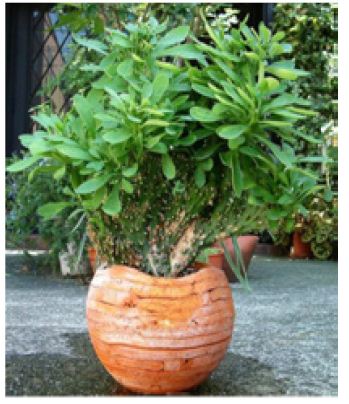
I. Order: Malpighiales (Figure 2)

Figure 2: Genus: Euphorbia
Species [9]:

a) E. nerifolia linn – Patra Snuhi

b) E. nivulia Buch – Ham

c) E. antiquorum Linn – Tridhara Sehunda

d) E. trigona Haw – Tridhara Sehunda bheda

e) E. royleana Boiss – Thuhara

f) E. Tirucalli– Kanda snuhi

Distribution

Euphorbia neriifolia grows widely around the dry, rocky and hilly areas of north, central and South India mostly in Deccan Peninsula and Orissa. It is indigenous plant of South Asia, but now locally cultivated and naturalizing in Sri Lanka, India, Burma (Myanmar), Bangladesh, Thailand and throughout the Malaysian region except for Borneo; also occasionally cultivated in other topical regions. It is also found in E. Asia – S. China, Vietnam, and New Guinea [6]. Euphorbia is an herb and deciduous. The parts of the plant that grow above the ground are used to make medicine.

Morphological Description

Euphorbia neriifolia is cultivated in gardens, and is apparently spontaneous. Small erect fleshy glabrous shrub, erect, branches ¾ in diameter jointed cylindric or obscurely 5-angled with sharp stipular thorns arising from thick subconfluent tubercles in 5 irregular rows like cactus. The branches are 2-4 meters high, the trunk and older branches are grayish and cylindrical; medium branches are being slightly twisted, stoud, freshy, and 4 or 5 angled or winged; younger ones are usually 3-winged, wings labulate with a pair of stout, sharp, 2- to 4- mm long spines rising from the thickened bases at each leaf of petioles-scar [7]. Leaves are succulent, deciduous, 6-12 inch long, terminal on the branches, waved narrowed into a very short petiole. The leaves are arise from the sides of wings towards the end of the branches, are fleshy, oblong-obviate, 5-15cm long, or in young plants somewhat longer, painted or blunt at the tip [7]. This plant is leafless for most part of the year, except during monsoon when fresh leaves appear.

Inflorescence or the arrangement of flowers in a bunch on the plant is “cyathium” type, means one female and several male flowers are found on a same bunch. Female flowers consist of a trichambered ovary, which usually elongates in fruits. Male flowers many, bracts linear. Female flowers rarely developed. Each chamber contains an ovum. Involucres are yellowish 3-nate, the lateral ones of the cymes shortly thickly pedicelled, central sessile; lobes large, erect, roundish, cordate, fimbriate; glands transversely oblong; bracteoles most abundant, fimbriate. Fruits are three chambered, tricoccaus, but so deeply divided that it has the appearance of 3 radiating slender follicles.

Botanical Description [10]

Euphorbia neriifolia, is a bitter, xerophytic, prickly, succulent shrubby, fleshy, large, erect much branched shrub, which sometimes grows into a small tree of 2-8 meters height or more with rounded branches cactus like plant. The tree looks somewhat like a cactus but with large, persistent leaves on younger parts of the plant, and growing up to 8 meters [4,11].

Stem: Green and cylindrical stem and large branches also being round and terete, spiral ridge portion, Sharp stipular thorns, with hollow space in centre containing white reticulate mass. The younger branchlets are somewhat verticillate, with two or more whorls without articulations, fleshy, cactus-like, swirled, light-green, glabrous, 8-30 (-40) mm thick, often leafless, and spine shield in 5 distinct rows on more or less distinct angles (not winged) which are visible for a long time [12]. The trunk and older branches are being grayish and cylinder. Bunches of succulent thick leaves occurs on the branches [4]. Central meristem is prominent throughout plastochronic phases. There is close histogenic relationship between central and peripheral meristem [13]. The leaves arise from the sides of wings towards the end of the branches.

Leaves: The fresh young leaves are simple, dark green in colour having leathery texture. The surface is glabrous with reticulate venation. The average leaf size is (8-14±2) cm (length) and (4- 8±2) cm (breadth) and (1.3±0.2) mm (thickness) with pointed and acute tip [14]. Peri-clinical divisions in the third and fourth layers of peripheral meristem initiate the leaf [4]. During vegetation period they are deciduous but in the late summer they fall.

Stippular thorns: The spines are short, about 4-12 mm long arising from the ribs, grayish brown to black in color, sharp, persistent, from low conical truncate distant, spirally arranged tubercles 2-5 mm height and 2-3 cm apart [4,12].

Flowers (terminal, corymbose): Both male and female flowers are found in the same bunches of the herb. Flowers when viewed as a whole, looks like a single flower. 3 to 7 flowered cymes or panicles appearing laterally in the axils of the upper leaves on short, rigid and forked peduncles, Flattened-globose, 1.5-2 mm x 4-5 mm, reddish, prominent in groups of tree, the central one is subsessile, the lateral ones with apeduncle of 6-7 mm, cyathial glands 5 oblong, 1-3 mm broad. Corolla absent but the involucres has two nearly round to ovate, bright red bracts 3-7 mm long. Inflorescence or the arrangement of flowers in a bunch on the plant is cyathium type (one female and several male flowers are found on a same bunch) [12]. Basically, male flowers many, bracts linear while female flowers rarely developed. Flowers and fruits occurs during the month of December to May [4].

Fruits: Fruits (capsules) are three chambered or 3-lobed, smooth, stigmas slightly dilated and minutely toothed with 10-12 mm in diameter [4].

Latex: Latex is a milky-sap-like fluid found in cells or vessels and usually executed after tissue injuries that make up the laticiferous system [13].

Cultivation Needs: Needs full exposure to the sun but can also succeed to grow in light shade. They prefer rocky areas for the growth. They need well drained soil. Grows well in dry place and rocky area in villages of all over India [15-17]. It needs no maintenance. It is a moderately fast grower, and will quickly become large landscape masterpieces in just 3-5 years. Water regularly during the active growing season (at least weekly) from March toSeptember but no water should ever be allowed to stand around the roots. Keep almost completely dry in winter.

Chemical Constituents

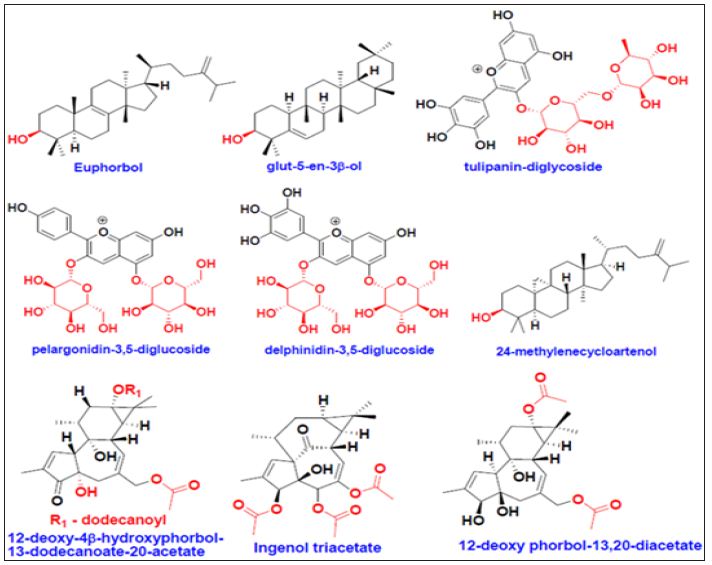
Phytochemical investigations on Euphorbia neriifolia yielded in the isolation of several classes of secondary metabolites, many of which expressed biological activities such as Euphol (8,24- euphadien-3β-ol), monohydroxy triterpenes, nerifoliol, taraxerol, flavonoids, steroidal saponins, sugar, tannins, alkaloids, β-amyrion, glut-5(10)-en-1-one, cycloartenol, 9,9-cylolanost- 20(21)ene-24-ol- 3-one (neriifolione), and triterpenoidal saponin [18,19]. Chemical constituent present in different part of plant: Euphol (Whole plant, bark, latex, root); friedelan-3 and 3β-ol, D:B-friedoolen- 5(10)-en-1-one, glut-5(10)-en-1-one and taraxerol (stem, leaves); n-hexacosanol, euphorbol, hexacosanoate, 12-deoxy-4β- hydroxyphorbol-13-dode-canoate-20-acetate and pelargonidin- 3,5-diglucoside (bark); 24-methylenecycloartenol and tulipanindiglucoside (bark, root); nerifoliol (latex), cycloartenol, euphorbol, ingenol triacetate, 12-deoxyphorbol-13,20-diacetate, delphinidin- 3,5-diglucoside (root) [19-21] (Figures 3 & 4).

Figure 3:
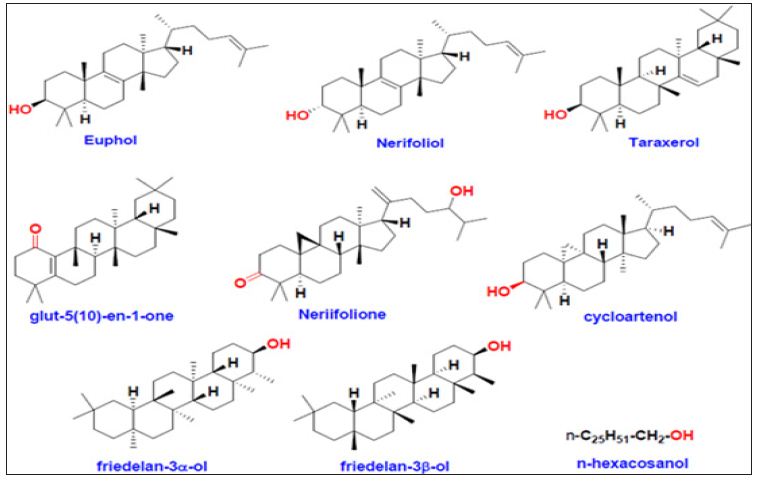
Figure 4:
Latex portion contain 69 – 93.3% water and water soluble and 0.2 – 2.6% caoutchouc [22,23]. The latex of E. neriifolia is an active ingredient of many Ayurvedic formulations like Abhaya lavana, Avittoladi bhasma, Citrakadi taila, Jatyadi varti, Snuhidugdhadi varti, Snuhi ghrta and Jalodarari ras. It (gum resin) was found to contain Euphol, neriifoliol, neriifolene, Euphorbon, Resin, gum, caoutchouc, malate of calcium, monohydroxy triterpene, taraxerol, β-amyrion, glut- 5-(10)-en-1-one, neriifolione and cycloartenol [24].

Fresh latex yields 10.95% solid with 18.32% total resinous matter, and 24.50% and 16.23% of total diterpene and triterpene respectively. A gum resin which is the active principle, traces of an alkaloid; wax, caoutchouc, chlorophyll, resin (2.40%), tannin, sugar, mucilage, calcium oxalate, carbohydrates albuminoids, “gallic acid quercetin, a new phenolic substance and traces of an essential oil”. Neriifolin-S and neriifolin, 9,19-cyclolanost-22(22’),24-diene- 3β-ol (Neriifoliene), 5-eupha-8,24-diaene-3β-ol (Euphol), Neriifoliene and euphol, 9,19-cyclolanost-20 (21)-en-24- ol-3-one (Neriifolione), cycloartenol, Neriifoliol, Lectin, etc are the chemical constituents extracted from fresh [25-29] or dried latex [30,31] of E. neriifolia. The leaves of Euphorbia neriifolia L. were found to be highly fibrous (nearly 15.36%). It may contain suberin or cutin, some amount of carbohydrates, cellulose and lignin. It contains higher amount of calcium oxalate crystals and starch than stem and leaves. It contain high values of total ash, and smaller values of acid insoluble and water soluble ashes. The leaves of Euphorbia neriifolia L. were found to be rich in calcium and potassium [32]. The results of phytochemical screenings of hydro-ethanolic, petroleum ether, benzene, chloroform, ethyl acetate, ethanol and aqueous extracts of leaves mainly revealed the presence of proteins, glycosides, alkaloids, phenolics, flavonoids, saponins and terpenoids in appreciable, moderate and trace amount. The proteins and amino acids were possessed in negligible amount [14].

In one of the study, the hydroalcoholic extract of E. neriifolia was found to contain sugar, tannins, flavonoids, alkaloids, 24-methylene cycloartenol, and triterpennoidal saponins on preliminary phytochemical analysis and there is absence of fixed oils and glycosides. Several triterpenoids like Glut-5-en-3β-ol, Glut-5(10)-en-1-one, taraxerol and β-amyrin have been isolated from the powdered plant, stem and leaves of E. neriifolia. The leaf extracts in the water and organic solvents such as chloroform, ethanol, ethyl acetate, and butanol of E. neriifolia were found phlobotannins, flavonoids, saponins, tannins, terpenoids, phenols and cardenoloids [33,34].

a) Moisture content: Leaf 73.8%, Stem 62.4%, Bark 86.9% Whole plant 78.6 [35]./p>

b) Oil content: Leaf 2.46%, Stem: 3.56%, Bark 4.95%, Whole plant 3.87% [35].

c) Polyphenol content: leaf 4.67%, Stem 9.63% Bark 12.68% Whole plant 11.49% [35].

d) Hydrocarbon content: leaf 0.42%, Stem 2.58%, Bark 2.93, Whole plant 2.28% [35].

Pharmacological Uses

Plants are bitter, laxative, carminative, acrid, pungent, improves appetite, abortifacient, digestive, expectorant, depurative, febrifuge, stomachic, vermifuge, useful in abdominal troubles, bronchitis, tumors, loss of consciousness, asthma, leucoderma, piles, inflammation, enlargement of spleen, anemia, ulcers, cutaneous diseases, dropsy, dyspepsia, pain, flatulence intermittent fever, fever and in chronic respiratory troubles [36-38].

a. The leaves are diuretic. The leaves are heated, squeezed, and the sap taken, sometimes with salt, to treat asthma, wheezing in babies, colds, aphrodisiac, and stomach upset. The leaves are also used to treat fevers, coughs and colds, carminative, stomachic and expectorant, chronic respiratory troubles, bleeding piles and diabetes [34,39,40]. Applied externally, the sap is used to treat infected nails and to relieve earaches. The expressed juice of the leaves is reported as very effectual in relieving the paroxyms of spasmodic asthma. The anti-inflammatory and analgesic activity of hydro alcoholic leaves extract of Euphorbia neriifolia is due to the presence of flavonoids [41].

b. In a study, E. neriifolia leaf extract was found to be a potent analgesic, anti-inflammatory, mild CNS depressant, wound healing activity along with humoral and cell mediated immunostimulating activity [42]. E. neriifolia reduced serum lipid profile and glucose signifying catabolic property with added in vivo and in vitro antioxidant activity.

c. The bark has been used as a strong purgative. The root is considered antiseptic, antispasmodic, purgative and local rubefacient activity [34]. Mixed with black pepper, it is employed in the treatment of snake bites both internally and externally.

d. The latex also reported its oral efficacy and safety on adjuvant arthritis, skin warts, and earache [37]. In a 14-day repeated dose sub-acute toxicity study, the drug showed to possess striking anti-arthritic activity. The white, acrid, milky juice (latex) is internally a purgative and externally it has rubefacient properties. As drastic purgative, it is given in combination with other medicines such as chebulic myrobalan, longpepper, trivrit root and which are kept steeped in it in cases of ascites, anasarca and tympanitis. The latex juice is also applied to remove warts and similar excrescences and to afford relief in earache; mixed with shoot it is used as an anjan in ophthalmia; mixed with margosa oil it is used as an application in rheumatic affections. The juice is largely used with clarified or fresh butter as an application to unhealthy ulcer and scabies and applied to glandular swellings to prevent and suppuration. It is expectorant, pungent and is thus used in treating tumors, arthritis and abdominal pains. Turmeric powder mixed with the milky juice of Euphorbia neriifolia is recommended to be applied to piles. The tribal population of Chattishgarh region uses the milky latex as an ingredient of aphrodisiac mixture [37,43].

e. 0.5% and 1% sterile water soluble fraction of E. neriifolia latex was evaluated for wound healing activity in guinea pig. E. neriifolia latex showed increase in collagen and DNA content improving the tensile strength. It also showed increased epithelization and angiogenesis indicating potential wound healing property [7,44]. There is report of its anti-inflammatory and antiarthritic activity of a novel triterpene (Nerifolione) isolated from the latex of E. neriifolia along with total extract of latex in acetone.

f. Antibacterial effect was found of the leaf extract of E.neriifolia in the ethanol and chloroform when was tested against the different bacterial organisms and it was believed to be due to the presence of tannins, phlobatannins, saponin, cadenoids, phenol, terpenoids and flavonoids which have been shown to possess antibacterial properties. The water and ethyl acetate extract exhibited very less activity [31].

g. Analgesic and Anti-inflammatory study had been carried out of the 70% hydroalcoholic leaves extract of E.neiifolia by using tail flick method and the Carrageen induced hind paw edema method, which had led to the confirmation of the analgesic and anti-inflammatory activity of E.neriifolia. The analgesic effect of leaf hydroalcoholic extract was also evaluated using Eddy’s hot plate method in albino rats. It shows significant analgesic and Anti-inflammatory activity as compared to the standard drugs, diclofenac sodium and indomethacin respectively [7,45]. The anti-inflammatory activity of petroleum ether fraction of latex of E.neriifolia is also studied on the rat by paw edema method. The pet. Ether fraction contains triterpenes euphol, nerifoliol and cycloartenol having anti-inflammatory and analgesic activity [7,46].

h. E. neriifolia leaf extract was found to be mild depressant on central nervous system at higher doses. E. neriifolia leaf extract at 400 mg/kg dose potentiates pentobarbitoneinduced duration of sleep. Leaf extract did not have any motor in coordination or ataxia on muscle grip performance in mice effect in rota rod test and showed statistically insignificant reduction in locomotor activity. The elevated plus-maze introduced by Lister for mice is based on the apparent natural aversion of rodent to open and high spaces which forms the basis for its use in the measurement of anxiety as well as short-term memory. E. neriifolia at 400 mg/kg dose exhibited pronounced antianxiety activity by significantly increasing preference to open arm percent number of open arm entries and percent time spent in open arm. The results of the present study showed that the mice spent a significantly higher time in the open arm and also entered them more frequently signifying the anti-anxiety activity.

i. The E. neriifolia leaves extract and isolated flavanoid significantly restored the antioxidant enzyme level in the kidney and exhibited significant dose dependent protective effect against DENA induced nephrotoxicity, which can be mainly attributed to the antioxidant property of the extract. This study paid way for the use of hydroethanolic extract of E. neriifolia as anti-carcinogenic potential and for protection of ENF against DENA induced renal cancer [47]. DENA exposed animals showed alterations in normal hepatic histo-architecture, which comprised of necrosis (N), dilated sinusoids and vacuolization of the cells. Mice treated with E. neriifolia lower (ENL) and higher (ENH) dose and ENF before intoxicated with DENA showed that the liver cells were normal, with very little necrosis. The ENH and ENF protect the hepatic tissue against DENA-induced hepatic carcinoma [48].

j. The extract of E. neriifolia leaves possesses antioxidant properties and could serve as free radical inhibitors or scavengers, acting possibly as primary antioxidants. The antioxidant activity of ethanolic extract of E. neriifolia was evaluated by various antioxidant assays such as TAC, FRAP, FTC, TBA and non specific activity. All the result of anti oxidant activities found were compared with standard antioxidants. The highest antioxidant property was found for the ethanolic leaf extract of E. neriifolia [7,49]. The catabolic and antioxidant effect of the extract may be due to presence of saponins and flavanoids [50].

k. The hydro-alcoholic extract of dried leaves of Euphorbia neriifolia possessing significant protection against E.coli induced abdominal sepsis, significant increase in total leucocyte count, differential leucocyte count and phygocytic index were determined. It shows significant activity [51].

l. Different doses of aqueous extract E. neriifolia were administrated to both sex of Wister albino rats along with standard frusemide. The collected urine sample were tested for concentration of Na+ and K+ by flame photometer, the tested samples increases the urine volume as an effective hypermatraemic and hypercholaemic diuretic [7,52].

m. The anti-diabetic and anti-hyperlipidemic activity of ethanolic extract of leaves of E. neriifolia was studied on the type-2 diabetic rats. After 21 days of oral administration of 200 – 400 mg per kg of etanolic extract produced decrease on fasting blood glucose, triglyceride, cholesterol, LDL levels in HFD-STZ induced type-2 diabetic rats, on the other hand there was significant increase in HDL levels. It indicates that the ethanolic extract exhibits anti-diabetic potential along with potent lipid lowering effect after repeated oral administration [53].

n. Psychopharmacological profile of hydroalcoholic extracts of E. neriifolia leaves in mice and rats was studied and the result suggested that the leaf extract significantly reduces apomorphine induced stereotypyin mice at all doses. The result also suggested that, the leaf extract shows antipsychotic, anti antianxiety, anti-convulsant activity in mice and rats [7,54].

o. The hepatoprotective effect of saponin fraction of isolated from the leaf extract of E. neriifolia was studied on CCl4-induced hepatotoxicity on rat. During the study they found that cytosolic enzymes like SGPT, SGOT and ALP elevates in the blood and hepatic glutathione and SOD decreases [55].

Traditional Uses of E. neriifolia [34]

The plant has been used in Ayurveda, Unani and Sidha. A traditional uses of E. neriifolia (Sehund) as per Ayurveda are – to improve digestion strength (deepana); induces server purgation (rechana); useful in treating disorders of veta-dosha imbalance such as neuralgia, paralysis, constipation, bloating, etc; unctuous oily (snigdha); light to digest (leghu); etc [56].

a. The leaf of E. neriifolia is heated and tied over the area affected with pain and inflammation.

b. The fresh juice from the leaf is poured inside the ears to treat earache, to defrost skin warts, and in arthritis. The milk latex of Euphorbia neriifolia is applied over warts as part of treatment.

c. Oil processed from the leaf of E. neriifolia and sesame oil is used for external application to treat joint pain.

d. The paste of the leaf of E. neriifolia is applied over the skin to treat skin diseases.

e. The vaidhyas from ancient times used to use the milky juice exuded from the injured stems as drastic cathartic and to relieve earache. They are used as a drastic purgative in the enlargement of liver and spleen, syphilis, dropsy, general anasarca, leprosy, etc. It has been found beneficial for Asthma [6,34]. The method as found by a Ayurvedic doctor is by the prepared succus consisting of equal parts of the juice of this plant and simple syrup; administered in doses of 10 – 20 drops three times a day; has been found to relieve asthma attacks completely.

f. Latex is acrid, laxative, pungent and good for tumours, abdominal troubles and leucoderma. It is also used as a purgative, rubefacient, carminative, expectorant, whooping cough, gonorrhoea, dropsy, leprosy, asthma, dyspepsia, jaundice, enlargement of the spleen, colic and stone in the bladder. It is use to remove cutaneous eruptions and warts. It is liable to cause dermatitis [4,15]. The dried juice with some other ingredients used as a drastic purgative in the enlargement of liver and spleen, syphilis, dropsy, general anasarca, leprosy, etc. Juice is largely used with clarified or fresh butter as an application to unhealthy ulcers and scabies i.e. it is used for cleansing the abdomen in cases of poisoning and in severe constipation. When applied to glandular swellings it prevents suppuration. Mixed with Margosa oil it is applied to rheumatic limbs. The fresh milk latex of Euphorbia neriifolia is used in the preparation of ‘Kshara sutra’, applied for the medicated thread useful to treat piles and fistula or over external pile mass to reduce it. Turmeric powder mixed with the juice of Euphorbia neriifolia is recommended to be applied on piles. Thread steeped in the above mentioned mixture is used in ligaturing external Haemorrhoids [6,34]. Normally, as found by the survey, Asthma patients take the latex by mixing it with honey. Juice mixed with ghee is given in syphilis, in visceral obstructions and in spleen and liver enlargements due to long continued intermittent fevers. Externally the juice is applied to remove warts.

g. Root- bark boiled in rice-water and arrack is given in dropsy [6,34,57]. Root and stem is used as symptomatic treatment of snake bite, scorpion sting and as a antispasmodic. Root and milky juice mixed with black-pepper is employed in scorpion- stings and snake bites, both internally and externally but large dose causes irradiation and determatitis. The stem is roasted in ashes and the expressed juice with honey and borax is given in small doses to promote expectoration of phlegm and juice from fresh stem of E. neriifolia is added with honey and borax to treat cough and sore throat. Pulp of the stem mixed with fresh ginger is used to prevent hydrophobia [57].

h. Euphorbia is used for breathing disorders including asthma, bronchitis, and chest congestion. It is also used for mucus in the nose and throat, throat spasms, hay fever, piles, and tumors. Some people use it to cause vomiting. In India, it is also used for treating worms, severe diarrhea (dysentery), gonorrhea, and digestive problems [4].

i. The tribal population of Chhattisgarh region uses the milky latex as an ingredient of aphrodisiac mixture [7]. The juice of the plant is used in Gujarat for smearing cuts made by tapers on Borassus flabellifer (Linn) in order to prevent the palm from the attack of red weevil. Stem or leaf juice is used in case of cough and cold mixed with honey [58].

j. E. neriifolia latex is one of the constituents of “Kshaarasootra”, which is used in Indian medicine to heal analfistula. A multicentric randomized controlled trial carried out by Indian Council of Medical Research revealed that the long term out come with “Kshaarasootra” was better than with the surgery offering an effective, ambulatory and safe treatment for patients with fistula-in-ano [59].

k. Euphorbia neriifolia Plant used in different Ayurvedic medicines, some of them are listed here – Agnivrana Taila (for burns, boils, etc), Ayaskirti (for anemia, weight loss therapy, skin diseases, etc), Vishatinduka taila (for gout, numbness, skin diseases), Abhaya lavana (for liver and spleen disorder), Madhusnuhi rasayana (for skin diseases like eczema, psoriasis, diabetics, carbuncles, piles, tumors, goiter, iching, rheumatoid arthritis, etc), Shanka dravaka (for ascites, indigestion, liver and spleen diseases), etc.

Harmful Effects

The latex portion of the plant is actually regarded as the toxic part in the plant [10].

a. The plant is poisonous and skin contact with the sap can cause blistering: The milky latex or sap of Euphorbia species is found to be toxic and may cause intense inflammation of the skin and the eye. Ocular toxic reaction ranges from mild conjunctivitis to severe kerato-uveitis. Corneal involvement generally follows a typical sequence with worsening of edema with epithelial sloughing on the second day. It is believed that some species are more toxic than the others. Few cases have also been reported about the permanent blindness occurring due to the accidental inoculation of the Euphorbia neriifolialatex. When treated early and managed meticulously, the inflammation generally resolves without sequelae [60].

b. The leaves and roots is used as a fish poison [60].

c. The injection of the latex causes Irritation, Vomiting, Diarrhoea, Burning sensation in the abdomen, Convulsions and Coma. On contact with the skin there will be Burning of skin and vesication [61].

d. There will be Inflammation of eye and temporally Blindness if the milk of plant falls to the eye. Treatment for the person who has been come in contact with the latex can be washing the contact part with running water. It holds good even for the contact with the eyes [54].

The symptomatic treatment includes [12]:

a. On ingestion: Gastric lavage is recommended with normal saline or Activated charcoal.

b. On contact: with the skin – Topical corticosteroids are used, with Eye- Antibiotic eye drops, Tears substitute, IOP (Intra ocular pressure) lowering medications.

The post mortem investigation showed the Signs of inflammation of contact part, gangrenous patches in the stomach and rotten spleen. The medico-legal importance includes accidental poisoning, Homicidal and suicidal purposes, which are very rare and used for procuring criminal abortions [12].

Conclusion

Utilization of plants for medicinal purposes in India has been documented long back in ancient literature because they are essential for human survival. Traditional medicinal system is widely distributed in India. A major proportion of population mostly belonging to rural areas is still dependent on traditional system of medicines for their various health needs. Therefore, traditional and cultural medical knowledge has a catalyzing effect in meeting health care demands. From the available literature survey, it should clearly show that Euphorbia neriifolia L. serve as an important source of many therapeutic efficient chemicals. It is extensively used in an Indian medicine system in combination with other plants and natural products. This plant is useful in abdominal troubles, bronchitis, tumors, loss of consciousness, asthma, leucoderma, piles, inflammation, enlargement of spleen, anemia, ulcers, cutaneous diseases, dropsy, dyspepsia, pain, flatulence intermittent fever, fever and in chronic respiratory troubles due to present of different natural products as Euphol, monohydroxy triterpenes, nerifoliol, taraxerol, flavonoids, steroidal saponins, sugar, tannins, alkaloids, β-amyrion, proteins, glycosides, alkaloids, phenolics in appreciable, moderate and trace amount. This is one plant has been successfully used in many health problem since a long period of time for the treatment of wide variety of health issues. There is scope for developing newer drug molecule or mixture for the treatment of multiple diseases only by changing the dosage. The Euphorbia neriifolia L. is poisonous and skin contact with the sap can causes blistering.

For More Articles: Biomedical Journal Impact Factor: https://biomedres.us

Journals on Dentistry

Ceramic Dental Implants: A Literature Review

Abstract

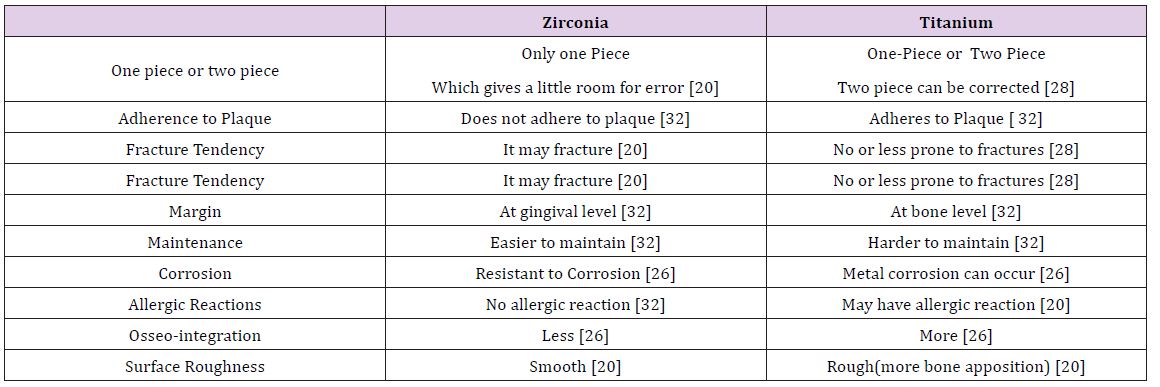
Background: Titanium, also known as conventional implant is the gold standard material for dental implant. The reason behind this is their outstanding biocompatibility, adequate mechanical properties and beneficial results. When exposed to air, titanium instantly develops a stable oxide layer, which forms the basis of its biocompatibility leading to a better Osseointegration [1-3]. Zirconia (ZrO2) is a ceramic material with sufficient mechanical properties for manufacturing of medical devices [2] Zirconia-based implants were introduced into dental implantology as a substitute to titanium implants. Zirconia seems like an appropriate candidate for implant material due to its tooth-like color, its biocompatibility and its mechanical properties and low plaque affinity [1,4] The major drawback of titanium is its gray color. In various situations, there could be an unaesthetic display of the metal components due to lack of soft tissue height over the implant level this can also take place following soft tissue recession and marginal bone loss [4,5]. Zirconia opacity is very helpful in unfavorable clinical situations. Radio- Opacity can aid evaluation during radiographic controls. Frameworks of Zirconia are made using computer-aided design/manufacturing (CAD/ CAM) technology [5].

Aims of this Study: The aim of this study is to review clinical and research articles conducted on zirconia dental implants, observe their success rate with a minimum follow up of 5years & compare them with titanium dental implants.

Materials and Methods: A literature search was performed of the Pub Med database using the following key words: ‘zirconia,’ ‘zirconia implant,’ ‘zirconia versus titanium. The searches were limited to articles in English published from 2003 to 2016.

Results: A total of 4 articles matched the criteria of a minimum 5year follow up study. A cumulative success rate of 92.2% was observed.

Conclusion: Literature search showed that the success and longevity of dental implants strongly depend on surface characteristics and adequate osseointegration. And that the use of right size, shape, length and diameter of the implant in optimal loading conditions would increase the chances of successful implant placement. Although it also highly depends on that the right technique is being followed by the operator. Some of the properties of zirconia seem to be suitable for making it an ideal dental implant, such as biocompatibility, osseointegration, favorable soft tissue response and aesthetics due to light transmission and its color. Zirconia can prove a feasible alternative in replacing titanium. A need for more clinical trials concerning resistance to failure in long-term is of high importance.

Key words: Zirconia; Zirconia implant; Zirconia versus titanium

Introduction

Dentists and dental specialists use significant clinical skills in an attempt to deal with the consequences of complete and/or partial edentulism [6]. The therapy of completely and partially edentulous patients with dental implants is an accepted and eminent treatment modality [2]. Zirconia is one of the most capable restorative biomaterial, due to its highly positive mechanical and chemical properties appropriate for medical application. Zirconia ceramics (ZrO2) are becoming a widespread biomaterial in dentistry and dental implantology [2]. Titanium has been the preference for dental implants for the past many years. Its properties and characteristics have been found to be most fitting for the success of implant treatment. But lately, zirconia is gradually rising as one of the materials to reinstate the gold standard of dental implant, i.e., titanium [1]. Dental implants are biocompatible metal anchors surgically placed in the jaw bone beneath the gums to hold an artificial crown where natural teeth are missing.

Using the root form implants which are the nearest in shape and size to the natural tooth root, the non-union bone healing stage generally varies from three months to six or more. During this period, osseointegration occurs. The strong sustainability of the implant is due to the bone growing in and around it, to which a superstructure will be attached later on by either cementation or screw-tightening retaining technique [7,8]. Since the material composition and the surface topography of the implants play a fundamental part in osseointegration, various chemical and physical surface modifications have been developed in order to decrease thetime of osseous healing, and it was observed that increased surface roughness of dental implants lead to greater bone apposition and reduced healing time [9].

Review of Literature

Implants are traceable to ancient Egyptian and south American civilization around 1000AD [10]. Where carved seashells and/or stones were placed into human jaw bone to replace missing teeth [11]. With the 18th century being the start of Endosseous oral implantology [10]. The modern dental implant history as we know it started during World War II when in the years of service in the army, Dr. Norman Goldberg thought about dental restoration using metals that were used to replace other parts of the body. Later on in 1948, in association with Dr. Aaron Gershkoff, they produced the first successful sub-periosteal implant. This success formed the foundation of implant dentistry in which they were pioneers in teaching techniques in dental schools and dental societies around the world [10]. One of the most significant developments in dental implantology occurred in 1957, when a Swedish orthopedic surgeon by the name of Per-Ingvar Brånemark began studying bone healing and regeneration and discovered that bone could grow in proximity with the titanium (Ti), and that it could effectively be adhered to the metal without being rejected. Therefore, Brånemark called this phenomenon ‘osseointegration’, and he carried out many further studies using both animal and human subjects [12,13]. The development of modern ceramics started in 1992; and from that time on, dental implant companies have incorporated ceramic surface treatments and ceramic-like elements to implants with the purpose of further enhancing Osseointegration [10].

What Are Ceramic Implants

All-ceramic dental implants were introduced in dental implantology as a substitute to titanium implants. One of the main reasons to find an alternative material to titanium was sensibilization; it is the possible release of metallic ions, and allergy to this material, as reported in some studies [5]. The first ceramic material that was used in the past for dental implants was aluminium oxide. This material showed good osseointegration but it did not have sufficient mechanical properties for long-term loading [5]. More recently, new generation ceramic materials such as zirconia were introduced. Zirconia is characterized by more favorable mechanical properties (high flexural strength (900- 1200Mpa), hardness (1200Vickers), and Weibull modulus [13- 15] than aluminium oxide. In addition, this biomaterial has a high biocompatibility and low plaque adhesion [14,16]. Zirconia exists in three phases, Monoclinic (M), Cubic (C) and Tetragonal (T), depending on temperature. M-phase is fragile at room temperature, and therefore requires stabilization to prevent Tetragonal (T)-to- Monoclinic(M) phase transformation in technical applications. A stress-induced transformation toughening mechanism improves the mechanical strength of zirconia, rendering it more suitable as a dental implant material.

Yttria (Y2O3) is used as a general stabilizer for maintaining the T-phase of zro2. Y2O3-stabilized tetragonal zirconia polycrystals (Y-TZP) have high strength, toughness, and biocompatibility, and elicit biological responses that are similar to those induced by titanium. Therefore, Y-TZP is considered as a potential titanium alternative [11,17]. One unique feature of zirconia is its crack resistance, also called transformation toughening. This phenomenon increases the fracture toughness of the material and might be the explanation for the so far excellent clinical survival rates. Besides sound survival rates, the goal of an implant treatment is to achieve a harmonious reconstruction that cannot be distinguished from natural teeth by the naked eye. This is of particular importance in the challenging and most exposed anterior region of the jaws. The type of zirconia used in dentistry is partially stabilized tetragonal zirconia poly-crystals. This specific type of zirconia exhibits very high fracture toughness, i.e. Resistance towards crack propagation, through a phenomenon called “transformation toughening” [18].

Materials and Methods

A literature search was performed of the Pub Med database using the following key words: ‘zirconia,’ ‘zirconia implant,’,’zirconia versus titanium’. The searches were limited to articles in English published from 2003 to 2016.

Results

Table 1 shows only 4 articles that matched the criteria of minimum 5-year follow up. With a total of 1055 implants inserted to 82 of them failing. This gave us a cumulative success rate of 92.2%. Other result is the comparison of Titanium and Ceramics. The Table 2 shows the differences between them. Zirconia comes as a one piece, with the implant and abutment fused together being easier to maintain. Titanium can come either one piece or two piece, with implant and the abutment separately but harder to maintain. The microgap between implant and abutment in two piece may cause plaque accumulation. The margins of Zirconia and Titanium are at the gingival level and bone level respectively. Titanium can undergo corrosion and might cause allergic reactions. Surface roughness of Zirconia is smooth with less osteointegration compared to titanium due to it having a rough surface.

Table 1: Success Rate with minimum 5 year follow up.

Table 2: Comparison between Zirconia and Titanium.

Discussion

Success Of Implants

The success and longevity of dental implants are strongly governed by surface characteristics. There are certain factors that successful implants must possess to accommodate the ossteointegation. They are:

a. Biological compatibility not to be toxic to surrounding hard and soft tissues,

B. Grassi [22] observed that implants failed after immediate loading

C. Roehling [2] were conducting a research with different implant diameters (3.00mm, 4.00mm, 5.00mm).

They observed that the implants with 3.00mm had. Absence of signs of marginal bone loss around implants surface indicates maintained integration between the implant fixture and the surrounding bone [16]. However, the finding of periimplant bone remodelling must be carefully considered because the marginal bone loss which may be detected around implants after beginning of function should be distinguished from the bone loss that is affected by one or more of the following factors:

a) Traumatic surgical technique,

b) Excessive loading conditions,

c) Location, shape, and size of the implant abutment microgap and its microbial contamination,

d) Biologic width and soft tissue considerations,

e) Periimplant inflammatory infiltrate,

f) Implant and prosthetic components micromovements,

g) Repeated screwing and unscrewing [10].

Other Possible Reasons of Failure

Systemic risk factors can increase the risk of treatment failure or complications, but very few absolute contraindications to dental implant treatment are defined. Conditions that increase the risk of failure include but are not limited to smoking and endocrine disease (tooth and implant loss related to vasoconstriction and tissue hypoxia), osteoporosis (reduction in alveolar bone density and mass due to the altered bone metabolism), microbial and immune-inflammatory factors, cardiovascular disease, myocardial infarction, cerebrovascular accident, severe bleeding issues, and chemotherapy In general, these failure rates have been associated with poor bone quality and/or quantity which leads to poor anchorage and stability of the implant [10,21].

a) Implants failed if the width of the attached gingival is ≤ 2 mm. Other studies have shown that a thin or absent masticatory gingival was associated with bleeding on probing and a significantly greater mean loss of alveolar bone [22].

b) Silk sutures were less likely to support bacterial colonization than other suture materials which minimizes thechance of odontogenic infections.Use of polyglactin 910 was associated with a higher incidence of early loss of implants [22].

c) Smoking can inhibit blood flow to the bone may lead to disrupted Osseointegration [22].

d) A non-infectious process resulting in bone resorption, for which the term “aseptic loosening” is used [17].

i. Titanium

Titanium has a good record of being used successfully as an implant material and this success with titanium implants is credited to its excellent biocompatibility due to the formation of stable oxide layer on its surface [19,23]. The commercially pure titanium (cpti) is classified into 4 grades which differ in their oxygen content. Grade 4 is having the most (0.4%) and grade 1 the least (0.18%) oxygen content. The mechanical differences that exist between the different grades of cpti is primarily because of the contaminants that are present in minute quantities. Iron is added for corrosion resistance and aluminum is added for increased strength and decreased density, while vanadium acts as an aluminum scavenger to prevent corrosion.. Because of the high passivity, controlled thickness, rapid formation, ability to repair itself instantaneously if damaged, resistance to chemical attack, catalytic activity for a number of chemical reactions, and modulus of elasticity compatible with that of bone o, Ti is the material of choice for intraosseous applications [11].

ii. Zirconia

Zirconia was used for dental prosthetic surgery with endosseous implants in early nineties. Ceramic implants were introduced for osseointegration, less plaque accumulation resulting in improvement of the soft tissue management, and aesthetic consideration as an alternative to titanium implants. Apart from there being the esthetic issue due to gray color of titanium which becomes more prominent when the soft tissue condition is not optimal and it becoming visible through the mucosa [11] It may also cause a greyish discoloration of the peri-implant mucosa where as Ceramic abutments are reported to reduce soft tissue shadowing due to their color and enhanced translucency which may lead to optimal esthetic results in combination with all-ceramic crowns [18]. Plaque accumulation and bacterial colonization on titanium is also one of the bigger drawbacks [24-34].

Conclusion

Literature search showed that the success and longevity of dental implants strongly depend on surface characteristics and adequate osseointegration. And that the use of right size, shape, length and diameter of the implant in optimal loading conditions would increase the chances of successful implant placement. Although it also highly depends on that the right technique is being followed by the operator. Many of the properties of zirconia seem to be suitable for making it an ideal dental implant, such as biocompatibility, osseointegration, favourable soft tissue response and aesthetics due to light transmission and its color. Zirconia could be a feasible alternative in replacing titanium. A need for more clinical trials concerning resistance to failure in long-term is of high importance.

For More Articles: Biomedical Journal Impact Factor: https://biomedres.us
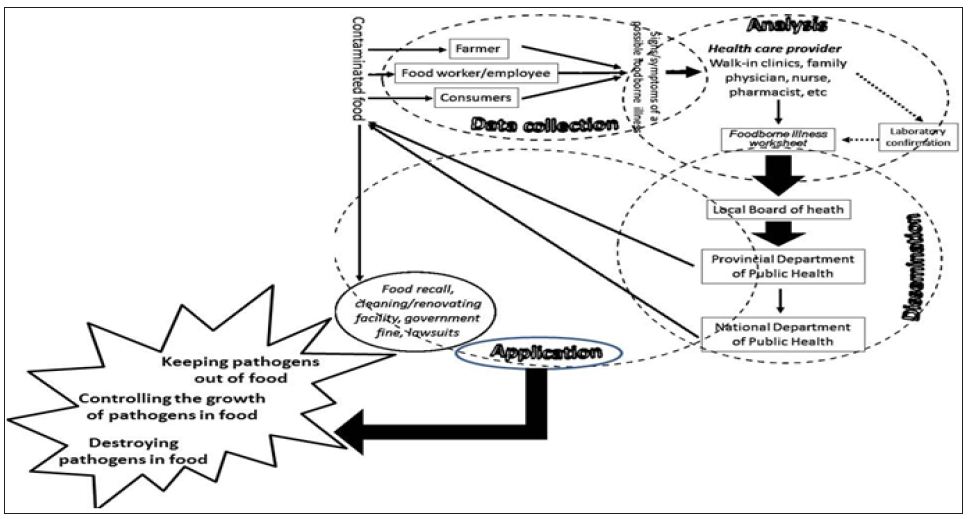
Journals on Orthopedics

Bacterial Infection of Spine Instrumentation and Microbial Influenced Corrosion (MIC): Chicken or Egg

Opinion

There is evidence that microbes including bacteria and macrophages are associated with in the presence biomedical alloys implants for orthopedic procedures [1-4]. The corrosion of metal alloys (A316L Surgical stainless steel; ASTM F136 ELI Ti6Al4V; ASTM F75/F1537/F799 CoCrMoC) in-vivo has also been well documented [5-8]. Proprionibacterium acnes as well as Staphylococcus Epidermis are considered sulfur reducing bacteria in the petroleum industry and have been found in petroleum stockpiles and pipelines [9,10]. These bacteria are associated with pipeline corrosion in oil fields and refineries [9]. In our own clinical experiences, we have noted a large number of spine metallosis cases and believe that the corrosion of implants and surgical site infections with P. acnes bacteria, or other sulfur reducing bacteria, are intimately connected in revisions and clinical infections. In our practice we observed an association between infection and implant corrosion leading to the initiation of a study examining revision of spinal instrumentation and patient outcomes. In patients who underwent spine instrumentation revision, who had grey or black stained tissues taken for culture in the OR and subsequent to the revision, we found 4 of 10 having P. acnes and Staph. epidermis present as a latent infection. A few patients showed clinical signs of infection, requiring subsequent drains and wash-out to clear all presence of bacteria. As early as 1999, P. acnes and Staph spp. were shown to be associated with orthopedic infections, where it was detected in 63% of sonicated samples taken from 120 patients receiving total hip revision [4]. As recently as 2016, P. acnes were highlighted as a possible contributor to post operative infections in orthopedic procedures [1]. These commensal skin dwelling microbes are anaerobic, sulfur reducing bacteria [11-13]. P. acnes, Staph. aureus and epidermis have been isolated as biofilm forming bacteria in orthopedics as well [3].

What this suggests is the presence of the implant provides a suitable substrate upon which the bacteria can colonize leading to latent infection. Additionally, the bacteria utilize the elements present in the instrumentation to sustain their metabolism while corroding the alloys. The presence of sulfur reducing bacteria and their biofilm formation on metals has been extensively studied in the petroleum industry. As noted, these bacteria are also found in other environments beyond our skin. Zhu et al. [9] identified Propionibacterium sp. strain V07/12348 and Propionibacterium sp. strain WJ6 and even E. coli in natural gas pipelines. Yoshida et al. [10] indentified P. acnes in crude oil samples in Japanese stockpiles as well as Staph sp. The crude tested included supplies from Arabia and Russia. The presence of Proprionibacterium sp. and staphylococci sp. would not be unexpected given the sulfur content of these supplies are 1-2wt%. Conversely, sulfur reducing bacteria have been shown to be capable of residing upon and attacking titanium [14], as well as carbon steels [15]. This attack takes the form of acids such as H2S and proprionic acid created as the bacteria utilize sulfate, nitrate, nitrite, carbon dioxide, Fe3+, Mn4+, Cr6+, and other metal ions or bacterial waste products as electron acceptors for metabolism [16].

Thus, given the ubiquitous nature of these bacteria on the skin and deep dermal layers it is not surprising that latent infections can occur when implanted metal instrumentation is utilized in orthopedic procedures given they provide both a scaffold in the form of a place for biofilm to form and nutrients. Current explanations pertaining to the corrosion of spine biomedical alloys are focused upon galvanic/pitting/crevice, fretting corrosion. Galvanic corrosion of biomedical alloys, specifically Ti6Al4V (ASTM F-136ELI) and CoCrMoC (ASTM F75 and ASTM F1537) is not a real concern in modular constructs where theses two alloys are in intimate contact [5,6]. This is a well-studied phenomenon in spine instrumentation where the mixing of alloys is common, e.g. Ti6Al4V pedicle screw with a CoCrMoC tulip and an interlocking Ti6Al4V or CoCrMoC spine rod [17]. In galvanic corrosion, there are no apparent reactive pathways between Ti6Al4V and CoCrMoC. Similar to what is concluded n references 5 and 6, the risk of galvanic corrosion in our experience is minimal based on the very close electronegative nature of the base alloy elements. Therefore, corrosion in instrumentation must be beyond galvanic corrosion. It has been our experience, that the corrosion coupling of Ti6Al4V andCoCrMoC alloys is predominantly a wear function where fretting between parts continuously exposes pristine substrate alloy to the surrounding body fluids (electrolyte), called tribocorrosion [7]. In previous cases, we have observed the presence of particles or elements present on opposing surfaces present on all components, however, this phenomenon only appears to occur where fretting occurs. No intermetallic particles, suggesting some form of galvanic process are present.

All particles observed are oxides, CrxOy, TiOx, VO, MoO, and alumina based on EDS analysis. The physicochemical properties of the category 6 transition metals, Cr, Mo, W, do not allow them to easily form any intermetallics with Ti, Al, or V at low temperatures [18]. The base elements, Co and Ti, are soluble together and can form a compound through the use of arcmelting. Therefore, if one is to consider galvanic corrosion between these two alloys, the primary consideration must be the half-cell reaction releasing metal ions from oxides on either the Ti6Al4V or CoCrMoC surfaces as well as the electro-potential of the pure metal themselves. It is these released metal ions that act as positive charge carriers in the electrolyte. Both oxides are very stable. For example the major oxide Cr2O3 (the only stable form of chromium oxide in air at room temperature) has no reaction for its reduction in the body as that it is done under high temperatures (>1200°C), pressures, or in aluminothermic reactions, e.g. explosive/combustion reactions. From our ongoing research the most likely explanation for the corrosion of alloys in spine is fretting wear and microbial induced corrosion. Each has sufficient energy to disrupt the passive oxides presence, allowing for corrosion of the substrate metals. Infection of comensual organisms is reasonable as these alloys provide a surface for protective biofilm formation and nutrients for bacterial growth.

For More Articles: Biomedical Journal Impact Factor: https://biomedres.us
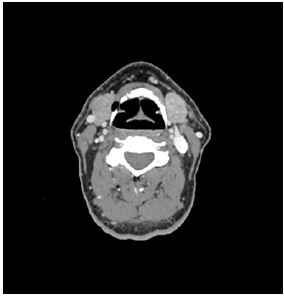
Journals on Pharmacy

Immediate Reduction in Hospital Pharmacy Costs with Intraoperative Restriction of Albumin Administration

Introduction

Albumin has been used for fluid resuscitation in the OR and ICU, since 1940 [1]. Its usage gained prominence based on the classic descriptions of transvascular exchange by Earnest Starling who purported that colloids such as albumin should be more effective at increasing depleted intravascular volume due to their relative vascular membrane impermeability when compared to crystalloids such as saline [2]. It was not until 1998 that a systematic review by the Cochrane Injury Group Albumin Reviewers that the use of albumin for fluid resuscitation came under scrutiny [3]. In this first summary they described a 6 percent increase in mortality (relative risk 1.68, 95% confidence interval 1.28 to 2.23) in patients with hypovolemia, burns, and hypo-albuminemia who received albumin versus other fluids. This scrutiny lead to the landmark Saline versus Albumin Fluid Evaluation (SAFE) study published in the New England Journal of Medicine [4].

The SAFE study was a double blind randomized controlled trial that compared 4 percent albumin to 0.9 percent saline for fluid resuscitation in the ICU for a population of 6997 patients assigned to receive albumin or normal saline. This landmark study showed that when measuring primary outcomes over a 28-day period, albumin had no inherent advantages over saline in terms of mortality, length of stay, dialysis requirement, and mechanical ventilation duration. Moreover, The SAFE study investigators showed with subpopulation analysis that colloid fluid resuscitation was associated with a 19.6 percent increase in mortality in patients suffering from traumatic brain injury (relative risk, 1.88; 95% CI, 1.31 to 2.70; P<0.001)[5].

While critics of the SAFE study have concerns over the limitations of the 28-day observation period, they inevitably conclude the routine use of albumin for fluid resuscitation is not warranted for both the critically ill and for Intraoperative use [6,7]. Literature showing outcome associated benefits of albumin use is sparse and limited to specific patient subpopulations such as patients undergoing coronary artery bypass graft or suffering from septic shock [1,3,4,7,8]. However, these studies are limited in scope only measuring superficial physiological metrics such as hemodynamics or comparing albumin exclusively to other colloids [7,8].

Methods

Tampa General Hospital is a large multispecialty facility of 1080 beds on the west coast of Florida, with major services in trauma, transplant, and specialty surgery for all ages. Average daily surgeries regularly exceed 200 patients in 60 staffing locations. After cost analysis and hospital-wide discussions, a memorandum accepted by the Pharmacy and Therapeutic Committee on September 2016 was circulated throughout the anesthesia department stating all forms of albumin would be removed from department endorsed anesthesia carts and all future requests for albumin were to be made at the pharmacy counter recording the physician name and indication. Following this memo, a series of guidelines were distributed department wide, to describe possible medical indications suggesting use of albumin and allowing for restricted distribution upon request by the Attending Anesthesia Provider. A synopsis of these Indications is described in (Table 1).

Table 1:

Results

The rapid reduction in utilization was well received by providers in all anesthetic locations, as it was heralded and widely discussed weeks prior to implementation. Tracking of utilization and costper month are described in Figure 1, with a monthly summary and a 12 month follow up Table 2. Following restrictions on albumin administration, our institution was able to reduce average monthly albumin costs from $24,372 to $14,338 providing a potential annual savings of $120,000. After the first six months of the initiative, a slight increase in albumin utilization was noted resulting in a lower average monthly cost reduction than projected. This is possibly due to lack of continued monitoring and education, combined with employee turnover. However, this trend should be remedied with implementation of an education program for new employees and increased scrutiny for current employees to curb incorrect usage habits. Quality metrics such as in-hospital mortality, morbidity, and length of stay were not affected (Figure 1) and (Table 2).

Table 2:

Figure 1:

Discussion

With increasing manufacturing costs and lower production volumes, medical grade albumin has become very expensive. These cost increases in combination with the findings of the SAFE study have contributed to an increasing number of hospital initiatives to reduce albumin utilization for fluid resuscitation [7]. One initiative enacted by the University of Maryland Medical Center cardiac surgery intensive care unit was able to produce $45,000 worth of wholesale savings per month with no changes to morbidity or mortality. In this vein, implementation of similar albumin restrictive guidelines hospital wide would produce considerable CDF savings.

Conclusion

The based on the published data, the use of albumin in modern critical care medicine remains controversial. Although albumin supplementation for fluid resuscitation does not increase the relative risk of death or morbidity, it offers no measurable benefits when compared to crystalloids and other colloids. Following implementation of a restriction on albumin administration, our institution was able to reduce average monthly albumin administrations from 646 to 353, translating to a $10,034 decrease in monthly costs. On initial observation there was no difference in clinical outcomes.

For More Articles: Biomedical Journal Impact Factor: https://biomedres.us
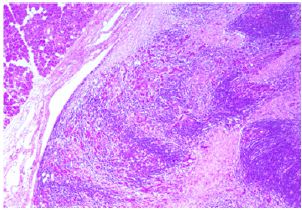
Journals on Gynaecology

Endometrial sarcoma. Case Report and Review of the Literature

Abstract

Endometrial stromal sarcoma is a rare type of endometrial cancer that is mainly present in older women. There is no specific classification for this type of endometrial cancer and for this reason we use the FIGO classification that is used to stage endometrial type cancers. The main presenting complaint of women with endometrial stromal sarcoma is PV bleeding. Endometrial sarcoma cells are positive for both estrogen and progesterone receptors and have high levels of CD-10 and inhibin. We present a case of a 56 year old lady who came to the RAC due to PMB and scan findings suggesting of endometrial fibroid. Patient undergone a hysteroscopy which shown a large polypoid lesion in the posterior uterine wall and a large fibroid tissue lesion in the endometrium, suggesting of endometrial sarcoma. Patient had MRI and discussed in MDT, as per Trust policy and she had a TAH+BSO. The histology confirmed the diagnosis of low gradeendometrial sarcoma.

Introduction

Endometrial uterine sarcoma is a very rare tumour of the uterine cavity. It accounts for 0.2% of the total uterine malignancies. The annual incidence for this disease is 10-12/1.000.000 cases and the mean age is between 42-58 years. Despite being very rare, is an extremely indolent malignant tumour with local recurrences and distant metastases even 20 years the initial presentation of the disease:

Cytogenetics

Micci et al. [1] in 2006 identified a specific translocation T(7;17) (p15;q21 with involvement of two zinc finger genes juxtaposed with another zinc finger protein 1 and joint juxtaposed with another Zinc protein 1 was described in most of the ESS. Halbwed et al. [2] study shown a strong correlation between chromosomal deletion on 7p and tumor development and progression.

Pathogenesis

We don’t know the exact pathogenesis of endometrial sarcoma, but PCOS, exposure to tamoxifen and unopposed estrogens, have been implicated in the pathogenesis of uterine sarcoma. WHO in 2003 classified endometrial sarcomas, into:

a) Endometrial stromal nodule,

b) Low-grade endometrial stromal sarcoma and

c) Undifferentiated endometrial or uterine sarcoma

Diagnosis

90% of endometrial sarcomas will present with abnormal uterine bleeding and 70% will be associated with uterine enlargement, too. It is also possible to present with pelvic pain and dysmenorrhea. 25% of individuals will be asymptomatic. Tavasolli et al [3], study shows that in 30 to 50% of cases, by the time of diagnosis, endometrial sarcoma was already spread into neighbor organs. Ganjoei TA et al and Jin Y et al study, shown that, in the majority of cases, endometrial scrapping is useful in the diagnosis of the disease, because it involves both the myometrium and endometrium. Both studies shows that, if the disease is isolated in the myometrium, then endometrial scrapping won’t be helpful. Additionally, due to the fact that, endometrial sarcoma has similarities with the normal endometrium, many times is impossible to put the definitive diagnosis based on the endometrial curettage, and we need to await the histologic diagnosis from the hysterectomy specimen.

Radiology

Ultrasound is not a reliable way to diagnose endometrial sarcoma, because of the similar picture with adenomyosis or uterine leiomyoma. MRI can be useful for the preoperative diagnosis, because it has the advantage to show possible metastases and gives more detailed information regarding the endometrial cavity. The presence of low-signal intensity within the area of myometrialinvasion is suggestive of endometrial sarcoma. Additionally, continuous extension of the lesion into the adjacent structures along vessels, fallopian tubes, ligaments and ovaries is diagnostic of endometrial sarcoma.

Immunohistochemistry

CD10 is a cell surface neutral endopeptidase and Zhu XQ et al. (4), endometrial sarcoma cells express high levels of CD-10 and inhibin expression. Endometrial stromal cell tumors are positive for both estrogen and progesterone receptors

Differential Diagnosis

Endometrial sarcoma should be differentiated from neoplasms with arborizing vasculature, highly cellular leiomyoma, cellular endometrial polyp, low-grade mullarianadenosarcoma, and adenomyosis [5].

Prognostic Factors

Prognosis depends on the staging according to the FIGO classification. In the literature, there are several factor which have been associated with poor prognosis, like increased age, black race, DNA aneuploidy, proliferative activity, expression of hormone receptors, etc. Lai et al study, shown that, older patients (>50 years), black race, advanced stage, lack of primary surgery, nodal metastasis, high mitotic count >5/10 high-power fields, CD10 negative or low expression or even lack of progesterone or estrogen receptors were independent factors for poor survival. However, we do know that, generally endometrial sarcomas have better survival rates than other sarcomas.

Treatment

The following are all potential treatment options for the management of stromal sarcomas:

a. Surgery,

b. Adjuvant therapy

c. Hormone therapy and

d. Radiotherapy.

Surgery is the treatment of choice for endometrial stromal tumors. In case of undifferentiated endometrial sarcomas, patient should undergo debulking surgery for cytoreduction, in order to reduce the potential for metastasis. In case of endometrial stromal sarcomas, patient can undergo only hysterectomy with or without salpingoophorectomy. Because endometrial stromal tumors are hormonally sensitive, post-operative hormone replacement therapy, in case of TAH+BSO, is contraindicated. In case of young patients, we might think to preserve the ovaries, if the case is an endometrial stromal sarcoma type 1, in order to avoid early menopause. Chan JK. Study, shown that 10% of those who underwent lymph node dissection had nodal metastases, and the recommendation was to undergo lympha denectomy for both prognostic, but also for therapeutic purposes. Additionally, patients with positive nodal metastasis had significant poorer prognosis than patients with negative nodes. The results of Chan et al study, supported also by several other studies and for this reason the recommendation is for lymphadenectomy, mainly for prognosis, since the therapeutic benefit, should be proved. Adjuvant therapy, should be considered in stage II-IV endometrial stromal sarcoma and involves hormone therapy with or without tumor dissected radiotherapy.

Hormone therapy is an option in case of endometrial stromal sarcoma, because these tumors have estrogen and progesterone receptors. Hormone therapy include: a) megestrol/medroxyprogesterone, gonadotrophin releasing hormone analogues and aromatase inhibitors, like letrazole and anastrozole. Spano JP et al. [6] and Alkasi et al. [7], are 2 case reports which shows 10 year free survival rate for the patients that received aromatase inhibitor for 10 years. Chu et al. [8], study compared the outcome for the patients who received adjuvant megestrol 160mg/day with those who didn’t. The result was, that patients who received adjuvant megestrol, 75% of them didn’t have recurrence of the disease, whereas, patients who didn’t have adjuvant megestrol, didn’t have recurrence of the disease in 29%. In case of recurrent disease, Maluf FC and Petal S suggest a dose of 2.5mg letrazole daily. Radiotherapy, is an option for the stage II-IV endometrial stromal sarcomas, but not for stage I.

Recurrent Disease

Recurrent disease is possible in 1/3-1/2 of cases and limited in the pelvis and lower genital tract. Distant metastasis can occur after years of disease. Chemotherapy is a mode of therapy for recurrent undifferentiated endometrial sarcoma, there is no strong evidence.

Follow-Up And Survival Rates

The 5 year survival rate for the FIGO type 1 is between 54-100%. The relative 5 year survival rate for FIGO type 2 is 30%, whereas for III-IV is only 10%. Since the recurrence rate is very high with this type of tumor, it is essential to have a very thorough follow-up. It shall be once in 3months for the first year, and half yearly for next 4years. Thereafter, annual follow-up is recommended. The relapse free survival depends on the tumor stage, myometrial invasion, adjuvant therapy, and bilateral salpingo ophorectomy.

Case Report

We present a case of low grade endometrial sarcoma, which corresponds to endometrial stromal sarcoma according to the latest WHO classification (WHO 2003). A 56 year old was referred by her GP to the RAC of NPH due to postmenopausal bleeding PMB). Patient was P6, all normal deliveries and she noticed PMB for 3 days. She is taking amlodipine 5mg OD for hypertension, but otherwise fit and well, She didn’t complain of any allergies and she was updated with the smear tests, which were all normal. She was seen on 15th of November 2016, at the RAC of NPH by the Gynaecology Oncology lead. She had prior to the clinic (11th of November 2016) a scan which shown an endometrial thickness of 26mm and a mass in the posterior wall of the uterus, which was typical of a fibroid. In the view of the PMB and the increased endometrial thickness in scan, a malignancy couldn’t be excluded. She was examined by the gynae oncology lead and the findings were: abdomen soft, non-tender, no mass palpated. Speculum examination performed and cervix looked healthy and no obvious cause for PMB was seen. Pipelle attempted,but it was not successful because patient couldn’t tolerate the examination. She was booked for an urgent hysteroscopy (2 week referral) with endometrial biopsy, as per Trust policy. On 28th of November she had a hysteroscopy. Large polypoid lesion was seen in the lower segment of the uterine cavity. A large fibroid was seen in the endometrium and multiple pieces of this fibroid lesion taken and sent for biopsy via resectoscope. We were unable to completely remove the lesion from the lower uterine segment, since there was a high suspicion of being a cancer and we were afraid not to perforate the uterus and causing dissemination of the disease.

The plan was to send the patient for an MRI and to discuss the case in the MDT meeting. On 29th of November, she had an MRI of the abdomen-pelvis. The scan shown a soft tissue which was arisen from the endometrial cavity which corresponds to an endometrial polyp and 4.4×4.6cm heterogenous mass from the posterior uterine wall, which is more suggestive of a fibroid or a malignant lesion arising from the myometrium including a sarcomatouslesion . On 29th of November we had the results of histology which shown: low grade endometrial sarcoma. On 2nd of December we discussed the case in the MDT meeting with the gynae oncology lead in Hammersmith hospital, which is a tertiary referral unit for North West London and the plan was for a total abdominal hysterectomy and bilateral salpingoophorectomy. The histology confirmed the diagnosis of a low grade endometrial stromal sarcoma. As per FIGO classification, the sarcoma was of stage 1B, since the tumor was confined to the myometrium. Microscopically, tumor cells express CD10, SMA, bcl-2 and CD99, but they were negative for desmin, h-caldesmon, melan-A, HMB45, S100 and CD34. We present this case, in order to point the complexity of the case, the rarity and of course, the importance of MDT meeting when you have high suspicion of cancer, without having the histological findings, yet.

Discussion

Endometrial sarcoma is a very rare malignancy of the endometrial cavity and is more frequent in older women. Sarcoma cells have very high hormonal affinity, both estrogenic and progesterone, they have high incidence of recurrence and for this reason follow-up is highly recommended even after the 5 year protocol and the treatment of choice is always total abdominal hysterectomy with bilateral salpingoophorectomy.

For M For More Articles: Biomedical Journal Impact Factor: https://biomedres.us