Journals on Medical Informatics

A Tensional Network in the Knee

The Medium of Haptic Perception

In contrast to the widespread assumption that the neural system generates impulses to the motor units in the skeletal muscle fibers, Turvey [1] place high importance on the fibrous collagenous connective tissues in the body; these are seen as providing a tensional network throughout the whole body, the biomechanical properties of which provide the framework for muscular force transmission as well as for the haptic sensory system. To identify the haptic system’s medium, Turvey focused on connective tissue and the conjunction of muscular, connective tissue net, and skeletal as the body’s proper characterization Turvey [1]. Myers has also posed the medium as a body-wide responsive physiological network—the myofascial meridian Myers [2]. Taking on ‘geometry’ first, cell biologist Donald Ingber placed one final piece of the puzzle: to view the body’s architecture in the light of ‘tensegrity’ geometry Ingber [3]. ‘Tensegrity’ was coined from the phrase’ tension integrity’ by the designer R. Buckminster Fuller (working from original structures developed by artist Kenneth Snelson Skelton [4]. As Snelson describes it Snelson [5], “The sculpture could be put into orbit in outer space, and it would maintain its form. Its forces are internally locked. These mechanical forces, compression, and tension or push and pull are invisible—just pure energy—in the same way that magnetic or electric fields are invisible.”
The tensegrity principle describes precisely the relationship between the connective tissues, the muscles, and the skeleton. For example, weight applied to shank/thigh bones would cause it to slide off its knee joint if it were not for the tensional balances that hold it in place and control its pivoting Swanson [6]. The invariant feature of tensegrity structures encompasses those that stabilize themselves through a phenomenon known as pre-stressing. Architects call this type of pre-stressed structural network, composed of opposing tension and compression elements that self-stabilize its shape by establishing a mechanical force balance, a tensegrity structure. Bio tensegrity is a term introduced by Dr. Stephen Levin and denotes the application of tensegrity’s principles to biological structures Hutson [7]. Tensional forces naturally transmit over the shortest distance between two points, so the elastic members of tensegrity structures are precisely positioned to withstand applied stress. For this reason, tensegrity structures offer a maximum amount of strength for any given amount of material Myers [2]. Furthermore, the invariant feature of a knee tensegrity system (specified by a given set of external forces such as the ground reaction force (GRF)) is a stable equilibrium if the structure returns to the initially given configuration after the application of arbitrarily small perturbations with respect to the functional knee axis (FKA) anywhere within the configuration Ingber [3].
Kim [8] showed how the knee tensegrity system manages the balance between tension and compression during locomotion by utilizing a unique combination of the FKA and GRF stimuli Kim [8]. When deformed by the shank to the ground via GRF, the strain is distributed over the whole structure, not locked into the joint itself by virtue of the assembly Phillips [9]. Thus, a reaction torque is zero on the knee joint if the GRF line of action intersects the joint axis. The configuration can exert a significant force on the ground without overloading the knee joint. This study aims to introduce the conception of the tensional network in muscles, i.e., the action lines that satisfy the given condition as the tensegrity’s structure is characterized by transmitting forces across the bones Kim [10]. Thus, we hypothesized that tensional forces in muscles are derivable from a scalar function, the work function.

N-lines as the Medium of Haptic Perception

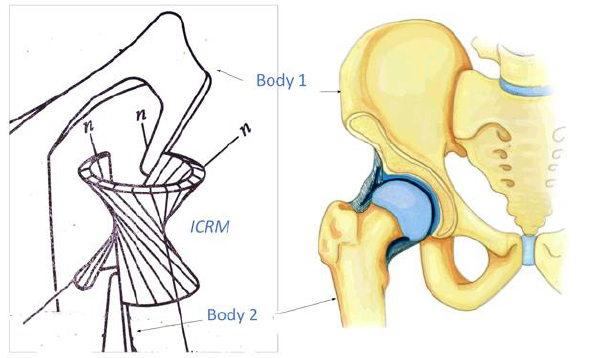
Neurophysiologist Nikolai Bernstein (1967) defined coordination as mastering the many degrees of freedom (DOF) of a particular movement by reducing the number of variables to be controlled Turvey [11]. Recently, a contemporary perspective on Bernstein’s concept of synergies has been proposed Profeta [12]. The muscle synergy is equivalent to the complexity of lines, a manifold approximated by individual fibers Kim, et al. [13]. Muscles are not functional units, even though this is a common misconception. Instead, most muscular movements are generated by many individual motor units distributed over some portions of one muscle, plus portions of other muscles. The tensional forces of these motor units are then transmitted to a complex network of fascia sheets, bags, and strings, which convert them into the final joint/body movement Myers [14]. We define an n-line in a body as a member of the tensional network by virtue of some constraint upon the body Phillips [9]. This will mean that, whereas all n-lines in a body will immediately become a tensional network as soon as the body begins to move, not all members in a tensional network in a moving body will have been n-lines before they began to move. The whole regulus of n-lines is a tensional network for the three constraints at the instant (Figure 1a). This single infinity of n-lines are the generators of the regulars of lines, a linear ruled surface, upon the hyperboloid. Given any three lines in a body (protectively independent) which are bespoken by virtue of some existing constraints to be n-lines in the body, the whole regulus of lines to which the three bespoken lines belong are also n-lines in the body.
In (Figure 1), if any four forces along the n-lines are in equilibrium, their lines of action will reside in space as the lines of some regulus. What makes this remarkable is that, while any three of the lines of action are enough to define the hyperboloidal surface, the fourth line of action will be found, not to miss or to intersect that surface, but to lie automatically and exactly upon it. The object of the illustrated apparatus in (Figure 1) is to set up body 2 with 3 DOF with respect to body 1 in such a way that, within it, three n-lines do exist. The 3 DOF speaks about a body’s ICRM, its instantaneous capacity for relative motion with respect to some other body. It should next be clear that, given this infinity of n-lines in (Figure 1a), there is a corresponding infinity of hinges, which are the generators of the other regulus upon the same hyperboloid. The articulation between bones in (Figure 1b) is ball-and-socket type, which can take up the single infinity of hinges as the ICRM, which seem to be continuously registered by the joints; the changes of the angles seem to be episodically registered by their input to the nervous system Gibson [15]. The question to be answered is this: How does a perceiver feel what he is touching instead of the cutaneous impression and the bone posture as such Gibson [15]? Now to answer the question. In brief, The ICRM of the body (with its 3DOF) can be exactly reproduced by the substitution of (6DOF-3) direct points of contact between the body and its frame.
biomedres-openaccess-journal-bjstr

Figure 1:

(a) A regulus of n-lines represents the tensional network. It physically connects bodies 1 and 2. The whole regulus of hinges is an equivalent mechanical substitution for the three n-lines at the instant
(b) The articulation of bones is the ball-and-socket type.

Tensional Network

Skelton [16] defined a tensegrity configuration of rigid bodies as follows Skelton [16]. In the absence of external forces, let a set of rigid bodies in a specific configuration have torque less connections (e.g. via frictionless ball-joints). Then this configuration forms a tensegrity configuration if the given configuration can be stabilized by some set of internal tensile members, i.e. connected between the rigid bodies. The configuration is not a tensegrity configuration if no tensile members are required and/or no set of tensile members exist to stabilize the configuration. (p. 1) which are conjointly reciprocal to the ICRM as indicated by their intersections (at the ⊗ ’ s). A balance of forces happens when the virtual coefficient vanishes, being it the necessary and sufficient condition for knee equilibrium. The original anatomic schematics and lines of action were published previously Kim, et al. [17-19] and are used with the permission of Professor Michele Conconi. The video is available:
h t t p s : / / d r i v e . g o o g l e . c o m / f i l e / d / 1 8 _ Y t s z z T 3 _ IvNIken5uxObj4jmSd0Zs_/view?usp=sharing
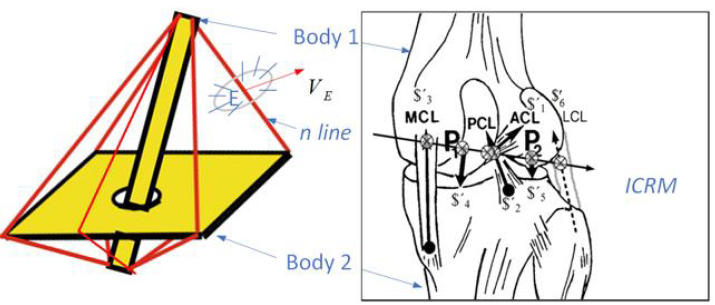
Attached to body member 1, in (Figure 2a), by mean of five taut strings, there are five n-lines, exhibiting a body with 1 DOF. It follows that body 2 suffers constrained motion as the tensegrity system moves that the paths in body 1 of all pints in body 2 are predetermined. (Figure 2a) is a stable embodiment of the same tensegrity configuration, hence a tensegrity system, exhibiting a torque less connection between body 1 and body 2. The line n-E-n in (Figure 2a) is an n-line by this definition, for it is a tensional network by virtue of a constraint. A member in the tensional network in a moving body is any straight line that joins two points in the body whose linear velocities are perpendicular to the line. The instantaneous velocity at point E,, is not yet known without analysis. Still, we know that it will occur in one or another of the directions indicated by the planar pencil of possible directions vectors drawn upon the flat surface perpendicular to the n-line at the point there, E (Figure 2a). The intra-articular structures of the tensegrity system of the knee include the muscles, the anterior cruciate ligament (ACL), posterior cruciate ligament (PCL), medial collateral ligament (MCL), lateral collateral ligament (LCL), and articular contact in the medial (P1) and lateral (P2) compartments (Figure 2b) Kim [18]. We have shown that six n-lines or constraints are members of the “tensional network” and are spatially oriented in such ways that by imposing an internal tension or “pre-stress” to reduce the play in the system; this ensures immediate mechanical responsiveness (all others feel, i.e., that movement of one element) and reduces impact fatigue at the joint.

Please refer to the authors ‘ previous works towards a visualization of the linear complex set Kim [13]. Let us look at the case next of six forces in equilibrium. When six forces are in equilibrium, their lines of action in the n-lines in the tensional network will be members of the same linear complex. Line manifold contraction is a linear line complex Jessop [20] defined by screws ICRM (Figure 2b). Using the superposition principle of infinitesimal quantities of DOF Kim [21], we can apply these two types of displacement as a body twist around a screw called Instantaneous Screw Ball [22]. The lines remain within the complex in any screw motion along a line axis, forming a linear complex. Additional cognitive processes or internal representations are not needed to explain these phenomena, as perception and action are coupled. Perceptual systems are active sets of organs designed to reach equilibrium through synergies Smart [23]. Our previous research Kim, et al. [24] introduced the concept of measurable invariance of the knee perceptual organ. In such invariant, six constraints ($) are collectively reciprocal to the instantaneous knee screw (ICRM) indicated by ⊗ (Figure 2b). These metrics predicted the knee synergy model based on synergies Turvey [25]. Moreover, this perspective defines torque-free pure forces based on the tensegrity structure Kim, et al. [26,27,21,24].
It is important to note that this configuration is a tensegrity configuration, as the system is pre-stress able in the absence of external forces, such as ground reaction forces during actual locomotion Skelton [16]. It was shown the knee tensional network (KTN) has six constraints and that it can balance the forces between tension and compression in the joint such that no work results Huang [28]. The KTN can be pre-stressed to obtain the same configuration as if external loads were applied. The selected pre-stress may yield the same configuration in the swing phase (external forces are absent) as in the stance phase (external forces are present) Skelton [9]. Notably, preparedness is not only a reactive aspect of the movement apparatus, but it also relates to anticipatory adjustments that predispose a system to behave in a particular way Profeta [12].
biomedres-openaccess-journal-bjstr

Figure 2:

(a) A set of rigid bodies in a specific tensegrity configuration have torque less connections.
(b) The knee joint synergy is represented by six constraints ($’ , 1,..,6 i i = ).

Ensembles of a Geometric Pattern

It has been shown that a special kind of line in a body, which is determined by the constraints, namely n-line, is a regularly occurring and probably useful kind of line in bio tensegrity. Moreover, an important theorem about the overall layout or tensional network of n-lines in a body has been presented: the beginnings of a geometric pattern that emerged; it has been found in some special cases only, that associated 1 DOF and 3 DOF of a body in tensegrity, there are ensembles of n-lines existing which are, respectively, linear complex and regulus. This study has shown that the appearance or otherwise of n-lines in a body is a mystery. Still, it can be said that throughout the knee tensional network run two forces in the two types of n-lines: the one is mechanically operated by direct contact between bodies Lanczos [29]; the other is the living force exerted by the neuromuscular mechanism. Sylvester has shown that when six n-lines in (Figure 2) are so situated that forces acting along them equilibrate when applied to a free rigid body, a certain determinant vanishes, and he speaks of the six lines so related as being in involution Ball [22]. We shall see in a later investigation that these ensembles of lines figure largely and continuously in the theory of freedom and constraint of the tensegrity.

For More Articles: Biomedical Journal Impact Factor: https://biomedres.us

Open Access journals on Medical Research

An Acute Necrotising Pancreatitis – A Medical Emergency

Introduction

Acute Necrotizing Pancreatitis results in approximately 300,000 hospital admissions in the United States every year, at a cost of $2.2 billion approximately [1]. It is defined as necrosis of the pancreatic parenchyma with or without necrosis of the peripancreatic tissues. Acute Necrotizing Pancreatitis occurs as a complication in most of the patients with acute pancreatitis and results in high morbidity (34%–95%) and high mortality (2%–39%) rates [2]. Gallstones and Alcohol are the most common causes of Acute Pancreatitis (AP). Diagnosis of Acute necrotizing pancreatitis is on the basis of three of the following criteria:
(1) Upper abdominal pain radiating in a belt-shaped fashion;
(2) Amylase or lipase values three times above normal levels; and
(3) Radiological findings [3].
Mortality occurring within the first 2 weeks of onset is most likely due to exaggerated systemic Inflammatory response, associated with decrease in immunity and systemic multiorgan failure [4].

Case Report

A 26-year-old male presented to Emergency department with Jaundice, generalized severe abdominal pain, nausea, vomiting and absolute constipation with on and off fever from last 2 to 3 weeks. On examination, there was generalized abdominal tenderness. Computed tomography of the abdomen and pelvis I/V contrast (CT Abdomen+ pelvis) showed complete necrosis of pancreatic body, tail and part of the pancreatic head. About 60%-70% of pancreatic head was spared. There was evidence of thrombosis in superior mesenteric vein and proximal part of portal vein, bowel loops had edematous walls and Lung bases showed bilateral atelectasis. There was moderate ascites with debris. In lab investigations, serum amylase and serum lipase values were surprisingly normal. Patient underwent laparotomy, lesser sac was approached, there was extensive necrosis of pancreas, abscess in lesser sac and saponification of omentum which was densely adherent to gut.
Abscess was drained out and then a drain was placed in lesser sac, right subhepatic region and pelvis and reverse closure was done with retention sutures. Samples of fluids, blood, urine, wound (pus) swab and cvp tip for culture and sensitivity were collected and sent to Akhtar Saeed Medical and Dental College Histopathology department. According to reports, there was E. coli growth in the Pus sample and CVP tip for C/S showed no bacterial growth even after 24 hour of incubation at 37 ˚C. Post-Operative patient was NPO/TFO, stable and I/v antibiotics continued but after few days of surgery, he again developed pain and high-grade fever. On CT abdomen there was phelgmon present with multiple pancreatic pockets of collection in the peri pancreatic abdominal and pelvic spaces and consolidation at right lower lung as well. In Lab investigations, urine C/S showed heavy growth of klebsiella and candida species for which multiple gram-negative spectrum coverage antibiotics were given but it could not settle down.
As the patient was young, another laparotomy was done through previous incision, peritoneum was approached, findings were noted and partial adhesiolysis done with drainage of abscess cavities and removal of necrotic slough. The drain was placed in left and right paracolic gutters, lesser sac, pelvis and reverse closure was done with retention sutures. After 2nd surgery, patient was shifted to ICU. On Lab investigations, high billirubin levels were noted upto13 mg/dl which settled down gradually after few days, it was later justified as a post-operative inflammatory response of pancreatic head. After a week of operation, patient again developed high grade fever and abdominal pain. On CT abdomen, there was a large abscess of about 10×8 cm in right side of abdomen near the pancreatic head. In Urine C/S, klebsiella showed heavy growth and there was Pseudomonas Aeruginosa present in pus swab. Patient complained of fecal matter coming out of abdominal drain because of colon erosion due to barium enema which was inserted for CT scan with I/V contrast Abdomen + pelvis per rectum. Then again, the patient had to undergo 3rd surgery in which adhesiolysis was done with drainage of right para colic and right retroperitoneal abscess.
The necrotic slough removed from lesser sac, left paracolic gutter and pelvis. Copious peritoneal lavage was done, and hemostasis maintained. Drains were placed in lesser sac, left and right paracolic region. Terminal ileum brought out as loop ileostomy in left iliac fossa. The distal part of colon was ligated and reverse closure was done with retention sutures. After few days of last surgery, patient was stable and discharged on oral medications. Patient continues to gain weight and now is perfectly normal.He is due to undergo reversal of his loop Ileostomy almost 16 months from his surgery. He is on Lifelong Pancreatic enzyme Replacement for Pancreatic Insufficiency however fortunately has not developed Diabetes.

Discussion

The guidelines of the International Association of Pancreatology (2012) recommends endoscopic or percutaneous drainage as the first line treatment of NP, followed by surgical necrosectomy only if required. However, the best mode of drainage is not stated [5]. Recent reported studies involve various patient populations, definitions and techniques of infected necrosis but results are not commensurable. Prophylaxis refers to the administration of antibiotics in patients with no clinical infection in order to prevent pancreatic infection. The third generation cephalosporins have an intermediate penetration into pancreatic tissues and are effective against gram-negative microorganisms and can sheath the minimal inhibitory concentration (MIC) for most gram-negative organisms present in pancreatic infections [6]. Amid these antibiotics, only piperacillin/tazobactam is effective against gram-positive bacteria and anaerobes. Quinolones (ciprofloxacin and moxifloxacin) and carbapenems both have good tissue penetration into the pancreas and have good anaerobic coverage [7] even aminoglycoside antibiotics (e.g., gentamicin and tobramycin) in intravenous dosages failed to invade pancreatic tissue sufficient enough to conceal the minimal inhibitory concentration (MIC) of the bacteria that are most commonly present in secondary pancreatic infections.
However, in our case, our patient was had organisms resistant to quinolones, Cephlosporins, Piperacillin/Tazobactam and beta-lactamase drugs. He was only sensitive to Carbapenems, aminoglycosides except Tobramycin, Fosfomycin and Chloramphenicol. whereas early trials indicated that administration of antibiotics possibly prevent infectious complications in patients with sterile necrosis. Recent studies have shown that prophylactic antibiotics in patients with acute pancreatitis do not have remarkable decrease in mortality or morbidity [8]. Hence, routine prophylactic antibiotics for all patients with acute pancreatitis are no longer suggested. Conventionally, the most commonly used method to treat infected necrosis has been open surgical necrosectomy, but in the last 1-2 decades the treatment of NP has evolved from open surgery to minimally invasive techniques (PCD, per-oral endoscopy, laparoscopy, and rigid retroperitoneal videoscopy) and for that therapeutic equipments, hospital preferences and availability of expertise of these techniques are compulsory. Imageguided percutaneous catheter drainage (PCD) may be used both as primary and as supplementary approach to other techniques.
This approach can be transperitoneal or retroperitoneal. Probably, the latter one is preferred as it avoids peritoneal contamination and enteric leaks. But sometimes the results are beyond expectations and enteric leaks still occur [8]. However, in current scenario, a different method was taken into account by draining abscesses from lesser sac, retroperitoneal sac, left and right paracolic gutter as the patient had thrombosis in portal vein and saponification of omentum. Other revelation was that fecal matter started coming out of abdominal drain. For that, loop ileostomy was done successfully.

Conclusion

The interventions should be chosen in the manner of a triad of optimal intensive care, operative, and medical management. To assess the disease severity and proper selection of treatment strategy, the role of laboratory diagnosis and imaging techniques cannot be ignored. Therefore, further studies should be conducted to highlight this aspect.

For More Articles: Biomedical Journal Impact Factor: https://biomedres.us

Open Access Journals on Medical sciences

The Effectiveness of Conservative Management for Parapharyngeal Abscess and Cranial Bones Osteomyelitis

ntroduction

A parapharyngeal abscess is a deep neck abscess [1]. The parapharyngeal space is lateral to the superior pharyngeal constrictor and medial to the pterygoid muscle, it is divided into anterior and posterior compartments and contains many important structures [2]: carotid artery, IJV, CN V, IX, XI and XII. Abscesses in this area can present as fever, sore throat, difficulty in swallowing and neck swelling and rarely trismus. The diagnosis is based on history and clinical suspicion with evidence of a generalized neck infection. Confirmation is made with a CT scan head and neck with contrast. Management includes broad spectrum antibiotics [3] that have good blood brain barrier penetration and surgical intervention in complex cases. Major complications include airway compromise, severe sepsis, seizures, neurological deficit, carotid artery rupture, IJV thrombosis with septicaemia [4].

Case Report

85 years old male presented to Emergency Department (ED). He had a past medical history of epilepsy, chronic otitis media, ischaemic heart disease and hypertension. He was usually mobile and independent at home. He was found on the floor by his son with evidence of a head injury and bleeding. In the ED his CT head was reported as no acute intracranial abnormality. Blood tests showed inflammatory markers were raised; CRP 300, WBC 16, ESR 95 and he treated with broad spectrum antibiotics and superficial laceration was sutured. No obvious source of infection localised on the CT scan of his thorax, abdomen and pelvis. After 1 day stay on the acute medical unit he was transferred to the Care of Elderly ward where he had 2 episodes of seizures, self-terminated with good recovery [5]. His GCS remained 15 during course of admission and no acute neurological deficit on clinical examination. Later on noted to have a right ear yellow discharge, urgent ENT referral made and was seen by the ENT team. After initial assessment by the ENT team CT scan head and neck with IV contrast which showed a complex right parapharyngeal abscess with soft tissue inflammation in the right carotid space with, petrous and squamous bone destruction and right IJV thrombosis extending to the dural venous sinuses. He underwent series of CT head and neck scans and was listed for potential emergency surgical intervention by the ENT team. He was started on ceftriaxone and metronidazole for the abscess and LMWH for right IJV thrombus. Daily bloods showed improvement in CRP and ESR. Detailed discussions with ENT and microbiology teams and agreed for long term antibiotics through PICC Line. Repeat CT scan showed a reduction in the size of the abscess with no further bone destruction and stable IJV thrombus.

Discussion

Parapharyngeal abscesses are deep neck abscesses in the parapharyngeal space.

Age

Can develop in any age group, more common in children.

Potential Causes (5)

a) Acute and chronic tonsillitis
b) Chronic otitis media
c) Peritonsillar abscess
d) Dental infections
e) Extension of existing deep neck abscesses like retropharyngeal
or submandibular
f) Traumatic
g) Iatrogenic post-operative or local anesthetics

Clinical Presentation

a) Fever
b) Sore throat
c) Dysphonia
d) Pain
e) Neck swelling,
f) Dysphagia
g) Dyspnoea
h) Stridor

Examination Findings

a) Tender neck
b) Erythema
c) CN findings
d) High grade fever
e) Malodourous

Diagnosis

Based on clinical suspicion arrange for CT scan – ideally CT scan H&N with contrast.

Treatment

Don’t delay treatment
a) Broad spectrum antibiotics
b) Blood cultures / swabs
c) Early call to specialist team
d) Low threshold for l surgical intervention

Complications

a) Airway compromise b) Extension to neighbouring structures (IJV thrombosis)
c) Meningitis
d) Seizures
e) Extension into carotid artery with subsequent mycotic aneurysm
f) Spread to mediastinum
g) Local bleeding
h) CN involvement.

For More Articles: Biomedical Journal Impact Factor: https://biomedres.us
Open Access Journals on Medical Research

Ba Duan Jin and the Treatment of Illness in General, and Cognitive Impairment in Particular

Introduction

Qigong (pronounced chee gong) is a tool in the toolbox of traditional Chinese medicine (TCM). It is used to treat and even cure a wide range of diseases [1-54]. Ba Duan Jin (baduanjin) is the most popular set of qigong exercises. Zhang, et al. [55] examined the results of 886 clinical studies in 14 countries and discovered that Ba Duan Jin was used in 492 (55.5%) of them. Some of the diseases and ailments that have been treated with qigong exercises include:
i. Ankylosing Spondylitis [56]
ii. Anxiety [38,57-58]
iii. Arthritis [39,59-61]
iv. Attention Deficit [62]
v. Autism [63]
vi. Back Pain [64]
vii. Blood Pressure [40,65-66]
viii. Cancer [36,47,67-84]
ix. Chronic Fatigue Syndrome, Cognitive Impairment and COPD [85-101]
x. Covid-19 [46,102-104]
xi. Depression [38,105-114]
xii. Fibromyalgia [115]
xiii. Frailty [116-118]
xiv. Heart Disease [119]
xv. Hypertension [40,65-66]
xvi. Immune System [120]
xvii. Parkinson’s Disease [121-126]
xviii. Quality of Life [127-131]
xix. Rheumatism [132]
xx. Schizophrenia [133]
xxi. Stress [134]
xxii. Stroke [135-138]
xxiii. Substance Abuse [139]
xxiv. Unilateral Vocal Fold Paralysis [140]
Ba Duan Jin consists of a series of 8 qigong exercises. The version promoted by the International Health Qigong Federation [9] takes about 12 minutes to perform. Qigong is similar to yoga, in that it involves physical movement, breathing and moving meditation, but it is not yoga. Qigong is actually gentler than yoga. It is a close cousin of kung fu and other martial arts, but it is not quite a martial art. It involves unblocking the flow of energy in the body, like acupuncture and acupressure, but it is not acupuncture or acupressure. It is an internal component of tai chi, which is a martial art. When one does tai chi properly, one is also doing qigong, perhaps unknowingly. It is a form of meditation as well as exercise, and can be performed from a standing or seated position.

Ba Duan Jin Studies

Wang, et al. (2021) [141]

Wang, et al. [141] systematically evaluated the effects of Baduanjin on global cognitive function and specific cognitive domains of middle-aged and elderly individuals. They searched multiple data bases, looking for randomized control trials (RCTs) that utilized Baduanjin exercises. They found that Baduanjin exercises resulted in significant benefit for global cognitive function and parts of specific domains of cognition, including immediate and delayed memory, executive function, and processing speed. However, no significant difference was found in attention function, visual-spatial ability or long-term memory. None of the studies reported any adverse effects. They concluded that Baduanjin is safe and effective in enhancing global cognitive function and memory, and might be beneficial for other cognitive domains, such as executive function and processing speed.
Eleven of the RCTs compared Baduanjin to non-exercise control; 3 compared Baduanjin and other no-exercise treatments to the same no-exercise treatment. Duration of the studies varied between 1.5 and 12 months. Frequency of the sessions varied between 3-7 per week. Sessions lasted 30-60 minutes. In most studies, participants were older than 60. In four studies, participants were between 45- 55. Global cognitive function was tested in 13 studies that included 938 participants. Cognitive function was measured by the MMSE, MoCA and LOTCA scales. The results from 6 pooled studies of 444 participants found that Baduanjin significantly improved the MMSE scores without heterogeneity (p < 0.001). In 9 other studies involving a total of 628 participants, it was found that Baduanjin improved MoCA scores, although heterogeneity was present among the studies (p < 0.001). A smaller study involving 60 participants measured global cognition using the LOTCA scale. That study found significant improvement (p < 0.001).
Specific cognitive domain was also examined. Significant improvement was found in general memory function in two studies involving 157 participants (p < 0.001). Four studies examining immediate memory showed significant improvement (p < 0.001) in the Baduanjin group compared to the control group. Several studies of delayed memory found that MD values increased significantly in the Baduanjin group. Two studies involving 109 participants found that the Baduanjin group’s executive function using the TMT improved significantly (p = 0.05) over that of the control group. However, Baduanjin had no significant effect on the Go/No Go reaction-time test and the correct-number test. Two studies on processing speed found that Baduanjin significantly improved DSC scores (p = 0.0008). One study on the effects of Baduanjin on visualspatial ability found no significant difference between the Badjanjin and control groups. No serious adverse events were reported by any of the studies during the Baduanjin training. The findings suggest that Baduanjin is safe and effective for enhancing global cognitive function and memory in middle-aged and older adults, and may benefit other cognitive functions.

Yu, et al. (2020) [142]

Yu, et al. [142] reviewed 16 randomized control trials (RCTs) involving 1054 participants on the effect of Baduanjin on patients having mild cognitive impairment. They found that Baduanjin combined with conventional therapy produced significantly better results than conventional therapy alone after six months of treatment in terms of the Montreal Cognitive Assessment and Mini-Mental State Examination scores (p < 0.00001). There was also significant improvement in some dimensional scores on the Wechsler Memory Scale and the auditory verbal learning test scores after six months (p < 0.05).

Zheng, et al. (2020) [143]

Zheng, et al. [143] conducted a randomized control trial (RCT) on the effects of Baduanjin on cognitive function in patients with post-stroke cognitive impairment. It was a randomized, two-arm parallel controlled trial with allocation concealment and assessors blinding, and was conducted in the community center of Fuzhou city, China. Forty-one participants completed the study (22 Baduanjin and 19 control group), which consisted of 24 weeks of Baduanjin training, 3 days a week, 40 minutes per day. The control group maintained their original medication and rehabilitation regimen. Mean scores were significantly different between the two groups for global cognitive function, execution, memory (immediate recall), short-term and long-term delayed recognition, attention response time, and activities of daily living. The study concluded that regular Baduanjin training is associated with less loss of cognitive function in patients after a stroke.

Li, et al. (2021) [144]

Li et al. [144] studied the effects of four kinds of traditional Chinese exercise (TCE) on patients with cognitive impairment. They found that Baduanjin may be the most effective of the four exercises for significantly improving cognitive function, followed by tai chi, Liuzijue and qigong. They examined 27 randomized control trials (RCTs) involving 2414 patients with sample sizes ranging from 10-194. The groups consisted of 1133 in the TCE groups and 1281 in the control groups. The breakdown of the 4 TCE groups was as follows:
i. Tai chi 644
ii. Baduanjin 386
iii. Liuzijue 75
iv. Qigong 28
Participants had the following diagnoses:
i. Dementia 4
ii. Mild cognitive impairment 17
iii. Cognitive impairment (CI) 6
The RCTs were conducted in the following countries:
i. China 22
ii. Thailand 1
iii. USA 1
iv. England 1
v. France 1
vi. Not disclosed 1
The intervention lengths varied from 7 weeks to 25 months, between 1 and 6 times per week, from 30 to 90 minutes per day. The scales used for cognitive assessment were the Mini-Mental State examination (MMSE), the Chinese version (CMMSE), and the Montreal Cognitive Assessment (MoCA). Pairwise comparisons of the four types of TCE found that all four had significant improvements in global cognition, as measured by the MMSE or MoCA. The p-values for the four TCEs were:
i. Baduanjin p< 0.00001
ii. Tai Chi p < 0.00001
iii. Liuzijue p = 0.003
iv. Qigong p = 0.02
Li, et al. [144] ranked the probability of the efficacy of the different interventions. Baduanjin was most likely to rank first (53%); tai chi was most likely to rank second (40%), etc. The full rankings, taken from the study, are given below. Li, et al. [144] cited several other studies that reached similar conclusions regarding the use of Baduanjin and tai chi to improve cognitive function [145- 147] (Table 1).

biomedres-openaccess-journal-bjstr

Table 1: Rank Probability of the Efficacy of Different Interventions.

Concluding Comments

It is clear that Baduanjin and other traditional Chinese exercises can aid in the treatment of cognitive decline. Many studies have found that TCE can be beneficial in the treatment of many other ailments as well. Several studies are now in process that are examining the effects of Baduanjin on other ailments. The results of those studies are not yet available as of this writing. Chen, et al. [148] searched several data bases to find controlled trials that evaluated the effects of Baduanjin on postoperative rehabilitation of breast cancer patients. The goal of their study will be to offer a guideline for clinical workers. The results have not been published as of this writing. Dai, et al. [149] are searching several databases to determine the effectiveness of baduanjin on the treatment of cervical spondylotic radiculopathy (CSR). Li, et al. [150] plan to conduct a systematic review and meta-analysis to determine whether Baduanjin is an effective intervention in post percutaneous coronary intervention (PCI) patients. Zou, et al. [151] are conducting a study, the aim of which is to evaluate the safety and effectiveness of Baduanjin for patients having cervical spondylosis (CS).

For More Articles: Biomedical Journal Impact Factor: https://biomedres.us
Open Access Journals on Medical Science

Issues and Challenges of using Blockchain for IoT Data Management in Smart Healthcare

Introduction

The agile advancement of technologies utilizing the Internet of Things (IoT) has significantly improved health- related services such as electronic drug prescriptions as well as Electronic Health Records (EHR) insurance information [1,2]. The collection of patients’ medical data can be made more accessible using IoT technologies by improving workflow automation. As a result, meaningful information about patients’ symptoms is provided immediately, facilitating their treatment and remote monitoring in real-time [3,4]. A significant advantage is that it is possible to monitor patients from home via wireless sensors, thus reducing the need for regular hospital visits [5]. Furthermore, these medical devices can send alerts if something serious happens [6-8]. Also, the patient’s surrounding area can be monitored, and, through data processing, health conclusions can be drawn [9]. The volume of data stored in EHRs has increased significantly through the use of IoT devices located in different locations, and managing this data is extremely difficult [10]. Cyberattacks have also increased as most medical systems are vulnerable to a single point of failure resulting in information leakage with severe consequences [11].

Many EHR management systems do not provide transparency and privacy control, nor are there advanced security mechanisms [12]. Blockchain technology could provide solutions to many problems in medical health systems [13,14]. As mentioned in [15] blockchain technologies can also be integrated into smart cities and smart homes. Several organizations have been interested in Blockchain technology and specifically in bitcoin digital cryptocurrency. Transactions with transparency and verification mechanisms can be securely stored through the blockchain. Stakeholders in blockchain technology can trade securely without Intermediators [16-21]. In areas such as the automotive industry, aerospace, banks, and defense agencies, significant changes have occurred from smart technologies and the blockchain [22,23]. As the volume of passengers and flights is constantly increasing, a technological solution to improve the management processes will include IoT systems that will be interconnected with other platforms and will implement the concept of smart airports [24]. As the size and complexity of patient health record files continue to grow, blockchain technologies have aided all stakeholders in communicating. However, there is still a long way to go due to the variations of different networks [25].

In addition, if unauthorized users have access to patient data, then there is a risk of criminal activities, highlighting the need to ensure the confidentiality of patient data [26]. Blockchain technologies help in this direction, providing the integrity of the data and preventing their violation [27]. Several researchers have studied the effect of using blockchain technologies [28-31,14,32] in the healthcare sector. Their research focuses on how privacy and security in file-sharing should be improved between stake- holders through blockchain technologies. However, preventing unauthorized users and interoperability in file-sharing in healthcare applications require specific criteria that may not be fully addressed due to demanding legal requirements. Using blockchain technologies, smart contracts, and access control technologies, state-of-the-art healthcare delivery in a smart city can be improved. Each patient’s EHR can be stored securely without any privacy issues. Generally, in these cases, there is a need for access from different departments to information in the stored medical history of patients [33]. The prevention of counterfeiting can be achieved by managing the supply chain of medical products through blockchain as medical products are detected and tested for their origin [34].

Recent Advances of Blockchain Applications in Healthcare

Blockchain technologies contain, apart from others, Cryptography, economic models, Mathematics, and Algorithm. To solve widespread distributed database synchronization problems, a combination of distributed consensus algorithms is used; hence it is not just a single technique but an integrated infrastructure construction in multiple fields [35-37].
Blockchain technologies consist of six key elements.

1. Decentralization:The data is stored and updated distributively since the blockchain is not originating from a centralized node.

2. Transparency:The records of data are transparent from one node to another in a blockchain system

3. Open Source:The source code of a blockchain system is public, and anyone uses blockchain technologies.

4. Autonomy:The main concern of a blockchain system is to ensure that the data is transferred safely. Therefore there is no intervention between the single users and the whole system between the nodes.

5. Immutable:The data records cant be transformed unless a user controls over 51% of the node simultaneously.

6. Anonymity:The transactions between trusted nodes can be anonymous using only blockchain addresses.
Several experiments and relevant literature highlight the many possibilities that Blockchain has for healthcare technology. Some software solutions will be discussed in the following subsections.

Healthcare Data-Sharing through the Gem Health Network

When a patient needs to be treated in a different hospital, confidential records should be shared, especially when specialized treatment is in another country. Healthcare-related files include many documents that are confidential and fall under strict laws that are different in each country, such as the 1996 Health Insurance Portability and Accountability Act (HIPAA) [38,39]. At each patient visit to a different doctor, new medical records need to be created. The corresponding data will be exchanged between professionals, and the medical records need to be updated with the latest data. Authentication between different electronic platforms may take a great deal of time to process the information for all stakeholders [34]. Gem Health Network using Blockchain Ethereum technology could solve the problem as mentioned earlier [34]. This network gives healthcare professionals access to the necessary medical data without any centralized restrictions on storage. Therefore, users who have the authorization required can search for data in medical records in real-time, reducing the risk of making an error in diagnosis due to outdated information.

OmniPHR

The OmniPHR framework has been developed to make it easier to manage patients’ health records, as it provides the necessary grouping, regardless of whether they are located in many different healthcare providers [40]. As a result, healthcare providers now have access to up-to-date patient data, without being hindered by the distribution of data in many different systems. The difference between EHR and Personal Health Records (PHR) is a significant problem OmniPHR should address. Initially, through specific government standards, an effort is made to keep EHR records uniform in all countries and to keep them up to date. Doctors inform them without interacting with patients, which is the main difference with PHR files, as the later are created managed by patients. OmniPHR provides a framework for completing patient records with the level of accuracy required by the medical community. OmniPHR incorporates blockchain technology specifically for the interoperability of PHR files to provide a unified view of health records. Specifically, OmniPHR seeks to improve a distributed architecture in terms of scalability and interoperability.

Medrec

Medrec uses blockchain technology to manage Electronic medical records (EMRs). which comprises instances of EHRs, on a decentralized file management system [41]. As a result, patients’ medical information is accessible simultaneously to different medical providers, with features such as authentication and data sharing following the principles of confidentiality and accountability. MedRec focuses more on the analysis of the approach and implementation of the framework before any field tests. This solution favors interoperability between patients and doctors. As blockchain transactions need to have a group of miners, the MedRec system suggests that medical stakeholders participate as miners. They will have access to anonymous data as a reward for maintaining network security. In this way, patient data can take the form of metadata. The smart contracts that Medrec consists of help automate and keep track of changes such as adding new records or changing access rights. The Ethereum blockchain implementations provide the patient-provider relationship, with smart contracts linking medical history with permissions and data retrieval methods. All information is encrypted, and authorizations from patients are made only through providers.

Virtual Resources

The Virtual resources are capable of shifting the load distribution on edge hosts and facilitating multi-tenancy support. They can be used as a software-defined IoT management construct [42]. Specific problems that can be solved on IoT devices that can be solved are
1. Lack of a mechanism that will facilitate the secure distribution of the software on the servers
2. Lack of a mechanism for controlling the access of the software
3. No adequate support for virtualization issues.

Benefits of Blockchain Technology in Healthcare Data Management

This section outlines the main benefits of leveraging blockchain technology for healthcare data management systems [43].

Accuracy of Medical Data

To obtain a patient’s complete medical history, all the data must be collected in an automated way, as they are fragmented in different medical centers and insurance companies. Through the storage of all patients’ medical data in a blockchain, there will always be an update in information and automatic detection for any violations [44]. As a result, healthcare professionals can provide more effective treatments through blockchain technologies, as a complete view of the medical history is available and all data is secure and immutable [28].

Medical Data Interoperability

Most medical systems with EHR data are from different manufacturers with different technical specifications [45,46]. Therefore, sharing data in the same format is challenging to achieve as the platforms have many technical differences. To obtain interoperability between two EHR systems, standardization in the data encoding should be applied [47]. Thus, there is a limit to the electronic information exchange as the data do not have the necessary standardization. However, through blockchain technologies, this limitation can be overcome, as all EHR data stored will follow a specific standardization.

Security of Medical Data

Several cyberattacks on healthcare organizations could have been undertaken [48]. The systems for handling digital medical records used by several healthcare industries operate manually, so they are already quite outdated. Therefore, users can easily modify medical records without the necessary authorization. As a result, medical data can be lost permanently by human mistakes. Using Blockchain technologies can help prevent medical data from being altered by unauthorized users or by human mishandling. In addition, in case of natural disasters, the data is safe as it is stored in different locations of Blockchain.

Costs of Handling Medical Data

The handling cost is relatively high in healthcare systems in everything related to patient data, as patients’ medical records are located in different health facilities. Therefore, collecting all the data manually leads to high costs due to the long delay in the process [49]. Using Blockchain technologies can help reduce this cost for medical companies as they can access complete patient data without having to collect it from different locations [50].

Global Access of Medical Data

In some cases, healthcare professionals should be fully aware of the medical history of patients [51] before prescribing any medication. This way, they will analyze various aspects of the medical history, information about any allergies, and choose the appropriate treatment. Unfortunately, most health- care management systems do not have this option as global access to medical data [52] is not allowed.

Data Audits in Healthcare Industries

The audit process in the healthcare industry is necessary to assess whether specific procedures are followed in their daily operations. However, healthcare data management systems are vulnerable to breaches and operate manually, blocking the audit processes. Blockchain technologies will help provide reliability to audit procedures as it secures data in ways of authentication and immutability. As a result, healthcare services will be upgraded, and there will be compliance with the necessary legal regulations.

Challenges of Using Blockchain Technologies in Healthcare-Derived IOT

This section introduces several fundamental open challenges that can prevent the utilization of the corresponding blockchain technology regarding the healthcare sector.

Interchange of Information

In blockchain networks regarding the healthcare sector, exchanging information between different stakeholders plays a vital role. Those interested could be the departments of the same hospital or other, insurance companies, and specialized staff such as doctors. However, ensuring the proper exchange of information is a challenge due to the diversity of the parties involved [30].

Privacy Leakage and Security

Although the decentralization method is secure, there are several disadvantages if a privacy leakage of data distribution in the public ledger occurs. In a blockchain environment, there is trust between stakeholders regarding data sharing as they trust each other. But in some cases, such as if 51% of nodes is infected, this scenario fails [30].

Difficulties of Storage Requirements

There are difficulties in maintaining patients’ medical records as they consist of many documents and images. There- fore, their size is enormous, and they need substantial storage spaces. In addition, sharing data due to medical transactions means that the data may be distributed across multiple locations or stored more than once in the same format. Therefore, the healthcare system will undoubtedly be affected by the specific difficulties of providing colossal storage spaces [53].

Standardization of Protocols and Technologies

Blockchain is already widely used worldwide in applications where security and trust are required. It is therefore essential that the technologies and protocols to be used are correctly standardized. In addition, data-related issues, in particular their size and format, should also be defined in detail from the start [51,54].

Building Trust for Sharing the Medical Records Among Hospitals

Hospitals usually do not want to share their patients’ medical records as they will have to change their pricing policy because they charge their patients differently. The same goes for insurance companies that do not want to share medical data, as they are related to fees. Therefore, stakeholders should be persuaded to share their data once trust has been built between them for a better healthcare system [55].

Building Trust for Sharing the Medical Records

In the public domain, many patients do not want to share their medical records with third parties; therefore, building trust between them must be achieved. More specifically, the effort to build trust and confidence in privacy and security among the patients should be strengthened in a healthcare system based on Blockchain and the IoT.

The Challenge of E-Prescribing

Differentiating electronic prescriptions from paper prescriptions is undoubtedly a massive challenge for doctors. Usually, doctors fill in only the necessary information on paper forms, but they will not ignore them in the electronic files. So an essential element related to the success of healthcare based on Blockchain technology is the proper training of doctors. Therefore, they must have developed the required skills and been adequately trained to trust the new technologies and use them.

Data Ownership – Rules and Processes

A big challenge is the data ownership plan that establishes accountability and responsibility in the stages of data creation to data consumption. For example, a proper data ownership plan should be created in the healthcare sector to consider the following core elements: Management, Location, Access, Security and Rights and Retention.

Conclusion and Future Work

This research addresses the various gaps in blockchain technologies in the healthcare industry. Much research has already been done on the use of blockchain in the healthcare industry, and we have included the results of this research. Using blockchain technologies in the healthcare industry can solve many difficulties in the security of files that need to be shared, but this does not mean that we can apply it in any case. Therefore, there should always be an assessment before using these technologies about how they affect health services.

For More Articles: Biomedical Journal Impact Factor: https://biomedres.us
Open Access Journals on Medical Imaging

Hepcidin, Anemia, and Liver Diseases

Hepcidin was found as a tiny bactericidal peptide in human blood and urine called a liver-expressed antimicrobial peptide (LEAP). Hepcidin acts as a homeostatic regulator of systemic iron metabolism as well as a host defense mediator. The liver, which is the prominent location of hepcidin synthesis and secretion, is considered to sense circulating iron and iron storage [1]. Soul of this article explores hepcidin relation with anemia and liver diseases regarding the latest work published. Hepcidin, synthesis is primarily influenced by bone marrow erythropoietic activity, the quantity of circulating and stored body iron, and inflammation [2]. Increased and decreased hepcidin levels are highlighted in many diseases, but the highest lighting is iron deficiency and related disorders. Iron deficiency is the etiology of a disease cluster. Iron deficiency and anemia can be diagnosed by estimation of hepcidin as a diagnostic marker [3,4]. Anemia can be divided into two types based on their hepcidin levels: anemias with high hepcidin and low hepcidin levels. Intuitively, chronically elevated hepcidin levels induce iron deficiency anemia by inhibiting iron absorption and reducing iron bioavailability to erythropoiesis. In contrast, ironloading anemias, which have low hepcidin levels and iron overload, are characterized by inefficient erythropoiesis [5]. In few pieces of research, it is published that opposing hepcidin deregulation may cure anemia in preclinical animals providing novel strategies that are now or will soon be investigated for the treatment of certain anemias [6,7].
Infection, inflammation, erythropoiesis, and hypoxia all affect hepcidin levels. Inflammation and infection raise hepcidin levels, but hypoxia and erythropoiesis lower its level. Anemia of chronic illness is most likely caused by unopposed hepcidin production due to continuous chronic inflammation [8]. Anemia of inflammation and low blood hepcidin levels were discovered to coexist in chronic liver disease patients. In these individuals, the expression of duodenal proteins involved in iron absorption was either reduced or unchanged. Despite liver illness, the hepcidin response to increased body iron levels or inflammation appeared to remain functioning in these individuals [9]. Hepcidin levels have previously been associated with liver injury. In nonalcoholic fatty liver disease (NAFLD), there was a significant inverse correlation between hepcidin, immunoreactivity, and fibrosis. However, serum hepcidin levels were significantly higher, implying that these patients experienced a reduction in the liver’s hepcidin-producing ability. In response to above iron levels lead to subsequent fibrosis. As a result, hepcidin levels can be utilized as markers to track the development of fibrosis in NAFLD patients [10]. Hakan, et al. did a study to see if there was a link between blood hepcidin levels at the fibrosis stage and serum iron parameters in individuals with chronic hepatitis B (CHB). They discovered that decreased hepcidin levels and elevated ferritin and transferrin saturation level were linked to the severity of fibrosis [11].
The published scientific data stamps that plasma hepcidin measures may help detect iron-related problems. The therapeutic targeting of the hepcidin-ferroportin system is a potential new approach for developing better iron disorders therapies [12]. Different types of chronic liver damage are linked with lower hepcidin mRNA levels, although the consequences on iron status vary. More excellent knowledge of the interplay between diverse stimuli, both positive and negative, on hepcidin regulation is an essential research focus, elucidating the reasons for the differential impact of different chronic injuries on iron homeostasis [13]. Future research should offer a clearer understanding of how hepcidin expression dysregulation and altered iron homeostasis affect the course of liver illnesses and whether they are a cause or a result of these pathologies. The recent invention of assays for measuring hepcidin in serum and urine has opened up new avenues for research into hepcidin regulation in the human body. The use of these assay in diagnosing and medical treatment will ease in eradicating health problems. On-going human research should provide us with additional knowledge on the genesis of iron metabolism disorders, allowing us to develop novel treatment methods. Our understanding of hepcidin’s molecular and cellular biology will enable rational treatments that use agonists and antagonists of hepcidin activity, and such drugs are currently being investigated in clinical trials. Extensive, homogenous cohort studies are needed to address connections between iron overload, liver enzymes, and liver function and investigate the potential value of hepcidin in monitoring fibrosis development, liver disorders, and anemia.

For More Articles: Biomedical Journal Impact Factor: https://biomedres.us
Open Access Journals on Medical Research

Ancient Audacity—Did Sages Past Subconsciously Speak of Cellular Dust?

“Would it be too bold to imagine, that in the great length of time, since the earth began to exist, perhaps millions of ages before the commencement of the history of mankind, would it be too bold to imagine, that all warm-blooded animals have arisen from one living filament, which THE GREAT FIRST CAUSE endued with animality, with the power of acquiring new parts, attended with new propensities, directed by irritations, sensations, volitions, and associations; and thus possessing the faculty of continuing to improve by its own inherent activity, and of delivering down those improvements by generation to its posterity, world without end! Erasmus Darwin (12 December 1731 – 18 April 1802) Grandfather of Charles Darwin. “For that which befalls men befalls beasts…..as men die so die beasts….all are of dust and all turn to dust again”- Solomon The Wise [Ecclesiastes 3: 19-20] According to the cellular dust hypothesis/microzymian theory of origin/germ terrain duality theory all living things and the universe they inhabit owe their existence to the activity of microscopic entities called microzymas or cellular dust. These living entities exist in all human beings and animals and when any such living thing perishes the minuscule entities depart. Did Ancient philosophers somehow subconsciously know of these things by “gut feeling”/instinct even though they could not see them with their naked eyes? Long before the invention of the microscope and even when the microscope was in its infancy, philosophers spoke of entities and invisible processes. They spoke, it would appear, of cellular dust. This is food for thought.
1. Confucius spoke of a “single source” which gradually unfolded and branched to create life.
2. Leucippus of Miletus and Democritus of Abdera 430 BC spoke of an invisible and indivisible entity called “atomos”. Democritus said these “atomos” were moving all around us.
The word “atom” is derived from this word.
3. Epicurus 341–270 BC spoke of “swerving” atoms
4. Aristotle (384–322 BC) spoke of pneuma, a “vital heat” that made life.
5. Plotinus spoke of “one” thing that resembled nothing but transcended all things living or non-living.
6. Xenophanes of Colophon spoke of wet and dry interactions producing life.
7. Empedocles spoke of attractive and repulsive forces that acted on earth, wind, water and fire.
8. Thales said life arose from the water.
9. Anaximander spoke of life-giving mud.
10. Diogenes said all things were the same in essence.
11. Anaxagoras’ theory is the closest to the Cellular Dust Hypothesis. He said germs in the atmosphere made all life.
12. Sir Isaac Newton spoke of invisible “active particles” of life.

Which Came First, the Chicken or the Egg?

To the evolutionist there can be no doubt about it-the egg came first. The simple evolved to the complex. To the creationist the chicken came first. It was created the chicken and subsequently laid the egg. To the cellular dust hypothesist it could have gone either way and the chicken and the egg could even have appeared simultaneously depending on the activity of the microzymas.

Sparks and Flashes, Sights and Sounds

It has been said that a zinc spark occurs when the spermatozoa and ovum form the zygote i.e. at the exact moment of conception. Light is a form of energy and the beginning of the coordination of microzymas is likely the catalyst of the spark. Do lights dim or spark at the point of death? Are there attendant sounds, subsonic small bangs? More research needs to be done. An index of all body processes and resultant sparks (intensity, frequency and duration) ought to help scientists better understand the microzymas and energy expended thereof. Alternative biological forms of lighting or heating could be devised by mimicking such processes. Cellular dust activity during bioluminescence should also be studied [1-5].

Babesiosis Validates the Germ Terrain Duality Theory

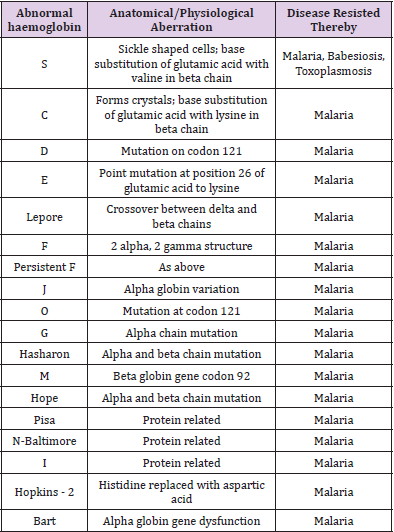
Babesiosis is a zoonotic parasitic infection transmitted by the Ixodes tick, currently gaining ground in Europe and in the USA. But studies have shown that the sickle cell condition provides resistance to babesiosis. How?
The Germ-Terrain duality theory of disease states that the etiology of certain diseases/diseased states is better explained as a complex interplay between germs and the inherent anatomical/ physiological integrity of the body cells. It argues that the etiology of certain diseases is not fully explained merely by the presence of germs (Germ Theory) or by a mere loss of cellular integrity (Terrain Theory). As a result the prevention and treatment of such diseases should focus not just on fighting germs but on maintaining/ restoring the anatomical/physiological cellular integrity. The Germ-Terrain duality theory is a harmonization of the current Germ Theory (popularized by Louis Pasteur) and the hitherto discarded Terrain Theory (popularized by Pierre Bechamp). The sickle cell has a reduced surface area compared to normal cell thus reducing negative effect of babesiosis germ. Other telltale thalassemia examples include (Table 1).

biomedres-openaccess-journal-bjstr

Table 1.

Genes and Genetic Mutations that Validate the Germ Terrain Duality Theory

Cystic fibrosis, sickle cell anemia, Tay-Sachs disease, phenylketonuria and color-blindness are diseases caused by gene mutations. Just like the mutation of genes causes diseases, other gene mutations actually protect from and mitigate other diseases (Table 2). Both the causation and protection from diseases by genes and mutations there of [which are a function of the human terrain] validate the germ terrain duality theory of disease [6-11].

For More Articles: Biomedical Journal Impact Factor: https://biomedres.us
Open Access Journals on Medical Research

Quality of Life of Limestone Industry Workers and the Community around the Industrial District in Caçapava Do Sul-Rs

Introduction

Air pollution significantly impacts health and is associated with a high morbidity and mortality rate, mainly due to respiratory and cardiovascular diseases [1,2]. Therefore, these health problems are considered good indicators of impact on quality of life [3]. The adverse health effects caused by particulate matter depend on numerous variables, mainly individual factors, socioeconomic conditions, and components of the pollution [4]. These effects result in asthma, chronic bronchitis, Chronic Obstructive. Pulmonary Disease (COPD), progressive pulmonary pathologies, generating a considerable drop in quality of life. Several studies relate mineral dust to respiratory diseases [5-12]. Caçapava do Sul has a limestone production capacity greater than 1 million tons/year. Limestone mining is of paramount importance for various sectors of the country’s economy, having varied applications in agriculture, civil construction, metallurgy, paper, and paint industries. However, the extraction and processing of limestone can be harmful to workers and populations close to the factories and result in several chronic respiratory changes [3].
Quality of life is the quantification of the disease impact on the activities of daily living and well-being of the individual in a formal and standardized way [13]. Thus, it highlights the importance of the role of standardized quality of life questionnaire, which allows for objective comparison through scores with absolute or percentage numerical expressions. The SGRQ was developed in 1991 in the United Kingdom to be a standardized tool applicable to the study of disabling respiratory diseases and related to the measurement of quality of life [8,14-16]. The objective of this work was to evaluate the applicability of the SGRQ in the quality of life of workers from mineral exploration companies and people who live close to the mining activity, applying it as a tool for investigating the quality of life more broadly, to people exposed to risk factors for chronic respiratory disease, even before the diagnosis of the disease.

Material and Methods

The SGRQ was used to analyze, through pre-established standards, the quality of life of the people evaluated, 76 items, divided into three domains: Symptoms, Activity, and Impact. The ‘Symptoms’ domain assesses the level of symptoms, discomfort due to respiratory symptoms, including frequency of coughing, sputum, and shortness of breath. The ‘Activities’ domain assesses the limitations and changes in individuals’ physical activities. The third domain is ‘impacts,’ which assesses the global impact on activities of daily living and the individual’s well-being. The data obtained were inserted in a specific spreadsheet called ‘SGRQ Calculator’ responsible for performing the sum calculations and providing the individual scores (symptom, activity, and impact) and the total.
Scores are calculated by adding the weights of the alternatives marked as positive for each domain, divided by the total of all weights for that specific component, such as:
Scores = 100 x sum of the weights of the marked items of the component
Sum of weights of all component items A ‘Total’ score summarizing all items is calculated by dividing the sum of the weights of the marked alternatives of the three domains by the sum of the weight of the entire questionnaire.
Total score = 100 x sum of all weights of the items marked in the questionnaire
The total sum of the weights of all items in the questionnaire each item has a specific weight.
The scores vary from 0 to 100 and are expressed as a percentage. Values below 10% indicate normality, with a higher score meaning worse performance in each domain and worse health-related quality of life. The Ethics approved this study in the Human Research Committee of the Federal University of Pampa. Data collection, eighty-nine interviews happened within the companies, and another 80 with the population living around the mining companies, totaling 169 questionnaires. The consent of all individuals submitted to research was obtained after the methods and objectives of the study were explained, and then the SGRQ was applied anonymously, divided into the following groups: Unexposed workers group: company employees not directly exposed to limestone dust (office workers, mechanics, and truck drivers), n = 12;
Exposed workers group: employees who are directly exposed to limestone dust (Employees who work with lime, mortar, dismantling and grinding of limestone,
Fertilizer factory, bagging, storage, and loading of limestone) n = 75;
Residents’ group: residents of residences that are close to mining companies n = 80.

Statistics Analysis

Results were expressed as mean and ± standard deviation (SD), using a one-way analysis of variance (ANOVA). Differences between groups were determined using Tukey’s multiple comparison test (Origin lab pro for Windows, Origin Lab 2003, and Northampton, MA). The difference between the groups was considered significant when P <0.05.

Results and Discussion

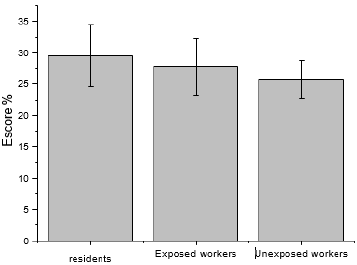
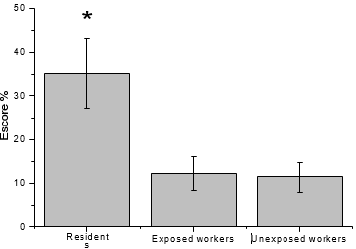
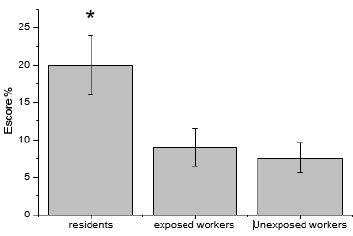
As the daily activities of the person with chronic respiratory disease start to be compromised, specific impacts on the behavior and the lives of these individuals begin to be observed. This work collected data from the domains’ symptoms, activities, and impacts, showing the influence of mining activity on the population’s quality of life exposed to risk factors. The result of the symptoms domain did not show significant variation between the three groups. This fact suggests that there may be compensation in the respiratory system of the exposed population at this moment (Figure 1). The group of residents showed significant variation in the activity domain compared to the groups of unexposed and exposed workers. The high average of this domain in the residents’ group concerning the other two groups demonstrated that the surrounding residents have more limitations and changes in physical capacity than the two groups of workers (Figure 2). This result is probably due to PPE use since NR-6 and Federal Law No. 6, 514 standardize and regulate the mandatory use of this equipment during employment and mining. In addition, there is the fact that the companies studied promote activities that aim to mitigate the dispersion of particulate material, such as collective safety devices, which help to retain particulate material in the soil. However, the residents’ group does not have any of these measures mentioned above; and receives the cargo of particulate material from several mining companies disposed of several times meters away from the residences. The Impacts domain also showed a significant difference when compared to the unexposed workers and exposed workers groups.

biomedres-openaccess-journal-bjstr

Figure 1: Represents mean and standard deviation of the symptoms domain of the groups: residents, exposed workers, and unexposed workers.

biomedres-openaccess-journal-bjstr

Figure 2: It represents the mean and standard deviation of the activity domain of the groups: residents, exposed workers, and unexposed workers. * (P <0.05).

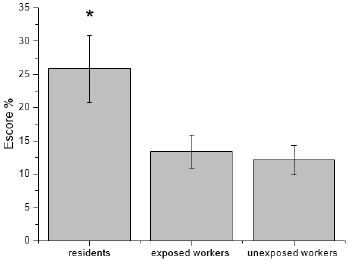
The high score of this domain in the residents’ group shows that the individuals in this group have a more significant global impact on their daily activities, probably due to environmental factors that limit the well- being of individuals (Figure 3). The total score summarizes the three domains: symptoms, activity, and impact, and the significantly increased average in the residents’ group show that the population living in the vicinity of the limestone exploration companies has a more significant impairment of health status than the individuals who work in these companies (Figure 4). The group of workers, exposed and unexposed, had a total score very close to 10 in the total score, which suggests normality. In contrast, the results obtained in the residents’ group suggest that its indirect exposure is probably causing severe damage to the respiratory capacity of this population, which does not have protective measures and is constantly exposed to mineral dust from several mining companies, corroborating the founding in the literature [2,5,6,11,17].

biomedres-openaccess-journal-bjstr

Figure 3: Represents mean and standard deviation of the domain Impact of groups: residents, exposed workers, and unexposed workers. * (P <0.05).

biomedres-openaccess-journal-bjstr

Figure 4: Represents average and standard deviation of the total domain of the groups.

The fact that the group of residents in the surroundings of the industrial district had higher averages in the domains activities, impacts, and total, even in a group of individuals not previously diagnosed with COPD, draws attention to the possible use of the SGRQ as a tool to be also used for epidemiological purposes in individuals continuously exposed to risk factors for respiratory disease. Furthermore, among the domains of the SGRQ, activities and impacts are most directly related to the quality of life, putting the residents’ group in evidence when assessing a reduction in quality of life. This study aimed not to make a medical diagnosis through the use of SGRQ nor to classify the populations studied as to the stages of COPD. Instead, use a reliable and established tool to collect data that promotes hypotheses that continue to be studied. Moreover, that encourages new jobs in the region.

Conclusion

Exposure to dust from mining activities is a risk factor for the health of those exposed to it as workers and residents of the surroundings of the industrial district, making them susceptible to respiratory diseases and, consequently, loss of quality of life.

For More Articles: Biomedical Journal Impact Factor: https://biomedres.us
Open Access Journals on Medical Imaging

SWOT Analysis (or SWOT Matrix) Tool as a Strategic Planning and Management Technique in the Health Care Industry and Its Advantages

Introduction

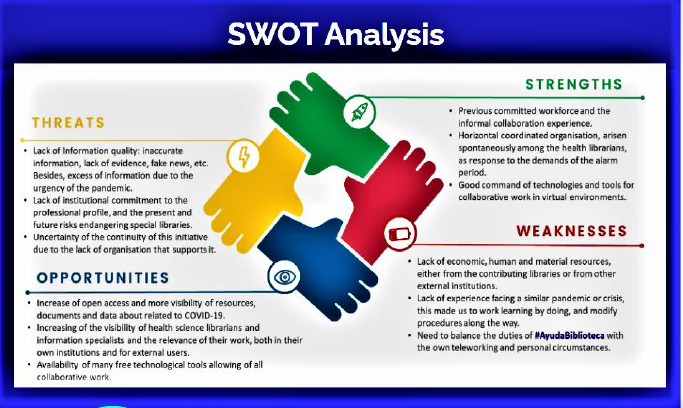
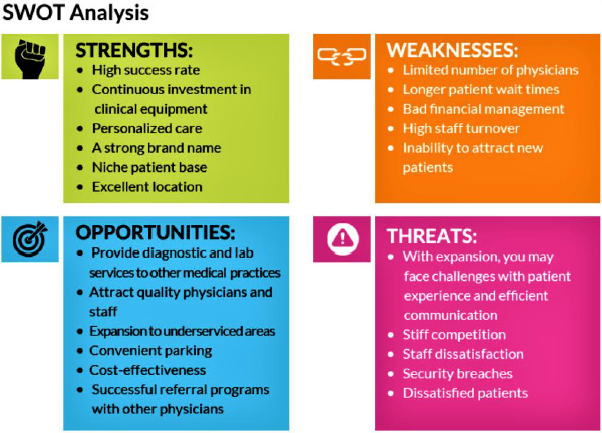
The most important strengths of the [1] Department are competent and skilled staff, high quality of services, average hospital bed utilization, the Department providing the educational basis of the School of Medicine, satisfied patients, pleasant setting, and additional working hours. The weaknesses are poor spatial organization, personnel unmotivated to refresh knowledge, lack of specifically trained personnel, inadequate sanitary facilities, and uncovered services by the Insurance Fund, long average hospital stay, and low economic status of patients. The opportunities are legislative regulations, formed pediatric traumatology service at the City level, good regional position of the Institute, and extension of referral areas. The threats are absent Department autonomy in the personnel policy of the Institute, competitions within the Institute, impossibility to increase the [1] Department capacities, inadequate nutrition, low opportunities for expert training of the personnel, outdated equipment, and presence of informal payments (Figure 1).

biomedres-openaccess-journal-bjstr

Figure 1: SWOT Analysis in health care [7].

We examined the strengths, [2] weaknesses, opportunities, and threats of implementing a Research Department for the Support of Pediatric Studies (RDPS) in Vienna. We used the SWOT (“strengths”, “weaknesses”, “opportunities”, and “threats”) analysis to collect comprehensive data and facts on the internal strengths, weaknesses (company analysis), and external opportunities and threats (environmental analysis). The company analysis revealed a productivity gain, due to a highly specialized team and standardized processes. The environmental analysis outlined a considerable [2] 360-degree potential for a qualitative and quantitative medicaland social-scientific expansion of the service portfolio. The purpose of the research was to [3] investigate the effective sustainable development strategy of home-based exercise in China through a SWOT (Strengths, Weaknesses, Opportunities and Threats) and AHP (Analytic Hierarchy Process) hybrid model. Thirteen factors corresponding to the SWOT analysis were identified through a literature review and expert opinions. The results show that in China the advantages and potential outweigh the weaknesses and threats of home-based exercise. As the [3] core for the development of home-based exercise this strategy (SWOT) should be given priority.

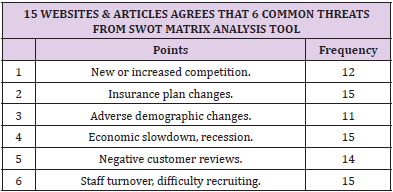
Methods

The Author of this article has chosen literature review methodology of random research articles and literature on the websites regarding SWOT Analysis tool or SWOT Matrix. 15 websites and articles were reviewed for writing article “SWOT analysis (or SWOT matrix) tool as a strategic planning and management technique in the health care industry and its advantages”. The literature review has discussed the strengths, weaknesses, opportunities and threats in details regarding healthcare industry. The SWOT analysis for the health care industry is written in the four tables and then interpreted in the SPSS Diagrammatic presentation (Figure 2).

biomedres-openaccess-journal-bjstr

Figure 2: (SWOT analysis AyudaBiblioteca, 2020) [8].

We assessed and formulated (Jia W, Zhifeng W, 2020) strengthopportunity (SO), weakness-opportunity (WO), strength-threat (ST), and weakness-threat (WT) strategies for the prevention and control of the COVID-19 epidemic. We conducted an in-depth analysis and identified the highest priority policies. These are reshaping the emergency system (SO1), adding health emergency departments to universities and other institutions (WO2), adjusting the economic structure and strengthening international and (Jia W, Zhifeng W, 2020) domestic linkages (ST2) and strengthening public intervention in responding to public health emergencies (WT1). We describe four steps of I-SWOT [4] to establish an individualized medical strategy to treat aortic disease. In the first step, we define the goal of therapy and identify all evidence-based therapeutic options. In a second step, we assess strengths and weaknesses of each therapeutic option in a SW matrix form. In a third step, we assess opportunities and threats related to the individual patient and in a final step, [4] we use the I-SWOT matrix to establish an individualized medical strategy through matching “SW” with “OT”.
The SWOT analyses draw an overall picture [5] of the complexity of designing and implementing good policies and programs that are tailored to local needs. By March 2016 14 SWOTs were conducted involving 11 European countries and 57 stakeholders and Ministries of Health, reporting, and analyzing a total of 44 policies. The main strengths, weaknesses, opportunities, and threats have been outlined as well as and the main areas for governance improvement. A binding trans-sectoral [5] approach is necessary to tackle the underlying risk factors of inequalities.
All data were reviewed, arranged into themes, [6] and then categorized either as strengths or weaknesses with respect to addressing the COVID-19 pandemic in dental facilities, and accordingly, threats and possible opportunities to the handling of the pandemic were identified. Preparedness of dental facilities during the current pandemic is a weakness that needs to be addressed promptly. his strengths, weaknesses, opportunities, and threats (SWOT) analysis can be a useful tool for guiding decisionmaking as it is [6] crucial during the current pandemic to work on weaknesses, avoid threats, and utilize all future opportunities.

Measure and Statistical Analysis (Tables 1-4) (Figures 3-6) [7,8]

biomedres-openaccess-journal-bjstr

Figure 3: SPSS Diagram regarding showing 15 websites & articles agrees that 6 common strengths in SWOT matrix analysis tool.

biomedres-openaccess-journal-bjstr

Figure 4: SPSS Diagram regarding showing 15 websites & articles agrees that 6 common weaknesses from SWOT matrix analysis tool.

biomedres-openaccess-journal-bjstr

Figure 5: SPSS Diagram regarding showing 15 websites & articles agrees that 6 common weaknesses from SWOT matrix analysis tool.

biomedres-openaccess-journal-bjstr

Figure 6: SPSS Diagram regarding showing 15 websites & articles agrees that 6 common threats from SWOT matrix analysis Tool.

biomedres-openaccess-journal-bjstr

Table 1: 15 Websites & Articles Agrees that 6 Common Strengths in SWOT Matrix Analysis Tool.

biomedres-openaccess-journal-bjstr

Table 2: 15 Websites & Articles Agrees That 6 Common Weaknesses from SWOT Matrix Analysis Tool.

biomedres-openaccess-journal-bjstr

Table 3: 15 Websites & Articles Agrees That 6 Common Opportunities from SWOT Matrix Analysis Tool.

biomedres-openaccess-journal-bjstr

Table 4: 15 Websites & Articles Agrees That 6 Common Threats from SWOT Matrix Analysis Tool.

Results

There are four tables, and four SPSS diagrams represents the SWOT Matrix tool in the healthcare industry. Four tables explain the 6 common Strengths, Weaknesses, Opportunities and Threats for the healthcare industry mentioned in 15 Articles. Four SPSS diagrams show the frequency of SWOT matrix tool of 6 common Strengths, Weaknesses, Opportunities and Threats for the healthcare industry mentioned in 15 Articles. There are countless benefits of conducting a (Unnus.com, 2021) [9] SWOT analysis for your medical business. we’ll start by exploring a number of them.
1. SWOT Analysis arms you against future obstacles.
2. It uncovers the untapped opportunities for you to take advantage of.
3. It gets your medical business out of the tunnel vision trap.
4. You can use SWOT Analysis to reverse engineer your competitors. If you are in a competitive environment where the (Unnus.com, 2021) [9] same care facilities are competing for the same patient at the same price SWOT is irreplaceable.
The theme is to discuss and [10] compare the workplace organization method 5S with the 7 wastes (Muda) in waste and failure management tool, in the health care quality management. 18 of the articles including the quality management websites agrees on the use of 5S and 7 Muda methodology. Different organization around the globe are using 5S and 7 Muda methodology to get benefits for improvement of their health care system. The stepby- step process of 5S and 7 Muda methodology is [10] smart way to start, monitor, finish and follow up the broken health system in several countries.
While research in the field of emergency response [11] and more specifically in the field of firefighting is still catching up the future potential of VR technology for training is promising. This paper uses the SWOT framework to analyze the strengths, weaknesses, opportunities, and threats immersive VR technology faces in the field of firefighter training. While using VR for training is cost effective safe to use and provides the ability to prepare trainees with a large variety of high-fidelity training environments, the lack in specialization of the [11] applications for the fire-service sector and issues with technology acceptance and limitations need to be addressed.
Strengths, Weaknesses, Opportunities and Threats (SWOT) [12] analysis enables to identify and assess the strengths and weaknesses within an organization or program, as well as the threats and opportunities outside the given organization or program. To identify SWOT of the HSTP in Iran all articles concerning this program published in scholarly databases as well as in the gray literature were systematically searched. Thirty-four subjects expressed comments on classification. Incorporating [12] their suggestions, the SWOT analysis of Iran’s HSTP was revised, finalized and then performed.

Discussion

The SWOT (Strengths, Weaknesses, Opportunities, and Threats) (Bryant Brown healthcare advertising, 2021) analysis has been around since the 1960s. Here are 5 reasons why a SWOT analysis is such a powerful marketing tool.
1. It’s the great organizer.
2. It helps you see the big picture.
3. It keeps you honest.
4. It helps you know your competition.
5. It encourages discussion, disagreements and revelations.
After all these years a SWOT analysis for hospitals, pharmaceutical companies, or medical device manufacturers is [13] still a powerful strategic marketing tool. Use it. And strengthen your brand. This SWOT analysis highlights the [14] complex nature of relapse. The results of the SWOT analysis revealed that contextual factors including peer influence, prevalence and availability of MA (Methamphetamine), familiar venue of MA use, discrimination, sexual behaviors, alcohol, emotional states and their attitudes towards smoking MA were important factors that contribute to reinitiating and relapse. Surveillance systems, antidrug social workers, vocational skills trainings, moving to another city and family [14] responsibility might serve as counter measures targeting those mentioned weaknesses and threats above.
We introduced SWOT analysis to 568 medical students [15] during the 2008–2010 academic years, with the objective of becoming “a good physician in the future”. Pertinent issues were grouped into 4 categories: not wanting to be a doctor, having inadequate medical professional skills, not wanting to work in rural or community areas, and planning to pursue training in specialties with high salary/low workload/low risk for lawsuit. Further intervention should be [15] considered in order to change the medical student’s attitudes on the profession and their impact on Thai health system.
SWOT analysis is helpful in guiding the [16] establishment of a temporary integrated isolation ward and the formulation of prevention and control measures in Hebei General Hospital during the COVID-19 outbreak. It provides the guidance and reference of significance for the establishment of similar types of wards in the future. A total of 93 patients with 18 critically ill patients were admitted for treatment and isolation. Twenty-four supplementary nucleic acid tests were ordered and conducted. One new [16] patient with COVID-19 was confirmed and was successfully transferred to the designated COVID-19 infectious control hospital [17].

Conclusion

To sum up, SWOT analysis or SWOT matrix tool is very useful quality management tool for the industry. Strength, weaknesses, opportunities, and threats helps to identify all the characteristics in the organization to start the process of improvement. SWOT analysis tool is infact tool for various industries engineering, defense, aviation, motor, real state, tourism, etc. SWOT tool helps administration to simplify the challenges an organization is facing and would face in the future to write and implement the corrective actions for improvement. SWOT analysis also helps to identify the 7 Muda wastes of the organization to reduce the wastes to make the organization reliable productive and profitable.

For More Articles: Biomedical Journal Impact Factor: https://biomedres.us