Journal of Medicine

A New Branch of Medicine | In the beginning there were two branches of medicine and only two were needed. We crawled from our caves early to forage all day for food. Fire was useful even though it burned down some dens before we were ready to leave for a cleaner, less ravaged new site. We discovered what plants were good to eat and which were poisonous. Some were used to heal and they became today’s pharmaceutical industry. We found ways to cut plants, animals and enemies and this became surgery. It was a strenuous life. There was no thought of exercise. Mere existence was physically exhausting which was fine because we had evolved to be on the go all day. Back in the cave we were with people we had grown up with. There were no secrets. We supported each other. Those who were lucky enough to not be caught by a tiger or the tribe over the hill lived to an old age, maybe sixty winters and they died in their sleep. For More Articles: Biomedical Open Access Journals : https://biomedres.us/

CellSonic VIPP.

Journal of Zoology

The Underrated Carbonate Radical (CO3•–) – Detoxification and Reduced Formation by Melatonin | Carbonate radicals are frequently overlooked or underrated oxidants that have a considerably larger range of action than the short-lived hydroxyl radicals. They possess sufficient reactivity for abstracting electrons or hydrogen atoms from many biomolecules. Carbonate radicals are formed in several reactions, e.g., via hydrogen abstraction from bicarbonate by a hydroxyl radical, through interaction of a formate radical with bicarbonate and, most importantly, from the peroxynitrite-carbon dioxide adduct. All these pathways of formation indicate an important role of carbon dioxide and bicarbonate levels for the generation of carbonate radicals and, therefore, many oxidizing reactions with aromates can be considerably enhanced by adding bicarbonate. Under physiological and, even more, pathophysiological conditions, high CO2/HCO3– concentrations are found in mitochondria and in situations of under-perfusion or ischemia. Increased levels of nitric oxide considerably increase via generation of peroxynitrite the formation of carbonate radicals, effects of relevance with regard to inflammation, Alzheimer’s disease, stroke, and all pathologies related to mitochondrial dysfunction. Melatonin counteracts both the formation and persistence of carbonate radicals, by down regulating inducible and neuronal NO synthases, by scavenging carbonate radicals, and by protecting mitochondria. For More Articles: Journal of Scientific and Technical Research : https://biomedres.us/

Journal of Biomedical Engineering

Confocal Raman Spectroscopic Analysis of the Changes in Type I Collagen Resulting from Amide I Glycation | The process of glycation is a non – enzymatic reaction between sugar and free amino group of proteins, leading to skin aging. In this sense, the present study aimed to analyze the changes resulting from glycation in the dermis by Confocal Raman spectroscopy. The analysis was performed with 30 patients with skin types I and II, divided into 3 groups: 10 healthy young women aged 20-33 years, 10 healthy elderly women and 10 elderly women with diabetes type I and II in the age group of 65-80 years. Raman spectra were collected from 70-130 microns in depth and the data were analyzed. It was observed that the amide I band was centered at 1664 cm-1 for the young participants and healthy elderly which may be due to the presence of water and change in the direction of the shorter wavelength was observed which is centered around 1662 cm-1. Considerable changes were observed for the elderly participants with diabetes and the peak was centered around 1658 cm-1. Thus, it is inferred that hyperglycemia in elderly subjects with diabetes mellitus accelerate the formation of advanced glycation end products, which increase the type I collagen degradation in human skin. For More Articles: Biomedical Science Articles : https://biomedres.us/


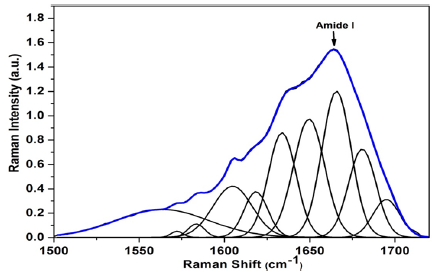
Average of the deconvoluted spectra of amide I in type I collagen of young participants.

Journal of Dentistry

A Case of Immediate Loading with a Fixed Detachable Prosthesis and a Removable Definitive Solution via a Denture with Telescopic Attachments | Immediate Loading is mostly appreciated by patients, since they do not have to stay edentulous until the osseointegration. For this purpose there must be an implant system providing abutments suitable for screw retention and a prefabricated restoration. In this case report the procedures for this treatment modality are described in a detailed way. Additionally, the return from fixed to removable upon request of the patient due to easier cleaning was explained, too. The lab procedures and the makeover to a telescopic denture was looked into in this case report. For More Articles: Biomedical Research Articles : https://biomedres.us/

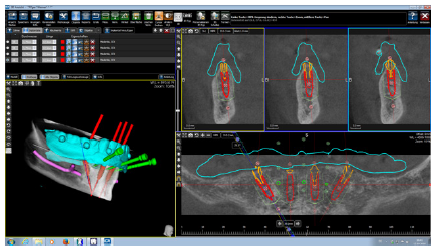
Matching and Planning.

Journal of Oncology

Humans and Dogs with Cancer and their Foods | One in three people gets cancer. One in four dogs got cancer. In western countries where dogs are treated very well, dogs are fed processed foods mostly. These processed foods are the prime suspects for one of the causes for cancer in dogs. In particular, it is the red meats used and the preservatives contained in the dog foods which are probably the sources of carcinogenicity. Healthy dog foods include all foods healthy for human beings with many exceptions, like bone-in fish, chocolates, coffee, avocados. There is a long list of human foods which cannot be fed to dogs. Veterinary physicians should regularly check the mouths of dog, for early detection of mouth cancer. Like for humans, early detection of cancer leads to better recovery from the disease with proper therapy. For More Articles: Journal of Biomedical Research and Reviews : https://biomedres.us/

Journal of Dentistry

Tele-Care (TC) For Comparative Individual Patient Effectiveness Research (CIPER) In Dentistry | In the context of translational healthcare, the construct of Evidence-Based Dentistry (EBD) consists of two fundamental and intertwined domains. From the viewpoint of research, EBD is driven by the paradigm of comparative effectiveness research, which seeks to uncover the consensus of the best available evidence. From the perspective of dental practice, EBD strives to provide patient-centered, effectiveness-focused and evidence-based treatment intervention. Patient-centered care implies that the best evidence base that serves as the basis of effectivenessfocused intervention must be derived from a process of comparative individual patient effectiveness research (CIPER). Patient-centered care also implies that novel tele-health communication technologies (Tele-Care, TC) must be developed and standardized across dental specialties to distribute the best evidence base to clinicians, patients, caregivers and other stakeholders in real-time. In brief, the next decade will witness significant progress in perfecting EBD by improving TC modalities of distribution of the consensus of the best evidence base obtained through stringent CIPER protocols. For More Articles: Scientific Research Articles on Biomedical : https://biomedres.us/

Journal of Medical Science

Care Model Utilizing Biomedical SMART Technology | Utilizing wearable SMART biomedical technology has a place in contemporary health care interventions. There is an emerging research literature in support of an effective intervention methodology for improved health and well-being as measured by health and wellness markers utilizing a wearable SMART technology. Current limitations along with future directions are discussed. Health care professionals may benefit from the utilization of wearable SMART technology as an adjunct when treating both patients who experience anxiety related to their medical conditions. Healthcare practice utilizing technology- is transitioning in the delivery of health care. Health care professionals today require an approach that addresses both physical and mental health issues involving intervention models that require a limited number of appointments that demonstrate measureable improvements in the current managed care environment. Wearable SMART technology provides a potential adjunct for use in assessing the therapeutic progress of some behavioral activities of patients. SMART stands for Self-Monitoring Analysis and Reporting Technology. For More Articles: Biomedical Journal Impact Factor : https://biomedres.us/

A Model for SMART Biomedical Technology in Patient Care.

Journal of Oncology

Alveolar Soft-Part Sarcoma: A Case Report: Mexico Hospital,San Jose, Costa Rica | Alveolar soft-part sarcoma is a rare malignant entity with poor prognosis. Chemotherapy has limited activity in this type of sarcoma, we describe here the outcomes of the first case documented in our Institution with metastatic disease, treated exclusively with sunitinib. Soft-tissue sarcomas (STS) constitute an uncommon and heterogeneous group of tumors of mesenchymal origin, they share several clinical and pathological features and are usually considered as a group for diagnostic and therapeutic purposes, with the exception of specific particularities of some subtypes [1]. Alveolar soft‐part sarcoma (ASPS) is a rare, distinctive sarcoma, typically occurring in young patients. Although it displays a relatively indolent clinical course, the ultimate prognosis is poor and is often characterized by late metastases [2]. In advanced cases, with multiple metastatic involvement and recurrent cases, only palliative treatment is preferred due to its bad prognosis [3].We describe our experience treating a patients with ASPS with metastatic disease using tyrosine kinase inhibitor (sunitinib) with an outstanding survival and quality of life. For More Articles: Biomedical Journal Articles : https://biomedres.us/

Alveolar soft-part sarcoma hematoxilyn-eosin staining. Nest of cells, composed of large polygonal cells.

Journal of Dentistry

Early Premolar Extraction: An Uncommon but Very Effective Treatment Option | The terminology “serial extraction” in Orthodontics was first described in the late 1920’s when Kjellgren [1] decided to plan the extraction of certain deciduous and permanent teeth at early stages of the dentition development. Since the extractions are under taken at the transitional dentition. This type of treatment is defined as “Early Treatment” in Orthodontics [2]. The main indication for this treatment approach is for patients with severe crowding caused by tooth size arch discrepancies [3,4]. In other words, when maxillary and/or mandibular arches cannot accommodate teeth, extraction becomes an interesting option. Although this treatment option has been used for almost a century in the contemporary orthodontics it’s indication is very specific. Since it’s an irreversible approach (permanent teeth are early extracted) the clinician should carefully diagnosis the case before selecting this option. In addition, as time passed by, orthodontics specialty has dramatically evolved and developed several options to gain space instead of extracting teeth. On the other hand, the idea to early extract permanent teeth continues to be an interesting treatment option in clinical orthodontics mainly in severely crowded patients. The aim of this paper is to present a case report of a ten-year-old male patient who presented severe crowding and treatment option was to extract four first premolars at early stages of the dentition development. For More Articles: Biomedical Open Access Journals : https://biomedres.us/
The maxillary canines were positioned very high in the alveolar bone close the lateral incisors apexes.

Journal of Biomedical Sciences

A Quantitative Assessment of an Alternative Anti-depression Therapy: Pilot Study | The goal of this pilot study was to evaluate psychometric testing to establish objective assessments for treating depression and co-morbid anxiety. Clients of The Sidman Institute were asked to take the BDI-II and BAI before and after three therapy sessions. Short-Term Sidman Hypnotherapy (STSH), independent of antidepressants, resulted in significant improvement by Wilcoxon analysis of BDI-II (Z=3.264, p=0.0011) and BAI (Z=3.233, p=0.0013) with large effect sizes (>0.9). Rumination-associated symptoms decreased significantly, and retrospective followup with previous clients indicated no relapse from one to three years post therapy, further indicating treatment effectiveness. For More Articles: Journal of Scientific and Technical Research : https://biomedres.us/