Biomedical Journal of Scientific & Technical Research (BJSTR) is a multidisciplinary, scholarly Open Access publisher focused on Genetic, Biomedical and Remedial missions in relation with Technical Knowledge as well.
Ba Duan Jin and the Treatment of Illness in General, and Cognitive Impairment in Particular
Introduction
Qigong (pronounced chee gong) is a tool in the toolbox of traditional Chinese medicine (TCM). It is used to treat and even cure a wide range of diseases [1-54]. Ba Duan Jin (baduanjin) is the most popular set of qigong exercises. Zhang, et al. [55] examined the results of 886 clinical studies in 14 countries and discovered that Ba Duan Jin was used in 492 (55.5%) of them. Some of the diseases and ailments that have been treated with qigong exercises include: i. Ankylosing Spondylitis [56] ii. Anxiety [38,57-58] iii. Arthritis [39,59-61] iv. Attention Deficit [62] v. Autism [63] vi. Back Pain [64] vii. Blood Pressure [40,65-66] viii. Cancer [36,47,67-84] ix. Chronic Fatigue Syndrome, Cognitive Impairment and COPD [85-101] x. Covid-19 [46,102-104] xi. Depression [38,105-114] xii. Fibromyalgia [115] xiii. Frailty [116-118] xiv. Heart Disease [119] xv. Hypertension [40,65-66] xvi. Immune System [120] xvii. Parkinson’s Disease [121-126] xviii. Quality of Life [127-131] xix. Rheumatism [132] xx. Schizophrenia [133] xxi. Stress [134] xxii. Stroke [135-138] xxiii. Substance Abuse [139] xxiv. Unilateral Vocal Fold Paralysis [140] Ba Duan Jin consists of a series of 8 qigong exercises. The version promoted by the International Health Qigong Federation [9] takes about 12 minutes to perform. Qigong is similar to yoga, in that it involves physical movement, breathing and moving meditation, but it is not yoga. Qigong is actually gentler than yoga. It is a close cousin of kung fu and other martial arts, but it is not quite a martial art. It involves unblocking the flow of energy in the body, like acupuncture and acupressure, but it is not acupuncture or acupressure. It is an internal component of tai chi, which is a martial art. When one does tai chi properly, one is also doing qigong, perhaps unknowingly. It is a form of meditation as well as exercise, and can be performed from a standing or seated position.
Ba Duan Jin Studies
Wang, et al. (2021) [141]
Wang, et al. [141] systematically evaluated the effects of Baduanjin on global cognitive function and specific cognitive domains of middle-aged and elderly individuals. They searched multiple data bases, looking for randomized control trials (RCTs) that utilized Baduanjin exercises. They found that Baduanjin exercises resulted in significant benefit for global cognitive function and parts of specific domains of cognition, including immediate and delayed memory, executive function, and processing speed. However, no significant difference was found in attention function, visual-spatial ability or long-term memory. None of the studies reported any adverse effects. They concluded that Baduanjin is safe and effective in enhancing global cognitive function and memory, and might be beneficial for other cognitive domains, such as executive function and processing speed. Eleven of the RCTs compared Baduanjin to non-exercise control; 3 compared Baduanjin and other no-exercise treatments to the same no-exercise treatment. Duration of the studies varied between 1.5 and 12 months. Frequency of the sessions varied between 3-7 per week. Sessions lasted 30-60 minutes. In most studies, participants were older than 60. In four studies, participants were between 45- 55. Global cognitive function was tested in 13 studies that included 938 participants. Cognitive function was measured by the MMSE, MoCA and LOTCA scales. The results from 6 pooled studies of 444 participants found that Baduanjin significantly improved the MMSE scores without heterogeneity (p < 0.001). In 9 other studies involving a total of 628 participants, it was found that Baduanjin improved MoCA scores, although heterogeneity was present among the studies (p < 0.001). A smaller study involving 60 participants measured global cognition using the LOTCA scale. That study found significant improvement (p < 0.001). Specific cognitive domain was also examined. Significant improvement was found in general memory function in two studies involving 157 participants (p < 0.001). Four studies examining immediate memory showed significant improvement (p < 0.001) in the Baduanjin group compared to the control group. Several studies of delayed memory found that MD values increased significantly in the Baduanjin group. Two studies involving 109 participants found that the Baduanjin group’s executive function using the TMT improved significantly (p = 0.05) over that of the control group. However, Baduanjin had no significant effect on the Go/No Go reaction-time test and the correct-number test. Two studies on processing speed found that Baduanjin significantly improved DSC scores (p = 0.0008). One study on the effects of Baduanjin on visualspatial ability found no significant difference between the Badjanjin and control groups. No serious adverse events were reported by any of the studies during the Baduanjin training. The findings suggest that Baduanjin is safe and effective for enhancing global cognitive function and memory in middle-aged and older adults, and may benefit other cognitive functions.
Yu, et al. (2020) [142]
Yu, et al. [142] reviewed 16 randomized control trials (RCTs) involving 1054 participants on the effect of Baduanjin on patients having mild cognitive impairment. They found that Baduanjin combined with conventional therapy produced significantly better results than conventional therapy alone after six months of treatment in terms of the Montreal Cognitive Assessment and Mini-Mental State Examination scores (p < 0.00001). There was also significant improvement in some dimensional scores on the Wechsler Memory Scale and the auditory verbal learning test scores after six months (p < 0.05).
Zheng, et al. (2020) [143]
Zheng, et al. [143] conducted a randomized control trial (RCT) on the effects of Baduanjin on cognitive function in patients with post-stroke cognitive impairment. It was a randomized, two-arm parallel controlled trial with allocation concealment and assessors blinding, and was conducted in the community center of Fuzhou city, China. Forty-one participants completed the study (22 Baduanjin and 19 control group), which consisted of 24 weeks of Baduanjin training, 3 days a week, 40 minutes per day. The control group maintained their original medication and rehabilitation regimen. Mean scores were significantly different between the two groups for global cognitive function, execution, memory (immediate recall), short-term and long-term delayed recognition, attention response time, and activities of daily living. The study concluded that regular Baduanjin training is associated with less loss of cognitive function in patients after a stroke.
Li, et al. (2021) [144]
Li et al. [144] studied the effects of four kinds of traditional Chinese exercise (TCE) on patients with cognitive impairment. They found that Baduanjin may be the most effective of the four exercises for significantly improving cognitive function, followed by tai chi, Liuzijue and qigong. They examined 27 randomized control trials (RCTs) involving 2414 patients with sample sizes ranging from 10-194. The groups consisted of 1133 in the TCE groups and 1281 in the control groups. The breakdown of the 4 TCE groups was as follows: i. Tai chi 644 ii. Baduanjin 386 iii. Liuzijue 75 iv. Qigong 28 Participants had the following diagnoses: i. Dementia 4 ii. Mild cognitive impairment 17 iii. Cognitive impairment (CI) 6 The RCTs were conducted in the following countries: i. China 22 ii. Thailand 1 iii. USA 1 iv. England 1 v. France 1 vi. Not disclosed 1 The intervention lengths varied from 7 weeks to 25 months, between 1 and 6 times per week, from 30 to 90 minutes per day. The scales used for cognitive assessment were the Mini-Mental State examination (MMSE), the Chinese version (CMMSE), and the Montreal Cognitive Assessment (MoCA). Pairwise comparisons of the four types of TCE found that all four had significant improvements in global cognition, as measured by the MMSE or MoCA. The p-values for the four TCEs were: i. Baduanjin p< 0.00001 ii. Tai Chi p < 0.00001 iii. Liuzijue p = 0.003 iv. Qigong p = 0.02 Li, et al. [144] ranked the probability of the efficacy of the different interventions. Baduanjin was most likely to rank first (53%); tai chi was most likely to rank second (40%), etc. The full rankings, taken from the study, are given below. Li, et al. [144] cited several other studies that reached similar conclusions regarding the use of Baduanjin and tai chi to improve cognitive function [145- 147] (Table 1).
Table 1: Rank Probability of the Efficacy of Different Interventions.
Concluding Comments
It is clear that Baduanjin and other traditional Chinese exercises can aid in the treatment of cognitive decline. Many studies have found that TCE can be beneficial in the treatment of many other ailments as well. Several studies are now in process that are examining the effects of Baduanjin on other ailments. The results of those studies are not yet available as of this writing. Chen, et al. [148] searched several data bases to find controlled trials that evaluated the effects of Baduanjin on postoperative rehabilitation of breast cancer patients. The goal of their study will be to offer a guideline for clinical workers. The results have not been published as of this writing. Dai, et al. [149] are searching several databases to determine the effectiveness of baduanjin on the treatment of cervical spondylotic radiculopathy (CSR). Li, et al. [150] plan to conduct a systematic review and meta-analysis to determine whether Baduanjin is an effective intervention in post percutaneous coronary intervention (PCI) patients. Zou, et al. [151] are conducting a study, the aim of which is to evaluate the safety and effectiveness of Baduanjin for patients having cervical spondylosis (CS).
Issues and Challenges of using Blockchain for IoT Data Management in Smart Healthcare
Introduction
The agile advancement of technologies utilizing the Internet of Things (IoT) has significantly improved health- related services such as electronic drug prescriptions as well as Electronic Health Records (EHR) insurance information [1,2]. The collection of patients’ medical data can be made more accessible using IoT technologies by improving workflow automation. As a result, meaningful information about patients’ symptoms is provided immediately, facilitating their treatment and remote monitoring in real-time [3,4]. A significant advantage is that it is possible to monitor patients from home via wireless sensors, thus reducing the need for regular hospital visits [5]. Furthermore, these medical devices can send alerts if something serious happens [6-8]. Also, the patient’s surrounding area can be monitored, and, through data processing, health conclusions can be drawn [9]. The volume of data stored in EHRs has increased significantly through the use of IoT devices located in different locations, and managing this data is extremely difficult [10]. Cyberattacks have also increased as most medical systems are vulnerable to a single point of failure resulting in information leakage with severe consequences [11].
Many EHR management systems do not provide transparency and privacy control, nor are there advanced security mechanisms [12]. Blockchain technology could provide solutions to many problems in medical health systems [13,14]. As mentioned in [15] blockchain technologies can also be integrated into smart cities and smart homes. Several organizations have been interested in Blockchain technology and specifically in bitcoin digital cryptocurrency. Transactions with transparency and verification mechanisms can be securely stored through the blockchain. Stakeholders in blockchain technology can trade securely without Intermediators [16-21]. In areas such as the automotive industry, aerospace, banks, and defense agencies, significant changes have occurred from smart technologies and the blockchain [22,23]. As the volume of passengers and flights is constantly increasing, a technological solution to improve the management processes will include IoT systems that will be interconnected with other platforms and will implement the concept of smart airports [24]. As the size and complexity of patient health record files continue to grow, blockchain technologies have aided all stakeholders in communicating. However, there is still a long way to go due to the variations of different networks [25].
In addition, if unauthorized users have access to patient data, then there is a risk of criminal activities, highlighting the need to ensure the confidentiality of patient data [26]. Blockchain technologies help in this direction, providing the integrity of the data and preventing their violation [27]. Several researchers have studied the effect of using blockchain technologies [28-31,14,32] in the healthcare sector. Their research focuses on how privacy and security in file-sharing should be improved between stake- holders through blockchain technologies. However, preventing unauthorized users and interoperability in file-sharing in healthcare applications require specific criteria that may not be fully addressed due to demanding legal requirements. Using blockchain technologies, smart contracts, and access control technologies, state-of-the-art healthcare delivery in a smart city can be improved. Each patient’s EHR can be stored securely without any privacy issues. Generally, in these cases, there is a need for access from different departments to information in the stored medical history of patients [33]. The prevention of counterfeiting can be achieved by managing the supply chain of medical products through blockchain as medical products are detected and tested for their origin [34].
Recent Advances of Blockchain Applications in Healthcare
Blockchain technologies contain, apart from others, Cryptography, economic models, Mathematics, and Algorithm. To solve widespread distributed database synchronization problems, a combination of distributed consensus algorithms is used; hence it is not just a single technique but an integrated infrastructure construction in multiple fields [35-37]. Blockchain technologies consist of six key elements.
1. Decentralization:The data is stored and updated distributively since the blockchain is not originating from a centralized node.
2. Transparency:The records of data are transparent from one node to another in a blockchain system
3. Open Source:The source code of a blockchain system is public, and anyone uses blockchain technologies.
4. Autonomy:The main concern of a blockchain system is to ensure that the data is transferred safely. Therefore there is no intervention between the single users and the whole system between the nodes.
5. Immutable:The data records cant be transformed unless a user controls over 51% of the node simultaneously.
6. Anonymity:The transactions between trusted nodes can be anonymous using only blockchain addresses. Several experiments and relevant literature highlight the many possibilities that Blockchain has for healthcare technology. Some software solutions will be discussed in the following subsections.
Healthcare Data-Sharing through the Gem Health Network
When a patient needs to be treated in a different hospital, confidential records should be shared, especially when specialized treatment is in another country. Healthcare-related files include many documents that are confidential and fall under strict laws that are different in each country, such as the 1996 Health Insurance Portability and Accountability Act (HIPAA) [38,39]. At each patient visit to a different doctor, new medical records need to be created. The corresponding data will be exchanged between professionals, and the medical records need to be updated with the latest data. Authentication between different electronic platforms may take a great deal of time to process the information for all stakeholders [34]. Gem Health Network using Blockchain Ethereum technology could solve the problem as mentioned earlier [34]. This network gives healthcare professionals access to the necessary medical data without any centralized restrictions on storage. Therefore, users who have the authorization required can search for data in medical records in real-time, reducing the risk of making an error in diagnosis due to outdated information.
OmniPHR
The OmniPHR framework has been developed to make it easier to manage patients’ health records, as it provides the necessary grouping, regardless of whether they are located in many different healthcare providers [40]. As a result, healthcare providers now have access to up-to-date patient data, without being hindered by the distribution of data in many different systems. The difference between EHR and Personal Health Records (PHR) is a significant problem OmniPHR should address. Initially, through specific government standards, an effort is made to keep EHR records uniform in all countries and to keep them up to date. Doctors inform them without interacting with patients, which is the main difference with PHR files, as the later are created managed by patients. OmniPHR provides a framework for completing patient records with the level of accuracy required by the medical community. OmniPHR incorporates blockchain technology specifically for the interoperability of PHR files to provide a unified view of health records. Specifically, OmniPHR seeks to improve a distributed architecture in terms of scalability and interoperability.
Medrec
Medrec uses blockchain technology to manage Electronic medical records (EMRs). which comprises instances of EHRs, on a decentralized file management system [41]. As a result, patients’ medical information is accessible simultaneously to different medical providers, with features such as authentication and data sharing following the principles of confidentiality and accountability. MedRec focuses more on the analysis of the approach and implementation of the framework before any field tests. This solution favors interoperability between patients and doctors. As blockchain transactions need to have a group of miners, the MedRec system suggests that medical stakeholders participate as miners. They will have access to anonymous data as a reward for maintaining network security. In this way, patient data can take the form of metadata. The smart contracts that Medrec consists of help automate and keep track of changes such as adding new records or changing access rights. The Ethereum blockchain implementations provide the patient-provider relationship, with smart contracts linking medical history with permissions and data retrieval methods. All information is encrypted, and authorizations from patients are made only through providers.
Virtual Resources
The Virtual resources are capable of shifting the load distribution on edge hosts and facilitating multi-tenancy support. They can be used as a software-defined IoT management construct [42]. Specific problems that can be solved on IoT devices that can be solved are 1. Lack of a mechanism that will facilitate the secure distribution of the software on the servers 2. Lack of a mechanism for controlling the access of the software 3. No adequate support for virtualization issues.
Benefits of Blockchain Technology in Healthcare Data Management
This section outlines the main benefits of leveraging blockchain technology for healthcare data management systems [43].
Accuracy of Medical Data
To obtain a patient’s complete medical history, all the data must be collected in an automated way, as they are fragmented in different medical centers and insurance companies. Through the storage of all patients’ medical data in a blockchain, there will always be an update in information and automatic detection for any violations [44]. As a result, healthcare professionals can provide more effective treatments through blockchain technologies, as a complete view of the medical history is available and all data is secure and immutable [28].
Medical Data Interoperability
Most medical systems with EHR data are from different manufacturers with different technical specifications [45,46]. Therefore, sharing data in the same format is challenging to achieve as the platforms have many technical differences. To obtain interoperability between two EHR systems, standardization in the data encoding should be applied [47]. Thus, there is a limit to the electronic information exchange as the data do not have the necessary standardization. However, through blockchain technologies, this limitation can be overcome, as all EHR data stored will follow a specific standardization.
Security of Medical Data
Several cyberattacks on healthcare organizations could have been undertaken [48]. The systems for handling digital medical records used by several healthcare industries operate manually, so they are already quite outdated. Therefore, users can easily modify medical records without the necessary authorization. As a result, medical data can be lost permanently by human mistakes. Using Blockchain technologies can help prevent medical data from being altered by unauthorized users or by human mishandling. In addition, in case of natural disasters, the data is safe as it is stored in different locations of Blockchain.
Costs of Handling Medical Data
The handling cost is relatively high in healthcare systems in everything related to patient data, as patients’ medical records are located in different health facilities. Therefore, collecting all the data manually leads to high costs due to the long delay in the process [49]. Using Blockchain technologies can help reduce this cost for medical companies as they can access complete patient data without having to collect it from different locations [50].
Global Access of Medical Data
In some cases, healthcare professionals should be fully aware of the medical history of patients [51] before prescribing any medication. This way, they will analyze various aspects of the medical history, information about any allergies, and choose the appropriate treatment. Unfortunately, most health- care management systems do not have this option as global access to medical data [52] is not allowed.
Data Audits in Healthcare Industries
The audit process in the healthcare industry is necessary to assess whether specific procedures are followed in their daily operations. However, healthcare data management systems are vulnerable to breaches and operate manually, blocking the audit processes. Blockchain technologies will help provide reliability to audit procedures as it secures data in ways of authentication and immutability. As a result, healthcare services will be upgraded, and there will be compliance with the necessary legal regulations.
Challenges of Using Blockchain Technologies in Healthcare-Derived IOT
This section introduces several fundamental open challenges that can prevent the utilization of the corresponding blockchain technology regarding the healthcare sector.
Interchange of Information
In blockchain networks regarding the healthcare sector, exchanging information between different stakeholders plays a vital role. Those interested could be the departments of the same hospital or other, insurance companies, and specialized staff such as doctors. However, ensuring the proper exchange of information is a challenge due to the diversity of the parties involved [30].
Privacy Leakage and Security
Although the decentralization method is secure, there are several disadvantages if a privacy leakage of data distribution in the public ledger occurs. In a blockchain environment, there is trust between stakeholders regarding data sharing as they trust each other. But in some cases, such as if 51% of nodes is infected, this scenario fails [30].
Difficulties of Storage Requirements
There are difficulties in maintaining patients’ medical records as they consist of many documents and images. There- fore, their size is enormous, and they need substantial storage spaces. In addition, sharing data due to medical transactions means that the data may be distributed across multiple locations or stored more than once in the same format. Therefore, the healthcare system will undoubtedly be affected by the specific difficulties of providing colossal storage spaces [53].
Standardization of Protocols and Technologies
Blockchain is already widely used worldwide in applications where security and trust are required. It is therefore essential that the technologies and protocols to be used are correctly standardized. In addition, data-related issues, in particular their size and format, should also be defined in detail from the start [51,54].
Building Trust for Sharing the Medical Records Among Hospitals
Hospitals usually do not want to share their patients’ medical records as they will have to change their pricing policy because they charge their patients differently. The same goes for insurance companies that do not want to share medical data, as they are related to fees. Therefore, stakeholders should be persuaded to share their data once trust has been built between them for a better healthcare system [55].
Building Trust for Sharing the Medical Records
In the public domain, many patients do not want to share their medical records with third parties; therefore, building trust between them must be achieved. More specifically, the effort to build trust and confidence in privacy and security among the patients should be strengthened in a healthcare system based on Blockchain and the IoT.
The Challenge of E-Prescribing
Differentiating electronic prescriptions from paper prescriptions is undoubtedly a massive challenge for doctors. Usually, doctors fill in only the necessary information on paper forms, but they will not ignore them in the electronic files. So an essential element related to the success of healthcare based on Blockchain technology is the proper training of doctors. Therefore, they must have developed the required skills and been adequately trained to trust the new technologies and use them.
Data Ownership – Rules and Processes
A big challenge is the data ownership plan that establishes accountability and responsibility in the stages of data creation to data consumption. For example, a proper data ownership plan should be created in the healthcare sector to consider the following core elements: Management, Location, Access, Security and Rights and Retention.
Conclusion and Future Work
This research addresses the various gaps in blockchain technologies in the healthcare industry. Much research has already been done on the use of blockchain in the healthcare industry, and we have included the results of this research. Using blockchain technologies in the healthcare industry can solve many difficulties in the security of files that need to be shared, but this does not mean that we can apply it in any case. Therefore, there should always be an assessment before using these technologies about how they affect health services.
Hepcidin was found as a tiny bactericidal peptide in human blood and urine called a liver-expressed antimicrobial peptide (LEAP). Hepcidin acts as a homeostatic regulator of systemic iron metabolism as well as a host defense mediator. The liver, which is the prominent location of hepcidin synthesis and secretion, is considered to sense circulating iron and iron storage [1]. Soul of this article explores hepcidin relation with anemia and liver diseases regarding the latest work published. Hepcidin, synthesis is primarily influenced by bone marrow erythropoietic activity, the quantity of circulating and stored body iron, and inflammation [2]. Increased and decreased hepcidin levels are highlighted in many diseases, but the highest lighting is iron deficiency and related disorders. Iron deficiency is the etiology of a disease cluster. Iron deficiency and anemia can be diagnosed by estimation of hepcidin as a diagnostic marker [3,4]. Anemia can be divided into two types based on their hepcidin levels: anemias with high hepcidin and low hepcidin levels. Intuitively, chronically elevated hepcidin levels induce iron deficiency anemia by inhibiting iron absorption and reducing iron bioavailability to erythropoiesis. In contrast, ironloading anemias, which have low hepcidin levels and iron overload, are characterized by inefficient erythropoiesis [5]. In few pieces of research, it is published that opposing hepcidin deregulation may cure anemia in preclinical animals providing novel strategies that are now or will soon be investigated for the treatment of certain anemias [6,7]. Infection, inflammation, erythropoiesis, and hypoxia all affect hepcidin levels. Inflammation and infection raise hepcidin levels, but hypoxia and erythropoiesis lower its level. Anemia of chronic illness is most likely caused by unopposed hepcidin production due to continuous chronic inflammation [8]. Anemia of inflammation and low blood hepcidin levels were discovered to coexist in chronic liver disease patients. In these individuals, the expression of duodenal proteins involved in iron absorption was either reduced or unchanged. Despite liver illness, the hepcidin response to increased body iron levels or inflammation appeared to remain functioning in these individuals [9]. Hepcidin levels have previously been associated with liver injury. In nonalcoholic fatty liver disease (NAFLD), there was a significant inverse correlation between hepcidin, immunoreactivity, and fibrosis. However, serum hepcidin levels were significantly higher, implying that these patients experienced a reduction in the liver’s hepcidin-producing ability. In response to above iron levels lead to subsequent fibrosis. As a result, hepcidin levels can be utilized as markers to track the development of fibrosis in NAFLD patients [10]. Hakan, et al. did a study to see if there was a link between blood hepcidin levels at the fibrosis stage and serum iron parameters in individuals with chronic hepatitis B (CHB). They discovered that decreased hepcidin levels and elevated ferritin and transferrin saturation level were linked to the severity of fibrosis [11]. The published scientific data stamps that plasma hepcidin measures may help detect iron-related problems. The therapeutic targeting of the hepcidin-ferroportin system is a potential new approach for developing better iron disorders therapies [12]. Different types of chronic liver damage are linked with lower hepcidin mRNA levels, although the consequences on iron status vary. More excellent knowledge of the interplay between diverse stimuli, both positive and negative, on hepcidin regulation is an essential research focus, elucidating the reasons for the differential impact of different chronic injuries on iron homeostasis [13]. Future research should offer a clearer understanding of how hepcidin expression dysregulation and altered iron homeostasis affect the course of liver illnesses and whether they are a cause or a result of these pathologies. The recent invention of assays for measuring hepcidin in serum and urine has opened up new avenues for research into hepcidin regulation in the human body. The use of these assay in diagnosing and medical treatment will ease in eradicating health problems. On-going human research should provide us with additional knowledge on the genesis of iron metabolism disorders, allowing us to develop novel treatment methods. Our understanding of hepcidin’s molecular and cellular biology will enable rational treatments that use agonists and antagonists of hepcidin activity, and such drugs are currently being investigated in clinical trials. Extensive, homogenous cohort studies are needed to address connections between iron overload, liver enzymes, and liver function and investigate the potential value of hepcidin in monitoring fibrosis development, liver disorders, and anemia.
Ancient Audacity—Did Sages Past Subconsciously Speak of Cellular Dust?
“Would it be too bold to imagine, that in the great length of time, since the earth began to exist, perhaps millions of ages before the commencement of the history of mankind, would it be too bold to imagine, that all warm-blooded animals have arisen from one living filament, which THE GREAT FIRST CAUSE endued with animality, with the power of acquiring new parts, attended with new propensities, directed by irritations, sensations, volitions, and associations; and thus possessing the faculty of continuing to improve by its own inherent activity, and of delivering down those improvements by generation to its posterity, world without end! Erasmus Darwin (12 December 1731 – 18 April 1802) Grandfather of Charles Darwin. “For that which befalls men befalls beasts…..as men die so die beasts….all are of dust and all turn to dust again”- Solomon The Wise [Ecclesiastes 3: 19-20] According to the cellular dust hypothesis/microzymian theory of origin/germ terrain duality theory all living things and the universe they inhabit owe their existence to the activity of microscopic entities called microzymas or cellular dust. These living entities exist in all human beings and animals and when any such living thing perishes the minuscule entities depart. Did Ancient philosophers somehow subconsciously know of these things by “gut feeling”/instinct even though they could not see them with their naked eyes? Long before the invention of the microscope and even when the microscope was in its infancy, philosophers spoke of entities and invisible processes. They spoke, it would appear, of cellular dust. This is food for thought. 1. Confucius spoke of a “single source” which gradually unfolded and branched to create life. 2. Leucippus of Miletus and Democritus of Abdera 430 BC spoke of an invisible and indivisible entity called “atomos”. Democritus said these “atomos” were moving all around us. The word “atom” is derived from this word. 3. Epicurus 341–270 BC spoke of “swerving” atoms 4. Aristotle (384–322 BC) spoke of pneuma, a “vital heat” that made life. 5. Plotinus spoke of “one” thing that resembled nothing but transcended all things living or non-living. 6. Xenophanes of Colophon spoke of wet and dry interactions producing life. 7. Empedocles spoke of attractive and repulsive forces that acted on earth, wind, water and fire. 8. Thales said life arose from the water. 9. Anaximander spoke of life-giving mud. 10. Diogenes said all things were the same in essence. 11. Anaxagoras’ theory is the closest to the Cellular Dust Hypothesis. He said germs in the atmosphere made all life. 12. Sir Isaac Newton spoke of invisible “active particles” of life.
Which Came First, the Chicken or the Egg?
To the evolutionist there can be no doubt about it-the egg came first. The simple evolved to the complex. To the creationist the chicken came first. It was created the chicken and subsequently laid the egg. To the cellular dust hypothesist it could have gone either way and the chicken and the egg could even have appeared simultaneously depending on the activity of the microzymas.
Sparks and Flashes, Sights and Sounds
It has been said that a zinc spark occurs when the spermatozoa and ovum form the zygote i.e. at the exact moment of conception. Light is a form of energy and the beginning of the coordination of microzymas is likely the catalyst of the spark. Do lights dim or spark at the point of death? Are there attendant sounds, subsonic small bangs? More research needs to be done. An index of all body processes and resultant sparks (intensity, frequency and duration) ought to help scientists better understand the microzymas and energy expended thereof. Alternative biological forms of lighting or heating could be devised by mimicking such processes. Cellular dust activity during bioluminescence should also be studied [1-5].
Babesiosis Validates the Germ Terrain Duality Theory
Babesiosis is a zoonotic parasitic infection transmitted by the Ixodes tick, currently gaining ground in Europe and in the USA. But studies have shown that the sickle cell condition provides resistance to babesiosis. How? The Germ-Terrain duality theory of disease states that the etiology of certain diseases/diseased states is better explained as a complex interplay between germs and the inherent anatomical/ physiological integrity of the body cells. It argues that the etiology of certain diseases is not fully explained merely by the presence of germs (Germ Theory) or by a mere loss of cellular integrity (Terrain Theory). As a result the prevention and treatment of such diseases should focus not just on fighting germs but on maintaining/ restoring the anatomical/physiological cellular integrity. The Germ-Terrain duality theory is a harmonization of the current Germ Theory (popularized by Louis Pasteur) and the hitherto discarded Terrain Theory (popularized by Pierre Bechamp). The sickle cell has a reduced surface area compared to normal cell thus reducing negative effect of babesiosis germ. Other telltale thalassemia examples include (Table 1).
Table 1.
Genes and Genetic Mutations that Validate the Germ Terrain Duality Theory
Cystic fibrosis, sickle cell anemia, Tay-Sachs disease, phenylketonuria and color-blindness are diseases caused by gene mutations. Just like the mutation of genes causes diseases, other gene mutations actually protect from and mitigate other diseases (Table 2). Both the causation and protection from diseases by genes and mutations there of [which are a function of the human terrain] validate the germ terrain duality theory of disease [6-11].
Quality of Life of Limestone Industry Workers and the Community around the Industrial District in Caçapava Do Sul-Rs
Introduction
Air pollution significantly impacts health and is associated with a high morbidity and mortality rate, mainly due to respiratory and cardiovascular diseases [1,2]. Therefore, these health problems are considered good indicators of impact on quality of life [3]. The adverse health effects caused by particulate matter depend on numerous variables, mainly individual factors, socioeconomic conditions, and components of the pollution [4]. These effects result in asthma, chronic bronchitis, Chronic Obstructive. Pulmonary Disease (COPD), progressive pulmonary pathologies, generating a considerable drop in quality of life. Several studies relate mineral dust to respiratory diseases [5-12]. Caçapava do Sul has a limestone production capacity greater than 1 million tons/year. Limestone mining is of paramount importance for various sectors of the country’s economy, having varied applications in agriculture, civil construction, metallurgy, paper, and paint industries. However, the extraction and processing of limestone can be harmful to workers and populations close to the factories and result in several chronic respiratory changes [3]. Quality of life is the quantification of the disease impact on the activities of daily living and well-being of the individual in a formal and standardized way [13]. Thus, it highlights the importance of the role of standardized quality of life questionnaire, which allows for objective comparison through scores with absolute or percentage numerical expressions. The SGRQ was developed in 1991 in the United Kingdom to be a standardized tool applicable to the study of disabling respiratory diseases and related to the measurement of quality of life [8,14-16]. The objective of this work was to evaluate the applicability of the SGRQ in the quality of life of workers from mineral exploration companies and people who live close to the mining activity, applying it as a tool for investigating the quality of life more broadly, to people exposed to risk factors for chronic respiratory disease, even before the diagnosis of the disease.
Material and Methods
The SGRQ was used to analyze, through pre-established standards, the quality of life of the people evaluated, 76 items, divided into three domains: Symptoms, Activity, and Impact. The ‘Symptoms’ domain assesses the level of symptoms, discomfort due to respiratory symptoms, including frequency of coughing, sputum, and shortness of breath. The ‘Activities’ domain assesses the limitations and changes in individuals’ physical activities. The third domain is ‘impacts,’ which assesses the global impact on activities of daily living and the individual’s well-being. The data obtained were inserted in a specific spreadsheet called ‘SGRQ Calculator’ responsible for performing the sum calculations and providing the individual scores (symptom, activity, and impact) and the total. Scores are calculated by adding the weights of the alternatives marked as positive for each domain, divided by the total of all weights for that specific component, such as: Scores = 100 x sum of the weights of the marked items of the component Sum of weights of all component items A ‘Total’ score summarizing all items is calculated by dividing the sum of the weights of the marked alternatives of the three domains by the sum of the weight of the entire questionnaire. Total score = 100 x sum of all weights of the items marked in the questionnaire The total sum of the weights of all items in the questionnaire each item has a specific weight. The scores vary from 0 to 100 and are expressed as a percentage. Values below 10% indicate normality, with a higher score meaning worse performance in each domain and worse health-related quality of life. The Ethics approved this study in the Human Research Committee of the Federal University of Pampa. Data collection, eighty-nine interviews happened within the companies, and another 80 with the population living around the mining companies, totaling 169 questionnaires. The consent of all individuals submitted to research was obtained after the methods and objectives of the study were explained, and then the SGRQ was applied anonymously, divided into the following groups: Unexposed workers group: company employees not directly exposed to limestone dust (office workers, mechanics, and truck drivers), n = 12; Exposed workers group: employees who are directly exposed to limestone dust (Employees who work with lime, mortar, dismantling and grinding of limestone, Fertilizer factory, bagging, storage, and loading of limestone) n = 75; Residents’ group: residents of residences that are close to mining companies n = 80.
Statistics Analysis
Results were expressed as mean and ± standard deviation (SD), using a one-way analysis of variance (ANOVA). Differences between groups were determined using Tukey’s multiple comparison test (Origin lab pro for Windows, Origin Lab 2003, and Northampton, MA). The difference between the groups was considered significant when P <0.05.
Results and Discussion
As the daily activities of the person with chronic respiratory disease start to be compromised, specific impacts on the behavior and the lives of these individuals begin to be observed. This work collected data from the domains’ symptoms, activities, and impacts, showing the influence of mining activity on the population’s quality of life exposed to risk factors. The result of the symptoms domain did not show significant variation between the three groups. This fact suggests that there may be compensation in the respiratory system of the exposed population at this moment (Figure 1). The group of residents showed significant variation in the activity domain compared to the groups of unexposed and exposed workers. The high average of this domain in the residents’ group concerning the other two groups demonstrated that the surrounding residents have more limitations and changes in physical capacity than the two groups of workers (Figure 2). This result is probably due to PPE use since NR-6 and Federal Law No. 6, 514 standardize and regulate the mandatory use of this equipment during employment and mining. In addition, there is the fact that the companies studied promote activities that aim to mitigate the dispersion of particulate material, such as collective safety devices, which help to retain particulate material in the soil. However, the residents’ group does not have any of these measures mentioned above; and receives the cargo of particulate material from several mining companies disposed of several times meters away from the residences. The Impacts domain also showed a significant difference when compared to the unexposed workers and exposed workers groups.
Figure 1: Represents mean and standard deviation of the symptoms domain of the groups: residents, exposed workers, and unexposed workers.
Figure 2: It represents the mean and standard deviation of the activity domain of the groups: residents, exposed workers, and unexposed workers. * (P <0.05).
The high score of this domain in the residents’ group shows that the individuals in this group have a more significant global impact on their daily activities, probably due to environmental factors that limit the well- being of individuals (Figure 3). The total score summarizes the three domains: symptoms, activity, and impact, and the significantly increased average in the residents’ group show that the population living in the vicinity of the limestone exploration companies has a more significant impairment of health status than the individuals who work in these companies (Figure 4). The group of workers, exposed and unexposed, had a total score very close to 10 in the total score, which suggests normality. In contrast, the results obtained in the residents’ group suggest that its indirect exposure is probably causing severe damage to the respiratory capacity of this population, which does not have protective measures and is constantly exposed to mineral dust from several mining companies, corroborating the founding in the literature [2,5,6,11,17].
Figure 3: Represents mean and standard deviation of the domain Impact of groups: residents, exposed workers, and unexposed workers. * (P <0.05).
Figure 4: Represents average and standard deviation of the total domain of the groups.
The fact that the group of residents in the surroundings of the industrial district had higher averages in the domains activities, impacts, and total, even in a group of individuals not previously diagnosed with COPD, draws attention to the possible use of the SGRQ as a tool to be also used for epidemiological purposes in individuals continuously exposed to risk factors for respiratory disease. Furthermore, among the domains of the SGRQ, activities and impacts are most directly related to the quality of life, putting the residents’ group in evidence when assessing a reduction in quality of life. This study aimed not to make a medical diagnosis through the use of SGRQ nor to classify the populations studied as to the stages of COPD. Instead, use a reliable and established tool to collect data that promotes hypotheses that continue to be studied. Moreover, that encourages new jobs in the region.
Conclusion
Exposure to dust from mining activities is a risk factor for the health of those exposed to it as workers and residents of the surroundings of the industrial district, making them susceptible to respiratory diseases and, consequently, loss of quality of life.
SWOT Analysis (or SWOT Matrix) Tool as a Strategic Planning and Management Technique in the Health Care Industry and Its Advantages
Introduction
The most important strengths of the [1] Department are competent and skilled staff, high quality of services, average hospital bed utilization, the Department providing the educational basis of the School of Medicine, satisfied patients, pleasant setting, and additional working hours. The weaknesses are poor spatial organization, personnel unmotivated to refresh knowledge, lack of specifically trained personnel, inadequate sanitary facilities, and uncovered services by the Insurance Fund, long average hospital stay, and low economic status of patients. The opportunities are legislative regulations, formed pediatric traumatology service at the City level, good regional position of the Institute, and extension of referral areas. The threats are absent Department autonomy in the personnel policy of the Institute, competitions within the Institute, impossibility to increase the [1] Department capacities, inadequate nutrition, low opportunities for expert training of the personnel, outdated equipment, and presence of informal payments (Figure 1).
Figure 1: SWOT Analysis in health care [7].
We examined the strengths, [2] weaknesses, opportunities, and threats of implementing a Research Department for the Support of Pediatric Studies (RDPS) in Vienna. We used the SWOT (“strengths”, “weaknesses”, “opportunities”, and “threats”) analysis to collect comprehensive data and facts on the internal strengths, weaknesses (company analysis), and external opportunities and threats (environmental analysis). The company analysis revealed a productivity gain, due to a highly specialized team and standardized processes. The environmental analysis outlined a considerable [2] 360-degree potential for a qualitative and quantitative medicaland social-scientific expansion of the service portfolio. The purpose of the research was to [3] investigate the effective sustainable development strategy of home-based exercise in China through a SWOT (Strengths, Weaknesses, Opportunities and Threats) and AHP (Analytic Hierarchy Process) hybrid model. Thirteen factors corresponding to the SWOT analysis were identified through a literature review and expert opinions. The results show that in China the advantages and potential outweigh the weaknesses and threats of home-based exercise. As the [3] core for the development of home-based exercise this strategy (SWOT) should be given priority.
Methods
The Author of this article has chosen literature review methodology of random research articles and literature on the websites regarding SWOT Analysis tool or SWOT Matrix. 15 websites and articles were reviewed for writing article “SWOT analysis (or SWOT matrix) tool as a strategic planning and management technique in the health care industry and its advantages”. The literature review has discussed the strengths, weaknesses, opportunities and threats in details regarding healthcare industry. The SWOT analysis for the health care industry is written in the four tables and then interpreted in the SPSS Diagrammatic presentation (Figure 2).
We assessed and formulated (Jia W, Zhifeng W, 2020) strengthopportunity (SO), weakness-opportunity (WO), strength-threat (ST), and weakness-threat (WT) strategies for the prevention and control of the COVID-19 epidemic. We conducted an in-depth analysis and identified the highest priority policies. These are reshaping the emergency system (SO1), adding health emergency departments to universities and other institutions (WO2), adjusting the economic structure and strengthening international and (Jia W, Zhifeng W, 2020) domestic linkages (ST2) and strengthening public intervention in responding to public health emergencies (WT1). We describe four steps of I-SWOT [4] to establish an individualized medical strategy to treat aortic disease. In the first step, we define the goal of therapy and identify all evidence-based therapeutic options. In a second step, we assess strengths and weaknesses of each therapeutic option in a SW matrix form. In a third step, we assess opportunities and threats related to the individual patient and in a final step, [4] we use the I-SWOT matrix to establish an individualized medical strategy through matching “SW” with “OT”. The SWOT analyses draw an overall picture [5] of the complexity of designing and implementing good policies and programs that are tailored to local needs. By March 2016 14 SWOTs were conducted involving 11 European countries and 57 stakeholders and Ministries of Health, reporting, and analyzing a total of 44 policies. The main strengths, weaknesses, opportunities, and threats have been outlined as well as and the main areas for governance improvement. A binding trans-sectoral [5] approach is necessary to tackle the underlying risk factors of inequalities. All data were reviewed, arranged into themes, [6] and then categorized either as strengths or weaknesses with respect to addressing the COVID-19 pandemic in dental facilities, and accordingly, threats and possible opportunities to the handling of the pandemic were identified. Preparedness of dental facilities during the current pandemic is a weakness that needs to be addressed promptly. his strengths, weaknesses, opportunities, and threats (SWOT) analysis can be a useful tool for guiding decisionmaking as it is [6] crucial during the current pandemic to work on weaknesses, avoid threats, and utilize all future opportunities.
Measure and Statistical Analysis (Tables 1-4) (Figures 3-6) [7,8]
Figure 3: SPSS Diagram regarding showing 15 websites & articles agrees that 6 common strengths in SWOT matrix analysis tool.
Figure 4: SPSS Diagram regarding showing 15 websites & articles agrees that 6 common weaknesses from SWOT matrix analysis tool.
Figure 5: SPSS Diagram regarding showing 15 websites & articles agrees that 6 common weaknesses from SWOT matrix analysis tool.
Figure 6: SPSS Diagram regarding showing 15 websites & articles agrees that 6 common threats from SWOT matrix analysis Tool.
Table 1: 15 Websites & Articles Agrees that 6 Common Strengths in SWOT Matrix Analysis Tool.
Table 2: 15 Websites & Articles Agrees That 6 Common Weaknesses from SWOT Matrix Analysis Tool.
Table 3: 15 Websites & Articles Agrees That 6 Common Opportunities from SWOT Matrix Analysis Tool.
Table 4: 15 Websites & Articles Agrees That 6 Common Threats from SWOT Matrix Analysis Tool.
Results
There are four tables, and four SPSS diagrams represents the SWOT Matrix tool in the healthcare industry. Four tables explain the 6 common Strengths, Weaknesses, Opportunities and Threats for the healthcare industry mentioned in 15 Articles. Four SPSS diagrams show the frequency of SWOT matrix tool of 6 common Strengths, Weaknesses, Opportunities and Threats for the healthcare industry mentioned in 15 Articles. There are countless benefits of conducting a (Unnus.com, 2021) [9] SWOT analysis for your medical business. we’ll start by exploring a number of them. 1. SWOT Analysis arms you against future obstacles. 2. It uncovers the untapped opportunities for you to take advantage of. 3. It gets your medical business out of the tunnel vision trap. 4. You can use SWOT Analysis to reverse engineer your competitors. If you are in a competitive environment where the (Unnus.com, 2021) [9] same care facilities are competing for the same patient at the same price SWOT is irreplaceable. The theme is to discuss and [10] compare the workplace organization method 5S with the 7 wastes (Muda) in waste and failure management tool, in the health care quality management. 18 of the articles including the quality management websites agrees on the use of 5S and 7 Muda methodology. Different organization around the globe are using 5S and 7 Muda methodology to get benefits for improvement of their health care system. The stepby- step process of 5S and 7 Muda methodology is [10] smart way to start, monitor, finish and follow up the broken health system in several countries. While research in the field of emergency response [11] and more specifically in the field of firefighting is still catching up the future potential of VR technology for training is promising. This paper uses the SWOT framework to analyze the strengths, weaknesses, opportunities, and threats immersive VR technology faces in the field of firefighter training. While using VR for training is cost effective safe to use and provides the ability to prepare trainees with a large variety of high-fidelity training environments, the lack in specialization of the [11] applications for the fire-service sector and issues with technology acceptance and limitations need to be addressed. Strengths, Weaknesses, Opportunities and Threats (SWOT) [12] analysis enables to identify and assess the strengths and weaknesses within an organization or program, as well as the threats and opportunities outside the given organization or program. To identify SWOT of the HSTP in Iran all articles concerning this program published in scholarly databases as well as in the gray literature were systematically searched. Thirty-four subjects expressed comments on classification. Incorporating [12] their suggestions, the SWOT analysis of Iran’s HSTP was revised, finalized and then performed.
Discussion
The SWOT (Strengths, Weaknesses, Opportunities, and Threats) (Bryant Brown healthcare advertising, 2021) analysis has been around since the 1960s. Here are 5 reasons why a SWOT analysis is such a powerful marketing tool. 1. It’s the great organizer. 2. It helps you see the big picture. 3. It keeps you honest. 4. It helps you know your competition. 5. It encourages discussion, disagreements and revelations. After all these years a SWOT analysis for hospitals, pharmaceutical companies, or medical device manufacturers is [13] still a powerful strategic marketing tool. Use it. And strengthen your brand. This SWOT analysis highlights the [14] complex nature of relapse. The results of the SWOT analysis revealed that contextual factors including peer influence, prevalence and availability of MA (Methamphetamine), familiar venue of MA use, discrimination, sexual behaviors, alcohol, emotional states and their attitudes towards smoking MA were important factors that contribute to reinitiating and relapse. Surveillance systems, antidrug social workers, vocational skills trainings, moving to another city and family [14] responsibility might serve as counter measures targeting those mentioned weaknesses and threats above. We introduced SWOT analysis to 568 medical students [15] during the 2008–2010 academic years, with the objective of becoming “a good physician in the future”. Pertinent issues were grouped into 4 categories: not wanting to be a doctor, having inadequate medical professional skills, not wanting to work in rural or community areas, and planning to pursue training in specialties with high salary/low workload/low risk for lawsuit. Further intervention should be [15] considered in order to change the medical student’s attitudes on the profession and their impact on Thai health system. SWOT analysis is helpful in guiding the [16] establishment of a temporary integrated isolation ward and the formulation of prevention and control measures in Hebei General Hospital during the COVID-19 outbreak. It provides the guidance and reference of significance for the establishment of similar types of wards in the future. A total of 93 patients with 18 critically ill patients were admitted for treatment and isolation. Twenty-four supplementary nucleic acid tests were ordered and conducted. One new [16] patient with COVID-19 was confirmed and was successfully transferred to the designated COVID-19 infectious control hospital [17].
Conclusion
To sum up, SWOT analysis or SWOT matrix tool is very useful quality management tool for the industry. Strength, weaknesses, opportunities, and threats helps to identify all the characteristics in the organization to start the process of improvement. SWOT analysis tool is infact tool for various industries engineering, defense, aviation, motor, real state, tourism, etc. SWOT tool helps administration to simplify the challenges an organization is facing and would face in the future to write and implement the corrective actions for improvement. SWOT analysis also helps to identify the 7 Muda wastes of the organization to reduce the wastes to make the organization reliable productive and profitable.
The Complete Chloroplast Genome Sequence and Phylogenetic Analysis of Mulberry (Morus alba Lin.)
Introduction
The chloroplast (cp) is the photosynthetic organelle representing one of the most important organelles in green plants and algae [1]. The origin of chloroplasts can be dated back to about 390,000 years ago [2]. The mainstream view is the theory of endosymbiosis, which believes that plant chloroplasts originated from ancient cyanobacteria that were symbiotic in primitive eukaryotic cells [3]. In angiosperms, the chloroplast genome (cpDNA) is typically composed of a pair of inverted repeat regions (IRa and IRb), which are separated by a small single-copy (SSC) region and a large single-copy (LSC) region [4]. The contraction and expansion of IR region [5,6] determine the length of the chloroplast genome.
Most cp genomes are 120–220kb in length and contain 120–140 coding genes (Marcelo, Leila, Fraga, & Guerra, 2015; Méndez-Leyva et al). The size of chloroplasts are similar in related specie [7]. The GC content in the chloroplast genome is generally low, about 37% on average, with AT tendency [8]. The chloroplast sequence is wildly used to phylogenetics, species identification, population genetics, and genetic engineering [9-11]. Recently, reports on phylogenetic analysis in rice [12], analysis clarify the taxonomic status of Capsicum L (Elmosallamy et al. 2019) and Korean ginseng [13]. The cpDNA sequence of Moraceae is incomplete and limited. The results of phylogenetic study on mulberry based on nuclear genome redefined the mulberry as eight species [14]. But the conclusions are not enough to reveal the complex systemic origin, evolutionary relationship, and phylogenetic studies of mulberry. DNA molecular markers like indels, SSRs and small inversions [15], ITS regions [16,17] have been used to study genetic and genome diversity and phylogenetic analysis. In this study, In this study, the cpDNA sequences of M. atropurpureaand M. multicaulis were investigated, and a comparative analysis was performed between cultivated Morus and M.mongolica. The genome structure, gene order, repeat sequences, and phylogenetics were analyzed.
Materials and Methods
Plant material, DNA Extraction, and Sequencing
M. atropurpurea (Lunjiao40) and M. multicaulis (Husang32) fresh leaf were collected from National Mulberry Genebank Zhenjiang City, Jiangsu Province. The plants DNA were extracted using CTAB method for complete and high purity DNA to build DNA library following manufacture’s protocol. The DNA concentration was measured by Nanodrop instrument then qualified samples were sent to the Illumina NovaSeq for sequencing.
Quality Control of Sequencing Data
To improve the accuracy of the analysis, the Raw Reads were filtered again according to the following criteria: 1. Removal of the sequenced connectors and primer sequences in reads, 2. Reads with an average mass value less than Q5 were filtered out, 3. Reads with N number greater than 5 were removed. The quality reads after the above checks, called clean reads were subjected to subsequent analysis.
Assembly and Annotation
The SPAdes (3.13.0) software was used for the genome splicing [18], The candidate sequence assembly was determined, annotate, and then GeSeq was used to draw the circular gene map.
Analysis of Repeated Sequences
Long repeats include three types: forward (P), palindrome (P) and tandem (T) repeats, which may promote chloroplast genome rearrangement and increase population genetic diversity. We use vmatch (http://www.vmatch.de/) The software (parameter: minimal repeat size 30bp) finds the scattered long repeat fragments in the chloroplast genome.
Comparative Analysis of Chloroplast Genomes of Morus Species with Other Species
The mVISTA online software in shuffle-LAGAN mode was applied to compare the complete chloroplast genomes of cultivated Morus species with four representatives. M. multicaulis (husang32) was used as a reference. Also, different families Arabidopsis thaliana (NC000923.1), Fragaria chiloensis (JN884816), Oryza sativa (NC- 008155), Nicotiana tabacum (Z00044) were analysed together. The software (parameter: minimal repeat size 30bp) finds the scattered long repeat fragments in the chloroplast genome.
Phylogenetic Analysis
The MEGA X software was used to determine the phylogenetic relationships between Morus species by the maximum likelihood (ML) and neighbor-joining (NJ) methods.Data on the cpDNA of Morus species are available, including those from including those from NCBI M. indica (NC-008359), M. mongolica (KM491711), M. notabilis (KP939360).
Results
Analysis of Sequencing Data and Quality Control
An overview of the chloroplast sequencing reads derived from the M. multicaulisM. atropurpurea libraries is listed in Table1. A total of 30417184 and 32296130 raw reads were obtained from M. multicaulis and M. atropurpurea, respectively. After quality control check on the raw reads, 30374110 and 32246870 clean reads were obtained from M. multicaulis, and M. atropurpurea respectively. In addition, the Median Phred Quality Score as well as the Read Cycle in mulberry plants are shown in Figure 1.
Figure 1: Rawdata of M. multicaulis and M. atropurpurea.
Genome Structural and Content
The cpDNA sequence was determined (Figures 2 & 3) In our studies, the length cpDNA of M. multicaulis is 158,817 bp. longer than M. atropurpurea 158,776 bp (Table 1). M. multicaulis with, a circular double-stranded DNA composed of two identical IR regions (25,551). bp), an LSC region (87,880 bp) and an SSC region (19,835 bp). M. atropurpurea (Lunjiao40) also has a typical quadripartite structure with 158,776 bp long, IRa and IRb with 25,667 bp in length separated by LSC region (87,670 bp) and SSC region (19,750 bp). The GC content of M. multicaulis chloroplast genome is 36.24%., LSC (33.90%) and SSC (29.24%) regions which are lower relatively lower, compared to the IR region (42.99%) (Table 2). The GC content of the chloroplast genome is very close, and no changes were found to occur in the IR region of the seven mulberry species selected. The cpDNA contains 113 functional genes, including 79 protein-coding genes, 30 tRNA genes and 4 rRNA genes. Pseudogenes and ORFs not included (Table 3). The cpDNA can be divided into three categories depends on the function. The first is related to self-replication containing 70 genes, the second is related to Photosynthesis containing 38 genes, and the third is related to fatty acids and amino acids biosynthesis. There was a total of 5 genes with unknown functions. The results is similar to that found in green plants [6].
Figure 2: Gene map of the chloroplast genome of M. Multicaulis and M. atropurpurea.
Figure 3: Comparison of the junction between IR and SC regions.32: M.multicaulis.40: M.atropurpurea.
Table 1: Rawdata of Morus.
Table 2: Comparison of chloroplast genomes between seven Morus L species.
Table 3: Genos present in the chloroplast genome of M. atropurpurea and M. multicaulis.
Codon Usage
All 79 protein-coding genes in the cpDNA of M. multicaulis and M. atropurpurea were encoded by 60,765 codons (Table 4). Codon usages have an AT tendency. For M. multicaulis 63.76% of codons ending with A or T. Amino acid Leu has the most codons usage of 6,435 (10.59%) codons, followed by Ile with 5310. Ser with 4,464 and Glu with 4,464. These four amino acid codons represented one-third of the total. The least Cys had 699 codons (1.15%). AUU is the most frequent start codon (872), and UGA is the most common stop codon (11).
Table 4: Codon usage for M. multicaulis and M. atropurpurea.
Repeat Sequences Analysis
Long repeats include three types: forward (P), palindromic (P) and tandem (T) repeats, which may promote chloroplast genome rearrangement and increase population genetic diversity. The M. atropurpurea with the most extended repetitive sequence located in 133,098 with 25,678 bp, which is 127 bp longer than that of M. multicaulis and the shortest is 31 bp, which is 8 bp shorter than that of M. multicaulis (Tables 5 & 6). This is a phenomenon of genome rearrangement and may be related to genetic diversity.
Table 5: M. multicaulis Long repeat sequence analysis.
Table 6: M.atropurpurea Long repeat sequence analysis.
Comparison with Other Species Chloroplast Genomes
We compared with others 6 species and two exogenous Pyrus pyrifolia and Zea mays based on the complete cp genomic sequences (Figure 3). The results showed that the IR boundary of Morus chloroplast genome is slightly different. The rp12 gene at the junction of LSC/IRb 67bp in LSC and the rest are in IRb and trnH gene which is 150bp away from the IRa/LSC boundary of M. multicaulis. Pyrus pyrifolia is 101 bp away from the IRa/LSC boundary. The junction IRb/SSC 52bp of ndhF gene is located at IRb, and the rest is located at SSC of M. alba. Ycfl is located in IRa/SSC boundary, resulting in the formation of ycfl pseudogene. The rpsl9 gene is located at the LSC/IR boundary, which resulted in the formation of a rpsl9 pseudogene. These results are similar to previous study findings [19]. We analyzed the chloroplast genome sequences of 7 mulberry species and Arabidopsis thaliana, Fragaria chiloensis, Oryza sativa, Nicotiana tabacum using mVISTA software (Figure 4). Results showed that the chloroplast genome within the genus Morus was relatively similar. The regions with higher variation were distributed in the LSC and SSC regions, and the IR region was more conservative.
Figure 4: Percent identity plot for comparison of seven Morus L. chloroplast genomes using m VISTA.
Phylogenetic Analysis
Using MEGA-X(10.2.2)software through the ML (Figure 5) and NJ methods (Figure 6) cluster analysis based on the complete chloroplast genome sequences. M. multicaulis (Husang32) and M. atropurpurea (Lunjiao40) are grouped together it’s means they are closely related and diverged from the M. indica and M. notabilis earlier.
Figure 5: Phylogenetic analysis of the Morus L. using complete chloroplast genome by the ML method.
Figure 6: Phylogenetic analysis of Morus species using the complete chloroplast genome by the NJ method.
Discussion
In this study, we collected two cultivated species of Morus L. (M.atropurpurea and M. multicaulis) assembled and annotated the cp genome and performed extensive analyses based on the complete cp genome sequences and amino acid sequences of the annotated genes. The Morus L cp genome is circular contain LSC, IR, SSC. compared with wild species of M. mongolica, M. notabilis and M. indica in the genome sequence, providing more detailed information for phylogenetic studies. The results show that the chloroplast genome length of 7 mulberry species ranges from 158,459 to 159,154 bp. M. atropurpurea and M. multicaulis with two species different accession also have slight differences. “Husang32” and “Ribentiancheng” of M. multicaulis, with “Husang32” 377bp being shorter than the “Ribentiancheng” (Table 1). This result agrees with the gene sequence used by Li Qiaoli [20] on M. multicaulis. Also, M. atropurpurea “Lunjiao40” is 337bp shorter than “Yichuanhong” (Table 2). There were few differences in the length of the IR and SSC regions of the cpDNA from seven species, but most of the differences mainly focus on the LSC region. The results indicated that these species are closely related and confirmed by the phylogenetic tree analysis.
IR expansion/contraction studies reveal the considerable difference even in the same family [13]. It is believed that the borders of the IR region (IRa and IRb) with the LSC and SSC regions, some expansion and contraction may play an important role in evolution [21]. Therefore, it is of great interest to compare IR/SC junctions in different varieties. Based on this, we use 6 mulberry species along with other members, complete chloroplast genome sequences. The results showed that rp12 gene located in the junction of LSC/IRb 67bp in LSC and the rest are in IRb and trnH gene is 150 bp away from the IRa/LSC boundary of M. multicaulis. With ndhF located in the junction of IRb/SSC 52bp at IRb, the rest is located at SSC of M. alba. Based on IR boundary, it could be seen that M. atropurpurea and M. multicaulis are closely related and together also closely related to M. mongolica and M. notabilis. This result agrees with the finding by Li Qiaoli [20].
Usually, cpDNA also tends to AT [7,22], The AT content of the four regions of the seven species (Table 2) shown The IR region has the lowest with an average of only 57.08%, LSC region and the SSC region are 66.02% and 70.67%, M. atropurpurea, and M. multicaulis were slightly higher than other groups. The average of 4 species was about 63.78%, SC regions with a high AT content harbour more variation SSR polymorphisms between M. multicaulis and M. atropurpurea are all involved A or T mutations. The lowest AT content in the IR region maybe because it contains all the rRNA, which is very conservative, and the GC content is high and relatively stable. The rpl21 gene is known to only exist in the plastomes of ferns and bryophytes [23]. This result shows that Morus contains two pseudogenes ycfl and rpsl9. SSR as an important molecular marker used for studying population genetics [24,25]. Which may suggest their usefulness in future evolutionary studies on Morus species. With the Phylogenetic analysis, seven species of Morus gathered together. Both M. atropurpurea and M. multicaulis gather together, which is the closest. This result is similar to Li Qiaoli [20]. In the present research, cpDNA sequences of Morus species are minimal. Our experimental results do not represent the final classification of the Morus system. Therefore, the evolutionary relationship of Morus needs further research to draw more accurate conclusions. Reported here enhance genome information on Morus and contribute to the study of germplasm diversity. These data represent a valuable Phylogenetic analysis source for future studies on Morus populations diversity. Genetic diversity within the chloroplast is considered effective tool for understanding population genetic structure and species evolution. We assembly the full chloroplast DNA sequences of two cultivated species of M. atropurpurea and M. multicaulis and compared with other six wild Morus species. These sequences enabled us to identify evolution divergence time of Morus and can be used for further research of genetic diversity, genetic structure, and genome evolution history of Morus [26,27].
Anti-Aging Potential of Catharanthus Roseus: Literature Review
Introduction
Catharanthus roseus, also known as Vinca rosea, is a member of the Apocynaceae family (Genus catharanthus) [1]. Other common names include periwinkle, Madagascar periwinkle, and tapak dara in Indonesia. The plant is easy to grow and widely available in Indonesia [1]. It is a herbaceous plant or an evergreen subshrub that grows to a height of 32 in 80 cm [2]. It has glistening, dark green leaves and blooms all summer [2]. The flowers of the plant are naturally pale pink with a purple “eye” in the center [2]. To 1 m tall suffrutex with white latex. Stems are green and often tinged with purple or red [2]. Pink, purple, and white flowers are produced by these plants, which are planted for decorative purposes [2]. C. roseus parts are used for a variety of medical purposes [3]. The dried root, leaves, flowers, and stalks of the plant have all been used in regional herbal medicine [4]. C. roseus has traditionally been used to treat a variety of ailments including high blood pressure, infection, and diabetes mellitus [2]. C. roseus also has a high antioxidant capacity [3,5].
Anti-Aging
Aging is a natural human “aging mosaic” that manifests and follows different trajectories in various organs, tissues, and cells over time [6]. The ‘successful aging’ paradigm, which focuses on health and active participation in life, challenges traditional views of aging as a time of disease and is increasingly associated with minimizing age signs on the skin, face, and body [6]. Antioxidants, such as vitamins, polyphenols, and flavonoids, reduce collagen degradation and could be used as anti-aging properties [6]. Antioxidants are free radical scavengers that protect the human body from free radicals by suppressing oxidative chain reactions [1]. Catharanthus roseus contains a high concentration of volatile and phenolic compounds, such as caffeoylquinic acids and flavonol glycosides, which have antioxidant activity [7]. It is important in the body’s defense system because it acts as an antioxidant against reactive oxygen species (ROS) [7]. Alkaloids and phenolic compounds are the most important chemical compounds biosynthesized by C. roseus, and the presence of several chemical groups such as polyphenols, alkaloids, steroids, flavonoid glycosides, anthocyanins, and iridoid glycosides is normally found in several plant structures [4,8]. The previous study also tested the antioxidant activity of C. roseus at various concentrations (200, 400, 600, 800, and 1000 g) [2]. Catharanthus roseus flower petals, seeds, and other parts have antioxidant properties [7]. As a result, phenolic compounds have redox properties that allow them to act as reducing agents, hydrogen donors, or singlet oxygen quenchers [7]. Thus, Catharanthus roseus could be used as anti-aging properties.
Conclusion
In this review, we highlight the amazing anti-oxidant properties of the plant Catharanthus roseus. Similarly, billions of medicinal anti- oxidant plants are waiting to be invaded and explored. With rapid advancements in treatment and extensive research into anti-aging, the anti-aging properties will become more prevalent.
The Impact of Sequencing Genomes on the Understanding of the Origin of Life on Earth
Has all life always been on planet Earth as it is today? Why don’t we see in our Zoo animals like Dinosaurs, Woolly Mammoths, Mastodons or Saber Tooth Tigers? The answer is that life has not always been on planet Earth as it is today. All ancient animals are dead and gone and become extinct. The nucleus of all living creatures carries DNA (Deoxy Ribonucleic Acid) which holds the information not only to store the information but also to pass it on to the next generation. DNA is made of four chemicals called nucleotides bases and they are Adenine (A), Thiamine (T), Guanine (G) and Cytosine (C). They come in pairs. The pairing of A/T bases and G/C bases imply a double helical structure. The one chain of A/T bases running opposite of the other chain of G/C bases. The double helical structure of the nucleotide base pairs solves the mystery of life. It shows how the information to create life is stored, copied and passed on to the future generations. The essence of life is information and the information to convert non-living chemicals to living creatures is written on the double helical structure DNA. The living cell has no Soul, no Holy Spirit, no Vital Force and no Devine Intervention. Now, we know that Life is a series of coordinated chemical reactions of nucleotide bases. Different life forms are the result of the slow process of Natural Selection. Once we discovered that the secret of life resides on DNA, we could manipulate life that is we could cut paste and copy the DNA to create a new life form in the test-tube that never existed before. This new life form will carry instructions not only to clean up our environmental pollution, but also to provide the most nutritious food for the burgeoning population of the world, to provide new fuel to run the engine of modern society, and to provide new medicine to treat every disease known to mankind. If you are a religious person and believe that creation of life is a miracle. You understand the origin of life from a different point of view that is from the point of view of religious faith based on belief system that says that there is a Creator who created life on Earth. What it tells me is that to know the way to Creator is to study Creation of life? Most religions believe that Heaven declared the Glory of God, it shows his handy work, there is a Creator who has done it. If that is true than I must study creation trying to read the mind of God. There is a tremendous creation of drive build into the Cosmos. I respect your belief. For scientists, evolution of life is the result of four and a half billion years of biological evolution. We see life evolves everywhere on Earth. For example, during springtime, you see the plants grow and flowers bloom; we see children are born and grow up. Life begins with a single cell and grows up to become a full human being. It is not a violation of natural laws. It is a fact of the fundamental Natural Law. I don’t see the conflict between Science and Religions. I respect people of Faith. Some people have deep faith, that is their spiritual way of knowing the Origin and the Creation of life on Earth. I am a scientist. I look at the origin of life from a different point of view, the rational and scientific way. The Objective truth is verified by the experimental evidence. For example, Water boils at one hundred degrees Centigrade and freeze at Zero degree Centigrade. You could conduct this experiment either in New York or New Delhi, the result should be reproducible, and verifiable. This is how I see the world. Your way of looking at life is different from mine. Your point of view is different, but it is not wrong. It is different. It was Charles Darwin who provided the most rational answer. Charles Darwin was one of the greatest biologists ever lived. In 1859, in his book, the Origin of Species, he stated that Life evolves, and Nature selects. What he meant was that the designs and complexity of living creatures on Earth was due to slow evolutionary processes from the simplest to the most complex species is not by the act of any Divine Intervention, but by the slow process of Natural Selection responding to the surrounding environment. Species which evolve traits over billions of years to respond to the changing environment survive and the rest of the species that resist evolution die. Their fossils remained trapped in the layers of rocks as the proof of their existence. Soon after the formation of our Solar System about four and a half billion years ago, the hot surface of our Earth cooled. The ancient fossil records show that within a half a billion years, the first life form appeared called the Pre-Cambrian era. During the Pre-Cambrian era which lasted for about 25 million years, there were hundreds of new species evolved from Pre-Cambrian era to the Cambrian Explosion. Most of the pre-Cambrian life forms were unicellular soft tissues creatures which decomposed over the years and their fossils impressions on the rock could be preserved. Only creatures evolved hard shells near the beginning of the Cambrian Explosion were fossilized in the earliest sedimentary rocks. From the pre-Cambrian era, the only creatures that left their fossils behind are the Trilobites, the multicellular crab like creatures which crawled at the bottom of the ancients’ riverbeds. Darwin critiques argue that the earliest life should be unicellular creatures not multicellular Trilobites. They forgot that unicellular soft tissue creatures don’t fossilized and there were millions of soft tissue creatures during the Pre-Cambrian Era. As we approach near the Cambrian Explosion during the 25 million years, the multicellular hard-shell creatures appeared. The only hard-shell creatures from the Pre-Cambrian era like Trilobites left their fossils behind. Darwin’s critiques will be proved wrong. We have recently learned a technique to extract DNA from the fossils. Using the new technique, a group of German scientists extracted DNA from our ancient ancestors Neanderthal and completely sequenced (decoded) their Genome. Neanderthal died over 30,000 years ago. We could use the same technique to extract the DNA of creature of Pre-Cambrian Era. Any fossil or their impression left on the pre-Cebrian rocks could be extracted and sequence to prove the evolution of life from the simplest to the complex forms. The toolkit developed during the sequencing of human genome helped us sequence the fossils of all ancient creatures for comparison. Now, we can sequence the simplest genome of a microbes, from mouse to monkey to men and compare to see how the simplest to complex organism evolved. How the four nucleotides, the building blocks of life, originated on Earth by the interaction of Carbon, Nitrogen, Oxygen to form nucleotide and how they organized themselves to become alive. Life is a series of coordinated chemical reactions of basic building blocks called the nucleotide bases. If you sequence the genome from the simplest to the most complex life form and compare their genomes, you see how the same four nucleotide aggregate differently over ions in response to the surrounding environment (Figure 1).
Figure 1: Dr. Khan is the Discoverer of AZQ (US Patent 4,146,622 & 4,233,215), a Novel Experimental Drug Specifically Designed to shut off a Gene that causes Brain Cancer for which he receives a 17-year Royalty for his invention (License Number L-0I9- 0I/0). To this date, more than 300 research papers have been published on AZQ. The award ceremony was broadcast live worldwide by the Voice of America (VOA). Dr. Khan is the first Indian to receive one of America’s highest awards in Medicine.
Cambrian Explosion
Darwin had the greatest foresight. By comparing the fossils, he brought from Galapagos, he saw the evidence of evolution. Planetology is the study of layers of rocks to trace the evidence and ecology of plants and animals from the distant past to the present day. Most fossils are found in the sedimentary rocks and clay deposited on the layers of rocks. One layer deposited on the top of other. Trapped in these layers are millions of years old fossil at various stages of evolution. As the rivers dried up, the sedimentary rocks become hard. The sedimentary rocks unfold like pages of a gigantic book. The earliest fossil of simple structures is found in the lowest or the oldest layers. As he examined younger and younger rocks, he found complexity of structures. No human bones were ever found in any of these ancient rocks. During the pre-Cambrian era, about 450 million years ago when the climate changed, the Cambrian explosions occurred when the frozen Earth began to warm. The single cell living creature instead of growing by asexual reproduction began to grow by sexual reproduction. The interaction of two separate chromosomes resulted in variations in gene pool which led to divergence of life forms and evolution from the simplest to the more complex life forms called the Cambrian Explosion of life. The progeny of the recombinant genes produced complexity. Only those recombinant daughter cells which carry genes that produced functional proteins survived and the rest died. The proof of the Cambrian Explosion is trapped in the fossil record which lasted for about 25 million years. Extracting fossils from the ancient, eroded rocks is a real challenge. The erosion of sedimentary rocks over the years is due to rain falls, windstorms, running waters, and transportations of the rocks. Once DNA extraction is purified from the fossils, its genome could be sequenced, and its date could be estimated by Radioactive Dating method (Figure 2).
Figure 2: His Excellency, Dr. A.P.J. Abdul Kalam.
Radioactive Dating
Radioactive dating provides accurate measurements of the age of the ancient rocks and the fossils trapped inside those rocks. Heavy elements with large nucleus are unstable. Over a long period of time, their nucleus falls apart to more stable elements. By becoming stable, they release radiations such as alpha, beta and gamma radiations and they are called radioactive elements such as Radium, Thorium, Rubidium, Uranium etc. All radioactive elements release radiations at a steady measurable rate over millions of years. By measuring the ratio of the radioactive elements and its unstable end-product, it is possible to measure the age of the rock and the fossils trapped inside that rock. For example, radioactive element Uranium (Atomic weight = 238) over millions of years break down slowly through various isotopes to a more stable element Lead (Atomic Weight = 206). Uranium first breaks down to element Radium (Atomic Weight = 226) which is further broken down to Polonium (Atomic Weight = 218) which is further broken down to its another isotope Polonium (Atomic Weight = 210) and to its most stable element Lead (Atomic Wight = 206). Radioactive decay is a slow process. Over a million-year, one Gram of Uranium break down to 1/7000 Gram of element Lead. By measuring the ratio of the amount of Uranium to the amount of Lead in a rock, we can calculate the age of the Uranium rock and its fossils trapped inside it (Figure 3).
Figure 3: Discoverer of anti-cancer AZQ, after receiving 2004, Vaidya Ratna, The Gold Medal, One of India’s Highest Awards in Medicine, At The Rashtrapathi Bhavan (Presidential Palace), in Delhi, India, During a Reception held on April 2, 2004.
The Geologic Clock
Let me scan the origin of life on planet Earth from the very beginning to the present day. The slow evolutionary changes can be explained from three and a half billion years to the present day. If we were to examine the fossil record based on the Geologic Time Scale, we can divide this time period into three great eras. First, The Paleozoic Era which starts from the very beginning of the Pre-Cambrian Era from the 100 million to 400 million years ago. Second, The Mesozoic Era beginning from 230 million years ago to 70 million years ago. Third, The Cenozoic Era beginning from the 63 million years ago to the present day. During the Pre-Cambrian Era, primitive life forms appeared. No fossil was found of the soft body creatures except some the impression of their fossils are found on the ancient rocks. During the end of the Pre-Cambrian era, some hard-shell fossils, made of Calcium Carbonate, like Trilobites are found. During Cambrian Era, about 100 million years ago, primitive animals appeared such as Algae, Orthopods; much later sponges, worms and mollusks appeared. A treasure of fossils was discovered in British Columbia, Canada, called the Burgess Shale, found in the Canadian Rockies of Canada. These are the fossils left behind by the Middle Cambrian Era. Part of this treasure is on display at the Smithsonian Museum in Washington, D.C., Among those fossils were sea cucumber, worms and Trilobites. During the Ordovician Period, from 425 to 500 million years ago, bony life forms appeared which include Tetracorals, echinoids, asteroids appeared for the first time on the primitive Earth. During the Silurian Period, (from 425 to 405 million years ago), brought the most dramatic changes in the Earth’s atmosphere. Plants appeared for the first time. Up to this time period, Earth’s atmosphere was full of Nitrogen gas released by the cooling the hot Nitrate Rocks. Earth’s atmosphere also contained the Carbon dioxide contributed by the Volcanic eruption. Plants carry Chloroplast Genome a procryptic life forms captured in an early evolutionary process. Genes in the Chloroplasts genome have the ability to capture Carbon dioxide from the atmosphere and in the presence of sunlight and convert to its food the Carbohydrate and release Oxygen as the by-product. For the following 60 million years, at the beginning of the Devonian period, the cooled part of the planet Earth, was carpeted by the early plant life called the Blue Green Algae. Its main function was to absorb Carbon dioxide from the atmosphere and convert it to the Carbohydrate its food and release Oxygen as a part of photosynthesis. Over millions of years, enormous amount of Oxygen was released in the atmosphere. By the end of the Silurian Period, the composition of the Earth’s atmosphere was changed from pure Nitrogen gas to 80% Nitrogen and 20% Oxygen gas. The gas Oxygen is extremely reactive, it reacted with the Oceans Iron forming the Iron oxide. Billions of tons of Iron Oxide deposited on the Ocean floor. Oxygen is toxic to the Anerobic life forms. Creatures survive in the presence of Oxygen thrived while Anerobic life forms died. Complex life forms appeared. In the Oxygen atmosphere, fossils of Fish and Amphibians were found along with the fossils of spiders, millipedes, insects, and corals were discovered. The time, period from 345 to 310 million years is designated as the Mississippian period, during which the fossils of more complex life forms appeared which included Corals, Branchipodids, and Foraminifers. From 210 to 280 million years ago appeared the Great Coal bearing layers of rocks known as the Pennsylvania Period. It saw the low land of great swamp forming the Coal forest. This period saw the appearance of Clams, shell-fish, reptiles, and amphibians. From 280 to 230 million years ago, called the Permian Period which observed the swampy part of the surface developing Coal-forest plants such as Conifers, Tongue-fern, Oak, insects, beetles and dragon flies. Because of the Climatic changes, the plants and animals of the Permian Period become extinct. This marked the end of the Paleozoic Era. The Mesozoic Era began about 165 million years ago. It brought the Age of Reptilian. With this Era came the Birds, Mammals, Insects and Flowering Plants including Elm, Oak, Maples became common. New mountains range slowly appeared. From 230 to 180 million years ago which is called The Triassic Period saw the appearance of Dinosaurs that mighty beast that ruled Planet Earth for about 150 million years. They all died when a meteorite structs Planet Earth about 65 million years ago. They left behind their foot prints as their fossil around the world. During the Jurassic Period, rain-forest spread everywhere the Dinosaurs dominated the land, but the Ocean was dominated by the Plesiosaur, the monstrous carnivorous of the Seas. The Creataceous Period which begins about 135 to 70 million years ago, marked the development of sedimentary rock made of Chalk. The moment of the Tectonic Plates formed the mountain range from Andes to Rockies, from Antarctica Northwestern Asia. Plants thrived during the Creataceous Period. The fossil record showed the appearance of Trees, shrubs, including Magnolia, Oak, Maples, Birch, Holly, and Ivy which provided food for mammals, birds, reptiles, and insects. Dinosaurs spread on all seven continents. Their fossils are found all over the planet. As I said above, they all disappeared around 65 million years ago, when a meteorite structed at the Northern Mexico. The Cenozoic Era, called The Age of Mammals, began about 70 million years ago to the present day. The climatic changes resulted in the cooling of the polar regions and warming climatic temperature everywhere. This climate change stayed on to the present day. The Cenozoic Era, is dominated by the Flowering Plants, and reptiles are replaced by Mammals. Birds continue to expand everywhere. Finally, the Quaternary Period in which we now live began with the melting of the 10,000 feet thick ice sheet over much of the Northern hemisphere in which four glaciers advanced which lasted about 11,000 years. As the ice sheet melted away, it created suitable atmosphere for the emergence of human being. Humans appearance on Earth is a matter of only a few million years. Have we found human fossil during any of the Geologic periods from the Pre-Cambrian to Cenozoic Era? The answer is no. In 1974, the first human fossil, Lucy, Australopithecus afarensis skeleton was discovered, in a 3.2-million-year-old rock found by anthropologist Donald Johansson in Hader, valley in Ethiopia. Chimps were living in the Great Rift Valley for the past 25 million years. A more advanced form of the Chimp called Austral opthecus appeared in East Africa. He was an advanced forest man called Homo habilis. He was a hunter gatherer of food who built tools. He was a direct ancestor of Man and who lived about 20 million years ago. Next was the apeman, Pithecanthropus, who lived about 500,000 years ago in Java and China. Neanderthal man lived in Europe. He was also a hunter gatherer and lived about 100,000 years ago. They all died about 30,000 years ago. Cro-Magnon finally evolved modern brain. Cro-Magnons, a term derived from the Cro-Magnon rock shelter found in southwestern France, where the first human fossils were found in 1868. Darwin’s extraordinary prediction was confirmed by sequencing genomes or reading the book of lives of over a thousand species on Earth. Of all the experiments in Biology, the Sequencing of Human Genome was the greatest accomplishment of all times. On April 3, 2003, Dr. Francis Collins, the Director of my Institutes, The National Institutes of Health (NIH) announced that we read the book in which God created life. We completely read the book of life of a human being letter by letter, word by word, sentence by sentence and chapter by chapter all 46 volumes called the Chromosomes carrying the 24,000 chapters called the genes and its text written in four nucleotides containing six billion four hundred million letters. In a few sentences, he described the completion of the Human Genome Project. The greatest biological experiment ever conceived by human mind. It will answer the most fundamental questions we have asked ourselves since the dawn of human civilization. What does it mean to be human? What is the nature of our memory and our consciousness and our development from a single cell to a complete human being; the biochemical nature of our senses; the processes of our Aging. The scientific basis of our similarities and dissimilarities. Similarities that all living creatures from a tiny blade of grass to mighty Elephant, including man, mouse, monkey, mosquitoes, and microbes all are made of the same chemical building blocks and yet they are so diverse that no two individuals are alike, even identical twins are not identical they grow up to become two separate individuals. Essential components of life are RNA, DNA, Proteins, Carbohydrates, Lipids, and Hormones. We always wonder how these non-living chemicals could get together to create living creatures. When did life evolve? Where was it evolved? And how life evolved? Evolution of Life on Earth is not a miracle. Life could have been evolved on Earth’s surface such as on the oldest rocks found in Australia or it could have been evolved at the bottom of the Ocean floor where Black Smokers are formed with Lava emerging from under sea volcanoes reacted with surrounding Hydrogen Sulfide gas which provides energy for life forms such as tubeworms and crabs who thrive on the Ocean floor. Life also could have been evolved underground. Soil sample brought by miners from the gold mines in South Africa two miles deep underground contained micro worms. Such life form could be cultivated on a Petri dish containing Agar mixed with nutrients. Early life could have been unicellular life forms. When harvested within 24 hours, the Petri dish could be filled with microbial life. Could life have been brought on Earth by meteorites. Early Earth has no Water. Billions of Comets brought Water on Earth. Would it be possible that some of those Icy mountains contained life giving essential components? Life could also be evolved on the surface of Earth. A million-lightning strike Earth each day. Could it be possible that at some remote corner of the Earth, Lightning struck at cloud of gases such as Ammonia, Methane and Sulfur on a Phosphate containing rocks making the essential components of life like nucleotides which combined to form RNA Which not only carry information like DNA and perform function like amino acids. The polymerization of Formaldehyde in the atmosphere could produce Carbohydrates another essential component of life. The presence of Acetonitrile, Carbon dioxide, Water in the presence of Ultraviolet light could produce the nucleotides such as Adenine (A), Thiamine (T), Guanine (G) and Cytosine (C) forming a binary code leading to RNA which start replicating itself creating the first living anaerobic creature. RNA molecule can catalyze reaction like enzyme such as protein, but also it could store information like DNA. Were there creature in the RNA world which thrived in the absence of Oxygen. Since no human was present to witness the formation and evolution of first life on Earth, we rely on its presence from the early fossils found in the layers of ancient rocks. Once a single replicating living cell appears on Earth, complexity develops. In other words, all complex life forms are evolved from simple life forms. Since no humans were present to observe the beginning of life on Earth, we deduce their evolutionary developments from their fossil records. Fossils are the remains of the pre-historic life forms. To become fossilized, the species must have developed hard parts such as bone or shell and must be trapped in mud which slowly become hard rock. Soft tissue creatures do not fossilize; their tissues decomposed. As I said above, the Earth was formed about four and a half billion years ago. The hot Earth cooled by the bombardment of the icy comets. Every drop of Water on Earth was brought by the icy comets. The first life form appeared on Earth about a billion year after the Earth was formed about four and a half billion years ago. Over billions of years of evolutionary process, chemicals reacted together to create Life. One of the most essential components of Life that is Amino Acid was created in the Lab. In 1953 Stanley Miller, the student of the Nobel Laureate, Harold Urey, at the Chicago University conducted an experiment in the Lab to create life’s essential components the amino acids. He created primitive Earth like conditions in the Lab. He took two flasks connected with a condenser. One flask contained water vapors and the other filled with gases found on the primitive Earth such as Methane, Carbon dioxide and Ammonia. To mimic thunder and lightning, a source of energy, on Earth, he sparked electric current in the flask. The high energy electric spark, split the stable molecules of Nitrogen, Oxygen, and Carbon, producing extremely reactive ions which reacted with one another recombing to produce a more stable new molecule. Within a week, the clear solution in the flask became pink and dark. The analysis of the colored material showed the formation of Amino Acids, the essential building blocks of life which perform all body functions. In similar experiments, Francis Crick and Lesli Orgel, attempted to synthesize Nucleotides the replicating molecules which carry information to make life. Using Formaldehyde, the other essential components of life such as sugars and hormones were synthesized. Chromosomes are thread-like structures located inside the nucleus of animal and plant cells. Each chromosome is made of double strand of a long chain of four nucleotides wrapped around with protein called the deoxyribonucleic acid (DNA). As I stated above, this is the information molecule which is passed on from parents to offspring, DNA contains specific instructions that make each type of living creature unique. As the living creatures evolve, the complexity increases as the number of chromosomes increases. The evolution of life on planet Earth is extremely slow process. About a billion years after the formation of Earth that is about four and a half billion years ago, life appeared. Bacteria Phage Phi-X 174 is perhaps the smallest organism, and it is made of over 5,000 nucleotide bases. It carries a single Chromosomes so has most bacteria. As evolution proceeded, chromosome number increases, and complexity appeared in both plants and animals to survive in the changed environment. For example, while bacteria have a single chromosome, Jack Jumper Ant has two Chromosomes. Yellow fever mosquito has six chromosome; Fruit fly has 8 chromosomes; Swamp wallaby has 10 chromosomes; Nematode has 12 chromosomes; the Australian daisy has 12 chromosomes; the spider mice, Aloe Vera and cucumber has 14 chromosomes; Garlic has 16 chromosomes; Itch Mite has 17 chromosomes; Radish, Carrot, Cabbage and passion fruit have 18 chromosomes; Maize and Cannabis have 20 chromosomes; Bean and Virginia Opossum have 22 chromosomes; Snail, Melon, Rice, Sweet Chestnut have 24 chromosomes; Edible frog has 26 chromosomes; Axolotl has 28 chromosomes; Beg Bug has 29 chromosomes; Giraffe, American mink and Pistachio have 30 chromosomes; Yeast, European honey bee, American badger and Alfalfa have 32 chromosomes; Red fox, Sunflower and Porcupine have 34 Chromosomes; Yellow mongoose, Tibetan sand fox, Starfish, Red panda, Meerkat and Earthworm have 36 chromosomes; Tiger, Sea otter, Sable, Raccoon, Pig, Lion and European mink have 38 chromosomes; Mouse, Mango, Hyena, Ferret, Beaver and Peanut have 40 Chromosomes; Wolverine, Wheat, Rat and Oats have 42 Chromosomes; Dolphin, Sable antelope, and Human have 46 chromosomes; Water buffalo, Tobacco, Potato, Orangutan, hare, Gorilla, Deer mouse, and Chimpanzee have 48 chromosomes; Zebrafish, Water Buffalo, Striped skunk, Pineapple have 50 chromosomes; Spectacled Bear, Platypus, and Cotton have 52 chromosomes; Sheep, Hyrax, Racoon dog and Capuchin monkey have 54 Chromosomes; Strawberry, Gaur, and Elephant have 56 chromosomes; Woolly mammoth has 58 chromosomes; Yak, Goat, cow/Bull, American Bison, Bengal fox, have 60 chromosomes; Gypsy moth, Donkey, and Scarlet Macaw have 62 chromosomes; Mule has 63 chromosomes; Guinea pig, Spotted skunk, Horse and Fennec fox have 64 chromosomes; Gray fox, Red deer, Elk and Roadside hawk have 68 chromosomes; White-tailed deer have 70 chromosomes; Black nightshade and Bat-eared fox have 72 chromosomes; Asiatic black bear, and American black bear have 74 chromosomes; maned wolf, have 76 chromosomes; Grey wolf, Golden Jackal Dog, Dingo have 78 Chromones; Turkey, Sugarcane, and Pigeon have 80 chromosomes; Great white shark have 82 chromosomes; Hedgehog genus have 88 chromosomes; Moon Worts, hedgehog Genus and Grape fern have 90 chromosomes; Pitter’s crab-eating rat. Prawn and Aquatic rat have 92 chromosomes; Kamaraj (fern) have 94 chromosomes; Carp has 100 chromosomes; Red vizcacha rat have 102 chromosomes; Walking catfish has 104 chromosomes; American paddlefish have 120 chromosomes; Northern lamprey has 174 chromosomes; Rattlesnake fern has 184 chromosomes; Red king crab has 208 chromosomes; Field horsetail has 216 chromosomes; A. butterfly has 268 chromosomes; black mulberry has 308 chromosomes; Atlas blue has 448 chromosomes; adderstongue has 1260 chromosomes’ here is a Fern called Ophioglossum, which has the highest number of chromosome count of any known living organism, with 1,260 chromosomes. This fern has roughly 630 pairs of chromosomes or 1,260 chromosomes per cell. The next generation of scientists will have the opportunity to sequence the genomes of all above species and their genes could be added to our GenBank to be used to develop new food, new fuel and new medicine for the burgeoning population of the world. From the above observations, it became clear that humans are not the panicle of achievement of evolution. Other creatures have more chromosomes than us. Our superiority is in achieving consciousness, our language, and our ability to communicate orally and in writing leaving our knowledge for the future generations (Figure 4).
Figure 4: Single Strand DNA Binding Aziridine and Carbamate.
The Impact of Sequencing Human Genome on the understanding of the Origin of Life
As I said above, our entire book of life is written in four genetic letters called nucleotides in a three-letter code called codon, and they are A (adenine), T (thymine), G (guanine) and C (cytosine). These four chemicals are called nucleotide. The essence of life is information which is carried on these four nucleotides. These nucleotides are found in the nucleus of all living cells including humans, plants, and animals. Instruction in a single gene is written in thousands of AT/GC base pairs that are linked together in a straight line and we call them DNA (Deoxyribose Nucleic Acid) – Nobel prize was awarded to Crick, Watson & Morris Wilkins [1] for discovering the double helical nature of the DNA structure which is transcribed into a single stranded of RNA (in mRNA the less water soluble methyl group in Thiamine, T, is converted to more water soluble Uracil, U, by replacing Methyl group with a Hydroxyl group) which leaves the nucleus and moves into Cytoplasm where it is translated in Ribosomes into Amino Acids leading to proteins). When thousands to millions of AT/GC base pairs contain information to make a single protein, we call that portion of AT/GC base pairs a gene (Nobel Prize was awarded to Khorana & Nauenberg for making a functional gene). A gene is a string of DNA. The starting Codon for a gene is AUG which codes for the amino acid Methionine after several hundred Codons for different amino acids, comes the stop codon. There are three stop Codons, and they are UGG, UGA, UAG. After the stop Codon, no more amino acids are added to the chain, and DNA synthesis stops. If we count all the AT/GC base pairs in a single cell of our body, we will find that there are 3.2 billion pairs of bases present in the nucleus of every cell. The entire AT/GC sequence of 3.2 billion base-pair is called the Human Genome or the book of our life which carries total genetic information to make us. The reading of the total genetic information that make us human is called the Human Genome. In 1990, US Congress authorized three billion dollars to NIH to decipher the entire Human Genome under the title, “The Human Genome Project.” We found that our genome contains six billion four hundred million nucleotides bases half comes from our father and another half comes from our mother. Less than two percent of our Genome contains genes which code for proteins. The other 98 percent of our genome contains switches, promoters, terminators etc. The 46 Chromosomes present in each cell of our body are the greatest library of the Human Book of Life on planet Earth. The Chromosomes carry genes which are written in nucleotides. Before sequencing (determining the number and the order of the four nucleotides arranged on a Chromosomes), it is essential to know how many genes are present on each Chromosome in our Genome. The Human Genome Project has identified not only the number of nucleotides on each Chromosome, but also the number of genes on each chromosome. A single cell is so small that we cannot even see with our naked eyes. We must use a powerful microscope to enlarge its internal structure. Under an electron microscope, we can enlarge that one cell up to nearly a million times of its original size. Under the electron microscope, a single cell looks as big as our house. There is a good metaphor with our house. For example, our house has a kitchen, the cell has a nucleus. Imagine for a moment, that our kitchen has 23 volumes of cookbooks which contain 24,000 recipes to make different dishes for our breakfast, lunch and dinner. The nucleus has 23 pairs of chromosomes which contain 24,000 genes which carry instructions to make proteins. Proteins interact to make cells; cells interact to make tissues; tissues interact to make an organ and several organs interact to make a man, a mouse or a monkey. In every cell of our body, we carry sixteen thousand good genes, six thousand mutated (bad) genes responsible for six thousand diseases and two thousand Pseudo-genes that have lost their functions, during evolutionary time. Our genome contains six billion four hundred million nucleotides bases half comes from our father and another half comes from our mother. Less than two percent of our Genome contains genes which code for proteins. The other 98 percent of our genome contains switches, promoters, terminators etc. The 46 chromosomes present in each cell of our body are the greatest library of the Human Book of Life on planet Earth. The Chromosomes carry genes which are written in nucleotides. Before sequencing (determining the number and the order of the four nucleotides on a chromosomes), it is essential to know how many genes are present on each chromosome in our Genome (Figure 5).
Figure 5: Gold Medal for Dr. Khan.
The Human Genome: The greatest Catalog of Human Genes on planet Earth
Human Genome contains a catalog of traits written on genes in nucleotide sequence. Our Genome also provides a catalog of all 24,000 genes; it also provides the number and location of each gene on the chromosome. The catalog provides 16,000 good genes, 6,000 bad genes and 2,000 pseudogenes (they lost their function). The Human Genome Project has identified the following genes on each chromosome: We found that the chromosome-1 is the largest chromosome carrying 263 million A, T, G and C nucleotide bases and it has only 2,610 genes. The chromosome-2 contains 255 million nucleotides bases and has only 1,748 genes. The chromosome-3 contains 214 million nucleotide bases and carries 1,381 genes. The chromosome-4 contains 203 million nucleotide bases and carries 1,024 genes. The chromosome-5 contains 194 million nucleotide bases and carries 1,190 genes. The chromosome-6 contains 183 million nucleotide bases and carries 1,394 genes. The chromosome-7 contains 171 million nucleotide bases and carries 1,378 genes. The chromosome-8 contains 155 million nucleotide bases and carries 927 genes. The chromosome-9 contains 145 million nucleotide bases and carries 1,076 genes. The chromosome-10 contains 144 million nucleotide bases and carries 983 genes. The chromosome-11 contains 144 million nucleotide bases and carries 1,692 genes. The chromosome-12 contains 143 million nucleotide bases and carries 1,268 genes. The chromosome-13 contains 114 million nucleotide bases and carries 496 genes. The chromosome-14 contains 109 million nucleotide bases and carries 1,173 genes. The chromosome-15 contains 106 million nucleotide bases and carries 906 genes. The chromosome- 16 contains 98 million nucleotide bases and carries 1,032 genes. The chromosome-17 contains 92 million nucleotide bases and carries 1,394 genes. The chromosome-18 contains 85 million nucleotide bases and carries 400 genes. The chromosome-19 contains 67 million nucleotide bases and carries 1,592 genes. The chromosome-20 contains 72 million nucleotide bases and carries 710 genes. The chromosome-21 contains 50 million nucleotide bases and carries 337 genes. The chromosome-22 contains 56 million nucleotide bases and carries 701 genes. Finally, the sex chromosome of all females called the chromosome-X contains 164 million nucleotide bases and carries 1,141 genes. The male sperm called chromosome-Y contains 59 million nucleotide bases and carries 255 genes. If you add up all genes in the 23 pairs of chromosomes, they come up to 26,808 genes and yet we keep on mentioning 24,000 genes needed to keep us function normally. A gene codes for a protein, not all 24,000 genes code for proteins. It is estimated that less than 19,000 genes code for protein. Because of the alternative splicing, each gene codes for more than one protein. All the genes in our body make less than 50,000 protein which interact in millions of different ways to give a single cell. Millions of cells interact to give a tissue and hundreds of tissues interact to give an organ and several organs interact to make a human [1-6]. Not all genes act simultaneously to make us function normally. Current studies show that a minimum of 2,000 genes are enough to keep human function normally; the remaining genes are backup support system, and they are used when needed. The remaining genes are called the pseudo genes. For example, millions of years ago, humans and dogs shared some of the same ancestral genes; we both carry the same olfactory genes needed to search for food in dogs. Since humans don’t use these genes to smell for searching food, these genes are broken and lost their functions in humans, but we still carry them. We call them Pseudo genes. Recently, some Japanese scientists have activated the pseudo genes, this work may create ethical problem in future as more and more pseudo genes are activated. Nature has good reasons to shut off those pseudogenes. Our Genome provides the genetic road map of all our genes, past, present and future. For example, it can tell us how many good or bad genes we inherit from our parents and how many of those gene we are going to pass on to our children. If a family has too many bad genes, and have a family history serious illnesses, they can break off the information flow and stop having children or stop donating mutated eggs and sperms. On April 3, 2003, several groups simultaneously sequenced the entire Human Genome and confirmed that less than two percent of the Genome codes for proteins the rest is the noncoding regions which contains switches to turn the genes on or off, pieces of DNA which act as promoters and enhancers of the genes. Using restriction enzymes (which act as molecular scissors), we can cut, paste, and copy genetic letters in the non-coding region which could serve as markers and which has no effect, but a slight change called mutations in the coding region makes a normal cell abnormal or cancerous (Figure 6).
Figure 6: Dr. A. Hameed Khan, a Scientist at the National Institutes of Health (NIH) USA, an American Scientist of Indian Origin was awarded on April 2, 2004. Vaidya Ratna; The gold Medal, one of India’s Highest Awards in Medicine for his Discovery of AZQ (US Patent 4,146,622) which is now undergoing Clinical Trials for Treating Bran Cancer.
Our Search for Unknown Diseases Has Come to A Closure
There are two most powerful implications of the human Genome Sequencing. One of them is that we have come to closure. What it means is that we have the catalog of all genes in the Human Genome, we can search the entire genome and locate the desired gene. we will not wonder in the wilderness anymore. Everything there is to know about human health and traits are written on these genes in nucleotide sequences. Our Genomes provides the catalog of all genes.
Reference Sequence
We can scan the whole genome (Reference Sequence) for its response to a given situation. When we look at a normal cell and compare with an abnormal cell, we see the differences. Or when we compare their gene expression looking for a specific proteins, from a specific genes and for a specific nucleotide sequence, we can identify a specific mutation responsible for the disease. In the olden days, before sequencing human genome, when a patient visits a physician for some unknown ailment, the Physician would order several tests and would say to his patient, I don’t know what is wrong with you, I will see if any of these tests show if my guess is right and if he is wrong, he will recommend few more tests to see if he could identify the illness. The guesswork and the trial-anderror days are over. Now, after sequencing the human genome, the physician would say to his patient, I don’t know what is wrong with you, but I know where to find it. It is written in your Genome. It would be easy for a Physician to scan the patient entire genome and compare against the Reference Sequence to identify the mutations responsible for causing the disease. He will refer the patient to a biotechnology Lab. The Lab Technician will take a small blood sample from the patient, separate his WBC, extract DNA, sequence his Genome and compare with the Reference Sequence letter by letter, word by word by word and sentence by sentence and send the result to the Physician who can easily identify the mutations responsible for causing the disease. The result will provide the best diagnostic method to identify a disease. Our Genome is not just a diagnostic road map of our genes, it tells us to clone the good genes and shut off the bad genes. Using the good genes, it also tells us to make its large-scale protein for worldwide use such as Insulin and Human growth hormone. On the other hand, identifying the bad genes and tell us to design novel drugs to shut off bad genes responsible for causing serious diseases. We have already demonstrated that using the genetic engineering techniques, we can cut, paste, copy, and sequence a good gene for industrial scale preparation as I said above such as Insulin to treat 300 million of diabetic around the world. Genome sequencing of bad genes start a new era of Genomic Medicine which is based on the development of new drugs for treating a disease based on the genetic make-up of the individuals. The next step would be to design drugs to shut off the mutated genes. Gene Therapy will work if the disease is caused by a single gene mutation. Drug Therapy will work if multiple genes are responsible for causing diseases such as Cancers, Cardiovascular diseases, and Alzheimer.
Genomic Medicine
The first step is to cut the human genome with specific enzyme (prepare a Restriction Site Map) at the specific sites using restriction enzymes (molecular scissors such as EcoR1) first accomplished by El Salvador Luria, Max Delbruck, and Hamilton Smith. The fragment of human DNA (a single gene) if not protected will be destroyed by antibody. A naked gene is a piece of DNA (which has a start codon AUG and after a few thousand nucleotide (codons) end at one of the three stop codons UAG, UGA or UGG if not protected by recombinant technology (making a hybrid) that is by recombining with the DNA of Virus, or Plasmids, or Chloroplasts (for plants) which serves as Vectors, will be destroyed by enzymes. One can store the fragments or genes in the Vectors once the human DNA fragment is stabilized in Vectors by recombinant technology; we can not only purify this fragment (genes), but also, we can make millions of copies (clone) of this fragment of DNA by transferring into the host cells such as Bacteria, mammalian cells or Yeast cell which autonomously replicates to produce library of genes. Each Library contains millions of copies of identical genes that produce same protein. Before the genetic revolution, Insulin is extracted from pancreas of the slaughtered animals which is used to treat old diseases such as diabetes; a tiny fragment of impurity could set anaphylactic shock and kill the patients. Now, highly pure human Insulin produced by Genetic Engineering is used to treat 300 million diabetic patients worldwide without the loss of a single life using the same recombinant technology. Other products of Genomic Medicine such as Growth hormones and hormone proteins to treat Hemophilia by factor VIII protein are being developed as genomic medicines by recombinant technology. The essence of life is information, and the information is located on the four nucleotide bases A-T and G-C. According to Central Dogma of Crick and Watson, the information on DNA is transcribed on RNA which is translated in Ribosome to protein. Attempts are being made to design drugs to attack cancer cells on all three levels that is DNA, RNA and Protein. Herceptin, a novel class of drug, has been successful in attacking protein. Craig Milo has designed double stranded RNA to shut off gene and prevents its translation into protein. Attack on DNA to shut off a gene was carried out by Ross using highly toxic Nitrogen Mustard. Gene Therapy cannot be applied to multiple genetic defects such as cancers or heart diseases. Drug Therapy could be used to develop novel treatments. Professor WCJ Ross of London University was the first person who designed drugs to attack DNA for Cancer Treatment. He designed drugs to cross-link both strands of DNA that we inherit one strand from each parent. Cross-linking agents such as Nitrogen mustard. The analogs of Nitrogen mustard are extremely toxic and were used as chemical weapon during the First World War. Hundreds of more toxic analogs of Nitrogen Mustard were developed during the Second World War. Solders exposed to Nitrogen Mustard showed a sharp decline of White Blood Cells (WBC) from 5000 cell/CC to 500/CC [7,8]. Children suffering from Childhood Leukemia have a very WBC count over 90,000/CC. Most of the WBCs are premature, defected, and unable to defend the body from microbial infections. Ross rationale was that cancer cells divide faster than the normal cell, by using Nitrogen Mustard he could cross linking DNA and prevent cell division. Once he demonstrated that he could shut off a gene by cross-linking DNA; he could shut off any mutated gene of all 220 tissues present in a human by finding a dye that could specifically color that tissue. He could attach the Nitrogen Mustard group to the dye and attack the cancer genes in any one those tissues. Ross was the first person to use war chemicals successfully to treat cancer. Although such drugs are highly toxic more cancer cell will be destroyed than the normal cells. Over decades, Ross made several hundred derivatives of Nitrogen Mustard as cross-linking agents. Some of the Nitrogen Mustards are useful for treating cancers such as Chlorambucil for treating childhood leukemia (which brought down the WBC level down to 5,000/CC) and Melphalan and Myrophine for treating Pharyngeal Carcinomas. [9-15]. Because of the high toxicity of Nitrogen Mustard, new drugs could not be developed to treat other types of Oral or Lung Cancers. As I showed above, we sequenced our entire genome, our book of life, letter by letter word by word, sentence by sentence, chapter by chapter all forty-six volumes written in six billion four hundred million genetic letters (nucleotide) of a healthy human being under the Human Genome Project. We can use our healthy Genome as a Reference Sequence for comparison. Using nano capillary method, it took us 13 years to sequence the entire human genome at a cost of $3 billion. Now, we have developed next generation sequencers like Nanopore technology which will sequence the entire genome cheaper and faster. Using biopsy sample, we can take a single cell from the Lung or Oral tumor of smoker, sequence its genome, and compare with the Reference sequence to identify the number and location of all mutations or damage genes caused by smoking. Recently, we also completed the 1000-genome project which will provide thousand copies of the same gene for comparison. We also learned to convert Analog language of Biology into the Digital language of computer. Now, we can write a program and design a computer to read and compare at the speed of light to some other country. When comparing with the Reference Sequence with the smoker’s gene sequence, it will identify all the mutations with precision and accuracy. Once the mutations responsible for causing Lung or Oral Carcinoma are identified, we can design drugs to shut off those genes. At the London University, I was a graduate student of Professor Ross then his Post-doctoral Fellow and then his Special Assistant. For almost ten years, I worked with Professor Ross making derivatives of Nitrogen Mustard as anticancer agents. While Professor Ross was designing drugs to attack both strands of DNA which are extremely toxic, as a part of my doctoral thesis, I was assigned to design drugs to attack a single strand of DNA. I was successful in designing a novel class of drugs which attack only one strand of DNA. This class of drugs is called Aziridines [16-18]. I made over 100 Aziridine dinitro-benzamide (CB1954) analogs which attack the DNA of Walker Carcinoma 256 in Rat, a solid aggressive tumor. Using the same rationale, it has taken me about ten years to make (CB1954), a novel drug to shut off a mutated gene responsible for causing Walker Carcinoma 256, a solid aggressive tumor in Rat and about a quarter of a century to make AZQ to shut off Glioblastoma gene in human responsible for causing brain tumor. The following example explains how easy it is to get Lung or Oral cancer by simply smoking a dozen of genetically enhance high Nicotine content Cigarette and how expensive, timeconsuming, and exhaustive it is to find a possible cure. The Drug must be safe and effective. After a year use, if the FDA receives an Adverse Effect Report, the Drug is withdrawn. All the effort is wasted. Toxicity is measured as the ratio between toxicity of normal cell compared to the abnormal cell. The ratio is called the Therapeutic Index (TI). The TI of most Crosslinking Nitrogen Mustard are ten, the Therapeutic Index of one of the Aziridine (Aziridine dinitro benzamide) CB1954 is (T/I = 70) which showed that CB1954 is seventy time more toxic to cancer cells compared to normal cells. The Walker Tumor not only stopped growing but also it shrank to normal size. I used a simple rationale, the Aziridine attacks a single strand of DNA in acidic medium, particularly the N-7 Guanine. The dye Dinitro-benzamide has great affinity for Walker Tumor. The Aziridine dinitro benzamide (CB1954) stain the tumor. CB1954 acts as a Prodrug that is it remains inactive at neutral or basic pH but activated in acidic solution. As the tumor grows, it uses Glucose as a source of energy. Glucose is broken down to Lactic acid. It is the acid which attacks the Aziridine ring. The ring opens to generate a Carbonium ion which attacks the single strand of most negatively charged N-7 Guanine shutting off the Walker Carcinoma gene. To continue my work, I was honored with the Institute of Cancer Research post-doctoral fellowship award of the Royal Cancer Hospital of London University. To increase the toxicity of CB1954 to Walker Carcinoma, I made additional 20 analogs. When I attached one more Carbonium generating moiety, Carbamate to the Aziridine Dinitrobenzene, the compound Aziridine Dinitrobenzene Carbamate was so toxic that its Therapeutic Index could not be measured. Because of the safety reason, further work at the London University was stopped. I used the same rationale to continue my work in America when I was offered the Fogarty International Postdoctoral Fellowship Award to continue my work at the National Cancer Institute (NCI) of the National Institutes of Health (NIH) in Bethesda, Maryland, USA. I brought the idea from London University of attacking one strand of DNA using Aziridine, but I do not want to use the same dye Dinitro benzamide. One day, I heard a lecture at NIH in which the speaker stated that methylated radio labeled Quinone crosses the Blood Brain Barrier. When radiolabeled Quinone is injected intravenously in mice, the entire radioactivity was concentrated in the Brain within 24 hours. I knew that Glioblastoma multiforme, the brain tumor in humans, is a solid aggressive tumor like Walker Carcinoma in Rats. I decided to use Quinone moiety as a carrier for Aziridine rings to attack Glioblastoma. I remember by introducing just one Aziridine and one Carbamate moiety to Dinitro Benzine ring, at the London University I produced such a toxic compound against tumors whose toxicity could not be measured. With the Quinone ring, I could introduce two Aziridine rings and two Carbamate moieties and could create havoc for Glioblastoma. Within three years, I made 45 analogs of Quinone. One of the Quinone carries two aziridines and two carbamate moieties which was so toxic to Glioblastoma. The tumor stop growing and started shrinking. I named the Diaziridine Dicarbamate Quinone, AZQ. My major concern was how toxic this compound would be to the normal brain cells. Fortunately, brain cells do not divide, only cancer cells divide. AZQ acts as a Prodrug. A Prodrug is compound carrying a chemical by masking group that renders it inactive and nontoxic. Once the prodrug reaches a treatment site in the body, removing the mask frees the active drug to go only where it is needed, which helps avoid systemic side effects. To grow rapidly, cancer cells use Glucose as a source of energy. Glucose is broken down to produce Lactic acid. It is the acid which activates the aziridine and carbamate moieties generating Carbonium ions attacking Glioblastoma which stop growing and start shrinking. My drug AZQ is successful in treating experimental brain tumor because I rationally designed to attacks dividing DNA. Radio labeled studies showed that AZQ bind to the cancer cells DNA and destroy brain tumor and normal brain cells are not affected at all. AZQ is a new generation of drugs. Not so long ago, these cancers mean death. Now, we have changed it from certain death to certain survival. The immunologists in our laboratories are developing new treatment technique by making radio labeled antigens to attack remaining cancer cells without harming normal cells. We have cured many forms of cancer. We have eliminated childhood leukemia, Hodgkin disease, testicular cancer and now AZQ type compounds which are being developed rationally. While most anti-cancer drugs such as Adriamycin, Mitomycin C, Bleomycin etc., in the market are selected after a random trial of thousands of chemicals by NCI, AZQ is rationally designed for attacking the DNA of cancer cells in the brain without harming the normal cells. We are testing combinations of these drugs to treat a variety of experimental cancers in animals [19-21]. In developing drugs for treatments, we poison bad DNA selectively. All poisons are a class of chemicals that attacks all DNA good and bad alike. Chemicals that cause cancer, at a safe level, can also cure cancer. Science teaches us to selectively attack bad sets of DNAs without harming the good sets of DNAs. Poisons are injurious to living creatures. There is a small class of chemical, when exposed to humans, disrupt the function of DNAs, and make normal cells abnormal and they are called cancer causing chemicals or carcinogens. I must confess, we still use surgery to cut off a cancerous breast; we still burn cancer cells by radiations; and we still poison cancer cells by chemicals. The largest killer of women is breast cancer. After all the treatment, the remaining cancer cells return as metastatic cells and kill breast cancer patients in three years. A decade from now, these methods could be considered as brutal and savage, but today that is all we have. We hope to develop new treatment for Breast Cancer. Hopes means never ever to give up. As I said above, I rationally design drugs to treat Brain cancer. I am the discoverer of AZQ (US Patent No. 4,146,622 & 4,233,215). I shared a 17-year royalty with two of my colleagues. The discovery of AZQ has been a quarter century long effort starting from the Royal Cancer Hospital, University of London, England and ending in the National Cancer Institute, Washington, America. Some may think that we are very lucky. The fact is that luck has nothing to do with it. It is a shear hard work. I had already made over one hundred derivatives of Aziridine drugs which tested against experimental animal’s tumors and published with Professor Ross before I came to America and joined NCI (National Cancer Institute). Let me share with you how we sweated for making AZQ. To introduce one successful drug for treating one kind of cancer, over the last 25-year period, I conducted over 500 experiments, out of which 200 drugs were tested in thousands of animals and only 45 drugs were considered valuable enough to be patented by US government and only one drug, AZQ, has recently undergoing extensive several Phase-III clinical trials which showed that patients receiving AZQ live 20 to 24 months longer than the untreated patients. This period gives physicians enough time to develop alternative treatment to eliminate the remaining resistant cancer cells by Immunotherapy. For the discovery of AZQ, I was honored with the “2004 NIH Scientific Achievement Award”, one of America’s highest awards in medicine (Figures 1-6).
Conclusion
The Impact of sequencing human genome on the origin of life is considered. Has all life always been on planet Earth as it is today? The answer is no. The sequencing of hundreds of living species showed that the complexity of life begins with simpler life form over millions of years. We have a common ancestor who came out of a Darwin’s warm little pond over four billion years ago, the proof of our common ancestor came from the sequencing the book of life of many species and comparing their genomes. We discovered that the book of life of all living creature from the tiny blade of grass to the mighty Elephant including Man, Mouse and Monkey is written using the same four genetic letters, that is the nucleotides, Adenine (A) Thiamine (T), Guanine (G) and Cytosine (C) and it is written in double helix. Life is simply a series of coordinated complex chemical reactions inscribed on the strings of the above four nucleotides called the DNA. The proof of our evolution from the simpler to the more complex forms of life came from the sequencing of their DNA extracted from their fossils trapped in the ancient rocks. If you were to examine, geologic formation of the layers of rocks from Pre-Cambrian era to the present era, you will find no human fossils was discovered until you come to the three million old rocks. Johnson and his team found the first fossil of a bipedal chimp-human in a three and a half million old rocks found near the Haggar Valley in Ethiopia. These were the bones of an 18-year-old woman called Lucy. We have all descended from her. She was the mother of us all. The faster we learn this truth that you and I are brothers and sisters’ children of the same mother, a black woman who was born in Africa three and a half million years ago, the better it is for all of us then and only then men and women of different races, different religions and different nations will respect each other and treat each other like brothers and sisters and time begins now.



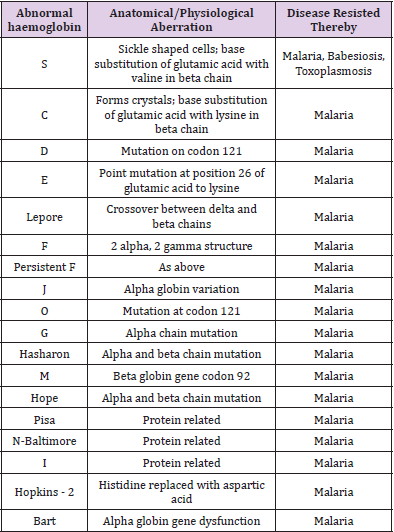
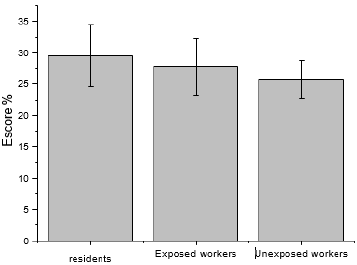
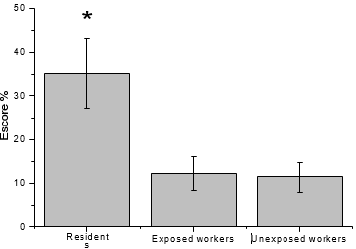
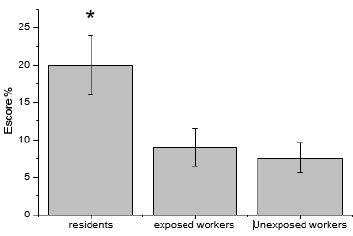
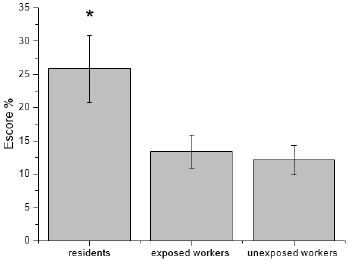
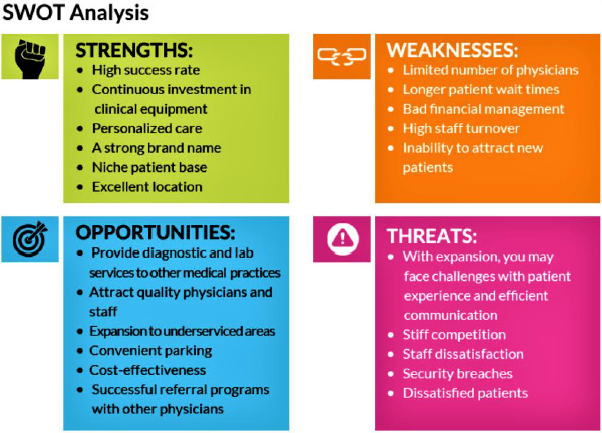
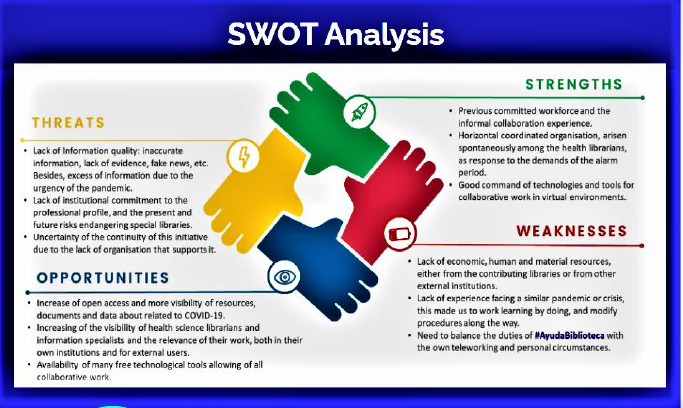
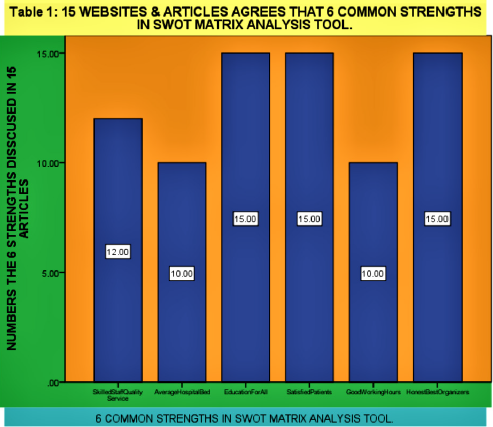
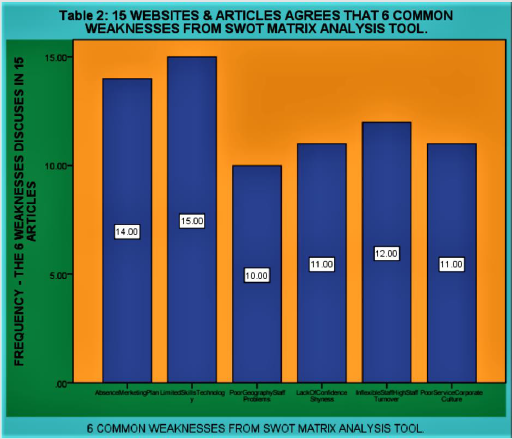
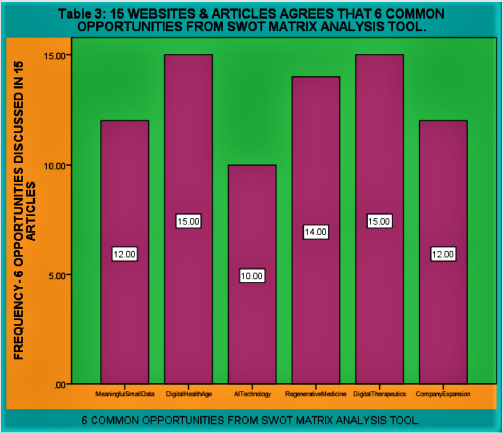
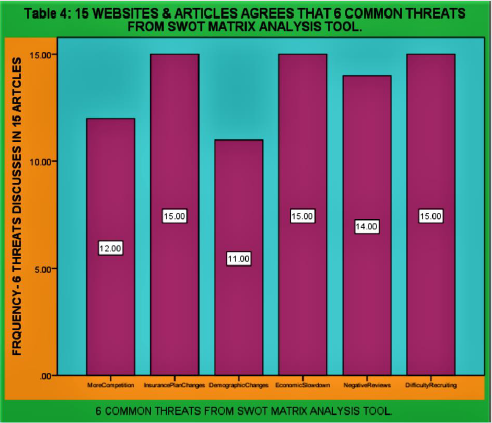
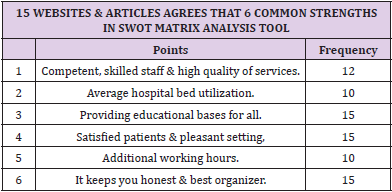
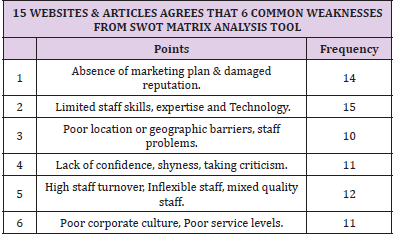
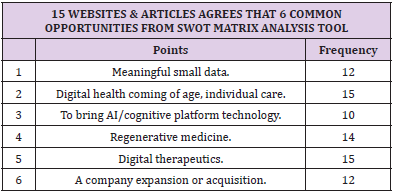
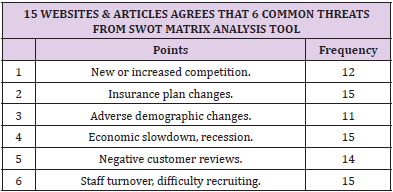
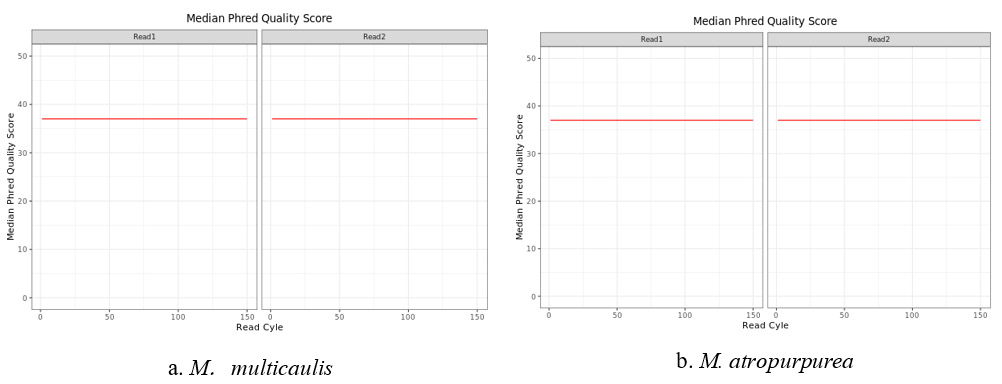
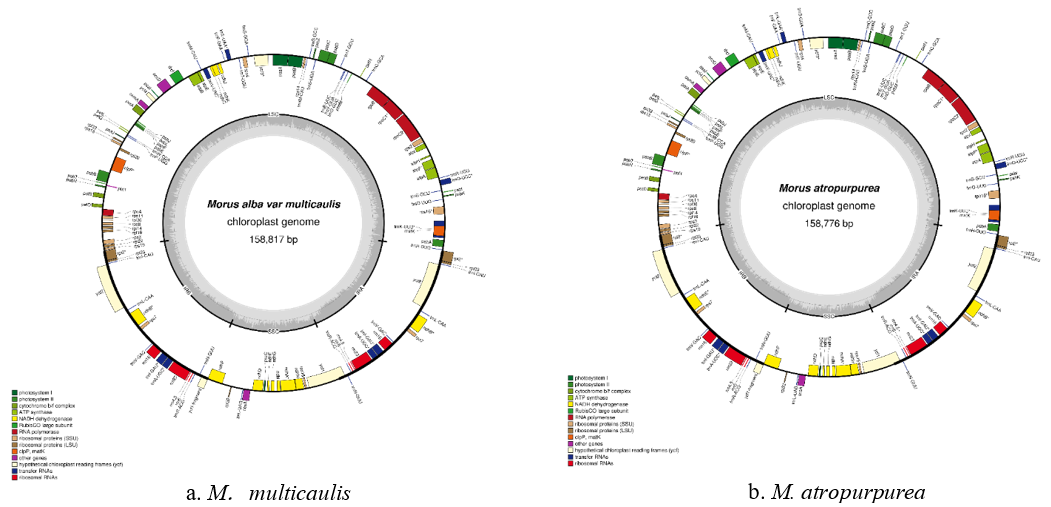
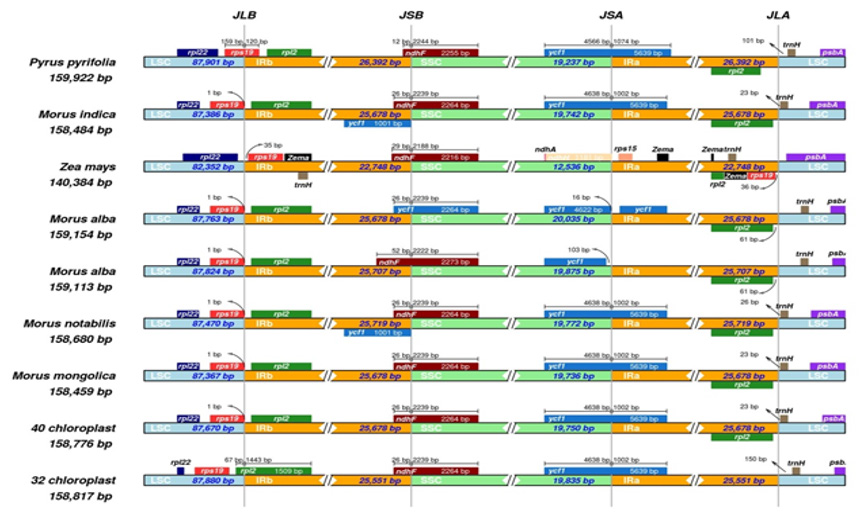

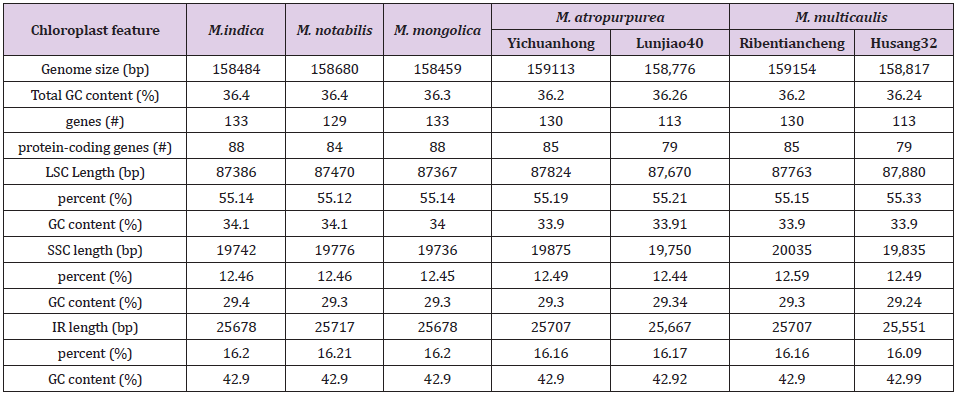
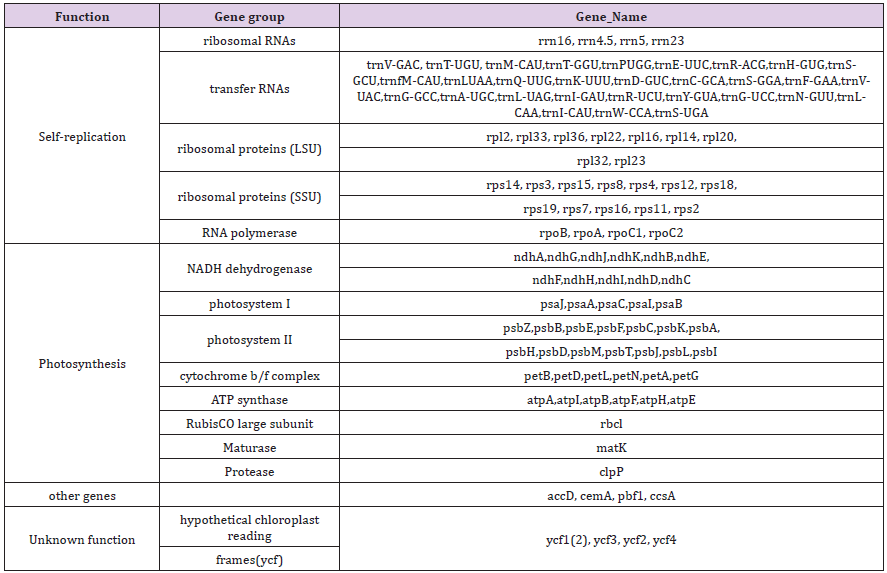
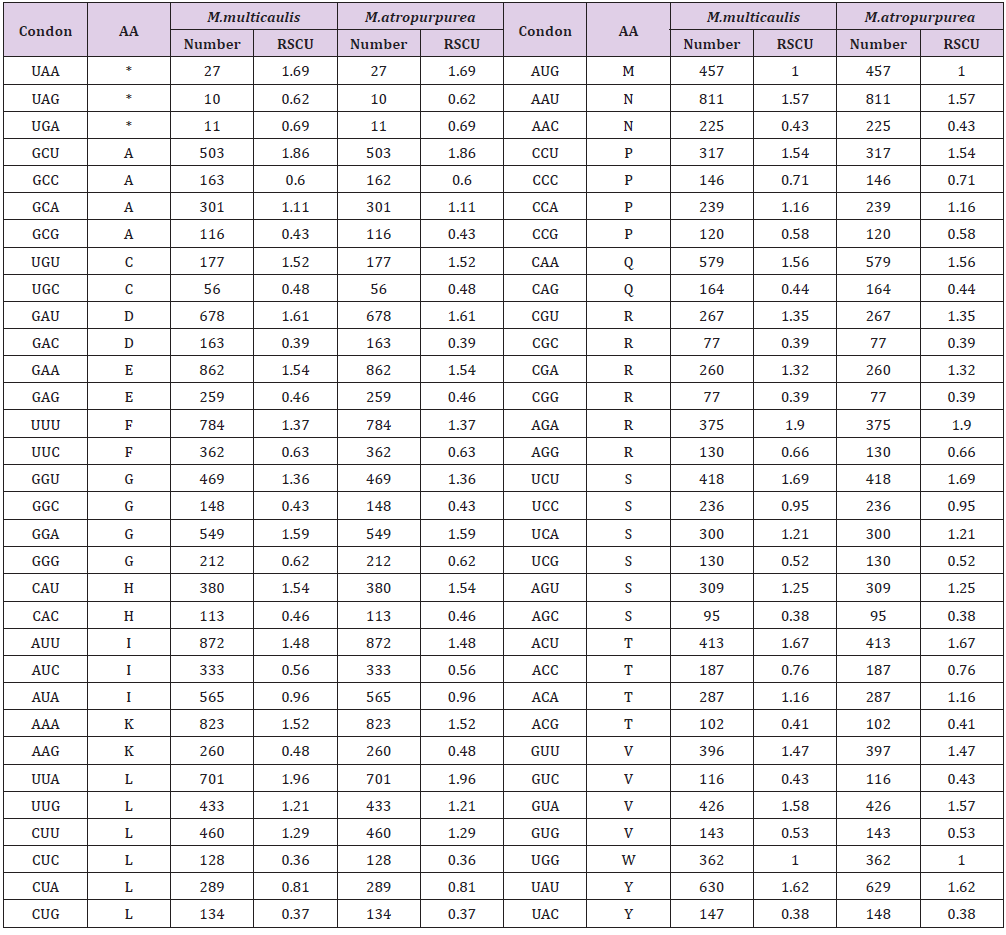


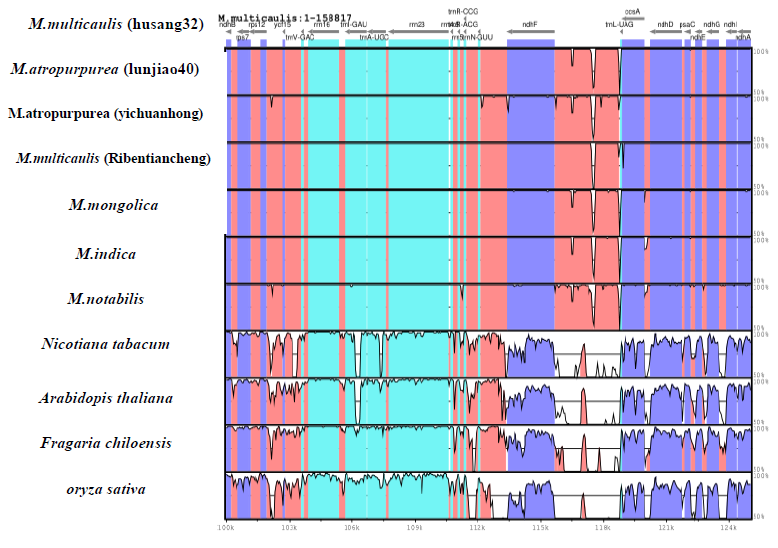
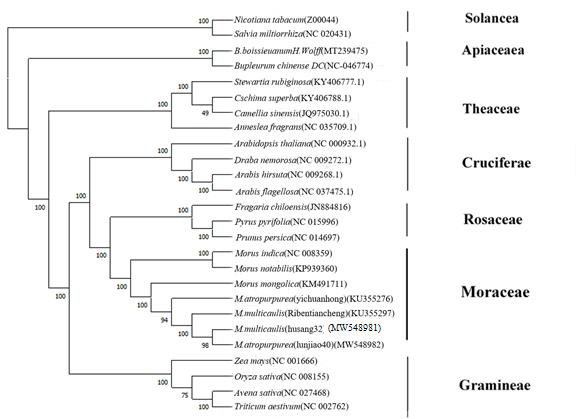
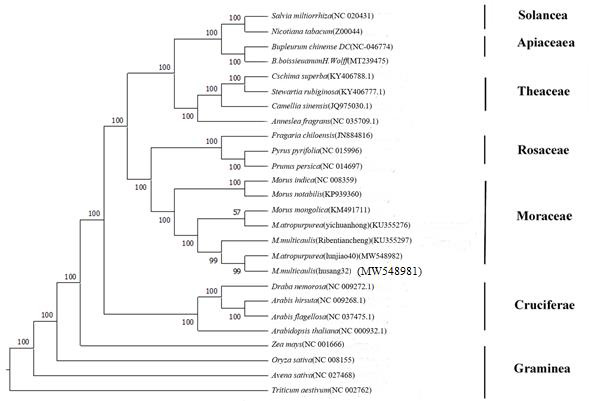
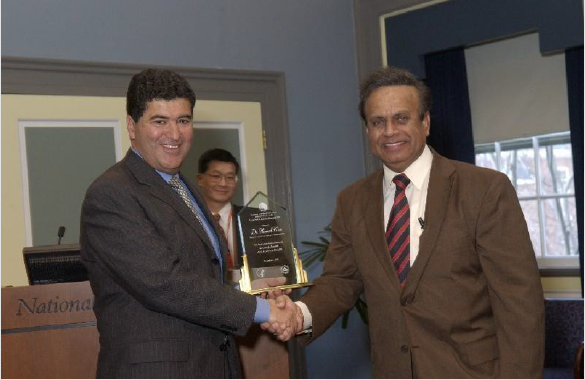
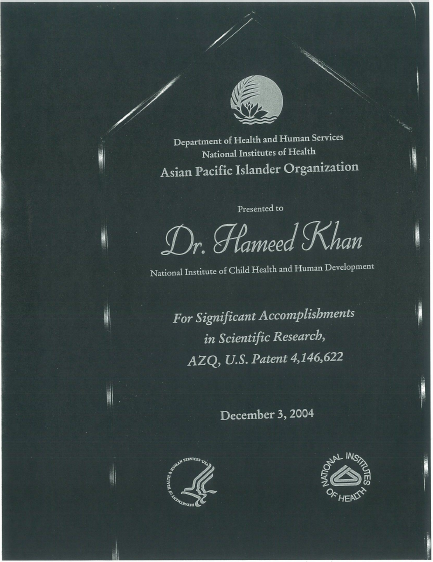
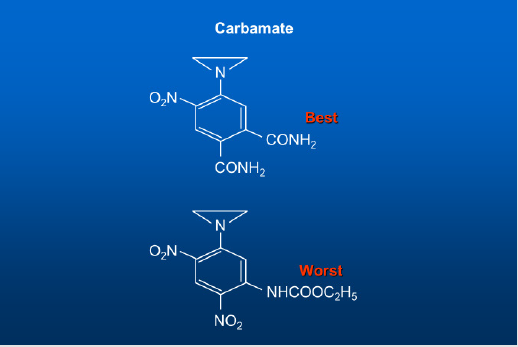

 Biomedical Journal of Scientific & Technical Research (BJSTR)