Journals on Medical Science Research

The Cultivation of Creativity in the Classroom

Introduction

Conceptually, creativity is defined as the ability to produce a new work or idea based on imagination. Younger psychologists argue that creativity is not a special skill or ability of a few people, but rather is the result of special training and learning through specific processes, which enable each individual to activate inexhaustible forces of his mind [1]. Many view creativity as a tendency to activate or recognize alternative ideas or possibilities, which can prove useful in problem solving, in communicating with others, or even in the field of entertainment. Creativity according to others is to think outside the blueprints or frameworks, approaching new areas and achieving results, which are able to provide answers to problems that concern them [2]. In this process, a clear distinction is made between predetermined abilities. Of course, the first concerns creativity, learning ability and communication. The latter are directly related to production, economy, marketing, etc. Creativity therefore moves within an indefinite pattern and can be evaluated through different processes. Many also argue that creativity can be seen as a process by which new original and useful ideas are activated, which help to deal with everyday problems and challenges. But it is important to see human creativity as the art of the different in terms of thinking. But in order to formulate a definition that will be based on scientific data, it is important to do a historical review and to trace the way in which science used to deal with, and continues to deal with, the concept of creativity. But in order not to get lost in the vastness of the various sciences, we will approach it both as an object of psychological research and as an object of pedagogical practice [3].

It is a fact that creativity has preoccupied researchers and around the subject has developed a large bibliography that gives new dimensions to creative thinking and opens new perspectives. As a starting point for creativity, we refer to the discomfort Guilford posed to the American Psychological Society in 1950 over the way the scientific community approached creativity, which was listed in the international literature as an “American challenge.” This discomfort and Guilford’s concerns in general were the trigger for the development of a number of approaches to creative thinking [4]. The interest of scientists and researchers to deal with the creative thinking of man and the abandonment of the concept of the “divine gift”, gave a series of definitions which we present below in order to arrive at a more widely accepted definition, but also through management of the concept of creativity to be able to understand the nature of creative thinking and the structural principles that govern it. Guilford made a first attempt to define the concept, according to which “creativity covers the most characteristic abilities of creative individuals, which determine the probability for an individual to express a creative behavior, which is manifested by ingenuity, composition and design.” of course, this definition is simplistic, but some facts emerge that are then confirmed by researchers. This ability seems to be linked to certain personality traits.

These characteristics speculate if and how creativity will manifest. Creativity affects all individuals and is not a rare phenomenon only of gifted individuals [5]. “Differentiation between individuals is quantitative, a matter of classification, not qualitative.” Getzels and Jackson (1962) define creativity as the combination of those elements that are considered original and different [5]. They point out that creativity is one of the most valuable human possibilities, but it is difficult to examine it systematically. Lowenfeld and Brittain (1975) argue that creativity is directly related to who gives the definition. Thus, some psychologists distinguish as qualitative elements of creativity:
a. Flexibility of thought
b. The originality of the idea
c. The ability to think differently
d. How to solve problems.

Of course, here we have to contrast Einstein’s view, which argues that formulating a problem is more important than solving it. Piaget (1960) defines creativity as a process of problem solving, problem finding, exploration, experimentation, an intellectual energy that implies respect and thoughtful decision making. Torrance (1966) identifies creativity with the ability of the individual to face various problems, with sensitivity, originality but also with method and calm. Creativity according to Lee, Webberlen and Litt (1987) is a multifaceted phenomenon and every issue that arises is addressed through different processes. We must also cite the view of Bruner (1962) who defines creativity as an energy from which arises a special and effective surprise [3]. Freud (1972) defines creativity as an instinctive impulse that aims at creation but also correlates it with the impulse of destruction. Creativity can include shaping new systems, transferring familiar relationships to a different field, and shaping new correlations. Through the conceptual approach it follows that it is difficult to integrate creativity into a definition. We adopt what Davis (1992) states: “There are as many infinite definitions and ideas of creativity as there are people who have written their ideas on a piece of paper.” Of course, if we want to categorize the prevailing positions on creativity, we could mention:
a. The traditional view, which claims that there are a number of “intelligent”, “gifted” people, this category includes people with exceptional talent or some special skills that stand out from the rest and cite as examples personalities such as Mozart and Einstein and according to this creativity is not the same in all people, so it is not cultivated.
b. The modern view, which argues that talent is mainly the result of practice and hard work, and all individuals have the opportunity to reach a degree of creativity and the cognitive processes followed in the emergence of ideas are no different from every day and therefore creativity can be cultivated.

The nature of Creativity

Creativity is about observing known things, it is based on previous ideas – experiences and the search extends to something new or a different approach. Among the main reasons that drive creativity, we distinguish:
a) The need for an innate impulse inherent in the human mind for something new.
b) The communicative need for exchange of ideas.
c) The human need to solve problems and create new ideas.

The human brain is the one that plays an important role in every creation, whether it is associated with human survival and the construction of the first tools, with mental functions, with artistic creations or even with the confrontation of everyday human problems. Creativity does not start with zero states [6]. It can be built on pre-existing knowledge or experiences. In the nature of creativity, we must mention an important element that runs through the whole process. It is the element of imagination that enables people and much more children to successfully process everyday situations and develop their creative abilities [6]. Imagination and creativity could be said to move in parallel and are interconnected. Of course, we must emphasize that creativity does not start from scratch, like the imagination, in the sense that the pre-existing elements that are inscribed in the consciousness help to create new representations in the form of images or ideas. This begs the question, are the representations of memory the same as the representations that exist and are recorded in the imagination? Their difference is more in the form and not in the content. It is important to point out that there is a danger in childhood that the imaginary will become an extension of reality.

The Evaluation of Creativity

Evaluation is the stage at which an account of what has been produced is made. It is an important stage in the whole process through which the ideas produced are evaluated [7]. Without it, the process would be “incomplete”. Furthermore, every evaluation of ideas has basic principles, such as: “it is a continuous process, it must be done for all ideas, it must have the meaning of collectivity, it must be objective, and it must be a guide for further paths” [8]. It is suggested that the convergent thinking be evaluated separately from the divergent one in order to understand the differences. Evaluating creativity is important for the following reasons:
a) It contributes decisively for the younger generations to show their abilities and to take advantage of their inclinations and interests.
b) It is a determining factor and a steady step towards selfknowledge.
c) It prepares future generations to adapt to the rapid changes that are taking place” [8].

Creativity is not an objective feature, because we have the ability to use indicators to evaluate the creative possibilities through which objective determination is achieved. We should mention that there are no surefire ways to guarantee the reproduction of innovative ideas. Source inspiration does not fall into measurement scales. Of course, there have been references to specific brainstorming processes, but the issue remains open, as discussions persist in the qualitative dimension, which is not measurable [9].

Evaluation Methods

From the search in the foreign language literature regarding the methods of evaluation of the creative inclination and ability, we have distinguished numerous and flexible methods that enable the evaluation. Of course, we should point out the research controversy in the scientific community regarding the evaluation of creativity [10]. Hocevar in a thorough review of creativity presented key points – axes used in creativity studies:
a. Convergent thinking exercises.
b. Divergent thinking exercises.
c. Recording the behavior and interests of individuals.
d. Recording of special personality elements.
There are other ways to measure creativity, such as:
1. Plot titles: here the participants are given the plot of a story and asked to come up with original titles.
2. Quick reactions to word associations: this is where unusual answers are scored.
3. Conception of shapes and forms: here are presented simple drawings of people and objects and they are asked to find common properties and characteristics in two or more paintings. Scoring is again based on unusual answers.
4. Unusual uses: here are given everyday objects, e.g., a toothpick and unusual applications are required.
5. Remote correlations: here participants are asked to create a new word from two other simple ones.
6. Distant effects: this calls for the activation of a list of consequences of unexpected events.
7. Creativity can also be calculated based on the response to a variety of test scenarios, such as:
8. The expression of ideas: the ability to easily develop a variety of reasoning and correlations, when presented with a simple word or image.
9. The combination of ideas in a new way: the development of a wide range of innovative approaches and solutions, when we are asked to explore new possibilities for an ordinary simple object of our daily life (eg a brick).
The emergence of new benefits for existing ideas: the activation of original ideas or solutions based on pre-existing ideas. Investigation: the ability to process an idea in order to make it practically functional. Focus and distinction: identifying the most important elements of an idea and then approaching them in an effort to solve a problem while simultaneously evaluating the difficulties. Perspective exchange: the ability to suggest ways to view and solve a problem in the light of different perspectives.

Children and Creativity the Cultivation of Creativity in the Classroom

Teachers should review the teaching practices they apply in order to be able to judge the extent to which they have been able to instill in students a creative way of thinking. Some ways to boost creativity by teachers are:
Enhancing divergent thinking:
a) Allow the teacher to ask questions of the student.
b) Be educationally receptive and sensitive to the problems faced by students.
c) To make the children realize the maximum importance of the questions, but also not to be afraid to trust their senses.
d) Problems should not be presented simply but discovered.
e) Attempt to try a second Tuesday etc. to find a solution to each problem.
f) The taught subjects of the courses to be examined from different angles.
g) To convey to the students the message that they should not rest on the first correct answer they will give.
h) In general, is there anything going on in the school that could be part of the concept of divergent thinking?
i) In any case, Learning should not be a mechanical storage of knowledge from textbooks and teachers.
j) Existence of motivation and encouragement:
k) Students’ questions should be accepted by teachers so that they can then develop.
l) Children’s curiosity to be supported and additionally provoked.
m) Opportunities for self-directed learning should be provided.
n) The teacher appreciates and supports the personal interests of the student.
o) Unnecessary repetition of a theme should be avoided.
p) Receptivity to the new
q) The school should be not only a place of traditional teaching, but also of enjoyment, fun and challenge for spiritual adventures.
r) Teaching should convey the real world within the school.
s) As a place the school should be offered for the cultivation of imagination.
t) The school must be able to dispel stress and provide a sense of comfort and relaxation to the student.
u) The school must provide opportunities and opportunities for a subject to be examined in an experimental and at the same time pleasant way.
v) Finally, the uniqueness and individual personality of each student should be assessed, and a conservative attitude should not be imposed.
Cultivation of creativity must be an integral part of the educational process (Jullien, 2004). We emphasize that the cultivation of creative tendencies should not be pursued only within the framework of some ‘special hourly support programs that will be repeated at sparse intervals or at a predetermined time and place. The desire to cultivate such an important element must overcome all limitations and be systematically systematized, in every activity that accompanies school and extracurricular life.

Conclusions

Creativity is a multifaceted concept. Its special nature leads to the non-existence of a unified psychological theory that will explain and include all its dimensions. Many people still associate it with the arts and avoid associating it with other cognitive objects such as the sciences which are considered uncreative. They believe that creativity is a special feature of some people who are involved in the arts. The importance of creativity for art is very important but it is equally important in the sciences and in other cognitive areas that result from the composition of two areas. For example, the use of art in the natural sciences and vice versa. Today we have come to the conclusion that creativity is characteristic of every human being. All people can be creative as long as they are given the opportunity and find themselves in an environment where the conditions are right for them to develop and cultivate their creative skills. The development of creativity in the school context is important and there are specific ways to enhance and promote it that must be taken care of by teachers. The evaluation of creativity also plays an important role, which is a key factor in the course of children’s education at all levels of education.

For More Articles: Biomedical Journal Impact Factor: https://biomedres.us
Open Access Journals on Medical Research

Rapid and Practical Screening Method for the Detection of Colistin-Resistant Bacteria in Food

Introduction

Colistin is recognized as one of the few remaining available antibiotics for the treatment of intractable infections caused by multidrug-resistant Gram-negative bacteria [1]. Recent studies have shown that bacteria carrying the mcr gene, which confers colistin resistance to most members of the Enterobacteriaceae, are widely disseminated, particularly in Asia [2,3]. Since colistin is widely used in animal husbandry [4], the spread of colistin-resistant (CR) bacteria in communities via livestock food is a potential risk factor. Moreover, CR bacteria are often found in animals and animalfood [5-7]; thus, monitoring CR bacteria in animal-food is essential. However, the conventional culture method [8] for detecting CR bacteria in food is laborious and time-consuming. Rapid detection of colistin resistance genes at the research level is now possible using the SYBR green method [9], but its widespread practicality is limited due to the need for complex steps and equipment involved in DNA extraction from samples and determination of result specificity. To overcome this limitation, we here report a simple, rapid, and practical detection method of Escherichia coli harboring mcr-1, as a representative CR bacterium, using a highspeed real-time polymerase chain reaction (PCR) kit. We further verified the utility of this method for detecting CR bacteria in retail meat samples. Although a real-time PCR assay for the detection of mcr genes from bacterial isolates has already been established, this newly proposed detection method holds practical relevance for widespread use, as the entire procedure, from food sample processing to the final result, can be completed within only 1 h.

Materials and Methods

A total of 27 retail meat samples, including pork and chicken, were collected from 10 markets (two supermarkets and eight local traditional markets) in Vietnam and five supermarkets in Japan during November and December 2019. None of the eight traditional markets in Vietnam maintained a refrigerator for meat preservation. In contrast, the two supermarkets in Vietnam and all five supermarkets in Japan had refrigerators for food storage. Each sample was collected from one meat type per market. Bacterial cultures and DNA extraction were performed on the collection day. Ten grams of each meat sample were placed in a stomacher bag (AS ONE, Osaka, Japan) containing 90 mL buffered peptone water. The samples were hand-homogenized for 2 min. The resulting homogenate was inoculated on CHROMagar COL-APSE (CHROMagar, Paris, France), a selective medium for CR Gram-negative bacteria, and cultured at 37 °C for 24 h. CR E. coli-like colonies were distinguished based on colony color (dark pink to reddish) after cultivation [8,10]. A representative colony was isolated by sub-culturing on MacConkey agar, and bacterial identification was performed. The colistin minimum inhibitory concentration (MIC) was estimated, and colistin resistance genes (mcr-1 to -5) were detected by multiplex PCR as described previously [6,11].
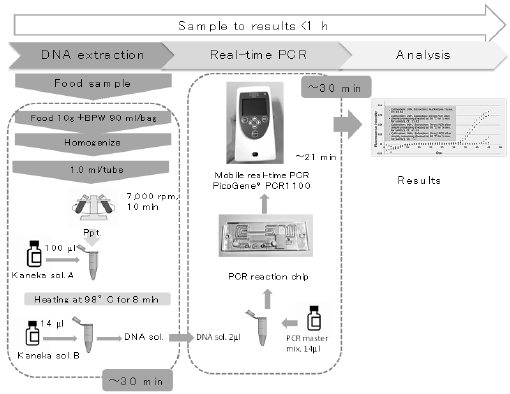
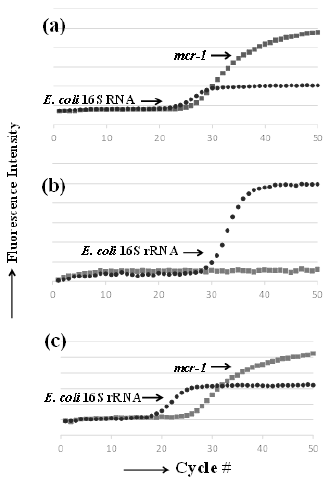
In parallel, DNA was extracted from 1 mL of the homogenate using the Kaneka Easy DNA Extraction Kit version 2 (Kaneka, Tokyo, Japan). The presence of E. coli and the colistin resistance gene mcr-1 in the DNA extracts was determined by real-time PCR using a mobile PCR device, PicoGene PCR1100 (Nippon Sheet Glass, Tokyo, Japan). PCR primers and TaqMan probes for realtime PCR detection of E. coli 16S rRNA and mcr-1 were prepared as described previously (Table 1) [12]. Details regarding the realtime PCR, including PCR mixtures and thermal cycling conditions, are provided in Tables 2 & 3, respectively. The DNA extract of the CR E. coli strain (E362) [6] carrying mcr-1 was utilized as a positive control in PCR. The entire 50 PCR cycles were completed within only 21 min. Moreover, the real-time PCR device could simultaneously measure fluorescence at three different wavelengths for the same sample. Two fluorescent dye-labeled TaqMan probes (Integrated DNA Technologies, Singapore), Cy5 for E. coli 16S rRNA and FAM for mcr-1, were used for each sample. The entire protocol is outlined in Figure 1. Figure 2 shows representative real-time PCR profiles of the samples.

biomedres-openaccess-journal-bjstr

Figure 1: Outline of the screening protocol using mobile real-time PCR PicoGene® PCR1100. BPW, buffered peptone water.

biomedres-openaccess-journal-bjstr

Figure 2: Representative plots obtained from real-time PCR amplification of mcr-1 and E. coli 16S rRNA genes in meat samples.
a) Positive control, mcr-1 E. coli.
b) mcr-1–negative pork sample, H-A market pork.
c) mcr-1–positive chicken sample, H-E market chicken.

Results and Discussion

The detection sensitivity of the method was assessed using pork meat samples spiked with an mcr-1-positive E. coli strain culture. The lower limit of mcr-1-E. coli detection for the entire method, from DNA extraction to detection by real-time PCR, was 7 × 10² CFU/g; however, a minimum of 7 × 10³ CFU/g was required for quantification using a linear correlation. In the validation study using retail meat samples, CR E. coli-like bacteria were detected using the culture-based method in eight out of ten chicken and in three out of seven pork samples purchased in Vietnam (Table 4). The semi-quantitative levels of CR bacteria in these samples were in the range 103‒108 CFU/g (Table 4). All representative CR E. coli isolates from each sample were confirmed to be resistant to colistin (MIC ≥ 4 μg/mL) and possessed mcr-1 but not mcr-2 to -5, except for the H-E market pork sample, which harbored mcr-3 in addition to mcr-1, as determined by multiplex PCR. No samples from the Japanese supermarkets were contaminated with CR bacteria. All samples, except for the H-E market pork sample, that were positive via the culture-based method were also positive by real-time PCR (Table 4). Some culture-negative samples such as H-B market pork, T-B market chicken, T-B market pork, and T-E market chicken were PCR-positive. Such contradictory results may be attributed to the features of the real-time PCR method and its ability to detect mcr-1 even in dead cells and/or non-E. coli cells. In contrast, a pork sample from the H-E market showed CR E. coli colonies after culturing but tested negative for mcr-1 by real-time PCR. Such discrepant cases could be due to a low level of mcr-1–positive bacteria below the detection limit of the real-time PCR method or the presence of bacteria expressing non-mcr CR determinants [13].

The new method presented herein detects the target gene and facilitates quantitative analysis. In addition, the method using TaqMan probes has high detection specificity, and is simple because it does not require specificity verification by melting curve analysis, even for one-step extracted DNA from food. The results output the ratio of bacteria carrying mcr-1 to the total number of E. coli cells, which may be mcr-1–positive or –negative bacteria (Figure 2). The detected quantitative mcr-1 levels were higher than the CR E. coli-like bacterial levels determined via the culture-based method because the real-time PCR method detects all mcr-1 regardless of bacterial species. The quantitative linear range detected via realtime PCR was between 103 and 106 CFU/g. Although the detected signal was below the quantitative linear range limit in some samples, they were still considered to have positive results via realtime PCR. The approach described in this study provides limited information regarding the degree of contamination; nevertheless, the developed method is reliable and practical owing to a short processing time, enabling the rapid screening of contaminating bacteria with mcr-1 in food.

Conclusion

A new rapid and practical screening method was developed for detecting CR E. coli in food samples. The developed method is advantageous because it is easy to perform, has a short processing time, and provides reliable results that are consistent with those obtained by traditional methods.

For More Articles: Biomedical Journal Impact Factor: https://biomedres.us
Open Access Journals on Medical Research

Remote Monitoring of the Health Status of Pregnant Women in the COVID-19 Pandemic

The Role of Remote Technologies in the Quality Management System and Safety of Medical Care

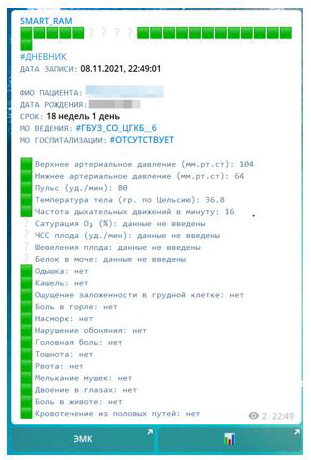
On April 26, 2021, Deputy Chairman of the State Duma Irina Yarovaya at a meeting of the Presidium of the Council of Legislators of the Russian Federation under the Federal Assembly of the Russian Federation called for simplifying the exchange of data between medical institutions and patients. In the Sverdlovsk region, an automated information system of mobile notifications «AIST_SMART» for pregnant patients and doctors began to operate. Using a smartphone or, say, a tablet, pregnant patients in their personal account get the opportunity to keep an electronic diary of self-control of their health. The diary has the functions of automatic interpretation of the results and the formation of signal information for the obstetrician-gynecologist. Now pregnant women do not need to fill out paper diaries of self-control, call their doctor or the reception of the antenatal clinic or wait for a doctor’s call in order to report the results – the process is fully automated. The women’s consultation received an IT tool for remote interaction with pregnant women and women in child child. The introduction of «AIST_SMART» technologies made it possible to replace paper diaries with electronic ones. Medical data of the patient are collected in a single database and allow you to track the dynamics of the patient’s health around the clock. The results of electronic diaries are automatically processed by the system and if no abnormalities are detected, the data is simply recorded in the system and does not disturb the doctor (Figure 1).

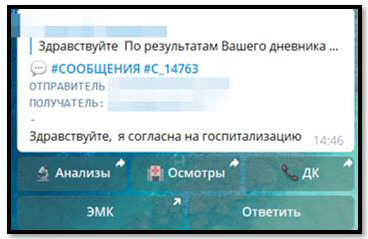
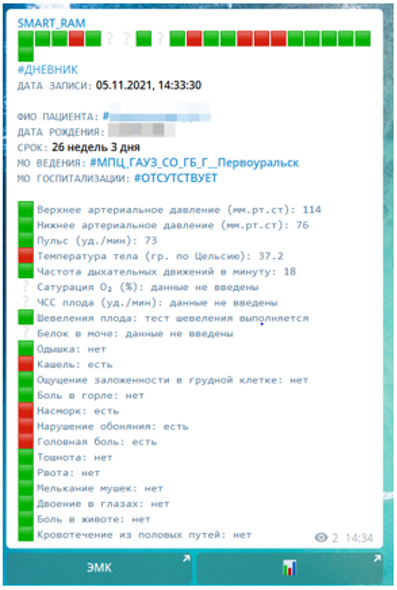
In case of detection of deviations in the patient’s state of health, the system marks the identified deviations and sends a notification to the doctor about the current state (Figure 2). Mobile notifications instantly convey accurate and detailed information about the patient’s state of health and thus contribute to the timely decision on hospitalization in case of detection of criteria for weighting the course of NCVI. All notifications in case of deviations are automatically sent to the attending physician and the doctor in the Obstetric Remote Consultation Center (hereinafter referred to as the ADCC) for the routing of the patient 24/7. Remote health monitoring functions as follows.

biomedres-openaccess-journal-bjstr

Figure 1: The data of the expanded diary of self-control at the NKVI, all indicators are normal.

biomedres-openaccess-journal-bjstr

Figure 2: The data of the expanded diary of self-control at COVID-19 with deviations in the state of health.

Registration in the System «AIST_SMART»

To register the patient in the personal account at the initial appointment of a pregnant patient, a consent-instruction [1] is issued to connect to the mobile service «AIST_SMART» with an individual QR code. At home, the patient reads the QR code using the camera of her smartphone or tablet and, according to the instructions, undergoes the registration procedure, forming a digital four-digit PIN-code. From now on, it is guaranteed 24/7 technical support. The QR code serves as the patient’s identifier and the link between her electronic medical record (EHR) in the AIST «RAM» and the personal account in the «AIST_SMART» system. To register a doctor in your personal account, you must log in to the medical information system – AIST «RAM», in which all medical personnel of the obstetric service in the region work. Open the «Personal Account» tab and register by scanning an individual QR code. So, in order to access electronic self-control diaries, the doctor and the patient connect to the AIST_SMART service, and after registering in the system, notifications about the results of remote health monitoring will be received on their mobile device. The doctor does not need to call on the phone to find out how she feels, what her temperature is, the symptoms of SARS, etc.

How the Mobile Alert System Works

Formation of Notification of the Result of Self-Control Diaries

This process is fully automated. AIST_SMART performs the role of an intellectual assistant to the obstetrician-gynecologist/ midwife. The patient fills in the diary data, and the doctor receives ready-made results with automatic interpretation. Now the patient will not forget to call the antenatal clinic, and the doctor will be able to make decisions on the tactics of conducting comprehensively, taking into account the results of the patient’s home self-control and his obstetric status.

Patients with COVID-19 are Asymptomatic/Mild and Receiving Care on an Outpatient Basis (at home)

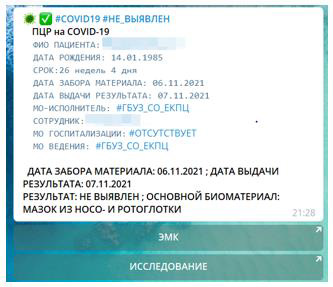
Upon receipt of the results of testing in a pregnant woman / maternity for COVID-19, the data are entered by medical personnel in the AIST «RAM». Notifications about the results are automatically generated in the personal account «AIST_SMART» (Figures 3 & 4). These notifications are automatically sent to both the patient and the doctors. With what there is control that the patient is also informed about the result (Figure 5). If a positive result is detected on the COVID-19, the patient receives notifications 2 times a day about the need to fill out a self-control diary, which is also informed by the doctor – full feedback (Figure 6). The doctor of the ADC, based on the results of the self-control diary (Figure 7) and obstetric status according to the data in the electronic medical record (hereinafter referred to as the EHR) in the AIST «RAM», where there is information about all the results of the examination, the course of pregnancy and diagnoses, decides on further management tactics: to continue outpatient treatment or hospitalization in a covid hospital. The ADCC doctor fixes his decision in the EHR, making out a remote consultation for the attending physician of the antenatal clinic or obstetric hospital (if the patient is in the hospital at the time of detection of the COVID-19).

biomedres-openaccess-journal-bjstr

Figure 3: Mobile NOTIFICATION of PCR result for COVID-19: not detected.

biomedres-openaccess-journal-bjstr

Figure 4: Mobile NOTIFICATION of PCR result for COVID-19: DETECTED.

biomedres-openaccess-journal-bjstr

Figure 5: Marking about the patient’s reading of the results of the examination.

biomedres-openaccess-journal-bjstr

Figure 6: Mobile notification that a reminder has been sent to the patient to complete a self-monitoring diary.

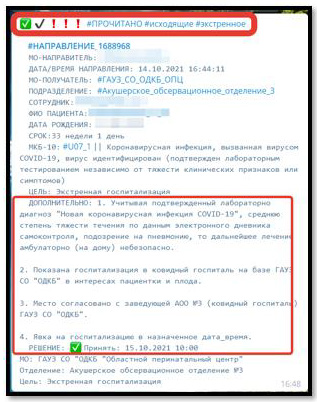
If a decision is made on the need for hospitalization, the doctor of the ADC through a confidential «working» chat in AIST_SMART can contact the patient and clarify her consent to hospitalization and the possibility of transportation by personal transport. If consent is obtained (Figure 8), the ADC doctor makes an additional referral for (re-) hospitalization to a particular covid hospital for pregnant women and women in childcare, taking into account available places. The patient receives a notification about the referred referral indicating the covid hospital, the date and time of hospitalization (Figure 9). If it is necessary to organize transportation, the doctor of the ADC has resources through communication with the medical organization where the patient is on the dispensary register and agreeing on the method and time of transportation by the NSR team in compliance with epidemiological rules (Figure 10).

biomedres-openaccess-journal-bjstr

Figure 7: Dynamics of the state of health according to the electronic diary of self-control.

biomedres-openaccess-journal-bjstr

Figure 8: Communication with the patient through confidential “working” chat in AIST_SMART.

You do not Need to Receive a Paper Direction

If necessary, you can print the direction at the place of treatment of the patient, using a single information space of the regional obstetric monitoring of AIST «RAM». All the directions that a woman received during pregnancy are reflected in her personal account in the «My directions» section. The patient can open any document, even if the connection with the internet has disappeared.

biomedres-openaccess-journal-bjstr

Figure 9: Notification of referral to a Covid hospital and labeling of reading by a patient.

Advantages of Remote Monitoring of Health

The transition to electronic diaries of self-control allows you to identify the weighting of the course of ARVI / ARI in the case of outpatient treatment (at home) with COVID-19, and timely send the patient to hospitalization to prevent adverse events, which is from the main directions of the quality management system and safety of medical care. AIST_SMART allows you to create constant feedback [2] with the patient and thereby form a patient-centric model of care as one of the priority areas for the development of modern medicine and healthcare in general. All of the above increases the compliance of doctor-patient interaction and directly affects the quality and safety of medical care in the difficult conditions of the NCVI pandemic, which meets the modern needs of society and solves the tasks set by the Government of the Russian Federation in the field of digitalization of healthcare [3-8].

For More Articles: Biomedical Journal Impact Factor: https://biomedres.us
Open Access Journals in COVID-19 

Experience of Indian National Biobank in COVID-19 Pandemic and Future Directions

Introduction

The Coronavirus disease 2019 (COVID-19) is an infectious disease caused by the Severe Acute Respiratory Syndrome Coronavirus-2 (SARS-CoV-2) [1]. SARS-CoV-2 was first reported in China and till date accounted for 169 597 415 confirmed global cases of COVID-19, including 3 530 582 deaths. Worldwide [2]. On March 11th 2020, WHO declared public health emergency [3]. High transmissibility of this virus rapidly surged number of cases and many countries around the globe announced regionalnational lockdowns [4]. The lockdown situations adversely affected businesses, slow down of scientific activities and operational activities of several sectors including biobanks [5]. The National Liver Disease Biobank (NLDB), India is an advanced open resource sharing liver disease biobank for liver and associated disease research established with the joint efforts of the Department of Biotechnology (DBT) and Institute of Liver & Biliary Sciences (ILBS), New Delhi, Government of India [6]. NDLB is India’s first liver disease biobank with a storage capacity of more than 5.4 million biosamples and certified by Tissue Repository Network (CTR. Net) in 2020 [7]. NLDB has been set up in an institute dedicated to patient care and research in liver diseases.
The biobank collects high quality biosamples across the country with clinical data. A total of 73,831 aliquots of serum, plasma, PBMC, urine, tissue, stool, and whole blood from 12,607 patients have been collected and stored at NLDB as of Dec 31st 2020. Biosample and access to the advance analytical facility openly available under one roof for all researchers. In order to deliver cutting edge services for collaborative liver disease research NLDB acquired a non-profitable business and financial model, charging only the cost for utilization of services, NLDB engaged trained and highly competent staff with world class storage and advanced analytical infrastructure, aiming to become a nodal centre for providing the clinical and basic researchers to reliably store biosamples and carry out their research at one platform. The national sudden lockdown was placed on 24 March 2020 in India for 68 days in different phases when the number of confirmed coronavirus cases were approximately 500 [8]. The lockdown restricted people to stay in their homes [9] and all transport services were suspended with exceptions for essential emergency services [10].

Impacts

The sudden lockdown brought both the opportunities and challenges to the biobank. Although, the National Liver Disease Biobank (NLDB) is a liver and related diseases biobank, the government of India designated it as an add-on COVID biobank permitting for collection and storage of COVID-19 biosamples for research, developing diagnostics and vaccines. NLDB faced tri-directional challenges based on financial, operational and sustainability, but were accepted positively with changing in the processes and management.

Crisis Management

The storage facility and associated equipment are one of the key elements in operations of biobank. As per best practices published by International Society for Biological and Environmental Repositories [11], telephone numbers for professional assistance should be clearly posted in the repository and accompanying administrative areas (e.g., engineering or facilities personnel, power companies, fuel supply companies, transportation services). The emergency planning was focused to maintain cryopreservation of biosamples from various possible events that may breakdown the freezers. NLDB has 10 % of the total storage capacity as backup, maintained at operating temperature at all times. Safe guarded by 24×7 CCTV surveillance and a security personal and all mechanical freezers connected with datalogger equipped with SMS alert system. Three biobank personnel are trained and even prepared for 24×7 shifts in case of emergency. Contact numbers of emergency response team (engineering, electricity and security office) are posted on all storage units. Earlier the emergency plan was only focused for natural calamities. Learning from the current situation, an upgraded emergency plan based on management and transportation of sample at satellite center, business strategy, financial planning and operations of biobank is under review. Moreover, NLDB also started to develop contingency plan to keep operating in pandemic positions. There were difficulties in taking consent with COVID infected patients. Leftover diagnostic samples stored at biobank without consent will be utilised for research after approval from ethics board.

Sample Collection

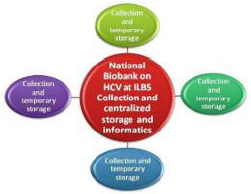
The NLDB follows the “decentralized collection, centralized storage, distribution and informatics” model. (Figure 1). It has collaboration with 18 hospitals for collection of biosamples and supports many research projects by providing biosamples along with associated data. Biosamples are collected with necessary precautions, however, in this pandemic, the need of PPE kit, sanitizer, and establishment of BSL2/BSL3 facility was critical, considering all samples as highly infectious.

biomedres-openaccess-journal-bjstr

Figure 1: NLDB Model for biosample collection, transportation and distribution.

The challenges confronted while functioning in this pandemic:
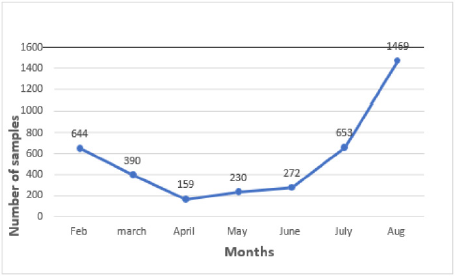
1. There has been a significant decline in the number of samples collected from both host institute and the satellite centres because Outpatient Department and surgeries are only limited for emergency cases (Figure 2). 2. Co-ordination with satellite centers and maintenance of samples became difficult because of limited staff.
2. At initial period, hospitals were not prepared to screen for COVID-19 for all patients, leading to high chances of collecting COVID-19 contaminated samples from asymptomatic patients. Sample processing protocols were revised and precautions were made even for handling samples apparently COVID negative.
3. Biobank was instructed to collect COVID-19 biosamples but processing and storage area was not designed to handle highly infectious samples. To avoid cross contamination, urgent requirements for separate space for processing and storage of COVID and non-COVID samples was flagged.
4. Dedicated routes to transport cryoshippers containing aliquoted COVID biosamples were made from patient ward to BSL2+ facility and then to the storage area.

biomedres-openaccess-journal-bjstr

Figure 2: Effect of biosample collection during lockdown.

Logistics and Supply of LN2 Gas

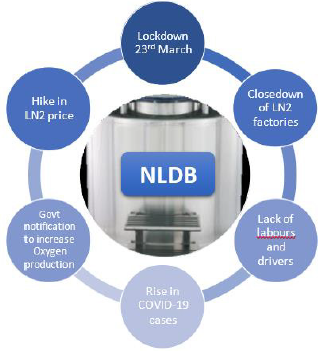
The surging Covid-19 in March, 2020 and the Indian government’s decision to contain the disease outbreak through lockdown adversely affected the domestic logistics sector, especially road transportation, production and supply of essential goods [12]. With increasing number of active cases of Covid-19, the consumption and demand of oxygen was increased throughout the country [13]. Some LN2 industries directed to produce more oxygen in comparison to LN2 gas. The resource management for consumables, refilling of LN2 in cryoshippers, transient storage and transportation of biosamples are managed from main centre established at New Delhi, India. The sudden nationwide lockdown almost got NLDB in a standstill affecting the operational chain such as managing the collection, storage, transportation of biosamples from satellite centres. Biobank has consumption of 100 litres/day to maintain temperature of two LN2 tank. NLDB does not have LN2 plant and dependents only on LN2 supply from outside. Closedown of LN2 factories due to movement of labours, local shortage/limited access to liquid nitrogen, shortage of drivers, made it difficult to get the LN2 tanks refilled. Moreover, the market price of LN2 was hiked up to three times in comparison to the previous routine rate. The pandemic taught that biobank should have inhouse plant for LN2 supply. To avoid such problem in future, NLDB processed to establish an LN2 plant in ILBS premises with capacity to produce approx. 250 litres of LN2/ day (Figure 3).

biomedres-openaccess-journal-bjstr

Figure 3: Elements which affected the LN2 supply in the pandemic.

Operations

The ban and restrictions on public transport effected the employees resulting in only 40% attendance of the staff. Biobank staff were seconded in COVID-19 testing lab and the sudden focus and orders to quickly set up procedures to test covid-19 samples, and two-technicians infected with COVID-19 at different time periods and others quarantined for coming in close contact, were big challenges faced. IT experts were not able to resolve the technical issues in the biobank software from home due to nonavailability of remote access for the software. There was temporary interruption of collection and distribution activities as hospitals redirected to treat critical cases and COVID -19 patients only. During lockdown, one of the -80⁰C freezers stopped working, consequently the samples were shifted to the backup freezer. Repair was delayed due to restricted movement and limited supply of spare parts and backup LN2 freezer was being utilised for storage of COVID-19 samples. Biobank samples were on complete risk in case of any failure in storage system as the backup freezers were already in use. Emergency purchase of two -80 freezers was done to accommodate more COVID samples as left over covid-19 samples from hospital diagnostic centers were directed to store in biobank for future research. SOPs were revised as per the knowledge gained in the pandemic. A separate SOP is developed as per guidelines of Indian Council for Medical Research/ Government of India for collection, storage and distribution of COVID-19 samples for research.

Personnel Wellbeing

Commuting for the personnel was big issue in lockdown. However, staff working in COVID lab were provided accommodation in hospital. The safety guidelines issued by Ministry of Health and Family Welfare Government of India to maintain social distancing at work place and transport were followed with necessary compliance [14,15]. Routine test, thermal scanning, sanitizing machine, touch free mechanism installed at all entry and exit points and common areas. Complete ban on non-necessary visit and emergency visits were allowed only after negative rapid antigen test. Two biobank technical staff resigned from their job because their family not allowed them to work on COVID-19 samples.

Management Related Issues

a. Finance: A project for add-on COIVD biobank facility was submitted to the Government of India which was approved and funds released on priority basis in December, 2020.
b. Biobank Information Management System (BIMS): IT related issues were impediment for biobank due to no remote access of clinical databases, biobank systems, slow adaptation and update of software. BIMS was updated with annotation for COVID-19 as per recommendations of ICMR, GOI.
c. HAZARD Management: The primary and basic requirement of biobank is safety of its staff and of the environment against biological and chemical hazards. There were no specific guidelines available for storage, collection, distribution and QMS of highly infectious samples in ISO20387, NCI and ISBER best practices. Sharing of COVID biosamples are not as easy as non-COVID samples thus National Oversight Committee was constituted by ICMR to review the same. NLDB has provision to share the sample after approval of Biosample release committee (BRC). Sample are released after signing MTA and undertaking by recipient to handle COVID-19 and it is informed that any violation or misuse would be dealt with strict action as per laws of Government of India.

Work Culture & Infection

Work culture of biobank has been totally changed due to COVID fright and implementation of new rule and SOPs. Handling the informed consent, annotation forms duly signed by COVID patients was a big issue. WHO and ICMR guidelines are being followed by NLDB to prevention from any infection, Intensive communication and training on good hygiene practices, PPE kit donning and doffing has been provided to biobank personnel. Technicians are equally divided for COVID and non-COVID related work. It is compulsory to wear N95-type masks, use of hand sanitizer, disinfect all documents coming through patents in Ultraviolet (UV) light, and to sanitize work area daily and disinfect the storage area twice a week.

Research Support

The government of India has released huge funds for research focused on Diagnostics, Vaccines, Novel Therapeutics, Repurposing of Drugs or any other intervention for control of COVID-19 as most of the research institutes were closed or had limited access to maintain necessary equipment during lockdown.

Discussion

The sudden lockdown consequent to the COVID-19 pandemic brought both the opportunities and challenges to the biobank. NLDB handled the tri-directional challenges that were operational, financial and sustainability. Sudden changes in operations, supply chain disruptions, manpower presence and remote access of software were major difficulties along with the Handling of Covid-19 biosamples, inaccessibility of donors and challenges in obtaining informed consent. Although, there was neither biobank practices and standards included any plan to run a biobank in a pandemic, NLDB followed the available national [15] and international standards [16] and guidelines [11,17,18] to handle the infectious samples. Though, biobank had an emergency plan for backup storage though there were no thoughts to have an emergency plan for LN2 supply and to work with limited man power. Flexibility in purchase rules, monitoring of efficient utilization, stock management for every one month can be a great help to run biobank in emergency. Biobank must have inhouse LN2 plant along with a rate contract with suppliers to supply LN2 in emergency at equivalent prices. All SOPs revised to treat all sample as infectious Remote monitoring and access of software during emergencies is a must. However, development of remote monitoring software is only possible after the contribution of key stakeholders, such as hospital administration, IT team, privacy legal expert and biobank operations team. In conclusion, NLDB used this pandemic as a learning experience and modifying its operational, emergency and business plans for future crisis and pandemics.

For More Articles: Biomedical Journal Impact Factor: https://biomedres.us
Journals on Hypertension

Tai Chi, Qigong, and the Treatment of Hypertension

Introduction

Tai chi, also referred to as taiji or taijiquan, is considered both a martial art and a kind of low-impact exercise. Its origins are unclear, but it apparently dates back at least to the thirteenth century. The oldest style is the Chen style, which originated in the Chen village in China [1,2]. The second oldest style, and also the most popular style, practiced by more people than any other style, is the Yang style [3]. The other main styles are the Wu and Wu Hao styles [4], and the Sun style [5], which is the youngest of the five main styles. The various styles of tai chi have much in common, although there are some differences, which we need not discuss in this article. One of the main common features of all styles of tai chi is that they generate healing life energy (qi, pronounced chee), which serves to boost the body’s immune system and prevent the onset of illness and disease. Qi energy also has a beneficial effect on treating existing illness. Many articles and books have been written about the health benefits of tai chi [6-7], so we need not go into the details here. Suffice it to say that many medical studies have found that the regular practice of tai chi can lead to many health benefits, including the treatment of existing diseases and illnesses.
Qigong has been around a lot longer than tai chi, perhaps thousands of years [8]. Many books and articles have been written about this traditional Chinese medicine tool as well [9-74]. It is also a set of gentle exercises that generate qi, which has beneficial healing effects for a wide variety of ailments, including, but not limited to ankylosing spondylitis [75-76], anxiety and stress reduction [77-82], arthritis [83-89], autism [90], back pain [91-92], cancer [93-115], cognitive impairment [116-119], COPD [120-121], COVID-19 [122-123], depression [124-134], elder care [135-138], fibromyalgia [139-141], longevity [142-144], Parkinson’s Disease [145-146], and traumatic brain injury [147], to name a few. The present article focuses on the beneficial effects of tai chi and qigong exercises on hypertension and blood pressure. It reviews a few studies that have found beneficial effects and cites a number of other studies for further reading and research.

Methodology

The PubMed.gov database [148] was searched to find studies that had been done to determine the effectiveness of tai chi and qigong exercises on blood pressure and hypertension.

Findings

The findings reported upon in this article are representative of the numerous studies that have been done examining the effects of tai chi and qigong on blood pressure and hypertension. Additional studies on this topic are cited in the reference section below Liu et al. [149] conducted a meta-analysis to determine the effectiveness of tai chi and qigong exercises in the treatment of essential hypertension (EH). Specifically, they looked at blood pressure (BP), levels of nitric oxide (NO), and endothelin-1 (ET-1). Exercises were performed from 1.5 to 6 months. Nine randomized controlled tests (RCTs) of 516 EH patients in China found that those who did the exercises were able to reduce both systolic and diastolic blood pressure. The exercises also contributed to higher NO blood levels and lower ET-1 blood levels. Although the difference in treatment outcomes using tai chi and qigong exercises versus antihypertensive drugs was statistically insignificant, combining the two therapies resulted in significantly better outcomes than what would occur using only tai chi and qigong or drug therapy. Thus, tai chi and qigong exercises were equally effective as drug therapy in the treatment of hypertension, only without the side-effects that may be present with drug therapy. Liu et al. concluded that tai chi and qigong exercises could be an effective complementary and alternative therapy for EH patients.
The tai chi exercises varied by study, and included the Yang- 24 form, Yang-8, and Chen-style tai chi. The qigong exercises also varied by study, and included Mawangdui Daoyinshu and Baduanjin, among others. Subgroup analyses were performed for the different types of tai chi and qigong, and some were found to be more effective than others. One subgroup analysis of changes in systolic blood pressure ranked the effectiveness of the various exercises as follows, from most to least effective:
a) Chen-style tai chi
b) Mawangdui Daoyinshu Qigong
c) Self-compiled qigong
d) Yang-style tai chi
An examination of different subgroups found that some tai chi and qigong exercises were more effective than others in lowering diastolic blood pressure. The ranking, from most to least effective, was:
a. Chen-style tai chi
b. Self-compiled qigong
c. Mawangdui Daoyinshu Qigong
d. Yang-style tai chi
Liu et al. concluded that Chen-style tai chi might be most effective in reducing blood pressure, while Yang-style tai chi might be the least effective. The authors also compared the effectiveness of the various tai chi and qigong exercises on improving NO levels. The ranking from most to least effective was:
a. Yang-style tai chi
b. Baduanjin Qigong
c. Mawangdui Daoyinshu Qigong
Chen-style tai chi and self-compiled qigong were not statistically significant in improving NO levels. The authors also analyzed subgroup data on the effectiveness of tai chi and qigong in reducing ET-1. The ranking from most to least effective was:
a. Baduanjin Qigong
b. Yang-style tai chi
c. Mawangdui Daoyinshu Qigong
Self-compiled qigong was found not to be statistically significant in lowering ET-1 levels. Thus, it appears that Baduanjin and Yangstyle tai chi may be more effective than other exercises in improving NO and ET-1 scores.
If one were to interpret the findings of this study, one might conclude that choosing qigong and or tai chi therapy might be superior to drug therapy for the treatment of EH for two reasons. Although the study found that qigong/tai chi therapy and drug therapy are equally effective in treating EH, qigong/tai chi therapy has two distinct advantages over drug therapy: qigong/tai chi therapy has no adverse side-effects, and it does not cost anything. Drug therapy, on the other hand, sometimes has adverse sideeffects, and it is not free. The study also found that combining qigong/tai chi therapy with drugs might be superior to choosing just one of the two options.
Pan et al. [150] conducted a systematic review of randomized controlled trials on the effects of tai chi on blood pressure, body mass index (BMI), and quality of life (QOL) on patients suffering from hypertension. Their meta-analysis of 24 studies containing 2,095 patients (1,074 in the treatment group and 1,021 in the control group) found that the intervention group had significantly better outcomes for systolic blood pressure (SBP) [p ≤ 0.001], diastolic blood pressure (DBP) [p ≤ 0.001], physical functioning [ p ≤ 0.001], role-physical [p ≤ 0.001], general health [p = 0.001], bodily pain [p ≤ 0.001], vitality [p ≤ 0.001], social functioning [p = 0.027], role-emotional [p = 0.003], and mental health [p = 0.001] compared to the control group. However, the differences in BMI between the groups were insignificant. Pan et al. concluded that tai chi is an effective therapy to improve SBP and DBP for patients suffering from essential hypertension. Zou et al. [151] found that the practice of baduanjin was beneficial for quality of life (p = 0.004), sleep quality (p = 0.001), balance (p = 0.004), handgrip strength (p = 0.007), trunk flexibility (p = 0.006), systolic (p = 0.0004) and diastolic (p = 0.005) blood pressure, and resting heart rate (p = 0.0005). They examined the results of various studies on each of these topics. In the case of the effect of baduanjin on blood pressure, they examined 9 studies having a total of 743 participants.
Ladawan et al. [152] investigated the effects of qigong exercise on cognitive function, blood pressure and cardiorespiratory fitness in 12 healthy middle-aged subjects who performed qigong exercises in 60-minute sessions, three times a week for eight weeks. They found that the exercises resulted in significant improvements in Trail Making Tests Part A (p = 0.04), systolic blood pressure (p = 0.0001), diastolic blood pressure (p = 0.005), mean arterial pressure (p < 0.001) and maximal workload (p = 0.032). Twelve weeks after cessation of the exercises, they had all returned to the baseline. The authors concluded that it is necessary to perform qigong regularly to maintain the improved health effects.
Ching et al. [153] examined data on 370 subjects from seven randomized controlled trials (RCTs). The following six types of qigong exercises were used:
a) Conventional Qigong
b) Guolin Qigong
c) Shuxinpingxue Gong
d) Dongeui Qigong
e) Ba Duan Jin Qigong
f) Mawangdui Daoyinshu Qigong
They found that the practice of qigong exercises had a significant effect on reducing systolic (p < 0.001) and diastolic (p < 0.001) blood pressure. The above studies are representative of the studies that have been done in recent years on the effectiveness of tai chi and qigong on reducing high blood pressure. Some other recent studies are listed in the reference section at the end of this article [154-188].

For More Articles: Biomedical Journal Impact Factor: https://biomedres.us
Open Access Journals on Drug

Use of Anti-Inflammatory Drugs in the Treatment of Parkinson’s Disease: A Systematic Review of Perimental Studies

Introduction

Parkinson’s disease (PD) is a progressive neurodegenerative disease characterized by the loss of dopamine neurons (AD) in the substance nigra pars compacta (CNS) and accumulation of insoluble cytoplasmic protein inclusions called Lewy and Lewy neurites bodies [1]. The precise mechanism underlying the pathogenesis of PD is not yet fully understood. The accumulation of evidence suggests that soluble α-synuclein aggregates, known as oligomers, play a significant role in PD where the neurodegenerative process culminates in impairing several subcellular functions [1]. Thus, clinically, PD presents as muscle stiffness, tremor at rest, bradykinesia (abnormal slowness of voluntary movements), postural instability; some patients also have symptoms related to psychiatric and cognitive disorders. In this context, intraneuronal accumulation and aggregation of alpha-synuclein can start from several sites such as the intestinal tract, where this altered protein (alpha-synuclein) can be transported through the enteric route to the CNS through the parasympathetic pathway [2]. In addition to this hypothesis, there is genetic influence in the functional roles of genes identified as monogenic forms of PD. Mutations in SNCA, LRRK2 and VPS35 genes have been highly penetrating and cause autosomal dominant forms of PD [1]. Thus, showing the existence of multifactorial processes to support the underlying cause of this aberrant protein accumulation. Therefore, what most of these studies show is that when alpha-synuclein is lodged in the CNS itself, it is directly linked to damage triggered by the activation of microglia, which, by releasing inflammatory factors, causes an oxidative burst affecting neuronal cells leading to death [3].
Thus, since there is a pattern of inflammatory characteristics after the beginning of the accumulation of these proteins, this tangle of interleukins, TNF-α, TNF-γ, CCL2, ROS and NO may increase such accumulation and aggregation already in force, thus determining an even more cumulative and oxidative neurodegenerative picture, exponentially affecting the patient’s condition, becoming a real “Parkinson’s snowball”. Thus, this hypothesis suggests a clinical applicability of treatment with anti-parkinsonian drugs of antiinflammatory nature and drugs properly anti-inflammatory drugs (IANES and corticosteroids), where the anti-inflammatory action may provide a therapeutic resource for patients with the purpose of promoting a decrease in levels of dopaminergic cell lesions and lowering of alpha-synuclein accumulation. This study, therefore, aims to correlate the use of these two types of drugs with antiinflammatory attributes to the treatment of PD, observing whether there is an anti-inflammatory or neuroprotective response (via dopaminergic markers) and which group of drugs is better than the other.

Methodology

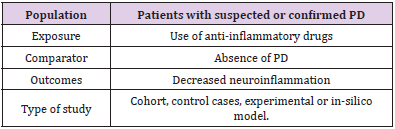
This study consisted of a systematic review prepared according to the Preferred reporting items for systematic review and metaanalysis protocols (PRISMA-P). The eligibility criteria defined for the inclusion of an article in this review were human and animal studies, contain relevant information regarding the neuroprotective action of the drug in PD, applicability of anti-inflammatory drugs, csf analysis, use of in-silico computational method and clinical results and be indexed in the electronic databases MEDLINE/ Pubmed, LILACS, EMBASE, Scopus and Web of Science. Using the PECOS strategy, the descriptors used in the searches were chosen based on the technical-scientific terms MeSH (Medical Subjective Heading) and DeCS (Descriptors in Health Sciences), combined by the Boolean operator “AND” or “OR” (Table 1). MEDLINE/ PubMed research strategy: “Idiopathic Parkinson’s Disease” OR “Lewy Body Parkinson’s Disease” OR “Parkinson’s Disease, Idiopathic” OR “Parkinson Disease, Idiopathic “ OR “Parkinson’s Disease, Lewy Body” OR “Parkinson’s Disease” OR “Idiopathic Parkinson Disease” OR “Lewy Body Parkinson Disease” OR “Primary Parkinsonism” OR “Parkinsonism, Primary” OR “Paralysis Agitans” AND “Neuroinflammation” OR “Inflammations” OR “Innate Inflammatory Response” OR “Inflammatory Response, Innate” OR “Innate Inflammatory Responses” AND “Anti Inflammatory Agents” OR “Agents, Anti-inflammatory” OR “Anti-inflammatories” OR “Anti-inflammatory Agents” OR “Agents, Anti-Inflammatory” OR “Agents, Anti Inflammatory” OR “Anti-Inflammatories” OR “Anti Inflammatories” OR “Anti-inflammatory Agents, Non-Steroidal” OR “NSAIDs” OR “Non-Steroidal Anti-Inflammatory Agents” OR “Non-Steroidal Anti Inflammatory Agents” OR “Nonsteroidal Anti-Inflammatory Agents” OR “Nonsteroidal Anti Inflammatory Agents” OR “Anti Inflammatory Agents, Nonsteroidal” OR “Antiinflammatory Agents, Nonsteroidal” OR “Nonsteroidal Antiinflammatory Agents” OR “Corticosteroids” OR “Corticoids” OR “Inhibitors, Cyclo-Oxygenase” OR “Inhibitors, Cyclo Oxygenase” OR “Inhibitors, Cyclooxygenase” OR “Prostaglandin Synthesis Antagonists” OR “Antagonists, Prostaglandin Synthesis” OR “Inhibitors, Prostaglandin-Endoperoxide Synthase” OR “Inhibitors, Prostaglandin Endoperoxide Synthase” OR “Prostaglandin Endoperoxide Synthase Inhibitors” OR “Prostaglandin Synthase Inhibitors” OR “Cyclo-Oxygenase Inhibitors” OR “Cyclo Oxygenase Inhibitors” OR “Inhibitors, Prostaglandin Synthase” OR “Inhibitors, Cyclooxygenase 2” OR “Cyclooxygenase-2 Inhibitors” OR “Inhibitors, Cyclooxygenase-2” OR “Coxibs” OR “COX-2 Inhibitors” OR “COX 2 Inhibitors” OR “Inhibitors, COX-2” OR “COX2 Inhibitors” OR “Inhibitors, COX2”.

biomedres-openaccess-journal-bjstr

Table 1: PECOS Strategy.

EMBASE research strategy: (‘parkinson disease’/exp/mj OR ‘parkinson disease’/mj OR ‘parkinson`s disease’/mj OR ‘parkinsons disease’/mj OR ‘paralysis agitans’/mj OR ‘parkinson disease, symptomatic’/mj) AND (‘anti-inflammatory agent’/exp/mj OR ‘antiinflammatory agent’/mj OR ‘anti-inflammatory agents’/mj OR ‘antiinflammatory agents, steroidal’/mj OR ‘anti-inflammatory agents, topical’/mj OR ‘anti-inflammatory drug’/mj OR ‘anti-inflammatory agent’/mj OR ‘anti-inflammatory agents’/mj OR ‘anti-inflammatory agents, steroidal’/mj OR ‘anti-inflammatory agents, topical’/mj OR ‘antiflogistic agent’/mj OR ‘antiinflammation agent’/mj OR ‘anti inflammatory agent’/mj OR ‘anti-inflammatory drug’/mj OR ‘antiinflammatory steroid’/mj OR ‘anti-inflammatory activity’/exp/mj OR ‘anti-inflammatory action’/mj OR ‘anti-inflammatory activity’/ mj OR ‘anti-inflammatory effect’/mj OR ‘anti-inflammatory action’/ mj OR ‘anti-inflammatory activity’/mj OR ‘anti-inflammatory effect’/mj OR ‘antiphlogistic action’/mj OR ‘antiphlogistic activity’/ mj OR ‘antiphlogistic effect’/mj OR ‘nonsteroid anti-inflammatory agent’/exp/mj OR ‘nsaid’/mj OR ‘anti-inflammatory agents, nonsteroidal’/ mj OR ‘anti-inflammatory agents, non-steroidal’/mj OR ‘anti-inflammatory agent, nonsteroid’/mj OR ‘non steroid antiinflammatory agent’/mj OR ‘non steroid anti-inflammatory drug’/ mj OR ‘non-steroidal anti-inflammatory agent’/mj OR ‘non-steroidal anti-inflammatory drug’/mj OR ‘non-steroidal anti-inflammatory agent’/mj OR ‘non-steroidal anti-inflammatory drug’/mj OR ‘nonsteroid anti-inflammatory agent’/mj OR ‘nonsteroid antiinflammatory drug’/mj OR ‘nonsteroid antirheumatic agent’/mj OR ‘nonsteroidal anti-inflammatory drug’/mj OR ‘nonsteroidal anti-inflammatory drugs’/mj OR ‘nonsteroidal anti-inflammatory drugs’/mj OR ‘nonsteroidal anti-inflammatory agent’/mj OR ‘nonsteroidal anti-inflammatory drug’/mj OR ‘prostaglandin synthase inhibitor’/exp/mj OR ‘cyclooxygenase inhibitor’/mj OR ‘cyclooxygenase inhibitors’/mj OR ‘prostaglandin synthase inhibitor’/mj OR ‘prostaglandin synthetase inhibitor’/mj OR ‘cyclooxygenase 2 inhibitor’/exp/mj OR ‘cox 2 inhibitor’/mj OR ‘cox 2 specific inhibitor’/mj OR ‘cox 2 specific inhibitors’/mj OR ‘cox- 2 inhibitor’/mj OR ‘cox-2 specific inhibitor’/mj OR ‘cox-2 specific inhibitors’/mj OR ‘cox2 inhibitor’/mj OR ‘cox2 specific inhibitor’/ mj OR ‘coxib’/mj OR ‘coxibs’/mj OR ‘cyclooxygenase 2 inhibitor’/ mj OR ‘cyclooxygenase 2 inhibitors’/mj) AND (‘modulation’/exp/ mj OR ‘modulation’/mj OR ‘protection’/exp/mj OR ‘protection’/ mj OR ‘protective factors’/mj OR ‘treatment outcome’/exp/mj OR ‘medical futility’/mj OR ‘outcome and process assessment (health care)’/mj OR ‘outcome and process assessment, health care’/ mj OR ‘outcome management’/mj OR ‘patient outcome’/mj OR ‘therapeutic outcome’/mj OR ‘therapy outcome’/mj OR ‘treatment outcome’/mj OR ‘disease management’/exp/mj)
LILACS Research Strategy: “Idiopathic Parkinson’s Disease” OR “Lewy Body Parkinson’s Disease” OR “Parkinson’s Disease, Idiopathic” OR “Parkinson Disease, Idiopathic “ OR “Parkinson’s Disease, Lewy Body” OR “Parkinson’s Disease” OR “Idiopathic Parkinson Disease” OR “Lewy Body Parkinson Disease” OR “Primary Parkinsonism” OR “Parkinsonism, Primary” OR “Paralysis Agitans” AND “Neuroinflammation” OR “Inflammations” OR “Innate Inflammatory Response” OR “Inflammatory Response, Innate” OR “Innate Inflammatory Responses” AND “Anti Inflammatory Agents” OR “Agents, Anti-inflammatory” OR “Anti-inflammatories” OR “Anti-inflammatory Agents” OR “Agents, Anti-Inflammatory” OR “Agents, Anti Inflammatory” OR “Anti-Inflammatories” OR “Anti Inflammatories” OR “Anti-inflammatory Agents, Non-Steroidal” OR “NSAIDs” OR “Non-Steroidal Anti-Inflammatory Agents” OR “Non-Steroidal Anti Inflammatory Agents” OR “Nonsteroidal Anti-Inflammatory Agents” OR “Nonsteroidal Anti Inflammatory Agents” OR “Anti Inflammatory Agents, Nonsteroidal” OR “Antiinflammatory Agents, Nonsteroidal” OR “Nonsteroidal Antiinflammatory Agents” OR “Corticosteroids” OR “Corticoids” OR “Inhibitors, Cyclo-Oxygenase” OR “Inhibitors, Cyclo Oxygenase” OR “Inhibitors, Cyclooxygenase” OR “Prostaglandin Synthesis Antagonists” OR “Antagonists, Prostaglandin Synthesis” OR “Inhibitors, Prostaglandin-Endoperoxide Synthase” OR “Inhibitors, Prostaglandin Endoperoxide Synthase” OR “Prostaglandin Endoperoxide Synthase Inhibitors” OR “Prostaglandin Synthase Inhibitors” OR “Cyclo-Oxygenase Inhibitors” OR “Cyclo Oxygenase Inhibitors” OR “Inhibitors, Prostaglandin Synthase” OR “Inhibitors, Cyclooxygenase 2” OR “Cyclooxygenase-2 Inhibitors” OR “Inhibitors, Cyclooxygenase-2” OR “Coxibs” OR “COX-2 Inhibitors” OR “COX 2 Inhibitors” OR “Inhibitors, COX-2” OR “COX2 Inhibitors” OR “Inhibitors, COX2” .

Web of Science Search Strategy

TÓPICO (Parkinson disease*) AND TÓPICO (inflammation*) AND TÓPICO (anti-inflammatory*).

Scopus Search Strategy

(TITLE-ABS-KEY (Parkinson AND disease) AND TITLE-ABSKEY ( inflammation ) AND TITLE ( anti-inflammatory ) ) .
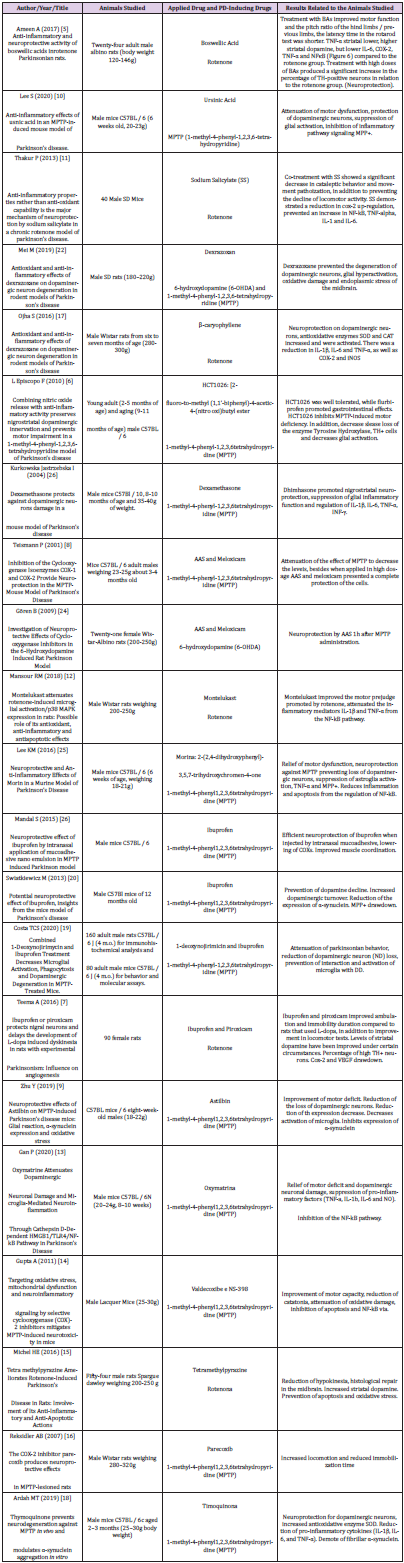
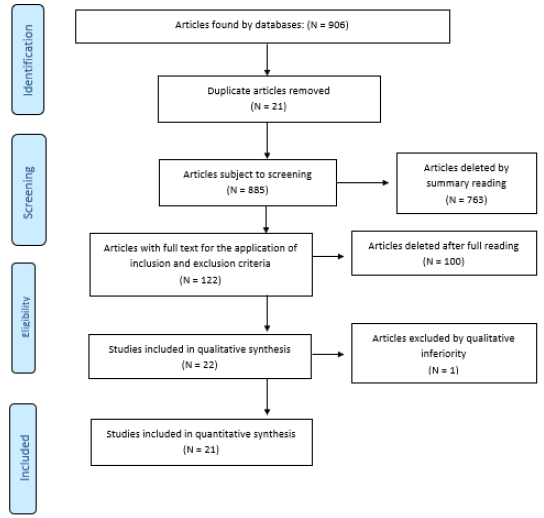
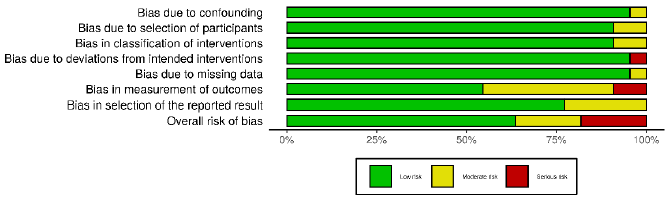
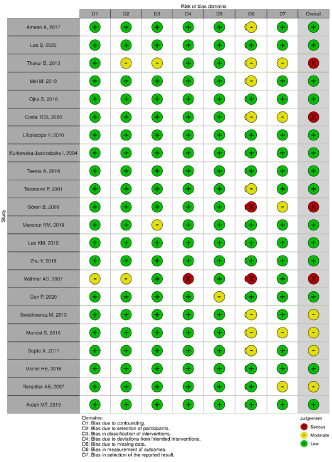
The selection of articles was performed by two researchers blindly and independently through reading the titles, reading the abstracts and, finally, full reading of the articles. Any disagreement in the selection was resolved in consensus meetings. Articles that fully met the eligibility criteria were included in this study. The selection process is described in Flowchart 1 adapted from PRISMA (Figure 1). In order to analyze the methodological quality of the included studies, each article was evaluated by a researcher based on the items of the ACROBAT-NRSI (A Cochrane Risk of Bias Assessment Tool for Non-Randomized Studies) [4]. Acrobat-NRSI scores were used to exclude articles that did not present hardhitting information to the research, besides serving as a basis for discussing the methodological quality of the articles and the possible viruses in the generalization of their results (Figures 2 & 3). From each article included, data related to the objectives of this review were extracted, such as author, title, type of study, population, PD induction drug, drugs used applied, positive results. These data were computed and compared using the t-Student test for independent samples, with the purpose of comparing the percentage s percentages of the and effects on PD between NCAs and other anti-inflammatory drugs (Table 2).

biomedres-openaccess-journal-bjstr

Table 2: Characteristic of selected experimental clinical trials.

biomedres-openaccess-journal-bjstr

Figure 1: Adapted from PRISMA.

biomedres-openaccess-journal-bjstr

Figure 2.

biomedres-openaccess-journal-bjstr

Figure 3.

Findings

Twenty-one articles were analyzed, separated between two groups according to the drug used for pre-clinical study, antiparkinsonian drugs of anti-inflammatory nature and drugs properly anti-inflammatory drugs (IINES and corticosteroids). Improvement in motor function, decreased movement patriotization, increased levels of striatal dopamine, decreased interleukins and blockage of inflammatory pathways, such as those participating in MPP+ and COX-2, as well as increased and/or decreased loss of neurons armed with tyrosine hydroxylase (TH) enzyme, an important marker of neuroprotection, were identified.

Discussion

In view of these findings, this systematic review demonstrated that there is an effective therapeutic relationship in the use of anti-inflammatory drugs in PD through findings such as, mainly, quantitative increase or decrease in the loss of tyrosine hydroxylase enzyme [5-9]and improvement of motor function or prevention of motor decline [5,10-16]. However, since these are experimental studies in animals where clinical failures are commonly recorded in this methodology, caution should be exercised in the face of these findings, even if it shows clinical relevance. In addition, the importance of the therapeutic look is emphasized, especially in pathophysiological terms elapsed by the articles, observing in most of them that this disease, which affects the nicrostriatal region harboring the substantia nigra and quite rich in microglia, has the cumulative character of alpha synuclein in its altered form, which leads to the formation of a highly fibrillar aggregate by very little known pathways, thus, there is the beginning of a cascade of events that lead to the release of inflammatory toxic factors and a progressive dopaminergic neurodegeneration [17,18]. It is identified, therefore, that within this pathophysiological mechanism there is linked an inflammatory response, so there is a target to be investigated and possibly treated, demonstrating possible therapeutic purposes against PD.
In parallel, this review was able to investigate some other parameters found in experimental animal studies. Some motor tests showed improvement in the face of performance tests, applicability of previous training or open field observation, in addition, motor improvement of the forelimbs and later [5], significant decrease in cataleptic behavior [10], improvement of ambulation and immobilization time [7]and reduction of hypokinesia [15]. These results reinforce the hypothesis of a neuroinflammatory cause of Parkinson’s and once again the application of anti-inflammatory drugs for a possible therapy. It can be observed that characteristics that are found in patients such as muscle stiffness, tremor at rest, bradykinesia and postural instability could be solved or attenuated by a drug with function, absorption and mechanisms similar to what were found in this review. Therefore, there is a vast ness of possibilities for anti-inflammatory pharmacological use, in which, however, there is still a need to weigh the pros and cons, the latter being something of changeable capacity within the pharmaceutical industry, in which with investments in research and advanced technology can be achieved a less deleterious profile to the body, such as raising blood pressure, interaction with anti-hypertensive drugs, reduction of renal perfusion and gastrointestinal symptoms [16].
Within this context, it was also possible to identify an increase, then neuroprotection from levels of dopamine, TH enzyme and dopaminergic neurons in some animals. These results can be explained by the fact that the neuroinflammatory process, in its characteristic of exponential cascading lesion of dopaminergic neurons [8,19], was blocked and there was no more decrease in degenerative character. All this was observed from immunohistochemical analyses of TH (Tyrosine Hydroxylase) levels, an enzyme involved in dopamine synthesis through a series of biochemical reactions that has the amino acid tyrosine as a precursor and a molecular marker of dopaminergic neurons, along with dopamine dosage [5-9,18,19]. Thus, it was demonstrated what can occur in a neural system previously healthy, but with microglia activated by the pathophysiology of PD, in this case by mimetic drugs of PD such as rotenone and 1-methyl-4-phenyl-1,2,3,6 tetrahydropyridine (MPTP). Thus, it is envisaged, once again, the use of these drugs or something more advanced both in patients already diagnosed and living with the disease chronically, as well as in patients at the beginning of diagnosis and mild clinical picture, promoting neuroprotection and, consequently, a greater defense and increased quality of life.
Some drugs in the studies acted directly on microglia and other inflammatory foci, some of them are very common, such as ibuprofen, meloxicam, piroxicam, AAS, Valdecoxib and Parecoxib (NHEMS, which act by inhibiting COX-2, prostaglandin and ultimately reducing cytokines), dimethazone (Corticosteroid that reduces the gene expression of pro-inflammatory cytokines). All of them obtained good results regarding the lowering of glial hyperactivation and intracellular inflammatory, in addition to stimulating the recovery and regeneration phase, avoiding in some cases the toxicity of MPTP [20], which shows that even having extensive knowledge and applicability of these drugs, they can still be key parts for the advancement of neural therapy in PD. Similarly, oxymatrine, an alkaloid compound found at the root of a Chinese herb (Sophora flavescent), promoted relief of motor deficits induced by MPTP and conferred significant neuroprotection, in addition to inhibiting the activation of microglia and exacerbated release of pro-inflammatory as cytokines [13]. This shows that within the vastness of drugs known and disseminated by the pharmaceutical industry, there are still a gigantic number of other substances that can be used in the treatment of this disease [20-27].

Conclusion

Our study has concluded that there is a need for investment in quality, more robust, broad-spectrum preclinical studies, with minimal view to achieve the ideal pharmacological therapeutic for this target. Thus, it is necessary more clinic trials to confirm this relationship between an inflammatory profile and use of antiinflammatory drugs which possible therapeutic agents to treatment of PD.

For More Articles: Biomedical Journal Impact Factor: https://biomedres.us

Journals on COVID-19

Type 2 Diabetes Mellitus and COVID-19 in Mexico. A comprehensive Assessment

Introduction

On February 11, 2020, the International Committee for Taxonomy in Viruses named SARS-CoV-2. Composed of a genome of 30,000 base pairs, belonging to the Coronaviridae family of the order Nidovirales. Phylogenetically coronaviruses are classified into alpha, beta, gamma and delta. Coronaviruses were identified 50 years ago as pathogens responsible for the common cold, mainly HCoV-OC43, HCoV-229E among other variants. At the beginning of 2002, coronaviruses were considered exclusively veterinary pathogens, however, by 2019 they were identified in biological samples from patients diagnosed with pneumonia [1-4]. Showing an age trend initially with geriatric patients, it has been shown that the risk of mortality increases after 75 years [5]. However, today age is no longer a dependent factor for infection. It is important to mention this since it may be due to multiple etiologies in addition to infection, such as: comorbidities, lack of metabolic control, suspension of work in the outpatient clinic due to hospital oversaturation derived from the pandemic, sedentary lifestyle, among others.
Hence it is important to emphasize the lack of metabolic control derived from all those cardiometabolic diseases, such as: obesity, hypertension, dyslipidemias and mainly diabetes mellitus, which turns out to be the first pandemic that has not been adequately controlled since ancient times [6]. All these factors are directly and proportionally related to the risk of severe progression and poor prognosis due to the chronic inflammatory state that generate more the acute systemic inflammatory response derived from COVID-19. In the case of obesity, another factor shared by both pathologies increased even more derived from confinement due to the forced closure of sports centers, favoring a sedentary lifestyle. The anxiety derived from the pandemic favors a greater consumption of foods with low nutritional power, again favoring obesity and lack of metabolic control. Therefore, in the context of a controlled diabetic patient, the measures that had to be implemented as a strategy to reduce the rate of infections are one of the factors to generate lack of control. The percentage of uncontrolled diabetics since the beginning of the pandemic is more and more common and continues to rise, which entails greater spending on health, greater generation of medical supplies and resources. There is an excess of mortality in the Mexican Republic derived from the pandemic, not only due to COVID-19, but also due to other causes [7,8] without forgetting to mention the possibility of under- registration that exists, for example, in marginalized areas or those who could not have hospital access derived from the same scenario. That is why the relevance of this article where a comprehensive scenario is proposed for the knowledge and management of COVID-19 in those patients who already have a chronic damage such as Diabetes Mellitus.

Pathophysiology

The incubation period for SARS-CoV-2 is 5 days with a range of 2 to 14 days [9]. The spectrum of diseases generated by coronavirus infection is mainly acute respiratory, chronic, enteric, hematological, endothelial and of the central nervous system. The mechanism of transmission of the disease by SARS-CoV-2 is from person to person through the airway by the drops of Flügge that are exhaled when coughing, sneezing or speaking and are inhaled or deposited in the mouth and ocular conjunctiva, as well as surfaces, which can function as fomites [10]. The main structural proteins found on the membrane surface of the SARS-CoV-2 viral particles participate within the pathophysiology, which are: Spike (S), membrane (M) and envelope (E). Among other, these are responsible for the anchorage and entry of these microorganisms to the host’s cells. It should be noted the type 2 angiotensin converting enzyme (ACE 2) which is a type I membrane protein that contains receptors in the lung, heart, kidney and intestine, endothelium, nervous system, mainly. The ACE 2 receptors that are located in the lower respiratory tract of humans are the cellular receptors for SARS CoV-2. Since the virion has the S-glycoprotein or Spike protein, which projects through the viral envelope and forms the spicules of the crown, this is glycosylated and is responsible for mediating the binding of the receptor (protein S + ACE 2), as well as its fusion with the host cell [11,12].
This strong bond unites the entire SARS-CoV-2 membrane with the host cell membrane, entering it through endocytosis. Viral particles release their RNA that binds to viral DNA, initiating the viral replication cycle, which leave the host cell through exocytosis. Once the RNA of the SARS-CoV-2 particles begins its translation and transcription, two processes are generated: the first related to the high demand for manufacturing viral proteins causing cellular stress that ends in apoptosis of the target cells; while in the second, the viral RNA acts in a molecular pattern associated with pathogens, which leads it to be recognized by the cells of the immune system, initiating the activation of the cytokine cascade and the migration of neutrophils. Hypercoagulability, venous stasis and endothelial damage is another of the main characteristics mediated by the ACE 2 receptors that SARS-CoV-2 particles possess, being observed in the endothelium of the veins, arteries and arterial smooth muscle cells of the brain; This produces dysfunction and inflammation of the microvasculature that alters vascular flow and initiates platelet activation, increasing risk for macrovascular and microvascular thrombosis, pulmonary thromboembolism, deep vein thrombosis, catheter-related thrombosis, ischemic cerebrovascular disease, acrosyndromes, and capillary leak syndrome. in organs such as lungs, kidneys and heart, increasing mortality, one of the main complications [13] (Figure 1).

biomedres-openaccess-journal-bjstr

Image 1: Physcopathogenesis of COVID-19.

SARS-COV2 as a Diabetogenic Agent

Diabetes is associated with a chronic low-grade inflammatory state that favors the development of an exaggerated and constant inflammatory response. At the molecular level, there is an increase in the levels of IL-6 and C-reactive protein (CRP), so the proinflammatory state typical of diabetes can favor the cytokine storm and the systemic inflammatory response that accompanies the acute respiratory distress syndrome (ARDS) in patients with COVID 19 [14]. This is why diabetics infected with SARS-CoV-2 have a higher rate of hospital admission, severe pneumonia, and higher mortality compared to non-diabetic subjects [15]. SARS-CoV-2 is considered diabetogenic since it is also capable of causing direct damage to the pancreas, due to the expression of ACE 2 (mainly in islet cells) even in a higher proportion than at the lung level, which could worsen hyperglycemia and even induce the onset of diabetes in previously non- diabetic subjects [16]. It should be noted that only 1-2% of patients with mild COVID-19 infection present pancreatic lesions, while 17% of patients with severe cases present with lesions of the pancreas, which can accentuate the systemic inflammatory response and, therefore, Therefore, accelerate the appearance of ARDS [17]. On the other hand, the current scenario of the pandemic even in uninfected subjects may favor the deterioration of metabolic control due to difficulties in accessing the health system, lack of physical activity and increased stress associated with confinement.
Therapeutic strategies should be aimed at facilitating access to the health system through telemedicine to advise the patient on the adaptation of treatment or any other remotely manageable medical situation and guide patients and caregivers in the control of diabetes in order to prevent hospitalization [18]. Clinical symptoms. Different stages of SARS-CoV-2 disease have been described in humans depending on the clinical severity, which can range from mild symptoms such as: fever, myalgia, headache, cough, anosmia. Up to severe symptoms characteristic of pneumonia with severe respiratory impairment [19,20-25]. Table 1 Mild and moderate infections comprise 80.9% of the registered cases; the severe ones, 13.8% and the critical ones, 4.7%. In the adult population it is 1.2%; while in pediatric population it is 15.8% [26]. The prevalence of asymptomatic patients differs according to the age group and can be reported by up to 40% [27]. Due to the high percentage of asymptomatic patients not only in Mexico, but also worldwide, it is vitally important to continue using a facial mask in our daily lives in order to reduce the risk of contagion. Even people with a full vaccination schedule are not exempt from COVID-19 infection.

biomedres-openaccess-journal-bjstr

Table 1: Clinical symptoms of COVID-19 severity.

Prognostic factors for serious and severe disease are considered: cardiovascular disease, diabetes mellitus, hypertension, chronic lung disease, cerebrovascular disease, cancer, chronic kidney disease, obesity and smoking [28,29]. Some alterations in laboratory parameters associated with a pro-inflammatory and procoagulant state are indicative of a poor prognosis, such as multiorgan failure [30]:
• Lymphopenia.
• Elevated liver enzymes.
• Elevated LDH.
• Elevation of acute inflammation markers (CRP, ferritin, procalcitonin).
• D-dimer elevation.
• Prothrombin time lengthening.
• Elevation of troponins.
• CPK elevation.
• Markers of kidney damage (elevated creatinine, anuria). Diagnosis. There are different detection techniques for SARSCoV- 2, each with different sensitivity and specificity. We currently have three types of diagnostic tests [17,18]:
a) Nucleic acid detection tests (PCR). In the case of the gold standard. Being its high cost the main limitation for its application.
b) Antigen (Ag) detection tests.
c) Antibody detection tests (Ab): IgM / A and IgG.

We must emphasize that a negative result does not exclude infection, therefore, if the clinical suspicion is high (clinical data, epidemiological context, radiological findings, sometimes earlier in computed tomography than the positivity of the PCR and analytical studies), it is recommends repeating the same sample in 48-72 hours or trying to obtain it from the lower respiratory tract, especially in severe or progressive disease [16]. Throughout the pandemic, a high percentage of false negatives has been observed in the practice of antigenic tests, the most used in Mexico due to the difference in cost between PCR, which has perpetuated in the patient the uncertainty of being or not with the infection, which means that they do not follow the medical indications and finally contribute to continue perpetuating the contagion. Educating the patient about what a negative result implies despite high clinical suspicion is part of our work in this pandemic and therefore, as health professionals, we should not base our treatment on a laboratory test and the recommended measures should be initiated in the context of isolation, symptomatic treatment and continuous monitoring of associated comorbidities in order to avoid complications as explained in detail.
Treatment of diabetes mellitus in patients with COVID-19. Treatment depends on the clinical characteristics of each patient, risk of complications, age, ease of access to the health area, socioeconomic status, risk of drug interactions especially in patients with polypharmacy, etc. Treatment for COVID-19 infection should be symptomatic, that is, based on the clinical picture presented by each patient, which can be: antihistamines, cough suppressants, thromboprophylaxis, analgesics and anti-inflammatories, educate for self-monitoring of vital signs and provide all the necessary alarm data. As outpatient management in non-serious patients and mild symptoms, the following should be taken into account: prevention of infection, healthy lifestyle, general measures to improve diabetes control, treatment of hyperglycemia, treatment of comorbidities and support doctor (Figure 2). For the treatment of asymptomatic or non-severe patients, the following is recommended: home management, follow usual treatment for diabetes control, goal of fasting glucose 70-130 mg / dL, HbA1c <6.5%, use of telemedicine to clarify doubts and education, indicate alarm and isolation measures, adjust the medication only if there is lack of control. Speaking of telemedicine, Mexico is not fully prepared, since it has a technological development of around 25%, however, thanks to portable technology such as a cell phone that facilitates the use of telemedicine, it can favor the medical attachment of chronic degenerative diseases and likewise surveillance of the clinical evolution of COVID-19 in those patients with a high risk of complications. Up to 70% of the population could benefit from these programs [22,24,30].

biomedres-openaccess-journal-bjstr

Image 2: Measures to be implemented in diabetic patients with COVID-19 taken with modified from M.M. Lima-Martínez et al.

In the case of patients with mild-moderate infection: home management with close monitoring, assess risk of progression and assess the need for in-hospital management, medication adjustments according to glycemic control, fasting blood glucose target of 72-144 mg / dL, HbA1c <7%, close medical contact. For those with severecritical infection: use insulin in continuous intravenous infusion or basal-bolus-correction regimen, fasting glycemic goal of 72-180 mg / dL, HbA1c <8%, strict monitoring of plasma glucose, electrolytes, ketone bodies, renal and cardiovascular function, procoagulant markers among others. Always in-hospital (22,30). (Figure 3). With the above mentioned, the need for extra medication should be taken into account depending on the symptoms of COVID-19 according to the evidence reported so far. It is intended to exemplify the treatment of these two entities together, since if we only dedicate ourselves to treating the patient based exclusively on the diagnosis of COVID-19, forgetting about their underlying pathology, in this case diabetes mellitus, we increase the risk of complications and mortality. Special considerations for drugs for diabetes mellitus in COVID-19 should be taken into account, such as: Metformin, SGLT2-i, GLP-1 analogs, DPP-4 inhibitors, sulfonylureas, and insulin. Each one with specific indications, making the appropriate dose adjustments according to the patient’s needs, to optimize therapeutic goals, but it is important to emphasize that for those who require hospitalization derived from COVID-19, the drug of choice for glycemic control will be insulin [22].

biomedres-openaccess-journal-bjstr

Image 3: Indication in the management of covid 19 according to the clinical severity of diabetic patients. Takane and modified from M.M. Lime Martinez, et al. & Medina – Chavez JH, et al.

In diabetics hospitalized for COVID-19, the use of prophylactic doses of low molecular weight heparin, such as Enoxaparin, is suggested in the absence of contraindications (active bleeding or platelet count <25 × 109 / l, and others), with dose adjustment for patients with frank elevation of D-dimer and those that present severity criteria [15]. It is important to individualize the prothrombotic risk according to the age and associated comorbidities of each patient, even in patients with mild symptoms thromboprophylaxis is indicated, the duration of this measure will also depend on how many associated risk factors present and the clinical severity, which requires a minimum of 2 weeks in those asymptomatic or mild symptoms and up to 6 weeks in severe conditions. Even with the resolution of the symptoms and / or the hospital discharged, this measure must continue for a minimum of 7 days [30].

Conclusions

The union of protein S with ACE 2 is the most important point within the pathophysiology since it culminates in a systemic inflammatory response and endothelial damage, which opens the door for a wide panorama of complications in the organism, even that a patient debut as diabetic from infection. At the beginning of 2020, when the first case of COVID-19 was registered, to date, the Mexican population presents data of exhaustion derived from isolation. Despite this, the vaccination program that was established in Mexico has not been fast enough, placing itself practically in the last place in Latin America for complete coverage of vaccines and reducing the rate of infections to be able to restore daily activities in a greater proportion and better still reduce morbidity and mortality in vulnerable groups. In addition to this, the lack of supplies and medical personnel in the health sector remains constant, which does not favor the scenario of both pandemics since it also worsens the medical adherence required by patients with chronic degenerative diseases, leading to a greater risk of complications, greater risk of contagion and finally higher mortality; thus, generating a vicious circle. Offering a broad panorama as a comprehensive evaluation of what COVID-19 implies in a patient with Diabetes Mellitus offers us new opportunities to reduce complications and serious progression of the disease, emphasizing the need to establish strategies such as telemedicine if necessary for better medical surveillance, promote pharmacological adherence and provide timely help in case of seriousness, always treating together.
We are in a century where two pandemics converge with each other, increasingly diabetic patients with lack of metabolic control, generating catastrophic damage to health, psychosocial and the economy. It is necessary to control both, starting with preventive measures to be able to modify the impact that has been generated so far. The points to follow in the context of DM2 and COVID-19 will be prevention measures where isolation is the most important, educating the patient, surveillance of comorbidities and glucose self-monitoring to be able to adjust the dose or change the medication in case of lack of control, monitor alarm signs and offer symptomatic treatment according to the needs of the patient, without forgetting the necessary use of telemedicine as a support tool.

For More Articles: Biomedical Journal Impact Factor: https://biomedres.us
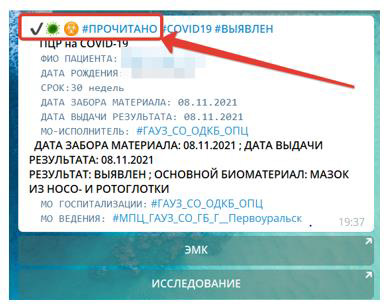
Journals on Medical Research

Dental and Oral Health Care Coverage for Seniors in the United States

Introduction

Oral health is a key component of general health. Estimated prevalence of oral health problems is a staggering 50% worldwide [1]. In addition, diseases of the mouth have been associated with serious chronic diseases, especially among elderly adults [2]. In the US, federal legislators are currently debating proposals to expand Medicare, the public insurance for adults over age 65, to provide dental, vision and hearing benefits. However, these proposals raise both cost and feasibility concerns. Interim steps can be undertaken now to facilitate planning for providing dental benefits to seniors in public insurance schemes.

Health Impact of Oral Disease

Chronic diseases correlated with poor oral health range from diabetes and heart disease to arthritis, and mouth pain interferes with eating which, in turn, causes nutritional deficits that impact overall health [2]. Also, tooth loss is disfiguring, with mental health sequelae, such as shame, isolation and loss of self-esteem. All these problems are more common and more severe among older individuals, especially those with disabilities and among racial/ ethnic minorities or low socioeconomic groups. Assessing the true extent of the problem is hampered by a lack of outcome measure standardization and reliability [3]. This knowledge gap creates an evidence vacuum, likely to be filled by political agendas and shortterm cost considerations.

Current Policy Debate

The Build Back Better Act of 2021 includes vision, hearing and dental benefits for seniors as part of a $3.5 Trillion spending bill for health and other topics. By September 16, the proposal had passed in two committees of the House of Representatives that are on the pathway to a full House vote. Unresolved issues include the fact that many low-income seniors are covered by Medicaid, instead of Medicare, and some states have not extended Medicaid dental coverage to all eligible residents. In addition, the Congressional Budget Office estimated that the cost of providing dental benefits would be higher than the costs for vision and hearing services ($238 Billion over 10 years for oral health for seniors, versus $30 billion for vision care and $89 Billion for hearing benefits). This led to provisions that phase-in coverage for dental treatment beginning in 2028. Additionally, debate between public health advocates for seniors and representatives of private practice dentistry center on whether patients and providers would actually participate in a public system, and about the feasibility of new government regulations [4,5]. One example of a regulatory barrier is that medical practice is reimbursed via diagnostic codes, but dental practices are typically reimbursed via treatment codes.

Interim Policy Options

If it is not possible to provide oral health benefits for all seniors now, then demonstration projects could focus on what works for seniors and private practice dentists. This applied research could be overseen collaboratively by health agencies and the US Small Business Administration. The projects should research the impact of various payment models (e.g., fee-for-service vs. Valuebased care) among small dental businesses in major regions of the country. Primary outcome measures would be cost efficiency, cost effectiveness and participation rates of both seniors and dental providers. Secondary study aims might be reliability of treatment outcome measures for dental function, esthetics, disease, and comfort, especially in high-risk seniors and those with disabilities.

Conclusion

US seniors have an urgent need for dental and oral health care. The minimum policy response would be research conducted now to pave the way for a workable system of dental coverage by 2028. Given the increasingly clear connection between oral health and overall health, some of these projects should be cost-effectiveness studies with both oral and general health outcomes. Investments in oral health today may not only save money on overall health costs in the long run, but improve the quality of life, and may even save the lives of seniors.

For More Articles: Biomedical Journal Impact Factor: https://biomedres.us

Journals on Immunodeficiency

Predictors of Mortality Among Children Co-Infected with Tuberculosis and Human Immunodeficiency Virus in Region, North Ethiopia, Retrospective Follow- Up Study

Background

Tuberculosis (TB) and human immunodeficiency virus (HIV) co-infection remain a major global and national health problem that requires substantial action to achieve the Sustainable Development Goals (SDG) and the END-TB strategies [1]. Both TB and HIV are the leading causes of death from infectious diseases worldwide [2]. Mycobacterium tuberculosis and HIV co-infection in the human body, potentiate each other and accelerate to death by deteriorating body immunity causing premature death if untreated [3]. Tuberculosis is a major cause of morbidity and mortality in HIV-infected children [4]. In 2015, the World Health Organization (WHO) report showed that nearly 41,000 children died from TB and HIV co-infection. Of which more than 83% were occurred in Africa [5]. Mortality among children co-infected with TB and HIV varied in different settings and fluctuated widely from 6.2% to 36.5% [5-7]. In Ethiopia, mortality of children co-infected with TB and HIV was 14% [8] and co-infected children had six times greater death than TB disease alone [9]. Furthermore, more than 1 in 5 TB and HIV coinfected individuals were died [10], but this huge problem was not specifically known in children.
The prevalence of TB and HIV co-infection in children was under-assured due to the problem of reaching a definitive diagnosis. However, the WHO report showed that HIV prevalence among children with active TB disease ranges from 10 to 60%, depending on the background rates of HIV infection in countries with moderate to high prevalence of TB [11]. The estimated rates of tuberculosis among HIV positive children also had a wide variation, depending on the TB epidemic and the coverage of highly active antiretroviral treatment (HAART) coverage in the area [4]. Data on the survival of TB and HIV co-infection in children are still lacking and the available information is difficult to interpret due to problems with the diagnosis and selection of study populations [4]. In developing countries, including Ethiopia, the management of TB and HIV co-infection in children is very challenging due to the inaccessibility of appropriate formulations of drugs, drug-drug interactions, pill burdens, drug side effects, and poor drug adherence [12-14]. This may result in high TB incidence and mortality among HIV-positive children. TB is not only the most commonly reported opportunistic infection [15], but also a major cause of hospital admission and death in HIV infected children [16]. The cause of death is also multifactorial and determined by socio demographic, clinical, laboratory, drug and follow-up related factors [8]. Which are poorly understood. Therefore, studies on mortality and its predictors in TB and HIV co-infection in children are very significant to designate appropriate action according to their ages.
Most of the studies on TB-HIV co-infection focused on adult, fewer studies on general co-infected population, little is known in pediatrics sub-age group. Still, the problem in children is masked and actions are taken based on findings from studies in the adult population. However, the problem is very alarming in children due to immature immune system and fast deterioration into death [17,18]. A previous study in the comprehensive specialized hospital of Gondar University in Ethiopia lacks a time specification on the TB and HIV co-infection period, rather they prolonged their follow-up after TB was cured. This makes the study more biased.
To some extent, there is better evidence on the incidence and predictors of tuberculosis in HIV-infected children [19,20], but evidence on survival and mortality after co-infection is limited in Ethiopia. Therefore, survival and predictors of mortality among children co-infected with TB and HIV have not been well documented in Ethiopia. Therefore, this study was to try to fill the above gaps by estimating survival and identifying predictors of mortality among children co-infected with TB / HIV in public general hospitals in Mekelle and the southern zone of Tigray region, northern Ethiopia.

Methods

Study Design, Setting, and Period

A retrospective hospital follow-up study was conducted in two zones of the Tigray Region (Mekelle and Southern), which is located in the northern part of Ethiopia by reviewing 10 years (2008- 2018) medical records of children co-infected with TB and HIV in 2019. About 1,179,687 populations lived in these two zones. Of which 515,524 were children [21]. The study was conducted from October 1,2018 to June 30, 2019 in three selected general hospitals (Mekelle, Alamata, and Maychew).

Population and Sampling

Source Population

All children infected with TB and HIV co-infected under 15 years of age who received follow-up care from January 1 / 2008 to December 30/2018 in the ant-retroviral treatment (ART) clinic at public general hospitals of the Mekelle and southern zone of the Tigray region, North Ethiopia.

Study Population

All children co-infected with TB and HIV, under 15 years of age and those who followed up from January 1 / 2008 to December 30/2018 in the ART care clinic of selected hospitals in the study area.

Inclusion and Exclusion Criteria

Children infected with TB-HIV co-infected younger than 15 years were included in this study and had follow-up care from January 1/2008 – December 30/2018 in a selected hospital. Children who had missed key information on clinical, immunological, drug information and their outcomes had not been recorded on medical charts were excluded.

Sampling Technique

In the Mekelle and Sothern zones of the Tigray region, five general hospitals were found to provide ART services. These are the general hospitals of Mekelle, Quiha, Maychew, Alamata, and Korem. However, this study used cluster sampling by randomly selecting three hospitals (Mekelle, Alamata, and Maychew). Since we used cluster sampling, all children co-infected with TB and HIV who were enrolled in selected hospitals in two zones who met the inclusion criteria were included. The medical charts of children with TB and HIV co-infected from 2008 -2018 were reviewed.

Data Collection and Analysis

Data were collected from medical records (charts) using a data extraction checklist developed from the national HIV intake and follow-up form [22]. The checklist consisted of sociodemographic, clinical, and HIV care/ART/ follow-up related information. Data were collected from April 15/2019 to May 20/2019 from medical records. If the child is co-infected with TB and HIV, the follow-up should continue for the entire life (for HIV care) even if the child was cured from TB. After verifying completeness and consistency, the data were coded and entered into Epi-data manager version 4.4.2.1 and then exported to Stata version 14 for analysis. Kaplan–Meier survival graph and Log-rank test were used to compare the survival difference between intragroups of categorical variables. Mortality rate, person-time observation, and mean survival time were calculated by Stata. The Cox proportional hazard model was used for analysis. The Schoenfeld residual test (estat phtest) or global test was used to check the Cox proportional hazard assumption, it was non-significant (Prob>chi2 = 0.4179) indicates the hazard was proportional over time. Regarding multi- collinearity, the mean VIF was 1.39 indicates, collinearity between variables was within the acceptable range.
Both bivariate and multivariate analysis was computed to determine the association between predictor variables and the outcome variable. These variables that were significantly associated with a p-value of <0.2 in the bivariate analysis were entered into the multivariate analysis. Variables significantly associated with the outcome variable at a p-value <0.05 in the multivariate analysis were considered independent predictors of mortality. Finally, the adjusted hazard ratio with 95% CI and P value was used to measure the significant association between predictors and outcome variable.

Ethical Considerations

The study protocol was evaluated and approved by the Institutional Review Board (IRB) of Mekelle University, a college of health sciences, and then ethical clearance was obtained. A cooperation letter was written to the chief executive managers of each hospital. Since the study was retrospective and document review, it did not cause any risk to the study participants.

Results

Sociodemographic Characteristics

A total of 282 children with co-infected TB and HIV were enrolled in the general hospitals of Mekelle, Alamata, and Maychew. Of which 29 were excluded from the study due to lost cards or incomplete data. The remaining 253 children co-infected with TB and HIV were included in the study. The median age of the study participants was 8 years with IQR (4-13). One hundred and thirtyone (51.8%) of the children were females (Table 1).

biomedres-openaccess-journal-bjstr

Table 1: Sociodemographic characteristics of children co-infected with TB and HIV in general hospitals of two zones of the Tigray region, North Ethiopia, 2019 (n=253).

Clinical and Immunological Related Characteristics

Of a total of 253 children co-infected with TB and HIV, 186 (73.6%) of them developed TB after starting ART. At baseline, 165 (65.2%) of the children co-infected with TB and HIV had WHO stage III, and 129 (51%) had a CD4 count of less than 350 with a median of 330 cells (IQR (176.50-519.50)) cells/μl. During followup, 145 (57.3%) of the children co-infected with TB and HIV had improved their WHO staging to stage I & II. However, 66 (26.2%) of the children had a CD4 count of less than 350 with a median of 540 IQR cells (322.50-840.50) cells/μl. Thirteen (5.2%) of the children had anemia (HGB <10mg/dl) with a median HGB level of 13 (IQR (12-14.4)) mg/dl (Table 2).

biomedres-openaccess-journal-bjstr

Table 2: Clinical and immunological characteristics among children co-infected with TB and HIV in general hospitals of two zones of the Tigray region, North Ethiopia, 2019 (n=253).

Education and Follow-Up Related Characteristics

One hundred and ninety-seven (77.9%) of the respondents had taken co-trimoxazole preventive therapy and 145 (57.3%) had also taken isoniazid preventive therapy before developing TB. The initial ART regimen was changed in 59 (23.3%) of the children due to side effects 35 (13.9%), TB 9 (3.6%), treatment failure 13 (5.1%) and other reasons 4 (1.6%) such as drug toxicity. Firstline ART treatment failure was observed in 13 (5.1%) children. Of these, 10 (76.9%) of them initiated second-line ART regimens. Regarding ART adherence, 211 (88.4%) of the children had good ART adherence (Table 3).

biomedres-openaccess-journal-bjstr

Table 3: Medication and follow-up related characteristics among children co-infected with TB and HIV in general hospitals of two zones of the Tigray region, North Ethiopia, 2019 (n=253).

The Mortality Rate Among Children Co-Infected with TB and HIV

Of a total of 253 children co-infected with TB and HIV included in the study, 38 (15%) deaths and 215 (85%) censored were recorded. Of the censored cases, 186 (73.5%) were alive until the end of the follow-up period, 14 (5.5%) were transferred out, 15 (5.9%) were dropped out of follow-up, and the rest were in TB treatment. Those 253 TB and HIV co-infected children were followed for different periods (1 month to 12 months), which provides 226 child-month observations with a mean survival time of 10.75 (95% CI; 10.37 -11.14) months. In this study, the mortality rate was 0.17 (95% CI 0.12 to 0.23) per 1,000 child-month observations. The majority (73.7%) of the deaths occurred in the first six months of followup period and 15 (40%) occurred during the initial phase of TB treatment. All deaths 38 (15.02%) had occurred during ART. The cumulative probability of survival at the end of 2 months, 6 months, 9 months and 12 months was 94.0 %, 88.0%, 85.0 % and 82.9%, respectively (Figure 1).

biomedres-openaccess-journal-bjstr

Figure 1: Kaplan-Meier cumulative survival estimate of children co-infected with TB and HIV in general hospitals of two zones of the Tigray region, North Ethiopia, 2019.

Predictors of Mortality Among Children Co-Infected with TB and HIV

Bivariate and multivariate analyzes were used to assess the significant association between exposure variables and the outcome variable. Underweight at baseline, moderate / severe wasting at baseline, IPT, CPT, baseline hemoglobin level, level of adherence to ART, type of tuberculosis, WHO staging during follow-up, and hemoglobin level during follow-up were statistically significant at 0.2 level of significance in bivariate analysis. In multivariate analysis; underweight at baseline, IPT user/not/, ART adherence level, type of TB, WHO staging during follow-up, and hemoglobin level during follow-up were statistically significant at 0.05 significance level (Table 4).
The risk of death among children with TB and HIV co-infected with underweight was approximately 8 times higher than children with normal weight at baseline (AHR=7.9 (95% CI 1.26, 49.3)). Children who did not take IPT were approximately 4 times more likely to experience death than children who had taken IPT (AHR=3.69 (95% CI=1.26, 10.8)). The risk of child death with poor adherence to ART was approximately 4 times higher than children with good adherence to ART (AHR = 3.82 (95% CI: 1.38, 10.54)). The risk of death among children infected with extrapulmonary TB was also approximately 3 times higher than infected children with pulmonary TB (AHR = 2.9 (95% CI: 1.1, 7.6)). During follow-up, children with advanced WHO staging (III & IV) were approximately 7 times higher risk of death than children with stage I and II (AHR=6.79 (95% CI= 1.85, 24.9)). Anemic children were approximately four times more likely to experience death compared to nonanemic children during follow-up (AHR=3.76 (95% CI= 1.06, 13.27)).

biomedres-openaccess-journal-bjstr

Table 4: Results of the bivariate and multivariate analysis among children infected with TB and HIV in general hospitals of two zones of the Tigray region, North Ethiopia, 2019(n=253).

Discussion

The study provides information on the overwhelming problem of high mortality and associated predictors among children with TB and HIV coinfected. The mortality rate in this study was 0.17 (95% CI 0.12–0.23) per 1000 child-month observations. The result was lower than the mortality rate reported from a single study conducted in four developing countries (Burkina Faso, Cambodia, Cameroon and Vietnam), which is 0.370 per 1000 child- month observations [23]. The difference may depend on the sample size difference used by the studies.
In this study, mortality was higher in underweight children at baseline. A similar finding was reported from a study conducted in Thailand [24]. This might be the effect of underweight on reducing body metabolic processes resulting in inadequate energy acquisition that increases disease progression, which may end up in death. Furthermore, inadequate weight gain in TB treatment indicates a poor response to treatment [25]. However, stunting and wasting were not significant in this study. This could be due to a higher proportion (90%) of children diagnosed with malnutrition in this study who received treatment for malnutrition. The study also revealed that children who did not take IPT were three times more likely to experience death than children who did take IPT. This was in line with a study conducted in Gondar, Ethiopia [8]. The possible reason might be that IPT reduces the severity and spread of TB disease. However, CPT was not found to be statistically significant in this study, which was reported as a protective factor for death in a study conducted in Gondar, Ethiopia [8]. This may be because a higher proportion (78%) of our respondents had taken CPT and were unable to make a difference. The number of children who didn’t take CPT and died was too few (5.1%). For better survival, HIV positive children should take both CPT and IPT as preventive prophylaxis. In this study, the risk of death among children infected with extrapulmonary TB was three times higher than that of children infected with pulmonary TB. This result was in line with a study conducted in Gondar, Ethiopia [8]. The reason might be that the easy diagnostic technique for EPTB is not available in most of our clinical settings, resulting in delayed initiation of anti-TB treatment leading to rapid disease progression and easy involvement of vital organs.
During follow-up, this study revealed that anemia was associated with higher child death. No previous studies examined anemia during follow-up, but at the beginning of the study, it was identified as a predictor of mortality in studies conducted in Gondar (Ethiopia) and Thailand [8-24]. Higher mortality with anemia may be associated with decreased oxygen and nutrient care capacity of the blood, resulting in inadequate oxygen and nutrient supply to vital organs that become synergistic with TB and HIV [8]. In contrast to other studies in Gondar (Ethiopia) [8], Thailand [24], Nigeria [6], Malawi [26], and a single study in four developing countries [23]; WHO staging, CD4 count, and hemoglobin level at baseline were not significantly associated with mortality in this study. The reason might be that unlike these studies, our study assessed the effect of the variables during follow-up time and at baseline. Most of these variables were significantly associated during follow-up, which shows a better effect on the outcome variable than at baseline. This is one of the strengths of this study. Assessing the effect of these variables during follow-up enables us to overlook the more accurate effects of exposure variables on the outcome variable. The study also considered the time of the event, which enables us to consider the contribution of censored cases.

Limitation of the Study

Since the study was a retrospective review of the chart (secondary data), some variables not documented in the child’s medical records were missed. A further prospective study is needed to address other important issues not addressed by this study.

Conclusion

The mortality rate of children co-infected with TB and HIV in two zones of the Tigray region was high. Most deaths occurred within the first six months of the follow-up period. Underweight at baseline, IPT non-user, poor ART adherence, extrapulmonary TB, advanced WHO staging during follow-up, advanced/severe immunosuppression status during follow-up, and hemoglobin level < 10mg/dl during follow-up were predictors of increased mortality. This study is important for planning and decision making by pointing out gaps to make a successful strategy to combat TB and HIV and related consequences to increase the overall effectiveness of therapy in TB and HIV co-infected infected children.

For More Articles: Biomedical Journal Impact Factor: https://biomedres.us
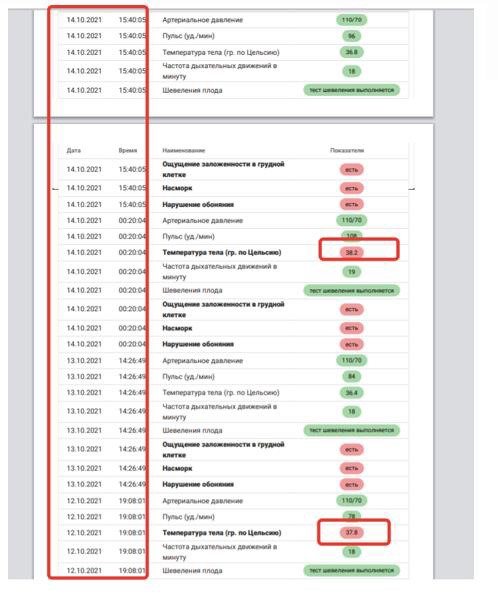
Journals on Molecular Chemistry

Isolation and Molecular Characterization of Methicillin – Resistant Staphylococcus Aureus (MRSA) In Hospital Patients

Introduction

Staphylococci are gram positive bacteria belonging to the Staphylococcaceae family. They are catalase positive, spherical in shape arranged in clusters or tetrads, non-spore-forming, and immobile. Many staphylococci can grow under various conditions, in the presence and absence of oxygen, with another market concentration (10% NaCl) and a temperature between 18 °C and 40 °C. Staphylococci are found mainly on the skin and mucous membranes of mammals, some species have a preferential host such as Staphylococcus hominis in humans, while others such as Staphylococcus aureus, find it in more hosts. S. aureus is present on the skin and mucous membranes in 20-30% of healthy people. Adolescents and adults often carry short-term or persistent S. aureus, approximately 15% of healthy adults are persistent carriers. The adult is colonized by S. aureus for a 30-50%, 20% of the population in a persistent way. There are also conditions such as diabetes, drug addiction, immunodeficiency that support colonization and proliferation and transmission [1-3]. S. aureus is one of the most common and important human pathogens, both in the community and in the hospital. The most common S. aureus infections, defined as staphylococcal, are of the supportive type, affect various organs and systems with a high and variable degree of virulence. Infections affect the skin, cutaneous glands, and subcutaneous soft tissues. There may be localizations in the site of abscesses in various organs, therefore infections in surgical wounds and systemic forms.
Other infections are represented by Ritter’s disease or burned skin syndrome, due to the epidermolysin staphylococcus produced. It is a toxin capable of detaching the superficial layers of the skin and by the toxic shock syndrome, TSST-1, also deriving from action of a toxin that involves symptoms such as: fever, hypotension, desquamative erythroderma and organ symptoms [1,4,5]. The main factors that increase susceptibility to infections are the prolonged or inefficient antibiotic or corticosteroid therapies, the use of invasive procedures (vascular and bladder catheterization, tracheal intubation, etc.), prolonged hospitalization and surgical interventions [6,7]. S. aureus is also responsible for food poisoning, due to the multiplication in foods of strains of S. aureus producing toxins resistant to cooking temperatures and the action of digestive proteolytic enzymes [8,9]. S. aureus is provided with a polysaccharide capsule, with phagocytic power, neutralized by specific antibodies. On the cell surface there are proteins that are able to cooperate with those of the host, such as fibronectin and fibrinogen, playing the role of adhesions. Among these, the clumping factor is a protein which, interacting with fibrinogen, forms aggregates that can be highlighted on the slide. Another important surface protein of S. aureus is protein A.
This is involved in complement activation, inhibits the phagocytosis of the bacterium by polymorphonuclear leukocytes, invokes hypersensitization and stimulation of lymphocyte production, contributing significantly to increase the virulence of S. aureus [3,10]. Furthermore, S. aureus has always been an absolute protagonist of acquired antibiotic resistance. Of particular importance and interest was the evolution of the resistance of S. aureus to β-lactam antibiotics, characterized by two distinct periods of hospital infections. A first hospital infection, which developed early (around the early fifties of the last century) and rapidly spread all over the world, was sustained by penicillinresistant strains, which became such having acquired the ability to produce penicillinase [11]. The end after 10 years thanks to the advent of new antibiotics (such as penicillinase-resistant penicillin and the first cephalosporin’s), even if the phenotypic and genotypic characteristic of β-lactamase production remained definitively acquired by most of both hospital community. A second hospital infection, still ongoing today, is that sustained by methicillinresistant strains (internationally known with the acronym MRSA, methicillin-resistant S. aureus), that is, competent of resisting methicillin, the progenitor of penicillinase-resistant penicillins [4]. Methicillin is characterized by an acyl group in 6 ‘which sterically prevents attachment to the β-lactam ring, thus preserving its activity even in the presence of β-lactamase [12,13].
Furthermore, MRSA are resistant not only to penicillinaseresistant penicillins but to all β-lactams, and in addition they are characterized by a demonstrated multi-resistance [9,14]. The onset of MRSA has occurred over time in at least three different areas that have seen changes in those involved in infections: hospitalized people, therefore nosocomial infections, people outside the hospital community and animals. The presence of MRSA was reported for the first time as a nosocomial infection (hospital – acquired MRSA, HA -MRSA), affecting hospitalized patients, so much so that up to the 1970s strains of MRSA represented the major cause of hospital infections. The beginning and spread of HAMRSA has been associated with typical risk factors related to the hospital environment and isolates from patients who were MRSA negative at hospital admission or MRSA isolates are still defined as HA-MRSA. Between 1970 and 1990 several HA-MRSA epidemics occurred in the USA and Japan; pandemics followed by some cases in Europe [15-17]. Since the 1990s, invasive MRSA infections of the skin have occurred in patients who are not hospitalized and who did not possess characteristics to be attributable to HA-MRSA strains [18-20]. The S. aureus that affects such infections are called community-acquired MRSA (CA-MRSA). Described for the first time in the United States, they are potentially dangerous even for the “healthy” population, and are, unfortunately, responsible for most of the children’s deaths. It was possible to discriminate between HA-MRSA and CA-MRSA strains thanks to not only phenotypic but above all genotypic characteristics.
Most infections caused by CA-MRSA involve skin and soft tissue, and some also produce the toxin PVL [21-24]. S. aureus owes its resistance to methicillin to the presence in the SCCmec cassette of the gene encoding a variant of the penicillin binding protein (PBP) referred to as PBP2a. Beta-lactam antibiotics work by binding PBPs to the wall, inhibiting the synthesis of peptidoglycan, the main component of the bacterial wall, thus causing cell death. The PBP2 variant is unable to bind β-lactams, so the synthesis activity can continue, making the action of these ineffective. It is a form of resistance that develops with the production of a protein like the drug’s target, but not susceptible to it. The mecA gene is regulated by the Mecl repressor and the β-lactam sensitive transmembrane signal transducer, MecRI. In the absence of β-lactam antibiotics, MecI represses the transcription of all the genes of the mec complex, therefore not only mecA, but also MecRI and mecI. MecRI with an autocatalytic cut activates the cytoplasmic metalloprotease domain, which splits the link between Mecl and the operator region of the mecA gene, allowing the transcription and production of PBP2a, in the presence of β-lactam. Therefore, the staphylococcal chromosomal cassette mec (SCCmec) is the main genetic determinant able to discriminate between the two groups of HA and CA-MRSA [11,21,25,26]. SCCmec is a mobile genomic island that encodes various resistance determinants. Currently 8 different types of SCCmec have been described. Types I, II, III and VIII are associated with HA-MRSA.
While type IV, V, VI and VII are associated with CA-MRSA, virulent mainly, which mainly affected previously healthy young subjects. Therefore, according to the single clone theory, the cassette would have been introduced only once in S. aureus with horizontal transfer from a species of Staphylococcus, therefore MRSA would have a single precursor, unlike the multiple clone theory which predicts that there have been different events and factors involving different strains of S. aureus [27,28]. Multi-Locus Sequence Typing (MLST) demonstrated that the 5 pandemic clones of MRSA evolved from only two genetically distinct ancestral backgrounds: one dating back to the earliest European MRSA strains and to MSSA strains circulating in Denmark towards the end of the 1950s, and the other, a completely different background, attributable to MRSA strains originally isolated in the USA, Japan and in pediatric patients from different parts of the world [29,30].
The first European MRSA isolates were characterized by belonging to the same phage group, resistance to penicillin, streptomycin, tetracycline (PST) and occasionally to erythromycin (PSTE), by a low MIC (minimum inhibitory concentration) of methicillin (6-25 μg/ml), and a heterogeneous expression of resistance [31,32]. These strains have evolved to the current clone called Iberic, which has acquired additional resistance determinants (some resident on mobile elements, such as plasmid pUB110 and transposon Tn554) and is often resistant to the most common antibiotics except co-trimoxazole. And glycopeptides.
The Brazilian and Hungarian clones would also have derived from the first background. The New York / Japan and Pediatric clones would have derived from the second background. The Iberic, Hungarian and New York / Japan clones is sensitive only to co-trimoxazole and glycopeptides. The Brazilian clone is sensitive only to spectinomycin and glycopeptides. The pediatric clone is resistant only to oxacillin, penicillin, gentamicin, and occasionally erythromycin [13,31]. Epidemiologically, the various reports relating to the isolation of Community MRSA strains outline a European reality characterized by a polyclonal character. In Italy, several clones have been described such as ST88, ST30, ST8, ST72 and ST813. On the contrary in the United States, there is the diffusion of a clone called USA300, belonging to the ST8 and USA400 [16,33,34]. The main HA-MRSA clones circulating in the world belong to the clonal complexes CC5, which includes ST5 SCCmec type II (New York / Japan); ST5-IV pediatric, ST228-I (southern German); The CC8 with ST250-I (Archaic clone), ST8-IV (EMRSA-2, -6), ST8-II (Irish), ST239-III (Brazilian / Portuguese), ST247-I (Iberian); The CC22 with ST22-IV (EMRSA-15); CC30 with ST36-II (EMRSA-16); The CC45 with ST45-IV (Berlin) [35,36]. The aim of this work was to characterize the presence of methicillin resistance in Staphylococcus spp. by phenotypic and genotypic methods isolated from hospitalized patients.
In addition, an epidemiological-molecular study was performed on some MRSA isolates from various departments, applying MLST, to understand the origin and spread of circulating clones.

Materials and Methods

Bacterial Isolates

Eighty-one Staphylococcus spp. strains were isolated and identified. methicillin resistant from patients at the University Hospital of Sassari, Sardinia, Italy. The strains were isolated respectively from 14 blood cultures, 41 samples from the respiratory tract (bronchus aspirate, sputum, nasal, and pharyngeal swabs); 14 from swabs and wound fluids and 12 from other anatomical sites (skin swabs, urine, other). Biochemical identification and antibiogram were performed on all isolates, using the VITEK 2 automated system (Advance Expert System 4.01 software, Biomerieux, Rome, Italy) before being subjected to molecular investigation.

DNA Extraction

Two methods were used for DNA extraction: simple boiling or boiling prep and the use of the DNeasy Blood & Tissue Kit – (QIAGEN GmbH, QIAGEN Strasse 1, D-40724 Hilden). Boiling prep. Some colonies (4 or 5 colonies) were collected and resuspended in 150μl of sterile double-distilled water and boiled at 100°C for 10 min, to lysate the bacterial wall and obtain the escape of the DNA. Next it was centrifuged at 10000 rpm for 3 min, allowing the separation between the pellet (the bacterial lysate) and the supernatant containing the DNA. One μl of supernatant was used in the PCR reactions. The DNA thus extracted are stored at – 20 °C. The instructions of the DNA producers were followed extraction DNeasy Blood & Tissue Kit (QD). Bacterial strains were grown in liquid Luria Broth medium under stirring at 37 °C overnight. Pellet was obtained from 1.5 ml of bacterial culture by centrifugation at 7500 rpm for 10 min. The bacterial pellet was resuspended in 180μl of enzymatic lysis buffer (20 mM Tris HCl at pH 8.0, 2 mM sodium EDTA, 1.2% Triton X-100, lysozyme, 20mg/ml) and incubated for 30 min at 37 °C. Then Buffer AL is added with 25μl of Proteinase K (100mg/ml) and incubated at 56 °C for 30 min for further lysis. The lysate thus obtained was added with 200μl of ethanol is transferred to the columns provided by the kit and centrifuged at 8000 rpm for 1 min. This is followed by 2 washes with 500μl of washing Buffer (AW2).
The DNA was then eluted from the column by adding 100μl of double distilled water and centrifuging at 8000 rpm for 1 min. The DNA thus extracted is stored at -20 °C until use.

Detention of S. aureus using PCR Amplification

Validation of S. aureus species identification was performed by PCR using the species-specific primers [37]. Primers were as follows: Fw, SAU1 5’AGGGTTTGAAGGCGAATGGG 3’; and RV, SAU2 (reverse) 5’CAATTTGTCGGTCGAGTTTGCTG3’. The reaction was carried out in a final volume of 25μl which included 22μl of Platinum® PCR Supermix (Hot start recombinant Taq DNA polymerase, buffer 22 mM Tris-HCl at pH8.4, 55 mM KCl, 1.65 mM MgCl₂, 220μM dNTPs, Invitrogen), 1μl of DNA sample and 1μl of each primer (final 0.5μM concentration). The amplification program consisted of an initial denaturation step at 95 °C for 10 min, 35 cycles of denaturing at 95 °C for 30 sec, annealing at 61 °C for 30 sec and extension at 72°C for 2 min; and a final extension at 72°C for 10 min. PCR products were analysed by electrophoresis on a 1% agarose gel, previously stained with GelRed® Nucleic Acid Gel Stain, 10,000X (Biotium, Inc. Landing Parkway. Fremont, CA), and run at 5 V/cm for 40 min. The molecular marker used was a 100 bp ladder (Invitrogen, Waltham, Massachusetts, USA). The sizes of the PCR products sequenced after PCR were 296 bp amplicon.

Detection of the mecA, mecC (mecALGA251), spa e pvl genes using Multiplex PCR in S. aureus Sample

Was designed a Multiplex PCR for 13 samples identified as S. aureus and 14 invasive CoNS strains, isolated from all blood culture samples, from several departments (intensive care unit, surgery, hematology, pneumology, medical pathology, ENT, nephrology, and dialysis departments) (23,52) to detect the mecA regulatory genes, MecC, spa and pvl genes. Primers: mecA P4, 5´TCCAGATTACAACTTCACCAGG 3´; mecA P7, 5´CCACTTCATATCTTGTAACG 3´; spa- 1113F, 5´ TAAAGACGATCCTTCGGTGAGC 3´; spa-1514R, 5´ CAGCAGTAGTGCCGTTTGCTT 3´, to amplify mecC, mecALGA251 MultiFP, 5´ GAAAAAAAGGCTTAGAACGCCTC 3´; mecALGA251 MultiRP, 5´ GAAGATCTTTTCCGTTTTCAGC 3´; pvl-F, 5´ GCTGGACAAAACTTCTTGGAATAT 3´; pvl-R, 5´ GATAGGACACCAATAAATTCTGGATTG 3´. A 50μl PCR reaction contained final concentration 1 U of Platinum Taq DNA Polymerase (Invitrogen); 0.25 mmol/L of each dNTP (GeneAmp, Applied Biosystems, Warrington, UK); 4 mmol/L of MgCl2; 0.4 μmol/L of each of forward and reverse primers (spa; mecA; mecALGA251; pvl) and 2 μl of DNA template. The amplification program consisted of an initial denaturation step at 94 °C for 5 min, 30 cycles of denaturing at 94 °C for 1 min, annealing at 59°C for 1 min and extension at 72°C for 1 min: and a final extension at 72°C for 10 min.
The sizes of the expected PCR products were 162 bp for mecA, 138 bp for mecC, 85 bp for the gene encoding Panton Valentine Leukocidin (pvl) 180-600 bp for spa fragment (the absence of fragment spa indicates that the isolate is not a S. aureus) [37,38].

Multilocus Sequence Typing

MLST with standard primers introduced by the MLST database was performed on 7 MRSA isolates based on seven housekeeping genes (arcC, aroE, glpF, gmK, pta, tpiA and yqiL) as described by Enright et al. (2000). The following seven housekeeping genes were used in the final MLST scheme, and the fragments were amplified by using the primers shown in (Table 1). PCRs were carried out with 25 μl reaction volumes containing 1 μL of chromosomal DNA (approximately 0.5 mg), 1.25 μL of each primer, 21,5 μl di Platinum® PCR Supermix (Hot start recombinant Taq DNA polymerase, buffer 22 mmol/L Tris-HCl a pH8.4, 55 mmol/L KCl, 1.65 mmol/L MgCl₂, 220 μM dNTP, Invitrogen). The PCR was performed in a PTC-200 DNA engine (MJ Research, Boston, Mass.) with an initial 3 min denaturation at 94°C, followed by 30 cycles of denaturing at 94 °C for 30 sec, annealing at 55 °C for 30 sec and extension at 72°C for 30 sec; and a final extension at 72°C for 5 min. The amplification products were purified with a MinElute 96 UF PCR purification kit (QIAGEN, Venlo, and The Netherlands) and the samples were sent to the sequencing service, Sequencing Service LMU Munich, Germany (http://www.gi.bio.lmu.de/sequencing). Allele numbers and sequence types (STs) were assigned according to the S. aureus MLST website (http://saureus. mlst.net). Trace files of putative novel alleles and the allelic profiles of novel STs were sent to the database for allele or ST number assignment and admission into the database.

biomedres-openaccess-journal-bjstr

Table 1: Sequences of primers used in the Multiplex PCR.

Statistical Analysis

Statistical analysis was performed using Statgraphics Centurion® XV for Windows.

Results

In this study, 81 strains of Staphylococcus spp. were recovered from infected blood samples (17%), respiratory tract samples (51%), wounds (17%) and samples of various kinds (15%). Of the 81 strains, the majority came from inpatients in intensive care (84%). Strains identified included the following Staphylococcus species: 84% Coagulase negative staphylococci (CoNS) of which S. epidermidis, S. haemolyticus, S. hominis, S. warnerii, and S. aureus (16 % n=13) (Figure 1).

biomedres-openaccess-journal-bjstr

Figure 1: Staphylococcus spp. identified by the Vitek2 biochemical system.

Antimicrobial Susceptibility

The following resistance patterns were observed among Staphylococcus spp. isolates: cefoxitin (95%), oxacillin (81%), benzyl penicillin (97%), gentamicin (77%), levofloxacin (85%), erythromycin (86%), clindamycin (48%), and trimethoprim sulfamethoxazole (43%). All isolates were susceptible to vancomycin, teicoplanin, linezolid and tigecycline. On the contrary, all Staphylococcus spp. isolates were sensitive to vancomycin, teicoplanin, linezolid and tigecycline. Of 13 Staphylococcus aureus isolates, 11 (85%) were MRSA and MDR. The predominant resistance profile among MDR isolates included a resistance profile to 7 antibiotics (53.9%) followed by 6 antibiotics (7.7%), 5 antibiotics (15.3%), 3 antibiotic (7.7%) and 2 antibiotics (15.3%) simultaneously.

Distribution of mecA, mecC (mecALGA251), spa and pvl

Multiplex-PCR analysis for detection of different mecA, mecC (mecALGA251), spa and pvl revealed the mecA gene for methicillin resistance in all 14 CoNS (100%) and 11 of 13 of the MRSA (84.6%). The mecC gene was found in 9 MRSA isolates (69.2%). All MRSA samples have showed the presence of spa and the absence of pvl. On the other hand, the previous genes (spa and pvl) were not found in 14 CoNS strains.

MLST

According to the MLST method, isolates were assigned to five different sequence types (STs) (ST5 in 1 strain, ST8 in 1 strain, ST10 in 1 strain, ST22 in 2 strains, and ST228 in 2 strains). Furthermore, the 3 MRSA of care unit were belonged to ST8 (n = 1) and ST228 (n = 2), the strain isolated from the Surgical Clinic showed ST5, from hematology the ST10, while the isolates of Infectious Diseases (n = 1) and of Pneumology (n = 1) were ST22.

Discussion

S. aureus is one of the species most frequently implicated in the etiology of hospital infections in different parts of the world, especially in the intensive care, pneumology, hematology, and surgery departments [39,40]. Although with lower percentages, CoNS are also emerging as important opportunistic pathogens, and are often involved in hospital epidemics [41,42]. This study, in agreement with these studies, highlighted beyond the isolation of S. aureus, a high percentage of CoNS from clinical samples from acutely patients, confirming the growing involvement of these problems in nosocomial infections. The MRSA spread infections is increasing and is achieving worrying levels in several countries, including Italy. Since Staphylococcus spp., in particular MRSA is transmitted through infected people, or vehicles, the first strategy to contain this spread may therefore concern the implementation of prevention, as suggested by the guidelines [43,44]. In this work, all methicillin resistant strains were found to have high resistance to other classes of tested, in accordance with what was reported by the European Center for Disease Prevention and Control (CDC) [45]. The mecA gene was considered the “golden standard” for detecting methicillin resistance in MRSA, however, recently methicillinresistant mecA negative strains have been found, in which the presence is associated with the mecC analogue (mecALGA251).
In this work 97% of methicillin-resistant staphylococci had showed the presence of the mecA gene. Instead, in two isolates, despite being resistant to methicillin from the analysis with Vitek2, they did not possess the mecA and cC genes, highlighting, as reported by other authors, the limits of the phenotypic systems [46,47]. The data confirmed that HA-MRSA showed the virulence gene of Protein A (spa) but not the Leukocidin Panton – Valentine (pvl) gene, usually associated with CA-MRSA a community circulation [48]. Through the MLST profile have been identified 5 different clones of S. aureus, 4 of which ST5, ST8, ST22 and ST228 already circulating in Italy and worldwide, while the ST10 was not yet reported in Italy, was present only at community and veterinary level, confirming the trend of diffusion and exchange between CA-MRSA and HA-MRSA [49]. The ST5 profile strain from surgical clinic, linked to the type of sequence of a HA-MRSA widespread throughout the world and responsible for nosocomial, tract, mucosal and wound complications. Strains of ST8 and ST228 were identified in the intensive care unit isolates, detecting the circulation of at least two different clones in this unit. The presence of strains with characteristics such as to be included in ST8 and ST228, found to be circulating in both hospital and community settings, has been reported throughout the world [3,31,43].
Furthermore, MRSA with ST22 type sequence had been isolated from different types of samples from infectious disease and pneumology department, clone was found mainly in hospital and outpatient clinics, but also in communities and in animals in close contact with humans (dogs and cats) [3,46]. Finally, in this work, a type of ST10 sequence never reported in Italy was found coming from a nasal swab of the hematology department.

Conclusion

In conclusion, this study demonstrated the importance of constant supervision of the clones circulating in the several hospital departments, colonization, and the probable, but already possible, diffusion and exchange of strains found in the hospital and then in the community. This study was conducted on clinical samples that were chosen to represent the reality nosocomial situation. Although conducted on a restricted number of samples, it provides a database for the design of targeted screening and preventive molecular diagnostics.

For More Articles: Biomedical Journal Impact Factor: https://biomedres.us