Journals on Medical Informatics

Controlling the Influence of Biochemical Changes Induced by DMBA through the Methanolic Maceratives of Pre-pupal Stages of Black Soldier Fly, Hermetia illucens (L.) (MMPPSBSF) in Rats

Introduction

DMBA (7,12-dimethylbenz[a]anthracene) exert influence through reduction of activation of efficiency of immune system in the animals. DMBA (7,12-dimethylbenz[a]anthracene) is a polycyclic aromatic hydrocarbon (PAH) and popular to cause tumors in rats [1]. According to Demir and Demirbag (1999) [2], the petroleum and some of its derivatives are the polycyclic aromatic hydrocarbon (PAH). They are widespread organic pollutants. Through the oil spills and incomplete combustion of fossil fuels, the polycyclic aromatic hydrocarbon (PAH) enters the environment and exert the unfavourable conditions for the life on earth. As significant member of the polycyclic aromatic hydrocarbon (PAH) group, the “7,12-dimethylbenz[a]anthracene (DMBA)” compound in the form of persistent organic pollutant exists ubiquitously in the environment. The “7,12-dimethylbenz[a]anthracene (DMBA)” compound is mainly formed through the incomplete combustion of organic materials, such as gasoline, coal and cigarettes [3].

United Nation’s Food and Agriculture Organization (FAO) [4]is a specialized and significant agency. It is leading in international efforts to defeat hunger and for the improvement in the quality of nutrition and the security of the food. The United Nation’s Food and Agriculture Organization (FAO) has estimated that by 2050, the population of the world is going to reach nine-billions. It is therefore, necessary to increase the food production at least by seventy percent. The meat production should also by hundred percent (FAO, 2020) [4]. Then and then only, it may be possible to meet global demands. However, present agricultural practices appear to be insufficient with reference to sustainability. The importance of security of the food has been experienced by the world in the COVID-19 pandemic. During this COVID-19, many food processors and food supply chain stakeholders were shut down. This system exerted influence on creating a meat shortage and increasing food insecurity concerns. In addition, meat accounts for only fifteen percent of the total energy in the global human diet. Approximately eighty percent of agricultural land is used for grazing the animals and the production of livestock feed-fodder [5,6].

The consumption of meat must be reduced by seventy percent. This reduction in meat consumption is to achieve sustainable food production systems and meet food security requirements [7,8]. Furthermore, according to Ziolkowska (2017) [9], food loss is one more challenge for the food sustainability, food economics and the food nutritional status. Despite considerable progress in agricultural production, post-harvest practices and supply chain management, in United States, there is loss of thirty to forty percent of total food production. For the purpose to reduce wastage of available food, to increase the yield of production and for the provision of alternative sustainable protein moieties with minimum impact on environment, therefore, there is necessary to develop novel system of production of food production. According to Liceaga (2019) [10], one sustainable food system is entomophagy, or consumption insects as a food material by human being. As a part of a diet, the insect consumptions are widely followed in Asia, Africa and Latin America. Anaya, et al. [11] reported ninety five percent of the biodiversity for the insects. This figure represents the largest sector of fauna and have historically been consumed at various stages of their life cycle. In Zambia, Nigeria, and other African countries, the meat supply is insufficient. Insects are therefore, serving as a valuable source of protein in Zambia, Nigeria, and other African countries [12]. According to Van Huis [13], insects are with fifty to seventy one percent of proteins; thirteen to thirty three percent of fats and five to thirteen percent of fibres.

In addition, insects are with low emissions and greenhouse gas production, excellent feed conversion ratios, low water consumption and inexpensive feed sources. That is to say, the insects serve as favourable candidates as alternative protein that may be developed for food and feed products. Acceptance of insects as source of food material by the human population (especially in western countries) appears to be the most important hurdle. Moreover, it is challenge for researchers. According to Borremans (2020) [14], insects may be accepted by consumers (of developed countries) when they are fragmented and included in a food as a protein powder or ingredient. Ovissipour, et al. [15] suggested application of enzymatic hydrolysis technology for protein recovery; production of a broad spectrum of food and production of feed ingredients. This method is going to produce functional food with improved and upgraded functional properties and protein nutritional value. From perspectives of a food science and technology, attempts have developed protein hydrolysates from different insects including cricket, Gryllodes sigillatus (L.) [16]; migratory locusts, Locusta migratoria (L.) [17]; mealworm, Tenebrio molitor (L.) [18] and black soldier fly (BSF), Hermetia illucens (L.) [19-26].

For the antioxidant properties of black soldier fly (BSF) hydrolysates, there are reports through few attempts on the hydrolysis of black soldier fly (BSF) [20,22]. Caligiani, et al. (2018) and Mintah (2020) [19,21], reported the method of chemical and enzymatic hydrolysis of BSF for extraction and characterization of different fractions for the antioxidant properties of black soldier fly (BSF). The extractives of prepupal stages of black soldier fly (BSF) through proper solvent for the analysis of functional properties, antioxidant activity, nutritional value and protein structure have not been evaluated through a systematic approach. The present attempt aimed to evaluate the protective effect of the Methanolic Extractives of Prepupal Stages of Black Soldier Fly (MEPSBSF) Hermetia illucens L. (Diptera: Stratiomyidae) through the Norwegian Rat, Rattus norvegicus (L) against the DMBA-induced changes by determining levels of urea, uric acid, creatinine, total protein, albumin, globulin and the activities of aspartate aminotransferase (AST), alanine aminotransferase (ALT), and lactate dehydrogenase (LDH) activities in blood of rats.

Methods and Material

The study was carried through the steps, which include Nurturing (Rearing) of the black-soldier-fly, Hermetia.illucens (Linnaeus) (Order: Diptera; Family: Stratiomyidae); Preparation of “Methanolic Extractives of Prepupal Stages of Black Soldier Fly (MEPSBSF)”; Design of Experiment through Grouping the experimental animals; Processing for the assay sample preparation (Serum Assay Sample and Liver tissue homogenate); Biochemical Analysis and Statistical Analysis of the data.

Nurturing (Rearing) of the Black-soldier-fly, Hermetia.illucens (Linnaeus) (Order: Diptera; Family: Stratiomyidae)

The method explained by Vitthalrao B. Khyade (2021) [26] for rearing the Black Soldier Fly, Hermetia illucens (Linnaeus) (Diptera: Stratiomyidae) in local environmental conditions of Baramati (India) was followed. The present attempt on the rearing of the black soldier fly, Hermetia.illucens (Linnaeus) (Diptera: Stratiomyidae) in local environmental conditions of Baramati (India) has biology of was carried during 4 November, 2020 to 28 February, 2021 (First attempt); 1 March, 2021 to 21 June, 2021 (Second attempt) and 1 July, 2021 to 3 November, 2021) in the insectary (Green House) of Shardabai Pawar Mahila Mahavidyalaya, Shardanagar Tal. Baramati, Pune, India. The culture was initiated through keeping household organic waste (Kitchen Waste). The content of the organic waste (Kitchen waste) was with sour milk, waste tea powder, vegetable waste (cabbage and fruits of papaya). This content of the organic waste (Kitchen waste) was taken in a box and labelled as “tray with rearing bed” (or Larval Rearing Bin). This box (Larval Rearing Bin) was designed in the shape of a rectangular wooden box with the dimensions of 2×1.5×1.5 feet with ventilation holes on the top lid, and a rectangular plank was placed at an inclined position making an angle of 45o with the bottom so as to facilitate the process of harvesting (auto-harvesting) of full grown (matured) larvae.

The fully grown (matured) larvae use to convert into next life stage (pre-pupa). Little amount of water was used to spray on the contents in a tray. Spraying the water on organic waste initiates the process of decomposition through bacteria. After a few days as the wastes began to decompose [27]. The fertilized egg mass of the black-soldier-fly, Hermetia.illucens (Linnaeus) (Order: Diptera; Family: Stratiomyidae) was procured from Mangal Agro Farm Miri Rd, Maka, Maharashtra 414501 India. The egg mass was kept suspended over fresh food (slices of fruits of papaya, Carica papaya L.). For uniform hatching, it requires a humid and cool place with fresh airflow. Hatching of the eggs take place within twenty-four of hours of provision of favourable conditions to the fertilized eggs. On fifth day after hatching, the larvae from incubation box were transferred to box with rearing bed (Larval Rearing Bin). The larvae were allowed for feeding and their development. The mature stages of prepupa of the black-soldier-fly, Hermetia.illucens (Linnaeus) (Order: Diptera; Family: Stratiomyidae) were collected from this stock culture. The mature stages of prepupa of the black-soldier-fly, Hermetia.illucens (Linnaeus) (Order: Diptera; Family: Stratiomyidae) were transferred to the rearing cages once in three days.

This transfer of the mature stages of prepupa of the black-soldier-fly, Hermetia.illucens (Linnaeus) (Order: Diptera; Family: Stratiomyidae) is to the rearing cages observe different life stages. The cages with the mature stages of prepupa of the black-soldier-fly, Hermetia.illucens (Linnaeus) (Order: Diptera; Family: Stratiomyidae) were placed inside the insectary (Green House) of Shardabai Pawar Mahila Mahavidyalaya, Shardanagar Tal. Baramati, Pune, India. After three days, the stages of prepupa of the black-soldier-fly, Hermetia.illucens (Linnaeus) (Order: Diptera; Family: Stratiomyidae) from the rearing cages were placed in a small plastic bucket containing soil and kept inside the rearing cage in order to provide a place for pupation. The condition of humidity of the cage was maintained at 70-80 %. This was achieved through keeping a water source with sponges soaked in it as well as by spraying water three to four times a day [[27-29]. The source of lighting was provided daily for twelve hours. The light provision is to stimulate adult mating. The card boards were made hung in various locations. The provision of the card boards is to mimic sites for laying the eggs by the adult female black-soldier-fly, Hermetia.illucens (Linnaeus) (Order: Diptera; Family: Stratiomyidae) [27,30-34]. The observations were recorded on egg hatching, the period of development of the larval, pupal and adult stages and the morphology of the life stages. The sex ratio was determined through random sampling performance and observations of the genitalia of randomly collected adults.

For the purpose of determination of frequency of mating of newly emerged adult flies of the-black-soldier-fly, Hermetia.illucens (Linnaeus) (Order: Diptera; Family: Stratiomyidae) and egg laying capacity (fecundity), the sets of experimentation were ten in number. The sets of experimentations were identical and in the form plastic containers (capacity: 2 L). Newly emerged adult male and adult female were kept in pairs plastic containers. All these setups were then placed in the insectary (Green House) of Shardabai Pawar Mahila Mahavidyalaya, Shardanagar Tal. Baramati, Pune, India. They were provided with artificial lighting (60W) and humidity (70-80 %) [28,29,35-38]. The observation on the determination of the egg laying sites (ovipositional sites); egg laying period (ovipositional period) and the life span was carried every twelve hours. The eggs were collected from this set up. The eggs were allowed to hatch under varying conditions. This attempt was for the purpose to determine period of incubation and the ability of the eggs to tolerate unfavourable temperatures. The eggs and larvae were collected daily from the rearing bin. Larvae were taken back to laboratory. The larvae were washed thoroughly to remove impurities. The larvae were knocked out by freezing and measured using coulometer to record total body length, body width, and length of mouth hook. The Dyar’s rule was followed for the purpose of determination of the morphometry of the larvae. It was carried through the determination of number of larval instars in its life cycle of the black-soldier-fly, Hermetia.illucens (Linnaeus) (Order: Diptera; Family: Stratiomyidae) [34,39-43]. The olfactometer was utilized for the determination of behaviour of the feeding and the preference of food waste by the larval stages of the black-soldier-fly, Hermetia.illucens (Linnaeus) (Order: Diptera; Family: Stratiomyidae). For the purpose to get the consistency for the data processing for the results, each attempt was repeated at least for three times. The collected data was subjected for analysis through the statistical method.

Preparation of Methanolic Extractives of Prepupal Stages of Black Soldier Fly (MEPSBSF)

The mature pre-pupal life stages of the Black-Soldier-Fly (BSF), Hermetia.illucens L. (Order: Diptera; Family: Stratiomyidae) were selected randomly from the stock culture. They were kept in freezer at -35oC for twenty-four hours. After twenty-four hours of freezing, they were subjected for thawing followed by washing thoroughly. The content was then processed for drying for forty-eight hours in oven (60 °C). Through the use of blender, the oven dried pre-pupal stages of the Black-Soldier-Fly (BSF), Hermetia.illucens L. (Order: Diptera; Family: Stratiomyidae) were subjected for grinding until smooth. The content thus obtained was titled as, “Black-Soldier-Fly-Meal” (BSF Meal). For the purpose to prepare the extractives from “Black-Soldier-Fly-Meal” (BSF Meal), methanol was selected as solvent. Ten milligrams of “Black Soldier Fly Meal” (BSF Meal) were mixed in hundred millilitres of methanol. The contents were kept for twenty-four hours at room temperature for maceration. The method of obtaining extractives through the maceration belong to Choi, et al. [44]. After twenty-four hours of maceration, the content was filtered through the use of common laboratory filter paper. For the purpose to obtain extractives in concentrated form, the filtrate was subjected for evaporation. Rotary evaporator was utilized. This evaporator was with a reduced pressure and temperature of 40°C.

Rearing of Brown Rat, Rattus norwegicus (L), the Experimental Animals

For the present attempt on utilization of the methanolic extractives of prepupal stages of Black Soldier Fly (MEPSBSF) Hermetia illucens L. (Diptera: Stratiomyidae) for treating the DMBA induced hepatotoxicity and free-radical damage in Norwegian Rat, Rattus norvegicus (L), fifty adult females (12 weeks-old) Brown rats (Rattus norvegicus L) (Dr APIS Laboratory), weighing 170 – 220 g were procured from the Department of Zoology, Savitribai Phule Pune University. The adult female rats were housed in quiet cages (20 – 25°C; 50 – 60% relative humidity). They were kept in laboratory with a condition of “12 hours light/dark cycle (7 a.m. – 7 p.m.)”. They were fed with a commercial standard rat diet (Abaliogu YemSanayi, Denizli, Turkey) and water ad libitum. All animal procedures were approved by the Animal Care and Use Protocol (Department of Zooloy, Shardabai Pawar Mahila Mahavidyalaya, Shardanagar Baramati).

Design of Experiment through Grouping the Experimental Animals

Total fifty adult female brown Norwegian rat, Rattus norvegicus (L) (12 weeks-old) Brown rats weighing 170 – 220 g were procured from the Department of Zoology, Savitribai Phule Pune University. They were housed in quiet cages (20 – 25°C; 50 – 60% relative humidity). They were kept in laboratory with a condition of “12 hours light/dark cycle (7 a.m. – 7 p.m.)”. They were fed with a commercial standard rat diet (Abaliogu Yem Sanayi, Denizli, Turkey) and water ad libitum. All animal procedures were approved by the Animal Care and Use Protocol (Department of Zoology, Shardabai Pawar Mahila Mahavidyalaya, Shardanagar Baramati). The experimental animals were divided into four groups, each with ten individuals. Remaining ten individuals of experimental animals were maintained as reservoir. The individuals of group: first were served as untreated control group. The individuals of this untreated control group received 0.3 ml corn oil daily orally. The individuals of the group: second were served as DMBA treated group. The rats in this group: second were supplied with 7,12- Dimethylbenz [a] anthracene (DMBA). The single dosage of DMBA at the rate 335 mg/kg of body weight was selected.

The DMBA was given along with corn oil [45-47]; The individuals of group: third were served as Methanol Extractives of Pre-pupal Stages of Black Soldier Fly (MEPSBSF) treated group. The rats in this group: third were supplied with methanolic extractives of pre-pupal stages of black soldier fly (MEPSBSF). The methanolic extractives of pre-pupal stages of black soldier fly (MEPSBSF) was given orally, 100 mg/kg/day every twenty-four hours. This MEPSBSF treatment was continued for seven days. The individuals of group: fourth were served as “DMBA + MEPSBSF treated group. The rats in this group were the recipient of single dosage of DMBA. The strength of DMBA dosage was of 335 mg/kg Body Weight. The rats in this group were also supplied with methanolic extractives of pre-pupal stages of black soldier fly (MEPSBSF). The number of dosages of methanolic extractives of pre-pupal stages of black soldier fly (MEPSBSF) were seven. Each dosage of methanolic extractives of pre-pupal stages of black soldier fly (MEPSBSF) was after every twenty-four hours. The strength of each dosage of methanolic extractives of pre-pupal stages of black soldier fly (MEPSBSF) was 100 mg/kg/day. The methanolic extractives of pre-pupal stages of black soldier fly (MEPSBSF) treatment was oral, at every twenty-four hours and it was for total seven days.

Processing for the Assay Sample Preparation

At the end of the schedule of seven days of treatment, experimental animals were anesthetized. This anaesthetization was carried through two intra-periteoneal injections. The first intraperitoneal injection was of ketamine (60 mg/kg). The second intraperitoneal injection belong to xylazine (6 mg/kg). The gap between the two injections was fifteen minutes. Through the use of sterile tubes, the blood samples intracardiac were collected.

Biochemical Analysis

For the purpose of serum bioassay for the level of total protein, albumin, globulin, urea, creatinine, uric acid and velocity level of biochemical reactions catalysed by the enzymes (ALT; AST and LDH), the blood samples were processed for centrifugation and serum preparation. Each blood sample was allowed for centrifugation at 2000 × G for 15 minutes, at 4°C. The serum, use to appear as the top yellow layer in centrifugation tube. This top yellow serum layer was pipetted out. Care was taken for keeping the white buffy layer (Serum was collected without disturbing the white buffy layer). The bioassay methods in present attempt include: method of Lowry, et al. (1951) [48] (for total proteins); Bromcresol Green method described by Rosenberg and Klotz (1960) [49] (for albumin); method of George (2009) [50] (for globulin); modified Berthelot method described by Misic, et al. [51] (for serum urea determination); Kinetic enzymatic method (for determining serum creatinine Moss, et al. [52]; Morin method (1974) [53] (for determining serum uric acid); method of Kori-Siakpere Ovie, et al [54] (for the bioassay of activities of Aspartate Aminotransferase and Alanine Aminotransferase Activities) and An optimized lactate dehydrogenase release assay (explained by Kaja, et al. [55].

Statistical Analysis

Data were analysed using a commercially available statistics software package (SPSS Statistics for Windows, Version 20.0. IBM Corp., Armonk, NY, USA). All data were presented as the mean ± SD for comparisons. Comparisons between groups were performed using the Kruskal Wallis analysis of variance for unpaired comparisons, followed by the Mann Whitney U test. The P < 0.05 was considered significant.

Results and Discussion

The results of the attempt on controlling the influence of biochemical changes induced by DMBA through the Methanolic Maceratives of Pre-pupal Stages of Black Soldier Fly, Hermetia illucens (L.) (MMPPSBSF) in rats are summarized in table (Table 1) and presented in Figures (Figures 1-4). The bioassay of total serum protein expedients measures the total protein contents of the blood. It also expedients the amounts of albumin and globulin, the two major groups of proteins. Albumin is synthesized mainly in the liver. Albumin helps keep the blood from leaking out of blood vessels. Albumin also helps to carry some medicines and other substances through the blood. The albumin is important for tissue growth and healing. The globulin fraction includes several serum proteins (Carrier proteins; Enzymes and immunoglobulins). Most of the globulins are synthesized in the liver. Other globulins belong to the immune system.

biomedres-openaccess-journal-bjstr

Figure 1: Influence of Methanolic Extractives of Prepupal Stages of Black Soldier Fly (MEPSBSF) on level of Total Proteins, Albumin and Globulin in Serum in DMBA Induced Toxicity in Norwegian Rat, Rattus norvegicus (L).

biomedres-openaccess-journal-bjstr

Figure 2: Influence of Methanolic Extractives of Prepupal Stages of Black Soldier Fly (MEPSBSF) on level of urea (mg/dL) in Serum in DMBA Induced Toxicity in Norwegian Rat, Rattus norvegicus (L).

biomedres-openaccess-journal-bjstr

Figure 3: Influence of Methanolic Extractives of Prepupal Stages of Black Soldier Fly (MEPSBSF) on level of creatinine (mg/dL) and uric acid (mg/dL) in Serum in DMBA Induced Toxicity in Norwegian Rat, Rattus norvegicus (L).

The total protein level in the serum of experimental animals (rat, Rattus norwegicus L.) of untreated control group was measured 06.715 (± 00.698) units (Table 1 & Figure 1). The total protein level in the serum of experimental animals (rat, Rattus norwegicus L.) of DMBA treated group was measured 05.346 (± 00.984) units (Table 1 & Figure 1). There was 20.387 percent decrease in total protein contents of serum through the DMBA treatment. The total protein level in the serum of experimental animals (rat, Rattus norwegicus L.) of MEPSBSF treated group was measured 11.527 (± 02.346) units (Table 1 & Figure 1). There was 71.660 percent increase in total protein contents of serum through the MEPSBSF treatment. The total protein level in the serum of experimental animals (rat, Rattus norwegicus L.) of the group treated with DMBA followed by MEPSBSF was measured 09.536 (± 02.971) units (Table 1 & Figure 1). There was 42.010 percent increase in total protein contents of serum through treatment of DMBA + MEPSBSF.

biomedres-openaccess-journal-bjstr

Table 1: Effect of Methanolic Extractives of Prepupal Stages of Black Soldier Fly (MEPSBSF) on Biochemical Parameters of Serum in DMBA Induced Toxicity in Norwegian Rat, Rattus norvegicus (L).

Note: MEPSBSF: Methanolic Extractives of Prepupal Stages of Black Soldier Fly; ALT: Alanine Aminotransferase; AST: Aspartate Aminotransferase; LDH: Lactate Dehydrogenase. -Data is presented as Mean ± SD for n = 25. P < 0.05 SOD, “DMBA + MEPSBSF” compared with DMBA group. – P < 0.05 NO, “DMBA + MEPSBSF” compared with DMBA group. – P < 0.05 MPO, “DMBA + MEPSBSF” compared with DMBA group.

The albumin level in the serum of experimental animals (rat, Rattus norwegicus L.) of untreated control group was measured 02.801 (± 00.773) units (Table 1 & Figure 1). The albumin level in the serum of experimental animals (rat, Rattus norwegicus L.) of DMBA treated group was measured 02.156 (± 00.984) units (Table 1 & Figure 1). There was 23.027 percent decrease in albumin contents of serum through the DMBA treatment. The albumin level in the serum of experimental animals (rat, Rattus norwegicus L.) of MEPSBSF treated group was measured 03.786 (± 00.914) units (Table 1 & Figure 1). There was 35.166 percent increase in albumin contents of serum through the MEPSBSF treatment. The albumin level in the serum of experimental animals (rat, Rattus norwegicus L.) of the group treated with DMBA followed by MEPSBSF was measured 03.345 (± 00.987) units (Table 1 & Figure 1). There was 19.421 percent increase in albumin contents of serum through treatment of DMBA + MEPSBSF.

The globulin level in the serum of experimental animals (rat, Rattus norwegicus L.) of untreated control group was measured 04.263 (± 00.948) units (Table 1 & Figure 1). The globulin level in the serum of experimental animals (rat, Rattus norwegicus L.) of DMBA treated group was measured 03.459 (± 00.741) units (Table 1 & Figure 1). There was 18.859 percent decrease in globulin contents of serum through the DMBA treatment. The globulin level in the serum of experimental animals (rat, Rattus norwegicus L.) of MEPSBSF treated group was measured 05.423 (± 00.653) units (Table 1 & Figure 1). There was 27.210 percent increase in globulin contents of serum through the MEPSBSF treatment. The globulin level in the serum of experimental animals (rat, Rattus norwegicus L.) of the group treated with DMBA followed by MEPSBSF was measured 05.237 (± 00.891) units (Table 1 & Figure 1). There was 22.847 percent increase in globulin contents of serum through treatment of DMBA + MEPSBSF.

Administration of DMBA caused decrease in levels of total proteins, albumin and globulin (Table 1; Figure 1). The decrease in their levels in plasma was reported in nephritic syndrome, inflammation, and chronic diseases etc [56,57] and ascribed to change in proteins synthesis and/or their metabolism. The DMBA treatment might have adversely affected the proteins synthesis and their metabolism. Treating the experimental animals (rat, Rattus norwegicus L.) with Methanol Extractives of Pre-pupal Stages of Black Soldier Fly (MEPSBSF) in present attempt was found to cause a significant increase in the levels of total proteins, albumin and globulin in the serum. Methanol Extractives of Pre-pupal Stages of Black Soldier Fly (MEPSBSF) thus, providing protection through maintenance of level of the total proteins, albumin and globulin in the serum.

DMBA Administration in the body of experimental animals (rat, Rattus norwegicus L.) in present attempt was found resulted in elevation of urea (15.382 percent), uric acid (154 percent) and creatinine levels (28.571 percent) (Table 1, Figures 2 & 3). The elevation in the levels of urea, uric acid and creatinine in DMBA-treated group of experimental animals (rat, Rattus norwegicus L.) is considered as one of the markers of renal dysfunction [56,57]. Treating the experimental animals (rat, Rattus norwegicus L.) with Methanol Extractives of Pre-pupal Stages of Black Soldier Fly (MEPSBSF) in present attempt was found to cause a significant decrease in the levels of urea, uric acid and creatinine in the serum (Table 1; Figures 2 & 3). This observation, therefore appears to have a potential ability of Methanol Extractives of Pre-pupal Stages of Black Soldier Fly (MEPSBSF) to maintain renal function and avoid hypercatabolism in the DMBA-treated experimental animals (rat, Rattus norwegicus L.).

DMBA Administration in the body of experimental animals (rat, Rattus norwegicus L.) in present attempt was found resulted in elevation of the velocity of biochemical reactions catalysed by the enzyme Asparate-Aminotransferase (AST); enzyme Alanine Aminotransferase (ALT) and enzyme Lactate dehydrogenase (LDH) (Table 1 and Figure 4). El-Demerdash, et al. [58-60] reported the increase in the activities of enzyme Asparate-Aminotransferase (AST); enzyme Alanine Aminotransferase (ALT) and enzyme Lactate dehydrogenase (LDH) as a pathological change in the tissues like liver, kidneys heart and skeletal muscles. Treating the experimental animals (rat, Rattus norwegicus L.) with Methanol Extractives of Pre-pupal Stages of Black Soldier Fly (MEPSBSF) in present attempt was found to cause a significant protective influence.

biomedres-openaccess-journal-bjstr

Figure 4: Influence of Methanolic Extractives of Prepupal Stages of Black Soldier Fly (MEPSBSF) on Activity of Asparateaminotransferase (AST) Alanine aminotransferase (ALT) and Lactate Dehydrogenase (LDH) in Serum in DMBA Induced Toxicity in Norwegian Rat, Rattus norvegicus (L).

Conclusion

In conclusion, the present attempt demonstrated that, the Methanol Extractives of Pre-pupal Stages of Black Soldier Fly (MEPSBSF) could protect animals against detrimental influence induced by DMBA. The protective influence confirms the free radical scavenging ability of the Methanol Extractives of Pre-pupal Stages of Black Soldier Fly (MEPSBSF).

For More Articles: Biomedical Journal Impact Factor: https://biomedres.us
Open Access Journals on Medical Research

Repurposed Nystatin to Inhibit SARS-Cov-2 and Mutants in the GI Tract

Introduction

The severe acute respiratory syndrome coronavirus 2 (SARSCoV- 2) is originated from Wuhan in late 2019 and resulted in pandemic with crisis in public health and in World economy. More than 220 million cases and 4.5 million deaths have been registered by the Center for Systems Science and Engineering at John Hopkins University, in the beginning of September 2021. This virus belongs to the Beta coronavirus genus of Coronaviridae family of enveloped, single-positive-stranded RNA viruses, which may cause infection in lung and the gastrointestinal tract (GIT), as well. They are sensitive to bile-acids, to intestinal proteases, which may alter membrane lipid distribution and function of proteins attached to lipid rafts, making them more ineffective [1-3]. SARS-CoV-2 causes mainly upper respiratory tract symptoms however the virus presence in the GIT is remarkable. GIT symptoms are also well known in 2% to 79% [4-8] in COVID-19 and the GIT symptoms were associated with the severity of the disease [9].

A meta-analysis of 21 studies with 5285 patients draws attention to COVID-19 to be more serious in patients with GIT symptoms exploring the relationship between GIT symptoms and the severity of COVID-19 [10]. Another meta-analysis of publications found that stool samples from 48.1% of patients tested positive for virus RNA and stool samples from 70.3% of these patients tested positive for virus RNA even after respiratory specimens tested negative [11]. Diarrhea has been listed as a symptom of COVID-19 in the guideline of the Centers for Disease Control and Prevention since 22 February 2021 [12]. First the American College of Gastroenterology has drawn attention to “patients with new-onset digestive symptoms after a possible COVID-19 contact should be suspected of the illness, even in the absence of cough, shortness of breath, sore throat…” [13]. This important guideline, now is well strengthened by the tool described here, to cure this illness, in GIT importantly. In spring of 2021 Leal et al. reported on GIT symptoms present in 30% of the European patients, among which diarrhea was the most frequent with almost 18% incidence [14].

Similar study on the American population resulted in 22.4% incidence [9]. Gastrointestinal mucosal damage (degeneration or necrosis) [15], bleeding [7,16,17], edema [18-20] were present in severe COVID-19 cases suggesting a direct effect of the virus on GIT cells. Elevated liver enzymes was observed during hospitalization and progression to severe liver injury have also been noted in COVID-19 patients. The severe decompensated liver disease increased the severity of COVID-19 and vice versa [21]. Despite the fact of above-mentioned clinical symptoms only a few study reports on the investigation of GIT tissue samples [22]. Papoutsis et al. identified and characterized mutational variations of SARSCoV- 2 by enrichment next-generation sequencing (NGS) from stool samples suggesting that the gut is an ideal environment for the virus, where it may also mutate [23]. The role of gut during the SARS-CoV-2 pathogenesis was proved by detecting viable and infectious viruses from stool samples [24-26].

Several studies report on the isolation of virulent virus after the resolution of GIT symptoms even when it was not detectable from respiratory samples. This phenomenon based the ability of virus replication in GIT which may contribute to long-term consequences after the disease [27,28]. Multisystem inflammatory syndrome in children is thought to driven by zonulin-dependent loss of gut mucosal barrier which is the consequence of the prolonged presence of SARS-CoV-2 in the GIT [29]. All these data highlight the importance and the urgent need of the local antiviral treatment of the GIT for which we are looking for a solution. The mechanism of the SARS-CoV-2 viral infection is investigated thoroughly. The key factor for viral entry and life cycle is the cholesterol in the human plasma membrane [30]. Enveloped viruses primarily engage plasma membrane fusion or endocytosis for entering the host cell [31]. Lipid raft domains are involved in this process and serve as a platform for docking the viruses to the host cell. Li et al. found that lipid rafts may contribute to SARS-CoV-2 infection during the replication process in Vero E6 cells [32].

The augmented cholesterol/ fatty acid ratio of lipid rafts enhances the fusion of coronaviruses to the host cells while the decreased ratio blocks this process [33]. Meher et al. reported on the SARS-CoV-2 infection rate and binding affinity was increased by raising the cholesterol level in human plasma membranes [30]. Wang et al. proved that decreasing membrane cholesterol inhibits. SARSCoV- 2 entry [34]. Sanders et al. found that in the case of SARS-CoV-2, cholesterol is essential for the spike-mediated fusion, and for the pathological multinucleated cell (syncytia) formation as well [35]. Wang et al. showed that loading cells with cholesterol from serum, using a cholesterol transport protein (apoE) enhanced the entry and the infectivity of the SARS-CoV-2 spike protein pseudotyped retro virus [36]. Cholesterol rich SARS-CoV-2 entry sites showed almost twice the total endocytic entry sites. Additionally, they found that in virus-producing cells, the cholesterol optimally positions a protease enzyme, furin for priming the virus. Inhibiting cholesterol transport has been found to inhibit SARS-CoV-2 replication in late endosomes/lysosomes [37].

Also, depletion of the available cholesterol of plasma membranes inhibits the virus-membrane fusion [34]. In the mechanism of receptor mediated cell entry, the role of angiotensin converting enzyme II (ACE2) was proved [38,39]. Organs such as of the respiratory tract, GIT, bile duct and liver have a high expression of ACE2 receptors making them a specified target for SARS-CoV-2 [21] A single-cell RNA- Seq analysis showed that the ACE2-positive-cell ratio in digestive tract organs was significantly higher compared to the lung in COVID-19 patients [40] and the bile duct endothelial cells expressed higher quantities of ACE2 receptor than the liver endothelial cells [41]. This data may correlate with that ACE2 is an important regulator of intestinal inflammation [42]. Toelzer et al. report on the cryo–electron microscopy structure of SARS-CoV-2 spike (S) glycoprotein (S-protein) revealing that the receptor-binding domains tightly bind the essential free fatty acid linoleic acid (LA) in three composite binding pockets.

LA binding stabilizes a locked S conformation, resulting in reduced ACE2 interaction in vitro [43]. The possible role of high-density lipoprotein (HDL) particles during SARS-CoV-2 infection was also studied. Hu et al. hypothesized that because of the immunomodulatory effects of HDL-cholesterol [44,45], it may be involved in the immune cell regulation, thus resulting in the decreased HDL levels in COVID-19 patients [46]. SR-B1 is a cell-surface HDL receptor that mediates the selective uptake of receptor-bound HDL particles therefore SR-B1 has a critical role in hepatitis C virus entry [47]. Based on this mechanism a potential role of SR-B1 in SARS-CoV-2 infection was raised. Wei et al. found that the SR-B1 overexpression in Vero E6 cells increased SARSCoV- 2 infection. Additionally, the S-protein is bound to cholesterol with high S1 subunit affinity. However, S-protein did not bind to ApoA1 protein [48], main component of HDL which enhanced the entry of SARS-CoV-2. These data suggested that HDL might form a bridge between SARS-CoV-2 and SR-B1 during viral entry [48].

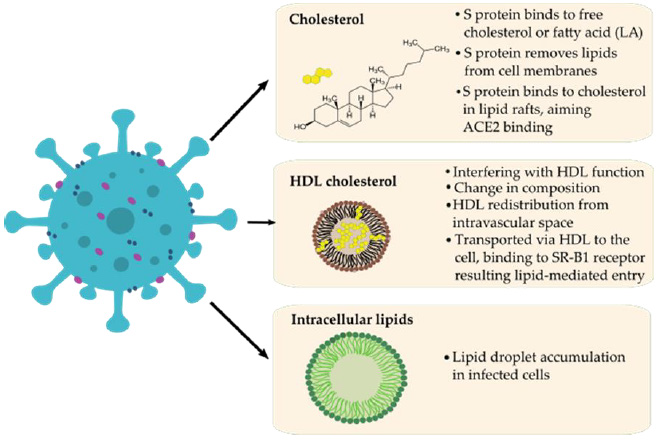
The role of HDL in COVID-19 was manifested in the change of HDL plasma concentration and proteome composition and functionality as severe patients were associated with HDL dysfunction manifesting in aggravated inflammatory endothelial conditions [49,50]. Another evidence for lipid involvement in COVID-19 pathogenesis was suggested by Nardacci et al. They observed lipid droplets accumulation in cells during SARS-CoV-2 infection, both in vitro and in lungs of COVID-19 patients [51]. Correlations between SARS-CoV-2, cholesterol, HDL, lipid rafts and fatty acids are summarized in (Figure 1). Compounds affecting cholesterol were shown to interfere with viral infectivity at different stages of viral replication. For example, cholesterol depletion proved to disrupt the HIV-1 virion membrane [52]. Baglivo et al. report on natural-based substances (cyclodextrins and phytosterols) that were used to reach membrane destabilization through cholesterol reduction and disturbed the process of SARS-CoV-2 entry into the host cells [53].

biomedres-openaccess-journal-bjstr

Figure 1: Possible correlations between SARS-CoV-2 (left) and lipids (LA) / HDL-cholesterol (right) during pathomechanism based on the literature.

biomedres-openaccess-journal-bjstr

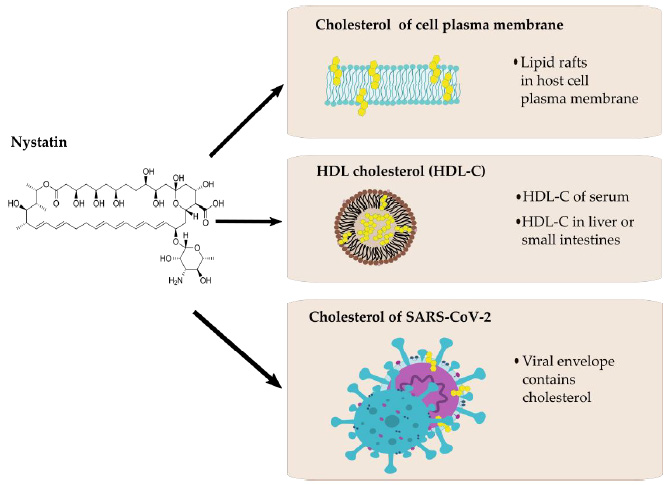
Figure 2: Possible interactions between nystatin (left) and cholesterol of different origin (right).

Another cholesterol-lowering agent, fenofibrate recently has been proved to be effective in the reduction of SARS-CoV-2 infection in vitro. Treatments for reducing the plasma cholesterol levels (i.e., by the use of statins) are also suggested by healthcare professionals for a long while in COVID-19 care [54]. Nystatin is a polyene macrolide antibiotic whose mechanism of action is to bind to sterols and forming ion channels in the fungal membrane leading in this way to leakage and cell death. This compound possesses a high affinity to bind to the ergosterol of the fungal plasma membrane, but the binding to human cholesterol is also significant [55,56]. Possible interactions between nystatin and cholesterol are presented in (Figure 2). Nystatin is not appreciably absorbed from the mucous membranes of GIT, thus has no systemic effect from oral formulations and therefore can be used to treat fungal infections of the GIT. Consequently, it may modify the cell surface through lipid rafts `floating’ on the cell surface, binding to their cholesterol content to prevent the SARS-CoV-2 viral particle from entering the cell [57,58].

This may require a high concentration of active ingredient that could be systemically problematic based on its toxicity, but not in local application. It is also reported in the literature that polyene macrolides, such as nystatin, may also be able to alter the fat metabolism of mammalian cells, thereby interfering with the replication of the virus [32]. In any case, nystatin-based pharmaceuticals are already indicated for use as complementary therapy as preventing candidiasis in patients assigned to antibiotic therapy. Nystatin had been previously examined regarding to its potential antiviral effect in HIV-1 infection model in H9 cells by Selvam et al [59]. Nystatin A inhibited viral replication effectively, in certain concentrations that did not affect cell viability. The results suggest that Nystatin A merited attention as an antiviral drug for the treatment of HIV-1 infection. Nystatin in the antiviral indication alone was used against HIV in a clinical trial also [60]. Nystatin had also been proved to be effective in reducing the cytopathic effect manifesting in cell-cell fusion during infection of SARS-CoV-2 pseudovirus [35].

In addition to the antifungal and antiviral effects of nystatin, its immunomodulatory effect was also proved [61,62]. We recommend that nystatin may be a safe and effective agent in the treatment of infections caused by enveloped viruses, including COVID-19. Since this drug affects the virion structure as well and is not absorbable in the GIT, the development of nystatin resistance has less chance and nystatin may has a direct antiviral effect on viruses during infection, while might have only negligible effect on host tissues. To verify the antiviral activity of nystatin against SARS-CoV-2 in vitro, the virus inhibitory effect of nystatin was investigated performing SARS-CoV-2 antiviral assay on Vero E6 cells according to the method of Manenti, et al. [63,64].

Materials and Methods

Materials

Nystatin was used in pharmaceutical grade. 50.000μg/ml stock solution in DMSO diluted 100-fold in Dulbecco’s Modified Eagle’s Medium (DMEM)‐high glucose supplemented with 2mM L-Glutamine, 100 units/ml penicillin‐streptomycin mixture without FBS.

Cell Cultures

Vero E6 cells were purchased from Veterinary Diagnostic Directorate of the National Food Chain Safety Office, Hungary. The cells were cultured in Dulbecco’s Modified Eagle’s Medium (DMEM)‐high glucose (Sigma) supplemented with 2mM LGlutamine (Sigma), 100 units/ml penicillin‐streptomycin mixture (Sigma), and 10% of FBS, at 37°C, in a 5% CO2 humidified incubator. Adherent sub‐confluent cell monolayers were prepared in growth medium DMEM high glucose containing 2% FBS in T175 flasks or 96‐well plates for propagation or titration and neutralization tests of SARS‐CoV‐2.

Viral Growth in Cell Culture

Vero E6 cells were seeded in T175 flasks at a density of 1 × 10⁶ cells/ml. After 18 to 20 hours, the sub‐confluent cell monolayer was washed twice with sterile Dulbeccos’s phosphate buffered saline (DPBS). After removal of the DPBS, the cells were infected with 3.5ml of DMEM 2% FBS containing the virus ata multiplicity of infection of 0.01. After 1 hour of incubation at 37°C in a humidified atmosphere with 5% CO2, 50 ml of DMEM containing 2% FBS were added to the cells. The flasks were daily observed, and the virus was harvested when 80%‐90% of the cells manifest cytopathic effect (CPE).

Virus and Titration

biomedres-openaccess-journal-bjstr

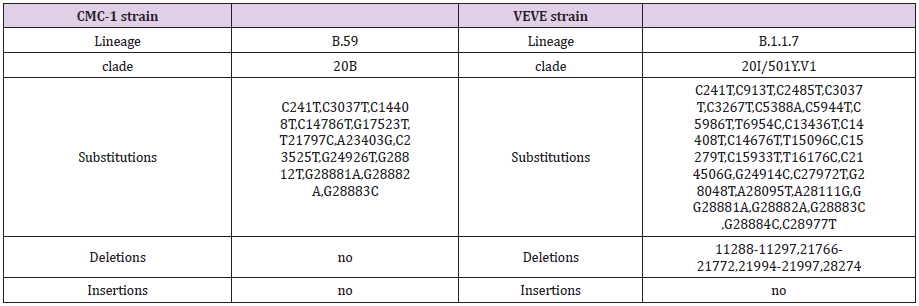
Supplementary Table S1: Informations of used SARS-CoV-2 strains.

SARS CoV‐2 virus strains (Wuhan and British mutants, CMC- 1 and VEVE) were obtained from the Complex Medical Centre, Budapest, Hungary. For detailed informations of strains, see Supplementary Table 1. The virus was titrated in serial dilutions of 1log to 11log (10-1 to 10-11) to obtain 50% tissue culture infective dose (TCID50) on 96‐well culture plates of Vero E6 cells. The plates were observed daily for a total of 4 days for the presence of CPE by means of an inverted optical microscope. The end‐ point titer was calculated according to the Reed & Muench method based on eight replicates for titration [65].

Treatment of Virus

biomedres-openaccess-journal-bjstr

Figure 3: Colorimetric read-out of SARS-CoV-2 antiviral assay of nystatin. The cell plate contained a semi-confluent Vero E6 monolayer with SARS-CoV-2 infections of Wuhan strain, CMC-1 (A) and British strain, VEVE (B).

Two‐fold serial dilutions of nystatin, starting from 500μg/ml were prepared. All dilutions contained 1% DMSO. The dilutions were mixed with an equal volume of viral solution containing 100 TCID50 of SARS‐CoV‐2 in Dulbecco’s Modified Eagle’s Medium (DMEM)‐high glucose supplemented with 2mML-Glutamine, 100 units/ml penicillin‐streptomycin mixture. The nystatinvirus mixture was incubated for 30 min. at 37°C in a humidified atmosphere with 5% CO2. Layout of SARS-CoV-2 antiviral assay 96 well plates (Figure 3) were prepared according to the following. A1- H12 wells contained Vero E6 cells (0.2 x 10⁶ cell number per well). Column 12 contained the control cells (CC): cells without virus and nystatin treatment. Column 11 contained the virus control (CV): 100 TCID50 of SARS-CoV-2 without nystatin treatment. Column A1- D10 contained virus treated with nystatin dilution series. 100μl of the mixture at each dilution of nystatin was added in quadruplicate (A1-D1, A2-D2, etc.). Column E1-H10 contained cells treated with the nystatin dilution series in quadruplicate without virus (E1-H1, E2-H2, etc.). The bisecting dilution series of nystatin concentration was 500μg/ml-0.97μg/ml. The plates were incubated for 4 days at 37°C in a humidified atmosphere with 5% CO2.

Colorimetric Read‐Out of SARS-CoV-2 Antiviral Assay

After 3 days of incubation, the supernatant of each plate was carefully discarded and 100μl of a sterile DPBS solution containing 0.02% neutral red was added to each well. After 1 hour of incubation at room temperature, the neutral red (Renal) solution was discarded, and the cell monolayer was washed twice with sterile DPBS containing 0.05% Tween 20. After the second incubation, the DPBS was carefully removed from each well; then, 100μl of a lysis solution (made up of 50 parts of absolute ethanol, 49parts of MilliQ and 1 part of glacial acetic acid) was added to each well. Plates were incubated for 15minutes at room temperature and then read by the spectrophotometer infinite F50 at 492 nm and by using Tecans iControl Software. The plates were inspected by an inverted optical microscope before olorimetric read-out.

Results

Antiviral effects of nystatin on the replication of SARSCoV- 2 in cell culture to confirm that nystatin inhibit SARS-CoV-2 replication, Vero E6 cell culture was infected with two mutants of SARS-CoV-2 pretreated with nystatin in vitro. SARS-CoV-2- early Wuhan and British mutants were treated with increasing concentrations of nystatin, and protection from cytopathic effects (CPE) observed visually and with colorimetric read-out. Nystatin showed a reduction of the viral CPE dose dependently (Figure 3). After the cells were stained with neutral red, their optical density at 492nm was measured (Figure 3A). At 96h post infection, cells were examined with an inverted optical microscope (magnification, x100). The cell control (CC) refers to cells without compound treatment and virus infection (Figure 4A).

biomedres-openaccess-journal-bjstr

Figure 4: Validation of viable cells by inverted optical microscope.
(A) Cell control, CC;
(B) Cells with SARS-CoV-2 Wuhan strain treated by 62.5 μg/ml nystatin;
(C) virus control, CV.

Vero E6 cells after 96 h of SARS-CoV-2 infection are shown on the Figure 4C. as the virus control (CV). 62.5 μg/ml nystatin treated SARS-CoV-2-infected cells are shown in Figure 4B. The results showed that nystatin inhibited SARS-CoV-2 infection, with an effective concentration. (EC) of 62.5μg/ml against Wuhan CMC-1 and British mutant VEVE strains (Figure 5). To evaluate the cytotoxicity of nystatin to cells, Vero E6 cells were treated with different concentrations of nystatin up to 500 μg/ml. Taking into account the toxic effect, the concentration at which nystatin inhibited the virus growth, the EC was determined. We found that nystatin was only slightly toxic up to 250μg/ml.

biomedres-openaccess-journal-bjstr

Figure 5: Graphical illustration of the corrected absorbance values. IC50 of nystatin may be detected at 62.5 μg/ml for the Wuhan strain, CMC-1 (A) and 125 μg/ml for the British mutant, VEVE (B).

Calculation of Dose Response to Nystatin

biomedres-openaccess-journal-bjstr

Figure 6: Effective dose (EC) of nystatin was calculated by data analysis with mathematical functions.
Points where the functions are stable are the 62.5 in both Wuhan (A) and British (B) mutant strains. The functions are not stable at the grater points therefore the effective and safe dose is 62.5μg/ml in both case. The values shown in the diagram are the nystatin doses correlated to function.

Values of the measured absorbance are proportional to the number of living cells. To evaluate the plates, the absorbance values of the four replicates were averaged. CV was then extracted from all values to obtain corrected absorbance (Figure 5). In the case of CV, almost complete cell death was observed. In the case of CC, the cell layer confluently overgrown the wells. Where the corrected absorbance was positive greater than cutoff (63) – OD (CC) /2 – there were cells that appeared alive confirmed by microscope (Figure 4B). Based on our investigation, it can be determined that treatment with nystatin up to 125μg/ml was not cytotoxic, but at all concentrations reduced the live cell concentration compared to the cell control (CC) to an extent that was considered constant independent of the concentration used. Nystatin treatment has been shown to be effective against CMC-1 (Figure 5A) and VEVE (Figure 5B) SARS-CoV-2 strains at concentrations of 62.5 and 125 μg / ml, respectively. Since the accurate antiviral IC50 could not be determined from reason of nystatin-host cell effect, the EC value of nystatin was modelled mathematically (Figure 6).

Mathematical Data Analysis of EC Value of Nystatin

EC value of nystatin was modelled by a mathematical data analysis (Figure 6). Functions were generated such as:
i. V(d) a dose-dependent viral function, where (d) is an independent variable. This function determines how much the agent changes the number of cells by the effect of the dose on the number of viruses, which reduces the number of cells by a viral function definition. Thus, it describes the change in cell number by the virus in the dose function.
ii. D(d) is a function that determines which cell number definition is affected by the dose and directly by the agent on the cell number. To get the D(d) function need to know A, that is the average of CC: 0.5808. Describing by a function, there is present both virus and agent: A-V(d) -D(d) this means A-D on the plate rows. To determine D the following definition can be determined:

Equation Definition of D functional.

A polynomial of degree 3 functional can be fitted to both. It can be seen that at high doses the destructive effect of the virus decreases, while with increasing dose the D function reduces the number of cells increasingly. The optimum must be found where the dose level of the agent is still safe. The closest dose value to the intersection (Figure 6A) of the trend line is 62.5. 125 can also be considered as a close point, mathematically, and may be a good solution, but it is the limit of a drastic change in value for both trend lines, so it is less safe to use this dose (Figure 6A). The same phenomenon can be seen in (Figure 6B). The last point where the functionals shown stability is 62.5. This is the concentration of which nystatin shown the highest efficacy with low toxicity. The IC50 calculated according to the standard protocol (Figure 5) was not exact to estimate the antiviral dosage of nystatin in this test system. The values of effective antiviral dose therefore was based on mathematical modelling suggesting 62.5μg/ml in both case. In general use, nystatin dose is 100 mg-600 mg daily. Since nystatin is a non-absorbable drug this means a dilution in 5-6 liter GIT juice daily [66] approximately. In this experiment we determined the EC under the maximum daily dose of nystatin.

Discussion

During the SARS-CoV-2 pandemic period of time, – as the virus’ name Severe Acute Respiratory Syndrome shows accordingly- COVID-19 is considered mainly as a new disease in pulmonology, and viral infection, invasion of GIT are oversight and undervalued, equally. However, the increasing concentration of excreted viral fragments in wastewater, as shown by tests data, might predict the soon increase in community infection rate, days, or weeks earlier than the number of clinical cases with symptoms of COVID-19 are set on, in communities [67]. The web search analytics as infodemiology study for abdominal symptoms in COVID-19 reflects the early sign of infection (diarrhea) presenting the involvement, i.e., the viral infection of gastrointestinal tract of patients, at the same time [68,69]. In addition to the additional GIT manifested clinical cases, notable number of asymptomatic and presymptomatic virus carriers are also to be considered as uncontrolled role-players in pandemic [70].

The pandemic of SARS-CoV-2 requires an intensive search for new antiviral agents. Many compounds are currently being investigated for their efficacy in COVID-19 therapy. Considering the severity of COVID-19 there is a need to find effective but less toxic drugs for a rapid treatment. Therefore, the possibility of nonsystemic therapy came to the fore. In this report the antiviral effect of nystatin antibiotic was investigated against Wuhan and British mutant strains of SARS-CoV-2 tested on Vero E6 cells. The presented results demonstrate that nystatin at a non-cytotoxic dose may protect cells against infection with SARS-CoV-2. This protection is associated with inhibition of virus replication that was manifested by an augmented living cell rate (Figure 3).

Nystatin is a polyene macrolide antibiotic of which the broad-spectrum antifungal activity and low fungal resistance are characteristics [71-75]. Nystatin is not or slightly absorbed [76,77] and non-toxic allowing its application in the GIT. It is used worldwide since 1961, in different pharmaceutical formulations and dosage forms in antifungal indications, including prophylaxis. It might be a safe agent as the annual number of reports on adverse reaction counts less than 100 per year in average [78]. The antiviral effect of polyene macrolide antibiotics against a variety of lipidenveloped RNA and DNA viruses was proved [59,79,80]. Nystatin bind irreversibly with sterols [81,82]. This is a direct structural and non-metabolic effect that consequence is the low resistance rate [83,84]. The binding of nystatin to cholesterol in cell membranes causes changes in plasma membrane fluidity and cell permeability therefore decreases infectivity of lipid-enveloped viruses.

The drug-sterol interaction is a well-known phenomenon that has already been demonstrated in our earlier studies on the macrolide antibiotic primycin [84-89] where the membrane disorganization was due to the ergosterol-primycin bound stabilized by hydrogen bounds [87]. The inactivation of SARS-CoV-2 is dependent on the dose of nystatin: the accurate dose of inhibition is probably due to a complex effect that is strongly depend on the binding action of host-cell membrane and/or viral envelope cholesterol ratio. Similar effect of nystatin was described against HIV-1 [59]. Interestingly, if viral envelope cholesterol was reduced the infectivity of SARS-CoV-2 decreased while depletion of cell membrane cholesterol had no effect on the virus infectivity [35]. Thus, we suppose that the envelope cholesterol/nystatin molecule ratio may influence that drug efficacy. In dose determination we had to consider a slight restrictive effect of nystatin (Figure 3) on test-cells connected to the inhibition effect of virus. Based on this 62.5μg/ml nystatin concentration showed to be the effective dose which improved the infected Vero E6 cells’ viability.

Considering potential therapeutic usage, the properties of nontoxic and LADME – which represents the main pharmacological characteristics of any pharmaceutical product – of nystatin should be interpreted. Liberation, Absorption, Distribution and Metabolism steps are hardly explainable due to the poor water solubility and lack of absorption of nystatin. Liberalization and distribution are limited to the GIT, metabolism is restricted to the interaction with the gastrointestinal juice and its fecal elimination is known. Based on the well-established antimicrobial indication, the daily dose of nystatin is 100-600 mg which is continuously diluted or concentrated depending on secretion or reabsorption of the GIT segments. In this way, the total dilution may be around 5-6 liter in GIT juice daily [66], thus the determined effective antiviral concentration is only about the half of the maximum allowed daily concentration of nystatin. This means there is no reason to change the well-established dosage regimen in a potential SARS-CoV-2 GIT disinfection therapy either [88-90].

In our opinion, GIT disinfection pharmaceutical products may contribute to a step forward in overcoming the pandemic on different levels. Individuals (patients with GI symptoms) shall benefit sooner recovery and less severe or fatal, recurrent, and postcovid cases may be experienced. For communities, one may expect a smaller number of asymptomatic carriers, making lockdown periods more effective and contribute to a better control on pandemic. From regulatory point of view, the issue of emergency use market authorization to efficient, properly documented (i.e. cytopathic assay evidenced SARS-CoV-2 antiviral) nystatin formulations shall be considered. To summarize.

Considering the urgency of the ongoing COVID-19 pandemic, detection of various new mutant strains and the future potential re-emergence of novel coronaviruses, repurposing of authorized drugs such as nystatin could be worthy of attention. Vaccines mainly have systemic effect, they do not neutralize viruses in GIT, one of the general sources of viral infection. Our results suggest that a non-systemic nystatin therapy – based on virus inactivation, in cytopathic assay proven formulated drugs may provide a solution for COVID-19 therapy through GIT disinfection. The use of this safe drug in preventive, prophylactic and therapeutic treatment might offer healthcare and economic advantages and benefits additional to the worldwide vaccination.

For More Articles: Biomedical Journal Impact Factor: https://biomedres.us
Open Access Journals on Vaccination

Moderna COVID-19 mRNA Vaccine and its Observed Cardiac Side Effects in Adolescent and Children

Introduction

Infection with SARS-CoV-2 has been the deadliest pandemic in the U.S. infecting over 46 million and claiming the lives of over 749,000 people [1]. To date, the U.S. Food and Drug Administration (FDA) has only approved drugs and/or biological agents for the treatment of patients with COVID-19 under Emergency Use Authorization (EUA). Therefore, the three COVID-19 vaccines that have been approved for use in the U.S. are the most effective tool currently available for the prevention of SAR-CoV-2 infection (Table 1). To date, over 428 million doses of COVID-19 vaccines have been administered resulting in full vaccination of over 193 million people and over 222 million have received at least one dose of these multi-dose vaccines (Table 2). Moderna’s COVID-19 vaccine is a lipid nanoparticle–encapsulated mRNA-based vaccine that encodes the prefusion stabilized full-length spike protein of the SARS-CoV-2. Its safety and efficacy was unequivocally established in a Phase 3 clinical trial involving over 30,000 subjects who were randomly assigned in a 1:1 ratio to receive either vaccine or placebo [2]. The vaccine was delivered to established COVID-19 negative volunteers in two-dose protocol 28 days apart. The vaccine was 94.1% effective in preventing COVID-19 disease among these clinical trial participants with 11 cases of COVID-19 in the vaccine group and 185 in the placebo group developed infection with the SARS-CoV-2 virus. At the time of the analysis of these 196 COVID-19 cases, none in the vaccine group and 30 in the placebo group were classified as severe.

biomedres-openaccess-journal-bjstr

Table 1: Dates of Approval of Various COVID-19 Vaccines in the United States.

Note: *> 16 years
** > 18 years

biomedres-openaccess-journal-bjstr

Table 2: COVID-19 Vaccination in the United States1.

Note: 1as of November 08, 2021

Based on the data submitted to the FDA, the Moderna vaccine was approved under EUA for vaccination of adults (>18 years of age) on December 18, 2020 [3]. The primary series of vaccination included two doses 28 days apart. Since its approval, over 70 million people have been fully vaccinated using the Moderna vaccine with no serious adverse effect. Based on the data related to the breakthrough infections in fully vaccinated people, on August 12, 2021, FDA authorized a third dose of Moderna vaccine in highrisk individuals and on October 20, 2021, a single booster dose was authorized to be administered at least 6 months after completion of the primary series to individuals who fall into one of the following three categories; 65 years of age and older; 18 through 64 years of age at high risk of developing severe COVID-19; and 18 through 64 years of age with frequent institutional or occupational exposure to SARS-CoV-2 [4,5]. Since these approvals, over 5.9 million people have received an additional dose of the Moderna vaccine. Rare cases of myocarditis and pericarditis have been reported following vaccination after the second dose of both Pfizer/BioNTech and Moderna mRNA vaccines in adults, adolescents, and children [6- 8]. Despite of these observations, both FDA and the U.S. Centers for Disease Control and Prevention (CDC) approved the use of Pfizer/BioNTech for adolescent and children. In June 2021, Moderna submitted data to the FDA requesting EUA for use of its vaccine in adolescent. According to a press release by Moderna, Inc., the “Phase 2/3 study of its COVID-19 vaccine (mRNA-1273) in adolescents has met its primary immunogenicity endpoint, successfully bridging immune responses to the adult vaccination. In the study, no cases of COVID-19 were observed in participants who had received two doses of the Moderna COVID-19 vaccine using the primary definition. In addition, a vaccine efficacy of 93% in seronegative participants was observed starting 14 days after the first dose using the secondary CDC case definition of COVID-19, which tested for milder disease. This study, known as the TeenCOVE study, enrolled more than 3,700 participants ages 12 to less than 18 years in the U.S” [9].

However, despite these observations, Scandinavian authorities suspended or discouraged the use of Moderna’s COVID-19 vaccine in young people because of an increased risk of heart inflammation, a very rare side effect associated with the shot. Sweden suspended the use of Moderna for recipients under the age of 30 years and in Denmark, people under the age of 18 years will not be offered Moderna vaccine, and Norway recommended that those under the age of 30 years to get the Pfizer/BioNTech vaccine instead. Based on available data, FDA has delayed its approval of Moderna COVID-19 vaccine for adolescent suggesting that additional safety data will be required before any recommendation could be formulated. Similarly, on October 25, 2021, Moderna, Inc., also released interim data from the Phase 2/3 study, called the KidCOVE study, of mRNA- 1273 in children 6 to under 12 years of age. This interim analysis showed a robust neutralizing antibody response after two doses of mRNA-1273 at the 50μg dose level with a favorable safety profile [10]. Moderna plans to submit these data to the FDA and the European Medicines Agency (EMA) and other global regulators in the near term. At the recommendation of the FDA, Moderna, Inc., has however, agreed to delay submission of its request for an EUA for its mRNA vaccine for children 5-12 years of age. The need for further evaluation of clinical data by the FDA and the CDC to fully comprehend the cardiac side effects of Moderna mRNA vaccine in adolescent and children is important not only to ensure that it is safe but also to continue to sustain public confidence. The latter is critical in the face of unprecedented and unsubstantiated public resistance specifically for COVID-19 vaccination and to create a safe environment for children in the classrooms. However, based on the aforementioned information, it is our recommendation that both the FDA and the CDC must make every effort to conclude this evaluation process posthaste.

Our position has been supported by numerous leading scientific organizations who have co-signed a statement which states that “As physicians, nurses, public health, and health care professionals, and, for many of us, parents, we understand the significant interest many Americans have in the safety of the COVID-19 vaccines, especially for younger people. Today, the CDC Advisory Committee on Immunization Practices (ACIP) met to discuss the latest data on reports of mild cases of inflammation of the heart muscle and surrounding tissue called myocarditis and pericarditis following COVID-19 vaccination among younger people. The facts are clear: this is an extremely rare side effect, and only an exceedingly small number of people will experience it after vaccination. Importantly, for the young people who do, most cases are mild, and individuals recover often on their own or with minimal treatment. In addition, we know that myocarditis and pericarditis are much more common if you get COVID-19, and the risks to the heart from COVID-19 infection can be more severe” [11].

For More Articles: Biomedical Journal Impact Factor: https://biomedres.us
Open Access Journals on Medical Research

Physical-Recreational Games to Increase the Participation of Children in the Recreational Activities of the Bengochea District

Introduction

Recreation must serve to sow knowledge, to promote spiritual values such as solidarity and a sense of unity among people. Several researchers at national and international level have addressed the subject making contributions to recreation in which they stand out: (Sosa, 2000; Perez, 2003; Waichman, 2009; Domínguez, 2018) [1-4], among others. In a general sense, everyone considers that Recreation works to teach, educate and raise the quality of life of the community in an organized and harmonious way, thus promoting the achievement of greater cultural, political and social development.
According to the studies carried out by Sosa from the 90s to the present about Physical Recreation, and of which these authors fully agree on the validity it has when it states in the (2000) that: 1. Physical Recreation is the set of physical activities defined by the physical recreational reasons that constitute a subsystem of Recreation and is part of the physical culture of the population with emphasis on active rest, health, the creation of motor habits, fun and creative individual development. This type of Recreation is characterized by a certain level of motor skills, which generates a high level of recreational physical prominence (p. 87).
The present work has as background the research of the authors Vilaú, et al. [5-8]. The aforementioned research allows to reinforce the idea of the work that can be developed in terms of Recreation in the communities, aimed at children, due to the little motivation and the lack of participation on the part of these in the physical-recreational activities in the communities, since in the vast majority of the planned activities the same games are executed, without looking for other alternatives or variants that stimulate the participation of infants, based on their tastes, interests and needs. In the observations made in the community, the interviews with the children, relatives and neighbors of the community, the following probability situation could be appreciated: limited participation in the physical-recreational activities of the children of 9 – 12 years of the circumscription # 9 of the Bengochea Distribution, of the municipality of Santa Clara. The above allows us to formulate the following scientific problem: How to increase the participation in physical-recreational activities of children aged 9 -12 years of the district # 9 of the Bengochea Distribution, of the municipality of Santa Clara?.
For the development of the research, the following system of objectives is proposed:
1. Diagnose the initial state of participation, tastes and preferences to physical-recreational activities of children from 9 – 12 years of age in district # 9 of the Bengochea Distribution, in the municipality of Santa Clara.
2. Select physical-recreational games to increase the participation in the physical-recreational activities of children from 9 – 12 years of age in constituency #9 of the Bengochea Distribution, in the municipality of Santa Clara.
3. To assess the participation in the physical-recreational activities of the children of 9 – 12 years of the circumscription # 9, from the application of the physical-recreational games.
The importance of this research is to promote that the game is an essential means within recreation, provided that it is known at what stage it is most important to play and what are the purposes of the game, such as: teaching, culturizing, transcending, distracting, investigating, developing, generating, creating; everything depends on the form, the type of game and the attitude that is adopted before the essential activity of the playful. According to the diagnosis made and the practical experience of the authors, it is evident that most of the children aged 9 – 12 years of the constituency # 9 of the Bengochea Distribution, are limited to participating in physicalrecreational activities, since those that are carried out are not of their interest or preference, since passive entertainment has become widespread due to the marked fondness for video games, the use of new information and communication technologies, such as computers, Xbox, tablets, smartphones, and other electronic equipment, increasingly inducing new generations to addiction to cyber games, which is counterproductive with the needs of the physical and psychological development of this age group.

Methodology Used

For the development of the research, the authors relied on the concepts issued by Hernández et al. [9], using methods and techniques, which allowed to obtain an accurate information of the problem raised, of the theoretical level, the analytical-synthetic; inductive-deductive that were applied for the theoreticalmethodological foundations of recreation, physical recreation and games, as well as to carry out an objective study of the participation of children in physical and recreational activities, in addition to the preparation of the professional of Physical Culture and other managers. The research involves a first population composed of 12 girls and 17 boys aged 9 – 12 years, a second population composed of 3 professionals of the Physical Culture of the Sports Combined “Martyrs of Barbados” and 15 subjects of the community, 11 relatives and 4 neighbors, all belonging to the constituency # 9 of the Bengochea Distribution, Santa Clara municipality.

Analysis of the Results and Discussion

biomedres-openaccess-journal-bjstr

Figure 1.

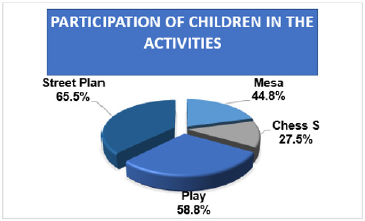
Physical-recreational activities such as board games, simultaneous chess, to play and street plan were observed, carried out in the district # 9, of the Bengochea Distribution for 8 months from which the following results were obtained: The relatives and neighbors of the community felt concerned about how the children used their free time in activities not proper to their age, which was interfering in their bio-psycho-pedagogical and social development, since a systematization was not achieved in the physical-recreational activities that were carried out by the physical recreation teachers. It should be noted that disclosure does not disclose in advance all activities, which can influence the poor participation of children in the activities being carried out. As for the preparation of recreation teachers, although they have mastery of their work, it was found that not everyone prepares for the realization of the activities, nor do they carry out actions to increase the participation of children in recreational activities, since sometimes they showed demotivation, lack of creativity and interest in the search for alternatives or new games for the execution of the activities. In the aspect related to the participation of children in recreational activities in a general sense, Mal was evaluated; in the board games, only 5 girls and 8 boys attended for 44.8%. Regarding the simultaneous chess, 3 girls and 5 boys participated, for 27.5%. The highest participation was observed in the “A jugar”, with 7 girls and 10 boys, which represents 58.6% and in the Street Plan 9 girls and 10 boys were present, which represented 65.5% (Figure 1).
The evaluation of this aspect with respect to participation was influenced by the poor attendance of children aged 9-12 years to recreational physical activities, as well as the organization of the area for the development of activities, since the necessary conditions were not created in terms of the use and creativity of means and implements, the area for the execution of the activities was not correctly delimited, in addition there were no varied offers, since generally the planned activities were carried out and the space was not used to insert other small, recreational, traditional and / or pre-sports games. When applying the interview, it was possible to know that there are 6 children (20.6%) whose reasons are related to going to the cinema or the park with their friends, 5 (17.2%) watch tv, 8 (27.5%) use new technologies to play on the computer or Xbox, as well as connect on social networks with their smartphones, only 10 (34.4%) prefer to participate in physicalrecreational activities. The 4 neighbors of the community that represents 26.6%, raised that currently children from 9 – 12 have a marked interest in new technologies and the use of social networks, since in the area where they live there is a wifi antenna, in terms of support and realization of them to the recreational activities that are planned, participation may be better, in order to avoid other activities, which are not appropriate for their age, nor are they beneficial for the development of children, since sometimes it causes in some children, manifestations of inappropriate behaviors.
The relatives who represent 72.7% stated that they like their children to perform recreational activities, as well as games and sports, but that currently they do not participate for reasons of time, although they prefer to have their children quiet at home watching television or making use of new technologies, since they are motivated by electronic games or being connected in social networks, since in the area there is wifi and on the other hand 3 of the relatives who represent 27.2% do not like to pressure their children, and try to support them in what they like to do, referring to the activities of the age. In the results of the interviews conducted with the children, relatives, neighbors and recreation teachers, it was found that they had poor participation in the physicalrecreational activities that were offered, so that the children participated in other activities, many of which are not appropriate for their age, demonstrating the addiction to electronic games and social networks, this motivated the search and selection of several physical-recreational games that contributed to the increase in participation in the activities of children from 9 – 12 years old, from the constituency # 9 of the Bengochea Distribution of the municipality of Santa Clara.
For the selection of traditional games, the general characteristics according to Watson (2008) [10] were taken into account, which are:
a) They are played by children for the sheer pleasure of playing, who decide when, where and how to play.
b) Respond to children’s basic needs.
c) The rules are easy to understand, memorize and comply with, but they are also negotiable since they can be varied.
d) They do not require many materials and the necessary ones are not very expensive.
e) They are simple and easy to share with other players.
f) They can be practiced at any time and place.
g) They arise for a season, disappear and then reappear.
Some games are practiced more in winter times, since they involve greater physical and body movement, while others arise in times of greater heat (summer).

Below are 9 of the 15 Physical-Recreational Games that Were Put into Practice

The Three Towers

A. Development: At the signal of the teacher the participants formed in teams, but in trios, run to the cone, which is at a distance of 6 meters, then they enter a ring that take it to the waist and move to the little flag that is placed another 6 meters to which they turn, until they reach the cone where they leave the hoop and run in a trio to the finish line to give the exit to the next trio of the team, which will perform the same action.
B. Rules: The race is held in trios; no child can get ahead.

Balloon Up and Down

A. Materials: Balloons, water Organization: rows in teams Development: the participants with their legs apart, will be placed one after the other and at a small distance, at the signal of the teacher the first of each row will hold a balloon full of water and pass it over the head and the second will pass it underneath, until reaching the last child who will come running until the beginning of the row and will perform the same action until everyone has executed it.
B. Rules: Always the first of each row passes the balloon overhead and prevent it from breaking.

Wall, Hunter and Deer

A. Materials:i. None Organization: Rows in teams Development: they begin by telling them that the wall is when the flexed arms are placed in front and the palms of the hands are open, the hunter is when one of the arms extends to the front reseling a rifle and the deer is when the hands are placed on the head making horns, the wall for the bullet fired by the hunter, the deer jumps the wall and the bullet kills the deer, then the teams are formed, these internally will agree and choose what action they will perform, then they are placed in rows facing each other, but on their backs, and to the sound of the teacher’s whistle the participants turn straight representing the wall, the hunter or deer who will accumulate points.
B. Rules: Only one action can be represented by the participants. If a team participant makes a mistake and does not do the action of the rest of his teammates, the team loses. The team that manages to accumulate the most points win.
C. Variants: It can be done with other animals or objects such as stone, paper and pencil.

Three-Foot Race

A. Materials: Rope. Organization: duos in teams Development: the participants in pairs, will be placed next to each other and will tie their ankles with a rope, and at the signal of the teacher they will run to the indicated distance, they will turn the cone and when they reach the finish line they will release the rope of the ankles and give it to the other couple.
B. Rules: They must run harmoniously without letting go. Teammates can help tie the rope. The team that finishes first and does it best wins.
C. Variant: You can divide the teams in two and place themselves in front of each other and do it in relay.

Transport of Objects in Duos

A. Materials: Cones, bowling, swiss, balls, flags. Organization: teams, duos Development: at the signal of the teacher the first pairs of children will move through the area carrying three different objects with their chests, but without using their hands, when they reach the finish line, they must pass the objects to another couple, and so on until they have all finished.
B. Rules: Couples cannot use their hands but can be helped by another participant. If an object falls it must be picked up and then continue the game. The team that first finishes having transported the objects without touching it wins.
C. Variant: You can transport the objects head-to-head, back to back, hip to hip, etc.

The Basket

A. Materials: Box (basket), cards Organization: rows in teams Development: the participants will be seated behind a starting line, at the signal of the teacher the first of each team will run to the basket and inside this there will be several cards with different syllables where the players upon arrival will have to form a word and say which one was the one that formed, because another player can not recreate it.
B. Rules: They must go out to the teacher’s signal. Players cannot form the same word twice. The team that has formed the most words win.
C. Variants: The teacher can say the word for the participants to form and the one who first creates it wins, it can also be done with mathematical operations.

To Fill the Knob

A. Materials: Buckets, knobs, disposable cups, water, flags Organization: rows in teams Development: the teams formed behind the starting line will have a plastic knob and at a distance a bucket with water is placed with a disposable glass inside, at the signal of the teacher the first participants run out with the knob, when they reach the place where the bucket is, they pour a glass of water and run back to give exit to the next child, so on until they all culminate.
B. Rules: The team with the most water on the knob wins. Participants must exit behind the starting line. Only one glass of water per player can be poured into the knob.
C. Variants: It can be executed by measuring time and players can repeat as many times as possible until the time given by the teacher is consumed.

Rock, Paper and Scissors in Motion

A. Material: Rings, chalk Organization: rows Development: they are placed in teams by rows facing each other, and at a distance of 20 meters hoops are placed or drawn with chalk, one after the other, changing direction every four implements. At the teacher’s signal the first students jump out on each hoop, as quickly as possible and when confronted by the participants say: “Rock, paper or scissors. One, two, three” each take out what they want. The participant who loses goes to the opposing team and the other continues, because from the other team another child must leave very quickly to prevent him from reaching the goal and challenge him with rock, paper or scissors, and so on everyone must perform the game until it ends.
B. Rules: The stone beats the scissors, the scissors the paper and the paper the stone. To leave a participant must wait for their child to lose or reach the finish line. You should jump on the hoops with both legs together.

The Chain with Rings

A. Materials: Rings Organization: rows or circles Development: two teams are formed and the participants hold hands forming a row or circle, between two children a ring is placed and at the signal of the teacher they must pass the hoop between the children to get from one end to the other in case of being in rows, and if it is in a circle that reaches the beginning where it began.
B. Rules: They must pass the hoop through the body without letting go of their hands. The team that first manages to pass the hoop among all the participants wins.
It is necessary to emphasize that in the organization and execution of the physical-recreational games it was not necessary that all the participants were in the teams, since the children repeated the actions of the game, in case their team was incomplete, since the proposed objective was to participate and complete all the proposed games. After applying the physical-recreational games, the evaluations issued by the participants were collected where they expressed the Positive, Negative and Interesting (PNI) of the games performed, in addition to observing the increase in participation, since the attendance ranged between 27 – 28 children for 96.5%, being evaluated very well where they raised how good they felt, the desire to continue playing, since many of the proposed games did not know them and others had done them in physical education classes, but in previous degrees, they also recognized the benefits of performing active games, observing the acceptance and impact of physical-recreational games, before the activities they carried out in their free time, as being most of their time dependent on new technologies, all this influenced the good organization of the areas, the creative use of media, the selection of new physicalrecreational games, according to the tastes and preferences of the children. During the practice of physical-recreational games, the children showed interest in the creation of variants, strengthening the educational work through the opportunities they had to express freely, creatively and voluntarily their criteria to express how they would like to perform the games, in addition there was a great enthusiasm on the part of the relatives, community managers, as well as teachers, in the dissemination and execution of physicalrecreational activities.
1. The motivated, active and conscious participation of the children was achieved under the principle of voluntariness, where they were managers, actors and protagonists of the physical-recreational games they executed.
2. The girls suggested holding traditional costume parties, modeling and games which were supported by the parents.
Most of the children did not have absences, indicating the satisfactory participation in the planned physical-recreational games, which managed to motivate its participants.
3. It is necessary to emphasize that in the execution of some physical-recreational games the children played with their relatives, where they demonstrated their experiences by stating that they “revived their childhood”.
4. The motivation for the realization of the physical-recreational games selected from the interest shown by the children, were supported by the relatives and neighbors of the community.
5. The execution of the physical-recreational games allowed to be more united, both with the children of the same sex, as well as the interaction with those of the opposite sex, which helped to develop traits such as tolerance, consideration and mutual respect attending to the individual possibilities of each one and in a general sense group work was favored.
6. The participation of the children in the different physicalrecreational games contributed to the formation of knowledge, habits, sports skills and the development of values.

Conclusion

In the diagnosis carried out, it was found that the participation of children aged 9 – 12 years of the constituency # 9, of the Bengochea Distribution, in the physical-recreational activities, was limited since they preferred to participate in other activities. The physical-recreational games were selected from a collective construction, taking into account the interests, tastes and preferences of the children of 9 -12 years of the circumscription # 9, of the Bengochea Distribution, which increased the participation to the physical-recreational activities. The participation in the activities, from the application of the physical-recreational games caused an atmosphere of socialization among the children, relatives, and other members of the community, where all the participants intervened, opined and supported, being the main managers, actors and protagonists.

For More Articles: Biomedical Journal Impact Factor: https://biomedres.us
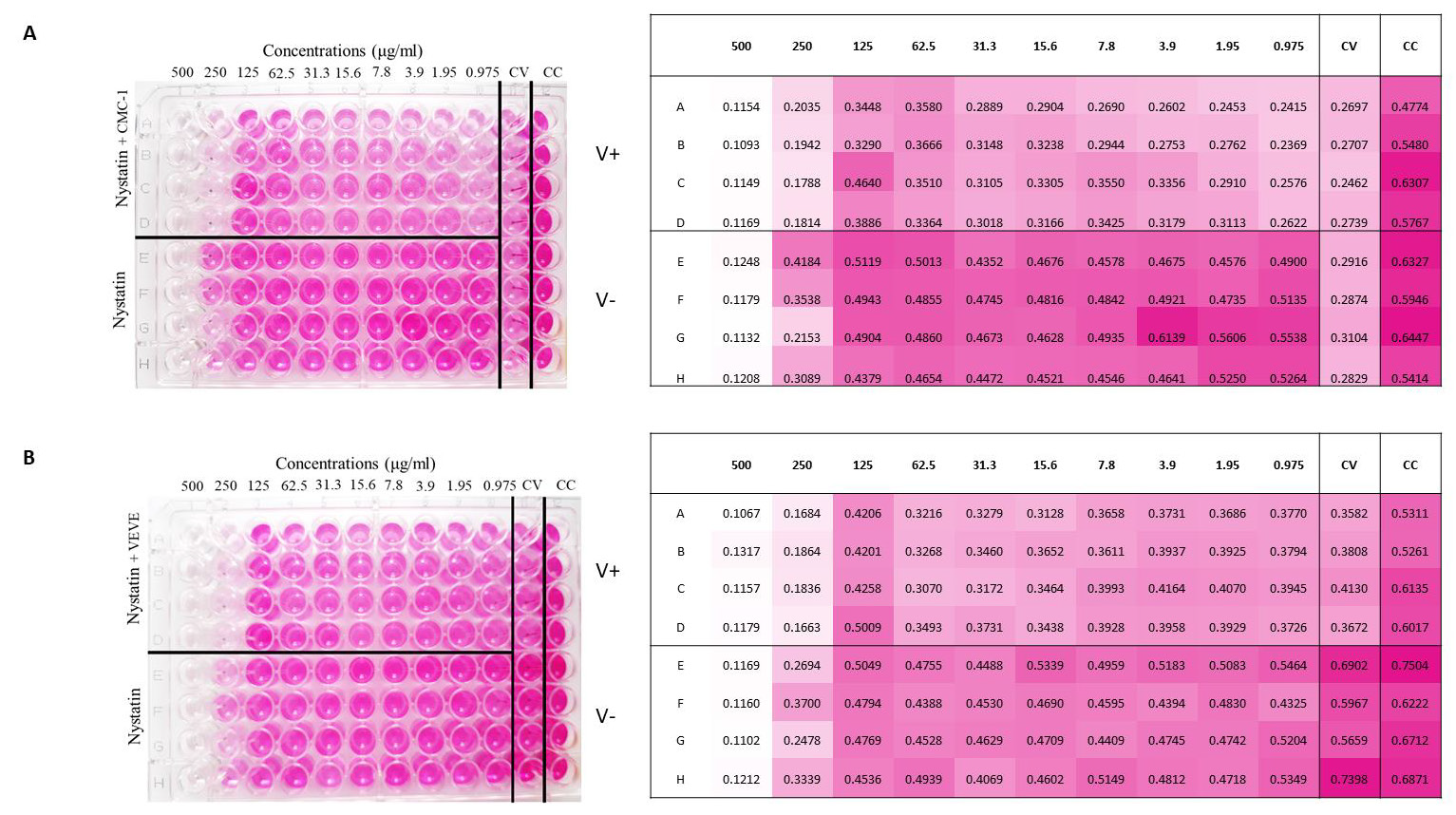
Open Access Journals on Bioinformatics

Can Probiotics Play an Important Role Against COVID-19?

Introduction

Probiotics are live microorganisms, which if administered at adequate amounts, confer beneficial physiological effects [1]. Previous study underscored the positive impact (whether directly or indirectly) of probiotics on the ACE enzymes [2]. During the process of food fermentation, probiotics make bioactive peptides which interfere with the ACE enzymes through blocking the active sites [3,4]. The debris of the dead probiotic cells can also work as inhibitors to ACE [1], suggesting that probiotics are possibly potential blockers to the ACE receptors, which act as gateway for SARS-CoV-2 to attack gastrointestinal cells. Imai and colleagues reported that ACE blockers could be used to decrease respiratory distress syndrome [5]. The prebiotics are defined as ‘substrates that are selectively utilized by host microorganisms conferring a health benefit’ [6]. Similar to probiotics, prebiotics can be orally administered into microbially colonized body sites to reach the intestine, or by a direct way to the skin or vaginal tract [6]. Prebiotics include lactosucrose, oligosaccharides, isomaltooligosaccharides, fructans, xylooligosaccharides, resistant starch, lactobionic acid, galactomannan, arabinooligosaccharides, psyllium, polyphenols and polyunsaturated fatty acids [6-8]. The health benefits of prebiotics to the gastrointestinal tract such as stimulation of immune system and inhibition of pathogens are because of their ability to modulate the activity and composition of human microbiota [1]. Prebiotics, which enhance probiotics survivability and growth, may have an excellent potential effect against COVID-19 [1]. Prebiotics could block the ACE enzymes, which may have a direct effect on gastrointestinal symptoms caused by COVID-19 [1]. There are many ongoing registered trials aiming to investigate the efficiency of probiotics in treating COVID-19 patients [9].
Some COVID-19 patients showed intestinal microbial dysbiosis characterized by decreased probiotics such as Lactobacillus and Bifidobacterium. Prebiotic or probiotic supplementation, and nutritional support has been recommended to re-normalize the balance of intestinal microbiota and decrease the risk of secondary infection due to bacterial translocation [10]. Probiotic supplementation could be a promising strategy given previous studies of the potential application of probiotics in treatment and prevention of various viral infections [1,11,12]. The elderly and disordered microbiota patients are the most susceptible groups to COVID-19. Thus, it is suggested that probiotics supplementation in those groups could increase the ability of the gastrointestinal microbiota in modulation of immunity and help in prevention of viral infections including COVID-19 [1]. Competition with pathogens for nutrients, production of anti-microbial substances, enhancement of the intestinal epithelial barrier, and adhesion to the intestinal epithelium, and modulation of the host immune system might explain clinical success of probiotics [13,14]. Saavedra and colleagues conducted randomized control trial of 55 infants and found that enteral supplementation with a combination of Streptococcus thermophiles and Bifidobacterium bifidum decreased the incidence of diarrhea and rotavirus shedding [15], which may indicate interference with entry of the virus into cells and/or inhibition of viral replication in the intestine. Although probiotics were not administered to the respiratory tract, this mechanism may play a role in lowering dissemination of SARS-CoV-2 through the gut. Therefore, direct inhibition may be impossible at the respiratory tract. Having said that, lungs have their own microbiota and a gut-lung connection has been previously reported whereby microbe-microbe host-microbe, and immune interactions could affect the course of respiratory diseases [14,16].
Growing evidence showed that the gut-lung axis plays a pivotal role in the pathogenicity of viral and bacterial and infections, as the intestinal microbiota could enhance the activity of alveolar macrophage, thus having a prophylactic role in host defense against pneumonia [17]. Respiratory tract infections such as influenza are linked with a dysbiosis in the microbial communities of the both gastrointestinal and respiratory tracts [18,19], which could alter immune function and facilitate secondary bacterial infection [14]. Previous studies reported that COVID-19 could be associated with intestinal dysbiosis leading to inflammatory reactions and poorer response to pathogens [20,21], the case exists for probiotics that could restore gut homeostasis [22]. Arroyo and colleagues evaluated the efficacy of oral administration of Lactobacillus fermentum CECT5716 or Lactobacillus salivarius CECT5713, two lactobacilli strains isolated from breast milk, compared with the efficacy of antibiotic therapy in treatment of lactational mastitis [23]. They found that females took the probiotics improved more and had reduced recurrence of mastitis than those who took the antibiotic therapy.
The gut microbiome plays a pivotal role in systemic immune responses, including those at distant mucosal sites such as the lungs [24,25]. Administration of certain lactobacilli or bifidobacteria helps in clearance of influenza virus from the respiratory tract [24,26]. Probiotic strains increase type I interferon levels, the activity and number of T cells, NK cells, antigen presenting cells, as well as the levels of systemic and mucosal specific antibodies in the lungs [24,27,28]. Growing evidence showed that probiotic strains could regulate the dynamic balance between proinflammatory and immunoregulatory cytokines that facilitate viral clearance with minimum immune response-mediated lung damage [14]. This seems be particularly important as a way to inhibit acute respiratory distress syndrome, which is the most feared complication of COVID-19.
Chong and colleagues reported that Lactobacillus plantarum DR7 suppressed plasma pro-inflammatory cytokines (TNF-α, IFN-γ,) in middle-aged adults, and enhanced anti-inflammatory cytokines (IL-10, IL-4,) in young adults, along with decreased levels of oxidative stress and plasma peroxidation [29]. This type of modulation is considered to be very important, especially for many COVID-19 patients, who have from cytokine storm. Orally administered probiotic strains appear to involve the immune response originating from the intestine, a main site of the body’s defenses. Thus, probiotic strains, which could improve the integrity of tight junctions, for example through butyrate augmentation, a fuel for colonocytes, may in theory decrease SARS-CoV-2 invasion [14]. Zuo and colleagues found that faecal samples with signature of low-to-none SARS-CoV-2 infectivity had higher abundances of short-chain fatty acid producing bacteria, Bacteroides stercoris, Parabacteroides merdae, Lachnospiraceae bacterium 1_1_57FAA, and Alistipes onderdonkii [30]. A recent study tested the impact of short-chain fatty acids (acetate, propionate and butyrate) in the infection by SARS-CoV-2 [31]. They found that short-chain fatty acids did not change SARS-CoV-2 entry or replication in intestinal cells. These metabolites had no effect on permeability of intestinal cells and had only little effect on the synthesis of anti-viral and inflammatory mediators. Although this may seem discouraging, we propose that testing real short-chain fatty acid-producing bacteria (not short-chain fatty acids only) may give good results. Testing bacteria is different from testing metabolite, especially that there are many current pieces of research that speak about virus-bacteria interactions [32,33].
Ren and colleagues reported that faecal and oral microbial diversity was remarkably decreased in confirmed COVID-19 patients versus healthy controls [34]. They found that there was a reduction in butyric acid-producing bacteria and an increase in lipopolysaccharide- producing bacteria in COVID-19 patients in oral cavity. Researchers reported that confirmed recovery COVID-19 patients showed depletion in 47 lipid molecules, including sphingomyelin (SM)(d40:4), SM(d38:5) and monoglyceride(33:5), and enrichment of phosphatidylcholine(36:4p), phosphatidylethanolamine (PE)(16:0p/20:5) and diglyceride(20:1/18:2) versus confirmed COVID-19 patients. This is the first study that explores the alterations in the human oral and gut microbiomes and lipidomics in COVID-19 patients, which may be involved in the development and progression of COVID-19 and could be also useful as an auxiliary diagnostic tool. Previous clinical and experimental studies reported that some probiotic strains have antiviral effects against common respiratory viruses, including respiratory syncytial virus, rhinovirus, influenza [12,28,35,36]. Although these mechanisms or effects have yet to be tested on the SARS-CoV-2, this should not refute considering this new line of investigation, especially when effects of probiotics against other coronavirus strains such as transmissible gastroenteritis virus have been reported [37-40]. Research is urgently needed to assess the effect of probiotics and prebiotics against SARS-CoV-2, which may lead to a better understanding of the bacterial dynamics in the gastrointestinal tract.

For More Articles: Biomedical Journal Impact Factor: https://biomedres.us
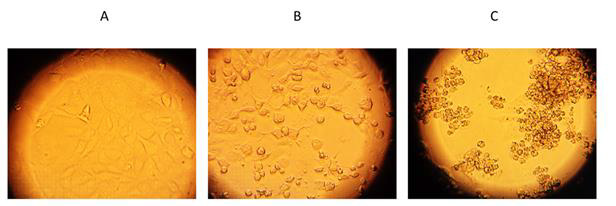
Open Access Journals on Medical Research

Investigating Reliable Recovery Biomarkers of Ischemic Stroke: An Evidence-Based Study

Introduction

According to the World Health Organization, 15 million people worldwide suffer a stroke each year. Of these, nearly five million die and another five million are left permanently disabled [1]. Millions of stroke survivors are left with very limited motor functions or complete paralysis and depend on assistance [2]. Poststroke survivors majorly suffer from motor, sensory, cognition and language impairments. These impairments occur due to the loss of functions of brain regions surrounding the area of injury due to lesions which further lead to death of neurons of those regions [3]. Majority of cases of stroke are ischemic stroke [4]. Stroke recovery is the complex process due to its heterogeneous nature, where the making choices of treatment and prediction of outcomes and treatment responses are difficult [5].Prediction of outcomes in stroke can be useful to determine which intervention (such as behavioural and therapeutic interventions) will be more effective in stroke patients during the rehabilitation.
However, the methods for accurate prediction of longterm outcomes would allow clinical trials of restorative and rehabilitation interventions to be stratified based on the potential for neurobiological recovery in a way that is not possible if trials are performed in the absence of valid biomarkers [5,6]. A Stroke Recovery Biomarker (SRB) can be defined as an indicator of disease state that can be used as a measure of underlying molecular or cellular processes that may be difficult to measure directly in humans, and could be used to understand the outcome, or predict the recovery or treatment response [5]. Thus, when dealing with a condition as heterogeneous as stroke, validated biomarkers of recovery could help plan treatments and support efficient allocation of resource while maximizing outcome for the patients [7]. Identification of recovery biomarkers shall assist to advance the practice, rehabilitation and recovery after stroke. This systematic review has assessed the role of biomarkers and predictors of recovery in ischemic stroke.

Material and Methods

This systematic review was designed as per the guidelines of Preferred Reporting Items for Systematic reviews and Meta- Analysis (PRISMA) [8-10] and registered with PROSPERO (CRD42020209833) on 18th October 2020 [11].

Eligibility Criteria

Case-control studies reporting the biomarkers and predictors of recovery in ischemic stroke patients in English language published after the year 2000 were included. Studies on animal models, including diagnostic markers, prognostic markers and patients with other psychiatric or neurological conditions (other than stroke) were excluded.

The PICO (Population, Intervention, Comparator, and Outcome) format for this systematic review is:
• P: Patients diagnosed with ischemic stroke and no other psychiatric or neurological condition (other than stroke).
• I: Biomarkers or predictors of recovery in ischemic stroke.
• C: Relative levels of recovery biomarkers in post ischemic stroke patients were compared with the levels of recovery biomarkers found in control subjects.
• O: The most important outcome is the recovery of patients with ischemic stroke. The extent of recovery in ischemic stroke patients is mainly in terms of motor recovery, cognition recovery, sensory and language recovery. Recovery outcomes were measured using the standardized mean difference in level of biomarkers for individual studies.

Information Source

A systematic literature search was conducted using PubMed, Wiley online library, Rehab Data and PEDro Database. First, a comprehensive search was performed individually for all components of PICO. Later individual searches were combined with the help of Boolean operators (AND, OR, NOT). Search was performed with a combination of MeSH (Medical Subject heading terms) and keywords terms. The MeSH terms searched were “stroke”, “Rehabilitation”, “Biomarker” and “Brain Infarction”. Search was performed in September 2020 and was also updated before the submission. Search strategy was developed as per the Cochrane checklist of developing search strategy. [12] Structured strategy for PubMed is given in the Appendix A1.

Study Selection

Studies obtained through initial search from different databases were combined after removing duplicates using the Endnote “find duplicates” filter. A single reader read the title and abstract of all the obtained references. Screening of search records was performed against the predefined inclusion criteria and irrelevant studies were excluded. The reasons for excluding the studies during screening were also documented. Once preliminary articles were identified as potentially eligible, the papers were fully reviewed by two members to determine inclusion; and, disagreements in between were resolved by consensus. In case of multiple publications of the same study, the most recent publication was considered. Bibliographies and citation sections of retrieved articles had been reviewed for additional pertinent studies.

Data Extraction

A pre-specified data collection template was used to extract data from the articles obtained after screening and all disagreements were resolved by discussion among team members. The following information was extracted from the potentially eligible full-text studies;
• Publication details: Author’s name, year, journal’s name, country.
• Population related details: Total enrolled participants, gender, age, days post stroke, stage of stroke, number of participants in case-control groups.
• Intervention related details: Name of biomarker or predictor, type of biomarker or predictor, method to recognize biomarker or predictor, levels of biomarker or predictor in case-control groups.
• Outcome related details: Type of recovery, recovery in casecontrol groups, tools for assessing recovery, National Institute of Health Stroke Scale (NIHSS) score, Modified Ranklin Scale (MRS) score, correlation values in between biomarker/ predictor and recovery.

Quality Assessment

The Newcastle-Ottawa Scale (NOS) was used to assess the quality of studies independently by two authors. The NOS consists of three domains: selection, comparability, and outcome/exposure. It assigns a maximum of four stars for the selection, two stars for comparability and three stars for the exposure category. Thus, nine stars altogether indicate the high quality, seven to eight stars indicate medium quality and six or less stars indicate low quality. Any conflicts were resolved by consensus and individual score of each study was recorded which represents the quality of study.

Risk of Bias in Individual Study

The Cochrane Collaboration’s tool for assessing the risk of bias was used for the risk-bias-assessment at the study level. The assessment was done for the domains namely random sequence generation and allocation concealment for selection bias; incomplete outcome data (attrition bias); selective reporting of outcome (reporting bias); and other biases including publication bias [12].

Data Synthesis and Analysis

The extraction of data from eligible studies was done in Excel spreadsheet, Microsoft Office 2010 (Washington, USA). A meta-analysis of studies was performed through standardized mean difference of recovery biomarker levels. The mean levels of recovery biomarkers or predictors obtained by selected studies were compared in between case and control groups. A value of P<0.05 was interpreted as statistically significant. The I² index was used to assess heterogeneity between studies [13,14]. Random effect and fixed effect models were used to calculate the mean effect size of studies with significant heterogeneity (I² >75%) and without significant heterogeneity (I² <75%), respectively. For systematic review and risk of bias assessment, Review Manager 5.3, Copenhagen: The Nordic Cochrane Centre, The Cochrane Collaboration, 2014 was used [15].

Results

Study Selection

A total of 993 potentially relevant studies were identified using online databases (PubMed, Wiley online library, Rehab Data and PEDro Database) through a systematic search strategy. The 145 duplicates were found and removed after combining the studies obtained from different databases. After screening the titles of 848 studies, 765 studies were excluded, as they were found irrelevant. Further abstract screening of the remaining 83 studies found 32 studies ineligibles as study design was other than case-control, animal models, diagnostic or prognostic markers, based on other conditions and no recovery was assessed. Thus, a total of 51 studies were identified for full text screening. Identified full text studies were retrieved and screened for the eligibility. After detailed evaluation, 29 studies were found to be eligible for final analysis and measuring at least one or more of the considered outcomes in this systematic review [7,16-43]. The PRISMA flow diagram for selection of studies has been represented in (Figure 1).

biomedres-openaccess-journal-bjstr

Figure 1: PRISMA flow diagram representing the selection of studies.

Study Characteristics

The results of this systematic review are based on 29 studies involving 2528 participants. Out of 2528 participants, 926 were in the case group (patients diagnosed with ischemic stroke) and 1602 were in the control group (healthy volunteers). The average age and range of pooled patients were 59.49±5.98 years and 21-93 years, respectively. The results of 12 studies were based on acute stage stroke patients, nine studies on chronic stage, and three studies on sub-acute, two studies on combination of acute and chronic stage and in remaining three studies stage was not specified. Thus, the majority of participants (567/926) in the case group were found with acute stage of Ischemic stroke while, 237/926 participants were with chronic stage. The average months after the occurrence of stroke, when recovery was assessed in participants were found to be 19.36±27.55 months.
The majority of studies (20/29) reported motor recovery while few studies reported cognition recovery (3/29), sensory recovery (2/29), combination of motor and cognition recovery (3/29) and combination of motor and sensory recovery (1/29). Total 27 different measures were used to capture the outcome (recovery) in the participants enrolled in the included studies. The most common used measures of recovery were: General measures- National Institute of Health Stroke Scale (NIHSS), Modified Ranklin Scale (MRS); Motor recovery measures- Fugl Meyer Assessment (FMA), Wolf Motor Function Test (WMFT), Action Research Arm Test (ARAT), Arm Motor Ability Test (AMAT), Motor Assessment Scale, Finger Tapping (FT), Ashworth Scale, Chedoke-McMaster Stroke Assessment (CMSA), Barthel Index (BI), Grip strength, and Edinburg Handedness Inventory (EHI quotient); Cognition recovery measures-Mini–Mental State Examination (MMSE) and Montreal Cognitive Assessment (MCA). The publication, population, intervention and outcome characteristics of all selected studies are presented in the Appendix Table 1.

biomedres-openaccess-journal-bjstr

Table 1: Overall effect estimate of laterality index, motor evoked potential and stimulus intensity.

Biomarkers and Predictors

A total of 22 markers were reported in this systematic review. Further, these markers were categorized in sections: Motor Evoked Potential (MEP), Laterality, Cortico-Spinal Tract (CST), brain oscillatory activity, brain connectivity and activation, location, size and volume, cerebral blood flow and others. The details of the markers and their association with the recovery in Ischemic stroke patients are presented in the Appendix Table 2. Predictors like MEP (onset, amplitude, area and selectivity), laterality (laterality changes and index), brain oscillatory activity (event related desynchronization), brain connectivity and activation (resting state functional connectivity, ipsilesional cortico-cerebellar functional connectivity, brain activation and stimulus intensity), CST (damage, weighted CST lesion load) were found positively correlated with the recovery in ischemic stroke. On another hand, predictors like lesion size, infarct volume, lesion topography and white matter integrity were found negatively correlated with the recovery.

Out of 22 markers, three relevant markers were analysed by performing meta-analysis. The performance of these markers was measured in terms of their capability of differentiating the recovery of ischemic stroke from healthy participants. The standardized mean difference value of markers was used as an outcome measure for differentiation between case-control groups. As a significant heterogeneity was found, therefore the random-effects model was chosen over the fixed effects model. These relevant biomarkers differentiated ischemic stroke’s recovery from controls with good performance: MEP [standardized mean difference -2.14, 95% CI (-4.11, -0.16), P =0.03], laterality index [standardized mean difference -1.32, 95% CI (-2.55, -0.10.), P =0.03] and stimulus intensity [standardized mean difference 1.63, 95% CI (-0.74, 4.00), P =0.18]. The individual study effect sizes were reported in the forest plots based on outcomes. In view of the study wise reporting of markers, sample size was the highest for laterality index (129 participants), whereas the sample size for MEP and stimulus intensity were 81 and 68 participants respectively. The overall effect estimates of laterality, MEP and stimulus intensity were represented in (Table 1). The visual examination through the forest plot reflects that laterality index and MEP markers favours the case group. While the marker stimulus intensity favours the control group. The forest plot of these above mentioned three markers were represented in (Figure 2).

biomedres-openaccess-journal-bjstr

Figure 2: Forest plot of biomarkers
A) Laterality index,
B) Stimulus intensity and
C) Motor evoked potential.

Quality of Studies

Three parameters of quality: selection, comparability, and outcome/exposure were measured through NOS scale. One study was found to have high quality (nine point’s altogether), 23 studies had medium quality (seven-eight points) and five studies were poor quality reports (≤ six points).

Risk of Bias

Mainly selection and attrition bias were observed within the selected studies. In few studies reporting and performance biases were also detected as the outcome was found to be reported only for selected groups. The risk of bias was considered adequate for the outcomes. The risk of bias for individual study and their summary were represented in (Figures 3 & 4) respectively.

biomedres-openaccess-journal-bjstr

Figure 3: Risk of bias for individual studies.

biomedres-openaccess-journal-bjstr

Figure 4: Summary of risk of bias.

Discussion

This review has systematically evaluated the biomarkers and predictors of recovery in ischemic stroke as well as their association with the recovery. A number of studies have assessed the association of various markers with the recovery after stroke. Among these, studies with case-control design are growing in number to determine the best predictor which can differentiate recovery in stroke patients from severely affected ones as well as healthy participants. To the best of knowledge, this is the first systematic review based on a case-control design to evaluate the markers which can predict and differentiate the recovery after the stroke. Through the comprehensive literature search, a total of 22 rapidly growing markers were found to be associated with the recovery after stroke. These markers were further categorized into eight broad categories in this review. The results of this review indicate that out of 22 markers, the laterality index and MEP were the only biomarkers that show relevant association with recovery. Hayward, et al. [44] reported MEP as the relevant biomarker to predict motor recovery which is consistent with our results. In addition, the results of this study demonstrated that the laterality index is also strongly associated with the outcome. Single- or repetitive-pulse stimulation of the brain causes the spinal cord and peripheral muscles to produce neuro electric signals known as MEPs [45]. MEPs or their absence serve as indications of the cortico motor pathway’s functional integrity and excitability, facilitating the assessment of associated motor impairment at the time of testing [46]. In this review, different variables of MEP such as MEP onset, MEP amplitude and MEP area were also found to be strongly associated with the recovery. The presence of MEP indicated better recovery and the mean values of MEP amplitude were found to be higher in healthy subjects than ischemic stroke participants.
Aside from MEP, the laterality index was revealed to be a relevant biomarker in this study. The laterality index is a method of determining hemisphere dominance in a range of activities, including language, cognitive skills, and changes in laterality in clinical populations, as in post-stroke condition [47]. In post-stroke fMRI investigations, it has been used to identify neuro plastic alterations in stroke survivors [37]. Further, it was found to be associated with greater activation in the hemisphere contralateral to the working limb (lesioned hemisphere) versus the hemisphere ipsilateral to the working limb (non-lesioned hemisphere) [24]. In this review, the laterality index was mainly extracted from functional MRI (fMRI) in most of the included studies and revealed that stroke is associated with a less lateralized pattern of activation when compared to healthy participants. It further indicated, more the shift towards the normal state of brain function is associated with a better recovery stage after stroke. In contrast to MEP and the laterality index, the pooled values of brain stimulus intensity were identified as statistically insignificant biomarker in this review. Increased stimulus intensity has been linked to a reduction in response time which represents rapid sensory and perceptual processing manifested in the presence of more intense physical stimuli. Further, in stroke survivors, the role of stimulus intensity was also detected in preparing voluntary movements using various techniques such as transcranial direct current stimulation (tDCS) and transcranial magnetic stimulation (TMS) [48]. However, the stimulus intensity for tDCS cannot be individualized based on motor thresholds as for repetitive TMS and may produce variable effects between individuals [39].
In this review the pattern of mean values in the case of brain stimulus intensity was found to be higher in ischemic stroke participants than healthy participants. The mean values of markers of the CST (CST integrity), brain oscillatory activity and connectivity were slightly higher in healthy subjects. The markers like lesion size, location, and infarct volume and lesion topography were not found to have any significant association with the recovery. Authors also want to address the limitations of presented study. Our literature search was constrained to articles only in the English language, which creates the possibility to have somewhat biased results. The outcome measurement in all the included studies was made with a variety of tools and different endpoints. Due to the limited individual patient data, pooling was not possible for all the biomarkers. Thus, it further suggests future studies to investigate recovery biomarkers mainly for cognition and sensory recoveries after stroke.

Conclusion

This review concludes that laterality index, MEP and stimulus intensity are the most relevant biomarkers to predict motor recovery in ischemic stroke patients. The biomarkers of cognition and sensory recoveries, association of markers with individual recovery as well as combination of recoveries (like sensory & motor, cognition & motor and sensory, cognition & motor) need to be investigated more in future studies to predict the recovery with greater precision.

For More Articles: Biomedical Journal Impact Factor: https://biomedres.us
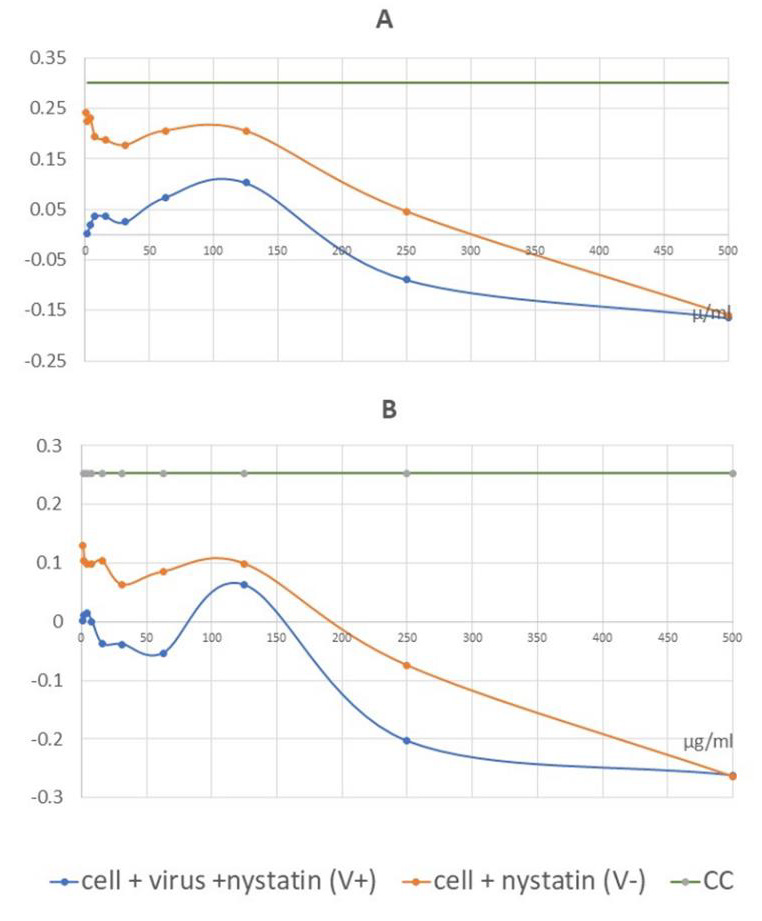
Journals on Medical Informatics

Comparing the Workplace Organization Method 5s with the 7 Wastes (Muda) in Waste and Failure Management Tool, in the Health Care Quality Management

Introduction

The 5S is a workplace organization system [1] designed to help build a quality work environment, both physically and mentally. The 5S condition of a work area is critical to the morale of employees and the basis of customers first impressions. Management’s attitude regarding employees is often reflected in the 5S condition of the work area. The 5S are: (Redesighningcare, 2017) [1] Seiri (sorting or “SORT”), Seiton (set in order or “STREIGTEN”), Seiso (Systematic cleaning or “SHINE”), Seiketsu (Standardizing or “STANDERDIZE”), Shitsuke (Sustaining or “SUSTAIN”) (Figures 1& 2).

biomedres-openaccess-journal-bjstr

Figure 1: Classification of tools [2].

biomedres-openaccess-journal-bjstr

Figure 2: Before and after implementing 5S Methodology [3].

5S – Step 1 – Sort: Eliminate Items

(Marc Karschies, 2017) “When in doubt, move it out” [2]. Inventories can hold significant values of overstocked, expired and/or useless items. Sort items by logical grouping and get rid of unnecessary or expired items to make space for everything else. If you are not sure about something, put it aside for a few days and see if anyone needs it. Sorting Categories includes: [2]
1. Expired stock (Discard),
2. Replaced by different item/ Never used/ Obsolete items (Discard),
3. Does not belong/ To be returned (Returned to correct dept)
4. Stored elsewhere (Move to correct storage)
5. Overstock to be used (Block reorder until used – Kanban),
6. Mystery items (Investigate and then recategorize),
7. Rarely used (Move to less prominent storage location),
8. Patient specific (Move to special storage) (Figure 3).

biomedres-openaccess-journal-bjstr

Figure 3: (Google images, 2021) [3].

5S – Step 2 – Set in Order, Arrange Items

“A place for everything and everything in its place” [2]. Use containers that hold exactly the right quantity to prevent overstock. Use to bin system – time to restock + buffer = bin size; empty bin = reorder. Label items (with pictures) so everyone can find them or put them away (Figure 4).

biomedres-openaccess-journal-bjstr

Figure 4: (Google images, 2021).

5S – Step 3 – Shine. Neat & Clean

Spot problems quickly by keeping the area spotless [2]. Shine regularly. If something is always in the wrong spot, maybe it needs a new home.

5S – Step 4 – Standardize. Consistent Approach

Make sure everyone is doing things the same way [2]. All drawers organized the same way.

5S – Step 5 – Sustain. Maintain Correct Procedures

When clean in the normal, it is time to see what else you can improve [2]. Perform 5S Audits (e.g with laminated preprinted test scripts like “find XYZ”. Is everything in the right place? Is everything in the right quantity? Perform team huddles to identify further improvement opportunities.

Toyota’s (Ohno’s) Seven Forms of Waste [3]

Taiichi Ohno “father” of the Toyota Production System originally identified seven forms of Muda or waste [3].

Transportation

Every time a product is touched or moved unnecessarily there is a risk that it could be damaged, lost, delayed, etc. as well as being a cost for no added value.

Inventory

Whether in the form of raw materials, work-in-progress (WIP), or finished goods, represents a capital outlay that cannot yet produce an income [3].

Motion

Motion refers to the damage and costs inflicted on what creates the product. This can include wear and tear for equipment, repetitive strain injuries for workers or unnecessary downtime.

Waiting

Whenever the product is not in transportation or being processed, it is waiting (typically in a queue).

Overproduction

Making more of a product than is required results in several forms of waste, typically caused by production in large batches.

Over processing

Doing more to a product than is required by the end-customer results in it taking longer and costing more to produce [3].

Defects

Having to discard or rework a product due to earlier defective work [3] (Figure 5).

biomedres-openaccess-journal-bjstr

Figure 5: (Lean manufacturing tools, 2021).

Methods

The Author of this article has chosen literature review methodology of 18 random research articles and quality management websites. By reviewing the literature, we have chosen 10 different points in 18 articles discussing or agreeing on where 5S and 7 Muda are beneficial. Most of the chosen articles discusses the quality management in the health sector and their benefits. The 5S management method [4] (where 5S stands for sort, set in order, shine, standardize, and sustain) was originally implemented by manufacturing enterprises in Japan. It was then introduced to the manufacturing sector in the West and eventually applied to the health sector for organizing and standardizing the workplace. 5S has recently received attention as a potential solution for [4] improving government health-care services in low- and middleincome countries. The 5S has the potential to improve [5] client satisfaction at resource-poor health facilities and could therefore be recommended as a strategic option for improving the quality of healthcare service in low- and middle-income countries. To explore more effective intervention modalities, further studies need to address [5] the mechanisms by which 5S leads to attitude changes in healthcare staff.

The pilot intervention of the 5S management method [6] was perceived to have improved the quality of healthcare services and staff motivation in a resource-poor healthcare facility with a disorderly work environment in Senegal. Quantitative and qualitative research based on a larger-scale intervention would be needed to elaborate and validate these findings and to identify the [6] cost-effectiveness of such intervention in low- and middleincome countries. Dental caries and periodontal disease [7] are common in elderly with AD. These dental problems are ambulatory care-sensitive conditions, where effective community dental care can help to prevent the need for hospital admission. 5S is a problem-solving approach to helping elderly with AD [7] build and sustain effective oral hygiene practices for improving their oral health. Irritable Bowel syndrome IBS specialists [8] from around the world established by consensus two best practice charters: the 5S Principles and the 5C Concept. The 5S Principles were conceived to provide health care providers with key guidance for improving clinical practice based on best management approaches. They comprise the following categories: Stage the disease; Stratify patients; Set treatment goals; Select appropriate treatment; and Supervise therapy. Optimized management of patients with IBD based on the 5S Principles can be [8] achieved most effectively within an optimized clinical care environment.

Measure and Statistical Analysis (Table 1 & Figure 6)

biomedres-openaccess-journal-bjstr

Figure 6: SPSS Diagram regarding showing 10 points agrees by 18 articles.

biomedres-openaccess-journal-bjstr

Table 1: 18 Journal Articles Discusses and Agrees to the Following 10 Points.

Results

There is a table and SPSS diagram representing the literature review regarding 18 articles including quality management website. Table title is (18 JOURNAL ARTICLES DISCUSSES AND AGREES TO THE FOLLOWING 10 POINTS). SPSS diagram clearly shows the number of times each article discusses the chosen 10 points. The 10 points includes the agreement of points beneficial for health sector by using 5S and 7 Muda methodology. The healthcare organization is the place [9] where defects and mistakes cannot be tolerated. A simple mistake can cost a human life so defects or mistakes must be eliminated in healthcare service processes. The LSS methodology optimizes the average reduction of a desired process. The expected results can be reductions in several aspects of healthcare such as patient waiting time in emergency departments, lost charges for billing in patient financial services, delinquent medical records, diagnostic result turnaround [9] times, accounts receivable days, patients’ length of stay, or medication errors. Findings lean six sigma LSS is a powerful process improvement [10] methodology that could be applied by health-care sectors to reduce medication errors, increase patient safety and reduce operational costs. Common Lean and Six Sigma tools play a significant role in improving and sustaining the medication process. Practical implications It is necessary for the project team to select the most appropriate LSS tools to address medication process problems. Adoption of a LSS [10] roadmap could help health-care organizations in the successful implementation of LSS. Lean and Six Sigma can be considered [11] valuable process optimization approaches in acute health care settings. The success of their implementation requires significant participation of clinical personnel from the frontline as well as clinical leaders and managers. More research is needed to better understand the factors of success and the barriers to their [11] implementation, as well as their long-term impact.

Discussion

The Medical record department (MRD) [12] is the critical department for the hospital information system and, therefore, the continuous improvement of its services and processes, through scientific methods such as Lean management, are essential. The benefits of Lean for healthcare organizations are that first, the quality of the outcomes in terms of mistakes and errors improves. The second is [12] that the amount of time taken through the whole process significantly improves. Lean and Six Sigma are (Janet H Sanders and Tedd Karr, 2015) continuous improvement methodologies that have garnered international fame for improving manufacturing and service processes. Six Sigma’s Define, Measure, Analyze, Improve, and Control methodology is very similar to good medical practice: first, relevant information is obtained and assembled; second, a careful and thorough diagnosis is completed; third, a treatment is proposed and implemented; and fourth, checks are [13] made to determine if the treatment was effective. The role of Six Sigma philosophy in improvement [14] of the quality of healthcare services is recognized both by researchers and by quality practitioners; discrete-event simulation models are commonly used to improve the key performance measures of patient care delivery. The two approaches are seldom referenced and implemented together however, they [14] could be successfully integrated to carry out quality improvement programs. Six Sigma’s data measurement and process [15] improvement methodology is the impetus for health care organizations to rethink their workflow and reduce malpractice. It involves measuring, recording and reporting data on a regular basis. This enables the administration to monitor workflow continuously. Implementation of the design, measure, analyse, improve and control (DMAIC) improvement cycle, workflow chart, fishbone diagrams and Pareto charts [15] were employed, together with rigorous data collection in the department [16-18].

Conclusion

To conclude the article, 18 of the articles including the quality management websites agrees on the use of 5S and 7 Muda methodology. Different organization around the globe are using 5S and 7 Muda methodology to get benefits for improvement of their health care system. The step-by-step process of 5S and 7 Muda methodology is smart way to start, monitor, finish and follow up the broken health system in several countries.

For More Articles: Biomedical Journal Impact Factor: https://biomedres.us
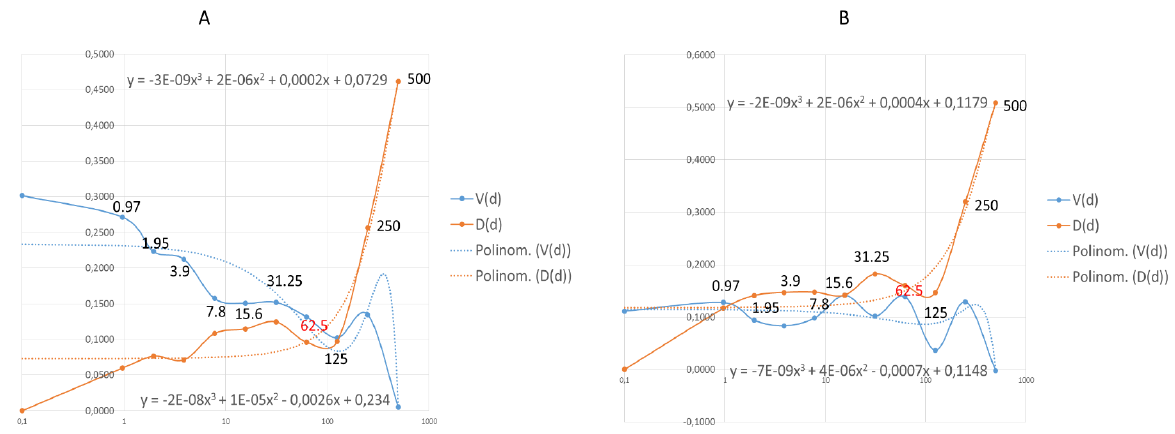
Open Access Journals on Medical Research

Use of Acetate for the Management of Patients with Staphylococcus Aureus Sepsis

Introduction

Staphylococcus aureus is an opportunistic pathogen that normally colonizes the anterior nostrils of humans, it is one of the most frequent causes of local infections in the skin, where it becomes an entrance to the deeper tissues, where it could give rise to infections fatalities such as sepsis and / or endocarditis [1] Sepsis is the systemic inflammatory response to infection. There are risk factors associated with Staphylococcus aureus sepsis, advanced age, infants, the presence of additional comorbidities such as diabetes, kidney disease, HIV infection, presence of medical devices, application of parenteral drugs Staphylococcus aureus produces clearance from the bloodstream by the immune system, and how this pathogen hijacks the host’s coagulation and defense systems and interacts more with the endothelium of blood vessels where the vessel wall allows the invading pathogen to directly damage the endothelium for its secreted toxins, such as alpha-toxin and superantigens that activate the endothelium, further increasing endothelial dysfunction, aberrant clotting, and vascular leakage [1] The annual incidence of sepsis caused by this pathogen has been increasing in recent years is 4.31 to 38.22 per 100,000 person years in the United States. Their mortality can be 20% despite treatment [2] In the management of fluid resuscitation plays an important role the emergence of the use of crystalloid solutions have predictive benefits and effects on the health of the patient The objective of our work is to analyze acetate management in patients with Staphylococcus aureus septicemia.

Methodology

A detailed bibliographic search of information published in the databases pubmed, Elsevier, scielo, national and international libraries is carried out. The following descriptors were used Staphylococcus aureus, sepsis, acetate. The search for articles was carried out in Spanish and English, it was not limited by year of publication.

Results

Staphylococcus are a large group of gram positive bacteria, these are distinguished by their groupings that resemble bunches of grapes (Figure 1), this genus of bacteria is characterized by its great adaptability and easy spread [3]. Staphylococcus aureus is part of the normal human flora, between 25 and 50% of the healthy population is colonized by this bacterium, constituting a risk due to its dissemination [4] The pathogenicity of the Staphylococcus aureus species is related to the components of its surface, the pathogenesis caused by the microorganism is due to the decrease in host immunity and virulence factors (that is, the ability to inflict damage to the Guest) [1]. They are the most frequent cause of infections in the skin and soft tissues, the majority are usually selflimited although sometimes it becomes the pathway of entry of the pathogen to deeper tissues and the bloodstream, the presence of Staphylococcus aureus in the bloodstream can lead to sepsis where there is an immunosuppressive response accompanied by inflammation.
In the human body, there is a series of defense mechanisms at the time when staphylococcus aureus enters the bloodstream, it is initially eliminated by the kupffer cells (hepatic macrophages) this process occurs with the help of circulating platelets that they do is bind to the surface of the macrophage, enclosing it for the phagocytization process to be effective. There are strains of Staphylococcus aureus that can evade this process, they can survive and multiply in the macrophage, becoming a source of dissemination [1]. The second line of defense of phagocytosis is activated portal circulation neutrophils, where a small percentage of bacteria can survive intracellularly, thus giving a systemic spread [1]. Later in staphylococcus aureus sepsis, there is an activation of prothrombin and other clotting factors, by the bacteria binding to fibrinogen and using it to cross-link individual cells to form large fibrinogen-coated clumps [1].
Endoletial damage occurs, the microorganism has the ability to adhere to the endothelium, this allows the invading pathogen to directly damage the wall of the vessel by its secreted toxins, such as alpha-toxin and superantigens that activate the endothelium, which further increases dysfunction endothelial, aberrant coagulation and vascular leak [1] Sepsis is one of the most common critical care problems with high morbidity and mortality, it is the main cause of acute kidney injury. Treatment must be essential for the patient to lead to improvement and have less risk and adverse effects [5]. Intravenous fluids are the mainstay of treatment in patients with hypovolemia due to severe sepsis, we currently have colloid and crystalloid solutions for the management of electrolyte therapy. But a controversy has arisen in which we should use, which will bring the best benefit for these patients [5]. Colloids such as dextrans, hydroxyethyl starch, are plasma volume expanders and have been associated with adverse effects such as renal failure with the need for renal replacement techniques, even increasing the risk of death. On the other hand, we found that crystalloid solutions such as Ringer’s Acetate, a clinical benefit with crystalloid is demonstrated in various studies, they contain less concentration of chlorine and sodium [6,7].

biomedres-openaccess-journal-bjstr

Figure 1: Staphylococcus aureus in clusters.

Discussion

It has been shown that part of the action of acetate can occur through the activation of the G-protein-coupled receptor, Gpr43 [8]. These receptors are commonly activated by short-chain fatty acids acetate, propionate and butyrate, ligands that originate from bacteria. anaerobic in the intestine as by-products of fermentation [9], the activation of these receptors allows neutrophils to trigger an antimicrobial response after an additional pro-inflammatory stimulation [10], in addition, the increase in the expression of GPR43 in blood cells is related to a longer survival of septic patients [11]. Through acetate treatment, neutrophils are prepared in a GPR43-dependent manner, leading to increased neutrophil chemotaxis, bacterial death, and better resolution of inflammation and the outcome of sepsis [12]. A study reported that through the action of Gpr43, the apoptosis of neutrophils was induced and the resolution of inflammation, it was also evidenced that acetate regulates acute inflammation by promoting caspase-dependent apoptosis of neutrophils, efferocytosis and leading to a decrease in the inflammatory process inflammation. Resolution of neutrophilic inflammation was associated with decreased NF-κB activity and increased production of anti-inflammatory mediators, including IL- 10, TGF-β, and annexin A1 [8].

Conclusion

Staphylococcus aureus sepsis has a high incidence, mortality, and morbidity rate. Currently there are new drug therapies that can help to have a better evolution of those who suffer from it, where we can highlight the use of sodium acetate; This acts through the Grp43 receptor where it causes apoptosis of neutrophils and therefore the resolution of inflammation. Its use should be more implemented.

For More Articles: Biomedical Journal Impact Factor: https://biomedres.us

Journals on Medical Research

Successful Treatment of a Chronically Infected and Occluded Aorto-Bifemoral Dacron® Bypass with Bacteriophages

In vascular surgery, infections of the vascular grafts are considered to be severe complications [1]. Especially infections of aortic grafts are associated with a high morbidity and mortality of up to 75 % [2]. Since these procedures are often performed in patients with multiple comorbidities, the required explantation of the infected graft and the extensive struggle with the related abdominal infection is related with an early postoperative morbidity and mortality of even over 20 % [3]. Despite the initial achievement of a successful treatment, the general rate of reinfection can be up to 20 % of cases [4]. This is mainly due to bacterial colonies embedded in the peri-prosthetic tissue, which then form a surface-adherent biofilm and hence have an up to 1000-fold greater resistance to antibiotic administration [5]. Even a targeted antibiosis appropriate to antimicrobial susceptibility testing can only suppress a graft infection but does not constitute a curative treatment option [6]. The most common pathogenic bacteria associated with graft inflammation are Staphylococcus aureus, Staphylococcus epidermidis and other coagulase-negative staphylococci, Enterobacterales, Pseudomonas aeruginosa and corynebacteria [7]. These bacteria regularly enhance their specific virulence by attaching to the prosthetic material, and hence averting the local immune response by forming biofilms, that hinder phagocytosis. Furthermore, systemic antibiotic therapy is often inadequate due to the lack of effective saturation concentrations within the inflammatory periprosthetic tissue. In order to reduce the morbidity and mortality associated with the often inevitable surgical treatment, less invasive approaches to adequately treat the infection of the surrounding tissue are urgently needed. In this context, bacteriophages and their bacteriolytic activity are a promising therapeutic option.

Case

In November 2020, a 66 year-old male patient was referred to the emergency ward by his general practitioner with the clinical symptom of an acute abdomen. The examination revealed ubiquitous tenderness on all quadrants with peritonism in the lower abdomen. An infection with SARS-CoV-2 was ruled out. Further examination showed an elevated body temperature of 39.2 °C, and blood testing revealed a leukocyte count of 9.4 x 10⁹/l, as well as an elevated serum C-reactive protein of 90.2 mg/l. The chest X-ray depicted no evidence of pneumonia. An endocarditis was ruled out. Calculated antibiotic therapy with ampicillin/sulbactam was started in the usual dosage intravenously. Blood cultures were positive for Methicillin-susceptible Staphylococcus aureus. Secondary findings included the status of ubiquitous arterial occlusive disease. Due to the necessity of numerous vascular operations on both legs, the patient had eventually undergone a thigh amputation on the right side 12 months earlier; the left side revealed a chronically occluded polytetrafluorethylen (PTFE) Stockmann bypass still in situ.

After various transfemoral surgical recanalization attempts in the anamnesis, there were hostile tissue conditions bifemoral with a chronic wound infection leading to exposed graft material. Wound swabs exposed the presence of Staphylococcus aureus and Escherichia coli, indicating a polymicrobial infection. The peripheral blood flow of the lower limbs was compensated. Initially, a CT scan of the abdomen was performed, whereupon an occluded and infected aorto-bifemoral graft was assumed. The subsequently performed PET- CT scan displayed a visibly increased metabolic activity in the area of the graft, so that we diagnosed a chronically occluded and infected aorto-bifemoral prosthetic bypass with subsequential bifemoral infections, leading to the cutaneous wound healing disorder (Figure 1). Due to the patient’s comorbidities, we generally intended an operation and anesthesia time as short as possible with an efficacious treatment by explanting the prosthetic bypass. Further we planned to forego a lavage program for the septic abdomen and intended a primary closure of the abdomen.

In order to treat the local inflammation in the abdominal and femoral areas in the long term intra- and postoperatively, the use of bacteriophages was considered to be plausible alternative therapy option in this case. The patient himself favored an alternative solution compared to an indefinite lasting systemical antibacterial treatment. Therefore, an experimental approach using local bacteriophage application was intended as a last resort treatment in line with Article 37 of the Declaration of Helsinki and in unity with the local ethics committee (A 2021-0208).

biomedres-openaccess-journal-bjstr

Figure 1: Preoperative PET-CT.
Preoperative PET-CT imaging with increased metabolic activity in the area of the aortobifemoral Dacron® bypass as well as the enhancement surrounding the femoral chronic wound infection.

Bacteriophage Treatment

As a curative therapeutic strategy an intra and extra abdominal application of SniPha 360 (Phage24.com, Austria) was executed. SniPha 360 is a commercially available bacteriophage cocktail of lytic bacteriophages against Escherichia coli, Staphylococcus aureus, Pseudomonas aeruginosa, Streptococcus pyogenes, Proteus vulgaris and Proteus mirabilis. After outlining the potential risks but also benefits of the experimental procedure, the patient consented to the therapy. When performing the relaparotomy, cloudy fluid appeared within the abdomen. After an initial lavage, the retroperitoneum was opened, and the proximal aorta was prepared for clamping. The aorto- bifemoral Dacron® prosthesis presented a shell of a biofilm and was embedded in putrid fluid. The infected aortic prosthesis was extirpated, and the aorta was then sutured over. The prosthesis was retrieved femorally after mobilization of the legs of the prosthesis. The bacteriophage suspension was instilled on Tabotamb-Snow®, which was placed retroperitoneally around the infection.

The retroperitoneum and abdomen were primarily closed without further drainage. After removing the femoral anastomoses, the wound conditions were debrided, mobilized and lavaged with a sharp spoon. A bacteriophage-soaked fleece was then placed bilaterally on the femoral side by the same principle, and the wounds were closed again without further drainage (Figure 2). The operation time was 52 minutes, without significant blood loss. Subsequently the patient could be taken to the intensive care unit and extubated without the need for catecholamines. After 10 days of hospitalization, the patient could be discharged with subjective well-being, irritation-free wound conditions and normal findings for inflammatory values in the blood. PET-CT imaging at three months post intervention did not show signs of infection enclosing the aorta or both femoral regions (Figure 3).

biomedres-openaccess-journal-bjstr

Figure 2: Intraoperative images
Intraoperative pictures showing infected aorto-bifemoral Dacron® bypass. Bacteriophage suspension application on a Tabotamb-Snow®, which was placed retroperitoneally.

biomedres-openaccess-journal-bjstr

Figure 3: Postoperative PET-CT
Postoperative PET-CT imaging showing no increased metabolic activity surrounding the bypass.

Discussion

This case demonstrates a successful treatment of a chronically infected occluded aorto-bifemoral Dacron® bypass by a local bacteriophage application. It is assumed that around 50-65% of prosthesis infections are a result of bacterial contamination during surgery [7-10]. A general distinction is made between early (up to 30 days postoperatively) and late infections, although the classification is arbitrary [7,10,11]. Early prosthesis infections are often assumed to be a consequence of intraoperative contamination and late infections to be a result of hematogenous bacterial spread, but profound evidence for this is limited. Late infections are usually caused by insufficient tissue integration of the prosthesis into the graft bed. Common pathogenic agents are staphylococci, enterobacteria and corynebacteria [7,10]. Bacteriophages (or simply ‘phages’; Greek: “bacteria eater”) are viruses that selectively infect bacterial cells and were first described in 1917 by the Canadian Félix Hubert d’Hérelle [12].

Currently Bacteriophages are known as a potent anti-bacterial treatment due to their lytic activity [13]. They are considerably stable when exposed to the inflammatory environment and contribute significantly to the regulation of global bacterial mass. A bacteriophage can only multiply where its host is. They are highly specific and therefore predominantly affect strains within one bacterial species, rarely crossing species boundaries [14]. In the first (lytic) cycle of viral reproduction, phages kill their corresponding bacteria through lysis: once infected, the bacterium host cell then starts the process of reproduction, the destruction of the bacterium, and the release of new phage particles; this process is controlled by enzymes and an interaction of bacterial and phage genes. In the second (lysogenic) cycle, the bacteriophage nucleic acid is integrated into the host bacterium’s genome or forms a circular replicon in the bacterial cytoplasm. Compared to other antibacterial therapeutic strategies like local Rifampine treatment [6], no cytotoxic effects on vascular cells could be found for bacteriophages [15].

In addition, they are effective on multi-drug resistant bacteria as well as biofilm-organized bacteria. Recently, in a case series of eight patients with infections of vascular grafts, surgical wounds or implanted medical devices further demonstrated the feasibility of using different bacteriophages with lytic activity for successful treatment of bacterial infections [16]. Although bacteriophages were used for successful treatment of infections of vascular implants, bacteriophage treatment is still not common and not an officially recommended option for infections in the westernized hemisphere [17]. The retro- and intraabdominal application of phages directly to the infection site ensured a maximum concentration, contact time and invasion of the bacteriophages into the infected peri graft tissue. We were able to perform a short operation time, a definite treatment in respect to complete skin/wound closure and the forego of any drainages. No bacteriophage related clinical adverse events had been detected in our case. A three-month follow-up PETCT scan revealed no signs of infections. It could be assumed that the bacteriophage treatment was successful.

In order to treat the local inflammation in the abdominal and femoral areas in the long term intra- and postoperatively, we perceived the use of bacteriophages as an alternative therapy option in antibacterial local therapy. However, there is an ongoing follow-up for the patient to assure a lasting treatment success. In summary, this case report demonstrates that bacteriophage treatment could be a curative treatment option for patients with bacterial graft- and peri graft infections that are not suitable for extensive surgical approaches.

For More Articles: Biomedical Journal Impact Factor: https://biomedres.us
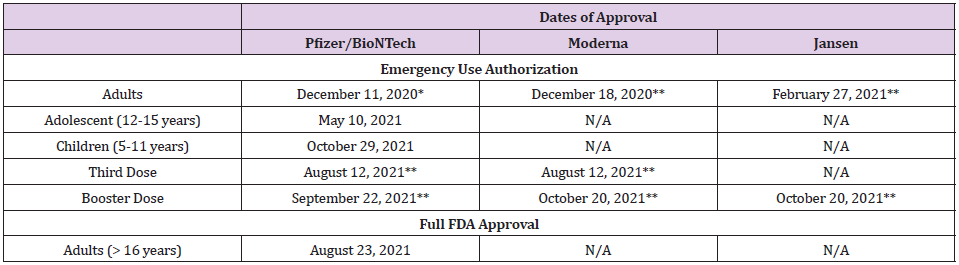
Open Access Journals on Medical Research

Diagnostic Approach in X-Linked Adrenoleukodystrophy in the Pediatric Patient. A Case Report

Introduction

X-linked adrenoleukodystrophy (X-ALD) is the most common peroxisomal disorder, caused by mutations in the ABCD1 locus Xq28 gene due to deficiency of the ALDP protein of the peroxisomal membrane resulting in accumulation of long-chain fatty acids (VLCFA) mainly in the adrenal cortex and central nervous system [1]. It has an incidence of 1 in 21,000 hemizygotes and 1 in 16,800 in heterozygotes. Cerebral infantile X-ALD is the most devastating and progressive phenotype, occurs between three and ten years (peak seven years) is characterized by developmental regression, severe sensory and neurological deficits, in addition to clinical data characteristic of adrenal insufficiency (Addison) [2].

Case Presentation

A 7-year-old boy with no major medical or perinatal history. He started his current condition 6 months ago with asthenia and adynamia, loss of previously learned fine motor skills (buttoning pants, tying shoes), decreased interaction with people and impaired academic performance. Likewise, areas of hyperpigmentation were observed in folds (neck, armpits, elbows, English), so he was requested levels of Adrenocorticotropa hormone ACTH levels of 5455pg/ml (normal: 12 – 76pg/ml) and serum cortisol within normal limits for age. Prednisolone was started at physiological doses. He presented an episode of adrenal crisis secondary to community-acquired pneumonia, so the dose was adjusted to stress doses in the previous 5 months. In this hospitalization, contrasted brain Magnetic Resonance Imaging (MRI) was performed, where hyperintensity was found in the T2 sequence at the level of the white matter in the posterior region of the parietal and occipital lobes, as well as at the level of the midbrain and bridge (Figure 1). He was send to the Genetics department with suspicion of X-linked adrenoleukodystrophy. During his follow-up by Pediatric Endocrinology 2 months after diagnosis, he presented progression of neurological deterioration with ataxic gait, impaired verbal communication and urinary and fecal incontinence. The Genetics department who started management with Lorenzo’s oil (40ml/ day) and lovastatin, as well as a diet low in fatty acids, and requested serum determination of very long chain fatty acids (VLCFA) evaluated him. A follow-up was carried out for 3 months, finding poor response to treatment with persistent cognitive impairment, spasticity and rigidity.

biomedres-openaccess-journal-bjstr

Figure 1: Contrast Brain MRI in T2 sequence.
A. Hyper uptake in the region of the internal capsules and parietal lobes;
B. Hyper uptake is observed in the thalamus, as well as in the white matter of the parietal lobes;
C. Hyper uptake is observed in the corpus callosum, in the bridge and mesencephalon.

Discussion

More than 800 variants in the ABCD1 gene mutation are described, which cause defects in ALDP (adrenoleukodystrophy protein) resulting in the elevation of VLCFA mainly hexadecanoic acids (C26:0) and lignoceric acids (C24:0), causing the accumulation of these in the central nervous system among other tissues [1,2]. VLCFA modify phosphatidylcholine in the myelin membrane can cause instability and inflammation due to altered β-oxidation peroxisomal and increased fatty acid elongation, elevated levels of VLCFA in membranes alter myelin structure and function, this mechanism is described in cerebral adrenoleukodystrophy (CALD) [1]. This causes damage to the endothelium of the cerebral microvasculature critical for the initiation and progression of inflammatory demyelination, tight junction proteins have been shown in autopsies to be displaced, along with massive bloodbrain barrier disruption [1,2]. X-ALD is sensitive to oxidative stress that arises from accumulation of VLCFA and when an excess of free radicals occur they cause the opening of the transition pore of mitochondrial permeability resulting in cell death [1]. Clinical phenotypes of ALD have been described: cerebral infantile, adrenomyeloneuropathy (AMN) and primary adrenal insufficiency [2]. Due to the natural evolution of the disease the phenotypes actually represent a spectrum of the condition, practically all males with ALD will develop adrenal insufficiency and progressive myelopathy in adulthood, and may also develop rapidly progressive cerebral demyelination, which can occur during childhood, but also in adulthood [2].

ALD initially presents as adrenal insufficiency between the ages of 3-10 years, of these 35-40% may progress to a rapidly progressive form of inflammatory demyelination (CALD), leading to progressive neurological deterioration with a peak incidence observed between the ages of 3-8 years causing a vegetative state until death within 2-3 years [2,3]. It is clear that other factors modulate this phenotypic conversion in addition that there is an average delay in the diagnosis of adrenal insufficiency of 3.5 years, which is considered a predetermining factor for clinical progression since an asymptomatic period may be followed [2,3]. The presentation of the clinical case had a delay in the diagnosis of more than 6 months, combining the progression of the disease with clinical data such as asthenia and adynamia in addition to hyperpigmentation at the same time demonstrating manifestations of adrenal insufficiency, it is necessary to start the approach by assessing adrenal function [3]. Adding affectation of fine motor skills involvement suggests brain magnetic resonance imaging (MRI) to rule out brain tumor, neuro infection or autoimmune encephalitis [4]. Brain magnetic resonance imaging (MRI) demonstrates demyelination of the brain white matter, which usually precedes clinical symptoms, ALD brain lesions are initially observed in the splenium of the corpus callosum and the parieto occipital white matter [4,5].
Given the age of the patient, the insidious and progressive onset together with the episode of adrenal crisis provoked by an infection in addition to the data provided by the MRI with which a Loes score of 6 was obtained, it is necessary to approach the patient as a childhood cerebral phenotype of ALD, requesting VLCFA levels [4,5]. Plasma VLCFA analysis is the most commonly used diagnostic test for ALD in men [3]. Given the prevalence of 1 in 21,000 newborns in addition to the difficulty in detecting ADL-X in female patients due to negative family history with onset between the ages of 30- 40 years plus few clinical data (progressive spastic paraparesis more common presentation after age 60) and the need for a panel of laboratory tests [2,3]. In February 2016, newborn screening for X-ALD was added to the recommended uniform screening panel in the United States since ALD has been identified as a newborn screening condition (Figure 2) [2,3]. It was recommended that asymptomatic males identified by newborn screening in New York should have their adrenal function quantitatively assessed every 6 months and the first brain MRI performed until 12 months, then annually until age 3 years, then every 6 months, until age 10 years, and annually thereafter [3]. Once identified, it is suggested to refer the family for counseling, as well as confirmatory tests in the members that require them, in addition, the adrenal function is assessed, since it has been demonstrated that in newborn patients there is biochemical evidence of adrenal insufficiency from 5 weeks and at 4.5 months [2,3].

biomedres-openaccess-journal-bjstr

Figure 2: Proposed algorithm for the diagnosis of ALD-X. It is suggested to investigate clinical history in women with clinical data and perform newborn screening [3]. Normal values VLCFA C24:0/C22:0 0.84μg/mL C26:0/C22:0 0.01μg/mL.

Follow-up with brain MRI is suggested to assess disease progression [3,5]. Abnormalities in MRI are evaluated using the Loes scale, points are awarded based on location, extent of brain parenchymal signal changes, ALD patterns, and the presence of focal and global atrophy [5]. Hyperintensity in T1 or T2 may be seen in areas including white matter: supratentorial, corpus callosum, visual pathway, frontopontine or corticospinal tract and major projection fibers [4,5]. The score is rated from 0 (no evidence of disease) to 34 (severe involvement). 5 In conjunction, the neurological function scale that evaluates the clinical progression of the disease in the patient has been used, in our case resulting in a score of 11 (Table 1) [4]. Both scales should be used to assess progression at a minimum of 1 follow-up evaluation [4,5]. CALD is defined as arrested CALD ≥ 2 consecutive MRI scans within a minimum of 6 months with no increase in Loes Score, no contrast enhancement and no progression of brain symptoms (neurological function scale) [4,5]. There is a limitation in the treatment therapies used in patients with ALD, once the diagnosis is made therapeutic interventions are indicated when the Loes score is between 0.5- 9.2.6 Allogeneic hematopoietic stem cell transplantation is effective for cerebral ALD in the early stages of the disease (Loes 0. 5-9 and neurological function score ≤ 1) allowing to stop the disease progression at the brain level, for symptomatic patients with a Loes score ≥ 10 transplantation produces unfavorable results [4,6]. Transplantation does not alter the progression of adrenal insufficiency so corticosteroid replacement should be initiated, hydrocortisone is the glucocorticoid of choice in children and should be started at stress doses as soon as adrenal insufficiency is diagnosed [3].

biomedres-openaccess-journal-bjstr

Table 1: Assessment of brain involvement. Neurologic Function Scale is used to evaluate the general clinical neurologic status in patients with CALD to determine the degree of risk prior to stem cell transplantation and post-transplant for follow-up [4]. A score of 0 represents no signs of brain disease but more severe signs (*) represent 12 points that determine a high-risk progression domain [4]. Loes < 10 are considered seriously for allogeneic hematopoietic stem cell transplantation at standard risk. Loes > 10 have a more complicated.

Supportive therapies such as Lorenzo’s oil (GTO/GTE) (mixture of glycerol trioleate [GTO] and glycerol trierucate [GTE] in a ratio 4: 1, at doses 2-3ml/kg/day, this reduces the synthesis of very long chain fatty acids (VLCFA) by competitive inhibition of the enzyme responsible for the elongation of saturated fatty acids, but is ineffective in halting disease progression (CALD). Metabolic modulators such as bezafibrate demonstrated a reduction of VLCFA in ALD fibroblasts, but not in plasma, recently a combination of multiple antioxidants at high doses normalizes biomarkers of oxidative damage and inflammation [2,6].

Conclusion

In this case, the importance of making a diagnosis when clinical suspicion persists, recognizing disease patterns with mild to severe patient-dependent manifestations, which are used to assess disease prognosis, as well as the importance of VLCFA analysis to prompt diagnosis of ALD early to allow hormone replacement and prevent disease progression to a devastating phenotype. MRI images of the brain obtained as part of the patient evaluation are used to determine the use of a specific therapy by assessing the risk-benefit ratio, as well as to evaluate progression and determine if the disease is arrested.

For More Articles: Biomedical Journal Impact Factor: https://biomedres.us