Biomedical Journal of Scientific & Technical Research (BJSTR) is a multidisciplinary, scholarly Open Access publisher focused on Genetic, Biomedical and Remedial missions in relation with Technical Knowledge as well.
The Global Challenge of Colistin Resistance – Recent Evidence from Romania and Elsewhere
Colistin and Colistin Resistance
Colistin is a cationic polypeptide antibiotic from the polymyxin family, which includes polymyxin E (colistin) and polymyxin B. It was discovered in 1947 when it was isolated from the bacillus Paenibacillus polymyxa subsp. colistinus [1,2]. Its main activity mechanisms involve the displacement of calcium and magnesium ions from lipopolysaccharides, leading to a disruption in the permeability of the outer cellular membrane, as well as the inhibition of the type II NADH-quinone oxidoreductases, which is a crucial respiratory enzyme in the inner membrane of the Gram-negative strains [3,4]. Polymyxin E exerts a swift and strong bactericidal effect on Pseudomonas aeruginosa, Acinetobacter baumannii, and most bacilli from the Enterobacterales family, except for Proteus spp., Providencia spp., Serratia spp., Morganella spp., which are naturally resistant to colistin [5]. Mutations and adaptation are the most important mechanisms of bacterial acquired resistance to polymyxin E. Because LPS is the major target of colistin it is clearly that the first mechanisms of resistance will appear at this level [5,6]. For Klebsiella pneumoniae strains, the modification of the mgrB gene is the most important mechanism of resistance to colistin [7]. Regarding A. baumannii strains, the alteration of the lpxA, lpxC and lpxD genes determine inhibition of lipid A synthesis and, as a consequence, colistin will lose the binding to bacterial cell [8]. Porin mutations and upregulation of efflux pump systems are other possible mechanisms of resistance to colistin, which results of a combination of both [5]. Prior to 2015, resistance to colistin was explained by means of chromosomal mutations, but then new research uncovered genetic resistance that can be plasmid-mediated [9]. Over the last years, for Escherichia coli and K. pneumoniae strains have been reported plasmid mediated resistance genes, mcr, which encodes phosphoethanolamine transferase [10]. Traditional microbiology methods, as well as phenotyping and molecular biology techniques, are some of the ways in which resistance to colistin may be highlighted, the gold standard in this regard being the broth microdilution test. Recent evidence and epidemiologic studies have helped raise the alarm among the medical community and add a shared sense of urgency to the conversation.
Evidence of Increasing Colistin Resistance
An extended study driven in Switzerland during 2011-2015 analyzed colistin-susceptibility for 10,824 strains (9,229 isolates of E. coli and 1,595 isolates of K. pneumoniae) and the risk factors for those proved to be colistin-resistant. 53 patients had colistinresistant strains and the major risk factor was previous carbapenem exposure [11]. Between 2013 and 2017 426 strains (18.5%) of carbapenem resistant K. pneumoniae were isolated from several healthcare settings from Serbia; 10.6% (a total of 45 clinical isolates) of them were colistin resistant [12]. A study conducted in South Africa in 2016-2017 revealed that colistin-resistant A. baumannii happened as a consequence of the clonal spread. This was the first report of this kind in that region. A possible explanation was the presence of colistin-susceptible strains that were genetically correlated in the same hospital, at the same time [13]. By 2017, up to 8.5% of strains were found to be colistinresistant (2.4% for K. pneumoniae), the highest reported incidence being in Greece and Italy [14]. One year later, the World Health Organization elevated polymyxins to the level of criticallyimportant antimicrobial agents, recommending that colistin be used only in the treatment of infections with Gram-negative bacilli already multidrug-resistant [15]. During 2011-2018, Macesic, et al. [16] identified 665 patients with carbapenem-resistant and 106 patients with colistin-resistant K. pneumoniae strains. In 48% patients the first K. pneumoniae polymyxin-resistant isolate was linked to an infection of the respiratory tract. Consecutively to the detection of colistin-resistant K. pneumoniae the 7-day and 30-day all-cause mortality rates raised from 13% and 32%, respectively, to 15% and 38%, respectively. The mechanisms of polymyxin resistance were heterogenous, leading to the conclusion that, in most occasions, polymyxin-resistant strains emerge after colistin treatment rather than clonal dissemination. According to a recent study, no fewer than 590 strains of colistin-resistant K. pneumoniae were identified in six countries: 438 in Turkey, 86 in Iran, 24 in Saudi Arabia, 31 in the United Arab Emirates, 5 in Kuwait, 3 in Israel, and another 3 in Lebanon, between 2013 and 2018. The mgrB gene was found to be involved in the resistance mechanism [17]. In another study from 2020, in Turkey, from a total of 150 strains of Enterobacterales isolated in pediatric patients suffering from infections, 41% were resistant to carbapenems and 15% to colistin. The reported risk factors for colistin resistance in these cases were mechanical ventilation, urinary catheterization, and the associated pathology of necrotizing enterocolitis [18]. The presence of the gene mcr-1 and colistin resistance were monitored over a 5-year period (2014-2019) in patients infected with carbapenem-resistant Enterobacterales strains, who were administered colistin as part of their treatment. At the beginning, the incidence of strains carrying the mcr-1 gene was low (0.41%), but then it began to rise (1.38%), especially once colistin was introduced. This pointed to the hypothesis that polymyxin E was responsible for triggering the mcr-1 gene. The fact that the colistin minimal inhibitory concentration increased from <2 mg/L in 80% of the strains to 2 mg/L in 100% of the strains in a relatively short amount of time was yet another reason of concern [19]. In India, by 2020, 2499 strains of Klebsiella spp. were isolated from urine, sputum, broncho-alveolar lavage, blood culture and pus, in patients hospitalized in intensive care unit; 8.75% of colistinresistant Klebsiella spp. were isolated from blood specimens, 4.26% from urine samples and 4.4% from sputum [20]. Another recent study highlighted the risk factors for patients with colistinresistant Enterobacterales and identified some particular mutations associated with some of the strains isolated. From a total number of 16.373 isolates, 103 were colistin-resistant Enterobacterales strains. The main risk factors associated were: age >55 years and prescription of an antibiotic for no longer than 90 days. The main mutations that were identified from 33 strains, 8 were from E. coli isolates (mcr-1/mcr-1.1 and pmrA/B mutations) and 8 from K. pneumoniae (mgrB and pmrA mutations). Regarding Enterobacter species the mutations were not related to colistin resistant phenotype [21].
Colistin Resistance in Romania
In Romania, in 2015, the presence of four colistin-resistant K. pneumoniae strains with identical PFGE profiles (Pulse-field Gel Electrophoresis) was reported in the cardiac intensive care unit at a university hospital in North-Eastern Romania. Fortunately, they did not produce carbapenemases [22]. However, in a recent study on patients with urinary tract infections, approximately 30% of K. pneumoniae isolates were found to be colistin-resistant and to produce wide-spectrum beta-lactamases [23]. Close monitoring and additional studies are needed in order to attain a more comprehensive understanding of the phenomenon and plan accordingly before the problem aggravates.
Conclusion
The increasing prevalence of multidrug-resistant strains has substantial, far-reaching negative implications for the entire world. The still excessive use of antibiotics and their diminishing effectiveness can limit treatment options to colistin, which we now know is not invulnerable. Invasive medical procedures and prolonged hospitalization can further contribute to the risk of developing resistance to this life-saving medication. In countries like Romania, where data is still scarce but sufficiently concerning, more research and communication need to be conducted with an adequate sense of urgency.
The earth’s society builds, supported by ‹men’s inventions›, with relevant abstract features and intellectual spins, adding personal, communal and sovereign frame standards. The extant ‹nations› distinguish by idioms and governments, enjoying entitled administration and ruling layouts. These characterise the ‹civilisation› idiosyncrasy, assuming peculiar entrustments, such as: a) Divine running: the material world has governance in upper godlike reality; b) Natural backdrop: the universe has inner ruling, due to cosmos’ regularity; c) Interpersonal assignment: the collective steering refers to endorsed edicts. The divine and the natural ‹laws› are total truths, with upper or inner worth, out of man’s span; they offer consistent ‹faiths›: the former, once transcendence is recognised proposition; the latter, if ‹information› immanence qualifies the material reality. The human ‹laws› are contingent forms, with provisional meanings, linked to current contexts. The ‹faiths› in ‹total dualism› or in ‹qualified monism› are a priori guesses; they deserve a posteriori justifying trials, weather theory foundation is expected. The transcendence cannot enjoy direct perception; the cogent immanence admits the ‹matter/information› coherence, vindicating the cosmos’ physics. The third sample allocation has only posteriori evidence, limiting the build-up of ‹knowledge› and ‹science› to what learned and systematised, having agreement of the fellow researchers. We do not deal with total laws; we just acknowledge provisional conjectures [1-5]. In the study, the third entrustment is usual pick, to depict the earth’s society, with the account of how the humankind organises the ‹civilisation› questions. The analyses consider the ‹relational hypotheses›, which explore the personal teaching/ learning, copying/emulation, training/appraisal, etc., to implement the series of software/hardware outfits of the human peoples [6- 11]: • Community organisation: internal infrastructures, for balanced private/public running; • Legality frames: political substructures, for civil behaviours and communal enactments. • Authority schemes: autonomy and sovereignty figures, for independent administrations; • Nation-state operation layouts, to achieve comparative civic and executive performance; • Mutual establishments: economic substructures, for supply chains and trade provision; • Productive setups: business, agrarian and industry devices, for goods and stocks making; • Conversion and restructuring plans: technical and management changes, for throughput. The earth’s society is conservative and intellectual invention, imagining complex sets of mental surveys, to deal with multiple substructures and critical establishments. These software/hardware setups concern the regulation of communities, through internal rules and external safeguards. The idea of structured assemblies brings to rubrics, directives, duties and obligations, all abstract signs, further than material pieces. The intellectual (or spiritual) cues, in keeping with the three starting allocations, have traditionally entailed typifying situations: • Divine ‹laws›, when ‹spirit› has transcendent connotation, to grant absolute rate; • Natural ‹laws›, if ‹matter/information› joining assures kami-driven total worthiness; • Human ‹laws›, if ‹qualified agreement› leads to shared sanctioning of given edicts. With the molecular biology, genome and its information merge: we only need decoding jobs; the natural ‹laws› involve encoded deterministic issues and ‹spirit› degrades to animism, without upper independent steering. With the human intellect, ‹spirit› converts in mind activity, to handle concepts, imagined and shared as community prerequisite. The survey of the software/hardware setups leading the earth’s society, hereafter, analyses the above listed main formats [12-16].
The Core Formats of Earth’s Society
The earth’s society has anthropoid centering, due to interpersonal talents, i.e., ‹idiom›, ‹market› and ‹law›, Figure 1, based on mental activity, once the human ‹mind› forms by learning and training. In some formal approaches, the ‹mind› format has absolute worth, assigning divine/natural origin to the extant ‹legality› frames. These happen as odd ‹beliefs›, but we have already left total trusts, for contingent guesses, when dealing with the human ‹law› frames [17-21]. The earth extant peoples distinguish by idioms and governments, enjoying joint political and economic layouts. The compositions appear native arrangements, with recent worries on financial flops due to lop-sided split-sovereignty and on wealth inequality of the citizens at the nation and at the world ranges. The hindrances are summarised by assessed facts, with well-known essential hints. Yet, the initial discussion of the current formats permits grasping how the earth’s society develops on ‹relational› skills.
Figure 1: The earth’s society: anthropoid setups.
Community Organisation
The earth is negligible planet in the universe, where life courses occur, ensued by living beings with brain-to-mind talent, i.e., intellect. The combined oddities establish complex issues [22-27], by: • Agentive trails: gene evolution, ethnic greediness, active rivalry, clan solidarity; • Relational trails: meme fruition, emulation/simulation abilities, wise rationality. The biology has standard effects: gene evolution› creates many living species, aiming at better-adapted samples, (Figure 2). The ‹mimicry› requires self-awareness, spotting construct as identifying traits. The cognizance courses occur, when mutual completion establishes by personal education with formal gears. The earth’s relational model, typically, avails of three intellection mechanisms: • Communication tools: the population language and the clan dialect; • Market tools: the domestic supply and budget balancing by trading; • Governance tools: the country’s autonomy via sovereign authority.
The ‹selfish gene› affects the relational model, bringing about ‹closed societies› in competition, qualified by idiom and sovereign. The rationality› can suggest switching to ‹altruist meme›, leading to ‹open societies›, at global village consistency. Nonetheless, the ‹closed society› is classic choice: we distinguish citizens from foreigners; the split-sovereignty is coherent standard, to deal with lots of independent ‹nation-states›. The sovereignty happens having citizens’ origin, via ‹Constitution›, which establishes the limits of the government’s acts: the law authenticity resides in citizens; the government has delegated relative power. The ‹people sovereignty› appeared in history periods, when total readings, were no more plausible. Indeed, the authenticity, along centuries, undergoes changes, entailing divine or racial investitures, say, godlike or ethnic worth of the ‹nation›, implying sharp communities’ endpoints.
Figure 2: Hardwae/software formats of the earth’s society.
Legality Frames
The relational interactions involve mimicry skills, each individual being capable to figure out his intellectual duplication. The meme fruition entails the said mechanisms, at three layers: a) Personal, to learn, practice and transmit the communication idiom and knowledge; b) Domestic, to manage the family/home sources and accounts by shared marketing; c) Civic, to fulfil the tribe/nation’s activities and duties, in respect of the indorsed acts. The three spheres have contingent worh, linked to the timely earth’s society settings. The inner one is interpersonal: it establishes the ‹mind›, with the abstraction talent to objectivise acts, goals feelings and layouts. The next one deals with ‹open societies›, soon, taking out the linked ‹closed society›, into which organising effective legal frames, for the operation political structures [28- 32]. The recent political spheres follow split-sovereignty models, in the ‹capitalism›, with separate ruling than wealth. The ‹income inequality› is actual concern; the ‹fortune inequality› is intricate query: the ‹affluence› of individuals says that the accumulation, due to their activity, is possible, with allowed transmission (within a family); the ‹assets› of enterprises mean that the build-up, due to the tied activity, is qualifying result of the organised business. The ‹accruals› build up as ‹wealth expansion› or ‹growth›, leading to ‹improved opulence›. The outcome is measured by ‹money› or, using an established designation, by ‹financial capital›, under ‹sovereign› ruling. The ‹wealth› of nations, besides state property (Latin ‹demanium›), assembles private ownership with (public) Treasury (UK Exchequer): the fiscal income links to the gross national product, GNP. If the government expenditures exceed the revenue from taxes, the Treasury shall get into debt, issuing bonds or other sureties. The country’s riches are marginal opulence; the fiscal earnings are usual treasury means, managed as ‹financial capital›, (Figure 3), by legal features
Figure 3: The legality enacted by sovereign natio-states.
Authority Schemes
The personal/domestic/civic layers allow sovereign political setups, as if the hierarchy aimed and exclusive performance distinguishes the nation state’s spheres. The enabled effectiveness is competition option and the operation layouts distinguish due to the civic and executive planning. The recent events oppose ‹communism› to ‹capitalism›, i.e., state-ruled vs. private-owned wealth. In any case, the ‹nation-state› is basic reference, enjoying ‹split-sovereignty› and ‹democracy› say, the ‹people authority›, (Figure 4), with contingent worthiness [33-38]. The self-ruling governance gives political and economic autonomy. In the picture, the ‹income› allows finance transactions; ‹wealth› links to the ‹stored capital›, with money worth: individuals’ ownerships, companies’ assets and governmental treasury, if we follow the ‹capitalism›, with private vs. public ownership. In the ‹communism› reading, all is communal, under the central nomenclature steering; for a while, the XX century› fancied hinting the community track to be superior feat.
Figure 4: The administation independence allows hierarchy authority.
The millennium starts, showing self-disintegration of the conjured enhanced frame. The XXI century ‹capitalism› is hybrid setup, with global urges: ‹communication›, ‹economy› and ‹ecology›. The ‹global communication› provides plenty options, with private profits (known list) and public advantage (including control of citizens’ interactions and messages!). The ‹global economy› means that the ‹split-sovereignty› is non-sense, if the financial independence does not exist anymore: the biasing monetary guiles (Keynes’ manoeuvers, currency devaluations, etc.) are two-edge tricks, untying ruins. The ‹global ecology› is XXI century drawback, leading to downfalls, if out of sustainability plans. These brief cues show that hybrid ‹capitalism›, also, needs revisions.
Teamwork Patterns
The human ‹culture/ethics› syntheses distinguish due to cooperative accomplishments, leading to combine plans, aimed at useful results, with social or technical traits, (Figure 5). The previous points offer cues the authenticity and accounting backings. The supply chain speciality requests, as well, front-end practical material transformations, to obtain useful products. These substructures have processing and economic worth, as the interpersonal acts enable fit issues. The relational options, language, trade and legality, enjoy combined gene and meme trails. The divine spirit is old spur to intellect. In the Darwinism, the gene evolution offers suggestions. Further hints need be added, to summarise the state of the art on the subject, to show the overall complexity of the topics [39-43]. In modern ages, the relational structures stabilise at three levels: a) The outer political, with the ‹nation-state› invention and the related legality; b) The middle domestic, with mutual civic establishments and trade provisions; c) The inner subjective, with agreements on worthy ‹private› and ‹public› roles.
Figure 5: Interpersonal deeds for supply chauns.
The arrangements are men’s invention, moving from idioms for shared grasp, market for joint business and authority for common officialdom. The red tape is vital, only if parallel actors work. The trade relevant, especially after agrarian/industrial revolutions, with mass-production. Yet, the relational ability establishes with the spoken/written languages, which allow deep understanding and multiple appreciation. The built ‹knowledge› allows sophisticated novelties: d) The mass-outputs, through the (notably agrarian and industrial) revolutions; e) The artificial life/intelligence yields, by modulating the cognitive revolution. The collaborative teamwork is meme fruition chance, stopping gene selfishness, as ‹rationality› shows possible alternatives, towards betterments. The revolutions are bets, with contingent value; a posteriori, only, we become aware of profits. The cooperative thinking is further fulfilment, with ways to the intellectual conception of useful operations and structures.
Productive Outcomes
The work-Organisation revolutions implement software/ hardware setups, with multiple objects and relevant improvements. The ‹inventions› cover mental deployments, fully building intellectual construal, with interpersonal teamwork achievements. Example issues cover: a) Social enhancements, since the efficiency directly affects the results’ spheres; b) Legal structures, with creation of ‹nation-state› or other analogous institutes; c) Political ideas, connecting the domestic assemblies with civic and global links; d) Technical options, discovering synthetic rulings, to justify the expected issues. The work-organisation deeply affects the agrarian/industrial upheavals, when the new orders, with independent administrations of split-sovereign countries establish. The outcome brings to the competition of parallel ‹nation-states›, at unlike ‹progress› phases. The ‹revolutions› are technical mark, showing the society’s effectiveness of the current local civilization. The ‹productivity› is talk unknown in wilderness; it becomes critical comparative figure. The ‹progress›, however, is relative quantity: the choice can have preferences, but cannot be sure of an upgrading; our example issues are mind’s ideas, not cosmos’ information [44-49] (Figure 6).
Figure 6: Organisation/mechanisation of the productive setups.
Operation Workings
On our negligible planet, the earth’s society has anthropoid driver, because the ‹intellect› limits to men. The ‹progress› is clever choice: ‹obvious›, if ‹possible›: the ‹productivity› is magic aim; the ‹entropy› shows that limits exist. We might only inspire to anthropic doctrines and we may look at iterating as much as possible the ‹life› and ‹intelligence› singularities via artificial doubles, (Figure 7). The analyses are, possibly, fantastic and, just, used to provide hints. The ‹intellect› or, perhaps, the ‹spirit› looks at the ‹conversion› towards artificial life/intelligence and then, at ‹restructuring› the originally planned ‹technical and management changes›. The images lead to assemble: a) The relational skill exploration: idiom/symbol, market/trade and authority/law; b) The matter/knowledge forward/backward ‹conversion› of engineering chores; c) The design synthesis, effecting natural provisions through artificial replications.
Figure 7: Anthropoid emulation of technical operation processes.
The men’s society develops because of the ‹relational› competences, fashioned and specialized by coaching, tutoring and training the children. The preliminary civilization enjoys substantial lack of restrictions, with loosely interacting tribes, easily moving to set-apart locations. The history age tells about countries and sovereigns in competition, i.e., wars, winners and losers. The periods-to -come show the earth approaching a common global village, in which we need cohabiting, keeping the safeguard of goods and objects we have to share. The future deploys with new challenges: the saving, cutback and remediation are investigated by moving many material processes, to cognitive additions and transformations on intangibles, to minimize the entropy contexts [50-55].
The Earth’s Society Economy/Ecology Defies
The ‹global› defies are curious outcomes, with series of sidefacts, making difficult to excerpt some simple remedy, due to the cross-link of situations. The present analyses address the fact to deal with human communities and look at explaining the ‹civilization› as direct organized outcome of ‹intelligent› operators in their current conditions. The picture entails the useful earth’s sources or ‹natural capital› and the ‹thinking heads›, i.e., the operative skills of men or ‹human capital›, based on agentive and rational talents, to create artificial results. The conventional assessments is rooted in ‹money› or ‹financial capital›, synthetic trick, dressing balanced bargains, once adding up the ‹technical capital›, to include men’s invented procedures and contrivances, (Figure 8). Curbing fact is today the ‹natural capital›: the ‹growth› is ‹transformation-based›; the ‹entropy› presumes decay and the ‹wealth expansion› cannot be endless, but the negative effects will propagate the global village over. The ‹global› defies, simply, show the end of ‹our human cycle› [56-61].
Figure 8: The basic ‹capitals› of the relational modes.
The ‹relational modes› amplify the reality, adding images, links and qualities, i.e., symbolic cues fulfilling, however, the characterisation of the pending occurrences. The multiple accounts, dealing with idiom (to talk), market (to trade) and legality (to enact), show that these modes build on joint interactions, or that the ‹human mind› starts forming, when cross-faced and coached. Linkage and education reflect on the basic ‹capitals›, giving evidence to some meanings and symbols. We recall example hints, to manage the said multiple accounts, in view of future challenges.
Relational Modes
The ‹human progress› is open query. The financial packing (individuals’ ownerships, companies’ assets and governmental treasury) are risky blurs, if just rooted in the ‹contrived› sovereignty of the ‹nation-states›. The dominance gives authority to tax the subjects moving most of the extant gross national product, GNP, to consumption under public rule. If the ‹nation-state› running takes over 50% GNP, we are halfway of ‹communism›. The figure is hot: residual wealth runs private, by cooperation recipes or sunken trade forms. In its place, the nomenclatures, fittingly, organize over self-adaptive hierarchies: the ‹capitalism› vs. ‹communism› or GNP ratio to alter from ‹private› to ‹public› management, has country’s officialdom, more than safe track. The no ahead way is severe query: with ‹communism› (Gorbachev) glasnost, the ‹private› economy returns, since the earlier ‹public› dominance aimed at self-disintegration; with ‹capitalism›, split-sovereign countries make debts with potent suppliers, for amounts exceeding GNP safe ratios (out of constitutional bonds). The flexibility in debt repayment is ambiguous help, later turned in planned abuse. The ‹nation-state›, with 50% GNP required by ‹public› consumption and national debt equal or bigger than the GNP, is not viable; it will end in downfall, due to government’s decision. The symbolic detection of safe ratios, typically, links to the ‹sovereignty› concept with ‹public› force. Steady cut-off identifies by riven-governance and divided-native/training assemblies, as if ‹independence› or ‹autonomy› is divine or ethnic mark. When such absolute reading is left out, the legality order, (Figure 9), develops in parallel, forming factual ‹public› relational layers, out of the ‹private› ones [62-67].
The sketch, if the relational options are pivotal truths, reveals ‹natural laws›, say, ‹information› coded within the cosmos. The readings entail monism, along racial and ethnic lines. In alternative, the total dualism refers to transcendent reality, say, ‹god driven occurrences›. The modern age, by explicit or implicit schemes, propose that the European countries practice split-sovereignty, sort of noteworthy achievements via competitive rivalry proficiency. The nation ‹closed society› becomes tool, to tell how and why the success appears rewarding given peoples. Our analyses cannot trust pivotal truths: we might list singularities, carrying contingent worth: ‹life›, prompting repetitions; ‹intellect›, predisposing abstraction. Then, ‹gene evolution› creates the many living specie; ‹meme fruition› establishes the a posteriori ‹relational› framework (without a priory total truths) [68-73]. A priori godly or ethnic partitions bring to rivalry, with side belief, such as ‹Hobbs’ rule›. War is natural feature, deemed to get supremacy to best-fit groups, because managing ‹closed societies›, in which efficient hierarchies establish. Competition aims at forming top-down authority, indorsing solidarity tests, to foster the clan cohesion. The global economy falloffs mix the nations’ interests: the cross-effects cannot grant the planned steering. A posteriori factual appraisals lead to steady pictures, such as ‹Kant’s rule›: the cooperation adopts altruism habits in ‹open society›. The global ecology shows crosslinks, requiring coupled management, (Figure 10), to describe the ‹outcome›. That result tells that the world citizen aims at global village, with bottom-up authenticity.
Figure 10: From ‹pivotal truths›, to ‹coupled management›.
Shared Advance
The lose reliability of ‹pivotal truths› with godly or ethnic foundation links with the three-rank relational modes: language (to dialogue), business (to market) and law (to govern). The personal interface ripens, through education practices, towards ‹closed society› solidarity or ‹open society› altruism, if we make use of the above hints. The millennium changes are clear. If global economy brings in conflictual limitation to the sovereignty fragmentation, the global ecology fully eliminates disjointed decision keeping. The thinkable growth requires global village uniform legality, (Figure 11), or the earth needs unchanging governance, maintaining unbroken protection [74-79].
Figure 11: From ‹riven governance›, to ‹common legality›.
Split-sovereignty is nonsense: the ‹closed societies› swap into a single ‹open society›, in which the relational construal has to work along the rational trail of the altruism, as the transparency of the ecology data tells the haughtiness of the local freedom. The resort to the ‹nation-state› rivalry stops. Instead of ‹mors tua, vita mea›, all move together towards death. The altruism is thrifty remedial, when ‹sustainable corporations› act together with ‹certification bodies›, enabling ‹big society› consistency. The riven governance might deal with protected economy; the global ecology shows that no marginal benefit shall distinguish to sheltered people, since no privilege can exist at the ecologic viewpoints. What we do will repeat with alike hindrances: the ‹altruism› does not tell that are fond of the aliens; it simply says that we avoid poisoning our existence.
Altruism Cues
The citizen of the world does not limit to closed clans; he aims at the global village, built on the ‹big society› options, with bottom-up authenticity. The fact tells that the relational links deploy a set of effects: to enable genome-encoded plans; to resort to intellect options; to compare the on-progress results; to show decision-like talent. The ‹rationality› develops when the interaction level is complex: the gene selfishness does not help; the meme altruism provides hints to address ways-out and to select leads. The relational construal brings forth comparisons, judgments and choices. The meme trail tracks simulation and emulation, since the intellect options add abstract images by mimicry and copy, supporting phantasy specifications, with clearly identified merits [80-85]. The global economy is current request, when segmented markets establish. The global ecology switch in the new selflessness directions, once curtailing cognition follows. The analyses, involving the global village, address the ‹open society› layout: we cannot deal with social or political rights, reserved to the citizens of given countries (Figure 12). The ecology requires removing the privileges, so that, at the interstate range, the civil obligations bring about full altruism compensation. The result is, perhaps, a bit too complex if the split-sovereignty persist. The question is left open, and the third relational range of the ‹legality› is, accordingly, to revise.
Figure 12: The ‹altruism› vs. ‹check, appraisal and pick›.
Conclusion
The ‹relational hypotheses› offer hints on different purposes. In the present survey, the central drive aims at justifying the factual interpersonal human capabilities, which establish the substance of the civilisation. The analyses suggest complex interpretations, since the images and concepts in the human minds form modify and sore-up with contingent force, but clear evidence [86,87]. Pictures and ideas have readings, in which we may directly recognise strong facts and transitions: a) The core setups, listing formats that tell the human software/ hardware edges. b) The critical drafts, giving details on the current economy and ecology settings. These complex interpretations are, however, imperfect, as the core setups remain contingent, without total truth and the critical drafts are liable priority with restricted efficacy. In the survey, the absolute pictures, done by monism (and information immanence) or total dualism (and godly transcendence) have explicit mention, keeping merely figurative functions. The steady formats can enjoy right acknowledgements, e.g., trusting the formerly exemplified seven figures. At the point, the dangerous economy/ecology traits become serious confrontation, with the further epitomised five traits. The discussion on the subject, certainly, does not stop here [88-91]. The analyses need combining the steady core formats, with the looming critical defies. By now, we can move back to the ‹relational hypotheses›, trying to detail the changeovers to face. The pick has separately to address the situations with explicit links to the entropy trends, either the control on saving/recovery imperatives for ‹sustainability›, namely: a) The swap into deteriorated surrounds and unhealthy political institutes; b) The planned reclamation/recycling to yield ordered headway outcomes. Formal ‹natural laws›, with coherent structure, perhaps, identifies the core setups: the written comparisons are difficult to assess by absolute data. The second research line has just provisional worth, but the appraisals are more consistent. Can we expect programmed ‹sustainability› issues? The global ecology problems imply negative answers, if aimed at ‹absolute› construal. ‹Entropy› is fundamental truth of the cosmos’ inner information: men’s devised tricks to improve efficiency enhance, as well, waste and speed up decay. We may trust in ‹miracles›: total dualism tells that degeneracy affects matter, not spirit; the man’s civilization can be almighty’s design. The ‹faith› in total truths simplifies our guesses, but we, only, relay on our invented ‹science›, say, ‹knowledge›, possibly, a posteriori set by the ‹falsification rule›, just, allowing ‹provisional› readings. The line does not enjoy fixed logic: the weak course, however, can explore operation dualism, once ‹singularities› occur and open peculiar options. On the earth, the ‹life› and the ‹intelligence› are odd discontinuities, bringing in proper agentive and rational wherewithal, i.e., the bases of the men’s civilization. The civil headway, built by ‹contingent› construal, is provisional or conditional upshot; its ‹sustainability› is not a priori certainty, but just a posteriori upshot. The outlined study offers cues on the subject, telling that ‹sustainability› is restricted and temporary outcome, as any other men’s conceived invention. The social advance combines communication and business with political setups, in view to manage ordered localised ‹nation-states›, each one with its govern. In the account, the parallel countries refer to their preexisting traditions, being obvious that the split-independence does need proof, if, just, the earlier autonomy exists. The ‹sovereignty› does not need explanations: the ‹authority› and the ‹closed society› enjoy acknowledged consent. The present investigation looks at the ‹relational modes› affecting the men in their earth’s life. The enquiry has particularly relevant outcomes, as it permits identifying really important men’s traits: the language invention, the market practice and the authority instigation. The accounts do not provide absolute proof that the three relational links necessarily develop; the provisional ties are verified hypotheses, once the language finding, the market drill and the authority urging are on duty facts, with a posteriori check. The ‹hoc post hoc, ergo propter hoc› logic cannot be used, however, the links between the three ‹relational modes› is stressed. In alternative, the enquiry is separately addressing the said ‹relational modes›, as if the links shall not establish because of fit equivalence at the interpersonal rehearsal. But: idiom, barter and kerb are mind construal, with fit consistency: the current search shows details more and more meme fruition pertinent, i.e., linked to the rational deployments, after the agentive settings of the gene evolution. The earth’s society organization according to suitable ‹relational› knacks, in which speech and talking or market and barter or authority and kerb are advantages for the citizens’ understanding, manoeuvre and governance, is object of examinations along the study, with helpful niceties. The details easily connect with ‹immanent information› or with ‹godly pictures› if absolute data are in our availability. These are, surely, imaginary forecasts; the niceties happen being contingent facts, as the ‹relational› talents characterise the humanity and enjoy provisional worth, not total truth. In the inspections, speech and talking or market and barter or authority and kerb are unbelievable brainchildren, maybe, easier to acknowledge, if ‹immanent information› or ‹godly pictures›. The ‹relational› hypotheses, thereafter, have sketches with consistent remarks, but out of necessities: we do not have hints that justify idiom, trade or authority; we say these happenings build and, in parallel, the ‹human cognizance› is awkward narration, with peculiar, induced effects [92-97]. It is hard to tell how far ‹cosmos› and ‹earth› distinguish. In the present analyses, the ‹biology› and the ‹cognition› appear strong occurrences, proposing ‹gene evolution› and ‹meme fruition›, in view of ‹life› adaptation because of agentive peculiarities and ‹intellect› completion according to rational distinctiveness. We, perhaps, trust in ‹laws of the nature› with inner causality structure; yet: evolution is more factual: it brings the inner changes, to growth cycles and fitting editions. In like measure: fruition has truthful power: it leads the inner talent to emulation and simulation acts and to relational deployments, with rational assessments and decision-making traits. The resort to interpersonal gifts allows exploring parallel images and appraisals and balancing the crossideas or mind by-products. The mental spinoffs deal with the formation and the controlling of the ‹human knowledge›, i.e., the management of our ‹understanding› about what we discern occurring around us. We think to observe, comprehend and partake when involved in physical transformations. The collected data, acknowledged phenomena and designed actions are reliable or truthful notions, so that the ‹human knowledge› happens duplicating the cosmos’ information (in current requests). In conclusion, the ‹relational hypotheses› seem offering the way to bypass the access to ‹total truth›, by factual access to truth, since the interpersonal gifts support operation alternatives.
Disorders of Energy Metabolism in Neurons of the Cerebral Cortex During Cerebral Ischemia
Introduction
In cerebral ischemia (CI), a chain of pathogenetic disorders develops in its structures, among which one of the leading is energy deficiency, which leads to the development of cellular pathology [1,2]. The work of enzymes, including sodium-potassium ATPase, is disrupted, leading to an imbalance of ions and cerebral edema [3-6]. A number of molecular markers of the energy activity of mitochondria are known, among which one of the main markers is ATP synthase – an integral protein of the inner mitochondrial membrane that carries out the reaction of ATP formation from ADP [7,8]. Mitochondrial ATP synthase plays an important role in the differentiation of stem cells, promotes the formation of mitochondrial cristae by dimerization and specific regulation [9- 11]. The enzyme belongs to the alpha / beta ATP synthase family. Consists of two structural domains (F1 – extramembrane catalyst and F0 – membrane proton channel), connected by a central rod consisting of γ, δ and ε subunits [12-15], and together with the oligomer of the membrane subunit representing the rotary domain of the enzyme [1,4,7,16,17].Elucidation of the mechanisms of the development of energy deficiency in ischemic damage of varying severity is advisable for detailing the pathogenesis, the ratio of damage and compensation processes in СШ. The aim of the study was to assess changes in the content of ATP synthase in the parietal cortex and hippocampus of the brain of rats with ischemia of varying severity in a comparative aspect. For this purpose, the changes in the content of ATP synthase in rats with partial, subtotal, stepwise subtotal and total СI were studied [3].
Methods
The experiments were carried out on 88 male outbred white rats weighing 260 ± 20 g in compliance with the Directive of the European Parliament and of the Council No. 2010/63/EU of 22.09.2010 on the protection of animals used for scientific purposes.CI was modeled under conditions of intravenous thiopental anesthesia (40-50 mg/ kg). Total cerebral ischemia (TCI) was modeled by decapitation of animals. The brain sampling was carried out 1 hour and 24 hours after decapitation to study tissue respiration of mitochondria, and also after 1 hour to determine the content of ATP synthase. Subtotal cerebral ischemia (SCI) was modeled by simultaneous ligation of both common carotid arteries (CCA). The material was taken after 1 hour to determine the content of ATP synthase. Graduated subtotal CI (GSCI) was performed by sequential ligation of both CCA with an interval of 7 days (subgroup 1), 3 days (subgroup 2), or 1 day (subgroup 3). The sampling of material was carried out 1 hour after ligation of the second CCA in each of the subgroups. Partial cerebral ischemia (PCI) was modeled by ligating one CCA on the right. The sampling of material was carried out 1 hour after the operation [3,18]. Determination of the content of ATP synthase was carried out by immunohistochemical method using monoclonal antibodies. For this purpose, after decapitation, the brain was quickly removed from the rats, pieces of the cerebral cortex were fixed in zincethanol- formaldehyde at + 4°C (overnight), then embedded in paraffin. Paraffin sections with a thickness of 5 μm were prepared using a microtome and mounted on glass slides. The preparations were processed according to the protocol of immunocytochemical reaction for light microscopy, excluding the procedure of thermal unmasking of antigens. To determine the immunoreactivity of the molecular marker of mitochondria ATP synthase (complex V that forms ATP from ADP), primary monoclonal mouse antibodies (Anti- ATP5A antibody, Abcam, UK, ab. 14748) were used at a dilution of 1: 2400 at + 4°C, with an exposure of 20 h in a humid chamber. To detect bound primary antibodies, an EXPOSE Mouse and Rabbit specific HRP/DAB detection IHC kit Abcam (Great Britain, ab. 80436) was used. The immunoreactivity of ATP synthase was studied in the cytoplasm of neurons of the fifth layer of the parietal cortex and neurons of the CA1 field of the hippocampus in immunohistochemical preparations based on the optical density of the chromogen sediment using an Axioscop 2 plus microscope (Zeiss, Germany), a digital video camera (Leica DFC 320, Germany) and an image analysis program ImageWarp (Bitflow, USA).To prevent systematic measurement errors, brain samples from the compared control and experimental groups of animals were studied under the same conditions. As a result of research, quantitative continuous data were obtained. In connection with the use of small samples with an abnormal distribution in the experiment, the processing was carried out by the methods of nonparametric statistics using the licensed computer program Statistica 10.0 for Windows (StatSoft, Inc., USA). Data are presented as Me (LQ; UQ), where Me is the median, LQ is the value of the lower quartile; UQ is the upper quartile value. Differences between groups were considered significant at p <0.05 (Kruskell-Wallis test with Bonferoni’s correction) [19].
Results
In TCI, a decrease in the content of ATP synthase, which characterizes the state of the V-complex of the electron transport chain, was noted in comparison with its level in the control group – by 74 (66; 86) % in the parietal cortex, p<0.05 and by 70 (54; 81) % – in the hippocampus, p <0.05 (Table 1, Figures 1 & 2). At the same time, there were no differences in the content of the enzyme in the parietal cortex and hippocampus (p>0.05).Compared with the value in the “control”, in the SCI group, the content of ATP synthase decreased by 45 (38; 53)% – in the parietal cortex (p <0.05) and by 39 (31; 46)% – in the hippocampus (p<0.05).Compared to the level of the value in the “TCI” group, the content of ATP synthase in rats with SCI was higher in the parietal cortex by 57 (46; 61)%, p<0.05 and by 38 (32; 43)% – in the hippocampus, p<0.05.The decrease in the content of ATP synthase in rats with SIGM was less pronounced than in rats with TCI – by 29% in the parietal cortex (p <0.05) and by 39% in the hippocampus (p <0.05).With PCI, there was a decrease in the content of ATP synthase, compared with the value in the control group – in the parietal cortex by 21 (13; 32)%, p <0.05, in the hippocampus by 8 (4; 13)%, p <0 , 05.
Table 1: The content of ATP synthase in the cytoplasm of neurons in the parietal cortex and field CA1 of the hippocampus of rats with total, subtotal and partial cerebralsischemia,sMes(LQ;sUQ).
Note: * – p <0.05 compared with the “control” group, # – p<0.05 compared with the “TCI” group, + – p<0.05 compared with the “SCI” group, α – p<0.05 compared with, compared with the 1st subgroup of SCI, β – p<0.05 in comparison with the 2nd subgroup of GSCI. TCI – total cerebral ischemia, SCI – subtotal cerebral ischemia, PCI – partial cerebral ischemia, SSCI – stepwise subtotal cerebral ischemia, sg – subgroup
Figure 1: The content of ATP synthase in the cytoplasm of pyramidal neurons in the parietal cortex of rats with total (TCI), subtotal (SCI), stepwise subtotal (GSCI) and partial cerebral ischemia (PCI). Digital micrograph. Magnification x 40. Note: • Subgroup 1 – the interval between CCA dressings 7 days • Subgroup 2 – the interval between CCA dressings is 3 days • Subgroup 3 – the interval between CCA dressings 1 day
Figure 2: The content of ATP synthase in the cytoplasm of pyramidal neurons of the CA1 field of the hippocampus of rats with total (TCI), subtotal (SCI), stepwise subtotal (GSCI) and partial cerebral ischemia (PCI). Digital micrograph. Magnification x 40 Note: subgroup 1 – the interval between CCA dressings 7 days subgroup 2 – the interval between CCA dressings is 3 days subgroup 3 – the interval between CCA dressings 1 day
At the same time, compared with the value in the “TIGM” group, the content of ATP synthase in the cytoplasm of neurons was 70 (66; 85)% higher in the parietal cortex (p <0.05) and by 58 (41; 76)% – in the hippocampus (p <0.05), and compared with the value in the “SCI” group – by 28 (19; 38)%, p <0.05 and 35 (27; 42)%, p <0.05 , respectively. A decrease in the ATP synthase content in the parietal cortex and hippocampus with PCI is less pronounced than with SIGM by 24% (p <0.05) and 31% (p <0.05), respectively, and than with TCI – by 53% (p <0.05) and 62% (p <0.05), respectively. Compared to the level of ATP synthase in the control group, in the 1st subgroup of SCI (the interval between dressings is 7 days), there was a decrease in the content of ATP synthase by 23 (12; 37)% in the parietal cortex (p <0 , 05) and by 7 (3; 12)% – in the hippocampus (p <0.05), in the 2nd subgroup of GSCI (the interval between dressings is 3 days), the content of ATP synthase decreased to a greater extent, amounting to 37 (27; 44)% – in the parietal cortex (p <0.05) and 26 (20; 34)% – in the hippocampus (p <0.05), and in the 3rd subgroup (the interval between dressings 1 day) there was the most significant decrease enzyme content – by 42 (35; 52)%. p <0.05 and by 33 (27; 42) %, p <0.05, respectively. In the 3rd subgroup of GSCI (the interval between CCA dressings was 1 day), the enzyme content was less, compared with the 1st subgroup, by 27 (22; 32)% – in the parietal cortex (p <0.05) and by 18 (11 ; 23)% – in the hippocampus (p <0.05), and compared with the 2nd subgroup of GSCI – by 8 (3; 15)% in the hippocampus (p <0.05), while in the parietal cortex there were no differences was noted (p> 0.05).Thus, in the “GSCI” group, the smallest decrease in the content of ATP synthase was observed in the 1st subgroup of GSCI with an interval between dressings of 7 days, while the greatest decrease in the enzyme content was noted in the 3rd subgroup with a minimum interval between CCA dressings (1 day).
Discussion
Compared with the value in the “SCI” group, modeled by onestage ligation of both CCA, in the 3rd subgroup of SCI in both studied departments, no differences were found (p> 0.05). The content of ATP synthase in the 2nd subgroup of SCI was 17% higher than at SCI (p <0.05) in the hippocampus, while in the parietal cortex there were no differences (p> 0.05), and in 1 -th subgroup SCI – it was 30% more in the parietal cortex (p <0.05) and 34% – in the hippocampus (p <0.05) than in rats with SCI. Compared with the value in the group “PCI”, in the 1st subgroup of GSCI in both studied departments there were no differences in the content of ATP synthase (p> 0.05), in the 2nd subgroup of GSCI it was less by 18% in the parietal cortex (p <0.05) and by 20% – in the hippocampus (p <0.05), and in the 3rd subgroup of SIGM the differences from SCI were more pronounced and amounted to 26% (p <0.05) and 27% ( p <0.05), respectively. The severity of changes in the content of ATPsynthase in the 2nd and 3rd subgroups of GSCI was greater: by 18% (p <0.05) – in the hippocampus of the brain of rats of the second subgroup of SSHM and by 21% – in the parietal cortex (p <0,05) and 25% in the hippocampus (p <0.05) in the 3rd subgroup of rats with SCI. The content of ATP-synthase in the 1st subgroup of SSIGM (the interval between CCA dressings was 7 days) was the closest to the indicators in the “PCI” group, while in the 3rd subgroup of GSCI, with a minimum interval between CCA dressings of 1 day, in to a greater extent was close to the values of the enzyme content in the “SCI” group, modeled by simultaneous ligation of both CCA, which indicates a more pronounced damage to the V complex of the electron transport chain in this model of SCI. Studies have shown the dependence of the severity of brain damage in SSHM on the interval between the cessation of blood flow in both CCA. With a 7-day interval between CCA dressings, the content of ATP synthase was restored. The results obtained agree with the previously obtained data. According to which the smallest morphological changes in neurons were noted in the “CHIGM” groups and the 1st subgroup “GSCI”, with an interval between CCA dressings of 7 days. It is obvious that with these methods of modeling IHM, adaptation processes occur that prevent the development of pronounced morphological changes and allow neurons to adapt to conditions of moderate hypoxia. So, for example, in PCI, the absence of pronounced morphological changes in rats is explained by the compensation of blood circulation in the circle of Willis. With GSCI, when the time interval (7 days between dressings) is sufficient for the development of adaptive processes, the productivity of mitochondrial respiration increases [5], and, possibly, the production of nitrogen monoxide and hypoxia-induced factor are activated [4]. Modeling of more severe types of ischemic damage leads to pronounced morphological changes in neurons in the parietal cortex and hippocampus of the rat brain – a decrease in their size, deformation of perikarya, an increase in the degree of neuronal chromatophilia with their simultaneous wrinkling and subsequent death. To the greatest extent, these disorders were expressed in the 3rd subgroup of SCI with the shortest interval between dressings, which was 1 day, and in the TCI group [4]. This, probably, can explain, in comparison with the groups “TCI”, “SCI” and the 3rd subgroup “SCI”, the higher content of ATP synthase in the cytoplasm of neurons in the 1st and 2nd subgroups “SCI” and “ PCI “.
Conclusion
Thus, the most pronounced decrease in the content of ATP synthase was observed in the groups “TCI”, “SCI” and in the 3rd subgroup “SCI”, with a minimum time interval between CCA dressings. With GSCI with an interval between CCA dressings of 7 days, the suppression of the content of ATP synthase was not so significant [20,21].
Computational Screening for Novel Herbal-based SARS-CoV-2 Structural Protein Modulators
Introduction
Viral diseases and their outbreaks posed threats to human health and wellness and sometimes very deadly globally. Plants have been found to be essential not only for food but also for medicine, and the metabolism of plants is found to be the source of many medicinal compounds for drug discovery. Many herbal drugs have been used in clinics for hundreds or thousands of years ones their safety and effects have been repeatedly tested and can be immediately used during emergencies. Plant-derived phytochemicals provide an excellent option for the safe treatment of infectious diseases. Several recent articles [1-5] have emphasized the importance of natural products from traditional medicine in the drug discovery process and described their continued success in contributing important molecules to the drug development pipeline. Also, antiviral herbal medicines have been used in many historical epidemics, and their analogs have been employed as the first line of defense against viral diseases. In March 2020, the COVID-19 was declared a pandemic by the World Health Organization (WHO) [6]. The virus beta coronavirus was identified to be related to Severe Acute Respiratory Syndrome Coronavirus (SARS-CoV) and named SARS-CoV2 [7]. The outbreak was found to be more deadly to people that have underlining chronic diseases linked to poor nutrition. The antimalarial drug Chloroquine (CHL) and its safer derivative Hydroxychloroquine (HCHL) have been proposed to be a possible treatment for SARS coronavirus- 2 (SARS- CoV- 2) , the causative agent of COVID- 19. CHL /HCHL has anti-inflammatory activity and is used to treat rheumatoid arthritis, lupus, and osteoarthritis. However, CHL /HCHL has shown severe side effects, which may lead to heart disease [8]. Accordingly, these developments have prompted us to refocus our research on more safe and effective medications. Several kinds of essential oils and medicinal plants have been used for many centuries for the treatment of respiratory infections, asthma, dermatitis, and gastrointestinal diseases, and many studies describe antiviral activities of plant essential oils (E.O.s) [9-17]. The multiple uses of E.O.s in the flock medicine encouraged many investigators to isolate the possible active components and conduct in vivo and in vitro studies on laboratory animals and human beings, to understand its pharmacological action. These include immune stimulation, anti-inflammatory, anticancer, antimicrobial, anti-parasitic, antioxidant, antiviral, and hypoglycemic.
Materials and Methods
Ligands Preparation
The structures of the active compounds isolated from these plant species were drawn into chem draw software [18] and exported to discovery studio (Figures 1-3). Ligands were prepared by adding hydrogens to all compounds, after which energy minimization was performed using the MMFF94x force field. Furthermore, ligand geometries were optimized using a Root Mean Square (RMS) gradient of 0.05 kcal/mol/Å using Discovery Studio 2020 [19].
Figure 1: Active compounds in Artemisia annua.
Figure 2: Active compounds in Zingiber officinale.
Figure 3: Active compounds in Hibiscus sabdariffa.
Protein Preparation
The crystal structure of Sars-Cov-2 protease and spike protein were downloaded from the Protein Data Bank (PDB), using the PDB ID ‘6LU7’ for protease and ‘6M0J’ for spike protein respectively. The protein was then cleaned and extra chain with water molecules were removed. Minimization of the protein complex, to remove any constrain in the structure, was completed using prepare protein option in the software. Binding site was then generated, and ligands were docked using the C Docker [19].
Molecular Docking Studies to Illustrate the Importance of Plants in Treatment of Sars-Cov-2
To illustrate the importance of these plants, the active compounds isolated from these plants in the literature was used to study their possible effects in the current Sars-Cov-2 virus outbreak. Active compounds derived from these plants are illustrated in Figures 1-3. Molecular docking studies were implied to study the interaction of the most active compounds present in these three plant species and the important receptors of Sars-Cov-2 virus. Docking studies were performed using BIOVIA Discovery studio 2020 [19]. Crystal structure of Sars-Cov-2 protease and spike protein attached to the ACE2 receptor is available in Protein Data Bank (PDB) [20].
Validation of the Docking Results
The docking experiments were validated by redocking of the co-crystal structure. The crystal structure of Sars-Cov-2 protease is present with the co-crystal structure. This co-crystal structure was used to build the binding site pocket. The co-crystal structure was then re-docked, to validate the results, with 10 posses. First five docking poses were selected and RMSD was calculate for each configuration. RMSD value was < 2 Å which is acceptable and indicate the validity of the prepared protein complex and docking protocol. The crystal structure of spike protein of Sars-Cov-2 is bound with ACE2 receptor (ACE2 receptor is used by the virus to enter the host cell). The ACE2 protein was removed, and spike protein was refined to build any missing loops. Binding site on the spike protein was then identified using the receptor cavities and the top binding site was selected for further docking (Figure 4). The prepared ligands were then docked in the prepared protein using the CDOCKER protocol with 10 poses of each ligand and pose cluster radius of 0.5 Å. CHARM m-based molecular dynamics algorithm is used by the CDOCKER tool to dock the ligand into the receptor protein and compute the interaction energies of the ligands. The interaction of the amino acids to the ligand was then viewed and saved in publication quality.
Figure 4: A; Spike protein and its active site determined by receptor cavity, B; interactive amino acids in the active site of spike protein.
Docking of Active Compounds in ACE2 Receptor Protein
Since the first outbreak of MERS in 2003 and the present Sars- Cov-2 outbreak in 2019, the coronavirus family have evolved and have become more dangerous and contagious. Another report published showed the evolution of current Sars-Cov-2 virus, suggesting a more severe second wave in the future. Most of the viruses belong to Coronavirus family use ACE2 receptor in the humans to enter the host cell. Although the evolution of virus protease and spike protein, these viruses use the same ACE2 receptor to gain host cell entry. ACE2 receptor being the target receptor to enter the host cell by the virus posit a viable target to stop the spread of Sars-Cov-2. Inhibiting ACE2 receptor will stop the viral entry into the host cell and replication. We used the crystal structure of ACE2 receptor protein bound with the Sars-Cov-2 spike protein (PDB ID 6M0J). The spike protein was removed and ACE2 receptor protein was refined to build any missing loops. Blind docking was then used to dock the most active compounds from the plant species to ACE2 receptor protein.
Results and Discussion
Table 1 describes the active compounds of the plant species with the CDOCKER interaction energies on the three different targets of Sars-Cov-2 virus. Higher values showed more interaction between the ligand and the amino acid of the target protein. The results showed that Oleanene 1 active compound of plant Hibiscus sabdariffa showed good interaction energy with protease enzyme of the coronavirus as compared to other active compounds of these plants. Oleanene 1 formed good interaction with amino acid THR25, THR26, PRO168 and GLY166 of the binding pocket. Similar hydrogen bond interaction with GLY166 and the co-crystal ligand was also seen. Figure 5 showed the compound Oleanene 1 fits perfectly within the binding pocket of Sars-Cov-2 protease binding site. Myreceric acid of the same species (Hibiscus sabdariffa) showed good interaction energy when docked in the Sars-Cov-2 spike protein. Inhibition of spike protein will halt the attachment of the virus into the host cell. Myreceric acid forms conventional hydrogen bond with amino acid ILE468, SER469, ARG454 and GLU471, Pi-bond with ASP467 and carbon-hydrogen bond with ARG457 amino acid (Figure 6). As discussed above, ACE2 receptor in the human is a viable target to stop the entry of virus into the host cell.
Figure 5: Compound Oleanene 1 (Hibiscus sabdariffa) in the active site of Sars-Cov-2 protease enzyme.
Figure 6: Compound Myreceric acid (Hibiscus sabdariffa) in the active site of Sars-Cov-2 spike protein.
Table 1: Active compounds of the plant species with CDOCKER interaction energy.
The docking results of the most active compounds of the three plant species with the ACE2 receptor protein showed that 6-Gingerol of plant Zingiber officinale possess good interaction energy with ACE2 receptor active site. Figure 7 showed the 6-gingerol in the active site of ACE2 receptor protein. 6-Gingerol showed hydrogen bond interaction with amino acid GLU398, ARG514, TYR515 and ARG273 of the active site. The docking results shows that Hibiscus sabdariffa plant is promising in killing the Sars-Cov-2 virus, as the active compounds of this plant showed good interaction energy with virus protease and spike protein. However, Zingiber officinale showed promising results to alter the entry of virus into the host cell by interacting with ACE2 receptor protein Table 1.
Figure 7: Compound 6-Gingerol (Zingiber officinale) in the active site of ACE2 receptor protein.
Conclusion
In conclusion, the study conducted showed that myreceric acid found in Hibiscus sabdariffa is effective in binding the active site of SARS-CoV-2 spike protein. Similarly, Oleanene1 extracted from the same species effectively binds to the SARS-CoV-2 protease. Since both the active compounds were found in Hibiscus sabdariffa, the use of this plant species to probe its effectiveness in the current SARS-CoV-2 outbreak should be further studied.
Evaluation of Heavy Metals and Microbial Properties of Leachate and Hard Water Samples from Lemna Dumpsite in Calabar
Introduction
Solid waste management is of global concern in both developing and developed countries. Despite much awareness aimed at reducing the waste generated due to anthropogenic activities, there has been an increase in solid waste generation throughout the world [1]. This could partly be due to increase in population, industrialization and urbanization. Different efforts geared toward effective management of solid waste due to the perceived adverse health and environmental impacts have been reported [2]. Landfilling remains one of the most commonly used methods for solid waste management in most parts of the world. Its efficiency and safety coupled with cost make it the preferred method [3]. Several advances in landfill technology have been reported to enhance its suitability for solid waste management. Leachate is defined as any contaminated liquid that is generated from water percolating through a solid waste disposal site, accumulating contaminants, and moving into subsurface areas. Leachate is often generated from landfill processes due to the increasing presence of soil moisture and other favorable environmental factors. In most developing countries, the facility for leachate collection and treatment is often not part of the design of landfill sites. One of the adverse effects caused by solid waste disposal onto landfills is the contamination of surface and groundwater by leachate. The extent of such contamination depends on the quality of leachate generated from the landfill. Solid wastes that constitute nuisance to the environment consist of household waste, construction and demolition debris of residence and street wastes generated from residential and commercial complexes. Garbage has often originated enormously from the rapid urbanization, changes in the life style and food habits, resulting in increase in the amount and types of solid waste [4]. In the absence of a confining barrier beneath or surrounding the waste disposal site, this leachate can migrate and contaminate subsurface and surface waters. The volume of leachate generated varies with the amount of precipitation and storm water run-on and run-off, the volume of groundwater entering the waste-containing zone, and the moisture content and absorbent capacity of the waste material. When leachate is collected via perforated pipes, rainfall significantly affects leachate volume and contaminant concentrations [5,6] listed SZ landfill age, ambient air temperature, precipitation and refuse permeability, depth, temperature, and waste composition as factors that affect leachate quantity and composition. It has been reported that leachate composition and strength vary widely from landfill to landfill and even within a given landfill. Variability in leachate volume and pollutant concentration is generally less predictable than variability in groundwater flow; hence the design of collection and treatment systems must include provisions for addressing uncertainty. In such instances, flow equalization may be used to offset variable leachate volume and contaminant loading. Leachate control should, therefore, be included in the design of solid waste management systems. The volume and flow rate of the leachates are dependent upon the percolation of water through the waste layers. The transfer of contaminants into the leachate and biodegradation processes is affected by the flow patterns and velocity of the leachate [7]. Percolation from the unsaturated zone into the saturated zone is thus possible, and this gives a pathway for groundwater contamination. Surface runoff through the landfill also provides a possible route to surface water contamination majorly during precipitation events. The generation of leachate from landfills if not properly managed can lead to several adverse environmental and health impacts [8,9]. The risks of leachate generation can be mitigated by properly designed and engineered landfill sites, such as those that are constructed on geologically impermeable materials or sites that use impermeable liners made of geomembranes or engineered clay. In addition, most toxic and difficult materials are now specifically excluded from land filling. However, despite much stricter statutory controls, leachates from modern sites are often found to contain a range of contaminants stemming from illegal activity or legally discarded household and domestic products [10].
Materials and Method
Leachate and hard water samples were collected at Lemna dumpsite in Calabar Municipality, Cross River State. The leachate was collected from the base of the solid waste heap, the leachate drained from the heap as a result of gravity while the hard water sample was collected from the surrounding of Lemna dumpsite. The samples were transported to the laboratory for analysis.
Microbial Analysis
The total heterotrophic bacterial count (THB) was determined by cultural techniques i.e., by plating into nutrient agar (NA), and fungi by plating into Sabouraud dextrose agar. Ten (10) fold serial dilutions with one gram of the sample, 0.1ml of 10-4 dilution was placed on the plates in triplicate and incubation at 280C for 18 hours and 370C for 72 hours for bacteria and fungi respectively. The colonies were then counted and expressed as colony forming units per gram,
Heavy Metal Analysis
Estimation of the heavy metal content in the water sample was analyzed using the WAGTECH Photometer Model 7100 for the determination of Iron, Chromium, Manganese, Zinc, Copper and Aluminium; WAGTECH Arsenator Model W5000063 was used for the determination of Arsenic.
Statistical Analysis
Data collected were subjected to a one-way analysis of variance (ANOVA). While significant means were separated using least significant difference (LSD) test at 5% probability level.
Results and Discussion
Heavy Metal Content in Water Samples Collected from the Dumpsites
The result as presented on Table 1 revealed different levels of leachate and hard water contents in water samples obtained from the Lemna dumpsite. The parameters used includes iron, chromium, manganese, zinc, copper, arsenic and aluminum. Comparing with the WHO/NDWQS standards high significant difference was observed in some heavy metals, with no significant difference in chromium and manganese. The Environmental Protection Agency (EPA) considers iron in water as a secondary contaminant, which means it does not have a direct impact on health. The secondary Maximum Contaminant Level set out by the WHO is 0.3 milligrams per litre. Iron present in the leachate samples was 2.31mg/l exceeded the WHO/NDWQS standards of 0.3mg/l while the Fe in hard water was 0.39mg/l also above the set standard. Chromium and its compounds are toxic when inhaled and ingested. The EPA considers iron in water as a secondary contaminant, which means it does not have a direct impact on health. The Secondary Maximum Contaminant Level set out by the WHO is 0.05 milligrams per litre. Chromium in leachate was 0.54mg/l higher than the WHO/NDWQS standards of 0.05mg/l while the Cr in hard water was 0.01mg/l, therefore the level of chromium is not enough for contamination. Manganese toxicity can result in permanent neurological disorders known as manganese. The Mn in hard water was 0.012mg/l while the Mn in the leachate was 0.0017mg/l below the WHO/NDWQS standards of 0.1mg/l making it partially fit for consumption. Zinc is an essential trace element with very low toxicity in humans.
Table 1: Heavy metal content in leachate and hard water samples.
From the result, the Zn in the leachate samples was 2.66mg/l while the Zn in hard water was 0.07mg/l below the WHO/NDWQS standards which is 3mg/l making it fit with a major significant difference between them. Copper present in leachate was 6.60mg/l exceeded the WHO/NDWQS standards of 1mg/l while Cu in the hard water was 0.34mg/l did below the WHO/NDWQS standards. The leachate had Arsenic value of 0.01mg/l while the hard water sample has Arsenic level of 0.00mg/l below the WHO/NDWQS standards making it less injurious to human health. Aluminium present in the leachate was 2.68mg/l and the hard water had Al of 0.38mg/l, these values exceeded the WHO/NDWQS standards of 0.2mg/l which is unfit and ingestion by humans could cause serious health problems. The sequence of heavy metals in leachate samples determined in this study follows the trend: Cu > Al > Zn > Fe > Cr > Mn > As while the sequence in hard water was Fe > Al > Cu > Zn > Mn > Cr > As having the lowest to be arsenic. The heavy metal content in the samples showed high significant differences. The LSD at 5% showed that Arsenic and Aluminium had the highest significant difference followed by zinc and iron next to copper in that order, meanwhile, Chromium and Manganese had no least significant difference.
Microbial Analysis of Water Samples Collected from the Dumpsites
Table 2 show the mean total bacterial, coliform and fungi counts in samples from the dumpsite. The analysis therefore reveals total heterotrophic bacteria counts ranged from 5.67×10⁵ cfu/ml to 6.2×10⁵ cfu/ml, the highest bacteria counts was obtained in the leachate samples while the hard water had the least bacterial counts. Coliform counts ranged from 2.0×10⁵ cfu/ml to 3.07×10⁵ cfu/ml, the highest coliform counts were obtained in the hard water sample with mean of 3.07×10⁵ cfu/ml, significantly higher than the coliform counts in leachate sample 2.0×10⁵ cfu/ml. The mean total fungi count ranged from 3.0×10⁵ cfu/ml to 4.2×10⁵ cfu/ml in hard water sample, significantly higher than the fungi counts in leachate sample with a count of 3.0×10⁵ cfu/ml. The bacterial, coliform and fungal counts from the dumpsite samples showed significant differences. The least significant difference test at 5% probability showed that the fungal counts was the highest, followed by the coliform and bacterial counts.
Table 2: Microbial counts of Lemna dumpsites.
Cultural Characterization and Identification of Microbial Isolates
The microbial isolates were identified on the basis of their cultural cellular morphology, gram’s reaction, biochemical characterization and net mount techniques. The tentative bacteria and coliform isolates from the various samples were Escherichia coli, Pseudomonas aeruginosa, Serratia and Staphylococcus aureus. The above organisms were confirmed after a careful comparism of the various test results carried out with the Bergy manual for bacteriological identification. Meanwhile, the fungi isolates include Penicillium spp, Yeast spp, Aspergillus spp and Fusarium spp they were confirmed using the mycological manual for fungi identification (Tables 3 & 4).
Table 3: Cultural characterization, cell morphology, gram’s reaction and biochemical characterization of bacteria isolates.
Table 4: Cultural characterization and identification of fungi isolates.
Discussion
Lemna solid waste dumpsite is an unlined, uncontrolled planned and open dumpsite. This dumpsite harbored E-wastes, agricultural wastes, medical wastes and all forms of hazardous wastes. A discussion is provided in Table 1 regarding the maximum limit of contaminants in leachate and hard water prior to its disposal into the environment. However, due to extreme variation of leachate composition and operating conditions in different landfills, no guideline or standard operating procedures for leachate treatment and disposal can be effectively chalked out. Solid waste are being sorted out into biodegradable and non-biodegradable wastes as is the practice in developed countries due to the current management availed to the control of waste deposited in the environment. Industrial waste which normally contains toxic chemicals and sometimes radio-active substances including electronic wastes, are dumped together with domestic, market and commercial wastes, when mashed together generates fluids known as leachate during the dry and wet season there is a constant run-off from this compost. In this compost, there is presence of bacteria, fungi, and other pathogens including the presence of heavy metals. It is known that the run-of is connected to major water pathways which causes contamination and makes it unfit for consumption. The observed characteristics of leachate and heavy metal contaminated water samples maybe associated with the heavy rainfall that occurs during the rainy season and liquid content present in the waste which might encourage the leaching of the pollutants in the surrounding water. The present observation indicates that the water samples are indeed polluted when compared with the World Health Organization and Nigerian Drinking Water Quality standards. Additionally, the extent of the pollution of the groundwater increases with decreasing distance from the landfill. Inorganic and heavy metals have been reported to be retained at a lower level than organic chemicals and pesticides [11,12], also reported that the concentrations of pollutants in leachate vary with depth of groundwater and the distance from the landfill. Generally, the total bacteria population of the water samples is higher in wet season than in dry season, this observation is evident in the study conducted out by Hammond and Beliles [13]. The presence of coliform bacteria in the water samples as observed in this study is a source of concern. These bacteria have been associated with a number of health problems such as cholera, vomiting and diarrhoea [14]. The use of leachate contaminated water for domestic purposes may cause several pathological diseases as indicated earlier. Presence of E. coli and total coliform bacteria indicates microbial pollution of the groundwater by anthropogenic activities. All bacterial isolates recovered from the waste dumpsite samples except Serratia spp are directly implicated in food-borne infections such as diarrhoea, typhoid and gastroenteritis. The usual disease pathway includes placing contaminated hands in the mouth or eating food, through vector insects such as cockroaches or mosquitoes or directly inhaling airborne dust particles contaminated with pollutants. The study further revealed that the concentration of waste materials in the landfill site had systematically polluted the soil and groundwater over time. The effect of such pollution as determined from the study declined away from the polluting source. This implied that the contamination of the surrounding water was more dependent on proximity to dump sites. The less dependency has been attributed to the influence of topography, type, state of waste disposal systems and to some extent, the hydrogeology of the area.
Conclusion
The level of pollution, seepage into surrounding water at the dumpsite was studied by sampling water at the dumpsite containing leachate and heavy metals to reveal the microbial properties, heavy metal contents, characterization. The study revealed that the composition and disposal of solid waste in Calabar metropolis potentially have environmental and public health implications. Therefore, it is pertinent to conclude that the open waste dump at the lemna dumpsite constitute a source of microbial and toxic chemical contamination of the dumpsite. The dumpsite has to a greater extent influenced the pollution or contamination of the surface water bodies within the vicinity.
Serum Calcium in Relation to COVID-19 in Asian Population: A Two-Sample Mendelian Randomization Study
Introduction
On February 11, 2020, the Director-General of the World Health Organization Tan Desai announced in Geneva, Switzerland, that the 2019 pneumonia infected by the new coronavirus SARSCoV- 2 was named “COVID-19” [1]. Since December 2019, the new coronavirus is still spreading widely around the world. As of 0:08 on October 13, 2021, Beijing time, there have been a total of 237,655,302 confirmed cases of new coronary pneumonia worldwide, and a total of 4,846,981 deaths, which has brought huge disasters to society [2]. At present, there is no effective medical method to kill this virus. Therefore, it is very important to prevent the new coronavirus infection. In recent years, with the vigorous development of nutrition, the role of trace elements has gradually been widely valued by the scientific community. Trace elements are active substances involved in the intermediate links of the body’s metabolism, such as calcium. Calcium is the most abundant inorganic element in the human body [3]. It has the following biological functions [3]: 1. Osteogenesis and blood coagulation; 2. Regulating cell function; 3. Acting as a messenger; 4. Helping to regulate enzyme activity, 5. Maintaining neuromuscular excitability, 6. Reduce the permeability of capillaries and cell membranes, prevent exudation, and inhibit inflammation and edema. At present, many studies have proved that serum calcium concentration is potentially related to the onset and prognosis of new coronary pneumonia. Some studies have shown that a lack of serum calcium concentration increases the risk of new coronary pneumonia infection; but some opinions are that there is no correlation between serum calcium and the incidence of new coronary pneumonia. The conclusions are inconsistent. And there is currently no research on the masses of Asians. In traditional observational epidemiology, the association between exposure and outcome may be affected by confounding factors and reverse causal associations, which limits its use in causal inference. Mendelian randomization (MR) uses single nucleotide polymorphisms (SNPs) as instrumental variables (IVs) to infer the causal association between exposure and outcome, which can overcome confounding factors and the influence of reverse causality on causal inference [4,5]. Therefore, this study uses the 2SMR method to conduct a secondary analysis of genome-wide association study (GWAS) data to explore the causal relationship between serum calcium concentration and the risk of COVID-19.
Methods
Study Subjects
Material Source: Serum calcium concentration is an exposure factor, and whether one person is infected with new coronary pneumonia is the outcome. Download the serum calcium and GWAS summary data of whether or not the new coronary pneumonia is infected through the MR base database and the GWAS Catalog database (Table 1).
Table 1: Summary of the two GWAS.
Screening of Instrumental Variables: The basic requirements for genetic variation to become IV are summarized below. The IVs is related to exposure; variation has nothing to do with confusion issues related to exposure and outcome; and variation has no effect on the results, unless it is possible to expose through contact. First, using the whole genome information of Asian populations as a reference, SNPs with a significant level (P < 5*10-8) associated with adults up to the whole genome were screened out. In genetics, it is generally believed that genetic sites that are very close on chromosomes are “bundled” together and passed on to offspring. This also results in a large r2 between sites that are very close. In order to ensure the independence between SNPs, this study set the linkage disequilibrium parameter (r2) to 0.001 and the genetic distance to 10000kb. That is, remove all SNPs whose genetic distance from the top SNP is r2 > 0.001 within 10000kb. Secondly, in the outcome data set, if the information about the filtered instrumental variable is not found, the SNiPA website is used to search for alternative SNPs (r2 > 0.9); if alternative SNPs cannot be obtained, the instrumental variable is eliminated. After that, align the allele effect values in the exposure data set and the outcome data set, and merge the data [6]. Finally, 1. SNPs that are statistically significant (P < 0.05) with the risk of COVID-19; 2. SNPs whose BMI with confounding factors reaches a genomewide significance level (P < 5*10-8); 3. F statistics < 10 SNPs.
Statistical Analysis
1. Weak Instrumental Variable Test: When the degree of correlation between instrumental variables and exposure factors cannot reach the significance level of the whole genome, or when instrumental variables can only explain a small part of phenotypic variation, such instrumental variables are called “weak instrumental variables”. In a twosample MR study, the existence of weak instrumental variables will underestimate the strength of association and reduce the power of statistical testing [7]. Therefore, this study uses the formula to evaluate whether there are weak instrumental variables. Among them, N is the sample size of the exposed data set, K is the number of SNPs, and R2 is the degree of variation that can be explained by the SNPs in the exposed data set [8]. The calculation formula of R2 is: . Among them, MAF is the minor allele frequency, which is equivalent to the effect allele frequency EAF when calculating R2, β is the allele effect value, and SD is the standard deviation. 2. Gene Pleiotropic Test: When genetic variation can affect the occurrence of the outcome through other means besides exposure factors, the instrumental variable is pleiotropic [9]. The existence of gene pleiotropy will cause the “collapse” of the two-sample Mendelian randomization model. Therefore, this study used the software package “MR_PLEIOTROPY” in the R package to test the genetic pleiotropy of instrumental variables. In addition, the MR-Egger model is used to correct the bias caused by gene pleiotropy. 3. Linkage Disequilibrium Test: In genetics, it is generally believed that genetic sites that are very close on chromosomes are “bundled” together and passed on to offspring, which leads to r2 between sites that are very close. Will be very large; this phenomenon is called linkage disequilibrium. Therefore, in this study, the linkage disequilibrium parameter (r2) was set to 0.001 and the genetic distance to 10000kb to avoid the occurrence of linkage disequilibrium. That is, remove all SNPs whose genetic distance from the top SNP is r2>0.001 within 10000kb. 4. Heterogeneity Test: Cochran’s Q test is used to judge the heterogeneity of instrumental variables [10]. 5. Causal Effect Estimation: Five models of MR Egger, Weighted median, Inverse variance weighted, Simple mode and Weighted mode are used to test the causal association between adult height and the risk of COVID-19. The result is expressed as the odds ratio (OR) of the risk of COVID-19 for each increase in height by one standard deviation. In order to strengthen the reliability of the results, the “Leave-one-out” method is used for sensitivity analysis, each SNP is eliminated in turn, and the remaining SNPs are used as IVs for two-sample MR analysis to determine that a certain SNP will have a strong causal relationship. Influence. 6. The above analysis methods were all realized by R v4.0.5 software, and the two-sided P < 0.05 indicated that the difference was statistically significant.
Results
Information About Instrumental Variables
This study finally included a total of 8 SNPs as instrumental variables (Table 2). R2 is 0.25%, the F statistic corresponding to a single SNP has a distribution range of 15.32-38.50, and the F statistic corresponding to 8 SNPs is 22.32, indicating that the causal association is less likely to be affected by weak instrumental variable bias1 [11]. The MR-Egger regression intercept term is 0.33, which shows that there is no genetic pleiotropy between SNPs and the risk of COVID-19. The results of MR_PLEIOTROPY test showed that there was no gene pleiotropic bias (P = 0.54).
Table 2: Instrumental variables’ information.
Two-Sample Mr Result
In Asian populations, serum calcium concentration is associated with a reduced risk of COVID-19 (Figure 1 & 2).
Heterogeneity Test Result
The Cochran’s Q test result of IVW is P=0.87, indicating that there is no heterogeneity in SNPs; the Cochran’s Q test result of MREgger regression is consistent with it. The “Leave-one-out” sensitivity analysis results of this study are shown in (Figure 3). No matter which SNP is eliminated, the analysis results of the remaining 7 SNPs are similar to the analysis results of all the included SNPs, and no influence on the estimated value of causal association is found. Larger SNPs (Figure 3).
Figure 1: Forest plot of the two-sample MR analysis.
Figure 2: Scatter plot of the two-sample MR analysis.
Figure 3: Leave-one-out sensitivity analysis’plot of the two-sample MR analysis.
Conclusion
Appropriate supplementation of serum calcium concentration can help prevent the onset of COVID-19.
Tracheal Stenosis as a Consequence of Orotracheal Intubations and Mechanical Ventilation in Time of Pandemic
Introduction
Currently one of the public health problems worldwide is COVID 19, this is a pandemic infectious disease caused by a coronavirus called severe acute respiratory syndrome coronavirus 2 (SARSCoV- 2) [1]. Symptoms such as fever, cough, sore throat, nausea and gastrointestinal symptoms are the majority of symptoms present in patients with COVID 19, but a certain small group of these patients may choose to present serious complications such as interstitial pneumonia, acute insufficiency, and distress syndrome. Respiratory disease (ARDS), multiple organ failure and even death [2]. 5-12% of patients diagnosed with COVID-19 require admission to the intensive care unit; which often require the use of prolonged mechanical ventilation with high positive pressure at the end of expiration (PEEP) through an endotracheal tube [3]. Tracheal intubation is a procedure that is of great importance, but it can cause damage to the mucosa and necrosis in the tracheal wall, which would lead to laryngotracheal stenosis [4] this is the abnormal decrease in the caliber of the trachea due to scar retraction. or deposit of pathological tissue; tracheal stenosis is one of the main causes of chronic upper airway obstruction. Therefore, it is important to carefully monitor those patients with COVID-19 who, during their stay in the ICU, had the use of mechanical ventilation as a requirement.
Methodology
A bibliographic search of information published since 2015 was carried out in the databases of Scielo, PubMED, Academic Google, Elsevier, Medline. The search was carried out with articles in Spanish and English and the use of keywords such as: Tracheal stenosis, COVID-19, postintubation.
Results
In a small fraction of patients with COVID-19 they require mechanical ventilation, so a long exposure is the cause of tracheal stenosis. Tracheal stenosis has been characterized as one of the most common complications in relation to acute injuries of the airways that involves a partial or complete narrowing of the lumen in the airways at the level of the larynx, subglottic space or the trachea, but the most common site of tracheal stenosis is the subglottic space, this being the narrowest part of the adult airway. Depending on the length, location, and extent of the obstruction, the severity of the tracheal stenosis that occurs will determine (Figure 1). Post-intubation tracheal stenosis can present as a simple stenosis in which the circumferential network measures less than 1% and complex stenosis of irregular shape that measures more than 1cm, presenting in patients an acute direct trauma at the time of intubation. Tracheal stenosis appears 1 to 6 weeks after extubation. Respiratory stridor manifests 25-30% narrowing of the tracheal diameter, while dyspnea occurs in 50% [5]. Since the COVID-19 pandemic, the rate of mechanical ventilation has been increasing due to the trauma presented in the decrease in visibility when prolonged intubation occurs in which in patients with COVID-19 it has a mean duration of 17 days [6]. When a person presents endotracheal stenosis, they are usually initially asymptomatic or only have mild symptoms for months or weeks, but as time progresses. The most common symptom is respiratory stridor, however some patients present dyspnea, dry cough, dysphagia as well as wheezing or a history of recurrent bronchitis [7]. Post-intubation tracheal stenosis is a well-known risk in prolonged endotracheal intubation. Gervasio et al. (2020) report the case of two patients with endotracheal stenosis. The 54-yearold man was admitted for COVID-19 10 days after a tracheostomy was performed, the patient was taken to the emergency room with respiratory distress, which showed signs of tracheal stenosis when the tomography and bronchoscopy were performed. The other patient, a 43-year-old man, presented severe respiratory distress, which at 18 days was taken to the emergency room with severe difficulty presenting visible signs of tracheal stenosis, so that in bronchoscopies, markedly fibrotic inflamed granulation tissue could be seen in the trachea [8].
Figure 1: a) Laryngeal stenosis. b) Subglottic stenosis c) Tracheal stenosis
Discussion
During the Covid 19 pandemic, respiratory complications present during the course of the disease were the main cause of admission to the intensive care unit (ICU), so the occupancy rates of beds and intubation equipment increased to very high levels, since due to the respiratory urgency that the patients presented, intubation and mechanical ventilation was positioned as the main management tool for medical and intensivist personnel. This surgical procedure, despite being the most appropriate management option for the treatment of respiratory complications, in turn represents a risk of viral infection, because, when a tube is entered through the trachea, it is exposed to a series of viruses that can create a focus in this area, unleashing an inflammatory response, which conditions the state of intubation to long periods of time and the development of other underlying complications such as tracheal or subglottic stenosis. In their case report, Scholfield et al. Present 3 cases of tracheal stenosis after orotracheal intubation in patients who had undergone it, who developed various infectious and gastric complications; and in whom a tracheostomy was necessary, so they concluded that prolonged intubation, increased time to tracheostomy, high cuff pressures, and large endotracheal tubes put Covid-19 patients at higher risk subglottic stenosis. The risk is increased by the inflammation of the upper respiratory tract caused by the virus and the comorbidities associated with Covid-19 [9].
Regarding risk factors, obesity, advanced age and pathologies after covid 19, increase the possibility of the need for intubation and therefore a tracheostomy as an alternative to the development of this condition, however, this is a surgical procedure that also represents a risk of infection, for which Mattioli et al., in their letter to the editor, propose and recommend the implementation of a balloon dilation procedure with eventual intralesional injection of corticosteroids, even in the case of circumferential and complex stenosis (Figure 2) [10]. Because the development of this stenosis is an obvious response to intubation, there are no actions that prevent it altogether, complemented by what was concluded by Fiorelli and others, in their letter to the editor, where they likewise acknowledge that tracheal surgery it should be reserved for high-complex stenosis or tracheal stenosis in the form of a net previously treated by endoscopic “bridging” treatment that can no longer be treated with interventional procedures [11]. During the intubation process with a video endoscope, which is inserted in order to better observe the state of the larynx and trachea. Such procedure is exposed by Tsunoda and others, who in their report expose the situation of various patients, that when developing tracheal stenosis the patient increases their levels of asphyxia, for which various surgical processes are performed such as tracheostomy that in addition to having systemic effects It can also cause infection from cough, sputum, or even blood. And when observing through a video endoscope, they found that the primary disease that developed airway stenosis was acute epiglottitis due to pharyngeal and deep neck abscesses in three cases. The last case was laryngeal edema due to Ludwig’s angina. All patients underwent uneventful intubation and dyspnea ceased immediately. Three cases accompanied by a deep throat and pharyngeal abscess required surgical drainage. These cases underwent tracheostomy, so the tube was extubated [12]. It is imperative to take into account that not all patients present this complication, as Moreira and others assure in their comparative study between patients with and without tracheal complications, where it was found that all had demographic characteristics, comorbidities, parameters and duration of ventilation and similar therapeutic management, and ten (71%) patients with tracheal damage had tracheal stenosis, 6 (43%) pneumothorax, and 13 (93%) had pneumomediastinum, while these complications were not seen in COVID-19 patients without tracheal damage [13]. Therefore, as Espinoza affirms, laryngotracheal stenoses due to procedures such as prolonged intubation or post-tracheostomy in patients undergoing IMV represent a challenge in their treatment, even more so in the pandemic in which we find ourselves, since patients infected with COVID-19 they have a persistent inflammatory process that produces abnormal tissue repair [14]. From the personal point of view of the patient who must undergo intubation, this procedure is usually impressive, stressful and worrisome for him, since seeing himself in such a situation due to his complication is overwhelming, so depending on the setting psychic, this is only the reflection of the last attempt of the conscious subject to preserve life, regardless of the prognosis and its consequences [15]. In their case report, Giordano et al. Report on a 64-year-old patient who was admitted to the emergency department with exertional dyspnea, six months earlier, had undergone mechanical ventilation through an orotracheal tube for the first week and then through a tracheostomy tube for the next 35 days for severe COVID-19 pneumonia. A high-resolution coronal computed tomography of the thorax was performed, which showed, when passing through the tracheal lumen, a severe stenosis of the lumen of the cervical portion of the trachea [16], which confirms that in most cases of intubated patients present this dyspnea and asphyxia due to the developed stenosis. Due to this, it is necessary to implement various alternatives to improve the patient’s condition, such as position, also associated with the presentation of sequelae generated by immobility and prolonged rest [17] but which was formally described in a protocol in Jiangsu (China), where the rate of invasive mechanical ventilation remained below 1% with the implementation of various therapeutic measures including pronation in this group of patients [18], which classifies this alternative as effective. There are certain factors that can contribute to increasing the risk of post-intubation stenosis, such as: traumatic or prolonged intubation, multiple extubations and subsequent reintubations, excessively large tube, movements of the tube or of the intubated patient and local infection [19], therefore, the most widely used measure continues to be the open technique tracheostomy and adequate post-tracheostomy care [20], in addition to preventive infection measures.
Figure 2: Circumferential and complex stenosis.
Conclusion
Tracheal stenosis is a direct consequence of orotracheal intubation and mechanical ventilation, which in the long term is the main reason for admission of patients to the emergency services, who share similar risk factors and also the respiratory complication due to covid 19. Through the Intubation procedure, when a foreign body enters the trachea, and together with the possible bacteria present by cough, sputum and blood, the chances of creating a focus of infection in the area increases, which in turn increases the intubation period and therefore the involvement of the trachea, which must later be corrected with a tracheostomy, which tends to be an invasive procedure, for which it is necessary to implement a series of preventive measures for both intubation and change of the position of the patient, and the reduction of longterm complications produced by stenosis, however, this is still the subject of study in l to present.
The Relationship of Perceived Service Quality and Expectation on Customer Satisfaction and Loyalty
Introduction
Service quality is a key element in the competitive environment of the service industry Stefano, et al. [1,2]. It had become a core factor of the management strategy that increases satisfaction, maintaining long-term relationships with customers, building customer loyalty, and encourages repurchase Cai, et al. [3]. Service quality has a strong effect on trust and loyalty Singh, et al. [4]. Measurement and assessment of service quality were based on the evaluation of consumers on perceived service quality (PSQ) and their expectations Manulik, et al. [1,5]. It was measured by the result of an evaluation process whereby a user compares their expectations with the perceived service quality of providers Asefzadeh, et al. [6,7]. This proved that perceived quality has closely related to customer expectations Li, et al. [8]. Perceived quality and expectation have predicted on satisfaction and repurchase/ loyalty Hadji, et al. [9]. Service companies have improved their service quality that meets consumers’ needs to increase customer satisfaction and loyalty Hadji, et al. [9,10]. Aspects of perceived service quality are tangibility, reliability, responsiveness, empathy, and assurance. Cai, et al. [3] Our study considers on tangibility, reliability, responsiveness. The service organization focused on consumer satisfaction Lonial, et al. [11]. Measuring customer satisfaction was used to evaluate the service quality of service firms Worku, et al. [12,13]. Dimensions of perceived quality were assessed customer satisfaction and loyalty Aljaberi, et al. [11,14], where the consumer has high satisfaction levels, proving to predict the willingness to repurchase Schaal, et al. [15]. Perceived quality has related to direct consumer satisfaction and indirectly influence consumer loyalty through satisfaction plays as a mediating Guhl, et al. [16]. Customer loyalty is a core factor that focuses on when measures the service quality of providers Borishade, et al. [17]. Customer satisfaction with service quality predicts the repurchase of the service organization Cudjoe, et al. [18] and plays a mediator factor between perceived quality and loyalty Lestari, et al. [19,20]. Increasing service quality is improving trust, building customer loyalty, and retain repurchase intention Upamannyu, et al. [21]. Satisfaction is a mediating factor between perceived quality and repurchase intention Rajaguru [22]. Thus, the service provider improves service quality in order to attract and retain the consumer Upamannyu, et al. [21].
Literature Review
Our study aims to investigate the effect of perceived service quality and expectations on satisfaction and loyalty. In this section, we review the literature regarding the scope of the present study.
Perceived Service Quality (PSQ)
Service quality is a core factor that has a direct effect on customer satisfaction and an indirect effect on customer loyalty Lonial, et al. [11,14]. Quality refers to a term that is considered demonstrative of a high satisfaction level and related to factors that characterize a product or service Worku, et al. [12,23]. It is a factor that is difficult to define and measure. Therefore, measurement and evaluation were based on assessing perceived quality by customer insight Stefano, et al. [1]. It is the result of comparing perceived quality and that expected by the customer on the aspect of service quality including tangibles, reliability, responsiveness, assurance, and empathy Chang, et al. [6,7]. In which, tangibility refers to the sense of physical space in relation to services, facilities, equipment, the appearance of personnel; reliability of the service provider, including performing committed function accurately and reliably; responsiveness of the service provider such as a tendency toward helping and responding to customers’ needs; assurance provided by service provider refers to the ability of personnel to induce trust and reliability; empathy of service providers with customers refers to personal attention to customers. Stefano, et al. [1,5,6]. In addition, Abedi, et al. [24] has shown dimensions of service quality such as physical, assurance, ability, responsiveness, behavior, accessibility and affordability. Our study focuses on tangibles, reliability, and responsiveness. PQS and expectation have a close relationship Li, et al. [8,25]. They are factors that were predicted of customer satisfaction and loyalty Hadji, et al. [9,25]. Moreover, PSQ directly affects customer satisfaction and loyalty [11] or indirect effect customer loyalty/ behavioural intention through satisfaction is the mediator Lonial, et al. [11,14]. Our paper considers the effect of perceived service quality on satisfaction and loyalty.
Patient Expectation (PE)
Evaluation of service quality is based on compared a gap between the customer expectation and perceived quality with respect to various aspects of service Abedi, et al. [6,7,8,24,]. In this way, consumers set the range of expected outcomes of emotional services as a quality standard that measures service quality Jeong, et al. [15]. In addition, the expectation has related to consumer satisfaction on service quality Chen, et al. [26,27] Moreover, consumer expectations and PSQ were predicted satisfaction and continued intention Hadji, et al. [9]. Therefore, perceived quality is closely related to consumer expectations Lin, et al. [8,25]. Therefore, improving perceived quality meets customers’ expectations leads to increase satisfaction Hadji, et al. [9]. Moreover, the fulfilment of consumers’ satisfaction and meet the needs of consumer expectations positively influence service outcomes Chen, et al. [26,27]. Besides, perceived service quality depends on how well a consumer’s expectations on aspects of service quality, which including tangibility, reliability, responsiveness, assurance, and empathy Abedi, et al. [6,7,8,24,]. In addition, Abedi, et al. [24] supported the dimensions of service quality refer to physical, assurance, ability, responsiveness, behavior, accessibility, and affordability. Our study considers tangibility, reliability, responsiveness.
Patient Satisfaction (PS)
Customer satisfaction is an indispensable factor when measures the service quality of providers Garcia-Alfranca, et al. [23], it is the expected outcome of customers Smith, et al. [27]. Service quality is a core factor in sustainable competitive advantage that, measures of customer satisfaction on the parts of service is a tool useful to improve the service quality of providers Shin, et al. [12,13,28]. The service organization meet fulfills consumer expectations on aspects of perceived quality that lead to increase customer satisfaction and repurchase Jeong, et al. [9,11,15,22,29]. Thereby, the service organization should improve service quality that meets customer needs to get their expectation aims to increase customer satisfaction and loyalty Shahsavar, et al. [9,30]. Customer satisfaction is a mediator factor of perceived quality and loyalty Rajaguru [11,22] or both perceived quality and expectations related to re-buy Hadji, et al. [9].
Patient Loyalty (PL)
Loyalty refers to the repeat purchase behavior of consumers Villace-Molinero, et al. [31]. Consumer satisfaction and loyalty that considers as key factors of business strategy Shahsavar, et al. [30]. Improving perceived service quality was increased satisfaction and behavioral intention Aljaberi, et al. [14]. Perceived quality and expectation are predicted satisfaction and loyalty Lin, et al. [9,25]. Consumer satisfaction plays as a mediating factor of service quality and loyalty Hadji, et al. [9,11]. Therefore, the service firms should increase service quality that meets customer needs to improve satisfaction and willingness to return Santoso, et al. [15,20].
Research Hypotheses
Perceived service quality and expectation are factors that assessed the service quality of the service firms Manulik, et al. [5]. They were measured based on comparing a gap between perceived quality and expectation of consumers Chang, et al. [6,7]. Perceived service quality and expectations were predicted on consumer satisfaction Hadji, et al. [9]. Perceived service quality has a close relationship with expectation Abedi, et al. [24] and influences loyalty Lin, et al. [25]. This relationship should consider in terms of customer satisfaction Hadji, et al. [9], must also be considered in assessments of service quality Manulik, et al. [5]. Chang, et al. [9] supported that has existed between expectation and perceived that expectation is higher than perceived of the quality of healthcare service, indicating that unmet users’ needs and priorities for improvement Shin, et al. [28]. Therefore, measuring the perceived quality of various aspects of services is a core factor to meet consumers’ needs and increase consumer satisfaction and re-buy Santoso, et al. [20]. Base on this discussion, we offer the following hypothesis: H1: Patient Expectation (PE) Positive Effect on Perceived Service Quality (PSQ): Expectations related to satisfaction Smith, et al. [27]. The expectation has a positive effect on satisfaction Hadji, et al. [9]. Expectation and perceived quality of customer on aspects of service quality that measured of service quality of providers Chang, et al. [6,7]. The service organization focus on improved perceived quality that meets expectation consumers’ needs to aim to develop satisfaction and maintain loyalty Hadji, et al. [9,14]. Besides, the fulfilment of clients’ satisfaction and expectations has a strong influence on service outcomes Chen, et al. [26,27]. Moreover, satisfaction plays a mediator role between perceived quality/ expectation and loyalty Hadji, et al. [9]. Considering this, we give the following hypothesis: H2: PE Significant Influence on Patient Satisfaction (PS): Evidence has demonstrated the roles of customer expectations and satisfaction on service quality of providers Chen, et al. [26,29]. It related to service outcomes Smith, et al. [27]. Expectation does not directly affect loyalty that it does indirectly through perceived quality is a mediating Lin, et al. [25]. Customer expectation has a close relationship with perceived quality when measures service quality of the service firms Chang, et al. [7,25]. Perceived quality and expectation are core factors when considers satisfaction and loyalty by the consumer Hadji, et al. [9]. Thus, we proposed: H3: PE Noticeable Effect on Patient Loyalty (PL): Perceived quality is an indispose factor when assessing the service quality of the provider Manulik, et al. [1,5]. It is a key element when measures users’ satisfaction on service quality of the service firms Santoso, et al. [20,28]. Perceived quality has a close relationship with expectations Chang, et al. [6,7,8]. They are core factors when determines satisfaction and loyalty/ re-buy by customers Hadji, et al. [9,25]. Satisfaction plays a mediating role between perceived service and loyalty/behavioral intention Lonial, et al. [11,14]. Considering these findings, we propose: H4: PSQ Significant Effect on PS: Perceived quality is an element directly effect on loyalty Lin, et al. [25]. It combines with the expectation that directly influences on satisfaction and indirectly affects loyalty by satisfaction is a mediator role Hadji, et al. [9]. This proved evidence perceived quality has related the close to expectation. These two factors have contributed to indispose in the measurement of service quality Asefzedeh, et al. [5,6,]. Therefore, we proposed the hypothesis: H5: PSQ positive effect on PL: Satisfaction is a tool that measures the service quality of the service organization Santoso, et al. [20]. Perceived service quality and expectations are key factors related to satisfaction and continuance intention Hadji, et al. [9]. Improving service quality was increased that meets the fulfillment of customer’s expectations to maintain user satisfaction and leads re-buy Hadji, et al. [9]. Perceived quality has directly affected consumer satisfaction and loyalty or indirectly by satisfaction is a mediator Alijaber, et al. [14]. Satisfaction direct effects on loyalty/repurchase intention Lonial, et al. [9,11]. Based on these observations, we offer the hypothesis: H6: PS remarkable effect on PL.
Data and Methodology
The survey was carried out at the National Cancer Hospital, VietNam was a total of 2,500 inpatients per day of 39 clinical departments. The number of assistance members was recruited who training for one day on the purpose of the study before collect data. The sample size of the study was required of 500 participants supported by Wolf, et al. [32]. The participants were randomly selected from the list of inpatients of each department of 22% total of 2,500. A total of 550 participants were recruited for our study that was included who don’t complete questionnaires. A structured questionnaire was used for the research instrument, which including 40 questions into two parts. Firstly, the socio-demographic factors concern six questions of age, sex, marital status, educational level, occupation, and method of paying hospital fees. Secondly, 34 questions related to four factors of Perceived service quality (PSQ), Patient expectation (PE), Patient satisfaction (PS), and Patient loyalty (PL). PSQ factor constructs fourteen questions, five questions of tangibility (PSQ1–PSQ5), five questions of reliability (PSQ5-PSQ10), and four questions concern on responsiveness (PSQ11–PSQ14). The content of these questions was based on the work of Aman, et al. [33], which modifies to fit with the research hospital. Similarly, fourteen questions refer to PE factor, including five questions of tangibility (PE15-PE19), five questions of reliability (PE20-PE24), and four questions of responsiveness (PE25- PE28). Followed by the PS factor was constructed by three questions (PS29-PS31). Finally, three questions concern about the PL factor (PL32- PL34). All questions were measured using a Likert scale ranging from one (1) “very strongly disagree” to five (5) “very strongly agree”. The data analysis was used in the Statistical Package of Social Sciences (SPSS) version 25.0 and AMOS 25.0 software. Our research model has used confirmatory factor analysis (CFA) that supports the issues of dimensionality and convergent and discriminant validity. The structural equation modelling (SEM) was assessed on the proposed hypotheses (Appendix).
Results and Discussion
The Reliability Statistics
A Likert scale was assessed to all questions of the study that ranges from very strongly agrees (5) to very strongly disagree (1). Cronbach’s alpha was calculated by using the SPSS 25.0 program that presents the consistency and stability of a set of indicators that reflect a given construct. Findings illustrated in Table 1. The Cronbach alpha values were based on all the retained items and offered strong support for reliability in three perceived service quality aspects (tangibility = 0.873, reliability= 0.854, responsiveness= 0.845), patient expectation factor of these aspects ranged from 0.939 to 0.955, patient satisfaction and patient loyalty was 0.792, 0.800, respectively (Table 1). All the Cronbach alpha value of the study was exceed the cut-off reliability value of 0.70, showing the scales have strong reliability and adequate internal consistency.
Table 1: Reliability statistics.
Confirmatory Factor Analysis (CFA)
Our research model was used CFA that was assessed the construct and the correct assignment of variables Hair Jr, et al. [34]. It was assessed in terms of the standardized coefficients, the composite reliabilities (CR), and the average variance extracted (AVE) Hair Jr, et al. [34], presents in Table 2. The standardized coefficients of all items were ranged between 0.62 and 0.93 [cut – off= 0.5] (Table 2). The AVE values of perceived service quality (PSQ), patient expectation (PE), patient satisfaction (PS), and patient loyalty (PL) were 0.51, 0.71, 0.57, and 0.67, respectively [cut-off of 0.50] Hair Jr, et al. [34], which indicating high discriminant validity, and the variances was supported by our results. The CR values of PSQ, PE, PS and PL were ranged from 0.80 and 0.97 [cut- off = 0.70], indicating adequate internal consistency. Findings supported that our model was accepted.
Table 2: Confirmatory factor analysis results and Model goodness-of-fit.
Our research model was assessed by fit of the absolute measures, incremental measures, and parsimony fit measure, and basic elements underlying all the basis of Goodness-of-fit measures, showing in Table 2. The ratio of χ2 to the degrees of freedom (Chi-square/df) was 2.783 with P = 0.000. The indices of the fit model includes [GFI] = 0.88 [cut-off = 0.80]; normalized fit index [NFI] = 0.92 [requirement = value of 0–1]; root mean squared error of approximation [RMSEA] = 0.06 [requirement = value from 0.05–0.08]; comparative fit index [CFI] = 0.95; Adjusted goodness of fit index [AGFI] = 0.85 [cutoff= 0.80]; and Tucker-Lewis index [TLI] = 0.94 [cut-off = 0.9] (Table 2) (Hair Jr et al., 2014, p. 630). Our research model was supported of the reliability and validity requirements.
Hypotheses Testing
Our research hypotheses have represented in Table 3, indicated by the path coefficient with standardized coefficients at statistically significant which shows impacting factors (requirement sig. less than 0.05). These standardized coefficients value present the direction of the effect. • Hypothesis H1: Patient expectation (PE) related to Perceived service quality (PSQ) was represented by the coefficient of the path (PE—> PSQ) at a statistically significant of 0.441 with p < 0.001 (Table 3). This proved that PE has a direct influence on PSQ, similar to the work of Hadji, et al. [9]. Improving perceived quality aims to meet customer expectation Smith, et al. [26,27] bleads to an increase in the satisfaction of service outcome and maintain loyalty/ repurchase intention Lestari, et al. [19]. Perceived service quality and expectation are core factors that measured service quality Stefano, et al. [1]. This measurement presents by comparing a gap in the relationship between perceived quality and expectation by the client Asefzadeh, et al. [6]. Perceived service quality and expectations have a close relationship that was anticipated on satisfaction and re-buy Hadji, et al. [9]. Our findings contributed to the service organization focuses on factors that aims to develop service quality leads to evolve satisfaction and retain loyalty Hadji, et al. [9,25]. Aspects of perceived quality and expectation should consider including tangibility, reliability, responsiveness that develop satisfaction and loyalty customers on service quality.
Table 3: Hypothesis test results.
• Hypothesis H2: PE positive influence on Patient satisfaction (PS) supported by the coefficient of the path (PE— >PS) at a statistically significant of 0.121 with p = 0.005. It shows that PE directly affects PS, consistent with previous research Hadji, et al. [9,30]. In addition, expectations related to perceived quality and they are factors that directly affect satisfaction and an indirect effect on loyalty via satisfaction is mediating Shahsavar, et al. [9,30]. Moreover, satisfaction fulfillment and consumer expectations have a positive influence on service outcomes Chen, et al. [26,27]. Our results revealed that increase perceived quality to aim to fulfill customer expectation and evolve satisfaction and revisit willingness Schaal, et al. [15]. • Hypothesis H3: PE positive effect on Patient loyalty (PL) supported by the coefficient of the path directly (PE—>PL) with a standardized coefficient of 0.058 at statistical significance p = 0.228. It indicated that this hypothesis was not accepted, consistent with previous work of Lin, et al. [25] has given that expectation don’t directly affect to loyalty, it indirect influence to loyalty through perceived quality is a mediating. In addition, satisfaction is a mediator role in the relationship between expectation and loyalty/continuance intention Hadji, et al. [9,30]. While Hadji, et al. [9] released that expectation direct effects on repurchase intention. Measurement and evaluation of service quality based on assessing a gap of perceived quality and expectation Chang, et al. [6,7]. Our findings have implications for managers and policymakers when considering factors to increase satisfaction and maintain the loyalty of consumers. • Hypothesis H4: PSQ has a significant influence on PS, which supported by the coefficient of the path PSQ—>PS with a standardized coefficient value of 0.696 was statistically significant (p < 0.001) (Table 3), clearly indicates a positive effect of PSQ on PS. These findings contributed to how a service company can improve total service quality and, thereby, retain customer satisfaction through increasing management of perceived quality by customers. Perceived quality is a key factor that measures the service quality of providers Stefano, et al. [1]. It is a tool that focuses on satisfaction and loyalty Lonial, et al. [11]. Satisfaction is a mediator of service quality and re-buy Lestari, et al. [19]. Our study points to a strategic approach that managers can use to improve service quality and, thereby, evolve consumer satisfaction and retention. • Hypothesis H5: PSQ significant influences on PL are represented by the coefficient of the path PSQ—>PL at a standardized coefficient value of 0.365 has a positive sign and was statistically significant with p < 0.001 (Table 3), indicating PSQ direct influence on PL. Similarly, previous research has shown that perceived quality has related directly to repurchase/loyalty Hadji, et al. [9,25]. While Shahsavar, et al. [30] supported that satisfaction is a mediating of the relationship between perceived quality and loyalty. Our findings revealed that improve service quality aims to increase satisfaction and thereby building the loyalty of customers. Moreover, perceived quality and expectation are factor that related to satisfaction and loyalty Lin, et al. [9,25]. Perceived quality is an element indisposed when focuses on measurement consumers’ satisfaction and retain loyalty with the service firms. • Hypothesis H6: PS has a positive influence on PL that was represented by the coefficient of the path (PS—>PL) with a standardized coefficient of 0.285, a statistical significance at p < 0.001 (Table 3), which shows the hypothesis supported. Similarly, the work of Aljaber, et al. (2016) supported that satisfaction has a strong influence on loyalty. Satisfaction is a tool that measures the service outcome of providers Mulisa, et al. [12,13]. In addition, satisfaction plays a mediating role in the relationship between perceived quality and loyalty Lestari, et al. [11,19]. Therefore, the service companies improve service quality that aims to meet users’ needs and thereby maintain loyalty/repurchase intention.
Implications for Practice
The results of the current study have important implications for service providers and policymakers in healthcare when considers factors directly affect on satisfaction and loyalty. It was found that develops perceived service quality to increase meet customers’ needs and improve satisfaction and retain loyally. It contributes to policymakers when developing the strategic plan to aim to evolve satisfaction and increase customer loyalty. Aspects of perceived quality should improve that including which including tangibility, reliability, and responsiveness related to consumer satisfaction and loyalty.
Conclusion and Recommendation
Our paper aims to examine the impact of perceived service quality (PSQ) and patient expectation (PE) related to patient satisfaction (PE) and patient loyalty (PL). The study was carried out at a National Cancer hospital in Vietnam during April 2018. The instrument of study was a structured questionnaire with 516 completed documents that using for the analysis process. A confirmatory factor analysis (CFA) was used to assess structural equation modeling (SEM) that tests the proposed hypotheses. Our results revealed that PSQ directly influences PS and PL; PE positives influence PS. However, PE doesn’t have a significant effect on PL. This proved that PSQ directly effect to satisfaction and loyalty. Whereby it is a key factor in strategic planning to attract customers to increased satisfaction and retain loyalty. Thereby increasing profits for service providers contribute to sustainable survival in the competitive environment. While PE doesn’t directly influence on PL that through consumer satisfaction as a mediator role in the relationship between PE and PL. Thus, providers should consider customer satisfaction to maintain loyalty. Moreover, the study also develops our knowledge of how the various dimensions of perceived service quality which including tangibility, reliability, and responsiveness affect consumer satisfaction and loyalty. Improving service quality was aimed at meed needs customer expectation leads to increase the satisfaction levels of its patients, building loyalty. Besides, providers should use service quality based on the perceived service attributes to build loyalty. In addition, our results have practical implications for future satisfaction and loyalty/continuance intention studies.
A Unique Case of Rehabilitation of a Young Girl with a Bilateral Above the Knee Stumps and Spina Bifida
Introduction
Prosthetics after amputation of the lower extremities is a complex problem in the medical and social rehabilitation of patients. The higher the level of amputation, the more difficulties encountered in the manufacture of leg prostheses. However, only with the help of prostheses, the patient will be able to stand and move independently, using aids. According to [1], 50,000 amputations are performed annually in Russia. Of these, 51% – for obliterating diseases of the vessels of the lower extremities, 26.2% – for diabetes mellitus. Thigh amputations account for 61.5%, of which paired thigh amputations account for 59%. It is known that after amputations of the lower extremities in 70% of cases, there is a presence of vicious stumps, including those complicated by pain. In addition, the higher the level of amputation, the more difficulties are encountered in the manufacture of a prosthesis in which the patient can move independently or use aids for walking [2]. Combinations of leg amputation with congenital malformations of the musculoskeletal system and, in particular, the spine, for example, Spina bifida, are especially difficult. The most common and significant clinical form of Spina bifida is myelomeningocele (MMC), in which a hernia forms with the involvement of the membranes and tissues of the spinal cord [3-8]. The condition, which occurs in about 1 child in 1000 newborns [9,5]), is characterized by the inability of the lumbosacral spinal neural tube to close during embryonic development.
Exposed nerve tissue degenerates in utero, resulting in various neurological deficits and varies with the level of lesion [3,5,10]. In this form of Spina bifida, a part of the spinal cord emerges through the spinal defect in the form of a “pouch” with the spinal cord [11]. It can be covered with skin, in other cases, the brain tissue itself and nerve roots can go out, and the very severity of neurological manifestations and disorders will be associated with the localization and severity of the spinal cord defect [12]. Myelomeningocele (MMC) affects the quality of life in childhood, adolescence and adulthood, making it difficult for individuals, families and society as a whole [3,13-20]. And this is due to the fact that non-infection in 80% of cases is accompanied not only by paralysis of the legs, but also by dysfunction of the bladder and intestines [8]. Despite these problems, sick people are preserved intellectually or emotionally. They also go to school, study at institutes, want and can play sports. In Russia there are a world champion in fencing, the 37th world tennis player, a member of the Russian Paralympic ski / biathlon team, a champion of Russia, there is a world champion in wheelchair dancing in 2015 [16]. For the treatment of the defect, as a rule, surgical correction is used, in most cases immediately after birth [21,22]. However, in recent years in Russia, the United States and other countries intrauterine correction of Spina bifida in the fetus has been widely used [23-28].
It reduces the risk of ventriculoperitoneal shunting and increases the level of cognitive and motor development compared with the post-natal treatment group. We consider the rehabilitation of patients with a similar injury to the spine and with vicious paired amputations of the lower extremities at above the knee level to be the most difficult. To put the patient on his feet, atypical prostheses should be made, including non-standard sockets for primary prosthetics. Primary prostheses are made primarily in order to form the volumetric dimensions of the stumps. They also restore support, teach the patient the principles of virtualization, balance, and movement over short distances. Material and methods. A clinical example of successful rehabilitation of a 26-year-old female patient is presented, with depressed amputation stumps of both thighs in the middle third and flexion contractures in the hip joints at an angle of 15 degrees in combination with Spina bifida (The case from my work in 2015, in the “Russian Scientific Center” Restorative Traumatology and Orthopedics them. acad. G.A. Ilizarov “, Kurgancity, Russia (director – A.V. Gubin, MD). In connection with Spina bifida and paralysis of the lower extremities, accompanied by also severe deformities of the both feet, the patient underwent above the knee amputation at the age of 14 years at the place of residence. Later she lived in one of the orphanages in Russia, moving only in a wheelchair.
Prolonged sitting in a wheelchair led to the development of contact osteomyelitis of the right half of the pelvic bones. It can be assumed that urinary incontinence played a role in the development of osteomyelitis. The ischial bone was also involved in the inflammatory process, namely, it serves as the main supporting landing site for the stump in the socket of the above the knee prosthesis. It was decided to preliminary prepare for prosthetics by step-by-step surgical treatment. At the first stage, specialists of the Department of Purulent Orthopedics (Dr. S.V. Mukhtyaev) performed reconstruction of the right ischium, necrectomy of sequestration, ultrasonic cavitation of the wound, drainage, with positive dynamics of treatment, and wound healing by primary intention (Figures 1-3).The second stage, together with neurosurgeons (S.O. Ryabykh, D.M.Savin, A.A. Koryukov).From the point of view of morphology, the macro preparation was represented by a rounded soft tissue formation (fat pouch) up to 6 cm in size, on the cut, brown-yellow tissue covered with skin up to 13 mm thick. The material contains fragments of thin skin with signs of papillary mutilation (Figure 4). The fragment contained adipose tissue with bundles of atrophied skeletal muscles, which should normally be absent. The presence of signs of skeletal muscle atrophy indicated a possible gradual degeneration due to the lack of normal function.
Figure 1: Photo of the dorsal surface of the patient’s pelvis before treatment. The area of skin lesion in the area of damaged pelvic bones by contact chronic osteomyelitis is visualized.
Figure 2: On radiographs of the pelvic bones, there is a heterogeneous structure and uneven contours of the ischial bones, confirming the presence of chronic osteomyelitis.
Figure 3: Reconstruction of the pelvic bones and sequestrectomy of the affected areas of the bone, ultrasonic cavitation and excision of the changed skin with the imposition of postoperative sutures were performed.
Figure 4: Influence of Methanolic Extractives of Prepupal Stages of Black Soldier Fly (MEPSBSF) on Activity of Asparateaminotransferase (AST) Alanine aminotransferase (ALT) and Lactate Dehydrogenase (LDH) in Serum in DMBA Induced Toxicity in Norwegian Rat, Rattus norvegicus (L).
After the healing of the postoperative wound in the lumbar region, a stage of restorative treatment was performed (special packing for extension in the hip joints, the application of elastic bandages on the above the knee stumps, exercises aimed at strengthening the muscles of the trunk and limbs). The patient was prepared for the production of express above the knee prostheses and spine orthoses (A.A. Koryukov, A.V. Reznik, S.P. Pukhov). Individual receiving sleeves made of thermoplastic, connected by means of hip joints with a rigid lumbar corset, ensured structural rigidity and stability of an upright position when walking (Figures 5a-5c). Such an assembly was necessary due to the long-term lack of support, the presence of small flexion contractures in the hip joints, and weakness of the back muscles. The stage of fitting the socket and corset, learning to walk on prostheses took about 2 weeks in total. The patient quickly mastered walking with prostheses, and therefore knee modules were installed in her 10 days later. The walking pattern has become more physiological. In addition, due to the bending of the legs in the knee joints, in prostheses, if necessary, it was possible to sit down (Figure 6). While walking, the woman leaned on a walker, and in the future she was recommended to use other available means – crutches with armrests and walking sticks (Figures 7a-c to 8).
Figure 5: Ready prosthesis and spine orthoses. a) Front view, b) Side and c) Back.
Figure 6: The patient in prostheses can sit freely if necessary.
Figure 7: The patient’s appearance in prostheses at the stage of mastering walking a. Back view and b. b-c: Front.
Figure 8: Photo of a patient with myelomeningocele of the lumbar spine before surgical treatment.
Conclusion
1. In non-standard, atypical situations of pathology of the musculoskeletal system, stage-by-stage medical preparation for prosthetics is required, including various types of surgical treatment. 2. The use of modern thermoplastic materials, even in a hospital, makes it possible in a short time to make any individual therapeutic and training prostheses. 3. For the first time in many years, the patient was able to move independently and improve the quality of life.
Acute Gastroenteritis, Hepatitis, Pneumonitis, Myocarditis and Pericarditis after Pfizer-BioNTech COVID-19 Vaccine Injection in a Young Adult
Introduction
The two mRNA vaccines [Pfizer/BioNTech (BNT162b2) and Moderna (mRNA-1273)] demonstrated excellent safety and clinical efficacy profiles in clinical trials in adults. The United States Food and Drug Administration (FDA) has granted emergency authorization to the Pfizer/BioNTech (BNT162b2) and Moderna (mRNA-1273) COVID-19 vaccines on December 11, 2020 and December 18, 2020, respectively [1,2]. The commonly reported side effects of the vaccines included pain, redness and swelling at the administration site, malaise, headache, myalgias, chills, nausea, and fever. Myocarditis and/or pericarditis have been reported as rare side effects after mRNA COVID-19 vaccines (including Pfizer/ BioNTech and Moderna) in adults, particularly young adults [3-5]. According to the best of our knowledge, the COVID-19 vaccination that involved multi-organs simultaneously (including acute gastroenteritis, hepatitis, pneumonitis, myocarditis and pericarditis) has not been reported previously. We hereby reported an interesting case with the above adverse events after Pfizer- BioNTech COVID-19 vaccination and review the relevant literatures.
Case Report
The patient was a 20 year-old healthy male with no previous medical history. He had received the first injection of Pfizer- BioNTech COVID-19 (BNT) vaccine on October 14, 2021. High fever (39 oC) developed in the evening after BNT vaccination. He received antipyretic drug which alleviated the fever temporarily. He then visited a local clinic and received antipyretic/analgesic medicines (Panadol 1tab PO TID) but the fever occurred intermittently. Due to persistent fever, cough, impaired appetite, and dyspnea on exertion (DOE), so he was brought to our emergency department for further evaluation and treatment on October 18, 2021. In the emergency department, a real-time reverse transcriptase–polymerase chain reaction (RT-PCR) test for COVID-19 was performed with a negative result. Other laboratory data showed increased C-reactive protein (CRP, 24.5mg/dL), hyperbilirubinemia [Bil(D)=1.16 mg/dL; Bil(T)=1.42 (mg/dL)], and abnormal liver function test [GOT=125 U/L, GPT(ALT)=94U/L]. Patient was then admitted to the gastrointestinal (G-I) ward with preliminary impression of acute hepatitis on October 18th. At the G-I ward, infection was suspected due to high CRP and leukocytosis with left shift (WBC=12.1 10 ^3/ uL; Neutrophil=81.9 %). The Flumarin (Oxacephem) was used for board-spectrum coverage to treat the infection. In addition, patient had abnormal pro-BNP level (Pro-BNP=1390.0pg/mL) and echocardiogram was studied, which revealed normal chamber size and left ventricular function (left ventricular ejection fraction, LVEF=67%). No regional wall motion abnormality was found. On October 20th, patient again developed high fever (39.3oC), right shoulder pain, epigastric pain, impaired appetite, and abdominal distention. Passage of loose stool and sometimes watery stool for more than 3 times daily was also noted. The gastroenteritis was highly suspected. The Kascoal (Simethicone, 40mg) and Smecta (dioctahedral smectite, 3g) three times daily were prescribed. Meanwhile, the antibiotic was changed to ciprofloxacin for possible atypical infection. The passage of loose stool was persisted and Smecta was used until October 25th when his discomfort was under controlled. Abdominal ultrasound revealed no obvious focal lesions. However, hypotension (BP=81/52mmHg) was noted on October 20th. After 500 cc Lactated ringer infusion, the blood pressure increase to 101/66mmHg. Unfortunately, hypotension (81/49mmHg) recurred in the evening of October 21st even after 1000 cc of the normal saline infusion. Chest X-ray showed cardiomegaly with bilateral pleural effusion and increased infiltration in both lower lungs, which suggesting the possibility of pneumonitis (Figure 1). Due to DOE, cardiomegaly with pleural effusion and elevated troponin I level (Troponin I=1590.0pg/ mL), the acute myocarditis related to Pfizer-BNT vaccination was highly suspected. Thus, patient was transferred to ICU for further evaluation and treatment on October 22nd. In the ICU, due to suspected myocarditis, echocardiography was studied again on October 22nd, which revealed normal chamber size, small amount pericardial effusion, preserved LV systolic performance ( LVEF=62 %), and mild tricuspid regurgitation and mitral regurgitation. Since the pericardial effusion was not observed on the initial echocardiography performed 4 days ago, the new ECHO result indicated the newly developed pericarditis. Despite the use of antipyretic medication (Panadol 500mg TID), the patient had persistent fever (Figure 2), although the fever was trending down gradually. Since the procalcitonin (PCT) level was not high (PCT=1.15ng/mL), the possibility of significant bacterial infection was excluded. Due to abdominal distention, dyspnea on exertion, and chest pain, we performed abdomen and chest computed tomography (CT) scans on October 22nd. These studies revealed 1) Air space infiltration in both lungs, consistent with pneumonia, 2) Subcutaneous edema of body wall of abdomen, suggesting of hypoalbuminemia, 3) Ascites and bilateral pleural effusions.
Figure 1:
Left: A chest film showing cardiomegaly with bilateral pleural effusion and increased infiltration in both lower lungs, which consistent with bilateral pneumonitis. Right: Chest film examined after discharge, which demonstrates considerable improvement compared to that of the right-side chest film.
Figure 2:
Upper panel showing the curves of temperature, pulse rate, and respiratory rate, respectively from the 23:30 of October 18th (10/18) to the 0:00 of October 25th (10/25). The blue circle, red cross, and black diamond represent the body temperature, pulse rate, and respiratory rate, respectively. The scales over the right side of the figures indicating those of the temperature (T), pulse rate (P), and respiratory rate (R), respectively. Please note, the high fever (>39 oC) exists during the initial 3 admission days. Lower panel showing the curves of the temperature, pulse rate, and respiratory rate, respectively from 0:00 of October 25th to 0:00 of November 1st.
Due to hypoalbuminemia (Alb=2.72g/dL), dyspnea on exertion, cough, ascites, and bilateral pleural effusion, Albumin 100 ml and Lasix 20mg IV drip daily were used continuously for 6 days. Patient received vitamin D3 supplement treatment due to insufficient serum vitamin D level (Vitamin D, 25-OH-D=20.4ng/mL). The dosing schedule was 70,000 IU orally per day for 4 days, followed with 4000 IU daily until discharge. Lab data revealed that the Troponin I decreased from 1590.0pg/mL to 61.7pg/mL; Pro-BNP dropped from 29069pg/mL down to 1207pg/mL; CRP dropped from 24.5mg/dL to 1.5mg/dL after 7 days treatment. His body temperature decreased gradually (ranged from 37.5 oC to 37.8 oC) during October 24th to 27th. Follow up echocardiography disclosed decrease in the amount of pericardial effusion on October 25th. On October 26th, the follow-up Lab data revealed considerable improvement (Table 1). Chest x-ray film also showed improvement of bilateral pleural effusion. After our aggressive treatments, his GI discomfort, chest pain, and shortness of breath improved gradually. Patient was transferred from the ICU to cardiovascular (CV) ward on October 26th and discharged on October 28th. After discharge, he has visited our CV clinic on November 1st. The follow-up chest x-ray film showed considerable improvement compared to previous chest x-ray film (Figure 1). There was no more cough or DOE. He received Kascoal (Simethicone) 40mg/tablet and Alginic acid (Algitab) 200mg/tab for symptomatic treatment of the GI discomfort.
Discussion
In the WHO’s website, it seems that the reported side effects of COVID-19 vaccines have mostly been mild to moderate and have lasted no longer than a few days [6]. However, it was not the case for this patient. This patient developed persistent fever, cough, impaired appetite, and dyspnea on exertion after the first dose of Pfizer-BioNTech COVID-19 vaccine injection. The clinical and laboratory data subsequently showed the presence of acute gastroenteritis, hepatitis, pneumonitis, myocarditis and pericarditis. A recent article [7] has reported that the local and systemic reactions to mRNA-based COVID-19 vaccines occurred 0 to 7 days after vaccination, based on the Centers for Disease Control and Prevention (CDC) vaccine safe (v-safe) surveillance system. Data from millions of v-safe participants showed that the injection site pain and swelling were common for the local reactions after either of the mRNA-based vaccines (Pfizer and Moderna). As for the systemic reactions, more than 3% of the reported systemic symptoms included fatigue, headache, myalgia, chills, fever, joint pain, nausea, diarrhea, and abdominal pain. Although these reactions could occurred in participants after the first dose, they were more common after the second dose with either Pfizer- BioNTech or Moderna vaccine. These reactions were thought to be caused by the host’s immune response. That article only described the local and systemic reactions within 7 days. In our report, the patient had high fever (>39 oC), measured by ear temperature, that persisted for 7 days (from October 14th to 20th) after receiving the first dose of vaccine injection. The body temperature >38 oC was noted for 3 days (from October 21st to 23rd) and the temperature >37.5 oC was noted for 4 more days (from October 24th to 27th). Thus, the period of high fever days (7 days) and the total fever days (14 days) were unusual for this case. Another point needed to be mentioned was that it usually takes a few weeks for the body to build immunity against SARS-CoV-2 virus after vaccination. Thus, it’s possible that this individual could be infected with SARS-CoV-2 virus just before or after vaccination because the body did not have enough time to provide protection. Since this patient’s RT-PCR test for COVID-19 was negative in the ED, the possibility of SARS-CoV-2 infection was unlikely. This case had evidence of myocarditis and pericarditis after Pfizer-BioNTech COVID-19 vaccination. It was consistent with previous report that there was absence of myocarditis and rare cases of pericarditis after receiving the non-mRNA COVID-19 vaccines (such as AstraZeneca vaccine or Johnson & Johnson vaccine). However, cases of myocarditis and pericarditis in young men after mRNA vaccination were rising [8]. Several explanations have been hypothesized regarding why the myocarditis and pericarditis only occurred after the mRNA-based vaccines. First, a very strong antibody response was suspected to exist in a small proportion of the young adults that could produce a response similar to multisystem inflammatory syndrome in children (MIS-C) associated with the SARS-CoV-2 infection [9]. Second, the mRNA vaccines could induce a non-specific innate inflammatory response or a molecular mimicry mechanism between the viral spike protein and an unknown cardiac protein [10]. Molecular mimicry mechanism was caused by a significant similarity between certain pathogenic elements contained in the vaccine and the specific human proteins. This similarity may lead to immune cross-reactivity, in which the reaction of the immune system towards the pathogenic antigens may harm human proteins that were similar in structures, essentially causing autoimmune diseases. Third, the mRNA, a potent immunogen, in the vaccine itself could trigger an adjuvant effect [11] by cytokine activation of the pre-existing autoreactive immune cells, which subsequently could induce autoimmune myocarditis. In August 2021, the Australian Technical Advisory Group on Immunization (ATAGI) and the Cardiac Society of Australia and New Zealand (CSANZ) have proposed a guidance in evaluating myocarditis and pericarditis after mRNA COVID-19 vaccination. This guidance suggested that findings consistent with myocarditis may include elevated troponin, ST or T-wave abnormalities observed on the ECG, premature atrial or ventricular complexes, and abnormal echocardiogram or cardiac MRI [12]. However, this guideline only suggested evaluating troponin but not the other cardiac enzymes such as creatine kinase (CK) or CK-MB isoenzyme. In our patient, it is interesting that the troponin I increased to a high level (1590.0pg/mL) on October 22nd and persisted for 4 more days (until October 25th). However, the other cardiac enzyme never elevated significantly during the whole course of hospitalization (Table 1). This specific phenomenon is worth to be mentioned. Previous reports have found that vitamin D had immense benefits in the immune dysfunction observed in COVID-19 patients with cytokine storms [13-15]. It was also well known that vitamin D modulated the immune system by down-regulating the production of self-damaging pro-inflammatory cytokines and promoted the expression of anti-inflammatory cytokines by the immune cells [16-19]. Since the patient in this report had relatively low serum vitamin D level, he therefore received high dose vitamin D supplement treatment. The pneumonitis, myocarditis and pericarditis resolved smoothly after our treatment. Since vitamin D has immune-modulatory effects, we speculated that vitamin D may contribute to some extent to the recovery of this patient. In conclusion, this report described an interesting case that had unusual presentations and with multi-organ involvements post Pfizer-BioNTech COVID-19 vaccination. After our aggressive treatment including vitamin D supplementation, he recovered completely without persistent symptoms.













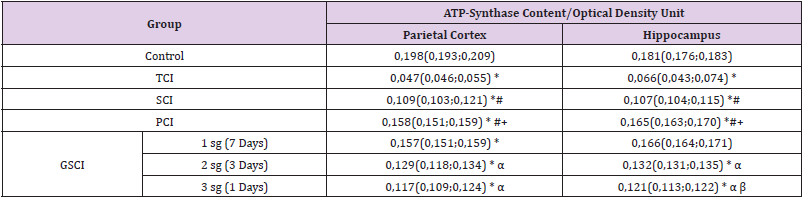
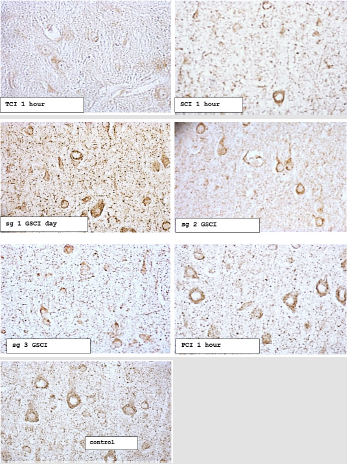
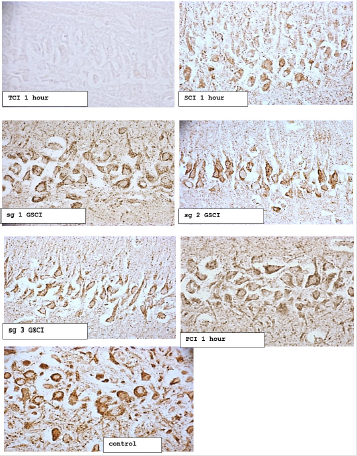
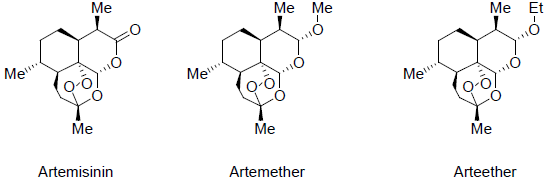
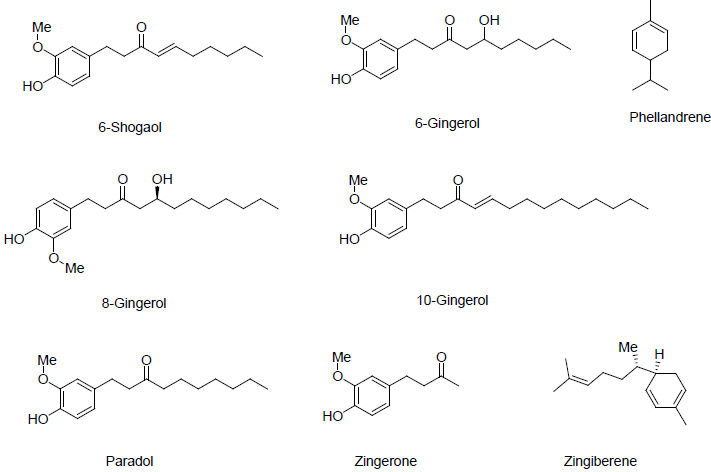
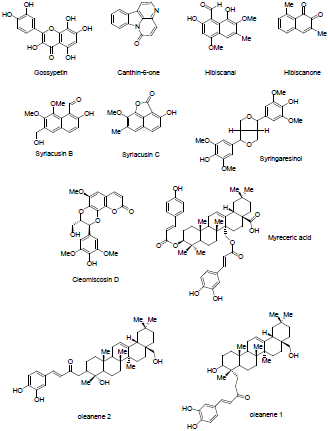
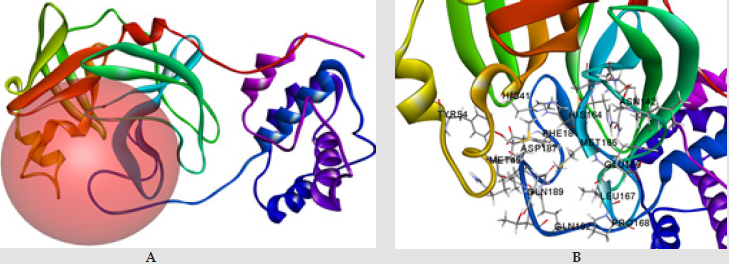
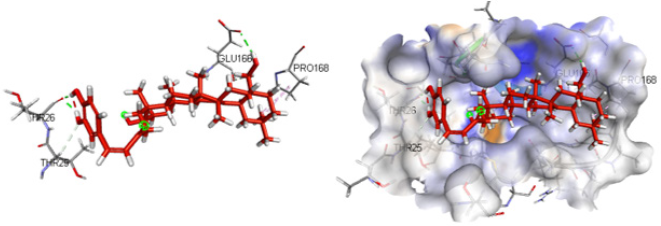
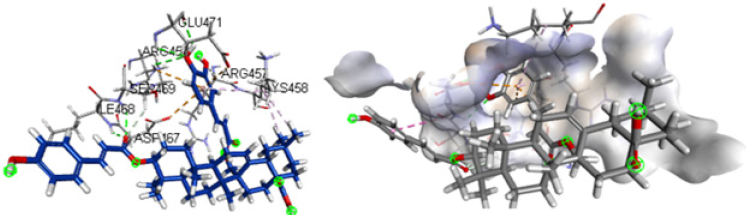
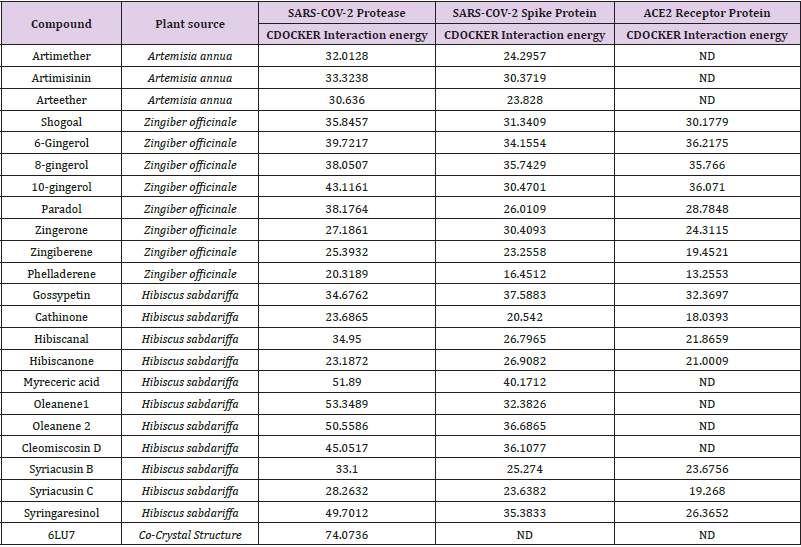
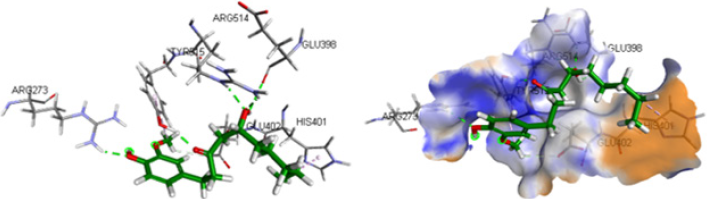
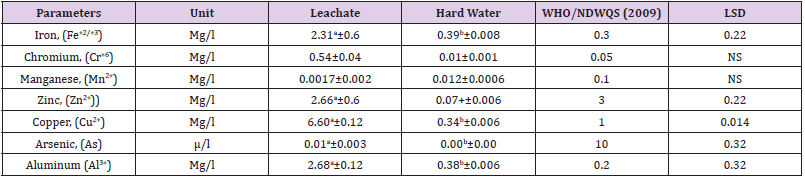
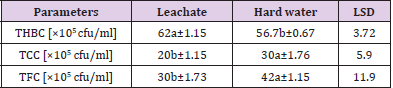
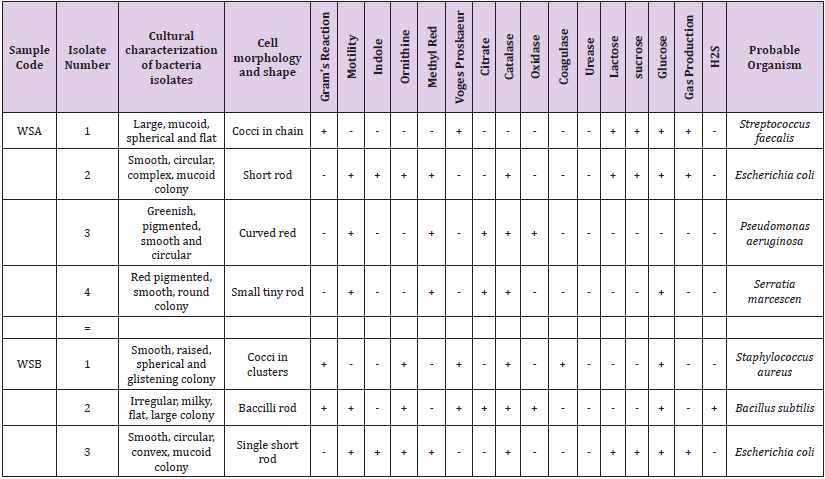
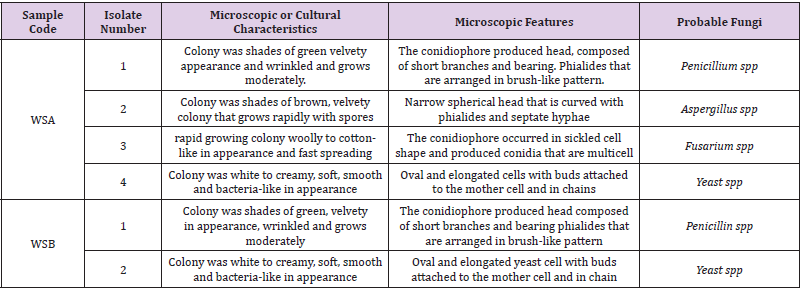

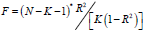 to evaluate whether there are weak instrumental variables. Among them, N is the sample size of the exposed data set, K is the number of SNPs, and R2 is the degree of variation that can be explained by the SNPs in the exposed data set [8]. The calculation formula of R2 is:
  . Among them, MAF is the minor allele frequency, which is equivalent to the effect allele frequency EAF when calculating R2, β is the allele effect value, and SD is the standard deviation.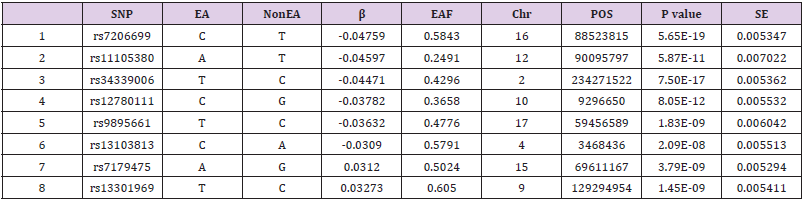
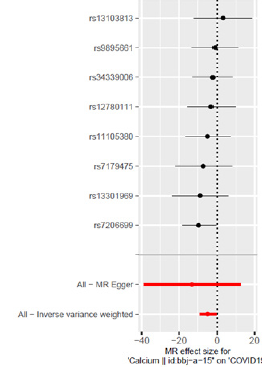
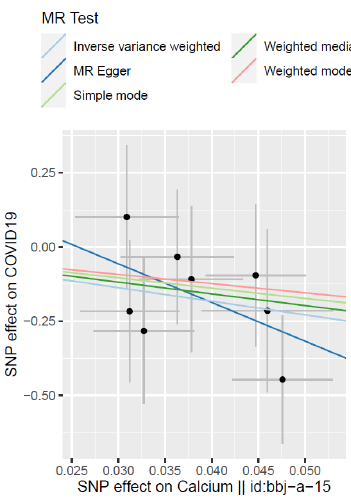
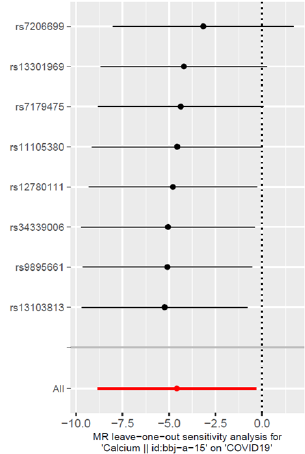
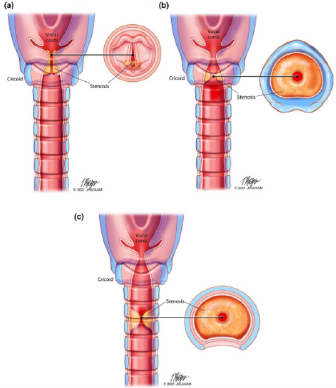
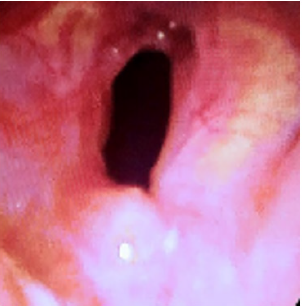
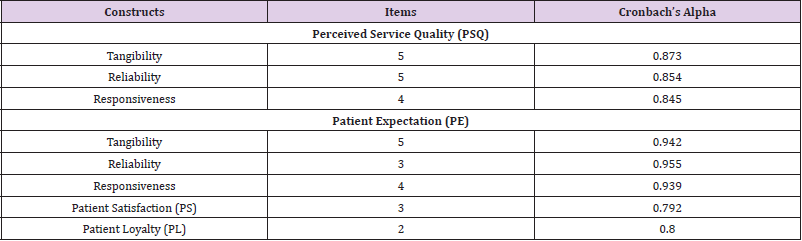
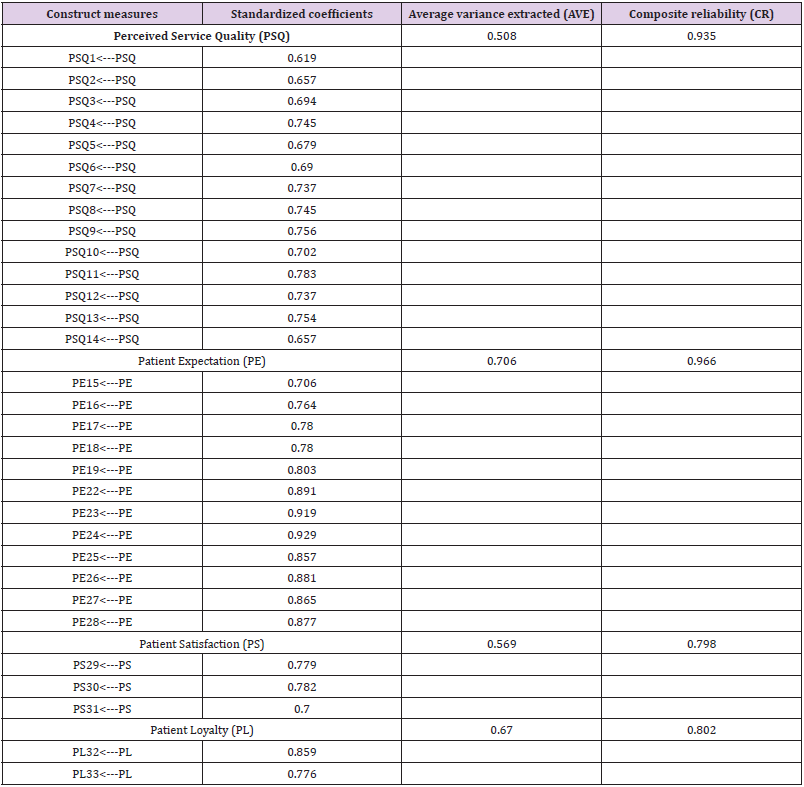

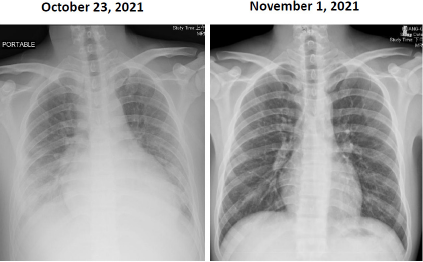
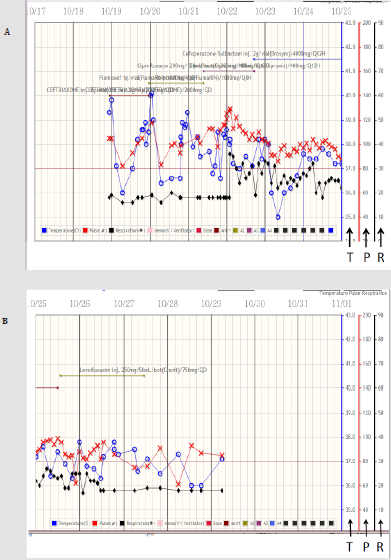
 Biomedical Journal of Scientific & Technical Research (BJSTR)