Open Access Journals On Digital Technologies

A Hierarchical Model to Quantify Burnout Stage of Hotel Industry Employees in Ethiopia

Introduction

There is high competition in the tourism sector due to the growing numbers of firms like hotels, restaurants, resorts, and tourism-related companies worldwide. Many hotel industries pursue service quality as the core policy to survive in the increasingly competitive marketplace. Hotels often tend to make it mandatory for employees to deliver excellent and extra services to guests to fulfil guest expectations increasingly. This trend is a common and significant cause of employees’ work-related psychological Stress and burnout experience, resulting in a high turnover rate. Employee turnover is undoubtedly the main fear for hotel companies. The high turnover rate brings a massive increase in costs, inducing expenses related to employee recruiting and training [1]. Burnout is a condition of emotional exhaustion, reification, and reduced personal accomplishment among individuals who work with people in some capacity. Burnout has been compared with boredom, pressure, displeasure, Unhappiness, estrangement, little confidence, nervousness, tension, conflict, fatigue, poor mental health, crisis, helplessness, vital exhaustion, and hopelessness. Nowadays, burnout is a stable academic issue happening which several investigate consume remained completed then around which several assemblies and seminars are said [2,3].

In this research, we propose a new methodology to quantify different burnout stages of hotel employees. Our approach follows a hierarchical investigation to decide the location of burnout for each employee. We collect data from a five-star hotel located in Addis Ababa, the capital city of Ethiopia, and use this data for experiments and investigation of the method.

Related Work

Burnout has attracted the attention of many researchers in the past decades [4-12]. The hotel and tourism industry has a higher impact on the world’s economy, which boosts the economy of the tourist recipient countries [13]. Hospitality, a by-product of tourism, is the relationship between the service itself, the service provider, and the service receiver (the guest) in providing a range of services that includes the satisfaction of physical and psychological needs [14]. Hotel employees are constantly under pressure as they need to meet their customers’ physical and psychological needs. If these pressures are not handled properly, they will lead the employee to frustration, stress, and loss of interest in their job. Burnout is a condition conceptualized as a result of workplace stress which has not been adequately managed[15,16]. Even if burnout is not yet categorized as a medical condition, it may lead to emotional and physical illness [17]. Burnout happens when an employee is overwhelmed, drained, or unable to meet the continuous demand of their working position. Burnout can affect anyone working in any industry.

The Winona state university adopted Venniga and Spradely’s model of stages of burnout to assess the intensity of burnout risk in employees [18]. This model divides the burnout stages into Four.

Honeymoon Phase

This stage is the beginning of the feeling of burnout, which is not assimilated as burnout in most cases; however, most of the time, it’s hard to be diagnosed. Transferring to a new task and assignment of new responsibility is considered a triggering issue. Personal life-related matters like divorce and having a new baby can also often be triggers [19]. This change of situation has an impact on the level of employee job satisfaction. A change of work environment plays a significant role in preventing entering the next stage of burnout. Employees will experience intense optimism, job satisfaction, commitment to tasks, a desire to prove themselves, and a substantial creativity boost [20]. If employers can maintain these positive changes, they may keep their employees in the honeymoon stage for a long time.

Onset Stress

When a workplace continues, positive incentives are ineffective, employees start to feel that some days are better than others at this stage [21]. Employees sometimes feel like they can’t handle the stress at work. Common stress symptoms which may affect employee emotion will be more common. Employees in this stage may experience fatigue, difficulty to focus, irritability, racing heart, sleeping disturbance, headache, anxiety and less self-care [22].

Chronic Stress

When burnout reaches regular stages, the feeling in the onset stages become more frequent. A decrease in motivation will be noticed more often. At this stage, other people will also see changes in the behaviours like missing deadlines and giving a repetitive excuse. The physical and emotional symptoms intensify at this stage [23,24]. Employees in chronic stress may experience anger or aggressive behaviours, missing work deadlines, procrastination, physical pain or illness, instant panic, lack of interest, chronic fatigue and exhaustion, pressure, and social withdrawal from friends or families [20].

Burnout

When chronic symptoms are not handled properly, they will then transfer to the burnout stage. At this stage, it will not be feasible for the employee to continue working in their position. The continued feeling of powerlessness and failure will eventually run to the belief of disillusionment and despairs [25]. Employees feel like there is no way out of such circumstances and become stranded towards their job. Symptoms at this stage happen more frequently; employees may not even have a single day without feeling. Significant symptoms include Feeling emptiness, self-doubt, denial, desire to move away from work, chronic headache, behavioural changes, pessimistic mood and missing pieces [26].

Methodology

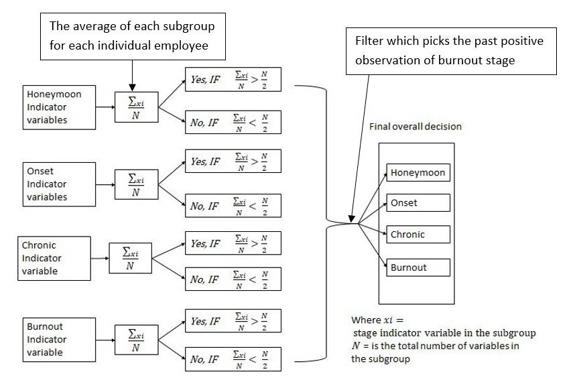
Initially, a correlation analysis is conducted on the variable to assess their interrelation between each other. All the variables are classified into four groups based on their attributes, honeymoon indicator, onset indicator, chronic indicator and burnout indicator. The category of each variable is decided based on previous research papers. Once all the questionnaires are sub-grouped, each respondent’s quantitative responses for questions in the same subgroup are combined and then divided to the total grade assigned to each question which gives us the subgroup average. We then summed up the individual respondents in the subgroup and compared the results against the initially calculated average. If the result is greater than the average in that specific subgroup, then that particular employee has observed all the indications of symptoms in this subgroup. If the result is less than half of the average, that individual is considered free from those symptoms.

After completing the same calculation in all subgroups, the result gives the likelihood of each respondent states whether they are affected by each group or not. However, some employees can be categorized into multiple subgroups of burnout stages. Therefore, a filter is added to decide the current state of each employee. The filter will take all the subgrouped results and only gives back the last positive observation of the burnout stage. For example, suppose an employee is found symptomatic in the onset, chronic and honeymoon stage. In that case, the filter will take the last observation of the positive symptom, which is the chronic stageassuming that the honeymoon and onset stages have already been passed. The flow chart of this methodology is presented in Figure 1 below.
biomedres-openaccess-journal-bjstr

Figure 1: Layout of the methodology.

Results and Discussion

Initially, descriptive statistics of the data is reviewed, followed by a detailed presentation of results. The results of the data analysis are conducted in the manner described in the methods section of this paper.

Descriptive Statistics of the Data

Out of the 80 questionaries distributed, 73 (91%) questionaries were passed the requirement of data quality measures. The remaining 7 (9%) were either below the data quality requirement of this project or the respondent didn’t give back the questionaries. Hence, the analysis is conducted using this data as 91% of the total sample data is valid and statistically significant to conclude the total population.

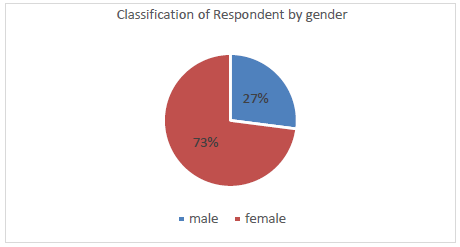
Figure 3. present the sample respondent’s gender. Out of the total sample, 54(73%) respondents were female, and 20(27%) were male. As seen on the chart (Figure 2), female participants are more than males in the sample, which gives the impression that the data is skewed towards the female samples. However, the distribution of gender of the total population of the hotel is also similarly skewed to female. Most hotel industry employees in Ethiopia are female, as the industry recruits female employees more than males. This is especially true in the housekeeping and spa departments with the highest number of hotel employees.

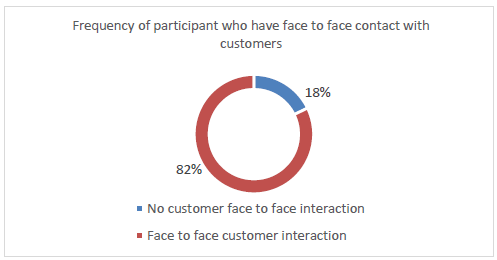
Amongst the hotel respondent, 60 (82%) of them have a daily base face to face contact with customers, while the 13 (18%) of them have very little or no face-to-face interaction with customers. Departments like housekeeping, spa, front office, security, food and beverage are among the departments with consistent contact with customers. On the other hand, departments like maintenance, finance, and kitchen have very little or no face-to-face contact daily (Figure 3). The relation between face-to-face interaction with customers and burnout is described in the following subsection.

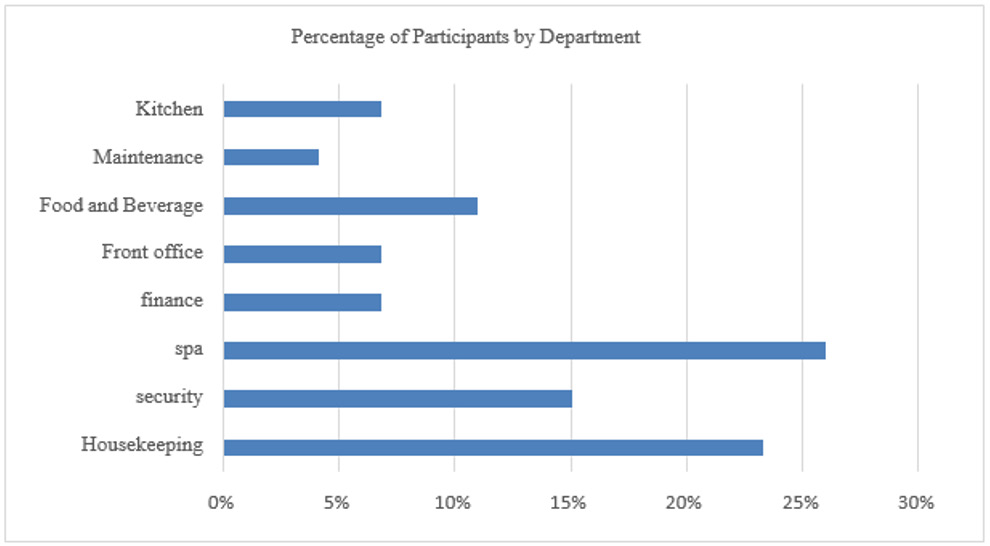
Figure 4. presents the average percentage of the participant by department. This research found that the majority of respondents are in the Spa department (19 or 26%)). This result is expected because the total number of employees in the spa department is greater than in other departments. The spa department has three times more shifts and many workloads. The housekeeping department is the 2nd vast department in the hotel, and the percentage of the participant from the housekeeping department is 17(23%). Housekeeping also has more shifts, and it requires a physical job. The 3rd department is security, with 11(15%) of the samples. The security department has two shifts, and night shift guards job requires the employee to be awake at night and sleep during the day. The food and beverage department is the 4th broadest department with a total participant of 8(11%), and this department includes waitress, waiter, and food & beverage control. The finance, front office and kitchen have equal5(7%) participant. The last department is maintenance with a total of the participant of 3(4%).
biomedres-openaccess-journal-bjstr

Figure 2: Respondent by gender.

biomedres-openaccess-journal-bjstr

Figure 3: Frequency of a participant who has a face-to-face contact with the customer.
biomedres-openaccess-journal-bjstr

Figure 4: Percentage of the participant by department.

Correlation of the variables

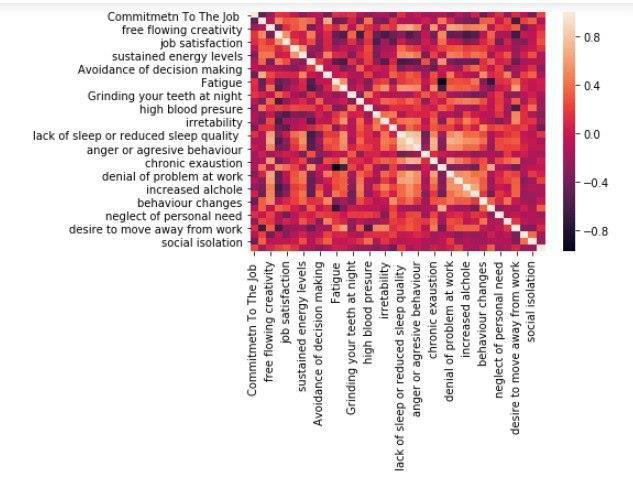
The correlation of the variables is calculated, and a heat map of the variables is generated using python package. The purpose of the correlation analysis is to investigate the interrelation of variables in four sub-groups. The aim is to use these interrelations as a signifier of different burnout stages. However, as shown in Figure 5, most of the variables have no significant positive or negative correlation. More than 95% of the interrelation are between -3 and 3, representing a weak correlation among the variables.

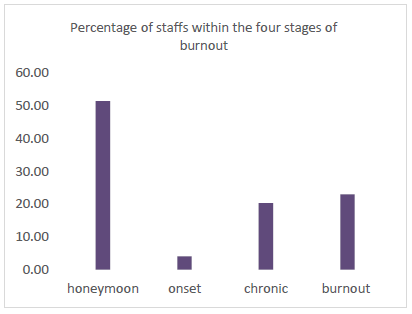
As presented in Figure 6, 51.35% of the employees are on the honeymoon stage, implying that half of the employees are in safest burnout stage. However, the hotel needs to implement a strategy that keeps this group of employees in the same state. Otherwise, there will be a great chance this employee will slip to the onset stage. The total number of employees in the onset stage is significantly less than the other groups (4.05%). One of the possible reasons why the number of people in this group is less is that employees might not recognize the symptoms of the onset stage. People on the onset stage might feel like they are in either the honeymoon stage or chronic stage. This depends on the severity of symptoms of the onset stage. It is easy to confuse the indicators of onset with the honeymoon stage and chronic stages. Employees on onset stages are in a better placed to receive treatment for their onset symptoms than the later two stages. Hence, the hotel needs to work on these employees to convert them to the honeymoon stage before the atmosphere converts them to a chronic stage.
biomedres-openaccess-journal-bjstr

Figure 5: Correlation matrix result.

Around 20% of the hotel employees are in chronic stage, which is a red flag for the hotel to consider. Chronic stage is a stage that must be addressed before employees reached to uncurable phase. The number of employees on this stage cannot be ignored as it can poison the whole work environment . The hotel needs to take intensive measures to tackle this issue by implementing a rigorous treatment plan that needs to be followed by a plan to measure the success of this implementation. The number of employees who are in the final stage (burnout) is 22.97%. This raises an alarm of concern that the hotel was neglecting a significant margin of its employee. As most studies agreed, employees on this stage require an extensive effort to bring them back to other stages. In some cases, it might even be impossible for the employee to be healed at this stage. There are currently 20% additional employees in the chronic phase, which can shift to burnout stage.

Figure 6. shows, amongst the participant, 51.35% of them are in the honeymoon stage. Onset stages 4.05% the smallest amount of the stage. Shifting this population to the honeymoon requires less efforts and resourses than shifting chronic and burnout stage to honeymoon. 20.27% of the respondents are in chronic stage. This stage has a lower figure comparing to the honeymoon stage. 22.97% of the participants are in the burnout stage, which is very alarming to the hotel.
biomedres-openaccess-journal-bjstr

Figure 6: Burnout stages of the five-star hotel employees, which is investigated in this research.

Burnout Stage by Gender

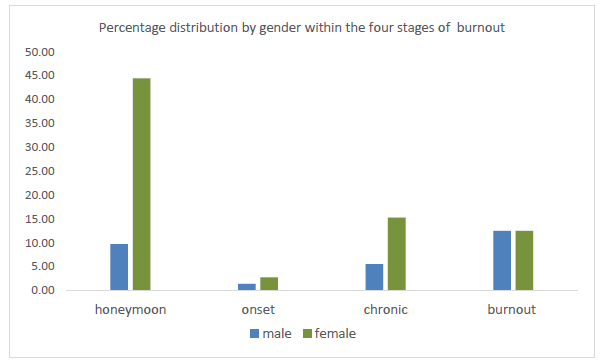
As explained in the descriptive statistics, most of the employees in this hotel are females. Out of the total sample investigated, 7 (9.77%) male employees are in the honeymoon stage and 32 (44.4%) female employees are on the honeymoon stage. The honeymoon stage is the desired target stage that all employees and employers want to be. It creates a favourable environment for employees and increases productivity and profit for the company. The result reflects that the percentage of workers on honeymoon stages by gender is less than 50% for both genders. Therefore, even if 51.3% of the total employees are on the honeymoon stage, the result by gender shows that the hotel needs to work on both genders. This result revealed a need for a burnout prevention strategy. The number of male employees in the honeymoon stages has a lower percentage than that of female employees. Only 1(1.3%) of the male and 2(2.78%) of the female employees are on onset stages, respectively.

Considering the distribution of the participant’s gender, the distribution of gender in chronic stage is almost even. The number of male employees in the chronic phase is 4 (5.56%), while the female employees count 11 (15.28%). The hotel needs to invest in both genders at this stage as this will be the last chance before it is too late to recover employees from burnout. The number of male and female employees in burnout stage is the same, 9 (12.5%). However, as described in Figure 3, the number of samples taken from male and female employees is not equal. Female respondents count 73%, and male respondents estimate 27%. Hence, the number of male employees in burnout stage is 21% higher than that of female employees. The hotel needs to investigate why male employees in burnout stage are higher than the female. The hotel needs strict treatment measures to decrease these employee numbers, especially male employees in the last stage. As some studies suggested, it is severely challenging to treat employees who are on the final stage; it’s more often uncurable at this stage (Figure 7).
biomedres-openaccess-journal-bjstr

Figure 7: Burnout difference by gender.

Burnout Stages by Face-To-Face Contact with Customers

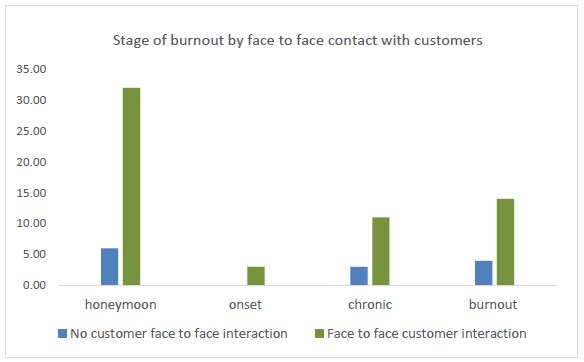
The result presented in Figure 8 showed the distribution of burnout stages related to employees’ job responsibility of faceto- face interaction with customers. The departments with faceto- face contact with customers are a spa, housekeeping, security front office, and the maintenance team. On the other hand, the Main kitchen. Finance and part of the maintenance team don’t have faceto- face contact with customers. The result shows that employees who have a face-to-face interaction with customers have a higher margin in the four burnout stages. Hence, this indicates the possible link between face-to-face contact with customers and burnout. One of the probable causes for this is that this employee takes the load handling customers’ demands, complaints and enquires. Therefore, the hotel needs special training for this group of customers, which can decrease the pressure of their position.
biomedres-openaccess-journal-bjstr

Figure 8: Stages difference by face-to-face contact.

Burnout Stages Distribution by Department
biomedres-openaccess-journal-bjstr

Figure 9: Stages of burnout in department.

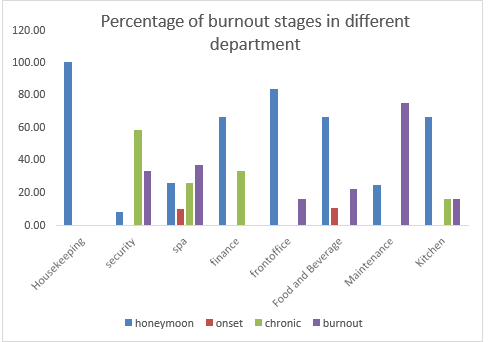
The housekeeping department is the only department where 100% of employees are on the honeymoon stage, followed by the front office (80%) and food and beverage (64%). There are few employees in onset stage from the food and drink and spa departments. The majority of the chronic stage employees are from the security department, followed by spa and finance. Housekeeping is the department that the hotel needs to critically work to save its employee from moving in the burnout stage. The result also shows that majority of the employees in maintenance departments are in the burnout stage. Security, spa food and beverage, front office and kitchen has a share of employees in burnout stages. Based on these results, the hotel must design the best possible combination of treatment for each department as per its need.

Conclusion

In this research, we propose a new hierarchical methodology to evaluate the burnout stage of employees in hotel industry. Using the proposed method, we quantify the burnout stage of five start hotel employees. The hotel investigated in this study is located in Addis Ababa, the capital city of Ethiopia. Our result shows that 51% of the hotel employees are in the honeymoon stage while 4 % are in onset. Employees who are in chronic and burnout stage are 21% and 22%, respectively. We quantify results by gender, department, and face-to-face contact with the customer. The proposed method can also be used to quantify employee burnout stages in other sectors, different from hotel industries.

For More Articles: Biomedical Journal Impact Factor: https://biomedres.us
Open Access Journals On Surgery

Spleen Preserving Treatment of a Ruptured Splenic Artery Aneurysm (SAA) in Emergency Setting: A Case Report and Review of the Literature

Visceral artery aneurysms represent a rather rare disease with documented incidence of 0,1 – 0,2 %. The actual incidence is underestimated, since most aneurysms remain asymptomatic [1]. Of all abdominal vessels, the splenic artery is the third most common affected branch after aortic and iliac arteries [2]. Of the visceral arteries, the splenic artery is the most common affected (60-70%), followed by the hepatic artery (20%) and the celiac/ mesenteric arteries (10%) [3].
Most SAA affect the distal third of the artery and are typically solitary and saccular shaped lesions. In one-third of SAA cases concomitant aneurysms were found at other localizations [4]. Predisposing factors for aneurysm are the well-known cardiovascular risk factors like atherosclerosis (32%), medial degeneration (24%) and inflammatory diseases (10%); previous abdominal trauma was often stated (22%). Less common are high blood flow conditions (e.g., pregnancy, portal hypertension) or fibroconnective tissue diseases. The diagnosis of SAA is made either after rupture or incidentally [4]. After rupture, a spontaneous stabilization can occur if the bursa omentalis temporarily contains the bleeding through compression. The natural consequence, if untreated, is the haemorrhagic shock.
Management of SAA depends on the timing of initial diagnosis. Acute ruptured aneurysms show mortality rates of 10 – 70% and are therefore a surgical emergency [3]. Incidental aneurysms with diameters < 2.5 cm rarely rupture spontaneously, as shown by the Mayo Clinic and the Cleveland Clinic [5]. Size > 3cm as well as symptomatic SAA and all pseudoaneurysms should be treated urgently [6]. In contrast to real aneurysms, only specific wall layers are affected in pseudoaneurysms. Abdominal pseudoaneurysms are often consequence of trauma or iatrogenic injury with faster enlargement and higher rupture rates.
The aim of the treatment is to exclude the aneurysmatic sac from blood flow without compromising the distal perfusion. This can be accomplished with a surgical or endovascular approach [2]. Treatment of asymptomatic aneurysm should be performed in an elective setting and an endovascular treatment should be discussed. Depending on end-organ perfusion but also on the size and location of the aneurysm along the splenic artery, the need for splenectomy must be evaluated. In most cases end-organ perfusion can be guaranteed by collateral arteries and other perfusion sources (i.e., Aa. gastricae breves, Aa. caudae pancreatis), therefore the need for this procedure remains an exception [7].

Case

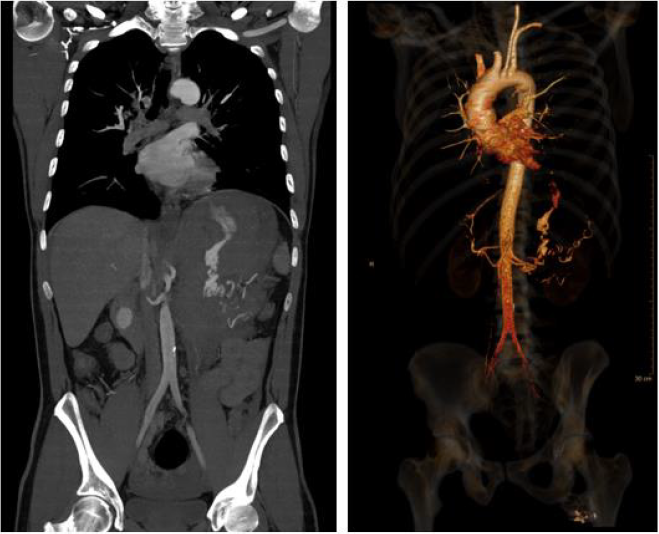
We present the case of a 40-year-old male patient transferred from a regional hospital. At first contact severe, acute, left abdominal pain since a few hours were stated. Previous illnesses or surgical treatments were denied. His mother died due to a ruptured intracranial aneurysm, no cases of connective tissue diseases were known in the family. He had nicotine abuse as a risk-factor. Initially the patient was hemodynamically stable (BP 138/100mmHg, P 80/min, SO2 100%, T 36.8°C) with signs of peritonitis to the left abdomen. Sonography showed excessive free fluid. A CT scan identified a ruptured aneurysm of the splenic artery (Figure 1) and the transfer to the shock room followed.
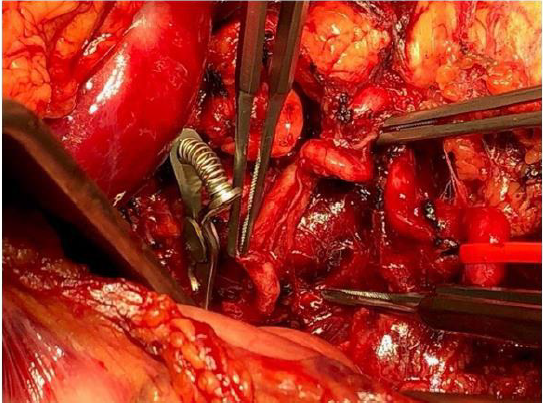
No other bleeding sites or aneurysms could be identified. Initially haemoglobin (Hb) was 15 g/l, after one hour it dropped to 13 g/l. 1g Tranexamic acid (TXA) was injected. Upon arrival in the shock room GCS was 15 and the patient was hemodynamically stable. Hb was 11.7 g/l, INR 1.1, thrombocytes 215 G/l and fibrinogen 2.1 g/l. An interventional management was initially discussed. Due to progressive hemodynamical instability and no response to fluid therapy (BP 100/60mmHg, P 105/min) we performed an emergency median laparotomy because of hemorrhagic shock. The bursa omentalis was opened, about 1.5 L of blood was evacuated (total blood loss 2.5 L), the splenic artery was identified and clipped (Figure 2).

biomedres-openaccess-journal-bjstr

Figure 1. CT-Scan: Coronary MIP-Sequence and 3D-Reconstruction.

biomedres-openaccess-journal-bjstr

Figure 2. Intraoperative situs: clamped splenic artery.

As the active bleeding reduced, the aneurysm sac was identified. After controlling of residual bleeding, the spleen did not show any ischemic sufferance. An accessory arterial branch guaranteed the splenic perfusion, and we performed a spleen preserving aneurysm resection. The aneurysmatic lesion (length 8.5cm) was removed. A drain was inserted above the pancreas tail. Before closure, there was no sign of hypoperfusion of the spleen. Intraoperative transfusion of two red cell concentrates (600ml) and 600ml of own blood through Cell Saver followed. The minimal postoperative Hb after transfusions was 9.9 g/l.
The postoperative monitoring in ICU was uneventful. Prophylactic broad-spectrum antibiotic was stopped after 72 hours. A POPF Grad A (postoperative pancreas fistula, biochemical leak) was detected. The drain was removed on POD 7 after a CT scan, the spleen showed normal perfusion. The discharge was on POD 8. The histological aetiology of the lesion was a chronic arteriosclerosis. The 30-days follow-up showed an asymptomatic Patient with normalized Hb. A brain MRI excluded concomitant intracranial aneurysms. A CT scan 3 months after surgery showed a normal splenic perfusion with pancreo splenic and gastro-splenic collaterals. A genetic analysis to rule out genetic connective tissue disease was done. No pathological findings were reported.

Discussion

Ruptured SAA represent a surgical emergency and show mortality rates of 10 – 70% [8]. The treatment should be performed open surgically whenever possible [4,8]. Endovascular approaches in the emergency setting have shown fewer desirable outcomes, including the risk of postembolization syndrome and incomplete aneurysm exclusion [3,8]. In elective setting, laparoscopic or endovascular approaches are preferred [6]. A retrospective analysis of a series of 94 patients undergoing aneurysm repair showed morbidity and mortality rates in open approach (n=74) respectively at 9.4% and 1.3%. The endovascular approach (n=20) showed morbidity rates of 10% with no mortality [9]. We report a spleen preserving open aneurysm resection as surgical treatment of ruptured SAA in haemorrhagic shock since the spleen did not show any ischemic sufferance. Spleen preüserving management of SAA is well described in elective settings, in emergency settings just by endovascular treatment. We only found one similar case report (in English) [10]. We confirm that this procedure can be performed in open surgical emergency treatment of ruptured SAA. 80% of patients presenting with aneurysms of the splenic artery are over 50 years old [5]. The prevalence of splenic artery aneurysm in patients with liver cirrhosis and portal hypertension is 7-20% [4]. Concomitant aneurysms, which can be found in one third of the patients with SAA [4], should be excluded through brain MRI and thoracic-abdominal CT scan. A genetic testing to exclude a connective tissue disease is suggested.
We confirm that the clinical guidelines should be followed in decision making. Open surgery remains the gold standard in the treatment of ruptured SAA and a spleen-preserving management should always be pursued.

For More Articles: Biomedical Journal Impact Factor: https://biomedres.us
Open Access Journals On Anatomic Pathology

A Peculiar Type of Haemangioma that Poses Some Problems in Pathological Differential Diagnosis with Angiosarcoma

Introduction

Anastomising hemangioma is a rare benign neoplasm originally described in urogenital organs [1]. Even if it is seldom encountered in routine diagnostic sign out, it is important for pathologist to know about its existence because it has quite alarming histological features that could lead to an erroneous diagnosis of angiosarcoma. After its original description, this neoplasm was subsequently found in other sites, retroperitoneum being one of the least common [2], especially without any concomitant renal lesion.

We herein report a rare case of retroperitoneal anastomosing hemangioma.

Case Report

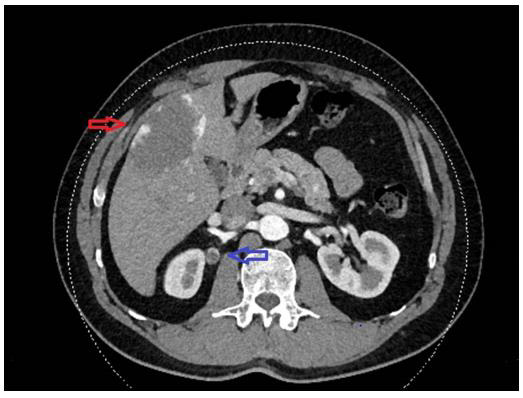
A 49-years old male patient came to our attention in January 2019 for the incidental finding of a 16×12 mm right peri-renal lesion at the superior abdominal images of a chest computed tomography (CT) scan. The patient had a positive medical history for pulmonary tuberculosis and asthma. He did not complain of hematuria, flank pain or any other symptom. An abdominal contrast CT scan was performed, which confirmed the presence of the abovementioned lesion (Figure 1). A 5×7,8 cm hepatic hemangioma completed the scenario. The patient also underwent a positron emission tomography with fluorodeoxyglucose (18F-FDG-PET) scan which did not find an increased glucose metabolism. At the presentation the patient had haemoglobin 16,2 g/dl, creatinine 1,3mg/dl.

The patient underwent a laparoscopic exeresis of right peri-renal lesion with preservation of the kidney and adrenal gland. No postoperative complications were observed. Perirenal fat tissue including the above-mentioned lesion was sent to Anatomic Pathology Laboratory and fixed overnight in 10% formalin. Gross examination of perirenal fat tissue revealed a reddish nodule measuring 16×12 mm, which was totally submitted for histological examination, routinely processed and paraffin embedded. Histological sections were cut at 4 micrometer thickness and routinely stained using hematoxylin and eosin (H&E). Immunohistochemical stains were subsequently performed with commercially ready for use antibodies (CD34, clone QBEnd/10, Ventana; CD31, clone JC70, Cell Marque; FLI-1, clone MRQ1, Cell Marque; Ki-67, clone 30-9, Ventana) on formalin fixed, paraffin embedded sections using an automated immunostainer (Benchmark Ultra; Ventana; USA).

biomedres-openaccess-journal-bjstr

Figure 1: Abdominal CT scan showing a 16×12 mm right peri-renal lesion (blue arrow) and hepatic hemangioma (red arrow).

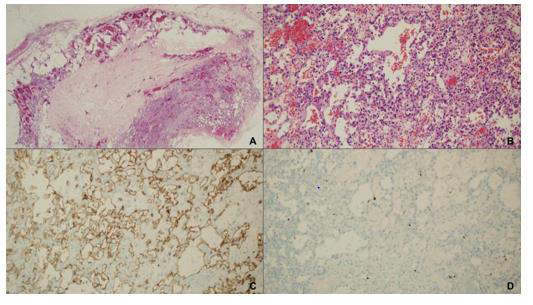
Microscopic examination showed a circumscribed unencapsulated vascular lesion featuring a central hypocellular and edematous core surrounded by a more cellular area composed of ectatic and variably anastomizing thin-walled blood vessels. They were lined by endothelial cells sometimes with hobnail appearance but without aypia, multilayering or mitoses. There were stromal hyalinization and hemorrhages; occasional intravascular thrombi could be seen. On immunohistochemistry, endothelial cells showed expression of CD31, CD34 and FLI-1. Proliferation index evaluated with Ki-67 was very low (Figure 2). Morphological findings were thus consistent with an anastomosing hemangioma.

biomedres-openaccess-journal-bjstr

Figure 2: On microscopic examination a well-circumscribed, unencapsulated lesion was found (A: H&E, 40x). This lesion has a central hypocellular and edematous area surrounded by a cellular area composed of anastomizing thin-walled blood vessels lined by endothelial cells without features of malignancy (B: H&E, 200x). On immunohistochemistry, endothelial cells showed expression of CD31 (C: CD31 immunostain, 200x). Proliferation index evaluated with Ki-67 was very low (D: Ki-67 immunostain, 200x).

Discussion

Vascular tumors can be benign, can have a locally aggressive but rarely metastasizing behaviour (so-called intermediate-grade vascular tumors) or can be highly aggressive with local and distant spread (angiosarcomas). Most of them are superficially located on the skin and in the subcutaneous tissue but they can also develop in deep-seated soft tissues and in internal organs. They are more common in children and young adults, even if some exception occurs [3,4]. Among benign tumors a wide variety of histotypes are described. Anastomosing hemangioma have some peculiarities: it tends to occur in adults with a preference for deep localization [2]. In fact, it was first described in 2009 as a peculiar vascular lesion mimicking angiosarcoma and involving kidney and testis [1]. A recent review [5] have collected about 60 cases renal cases, and an approximately equal number of non-renal lesions, the most frequent of which are the soft tissues and the bones, especially in paraspinal locations [2].

Occurence in perirenal fat without involvement of the kidney is very unusual. At the best of our knowledge only six cases were previously reported exclusively in peri-renal fat [6-8] without concomitant kidney involvement. The anastomizing structure, the diffuse (i.e. non-lobular) pattern of growth and the hobnail appearance of endothelial cells which can show mild atypia may be quite alarming for the differential diagnosis with a welldifferentiated angiosarcoma, especially on small biopsies. Moreover, the lesion frequently has some infiltrative pattern at the edge, which can be misinterpreted as an additional sign of malignancy. However, the absence of mitoses, multilayering, overt atypia and extensive destructive infiltrative pattern may suggest the right diagnosis. Moreover, the homogeneity of the lesion, without any poorly differentiated area stands against a diagnosis of malignancy [5].

Conclusion

In conclusion, anastomizing hemangioma is a rare lesion with less than one hundred cases reported in ten years. However, it usually occurs at any deep location and with worrisome clinical and microscopic features that could lead to a wrong diagnosis of malignant vascular tumor, so pathologists and uropathologists should be well aware of its existence.

Conflicts of Interest

The authors declare no potential conflicts of interest with respect to research, authorship, and/or publication of this article.

Acknowledgement

None.

For More Articles: Biomedical Journal Impact Factor: https://biomedres.us
Open Access Journals On Physical Therapy

Incidental Finding of Lumbar Hemangioma in a Low Back Pain Patient with Red Flag Findings

Mini Review

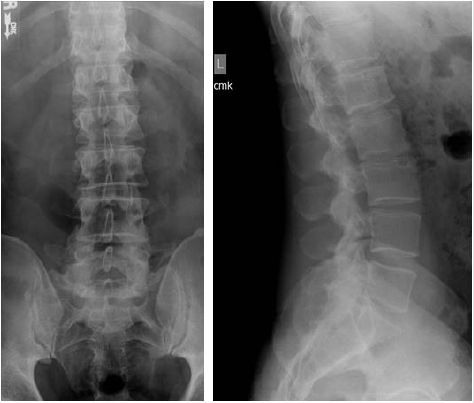
The patient was a 49-year-old male Chief Master Sergeant in the Air Force with 30 years of recurrent back pain and right-sided lower extremity numbness in the S1 dermatome. His current episode of symptoms was insidious in onset 6 months prior. Since this new onset, the patient reported several red flag findings including a 16-18kg weight gain within 4 months. The patient also had episodes of bloody stools and night pain that woke him from sleeping. The patient had a known history of an L3 Schmorl’s node on radiographs obtained 4 years prior (Figure 1). Aggravating factors included sitting with poor posture and elliptical use. Leaning left in a seated position and unweighting his right lower extremity eased his symptoms. Lumbar active range of motion was 25% limited in right rotation and slightly limited in flexion. Neurological screening revealed diminished sensation to light touch in the right S1 dermatome, absent right S1 deep tendon reflex, and a positive straight leg raise test.
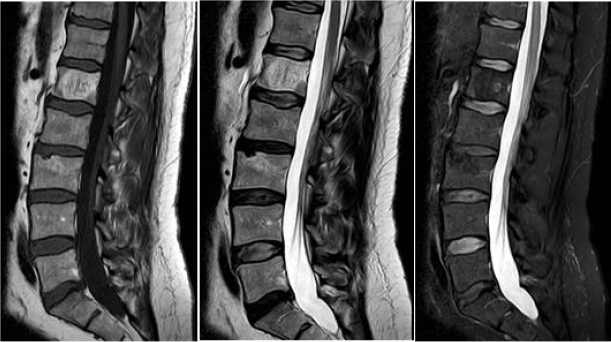
The physical therapist referred the patient for lumbar magnetic resonance imaging due to concern his back pain was arising from sinister pathology. The MRI identified a mild L5-S1 disc protrusion and the presence of a lesion within the L1 vertebral body. The presence of fat within the lesion shown as hyperintense on T1/T2 MRI and hypointense on the Short T1 Inversion Recovery (STIR) MRI confirmed the lesion as a benign hemangioma and not a metastatic lesion (Figure 2) [1]. The diagnosis is further supported by the presence of a corduroy thickened trabecular pattern and a polka-dot trabecular pattern on axial imaging common in lumbar hemanioma (Figure 3) [2]. The patient was primarily treated using an extension based protocol. After three months of treatment, he reported “major relief” of his back pain symptoms and his range of motion was returned to normal, though the right lower extremity paresthesias remained unchanged.

biomedres-openaccess-journal-bjstr

Figure 1. From left to right:
A. Anteroposterior view and
B. Lateral view lumbar radiographs demonstrating a Schmorl’s node on the superior endplate of L3.

biomedres-openaccess-journal-bjstr

Figure 2. From left to right:
A. Sagittal T1
B. T2, and
C. Short T1 Inversion Recovery (STIR) weighted magnetic resonance images of the lumbar spine demonstrating T1/T2 hypertintensity and STIR hypointensity within the L1 vertebral body with a vertically-oriented thickened trabecular pattern consistent with lumbar hemangioma.

biomedres-openaccess-journal-bjstr

Figure 3. Axial T1 weighted magnetic resonance image of the lumbar spine demonstrating a T1 hyperintense lesion with a polka-dot appearance of the trabeculae within the L1 vertebral body consistent with lumbar hemangioma.

For More Articles: Biomedical Journal Impact Factor: https://biomedres.us
Open Access Journals On Pharmaceutical Chemistry

Preparation of (Substituted)- Benzyltriphenylphosphonium Bromide Salts Under Microwave Irradiation

Introduction

Wittig reagent is one of the most important precursors for the synthesis of large number of natural and bioactive molecules thereby one of the keystones in the field of organic chemistry [1- 3]. Usually, the common reaction conditions such as heating at high temperature or refluxing are used to apply to synthesize the desired Wittig reagent. A detailed literature survey revealed that in the conventional method (CM) heating was applied in the presence of various solvents, such as THF [4-5], CH2Cl2 [6], CHCl3 [7], toluene [8-18], CAN [19] etc. Besides conventional methods, two microwave irradiation (MW) methods in neat [20] and with xylene [21-22] were performed by Kiddle and Cvengros in 2000 and 2004 respectively, for the synthesis of triphenylphosphonium bromide salts and another one synthesized by detected by NMR only [23]. Even though they have obtained excellent yields, but due to the lack of temperature control, a similar condition under CM, and uses of only xylene as well as neat conditions promoted us to optimize the reaction conditions varying temperature, pressure, solvents, voltage as well as mole equivalent of the reagents. Nowadays, microwave-assisted synthesis has become a well-established method for chemists as chemical reactions mixtures are heated instantly and reaction products obtained in good to excellent yields. The major advantage of microwave heating is the reduction of chemical reaction times from days and hours to minutes. Here, we report a simple and efficient method for the preparation of Wittig reagents, (substituted)-benzyltriphenylphosphonium bromide salts using MW irradiation from (substituted)-benzylbromides and triphenylphosphine in quantitative yields (87-98%) in the presence of THF at 60 ºC for 30 min.

Materials and Methods

General Preparation Procedure of Phosphonium Salts Using Mw Irradiation

A mixture of triphenylphosphine (1, 10.5 g, 40 mmol) and benzyl bromide (2a, 3.42 g, 20 mmol) in THF (20 mL) in a carboncoated quartz ampoule was heated under Microwave irradiating at 60 °C with 800 Watt and 1 bar pressure for 30 minutes. The ampoule was opened inside a fume hood, and the precipitate was filtered. Recrystallization was performed in CH2Cl2, obtained a 97 % yield of benzyltriphenylphosphonium bromide (3a). Similar procedures were adopted for other phosphonium salts (3b-s).

Benzyltriphenylphosphonium Bromide (3a)

Colourless powder. Yield 97%, Melting point: 296 ºC (MP. 295 – 298 ºC) [5]. 1H NMR (500 MHz, CDC13): δ 5.39 (d, JHP = 15 Hz, 2H, –CH2), 7.18 – 7.21 (m, 2H), 7.24 – 7.27 (t, J = 8 Hz, 2H), 7.34 – 7.37 (m, 1H), 7.77 – 7.81 (m, 6H), 7.85 – 7.90 (m, 6H), 7.94 – 7.99 (m, 5H) ppm.

(4-Cyanobenzyl)-Triphenylphosphonium Bromide (3b)

Colourless powder. Yield 94%, Melting point: 328 ºC (MP: 326 – 329 °C) [5]. 1H NMR (500 MHz, CDCl3): δ 5.23 (d, JHP = 15 Hz, 2H, –CH2), 7.21 – 7.18 (m, 2H), 7.35 (m, 2H), 7.64 – 7.57 (m, 12H), 7.71-7.75 (m, 3H) ppm.

(3-Fluorobenzyl)-Triphenylphosphonium Bromide (3c)

Colourless powder. Yield 98%, Melting point: 315 ºC (MP: >250 ºC) [24-25]. 1H NMR (500 MHz, CDCl3): δ 5.54 (d, JHP = 14.5 Hz, 2H, –CH2), 6.72 – 6.74 (d, 1H), 6.84 – 6.87 (m, 1H), 7.02-7.08 (m, 2H), 7.58-7.61 (m, 6H), 7.72-7.77 (m, 9H) ppm.

(2,3-Difluorobenzyl)-Triphenylphosphonium Bromide (3d)

Colourless powder. Yield 98%, Melting point: 293 ºC (MP: 292.7 ºC) [26]. 1H NMR (500 MHz, CDCl3) δ 5.52 (d, JHP = 14.5 Hz, 2H, -CH2), 6.89 (m, 1H), 7.97 – 7.05 (m, 1H), 7.29 (pt, J = 6 Hz, 1H), 7.64 – 7.58 (m, 6H), 7.71-7.78 (m, 9H) ppm.

(3,4-Difluorobenzyl)-Triphenylphosphonium Bromide (3e)

Colourless powder. Yield 97%, Melting point: 315 ºC (MP: 315 ºC) [27]. 1H NMR (500 MHz, CDCl3) δ 5.67 (d, JHP = 15 Hz, 2H, – CH2), 6.81 (pq, J = 9.5, 8.5 Hz, 1H), 6.96 (dt, J = 11, 8, 2 Hz, 1H), 7.00- 7.05 (m, 1H), 7.55-7.60 (m, 6H), 7.69-7.80 (m, 9H) ppm.

(2,4-Difluorobenzyl)-Triphenylphosphonium Bromide (3f)

Colourless powder. Yield 97%, Melting point: 258 ºC (MP: 258 ºC) [5]. 1H NMR (500 MHz, CDCl3): δ 5.48 (d, JHP = 14 Hz, 2H, – CH2), 6.53 – 6.56 (m, 1H), 6.69 – 6.72 (m, 1H), 7.59 – 7.63 (m, 7H), 7.73 – 7.77 (m, 9H) ppm.

(3-Iodobenzyl)-triphenylphosphonium Bromide (3g)

Colourless powder. Yield 87%, Melting point: 291 ºC (MP: 295- 298 ºC) [5]. 1H NMR (500 MHz, CDCl3): δ 5.46 (d, JHP = 15 Hz, 2H, –CH2), 6.83 – 6.86 (t, J = 8 Hz, 1H), 7.04 (s, 1H), 7.37 (d, 1H), 7.48 (d, 1H), 7.58 – 7.65 (m, 6H), 7.89 – 7.72 (m, 9H) ppm.

(4-Iodobenzyl) triphenylphosphonium Bromide (3h)

Colourless powder. Yield 95%, Melting point: 254 ºC (MP: 255- 256 ºC) [28, 29]. 1H NMR (500 MHz, CDCl3) δ 5.52 (d, JHP = 15 Hz, 2H, –CH2), 6.90 (dd, J = 8.5, 2.5 Hz, 2H), 7.39 (dd, J = 8.5, 1 Hz, 2H), 7.57 – 7.62 (m, 6H), 7.71 – 7.78 (m, 9H) ppm.

(3-Methyoxybenzyl)-triphenylphosphonium Bromide (3i)

Colourless powder. Yield 88%, Melting point: 262 ºC (MP: 261.7 ºC) [5]. 1H NMR (500 MHz, CDCl3): δ 3.45 (s, 3H, –OCH3), 5.22 (d, JHP = 14.4 Hz, 2H, –CH2), 6.57 (m, 1H), 6.99 (m, 2H), 6.94 (t, J = 8 Hz, 2H), 7.56 (td, J = 8, 4 Hz, 6H), 7.67-7.72 (m, 9H) ppm.

(4-Methyoxybenzyl)-triphenylphosphonium Bromide (3j)

Colourless powder. Yield 88%, Melting point: 248 ºC (MP: 234- 235 ºC) [5, 30]. 1H NMR (500 MHz, CDCl3): δ 3.69 (s, 3H, -OCH3), 5.25 (d, JHP = 14 Hz, 2H, –CH2), 6.62 (d, J = 9 Hz, 2H), 6.98 (t, J = 9, 3 Hz, 2H), 7.60 (td, J = 8, 4 Hz, 6H), 7.66 – 7.76 (m, 9H), ppm.

(3,5-Dimethyoxybenzyl)-triphenylphosphonium Bromide (3k)

Colourless powder. Yield 88%, Melting point: 267 ºC (MP: 264- 265 ºC) [31]. 1H NMR (500 MHz, CDCl3): δ 3.47 (s, 6H, 2 × -OCH3), 5.22 (d, JHP = 14.0 Hz, 2H, –CH2), 6.24 (q, J = 2.3 Hz, 1H), 6.28 (t, J = 2.5 Hz, 2H), 7.61 – 7.56 (m, 6H), 7.75 – 7.67 (m, 9H) ppm.

(4-Methylthiobenzyl)-triphenylphosphonium Bromide (3l)

Colourless powder. Yield 88%, Melting point: 234 ºC (MP: 232.9 ºC) [5]. 1H NMR (500 MHz, CDCl3): δ 2.36 (s, 3H, –CH3), 5.34 (d, J = 14.5 Hz, 2H, –CH2), 6.92 (d, 2H), 6.99 – 7.02 (dd, 2H), 7.61 – 7.56 (m, 6H), 7.68-7.74 (m, 9H) ppm.

(3-Trifluoromethoxybenzyl)-triphenylphosphonium Bromide (3m)

Colourless powder. Yield 97%, Melting point: 294 ºC (MP: 309- 310 ºC) [26]. 1H NMR (500 MHz, CDCl3) δ 5.65 (d, JHP = 14.5 Hz, 2H, –CH2), 6.78 (s, 1H), 7.02 (d, J = 8 Hz, 2H), 7.15 (d, J = 8 Hz, 2H), 7.34 (dd, J = 8 Hz, 2H), 7.57 – 7.62 (m, 6H), 7.71 – 7.79 (m, 9H) ppm.

(4-Trifluoromethoxybenzyl)-triphenylphosphonium Bromide (3n)

Colourless solid. Yield 97%, Melting point: 314 ºC (MP: 309- 310 ºC) [32]. 1H NMR (500 MHz, CDCl3) δ 5.67 (d, JHP = 14.5 Hz, 2H, –CH2), 6.95 (d, J = 9 Hz, 2H), 7.26 (dd, J = 9, 3 Hz, 2H), 7.63 – 7.58 (m, 6H), 7.81 – 7.73 (m, 9H) ppm.

(Pyridine-2-yl-methyl)-triphenylphosphonium Bromide (3o)

Light yellow powder, Yield 26%, Melting point: 116.2 ºC (MP: 116 ºC) [5]. 1H-NMR (500 MHz, CDCl3): δ 6.13 (d, JHP = 15.0 Hz, 2H, –CH2), 7.64 (td, J = 8, 4 Hz, 6H), 7.71 (d, J = 8 Hz, 1H), 7.75 – 7.90 (m, 6H), 8.09 (t, J = 7.4 Hz, 1H), 8.22 (d, J = 7.4 Hz, 1H), 8.32 (d, J = 1.6 Hz, 1H), 8.34 (d, J = 6.2 Hz, 2H), 8.65 (d, J = 6 Hz, 1H) ppm.

(Naphthalen-2-ylmethyl)-triphenylphosphonium Bromide (3p)

Colourless powder. Yield 90%. Melting point: 254 ºC (MP: 248- 251 ºC) [5]. 1H NMR (500 MHz, CDCl3): δ 5.49 (d, JHP = 14.5 Hz, 2H –CH2), 7.10 (td, 1H), 7.30 – 7.40 (m, 2H), 7.48 (d, 3H), 7.53-7.58 (m, 6H), 7.65 (d, 1H), 7.74 – 7.68 (m, 9H) ppm.

(Anthracen-2-ylmethyl)-triphenylphosphonium Bromide (3q)

Light yellow powder. Yield 13%. Melting point: 306 ºC. 1H NMR (500MHz, CDCl3): δ 6.34 (d, JHP = 14.2 Hz, 1H, –CH2), 7.10 (dd, J = 8.3, 7.2 Hz, 1H), 7.22 (t, J = 7.5 Hz, 1H), 7.44 (td, J = 8, 3.5 Hz, 3H), 7.56 (m, 3H), 7.62 (t, J = 7.1 Hz, 2H), 7.87 (dd, J = 9 Hz, 2H), 8.34 (d, J = 3.5 Hz, 1H) ppm.

(7-methoxy coumarin-4-yl-methyl)- triphenylphosphonium Bromide (3r)

Colourless powder. Yield 73%. Melting point: 279 ºC. 1H NMR (500MHz, CDCl3): δ 3.74 (s, 1H, –OCH3), 5.99 (d, J = 4.3 Hz, 1H, – CH2), 6.08 (d, JHP = 16.8 Hz, 1H), 6.42 (d, J = 2.5 Hz, 1H), 6.44 (d, J = 2.5 Hz, 1H), 6.46 (d, J = 2.5 Hz, 1H), 7.53 (td, J = 8, 4 Hz, 1H), 7.66 (m, 1H), 7.79 (d, J = 9 Hz, 1H), 7.96 (m, 1H) ppm.

(Anthraquinone-2-yl-methyl)-triphenylphosphonium Bromide (3s)

Colourless powder. Yield 73%. Melting point: 279 ºC. 1H-NMR (500MHz, CDCl3): δ 5.89 (d, JHP = 15.4 Hz, 1H, –CH2), 7.58 (t, J = 2 Hz, 1H), 7.63 (td, J = 8, 3.5 Hz, 3H), 7.72 (m, 1H), 7.77 (m, 2H), 7.84 (ddd, J = 13, 8, 1 Hz, 3H), 8.00 (d, J = 8.0 Hz, 1H), 8.06 (m, 1H), 8.13 (m, 1H) ppm.

Synthesis of Wittig reagents (substitutedbenzyltriphenylphosphonium bromide) from substitutedbenzylhalides and triphenylphosphine was straightforward as depicted in scheme 1. Initially, the condition was optimized using triphenylphosphine (1) and benzyl bromide (2a) as starting materials [equation (i)] (Figure 1).

biomedres-openaccess-journal-bjstr

Scheme 1: Microwave irradiation method for the preparation of phosphonium salts.

biomedres-openaccess-journal-bjstr

Figure 1.

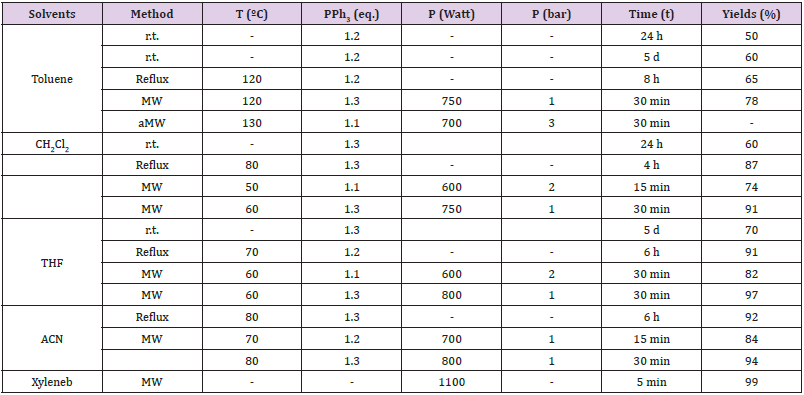
Various conditions, such as room temperature (°C), heating, reflux, different solvents, different molar ratios, powers (watt), pressures (bar), and times (t) were applied to optimize the reaction conditions and summarized in Table 1. From the optimization study table (Table 1), it appears that yields were increased when microwave irradiation was applied to the reaction mixture. Moreover, it saves time as the duration of the reaction was reduced to only 30 minutes. THF acts as the best solvent as it can dissolve triphenylphosphine well, and it also has dielectric properties that are crucial for microwave irradiation reactions. Under these optimal reaction conditions, phosphonium salts (3a-s) were synthesized (Scheme 1). The product formation was considered when a precipitate was observed.

biomedres-openaccess-journal-bjstr

Table 1: Optimization for the synthesis of benzyltriphenylphosphonium bromide salt 3a.

aDecomposition of products; b Temperature was not mentioned, starting materials were liquids

Conclusion

Conventional and microwave irradiation methods were applied for the preparation of eighteen Wittig reagents. Various temperature (°C), power (watt), time (t) and solvents were optimized for the method development of substituted-benzyltriphenylphosphonium bromides. We found, using THF at 60 ºC for 30 min at 800-watt substituted-benzylhalides and triphenylphosphine gave good to quantitative yields. Therefore, this method is simple, efficient and has an advantage over the reported method.

Acknowledgements

The authors gratefully acknowledge the grant from the Ministry of Science, Technology and Innovation, Malaysia (MOSTI) (Biotech Grant Number-30600007001).

For More Articles: Biomedical Journal Impact Factor: https://biomedres.us
Open Access Journals On Zoology, Faculty of Science

Larvicidal Activity of the Leaf Extracts and Powder of Millettia aboensis Against Larvae of Anopheles gambiae s. l. Collected from Lafia, Nasarawa State, Nigeria

Introduction

Mosquitoes are an important group of insects of public health importance, which transmit human diseases like filariasis, Dengue, Malaria, Japanese encephalitis and yellow fever, resulting in millions of deaths worldwide every year [1]. Malaria is the most prevalent mosquito-borne disease, globally affecting about 3.5 billion persons per annum and the causative pathogen (Plasmodium) is vectored by the Anopheles mosquito [2,3]. An. gambiae is an effective vector of human malaria and lymphatic filariasis (el ephantiasis). Despite several efforts in controlling this vector, the medical and economic burdens caused by it continue to grow [4]. The failure in current control measures and the growing insecticide resistance is necessitating the search for newer and more effective control strategies [5]. One of the approaches for controlling this mosquito borne disease is to interrupt the disease transmission through mosquito control or avoiding mosquito bite. The primary public health intervention for reducing malaria transmission at the community level is through vector control and it is the only intervention that can reduce malaria transmission from very high levels to close to zero [3]. Among the most preferred target for mosquito control is the larval stage, because the larva has low mobility, making treatment to be easily localized in time and space as compared to the adult stage [6]. Many approaches have been developed to prevent mosquito menace and the diseases they spread. One of such strategies has been based on the use of synthetic insecticides to interrupt the disease transmission cycle by either targeting the mosquito larvae at breeding sites (through spraying of stagnant water) or by killing or repelling the adult mosquitoes [7]. Though effective, these have created problems like toxicity to humans and non-target populations, long persistence in environment and entry in the food chain [8]. These problems have necessitated the need to develop environmentally safe, biodegradable, economical and indigenous methods of vector control that can be used with minimum care by individuals and communities [9].
Plant products with potentials to act as insecticides or repellent can play an important role in the interruption of transmission of mosquito borne disease at the individual as well as community level [10]. The secondary metabolites in different plants make up a vast repository of compounds with a wide range of biological activities [11]. Millettia aboensis has been used by traditional medicinal practitioners to manage constipation, respiratory difficulties, colds and headaches [12]. The ethanol extract of the root is also used in the study of anti-inflammatory, antioxidant and antimicrobial activity and also macerated root in alcohol is used to treat hernias and jaundice [13]. This study aims to investigate the larvicidal potential of Millettia aboensis against larval stages of Anopheles gambiae.

Materials And Methods

Study Area

This study was conducted in the Federal University of Lafia, Nasarawa state. The City of Lafia, Capital of Nasarawa State has farming as the main occupation of its residents, and it boasts crops such as cassava, yam, rice, maize, guinea corn, beans, soya beans, asha, groundnut, vegetables, sugar cane and millet. Also present in the State are mineral resources like columbite, coal and aquamarine. Residents in this area are prone to mosquito-borne diseases as a result of their farming activities [14].

Plant Sample Collection and Identification

Millettia aboensis plant leaves were sought for and collected locally from farmlands around the Lafia metropolis, Nasarawa State, Nigeria. The plant collected was identified and authenticated botanically at the Federal College of Forestry, Jos, with Herbarium Number 235.

Preparation and Extraction of Plant Sample

Leaves of M. aboensis were washed and air dried at room temperature, devoid of sunlight. Dried samples were ground into powdered form using mortar and pestle and then sieved to get fine powder, which was seperated into two portions. One portion of the powdered plant material was further divided into two parts and then each part (400g each) extracted with methanol (4 litres) and distilled water (4 litres) by maceration [8]. The extract was filtered and allowed to evaporate to dryness at room temperature (31oC). The dried extract was then transferred into an air-tight container and preserved in the refrigerator, prior to use.

Qualitative/Quantitative Phytochemical Screening of Millettia Aboensis

The leaf extracts of M. aboensis was screened for phytochemical constituents at the National Research Institute for Chemical Technology (NARICT), Zaria, utilizing standard methods of analysis [15-18].

Mosquito Larvae Collection and Identification

Anopheles gambiae larvae were collected from rock pools made as a result of quarrying activity in Arikpa-Randa, Nasarawa Eggon, Nasarawa State, located at latitude 08°41.408’N and longitude 008°20.835’E. The collected larvae were colonized in the laboratory in Department of Zoology, Federal University of Lafia prior to larvicidal test, and species identified using taxonomic key by [10]. The larvae were fed by adding finely ground powdered yeast on the surface of the water.

Larvicidal Test

Bioassay was carried out according to the WHO standard procedures for laboratory testing of mosquito larvicides [19]. The methanol leaf extract of M. aboensis were evaluated using different concentrations of 25, 50, 75, 125 and 250 mg/ml. Distilled water only (100 ml) was used as negative control, while distilled water (100 ml) to which 1 ml methanol was added was used as positive control. Twenty larvae of each mosquito species were put into each of seven disposable 250 ml bowls (controls inclusive) containing 100 ml of distilled water, to which a measured concentration of the test solution was added. Larval mortality was counted at 24, 48 and 72 hours after treatment. Mortality was calculated at each time interval, replicated four times and the results used to determine the LC50 and LC90 values for the extract by Probit analysis. Larvae were considered either alive, if they were clearly moving normally, or dead when there is no movement and no response to gentle probing on the abdomen with a needle. The interpretation of the mortality rate of Anopheles larvae based on WHO [19] susceptibility tests was:

a) Mortality rate between 98 – 100% within the diagnostic time, indicates susceptibility.
b) Mortality rate between 80 – 97% suggest possible resistance.
c) Mortality rate < 80% indicates resistance.
The percentage mortality was calculated by employing the formula as propounded by [19] as:

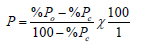
The Corrected percentage mortality was used when a proportion of the insects in the control batches died during the experiment. This was applied using Abbott’s formula [20], represented as:

Where: P = Corrected Mortality
Po = Observed Mortality
Pc = Control Mortality, all expressed in percentages.

Determination of LC50 and LC90

Lethal concentrations (LC50 and LC90) were determined by Probit analysis as described by Finney [21] for both samples at the different concentrations and times used in this study. The LC50 and LC90 are the lethal concentrations of the extract that kills 50% and 90%, respectively of the larval population. It is important to note that the lower the LC50 and LC90, the more effective the larvicidal efficacy of the extract. Microsoft Excel regression probit analysis was employed. Percentage mortalities were converted to probits by looking up the percentage in Finney’s table. The log of concentrations is calculated. A graph of probits versus the log of concentration is plotted to fit a line of regression. Extrapolating the probit of 5 in the y-axis to the x-axis followed by taking the inverse of log of the extrapolated value on the x-axis gives the LC50. A similar procedure was used to determine the LC90.

Statistical Analysis

Data obtained were analyzed using R Console software (Version 2.9.2). Mortality rate of the Anopheles larvae in relation to concentrations of extracts were compared using Pearson’s Chisquare test. P-value < 0.05 was considered statistically significant.

Results and Discussion

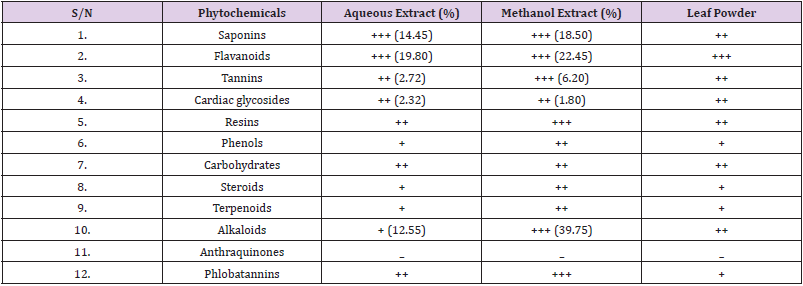
Results of qualitative and quantitative phytochemical screening of the leaves of M. aboensis showed that flavonoids was present in very high concentration from both extracts and leaf powder (Table 1). Flavonoids are hydroxylated phenolic substances synthesized by plants in response to microbial infection. They are also effective antioxidants, helping in the removal of oxidant free radicals [22,23]. They are health promoting compounds due to their active radicalscavenging potential [24].

biomedres-openaccess-journal-bjstr

Table 1: Results of Phytochemical Tests on Leaf Extracts and Leaf Powder of M. aboensis.

Key
+++ = Present in very high concentration
++ = Present in moderately high concentration
+ = Present in low concentration
– = Not Detected

Larvicidal Activity of Leaf Extracts and Powder of M. aboensis against Anopheles gambiae larvae

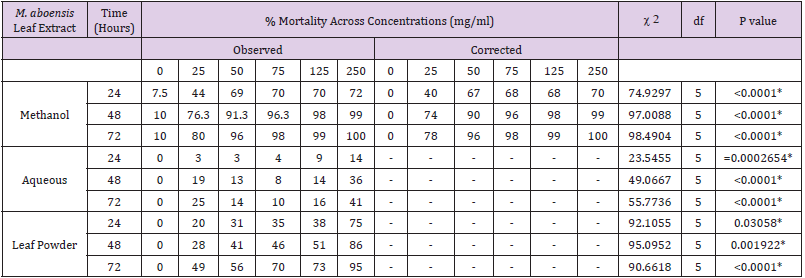
Results of mortality rates recorded against An. gambiae by methanol, aqueous and leaf powder extract at varying concentrations (25-250 mg/ml) are presented in Table 2.

biomedres-openaccess-journal-bjstr

Table 2: Percentage Mortality of An. gambiae Larvae exposed to Extracts Millettia aboensis in relation to Time.

*: Significant

Exposure to Methanol Extract

At 24 hours, 250 mg/ml concentration recorded highest mortality rate of An. gambiae larvae (70%) followed by 125 mg/ ml and 75 mg/ml (68%) then 50 mg/ml (67%), 25 mg/ml (40%), while no mortality was recorded at 0 mg/ml (Table 2). There was a very high significant difference (χ 2 = 74.9297, df = 5, P < 0.0001) in mortality rate of An. gambiae larvae in relation to concentrations of methanolic extract of the leaf of M. aboensis. The larvae were resistant at 24 hours to the larvicidal activity of methanolic extract of the leaf of M. aboensis. At 48 hours, 250 mg/ml concentration had the highest mortality rate of An. gambiae larvae (99%), 125 mg/ml (98%), 75 mg/ml (96%), 50 mg/ml (90%), 25 mg/ml (74%), whereas no mortality was recorded at 0 mg/ml (Table 2). Hence, there was a very high significant difference (χ 2 = 97.0088, df = 5, P < 0.0001) in mortality rate of An. gambiae larvae in relation to concentrations. The larvae were susceptible at 125- 250 mg/ml concentrations but showed possible resistance at 50- 75mg/ml concentration but were however resistant at 25 mg/ml concentration.

A. gambiae larvae were predominantly killed (100%) by 250 mg/ ml concentration at 72 hours period followed by 125 mg/ml (99%) then 75 mg/ml (98%), 50 mg/ml (96%), 78 mg/ml (20%), but no mortality was recorded at 0 mg/ml (Table 2). Therefore, there was a very high significant difference (χ 2 = 98.4904, df = 5, P < 0.0001) in mortality rate of An. gambiae larvae in relation to concentrations. The larvae were susceptible at 75-250mg/ml concentration, and indicated possible resistance at 50mg/ml, but were resistant at 25 mg/ml concentration. The results obtained showed progressive increase in percentage mortality as concentrations increased. The findings are in agreement with studies by Dakum [25] and Abok et al. [26] who investigated the larvicidal potency of the methanol leaf extract of H. suaveolens against An. gambiae larvae, a possible reason being the similarity in the use of solvent for extraction, the same mosquito species tested, and the same Protocol applied for larvicidal testing. This agrees with the findings of Kholhring [27], who investigated the mosquitocidal activity of M. pachycarpa on the larvae and eggs of Ae. aegypti, recording peak mortality at the highest concentration of the extract, after total exposure time. A possible reason for this may be the similarities in the use of plant species from the same family and similar solvents used for extraction.

Exposure to Aqueous Extract

At 24 hours exposure time, highest mortality rate of An. gambiae (14%) was observed at 250 mg/ml concentration followed by 125 mg/ml (9%), 75 mg/ml (4%), 50 mg/ml and 25 mg/ml (3%) while no mortality was recorded at 0 mg/ml (Table 2). Therefore, there was significant difference (χ 2 = 23.5455, df = 5, P=0.0002654) in mortality rate of An. gambiae larvae in relation to concentrations of aqueous extract of the leaf of M. aboensis. The larvae were resistant at 24 hours exposure. The 250 mg/ml concentration had the highest mortality rate of An. gambiae larvae (36%) at 48 hours followed by 25 mg/ml (19%), 125 mg/ml (14%), 50 mg/ml (13%) and 75 mg/ ml (8%), whereas no mortality was recorded at 0 mg/ml (Table 2). Thus, there was a very high significant difference (χ 2 = 49.0667, df = 5, P < 0.0001) in mortality rate of An. gambiae larvae in relation to concentrations. The larvae at 48 hours were resistant. The mortality rate of An. gambiae larvae was highest (41%) at 250 mg/ ml concentration during the 72 hours exposure period followed by 25 mg/ml (25%), 125 mg/ml (16%), 50 mg/ml (14%) and 75 mg/ ml (10%), while no mortality was recorded at 0 mg/ml (Table 2). Hence, there was a very high significant difference (χ 2 = 55.7736, df = 5, P < 0.0001) in mortality rate of An. gambiae larvae in relation to concentrations. The larvae were resistant at this hour.
After 24 hours of larval exposure to aqueous leaf extract, the result demonstrated very slow increase in percentage mortality as concentrations increased. At 48 hours exposure period, larval mortality showed an irregular pattern as mortality was high at 25 mg/ml concentration, but started to decline steadily at 50-75 mg/ ml. There was a sudden increase in mortality as concentration was increased to 125 mg/ml and peak mortality was recorded at 250 mg/ml. This gave an irregular pattern of larval mortality. After 72 hours exposure period, there was a similar irregular mortality rate pattern. Larval mortality was high at 25 mg/ml concentration, but started to decline steadily from 50-75 mg/ml. There was a sudden increase in mortality as concentration was increased to 125 mg/ ml and peak mortality was recorded at 250 mg/ml. This irregular pattern of larval mortality also gave an undulating mortality rate curve. A possible explanation for the irregular mortality rates recorded at the 24th and 72nd hour may be that the larvae developed some resistance to initial dose of the aqueous extract and were able to tolerate higher doses, but however lost their resistance when concentration was increased to the maximum. This result disagrees with the findings of Meenakshi and Jayaprakash [28] who investigated the mosquito larvicidal efficacy of leaf extract from mangrove plant Rhizophora mucronata against Anopheles and Aedes species and recorded 100% larval mortality at all concentrations after 48 hours exposure period.
Dakum et al. [25] and Abok et al. [26] who conducted similar experiments, recorded peak mortality at all concentration of the extract after 72 hours exposure time, which disagrees with the findings from the current experiment. The variations in results may be due to the conditions under which the experiments were conducted and the locations from which the larvae were collected and the variations in plant species used for extraction and larvicidal testing.

Exposure to Leaf Powder

At 24 hours, 250 mg/ml concentration recorded highest mortality rate of An. gambiae larvae (78%), followed by 125 mg/ml (38%), 75 mg/ml (35%), 50 mg/ml (31%), 25 mg/ml (20%), while no mortality was recorded 0 mg/ml (Table 2). Therefore, there was a significant difference (χ 2 = 92.1055, df = 5, P = 0.03058) in mortality rate of An. gambiae larvae in relation to concentrations of the leaf powder of the leaf of M. aboensis. The larvae were resistant at 24 hours. At 48 hours, 250 mg/ml concentration recorded highest mortality rate of An. gambiae larvae (86%), followed by 125 mg/ml (51%), 75 mg/ml (46%), 50 mg/ml (41%), 25 mg/ml (28%), while no mortality was recorded at 0 mg/ml (Table 2). There was a significant difference (χ 2 = 95.0952, df = 5, P = 0.001922) in mortality rate of An. gambiae larvae in relation to concentrations. The larvae showed possible resistance at 250 mg/ml concentration but were susceptible however at 25 – 125 mg/ml concentrations. At 72 hours, 250 mg/ml concentration recorded highest mortality rate of An. gambiae larvae (95%), followed 125 mg/ml (73%), 75 mg/ml (70%), 50 mg/ml (56%), 25 mg/ml (49%), while no mortality was recorded at 0 mg/ml (Table 2). There was a very high significant difference (χ 2 = 50.6667, df = 4, P < 0.0001) in mortality rate of An. gambiae larvae in relation to concentration. The larvae showed possible resistance at 250 mg/ml concentration but were however resistant at 25 – 125 mg/ml concentrations.
The results obtained demonstrated progressive increase in percentage mortality as concentrations increased. A possible reason for susceptibility recorded may be the fact that the leaf powder used up the dissolved oxygen available in the water, making it difficult for the mosquito species to survive. Chukwujekwu et al. [29]. who investigated the antiplasmodial diterpenoids from the leaves of H. suaveolens recorded similar finding. Also, Ombugadu et al. [30] recorded an increase in mortality of Anopheles larvae with increase in dosage of Capsicum chinensis.

Comparison of the Efficacy of Three Treatments

The larvae of An. gambiae showed progressive increase in mortality after 24 hours exposure period. The methanol leaf extract showed greater efficacy than the aqueous leaf extract and the leaf powder. However, at 250 mg/ml, the leaf powder was more effective, recording the highest mortality than the methanol and aqueous leaf extracts. A possible explanation to this occurrence may be that larval mortality resulted from pollution of test habitat caused by the 250mg/ml concentration of the leaf powder, which may have caused a decline in the amount of dissolved oxygen available for the juvenile larval population. This event may have promoted larval mortality at that concentration and time. This result disagrees with the findings of Dakum et al. [25]. who recorded recorded higher mortality rates of An. gambiae exposed to concentrations of the methanol leaf extract of H. suaveolens than those exposed to the aqueous leaf extract of the same plant. After 48-hour exposure period, larval mortality showed progressive increase at all concentrations. The methanol leaf extract proved to be more effective than the aqueous leaf extract and leaf powder, with peak mortality recorded at 99% of the methanol leaf extract at 250 mg/ml. This is in agreement with the findings of Meenakshi and Jayaprakash [28], who also recorded higher mortality rates of An. gambiae and Ae. aegypti larvae exposed to the methanol leaf extract of Rhizophora mucronata.

After 72 hours exposure period, larval mortality showed progressive increase at all concentrations. The methanol leaf extract proved to be more effective than the aqueous leaf extract and leaf powder

Lethal Concentration of Leaf Extracts and Powder of M. aboensis

LC50 and LC90 values for Anopheles species in relation to leaf extracts and powder of M. aboensis are presented in Tables 3 & 4 respectively. Table 3 shows that the methanol leaf extract would be the most effective to use in order to yield 50% mortality rate at 24, 48 and 72 hours against An. gambiae larvae. The leaf powder would be most effective in order to yield 90% mortality rate at 24 hours, while the methanol leaf extract would be most effective to kill 90% of Anopheles gambiae larvae at 48 and 72 hours Table 4.

biomedres-openaccess-journal-bjstr

Table 3: LC50 for An. gambiae larvae Exposed to Leaf Extracts of Millettia aboensis.

biomedres-openaccess-journal-bjstr

Table 4: LC90 for An. gambiae larvae Exposed to Leaf Extracts of Millettia aboensis.

Conclusion

Results obtained established that the methanol and aqueous leaf extracts, and leaf powder of M. aboensis can be used as an alternative to synthetic insecticides in control of Anopheles gambiae larvae at high concentrations. It is recommended that the extracts could be merged with various Pest Management programs. Repercautions of extracts on non-target organisms should also be investigated before its recommendation for use in vector control programme and commercial production.

For More Articles: Biomedical Journal Impact Factor: https://biomedres.us
Open Access Journals On Laboratory of Neuroscience and Pharmacological

Intravenous Repetitive Injection of Lidocaine Associated with Pregabalin Enhances Oxidative Stress Parameter in Fibromyalgia Patients’ Blood: A Randomized Trial

Introduction

Fibromyalgia syndrome (FMS) is a clinically well-defined disease of extra-articular rheumatologic origin with an estimated 2-4% prevalence. It is the most found chronic musculoskeletal pain condition, and its etiology is still unknown [1]. Its symptoms also include non-recoverable sleep patterns, cognitive dysfunction, headache, morning stiffness, fatigue, depression, and anxiety [2]. Oxidative stress is an imbalance between oxidation products and antioxidant defenses and has recently been associated with several events in the pathogenesis of FMS [3,4]. Patients with FMS have decreased levels of glutathione (GSH) and increased lipoperoxidation in blood and plasma, which seems to be associated with a worsening of patients’ clinical condition [5]. The pathology of fibromyalgia (FM) causes a negative regulation of catalase activity in patients’ erythrocytes and leukocytes [6,7]. Research has also described the effects of antioxidant redox systems, levels of protein carbonylation and lipoperoxidation on the pathogenesis of FMS, and increased oxidative stress is strongly associated with the FMS severity [5]. Thus, managing the oxidative profile can be a promising approach to optimize the FMS treatment, although there is a little-explored gap in this profile. There is still no specific pharmacological therapy to date to relieve such syndrome, and the currently available drugs are used to manage symptoms. Although there are drugs that can treat FMS symptoms, such as neuromodulators, antidepressants, and muscle relaxants, some side effects and their low efficacy have been reported to limit therapeutic adherence. Lidocaine is an aminamide-type local anesthetic with fast onset, safety profile, low cost, and wide availability. It inhibits neuron-dependent voltagegated sodium channels, reducing the nervous signal conduction and consequently blocking pain. Intravenous lidocaine showed positive results in treating acute and chronic neuropathic pain syndromes, such as trigeminal neuralgia and peripheral nerve damage. However, the role of intravenous lidocaine injection in FMS needs to be clarified.
Pregabalin was the first drug approved by the Food and Drug Administration (FDA) to treat FMS. Its structure is similar to the gamma-aminobutyric acid (GABA) neurotransmitter, without pharmacological action in this way, but in voltage-dependent calcium channels [8]. Few studies have reported using lidocaine with pregabalin to manage FM, and we have not found reports of studies valuating the oxidation parameters of FM patients with this treatment. Therefore, the hypothesis that there could be an effect on oxidative stress allowed us to assess its correlation with oxidative symptoms and parameters.

Methodology

Ethical Aspects

The Ethics Committee of the Federal University of Sergipe (UFS) approved the clinical study opinion No. 2.637.928 (Certificate of Presentation for Ethical Consideration (CAAE) protocol No. 85503418.2.0000.5546). All subjects who volunteered for the trial were women included in the study only after signing the free and informed consent form. The Universal Trial Number (UTN) is U1111-1257-3477. ReBEC trial: (req:10410) Benefits of innovative treatment for women with fibromyalgia: a procedure to follow.

Experimental Groups and Schematic Design of Experiments

Forty-eight female patients who met the 2016 American College of Rheumatology (ACR) FMS classification criteria were enrolled. The inclusion/exclusion criteria adopted in the study excluded patients with other comorbidities such as epilepsy, recent trauma (≤ 3 months), psychiatric and rheumatic disorders, moderate or severe neuromuscular disorders, hypothyroidism or hyperthyroidism, infectious arthroplasty, other chronic pain syndromes, hypersensitivity to drugs, and neoplasms disorders.
Twenty-four patients formed two groups randomly.
Pregabalin Group (GP): Women taking 150 mg pregabalin daily and submitted to a hospital procedure performed at the surgical center for an intravenous administration of 0.9% physiological solution for three consecutive weeks.
Pregabalin/lidocaine Group (GPL): Women taking 150 mg pregabalin daily and submitted to a hospital procedure performed at the surgical center for intravenous administration of lidocaine (3 mg.kg) for three consecutive weeks.
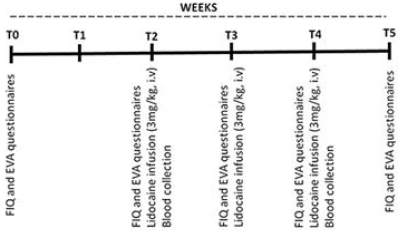
FM patients valuated for five weeks. The experimental procedure schematic design shown in Figure 1. The lidocaine infusion was applied at the third (T2), fourth (T3), and fifth (T4) weeks. The FIQ and VAS questionnaires were performed at the first (T0), second (T1), third (T2), fourth (T3), and fifth (T4) weeks.
All patients took pregabalin (150 mg.kg) for treatment as the therapeutic protocol of the HU-UFS outpatient clinic. Thus, since our research ethics committee did not authorize an experimental group of fibromyalgia patients treated with lidocaine alone, they used the previous pregabalin because it is a pain clinic, which is a limitation of this study Table 1 and Table 2.

biomedres-openaccess-journal-bjstr

Table 1: Demographic features of patients.

Note: BMI, body mass index; GPL, pregabalin/lidocaine group; GP, pregabalin group; R, Rank-Biserial Correlation. Values are expressed in means ± SD. Mann-Whitney Test.

biomedres-openaccess-journal-bjstr

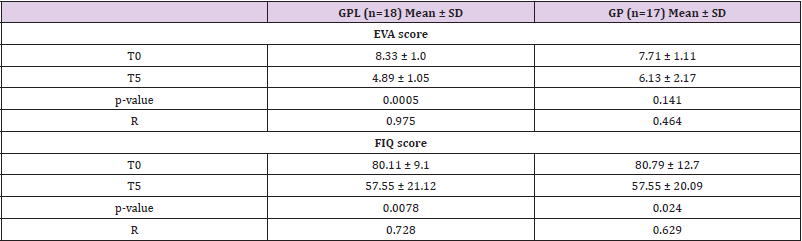
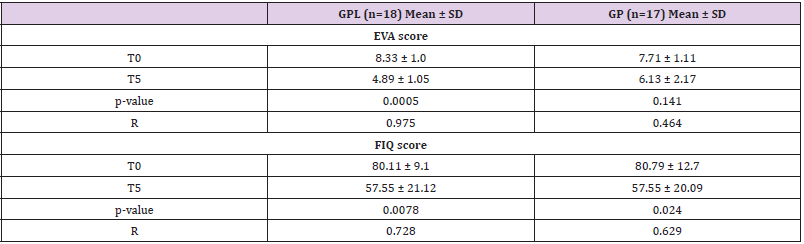
Table 2: Intensity of resting pain (EVA score) and Impact of Fibromyalgia (FIQ score) determined in initial time (T0) and final time (T5).

Note: BMI, body mass index; GPL, pregabalin/lidocaine group; GP, pregabalin group; R, Rank-Biserial Correlation; T0, initial time; T5, final time. Values are expressed in means ± SD. Mann-Whitney Test

biomedres-openaccess-journal-bjstr

Figure 1.

Fibromyalgia Impact Questionnaire (FIQ score)

The FMS functional status was valuated by the FM impact questionnaire (FIQ). The questions aimed to highlight well-being and the loss of daily work, difficulty to work, fatigue, pain, and well-being in the morning after waking up, stiffness, anxiety, and depression. High scores showed functional limitations [9].

Intensity of Resting Pain (VAS score)

A numerical scale of 11 points measured the intensity of the pain according to how intense patients report the pain to be, in which 0 is considered painless and 10 is the worst pain. The test is an analogic visual scale completed by the patients themselves [10]. The FMS functional status was valuated by the FM impact questionnaire (FIQ). The questions aimed to highlight well-being and the loss of daily work, difficulty in working, fatigue, pain, and well-being in the morning after waking up, stiffness, anxiety, and depression. High scores showed functional limitations [9]. The visual analog scale (VAS) is a subjective measure validated for acute and chronic pain. Patients reported their scores by making a handwritten mark on a 10 cm line representing a continuum between “no pain” and “worst pain”.

Biochemical Measures

Blood Collection and Preparation of Blood Samples

During the second and third trials, corresponding to the second and third weeks, venous blood samples of all individuals were collected in test tubes with no anticoagulant or EDTA. Fresh whole blood samples were separated and used for determined reduced glutathione (GSH) and lipoperoxidation. A portion of EDTA-blood was centrifuged for 10 minutes at 3000 xg to separate plasma and erythrocytes that were then washed three times with PBS and kept frozen at -80°C until analysis for activities of RBC antioxidant enzymes, reduced sulfhydryl groups, and ferric reducing ability of plasma (FRAP).

Ferric-Reducing Ability (FRAP assay)

FRAP level in plasma was measured according to the method by Benzie and Strain, as described previously [11]. The plasma samples were mixed with a reagent mixture containing acetate buffer (pH 3.6), 5 mM tripyridyltriazine in 40 mM HCl, and 20 mM ferric chloride. Absorbance was assessed at a 593 nm wavelength. FRAP values were expressed as μg/mg protein.

Reduced Sulfhydryl Groups and GSH Determination

To measure the levels of reduced thiol (-SH) groups in protein and nonprotein fractions from plasma, an 80 𝜇g sample aliquot reacted with a 10 mM 5,5- dithionitrobis 2-nitrobenzoic acid. After 60 minutes of incubation at room temperature, the absorbance was read in a spectrophotometer set at 412 nm [12].

Lipid Peroxidation Level Determinations

Lipoperoxidation levels in the total blood samples were measured with the thiobarbituric acid reaction according to the method by (Draper & Hadley 1990 [13].

Catalase Activity

Catalase activity was assayed in blood cell lysates by measuring the hydrogen peroxide (H2O2) absorbance decrease ratio in a spectrophotometer at 240 nm [14].

Superoxide Dismutase Activity

Superoxide dismutase (SOD) activity was determined in blood cell lysates from the inhibition of superoxide anion-dependent adrenaline autoxidation in a spectrophotometer at 480 nm as previously described [15].

Statistical Analysis

The results were expressed as a mean ± S.E.M or mean ± S.D. Samples were assessed for normal distribution according to the Shapiro-Wilk test. Differences between the two groups were analyzed using the Mann-Whitney U test for independent samples or the Wilcoxon test for dependent samples. The rank-biserial correlation was used as a side effect. Differences were considered significant if p<0.05. The statistical analyses were made using the GraphPad Prism® 5.0 software (GraphPad Prism Software Inc., San Diego, CA, USA).

Sample Size Calculation

Although a 1:1 proportion for randomization was proposed, the final proportion was 3:2 due to a lack of follow-up. Thus, for a significant difference at the 5% level with 80% power, with a very large effect size (Cohen’s D = 1.2), 25 patients with a 3:2 ratio are necessary, considering a correction of asymptotic relative efficiency for non-parametric tests.

Results

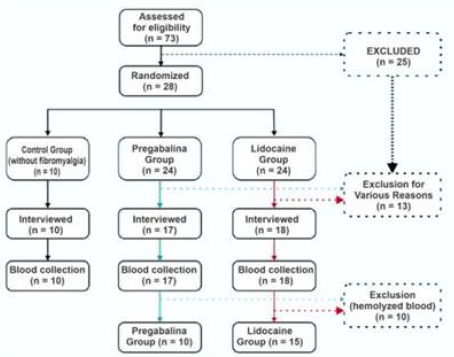
According to the study flowchart, the steps occurred as shown in Figure 1.
Study flowchart
The description of the patients is reported in Figure 2. No difference was found in demographic values for patients with FM treated with pregabalin (GP) or treated with pregabalin/ lidocaine (GPL) (Table 1).
Table 3 Regarding the VAS scores, patients treated with lidocaine/pregabalin (GPL) showed improvements in the parameter analyzed compared initial (T0) and final time (T5) of treatment. No difference was found in patients from the group pregabalin (GP). Besides, a considerable improvement also was seen in the FIQ score compared initial (T0) and final (T5) time of vasluation in GPL and GP groups. No difference was reported between the GPL and GP groups in VAS, neither the FIQ score in the final time (T5) (Table 2).
Table 4 The effect of repetitive intravenous lidocaine 3 mg.kg.h, diluted in 250 ml of 0.9% saline through an infusion pump, administration associated with pregabalin (150 mg.kg) on the redox status are described in Figures 2 and 3. The blood samples were collected before first lidocaine administration (at the third week (T2)) and after the third lidocaine infusion (at the fifth week (T4)), and the analyses was performed at T2 and T4 in the same patient from the GPL (lidocaine/pregabalin) and GP groups (pregabalin) (Figure 1).

biomedres-openaccess-journal-bjstr

Table 3: Demographic features of patients.

Note: BMI: Body mass index; GPL: Pregabalin/lidocaine group; GP: Pregabalin group; R: Rank-biserial correlation. Values are expressed in means ± SD. Mann-Whitney U Test.

biomedres-openaccess-journal-bjstr

Table 4.

Note: BMI: Body mass index; GPL: Pregabalin/lidocaine group; GP: Pregabalin group; R: Rank-biserial correlation; T0: Initial time; T5: Final time. Values are expressed in means ± SD. Mann-Whitney U Test.

Figure 2 represents the oxidative damage and non-enzymatic antioxidant profile. The results showed that lidocaine/pregabalin administration attenuates the redox damage caused by FM. We found that lidocaine/pregabalin increased GSH levels (p<0.01) and non-enzymatic capacity (FRAP) (p<0.05) in blood and plasma of the GPL group (Figure 2A & 2B). Moreover, lidocaine decreases lipoperoxidation (p<0.001) in blood cells of the GPL group (Figure 2C) without changing the sulfhydryl groups (Figure 2 D). No changes were found in the GP group (pregabalin) between T2 and T3 in oxidative damage and non-enzymatic antioxidant status.
Figure 3 describes the effect of lidocaine/pregabalin administration on enzymatic antioxidant defense catalase and superoxide dismutase. Lidocaine/pregabalin could not alter enzymatic antioxidant activities in blood cells in both the GPL and GP groups (Figure 3).
Figure 4 Mild headache, dizziness, and drowsiness have been reported.

biomedres-openaccess-journal-bjstr

Figure 2: Schematic representation of experimental procedures.

biomedres-openaccess-journal-bjstr

BMI: Body mass index; GPL: Pregabalin/lidocaine group; GP: Pregabalin group; R: Rank-biserial correlation. Values are expressed in means ± SD. Mann-Whitney U Test.

Figure 3: Effect of repetitive intravenous injection of lidocaine (3 mg.kg IV) on parameters of oxidative imbalance in blood cells and plasma of FM patients. Ferric-reducing ability (FRAP) (A); GSH levels (B); Thiobarbituric acid reactive substance (TBARS) (C); Total reduced thiol content (SH) (D). Data are reported as mean ± SEM of 15 patients (GPL group) and ten patients (GP group). Statistically significant differences from T2 (before lidocaine injection) and T4 (after third lidocaine injection) as determined by the Wilcoxon test. GPL: Pregabalin/lidocaine group; GP: Pregabalin group.

biomedres-openaccess-journal-bjstr

Figure 4: Effect of repetitive intravenous injection of lidocaine (3 mg/kg IV) on enzymatic antioxidant defenses in FM patients’ blood cells. Superoxide dismutase activity (A); Catalase activity (B); SOD and CAT ratio (C). Data are reported as mean ± SEM of 15 patients (GPL group) and ten patients (GP group).
Statistically from T2 (before lidocaine injection) and T4 (after third lidocaine injection) as determined by the Wilcoxon test. GPL: Pregabalin/lidocaine group; GP: Pregabalin group.

Discussion

This study investigated the beneficial effects of repetitive intravenous injection of lidocaine associated with pregabalin on FM and the role of oxidative stress in the lidocaine/pregabalin pharmacological action. There were significantly improved VAS and FIQ scores in the GPL group (lidocaine/pregabalin). Moreover, to the best of our knowledge, our findings also showed for the first time that lidocaine/pregabalin attenuated the oxidative stress caused by FM, especially by regulating the non-enzymatic antioxidants defense. Lidocaine is a classical local anesthetic and antiarrhythmic drug that changes neuron depolarization by blocking the fast voltage-gated sodium (Na+) channels. It is also used as an analgesic for several painful conditions [16]. Nowadays, several works have described the effect of lidocaine in attenuating fibromyalgia symptoms. Intravenous lidocaine administration inhibits the pain caused by a deep ischemic but not the superficial cutaneous pain modalities or tactile sensation [17]. Also, repeated lidocaine injections into myofascial points attenuated clinical FM pain and several tender points [8,17], and a single administration of lidocaine into the trapezius muscle reduced secondary hyperalgesia in FM patients [18]. Our results showed that intravenous injections of lidocaine associated with pregabalin (orally) reduced the pain, which is supported by the VAS and FIQ scores. Chronic pain is one of FMS’s main symptoms and modulating that parameter could lead to a better quality of life. Moreover, our findings also showed improved functional and physical capacity and mental health status assessed by the FIQ score in the pregabalin/lidocaine group. Thus, administering lidocaine/pregabalin modulates morning tiredness, stiffness, anxiety, pain, and depression in FM patients, thus decreasing FMS symptoms [19]. However, no differences were found between the GPL and GP groups regarding the FIQ scores. Such finding agrees with a study by Oliveira [20], which showed that clinical pain was attenuated after lidocaine treatment. The effect was similar to that of saline administration, which indicated that the additional factor to overall analgesia could be inferred in the lidocaine effect. Additionally, the pain parameters improved in the group treated with lidocaine/pregabalin, reinforcing the hypothesis that combining those drugs could bring associated benefits. Studies have associated oxidative stress parameters and FMS symptoms, showing a strong relationship between redox status and FIQ scores [21]. Thus, we analyzed the effect of repetitive intravenous lidocaine administration on the redox status of FM patients. Lidocaine/pregabalin could improve the total antioxidant capacity, mainly by upregulating the glutathione (GSH) levels compared to the GPL and GP groups. The tripeptide GSH contains the thiol group that protects the organism from oxidative stress by modulating the enzyme glutathione peroxidase [22]. It could be a biomarker of improved redox balance in FM patients [23].
Those reduced thiol group levels deteriorate in FM patients and the thiol-disulfate rate increases in favor of disulfide amounts. Increased GSH levels seen in GPL patients could contribute to better physical and psychological response after the lidocaine treatment measured by the FIQ scores. Moreover, increased antioxidant redox systems, such as GSH, protect lipids and membranes from oxidative damage [5,24]. FM includes increased plasma lipoperoxides levels in blood [25,26], resulting in altered membrane fluidity and proteinlipid bilayer, altered membrane potentials and eventual integrity leading to the release of cell organelle contents in extracellular fluid. Besides, lipid peroxidation plays a key role in the central nervous system mechanism of depression, anxiety, cognitive dysfunctions, and pain. All of those symptoms are described in FM patients, so lipid oxidation protection is an important FM therapy target [5,24,27].
Together, our data showed in the experiment that lidocaine/ pregabalin therapy stimulate antioxidant defenses in the blood, reducing oxidative stress and consequently lipid bilayer damage and cell membrane disruption. Attenuating oxidative injury could mitigate FM symptoms. These results could propose intravenous lidocaine injection as a safe treatment that may significantly improve FMS patient’s quality of life.

Acknowledgments

This study was supported by the Brazilian Agencies National Council for Scientific and Technological Development (CNPq), Coordination for the Improvement of Higher Education Personnel (CAPES), and Foundation to support Research and Technological Innovation of the State of sergipe (FAPITEC-SE).

For More Articles: Biomedical Journal Impact Factor: https://biomedres.us
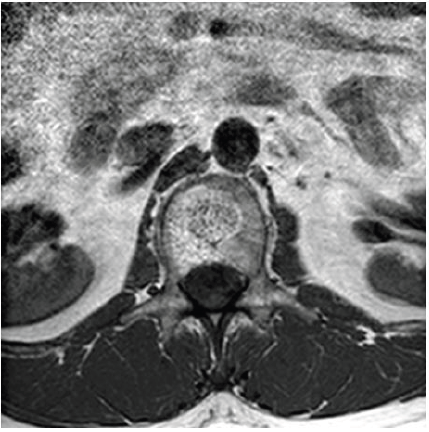
Open Access Journals On Pharmaceutical & Medicinal Chemistry

Acetylation of Cinnamic Acid and Evaluation of Antioxidant Activity of the Resultant Derivative

Introduction

In the search for novel pharmacologically active compounds, research efforts are being focused on some lead chemicals/ compounds. One of such is cinnamic acid and its derivatives which are chemical compounds with high potentials for development into drug templates. Some of these compounds especially the ones containing phenolic hydroxyl group are well-known for their several health benefits due to inherent strong free radical scavenging properties. Hence, these compounds are being studied as potential antioxidants due to the multi-functional activities they exhibit. Furthermore, previous studies have shown that this class of compounds posses anti-microbial, anti-inflammatory, anti-cancer, anti-oxidative and cardiovascular protective properties. A derivative namely, p-coumaric acid (4-hydroxyl-trans-cinnamic acid) has been found to exhibit antioxidant activity involving direct scavenging of ROS (Reactive Oxidative Species) by minimizing the oxidation of low-density lipoprotein [1-3]. In addition, ethyl cinnamate and cinnamyl alcohol have been found to posses antioxidant activity using the rapid bench-top DPPH (2, 2-diphenyl-1-picrylhydrazyl hydrate) test [4]. In this present study, the acid was acetylated and the resultant derivative screened for antioxidant activity (IC50) using the DPPH test. Comparison of the activities given by the acid and the derivative was done with a view to determining if any improvements would be observed.

Experimental

Reagents/chemicals

DPPH (2, 2-diphenyl-1-picryl hydrazyl hydrate) and cinnamic acid were purchased from Sigma Aldrich Chemicals, Germany while acetic acid, acetic anhydride, di-ethyl ether, methanol and sulphuric acid were obtained as AnaLAR Grade Chemicals from British Drug House Chemicals Limited, Poole, England.

Acetylation of Cinnamic Acid

0.4g of cinnamic acid was dissolved in a beaker containing 10mL of acetic anhydride and 10mL of acetic acid. The solution was heated for 20 minutes and allowed to cool. 5mL of concentrated H2SO4 was added as catalyst. Further heating was done for few minutes and it was covered with an aluminum foil and kept in the refrigerator at -4 0C. After two weeks, crystals were formed in the beaker. 5mL of warm di-ethyl ether was added and the mixture gently heated again for a few minutes. The crystals dissolved on warming, but formed back after some hours. They were then filtered and allowed to dry [5,6]. The crystals were then weighed (Figure 1).

biomedres-openaccess-journal-bjstr

Figure 1.

Determination of Melting Point

Cinnamic acid and the synthesized derivative (0.05g) were separately filled to a quarter of the length of a micro-capillary tube and the melting point determined [7] using an Electro-thermal Melting Point apparatus (Electro-thermal Engineering Limited, England).

Determination of Optical Rotation and Refractive Index

Each sample (0.05g) was dissolved in 10mL of methanol. The tube of the Polarimeter (ADP-220, Bellingham Stanley, England) was filled with distilled water and the machine subsequently zeroed. The tube was refilled with 5mL of sample and the optical rotation and was measured at the wavelength (λ) of sodium D line (589.3nm) at 20.5 0C. Similarly, the refractive index of sample was obtained on a refractometer (WAY-15, Abbe, England) at the wavelength (λ) of sodium D line (589.3nm) at 20.5 0C [8,9].

Antioxidant Activity

Spectrophotometric Determination of Antioxidant Activity using DPPH Reagent: Substances which are capable of donating electrons or hydrogen atoms can convert the purple-colored DPPH radical (2, 2-diphenyl-1-picrylhydrazyl hydrate) to its yellowcolored non-radical form; 1, 1-diphenyl-2-picryl hydrazine [10,11]. This reaction can be monitored by spectrophotometry.
Preparation of Calibration Curve for DPPH Reagent: DPPH (4mg) was weighed and dissolved in methanol (100mL) to produce the stock solution (0.004 % w/v). Serial dilutions of the stock solution were then carried out to obtain the following concentrations; 0.0004, 0.0008, 0.0012, 0.0016, 0.0020, 0.0024, 0.0028, 0.0032 and 0.0036 % w/v. The absorbance of each of the sample was taken at λm 512nm using the Ultra-Violet Spectrophotometer (Jenway 6405, USA). This machine was zeroed after an absorbance had been taken with a solution of methanol without DPPH which served as the blank.
Determination of the Antioxidant Activity of Cinnamic Acid, Dderivative and Vitamin C: 2mg each of sample was dissolved in 50mL of methanol. Serial dilutions were carried out to obtain the following concentrations; 0.0004mg mL-1, 0.0008 mg mL-1, 0.0012mg mL-1, 0.0016mg mL-1 and 0.0020mg mL-1 using methanol. 5mL of each concentration was incubated with 5mL of 0.004 % w/v methanolic DPPH solution for optimal analytical accuracy. After an incubation period of 30 minutes in the dark at room temperature (25 ± 2 0C), observation was made for a change in the color of the mixture from purple to yellow. The absorbance of each of the samples was then taken at λm 512nm. The Radical Scavenging Activity (RSA %) or Percentage Inhibition (PI %) of free radical DPPH was thus calculated:

Ablank is the absorbance of the control reaction (DPPH solution without the test sample and Asample is the absorbance of DPPH incubated with the sample. Cinnamic acid /derivative / Vitamin C concentration providing 50 % inhibition (IC50) was calculated from a graph of inhibition percentage against the concentration of the cinnamic acid/ derivative /vitamin C [12,13]. Vitamin C was used as a standard antioxidant drug.
Infra-Red Spectroscopy of Samples: Each sample (0.2g) was analyzed for IR characteristics using the FTIR 84005 Spectrophotometer (Shimadzu, Japan).

Results

Structural Elucidation

Cinnamic Acid: C9H8O2; mol. wt. (148g/mol); white crystalline solid; m.pt. (134-136 0C); [n]D20 (1.516); [α]D20 (00); FTIR (cm-1): 1576 (Ar-C=C), 1627 (acyclic -C=C), 1682 (C=O) and 2923 (-OH) (Tables 1 & 2).
Cinnamyl Acetate : C11H10O3; mol. wt. (190g/mol); yellow crystals; m.pt. (169-171 0C); [n]D20 (1.552); [α]D20(00); FTIR (cm- 1): 771 (alkyl substitution ), 1071 (C-O-C, ether linkage), 1577 (Ar- C=C), 1629 (acyclic -C=C) and 1683 (C=O).

biomedres-openaccess-journal-bjstr

Table 1: Absorbance of samples incubated with DPPH at different concentrations at λmax 512nm (Blank absorbance of 0.004% methanolic DPPH reagent: 0.803).

Note: DPPH = (2, 2-diphenyl-1-picrylhydrazylhydrate)

biomedres-openaccess-journal-bjstr

Table 2: Radical scavenging activity (RSA)/ percentage inhibition (PI) of samples at different concentrations and the computed IC50 values.

Note: IC50 = Concentration at which 50% of DPPH is scavenged or inhibited RSA% (PI) = Radical Scavenging Activity (Percentage Inhibition).

Discussion

The cinnamic acid used in this study had been put through some monographic determinations in a previous research [4] where its identity, purity, integrity, assay and suitability were established. Its IR spectrum shows diagnostic stretching’s at 1576, 1627, 1682 and 2923cm-1 which indicate the characteristic Ar-C=C, acyclic C=C, α, β unsaturated C=O and –OH groups respectively. The –OH peak of the acid absorbed particularly lower the expected (>3000) at 2923 cm-1 because of inherent intra-molecular hydrogen bonds. Cinnamyl acetate was synthesized as yellow crystals with a balsamic flavor. The compound was found to be soluble in methanol, petroleum ether, acetone, chloroform and ethanol. However, it was insoluble in water conferring a lipophilic character on it. Its refractive index was found to be 1.552 compared with the parent compound at 1.516 while its melting point was 169-171 0C. IR peaks of the acetyl product at 771, 1071, 1577, 1629 and 1683 cm-1 are characteristic of alkyl substitution (found in -COCH3 substitution in the derivative), ether linkage -C-O-C, aromatic Ar-C=C (which was observed to absorb slightly higher than that seen in the cinnamic acid), acyclic -C=C and C=O stretching’s (both slightly higher than that seen in the acid) respectively.
The ether linkage is particularly elucidative indicating that the hydrogen atom in the -OH had been substituted with an acetyl group. Both the acid and its acetyl derivative showed an optical rotation of 0o indicating that the compounds are optically inactive. Consequently, neither compounds can rotate plane of polarized light in any directions. Hence, the compounds cannot demonstrate either dextro-rotation or laevo-rotaion [8,9]. The derivative has also been found to be of immense benefit to the pharmaceutical, winery and perfumery industries. It is pertinent to mention that open or acyclic carboxylic acids such as cinnamic acid are much difficult to acetylate compared with the ringed or aromatic counterparts. Consequently, the acetylation procedure had to be left for 14 days in a refrigerator for the reaction to go into completion.

Antioxidant Activity

A calibration curve was prepared for DPPH (2, 2-Diphenyl-1- picryl hydrazyl hydrate) reagent with the aim of confirming its purity and suitability for use in the antioxidant determinations. The Beer- Lambert’s Law is the basis of all absorption spectrophotometry [9]. The reduction of the DPPH radical was determined by taking its absorption at a wavelength of λm 512nm. It was observed that the absorbance of DPPH decreased as the concentration of added free radical scavenger (cinnamic acid/derivative/vitamin C) increased which suggested that the DPPH reagent was being reduced. The tables show radical scavenging activity (RSA %) or percentage inhibition (PI %) and the computed IC50 values of cinnamic acid / derivative / vitamin C. The RSA % is an indicator of the antioxidant activity of cinnamic acid/ derivative/ vitamin C. Interestingly, both the cinnamic acid and derivative demonstrated significant antioxidant activity (IC50) of 0.18 and 0.16μg mL-1 respectively. The values compare remarkably with the antioxidant activity given by vitamin C (standard antioxidant drug) at 0.12μg mL-1. However, it should stated be that the derivative was slightly more active than the parent compound. Hence, it can be inferred that acetylation enhances the antioxidant activity of the acid. This was not surprising because the solubility profile of the synthesized derivative showed that it was soluble in organic solvents whereas it was insoluble in water implying that it has some lyphophillic characteristics. This feature most probably could account for its slightly better activity than the acid which can enable it to get it the active sites (allosteric sites) faster than the acid to effect anti-oxidation Aside from the DPPH assay, other methods for determining the antioxidant activity of compounds include the hydrogen peroxide, nitric oxide, conjugated diene, superoxide, phosphomolybdenum, peroxynitrile and xanthine oxidase assay methods amongst many others [14,15].

Conclusion

This present study shows that the cinnamic acid and its cinnamyl acetate elicited significant antioxidant activity. However, the activity demonstrated by the derivative was slightly better. Hence, acetylation enhances antioxidant activity of the acid.

Acknowledgement

The authors are grateful for the kind gesture of the Department of Pharmaceutical and Medicinal Chemistry, University of Uyo for the use of its Jenway 6405UV/VS Spectrophotometer in the antioxidant assays. Also, we acknowledge the contribution of the University of Ibadan, Nigeria for the use of their facilities in obtaining the IR spectra.

For More Articles: Biomedical Journal Impact Factor: https://biomedres.us
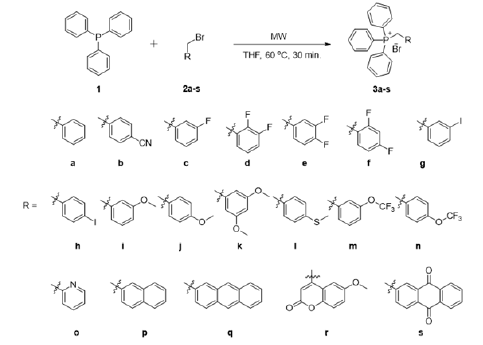
Open Access Journal on Septic surgery and Wound care

Remarks on Severity of Trauma Patients Due to Road Traffic Accidents have Been Treated at Vietduc University Hospital Assessed by RTS

Introduction

Traffic accidents are always a global problem. According to statistics of the World Health Organization – WHO, every year around the world, about 1.35 million people die, leading to 50 million people being permanently disabled due to irreversible injuries, accounting for 30-50% of total hospital admissions (3). Vietnam is the country with the highest number of traffic accident deaths in ASEAN and one of the countries with the most traffic accidents in the world. Therefore, traffic accidents are always a current topical issue in Vietnam because it’s a burden on health care and society, affecting the patient’s lives. Although the Government has been implementing many measures to reduce the number of cases and victims, Vietnam is still in the group of developing countries with high rates of morbidity and mortality caused by traffic accidents [1-4]. To improve the qualifications of trauma care, one interesting issue is updating trends in trauma care assessment. Primary trauma care requires assessment of severity to develop appropriate care strategies. The Revised Trauma Score -RTS simplifies the rapid assessment of injury based on Respiratory Rate, Maximum Blood Pressure, and traumatic brain injury severity – Glasgow Coma Scale has been widely recognized for clinical decision making. Several articles have evaluated the performance of RTS in the emergency department (ED) as a triage and prediction tool and showed the effect in clinical practice because bedside assessment tool, each of its variables can be easily and quickly calculated [5,6]. Viet Duc University Hospital, one of the leading centers of surgery in Vietnam, annually receives more than 30.000 trauma patients, most of them are serious trauma patients due to traffic accidents. Quick triage for providing proper treatment is a very important issue for health workers at the ED because it could impact the outcomes of treatment. Therefore, we have conducted this study to evaluate the effectiveness of using RTS on trauma patients at ED of Hospital.

Materials and Methods

Tool

In this study, we used the RTS including three parameters are considered for the RTS: maximum systolic blood pressure (MaxSBP, mm Hg), Respiratory Rates (RR, cycles per minute), and Glasgow Coma Scale (GCS). The RTS will range from 0 to 12, where the lower RTS is the more severe injury at the higher risk of death [5] (Table 1).

biomedres-openaccess-journal-bjstr

Table 1.

Setting and Participants

We prospectively analysed the clinical data of 200 patients with traffic accident acute trauma who were treated in the ED of Viet Duc University Hospital, a comprehensive tertiary surgical hospital) from December 2020 to March 2021. The patients were assessed the RTS upon admission within the first 24 hours. The data were recorded by attending nurses and doctors at the time of the patient’s presentation to the ED. Exclusion criteria were used: The patients already had airway intervention such as endotracheal intubation, mechanical ventilation. The patients died on arrival or were discharged from the ED before termination of emergency treatment, the medical records were not completed.

Data Analysis

Data were processed using SPSS 20.0 software.

Results

A total of 200 patients who met the selection criteria were analyzed. The characteristics of subjects are as follows:
*All 50 patients who dead in the group with RTS ≤ 9. The difference between survival and death rates of groups with RTS ≤ 9 and RTS ≥ 9 is statically significant with P <0.05.

Discussion

Injuries in general and traffic accidents, in particular, are still a global problem. In most developed countries, the injury classification system helps to provide appropriate care strategies, reducing complications and mortality. However, in many developing countries like Vietnam, the trauma emergency system is still incomplete and has many challenges. According to Zhejun Yu [4] each year, more than 400 000 people die in China from motor vehicle accidents or industrial accidents, among which 1%-1.8% were multiorgan/multisystem injuries. China’s regional trauma system hasn’t yet been full-fledged, and the management of trauma centers is facing great challenges. Therefore in all emergency rooms, especially in cases of overcrowding and understaffed, it is critical to rapidly screen large numbers of patients, identify the critically ill patients promptly, assess the severity of their condition and assign appropriate treatment priorities, and transfer them towards or intensive care unit are very important issues while treating the patients there [7-9].
In the past 30 years, a different trauma scoring system has been developed, most of the scales are combined with factors related to anatomy and physiology.
However, the scales are too complicated, with many variables, while the emergency needs to be done as quickly as possible. Among the commonly used scales are the Revised Trauma Score (RTS) or the T-Revised Trauma Score (T-RTS), the Severity Scale. Injury – Injury Severity Score (ISS) and Trauma Score-Injury Severity Scores (TRISS), the RTS is widely used. Many studies have evaluated the effectiveness of applying RTS to serve trauma care at the ED effectively [10-12]. In 1989 Champion HR [5] has introduced a revised scale to assess the severity of trauma based on three main indicators: Respiratory Rates – Maximum Blood Pressure – Glasgow Coma Scores abbreviated as RTS – Revised Trauma Score. According to the rating scale, the lower the RTS, the higher the risk of death. Because RTS reflects trauma severity, it is considered a useful tool to predict the patient’s survival and death. The study of R.A Lichtveld [13] of 503 trauma patients showed that when compared with non-ventilated patients with unchanged RTS, the risk of death in patients with RTS scores was 3.1 times lower (P=0.001), patients with a good initial RTS score but subsequently intubated were 2.9 times higher (P<0.001) and in patients with a low RTS, intubated were twice as likely (P<0.001) (6). According to Nguyen Huu Tu [14] if RTS ≤9 mortality rate is 78.3% compared to 3.4% of the RTS group >9 (3). Research results of Nguyen Huu Tu and Nguyen Truong Giang are similar: the higher RTS means the greater rate of survival [14,15]. In the study on the effects of T-RTS by Lam Vo Hung [6] to triage of trauma patients at the ED of An Giang hospital in the South of Vietnam in 2012 through 150 trauma patients with traffic accidents. The study has shown that RTS had a statistically significant difference in the mean value of the survival group with the death group with P = 0.000. RTS cut-off score <9 predicts mortality with a sensitivity of 88% and a specificity of 99%.
The author recommends that RTS should be widely applied in medical facilities and that the RTS scale is effective in survival prognosis. With a sensitivity of 88.2% and a specificity of 99.2%, the RTS shows an effective role in assessing the risk of death. The reports of Nguyen Huu Tu, et al. [14,15] also had similar results with sensitivity of 78.7%, 76%, and specificity of 95.1%, 84%. According to the study by Kondo Y et al. [16] about the correlation between long-term mortality and short-term mortality of RTS, T-RTS, TRISS, MGAP (mechanism, GCS, age, and arterial pressure) score, and GAP (GCS, age and arterial pressure) score. They found that T-RTS was better at predicting short-term mortality than long-term mortality. For the aging group, the study of Lam Vo Hung [6] showed that the group with the highest mortality was from 16 to 39 years old, young people who were hyperactive, disregarded traffic rules, and easy to be injured by traffic accidents (accounting for 50% of the total sample of study). In our series, the age group was the highest proportion from 21 to 60 years old, accounting for 64%, males accounted for the majority of 86.7% (Figures 1 & 2). As for the type of injury, in the study of Lam Vo Hung [6], traumatic brain injury and multiple trauma had a high mortality rate. Among the types of injuries, there was a statistically significant difference in mortality with P<0.05. Nguyen Huu Tu [14] has the same comment as us, the mortality rate due to traumatic brain injury and multiple trauma is 16.6% and 22.3%, respectively (3).

biomedres-openaccess-journal-bjstr

Figure 1: Distribution by age group.

biomedres-openaccess-journal-bjstr

Figure 2: Distribution by sex.

In addition, Nguyen Truong Giang [15] studied 532 accident patients at 103 Hospital and found that the RTS were low in the traumatic brain injury group and the multi-traumatic group. Nguyen Duc Chinh, et al. [17] conducted a study at Viet Duc University Hospital on deaths (2016-2018) showed that the traumatic brain injury group accounted for the highest rate, especially the group with GCS from 6 to 8. Bruno Durante, et al. [18] analyzed 200 patients from December 2013 to February 2014, including trauma victims admitted to the emergency room of the Cajuru University Hospital. The patients were set up in three groups: (G1) penetrating trauma to the abdomen and chest, (G2) blunt trauma to the abdomen and chest, and (G3) traumatic brain injury. The variables we analyzed were: gender, age, day of the week, mechanism of injury, type of transportation, RTS, hospitalization time, and mortality. Regarding mortality, there were 12%, 1.35%, and 3.95% of deaths in G1, G2, and G3, respectively. The median RTS among the deaths was 5.49, 7.84, and 1.16, respectively, for the three groups. The authors concluded that RTS was effective in predicting mortality in traumatic brain injury, however failing to predict it in patients suffering from blunt and penetrating trauma. In our study, the highest proportion of combined injuries were maxillofacial injuries 44%, limb injuries 23.5%, blunt chest injuries 22% (Table 2).

biomedres-openaccess-journal-bjstr

Table 2: Associated lesions (N = 200).

Patients with severe traumatic brain injury according to the GCS of 6 – 8 accounted for the highest rate of 52% (Table 3). Up to 40% were operated on emergency within the first 24 hours. The rate of serious injured was discharged to die at home accounted for 24.5%, 0.5 % died in hospital, overall mortality was 25% respectively (Table 4). Regarding the RTS in our study, there were mostly in the group of RST at 10 points (50.5%) and 9 points (35.5%). There were 98 patients (49%) with RTS ≤ 9 (Table 5) of which, 91.8% with serious brain injury. All 50 fatal and critically ill patients were in this group.

biomedres-openaccess-journal-bjstr

Table 3: GCS, MxBP and RR (N = 200).

biomedres-openaccess-journal-bjstr

Table 4: Managements and outcomes at ED within first 24 hours (N = 200).

biomedres-openaccess-journal-bjstr

Table 5: RTS.

In a Mega-analysis of Manoochehr S [19], to compare the ability of Revised Trauma Score (RTS) and Kampala Trauma Score (KTS) in Predicting Mortality, the study was conducted by two investigations searched the Web of Science, Embase, and Medline databases and the articles in which the exact number of truepositive, true-negative, false-positive, and false-negative results could be extracted were selected. A total of 11 relevant studies (total n = 20,631) were investigated. Regarding the accuracy and performance, the author concluded that RTS was better than KTS for distinguishing between mortality and survival. Compared with the other researches of domestic and international, we find that RTS is convenient to use in a clinical emergency for trauma victims. Moreover, in addition to the GSC, RTS can also be used as a predictor of severity and mortality, helping physicians at ED to making quick decisions and providing appropriate treatment [4,6,20,21].

Conclusions

Through the study of 200 trauma patients due to traffic accidents, we found that RTS has a value in predicting survival as shown by the difference between survived group and the death group. The patients who died were in the group with scores ≤ 9 statically significant with P <0.05. Because it is easy to calculate and suitable for first aid, it is recommended to apply in clinical practice, especially in the actual conditions of Vietnam. In the difficult conditions of shortage of resources, the trauma emergency system has not been standardized, the application of RTS helps to reduce the morbidity and mortality rate.

For More Articles: Biomedical Journal Impact Factor: https://biomedres.us

Open Access Journals on Medical Sciences

Molecular Detection of BCL2/IGH Rearrangement in Follicular Lymphoma in Low Resource Settings: A Phase III Diagnostic Accuracy Study

Introduction

Follicular lymphoma (FL) is the second commonest non- Hodgkin lymphoma (NHL) subtype worldwide and the commonest in certain regions like USA [1]. FL has generally an indolent clinical course, somehow influenced by the cytological grading that is not, however, of prognostic relevance [2]. Conventional chemoimmunotherapy can induce initial remissions; nonetheless, cure is still not common [3]. In fact, relapses do occur, characterized by progressive chemoresistance development. In a percentage of cases, relapsing is also associated with histological transformation to secondary DLBCL [2]. The source of relapse in patients who initially achieve complete clinical remission are residual neoplastic cells representing the so called minimal residual disease (MRD). MRD can be detected either in bone marrow and blood by molecular methods and/or in tissues (mainly lymph nodes) by PET scan [4]. The t(14;18)(q32;q21) is molecular hallmark of FL. This translocation joins the BCL2 gene located on chromosome 18q21 with the immunoglobulin heavy chain locus (IGH) on chromosome 14q32, leading to the inappropriate expression of BCL2 protein, known to be a potent apoptosis inhibitor [5,6]. Detection of the BCL2/IGH rearrangement can be clinically useful for diagnostic purposes (using fluorescence in situ hybridization on tissues), but also for staging and MRD monitoring (using molecular techniques on blood and marrow) in FL patients [3,7,8].
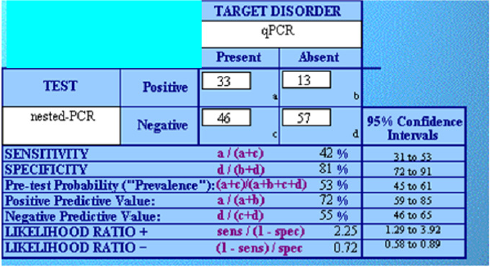
Different techniques can be currently applied for the molecular detection of MRD, including more conventional ones (nested-PCR and quantitative Real-Time PCR, qPCR) and more innovative like digital PCR and next generation sequencing based ones [9,10]. Despite all of them have been demonstrated to be highly effective and overall reproducible and comparable [7-10], in low resource settings it is still debated whether to routinely test, due to costs, and which technique to prefer, due to technologies availability. In this study, we performed a phase 3 diagnostic accuracy study aiming to compare the two most conventional molecular techniques for MRD detection in FL, namely nested-PCR (used as test technique) and qPCR (used as golden standard) for BCL2/IGH detection. The two approaches were chosen as the only currently available in many referral centres even with limited resources.

Material and Methods

Twenty-two FL patients for which biological samples, complete clinical information, and long-term follow up were included. All patients were at diagnosis, and samples were taken before treatment initiation as well as after CHOP-R induction therapy, and after zevalin consolidation treatment at specific time-points (+3, +6, +12, +24, +30 months) [11]. Genomic DNA was extracted from mononuclear cells of peripheral blood (PB) and bone marrow aspirate (BM) as previously described [12]. The nested-PCR and the qPCR based on TaqMan technology [ABI PRISM 7900HT Fast Real-Time PCR System (Applied Biosystem)] were performed as previously reported [3,13,14]. As for BCL2/IGH PCR assays, primers were used according to previous Italian experiences [Ladetto 2001] (Tables 1-2). GAPDH was used as control gene for qPCR. Conversely, AF4 was chosen as control gene and was amplified according to BIOMED2 protocols for nested PCR [15]. All samples were tested by both techniques in triplicate.

biomedres-openaccess-journal-bjstr

Table 1: Primers sequences for nested PCR (BCL2/IGH).

biomedres-openaccess-journal-bjstr

Table 2: Primers sequences for nested PCR (BCL2/IGH).

Calculations of sensitivity (ST), specificity (SP), positive predictive value (PPV), negative predictive value (NPV), were made by CATmaker software (Centre for Evidence Based Medicine, Oxford University, http://www.cebm.net). The limit of significance for all analyses was defined as P<0.05. The study was approved by the local Ethical Committee and was developed and conducted in respect of the Helsinki Declaration. The study was designed and conducted according to the evidence-based medicine rules, respecting the STARD requirements.

Results and Discussion

All the enrolled patients could be studied for MRD. In total, 145 tests were performed. In fact, other than the expected 132 (22 cases by 6 timepoints), additional 13 were available from patients with longer clinical CR duration. Overall, we observed good concordance between “qualitative” nested-PCR and quantitative real-time PCR (80,86 %), in detecting MRD. The absolute sensitivity of the qPCR was in line with previously reported data [7]. Particularly, by evaluating serial dilutions of t(14;18)-positive cells into t(14;18)- negative cells, the relative sensitivity of our qPCR assay of about 10−5 resulted greater than the nested-PCR one (10-4), with an enhanced quantitative potential. This is overall in line with most studies. In terms of reproducibility, the precision of qPCR was determined by repeatability intra-assay and inter-assay; both the tests gave results of high reproducibility, above 95% considering 3 replicates. In contrast, the nested-PCR has given a lower reproducibility with discordant data and the need of additional repetitions to achieve a uniform result (three nested-PCR in mean). Overall, this is in line with previous works on qPCR. By contrast, nested PCR seemed to be “technically” more complicated and probably requiring more experienced personnel, to be consistently performed. This fact, further stress the need for adequate training and standardization processes when MRD is studied, in order to ensure the requested clinical consistency.
Consistency between the two was evaluated in terms of sensitivity and specificity. Overall, this analysis confirmed what observed in terms of reproducibility, i.e. a significantly higher efficacy of qPCR. Among 145 performed tests, 85 were concordant between the two techniques, while 59 were not (59% overall accuracy). Particularly, among 103 tests turned out to be negative by nested PCR, only 46 were instead positive by qPCR (45%). Conversely, among the 46 that resulted positive at nested PCR, only 13 were discordant and 33 consistent (72%). This was translated into remarkable specificity but low sensitivity of nested PCR (Figure 1).

biomedres-openaccess-journal-bjstr

Figure 1: Diagnostic accuracy analusis of qPCR vs Nested PCR (Catmaker, Oxford, UK).

Lastly, analysis of costs and practical feasibility in reduced laboratories was performed. The expenses for reagents, consumables and labor employed for the TaqMan assay was calculated about 34,00€ (4,443 KES) per sample when testing the maximum number of 5 samples in triplicate in 96 well-plates. Conversely, the analysis of 5 sample by nested-PCR has a total amount of 126,00€ (16,466 KES). This calculation was obviously optimized for running a complete TaqMan plate. By reducing the number of available samples, the cost would progressively increase. This implies that referral labs centralizing the activities are advised, particularly when resources are limited, also considering the highest initial investment for machinery. The shortest test duration of 3 hours and 14 minutes was found for the real time PCR while 18 hours and 30 minutes were needed to perform a complete nested- PCR analysis (including gene control PCR, the nested-PCR repeated for three times in mean, post PCR manipulation)

Conclusion

The present study, though based on a limited series, highlights the relevance of using a qPCR-based method to detect BCL2/ IGH rearrangements in FL patients in laboratories with limited resources. The use of TaqMan detection system was shown to be a sensitive, reproducible, and economical tool for MRD monitoring in FL. It allowed a relative sensitivity of about 10-5 providing a more accurate prognostic information [16]. Finally, the Taq Man approach in comparison with nested-PCR showed the simplest and shortest workflow sequence with a considerable gain of time and money, the average cost of 34€ per samples makes it feasible also in low resource Countries. Adequate programs of training and standardization should be then planned accordingly.

For More Articles: Biomedical Journal Impact Factor: https://biomedres.us