Biomedical Journal of Scientific & Technical Research (BJSTR) is a multidisciplinary, scholarly Open Access publisher focused on Genetic, Biomedical and Remedial missions in relation with Technical Knowledge as well.
Bioactivities of Extracts from Different Marine Organisms around the World (2000 to Present)
Introduction
Marine ecosystem covers 70% or more of the earth’s surface. These ecosystems are habitat to a great diversity of marine organisms that produce highly structural diverse metabolites as defense mechanisms [1,2]. Of these marine organisms, invertebrates produce bioactive natural products that may be useful for developing and producing novel drugs [3,4]. Marine invertebrates include several species which cut across different taxa including Porifera, Annelids, Coelenterates (Cnidaria and Ctenophora), Mollusks, Echinoderms and etc. [3,5]. Several studies have already been conducted determining natural products from marine invertebrates and their biological activities and also the biosynthetic studies which lead to revision and modification of their structures [5]. In a study conducted to determine the bioactivity of sterols isolated from marine organisms, it was found out that sterols play as anti-inflammatory, antimicrobial, anti-HIV, and anticancer activities [6].
Sponges are the most studied marine invertebrate in terms of secondary metabolites. More than 5300 different chemically potent and bioactive substances have been discovered present in sponges and many of these substances have pharmaceutical activities against human diseases like malaria, AIDS, and cancer. These substances are classified as alkaloids, lipids, steroids, and terpenoids and some of these compounds exhibit cytotoxic activities like the polyacetylenic lipid derivatives, glycerol ethers, and linear alcohols. It was also found out that secondary metabolites from sponges are cytotoxic to human gastric tumor cells, KB-16 human cell line, ovarian sarcoma cell line, pancreatic cancer cell line, colorectal adenocarcinoma cell line [4,7]. Several secondary metabolites were also identified to have anti-inflammatory action in human neutrophils and possess inhibitory activities against α-Glucosidase which is important in controlling glucose concentration [7]. Sponges were also found out to contain natural products that have anti-inflammatory, antioxidant, and immunomodulatory activities [8].
Other marine invertebrates also were studied and found to have antimicrobial, antioxidant, anti-cancer, anti-inflammation, cytotoxic activities. Natural products found from the extract of soft corals in Vietnam were found to have significant inhibitory effects against T. brucei. The growth inhibition and cytotoxicity of pentamidine were evaluated in terms of EC50 value and against human cell lines [2]. Several secondary metabolites were also isolated and elucidated from marine crinoid invertebrate, Colobometra perspinosa, which demonstrated non-selective anti-cancer activity [9]. Dolabellanin, a 33 amino acid residue peptide from a mollusk sea hare from Japan also exhibits a broad spectrum of antimicrobial activity [5]. Secondary metabolites isolated from the digestive glands and mantle of nudibranchs were found to have mild toxicity against brine shrimp and very potent antimicrobial activity [5]. The extracts from a bivalve P. viridis showed antibacterial activity as reported in the assay where the extract had maximum zone of inhibition against V. cholerae [10]. It was also shown in the same study that the crude protein extract of P. viridis had a potential antioxidant activity.
New marine natural products were also identified and isolated from marine invertebrates under the phylum of Echinodermata as reported by the review of [3]. It was found out that for the last two decades, majority of the new marine natural products from this phylum came from sub-phylum Asterozoa (54.9%) and was followed by sub-phylum Echinozoa (33.7%). The classes Asteroidea and Holothuroidea of Phylum Echinodermata accounted for 91.7% of new marine natural products having 529 and 213 new marine natural products respectively [3]. It was also showed that since 1990, majority of the research on new marine natural products isolated has been focused on less than 1% of the recognized marine invertebrate biodiversity and that 7.4% came from the species under phylum Porifera while only 2.1% were yielded from phylum Echinodermata. Although only few were identified and isolated, echinoderm is considered as an exceptional source of polar steroids with vast structural diversity which shows a wide range of bioactivities [11].
Since 1990, 7.2 new natural products are discovered per species from the 1,849 valid species under Class Asteroidea and 74% the species of this class are with new natural products [3]. Several studies are also reports the isolation of novel marine natural products this class with several bioactivities. Secondary metabolites from sea stars show a rich source of activity against microbes. These sea stars are Luidia maculate, Stellaster equestris, Astropecten indicus, Protoreaster lincki, Pentaceraster regulus crude, fractioned, ethanolic, n-butanol and methanolic extracts demonstrate antibacterial and antifungal activity against human pathogens [11]. Crude extracts of the species Astropecten polyacanthus also possess inhibitory activities against inflammatory components [12]. Other sea stars like Tremaster novaecaledoniae, Asterias amurensis, Styracaster caroli, and Echinaster brasiliensis contain sterol compounds which exhibits inactivation activity against HIV 6.
Other sea stars also play cytotoxicity against cancer cells. Novel marine natural products were also elucidated from the species Leptasterias ochotensis demonstrated cytotoxic activities against cancer cell lines RPMI-7951 and T-47D [13]. Saponins isolated from the sea star, Culcita novaeguineae, showed cytotoxic activity against human carcinoma cell lines by the apoptosis of the cells [14,15]. The sea star species Asterina pectinifera exhibits an anticancer activity by preventing the initiation of enzymes involved in carcinogenesis in human colon cancer and breast cancer cell lines [12,16]. Cytotoxic activity against human cervical cancer cell line and human mouse epidermal cell line was also reported from the metabolites of asterosaponins from the species Archaster typicus [17]. Cytoxicity against a small panel of human solid tumor cell lines of Certonardoa semiregularis were evaluated and it was found out that several saponin compounds were active against five different cell lines [6,18]. It was also found out that two saponins were active against 20 clinically isolated strains. In another study, carotenoids of Marthasterias glacialis were evaluated in terms of cytotoxicity against rat basophilic leukemia cancer cell line and it was found out that toxicity was low as desired as an anti-cancer lead substance [19].
Antioxidant activities of extracts and isolated marine natural products from sea stars were also recorded and established. In a study [20], extracts of the sea star L. maculata showed a potential antioxidant activity in all four assays. The study also further established the presence of steroidal glycosides and glucocerebrosides which might be the responsible agents for the antioxidant activity. In another study, antioxidant activities and neuroprotective effect were reported from the polysaccharides extracted from the starfish Asterias rollestoni [21]. It was also found out that the mannoglucan sulfate had the highest antioxidant activity among all polysaccharides tested. These handful studies on bioactivities of extracts from different marine organisms were mostly conducted in temperate and Polar Regions, thus signifying the need to further and advance interest on marine organisms from biodiversity-rich tropical regions .Conservation efforts must be given priority especially with these marine organisms due to various threats of extinction due to climate change, and various destructive anthropogenic activities and pollution [22-24].
Unusual Locked Trigger Finger Due to Tophaceous Infiltration of Wrist Flexor Tendon
Introduction
Gout is an inflammatory arthritis caused by cellular deposition of monosodium urate crystal [1]. Tophi are chalky, gritty accumulations of monosodium urate crystals that build up in soft tissue in an untreated gouty joint [1]. The peak incidence of gout is between the ages of 30-50 with the prevalence increasing with age [1]. Gout is five times more common in men [1]. Tophi can present as a first sign of hyperuricemia but reports on the involvement of the flexor tendons of the hand is rare [2]. Although tuberculous tenosynovitis is a more common etiology for swelling over the wrist, gout must be among the differentials irrespective of hyperuricemic status. It can present clinically as tendon rupture, nerve compression, or digital stiffness and can be complicated with infection1. Because of its low frequency, gouty involvement of the flexor tendons is not often considered in the differential diagnosis of tenosynovitis [2]. We report a rare case in which intratendinoustophaceous gout was found within the flexor digitorum superficialis tendon at the wrist causing patient to have trigger finger like symptoms.
Case Report
A 37-year-old male presented to our orthopaedic clinic with inability to extend his left ring finger. He previously diagnosed with left trigger ring finger and had surgical treatment to relieve the symptoms at another hospital centre 8 months before coming to our hospital. Post-operatively he was still unable to extend his finger (Figure 1). On physical examination, there was a swelling of 2x2cm found over the volar aspect of the forearm just proximal to the flexor retinaculum when the patient flexes his fingers. However on finger extension, the mass disappears. Due to prolong inability to extend his left ring finger he had developed a flexion contracture. Our working diagnosis was incomplete released of left 4th finger A1 pulley, TB tenosynovitis, followed by soft tissue neoplasmand subsequently surgical exploration was performed. We proceed with surgical exploration over the previous surgical scar over the A1 pulley of left ring finger. We noted that the A1 pulley has been completely released. However his finger was still in the flexed position. We decided to do an extended carpal tunnel incision to explore the mass proximal to flexor retinaculum. We noted whitish chalky infiltration of the Flexor Digitorum Superficialis (FDS) tendon, synovial adhesion to other tendons and hypertrophy of the flexor tendon (Figure 2 & 3). Synovectomy and excision of the chalky infiltration of the FDS tendon was performed. Histo-pathological evaluation confirmed the diagnosis of gout. Post-operatively, patient was able to extend his left ring finger but with some degree of stiffness but after 2 months of intensive physiotherapy he regained full range of movement to that finger.
Figure 1: (Volar view): The ring finger in flexed position.
Figure 2: Classical carpal tunnel release done-noted whitish chalky infiltration of the tendon of the FDS, synovial adhesion to other tendons and hypertrophy of the flexor tendon.
Figure 3:The arrow shows tophaceous gout in the FDP of the left ring finger.
Discussion
Gout is a disorder of purine metabolism that predisposes to hyperuricaemia, leading to monosodium urate crystal depositions in joints [3]. The underlying metabolic disorder is hyperuricemia [4]. The most common primary cause is renal under excretion (90%) [5]. Some patients suffer from enzyme defects, which lead to overproduction of uric acid [5]. Dietary causes like high consumption of alcohol or purine-rich foods may also lead to hyperuricemia [5]. Other causes are rare genetic disorders, medical disorders (metabolic syndrome, renal failure, hemolytic anemia), and medication use [5]. Approximately 10% of patients with elevated blood levels of uric acid develop gout at some point in their life [5]. In patients in whom the disease has been neglected tophaceous destruction of musculoskeletal structures may be helped by carefully selected surgical procedures [4]. The pathological process involvesdeposition of urates and cause destruction to the skin, ligament, tendon and cartilage [4]. This process will cause inflammatory response at the site of involvement and cause symptoms to patient. Lesions may be encapsulated in bursae and subcutaneous tissue and infiltrative in skin, tendon, and bone [4].
The exact trigger of an acute attack of gout is poorly understood however predictors for the development of gout in hyperuricemic individuals have been identified. These include: increasing uric acid level, alcohol consumption, hypertension, use of diuretic drugs (thiazides and loop diuretics), increased body mass index, and family history of gout [3]. In addition to joints, uric acid crystals are reported to deposit in soft tissues such as tendons, median nerve, bursae and intrinsic muscles. Gouty arthritis of the wrist is uncommon although gout itself is the most common inflammatory arthritis in older patients [3]. Gout at the wrist as the initial appearance of the condition occurs between 0.8 to 2% of all gout cases. Gout patients who are not treated have a 19-30% chance of developing gout in the wrist [1] during their lifetime. Gouty tenosynovitis can induce flexion contracture of the digits by involvement of the flexor tendons at the wrist, as in our patient, or at the digital canal [2]. Gouty tophi presenting as mass are uncommon and often mistaken for a neoplasm [1].
These nodules may not be recognized as tophi because the clinical diagnosis of gout in many instances is not straightforward [3]. In the past reports, all intratendinous infiltrations of tophaceous gout occurred at the wrist and existed with carpal tunnel syndrome [1]. We present an uncommon and unusual case of gout in the flexor tendon of the forearm which occurred in isolation in a patient with no prior medical history of the recorded disease. Measurement of serum uric acid level in chronic tophaceous gout may or may not be conclusive of hyperuricemia as some patients with diabetes or even alcoholics can have normal to lower levels. Surgical intervention like tenotomy or teno synovectomy are required to debulktophaceous deposits, improve smooth gliding of tendon and decompress nerves but primarily medical management to treat gout remains the gold standard [2]. Short-term outcomes are consistently good but the risk of rupture or recurrence remains if medical control is not achieved.
Conclusion
This is an uncommon and unusual case of tophaceous infiltration of the flexor digitorumsuperficialis of the ring finger. This case demonstrates several issues that clinicians should keep in mind when assessing patients with a history of gout. Early diagnosis based on a high index of suspicion is paramount to the initiation of proper surgical management.
Giant Umbilical Cord with Pericentric Inversion of Chromosome 9: A Case Report
Introduction
A giant umbilical cord is a rare anomaly of the umbilical cord that can easily be diagnosed on prenatal scan. This malformation can present as a cyst in the umbilical cordantenatally, whereas the most common symptom is leakage of urine from the umbilicuspostnatally. Although it is rare, operative exploration must be performed to repair the associated urachal remnant [1]. Here, we report the case of a new born with a diffuse giant umbilical cord and pericentric inversion of chromosome 9.
Case Report
A male infant weighing 2420g was born at 36 weeks of gestation by cesarean section to a 31-year-old mother. The Apgar scores were 9 and 10 at 1 and 5minutes, respectively. Routine ultrasonography conducted in the 16th week of gestation showed cystic changes in the umbilicus, and chromosomal examination of amniotic fluid conducted in the 20th week of gestation showed 46, XY, inv (9) (p12q13). However, fetal development was progressing successfully. At delivery, the infant presented with a diffuse giant umbilical cord measuring 25cm in length and cm in diameter with a glistening surface and hydropic consistency (Figure 1). No abdominal contents were noted within the cord. The cord was clamped approximately 30cm from the abdominal wall, where it became thinner. Ultrasonography conducted when the infant was 2 days old showed a probable connection between the umbilicus and bladder, which was confirmed by a fistulogram.
Figure 1: a. Prenatal ultrasonography image in the 34th week of gestation showing the dilated umbilical cord with edema and b. Postnatal findings of the neonate with a diffuse giant umbilical cord.
The dried umbilical stump detached after 14 days, but a granulomatous structure remained, and persistent umbilical fluid loss from the clamped umbilicus indicated urine leakage. Operative exploration was conducted via an infra umbilical incision when the infant was 16 days old. The umbilical cord was contiguous with aurachal remnant (Figure 2). Excision and repair of the urachal remnant was completed. Histological examination of the umbilical cord confirmed the presence of focal edema with no epithelial lining. On postoperative day 9, a fistulogram showed no evidence of leakage in the bladder. The infant was discharged in good health, and all follow-up examinations were normal.
Figure 2: a. Ultrasonography showing a connection between the umbilicus and bladder and b. Surgical resection performed on the 16th day of life (dissected and everted patent urachus).
Discussion
A review of the literature showed that the finding of a giant umbilical cord is a patho gnomonic sign for the presence of a patent urachus, which requires surgical intervention, and only a few related case series have been published thus far [1-6] (Table 1). The exact etiology of the giant umbilical cord, however, remains unknown. One hypothesis suggests that reflux of fetal urine into the umbilical cord via the patent urachus, results in swelling of Wharton’s jelly. Wharton’s jelly of human umbilical cords was infused with distilled water, 0.9% saline, 3% saline, or 10% saline. Enlargement occurred in the umbilical cords infused with distilled water or 0/9% saline. Tsuchida and Ishida concluded that prolonged reflux of fetal urine into the umbilical cord, via a patent urachus, caused umbilical cord swelling [4]. Patent urachus arises from incomplete regression of the connection between the cloaca, which is the future bladder, and the allantois, which ist he extra embryonic urinary bladder [6].
Table 1: Summary of prior reports associated with giant umbilical cords.
Therefore, close clinical observation is necessary since continuous urinary loss from the umbilicus serves as a clinical indicator or persistent urachus. To our knowledge, cases of a giant umbilical cord with pericentric inversion of chromosome 9 have not been previously reported. Pericentric inversion in the heterochromatic region of chromosome 9 [inv (9), inv (9) (p11q13), or inv (9) (p12q13)], is the most common found in the human karyotype [7]. Although it is categorized as a minor chromosomal rearrangement that is not correlated with abnormal phenotypes, this inversion has often been reported to be associated with mental retardation or multiple congenital anomalies [8,9]. A high frequency of inv (9) (p12q13) was detected in children with dysmorphic features and congenital anomalies [10]. From our experience with this rare anomaly, we recommend that chromosomal examination along with immediate operative exploration be conducted for infants born with a giant umbilical cord. Further, imaging studies for patent urachus are also essential.
Successful use of Ustekinumab in a Patient with Psoriasis, Psoriatic Arthritis and Systemic Lupus Erythematosus: A Case report and Review of literature
Introduction
Interleukins (IL) are involved in the pathogenesis of several autoimmune disorders such as rheumatoid arthritis, crohn’s disease and psoriasis (Ps), and specific IL blockade has been utilized successfully to treat patients with these diseases [1-2]. The role of the p40 subunits of IL-12 and IL-23 is increasingly being explored in the pathogenesis of systemic lupus erythematous (SLE) [3-7]. Ustekinumab is a human monoclonal antibody that binds and inhibits the p40 subunit of interleukins 12 and 23, which are involved in the TH-17 signaling pathway. It is approved for the treatment of moderate to severe plaque Psoriasis [8]. While there have been isolated case reports of its successful use for the treatment of refractory cutaneous lupus (non SLE), suggesting that targeting the TH-17 pathway may be useful in this condition, its use in SLE remains poorly described [9-10]. Here, we report a case of successful use of Ustekinumab in a patient with active SLE and psoriasis (Ps).
Case Report
Our patient is a 48-year-old man with history of psoriasis (Diagnosed in 2001), autoimmune hemolytic anemia (AIHA) treated with rituximab (diagnosed in 2006 and rituximab given in 2006), who presented to the rheumatology clinic (2008) for management of psoriatic arthritis (PsA). His psoriasis has only partially responded to topical isotretinoin, PUV-A and etanercept. Physical examination showed erythematous, scaly plaques involving the lower extremities, lower back, and the extensor surfaces of both elbows. His left knee was warm, tender, and non-erythematous with a moderate sized effusion. Synovial fluid analysis showed 18,000 wbc/μL (87% neutrophils) without crystals. The gram stain was negative. Laboratory evaluation showed thrombocytopenia (52,000 cells/μL), positive anti-nuclear antibody (ANA) (1:640), anti-double stranded DNA antibody (Anti Ds-DNA) (42 IU), anti SS-B antibodies at 1.18 (≥ 1.10 is considered Positive) and lupus anticoagulant (LAC). Anti ribonuclear protein (RNP), anti- Smith(Sm), anti-histones, anti-SS-A, anti β-2 glycoprotein and anti cardiolipin antibodies were negative. His White cell count was at 9200 cells/μL & hemoglobin was stable at 14g/dL.
Comprehensive metabolic panel, complements and urinalysis were within normal range. Knee radiograph revealed mild narrowing of the lateral patello-femoral compartment. MRI of right knee showed mild enthesopathy of anterior patella). infliximab 500mg every 8 weeks. A diagnosis of psoriasis, psoriatic arthritis (oligo-articular asymmetric arthritis pattern with inflammatory synovial fluid) was made. Patient was started on etanercept 50mg every week subcutaneously (5/2010). His skin disease and arthritis did not improve after 3months on this medication so he was switched to infliximab 500mg every two weeks subcutaneously. In retrospect he was diagnosed with SLE clinically based on positive ANA, anti-Ds-DNA, positive lupus anticoagulant, AIHA that responded to rituximab and thrombocytopenia. Concern for the drug-induced lupus was low because AIHA preceded any biological agent administration and thrombocytopenia preceded infliximab administration. Infliximab was discontinued on the side of caution. He was substituted to mycophenolate mofetil. Patient’s skin lesions, synovitis of knees and platelets did not improve after 6 months therapy with mycophenolate 500mg twice a week and prednisone 10mg daily. He was switched to cyclosporine 300mg daily along with prednisone.
This regimen improved his psoriatic skin lesion (Figure 1) but he had persistent arthritis, recurrent inflammatory knee effusions and low platelets. We initiated ustekinumab 90mg subcutaneously at 0, 4 week and then every 12 weeks and cyclosporine was stopped. After three doses of ustekinumab, there was complete resolution of skin lesions and normalization of platelet count (200,000 cells /μL). Methotrexate 10 mg every week was added given persistent arthritis. After four months of therapy with ustekinumab and methotrexate, prednisone was tapered off. Patient had been on the current regimen for the last five years without recurrence of thrombocytopenia, AIHA, psoriatic skin lesion or arthritis. No medication related adverse effects have been noted. Timeline of events have been depicted in chart form in Figure 2.
Figure 1: Panel A showing psoriatic plaques on elbow and leg prior to treatment with Ustekinumab. Panel B showing complete resolution of skin lesions after treatment with Ustekinumab.
Figure 2: Timeline for the events.
Methods and Materials
This systematic review was conducted according to the PRISMA guidelines. A computer-assisted literature search of PubMed and Ovid search engine was conducted. In order to increase the sensitivity of our search, we used free text words and MeSH terms with and without Boolean operators (“AND” and “OR”). Search terms keywords to identify different types of systemic and cutaneous lupus included “SLE”, “systemic lupus erythematosus”, “discoid lupus”, “acute cutaneous lupus erythematosus”, “subacute cutaneous lupus erythematosus”, “discoid lupus” and “chronic cutaneous lupus erythematosus”. We came across 85347 cases of different types of lupus when we used “OR” Boolean operator. We associated these 85347 studies with “ustekinumab”, “IL-12 inhibitor” and “IL-23 inhibitor” and the output was 12 studies. Out of these 12 only 5 studies fulfilled the inclusion criteria and were included in the study (Figure 2).
No language restrictions were enforced. The inclusion criteria for our systemic review were rather liberal. We included all the human studies that enrolled patients with different kinds of lupus treated with Ustekinumab. Other major inclusion criteria were minimum age of more than 18 years, SLE, CCLE and DLE patients who have received Ustekinumab. Exclusion criteria included review articles, basic science research, animal studies, irrelevant articles in which either the patient did not have any kind of lupus or in whom ustekinumab was not used for treatment. Following data were extracted and compared for all the studies: lupus type and subtype, age, gender, ethnicity, lupus clinical manifestations, ANA antibody levels, treatment duration and adverse reaction (Figure 3 and Table 1).
Figure 3: Search strategy for literature search.
Discussion
Psoriasis (Ps) is a relatively common disease affecting 1% to 3% of the US population, whereas SLE is significantly less common with reported prevalence rates in the United States ranging from 20 to 150 cases per 100,000 for SLE [11-12]. Cases of coexistent Ps and SLE are uncommon [13]. In one of the largest studies to date, it has been reported that cutaneous lupus manifestations (CLE) with or without SLE can occur in 0.69% of patients with Psoriasis and 1.1% of patients with CLE with or without SLE had concomitant psoriasis. Of these patients that had both, about 50% had SLE of which 64% also had cutaneous Lupus manifestations as part of SLE [14-15]. Three case reports of successful use of Ustekinumab in cutaneous Lupus Erythematosus without systemic involvement suggest that Th-17/ IL-23 may be involved in the pathogenesis of CLE [9,10,16]. Unlike our patient who had ongoing active SLE manifestations (thrombocytopenia), Chyuan et al reported a case of well controlled SLE and biopsy proven lupus nephritis, that developed resistant psoriasis, wherein Ustekinumab was successfully used and tolerated well, indicating its role in SLE [17].
In a recent retrospective chart review, of 96 patients with concomitant psoriasis and CLE with or without SLE (90% of them had SLE), 5 patients were treated with Ustekinumab [15]. Four were maintained successfully on the drug, and one experienced loss of efficacy. Two of these patients had SLE with chronic plaque psoriasis, 2 had SLE, chronic plaque psoriasis and psoriatic arthritis, and 1 had discoid lupus erythematosus (DLE) with chronic plaque psoriasis. Improvement of all, cutaneous psoriasis, cutaneous SLE symptoms (malar and discoid rashes) lupus arthritis, oral ulceration, and hematologic abnormalities (thrombocytopenia or anemia) were reported among these patients. Although this study was not able to clearly discriminate between the improvements noted in the arthritis of psoriatic or lupus it showed that the patients on Ustekinumab had better outcomes. Although psoriasis and SLE have relatively different pathophysiologic mechanisms, they both share up regulation of the Th17 immune pathway with elevated levels of interleukin (IL)-17, IL-23, and IL-12 [18]. IL-17 & IL-23 have been associated with the pathogenesis rheumatoid arthritis (RA), inflammatory bowel disease, ankylosing spondylitis and SLE [1-2]. Although not observed in all studies, serum IL- 17 levels have been found to be elevated in SLE compared to controls [19].
Correlations between serum IL-17 levels and SLE disease activity and anti-double stranded DNA (anti-dsDNA) antibody levels have previously been reported in some studies [5-6]. IL-12, elevated in SLE, stimulates the production of gamma interferon by TH-17 lymphocytes leading to glomerular nephritis and vasculitis. Serum p40 titers (IL-12 subunit) have been reported to be significantly higher in SLE patients compared to those of healthy subjects and patients with RA [20-21]. In SLE patients, serum p40 levels were positively correlated with the SLE disease activity index (SLEDAI) [21]. Ustekinumab that binds and inhibits p40 subunit of interleukins 12 and 23, which are involved in the TH-17 signaling, should be a potentially useful drug in the treatment of psoriatic arthritis with CLE or SLE. This case highlights the therapeutic challenges in managing a patient with concurrent psoriasis and SLE. Ustekinumab has been used frequently in treatment of psoriasis and psoriatic arthritis. However, its use is largely limited to a few case reports in patients with either CLE or in patients with psoriasis with coexistent CLE. Herein, we report a patient with active psoriasis, active psoriatic arthritis and active SLE, who responded well to ustekinumab, there by suggesting the potential role of TH-17/ IL23 pathway as therapeutic target in treatment of cutaneous (non SLE) lupus and SLE. Further clinical studies are warranted in order to investigate the role of Th-17 blocking agents in SLE.
Table 1: Overview of all the existing case reports of patients who have been treated with Ustekinumab for cutaneous lupus or SLE & Psoriasis or cutaneous lupus or SLE alone.
Abbreviations: M: male, F, Female, W: White, B: Black, H: Hispanic, N/A: Not available
Implications of Trainer and Trainee based Dynamics Affecting Farmers Training Meetings
Introduction
Agriculture is the most important sector of Pakistan’s economy however some diversifications are being along with it over many years. The cultivated cropped area is contributing to GDP at about 21.0% as it covers 22 million hectares. About 45.0% of the employed force of Pakistan is related with agriculture. Rural areas’ population about 66.0% is directly or indirectly dependant on agriculture for its livelihood (Govt. of Pak., 2008). Foreign exchange earnings of the country are largely related with agriculture. A large population of Pakistan is dependent on natural resources like forestry, fisheries, agriculture and livestock as an agriculture country [1].
Agricultural extension has always remained a key element in improving the capacity building of farmers. In addition, it is fulfilling its due responsibilities by keeping the marginalized small and poor rural masses aware of latest agricultural technologies through its unique services. As agriculture is mainstay of Pakistan, so, every agricultural extension approach always focused on developing agriculture ultimately up-scaling the living standards of poor farming communities. The initiation of several extension programs like Village-AID Program, Basic Democracy System (BDS), Integrated Rural Development Program (IRDP) and Training and Visit (T&V) Program clearly indicates that these programs did not achieve their respective objectives and the relative authorities find it feasible to abolish the running program and replace it with another program Ali et al. [2-5].
To combat the short-comes of previous extension modalities the Govt. of Punjab has launched an innovative agricultural extension modalities decentralized extension system, farmer field school and agricultural extension “Hub Program” Ali, et al. 2011 [6-8]. The Government of Punjab introduced a technology transfer program named as Agricultural Extension “Hub Program” in 2008 to overcome all these weaknesses of past programs and to meet the challenges of changing circumstances. In this modality, Field Assistants (FA) were granted more responsibilities including frequently demonstration of agricultural plots, strong connection with hub farmers, keeping aware the high authorities with farmers’ problems and getting feedback from the research institutes with recommended solutions of their problems [9].
Methodology
Study Area: Punjab province was selected as the study area because it was the most populous and the most literate province of the country. It consisted of 36 districts. Faisalabad was selected as study area because it was 2nd populous district of the province and 3rd of country. It consisted of 6 tehsils: Faisalabad City, Faisalabad Sadar, ChakJhumra, Samundri, Jaranwala, and Tandlianwala. Purposively Faisalabad sadar and Jaranwala were selected because of having more farming communities.
Sampling Procedure and Selection of Study Respondents: Simple random sampling technique was used to select the sample. Time and resources were limited. Therefore, total 120 women (60 from each tehsil) were selected as respondents.
Research Instrument for Data Collection: Interview schedule and focus group discussions were used as research tool. Personal observation was also used to evaluate the collected data. The interview schedule was pre-tested before final data collection. The reliability and validity of research instrument was also checked. Further, respondents were personally interviewed for the accurate acquisition of data. Five point likert scales was used for the extent assessment.
Data Analysis: Collected data were analyzed through computer software Statistical Package for Social Sciences (SPSS) for tabulating results and drawing conclusions and recommendations. Average mean and standard deviation were also computed for the better understanding.
Results and Discussion
The data given in Table 1 depict that poor psychological assessment of local talent was the most significant trainer based element which impedes the harvest of time and money investment by the state to train the farmer. The qualitative data reveal that normally the EFS select the resource rich person like feudal, lord or Choudhary as a focal person. The agriculture department selects a biased focal farmer who is not venerable among the entire village farming community. The biased hub farmer does not call all the farmers for farmers meeting. The respondents argued about inspection of small farmer’s and negligence of small farmers between low and medium category with tendency towards low. The poor extension services and lacking in technical skills of EFS ranged between low to very low category and hence ranked 5th and 6th respectively.
Responses: 1= very Low, 2= Low, 3= Medium, 4= High, 5= very High, X= No Response.
The data in Table 2 show that the Farmers less interest/ Depending upon conventional knowledge was the main reason affects the training meetings. Illiteracy and poor local information system of focal person with rest of community hence fell between medium and high category tending towards high and ranked 2ndand 3rd serious elements affecting the success story of farmer training meeting. Non-Technicality of farmer as the 4th deleterious element with mean value of 2.68 followed by communication gap between resource rich and resource poor farmer and farmers personal conflicts. The rest of three factors castism, farmers’ poor attendance in meetings as well as lack of resources to purchase the said technology were ranged between low to very low with inclination towards very low. Qualitative data illustrate that multidimensional classification of rural society i.e. on the basis of cast, landholding and political belongings etc.are the major reasons behind the poor participation of farmers in training meetings. It is direst need to integrate the rural society not only for the welfare of state but also for them.
Conclusion
Above discussion reveal that trainer and trainee both are affecting the training meetings. The poor assessment of local talent is the most significant trainer based factor. It is a syndrome which not only inflicts but also triggers the rest of factors. The relaying of trainees on their previous knowledge reduces the farmer’s interest in training meetings. It is indirectly defying of sole purpose of this maneuver. Therefore, it is suggested that agriculture sector should select the focal persons on merit or unbiased bases. The farmer should also join the meeting with perceptive minds so that dream of agricultural prosperity becomes true.
The Undrainable Post-Traumatic Right Massive Haemothorax
Introduction
Diaphragmatic injuries related to thoraco-abdominal trauma are rare, with an incidence of 0.8-5% [1]. Due to coexisting injuries, small herniation and the silent nature of diaphragmatic ruptures, the diagnosis can sometimes be missed in the acute phase, and may present later with obstructive symptoms due to incarcerated organs in the diaphragmatic defect [2]. Right sided diaphragmatic herniation is infrequent due to protection by the liver and the congenitally stronger, right hemi-diaphragm [1,3]. This case report discusses an adult patient who was diagnosed to have right-sided diaphragmatic rupture and hepatothorax, acutely following a road traffic accident.
Case Report
A 26 year old man was admitted to accident and emergency following a road traffic accident. On admission the patient was distressed, dyspnoeic and hypotensive. Initial primary survey revealed a right massive haemothorax, a pelvic fracture, a right femoral fracture and a left tibial fracture (Figure 1). Despite initial resuscitation and chest drain insertion the patient remained in respiratory distress with a puzzling and seemingly undrainable haemothorax. A placement of a second intercostal chest drain was queried, due to the position of the first drain ‘above the massive haemothorax. Before this, a review of the gentleman was carried out to consolidate or refute the diagnosis of a massive haemothorax.
Figure 1: Chest radiograph showing marked elevation of the right hemi-diaphragm with an in-situ intercostal chest drain (red arrows).
This evaluation revealed the trachea was central and not displaced, and an ultrasound scan of the right side of his chest wall revealed a hepatothorax. Hence, a diagnosis of a traumatic right diaphragmatic rupture with herniation of the liver was proposed. And a second chest drain insertion with potentially catastrophic consequences was obviated. He underwent emergency laparotomy, which confirmed this diagnosis and his liver was reduced back in to the abdominal cavity and the diaphragmatic defect was closed. He was subsequently admitted to ITU for airway management and optimization for further orthopaedic intervention.
Learning Points/Take Home Messages
i. A thorough examination and patient reassessment is crucial in a major trauma setting especially if your initial diagnosis does not fit the clinical picture.
ii. Traumatic diaphragmatic rupture should be considered and a high index of suspicion maintained in patients with multiple injuries and an abnormal chest x-ray.
iii. Radiological investigations are helpful in reaching a clear diagnosis.
Chemical Analysis of Bioactive Compound Produced by Lactobacillusreuteri Isolated From Domestic Chickens in Iran
Introduction
Lactobacillus is a type of bacteria, which normally live in the intestinal tracts of some domestic animals and poultry. These bacteria are characterized by ability of producing different metabolites Aymerich et al. [1]. Some bioactive compound of Lactobacillus is proteinaceous in nature and mostly acts against closely related species Bali et al. [2]. Bioactive compounds could be produced by plants, animals and microorganisms. However, function of bioactive compounds is similar. But their structures and antimicrobial spectrum varied. Although, several reports conducted on production of bioactive compounds Ogunbanwo et al. [3] a few reports are available concerning to bioactive compounds produced by Lactobacillus. The present study was undertaken to isolate and identified bioactive producing Lactobacillus from the digestive tracts of domestic chickens, Furthermore, the antimicrobial property of bioactive compounds were assessed against pathogenic bacteria and their structures were chemically analyzed.
Material and Methods
Sample Collection
Twenty two samples were collected from the intestinal tracts of domestic chickens in south of Iran (Shiraz and Kazeroun) and subjected to microbiological analysis. The samples were serially diluted using sterile distillated water (10-1-10-4) and 0.1 ml of two last dilutions was streaked on MRS medium. The plates were kept in incubator at 37°Cfor 72 h Yodoamijoyo et al. [4].
Phenotypic Identification of the Isolates and Screening of the Bioactive Producing Strains
Phenotypic identification of isolates was carried out by Gram stain and catalase test and biochemical tests viz., hydrolysis of esculin, utilization of citrate, acid and gas formations from glucose , fermentation of D-xylose, galactose, D-fructose, sorbitol, lactose, melibiose, saccharose, Arabinose, Lactose, Mannose, Mannitol, Maltose, Raffinose, Sorbitol, Sucrose, Xylose, Melezitose, Trehalose, Rhamnose and Ribose and growth at different pH 4.5, 5.5 and 6.5 and temperatures25, 30, 35 and 40 Samelis et al. [5]. Screening of bioactive producing was carried out by cultivation of presumptive Lactobacillus strains into MRS broth. The bacterial suspensions were centrifuged at 4500 rpm for 15min and the supernatant of each isolates was assessed against the antagonistic bacteria such as Bacillus cereus (ATCC11778), Escherichia coli (ATCC29998), Salmonellatyphimurium (ATCC 14028), and Staphylococcus aureus (ATCC6538) by Well Agar Diffusion method.
Authentication of Lactobacillus Isolates by Gene Sequencing of 16SrRNA
To perform the test universal primers of 27F (5’-AGAGTTTGATCMTGGCTCAG -3’) and 1492R (5’-GGTTACCTTGTTACGACTT-3’) was used Lane. Polymerase chain reactions were performed in 25μl reaction volumes containing 1X Taq Master Mix, 1.5mM MgCl2, 0.25mM forward primer, 0.25mM reveres primer and 0.4ng of genomic DNA. Temperature cycling conditions for PCR were as follows: an initial heating of 95oC for 3min, followed by 30 cycles of denaturation at 95oC for 30 s, annealing at 55oC for 55 s, extension at 72oC for 1min, and terminating with a 10 min final incubation of 72oC. Gradient temperature PCR was utilized to improve primer- annealing temperatures to make certain a high degree of primer specificity during assays Shuhaimi [6]. The PCR products were examined by electrophoresis (Gel Electrophoresis Systems. Major Science, Taiwan) on a 1% w/v agarose gel, stained with ethidium bromide, visualized and photographed on a Gel Documentation. The PCR products were purified using a QI Aquick PCR purification kit (QIAGEN, Hilden, Germany) according to the manufacturer’s applications. The purified PCR products were sent to BASE Laboratories, Malaysia. The 16SrRNA sequenced data were bioinformatic analyzed using http://www.ncbi.nlm.nih.gov/BLAST/
Purification of the Bioactive Compounds
Overnight cultures of the isolates were cultivated into MRS broth (10% inoculums) (108 CFU/ml) and incubated for 72hin shaker incubator (200rpm) at 37°C. The bacterial suspension of each strain was centrifuged at 12000rpm for 15min and the supernatant was used as crude bioactive compounds. The supernatant was separated and saturated with 70% ammonium sulfate and stored at 4°C to precipitate the proteins. The pellet was collected after centrifugation at 12000 rpm at 4°C for 25 minutes and dissolved in a phosphate buffer (0.1M, pH 7.0) and dialyzed against the same buffer at 4°C overnight Ogunbanwo et al. [3]. The dialyzed protein was applied to a Sephadex G-100 column (1.6 × 36cm), pre-equilibrated with phosphate buffer (pH 7.0) and the fractions showing high bioactive compound activity were collected and subjected to chemical analysis.
Chemical Analysis of the Bioactive Compounds by SDSPAGE and HPLC
The molecular weight of the purified bioactive compound was determined by 15% sodium dodecyl sulfate polyacrylamide gel electrophoresis (SDS-PAGE) according to the method described by Laemmli in 1970. The electrophoresis gel was stained with Coomassie Brilliant Blue R-250 and washed by the mixture of acetic acid-methyl alcohol-water (5:5:1 v/v). The low range molecular weight marker was used as a standard marker (Genei, India). To perform HPLC, the bioactive compounds were centrifuged at 12000rpm for 15min. Then supernatant was filtered through a 0.22μm filter and injected into HPLC system. The analysis of the bioactive compounds was carried out by HPLC system (Shimadzu, Japan) with a UV-VIS multi wavelength detector. A HPLC column was C18, 250×4.6mm, 5μm particle size, Sun Fire and the mobile phase of Chromatographic conditions was phosphate buffer 0.01 mol/L-3.0% methanol, pH 3, detection at 210nm of Ultraviolet (UV) absorbance, 0.7mL/min flow rate and 10μl injection volume. The column temperature was kept ambient. The mobile phase was prepared and filtered through a 0.22μm filter membrane.
Results and Discussion
Identification of the Bioactive Compounds Producing Lactobacillus
A total, 6 strains of Lactobacillus were isolated based on phenotypic identification. Of all, one strains of Lactobacillus could produce the bioactive compound. The bioactive compound produced by this strain showed antimicrobial effect against Escherichia coli, Salmonellatyphimurium, Staphylococcus aureus and Bacillus cereus.
Molecular Identification of the Bioactive Compound Producing Lactobacillus
The bioactive producing strain of Lactobacillus was subjected to 16SrRNA Gene sequencing. The results obtained indicated that bioactive producing Lactobacillus was Lactobacillus reuteri.
The chemical analysis of the purified bioactive compound produced by Lactobacillus reuteri
The results obtained from SDS-PAGE indicated that the molecular weight of purified bioactive compound produced by L reuteri were 4.5 kDa similar to Lactocin (Figure 1). HPLC was done on the bioactive compound obtained verified presence of some organic acids include in the bioactive compound. Chromatograms of HPLC were shown in (Figure 2). As seen in these figure three organic acids were recognized based on their polarity and sizes. These organic acids were malic acid, lactic acid, and acetic acid. Retention times of standard samples such as malic acid, lactic acid and acetic acid were 3.85, 4.15, 4.95 and 5.65minutesrespectively.
Discussion
Lactobacillus spp. are recognized as major bioactive producing bacteria that especially living in intestinal tracts of chickens. In addition, Lactobacillus strains have several properties viz., resistance to gastric and intestinal juices and ability to adhere to intestinal surfaces Patterson and Burkholder [7]. It must be noted that property of Lactobacillus spp. might be depended on geographical areas. For instant, response of Lactobacillus to osmotic pressure is not similar Ben et al. [8]. Therefore the present study was purposed to isolate Lactobacillus from domestic chicken and determine the chemical properties of their bioactive compounds. A total one bioactive compound producing strain of Lactobacillus was isolated and recognized as Lactobacillus reuteri K16. The bioactive compounds produced by this bacterium showed antimicrobial effect against Escherichia coli, Salmonella typhimurium, Staphylococcus aureus and Bacillus cereus. Chemical analysis of the bioactive compound produced by Lactobacillus reuteri isolate indicated that SDS-PAGE and HPLC methods detected the compounds most likely Lactocin (molecular weight of 4.5 kDa) and organic acids viz., malic, lactic and acetic acids. Parallel with our finding Lasta et al. [9,10] isolated Lactocin producing lactobacillus. However their isolate was Lactococcus lactis. Overall our investigate opined that domestic strains of lactobacillus could produce bioactive compound similar to Lactocin. Hence, Lactobacillus spp. isolated from each geographical area must be evaluated for probiotic property. It is because probably domestic probiotic might be have more advantage compared to commercial probiotics.
The Effects of an Educational Intervention on Emergency Nurses’ Attitude, Knowledge, and Care Behaviors toward Older Adults
Introduction
The older adult population in the United States (U.S.) is growing faster than any other age group [1]. Older adults have a more complex presentation of diseases and illnesses than any other population due to higher incidences of numerous comorbidities, polypharmacy, and functional impairments [2]. It is not surprising that adults age 65 and older accounted for 19.6 million emergency department (ED) visits in the United States in 2010 [3]. Older adults present to the ED primarily due to a high prevalence of chronic diseases and consequential susceptibility to frequent exacerbation of these illnesses [4]. Indeed, approximately 17% of adults living in the community age 65 and older have at least one treat-and-release ED visit each year. Nurses are the primary health care professionals who provide direct care to older adult patients [1], including in the ED setting.
Research findings reveal that nurses, including ED nurses, acknowledge a personal bias against the older adult, which reflects past experiences with this group or a negative attitude regarding aging [5,6]. The views of nurses toward the older adult patient are vital to the services they provide to this vulnerable population. The literature indicates that healthcare professionals in the ED lack geriatric-specific educational training [4]. Indeed, most nurses who graduated before 2005 did not receive a stand- alone geriatric course in their pre-licensure nursing program [7]. Emergency department nurses report the need to have educational opportunities on how to most effectively care for elderly patients, through prioritizing their care, and recognizing when a physician is needed for their care [1]. Considering that older adults have higher mortality rates and readmission rates, it is imperative that ED nurses have the knowledge and positive attitude to provide the appropriate care needed in the emergency department.
Steinmiller, Routsalo and Souminers (2015) state nurses’ lack of knowledge and positive attitudes may influence the older adult patients’ length of stay, health outcomes, safety, and other carerelated concerns [8]. To assure the highest quality of care to older adults in the ED, it is very important to assess nurses’ current knowledge of and attitudes toward the older adult. Research has demonstrated that educational interventions have improved healthcare providers’ knowledge and attitudes of bariatric patient care [9] cancer care [10], meaningful use of electronic health care records [11] and sexual health [12]. There is little, if any, research evaluating the effects of an educational intervention to enhance nurses’ attitudes and knowledge toward older adults in the ED setting. Thus, the purpose of this study was to explore the effect of an educational intervention on attitudes and knowledge of ED nurses toward the older adult patient and their intentions to change their care behaviors toward this population in the emergency department.
Conceptual Framework
Icek Ajzen’s Theory of Planned Behavior (TPB) was the framework that helps guide this study. TPB incorporates components that relate to attitudes and the ability to predict behaviors in the presence of certain attitudes [13]. This theory has been useful in explaining healthcare professionals’ behaviors and intentions [14]. The key components of this model used to help answer the research questions were intentions, attitudes, and perceived behavioral control. The key component of this model is behavioral intent. Attitudes concerning the likelihood that a behavior will have the expected outcome, in addition to one’s own evaluation of the risks and benefits of that outcome, heavily influence behavioral intentions. The behavioral change depends on both motivation (intention) and ability (behavioral control) [15].
Research Question
Will an educational intervention aid in identifying ED nurses’ behavioral intentions to change how they care for older adults? For this question, the results from pre-survey, immediate postsurvey and four-week post- survey were compared to evaluate if the educational intervention influenced the experimental group’s behavior intentions to change how they care for older adults. The only question that showed a statistically significant difference between the experimental group and the control group was BI question 10. This question was “I intend to voluntarily request to care for an older adult patient in the next 30 days” (p = 0.30). Specifically, 71% of the experimental group said they intended to request to care for an older adult patient, while only 41% of the control group answered yes to this question. For all BI questions, the experimental group had a higher percentage of yes versus no responses when compared to the control, implying that the educational intervention did influence their intentions to change their behavior in caring for older adult patients. The results are displayed in Table 1 and Table 2.
Table 1: Participant Characteristics (N=67).
Table 2: Behavioral Intention Questions across Time-Points.
Note: BI = Behavioral Intention. Put the entire question wording here.BI1=voluntarily request to care for an older adult; BI2=purposely focus on providing a safe environment for older adult patients within 30 days; BI3=perform a falls assessment on my older adult patients within 30 days; BI4=assess my older adult patients’ need for nutritional consult within 30 days; BI5=assess my older adult patients for signs of depression, dementia, and delirium within 30 days. P-value is for Fisher’s exact tests of group differences at 4-week post time-point.
Hypothesis
Emergency department nurses who receive an educational intervention on geriatric nursing care will have higher overall aging knowledge scores at immediate post education intervention and four weeks post education intervention than those ED nurses who did not receive the educational intervention (H1), and ED nurses who receive an educational intervention on geriatric nursing care will have higher positive attitude scores at immediate post education intervention and four weeks post education intervention than those ED nurses who did not receive the educational intervention (H2).
Methods
Hypothesis
A two-group quasi-experimental, longitudinal pretestimmediate posttest and four-week posttest design of nurses working in five EDs within a large healthcare system comprised the design for the study.
Sampling
Convenience sampling was used to recruit participants. All nurses in five emergency departments in one healthcare system received an email requesting their voluntary participation in the study. Flyers were posted in each emergency department to notify the ED nurses of the geriatric workshop and their opportunity to participate in a research study. The researcher also performed face-to-face recruitment in each ED. The criteria for inclusion in the study were licensed registered ED nurses and: a) employed by the health system, b) age 18 or older, and c) understood and spoke the English language. The final sample was 67, with 44 ED nurses in the experimental (intervention) group and 23 ED nurses in the control group. The hospital system employs approximately 300 ED nurses at the five EDs; the participation rate was approximately 22%.
Setting
The setting for this study was a large healthcare system in the Southeastern United States that consists of five emergency departments and cares for approximately 750 patients daily. The educational intervention was held in five different classrooms in the staff educational department owned by the health system.
Data Collection
The Institutional Review Board (IRB) approval was first obtained from the participating hospital system and university. As stated above, ED nurses were recruited through the healthcare system’s electronic mail system. An email was sent to all ED nurses, which included an electronic letter explaining the purpose and importance of the study along with how to sign up if they were able to attend the four-hour geriatric workshop. If they were unable to attend, information was given to them on how they could participate by completing the surveys via a link that would be sent out to them electronically. Those participants that attended the workshop had access to a computer to complete the pretest and immediate posttest. Access to the link for the pretest and immediate posttest were made available through any computer that had internet access. The control group completed the pretest survey the same day as the Geriatric workshop and they had a week to complete the immediate post survey.
All nurses who completed the surveys within the allotted time frame were included in the data collection. Per the IRB, completing the pretest, immediate posttest, and 4-week posttest surveys implied informed consent from the participant in the study. Only an electronic survey was used to collect data from the control group. Instruments administered included Kogan’s Attitudes toward Older People (KOP), a self-administered questionnaire consisting of 34 statements divided into 17 positive statements and 17 negative statements [16]. Reliability coefficients have been published as 0.70 for the positive scale and 0.85 for the negative scale [16]. Knowledge was assessed using Palmore’s Facts of Aging Quiz (PFAQ), which contains 25 true and false questions [17]. The PFAQ instrument has been used widely over the past twenty-five years. The reliability of the instrument was determined through an internal consistency coefficient measured by Cronbach’s alpha with scores ranging from 0.50 to 0.80 among studies and study populations Palmore [17]. The range of Cronbach’s alpha scores indicates that the test has a medium to moderately high degree of internal consistency reliability [18].
Five questions developed by the first author pertaining to intentions regarding providing care to the older adult patients were additionally asked near the end of the survey. A pilot group of twelve nurses was used to test the reliability and validity of the intention questions prior to the study. Demographic questions were asked at the end of the survey and included: age, gender, race, years in nursing, if they received specific geriatric courses in their nursing program, highest level of education completed, and if they currently cared for an elderly family member Palmore measured content validity with his gerontological students by assessing their scores after completing a geriatric course, and then compared quiz results [17]. Palmore (1992) found that after completing a geriatric course, the students who completed the course consistently scored higher on posttest than they did on the pretest [17]. Multiple studies have shown that instrument results suggest that groups of subjects with similar education levels or backgrounds have similar mean scores, thus supporting the face validity of PFAQ [17-20].
Data Analysis
An a priori power analysis revealed that a sample size of 50 (25 per group) was sufficient to detect an effect size of 0.404 with 80% power using repeated measures analysis of variance (ANOVA), assuming a moderate correlation (0.50) of repeated measures. Descriptive statistics were estimated for patient characteristics overall and compared by intervention groups using t-tests or Mann- Whitney U tests for continuous variables and Chi-square or Fisher’s exact tests for categorical variables. Differences between groups in behavioral intention questions at 4-weeks post-intervention were similarly compared. Trends over time in PFAQ and KOP were analyzed for differences between intervention groups using mixed between-within repeated measures ANOVA (RM-ANOVA). Data were analyzed utilizing SPSS version 22. A two-sided p-value < 0.05 was considered statistically significant.
Results
Characteristics of the sample are described in Table 1. The current attitudes of ED nurses toward older adults using the KOP at pre-intervention (RQ1) had an overall mean positive score across groups of 78.6 (SD = 8.9) out of a possible highest score of 119. At pretest, mean negative score across groups was 44.6 (SD = 11.0) out of a possible 119. The current knowledge of ED nurses about older adults using the PFAQ (RQ2) at pre-intervention had an overall mean knowledge score across groups was 13.8 (SD = 2.1) out of a possible highest score of 25 demonstrating a lack of knowledge. The educational intervention did aid influence ED nurses’ behavioral intentions to change how they care for older adults (RQ4). The experimental group had a higher percentage of yes versus no responses when compared to the control group (Table 2).
Based on RM-ANOVA, H1 was not supported. For RM-ANOVA of PFAQ, assumptions of sphericity were not satisfied (p = 0.005) requiring the use of Huynh-Feldt correction ε = .877; however, the assumption of equal group covariance matrices was satisfied (p = 0.444). Here, RM-ANOVA analysis revealed a main effect of time (F (2,96) = 15.955, p = 0.003), but no main effects of experimental vs. control group (F(1,48) = 1.717, p = 0.196), and no significant interaction effects of group by time-point (F(1.753,84.165) = 2.295, p = 0.114) (Figure 1). Mean scores increased in each group at immediate post-intervention but decreased at 4-week postintervention for the intervention group. Effect sizes using partial eta-squared were small-to-moderate for group main effects (Ƞ2 p = 0.35) and small for group by time interaction effects (Ƞ2 p = 0.046).
Figure 1: Trends over Time for Palmore’s Facts of Aging Quiz Scores from Repeated Measures ANOVA
H2 was also not supported given RM-ANOVA findings. KOP positive scores, assumptions of sphericity (p = 0.600) and equal group covariance matrices (p = 0.334) were reasonably satisfied. Making these assumptions, analysis revealed main effects of time (F(2,96) = 11.444, p = 0.001), but no main effects of experimental vs. control group (F(1,48) = 0.118, p = 0.732), and no significant interaction effects of group by time-point (F(2,96) = 0.418, p = 0.660) (Figure 2). Mean scores again went up in each group at immediate post-intervention in similar fashion but decreased at 4-week post-intervention for the control group. Effect sizes using partial eta-squared were small for group main effects (Ƞ2 p = 0.002) and group by time interaction effects (Ƞ2 p = 0.009). For RM-ANOVA of Kogan’s negative scores, assumptions of sphericity (p = 0.068) and equal group covariance matrices (p = 0.444) were reasonably satisfied. Making these assumptions, analysis revealed no main effects of time (F (2,96) = 1.394, p = 0.253), no main effects of experimental vs. control group (F(1,48) = 0.501, p = 0.483), and no significant interaction effects of group by time-point (F(2,96) = 0.189, p = 0.828). Effect sizes using partial eta-squared were small for group main effects (Ƞ2 p = 0.100) and group by time interaction effects (Ƞ2 p = 0.004) (Figure 3).
Figure 2: Trends over Time for Kogan’s Positive Scores from Repeated Measures ANOVA.
Figure 3: Trends over Time for Kogan’s Negative Scores from Repeated Measures ANOVA.
Discussion
This study of ED nurses’ attitudes and their knowledge of older adults revealed several interesting findings. The participants had mean years of ED tenure of 11 years which is high given that nationally the ED turnover rate is 21.7% [21]. (This study also had a slightly higher percentage of male participants (11.4%) compared to the state and national percentages of 7.5% and 9.1%, respectively [22,23]. Also, 40% of the participants had a national certification, which is higher compared to the national rate of 35% [22] (HRSA, 2013). However, 81% reported they did not have any specialized geriatric training, which is consistent with reports that ED nurses do not have geriatric specialized training [4]. This study found that ED nurses had overall positive attitudes towards older people which is contrary to previous studies.
A reason that these participants may have higher positive attitudes toward older patients is that three out of the five hospitals in this study are a part of the NICHE program, meaning Nurses Improving Care for Health System Elders. The hospitals focus on improving care of the elderly and do provide continuing education on the older adult population. The hospital system also offers a geriatric symposium yearly that was held a few months before this study and any nurse in the system can attend. The literature also reported that nurses with higher education tend to have positive attitudes toward the older adult [24] and many of these participants had advanced nursing education. Another possible reason for having positive attitudes is that the participants who chose to take part in this research study liked caring for older patients in the ED.
The ED nurses in this study had low levels of knowledge of caring for older adults which is consistent with the literature. However, neither hypothesis was supported in this study. While there were improvements in post-intervention knowledge and attitude scores, the improvements were not statistically significant. These findings contrast with other studies of health care professionals which showed statistically significant improvements post educational intervention. Other educational intervention studies of ED nurses showed improved skills with recognizing signs of anterior myocardial infarction [25], identifying and classifying pressure ulcers, [26] and improving assessment and discharge planning for older adults [27,28].
A possible reason for the lack of statistically significant results is that the 90 minutes of mini-geriatric lectures and two hours of interactive educational stations were not the appropriate teaching strategy for these participants. Participants may have benefited from other didactics opportunities such as web-based learning because they could complete the educational offering when they had adequate time, instead of only being able receive the educational once. Participants may have been able to retain the information better if they could have reviewed the education at their own pace and time so they could refer back to the educational material if they need refreshers. Additionally, much of continuing education has become web based, and these learners may prefer and learn better from web based educational programs that they can complete at their convenience.
Limitations
A limitation of this study was the use of a convenience sample and quasi-experimental design, which limit generalizability. The use of the Palmore’s Facts of Aging quiz was also a limitation due to being the only tool available to measure participant’s knowledge on facts of aging. This study was limited to nurses from five EDs within one large healthcare system in a single state. Another limitation to recruiting participants for the control group was that many nurses were likely working when they accessed the survey and did not have time to fully participate or got interrupted due to patient care needs. Finally, ED nurses’ motivation in participating in the study could also be a limitation of the research, as the nurses did not get paid to attend the workshop. Four nurses canceled their registration to participate once they realized they were not getting paid.
Conclusion
This study demonstrates a lack of knowledge in caring for older adults in ED nurses. While scores improved after the educational intervention, this study did not demonstrate significantly improved attitudes or knowledge scores towards the care of older adults. Thus, it is suggested that the use of a geriatric workshop as an educational intervention alone may not be enough to increase overall aging knowledge and improve positive attitudes toward older adults among ED nurses. Different educational strategies, including web based educational programs, or provide simulation case scenarios which may be more effective. Further research is recommended on strategies for improving ED nurses’ attitudes and knowledge of older adults.
Weed Management Strategies for Organic Farming of Kharif Groundnut
Abstract
A field experiment was conducted during kharif seasons of 2015 and 2016 at Junagadh (Gujarat) to study the weed management in groundnut (Arachis hypogaea L.) under organic farming. The pre-sowing (Deep ploughing, stale seedbed and soil solarization) and post-sowing (Wheat straw mulch @ 5 t/ha, hand weeding & interculturing at 15, 30 and 45 DAS, Weed-free check and Weedy check) treatments were evaluated. The results revealed that stale seedbed, followed by soil solarisation were found effective in controlling weeds and improving growth and yield attributes and ultimately pod and haulm yield over deep ploughing. Results further indicated that hand weeding & interculturing at 15, 30 & 45 DAS and wheat straw mulch @ 5 t/ha significantly suppressed weed growth and enhanced growth and yield of groundnut.
Groundnut is a major crop of Saurashtra region and demand of organically produce groundnut is increasing day by day due to health conscious and premium price of organic product tempted to farmers for organic cultivation. Organic farming is a production system, which avoids or largely excludes the use of synthetically compound to maximum extent feasible. organic farming rely upon crop rotation, crop residues, animal manures, green manures, off farm wastes, mechanical cultivation, mineral bearing rocks and aspect of biological pest control to maintain soil productivity, to supply plant nutrients and to control insects, pathogens and weeds [1].
Weeds are widely reported as a key constraint in organic farming and organic weed management relies on preventive, mechanical, physical, cultural and biological methods, but these tools must be used in an integrated, multi-strand approach. In addition to direct and cultural techniques, timeliness, vigilance and an understanding of farm ecology are also important factors in effective weed management [2].
Generally, in organic farming weeds are managed by integrating various methods, among them, adoption of stale seed bed techniques in which one or two flushes of weeds are destroyed before planting the crop and deep ploughing methods buried the weed seeds in deeper soil layer or destroyed through sun heating to some extent. Sarma and Gautam [3] reported that tillage system and stale seed bed techniques in maize significantly reduce weed density, weed dry weight and increased grain yield. Soil solarisation during summer month desiccate weed seeds present at top soil depth [4]. Study on groundnut showed that soil solarisation suppressed weeds and increase groundnut yield [5] and Sundari and Kumar [6]. Application of organic mulch also found effective for controlling weeds but also add organic matter in soil. Therefore, an experiment is plan to find out most effective and economically viable combination of preventive, mechanical, physical and cultural methods of weed control to manage the weeds in kharif organic groundnut.
Material and Methods
The field experiment was conducted on medium black calcareous clayey soil at Organic Farm, Department of Agronomy, College of Agriculture, Junagadh Agricultural University, Junagadh (Gujarat) during kharif seasons of 2015 and 2016 to evaluate non-chemical weed management practices in groundnut. The experimental soil was slightly alkaline in reaction with pH 8.0 and EC 0.61 dS/m. It was medium in available nitrogen (235 kg/ha), low in available phosphorus (23 kg/ha) and high in available potash (385 kg/ha). The experiment comprised pre-sowing treatments (M1: Deep ploughing, M2: Stale seedbed and M3: Soil solarization) as main plots and post-sowing treatments (S1: Wheat straw mulch @ 5 t/ha, S2: Hand weeding & interculturing at 15, 30 and 45 DAS, S3: Weed-free check and S4: Weedy check) as sub plots were laid in a split plot design with four replications. The groundnut variety ‘Gujarat Groundnut 20’ was sown in June at spacing of 60 cm x 10 cm using seed rate of 120 kg/ha. FYM @ 10 t/ha was incorporated in soil at the time of preparatory tillage. For soil solarization, a light irrigation was applied and then the soil was covered with 25 micron LDPE sheet for 15 days during hot summer (May). Deep ploughing up to 20 cm depth was carried out using mouldboard plough. For stale seedbed, a pre-sowing irrigation was applied to allow weeds to grow. After 7 days germinated weeds were removed by shallow harrowing. The wheat straw mulch @ 5 t/ha was uniformly distributed on the top soil after sowing. The crop was raised as per the standard package of practices without any chemical input.
Results and Discussion and Discussion
The major weed flora noticed were Echinochloa colona, Dactyloctenium aegyptium, Eluropus villosus, Indigofera glandulosa and Brachiaria ramosa among the monocots; Ammannia baccifera, Leucas aspera, Digera arvensis, Commelina benghalensis, Eclipta alba, Portulaca oleracea and Phyllanthus niruri among the dicot weeds and Cyperus rotundus as sedge weed.
Effect on Crop
Data presented in (Table 1) showed that significantly the highest branches/plant, pods/plant and 100-kernel weight were recorded under stale seedbed, followed by soil solarisation. However, plant height and shelling per cent remained unaffected. Whereas, significantly the lowest values of these growth and yield attributes were registered under deep ploughing. Significantly higher values of plant height, branches/plant, pods/plant, 100-kernel weight and shelling per cent were registered with weed-free, followed by HW and straw mulch. The weedy check recorded significantly the lowest values of these growth and yield attributes.
Table 1: Effect of weed management on growth and yield attributes of groundnut (Pooled over two years).
The results (Table 2) revealed that stale seedbed produced significantly the highest pod and haulm yields, followed by soil solarisation. The deep ploughing resulted in significantly the lowest pod and haulm yields. The weed-free check produced significantly the highest pod yield of 1309 kg/ha and haulm yield of 2826 kg/ha. The next best treatments in this regard were HW and straw mulch. Efficient control of weeds under these treatments might have allowed competition-free environment to the crop, which improved growth and yield attributes and ultimately reflected in yield. These results are in conformity with findings of Ghosh et al. [7]. and Arora and Tomar [8].
Table 2: Effect of weed management on crop yield and weed parameters (Pooled over two years).
Effect on weeds
The data (Table 2) indicated that the stale seedbed recorded significantly the lowest dry weight of weeds, followed by soil solarisation and deep ploughing having WI of 19.47, 21.57 and 21.44%, and WCE of 53.91, 50.44 and 47.63%, respectively. Similarly, the weed-free registered significantly the lowest dry weight of weeds, followed by HW and straw mulch with WI of 0.00, 6.75 and 22.67% and WCE of 97.39, 72.32 and 32.93%, respectively. Effective control of weeds starting from sowing of the crop under the above mentioned treatments might have resulted in less dry weight of weeds and eventually exhibited excellent weed indices. The results corroborate the findings of Johnson and Mullinix [9] and Ramakrishna et al. [10].
Conclusion
Effective control of weeds in kharif groundnut along with higher yield under organic farming could be achieved by stale seedbed and either hand weeding at 15, 30 & 45 DAS or wheat straw mulch @ 5 t/ha.
Barriers of Discussion Concerning Sexual and Reproductive Health Issues Among Adolescents and Parents, Hawassa, SNNPR, Ethiopia
Introduction
Adolescence is a period of high developmental changes in physical, mental and social conditions. In this period the adolescents fails to control their emotions, listen to parents’ advice and begins to indulge them in unhealthy behavioral activities. The youth is categorized into three age-groups 10 to 14 years old as teenage, 15 to 19 year as early adolescent and 20 to 24 years as post-adolescent. In general, the age group from 10 to 19 years is classified as adolescent [1]. The problems of adolescents arise from lack of understanding and proper response to the changes that occur during development, due to emotional behavior, peer pressure and lack of experience of prevailing social system and its interactions. Therefore, adolescents should learn about human reproductive system; reproductive organs and their functions, problems related to adolescence and in particular about an appropriate family responsibility. This undertaking should prepare the adolescent to feel responsible; to aspire and/or anticipate for a better future; to overcome problems and hurdles of life and eventually emerge equipped with the necessary knowledge and skills and physically strong and fit. The adolescent should be able to differentiate useful and harmful behavior and practices and feel responsible to protect others from danger.
In this respect, families and communities have important roles to play. In order for the adolescent to become effective head of the family, the adolescent should know about the definition of the family and its historical development and relationships [2]. The prevailing potential sources of SRH information for the young people are their peers whom their knowledge are infirmed/equally ignorant or from school which is blamed for the lack of sustainable behavioral changes or from media and religious institutions that occur infrequently [3]. Research showed that, the conservative norm and taboos on sexuality, and ill-preparation have largely limited the parents’ involvement on SRH discussion with their children. However, remarkably, because of the devastating HIV/ AIDS problems, parental engagement has recently been receiving more attention [4]. A review on the magnitude of parent-adolescent discussion about HIV/AIDS in Sub-Saharan Africa reported was 8%-80% 5. Adolescents who communicate SRH matters with their parents are less likely to engage in unsafe sex [6]. The discussion is associated with adolescents’ age, parental education, and parent types [7]. Parents and adolescents have more communicated on abstinence, pregnancy and HIV/AIDS while they communicated rarely on condom and other contraceptives [8].
About two-thirds of the Ethiopia’s populations are young and they are the ones whose reproductive health services utilization is low and are the perpetrated with various sexual and reproductive health problems [9]. Adolescent discussion with parents regarding sexual and reproductive health issues protects the young from engaging in risky sexual practices and associated adverse health consequences [10]. Parents often have the power to guide children’s development in sexual health matters, encouraging them to practice reasonable sexual behavior and develop good personal decision making skills [11]. Increased parent-child discussion leads to awareness and reduction in risk taking behaviors [12]. When young people feel unconnected to home and family, they may become involved in activities that put their health and wellbeing at risk [13]. However, many adolescents often lack strong and stable relationships with their parents or other adults who are necessary, to openly discuss reproductive health concerns. Therefore, many teenagers do not have access to reliable information regarding their reproductive health needs [14]. Africa accounted about four-fifths of the estimated five millions of young people living with HIV [15] and the others have been inflicting among one fourth of the four millions of adolescents unsafe abortion was observed [1].
The 2011 Ethiopia Demographic and Health Survey (EDHS) report indicated that, 0.2% of females and 0.1% of males within the age of 15-19 years were infected with HIV and other sexually transmitted infections (STIs). Further, about one third of pregnancies occurring during adolescent age are unintended [16]. Although adolescent discussion with parents regarding sexual and reproductive health issues is crucial in reducing unsafe sexual practices and associated adverse health consequences, literatures in this area are scanty and few researches were also conducted on the magnitude and effect of parent-adolescent discussion about sexual and reproductive health issues. Therefore, this study is motivated by the belief that, barriers in connection with discussions between parents and adolescents can be assessed and described by empirical evidences and investigation and it is, this belief that, the researcher was moved to conduct research in preparatory schools of Hawassa city to fill these knowledge and understanding gaps.
Ethical Clearance
Ethical clearance was obtained from the CBE Office, College of Medicine and Health Sciences, Hawassa University. The purpose and importance of the study were explained and written consent was obtained from each participant. Confidentiality was maintained throughout the study. The participant involvement was voluntary and those who were non-willing and wanted to quit their participation at any stage were informed to do so without any restriction.
Methodology
An institutional based descriptive cross sectional research design was conducted among preparatory school students, Hawassa, Ethiopia. The sample size was calculated by using a finite population proportion formula with the following assumptions: 56% of estimated prevalence, 5% of marginal error and 95% of confidence interval (1.96). Since the population size (N=3789) is less than 10,000, correction formula was used to calculate the final sample size of 344. Based on the objectives of the study, the questionnaire was prepared, revised and dispatched to adolescent students. The data were collected by using self-administered questionnaire which contains close ended and open ended questions that comprises on social, economic and cultural factors that hinder the discussion between parents and adolescents. The collected data were checked for its completeness and consistency every day by the researchers. The collected data through questionnaire were edited, coded, entered and cleaned into a computer by using SPSS version 20. Descriptive statistics such as frequencies, percentages, Mean, and cross-tabulation were used to present the study results. Inferential statistics such as binary logistic regression were used to identify the barriers of discussion between parents and adolescents concerning sexual and reproductive health issues in the study area.
Result
Socio-Demographic Characteristics of Students
A total of 344 respondents were included in the study with nonon response rate. Out of these respondents, 53.5% were female students whereas, 45.5% of them were male students. Age of students was divided into two categories, i.e. between 16-17 and 18-19 years. As data shows, about 22.4% students were in the range of 16-17 years and 77.6% were between the age group of 18- 19 years. Since age is a continuous variable and measured in years, the average age of students was 17.99. Among the total sample, 75.3% of students were studying grade 11, whereas, 24.7% were attending grade 12. Regarding respondents of religion, the majority (64.0%) of them were Protestants, followed by Orthodox (16.7%). And the rest of the respondents were Catholic (4.9%), Muslim (1.7%) and others were Adventists (2.6%). Regarding family size of the adolescents, about 50% of respondents have a family size of 4-6 family members and 32% of respondents have 7-9 family members. 10.8% of them had family size above 9 and the rest 7.3% of them had less family size which is in between 1-3.The average family size of adolescent families was 6.5 with a standard deviation of 2.43.
Social Factors of Adolescents Related to Barriers of Discussion
A total of 344 participants took part in the study and 73.2% of their parents live in urban areas with their parents. The majority (78.8%) of them had no sexual experience but among 73 adolescents those who had sexual experience, about 67.1% started at the ages of 14-16 years. About 57.3% of adolescents follow social media and 52% of them follow sexual health issues. The majority (89%) of adolescent parents were married. The majorities (96.5%) of adolescents’ have knowledge about STD and about 72.6% used condom in their sexual intercourse. The majority of mothers (73.3%) and fathers (70.7%) of adolescents were attended formal education.
Economic Factors of Adolescents Related to Barriers of Discussion
About 47.4% of adolescents have pocket money and above 50% of them receiving above 300 birr from their family monthly. More than half (52.3%) of the adolescents parents were traders, farmers, daily laborer and NGO employees. The majority (73.6%) of them were at medium wealth status.
Cultural Factors of Adolescents Related to Barriers of Discussion
The majority of adolescents did not discuss with their parents (61%) and their friends (54.9%) about sex related issues and 72.1% of them felt shame to talk to family about sex related issues. In the other way, the majority (69.4%) of adolescents discussed with their brothers, sisters, boyfriends and girlfriends. About 51.5% of adolescents have watched porn movies and above 64% of them watched porn movies at the age of 11-16 years. More than half (59.3%) of adolescents, have seen sex education books.
Association of Social, Economic and Cultural Barriers of Parent-Adolescent Discussion
From the survey results it was found that, among adolescents whose family live in urban area, the majority (87.3%) of them discuss with their family about sex related issues whereas, among adolescents whose family live in rural area the majority (25.7%) of them did not discuss with their family about sex related issues. Furthermore, the Chi-square result ( x2 =8.48, p<0.01) shows that, family living place and parent-adolescent discussion status has statistically significant association. Concerning marital status of the adolescents families, the results of Chi-square analysis revealed that, there is no statistically significant association between marital status of adolescent families and parent adolescent discussion status ( x2 =0.40, p>0.05). Likewise, Living condition and parentadolescent discussion status has no statistically significant association ( x2 =4.17, p>0.05). This indicates that, living condition of adolescents was not a barrier in parent –adolescent discussion about SRH issues. In connection to ever had experienced sexual pleasure, among 271 adolescents those did not experienced sexual pleasure, the majority (88.1%) of them did not discuss with their parents about sex related issues.
Whereas, among adolescents experienced sexual pleasure the majority (35.8%) of them discuss with their parents about sex related issues. Furthermore, the Chi-square result ( x2 =27.99, p<0.01) shows that, ever had experienced sexual pleasure and parent-adolescent discussion status has statistically significant association. On the other hand, age at first pleasure and parentadolescent discussion status has no statistically significant association ( x2 =0.17, p>0.05). Respondents were requested the information about whether they used condom or not during their sexual experience, out of the total 53 sampled adolescents those used condom for the first sexual intercourse, the majority (91.7%) of them discuss with their parents about sex related issues. In contrarily, among 20 adolescents those did not use condom for the first sexual intercourse, the majority (64.0%) of them did not discuss with their parents about sex related issues. In addition, the Chi-square result ( x2 = 25.61, p<0.001) shows that, using condom and parent-adolescent discussion status has statistically significant association. The adolescents, who follow social media (70.9%), discuss with their family more often than those adolescents who did not follow (29.1%) and those adolescents who did not follow social media (51.4%) did not discuss with their family more often than those adolescents who follow social media (48.6%) about sex related issues.
The results of Chi-square ( x2 =16.66, p<0.01) analysis revealed that, follow up of social media and parent-adolescent discussion status has statistically significant association. Also, following issues on sexual health and parent-adolescent discussion status has no statistically significant association ( x2 =0.004, p>0.05). Similarly, the knowledge of adolescents on sexually transmitted diseases and parent-adolescent discussion status has no statistically significant association ( x2 =1.96, p>0.05). This indicates that, the marital status of adolescent families and knowledge of adolescents on sexually transmitted disease was not a barrier of parent – adolescent discussion. In connection to educational status of adolescents’ parents, whose fathers have completed above grade 12, the majority (52.2%) of them discuss with their parents about sex related issues whereas, among adolescents whose fathers did not attend formal education, the majority (43.8%) of them did not discuss with their parents about sex related issues. Furthermore, the Chi-square result ( x2 =90.97, p<0.001) shows that adolescents’ father educational status and parent-adolescent discussion status has statistically significant association.
In the same way, adolescents’ mother educational status and parent-adolescent discussion status has statistically significant association ( x2 =68.57,p<0.01). This indicates that, when adolescents’ parents were being educated they have more probability to discuss with their children than parents who has low level of education. The adolescents who have no monthly pocket money (59%) discuss with their family more often than those adolescents who have monthly pocket money (51.4%). Also, those adolescents who have monthly pocket money (41%) discuss with their family less often than those adolescents who have no monthly pocket money (48.6%) about sex related issues. However there was no statistically significant relationship between availability of pocket money and parent-adolescent discussion status ( x2 =3.54, p>0.060). Regarding the amount of money adolescents got per month as a pocket money, those adolescents who got above 500birr (46.3%) did not discusses with their family, whereas, those adolescents who got 100-300 birr (36.4%) discusses with their family about sex related issues. The Chi-square result ( x2 =13.02, p<0.01) indicated that the amount of money adolescents’ got per a month as pocket money and parent-adolescent discussion status has statistically significant association.
In similar manner, source of adolescents’ pocket money ( x2 =3.25, p>0.05), adolescents’ family occupation ( x2=3.75, p>0.05) and family wealth status ( x2 =4.34, p>0.05) were not found to have statistically significant relationship at 5% significance level. Talking to friends about sexual related issues was found to be significant. Those adolescents who talk to friends about sexual related issues (59.5%) did not discuss with their family more often than those adolescents who talk to friends about sexual related issues (47.8%). Also, those adolescents who did not talk to friends about sexual related issues (52.2%) discuss with their family more often than those adolescents who did not talk to friends about sexual related issues (40.5%). The Chi-square result ( x2 =4.57, p<0.05) indicates that, a talk to friend about sex related issues and parent-adolescent discussion status has statistically significant association. The adolescents who have seen porn movies (38.1%) discuss with their family less often than those adolescents who talk to friends about sexual related issues (40.5%). Likewise, those adolescents who have not seen porn movies (40%) discuss with their family more often than those adolescents have not seen porn movies (60%).
The Chi-square result ( x2=15.76, p<0.01) indicates that watching porn movies and parent-adolescent discussion status has statistically significant association. In the same way, age at first porn watch and parent-adolescent discussion status has no statistically significant association ( x2 =0.09, p>0.05). Concerning adolescents’ experience in reading sex education books, those adolescents who have read sex related books (61.9%) discuss with their family more often than those adolescents who did not have read sex related books (42.4%) did not discuss with their family about sex related issues. But, the relationship between adolescents’ experience in reading sex education books and parent-adolescent discussion status were not statistically significant ( x2 =0.63, p>0.05). Similarly, religion of adolescents’ parents was not found to have statistically significant relationship with parent-adolescent discussion status ( x2 =4.49, p>0.05). Out of the total sampled respondents those feel shame to talk to family about sex related issues (99%) did not discuss with their family while those adolescents who did not feel shame (70.1%) discuss with their family about sex related issues. Additionally, the Chi-square result ( x2=194.68, p<0.001) indicated that feel shame to talk to family about sex related issues and parentadolescent discussion status has statistically significant association.
Binary Logistic Regression Analysis in Relation to Social, Cultural, and Economic Barriers of Parent Adolescent Discussion
There were ten variables which were found to be significant in the Chi-square analysis and ready to be tested in binary logistic regression for their overall effect. According to binary logistic regression output, out of ten variables which were included in the model, eight variables such as ever had experienced sexual pleasure, follow social media, use condom, father education, mother education, amount of money, talk to friend about sex related issues and feel shame to talk to family about sex related issues have found to have significant effect on the communication between adolescents and parents. The results of binary logistic regression revealed that, the adolescents who follow social media ( B= 1.497, p< 0.05), use condom ( B= 2.296, p< 0.05) , father education (B= 2.398, p< 0.05) and mother education (B= 1.582, p< 0.05) have positive and significant effect on discussion between the parents and adolescents on SRH issues. Culture of adolescents and parents regarding sex related issues whereas, ever had experienced sexual pleasure ( B = -1.466, p< 0.01), amount of money the adolescent got monthly (B= -2.127, p< 0.01), talk to friend about sex related issues(B= -2.361, p< 0.01), and feel shame to talk to family about sex related issues (B= -0.868, p< 0.05) have negative and significant effect on discussion between the adolescents and parents regarding sex related issues. The results were depicted in (Table 1).
Table 1: Binary Logistic Regression Model for the Effects of Independent Variables on Lending Operation Status (n=344).
Discussion
Discussion of sexual and reproductive health issues between parents and adolescents is one of the strategies that could encourage adolescents to delay sexual debut or avoid unprotected sexual intercourse. However, parents and their adolescent children do not often discuss about sexual matters, and even where discussions occur, parents provide scanty information about sexual matters [17]. The objective of this study was to assess the barriers of discussion between the parents and adolescents concerning sexual and reproductive health issues in Preparatory Schools of Hawassa City, SNNPR, Ethiopia. The study revealed that, adolescents discuss with their mothers (18.7%) than their fathers (10.4%) in their home about SRH issues. Similarly, ever had experienced sexual pleasure, follow social media, use condom at first pleasure, father education status, mother education status , amount of money given to adolescents and talk to friends about sex related issue were found to be the barriers of discussion between parents and adolescents. From the survey results, ever had experienced sexual pleasure and parent-adolescent discussion status has statistically significant association.
Among adolescents those did not experienced sexual pleasure, the majority (88.1%) of them did not discuss with their parents about sex related issues whereas, among adolescents experienced sexual pleasure the majority (35.8%) of them discuss with their parent about sex related issues among adolescents those did not experienced sexual pleasure . Parents expressed the feeling that if they communicate with their children about reproductive health issues they might be directing them to engage in sexual experimentation. They also thought that their children were still too young to know about reproductive health issues [18]. Adolescents who follow social media (70.9%) discuss with their family more often than those adolescents who did not follow (29.1%) and those adolescents who did not follow social media (51.4%) did not discuss with their family more often than those adolescents who follow social media (48.6%) about sex related issues. Adolescents those had access to television, radio, and internet get the information about reproductive health issue and had high discussion status than those adolescents had no access to social medias [19]. Out of the total sampled adolescents, those used condom for the first sexual intercourse, the majority (91.7%) of them discuss with their parents about sex related issues.
In contrarily, among adolescents those did not use condom for the first sexual intercourse, the majority (69.6%) of them did not discuss with their parents about sex related issues. Adolescents who benefited from parental guidance about sex, birth control, and the dangers of STDs were two times more likely to use condoms than adolescents who did not talk to their parents as often. Adolescents, who have repeated communications about sex, sexuality, and development with their parents, are more likely to have an open and closer relationship with them, in addition to being more likely to talk with their parents in the future about sex issues than adolescents whose sexual communication with their parents included less repetition [20]. When adolescents’ family was being educated, they have more probability to discuss with their children than families who has low level of education. Among adolescents whose father completed above grade 12, the majority (52.2%) of them discusses with their parent about sex related issues whereas, among adolescents whose father did not attend formal education the majority (43.8%) of them did not discusses with their parent about sex related issues. In connection to this finding, less educated parents did not discuss about sex education issues with their children. Lack of knowledge about sexual matters inhibited parents from discussing sexual matters with adolescents. Where parents have lack of knowledge about sexual matters hindered communication. They also added that lack of knowledge as a communication barrier makes an individual less confident or skeptical to talk about sexual topics and respond to the concerns raised by children [21]. According to the findings, adolescents who get less money discuss with their family than those adolescents who get more money. Those adolescents who got above 500birr (46.3%) did not discuss with their family whereas, those adolescents who got 100-300 birr (36.4%) discuss with their family about sex related issues. World Health Organization reported that, lack of sexuality communication between parents and adolescents exist when adolescents’ got excess amount of pocket money because, they always need to enjoy with their friends [1].
Talking to friends about sexual related issues has statistically significant association with parent adolescent discussion. Those adolescents who talk to friends about sexual related issues (59.5%) did not discuss with their family more often than those adolescents who talk to friends about sexual related issues (47.8%). In linking to this finding, young people are reluctant to discuss sexuality with their parents since they tend to prefer to discuss these issues with their friends, because they feel shy, and also because they may fear physical punishment for discussing sexuality. The fear of physical punishment or blame was even said to deter reporting to parents that unwanted sex had occurred [18]. As the study result shows, the majority (69.4%) of adolescents discuss with others (sisters, brothers, boyfriend, girlfriend and etc.), and 18.7% of them discuss with their mothers, followed by 10.4% of them discuss with their fathers. Namisi et al, also reported that, in terms of communication, 44% of adolescents preferred to communicate with mothers about sexuality, while 15% preferred fathers.
Mothers were the preferred communication partner by the majority of female adolescents in both Tanzania and South Africa. In Cape Town, 31% preferred discussing with mothers, and 22% stated a preference for fathers, while in the other two sites, a greater proportion of males preferred discussing with fathers in comparison to mothers about 47% and 27% in Dar Es Salaam and Mankweng, respectively [22]. Feel shame to talk to family about sex related issues and parent-adolescent discussion status has statistically significant association. Parents are not expected to discuss with their children issues of physical development and puberty. This task is given to other people who are senior like grandmothers, grandfathers, aunts and uncles. Not only is found to be shameful by parents, society finds it to be an abomination for parents to talk about these issues with their children as the discussion will be about sexuality [23].
Conclusion
The majority of respondents (61%) did not discuss sexual matters with their parents. Some parents believed discussions on sexual matters with adolescents as a means that could entice them to indulge in sexual intercourse. Other parents also believe adolescents as too young to discuss sexual matters while others understand adolescents as knowledgeable since they learn from the peers and media. Therefore, the adolescents continue to have lacking information from parents. In order to solve this problem, meetings are interpersonal channels of discussion and if they are regularly scheduled, discussion between parents and adolescent could be improved. Therefore, parent-adolescent discussion is a necessary issue. The major factors that hindered parent-adolescent discussion were, ever had experienced sexual pleasure, follow social media, use condom, parent education, amount of money given to adolescents, talk to friends about sex related issue, and feel shame. Furthermore, parents had limited access to sexuality information which could perpetuate beliefs, taboos and negative attitudes that hindered them from discussing sexual matters with adolescents.
Acknowledgement
We would like to thank Hawassa University, College of Medicine and Health Science, CBE office, School of Nursing and Midwifery for giving Support throughout the study. We would like to express our heartfelt gratitude to our students who filled the questionnaire and school teachers for their contribution during data collection. We would also like to forward our deepest thank and respect for those persons and offices of Hawassa city administration education department who gave us important base line information.

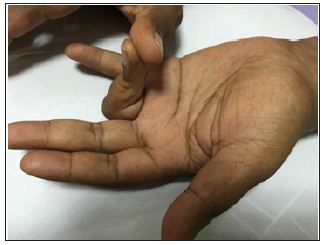
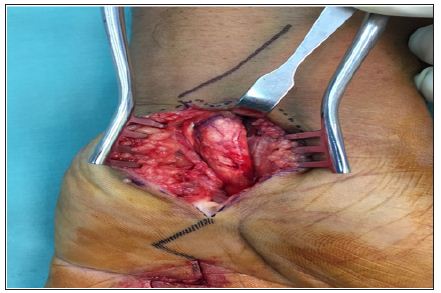
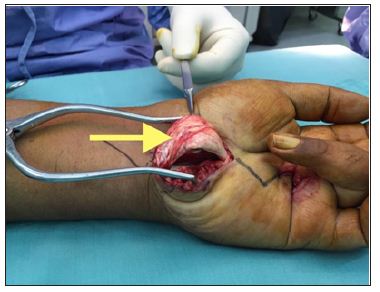
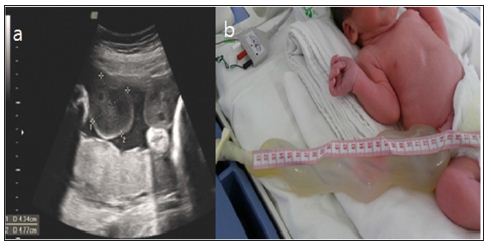


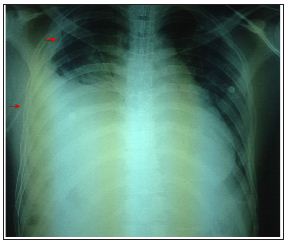
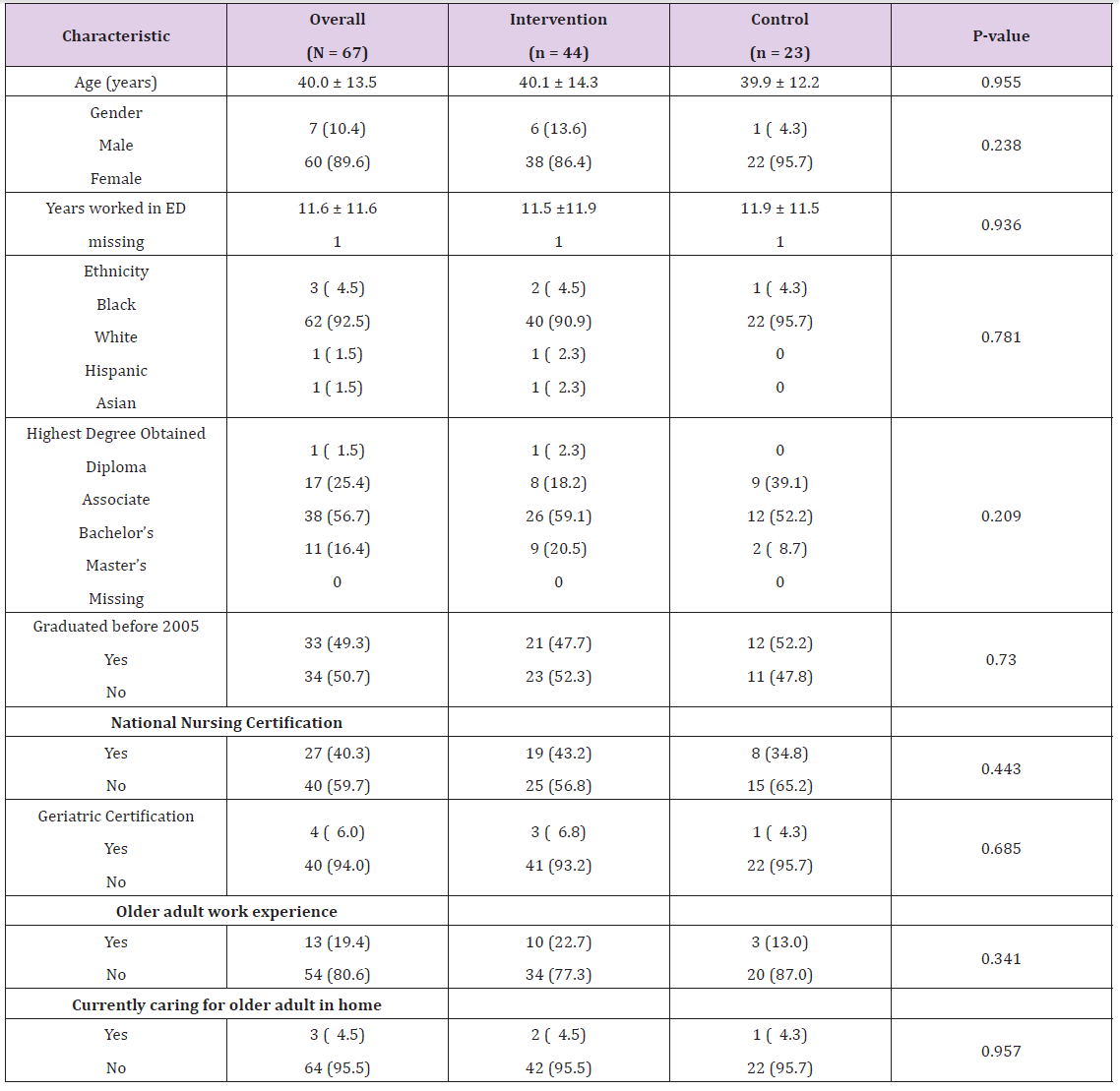
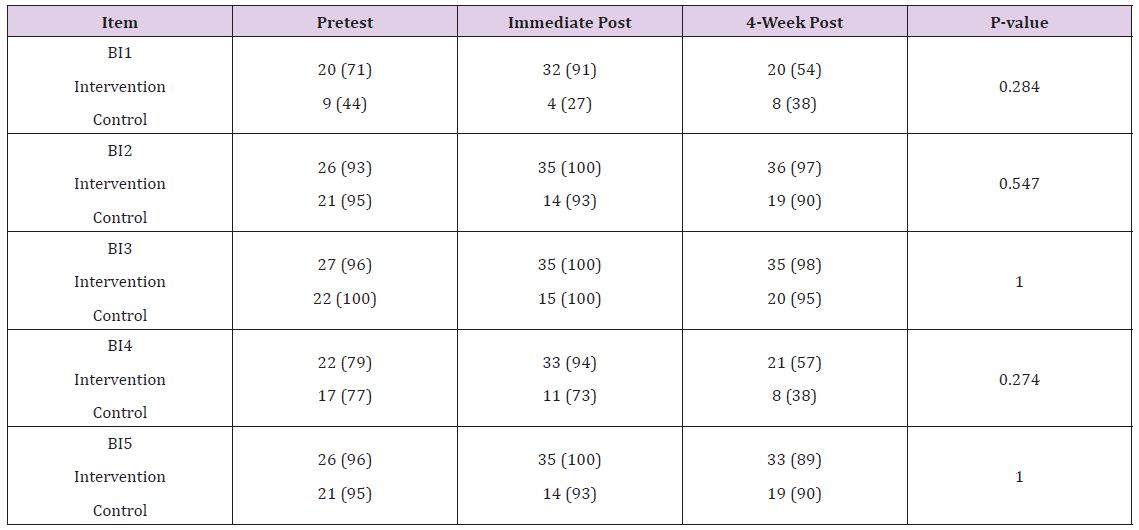
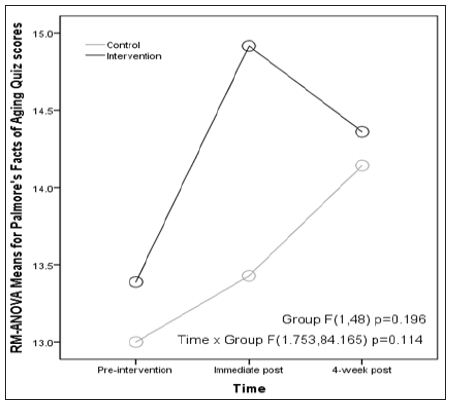
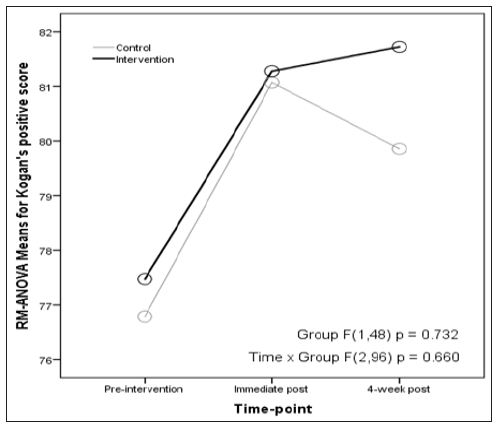
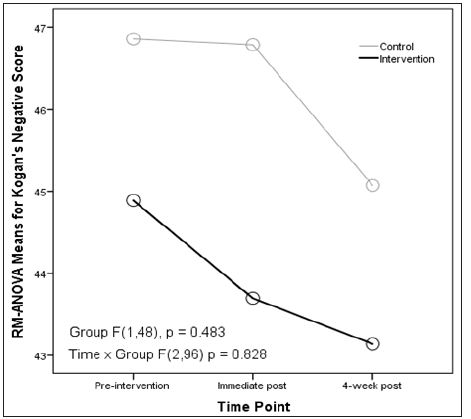
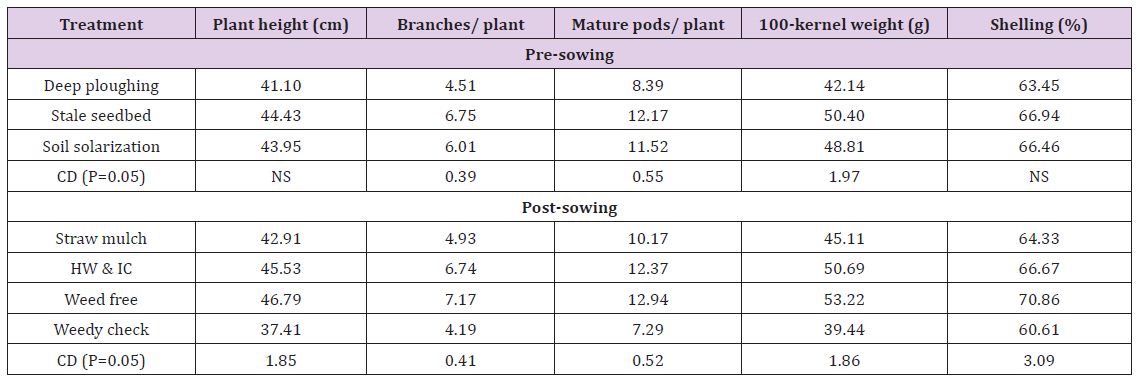
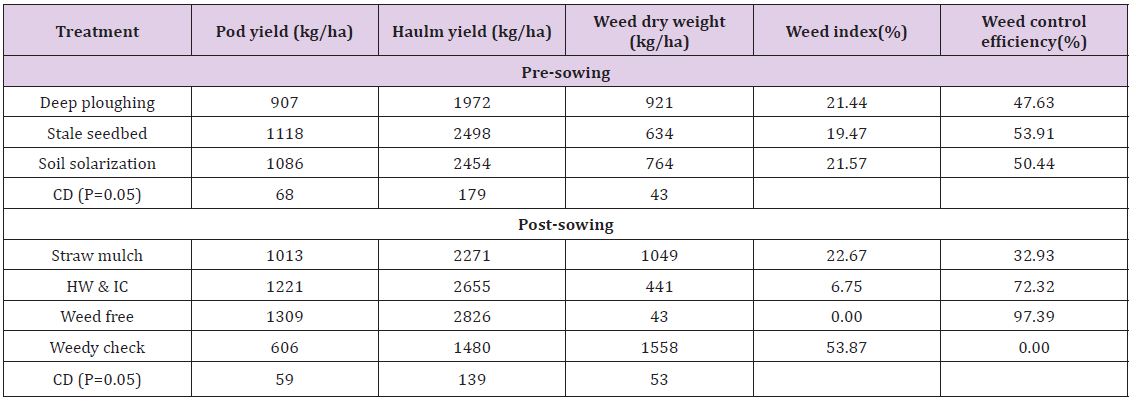
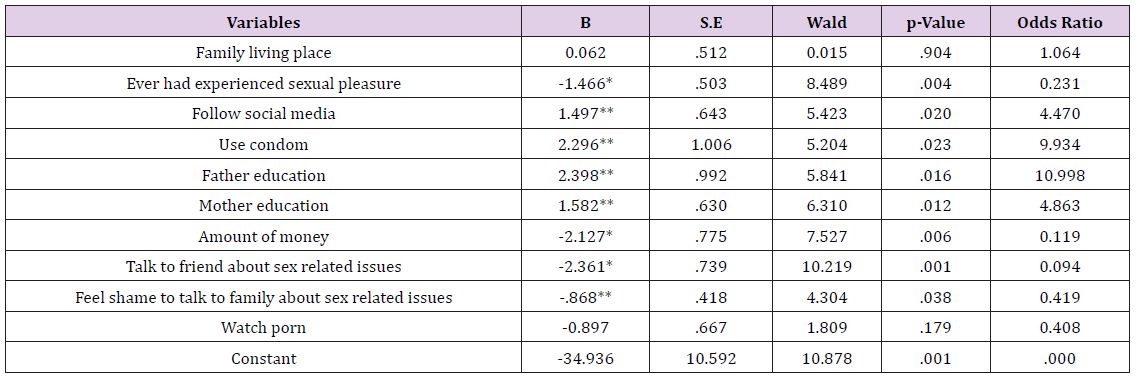
 Biomedical Journal of Scientific & Technical Research (BJSTR)