Journals of Drug Designing

Force Degradation Study of Rizatriptan Benzoate by Rp- HPLC Method and Characterization of Degraded Product

Abstract

The objective of the work was to study the degradation behavior of rizatriptan benzoate under different ICH recommended stress conditions by HPLC, and to establish a validated stability indicating LC assay method. Rizatriptan benzoate was subjected to stress conditions of hydrolysis and oxidation decomposition. Extensive degradation was found to occur in acidic medium. Mild degradation was observed in alkaline and oxidative conditions. Rizatriptan benzoate was stable to photolytic and thermal stress conditions. Successful separation of drug from degradation products formed under stress conditions was achieved on a Perfectsil (C18, 250 mm × 4.6 mm, 5.0 μ) and 0.01 M Phosphate buffer : methanol (80:20 v/v) as the mobile phase at a flow rate of 1.0 mL /min at ambient temperature and detected at 225 nm. pH of buffer is adjusted 5.0 with 85 % of otho phosphoric acid. Characterization of the degradent product was separately. The molecular weight of impurity product was found to be 188.

Keywords : Rizatriptan Benzoate; Rp-Hplc, Validation, Purity Evaluation; Degradation Product

Introduction

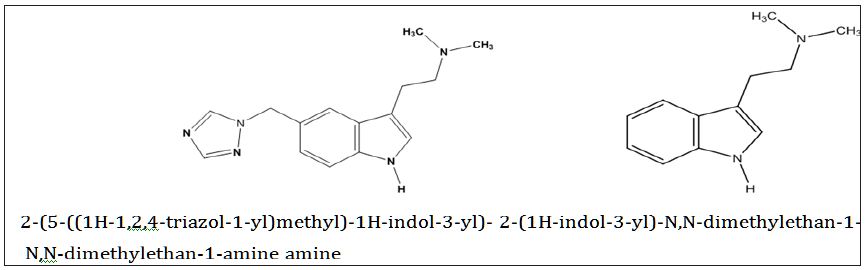
Rizatriptan benzoate (Figure 1) is a triptan drug used for the treatment of migraine headaches. It is a selective 5-Hydroxytryptamine 1 receptor subtype agonist [1]. Since there are only few methods are available for the determination of Rizatriptan benzoate. The present work is an attempt to estimate the same by a new force degradation method. The literature review shows very few methods for the determination of Rizatriptan benzoate and pharmaceutical validations by HPLC method but that various other methods like UV spectroscopic method for Rizatriptan benzoate [2,3], HPLC method for Rizatriptan benzoate [4], LC-MS/MS method for determination of Rizatriptan benzoate in human plasma [4]. This method can be successfully used for routine analysis of Rizatriptan benzoate as it is rapid, simple, selective and sensitive method for the determination using High Performance Liquid Chromatographic (HPLC) technique [5].

Figure 1 : The chemical Structure of Rizatriptan Benzoate and its degradation impurity.
Impurity profile of an active pharmaceutical ingredients (APIs) and evaluation of their toxicity effect is necessary step in developing a safe and effective drug and is essential for medical safety reasons [6]. It is mandatory that, any new impurities present in the drug substance and drug product above the threshold limit need to be identified and characterized. The present manuscript describes the Stability-Indicating RP-HPLC Method and identification and characterization of acidic degradation impurity of RizatriptanBenzoate Drug Substance as well as Drug Product [7-9]. Therefore, the objective of the reported research was to study degradation of rizatriptan benzoate under different International Conference of Harmonization (ICH) recommended stress conditions and to evaluate the degraded products by MS and to establish a stability-indicating RP-HPLC method for accurate quantification of rizatriptan benzoate in pharmaceutical dosage forms [10].

Experimental

Materials and Reagents

Pure samples of Rizatriptan Benzoate were obtained from Cipla Pharmaceutical Limited as a gift sample. HPLC grade Methanol, AR grade Triethylamine and Orthophosphoric acid was used. Highly pure water was prepared by double distillation and filter through with 0.45μ membrane filter. Hydrochloric acid, Sodium hydroxide and Hydrogen peroxide were used of laboratory grade.

High Performance Liquid Chromatography (analytical)

Agilent HPLC system equipped with low pressure quaternary gradient pump along with photo diode array detector and manual rheodyne sample injector has been used for the analysis of samples. The data was collected and processed using Ezichrom Elite software. A LC GC RP-18.5μm. (250×4.5mm) BDS column was employed for the separation of impurity from Rizatriptan Benzoate. The column eluent was monitored at 225nm. The sample diluents was a mixture of 7 ml Triethylamine in 1000 ml water of pH 5.0 adjusted with orthophosphoric acid and methanol in the ratio of 8:2 (v/v), filter through 0.45μ or finer porosity membrane filter.

Drug Related Substances HPLC Method

A simple isocratic reverse-phase HPLC method was optimized for the separation of degradation product where the mobile phase A and B are 7 ml Triethylamine in 1000 ml water (pH adjusted to 5.0 with orthophosphoric acid) / methanol, respectively. HPLC method for drug substance: The solvent composition was held at 80 % mobile phase A and 20% mobile phase B. The Flow rate was 1.0 ml/min. The volume injected with Rheodyne manual sampler injector with 20 μL capacity. The chromatographic run time was 15 min. HPLC method for drug product (tablet) was same.

High Performance Liquid Chromatography (preparative)

An Agilent preparative HPLC system equipped with liquid controller pump, photodiode array detector, and manual sample injector fitted with 20 μL loop was used. The data was collected and processed using Ezichrom Elite software. An LC GC BDS C18 column (250×4.5mm, 5-Micron) was employed for loading the sample. An analytical method was developed in isocratic mode separately to resolve this degradation product, followed by scaling up the same method for prep-HPLC to collect the required impurity fractions. The mobile phase consists of same composition as described above section. The solvent composition is same as described earlier. The flow rate was set at 1.0mL/min. Detection was carried out at 225 nm. Approximately 100 μg/mL of sample was prepared using a sample diluent. The sample diluent was a mixture of mobile phase in ratio 8:2.

Mass Spectrometry (LC/MS)

Initial LC/MS analysis has been performed on Varian Inc (USA) 410 Prostar Binary LC with 500 MS IT PDA Detectors. The analysis was performed in positive ionization mode with turbo ion spray interface. The parameters for ion source voltage IS=5500V, declustering potential, DP=70V, focusing potential, FP=400V, entrance potential, EP=10V were set with nebulizer gas as air at a pressure of 40 psi and curtain gases nitrogen at a pressure of 25 psi in mass spectrometer. Further to get accurate mass, analysis was performed on high resolution mass spectrometer using electrospray ionization. The accurate mass obtained from the instrument, theoretical mass and mass error was calculated.

NMR Spectroscopy

The 1H experiment was carried out for unknown impurity at processional frequencies 400.1328 MHz at 25° Cona Bruker Avance- 300FT NMR spectrometer. The 1H chemical shift is recorded on the δ scale in ppm, relative to tetramethylsilane (TMS) δ 0.00 in ppm.

Chromatographic condition

The mobile phase-A containing of 7ml Triethylamine in 1000 ml buffer pH 5.0 and mobile phase-B consist of Methanol flow in ratio 80:20. Where a column BDS C18 (250mm × 4.5 mm, 5 micron) was found to resolve Rizatriptan benzoate. The mobile phase was filtered through 0.45 μ membrane filter and the sonicated for 10 min. The flow rate was set at 1.0 ml/min. The drug showed good absorbance at 225 nm, which was selected as wavelength for further analysis all determinations were performed at ambient column temperature. Sample Diluents was used mobile phase-A and mobile phase-B in the ratio of 80:20 v/v.

Preparation of Stock solution and Standard solution

Accurately weighed 20mg of rizatriptan benzoate, dissolved in 50 ml of volumetric flask with diluent (Stock solution), respectively. The stock solution was further diluted by using mobile phase to get the concentration of 100 μg/ml of rizatriptan benzoate.

Force Degradation study:

Preparation of the degradation products : The different stress conditions were used for the forced degradation studies of bulk drug and drug formulations. In this procedure make one sample without drug i.e. placebo sample and sample with drugs were compared with force degradation sample. The stress sample was detected at 225 nm wavelength and run time was taken as same as assay sample.

Acidic Condition : For Acid hydrolysis, 2N of HCl was used for preparation of 100 μg/ml RZT solution. RZT API taken 50 mg was dissolved in 50 ml of volumetric flask with 10 ml mobile phase, respectively and makes sample preparation for tablet equivalent to 20 mg of RZT in 100 ml volumetric flask. Then add 5 ml of 2N HCl in flask and exposed 90o at 8 hrs. After it add 5 ml of 1N NaOH in flask for neutralization of reaction. Then make up with mobile phase. For further dilution take 5 ml of each sample in 50 ml of volumetric flask individually and for tablet degradation, 5 ml taken in 20 ml of flask and make up with mobile phase.

Alkaline Condition: For Base degradation study, 2N NaOH was used. 50 mg of rizatriptan benzoate was taken in 50 ml volumetric flask containing 10 ml of mobile phase. The sample preparation for tablet equivalent to 20 mg of RZT in 100 ml volumetric flask was taken containing 10 ml of mobile phase. Then in both the stock solution add 10 ml of 2N NaOH and exposed 90o at 8 hrs. To neutralize the solutions add 1N HCl in each flask. Make up volume up to mark with mobile phase. For further dilution take 5 ml of sample stock solution in 50 ml of volumetric flask and take 5 ml of tablet degradation stock in 20 ml of flask and make up the volume with mobile phase to achieve the concentration of 100 μg/ml.

Oxidation Condition: For Peroxide degradation, 3% H2O2 was used. Rizatriptan benzoate API taken 50 mg was dissolved in 50 of volumetric flask with 10 ml mobile phase, respectively and makes sample preparation for tablet equivalent to 20 mg of RZT in 100 ml volumetric flask. Then add 5 ml of 3% Hydrogen peroxide in each flask and exposed to 1 hrs at room temperature. Then make up with mobile phase. For further dilution take 5 ml of each sample in 50 ml of volumetric flask individually and for tablet degradation, 5 ml taken in 20 ml of flask and make up with mobile phase.

Detection of Impurities by HPLC: Typical HPLC chromatogram of Rizatriptan Benzoate and its degradation product observed in drug substance as well as in drug product obtained by using the HPLC method.

Isolation of 2-(1H-indol-3-yl)-N,N-dimethylethan-1-amine Impurity by Prep HPLC : A simple reverse phase chromatographic system, discussed under experimental section was used for isolating the unknown degradation product 2-(1H-indol-3-yl)- N,N-dimethylethan-1-amine. In this chromatographic system, the 2-(1H-indol-3-yl)-N,N-dimethylethan-1-amine Impurity eluted at about 9.48 min. So fractions eluting between 2.7 and 10 min. and sample was sent for characterization by NMR, Mass experiments.

Results and discussion

Optimization of chromatographic conditions

Mobile phase consisting of different buffers with methanol at different buffer-methanol ratio and at different mobile phase pH was tried but peak shape and retention time of Rizatriptna benzoate was found to be broad compared to buffer-acetonitrile composition as mobile phase. After various trials of different buffer and acetonitrile ratio as mobile phase, Potassium dihydrogen phosphate was selected as buffer, pH was adjusted to 5.0 with orthophosphoric acid and buffer-methanol ratio was selected as 80:20 proportions. It showed good resolution of chromatogram with symmetrical peak. The proposed chromatographic conditions were found to be appropriate for the quantitative determination. System suitability tests were carried as per ICH guidelines and parameters are summarized in (Table 1).

Table 1 : Rizatriptan Benzoate exposed to different degradative pathways.

Result of forced degradation experiments

a) The chromatographic conditions are remained same for degradation study

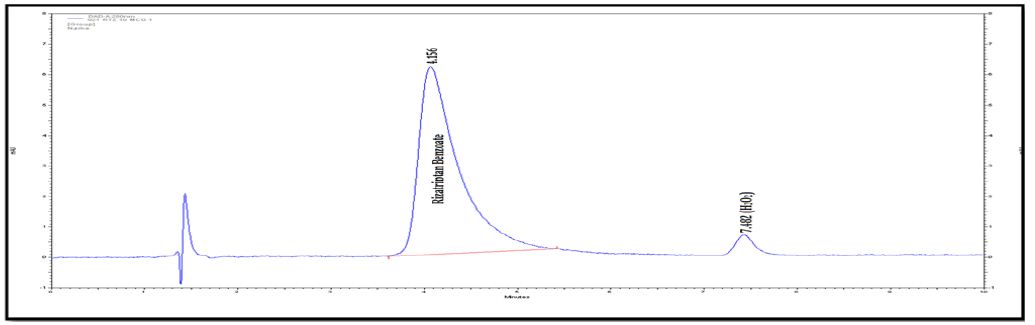
Degradation was not observed for rizatriptan benzoate samples during stress conditions like heat, UV and light, except in base, acid and oxidation. Chromatogram of rizatriptan benzoate standard solution shown in (Figure 2A). Rizatriptan benzoate was degraded into acid (Figure 2B), and base (Figure 2C) and forms polar impurities. In the acidic condition 48.82%, in the basic condition 13.86% and in the oxidative condition 9.27% Recovery was observed for Rizatriptan benzoate (Figure 2D). Peak purity results indicate that the Rizatriptan benzoate peak is homogeneous in all stress conditions tested. Results of rizatriptan benzoate exposed to different degradative pathways shown in (Tables 1-3).

Table 2 : System suitability study of Rizatriptan Benzoate and degradation product (impurity).

Table 3 : 1H NMR assignments for Rizatriptan Benzoate and 2-(1H-indol-3-yl)-N,N-dimethylethan-1-amine impurity.

Figure 2A : Chromatograms of RZT standard solution (100 μg/mL).
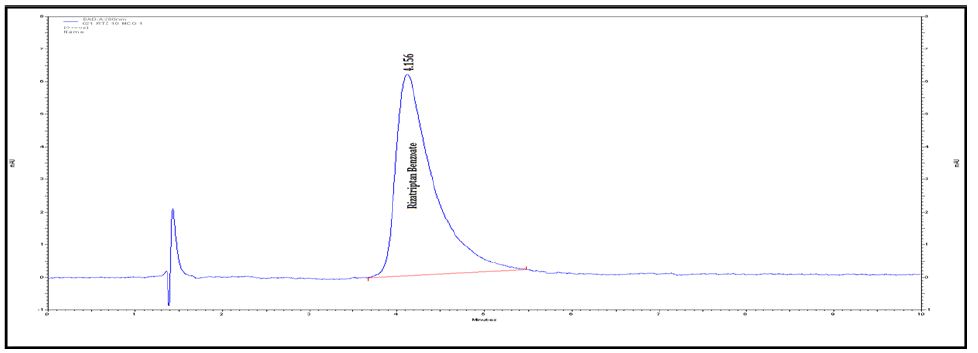
Figure 2B : Chromatograms of RZT standard solution (100 μg/mL).
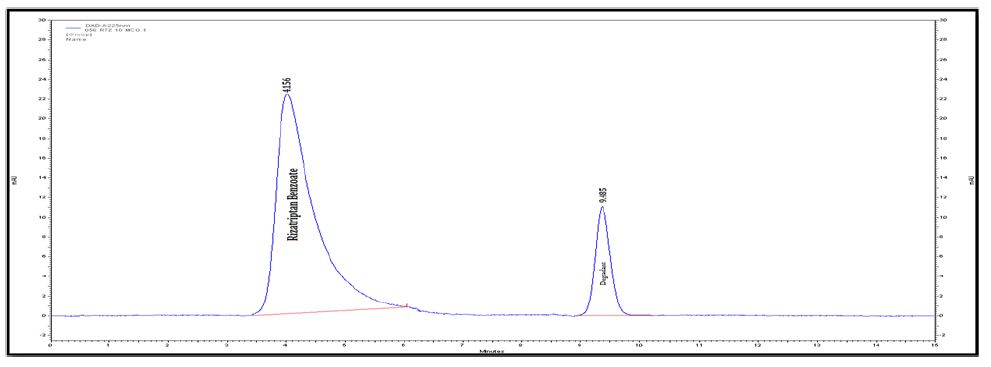
Figure 2C : Chromatograms of RZT standard solution (100 μg/mL).
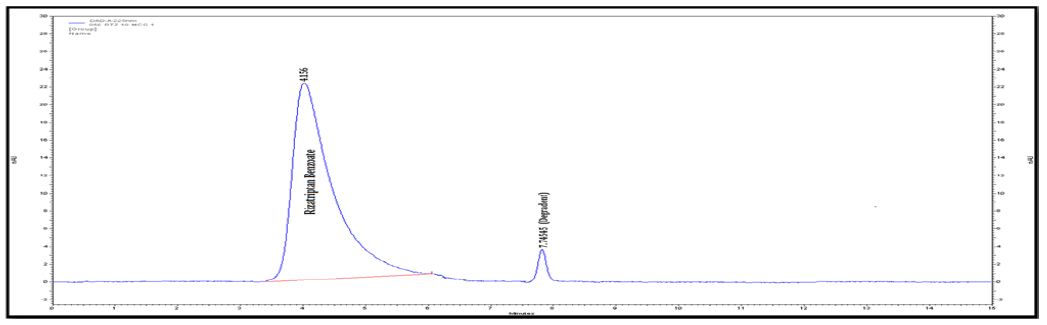
Figure 2D : Chromatograms of RZT standard solution (100 μg/mL).
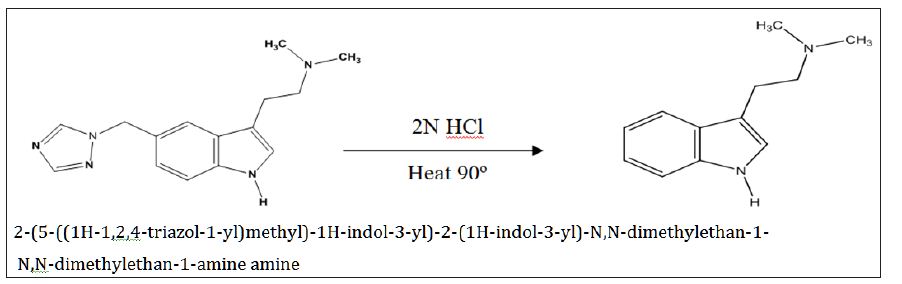
b). Identification of Acidic degraded product of Rizatriptan benzoate: Rizatriptan benzoate drug substance and rizatriptan benzoate tablets were subjected to stability as per ICH guidelines. The mobile phase composition is remained same for the LC-MS. The retention time is 3.30 min for degradation product. The LC-MS analysis showed the m/z value for this unknown impurity as 188 [M+H] + in HPLC method. To further investigate the chemical structure of the unknown impurity, Rizatriptan benzoate drug substance sample was kept at 90°C for 1 Hrs. This sample was subjected to LCMS/ESIQ-TOF. The high resolution mass analysis using Mass Lynx fragmentation tool, proposed the following probable elemental compositions/ molecular formula: C15H19N5.

Based on the high resolution mass fragmentation study in comparison to the reported fragmentation pattern of Rizatriptan benzoate, the chemical structure of the unknown impurity of m/z 188, assigned as 2-(1H-indol-3-yl)-N,N-dimethylethan-1-amine impurity. The observed LC-MS Q-TOF fragments of Rizatriptan benzoate acidic degradation impurity m/z 188 is shown in Table 4. Subsequently, 1H NMR spectra of the isolated compound of unknown impurity 2-(1H-indol-3-yl)-N,N-dimethylethan-1-amine compared with that of rizatriptan benzoate was described in Table 5. Based on the above high resolution mass spectral data and NMR data, it is proposed that the unknown impurity is 2-(1H-indol-3-yl)- N,N-dimethylethan-1-amine (Figure 1). The possible mechanism for the formation this impurity is shown in (Figure 3). Rizatriptan benzoate was found to be susceptible to acidic stress (in solution form).

Table 4 : Mass fragmentation of Rizatriptan Benzoate and the impurity mass m/z 189.0.
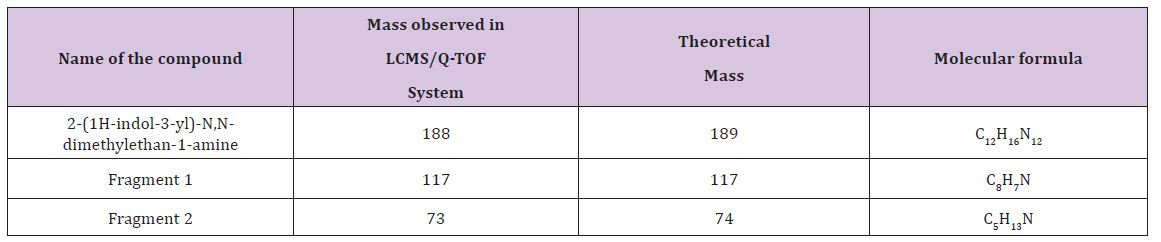
Figure 3 : The degradation pathway of the impurity.
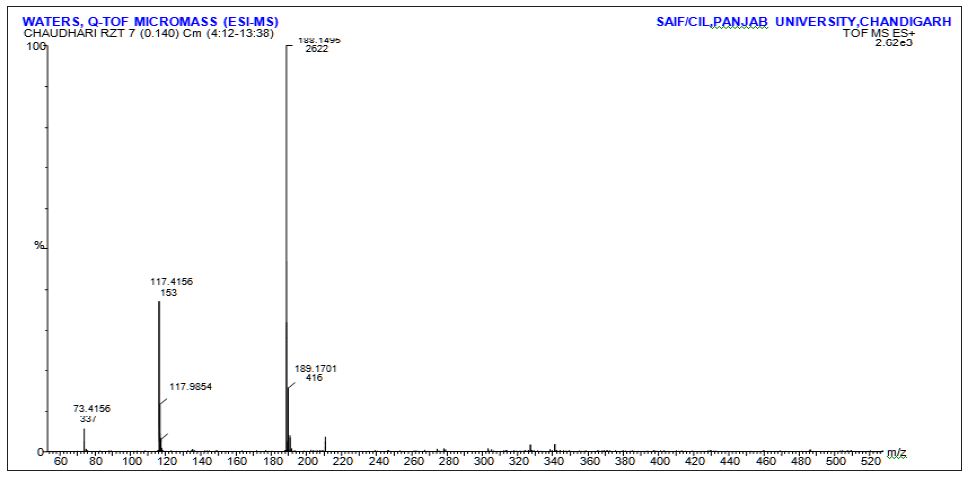
The summary of results from forced degradation studies of RZT and the percentage of drugs remained after undergoing stress. The chemical structure of Rizatriptan benzoate was studied and shown that there are one preferred sites of acidic degradation is formation of degraded product. The degradant was found to be 2-(1H-indol- 3-yl)-N,N-dimethylethan-1-amine impurity. The MS/ESI using selected ion monitoring in the positive ion mode provided a highly selective method for the determination and characterization of rizatriptan benzoate and its degradation product, respectively. The results of NMR and LC-MS are summarized in (Tables 2 & 3) and NMR, LC-MS Spectrum shown in (Figures 4 & 5).

Figure 4 : The degradation pathway of the impurity.
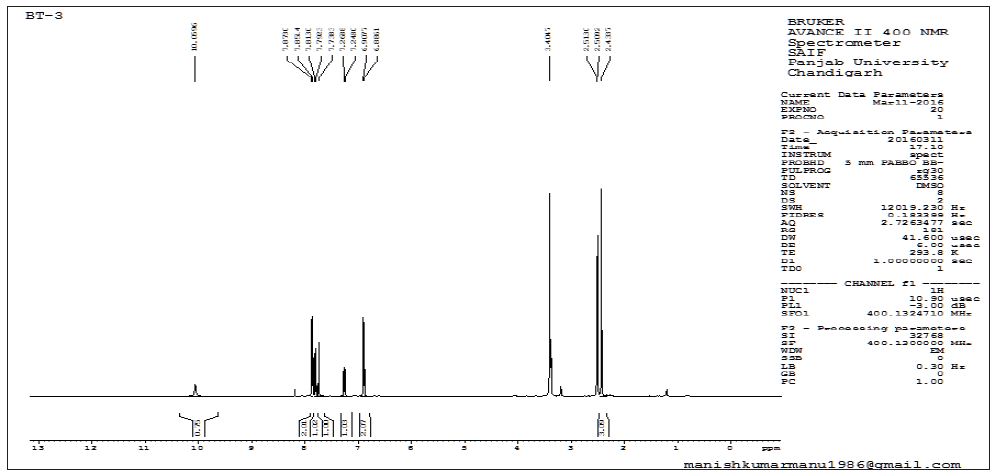
Figure 5 : The degradation pathway of the impurity.
Conclusion

As out lived by ICH guidelines, identification, isolation of impurity is very important task during drug synthesis and storage. It can provide crucial toxicology and safety data of finished drug and dosage forms. We have identified one impurity in aged and stressed samples of Rizatriptan drug substance and drug product. This is characterized by analytical data. The results indicate that the one impurity is from degradation of Rizatriptan benzoate. Formation of this degradation product in stressed.

For More Articles: Biomedical Journal Impact Factor : https://biomedres.us

Journals of Chemistry

Review on Leishmaniasis

Abstract

epresent a complex of diseases with identical clinical and epidemiological diversity. They depending on clinical symptoms having 3 different species: cutaneous Leishmaniasis, visceral leishmaniasis, mucocutaneous leishmaniasis. The diff stage involvement to produce infection. This infection diagnosis is the depending on the severity of the diease. The cutaneous leishmaniasis is a not more dangerous compare two other types of leishmaniasis. The diff techniques are available for diagnosis purpose. The efficacy of treatment varies with the type of infecting species and resistance pattern. The persistent lack of vaccine against human leishmaniasis is a result of the poor investment in this neglected parasitosis.

Keywords : Leishmaniasis; Parasite; Cutaneous Leishmaniasis; Visceral leishmaniasis; Muco cutaneous leishmaniasis

Introduction

Leishmaniasis is a leave alone vector-borne tropical infection that is considered to be a disease of penury. Mostly concentrated in poor countries within South East Asia, East Africa and Latin America, leishmaniasis is endemic in several Mediterranean countries making this parasitosis disease for local inhabitants as well as for travellers. The protean manifestations of leishmaniasis, if convied, range from cutaneous, which if left untreat may result in disfiguring scars associated with social stigma, to likely lethal disseminated infections. Among all parasitic diseases, mortality from leishmaniasis is second to malaria, and in terms of disability adjusted life years (DALYs), the third common origin of morbidity after malaria and schistosomiasis, with children <15 years suffering all of the disease burden.1 The expand in the number of immunosuppressed separate, secondary to HIV infection, post transplant and chemotherapeutic agents and the recently introduced biologic therapies for chronic inflammatory conditions, has resulted in a multiplication in leishmaniasis.

Symptoms/Pathology

These are mature Infection with Leishmania species can result in 3 types of disease depending on the species, geographic region and host immune response.

1. Leishmania donovani produces visceral leishmaniasis (kala-azar): Symptoms include fever (often 2 fever spikes per day), expansion of the spleen and liver, weakness, and continuing emaciation. The disease is often fatal without treatment, but survivors often develop immunity.

2. Leishmania tropica and L. mexicana produce cutaneous leishmaniasis: which is distinguished by skin lesions (oriental sore). Infected macrophages having amastigotes are found predominantly at the site of infection around the sores. The sores are characterized by a rise rim encircling the lesion. The sores generally heal by themselves within a year, but secondary bacterial infections are potential in open sores [1-5].

3. Leishmania braziliensis produces mucocutaneous leishmaniasis: characterized by lesions near mucosal membranes. The beginning site if infection is a small red papule that ulcerates in a few weeks. The lesions are flat (no raised rim) and often oozing. Infections of the ear, nose and mouth area lead to degeneration of the cartilage and soft tissues, resulting in disfigurement.

Life Cycle

Diff steps:-

a. While taking a blood meal, the sand- fly liberate promastigotes through the proboscis into the skin.

b. 2. Macrophages phagocytize the promastigotes.

c. Promastigotes convert into amastigotes.

d. Amastigotes proliferate in cells and macrophages and throughout this time, the signs and symptoms of the disease become particularly prevalent.

e. The sand fly takes a blood meal and ingests macrophages having amastigotes.

f. Amastigotes reach the infective stage when they convert into promastigotes in the sandfly’s midgut.

g. Promastigotes transfer to the proboscis, ready to be released during the next blood meal (Figure 1).

Figure 1 : Life cycle.

Diagnose

Diagnosing Cutaneous Leishmaniasis

Your doctor may take a little amount of skin for a biopsy by sweeping one of the ulcers. They’ll study the samples under a microscope or in a culture to distinguish the parasite. A culture is a way to see if there are parasites in a sample. It gives a small amount of parasites the opportunity to grow to detectable levels.

Diagnosing Visceral Leishmaniasis

Many times, people don’t recall a bite from a sand fly or a skin sore. This condition may be difficult to diagnose. A doctor may first perform a physical exam to look for an explanation spleen or liver. They may then perform a bone marrow biopsy or take a blood sample for examination. They’ll study these samples for the parasite. Diagnosis may take two to four weeks if a culture is necessary.

Treatment

In addition to be Anti parasitic drugs, such as amphotericin B, treat this condition.

Cutaneous Leishmaniasis

Cutaneous ulcers will frequently heal without treatment. However, treatment can speed healing and decrease scarring. It can stop the development of further disease. Ulcers on the face that cause damaget may require plastic surgery.

Visceral Leishmaniasis

Visceral disease needs treatment. Some medications are available. The main types of medicine used are compounds that contain antimony. These include meglumine antimoniate and sodium stibogluconate.

Mucocutaneous Leishmaniasis

These lesions don’t heal naturally. They require some treatment.

Liposomal amphotericin B and paromomycin can treat mucocutaneous leishmaniasis. WHO launched an advocacy campaign to help reduce the price of these drugs. The program reduced the price of liposomal amphotericin B by 90 percent and meglumine antimoniate by 60 percent. The hope is that lowering the cost will make it easier for people to get these treatments.

For More Articles: Biomedical Journal Impact Factor : https://biomedres.us
Journals of Drug Designing

Design, Development and Characterization of Sustain Release Matrix Type Tablet of Cinnarazine

Abstract

The objective of this study was to design and evaluate oral sustain release drug delivery system for Cinnarazine using hydrophilic polymers such as and HPMC (K100M), PVP (K) batches. Four batches were prepared by using HPMC (K100M) in drug: Polymer ratio of 1:1, 1:1.5, 1:2, 1:3 and five batches using PVP (K) in ratios of 1:1, 1:1.25, 1:1.5, 1:1.75 and 1:2. Further formulation F9 was modified by varying the ratios of diluents i.e F10, F11, F12 and F13 to check the effect of diluents on drug release. Matrix tablets were prepared by wet granulation method and were evaluated. Among the formulations studied, formulation F9 containing HPMC K100M (1:2) showed sustained release effect for 20 h with cumulative percent release of 88% similar to that of the research listed drug. The kinetic treatment showed that the optimized formulation follow first order kinetic with release exponent (n) 0.579 and having good stability as per ICH guidelines. Key Words: Sustained release, Hydrophilic gums, HPMC (K100M)/ (PVP (K), Magnesium stearate, Lactose and drug Cinnarazine.

Keywords : Sustain release; Matrix tablet; Cinnarazine

Abbreviations : DSC: Differential Scanning Calorimetry; FTIR: Fourier Transform Infrared

Introduction

Sustained release, sustained action, prolonged action controlled release, extended action, timed release, depot and repository dosage forms are terms used to identify drug delivery system that are designed to achieve or prolonged therapeutic effect by continuously releasing medication over an extended period of time after administration of a single dose. On exposure to aqueous fluid, hydrophilic matrices take up water, and the polymer starts hydrating to form a gel layer. Drug release is controlled by a gel diffusion barrier and/or by surface erosion. An initial burst of soluble drug may occur due to the surface leaching. When a matrix containing a sellable glassy polymer comes in contact with an aqueous medium, there is an abrupt change from a glassy to a rubbery state, which is associated with the swelling process.

Pre-Formulation Study

Identification of Drug

Physical Appearance

Through visual inspection, the physical appearance of pure drug was carried out as per United State Pharmacopeia XV. The Melting point was determined by the capillary method using Melting point apparatus. The capillary tube was filled by pressing the open end gently into pure drug sample by tapping the bottom of the capillary on a hard surface so that the drug pack down into the bottom of the tube. When the drug was packed into the bottom of the tube, the tube was place into the slot behind the eye-piece on the Melttemperature. Make sure the units were plug in and set to zero, and then turn it on. Temperature range was noted when sample start melting. Triplicate observations were recorded for melting range

Solubility Study

A definite quantity (10 mg) of drug was dissolved in 10 ml of each investigated solvents at room temperature. The solubility was observed only by UV method.

Partition Coefficient

The partition coefficient of drug was determined in n-octanol: water system (50:50) in triplicate by standard technique. A weighed amount of drug (10mg) was added into 10 ml each of n-octanol and water. The mixture was shaken for 24hrs until equilibrium was reached. Phase was separated in separating funnel and aqueous and non-aqueous phase was filtered (through 0.2μ filter) and analyzed by using UV spectrophotometer. The partition coefficient (Po/w) of drug was calculated from the ratio between the concentrations of drug in organic (Coil) and aqueous phase (Caq.) using following equation [2].

Molecular Weight of the Drug

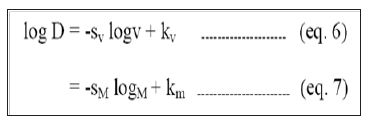
Diffusivity, the ability of a drug to diffuse through the membranes, is inversely proportional to molecular size. For most polymers it is possible to relate log D, Empirically to some function of molecular size as follows.

Figure 4 :

UV Spectrophotometry: Preparation of standard curve

Preparation of cinnarazine standard stock solution (100μg/ ml) in 0.01N HCL

Cinnarazine was accurately weighed 10mg of cinnarazine in 10ml volumetric flask. The volume was then made upto 100ml by using 0.01N HCL solution to obtain the solution of 100μg/ml. From the Cinnarazine stock solution (100 μg/ml) 1ml was pippeted and diluted to 10ml by using 0.01N HCL solution into different volumetric flask and made upto 10ml with 0.01N HCL solution so as to get concentration of 1.0 to 10.0 μg/ml

Determination of analytical wavelength

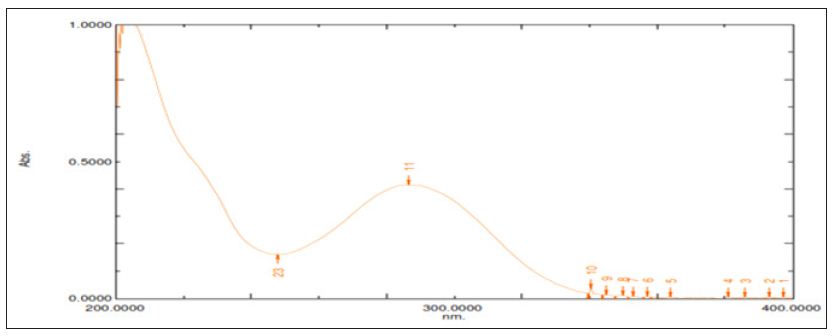
From the standard stock solution 1ml was pippeted into a volumetric flask. The volume was made upto 10ml with 0.01N HCL solution. The resulting solution containing 10μg /ml was scanned between 200-400 nm the λmax was found to be 252nm [3].

Calibration curve of cinnarazine in 0.01N HCL solution

From the Cinnarazine stock solution (100 μg/ml) 1 ml was pippeted and diluted to 10ml by using 0.01N HCL solution. From the solution appropriate aliquots was taken into different volumetric flask and made up to 10 ml with 0.01N HCL solution so as to get concentration of 1.0 to 10.0 μg/ml [4].

Preparation of Granules by Wet Granulation Method

The Drug (Cinnarazine), polymer HPMC (K100M), PVP (K), all the excipients magnesium stearate and lactose were passed through sieve no. 80 separately. Nine different formulations with polymer ratios were prepared i.e. 1:1, 1:1.5, 1.2, 1:2.5, 1:3, 1:3.5, 1:4, 1:4.5 and 1:5 by keeping the amount of lactose at 30 mg and Cinnarazine at 375 mg constant with magnesium stearate 2% w/w. After sieving all ingredients were mixed in mortar. Prepared mixture was passed through sieve no.40 and transferred the ingredient mixture in clean mortar. Added isopropyle alcohol sufficient quantity in mixed powder for preparing dump mass. The dump mass mixture was passed through sieve no. 22. After sieving this mixture was dried in hot air oven for 30 min.

Characterization of Granules

Angle of Repose

It can be done by taking the accurately weighed powder blend and allowing it to flow freely through the funnel, fixed to a stand at definite height. The height (h) and diameter (d) of the powder cone are measured and the angle of repose can be calculated by the formula, tanθ = h/r (or) θ = tan−1h/r .

Bulk Density

Bulk density (Db) is the ratio of weight of the untapped powder sample to its initial volume & it was determined by following formula. (w = weight of the untapped powder, Vb = initial volume)

Bulk density (Db) = W/Vb .

Tapped Density

Tapped density (Dt) is the ratio of weight of the powder sample to its tapped volume & it was determined by following formula. (w = Weight of powder sample, Vt = Tapped volume).

It is calculated using following formula: Tapped density (Dt) = W/Vt .

Compressibility index (Carr’s Index)

The Carr’s compressibility index (also called as Carr’s Consolidation index or Carr’s Index) was calculated using following formula: Carr’s Compressibility index = (Dt–Db)/Dtx100 .

Hausner’s Ratio

Hausner’s ratio was calculated from the measured values of tapped density (Dt) and bulk density (Db), as follows, Hausner’s ratio = Dt/Db .

Drug-excipient interaction studies

Preformulation studies are very important for the successful formulation of any dosage form. Differential Scanning Calorimetry (DSC), Fourier Transform Infrared (FTIR) Spectroscopy studies (Joshi et al.,) and HPTLC were used for the evaluation of physicochemical compatibility and interactions, which helps in the prediction of interaction of the drug with polymers, diluents and lubricants used in case tablet formulations. Positive interactions sometimes have a beneficial effect as far as desired release parameters are concerned. The earlier investigations recommended that the ratio of drug to excipients used in study was 1:5 for diluents, 3:1 for binders or dis-integrants, 5:1 for lubricants and 10:1 for colorants etc, but it is observed that 1:1 ratio of drug excipients maximizes the possibility of interaction and helps in easier detection of incompatibilities 17. Therefore, in the present study 1:1 ratio was used for preparation of physical mixtures and analyzed for compatibility studies [5].

Methodology

Preparation of standard curve

Preparation of Standard Curve of Cinnarazine in 0.1 N HCl (pH 1.2)

10mg drug was dissolved in 100ml of 0.1N HCl & from these different dilutions were prepared in concentration range of 5, 10, 15, 20, 25, 30, 35, 40, 45, 50, μg/ml & absorbance was taken at 252 λmax nm (Figure 1).

Figure 1 : Standard plot of Cinnarazine in 0.1 N HCL solution.

Preparation of Standard Curve of Cinnarazine in (PBS) pH 6.8:

10mg drug was dissolved in 100ml PBS from these different dilutions were prepared in concentration range of 5, 10, 15, 20, 25, 30, 35, 40, 45, 50 μg/ml & absorbance was taken at 252 λmax nm (Table 1).

Table 1 : Standard plot of Cinnarazine in 0.1 N HCL solution.

Preparation of Granules

All the excipients and drug was weighed and sieved properly and triturated with the help of isopropyl alcohol according to geometric dilution. This mixture was passed through sieve no. 22. After sieving this mixture was then dried [6].

Preparation of Sustain Release Tablet by Direct Compression Method

Punching of Granules / Tablet compression

The matrix tablets of the above formulations were compressed in a single punch tablet compression machine. A weighted amount of the sustain release granules was introduced in the die and the die capacity was adjusted as required. Compression force was adjusted to obtain the required hardness. A batch of 9 tablets was prepared for all formulations (Tables 2-4).

Table 2 : Formulations Containing Drug & HPMC (K100M).

Table 3 : Formulations Containing Drug & PVP (K).

Table 4 : Formulations containing drug, HPMC (K100M) & various concentrations of excipients.

Post Formulation Studies / Evaluation of characteristics of powder blend and tablets

The various characteristics of powder blend like bulk density, tapped density, angle of repose, particle size and drug content were studied. The formulated tablets were evaluated for hardness, friability, uniformity of weight and drug content.

Thickness

The thickness of tablets was determined by using vernier caliper. Five tablets from each batch were used & average values were calculated [7].

Disintegration Test

The test was carried out on six tablets using disintegrating apparatus in distilled water medium at 37 ± 1ºC. The average D. T. was recorded [8-15].

Hardness Test

The hardness test was done for five tablets using Monsanto hardness tester, & the average value was recorded [16].

Friability Test

This test was performed on 20 tablets using Roche friabilator. The tablets were weighed and put in the friabilator, after 100 revolutions, the tablets was redusted and weighed. Percent loss in weight will be recorded. This can be calculated with the help of following formula, %F = Loss in weight/ Initial weight x 100 [17].

Figure 5 :

Weight Variation Test & its Limit according to USP – XV

This test was done as per the guidelines of USP, tablets will randomly sampled and take individual weight of 20 tablets in analytical balance and determine standard deviation (Table 5).

Table 5 : Limits for weight variation (USP – XV).

Drug Content

Five tablets were weighed and triturate, from that transfer an accurately weighed portion of the powder equivalent to about 95mg of cinnarazine to a 100ml volumetric flask containing buffer solution and then concentration is measured at λmax i.e 252 nm.

Compression Force

The influence of compression force could only be observed in lag time. Tablets made at lowest crushing strength (compression force 3 KN) with Methocel K4 M showed an initial burst effect due to initial partial disintegration. Once the polymer was swollen, the dissolution profile became similar to the tablets compressed with a higher crushing strength. It has been reported that changes in compression force or crushing strength appeared to have minimal effect on drug release from HPMC matrix tablet once a critical hardness is achieved. Increased dissolution was only observed when tablets were too soft and it was attributed to the lack of powder compaction or consolidation (3 KP) [18].

Tablet Shape

The size and shape of tablet for the matrix system undergoing diffusion and erosion might affect the drug dissolution rate. Modification of surface area for metoprolol tartarate tablets formulated with Methocel K100 LV from standard concave shape (0.568 sq in) to caplet shape (0.747 sq in) showed an approximately 20-30% increase in dissolution at each time point.

In-vitro Dissolution Test

The dissolution studies were performed in triplicate for all the batches in a USP XXIII dissolution rate test apparatus (type II). The release studies were performed at 75 rpm in 900 ml of 0.1 N HCl buffer pH 1.2 at 37 ± 0.2οC. Five milliliters aliquots were withdrawn at predefined intervals, and the volume of the dissolution medium was maintained by adding the same volume of fresh prepared warmed dissolution medium. The absorbance of the withdrawn samples was measured spectrophotometer at 252 nm.

Stability Studies

The optimized formulation was subjected for two month stability study according to ICH guidelines. The selected formulations were packed in aluminum foils, which were in wide mouth bottles closed tightly. They were then stored at 40ºC / 75% RH for 2 months and evaluated for their drug release study.

Result and Discussion

Physical Appearance

Physical appearance of Cinnarazine sample complies the USP standard (Table 6).

Table 6 : Physical Appearance of Cinnarazine.

Melting Point

According to USP XV the melting point of Torsemide (Standard) is 163-1640 C and melting of sample was found to be in the range of 161-1640 C (Table 7).

Table 7 : Determination of Melting Point of Cinnarazine.

Solubility Study

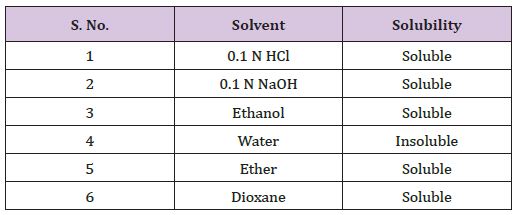
Solubility of cinnarazine was determined in solvents given the table (Table 8).

Table 8 : Determination of Melting Point of Cinnarazine.

Partition Coefficient

The partition coefficient of Cinnarazine was determined (Table 9).

Table 9 : Determination of Melting Point of Cinnarazine.

Determination of Absorption Maxima

The UV absorption maxima were determined by scanning solution of Cinnarazine in the range of 200-400 nm by Shimadzu – 1800 UV/Visible spectrophotometry, and it was found to be 252 nm (Figures 1 & 2).

Figure 2 : Absorption Maxima of Cinnarazine in 252nm.

‘Pre-compression Studies of SR-Release Granules

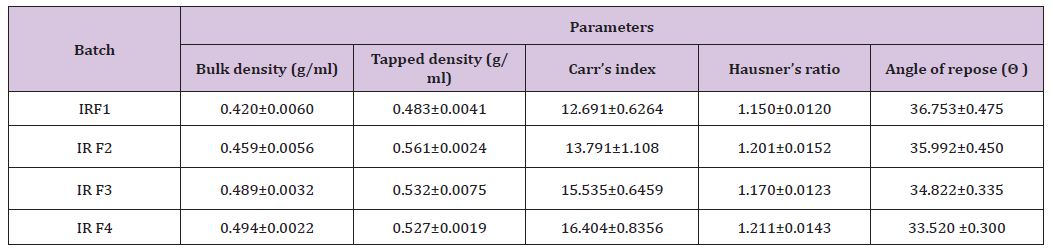
The characterizations of different SR release granules were done for determination of mass‐volume relationship parameters. The evaluated parameters are bulk density, tapped density, compressibility index, and angle of repose, Carr’s index, Hausner’s ratio (Table 10).

Table 10 : Determination of Melting Point of Cinnarazine.

Post-compression Studies of SR-Release Matrix-Type Tablets

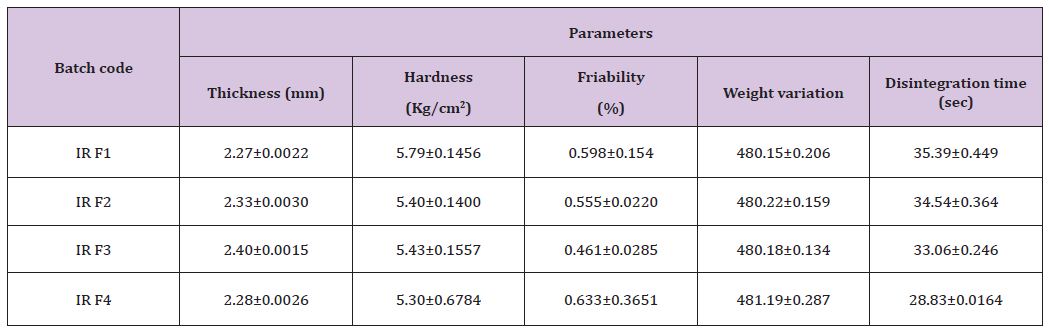
The characterizations of sustain release tablets were done. The evaluated parameters were thickness, hardness, friability, weight variation, disintegration which are given in table (Table 11).

Table 11 : Post-compression Studies of Sustain Release Tablets.

In-vitro Release for SR-Release Matrix-Type Tablet of Cinnarazine in 0.1N

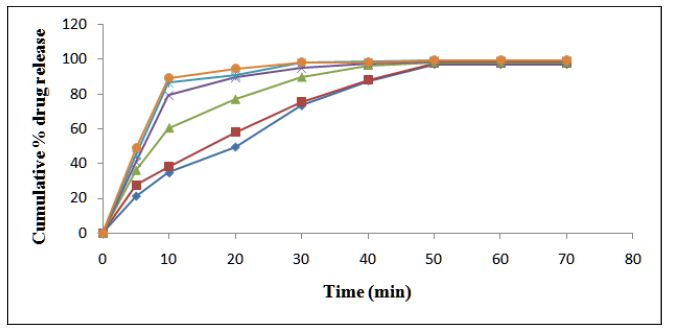
HCL: In-vitro drug release studies were performed & drug release data of different formulation are given in table (Table 12) (Figure 3).

Figure 3 : In-vitro Drug Release Profile of SR-Release Matrix-Type Tablet of Cinnarazine.

Table 12 : In-vitro Release for SR-Release Matrix-Type Tablet of Cinnarazine in 0.1N HCl.

Conclusion

Cinnarazine Sustain Release matrix-Type Tablets, In preliminary studies various formulation combinations and parameters such as concentration of lactose, magnesium stearate, HPMC & PVP were varied during the drug loading stage, PVP(K) they are responsible to produce increase solubilization & fast release of drug and to produce immediate effect in GIT. For SR, Four different SR release batches using HPMC(K100m) (F1,F2,F3,F4) and Four SR release formulation using PVP (K) (F5, F6, F7, F8) and two SR release formulation using excipeint lactose & magnesium stearate (F9, F10, F11, F12) was prepared. After performing the pre and post formulation studies on these batches it was found that IR-6 shows the best immediate release profile and SR F-2 shows the best sustained release profile. So by taking IR-6 & SR F-2 a final batch (M1) of Sustain Release matrix-Type Tablet was prepared.

Post formulation studies on the batch (M1) were performed. The average thickness of the tablets was found to be 2.51±0.0012 mm, the average hardness was found to be 5.11±0.1024 kg/cm2, the average friability was found to be 0.43±0.0051 % & it passed the friability test. The SR tablet also passed the weight variation test and the average disintegration time was found to be 25±0.0015 seconds. The in-vitro dissolution studies were carried out & the SR tablet released 95.45% of drug over the time period of 10 hours.

For More Articles: Biomedical Journal Impact Factor : https://biomedres.us

Journals of Gynaecology

Para Ovarian Benign Multicystic Mesothelioma-A Case Report

Abstract

Mesotheliomas are mesenchymal neoplasms which originate in the lining membrane of various serous cavities and peritoneum. These are benign tumours slow growing. They are incidentally found during laparotomies for ovarian tumours with ascitis. Common in women, exposed to asbestos. We present a rare para ovarian benign multi cystic mesothelioma in a 41-years-old woman who presented like malignant ovarian tumour, with a huge cyst of size 25×15 cm containing four liters of haemorrhagic fluid and four small cysts of size 6×4 cm. Histological picture was confirmative for para ovarian benign mesothelioma.

Keywords : Mesothelioma; Benign Ovarian Tumour; Multiloculated Cyst

Introduction

The peritoneum is a mesothelial lining of the abdominal cavity and intra parietal viscera. Mesotheliomas are mesenchymal neoplasms which originate in the lining membrane of various serous cavities, pleural, pericardial and peritoneum. Women present with distension of abdomen, pain, ascites and palpable mass. Most are incidental surgical findings accompanied by multiple cystic peritoneal lesions. Histological picture is predominantly papillary with differentiated mesothelial cells. Often differentiated with adenomatoid tumours and tumours of ovarian epithelium. Peritoneal mesothelioma is a form of mesothelioma that affects the lining of the abdomen often misdiagnosed as ovarian cancer. It is common in asbestos exposed woman. These are slowly progressive. Surgical removal is the treatment. Has high rate or recurrence treated with ant estrogens. A case of para ovarian benign multicystic mesothelioma, who presented as malignant ovarian tumour is presented for its rarity.

Case Report

A 41-years- old P2 L2 sterilized woman reported to the Gynaecology OPD of Sri Manakula Vinayagar Medical College and Hospital, Puducherry, India with the complaint of distension of abdomen, loss of appetite and pain abdomen for three months with regular periods. There was no history of exposure to asbestos. On examination there was a cystic mass of size 34 x 32 cm, occupying the entire abdomen with side to side movement. There was no ascites. Uterus was retroverted and normal in size. Right fornix was occupied by a cystic mass which was extending up to the umbilicus. Tumour marker CA125 was elevated. Ultrasound scan and Computed tomography scan revealed a large cystic mass occupying lower abdomen. Largest cyst was 25 cm x 15 cm with multiple thick septation within the cyst. Multiple small cysts of size 6×4 cm were also seen on right ovary. A diagnosis of malignant right ovarian tumour was made. The patient underwent staging laparotomy. Uterus was normal in size. Left tube and ovary were normal. Right side-tube had fimbrial cyst 5×4 cm with haemorrhagic fluid. A multiloculated right ovarian cyst, largest measuring 25×15 cm filled with haemorrhagic fluid about four liters, and four smaller cysts of size 6 cmx4 cm were present. Same removed with ovary. There was no papillary projection or solid areas. Minimal clear peritoneal fluid staging was 0 as tumour was benign. Uterus cervix and right diseased ovary with multilocilated cysts and the normal left ovary was also removed with tubes, abdomen explored, left ovary was removed because we don’t have any facility for frozen section of the normal ovary. Omental biopsy taken and abdomen closed in layers. Uterus cervix both tubes left normal ovary right ovary with multiple cysts were send for histopathalogical examination. HPE REPORT – a diagnosis of Para ovarian multi cystic mesothelioma was made. The Omentum also showed mesothelial proliferation. Her postoperative period was uneventful and the patient was discharged on the 10th day patients was followed after 3 months, 6months and 1 year, patient is healthy and leading a normal life.

Figure 1: Post operative specimen showing of right ovary with massive ovarian multiple cysts which contained 4 liters of haemorrhagic fluid.

Figure 2: Four small cysts of size 6×4 cm.

Figure 3: Intra operative picture of pedical of the cysts with right ovarian tissue

Figure 4: The uterus (dot shows the uterus and arrow shows right ovarian pedicle) along with multiple ovarian cysts.

Figure 5:

a. Gross Description of Specimen: The uterus, cervix, left fallopian tube and left ovary was normal. Right fallopian tube and ovary consisted of a cyst of size 35 cm x 30 cm attached to ovary. External surface of ovary was bosselated and congested. Cut section showed multiloculated cyst filled with serous fluid. Cysts walls were thin, one focus showing tiny papillary excretion. No solid areas were seen. Ovary was attached to one of the locules measuring 5x4x2 cm. Cut section showed tiny cortical cyst (Figures 1-5).

b. Microscopic Description: Cyst was lined by flattened to pseudo-stratified layer of benign mesothelial cells with focal papillary projections into the lumen. Papillae showed central fibrovascular core and single layer of mesothelial lining. Cyst wall was thin and fibro collagenous. Right ovary showed follicular cyst and resolving corpus luteum. After histological evaluation, a diagnosis of Para ovarian multi cystic mesothelioma was made. The Omentum also showed mesothelial proliferation.

Discussion

Papillary mesothelioma of ovary is rare benign tumours. Often, it is an incidental surgical finding when laparatomy is done for ovarian epithelial tumours, with histological pattern of predominantly papillary well differentiated mesothelial cells, and prominent stromal infiltrate [1]. Benign multicystic peritoneal mesothelioma (BMPM) [2]. These tumours are rare and occur mainly in women in their reproductive age associated with previous surgery. These tumours are slowly progressive. Patients present with diffuse abdominal pain, nausea and vomiting, painful mass in the upper abdomen. Big cystic mass of ovary with small cysts containing clear fluid is the usual intra operative finding [3]. Imaging techniques like ultrasonography, computerized tomography and magnetic resonance image can demonstrate the lesion. Surgery is the only effective treatment. Complete removal of the cystic lesion should be aimed at to avoid local recurrence. Recurrence occurs frequently and is treated with hormonal therapy with antiestrogens or gonadotropin releasing analogous [3].

Cases of malignant mesothelioma of the peritoneum have been reported by authors Pontone P et al. [4] from Italy. Peken T [5] from Turkey has reported a case of malignant epithelial peritoneal mesothelioma in pregnancy. Reid [6] has reported that some cases of ovarian cancer in women with history of asbestos exposure are misdiagnosed as peritoneal mesothelioma. In our study there is no exposure to any asbestos. We report a rare case of a 41 year old sterilized woman, who presented like malignant ovarian tumour, with a surprise postoperative histological diagnosis of paraovarian, benign multicystic mesothelioma.

Conclusion

Para ovarian benign multicystic mesotheliomas are rare tumours. Only few cases have been reported. Malignant mesothelioma of the peritoneum is more common. Surgery is the first line of treatment. Recurrence of the tumour is common and is treated by ant estrogens and gonadotropin releasing analogous. Often these tumours mimic ovarian malignant tumours and are diagnosed incidentally during laparatomy. Histological diagnosis is confirmative.

For More Articles: Biomedical Journal Impact Factor : https://biomedres.us

Journals of Public Health

Huntington Disease Genetic Test Taking: A Challenge between Modern Medical Technology and Humanity

Opinion

Many previous studies investigated the ethical issues and psychological effect behind on the disclosure of Huntington Disease (HD) [1]. Huntington Disease is a devastating and degenerative brain disorder, where it slowly diminishes the affected individual’s ability to physical movements, cognitive, and behavior disturbance [2]. The cognitive dysfunctions may include disorganized thoughts, planning, searching for alternatives, and delays the acquisition of new motor skills [1]. HD affects the physical movements by the inability to maintain a constant voluntary muscle contraction at a constant level [1]. HD can occur to people ages from 2 to 80 but symptoms typically strike at midlife [3]. The disease is characterized by chorea, a progressive dementia [4]. The disease can eventually lead to death, which normally occurs ten to seventeen years after initial onset [5].

Huntington’s disease is the most common inherited neurological disorder, with prevalence ranging from 4.1 to 7.5 cases per 100,000 in Caucasians average 5.6 cases per 100,000 Caucasians, however, with wide variation [6]. Prevalence is less common in Asia and Africa, where approximately 1 in a million are born with the gene [7]. HD is a genetic disorder that develops in people who have inherited a larger than normal huntington gene on chromosome 4 [1]; the expansion in the gene is due to the repetition of CAG [7]. The larger huntington gene produces an abnormal protein that initiates death of brain cell in the middle age [8].

It has no confirmative pharmacological therapy for HD; therefore other means of management therapies may be used such as cooperating with patient’s families and health care professionals, and managing behavior anomalies [2]. Eventually, the patients become dependent upon others for their care; thus, HD profoundly affects the lives of entire families emotionally, socially, and economically causing extreme burden [9,10]. Reported that families of a Huntington Disease patients go through different stages such as adjusting the impact, searching for information that helps them cope with the situation, gathering support from different sources, bolstering spirit, designing individual care, and facing the uncertainty in the future.

Genetic testing has been available for patients to predict the HD and is almost 100% acute by detecting the gene. There is a high inheritance rate of HD of 50% chance as the disease acquires an autosomal dominant pattern if parents were positive with HD [11]. A positive result of the genetic testing signifies that they will develop HD [10]. Genetic information solves the uncertainty of illness, reveals correct information, and consequently sometimes diminishes people’s anxiety and fear of the unknown. However, this new knowledge of genetic information maintains openly to be investigated of ethical issues of informed consent, shared decision making and types of truth telling. Uncovering the participants’ voices and lived experiences and the professional’s own potential values and actions through various socio-cultures and medical institutions or communities may provide deeper understanding the relationship and meaning between the modern medical technology and humanity.

For More Articles: Biomedical Journal Impact Factor : https://biomedres.us

Journals of Physical Sciences

Acute Effects of Aerobic Physical Activities on Attention and Concentration in School-aged Children

Abstract

Purpose: It is unknown whether or not a PA intervention can produce positive effects on students’ attention and concentration late in the school day (i.e., afternoon). Thus, the purpose of this study was to examine the acute effect of 30-min PE lessons on students’ attention and concentration late in the school day.

Methods: A total of 115 fourth- and fifth-grade students participated in this study with the mean age of 9.41 years old for fourth grade students (n=58) and 10.41 years old for fifth-grade students (n=57). One fourth-grade class and one fifth-grade class were randomly assigned to the intervention group, while the other one fourth-grade class and the other fifth-grade class were randomly assigned to the comparison group. The intervention took place after all classes attended a 30-min regular late afternoon academic lesson. The intervention students took the d2 Test of Attention before and after attending a 30-min aerobic PA-focused PE lesson, while the comparison students took the d2 Test of Attention before and after attending a 30-min lecture-typed PE lesson. The d2 Test is standardized paper and pencil letter-cancellation test that measures neuropsychology performance of the students in the areas of sustained and selective attention as well as concentration.

Results: 2 (pre-test vs. post-test) x 2 (Experimental Group vs. Comparison Group) ANOVA revealed a significant effect of time, but no significant effect of group for processing speed (TN), accuracy (E%), and concentration (CP). Further, the repeated measures ANOVA indicated that there was no significant interaction between time × group in TN and E%, but there was a significant level of the time x group intervention in CP, close to p< .05.

Conclusion: It was concluded that after participating in both the 30-min aerobic PA-focused PE lesson and the 30-min interactive lecturetyped PE lesson late in the school day, the students had greater improvement in attention and concentration, compared to after attending the 30-min regular academic lesson.

Keywords : Focused attention; Sustained attention; Concentration; Aerobic physical activity

Introduction

A growing body of studies has shown positive effects of physical activity (PA) on attention and concentration in school-aged children [1-9]. Attention is defined as the ability to resist distractions and concentration is referred to the ability to stay focused [5,10,11]. Attention and concentration are key to cognitive processes such as encoding, recalling, information processing, and problem solving. Therefore, attention and concentration play essential roles in successful academic performance [11-17]. However; children are sitting in the classroom for prolonged periods of academic instructions from morning to afternoon during a school day. Especially, the prolonged sedentary lifestyle reduces students’ attention to academic instructions and concentration on task engagement [11,15,18]. To address this critical issue, investigating the acute effects of PA on increasing attention and concentration in school-aged children has been of great interest in school settings. Empirical studies have examined the acute effects of a single bout of different types, durations, and intensities of PA on attention and concentration performance in school-aged children [1-10]. In a systematic review of 12 studies in acute effects of a single bout of PA on children’s attention in the laboratory and the school settings, four out of seven studies showed that aerobic PA was positively associated with attention and concentration [11]. Supporting that, a study by Tine and Butler [8] examined the acute effects of a 12- min single bout of aerobic exercises on attention and concentration in 164 students aged 10-13. The results indicated that both lowerincome and higher-income students in the intervention group showed significant higher performance in selective attention than the control group who were sitting while watching 12-min film clip [8].

Also, the other study investigated the acute effects of a 50-min aerobic exercise PE lesson with moderate-to-vigorous intensity and a 50-min coordinated ball skills PE lesson with the same intensity on 3-5 grade students’ attention and concentration performance in d2 test, compared to a 50-min regular academic lesson [1]. The results indicated that the students who took aerobic exercise PE lesson and an academic lesson showed a significant higher attention performance from pre-test to post-test than the students who took the coordinated ball skills PE lesson, which had less improvement.1 However, it was unknown when the varying types of the exertions took place across a school time [1].

Further, a study examined the acute effects of 15-min “no break”, passive break, moderate intensity PA break, and vigorous PA break on 123 fifth-grade students’ attention performance [5]. The results revealed that a passive break, moderate intensity aerobic PA, and vigorous intensity aerobic PA yielded a significant better selective attention performance than “no break”. Of the four conditions, participating in moderate intensity aerobic PA resulted in the most pronounced acute effect on attention performance. In addition, a study compared the acute effect of 10-min coordinated exercises with 10-min a regular PE lesson on adolescent students’ attention and concentration in a school setting.2 The results showed that both coordinated exercises group and regular PE group with the same moderate intensity monitored by heart rates significantly increased their attention and concentration from pre-test to posttest. However, coordinated exercises group showed a significantly higher degree of performance in d2 test compared to the regular PE group [2].

Furthermore, a study examined the immediate and 40-min delayed effects of a 20-min cognitively engaging aerobic type of physical games on 2nd-grade students’ updating, inhibition, and shifting performance [3]. The results revealed that the students in the experimental group showed a significant immediate improvement in inhibition performance compared to the control group who listened to age-appropriate story. However, no significant acute effects of the intervention on updating and shifting performance were found. The results showed no significant intervention effect on inhibition after 40 min of cognitively engaging physical activity [3]. In contrast, Schmidt et al. [6] examined 90 fifth-grade students’ attention and concentration in revised d2 test before, immediately after, and 90 min after students’ participating in 45-min coordinated, aerobic PA (experimental condition) compared to the control students who were taking a regular 45- min academic lesson. They found that the experimental students did not show significant improvement in d2 test immediately after the intervention. In contrast, after 90 min of the intervention, the experimental group showed greater improvement in attentional performance [6].

To date, a handful of studies showed empirical evidence that the single bout of aerobic PA with moderate intensity and varying durations of 10-min, 12-min, 15-min, 20-min, and 50-min yielded beneficial acute effects on attention and concentration in schoolaged children [1-11]. A meta-analysis review indicates that the students aged 11-13 showed the largest effect of the positive association between PA and cognition.19 However, most of the studies did not report when the varying durations, intensities, and types of a single bout of PA intervention took place across the school time. Due to a lack of studies examining the timing of the intervention effect on attention and concentration, it is unknown whether or not the PA intervention can produce positive effects on students’ attention and concentration late in the school day (i.e., afternoon). Given the fact that students start their school day from early morning to afternoon, students are engaging in several instructional academic lessons for roughly 6-7 hours of the school time. It was evidenced that students’ attention and concentration were lower late in the school day compared to early in the school day [18].

School teachers often claim that the last two class periods of the school day were the most challenging for them to gain students’ attention to their instructions and to motivate them stay focused on the task engagement and performance [18]. To solve this imperative issue, there is a critical need to develop feasibly implemented intervention strategies that increase students’ attention and concentration late in the school day. Physical education is a school-required curriculum for all students to take and provides all students with quality and variety of PA experiences. Therefore, physical education is used as a feasible and effective intervention strategy for generating a positive acute effect on attention and concentration in school-aged children [1-3,6].

The purpose of this study was to examine the acute effect of 30- min PE lessons on students’ attention and concentration late in the school day. This study will test two research hypotheses:

a) students will show a higher level of attention and concentration performance immediately after the 30-min PE lessons late in the school day than immediately after the 30- min regular academic lesson (before the PE lessons);

b) students in the 30-min aerobic PA-focused PE lesson will show higher positive changes in attention and concentration performance than students in the 30-min lecture-typed PE lesson from pre- to post-test late in the school day.

The significance of this study lies in using a regular school PE lesson as the intervention strategy for improving students’ attention and concentration, especially in the afternoon, the late school day. Positive findings will support the effectiveness of the PE intervention in improving students’ attention and concentration, leading to successful academic performance. The cost-effective, feasible, and scalable intervention wills benefit students in developing academic-enhanced attentional behaviors.

Methods

Study designTwo fourth-grade and two fifth-grade classes at one elementary school were recruited for this study. One fourth-grade class and one fifth-grade class were randomly assigned to the intervention group, while the other one fourth-grade class and the other one fifthgrade class were randomly assigned to the comparison group. The intervention took place after all classes attended a 30-min regular late afternoon academic lesson. The intervention students took the d2 Test of Attention before and after attending a 30-min aerobic PA-focused PE lesson, while the comparison students took the d2 Test of Attention before and after attending a 30-min lecture-typed PE lesson.

ParticipantsAll students enrolled in the two fourth-grade classes and the two fifth-grade classes were invited to participate in this study. A total of 115 fourth- and fifth-grade students participated in this study with the mean age of 9.41 years old for fourth grade students (n=58) and 10.41 years old for fifth-grade students (n=57). An approval for conducting this study was obtained from the University Institutional Review Board (IRB)-Health Sciences and Behavioral Sciences (HSBS) (HUM00122551). The signed consent forms were obtained from the parent/guardian of 115 students. Also, written assent forms were gathered from the students prior to pre- and post-testing. At the end of the study, 22 children who were absent in either session and/or did not complete the d2 Test either at pre-test or at post-test was deleted from data analysis. A final data analysis consisted of 93 students who completed the pre- and post-tests and participated in their respective intervention group (n=39) and comparison group (n=54) (Flow chart 1).Flow chart 1: Timelines for the D2-test after the academic lessons (before the PE lessons) and after the PE lessons.

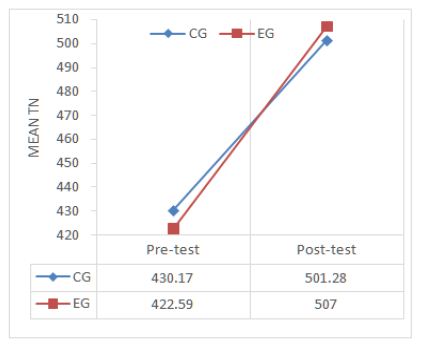
Data CollectionPre-test: Figure 1 shows the timelines for the students in the fourth- and fifth-grade classes to take pre-test (after the 30- min regular academic lessons), 30-min aerobic PA or 30-min PAbenefits lecture, and post-test. One week before the pre-test, each teacher who was trained in the protocols of the test explained the directions for taking the test to the students. The students were then asked to practice the two lines of the test according to the standardized directions for taking the test in order to ensure all students understand the testing procedures. On each of the test days in the afternoon during a school day, the participating students took the d2 Test of Attention in their respective classroom. After completing the pre-test, the students turned in their testing sheets to their PE teachers.Figure 1: Changes in TN for the two groups.Intervention: Right after the pre-test, the intervention students started the 30-minute aerobic PA-focused PE lesson. The lesson consisted of 5-min warm-ups (jogging around the track, followed by stretching exercises), 16-min relay race running and running through obstacle courses on a regular track and field court (i.e., 400-meter lanes), and 4-min cool down stretching exercises, in addition to 5-min class organization and instructions. In contrast, the comparison students participated in the 30-min lecture on benefits of PA and appropriate methods of PA in a regular PE lesson. During the lecture, the PE teacher showed the pictures in relation to the benefits of varying exercises, asked students to conduct mock interviews with their peers about their PA participation and methods they used, and summarized the benefits of PA and appropriate methods of engaging in PA.Post-test: After finishing the lecture-typed PE lesson, the control students performed on the d2 Test while following the same testing procedures as the pre-test in their classroom. For the intervention students, right after the aerobic PA-focused PE lesson, they returned to their classroom and took the d2 Test of Attention while following the same testing procedures as the pre-test as well. The PE teachers collected the testing sheets from their students.

Outcome Measure- d2 Test of AttentionThe d2 Test is standardized paper and pencil letter-cancellation test that measures neuropsychology performance of the students in the areas of sustained and selective attention as well as concentration [20]. It consists of 14 lines of 47 randomly mixed letters “d” or “p” with 1-4 dashes arranged individually or in pairs above or below the character. The students are instructed to scan the characters and mark only the letter “d” with 2 dashes either above or below, or one dash on top and one on the bottom within 20 s per line for a total of 4 min and 40 s to complete the test. Distractors come in two forms, more or less dashes above or below the “d”, and the letter “p”… .d d d.. .Three parameters of the d2 Test for sustained and selective attention and concentration were used for data analysis in this study. They area. TN: the total number of items processed within the d2 test. TN is a quantitative measure of the processing speed;b. E%: the sum of omission and commission errors divided by the total number of items processed. E% is a measure of accuracy and thoroughness; andc. CP: the total number of correct responses minus commission errors. CP is an objective measure of attention span and concentration ability.Values of both TN and E% are subject to learning effects, while CP is viewed as independent from manipulative [20,21]. The d2 Test had high test-retest reliability coefficients for all parameters, ranging from .95 to .98 [21]. The d2 Test has been proven to be an internally valid measure of scanning accuracy, speed, discriminant validity and fluctuation across trials.21The test-retest reliability of the d2 Test has been shown to be very high (.95-.98) for all parameters [20,21]. Test values for criterion, construct, and predictive validity have been stable over the course of 23 months after the initial testing [20,21].

Data Analysis

Descriptive statistics of TN, E%, and CP at pre- and posttest were computed for each group. Percentage improvement in TN, E%, and CP (percentage improvement= (Mt2-Mt1)/Mt1 x 100)) from pre- to post-test for the experimental group and the comparison group were computed. In addition, independent t-tests were performed to compare the pre-test in the three dependent variables between the two groups. Also, descriptive statistics of the percentage improvement in the three dependent variables were conducted for each group. A 2 x 2 mixed factor analysis of variance with repeated measures was used to examine differences between pre- and post-test (within subjects) and differences between the experimental group and the comparison group (between subjects). ANOVAs with repeated measures were conducted separately for the TN, E%, and CP. When the assumption of sphere city was violated, the Greenhouse-Geyser correction was reported. Post hoc contrast (Bonferroni adjustment) was used to test effects between the two groups. The η2 was calculated as the effect size of ANOVAs. We did not include the gender into the analysis because previous validation studies showed no gender differences in each parameter of the d2 Test. Statistically significant level for all analyses was set at p < 0.05. All data were analyzed using SPSS version 24.

Results

Descriptive Statistics

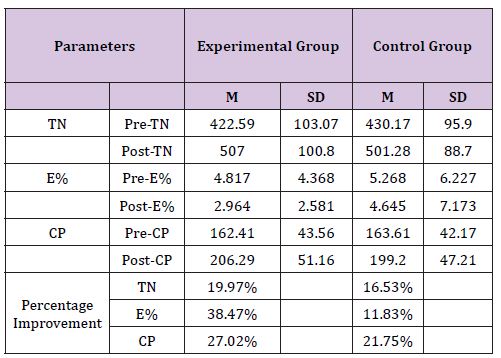
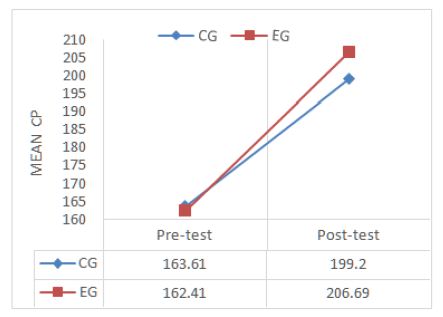
Table 1 presents the descriptive statistics of pre-and post-test in d2 Test of Attention between the experimental group (EG) and the comparison group (CG) as well as the percentage improvement in the three dependent variables from pre- to post-test between the two groups. At pre-test, the CG’s mean scores in TN (processing speed) and CP (focused attention) were slightly higher than the EG’s mean scores. The higher numbers of TN and CP indicate the better performance in attention and concentration. The CG’s mean score in E% (accuracy and thoroughness) was similar to the EG’s mean score. The lower scores in E% represent the better accuracy. Further, independent sample t-tests revealed no significant mean differences between the two groups in TN, E%, and CP (t=.360, df=78.40, p=.720; t=.389, df=90.94, p= .682; t=.919, df=80.44, p =.895) at p>.05.

Table 1: Means and standard deviations for three parameters of d2 Test at pre- and post-tests and for improvements between the experimental and the control group.

At post-test, the EG’s mean scores in TN and CP were higher than the CG’s mean scores. Also the mean score in E% of the EG was much lower than that of the CG. Regarding the percentage improvement in the three dependent variables from pre- to posttest for each group, both groups showed increased mean scores in TN and CP and decreased mean score in E%. The results indicated the two groups’ performance in TN, E%, and CP was improved from the pre- to the post-test. However, the EG’s percentage improvement in E%, CP, and TN were greatly higher, moderately higher, and higher than the CG’s percentage improvement in the three dependent variables.

ANOVA with Repeated Measures

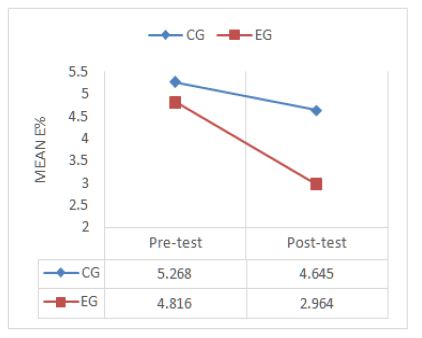
Table 2 illustrates the results of 2 (pre-test vs. post-test) x 2 (CG vs. EG) ANOVA repeated measures. The results showed a significant effect of time, but no significant effect of group for the three dependent variables (TN, E%, and CP). The results indicated that all participants in both groups significantly improved their d2 test performance and decreased the number of errors from the pre-test to post-test with a relatively large effect sizes (Table 2), and (Figure 1-3). Further, as presented in (Table 2), the repeated measure ANOVA revealed no significant interaction between time × group in TN and E %. However, (Figure 2) shows a relatively large degree of changes from pre- to post-test for the EG compared to the CG. Also, (Figure 2) displays relatively large different mean scores in E% between the two groups at the post test. Echoing the results, (Table 2) shows EG had a larger percentage improvement in E% compared to the CG. In addition, the significant level of the time x group intervention in CP was close to p<.05. The results indicated that the EG showed a higher change in performance of CP (focused attention) from pre-to post-test which compared to the CG (Figure 3). Furthermore, at the post-test, independent t-tests indicated that there was no significant performance improvement in TN, E%, and CP between the two groups (t=.015, df=75.181, p>.05; t=-.003, df=53.545, p>.05; t=.480, df=87.731, p>.05).

Figure 2: Changes in E% for the two groups.

Figure 3: Changes in E% for the two groups.

Discussion

This study investigated whether the afternoon PE lessons could improve attention and concentration in school-aged children. Participants took d2 Test before (after taking the 30-min regular academic lesson) and after participating in either 30-min aerobic PA-focused PE lesson (experimental group) or 30-min lecture on benefits and methods of PE lesson (comparison group) late in the school day. Confirming the first hypothesis, the students scored significantly higher in TN, E%, and CP immediately after the 30-min PE lessons (30-min aerobic PA-focused PE lesson and in 30-min lecture-typed PE lesson), compared to the pre-test (immediately after the 30-min regular academic lessons). Our results supported previous consistent findings showing that acute bouts of aerobic PA (e.g.,10-min, 12-min, 15-min, 20-min, and 50-min) immediately enhanced attention and concentration performance in school-aged children [1,2,5,7,8].

Furthermore, the results partially supported the second hypothesis that students in the 30-min aerobic PA-focused PE lesson will show higher positive changes in attention and concentration performance than students in the 30-min lecture-typed PE lesson from pre- to post-test. In this study, the students in the 30-min aerobic PA-focused PE lesson showed a higher degree of better processing speed, accuracy, and concentration performance and a higher level of percentage improvement in the three parameters compared to the comparison group, although did not reach a significant level of p<.05. Partially supporting the present result, Gallotta et al. [1] found that students in the two groups: the 50- min aerobic PA-focused PE lesson and 50-min academic lessons about humanistic subject matter showed a higher level of attention before and after the classes compared to the students in the 50-min coordinated exercises-focused PE lesson.

Previous studies have explored potential physiological mechanisms for generating beneficial acute effects of aerobic PA on attention and concentration in school-aged children (20-30). Studies found that acute bouts of aerobic PA increased cerebral oxygenated blood flow, alpha activity of the precuneus [23,24]. Also, acute bouts of aerobic PA activated connections of the neuro networks between cerebellum and frontal cortex and elevated levels of Brain-Derived Neurotrophin Factor (BDNF) in the blood [5,25,26]. These increased levels play important roles in improving brain functions such as attention span, concentration, and working memories, and visual-spatial abilities [24-29]. However, the previous studies have not examined whether the enhanced acute effects of the aerobic PA on students’ attention and concentration are implied to late in the school day.

The unique finding of this study showed that the fourth- and fifth- grade students demonstrated faster working speed, better accuracy, and higher concentration scores immediately after participating in 30-min aerobic PA-focused PE lesson late in the school day, compared to immediately after taking the regular academic lesson in the afternoon. According to the lesson content described in the methods section, the students were engaged in vigorous intensity level of aerobic PA in the 30-min aerobic PAfocused PE lesson. Our finding was contrary to previous studies reporting a positive effect of moderate intensity level of acute PA on attention in school-aged children [2,5,19].

The inconsistent finding might be related to the intervention conditions which occurred at different timings of the school day. In the previous studies, students taking the d2 Test before and after acute bouts of PA with varying intensity levels and durations took place in the morning of the school day. Previous findings showed that a short bout of moderate intensity level of PA produced positive beneficial effects of attention and concentration for school-aged students in the morning of the school day [2,5,19]. However, our unique finding suggests that participating in 30-min aerobic PAfocused PE lesson has pronounced, facilitating effects on attention and concentration in school-aged children in the afternoon, especially late in the school day.

Another unique finding of this study indicated that the students showed significantly higher performance in attention and concentration immediately after the 30-min lecture-typed PE lesson compared to immediately after the 30-min regular academic lesson. This finding might be related to the lesson content and instructional methods. As described above, during the 30-min lecture-typed PE lesson, the students focused on learning a variety of PA methods and the benefits of PA participation. In order to make the lesson content meaningful and authentic to students, the PE teachers encouraged students to take active responsibility for their learning process through engaging them in conducting peer interviews, sharing their findings of the interviews about benefits of PA and methods for PA from students’ perspectives and experiences, and highlighting the shared findings related to the lesson focus.

These inquiry-based, students-engaged active learning strategies might spark students’ interests in, enhance their motivation for, and increase their enjoyment of learning the lesson content. Motivation and positive mental state play roles in boosting the level of arousal, which facilitates cognitive responses such as attention and concentration performance [30,31]. Similarly, Janssen et al [5]. Found that the students showed a significant higher attentional performance after participating in the 15-min story-telling lecture, compared to the students after attending the regular academic tasks (mathematical problems). Also, in line with the present finding, previous studies evidenced that the interactiveand active-engagement instructional methods are more effective than traditional lectures for gaining students’ attention to the learning process, focusing on the task engagement, and staying focused on the instructional process [32-35]. This study suggests that the lecture-typed lesson in which the students are engaged in active, responsible, and cooperative learning processes is critical to facilitating students’ attentional performance even late in the school day.

In general, the strength of this study is to use the schoolscheduled PE lessons as the treatment conditions to examine their acute impacts on students’ attention and concentration late in the school day compared to the regular school-scheduled academic lesson. Further, the study suggests that in order for students to pay attention to instructions and maintain task-engagement, school administrators may intentionally schedule a regular PE lesson in the afternoon whenever possible, or may alternate a morning PE lesson with an afternoon PE lesson per semester for students. Also, PE teachers may incorporate more aerobic-typed PA that is developmentally appropriate for their students’ fitness and skill levels into their afternoon PE lessons. In addition, school administrators may use professional development activities to provide their teachers with opportunities for learning and implementing innovative instructional strategies such as active and interactive learning, cooperative learning, collaborative learning, and problem-based learning. Teachers may deliberately and appropriately incorporate these instructional strategies into learning and teaching processes to ensure students to be active learners instead of passive learners. The suggestions resulted from this study are potentially feasible for schools to implement in school settings.

It is worth to note that this study has three limitations. First, this study did not use passive rest as the control group. The main reason is that this study took place in a school setting. If we asked students to simply rest for an entire academic lesson merely for the sake of this study, this would interrupt the school’s regular academic schedules, so that the school administrators and teachers as well as parents would be hesitant to allow their students to participate in this study. Second, this study did not objectively measure students’ intensity level of aerobic PA during the 30-min aerobic PA-focused PE lesson, although shuttle running and running through the obstacle courses continuously are good example of vigorous intensity aerobic-typed PA. Due to different levels of students’ aerobic fitness which is an important moderator impacting PA and cognitive functions [25,36,37],future studies may objectively measure students’ intensity levels in different experimental conditions using accelerometer to examine acute effects of aerobictyped PA with varying intensity levels on students’ attentional performance late in the school day.

Third, this study did not examine any delayed effects of the 30- min aerobic PA-focused PE lesson and the 30-min lecture-typed PE lesson on students’ attention and concentration in the afternoon of the school day. Chang et al. [38] found significant acute PA effects on attentional performance 11 to 20-minute after the PA intervention. Further, Schmidt et al. [6] reported students’ showing pronounced improvement in attention and concentration 90-min after the 45- min coordinated motor skills PE lesson in the morning of the school day. As the acute PA produces positive delayed effects on attentional performance, future studies may examine varying delayed effects of the 30-min aerobic PA-focused PE lesson on students’ attentional performance in the afternoon of the school day. The positive findings would further evidence that implementing afternoon aerobic PA-focused PE lessons is instrumental to keeping students stay-focused in the next regular academic lesson.

It was concluded that after participating in both the 30-min aerobic PA-focused PE lesson and the 30-min interactive lecturetyped PE lesson late in the school day, the students had a large size of improvement in attention and concentration, compared to after attending the 30-min regular academic lesson. However, there was no significant different degrees of improvement in the processing speed, accuracy, and concentration between the students in the aerobic PA-focused PE group and the students in the interactive lecture-typed PE group from before to after the PE lessons, although the experimental students showed a higher percentage of improvement in the three parameters compared to the comparison students. This study suggests that a regular school-scheduled PE lesson that focuses on aerobic-typed PA is instrumental to improving students’ attention and concentration, especially in the late school day.

For More Articles: Biomedical Journal Impact Factor : https://biomedres.us

Journals of Biotechnology

Clinical Relevance of Type Specific Clays

Abstract

Today’s life style and food habits are aligned to readymade fast food with challenges in human health safety causing ailments and disorders such as blood pressure, blood sugar, constipation, gastric, weight gain, mental strain etc. They are all responsible to imbalance the life styles. As a result, humans are suffering from varying types of health hazards. Type specific clays are tested at different levels for recovery from such ailments. However, many of such tests are not validated medically, but evidences, being the witnesses of truth, necessitate systematic investigations of type specific clays in soils for their clinical relevance for curing of human ailments and disorders. Clay eating followed by detoxifying potential of clays deserves attention for clinical validation. Ethiopian soils are rich resources for type specific clays that could be tested for clinical uses.

Keywords : Clays; Clinical relevance; Human health; Clay eating; Detoxifying potential

Introduction

Clinical approach refers often to the techniques being applied to the ailment, sickness, disorder and problem in human bodies and requires medical interventions for the purpose of elimination of symptoms in order to restore human health and promote body functioning. Clays have been used for cure of skin infections since long past. Recently, Lynda and Shelley (2010) [16] presented a review report in which the clinical use of French green clay (rich in Fe-smectite) for healing Buruli ulcer, a necrotizing fasciitis (‘flesh-eating’ infection) caused by Mycobacterium ulcerans is highlighted. The clays are interesting as they may reveal an antibacterial mechanism that could provide an inexpensive treatment for such skin infections (Lynda and Shelley 2010) [16] . A review on Soil Science vs Science for Medicine by Mishra and Richa [1] revealed that clay eating is associated historically with treatment for cholera and bacterial infections. Clay tablets were used widely across the Mediterranean as well as European territories in certain religious cause besides curing the poisoning and the plague. However, the clay tablet was used by Roman Catholic Church and was listed in pharmacopeia as late as 1848. The use of eating clay has been studied in America, Sweden, Africa, Indonesia and Australia. In India and many other countries, however, knowledge on soil and clay eating is scanty. The rates of pregnant women eating soil or clay in African countries range approximately from 28% in Tanzania to 65% in Kenya, where clay is selectively identified and sold in markets. They collect it from termite mounds being rich in minerals and eat at an average of 30g daily. Important contributions as recorded herein include the reports of Lynda and Shelly (2010) [16] , Wiley and Solomon [2] and Wilson [3]. Present paper is an attempt to understand the clinical relevance of type specific clays in different soil groups across the world including India as well as Ethiopia and other African countries.

Background

Lynda and Shelley (2010) [16] had arranged type specific clays for clinical uses as follows:

1) Bentonite-type clay has been used to treat infections, indigestion, and other medical problems by both applying clay paste externally to the skin and by ingesting as solution. Bentonite has been prescribed for many dermatologic formulas. Montmorillonite is the main constituent of bentonite.

2) Attapulgite or palygorskite is very absorbent clay, somewhat similar to bentonite. When used in medicine, it physically binds to acids and toxic substances in the stomach and digestive tract. For this reason, it has been used in several anti-diarrheal medications and also as detoxificant.

3) Kaolinite being low activity clay is not as absorbent as most clays used medicinally. It has a low shrink-swell capacity as well as low cation exc hange capacity. It is often called ‘white cosmetic clay’. However, it is used mainly for oily skins.

Mishra and Richa Roy [1] reviewed the role of soils and clays in protective medical treatments to restore human health. Type specificclays are often used on the skin to heal eczema, dermatitis and psoriasis, during bath as a soaking liquid to remove toxins, enrich cells to receive more oxygen, facilitates to alkalize the body and gives relief against digestive problems like constipation, promotes immunity by killing harmful bacteria and viruses, improves teeth, purifies water and is useful as a baby powder alternative as well as for cleaning hair and face. Multani Mitti in India is commonly used for cleaning hair. Advancement in transmission electron microscopes (TEM), field emission scanning electron microscopes (FESEM), atomic force microscopy (AFM), and secondary ion mass spectrometers (SIMS)] have facilitated to undertake investigation on surfaces of clays and similar nano-scale minerals. Efforts are being made to make a clay antibacterial that has not only the potential applications in medicine, but can also contribute to the general understanding of antibacterial mechanisms for permanent cure. Besides, there is emerging interest in geophagy [3,4] to elicit a curing response in humans through ingesting the easily available materials that may physically soothe an infected and inflamed gastrointestinal lining (Lynda and Shetty 2010) [16]. Also, clays are used externally to adsorb toxins from skin and provide heat to stimulate circulation for rheumatism treatment (Lynda and Shetty 2010[16], Gomes et al. [5]. Historical evidences of using clays are available with Aristotle (384-322 BC) Mahaney et al. [6]. The cure of intestinal ailments by ingestion of volcanic muds is also noticed (Lynda and Shetty 2010[16]). However, evidence indicating antibacterial properties of natural and synthetic clay minerals Herrera et al. [7]; Lynda and Shetty 2010 [16]; Wilson [3] lacks the mechanisms responsible for chemical interaction occurring at the clay mineral–bacterial interface, and that inhibit bacterial growth.

Clay for Detoxification

Soil and clay eating may be dangerous if anthrax bacteria and others resist for years in the soil. Medical science believes that eating soil or clay would reduce their hunger and sometimes causes infection. Soil is considered to pose hazard because of

a) chemical contamination, especially heavy metals

b) harmful bacteria, mostly from sewage or manure

c) Parasites, especially roundworms from pet or wildlife faeces.

But, taking a pinch of well-tested clay or soil may be a benefit to the immune system. Some reports indicate that normal children of one and three years of age often eat soil, while aged children may continue to eat soil if there is delay in their growth. A dose of 500 mg a day of soil or clay consumption is considered normal in children up to 3 years old as reviewed by Mishra and Richa Roy [1].

Clay may be used externally as well as internally. It is antiseptic to prevent decay or putrefaction, promotes wound healing, relieves and prevents inflammation, cleans cancer cells (anti-carcinogenic), softens and soothens the skin (emollient), refrigerant cools and reduces body temperature (refrigerant) besides improving skin texture (cosmetic). When used internally, the clay such as bentonite acts as a detoxifier, which can absorb heavy metals like mercury, arsenic, lead, and tin. Besides, it provides minerals and trace elements. Being colloidal in nature, it reduces or even eliminates toxins and harmful ingredients from body. Metallic ions of silver, copper, and zinc have inhibitory and bactericidal effects.

The zeolites with their immense power of absorption as well as adsorption indicate strong affinity for oxidized silver ions and thus form silver exchanged zeolites, which have shown antibacterial potential against aerobic and anaerobic Gram-negative and Grampositive bacteria pathogens including Pseudomonas aeruginosa, Porphyromonas gingivalis, Prevotella intermedia, Staphylococcus aureus, Streptococcus mutans, and Streptococcus sanguis and could be used in dental applications Hotta et al. [8], Kawahara et al. [9], Matsuura et al. [10].

Copper-loaded vermiculite is reported to have better antifungal activity besides inhibiting the growth of E. coli Li et al. [11] Clay or soil eating by and large has revealed some potential for digestive and nutritional benefits. However, the most remarkable evidence is its relevance in detoxification. It is known that ingestion of clays by animal species like rats, birds, parrots etc enables a wide variety of foods free of suffering from any toxic effect. Today, human beings are suffering from variety of ailments caused mainly by some types of toxicity/contamination Mishra and Richa [1].

Clays belong to a crystalline shape with hexagonal networks of silicon-oxygen tetrahedron that provides a large surface area with charged sites that cause bonds to capture charged ions and certain toxins. The well known colloidal properties following the existence of hydroxyl ions within the clay structure may promote its ability to bind and exchange other metals, adsorb water and organic compounds. In low concentrations (4 μg/ml), silver ions produced inhibitory and bactericidal effects with no obvious toxic effect on human blood cells Berger et al. [12]. Elevated levels of copper can inhibit the growth of some microorganisms and exhibit bactericidal activity Gordon et al [13]. The use of copper-coated products or copper alloys has been proposed for surfaces exposed to human contact to reduce the transmission of infectious microbial agents. Other metallic oxides, including zinc oxide, magnesium oxide, and calcium oxide, have antibacterial activity with demonstrated effectiveness against E. coli and S. aureus Sawai [14], Mishra and Richa Roy [1,15].

Clay crystals carry a negative electrical charge as hydroxyl and oxide ions, while impurities or toxins or even bacteria carry a positive electrical charge and during exchange with clay, the positively charged ions are attracted to the negatively charged colloidal surfaces of the clays. The clay colloids thus get electrically satisfied and hold the positive ions until human body could remove both through excreta in toilet and accordingly, clay could maintain its colloidal integrity within the human body without any assimilation or break down. The clay may expand in case of montmorillonite or bentonite and the substance could be absorbed by filling the space between the stacked silicate layers. Thus, clay minerals possess an inner layer charge that behaves and acts like an absorbent and may absorb and bond even with elements showing toxic nature.

Evidence that witnesses the truth of soil/clay eating

As a mark of the first celebration of the World Soil Day on 5th December, 2014, the Department of Soil Science at Bihar Agricultural University, Sabour in India discovered Karu Paswan of more than 100 years of age at a village of Babupur (Bakharpur) in Pirpainti Block of Bhagapur District in Bihar (India), who has been daily eating a type specific soil of Ganga flood plain for the last 60 years Mishra and Richa [15]. He is non-vegetarian with normal food diet, but daily eats almost 200 g of soil additionally. He has two daughters and two sons. At this old age, he has black hairs and walks on foot for 10 to 12 km daily. However, soil sample collected was analysed (Table 1), though further analytical and medical reports are awaited Mishra and Richa Roy [1,15].

Table 1: Comparison of power densities of different ambient energy sources.

Rays of New Hopes in Ethiopia

Ethiopia is a land of soil museum covering appreciable areas under dominant clays and clay minerals of volcanic origin namely montmorillonite, attapulgite, zeolite and vermiculite. In patches, kaolin deposits are also observed. Their clinical relevance needs to be established in near future in order to authenticate their medical uses in days to come Mishra and Richa Roy [1,15].

Conclusion

Soil and clay as the protective medical applications for restoring human health have their long history, which needs to be refined in terms of clinical relevance. Necessity is the mother of invention and challenges often open the door of opportunities. Let’s not forget that the soils across the globe suffer from crucial management risks, even though they possess in their type specific forms like clays certain unique potential for medical uses. Soil as a natural resource helps in getting food, water and even air. However, the truth of evidence as recorded is enough to trust on a bare fact that soil or clay may be uniquely suitable medically to cure a number of ailments, which are becoming common to everyone now-a-days across the world.

This is now time for researchers to come forward to establish the truth in a big way in close association with soil science professionals, who could specify the suitability of soil and clay for medical uses. Soil is thus not only meant for survival and nourishment of human beings, but for protective medical treatment also.

If “Yoga” has been accepted as a symbol to sustain the human health, the clay may be used in clinical application for restoring the human health. However, protocol for clinical uses of type specific clays and even soils is priority and the soil science must address all key issues in course curriculum that suit medical as well as clinical applications.

For More Articles: Biomedical Journal Impact Factor : https://biomedres.us

Journals of Toxicology

Energy Harvesting: A Toxic Free and Reliable Power Source for Implantable Microsystems

Editorial

The implantable medical devices require constant power source and for this requirement, batteries have been developed that has enabled the successful deployment of the devices and their treatment of human disease. While the functional requirements for the batteries used to power these devices vary with the type of device and therapy, there are some characteristics that are demanded by all applications. The batteries must have high life span, be safe during installation and use, have predictable performance that can be interrogated to provide state of discharge information and be highly reliable [1]. Additionally, the batteries must have high volumetric energy density to enable the design of small devices that minimize discomfort for the patient. Thus, long term stability during use, predictable performance, high volumetric energy density and outstanding reliability are key characteristics that define successful systems for biomedical implants [1]. Since the introduction of first cardiac implant in 1972, a variety of battery systems have been developed for implantable medical devices that utilize lithium metal anodes with cathode systems including iodine (Li/I2) [2-4], manganese oxide (Li/MnO2) [5,6], carbon monofluoride (Li/CFx) [7,8], silver vanadium oxide (Li/SVO) [9,10] and hybrid cathodes using both carbon monofluoride and silver vanadium oxide (Li-CFx-SVO) [11,12]. The specification of these batteries is presented in Table 1.

Table 1: Comparison of Different Batteries Used in Implantable Medical Devices.

This range of batteries provides the appropriate power levels as demanded by a specific medical device varying from microampere to ampere level currents. Successful development and implementation of these battery types has helped enable implanted biomedical devices and their treatment of human disease. Among these, Li/I2 has proved to be safer and more reliable than others for use in pacemakers and hence used widely in the last 4 decades [13]. However, these batteries suffer from limited life span and hence require replacement by surgery which is inconvenient to the patient. Hence an alternate energy source is required to continuously power these implants. One such approach which can address the abovementioned problem is Energy Harvesting [14,15]. It is the process of scavenging out energy from different sources in the ambient environment. Various harvesters are being proposed to harvest energy for implantable devices. Some of the recently reported harvesters can be studied in [15-21]. The form of energy used by the harvester to scavenge the power, defines the type of energy harvesting. There are four main ambient energy sources available viz., mechanical energy due to vibrations and deformations (electrostatic, piezoelectric and electromagnetic), thermal energy (temperature variations and gradients), radiant energy (sun, IR, RF) and biochemical (bio-fuel cells). A comparison of the power densities of these different energy sources is presented in Figure 1 [15,22].

Figure 1: Comparison of power densities of different ambient energy sources.

Although research is being carried out on designing different structures of energy harvesters to generate as much power as possible, there are still some aspects that need to be investigated before finally implanting the harvester inside the body. One such area is the stability of the harvester. For example in electret-based electrostatic harvesters, the electret stability degraded at high temperature and humidity and at higher surface potentials which can reduce the life-span of the harvester. Another aspect that has to be investigated is the toxicological effect of the harvester, if any. But given the trend of the energy harvested by different structures being proposed, the practical application of the harvesters in implantable microsystems as a reliable power source will certainly be a reality.

For More Articles: Biomedical Journal Impact Factor : https://biomedres.us
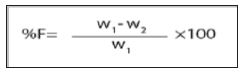
Journals of Orthopaedics

Current Review; Biomarkers in Diagnosing Periprosthetic Joint Infection

Mini Review

Periprosthetic joint infection (PJI) is one of the most dreaded complications after total joint arthroplasty [1]. There is no gold standard for diagnosing PJI, hence, a clinician who encounters a suspected PJI case, ought to use a combination of tests. All of which, besides their expense can be invasive and even this can’t provide 100% accuracy [2]. Several biomarkers have been introduced that are potentially reliable tools for diagnosing PJI [3]. In this article, we aimed to review the current diagnostic measures of PJI with a special focus on molecular biomarkers.

Synovial Fluid Biomarkers

Synovial fluid biomarkers play an imperative role in the diagnosing PJI. Leukocyte esterase (LE), human α-defensin, human β-defensin, synovial CRP, and cathelicidin LL-37 are namely the biomarkers that have shown promising results. LE is an enzyme that is secreted by the activated neutrophils. It can be detected using colorimetric strip tests via reactions that result in a color change [4]. LE is a readily available and simple test and is now part of the minor criteria of the Musculoskeletal Infection Societydiagnostic criteria for PJI [5]. Tischler et al. [6] demonstrated that the LE strip test has a high specificity, positive, and negative predictive value for diagnosing PJI. Wetters et al. [7] investigated the accuracy of the LE test and reported a sensitivity of 92.9% to 100% and a specificity of 77.0% to 88.8%. The important point is to note that bloody samples cannot be evaluated for the LE test without being centrifuged as the presence of blood can potentially interfere with the colorimetric changes of the test strip [6].

Synovial fluid α-defensin test has shown great sensitivityand specificity for diagnosing PJI, 97% and 96% consequetively [8]. Defensins are 2-6 kDa cationic microbicidal peptides that are active against many Gram-negative and Gram-positive bacteria, fungi, and enveloped viruses [9]. Defensins in mammalians are classified into alpha, beta, and theta categories, based on their size and pattern of disulfide bonding. Alpha-defensins are particularly found in neutrophils, certain macrophage populations, and Paneth cells. Defensins are produced in response to microbial products or pro-inflammatory cytokines. The α-defensin mechanism by which microorganisms are killed and inactivated is not yet fully understood. Nevertheless, it is thought that it causes membrane disruption in microorganisms [10]. The spatially separated, charged, and hydrophobic regions, along with the polar topology of α-defensin, allows it to insert itself into the membranes; therefore, the hydrophobic regions are buried within the interior phospholipid membrane and the cationic sites interact with anionic phospholipid head groups and water. The disruption of membrane integrity and function leads to lysis of the microorganisms [11,12]. Several studies have endorsed the role of the α-defens in test in diagnosing PJI. The α-defensin test provides consistent results regardless of the organism type, Gram staining, species, or virulence of the organism [13].

CRP, which elevates in both the serum and synovial fluid of PJI cases, is a protein that is synthesized by the liver in response to acute inflammation [14]. Parvizi et al. [15] reported a statistically significant difference in the mean of synovial fluid CRP comparing septic and aseptic patients; 40 mg/L vs. 2 mg/L, respectively (p<.0001). The study found a sensitivity of 85% and a specificity of 95% when 9.5 mg/L was considered as the threshold.

Human host defense peptide LL-37 is an antimicrobial peptide that induces mediators such as IL-8 and regulates the inflammatory response [16,17]. Gollwitzer et al. [18] reported that LL-37 has a sensitivity of 80% and specificity of 85%, with an area under the curve of 0.875 for diagnosing PJI.

Serum Biomarkers

Serum markers are favorable diagnostic tools due to their accessibility and low-risk nature. The American Academy of Orthopaedic Surgeons and the International Consensus meeting on PJI currently recommend using serum erythrocyte sedimentation rate (ESR) and C-reactive protein (CRP) as the first line diagnostic work up for patients with suspected PJI. Reports have shown asensitivity of 91% and specificity of 72% for ESR and a sensitivity of 94% and specificity of 74% for CRP [19-21]. Serum ESR and CRP are well-known biomarkers that indicate systemic inflammatory response [22]. However, these markers are elevated with any type of inflammation and/or infection, compromising their specificity for diagnosis of PJI. Recent evidence suggests that PJI with slowgrowing organisms may not result in a fully-fledged physiological response and hence may not result in elevation of ESR and CRP in the serum, raising a concern for the sensitivity of these tests. Furthermore, a study by our group showed that the administration of systemic antibiotics can significantly compromise the results of these laboratory values [2]. It is imperative for clinicians to consider the timing of infection prior to assessing patients’ ESR and CRP results, as these markers are frequently elevated in the early postoperative period. Studies have shown that ESR can be elevated up to 6 weeks after surgery and CRP can be elevated for up to 2 weeks [23].

Procalcitonin (PCT) is a serum biomarker that elevates in the presence of bacteria. Bottner et al. [24] measured serum levels of several biomarkers including: PCT, interleukin (IL)-6, tumor necrosis factor (TNF)-α, ESR, and CRP in 78 patients undergoing revision arthroplasty for PJI. The sensitivity of CRP and IL-6 were the highest (95%) when the levels were greater than 3.2 mg/ dL and 12 pg/mL, respectively. The authors recommended that combination of CRP and IL-6 could be used as a screening test for PJI. PCT levels (>0.3 ng/mL) were very specific (98%) but had a low sensitivity (33%) for diagnosing PJI. In another study by Hügle et al. [25] authors showed that PCT with a threshold of 0.25 ng/ mL has a higher sensitivity and specificity for diagnosing septic arthritis than CRP, with a sensitivity of 93% and specificity of 75%. This could possibly be rationalized by the fact that PCT is secreted by the mononuclear phagocyte system only when stimulated by lipopolysaccharide. Therefore, PCT can be a useful tool to differentiate between bacterial infections of the joint and other causes of inflammation. Nevertheless, more recent studies claimed that PCT is not a very accurate tool for diagnosing PJI [26,27].

IL-6 is another serum marker that has gained attention for diagnosing PJI. IL-6 is secreted by different immune cells and triggers the excretion of CRP; therefore, it is believed that the IL-6 levels rise much faster than CRP and has been reported to be a sensitive marker for diagnosing PJI, however it also lacks specificity [24,28]. (p-6) Wirtz et al. [29] advocated the role of IL-6, and in their study authors showed that IL-6 is a better indicator for postoperative inflammatory response than CRP in patients undergoing TJA.

There is a dire need for a sensitive and specific serum biomarker for diagnosing PJI and numerous efforts have been made to pursue this goal. Serum D-dimer is another biomarker that has shown very promising results for diagnosing PJI. Shahi et al. [30] in their prospective study showed that serum D-dimer outperforms both ESR and CRP for diagnosing PJI with a sensitivity of 89% and a specificity of 93%.

Modern medicine has entered a new era where molecular biomarkers play an increasingly important role for diagnosis of various conditions. PJI is no exception and new biomarkers hold great promise for it. Efforts should continue to hopefully find a gold standard test for a timely diagnosis of this serious complication.

For More Articles: Biomedical Journal Impact Factor : https://biomedres.us

Journals of Nursing

A Form of Decision –Making Failure in Arabian Nursing Education

Opinion

Late in the twentieth century and, exactly, in 1983, Yarmouk University/ Jordan started its Bachelor of nursing programme. At that time, when the Faculty of Nursing (FoN) had no nursing PhD holders, other than the Dean, nursing students had the opportunity to study a course titled “Bed Nursing Diagnosis”, which has, overtime, changed to become “Health Assessment” course. This is an essential course that is taught all over the world since decades. The nursing curriculum was never based on the medical model.

Thirty years later when, in October 2012, I joined the University of Benghazi, Libya, to teach nursing, I had the opportunity to view the nursing curriculum that was developed by PhD holders who obtained their qualifications from a developing country. The curriculum was introduced in 2007 after approval by the University higher authorities. The curriculum has no “Health Assessment” course; English language was not considered as a unit that students need to learn before they start the nursing courses offered in this language. Therefore, English language, courses were scattered over the four year duration of study. In addition the curriculum suffered fatal errors as it contained various courses that were purely based on the medical model and were taught by medical doctors. Such courses were “General Internal Medicine”, “Special Internal Medicine”, “Forensic Medicine”, “Obstetrics and Gynecology Medicine & Surgery”, “Geriatric Medicine”, “Pediatric Medicine and Surgery”, “Psychiatric Medicine & Mental Health”, and “Community Health Medicine”. The FoN had a “Quality and Performance Appraisal Unit” headed by an academic member of staff who had a Bachelor of Botany degree and who was also the Faculty research representative at the University Council! The Dean of the FoN who is a medical doctor appointed himself as the Head of Scientific Affairs!

The question that poses itself is: What is going on in the twenty first century with regards to nursing education in Libya? To answer this question in such a way that would help the reader understand why nursing in Libya is substantially lagging behind the world, the facts reported above would be discussed in some detail.

University administrators and decision makers might not be aware that there are huge variations in the quality of nursing education programmes across institutions of higher education in the world; many programmes in the developed countries are much more advanced than those offered in the developing countries. Therefore, the said University and may be others take inappropriate decisions when recruiting teaching staff with low academic capabilities and giving them responsibilities that they cannot fulfill. Evidently, the price of this is, in part, a poor nursing curriculum confirming that teaching faculty might be unaware of what is going on in the world of nursing education, and may not be willing to learn from the experiences of others. The visible landmark of administrative corruption which is evident in the appointment of individuals in positions they are unqualified for complicates the picture further. Nevertheless, such administrative corruption is not unique to the Libyan context; it does affect other institutions of higher education in the middle east region.

With this faulty system in place, the consequences are awesome. Concerned Libyan universities waste massive resources to produce poor outcomes. Nursing students learn little nursing if any; they waste a considerable amount of time and effort on irrelevant medical courses. During my work at the said University, I conducted in February 2014 a medication calculation test for six out of nine nursing graduates who were appointed as teaching assistants because they were the “best”. All of them failed the test which is an essential component of nursing practice! Simply speaking, they did not learn nursing. Therefore, graduates of such programmes would not be in position to practice true nursing and would not, successfully, carry out their roles and responsibilities like their counterparts across the world. Meanwhile, patient safety will be threatened.

To rectify this situation, the said Libyan university and all concerned others need to re-consider their recruitment policies. Like many universities in the region, they need to recruit graduates who obtained their qualifications from developed countries, andbe selective when recruiting applicants who obtained their higher qualifications from developing countries.

Administrative corruption and responsible decision making never meet. This corruption has to, sooner or later, come to an end. Academic and administrative positions must be occupied by qualified and competent staff if progress is to be made. If existing laws do limit the universities ability to achieve this important goal, they need to be amended.

Education is a national security issue and must be viewed as such. Personal relationships should have no place when it comes to education. Ensuring that the right person, with the right skills and experience, is in the right place remains a vital issue that decision makers should always think of and never sacrifice.

For More Articles: Biomedical Journal Impact Factor : https://biomedres.us