Journals on Periodontics

Proteomics – The Future of Periodontal Diagnostics

Abstract

Recent advances of proteomic meth¬odologies have opened new opportunities to obtain relevant information on normal and abnormal processes occurring in the human body. Identifying unique patterns of protein expression, or biomarkers, associated with specific diseases is one of the most promising areas of clinical proteomics. Advances in proteomic technologies have enabled comprehensive profiling of protein expression in cells, tissue, and body fluids. The use of proteins as biomarkers for periodontal disease has been the focus of researchers over the last few years. Unfortunately, many single protein biomarkers have proven to be unreliable. Developing new diagnostic tests that can simultaneously analyze the expression of multiple proteins may enable early detection, targeted preventive measures and individualized therapeutic intervention of periodontal diseases. This review discusses the main proteomic techniques and their potential applications in the field of periodontal diagnostics.

Keywords: Proteomics; Biological Markers; Periodontal Diseases; Diagnosis; Gingival Crevicular Fluid; Saliva

Abbreviations: FFF: Field Flow Fractionation; MS: Mass Spectrometry; MALDI-TOF-MS: Matrix-Assisted Laser Desorption/Ionization-Time of Flight Tandem Mass Spectrometry; LC-ESI-MS: Liquid Chromatography-electro Spray Ionization Tandem Mass Spectrometry; SELDI-TOF MS: Surface-Enhanced Laser Desorption/Ionization Time of Flight Mass Spectrometry; Tandem MS: Tandem Mass Spectrometry; IPI: International Protein Index.

Introduction

Proteomics is the comprehensive study of proteins expressed in cells, tissues and fluids. It often involves the comparison of tissue samples from diseased and healthy people in order to identify proteins that are altered in disease [1]. Identifying unique patterns of protein expression, or biomarkers, associated with specific diseases is one of the most promising areas of clinical proteomics [2]. Proteomics is widely envisioned as a powerful means for biomedical research. Proteomic approach has allowed large-scale studies of protein expression in different tis¬sues and body fluids in health and disease. Recent advances of meth¬odologies in this field have opened new opportunities to obtain relevant information on normal and abnormal processes occurring in the human body. Proteins that are significantly altered in their expression, location or post translational modification in patients with a disease compared to a group of healthy individuals may represent protein targets for drug or bio-marker discovery. With the significant advances in proteomics technologies, protein biomarker discovery has become one of the central applications of proteomics. Proteomic technologies play an important role in drug discovery, diagnostics and molecular medicine because it is the link between genes, proteins and disease [3].

Proteome and Proteomics

The word “proteome” represents the complete protein pool of an organism encoded by the genome. Proteins are fairly large molecules made up of strings of amino acids linked like a chain. While there are only twenty amino acids, they combine in different ways to form thousands of proteins, each with a unique, genetically defined sequence that determines the protein’s specific shape and function. In addition, each protein can undergo a variety of posttranslational modifications that further influence its shape and function. The human body may contain more than two million different proteins, each having different functions. Proteins are the main components of the physiological pathways of the cells. They serve many vital functions in the body such as catalysing various biochemical reactions (e.g. enzymes), acting as messengers (e.g. neurotransmitters), acting as control elements that regulate cell reproduction, influencing growth and development of various tissues, transporting oxygen in the blood (e.g. haemoglobin) and defending the body against disease (e.g. antibodies).

Proteomics is a relatively new area of research which deals with the inventory of proteins, the principal constituents of theprotoplasm of all cells. In a broader sense, the term ‘proteomics’ refer to cataloguing proteins of a biological subject and the monitoring of reversible post-translational modification of proteins by specific enzymes, i.e. phosphorylation, glycosylation, acylation, phrenylation, sulfurization, etc. In many ways, proteomics is similar to genomics. Genomics starts with the gene and makes inferences about its products which are proteins, whereas proteomics begins with the functionally modified protein and works back to the gene responsible for its production. Proteomics helps in understanding of alteration in protein expression during different stages of life cycle or under stress condition. Also, proteomics helps in understanding the structure and function of different proteins as well as protein-protein interactions of an organism. In general, proteomic approaches can be used

i. For proteome profiling,

ii. For comparative expression analysis of two or more protein samples,

iii. For the localization and identification of posttranslational modifications,

iv. For the study of protein–protein interactions [4].

A minor defect in protein structure, its function or alternation in expression pattern can be easily detected using proteomics studies. This is very important with regard to understanding of various biological processes occurring in the body.

Proteomic Tools

A flow chart describing the basic steps involved in proteome analysis is given in figure 1.

Figure 1 : Flow chart showing the basic steps involved in proteome analysis.

Steps commonly involved in proteomic analysis are:

i. Protein extraction from the sample

ii. Separation of proteins

iii. Peptide fractionation and identification

iv. Storage, manipulation, and comparison of the data using bioinformatics.

Step 1: Protein extraction from the sample

This step involves extraction of protein samples from whole cell, tissue or sub cellular organelles followed by purification using density gradient centrifugation or chromatographic techniques. Many components of the sample may interfere with analysis. Insoluble substances can be removed by centrifugation. The salts can be removed prior to analysis by dialysis, protein precipitation or reverse-phase chromatography. Complex samples should be fractionated before analysis to obtain simpler sub fractions. The prepared sample is then subjected to 2DE (Two-dimensional gel electrophoresis).

Step 2: Protein separation

Two-dimensional gel electrophoresis is applied for separation of proteins on the basis of their iso electric points in one dimension and molecular weight on the other. Spots are detected using fluorescent dyes or radioactive probes. It is a powerful separation technique, which allows simultaneous resolution of thousands of proteins. The 2D gels are digitized and the resulting gel images are quantitatively and qualitatively analyzed using specialized software programs [5,6]. Although 2D-GE is a powerful technique, one of its limitations is that 2D gels remain relatively low throughput and require large amounts of starting material (~50μg) with low sensitivity for detection of low abundance proteins such as cytokines and signalling molecules. In addition, certain basic proteins, and very high- or very low-molecular weight proteins are not separated well by 2D-GE [7]. Another technique is Field Flow Fractionation (FFF) which separates proteins based on their mobility in presence of an applied field, such as electrical, gravitational, centrifugal etc [8].

Step 3: Peptide fractionation and identification

The separated protein spots on gel are excised and digested in gel by a protease. The most commonly used enzyme for protein digestion is trypsin. The eluted peptides are identified using mass spectrometry.

Mass Spectrometry

The use of mass spectrometry (MS) to identify and characterize biological molecules is a fundamental technology in protein biochemistry and proteomic analysis. The strategies used to prepare proteins or more complex proteomic samples for MS analysis involve many steps, and in bottom-up proteomics, the protein is first broken up into peptides, either by chemical or enzymatic digestion, prior to MS analysis by either matrix-assisted laser desorption/ ionization-time of flight tandem mass spectrometry (MALDI-TOFMS), liquid chromatography-electro spray ionization tandem mass spectrometry (LC-ESI-MS) or surface-enhanced laser desorption/ ionization time of flight mass spectrometry (SELDI-TOF MS) [9-11]. The process of protein identification through mass spectrometry is done in two main ways:

i. Peptide Mass Fingerprinting

ii. Tandem Mass Spectrometry

Peptide mass fingerprinting typically uses the masses of peptides derived from a spectrum as to check against a database of predicted peptide masses. These predicted masses are recorded from digestion of a list of well documented proteins. Determined amino acid sequence is finally compared with available database to validate the proteins [12].

Tandem Mass Spectrometry (Tandem MS) utilizes collisioninduced dissociation. This process breaks proteins within the peptide backbone and because of this fragmentation, comparisons between the observed fragment sizes and the database of predicted masses is possible. A very similar method to the Tandem MS approach is peptide fragmentation fingerprinting or ‘PFF’. Instead of utilizing collision-induced dissociation, this method uses enzymatic digestion of a single peptide to generate a fragmentation pattern. These fragments are analysed and compared to a database of observed fragments for the particular enzyme in a method similar to the Tandem MS approach. Tandem MS and peptide fragmentation fingerprinting can also be used for protein sequencing [13,14].

Step 4: Data Analysis

The data obtained from mass spectrometry must be interpreted against protein databases. Sequences are usually determined using one or more search algorithms linked to an appropriate database, such as the International Protein Index (IPI) at the European Bioinformatics Institute or the nr (non-redundant) protein sequence database provided by NCBI. Several software packages are available for the analysis of mass spectrometry data. Commonly used search algorithms include SEQUEST, X! Tandem, and MASCOT [15].

How proteomics applies to medicine and dentistry?

Protein detection using highly sensitive proteomic technologies has allowed researchers to accurately monitor changes in biomarker proteins that are representative of disease. Proteomic analysis examines thousands of proteins at one time allowing the detection of specific protein patterns expressed as a consequence of abnormal cellular function or cellular interactions. Proteomic technologies will play an important role in drug discovery, diagnostics and molecular medicine because it is the link between genes, proteins and disease. Advances in proteomics may help scientists eventually create medications that are personalized for different individuals to be more effective and have fewer side effects.

Analysis of human body fluid proteome has become one of the most promising approaches to discovery of biomarkers for human diseases. Oral fluid diagnostics, more specifically salivary diagnostics has become one of the widely researched areas in recent years. Protein biomarkers for oral cancer, Sjogren’s syndrome and breast cancer have been recently identified in saliva [16-20]. Also, efforts are being made to apply salivary proteomics for diseasespecific biomarker discovery such as lung, gastric, uterine and pancreatic cancer [21]. Proteomic studies conducted on human saliva using a combination of liquid chromatography, electro spray tandem mass spectrometry and 2D-electrophoresis have led to the identification of 309 separate proteins [22]. Alteration of proteome levels in saliva and GCF with periodontitis has been documented and the identification of these markers could be used as a potential diagnostic tool for periodontal diseases [23].

Periodontal Diagnosis – Current State

Clinical and radiographic assessment of periodontal disease remains the basis for patient evaluation. These diagnostic measures for periodontal disease provide information primarily about disease severity and are not useful measures of disease activity. The diagnosis of active phases of periodontal diseases and the identification of patients at risk for active disease represents a challenge for both clinicians and clinical investigators. Under diagnoses within general practice leads to relatively low rates of therapeutic intervention and significant amounts of untreated disease. This emphasizes the need for the development of new diagnostic tests that can detect the presence of active disease, predict future disease progression, and evaluate the response to periodontal therapy, thereby improving the clinical management of periodontal patients [24].<

Where does the future of periodontal diagnosis lie?

For the past two to three decades, researchers are focusing on the utility of individual biomarkers of periodontal disease activity, measured within various sources like saliva, serum, sub-gingival plaque, tissue biopsies and gingival crevicular fluid. As often happens when new technology is introduced, there are many expectations and hopes. There is no exception for clinical proteomics, however, major challenges still remain. One major challenge is to optimize the detection of low abundance proteins (cytokines, transcription factors, and cell-signalling proteins) in tissue, plasma, and body fluids, which are found in the nanogram and picogram range. Moreover, further improvement in software development for data acquisition and interpretation is needed. A good understanding of data management, correlation, interpretation, and validation is crucial to obtain accurate and meaningful results.

Based on the information presented, it is clear that the application of proteomics to the medical field has a great potential for the improvement of diagnostics and therapeutics. Nevertheless, there are challenges that need to be overcome. It is necessary to have a good understanding of the variability sources that may contribute to error such as pre-analytical, analytical, and biological variation. Pre-analytical variability may be introduced during specimen collection and manipulation, pipetting, and dilution of samples. Careful consideration should be given to specimen collection using different tube type, coagulation times, and storage conditions. Analytical variability may occur in inaccurate calibration of instruments (MS/2-DE), standardization of output, and appropriate controls and proper bioinformatics methodology. In addition, it is important to account the biological variability due to gender, age, race, and fluctuations that may occur daily within an individual (biorhythm, fasting, time of the day). All these variables may induce changes in that are not pathological in nature but that have to be differentiated from a pathological-induced process [25].

Proteomic Biomarkers in Periodontal Disease

Proteomic and microbial studies have been used to successfully identify biomarkers for periodontal disease. The development of the employed proteomic platform technologies will help complete in breadth and in depth the protein profiles of periodontal disease [26]. Choi et al. [27] searched for potential protein biomarkers for periodontitis in gingival crevicular fluid using LC tandem MS (LC-MS-MS). Azurocidin, an antibiotic protein of azurophil granules with chemo tactic activity, was identified as up regulated in gingival crevicular fluid. ELISA was then used to verify upregulation of azurocidin, identifying the latter as a candidate biomarker for inflammatory periodontal disease [27]. Despite the promising prospects of using whole saliva for screening for periodontal diseases, most proteomic studies have been confined to 2-D-gel electrophoresis approaches that only used MALDI and electrospraymass spectrometry for identification of protein spots [28-31]. Only few studies have used the highly sensitive gel free LCMS/ MS approaches for studying periodontitis-related changes in the composition of whole saliva GCF, and periodontal tissues [32- 35]. The most frequently detected proteins in these studies were actins, keratins, histones, annexins, protein S100-A9, HSPB1, LEG7 and 14-3-3, apolipo protein A-I, ALB protein, albumin and serum albumin.

Gesell Salazar in 2013 identified characteristic protein patterns that differ in whole saliva of periodontal diseased and periodontal healthy subjects using a label free quantitative proteome approach analysis. In total, 20 proteins showed 1.5-fold difference in abundance between controls and patients (p < 0.05); the majority of these proteins showed higher abundance in the periodontal diseased subjects. Functional annotation of proteins linked the periodontal diseased status with acute phase response and inflammatory processes. The strongest differences were observed for protein S100-P (fold change 2.4), plastin-2 (fold change 2.2) and neutrophil defens in (fold change 2.1). They concluded that label free proteomic analysis of whole saliva is a powerful tool to characterize the periodontal disease status and differentiate between healthy and periodontal disease subjects (Figure 1).

Conclusion

Recent advancements in mass spectrometric proteomics provide a promising result in utilizing oral fluids to explore biomarkers for diagnostic purposes. Clinical proteomics offers the promise of biomarker discovery and early detection, diagnosis and prognosis of disease, but major challenges still remain. Further advances in technology are needed to eliminate proteomics deficiencies and augment its contributions to the medical and dental field.

For More Articles: Biomedical Journal Impact Factor : https://biomedres.us

Journals on Science

Evolution and Epidemiology of Antimicrobial Resistance: Staphylococcus aureus

Abstract

Staphylococcus aureus is a potentially pathogenic bacterium that causes a wide range of diseases. These are causing different infections and resistance mechanism due to of its wide virulence factors. The increase in the resistance of this virulent pathogen to antibiotic, day by day increases as a nosocomial infection is a major health concern. The main resistance phenotype associated with the S. aureus in hospital is methicillin resistance followed by vancomycin resistance. Resistance to methicillin and other b-lactam antibiotics is produced by the mecA gene, which is located on a portable genetic element, the Staphylococcal Cassette Chromosome mec (SCCmec). Center for disease control and prevention (CDC) approximates 80,461 hostile Methicillin resistance staphylococcal (MRSA) infections and 11,285 associated deaths occurred in 2011.

Methicillin resistance in hospital acquired infections in S. aureus isolates has been increasing intensely in United States and occurring resistance to other antibacterial compounds. However, the role of evolutionary change in the pathogen throughout the development from bearing to disease is not completely understood. So, for this high throughout genome sequencing project need to be done to identify the genotypic character. To reduce these resistances more effective infection control, developing the new and improved antibiotic, developing vaccines, monitoring the trends in resistance, promoting interventions, conducting research are crucial. This review labels the latest molecular evolution of MRSA, different methods used to investigate the epidemiology, different risk factor associated with it and the structure of gene.

Keywords: MRSA; Evolution; Review; Staphylococcus aureus

Abbreviations: SCCmec: Staphylococcal Cassette Chromosome Mec; CDC: Center for Disease Control; MRSA: Methicillin resistance staphylococcal; VRSA: Vancomycin Resistant Staphylococcus aureus; PBP: Penicillin-Binding Protein; UPGMA: Unweighted Pair-Group Matching Analysis; MLST : Multilocus Sequence Typing; SCVs: Small Colony Variants

Introduction

Nowadays, one can classify infections based on settings in which people acquire them. Precisely, the hospital corresponds to pathogens that possess multidrug-resistant genes whereas community-acquired strains contain virulent genes. However, treating infections with antibiotics can change the entire status. For instance, in the forties of the past century, treatment tuberculosis with streptomycin was enough to refer the disease to the curable ones. Nevertheless, humankind did not exert adequate effort to eradicate the infection completely, and its long-lasting treatment with antibiotics resulted in developing the resistance on the part of the bacteria. Unfortunately, currently, tuberculosis is an incurable disease. Experts expect that further heavy reliance on antibiotics can lead to converging with the virulent gene on the part of the multidrug-resistant one. Such the implies the appearance of pathogens that will require devising new approaches to coping with the several outbreaks. Given this threat, humankind will have to decline the use of antibiotics at some point. Therefore, one can expect that the research in the field has a short time horizon. Therefore, funding, it is limited. For example, in six chosen statistical studies of different aspects of treating infections with antibiotics the used samples are not large enough to guarantee the acceptable level of uncertainty. This report presents the reviews of the many articles that are mainly studied Staphylococcus aureusS. aureus is a shared type of bacteria that is found on the skin.

Also, found on the catheters, ventilators or patients who Int for surgical procedures, can pass in the body and cause infections. MRSA is related with enlarged mortality and lengthy hospital stays producing important economic expenses. Antimicrobial resistance is worldwide problem. In humans and animal’s pathogens is growing day by day and creating a problem and have incomplete the real lifespan of newly developed antimicrobial up to only 10- 20 years. World health organization have stated antibiotic resistant microorganisms as “nightmare bacteria” that “pose a catastrophic threat” to the world population [1]. CDC estimates 80,461 invasive Methicillin resistant Staphylococcus aureus (MRSA) infections and 11,285 related deaths occurred in 2011. Since 2002, 17 cases of vancomycin resistant Staphylococcus aureus (VRSA) have been identified [1].

S. aureus strains have established resistance to methicillin and vancomycin through the obtaining of the mecA and vanA genes [2]. Penicillin and its different products, including methicillin, vancomycin have been used for the actions of infections caused by S. aureus [3]. However, certain strains of S. aureus developed resistance known as methicillin resistant Staphylococcus aureus (MRSA)As rapidly new antibiotics are introduced in market S. aureus are showing mechanisms to neutralize them [2,3] and this the diversity of the S. aureus is largely determined by the incidence of mobile genetic elements, which consist of prophages or phagerelated genomic islands. Different strain evolution and horizontal gene transfer are closely linked to phages [3]. The purpose of this review is to study evolution of antimicrobial resistance in Staphylococcus aureus.

Different treatment methods and protocol and mechanism of resistance, Multiple mutations lead to the evolution of antimicrobial resistance not just only with single base pair mutations and evolution is also affected by chance not only with the selection [3-5]. By many original and another standard database and were analyzed focusing the MRSA and VRSA. As we have seen that many people confronted with the maximum serious problems in relation to appearance of antimicrobial resistance in S. aureus. We also believe this short review will help to investigate further laboratory experiments and based on the reference available and by combining new data that will be used for further research and review.

Methicillin Resistance Staphylococcus aureus

MRSA is caused by the presence of mecA gene. The geen encodes for 78-kDa penicillin-binding protein (PBP) 2a or (PBP2’) [6]. Afterwards mechanism in methicillin resistance was described in S. aureus by Porrero et al. 2014, García-Álvarez et al. 2011, and Paterson et al. 2012. Harrison et al. 2013 suggested the public health hazard of mecC-positive MRSA isolates as it has been isolated in human case and their livestock. The reported cases of community acquired-MRSA infection in the US were caused by a USA400 strain, MW2 [7,8]. USA400 has been supplanted by USA300, which is certainly the most recurrent cause of community acquired-MRSA infections in the US [9]. The infections in the community and veterinary species are in increasing concern [10]. Proper knowledge on the epidemiology of MRSA will support actual anticipation and control strategies, counting the rational use of antibiotics (Table 1).

Table 1 : Prevalence of MRSA in some countries.

Vancomycin Resistance Staphylococcus aureus

According to CDC report a total of 13 cases of vancomycinresistant Staphylococcus aureus (VRSA) have been identified in the United States since 2002 and these are risen from MRSA. As compare to MRSA, VRSA occurrence is low. In the world, the total number of VRSA appealed to be rarer than other bacterial resistance [11]. All VRSA recognized in the United States seem to have autonomously developed [12] the vanA operon. VRSA arise from highly transmissible MRSA progenitor strains, and a vigorous public health response to all reported VRSA is suggested. VRSA strains gain resistance by conjugal transfer of the vanA operon from an Enterococcus faecalis, raising the threat of a far more effectual means for distribution of the resistance gene between strains of staphylococci [13, 14].

Resistance to Antibiotics Bacteria in Isolation Do Not Possess

Pseudomonas aeruginosa and Staphylococcus aureus often infect pediatric patients simultaneously. The authors selected 33 isolates of the first bacteria obtained from patients for whom the antibiotic treatment was successful, and 13 isolates of this pathogen obtained from people for whom the outcome of the treatment was negative. The researchers studied the biofilm growth using the microscope and the 3D visualization software. They discovered that Staphylococcus aureus determines the structure of the biofilm Pseudomonas aeruginosa form. Such influence is the mechanism of resisting to antibiotics on the part of Pseudomonas aeruginosa isolates [15]. That same flaw is also exploring epidemic behavior of methilicin-resistant Staphylococcus aureus (MRSA) [16].

Determining Characteristics of MRSA that Increase the Likelihood of Outbreaks

The use of pulsed-field gel electrophoresis provided the opportunity to register isolates of MRSA that take place only on rare occasions and have genomic DNA patterns that differ drastically from the ones of main clones of MRSA capable of initiating an epidemic. In the Hallin, et al. [15], the researchers name them as the sporadic isolates [15,16]. Using the sample that contains 36 MRSA isolates, the research team identifies four distinct classes of the sporadic ones: The isolates with evolutionary history drastically different from healthcare associated MRSA clones and some characteristics of virulent MRSA strains; Isolates that have an ancestor susceptible to methicillin from whom epidemic isolates were derived, and an apparent type of staphylococcal cassette chromosome mec (SCCmec); Isolates that have the evolutionary history identical to the one the epidemic strains possess or are their closest descendants; Isolates that illustrate the transition from the ancestor of epidemic strains to them. Measuring growth rates artificially informs that sporadic isolates do not lag behind the epidemic ones.

Hence, determining the type of SCCmec and manipulating with various mobile genetic elements one can modulate the ability of MRSA strains to cause epidemics without exerting influence on the fitness cost. The existence of virulent MRSA has to raise concerns since treating it with antibiotics can result in an appearance of superbug with converged virulent and multidrug-resistant genes. Therefore, I believe applying susceptibility testing to sporadic isolates that contain both types of genes introduce unjustified risk. Marchese et al. 2009 illustrate this claim.

Molecular Typing

TTo prevent the spread of MRSA and VRSA it is requiring the knowledge of both the laboratory dissemination and epidemiology of MRSA strains. For this purpose, various molecular typing techniques have been developed. Pulse filed gel electrophoresis is still measured to be the reference standard for typing MRSA isolates [17], it is also the demonstrated as one of the best most typing methods for studying nosocomial infections. These are based on the based-on digestion of purified chromosomal DNA with restriction enzyme SmaI, followed by agarose gel electrophoresis [18]. The patterns are analyzed through dice coefficient and unweighted pair-group matching analysis (UPGMA) settings [19]. Multilocus sequence typing (MLST) excellent tool for investigating the clonal evolution [20]

MLST is created on sequence analysis of 0.5-kb fragments from seven S. aureus housekeeping genes, i.e., arcC, aroE, glpF, gmk, pta, tpi and yqiL [20]. Four approaches are presently accessible for the classification of SCCmec. Oliveira and de Lencastre [21] developed a multiplex PCR for SCCmec type’s I–IV, in which mecA and six different loci on SCCmec are detected. [22] Established a singlelocus sequence typing method for S. aureus using the sequences of the polymorphic region X of the S. aureus protein A (spa) gene. The main benefit of spa typing over MLST is its easiness; meanwhile it includes sequencing only a single locus.

Molecular Evolution

MRSA arose inside 2 years of the overview of methicillin in 1959. These strains, which concealed SCCmec type I, were isolated in the UK. During the 1960s, MRSA strains were isolated in other European countries, and then during the 1970s from other parts of the world [21] as a cause of nosocomial infection worldwide. A study of 147 MRSA isolates with geologically different origins showed that MRSA has emerged at least 20 times subsequent attainment of SCCmec, and that the gain of SCCmec by MSSA was four-fold more mutual than the spare of one SCCmec with another [23,24]. Interestingly, SCCmec type IV was found in twice as many MRSA clones as other SCCmec types [21,24,25]. Which suggest most clones arise by most clones arise by acquisition of SCCmec type IV by S. aureus [26,27].

New Finding on Small Colony Variants

Staphylococcus aureus can form small colony variants (SCVs) which makes treating the infection be cumbersome. The Cao S et al. [28] paper sheds light on the matter. The existence of SCVs makes the treatment of the infection due to Staphylococcus aureus be extremely challenging since they are resistant to antibiotics. However, previous studies claimed that SCVs tend to lose the resistance thanks to the compensatory mutation. The study takes advantage of selection with serial passaging to investigate the process. They use the sample that contains 107 SCVs resistant to kanamycin and discovers four alternatives of progressing on the part of the mutation. For the first time, researchers detect the alternative that does not result in the loss of the resistance.

It corresponds to the situation, in which the bacteria produce the abnormally large amount of adenosine triphosphate due to alternative transcription. This chemical accelerates the growth. It turns out that in this case, the microorganisms remain resistant to amino glycoside antibiotics. As for other detected alternatives, in all of them, the bacteria lose the resistance [29,30]. In another study, Daniel et al. [31] Describes 26 types of such the antibiotics in terms of the sites of the interference, its process, and the resistance mechanism. Although such the review provides the input valuable for devising new antibiotics, exerting the impact on protein synthesis genes can converge. Experts expect that further heavy reliance on antibiotics can lead to converging with the virulent gene on the part of the multidrug-resistant one. Given this threat, humankind will have to decline the use of antibiotics at some point.

Conclusion

In the past, people acquired MRSA only in a hospital setting. However, nowadays this bacterium is virulent. The research in hand aims at determining the properties of MRSA strains, genetic background, and resistance to antibiotics. The occurrence of MRSA segregation from hospitals, community has amplified in so many topographical places as compared with VRSA. The continuous care of MRSA and VRSA through monitoring will help in effective control. Understanding of the forces that direct the evolution of virulent and drug-resistant organisms also helps to identify the problems associated with it to fight on timely manner, overuse and misuse of antibiotics is clearly a contributing factor for resistance. Different New technologies principal to enhance and more rapid diagnostics, an improved understanding of pathogenesis of staphylococcal disease, and non-antimicrobial approaches to prevention and treatment of infection will also be needed to anticipate the coming of the post-antibiotic age.

For More Articles: Biomedical Journal Impact Factor : https://biomedres.us
Journals on Orthopedics

Juxtacortical Chondromyxoid Fibroma of Tibia

Abstract

Introduction: Chondromyxoid fibroma, CMF, is the least common benign cartilaginous tumor composed of chondroid and myxoid matrix. It is usually located eccentrically in distal femur or proximal tibia metaphysis. Juxtacortical Chondromyxoid fibroma which may be seen in unusual places such as intracortical, or sub periosteallocations is very unusual.

Case report: A 16-year-old boy presented to us with a mildly painful distal tibial mass for one year. Imaging studies showed a protruded mixed radio-opaque, radio lucent lesion at posterior surface of distal tibial metaphysis, without soft tissue involvement. A biopsy was performed which showed Chondromyxoid fibroma. Curettage and bone grafting was done as the therapeutic modality.

Conclusion: Chondromyxoid fibroma is usually not considered in the differential diagnosis of a painful, superficial lesion on a long bone. Other tumors such as periosteal chondroma, parosteal or periosteal osteosarcoma, parostealmyxoma, sub periosteal ganglion cyst, or periosteal osteoid osteoma are usually considered. Our case along with similar cases has proved that Juxtacortical CMF should be included in the differential diagnosis of a surface bony lesion.

Keywords: Chondromyxoid fibroma; Juxtacortical; Tibial metaphysis

Introduction

Chondromyxoid fibroma CMF was first described by Jaffe and Lichtenstein [1]. It is a rare tumor which comprises less than 1% of all benign bone tumors, and it is the least common benign cartilaginous tumor of bone. It usually presents during the second and third decades of life, and has a tendency for the metaphyseal region of the distal femur and proximal tibia [2]. Chondromyxoid fibroma may occasionally appear as a surface lesion. This includes tumors which are intracortical, sub periosteal, periosteal, or parosteal. Intracortical involvement is more common [3-5]. As it is not always possible to determine the precise origin of these surface lesions, the term Juxtacortical includes comprehensively all of these surface locations [6]. Periosteal Chondromyxoid fibroma has been reported to have imprint cytology as a method of confirmation [7]. We here present a new case of Juxtacortical Chondromyxoid fibroma.

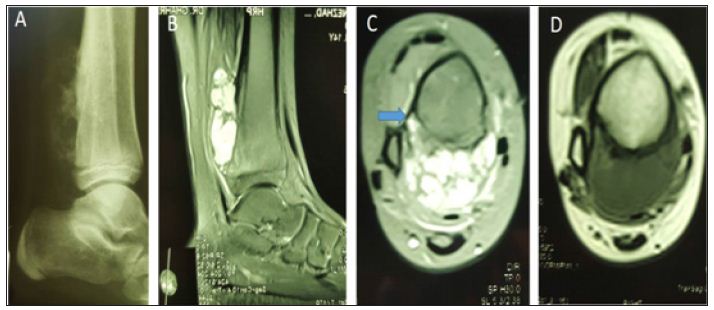
A 16-year-old boy presented to us with a painful swelling above his right ankle. This swelling had been gradually increasing in size, and present for year. On physical examination, the patient had a tender, fixed, bony hard swelling on the distal part of the right tibia. The lesion was not fixed to the skin and was not associated with any ulceration, rise of temperature or sinus formation. The swelling was diffuse and large. Neurovascular status of the right lower extremity was normal. The patient did not have any other symptoms or any abnormal findings on systemic physical examination. His past medical, family, allergy and drug, and social histories were not relevant. The laboratory tests including CBC, ESR, and CRP were normal. Plain radiographs of the right tibia and ankle in anteroposterior and lateral views showed a protruded superficial calcified mass in the posterior aspect of distal tibia (Figure 1A).

Figure 1 : A, Plain radiography of the right ankle showing a protruded radio-opaque radio-lucent lesion protruding from posterior aspect of distal tibia; B, C, and D, magnetic resonance imaging of the right ankle demonstrating a superficial lesion with high signal intensity on T2(B&C), and low signal on T1(D). The arrow shows that the lesion is within cortex, not involving intramedullary canal.

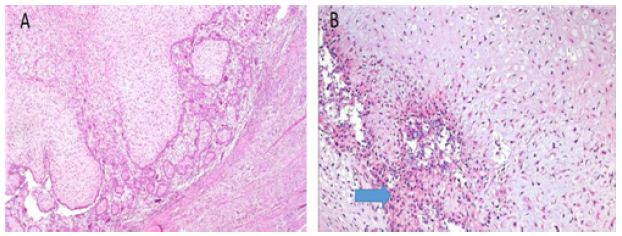
MRI of the right ankle and tibia showed T2 image with lobulated high signal lesion at the posterior aspect of distal tibia compressing posterior soft tissues including the Achilles tendon. The lesion was seen as a low signal lobulated mass on T1 images. There was no evidence of soft tissue component around the lesion (Figures 1B-1D). Imaging files of the patient were reviewed by an expert bone radiologist in Shafa orthopedic hospital, and together with the clinical information, a differential diagnosis of CMF, parosteal osteosarcoma, periosteal osteosarcoma, periosteal chondroma, periosteal myxoma, and sub periosteal ganglion cyst were proposed by orthopedic oncologists and bone radiologists in our hospital. Because malignant tumors were in the differential diagnosis, we decided to perform an incisional biopsy, to confirm the diagnosis before the final treatment. Histopathology exam of the biopsy specimen confirmed the diagnosis of Chondromyxoid fibroma (Figures 2A & 2B).

Figure 2 : A, Photomicrographs of the resected tumor showing lobulated architecture of CMF (H and E x 10); B, Higher magnification of a nodule showing stellate cells in loose myxoid stroma at center and increased cellularity at the periphery (arrow) (H and E x 40).

The patient was treated by en bloc resection of the tumor. No attempt was made for the reconstruction of the distal tibia, because three cortices were intact at the end of surgery. The patient wasasked to follow a non-weigh bearing ambulation for two months. At the latest follow-up, twenty-five months after the surgery, the patient was free of symptoms and with no recurrence. This study was approved by ethical committee of our institution and written consent was obtained from the patient and his family to report the case.

Discussion

There are some unique demographic and morphologic features attributed to Juxtacortical CMF, which are different from classic CMF. In a series of patients which include six sub periosteal CMF; four out of six patients were older than 30 years [4]. In another series, 13 out of 20 patients with Juxtacortical CMF were older than 30 years [8]. This is in contrast to the conventional CMF which usually presents before the age of 30 [2]. Juxtacortical CMF very commonly occurs in male gender [4]. In a study including 20 patients with Juxtacortical CMF, only 40% of them were female [8]. In another study including six patients with superficial CMF were male [4]. Our patient was also a male adolescent, so was another patient in a similar case report [9]. In classic CMF this male predilection is very slight (1.1:1) [2]. The most common anatomic location of Juxtacortical CMF is in long bones of lower extremity, especially in tibia. Ten out of 20 patients with Juxtacortical CMF reported by Allyson C. Baker et al. had their tumor in tibia, and 8 of them in femur, making these two bone the host of 80% of Juxtacortical CMF in that series [8].In another series, and 4 out of 6 cases (66%) of sub periosteal CMF occurred in tibia [4]. Our case was also located in tibia. Although long bones are the most common place of presentation for conventional CMF, this preference is not as strong as it is in the Juxtacortical variant. Only 46.6% of conventional CMF have been found in long bones, and 30.3% of them is found in flat bones [2].

Radio logically; there is prominent calcification within Juxtacortical Chondromyxoid fibroma. This feature is seen much more commonly in the Juxtacortical than the conventional subtype of CMF [10]. This presentation is in contrast to the traditional view held by many radiologists that CMF does not show distinctive internal calcification [8] as conventional CMF is typically purely lytic, with occasional instances of intralesional calcifications [2,4,11]. The presence of prominent calcification may be the result of the sub periosteal location of this tumor and the resulting irritation of the periosteum during tumor growth. Histologically, the classic Chondromyxoid fibroma has stellate or spindle shaped cells arranged in lobules on a Chondromyxoid background. Within the lobules, the neoplastic cells tendto be localized more toward periphery. The lobules are separated by fibrous bands that contain blood vessels and sometimes multinucleated giant cells [4,11-13].

Many of these lesions could be treated by simple curettage. However, incomplete removal may lead to recurrence. En block excision is another mode of therapy, allowing complete removal of the lesion [11,14]. This is a necessity when facing aggressive tumors. Radical procedures should be avoided because it is a benign lesion [11,14]. If the tumor is near physis, it seems logical that the procedure be delayed until the tumor grows away from the physeal area.

Conclusion

When confronted with a superficial lesion on a long bone, orthopedic surgeons, pathologists, and radiologists are more likely to consider osteochondroma, periosteal chondroma, periosteal myxoma, sub periostealganglion cyst, or sub periosteal osteoid osteoma in younger age group of patients. In older age group, more aggressive cartilage containing neoplasms, namely, periosteal chondrosarcoma, periosteal osteosarcoma, and parosteal osteosarcoma are included in the differential diagnosis. However, our case and the previously reported cases showed that CMF should also be included in the differential diagnoses of a surface neoplasm’s of bone [4,8]. When one is aware of this lesion and the characteristic radiographic findings, a biopsy of the tumor can be diagnosed with more precision.

For More Articles: Biomedical Journal Impact Factor : https://biomedres.us
Journals on Orthopedics

The Use of Barbed Suture for Wound Closure in Hip and Knee Arthroplasty

Mini Review

The increasing number of total joint arthroplasties done on an annual basis, now over one million, along with evolving reimbursement strategies, has helped drive the need for more efficient performance of these cases [1]. This increased the demand for efficiency has led to pursuit of faster, more effective, safer, and cheaper surgical strategies. Soft tissue management is an integral part of total joint arthroplasty and its outcomes. Poor soft tissue handling can lead to dehiscence, infection, and unsightly scars. One of the more recent techniques in wound closure is the use of running barbed suture. The presence of either uni or bidirectional barbs eliminates the need for knots, potentially decreasing the time needed for closure and the number of sutures required and eliminating the gaps between sutures in the layer being closed. This paper summarizes the existing literature pertaining to the use of these suture constructs in total joint arthroplasty.

The use of these sutures for closure of the arthrotomy fascia in total knee arthroplasty (TKA) was examined in arandomized controlled trial of 170 patients, performed by Malhotra et al.This included 90 patients in the control group (CG) and 80 in the barbed suture group (BSG). Vicryl and Ethibond (Ethicon Inc, Somerville, NJ) were used for arthrotomy closure in the CG and Quill (Surgical Specialties Corporation, Wyomissing, PA) in the BSG. Vicryl and staples were used in all patients for subcuticular and skin closure in both groups. Wound closure time was four minutes slower and $7.00 more expensive in the CG. There were five needle stick injuries in the CG, compared to zero in the BSG, but there were ten barbed suture breakages and none in the CG. There were no differences in complications or clinical outcomes between the groups [2].

Campbell compared the rates of wound complications between 247 TKA wound skin closures performed with Vicryl and staples to 169 wounds closed with running V-Loc (Medtronic, Minneapolis, MN) barbed suture. They found that 18 (7.3%) of the traditional closures and 33 (19.5%) of the barbed suture closures developed wound problems (p<0.001). Additionally, the staple group had a lower rate of eschar formation, but a higher incidence of keloid formation [3]. This suggests that barbed sutures may be problematic for more superficial layers of a surgical closure. A randomized controlled trial performed by Chan compared barbed suture (Stratafix, Ethicon Inc) for both the arthrotomy and skin closure (55 TKAs) and with Vicryl for both (54 TKAs). The Vicryl closure group had higher rates of fluid extravasation upon full flexion. Closure was less expensive and faster in the BSG and there were fewer wound complications (twoin the barbed group vs nine in the traditional group, p=0.03). There was no difference in the rates of needle stick injuries, suture breakage, or glove perforation [4].

Chawla compared four groups undergoing unicompartmental knee arthroplasty. These included a group closed with barbed suture for the arthrotomy (Quill) and skin closure (Quill Monoderm), Vicryl for the arthrotomy and Monocryl for the skin, Vicryl for the arthrotomy and staples for skin, and Vicryl for the arthrotomy and Quill Monodermfor the skin. They found that out of 839 UKAs, with a minimum follow up of 16 weeks, there were eight infections, all of which had the skin closure performed with barbed suture. All infections occurred in the first two months, again suggesting these sutures may be problematic for closure of the superficial layers [5].

Eickmann and Quane compared 90 TKA closures done with barbed suture for the arthrotomy and skin (Quill) with 88 closures using Vicryl for the arthrotomy and sub-cuticular closure with Monocryl for the skin. The closures in the barbed suture group (BSG) were 11.5 minutes (13.3%) faster. There was no difference in complication rates or postoperative range of motion. A multicenterRCT published by Gilliland et al compared 191 TKAs closed with barbed suture for the arthrotomy and subcuticular closure (Quill and Quill Monoderm) and 203 TKAs with Ethibond for the arthrotomy and Monocryl for the sub dermal layer, with both groups using staples for skin closure. Closure time was faster and cost was lower in the BSG, but there was a higher rate of suture breakage. There were no differences in complications or postoperative functional knee scores [6].

Maheshwari performed a retrospective review of 140 TKAs closed with one interrupted Ethibond followed by Quill for the arthrotomy, Quill for the sub-cuticular layer, and Monocryl for the skin with 193 TKAs which were closed with Ethibond and Vicryl for the arthrotomy, Vicryl for the subcuticular layer, and Ethilon for the skin. There were no differences in the closure or operative times. Closure was $16 less expensive in the BSG. There were four wound complications in the CG and one in the BSG [7]. In an RCT conducted by Sah, fifty patients undergoing bilateral same day TKAs were randomizes to have one knee in the CG and one knee in the BSG. The CG closure was performed using Vicryl for the arthrotomy layer and Monocryl for the sub-cuticular and skin layers. The BSG closure used Quill for the arthrotomy and subcuticular layers and Quill Monoderm for skin. Wound closure with barbed suture was 4.7 minutes faster. There were five premature disengagements and three suture breakages in the CG and none in the BSG. There were no needle stick injuries and no differences in postoperative ROM or outcomes scores [8].

Smith et al performed an RCT comparing 18 total hip and knee arthroplasties closed with barbed suture and 16 arthroplasties in the control group. CG was closed using Ethibond, Vicryl, and Monocryl. The BSG used Quill and Quill Monoderm. Surgical time was 9.7 minutes faster in the BSG but $92 more expensive. However, when taking into account the cost of operating room time, the authors found a savings of $550 per arthroplasty in the BSG. There was no difference in wound complication rates in this cohort, nor in a retrospective review of 18 more controls and 80 more barbed suture closures. However, there was a trend of higher wound complications in the BSG, ten in 98 patients (10.2%), as compared to two in 36 patients (5.6%) in the CG [9].

Another RCT by Ting et al with 31 TJAs in the BSG and 29 patients in the CG. BSG used barbed polydioxanone (PDO) suture for all the layers, while in the CG, Vicryl and Monocryl were used. Closure was 4.2 minutes slower with more sutures used in the CG. There was no difference in complication rates. While the barbed sutures themselves were more expensive, when taking OR time into account, there was a cost savings of $615 for THAs and $365 for TKAs [10]. Due to concern for potential risk of glove perforation by the barbs on the sutures, Schwarzkopf et al. used electro conductivity testing to evaluate gloves which were used during closure of TJAs with and without barbed suture. Theydetermined that the rates of glove perforation were similar in cases which used barbed suture (17 of 122, 13.9%) and those that did not (9 of 50, 18%) [11].

Two studies evaluated bacterial adherence to barbed suture as compared to plain monofilament and braided suture. In an in vitro model, five suture types (Vicryl, Vicryl Plus, PDS, PDS Plus, and Quill) were tested as to the amount of bacterial adherence. Quill demonstrated the least and Vicryl plus the most [12]. An in vivo contaminated wound mouse model demonstrated that barbed monofilament and plain monofilament sutures were comparable. Braided suture performed inferiorly compared to the two other suture types in the amount of bacterial adherence, biofilm formation, and tissue reactivity [13].

Summary

In summary, several studies demonstrate that barbed suture is both time and cost saving in the operating room for closure of hip and knee arthroplasty wounds. There does not appear to be a difference in complication rates when barbed suture is used for the arthrotomy closure. However, several papers demonstrated increased wound complication rates when barbed suture was used for the subcuticular or skin closure, suggesting this may not be the best suture type for this superficial layer. No study demonstrated increased risk to the surgeon with the use of barbed suture, and bacterial adherence was not increased in the two studies evaluating this, suggesting it may be appropriate to use it in infected cases. Further studies are needed to determine the optimal closure technique for all patients, but barbed suturemay be optimal for use in total joint replacement patients.

For More Articles: Biomedical Journal Impact Factor : https://biomedres.us

Journals on Nutrition

Adverse Health Consequences of Dietary Advanced Glycation End Products (ages) and Inhibitory Effects of Natural Ingredients on Ages

Abstract

Dietary advanced glycation end products (AGEs) may result in various adverse health consequences, such as inflammation, cancer, liver diseases, obesity, cardiovascular diseases, diabetes, proteostatis impairment and memory decline. Natural ingredients may be a promising strategy to inhibit AGEs generation and ameliorate health risks of AGEs. The mechanisms involved in inhibition of AGEs with use of natural ingredients include antioxidant activity, reactive carbonyl trapping, and suppressing pathways of RAGE (receptor of advanced glycation end product), MAPK (mitogen-activated protein kinases) and NF-κB (nuclear factor-kappa B).This mini review summarizes the present understanding of the adverse impact of AGEs on health and the inhibitory effect of natural ingredients on AGEs.

Keywords: Maillard reaction; Dietary advanced glycation end products; Adverse health consequences; Inhibitor; Natural ingredients

Abbreviations: AGEs: Advanced Glycation End Products; NAFLD: Non-Alcoholic Fatty Liver Disease; CML: Carboxy Methyl Lysine; RAGE: Receptor of Advanced Glycation End Product; MAPK: Mitogen Activated Protein kinases; LSOPC: Lotus Seedpod Oligomeric Pro Cyanidins

Introduction

Maillard reaction, a form of non-enzymatic browning, is a chemical reaction between proteins and reducing sugars in vitro and in vivo [1,2]. The Maillard reaction consists of three stages: the early, advanced and final stages. Briefly speaking, the initial glycosylation reaction occurs during the early stage of the Maillard reaction, and amadori products are formed through rearrangement of Schiff bases [3]. For the advanced stage, the Amadori products subsequently form cross-linked structures with a high degree of complexity named advanced glycation end products (AGEs) through fission, dehydration and Strecker degradation [1]. In terms of final stage, nitrogenous polymers and co-polymers termed melanoidins are formed [1]. Although Maillard reaction may aid in development of attractive color, flavor and aroma in food products, it is worth pointing out that AGEs in Maillard reaction products may lead to adverse health consequences [4,5]. In recent years extensive research reveals that AGEs are associated with various diseases such as cancer and diabetes [4,6]. Foods are major sources of AGEs, and commonly consumed foods such as grilled chicken, broiled steak and French fries contain relatively high content of AGEs [7]. Meanwhile, a recent study indicates that a high level of dietary AGEs is associated with a high level of AGEs in plasma and urine [8]. Because contents of AGEs derived from diet cannot be ignored and AGEs in the diet are associated with induction and progression of many chronic diseases, it is essential to comprehensively understand adverse health consequences of dietary AGEs.

In view of numerous health risks of dietary AGEs, multiple measures are required to suppress AGEs. Medicine such as metformin and irbesartan can be applied to relieve adverse health effects induced by AGEs [9]. However, the synthetic pharmaceutical ingredients may bring about short-term health risks. Metformin may lead to digestive disorders such as vomiting and diarrhoea and irbesartan can sometimes result in symptoms such as dizziness and headache [10,11]. Therefore, considering the side effects of synthetic ingredients, natural ingredients should be employed as AGEs inhibitors in place of synthetic ingredients. During recent decade’s inhibition of AGEs with natural ingredients have drawn substantial scholarly attentions. More and more natural ingredients prove to possess inhibitory influence on AGEs, and significant achievements about the underlying molecular mechanisms have been made [3,12,13]. Thus, the present mini-review aims to address the current understandings towards adverse health consequences of dietary AGEs and inhibitory influence of natural ingredients on AGEs.

Adverse Health Consequences of Dietary Advanced Glycation End Products

Extensive biomedical studies about health effects of dietary AGEs on animals and human beings have been conducted over the past few years [14,15]. As shown in Figure 1, relevant research indicates that dietary AGEs are closely linked to induction and progression of diverse diseases such as inflammation, cancer, liver diseases, obesity, cardiovascular diseases, diabetes, proteostatis impairment and memory decline. It is worthwhile to note that the adverse health consequences of dietary AGEs depend on actuation duration. At times short-term intake of dietary AGEs may not have profound health risks. A recent study revealed that shorttem ingestion of advanced AGEs could possibly exert little health influence on rats [16].

Figure 1 : Adverse health consequences of dietary AGEs.

Inflammation

Several studies support the association between dietary AGEs and inflammation. Based on accurate analysis of AGEs content in the diet, a cross-sectional study divided participants into two groups: high and low intake of dietary AGEs. During the 3-month period a correlation between intake of dietary AGEs and inflammation was observed, indicating that a chronic AGEs-rich diet could result in inflammation [5]. In addition, it was reported that long-term consumption of AGEs in thermally processed red meat could lead to chronic inflammation [4].

Cancer

Recent studies reveal that dietary AGEs can increase risk of certain cancers. After analysis of more than 2000 human pancreatic cancer cases during an average of 10.5-year follow-up, it was found that higher intake of dietary AGEs contributed to higher risk of pancreatic cancer in men, and consumption of dietary AGEs was not linked to risk of pancreatic cancer in women [4].

Liver diseases

AGEs in food may induce various liver diseases including liver injury, liver fibrosis, liver inflammation and so on. In mice model of NAFLD (non-alcoholic fatty liver disease), long-term exposure to high levels of dietary AGEs worsened liver pathology through modulating liver injury and liver fibrosis, and reducing intake of dietary AGEs might weaken the harmful effects [14]. Nε- (carboxymethyl) lysine (CML) is one of the major dietary AGEs, and oral acute and sub acute toxicity of CML was evaluated in mice models. It was found that CML presented negligible acute hazards, but repeated ingestion of CML could induce liver damage via oxidative stress [15]. Influence of dietary AGEs on liver was studied using a mice model, and the results suggested that diets with high levels of AGEs could induce liver inflammation in the absence of steatosis [17].

Obesity and cardiovascular diseases

Obesity is closely associated with cardiovascular diseases, and they are both major health problems [18]. Recent studies have demonstrated that dietary AGEs can bring about obesity and cardiovascular diseases. Different groups of mice were fed with diets containing high or low levels of AGEs, and weight gain of these mice was analyzed after 6 weeks. It was observed that a high- AGEs diet could contribute to weight gain [19]. Although evidence is still lacking about links between dietary AGEs in children and adolescents, sufficient data demonstrate that dietary AGEs can induce vascular dysfunction in adults, contributing to occurrence of cardiovascular diseases [20].

Diabetes and proteostatis impairment

A large amount of evidence suggests that dietary AGEs may interfere with metabolism of sugars and proteins, leading to diabetes and proteostatis impairment. Mice were treated with oral AGEs, and a series of indexes such as glucose tolerance, glucose uptake and gene modulation were analyzed. It was found that chronic ingestion of AGEs promoted insulin resistance and diabetes, and the relevant mechanism was possibly depleting the antioxidant defenses AGE receptor-1 and sirtuin-1 [6]. in vivo studies revealed that chronic intake of dietary AGEs may cause disruption of proteostasis through inhibiting proteasome peptidase activity [21].

Memory decline

Correlations exist between dietary AGEs and cognitive decline. High oral intake of AGEs was reported to be associated with faster rate of memory decline in young elderly. To avoid disruption of daily life by memory loss, the intervention method of taking a low- AGEs diet may reduce risk of cognitive compromise [22].

Inhibiting formation of Advanced Glycationend Products with Natural Ingredients

Given that AGEs can bring about potential health risks, various measures should be taken to suppress formation of AGEs. During recent years natural ingredients prove to be a reliable means to reduce contents of AGEs. Due to high biosafety and biocompatibility of natural ingredients, inhibiting AGEs with natural ingredients has attracted scientific and industrial interests in many fields. In general, natural ingredients can suppress AGEs formation via mechanisms such as antioxidant activity, reactive carbonyl trapping, and disruption of RAGE-MAPK signaling and NF-κB activation.

Antioxidant Activity

It is reported that many natural ingredients have powerful antioxidant activity, which helps to scavenge free radicals. Multiple studies demonstrate that inhibitory influence of some natural ingredients is ascribed to their antioxidant activity. Influence offerulic acid on in vitro glycation of soy proteins was investigated utilizing Nε-(carboxymethyl) lysine (CML) analysis and fluorescence measurement. It was found that use of ferulic acid could reduce formation of CML and fluorescent AGEs by around 90% [3]. Recent work investigated inhibitory effects of ethanolic extracts from 17 medicinal plants on glycation of bovine serum albumin, and total phenolic content and antioxidant capacity of the medical plant extracts were also studied. The results demonstrated that influence of medical plant extracts on AGEs inhibition was positively correlated with free radical scavenging activity, indicating that the antioxidant activity of medical plant extracts contributed largely to their antiglycation effects [23].

A 4-week study revealed that red grape skin extract at different concentrations (0.031–0.500 mg/mL) could suppress formation of AGEs during relatively long-term exposure to AGEs [24]. In comparison with red grape skin extract, MesonaChinensisBenth extract required higher effective concentrations. MesonaChinensisBenth extract at different concentrations (0.25-1.00 mg/mL) significantly inhibited AGEs formation during 4 weeks of study [25]. In addition, olive leaf extract could inhibit formation of AGEs in a biscuit model, and the main way of action was possibly inhibiting oxidation of reaction intermediates towards the AGEs formation [26]. Apart from these in vitro studies, in vivo studies also indicate that antioxidant activity of certain natural ingredients is associated with their inhibitory effects on AGEs. Influence of Cuminumcyminum AGEs inhibition in diabetic rats was systematically investigated, and the results showed that Cuminumcyminum could control oxidative stress and suppress formation of AGEs. The in vivo inhibitory effects of Cuminumcyminum AGEs proved to be correlated with free radicals scavenging of Cuminumcyminum [27].

Reactive Carbonyl Trapping

Among current published literature reactive carbonyl trapping is the major mechanism involved in inhibition of natural ingredients on AGEs. Methylglyoxal and glyoxal are major carbonyl compounds during Maillard reaction and identified as well-known precursors of AGEs, and trapping these reactive carbonyl compounds may reduce formation of AGEs [28]. A recent study demonstrated that anthocyanins in blackcurrant could react with 50 percent of methylglyoxal when blackcurrant anthocyanins were incubated with methylglyoxal, suggesting that blackcurrant anthocyanins could effectively prevent AGEs formation by trapping methylglyoxal [29].

Polyphenols in Houttuyniacordata consisted of components quercitrin, chlorogenic acid and rutin. It was found that polyphenols in Houttuyniacordata could decrease AGEs production by 91- 94.6% [28]. Genistein is a natural isoflavone derived from soy products, and genistein could inhibit AGEs production via trapping reactive dicarbonyl species efficiently under in vitro physiological conditions (pH 7.4, 370c) [13]. Rutin metabolites, which were formed through metabolism of rutin by gut microflora, could serve as effective natural inhibitor of AGEs by tapping both methylglyoxal and glyoxal [30]. Since rutin is a commonly consumed flavonoid that is rich in many fruits and vegetables, the use of rutin metabolites may be a feasible way to attenuate AGEs formation. Pomegranate phenolics and their in vivo metabolites had inhibitory effects on all three stages of Maillard reaction (early, middle and late stages), and pomegranate phenolics could significantly suppress AGEs production via scavenging reactive carbonyl species such as methylglyoxal [31].

Since pomegranate is a fruit with good flavors and odors, oral intake of pomegranate appears an attractive dietary strategy to prevent and offset adverse health consequences of AGEs. Anti glycation effects of phenolic phyto chemicals extracted from blueberries, blackberries, strawberries, raspberries, cranberries and grapes were investigated, and the results showed that these sugar-free phyto chemicals could suppress AGEs generation by scavenging reactive carbonyls [32]. In addition, natural ingredients such as chlorogenic acid, ellagic acid, thiamin, quercetin, and oligomeric procyanidins of lotus seedpod, herbal teas and thymoquinone could effectively inhibit AGEs generation through reactive carbonyl trapping [12,33-38].

Disruption of RAGE-MAPK Signaling and NF-κ Bactivation

Receptor of advanced glycation end product (RAGE), mitogenactivated protein kinases (MAPK) and nuclear factor-kappa B (NF-κB) are detrimental pathways in animals and people, and a number of evidence reveals that inhibitory effects of natural ingredients on AGEs are associated with disruption of RAGEMAPK signaling and NF-κB activation. High-fat diet rats were selected as model to study inhibition of AGEs by lotus seedpod oligomericprocyanidins (LSOPC), and expression of RAGE, MAPK and NF-κB was investigated. It was found that LSOPC could inhibit formation of AGEs in rats through suppression of RAGE-MAPKNF- κB signaling [39]. Diabetic cardiomyopathy rats were applied to investigate influence of mangiferin on formation of AGEs, and the results demonstrated that mangiferin could effectively inhibit AGEs formation via NF-κB deactivation and decreasing expression of RAGE [40].

Concluding Remarks and Future Perspectives

In summary, dietary AGEs may lead to the induction and progression of various health problems such as inflammation, cancer, liver diseases, obesity, cardiovascular diseases, diabetes, proteostatis impairment and memory decline. Natural ingredients may serve as an approach to reducing AGEs generation, and the involved inhibition mechanisms are antioxidant activity, reactive carbonyl trapping, and disruption of RAGE-MAPK signaling and NF-κB activation. Generally speaking, the natural ingredients are promising intervention tools to control content of AGEs. Meanwhile, we need to realize that there are many unexplored areas and ongoing challenges. Molecular mechanisms involved in health risks of dietary AGEs should be fully understood in details, and more in vivo animal and human studies should be conducted to confirm the inhibitory effects of natural ingredients on AGEs generation.

For More Articles: Biomedical Journal Impact Factor : https://biomedres.us

Journals on Chemistry

How Does Stathmin Destabilize Microtubules? A Root of Consciousness and Alzheimer’s Disease

Abstract

Alzheimer’s disease due to dementia and the memory brain that might be related to the microtubules disorder interrupt daily life. Alzheimer’s is a brain disease that causes a slow decline in concentrations, memory, thinking and reasoning skills. By this research we exhibited the important rules of stathmin destabilize microtubules as a root of this problem in view point of chemical molecular engineering.

Abbreviations: MT: Microyubule; SLD: Stathmin Like Domain; LOL: Localised Orbital Locator; ESP: Electro Static Potential; MAP: Microtubule Associated Proteins

Introduction

Microtubule (MTs) is a long protein filament that forms of a dynamic cytoskeletal within a morphological change. MTs have multiple functions in the cellular processes including a peculiar biophysical setting in the internal environment. MTs grow and shrink continually in the living cells qua the harmony between these processes is vital for normal cell function [1-5]. Microtubules are tubularpolymers (as its name points) and its diameter is about 24 min which the hetero dimers are assembled head to tail in a polar fashion (This polarity is reflected by the distinction between the socalled plus and minus ends of proto-filaments). The “building brick” from which they are formed called alpha and beta-tubulins that are proteins and occurs in solution as a dimer of two similar subunits [4,5]. Their assembly is in part determined by the concentration of free tubulins in the cytoplasm [3].

Although most of MTs combinations are largely deprived from the cytoplasmic influence, 2 nm2 lateral pores and 200 nm2 entrances at its ends are connected to cytoplasm [4, 5]. Recently, spherical particles have been found in the microtubules which the particles’ existence varied between cell types while the neuronal cells have the most particles [6-9]. In 1984, Burton exhibited the particles could be voided from the lumen quickly via reassembly or disassembly of intracellular microtubule [10]. Although identification of components inside of luminal has been difficult, during of the next 30 years observation of these particles in the microtubules lumen has culminated using vitreous cryo-electron microscopy [11].

These subunits polymerise end to end for formation protofilaments similar to a hollow tubes and their dynamic instability is controlled by numerous compounds. Proteins that destabilize microtubules have been identified recently (such as stathmin family proteins and Colchicine) [12-14]. These proteins increase microtubule turnover in cells, contributing to rapid reorganization of the microtubule cytoskeleton. Stathmin family was initially identified as a protein in response to extracellular signals, overexpressed in highly proliferative breast cancers and malignant ovarian cancers [15,16]. Stathmin is a cellular microtubule inhibitor, which forms a tight complex with two αβ-tubulin dimers, In the references [15,16] the structural information has shown how the stathmin protein family binds tubulin dimers and those studies suggest that phosphorylation occurs in a localized fashion, resulting in decreased microtubule destabilizing activity near microtubule polymer [17].

One of the important stathmin family proteins is RB3 which shares with other members the stathmin-like domain (SLD). Stathmin is a disordered protein, and their activities are downregulated by multiple phosphorylation. Stathmin is derived from the Greek word “stathmos” and it can also be translated as “terminal or stop”, which this translation loosely fits the microtubule destabilizing for the terminating or stopping microtubule growth [18]. Stathmin is a soluble, cytoplasmic protein which enforces an important function in regulating rapid microtubule remaking of the cytoskeleton in response to the cell’s requirements. At low concentrations of free tubulin in the cytoplasm, the growth rate at the microtubule ends is languid and results in an increased rate of disassembly (de-polymerization) [19]. The intracellular concentration of stathmin varies considerably among different cell types, ranging from0.005% up to 0.5% of the total cell protein [20], and in vertebrates, is expressed in cells with the potential to proliferate as well as in neurons [20,21].

Proteins related to stathmin are also expressed in the nervous system and include SCLIP, SCG10,RB3 (and two its splice variants RB3′& RB3′′) [21-23]. Non-polymerised tubulins exists as a hetero dimer of “α-tubulin” & “ β-tubulin” with binding sites for two molecules of guanosine triphosphate (GTP), one exchangeable and the other not. Via electron microscopy (EM) it can be seen that each proto-filament consists of globular 4nm subunits and it is possible for refined tubulin to assemble with a range of diameters containing between 9 and16 proto-filaments (Scheme 1). Only two atomic structures of αβ-tubulin are currently known which the first one is GDP-tubulin in straight anti parallel proto-filaments of twodimensional zinc sheets stabilized by Taxol (Figure 1) that has been employed to construct pseudo-atomic models of microtubules. The second is the curved structure of two head to tail GDP-tubulin dimers in complex with the stathmin-like domain of RB3 (RB3- SLD) [15-18].

Scheme 1 : The schematic images of various microtubules including “12-16” proto-filaments (pf).

Figure 1 : Ribbon diagram of αβ-tubulin heterodimer.

The structure of tubulin in microtubules is related to the straight zinc-sheet structure, since both are made of similar proto-filaments, although the different lateral contacts cause modifications. Monomers in adjacent proto-filaments arrange a set of shallow helices, which for 13-protofilament microtubule 3 shallow helices run in parallel and for a smaller or larger number of proto-filaments there may be 2 or 4 shallo whelices. This difference provides some flexibility in the bonds between adjacent heterodimers (at least in the direction running around the microtubule). MT-associated motor proteins, such as dynein and kinesin can be run for long distances along a microtubule when there are 13 protofilaments (without switching lanes) [24,25]. In more or fewer than 13 proto-filaments, the structure must rotate somewhat, so that the proto-filaments twisted slowly around the microtubule axis [26].

The atomic structure of tubulin proto-filaments is discovered firstly from electron crystallography of zinc-induced 2D sheets [27]. Ravelli et al. [28] extracted important information about conformational change by X-ray crystallography. Each monomer has a pair of spherical domains set which the larger domain, containing the N-terminal half of the polypeptide, has the same fold as a “Rossmann fold” [29]. There is a binding site for the guanosine nucleotide on the plus end area of this domain that contact is made with the next subunit in the proto-filament. A binding site for “Taxol” is placed on the second domain of αβ-tubulin, whichalso makes contact with the core helix, on the opposite side from its contact with the nucleotide base (Figure 1). The C-terminal end of each tubulin polypeptide makes two long helices which those residues (from C-terminal) would be suitable for isoform recognition by tubulin binding proteins.

As it has exhibited in the (Figure 1), some long coil loops from the globular domains are complexed in lateral contacts between the proto-filaments in a microtubule. In addition there is common agreement that the “M-loops” of one proto-filament make contact with the guanosine triphosphate (GTPase) domains and the M-loops make different contacts with the adjacent proto-filament (Figure 1). In some positions the proto-filament forms a ring via bending at all of the interfaces between monomers. The bending of protofilament was first seen by electron microscopy [30] and has been confirmed in cocrystals of tubulin-sequestering protein stathmin by Gigant et al. [31]. The bending occurs even in the absence of destabilizing agents such as stathmin or colchicine. The core helix is a likely means of communication from the top to the bottom of the β-subunit via a cooperative mechanism. Whole microtubules can twist and bend without coming under great strain or snap and this is clear from images of fluorescently labelled microtubules growing [32].

Although various stathmin activities have been reported, the mechanism by which stathmin affects microtubule dynamics is still a subject of argument. In this work theoretically, we found in vitro that the effects of stathmin can be concluded from its ability to form the strong bonded and non-bonded interaction via a ternary complex including α and β subunit tubulins, αβ hetero dimer of tubulins and one stathmin (Figure 2).

Figure 2 : Interaction of stathmin with 4 sub units of tubulin.

When a microtubule bends, individual proto-filaments are bent in a variety of directions. It is likely, therefore, that there are multiple “bent” states for dimers and proto-filaments and there is no certitude that the curved conformations induced by different agents of disassembly are identical. Many efforts have been made to characterize structurally the three major forms of microtubules, hetero dimers, and curved Proto-filament. The overall structure of the tubulin-stathmin complex has been suggested via scanning transmission electron microscopy combined with digital image processing [33,34].

Formation of the tubulins-stathmin complex introduced a new path to stabilize tubulin in solution for crystallization. Benoıt Gigant et al. [35] has been reported the 4 A˚ X-ray structure of a complex of GDP-tubulin with the “Escherichia coli”explicit stathmin-like domain of RB3 (RB3-SLD), a stathmin family protein. This shape defines the 3D structure of the complex, the arrangement of tubulins within this complex, and shows that RB3 contacts tubulin through a 91-residueα-helix. This structure helps to interpreter a clear model for tubulin -stathmin family combination in the nonbonded attraction and provides a structure of GDP-tubulin which is compared with the structure of tubulin in microtubules (Figure 1).

Ribbon diagram of αβ-tubulin heterodimer, the structure solved by electron crystallography using sheets of bovine brain tubulin in complex with Taxol [27] is shown in an orientation corresponding to the inside view of amicrotubule. The guanosine triphosphate “GTPase”domain, the activation domains, the core helix that connects the two globular domains in each monomer and the C-terminal domain on the external surface are shown.GTP is sandwiched between α and β tubulin subunits of each heterodimer. The nucleotide bound to β-tubulin has been hydrolyzed to GDP through contact with helix H8 and loop T7 of the activation domain of another α-tubulin subunit. Taxol sits in the pocket of β-tubulin on the inside face of microtubules. In -tubulin, this pocket is occupied by the extended L-loop [33].

Stathmin-Microtubules Interactions

Stathmin interacts with two molecules of dimeric α, β-tubulin to form a tight ternary complex which one mole of stathmin binds to two moles of tubulin dimers through the SLD [36]. Tubulin is able to switch between a curved structure in complex with the stathminlike domain of the RB3 protein and a straight microtubule-like structure. The proto-filament curvature and disassembly has done via GTP hydrolysis. The first opinion for GTP was thought that it would allosterically induce a straight conformation of tubulin subunits thorough-paced of microtubule assembly while the GDP would induce a curved conformation approving disassembly. Themicrotubule-associated proteins (MAPs) of tubulin-GDP protofilament spirals have indicated different intra- and inter-dimer curvatures [37]. However, this type of allosteric mechanism is challenged by the findings of curved structures of GTP-bound γ-tubulin [38].

This evidence led to a proposition that the free GTP-tubulin dimer is curved similarly to tubulin rings and is driven into the straight conformation by the microtubule (opposed to what was previously thought). So the GTP γ-phosphate only lowers the unfavorable free energy difference between the curved and the straight form [39]. Consequently, in the allosteric model GTP binding would induce a straighter conformation pre-structured in solution for lateral interactions [40] whereas in the lattice model [39] αβ- tubulin adopts a microtubule incompatible, curved conformation independent of the nucleotide state. It should me important to discuss of the GTP hydrolysis mechanism for destabilizing the microtubule lattice. To provide some answers to this question, Alushin et al. [41] exhibited a structural study for comparing highresolution cryo-EM reconstructions of GMPCPP microtubules and GDP microtubules. It shows that GTP hydrolysis induces a compression at the linear interface between dimers, immediately over the exchangeable nucleotide-binding site.

This compression is amalgamated by conformational changes in α-tubulin. In contrast, lateral contacts between α & β tubulins were basically unchanged in the different nucleotide states. These understanding suggest that GTP hydrolysis introduces strain into the lattice, but how this strain affects the strength of longitudinal and lateral bonds to destabilize the microtubule remains unknown. In this works 16 main sections have considered for investigation of bonded and non-bonded interaction between Stathmin with microtubules. Although the bonded situations and the GTP hydrolysis essentially are important for the proto-filament curvature and disassembly, the no bonded interaction helps to this processing in other side. More over this kind of non-bonded interaction provides the dynamic behavior for this phenomenon. It now seems clear that changes in the curvature of αβ-tubulin are fundamental to microtubule dynamics and the regulatory activities of microtubule-associated proteins (MAPs) during microtubule polymerization [42].

Results And Discussion

In this work it has been described a novel method of the stepfunction models for the microtubules within electron density profile in the composition of the stathmin. In this work we have focused on the electron density of the systems when each parts of 16 sections in stathmin has interaction one by one with α and β tubulin (Figures 1-3) (Tables 1 & 2). The electron density has been defined as

Figure 3 : 16 important section of stathmin.

Table 1 : The Homo and Lumo of each system of 16 sections.

Table 2 : The various energies of each system of 16 sections.

Equation 1 :

Where ηi is occupation number of orbital i, φ is orbital wave function, is basis function. C is coefficient matrix, the element of ith row jth column corresponds to the expansion coefficient of orbital j respect to basis function i. Atomic unit for electron density can be explicitly written as e/Bohr3. Baderm [43] found that the regions which have large electron localization must have large magnitudes of Fermi-hole integration. However, the Fermi hole is a six-dimension function and thus difficult to be studied visually. Becke and Edgecombe noted that spherically averaged like spin conditional pair probability has direct correlation with the Fermi hole and then suggested electron localization function (ELF) [44].

Equation 2 :

Savin et al. [45] have reinterpreted ELF in the view of kinetic energy, which makes ELF also meaningful for Kohn-Sham DFT wave-function or even post-HF wave-function. They indicated that D(r) reveals the by Pauli repulsion, while D0(r) can be considered as Thomas-Fermi kinetic energy density. Since D0(r) is introduced into ELF as reference, what the ELF reveals is actually a relative localization. ELF is within the range of (0,1).

A large ELF value means that electrons are greatly localized, indicating that there is a covalent bond, a lone pair or inner shells of the atom involved. ELF has been widely used for a wide variety of systems, such as organic and inorganic small molecules, atomic crystals, coordination compounds, clusters, and for different problems, such as the revealing atomic shell structure, classification of chemical bonding, verification of charge-shift bond, studying aromaticity. Notice that there is a deficiency of ELF, sometimes with r going beyond from molecular boundary, D(r) decreases faster than D0(r) and then ELF reaches 1 (completely localized). To overcome the problem, Multiwfn automatically adds a minimal value 10-5 to D(r). This treatment almost does not affect the ELF value in interesting regions [46]. In which the actual kinetic energy term in D(r) is replaced by Kirzhnits type second-order gradient expansion,that is

Equation 3 :

So that ELF is totally independent from wave-function, and then can be used to analyze electron density from X-ray diffraction data. Of course Tsirelson’s ELF can also be used to analyze electron density from quantum chemistry calculation, but is not as good as the ELF defined by Becke owing to the approximation introduced in kinetic energy term; however, qualitative conclusions can still be recovered in general. Localized orbital locator (LOL) is another function for locating high localization regions likewise ELF, defined by Schmider and Becke in the paper [47].

Equation 4 :

D0 (r) For spin-polarized system and close-shell system are defined in the same way as in ELF. LOL has similar expression compared to ELF. Actually, the chemically significant regions that highlighted by LOL and ELF are generally qualitative comparable, while Jacobsen pointed out that LOL conveys more decisive and clearer picture than ELF, [48]. Obviously LOL can be interpreted in kinetic energy way as for ELF; however LOL can also be interpreted in view of localized orbital. Small (large) LOL value usually appears in boundary (inner) region of localized orbital’s because the gradient of orbital wave-function is large (small) in this area. The value range of LOL is identical to ELF, namely (0,1). The Total electrostatic potential (ESP) measures the electrostatic interaction between a unit point charges placed at r and the system of interest. A positive (negative) value implies that current position is dominated by nuclear (electronic) charges. Molecular electrostatic potential (ESP) has been widely used for prediction of nucleophilic and electrophilic sites for a long time. It is also valuable in studying hydrogen bonds, halogen bonds, molecular recognitions and the intermolecular interaction of aromatics. Moreover, based on statistical analysis, Murray and coworkers found a set of functions called GIPF [49-55], which connects ESP in molecular surface and macroscopic properties.

Computational details

We have simulated a part of microtubule systems including αβ -tubulin hetero dimer and stathmin through QM/MM simulation using Monte Carlo method. Each system was composed of 16 sections of stathmin molecules including interaction with tubulin [56]. Thermodynamic averages for molecular properties were determined from Monte Carlo methods, as can minimum-energystructures [57]. At finite temperature, clusters have finite vapor pressures, and particular cluster sizes are typically unstable to evaporation. Introducing a constraining potential enables one to define clusters of desired sizes. Composed of 16 sections of stathmin molecules were carried out with the simulation microtubules. The pressure was maintained by a variant of the extended system formalism, the Langevin Piston algorithm, which reduces oscillations in the cell parameters. The temperature was maintained at 300 K, well is the body temperature and identical to the relevant experiments.

Configurations of αβ -tubulin hetero dimer and stathmin consistent with a mean field were generated by Monte Carlo (MC) simulation, with field values adjusted to obtain agreement with experimental order parameters [58]. In this investigation, differences in force field are illustrated by comparing the calculated energy by using force fields AMBER and OPLS. Furthermore Hyper- Chem professional release 7.01 is used for the calculations. The final parameterization of stathmin was computed using self-consistent field calculations in order to find the optimal starting geometry, as well as the partial charges. We employed density functional theory with the van der Waals density functional to model the exchangecorrelation energies of αβ -tubulin hetero dimer. All optimization of 16 section of stathmin monomer were performed by Gauessian and GAMESS-US package [59]. We have mainly focused on getting the results from DFT methods such as m062x, m06-L, and m06 for the αβ -tubulin hetero dimer (Figures 4-9).

Figure 4 : 16 important section of stathmin.

Figure 5 : 16 important section of stathmin.

Figure 6 : 16 important section of stathmin.

Figure 7 : 16 important section of stathmin.

Figure 8 : 16 important section of stathmin.

Figure 9 : 16 important section of stathmin.

The m062x, m06-L and m06-HF are rather new DFT functional with a good correspondence in non-bonded calculations between tubulin hetero dimer and are useful for the energies of distance between two fragments in phospholipids [60]. For non-covalent interactions, the B3LYP method is unable to describe van der Waals [61,62] microtubules systems by medium-range interactions such as the interactions of two tubulins. So the ONIOM methods including 3 levels of 1-high calculation (H), 2-medium calculation (M), and 3-low calculation (L) have been performed in our study for calculating the non-bonded interactions between tubulins. The ab-initio and DFT methods are used for the model system of the ONIOM layers and the semi empirical methods of Pm6 (including pseudo=lanl2) and Pm3MM are used for the medium and low layers, respectively. The semi empirical methods have been used in order to treat the non-bonded interactions between two tubulins.

B3LYP and the most other popular functional are insufficient to illustrate the exchange and correlation energy for distant non-bonded medium-range systems correctly. Moreover, some recent studies have shown that inaccuracy for the mediumrange exchange energies leads to large systematic errors in the prediction of molecular properties [63,64] Geometry optimizations and electronic structure calculations have been carried out using the m06 (DFT) functional. This approach is based on an iterative solution of the Kohn-Sham equation [65] of the density functional theory in a plane-wave set with the projector-augmented wave pseudo-potentials. The Perdew-Burke-Ernzerhof (PBE) [66] exchange-correlation (XC) functional of the generalized gradient approximation (GGA) is adopted. The optimizations of the lattice constants and the atomic coordinates are made by the minimization of the total energy.

The charge transfer and electrostatic potential-derived charge were also calculated using the Merz-Kollman-Singh [67], chelp [68], or chelp G [69]. The electron density (Both of Gradient norm & Laplacian), value of orbital wave-function, electron spin density, electrostatic potential from nuclear atomic charges, electron localization function (ELF), localized orbital locator (LOL defined by Becke & Tsirelson), total electrostatic potential (ESP), as well as the exchange-correlation density, correlation hole and correlation factor, and the average local ionization energy using the Multifunctional Wave-function Analyzer have also been calculatedin this study [70-73]. We used Multiwfn software to draw the contour line map [70,71]. The solid lines indicate positive regions, while the dash lines indicate negative regions.

We have plotted the contour line corresponding to vdW surface (electron density=0.001 a.u., which is defined by R. F. W Bader). This is useful to analyze distribution of electrostatic potential on vdW surface. Such a contour line has also been plotted in gradient line and vector field map by the same option. Color, label size and line style of the contour line can be changed based on models. The relief map was used to present the height value at every point. If the values are too large, they will be truncated in the graph. Therefore, it can be chosen to scale the data with a factor to avoid truncation. The graph is shown on interactive interface. Shaded surface map and shaded surface map with projection are used in our representation of height value at each situation [70-73].

Conclusion

By this work it has been exhibited the mechanism of microtubules are related to tubulins interaction with stathmin. Each section of 16 parts of stathmin has specific rules for nonbonded interaction between tubulins and stathmin. These subunits polymerise end to end for formation proto -filaments similar to a hollow tubes and their dynamic instability is controlled by numerous compounds. The bending occurs even in the absence of de-stabilizing agents such as stathmin or colchicine. The core helix is a likely means of communication from the top to the bottom of the β-subunit via a cooperative mechanism.

For More Articles: Biomedical Journal Impact Factor : https://biomedres.us

Journals on Agriculture

Natural Edible Oils: Comparative Health Aspects Of Sesame, Coconut, Mustard (Rape Seed) and Groundnut (Peanut) A Biomedical Approach

Introduction

Fats and Oils are one of the large groups of organic compounds which are of great importance in the food. We eat oils because they are readily digested and utilized in the body. The chief contribution of fats and other lipids to the diet is their energy value and also satiety value. Fats and other lipids also contribute essential fatty acids to the diet which body cannot synthesized .Fats are also act as solvents for the fat soluble vitamins such as A,D,E and K and the protamine At, the Carotene. The Fats and lipids are therefore important in the diet for number of reasons. Edible oils have significant role in diet all around the world especially in India as Indian culture is based on idealism of well beings of all creatures of the earth.

Edible oils are related directly to the health aspects of all the people and also to the farmers and businessmen. From long time according to the environment of the Local region and area, various natural oil seeds like sesame mustard, ground nut and coconut have been cultivated as a source of best fat in the different countries especially in India. The oil has been extracted through eco- friendly cold pressing technique called ‘Ghani’ which extract the oil from seed very slowly at low velocity and room temperature. The extracted oil is fresh, healthy, pure, and nutritious with natural color, flavor and odor.

Traditional oils like Sesame , Coconut, Mustard and Groundnut oils are being used in India from long time, which may be used in cooking vegetables, deep frying and for storage purposes as pickles , therefore the fact is that mostly oil is treated at high temperature or stored for long period. Literature survey reveals that rancidity and reversion are found to be the major problems in the use of vegetable oils, which are caused due to tendency of unsaturated fatty acids to oxidize during thermal treatment and storage. This may be attributed to the fact that oil containing more poly unsaturation (PUFA) reacts more rapidly with air and rancidity and reversion like phenomenon takes place readily. Some other reactions like Oxidative polymerization and hydrogenation can occur during their thermal abuse and longer storage.

According to literature of ancient Ayurveda sesame oil is the best for edible purposes and which has been used as dressing oil on freshly cooked traditional food items made by regional food grains which are very nutritious in all means, though mustard, groundnut and coconut oils are not only healthy but possess medicinal properties as well [1,2] whereas Safflower oil is said worst for eaten as an oil [1]. In the last few years these native edible oils have been supplanted by introducing recent oils such as palm, soybean, sunflower and safflower which have never been used in any part for traditional nutritious food of local region in world and India. Indepth scientific studies of these oils support traditional (Ayurveda) understanding and indicate that these new oils extracted and treated chemically are not only undesirable but are harmful for health, especially in Indian cuisine where they are mostly used for frying and for pickles.

Thus it is generally accepted that oils with a higher percentage of polyunsaturated fatty acids (PUFA) such as soybean, sunflower and safflower (highest content of PUFA present) lower both harmful LDL cholesterol and useful HDL cholesterol. On the other hand edible oils rich in monounsaturated fatty acids such as olive, mustard, groundnut, and sesame lower harmful LDL cholesterol level without affecting useful HDL cholesterol and hence are better for balancing cholesterol profiles [3-11]. According to Tewfik I.H., Ismail H.M., Surnars of Dep’t of Nutrition University of Alexandria, Egypt, ingestion of decomposition products formed as a result of thermal abuse and oxidation of frying oils are known to lead to a variety of symptoms and diseases such as allergies, atherosclerosis, and coronary heart diseases etc [6].

According to H. Ester Bauer of Institute of Bio-chemistry, University of Graz, Austria, experimental animal studies and Bio Chemical investigations lead support to the hypothesis that lipid oxidation products, ingested with food or produced endogenously, represent a health risk, chronic uptake of large amount of such materials increases tumor frequency and incidence of atherosclerosis in animals [8]. Moreover, additional cholesterol-reducing properties are likely to come from the natural plant sterols and stanols contained in oils extracted without heat or solvents [2,12]. Sesame contains 594mg/100g of soluble phyto-sterols while groundnut contains 247mg/100g and olive oil 210mg/100g. Soya and corn oils also contain phyto-sterols when raw (380mg/100g and 580mg/100g respectively), but since these latter need solvent or heat for extraction, the sterols are invariably lost in processing [12].

In Western countries rancidity and reversion of refined oils such as soybean oil were initially remedied by hydrogenation. More recently, with growing evidence of the harmfulness of trans-fatty acids, rancidity and reversion are increasingly being prevented by the addition of antioxidants [11]. However, according to studies conducted on soybean oil by V.K. Tyagi and Pramod Kumar at Kanpur, deterioration of nutritional quality at high frying temperatures is rapid and added antioxidants are almost ineffective at retarding this [13,14].

Vegetarians can easily achieve n-6/n-3 ratio and ALNA (α-linolenic acids) intake by using ALNA rich edible oil as the cooking medium and also by increasing the intake of ALNA rich foods such as seasem, mustard coconut and groundnut freshly extracted through cold pressing method in the diet [15-17]. Sesame oil contains α-tocopherol ( vitamin E ) sesamol ,sesamin lignan etc. , Mg, Cu, Ca, Fe, Zn and vitamin B6 which are very useful metals and vitamins Copper provides relief for rheumatoid , arthritis , Mg supports vascular and respiratory health calcium helps prevent colon cancer phytic acid present in seed to protect colon cancer, osteoporosis, migrain and PMS..Zn promotes bone health. Sesame contains high quality protein (25%) and is rich in Methionine [essential Amino acid] and seed is highly beneficial in the treatment of Piles [18-21].

Ground nuts are a good source possessing 30 essential nutrients and phyto nutrients like niacin, fiber, folate, Mg, Mn and P and vitamin E 25% protein antioxidant polyphenols called p-coumaric acid-roasting can increase peanuts p-coumaric acid levels, boosting their overall antioxidant content by as much as 22%. They are significant source of resvertrol and co-enzyme Q.10 Resvertrol antioxidant is a chemical studied for potential antiaging effects and also associated with reduced cardiovascular disease and reduce cancer risk [22-24].

Similarly Mustard seeds are also possess very good nutritional value as well as medicinal values .Number of scientific studies and Charak Samhita [1] and Sushrut Samhita (Indian Ayurvedic Literature) suggests that the Glucosinolates, essential fatty acids like linoliec acid ((A) and α – linoliec acid (alna), antioxidants etc. are required by the body and should be taken from external sources from food or from supplements. The genus Brassica consists of 150 species which are cultivated as oil seed crops or as vegetables and fodder crops. Black mustard is used more as a condiment. B.Juncea or Indian mustard is used as an condiment or as an oil seed. The chemical composition of the spices documented shows that they contain fat, nitrogenous substances, fiber , volatile ,oil and isothio cyanates and related compounds .Protective effect against carcinogens probably due to isoniocyanate content which by virtue of its potent effect and enzymes ,enhances solubilization and elimination of carcinogens [25].

Benzyl isothio cyanates and indole 3- carbinol, which are present in cruciferous vegetables in high amounts induce the conjugating system and are more effective inhibitors. The anti mutagenic effects of mustard were also assessed by various scientists [26]. Mustard (B. campustris) and sesame are considered anti carcinogenic based on cyto toxic and tissue culture studies. Thus the plant kingdom and dietary substances appear to open up new fields of investigation in cancer research. In fact, greater reliance on a natural means of protection from a disease rather than chemoprevention appears to be a more promising approach towards Human beings all over the world and particularly in developing countries.

Recommended intake of fatty acids:

Total fat calories upper limit =25-30%

a) 8-10 % should be SFA (21-27 g for adult man consuming 2400 kcal per day) Source -Coconut oil and Fat obtained traditionally through A2 type cow’s milk by Fermenting and Churning at low speed called “Desi Ghee “

b) 5-8% (13-21g) from PUFA, sources -Sesame, Olive, Mustard etc.

c) Rest from MUFA-sources Olive, Mustard, and Groundnut etc.

A perusal of the oil statistics worldwide shows that the production of soyabean, sunflower oils and other are increasing but the production of the best oil seed i.e. sesame is not gaining attention in spite of its health benefits. Efforts should be made to promote native and natural oil seeds such as sesame, groundnut, mustard, olive and coconut which require less water and can be grown in suitable climatic conditions which are rich in oil content as compared to soybean, sunflower & safflower.

Conclusion

a) Natural oil seeds being high in oil content more than (40- 75%) are easy to process with eco friendly and health friendly technologies. The sustainable agriculture of these oil seeds should be promoted.

b) For natural oils, refinement is undesirable process as most of the useful lecithin, tocopherols, vitamins and phytosterols are removed in the process.

Safe and pure foods are the foods which nature provides and humans process with the least use of energy and no use of chemicals. We should honor the nature’s law.

For More Articles: Biomedical Journal Impact Factor : https://biomedres.us
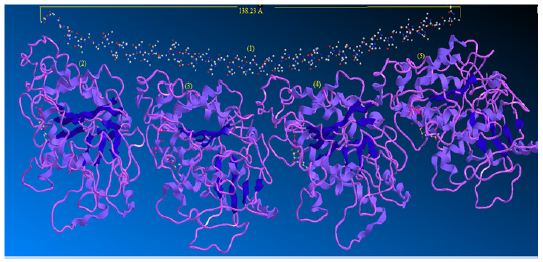
Journals on Pediatrics

Biomarkers and the Future of Pediatric Gastroenterology

Abstract

Biomarker discovery in the field of pediatric gastroenterology is necessary so that clinicians can use objective, non-invasive ways to screen for a disease in its preclinical stage, measure disease severity or monitor response to a particular treatment. The utilization of high-throughput analyses, such as with proteomics and metabolomics, allows researchers to quickly investigate numerous methodologies and generate large datasets, while only requiring small quantities of the biological specimen.

Keywords : Biomarker; Proteomics; Metabolomics; High Throughput

Abbreviations: CD: Crohn’s Disease; HC: Healthy Controls

Introduction

The term “biomarker” is used to describe any substance, structure or process that can be measured in the body or its products, and influence or predict the incidence of outcome or disease [1]. Be it carbohydrate, protein, lipid or gene (to name a few), biomarkers provide insight into disease detection, progression, and response to therapy [2]. The ideal biomarker is simple to collect, noninvasive for the patient, while also being specific, objective, precise, reliable and inexpensive to analyze. An example of a biomarker with excellent sensitivity and specificity is fecal calprotectin for children with inflammatory bowel disease. The neutrophil product, a secreted antimicrobial product, is increasingly being used as a non-invasive marker for active disease and relapse [3,4].

Emerging advances in technologies and methodologies have contributed to the increase in biomarker discovery research. Contrary to more classical research design where there is a specific molecule or pathway in mind, untargeted analyses are becoming more commonplace [5]. High-throughput techniques allow investigators to cast a wide net around potential biomarkers in the hopes of finding significant differences between the specific groups, followed by testing those candidate biomarkers on larger cohorts. Having this multistep qualification process is also more desirable because it circumvents the challenges associated with expensive tests and obtaining an adequate population size (Figure 1).

Figure 1 : The process of biomarker discovery using high-throughput technologies. Adapted from Koulman et al [5].

Pediatric Gastroenterology

Biomarker research is particularly important in pediatric gastroenterology. Bio-fluids like blood, saliva, urine and stool are generally more practical to obtain than tissue biopsies. Gastrointestinal endoscopy with biopsy in children usually requires anesthesia, increased risks and social challenges such as parents taking time off from work. While questionnaires are cost-effective, quick and usually readily available, their application is limited in pediatrics when patients are nonverbal or not developmentally able to communicate. Questionnaires and Likert scales also suffer from recall bias and results can be difficult to interpret. An attractivemethod for monitoring disease progression or treatment response is one that can be conveniently done in clinic or the patient’s home not require skill to collect and produces a specimen that remains biologically stable until submission for analysis.

Several notable articles have been published within the past decade with this end goal in mind.

i. Using urinary amino acid metabolomic profiling, Yan identified the urinary glutamine to glutamic acid ratio to be a promising biomarker in the discovery phase for distinguishing suspected pediatric chronic intestinal pseudo-obstruction from simple short bowel syndrome [6].

ii. In pediatric inflammatory bowel disease, detailed studies have shown an altered fecal microbial community, compared to healthy controls. However, with significant overlap with children without active disease [7]. These results lend credence, without absolute proof, to the concept of microbial participation in immune activation and contribution to pathogenesis of the disease. However, Ahmed et al recently examined potential differences between stools of patients with active Crohn’s disease (CD) and healthy controls (HC), using fecal metabolite analysis by micro-extraction, gas chromatography/mass spectrometry and analysis by partial least squares discriminate analysis [8]. Their results indicated that there was almost perfect separation of fecal metabolites between CD patients and HC, but there were also significant differences between CD patients with inactive and active disease. The most impacted metabolites in active CD were heptanal and 1-octen-3-ol (increased) and methanethiol (decreased). These results suggest that metabolomic profiling may help, not only in studying disease pathogenesis, but also in identifying remission versus exacerbation.

iii. Other examples of pediatric gastrointestinal diseases that may be better understood using metabolites as disease markers are infantile colic, with elevated urinary 5-hydroxy indole acetic acid (a serotonin metabolite) [9] and celiac disease, which is characterized metabolically by reduced serum citrulline, choline, creatinine, branch chain amino acids and lipids [10]. These markers appear to be abnormal even before onset of the disease.

iv. One study currently in the discovery phase is comparing plasma and urine metabolomics in children with eosinophilic esophagitisto children without the disease. This cohort of patients would benefit greatly from a reliable biomarker of disease activity as absence of symptoms does not always correlate with disease remission, and chronic esophageal eosinophilia may lead to an increased risk for esophageal tears, perforation, food impactions and strictures [11].

Conclusion

As scientific, statistical and computer technologies continue to advance, so will the future of biomarker research. Previous “understand then investigate” methods may be replaced by an “investigate then understand” approach. Not only will the pathogenesis of pediatric gastrointestinal diseases be better understood, but significant progress will also be made in drug development and patient outcomes.

For More Articles: Biomedical Journal Impact Factor : https://biomedres.us

Journals on Genetics

Cypriot Patients with Inflammatory Bowel Disease and Quality Of Life

Introduction

Go to

The Idiopathic Inflammatory Bowel Diseases (IBD) are nosological entities that are characterized by yearly recurrent immune activations and inflammation of the gastrointestinal tube. They are accompanied by relapses and remissions and are directly affecting the patients’ lives [1].

Investigating the factors that might affect the Quality of Life of IBD like any other chronic disease constitutes an extreme useful procedure as health systems of all developed countries have made a turn to higher standards of health care systems that corresponds to the needs and expectations of all health professionals [2]. Recognizing the parameters and characteristics of patients related to an unfavorable or better quality of life, creates the necessary conditions that can allow to design properly the provided health care system [3].

Materials and Methods

Go to

The current study constitutes of a population sample of 100 patients suffering from Inflammation Bowel Diseases being Ulcerative Colitis 60% and Crohn’s disease 40%. All of them being examined at the Endoscopic Unit of district hospitals in Cyprus. For evaluating their quality of Life a partial differentiation of the Greek translation of Short Inflammatory Bowel Disease Questionnaire (SIBDQ) [4], was used. Questionnaires were handed out to patients in personal by the researcher. For the statistic analysis of the research data was used regtration and the statistical software program IBM SPSS Statistics v.20 was used with a minimum level of statistical significance of p≤0.05.

Results

Go to

Table 1 presents Quality of Life as a dependent variable related to the independent variables that are the demographic characteristics and the general characteristics of IBD patients. The statistical analysis shows that gender (p value=0.32), age (p value=0.21), education (p value=0.14), family status of single persons (p value=0.32), divorced (p value=0.54), smoking (p value=0.91) and in relation with the fact if patients underwent a surgery or not (p value=0.72), have no statistic significant difference leading to the conclusion that do not play any important role in the Quality of Life of these patients. Statistical important difference was recorded , with the score of Quality of Life being increased in Ulcerative Colitis in relation to Crohn’s disease (p value=0.032), in less duration of the disease (p value=0.0031) and in patients that stated themselves as self-employed (p value=0.011) in relation with other professions.

Discussion

Go to

Regarding the results of the current study, that the score of Quality of Life increases for patients with Ulcerative Colitis, consequently Quality of Life in patients with Crohn’s is poorer, might be due to the more severe symptomatology and the more severe complications of Crohn’s disease thus consequently the larger usage of the health system of these patients in relation to those who suffer from Ulcerative Colitis. In the results of the current study it’s also important to note that the score of Quality of Life increases for those of who have had a shorter duration of the disease. This result could be interpreted by the evolution of the disease, the fact of noncompliance of medication/treatment but also the inefficiency of medication. Other reasons that may be a factor leading to this result is that with the passing of time patient’s worries are increased as they are related to uncertainty about the development of their disease, the effects of medication, their energy level, the possibility surgery they might need and as a result perhaps the need of orifice and bag, the fact that they might be a burden for others, loss of bowel control, pain, suffering as well as the possibility of getting cancer. Another research finding in this study it was that the score of Quality of Life in patients with IBD it’s different in the sector of work, with statistical difference and increased Quality of Life of those who are self employed in relation to the rest who work in the public and private sector as those to those who are unemployed. These findings are possibly related with a research taken place in Greece in 1181 patients with IBD by Viazis et al. [5] where results in the field productivity influence pointed out that problems related with the symptoms of IBD found to intervene in the ability of work at 40% of patients of this study with more than half 57% taking a sick leave due to the problems related with their disease or due to the time they have to spend at health care units. Lastly 32% of patients never informed their employers or their colleagues regarding their disease either because they believed it’s a private matter or either from fear of probable negative consequences. It is also possible that the relation of these diseases advocate with negative prejudices along with the feeling of being stigmatized [6]. Maybe all reasons mentioned above contribute to the fact that self-employed patients with IBD have an increased quality of Life in relation to patients that work in other sectors. The independence that the occupation provides to patients probably leads to this increase in their Quality of Life

For More Articles: Biomedical Journal Impact Factor : https://biomedres.us

Journals on Surgery

High Risk Pregnancy

High risk pregnancy assessment: A need for today

Women form the centre of the family and their health is of prime importance to the wellbeing of the whole family .Women’s health is of cardinal importance to the health of the society. In the last decade, considerable attention has been paid to the health of women in their reproductive age by the health care providers and public health experts. The slogans like “Pregnancy is Special, Let’s keep it safe” have widely been perpetuated throughout the world. The United Nations Population Fund (UNFPA) estimated that 2,89,000 women died of pregnancy or child birth related causes in 2013.High risk pregnancy causes almost 20% of the total burden of disease for women in developing countries. In India pregnancy related deaths of women have declined over the years. The number of maternal deaths per year has come down from approximately 1,00,000 deaths (1991-01) to 44,000 deaths in 2011-13.

Though more than 50% of reduction has registered in the approximate number of maternal deaths in the last two decades, the present status shows that even now, 120, women die of causes associated with pregnancy, in a day, in India. The life time risk , defined as the probability that one woman of reproductive age (15- 49) will die due to child birth or puerperium (6 weeks after delivery) assuming that chance of death is uniformly distributed across the entire reproductive span is 0.4% in India. MDG 5 stipulates that the MMR level be reduced by3/4th between 1990 and 2015. In 1990 the estimated MMR was 437 per 1,00,000 live births. As per the latest Office of Registrar General of India (ORGI) estimates the MMR status is still 167 in 2011-13, it’s a slow moving indicator.

Women die from a wide range of complications in pregnancy, child birth or the postpartum period. Many of these complications develop because of their pregnant status and some because pregnancy aggravated an existing disease. The four major killers are: Hemorrhage (27.1%), Hypertension (14%), Sepsis (10.7%), and Obstructed labor. Complications after unsafe abortion cause 13% of all maternal deaths. Globally about 80% of maternal deaths are due to these causes. Among the indirect causes (20%) of maternal death are diseases that complicate pregnancy or are aggravated by pregnancy, such as anemia, HIV. Maternal and New born health are closely linked. It was estimated that approximately 2.7 million new born babies died in 2015 and an addition 2.6 million are still born. A study revealed that India and other developing countries, has a very high perinatal mortality, with a high illiteracy, teeming population and lack of facilities and resources. 70-80% of perinatal mortality in developing countries including India is accounted for by the mothers falling in the high risk category. This needs for early identification of high risk mothers so that they receive timely and appropriate care.

Well-structured clinical vignettes are used in association with multi-media such as anatomy models, videos, macroscopic museum specimens, laboratory reports and histopathology images to assess learner’s clinical reasoning skills. The IPA requires integration of knowledge and understanding of the disease process which can test the learner’s three dimensional observational skills of pathology [6], to which the students are exposed during their face-to-face pathology teachings. Answering questions related to the gross specimens allows for integration of basic sciences with clinical sciences which aids in clinico-pathological correlation skill useful in clinical practice.

Identification of High Risk Pregnancy

Certain events occurring during the prenatal and intrapartum period can adversely influence the outcome of the infant during postnatal life. This emphasizes the importance of developing technique for identifying the high risk pregnancy. If during prenatal period expectant mothers are screened for their risk factors and grouped and followed up with extra care for those at risk, there will be an impact on the outcome of pregnancy as the high risk pregnancies need specialized investigations and intensive management for the better outcome of mother and the baby. Although identifying risk factors in expectant mothers and special care for them gives health care givers time to anticipate and tackle any adverse situation in time resulting in better neonatal outcome. Yet the adverse neonatal outcome, status of newborn as assessed by APGAR score may be unfavorable even in case of mothers not having any risk factor. It does make sense to use a simple risk assessment scoring system t o identify at risk mothers which will help the health care givers to pull in existing means and resources to care more for those in need especially where facilities hardly exist. There were various scoring system tried by different authors trying to relate risk factors present in mothers and their link with the neonatal outcomes.

In 1965, Nesbitt developed Maternal and Child Health Care (MCHC) index based on scoring system whereby disadvantageous clinical features grouped in 10 major categories were given penalty points. In 1969, Nesbitt regrouped abnormal conditions into eight categories. The degree of risk was expressed as a numerical value resulting from the sum of all such penalties subtracted from a perfect score of 100.the patient scoring 70 or less was identified as at risk. The parameters taken were maternal age, parity, past obstetric history, obstetric disorders and nutrition, emotional and socioeconomic survey. In 1969, Aubry, R and Nesbitt R. et al devised a scoring system to objectively evaluate these and other factors such as socioeconomic status, psychological adjustment, age and marital status.Nesbitt and Aubry have developed a semi objective scoring system that assigns a relative score of 0, 5, 10, 15, 20, 30 to a number of risk factors. The total score is the result of subtracting the weighted risk of each identified factor from a perfect score of 100. A score of less than 70 indicates considerable risk. Risk factors with a value of 30 or more points are listed below:

Abortions (three or more)

Fetal death (two or more)

Neonatal death (two or more)

Syphilis at term

Diabetes (all)

Hypertension (severe chronic)

Hypertension (nephritis)

Heart disease (class III, IV)

Adrenal, pituitary, thyroid disorder

Rh sensitization

Severe obesity

Prior cesarean section

Submucous fibroid

Contracted pelvic plane

In 1973, Hobel, CJ et al investigated a high- risk pregnancy screening system based on prenatal and intrapartum factors. Factors were assigned weighed values according to their assumed risks. He included antepartum factors, intrapartum factors, neonatal factors. Total score of prenatal, intrapartum and neonatal period were dichotomized to simply scoring system and less than 10 score was placed in low risk and more than 10 in high risk categories respectively. The relationship between perinatal risk and neonatal risk status was calculated, increasing perinatal risk scores were positively correlated with higher neonatal risk scores.

Pregnancy Risk Assessment: (Tables 1-5).

Table 1 :

Table 2 :

Table 3 :

Table 4 :

Table 5 :

In 1977, Coopland A et al described evaluation of a simple antenatal high risk assessment form. Its ability to assist in high risk selection was measured by applying it retrospectively to antenatal factor of patients. The total risk scores were analyzed in respect to perinatal outcome. As the risk factor increased, the percentage of favorable Apgar ratings decreased. Perinatal mortality increased as risk score increased as did the percentage of neonates requiring special care (Figure 1).

Figure 1 : Coopland’s High risk evaluation form.

In 1979, Edward evaluated the effectiveness of a simple antepartum risk scoring system, it incorporated demographic, obstetrics, miscellaneous and medical factors, score ranging from 1-10 points for different risk factor. Risk scores obtained for each patient at the first prenatal were updated at 38 weeks of gestation and finally on admission to hospital for labor and delivery. The final risk scores, fetal and neonatal mortality and morbidity were recorded, the data were analyzed to determine the sensitivity, and specificity of the scoring system. Dutta & Das in 1990 devised a prenatal scoring system which itself was a modification of the high risk scoring system as proposed by Coopland in 1977. According to Dutta & Das scoring system patients were classified into three groups: Low risk (1-2), Moderate Risk (3-5) and High risk (6 or above).

Figure 2 : Modified high risk pregnancy scoring rate.

Prenatal Scoring Schedule (Dutta and Das): (Table 6)

In 2017 Bhavna Anand et al proposed a new scoring system which is a modification of Coopland et al (1977) and elaborated it further to include various other factors which may have an implication on a woman’s obstetrical outcome. Those who fulfilled the required criteria were grouped in three categories; low risk (Group A ) with numerical risk score 0-3, high risk (Group B) with score 4-6 and extremely high risk (Group C) with score ≥ 7.Patients were then followed till delivery and various maternal and neonatal outcomes were compared between all groups (Figure 2).

Table 6 :

High Risk Pregnancy Scoring : A Good Educational Tool

Haws et al (2009) has reviewed the studies done on impact of pregnancy high risk screening on still births and perinatal mortality and described 10 similar studies done worldwide under different settings with good sensitivity. Perinatal outcomes like preterm births, perinatal mortality, birth asphyxia and low APGAR scores were studied and most of the studies had good sensitivity and correlation of perinatal outcomes in high and extremely high risk patients (Figure 3).

Coopland et al too found that pregnancy with low risk scores were associated with perinatal mortality rates (per 1000 live births) of 4,8 and 6.With an increase in score to between 3 and 6 the perinatal mortality increased to 41.0 ; and with a risk score of 7 or more the rate was 112.0. Samiya et al also found increased risk of low birth weight babies, risk of prematurity and low APGAR scores by using a risk scoring system devised by Dutta & Das. None of these studies have compared maternal outcomes between the groups, the study done by Bhawna Anand et al have found significant correlation between obstetric hemorrhage requiring blood transfusion and hospital stay in extremely high risk groups as compared to low risk groups (Figure 4).

Conclusion

High risk pregnancy evaluation provides an opportunity to an obstetrician to identify high risk conditions at the earliest and provide optimal management for optimal maternal and perinatal outcomes. It also provides a close insight of the effect of high risk pregnancy on the perinatal outcomes. Pregnant women require careful follow up for presence of associated maternal and obstetrical high risk factors like gestational diabetes mellitus, preterm delivery and neonatal complication like low APGAR score and prolonged NICU admission; to have optimal outcome. With the rapid advancement of natural history of many new diseases and technology, high risk pregnancy scoring system is the need of today. Timely appropriate care for those who needs most had definite impact on maternal and neonatal outcomes.

Figure 3 : Impact of pregnancy risk screening on stillbirth and perinatal mortality.

Figure 4 : Maternal Outcomes.

For More Articles: Biomedical Journal Impact Factor : https://biomedres.us