Journals on Chemistry

New Insight in Human Lactonase PON2

Mini Review

It is well established that oxidative stress from mitochondria plays an important role in apoptosis and also leads to premature aging and cancer [1]. There is growing scientific consensus that proteins with antioxidative functions, such as paraoxonases, can lower the incidence of these diseases. The paraoxonase (PON) gene family consists of three members: PON1, PON2, and PON3. PON genes are located in a gene cluster on chromosome 7q21.3-22.1 in human [2] and show about 70% sequence identity among them [3]. PON2 is a calcium-dependent glycoprotein of about 44 kDa, expressed ubiquitously, and associated with plasma membrane fractions. Recently, it has been demonstrated that PON2 is a type II Tran membrane protein, with its N-terminal region identified as a single Transmembrane domain, whereas the catalytic domain, corresponds to the C-terminus, located extracellularly to counteract lipid per oxidation [4].

PON2 has two main activities: a calcium-dependent hydrolytic activity, involved mainly in the hydrolysis of lactones, esters and aryl esters [2] and a redox function, which reduces the levels of ROS (reactive oxygen species) thus curbing cell oxidative stress and therefore displaying an anti-apoptotic effect. No clues are available about the molecular basis of this anti-ROS activity except the demonstration that PON2 can bind ubiquinone (coenzyme Q10) with high affinity only in the presence of Ca2+ [5]. In doing so coenzyme Q10 is substracted from interaction with O2 and production of ROS.

Unlike PON1 and PON3, PON2 is an intracellular protein, expressed in a wide range of cell types, including pancreatic beta cells. Importantly, polymorphisms in the PON2 protein (S311C and A148G) have been associated by several studies with diabetes and its complications. Although a genetic association between PON2 and these conditions has been shown, the exact function of PON2 in humans is not known. It has been shown that all of the PONs can inactivate the lactone 3-Oxo-C12-HSL [2,6-8]. Among PONs, PON2 has the greatest lactonase activity against the bacterial quorumsensing (QS) molecules [2,9]. QS Is an interbacterial mode of communication accomplished through the coordinated production, secretion, and detection of chemical signals (QS signals) that trigger the expression of specific bacterial genes. The QS signals self-produced by P. aeruginosa are in the form of small molecules, termed acyl- homoserine lactones (acyl-HSLs) [10] among which 3-Oxo-C12-HSL is the master regulator [11]. It has been demonstrated that PON2 responds to the bacterial quorormone 3-Oxo-C12-acyl homoserine lactone by a rapid decrease of the lactonase activity via a putative post-translational modification (PTM) [12]. Therefore, Pseudomonas produced 3-Oxo-C12-HSL, organizes from one side the coordinated attack of bacterial cells against human tissues and on the other curbs the human defences by blocking PON2 activity, which is thought to represent the first line of defense against infections [9].

PON2 being located on cell surface [4] can rapidly clear out the 3-Oxo-C12-HSL accumulating outside the cell and passing through the membrane. The increase in the concentration of the quorormone activates, at a certain threshold, the production of virulence factors and the formation of a biofilm [11]. It also diffuses inside the cells or binds specific receptors thereby activating processes that are different in different cell types [13]. Relevant is the effect on NFkB signaling through which 3-Oxo-C12-HSL attenuates the innate immune system to establish and maintain local persistent infection in humans, for example, in cystic fibrosis patients [14].

Recently we discovered a new PTM of PON2 induced by 3-Oxo-C12-HSL [15] namely the ubiquitination of Lys 144 (168 in the paper) that may be of physiological importance because it decreases the PON2 activity. Moreover we have shown that PON2 is able to interfere efficiently with the formation of the biofilm in vitro [15]. These experiments were conducted by expressing an engineered version of PON2 in E. coli and renaturing it from inclusion bodies. We also suggested in this way that glycosylation of PON2 is not important for activity but likely for stability. Teiber [16] reported that phosphorylation of Ser36 is necessary for activity. This is in contrast with our data: our rPON2 made in E. coli is active and devoid of phosphorylation also because the deletion at the N-terminus includes Ser36. In any case 3-Oxo-C12-HSL does not seem to act via this phosphorylation site [16].

In previously published large scale mass experiments Tyr346 has been found phosphorylated [17]. Mutants at that position maintain activity and are still inactivated by 3-Oxo-C12-HSL [16]. In our effort to clarify the role of PON2 we are focusing also on expression regulation. In a follows up of our previous work [18] we identified in the 3’UTRs of some MHCII genes a quite well conserved sequence, already suggested in a recent paper as a putative regulative signal [19]. The sequence was shared by a cluster of a limited group of genes. In the same database we looked for the presence of signals downstream of the PON2 gene. There was just one occurrence for PON2. The identified sequence was a 12mer: TTTCCTTAAAAT identifying a cluster of 21 genes. This sequence does not overlap with any MREs. The interesting aspect of this finding is that most of these genes are functionally related (based on information at http://www.genecards.org) and involved in apoptosis, proteosomal degradation (ubiquitinylation) and DNA repair (Table 1). We are currently analysing the involvement of these genes in regulation and physiology of PON2.

Table 1:

For More Articles: Biomedical Journal Impact Factor : https://biomedres.us

Journals on Traditional Medicine

Mineral Contents of Selected Medicinal and Stimulating Plants in Ethiopia

Medicinal Plants

Thyme

Thyme is cultivated in almost every country, as an aromatic for culinary uses. The two species, Thymus schimperi Ronniger and Thymus serrulatus Hochst. ex Benth are endemic to the Ethiopian highlands growing on edges of roads, in open grassland, on bare rocks and on slopes, between 2,200-4,000 m altitudes. Both species are perennial herbs, woody at the base and 5-40 cm high. The volatile oil from thyme was found to contain p-cymene, γ-terpine, carvacrol, rosmarinic acid, eugenol, and thymol [1]. The volatile oil not only has carminative action, but also antiseptic, antimicrobial and antifungal activities [2]. In the Ethiopian traditional medicine the plant has many medicinal applications. Some of the reported applications are for the treatment of gonorrhea, cough, inflammation, spasm, thrombosis, urinary retention, mental illness, eye disease, toothache, stomach problems, leprosy, lung TB, acne, and ascaris [3].

The fresh or dried leaves of both species are used locally as condiments in the preparation of chili powder, stew, bread and tea. The contents of some selected metals Ca, Mg, Fe, Mn, Co, Cu, Zn, Ni, and Cd in different thyme leaf samples widely consumed in Ethiopia were determined by flame atomic absorption spectrometry. The level of the minerals in the four samples ranged from 1,239-2,517, Ca; 1,524-1,786, Mg; 728-2,517, Fe; 37.7-114, Mn; 2.59-4.3, Co; 7.69-9.3, Cu; 8.7-52, Zn; and 9.83-14.2 μg/g, Ni; respectively. While the level of toxic metal Cd in the four samples ranged from 0.87- 1.3 μg/g. The concentration of Ca was higher than the other metals in the three samples and Cd was the least of all the metals in the analyzed samples [4].

Gesho

(Rhamnus prinoides) (Amharic, Gesho) is a wide spread plant species in Ethiopia and other east and south African countries. R. prinoides has been used for bitterness in the traditional brewing process in East Africa. R. prinoides has potential use as a commercial hopping agent in the beer industry. An extract of leaves and stems of this plant (a naphthalene glycoside, Geshoidin) is responsible for bitterness in local alcoholic beverages [5]. In Ethiopia, the leaves and stems of this plant are used to impart the characteristic bitter flavor to domestically brewed beverages such as Tella, Tej [6]. R. prinoides has also several traditional medicinal uses in Africa. A decoction of the root is taken as a blood purifier, to treat pneumonia, gonorrhea, rheumatism, stomach-ache, flu/ cold, back pain, brucellosis, strength/nutrient supplement, and enhancing digestion [7]. The boiled soup of the root is used for the treatment of common cold, leaves are used for chest pain and leaves/stems are used for the treatment of tonsil in central Kenya [7].

Extract of R. prinoides is used for the inhibition of Alzheimer’s disease. Extract of the leaf and root bark of R. prinoides has been also used for malaria treatment either alone or in combination with chloroquine in Kenya. The levels of essential metals (Ca, Mg, Cr, Mn, Fe, Co, Ni, Cu and Zn) and toxic metals (Cd and Pb) in the leaves and stems of Rhamnus prinoides (Gesho) cultivated in Ethiopia were determined by flame atomic absorption spectrometry. The levels (mg/kg) of the metals were found to be: Ca (6304-22236), Mg (3202-5706), Cr (5.08-20.6), Mn (8.12-17.9), Fe (47.9-187), Co (22.2-42.1), Ni (12.8-27.3), Cu (6.5-73.0), Zn (12.2-43), Cd (0.81- 3.10), and Pb (17.7-25.0) in the leaf samples and Ca (3601-5675), Mg (2635-5528), Cr (ND-16.3), Mn (2.16-3.98), Fe (22.0-124), Co (18.7-91.7), Ni (9.68-19.2), Cu (16.8-233), Zn (17.4-28.2), and Cd (ND-1.56) in the stem samples. The study showed that the leaf and stem of (R. prinoides) (Gesho) are good sources of essential minerals and virtually free from toxic metal Cd but not from Pb in the leaf [8].

Linseed

Linseed (Linum usitatissimum) stands fourth after mustard, sesame and groundnut in edible oil production of the world. Linseed has been a traditional crop in Ethiopia. Ethiopia is the 5th major producer of linseed in the world after Canada, China, United States and India [9]. Linseed is a multi-purpose crop. Its’ seeds containing about 36-40% of oil, have long been used in human and animal diets and in industry as a source of oil and as a basic component or additive of various paints or polymers. Recently, there has been a growing interest in the probiotic properties of flax and in its beneficial effects on coronary heart disease, some kinds of cancer and neurological and hormonal disorders [10]. The beneficial effects are mostly due to flax lipids. Flax oil is the richest plant source of linoleic (omega-6) and linolenic (omega-3) polyunsaturated fatty acids, which are essential for humans since they cannot be synthesized in the organism and must be ingested in food [11].

Scientific research over the past decade all over the world is indicating health benefits of omega-3 type oils, lignin and other soluble fiber present in the flax seed/linseed. Some of the medicinal uses of linseed oil are: flax seed oil mixed with an equal quantity of limewater, is an excellent applicant for burns and scolds, rectal injection has been recommended for piles, freshly extracted oil is used as a laxative, linseed oil is a vehicle for irritant drugs, linseed tea is used as a demulcent in cough especially those forms due to irritation of pharynx and upper part of respiratory passage. It is also used as a demulcent drink in intestinal or urinary catarrhs), for the preparation of cough syrup mucilage of linseed is used, crushed linseed is used in the form of poultice to apply warmth and moisture locally for the relief of superficial or deep rooted inflammation. The poultice may be sprinkled with boric acid previous to application.

The poultice mass is enclosed in muslin, the surface of poultice may be smeared with oil to keep it adhering to skin), linseed/flax seed and its oil have anti-inflammatory action the treatment of arthritis, feeding linseed and its oil may be indicated in hyperlipidemia to decrease platelet aggregation and also to reduce and control atherosclerosis, thrombosis and myocardial infarction by reducing cholesterol and low density lipids. The levels of essential and non-essential metals in linseed samples collected from five different sites (Bale, East Gojam, Shoa, South Wello and Tigray) in Ethiopia were determined by flame atomic absorption spectrometry. The levels (mg kg-1) of metals determined were in the ranges Na (242-614), K (6,494-6,755), Mg (2,679-3,118), Ca (540-744), Cr (13-30), Mn (17-28), Fe (198-242), Co (23-42), Ni (12-16), Cu (25-45), Zn (29-40), and Pb (12-32). Cd was not detected. K and Fe were with the highest concentration from major and trace metals, respectively. The study indicated that Ethiopian linseed is a good source of essential metals and free from the toxic metal Cd but not from Pb [12].

Croton

Ethiopia has a long history of traditional medicine and has developed ways to combat disease through it. In Ethiopia up to 80% of the population uses traditional medicine due to the cultural acceptability of healers and local pharmacopeias, the relatively low cost of traditional medicine and difficult access to modern health facilities [13]. Of the many medicinal plants in Ethiopia, Croton macrostachyus is the most common. Croton macrostachyus Hochst. ex Del. is commonly known as rush foil or broad-leaved Croton. It is native to Eritrea, Ethiopia, Kenya, Tanzania, Uganda and Nigeria. As C. macrostachyus is available almost in all parts of Ethiopia, people are using it as a medicine for treatment of snakebite, malaria, headache, internal worms, rabies, gonorrhea, ascarasis, sexually transmitted diseases and tinea versicolor for human being in which the traditional medician ordered the patients to take unlimited dosage of the plants part like to take two, three or even more glasses of medicinal plant extract orally.

The plant is also used for fever and wounds of domestic animals [14]. The leaves of Croton macrostachyus have medicinal value including cold leaf decoction is drunk or ashes taken orally as treatment for cough; juice from fresh leaves is applied on wounds to hasten clotting. The levels of essential metals (Ca, Mg, Fe, Mn, Zn, Cu, Co, Cr, Ni) and toxic metals (Cd, Pb) were determined in the leaves of Croton macrostachyus (traditional medicinal plant) collected from four different regions of Ethiopia (Akaki, Abomsa, Bonga and Dilla) and also in the infusions of leaves collected from Akaki using flame atomic absorption spectrometry. The mean concentration ranges (μg/g) were Ca (5,823-12,040), Mg (1,971-4,961), Fe (192-581), Mn (157-1,770), Zn (19.5-60.5), Cu (6.31-18.6), Co (1.97-3.45), Cr (2.13-8.75), Ni (2.15-3.80), Cd (0.75-1.08) and Pb (1.05-2.19) in the leave powders and Ca (716-1,776), Mg (16.7-80.9), Fe (1.39-3.34), Mn (2.17-3.40), Zn (0.674-7.88), Cu (1.94-2.31), Co (0.157-0.224), Cr (0.144-1.23), Ni (0.203-0.267), Cd (0.05-0.098) and Pb (0.0148- 0.185) in the infusion samples. Among the quantified metals in the infusion samples, Ca showed the highest leaching rate (61.5%) in the 24 h infusion while Fe exhibit the lowest (1%) leaching rate in the 3 h infusion [15].

Fenugreek

Trigonella foenum-graecum (fenugreek) is native to Ethiopia and to the area from the Eastern Mediterranean to Central Asia, and is widely cultivated in Pakistan, India and China [16]. Fenugreek seeds contain about 50% fiber and also contain protein, saponins and the hypoglycemic phytochemicals coumarin, fenugreekine, nicotinic acid, phytic acid, scopoletin and trigonelline and 4-hydroxyisoleucine. Fenugreek seeds have high contents of iron, calcium, zinc, lysins and β-carotene and are a rich source of flavonoid compounds such as quercetin, luteolin, kaempferol, tricin and gallic acid [17]. Fenugreek leaves and seeds are consumed in different countries around the world for different purposes, such as medicinal uses (anti-diabetic, lowering the blood sugar and cholesterol levels, anti-cancer, anti-microbial, against breast cancer, avoiding blood poisoning from wounds, making food (stew with rice in Iran, flavoring cheese in Switzerland, syrup and bitter rum in Germany, mixed seed powder with flour for making flat bread in Egypt, curries, dyes, young seedlings for eating as a vegetable), roasted grain as a coffee-substitute (in Africa), controlling insects in grain storages and perfume industries.

The seeds of this ancient herb have been used as both a spice and a herbal remedy in the Middle East, India, and Egypt and later on in Europe, China and other parts of the world [18]. Fenugreek seeds have been reported for their pharmaceutical properties in treating such human diseases as diabetes and hypercholesterolemia [18]. In Ethiopia fenugreek is cultivated between altitudes of 1600 and 2300 m above sea level all over the country and is used in preparing “Hilbet”, a delicious, traditional, soft white food in the Tigray regional state. It is also used to make tea, “Enjera”, flat bread mostly made of “tef” flour, as a spice in milk and in traditional medicine. The levels of the major (Ca, K, Na, Mg), trace (Fe, Cr, Ni, Zn, Mn, Cu, Co), and toxic (Pb, Cd) metals in the seeds of fenugreek cultivated in different regions of Ethiopia were determined by flame atomic absorption spectrophotometry. Thirteen elements were determined, obtaining concentrations (mg kg-1) in the following ranges: Ca (15353-36771) > Fe (6041-18584) ≈ K (6789-11517) > Pb (615-2624) > Na (201-1559) > Cd (285-464) > Cr (3-552) > Ni (31-108) > Mg (31-102) > Zn (15-33) > Mn (16-28) > Cu (ND- 35) > Co (4-15). The study showed that fenugreek seeds were a good source of essential metals. However, they also contained large amounts of the toxic metals Cd and Pb and therefore should not be consumed daily [19].

Stimulating Plants

Khat

Khat (Catha edulis Forsk) is an evergreen shrub or tree found growing wild or cultivated in the east of a region extending from Southern Africa to the Arabian Peninsula more specifically in Yemen, Ethiopia, Kenya, Madagascar, Somalia, Tanzania, and others as well. The most favored part of the plant is its leaves, particularly the young shoots near the top of the plant. However, leaves and stems at the middle and lower sections are also used. Khat is chewed for its stimulating property. This is due to the presence of the phenylalkylamines in the plant [20]. There is an ever-growing demand of khat in Ethiopia both for domestic consumption and for the export market. Most of the exported khat is grown in the eastern part of the country and mainly exported to the neighboring and the Middle East countries, and in recent years, the market for khat has grown to Europe and America [21].

Report indicates that over 20 million people in the Arabian Peninsula and East Africa chewed this plant daily [20]. Khat use is widespread and cultivated in most parts of Ethiopia, where its use is socially sanctioned and even prestigious [22]. In Ethiopia, the plant is marked under different names: Awadai, Kuto, Gelemso, Gurage, Wendo, Sebeta, Bahir Dar, Liyu, Chengie, Berdaye, Anferara, Colombia, etc. Of these, only some of them are commonly available in the capital city, Addis Ababa, and exported to the neighboring countries while the remaining is chewed by the local people around. The levels of essential (Ca, Mg, Mn, Fe, Zn, Cr, Cu, and Co) and nonessential (Cd and Pb) metal in six different varieties of Ethiopian khat chewing leaves were determined by flame atomic absorption spectrometry. The concentrations ranges in fresh-weight basis were recorded in decreasing order: Ca (1,038-2,173 μg/g) > Mg (478.2-812.3 μg/g) > Fe (53.95-82.83 μg/g) > Zn (5.18-9.40 μg/g) > Mn (6.98-8.66 μg/g) > Cu (1.85-5.53 μg/g) > Cr (0.66-3.47 μg/g) > Co (0.41-0.80 μg/g). A wide variation in the mineral contents of khat from different region of Ethiopia was noticed. The toxic metals (Pb and Cd) were not detected in all the samples analyzed [23].

Cannabis

Cannabis (Cannabis sativa L.) is an annual herbaceous plant. It is a dioecious plant. In many countries, cannabis is cultivated as a narcotic substance or a source of narcotic substances like hashish and hashish oil. Now a day’s cannabis is cultivated on the large areas with the mild and tropical climate for the cannabis oil and fiber [24]. The highest levels of cannabis production in the world take place in the African continent. The crude drug can be obtained from leaves, flowers, seeds and stem of cannabis. It can be smoked in cigarettes or pipes and can be snuffed or added to food [25]. Cannabis products are the most widely trafficked drugs worldwide. Practically all countries in the world are affected by cannabis trafficking [24].

A small amount of cannabis is produced in rural areas of Ethiopia, of which a small portion is exported, primarily to the neighboring countries; the majority is consumed at home, but absolute quantities in both cases are moderate. The chemical composition of cannabis varies with the type, age and part (flower, root, leaf, fiber, etc.) of cannabis plant as well as with the type of preparation. While Δ9-tetrahydrocannabinol is responsible for psychoactive properties of cannabis some of the other components modulate its activity. Cannabis sativa L. is known for millennia for its therapeutic properties and as a recreational psychoactive drug [26]. The levels of selected metals in leaves of Cannabis sativa L. cultivated in four different regions of Ethiopia were determined by flame atomic absorption spectrometry. The levels of metals determined (μg/g dry weight) were in the ranges Ca (657-1,511), Zn (321-380), Ni (124-172), Cu (122-176), Cd (3-10), Pb (8-10), and Cr (4-8). Zn was with the highest concentration among trace metals [27]. The results indicated that the content of Pb and Cd exceeded the permissible amount for medicinal plants which form the raw materials for the finished products set by World Health Organization (WHO) [27].

Tobacco

Tobacco (Nicotiana tabacum L.) is a commercial plant. Tobacco is one of the basic agricultural products, in Ethiopia, with social and economic importance. Native tobacco (‘gaya’) has been used for snuffing, chewing and for pipe smoking in many places. Three main types of commercial tobacco are produced in Ethiopia: Virginia,Oriental and Burley. Virginia accounts for a little more than 74% of the total production, followed by Oriental, 22%, and Burley, 4% [28]. United Nations Office on Drugs and Crime report [29] reveals that in Ethiopia peoples commonly use khat, tobacco, and alcohol, which have a share of 48.2, 29.9 and 18.9%, respectively, of all type of drugs. This clearly shows that tobacco made significant contribution as a drug in Ethiopia. Tobacco leaves are used for cigarette production and chewing. It naturally accumulates and concentrates relatively high levels of heavy metals and particular cadmium in leaves [30].

Cadmium is a non-essential to both plant and human. It is highly toxic and gets accumulated by tobacco plants. Most heavy metals cause a significantly serious damage on human health [31]. One of the main sources of toxic metals in our environment is tobacco smoke. Cigarette smoking is a major source of intake of these toxic elements not only to the smoker but also, through passive smoking, to nonsmokers. The distribution and accumulation of metals in tobacco leaves are the reflection of the mineral composition of the soil and environment in which the tobacco plant grows. Therefore, the actual metals content of tobacco vary considerably according geographic origin, the use of fertilizers with different chemical compositions and other characterizing features such as water for irrigation [32].

The levels of heavy metals (Cd, Cr, Cu, Ni, Pb and Zn) were determined in the raw and processed Ethiopian Virginia tobacco leaves collected from two different regions (Billate and Shewa Robit) of Ethiopia and three processed tobacco samples collected from National Tobacco Enterprise, Addis Ababa, Ethiopia by flame atomic absorption spectrometry. The mean metals concentrations (in μg/g dry weight) in the raw Virginia tobacco leaves from Billate and Shewa Robit, respectively, were: Cu (4.38, 7.30), Zn (53.7, 33.2), Cd (1.20, 1.30), Cr (ND, 1.45), Ni (ND, 1.90). The mean metals concentrations (in μg/g dry weight) in the processed tobacco from Billate and Shewa Robit, respectively, were: Cu (9.80, 12.8), Ni (2.35, 2.20) Cd (1.45, 1.90), Cr (1.65, 1.75), Zn (101, 83.8). The mean metals concentrations (in μg/g dry weight) in the processed tobacco Nyala (Ethiopian cigarette leaves) were: Cu (8.95), Cd (1.55), Cr (1.62), Ni (4.70), Zn (79.3). The study showed that the metal contents of tobacco leaves varied with the geographical origin in which the tobacco plant grows. The metal contents of processed tobacco were higher than the corresponding raw leaves. Pb was not detected in both the raw and processed Ethiopian tobacco leaves [33].

Conclusion

The level of metals in Ethiopian thyme is a comparable result with other medicinal plants. The concentration of Fe in thyme is higher than the values reported by different authors in other medicinal plants. The concentration of potentially toxic metal (Cd) in thyme ranges from 0.87-1.3 μg/g. This concentration is above the WHO acceptable level (maximum 0.3 mg/kg). The leaf and stem of (R. prinoides) (Gesho), which are used in the preparation of traditional alcoholic beverages in Ethiopia, are good sources of essential minerals and virtually free from toxic metals. The levels of metals in R. prinoides are in good agreement with the most of reported values for all the studied metals except Mn and Fe which are lower in the leaves of (R. prinoides) than in the leaves of most other medicinal plants.

Ethiopian linseed accumulates relatively higher amounts of K and Pb among the essential and nonessential metals, respectively. The non-essential heavy metal, Cd, was not detected. The contents of minerals in Ethiopian linseed are within the daily recommended level and thus advisable as healthy food for treatment of different health complications. C. macrostachyus (an Ethiopian traditional medicinal plant) accumulated appreciable amounts of major and traces metals in its leaves. Ca and Mg were the most abundant nutrients followed by, Fe, Mn and Zn. All the metals enriched in the extract proportionally with extraction time but extent of leaching in the extract was significantly pronounced for the trace metals and the toxic metals (Cd and Pb) for prolonged period of infusion. Thus, beside its medicinal value, C. macrostachyus leaves can be good source of mineral nutrients.

Ethiopian fenugreek seeds are a good source of essential metals. However, they also contained large amounts of the toxic metals Cd and Pb and therefore should not be consumed daily. Prolonged accumulation of heavy metals ingested via foodstuffs may lead to chronic effects on the kidney and liver of humans and cause the disruption of numerous biochemical processes, leading to cardiovascular, nervous, and kidney and bone diseases.

Ethiopian khat varieties contains appropriate concentration of essential major, minor, and trace metals, and they could be source of dietary minerals and trace metals. The toxic heavy metals (Cd and Pb) were found to be too low to be detected by the available technique (FAAS) indicating that the widely chewable and commercially available Ethiopian khat are free from environmental pollution due to non-essential heavy metals. Ethiopian (Cannabissativa L) contains higher levels of essential metals Ca, Zn and Cu. But highly toxic metals like Pb and Cd were also detected in (Cannabissativa L) The content of both toxic metals are beyond permitted limits set by WHO. This will further lead to the harmful effect of (Cannabis sativa L). on human health. In general, the levels of metals in the Ethiopian cannabis are comparable to those reported in the literature from other countries.

The heavy metal component of Ethiopian tobacco is comparable with that of other countries’ tobacco. Pb was not detected in the Ethiopian tobacco leaves which make the Ethiopian tobacco free this toxic heavy metal. Cd concentration in Ethiopian tobacco was found to be comparable with industrialized countries and greater than that naturally available in the soil. The study also revealed that there is large difference between the heavy metal content of raw tobacco leaves and processed tobacco. This indicates that the metal contents that determined in cigarette are not only the content of raw tobacco leaves itself but also the metal originated from contamination of raw tobacco leaves during the process, starting from harvesting to cigarette manufacturing. The study also revealed the dependence of metal accumulation in tobacco leaves on the geographical origin in which tobacco plant grows.

For More Articles: Biomedical Journal Impact Factor : https://biomedres.us

Veterinary Journals

Application of Radioimmunoassay for Livestock Fertility Management

Introduction

Assessment of hormones in livestock is widely used to achieve the improvement of both production and reproduction. Conventional ways of (genetic) improvement of livestock are based on selection and crossbreeding programme. These programmes have proved to be very effective, but in general they are time consuming and expensive. Furthermore, heritability estimates are generally very low. For these reasons, much of the current research is directed towards the development of alternative methods of selection, which are based on the correlation between biochemical parameters such as hormones, enzymes, metabolites etc and economically important traits. Much of this type of research has initially been directed to the study of blood types and protein polymorphism in which markers are most likely linked to the action of a single gene or a few genes only. These marker genes may be coupled to other genes which are relevant to economically useful traits, and therefore can be used, in principle, as a basis for selection. Some hormones considered to be possible markers for production traits are thyroid hormones, growth hormone, insulin, prolactin, corticosteroids and androgens. The hormones used for markers of reproductive status are LH, testosterone, progesterone, estrogen, estrogen sulphate etc. An important step towards an improved understanding of reproductive physiology was the introduction of highly specific and sensitive radioimmunoassay technique in the early 1960s. Earlier bioassay methods of hormone estimation were not so much reliable and accurate. Radioimmunoassay (RIA) and other related techniques now a day’s allow measurement of hormones and other substances with a sensitivity up to the level of pico gram. Therefore RIA techniques become so popular over the others.

Monitoring of Fertility by Measurement of Hormones: Measurement of progesterone, estrogen, oestrone sulphate, pregnancy specific protein and pregnancy associated glycoprotein has found practical application as a method for improving reproduction in farm animals.

Expression of Estrus

Poor expression of estrus is one of the major factors hampering the efficient utilization of tropical cows and buffaloes. Estrus is traditionally observed by behavioral symptoms which, however is practically very difficult because the overt signs are of low intensity and of short duration. Occurrence of ovulation which is not preceded by overt behavioral estrus symptoms is quite common in tropical animals during stressful summer and non-stressful winter months. Progesterone serves as a marker for determination of functional status of corpus luteum and diagnostic tool for identifying ovarian condition such as estrus confirmation, differentiating types of cysts, silent estrus and lack of cyclicity in cattle and buffaloes. Estrogen is essential for expression of estrus whereas progesterone is required for preparation of uterus for implantation and maintenance of pregnancy. This is because progesterone levels are low around the time of ovulation and high during luteal phase of estrous cycle or during pregnancy and declined to basal level on the day of parturition. Mean plasma progesterone concentration declined from 1.14 ng/ml on day 4 prior to estrus to less than 0.4 ng/ml on the day of estrus and then rose to 2.73, 1.84 ng/ml on day 10 and 8 of the cycle in cattle and buffaloes, respectively [1-3] .

Mean progesterone level was lowest on the day of estrus and rose to a peak level during mid luteal phase of cycle which then declined to a basal level on the day of next estrus in cattle and buffaloes that exhibited overt and silent estrus, respectively [4,5]. The overall plasma progesterone levels in cattle and buffaloes that exhibited silent estrus were lower compared to those in overt estrus and might be responsible for poor expression of estrus. Estradiol levels are maximum on the day of estrus and declines gradually with a minimum concentration on day 12-14 of the cycle. In males, testosterone is responsible for sexual maturity and sperm production. In infertile animals or in case of oligospermic animal, testosterone levels remain low or undetectable. The economic benefit of progesterone based estrus confirmation has not been quantified. Since the proportion of cows not in or near estrus when inseminated varies among herds from 0 to 60% [6], a substancial benefit might be expected, especially on the farms with a high error rate for estrus detection. This benefit should result from reduction in calving interval and the number of inseminations per conception [7] demonstrated a strategy of on farm milk progesterone testing on day 19 after insemination, followed by prostaglandin treatment of non pregnant cows will be profitable, but only if the efficiency of detection of estrus among cows diagnosed non pregnant is increased by more than 20% and if the error rate in pregnancy is less than 3%. To achieve the latter, the cows which are non pregnant on the basis of on farm progesterone test should be checked again for pregnancy by other methods.

Diagnosis of Pregnancy

Early detection of pregnant and non-pregnant livestock has become a key to good breeding management because it is an essential factor for monitoring and controlling fertility. Many new and old technologies are available to identify pregnant and nonpregnant animals early post service. The methods of pregnancy diagnosis are divided into direct and indirect methods. The direct pregnancy diagnosis methods include – transrectal palpation and ultra sonography. Pregnancy diagnosis by rectal palpation have been reported during early pregnancy in cattle [8,9], buffalo [10], sheep [11] and pig [12]. Traditionally, to confirm pregnancy at about day 30 of gestation onwards, the practitioners have relied on the palpation of the amniotic vesicle and slipping of the chorioallantoic membranes between the thumb and forefinger. Palpation technique detects pregnancy with an accuracy of 66 to 100% from Days 49 to 109 of gestation, however it has low accuracy (17 to 57%) for determining multiple fetuses.

Transrectal ultrasonography has been used for pregnancy diagnosis in cattle [13], buffalo [10-14], sheep [8] and goat [14- 17]. Transrectal ultrasonography identifies the embryonic vesicle as early as Day 12 after mating but the sensitivity of this technique for pregnancy is very low (12%) earlier than 25 days after mating. Transrectal ultrasonography for pregnancy diagnosis offers some advantages over palpation per rectum: earlier diagnosis of pregnancy/non-pregnancy, determination of embryo/fetus viability, reduction of misdiagnosis and reduction of “potential” iatrogenic embryo/fetal attrition. The currently available indirect methods of pregnancy diagnosis include measurement of hormones such as progesterone [18-20], estrone sulphate [21,22] and pregnancy specific proteins such as pregnancy-associated glycoproteins [23,24] the early pregnancy factor [25] and interferon-tau [26,27]. Early pregnancy diagnosis will assist dairy producers in managing open cows and improving reproductive performance and economics of their herd.

Progesterone

Measurement of progesterone by RIA has been widely used for verifying whether cows are in estrus at the time of insemination or early diagnosis of pregnancy in cattle, buffaloes, goats and pigs. Progesterone levels elevate during the mid cycle of each reproductive cycle and during the entire gestation period. If the cow is not pregnant, the corpus luteum regresses and progesterone levels decline to low levels about 2 days before the cow comes into heat again. However, if the cow becomes pregnant, the corpus luteum continues to function and progesterone levels remain high throughout gestation. In pregnant cow, progesterone values in peripheral plasma increase with the development of corpus luteum up to conception (5-10 ng/ml) on days 15-20 after conception; these concentrations remain constant until shortly before parturition. Using progesterone assay pregnancy can be predicted between 68 to 95% and this test gives best accuracy after three weeks of pregnancy. Studies in the bovine estrous cycle indicate that the milk or serum progesterone concentrations reach a maximum value 13- 14 days after estrus, and if the animal is pregnant, these continue to remain elevated up to day 21 after fertilization [28] and beyond.

These high levels of progesterone in serum or milk between days 18 and 24 after insemination form the basis of establishment of pregnancy in cattle [29,30]. Since Laing and Heap 1971 first described the use of milk progesterone measurements as an early indicator of the reproductive status of the lactating dairy cow, there has been considerable research on the development of sensitive and reliable assays for progesterone in milk Shemesh et al. [30] proposed that the difference in peripheral plasma progesterone levels between pregnant and non-pregnant cows, 19 days after insemination, can form the basis for a very early pregnancy test. Laing and Heap 1971 first documented this in milk to diagnose cows in early pregnancy. Conception extends the life of the corpus luteum (CL) by preventing the luteolytic mechanism from being triggered, thus prolonging and maintaining its functional characteristics, ensuring continued high progesterone levels [31]. In buffalo cows, the progesterone levels in milk are four to five times higher than those in blood plasma [32,18]. Like cattle, buffaloes too can be accurately diagnosed as non-pregnant by determination of plasma progesterone concentrations 21 days after insemination [33] also reported that progesterone concentration in the milk of pregnant buffaloes was significantly higher than that in non-pregnant animals on Day 20 and the difference between the two increased with time after insemination. The detection of non-pregnant animals was 100% successful at all times but the diagnosis was correct for 66, 68, 81 and 83% of animals tested on Days 20, 24, 28 and 40 respectively and predicted as pregnant.

Shemesh[30] 18-22 day reported that plasma and milk progesterone concentrations in pregnant sheep 18 22 days after mating were similar, about 3.7 ng/ml whereas values in nonpregnant sheep were less than 1 ng/ml. The accuracy was 92- 100% for ewes diagnosed non-pregnant in the breeding season, but for ewes tested in the non-breeding season the diagnosis of non-pregnancy according to milk progesterone levels was only 50% accurate. Progesterone concentrations decrease sharply during regression of the corpus luteum (CL) in the non pregnant doe (one or two days prior to estrus) and return to higher levels within four days following estrus [34-36]. The pregnant doe has high progesterone concentrations during the same time period since the CL does not regress. Recently, Mondal, et al. [37] observed that plasma progesterone concentration declined from day 25 pre partum abruptly to the day of kidding and remained at basal level up to day 25 postpartum in Black Bengal goats.

Estrone Sulphate

Estrone sulphate is a conjugated estrogen that can be detected in maternal plasma, serum, milk and urine. It is produced by the feto maternal axis or the conceptus and its presence is indicator of pregnancy. Actually the viability of fetus is determined by measurement of estrone sulphate. It is detected at day 72 in plasma and between 105-112 days of gestation in milk of cows. Estrone sulphate test can reliably be used to diagnose the pregnancy beyond day 100 of gestation. This test can also be used to diagnose both singlet and multiple calf pregnancies after 110 days of pregnancies. Estrone sulphate test can reliably be used to diagnose the pregnancy beyond day 100 of gestation. This test can also be used to diagnose both singlet and multiple calf pregnancies after 110 days of pregnancies. Estrone sulphate in milk of cows rises from 30 pg/ml to 151 pg/ml in whey between days 41 and 60 of gestation to reach a maximum concentration of about 1000 pg/ml at days 220-240 of pregnancy [37]. Examination of the ranges of ES concentrations in milk sampled from non-pregnant and pregnant cows indicated that all non-pregnant cows and 46% of cows <120 days pregnant had milk ES concentrations <125 pg/ml. However, only 4% of cows ≥ 120 days pregnant had milk ES concentrations <125 pg/ml. The levels of estrone sulphate in different maternal body fluids, namely, milk and blood plasma, can be utilized as the criteria for confirming pregnancy by after 110 day insemination in bovine species [38].

In Murrah buffaloes the levels of of estrone sulphate were below detection levels (<50 pg/mL) during the first two months, followed by sharp increase in the fourth month and values stabilized after reaching the highest levels in the sixth month of pregnancy [39]. Hung and Prakash recorded a progressive increase in estrone sulfate concentrations in buffalo plasma after the 4th or 5th month of pregnancy. In an another study by Tsang [40], estrone sulphate was detectable around Day 70 of gestation with value ranging between 0.1 to 0.7 ng/ml, then its level increased steadily till 2 days before parturition when an upsurge was seen (15-50 ng/ml). On Day 85 of gestation, there was a significant difference in the level of estrone sulphate between pregnant and non-pregnant ewes. In goat, oestrone sulphate concentrations began to rise from about Day 40 and reached a plateau of about 19nmol/l by Day 120 [41]. This value was maintained until about 20 days pre partum when there was a slight decline in concentration, rising by 2-fold about 24 h before parturition. The accuracy for detection of non-pregnancy was only 44 % whilst for detection of pregnancy it was 87.9% using the cut-off value of 0.1ng/ml [42]. Estrone sulphate based on farm pregnancy diagnosis is also possible in foecal sample of pigs. The concentration of total unconjugated oestrogens and estrone are consistently higher between days 24 and 30 in pregnant sows compared to non pregnant sows [43].

Pregnancy Associated Glycoprotein (PAG)

Pregnancy-associated glycoproteins (PAG) belong to a large family of inactive aspartic proteinases expressed by the placenta of domestic ruminants including cows, ewes, and goats [44]. PAG are synthesized by the mono- and binucleate trophoblastic cells of placenta and some of them are secreted in maternal blood from the moment when the conceptus becomes more closely attached to the uterine wall and formation of placentomes begins [45]. Among these glycoproteins, Butler, et al. [46] detected two pregnancy-specific proteins in the sera of pregnant cows – 65-70kDa and a 47-53kDa protein. Of these, the former showed an immune reaction similar to that of a 1-fetoprotein, while the latter showed no reactivity with known proteins and it was given the name “protein B” or the “pregnancy-specific protein B” (PSPB) in bovines. Pregnancyspecific protein-B (PSPB) was the first pregnancy-specific marker identified in cattle [46] and was later found to have the same N-terminal amino acid sequence as bovine PAG-1. The PAG family were isolated from cotyledons of cow [47-49], ewe [47,50], goat [51] and buffalo [52].

Development of specific RIA and EIA for the presence of pregnancy associated proteins of feto-placental origin in the maternal serum 3-4 wks after conception has been used as a serological marker for pregnancy diagnosis in cattle [53], sheep and goats [54]. During gestation of cow, the concentrations of PAG are detectable as early as from the 19th to 22nd days after the conception, to reach concentrations from 3 to 6 ng/ml in the neighborhoods of the 33rd to 37th days of gestation [55,56] reported that PAG concentrations increased continuously from day 20 of pregnancy until day 240 followed by a dramatic increase in the last ten days of pregnancy with maximum concentrations between day 5 and day 1 prepartum. In the bovine species, two different patterns of expression were found – those PAG that are expressed predominantly in binucleated cells (PAG 1-subgroup) are invariably absent in term placenta, whereas those PAG expressed more uniformly throughout trophoectoderm (PAG 2-subgroup) are detectable at all stages of pregnancy [57]. For example, boPAG-9 is expressed predominantly in early pregnancy, being detectable at Day 25 and declining as pregnancy progresses until being undetectable at term. On the contrary, boPAG-1 is not detectable at Day 25 but becomes prevalent at later stages, although it is absent in term placenta. Bovine PAG-2, -8, -10, and -11 are detectable throughout gestation and they are the only PAG present in term placenta. PAG measurement has also been used in several studies to monitor pregnancy failure during the late embryo and early foetal period [53,58].

In sheep the plasma PAG profiles are characterized by an initial increase between the 3rd and 4th week, followed by further gradual rise up to the 9th week of pregnancy [59]. Between the 9th and the 19th week the level remained constant, thereafter a drastic surge occurs, reaching a peak at parturition. Recently Rovani et al. [54] detected pregnancy accurately using bovine ELISA kit in sheep 33 days following mating, while PAGs levels from the previous gestation are no longer detected from 21 days postpartum. The accuracy of the ELISA test was 96.1% from 33 days of pregnancy until lambing. In goat’s perusal of literature revealed a different profile of PAG with a significant first increase between day 21 and day 28 and maximum levels between the 5th and 8th week of pregnancy. Thereafter, PAG levels decreased slowly until parturition [17] reaching basal levels in the 4th week postpartum. Recently [57] was able to diagnose pregnancy in Boer goats from day 28 of pregnancy onwards using an ELISA based on antibodies raised against caprine or ovine PAG. With the antibody rose against caprine PAG a steep increase to a peak level of 69±9ng/ml on day 56 of pregnancy was followed by a gradual decline to 16±3 ng/ml at parturition and 0.3±0.07ng/ml four weeks postpartum. With antibovine PAG, the PAG level increased to a maximum of 3.1±0.2 ng/ ml on day 105 of pregnancy and fluctuated around 3ng/ml until the end of pregnancy suggesting its ability to diagnose early pregnancy and its possible use to evaluate feto-placental well-being [60,61].

Interferon-Tau

In ruminants, the anti luteolytic hormone for pregnancy recognition and maintenance of functional corpora lutea (CL) is interferon tau (IFN-τ) [62,63]. It is secreted in large quantities by the mononucleate cells of the trophectoderm as the blastocyst begins to elongate at about days 13 in cattle with a peak production when the concepts reaches its maximal size [64]. The secretion of IFN-τ by mononuclear cells of the ovine trophectoderm is developmentally regulated with onset of secretion occurring as large spherical blastocysts transition to tubular and elongated filamentous forms between days 10 and 21 of pregnancy. In sheep, it is secreted between days 10-21 by the mononuclear trophoblast cells. On days 11-16, the PGF concentrations are the same in pregnant and non-pregnant animals, but pregnant animals administered PGF2α on day 19 or 20 do not return to estrus. It is the pregnancy recognition hormone in sheep and other ruminant that acts to silence the transcription of estrogen receptor alpha (ESR1) and, therefore, ESR1-dependent expression of the oxytocin receptor (OXTR) gene in both uterine LE and superficial glandular epithelium (sGE), hereafter referred to as LE/sGE.

This abrogates development of the endometrial luteolytic mechanism that requires oxytocin-induced release of luteolytic pulses of prostaglandin F2α (PGF) by uterine LE/sGE; however, circulating concentrations of PGF are greater in pregnant than cyclic ewes due to continued expression of prostaglandin endoperoxide synthase 2 (PTGS2). IFN-τ is a member of the Type I IFN family that acts differentially on the endometrial luminal epithelium (LE), glandular epithelium (GE) and stroma to regulate expression of a number of IFN-stimulated genes (ISGs) that are hypothesized to play roles in the endometrial differentiation and conceptus implantation [65-68]. It has been demonstrated that bIFN-τ has several effects on the endometrium that result in decreased PGF2α secretion in the pregnant cow and maintenance of the CL. For example, IFN-τ reduces estradiol receptor number and thus prevents an estrogeninduced increase in oxytocin receptor number [69-74]. Moreover, rbIFN-τ inhibits the oxytocin- and/or phorbol ester-induced increase in phospholipase A2, cyclooxygenase-2 and prostaglandin F synthase expression in bovine endometrial cells.

Conclusion

Exploration of fundamental endocrine involvement in reproductive processes is essential for optimum reproductive management strategies and paradigm to overcome the infertility in domestic ruminants. Reliable techniques for early detection of pregnancy aid in culling or rebreeding of animals and provide a valuable tool for controlled breeding programs. Traditional methods of visual observation, abdominal palpation, service records and non-return to estrus are not reliable means of diagnosing early pregnancy. The review has lime lighted the use of hormonal assays for detection of estrus and early pregnancy in cattle, buffalo, sheep, goat and pig with their accuracy. It is concluded that micro quantitation of hormones has come as a revolutionary breakthrough in understanding animal reproduction function and is an important research tool for augmenting both production and reproduction of domestic animals.

For More Articles: Biomedical Journal Impact Factor : https://biomedres.us

Journals on Chemistry

Fluoride Content in Ground Water¬ in Mahendergarh (Haryana)

Introduction

Water, the precious gift to nature of human being is going to be polluted day by day with in increasing urbanization. Although three fourth part of earth is being surrounded by water but a little portion of it can be used for drinking purpose. In India around 62.5million people are suffering from disorder of teeth or bones through fluorosis [1]. Seventeen states in India have been identified as endemic for fluorosis & Haryana is one of them. Although fluoride enters through food, water, industrial exposure, drugs, cosmetics etc. Drinking water is the major contributor (70-90% of daily intake) [2]. Due to its strong electro negativity; fluoride is attracted by positively charged calcium in teeth and bones. The major1health problem is caused by fluoride are dental fluorosis, teeth mottling, Skelton fluorosis and deformation of bones in children as well as adults [3]. According to WHO [4], permissible limits for fluoride in drinking water is 1.0mg /l [4] where as USPHS [5]. The maximum allowable concentration for fluoride in drinking water in Indian condition comes to 1.0 mg/l while as per Indian standards it is 1.5mg/l [6-8]. The routine monitoring of water can assure the populace that the quality of their drinking water is adequate. It can also be beneficial in detecting deterioration in the quality of drinking water and facilitate appropriate timely corrective actions with minimal negative impacts on population health.

Materials and Methods

Water Sampling: A total of 10 ground water samples taken from ten locations of Mahendergarh district were collected in polythene bottles which were cleaned with acid water, followed by rinsing twice with distilled water. The water samples are chemically analyzed. The analysis of water was done using procedure of standard methods.

Study Area: Mahendergarh district, which is one of the 21 districts of Haryana state in northern India. The district occupies an area of1, 859 km2.The district has a population of 812,022(2001 census). Narnaul Town is the administrative headquarters of the district. Mahendergarh is one of the very few districts in India where the name of the district and its town are different. As of 2011 it is the third least populous district of Haryana (out of 21), after panchkula and Rewari. The district lies between north Study Area: Mahendergarh district, which is one of the 21 districts of Haryana state in northern India. The district occupies an area of1, 859 km2.The district has a population of 812,022(2001 census). Narnaul Town is the administrative headquarters of the district. Mahendergarh is one of the very few districts in India where the name of the district and its town are different. As of 2011 it is the third least populous district of Haryana (out of 21), after panchkula and Rewari. The district lies between north latitude 270 to 280 26 and east longitude 750 56’ to 760’51’.

Methodology: F-Spectophotometrically using ELICO-52 UV Spectrophotometer [9].

Results

Most of the water sample, collected from the different location in Mahendergarh do not meets the water quality standards and many other quality parameters. Hence it is not suitable for consumption with any prior treatment.

For More Articles: Biomedical Journal Impact Factor : https://biomedres.us
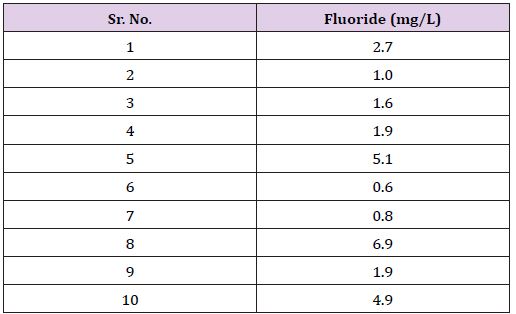
Table 1:Fluoride Content in Ground water of Mahendergarh District.

Journal of Veterinary Medicine

A Research Note on the Treatment of Naturally Induced Gangrenous Dermatitis in Chickens by Copper Sulfate |

Opinion

The disease condition known as gangrenous dermatitis, avian malignant edema, necrotic dermatitis, gangrenous cellulites or gangrenous dermatomyositis has been described by many investigators [1,2]. Gangrenous dermatitis is a disease of young growing chickens characterized by gangrenous areas of the skin and by severe underlying infectious cellulites. Outbreaks often occur in excessively warm, humid houses [3]. Losses in affected flocks are ranging between1 and 60% [4]. Clostridium perfringens type A and Clostridium septicum were blamed as the main etiological agents for this infection [4]. Staphylococci spp and E. coli are also incriminated in this infection [1-3].

Beemer [5] reported on an epizootic of dermatitis in chickens caused by the yeast Rhodotula mucilaginosa. Bal and Dabiya [6] reported on Aspergillus fumigates as the etiological agent of avian dermatitis. The condition occurs in broiler chickens and is frequently associated with high encounter outbreaks in replacement laying stock from 4-16 weeks of age [7] who also concluded that drinking water medication with antibiotics in view of complicated etiology is disappointing. The present note dealt with the use of copper sulfate in treating gangrenous dermatitis in chickens. In the present investigation 3 separate replacement laying chicken flocks suffered from total losses of 2.6. 19.2 and 4.5% in the 3 flocks within a period of 6, 10 and 12 weeks respectively due to gangrenous dermatitis did not respond to treatment with zinc bcitracin, ampicillin, oxytetraccline or streptomycin.

For More Articles: Biomedical Journal Impact Factor : httsp://biomedres.us

Journal on Biology

A Case Study: Polychlorinated Dibenzo-p-dioxins, Polyclorinated Dibenzofurans, Polychlorinated biphenyls, and Polybrominated diphenyl ethers in the bone marrow and lymph nodes of adult reindeer (Rangifer tarandustarandus L.) hind in Finland |

Introduction

It is typical for POPs that they are transported long distances from source to sink areas. Reindeer (Rangifer tarandustarandus L.) is considered to be one of the most important indicator species for environmental toxic contaminants because it uses natural pastures and is exposing continuously to environmental contaminant deposition [1]. The immune system is one of the most sensitive targets for the toxic effects of TCDD and structurally similar POPs [2]. The Aryl Hydrocarbon Receptor (AhR) is important factor in immunotoxic mechanism of POPs. Many pathways of cellular activation, proliferation, and survival have the potential to be influenced by AhR activation, leading to alterations in the function of the immune system [3,4]. We report PCDD/Fs, PCBs, and PBDEs content of tissues relating to immune system and hematopoiesis, lymph nodes and bone marrow, of adult reindeer hind. The congener specific profiles are explored and compared between these two tissue types.

Material and Methods

An adult reindeer hind (age > 10 years) from Finnish reindeer management area (southern site) was slaughtered and lymph nodes and bone marrow samples were immediately extracted for analysis. High resolution gas chromatography – high resolution mass spectrometry (HRGC/HRMS) was used to analyses of POPs. Analyzes were performed at the National Institute for Health and Welfare (THL), in the Unit of Chemical Exposure, in Finland. The Unit is a FINAS accredited testing laboratory (No T077) according to EN ISO/IEC 17025 requirements.

For More Articles: Biomedical Journal Articles : https://biomedres.us

Journal on Surgery

Powered Stapling Platforms in Laparoscopic Liver Resection |

Abstract

Introduction: The most recent innovation in laparoscopic surgery has been the introduction of powered stapler platforms. These systems were designed to standardize staple formation, by minimizing tissue dissection and controlling tissue compression and staple formation.

Methods: Retrospective cohort analysis compared laparoscopic powered E-beam stapler platform to a laparoscopic non-powered I-beam stapler. The analysis was performed using a robust 2:1 control group study. Statistical analysis was performed using STATA.

Results: Forty-three powered cantilever E-beam stapler resection cases were compared to 86 cases of non-powered I-beam stapler resections. Both cohorts were equally matched for demographics, extent of liver disease, tumor size and type of resection. The non-powered I-beam group did have a higher ASA score (2.8 vs. 2.6; p<0.037). Staple usage, blood loss, and complication rates were equivalent. Operative time was significantly shorter in the powered stapler group (136 vs. 157 hrs; p=0.026) realizing accumulative 90-day global cost savings of $8,248.89 per case (p=0.012).

Conclusion: Laparoscopic powered E-beam stapler platforms appear to be safe and efficacious with equivalent performance and complication profiles compared to non-powered I-beam platforms. Powered stapling platforms also appear to minimize parenchymal injury reducing operative time further decreasing disposable and global costs.

For More Articles: Biomedical Open Access Journals : https://biomedres.us

Multi variate analysis for complication.

Journal on Gynecology

Breeding Soundness Evaluation in Bulls: A Review |

Abstract

Breeding soundness evaluation (BSE) of bull is an easy, cheap, and an essential tool for the cow-calf operation. BSE reduces risk, improves, strategic bull usage, fertility of herd and economics. A field practitioner can play an important role in achievement of whole potential of BSE by performing it properly. A properly performed BSE should include the use of Society for Theriogenology based standards and a systematic protocol by the practitioner. Proper Semen evaluation is an important component of the BSE. Competent physical/reproductive exams and appropriate semen evaluations can contribute greatly to the fertility and economics of individual herds as well as understanding of factors which affect fertility.

Introduction

Bull breeding soundness evaluation (BSE) in is a procedure which reduces risk and improves strategic bull usage and herd fertility. The breeding soundness evaluation (BSE) is a method to evaluate the potential of a bull to be used as herds sire [1]. One of the essential components of the BSE is accurate semen evaluation. Standardized procedures and assessments for bull breeding soundness evaluation (BBSE) were first brought by the precursor of the American Society for Theriogenology (SFT) [2]. Today, various bull evaluation systems include a systematic physical examination which focuses upon the assessment of sperm motility, morphology and other reproductive functions [3]. Different surveys in a variety of locations and environments revealed that subjecting bulls to a BSE may help in classification of around 65–85% of bulls as “satisfactory potential breeders” [3,4]. However, this figure can vary with bull ages, genotypes, genetics, environment, management, prior selection and the particular BBSE criteria employed [5].

Study revealed that bulls which pass a BBSE and/or related semen quality tests, have a 6% or higher fertility as compared to unevaluated bulls [6]. Calf crops were higher when using bulls which had >70% normal spermatozoa and lowest from bulls with < 50% normal spermatozoa [7] concluding that semen quality, particularly normal spermatozoa percentage was consistently related to calf output. BSEs provided a benefit/cost ratio of approximately 36:1 in Brazil [8] and 17:1 in USA [9]. Using natural breeding bulls in dairy operations, the benefit/cost ratio of eliminating infertile dairy bulls was estimated at approximately 14:1 [10].

For More Articles: Biomedical Journal Impact Factor : https://biomedres.us

Minimal thresholds of scrotal circumference, sperm motility and normal sperm.

Journal on Pediatric Dentistry

In Vitro Evaluation of the Impact of Erosive/Abrasive Challenge in Glass Ionomer Cements |

Abstract

To evaluate the loss of mass and the surface roughness of glass ionomer cements (GIC) after acid challenge (erosion) and simulated tooth brushing (abrasion). Methods: Ten specimens of each GIC were made: Vidrion R® (VR) (SS White), Maxxion R® (MX) (FGM) Riva Self Cure® (RV) (SDI) and Gold Label Light Cured® (GL) (GC). The mass of the materials was verified before and after the erosion/abrasion challenge. At the same moments, the mean surface roughness was measured in each specimen using a surface profile meter. The erosion was produced immersing the specimens in an acid soft drink and in artificial saliva in 5s cycles alternately for 10 times. After that, they were submitted to simulated tooth brushing (20.000 cycles of brushing). Data were evaluated using ANOVA and Tukey post test. Results: The erosive/abrasive challenge didn’t result in significant loss of mass (p=0.009), but increased the final surface roughness in all GICs (p<0.001). The higher surface roughness was observed for conventional GICs (MX and VR), followed by RMGIC (VR) and the encapsulated GIC (RV). Conclusion: It is concluded that the erosive and abrasive processes increased the surface roughness in GICs and the encapsulated GIC was the less affected by the surface wear factors studied.

For More Articles: Biomedical Journal Articles : https://biomedres.us

Means and standard deviations of superficial roughness measurement (μm) and loss of mass (g) of the glass ionomer cements tested after pH-cycling regime and toothbrush abrasion.

Journal on Public Health

Friday Cleaning Campaign FCC as Community Based initiative of Community Engagement in Health Promotion |

Opinion

MoPH Afghanistan with my leadership piloted two “best practices” (Integrated Health Post and Friday Cleaning Campaign) in 4 provinces (Kabul, Herat, Jawzjan and Nangarhar) for one year (2011-2012). These two best practices were observed during a study tour of Indonesia and Bangladesh and were determined to be feasible in the context of Afghanistan as well as having the potential for a significant impact. Both Indonesia and Bangladesh have wellestablished community-based health care a program from which there is much to learn.

The main purpose of this project was to promote healthy lifestyles through community involvement and empowerment. The project goal is to contribute to the reduction of maternal and child mortality and morbidity through families adopting best practices that promote healthy behaviors in the community. The objectives of project were to increase access to basic health services(ANC ,delivery plan, PNC, F.P, GMP, ,ORT corner , and effective referral system) at the door site and other to improve health and nutrition status of U5Y children through promoting knowledge of the community in use of essential nutrients and healthy cooking practices in their houses. Other objectives were to document evidence of feasibility of inclusion of such interventions in the national CBHC package, and to promote hygiene and environmental sanitation practices in villages of the related Integrated Health Post IHP by cleaning up the surroundings area twice a month and to decreases risk factors of communicable diseases (diarrhea diseases, intestinal worms, typhoid, malaria, Leishmaniasis, and TB) in intervention sites.

Four teams conducted the assessment and interviewed PPHOs, NGOs, CBHC officers, health facility staff, CHWs, and community members. After completing the data collection component of the EOP assessment in 4 provinces, the CBHC team then analyzed the data and compiled the report, presented to the MoPH authorities and integrated the Friday cleaning campaigns in to the revised CBHC strategy.

For More Articles: Biomedical Open Access Journals : https://biomedres.us